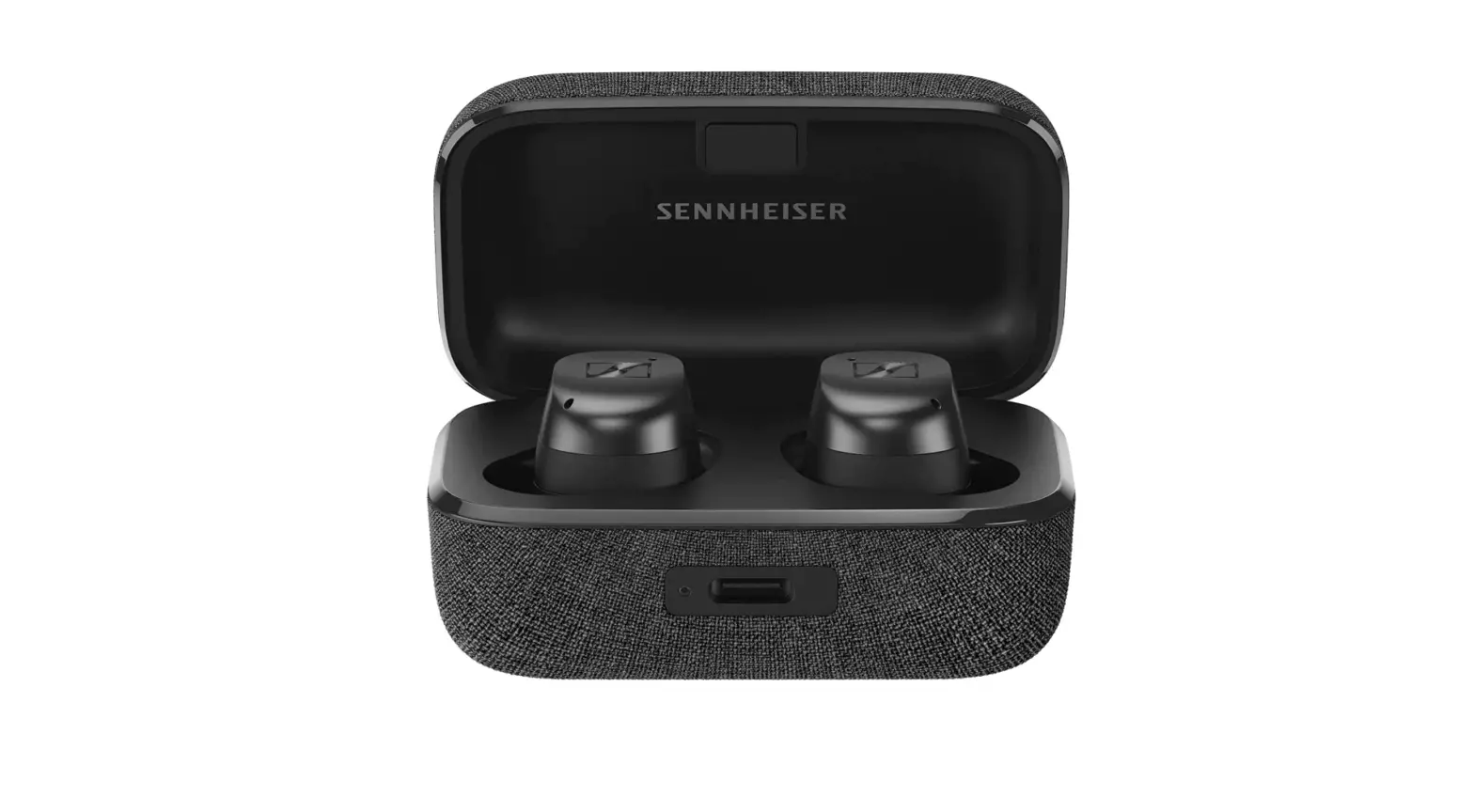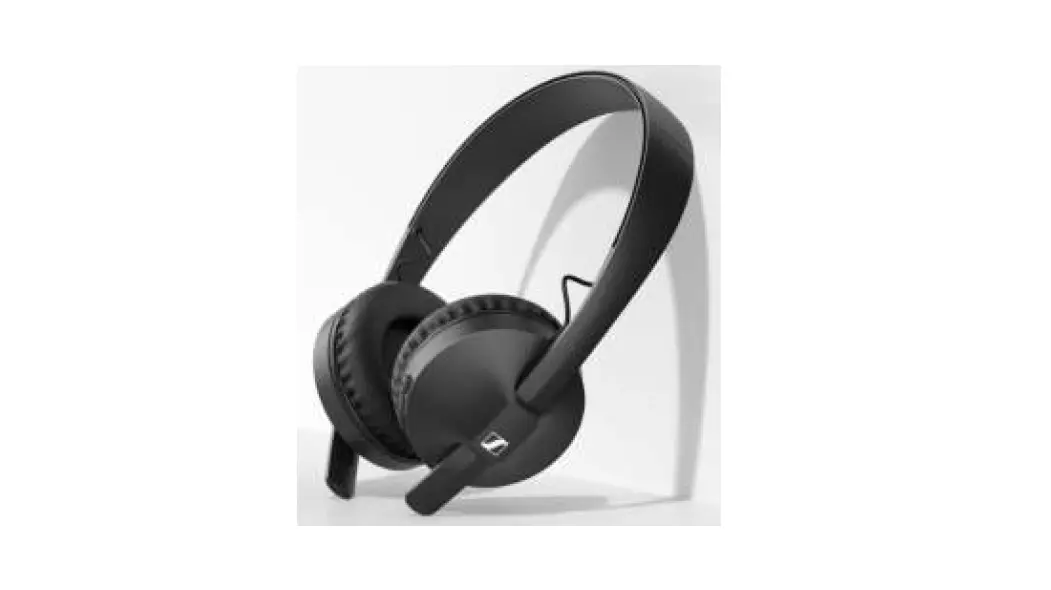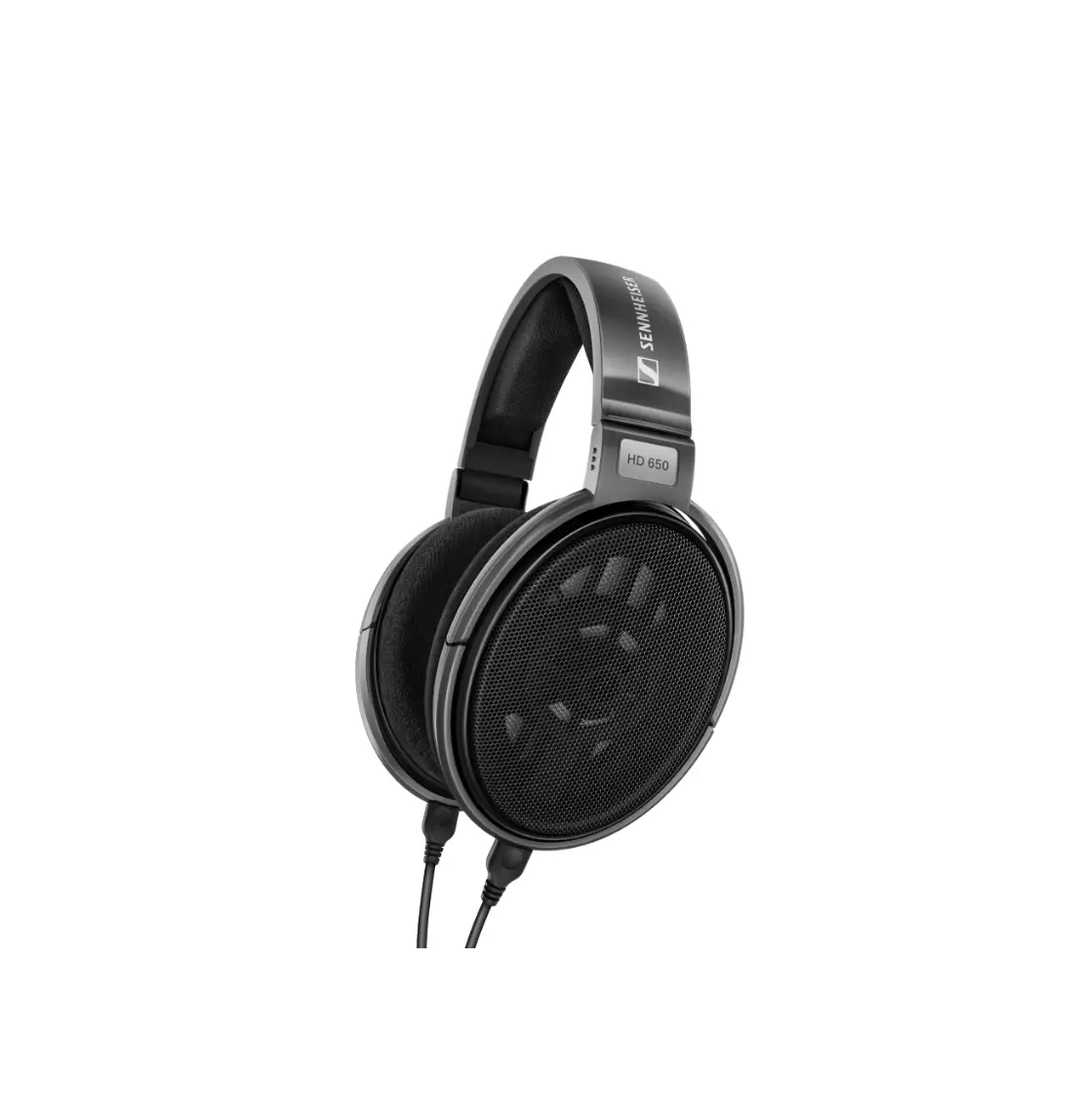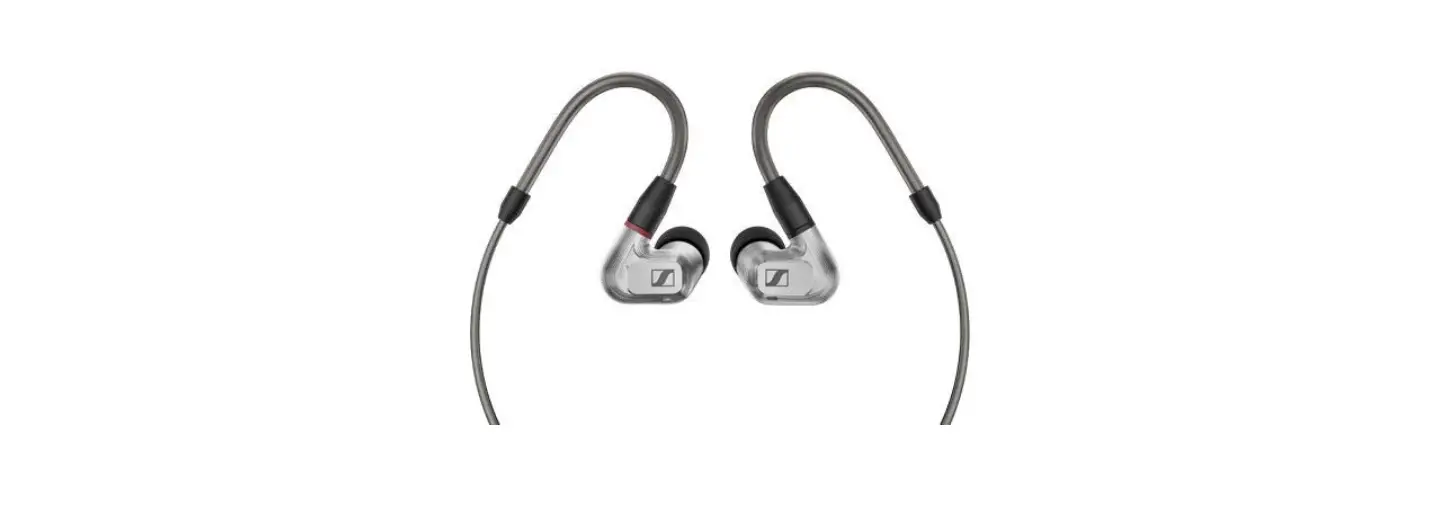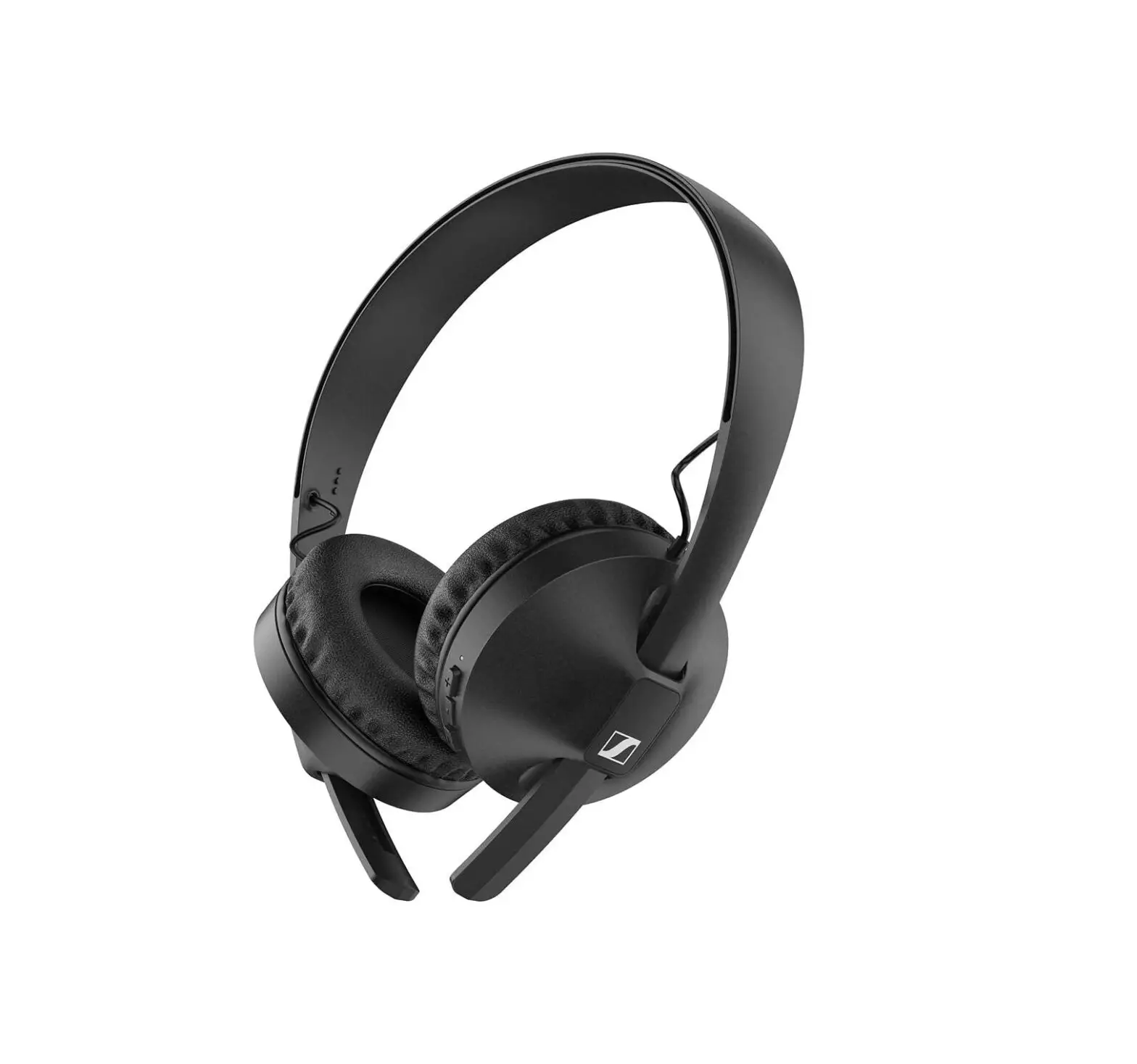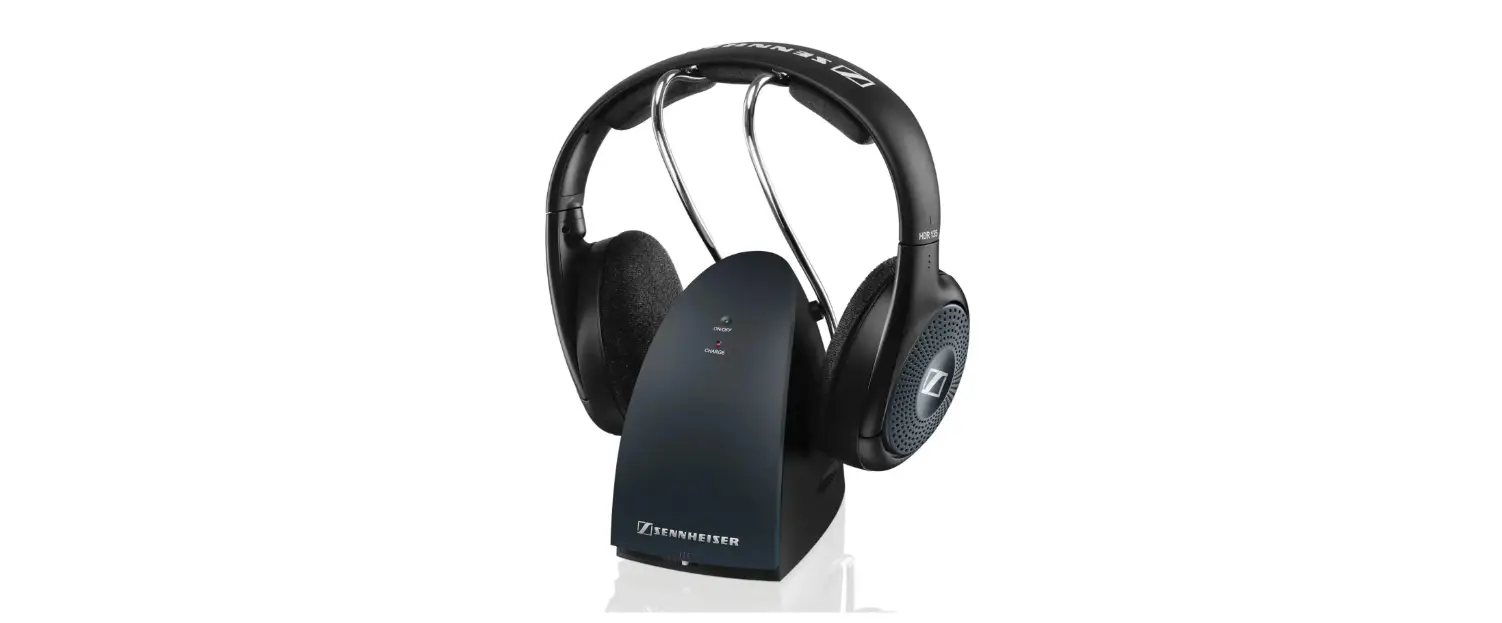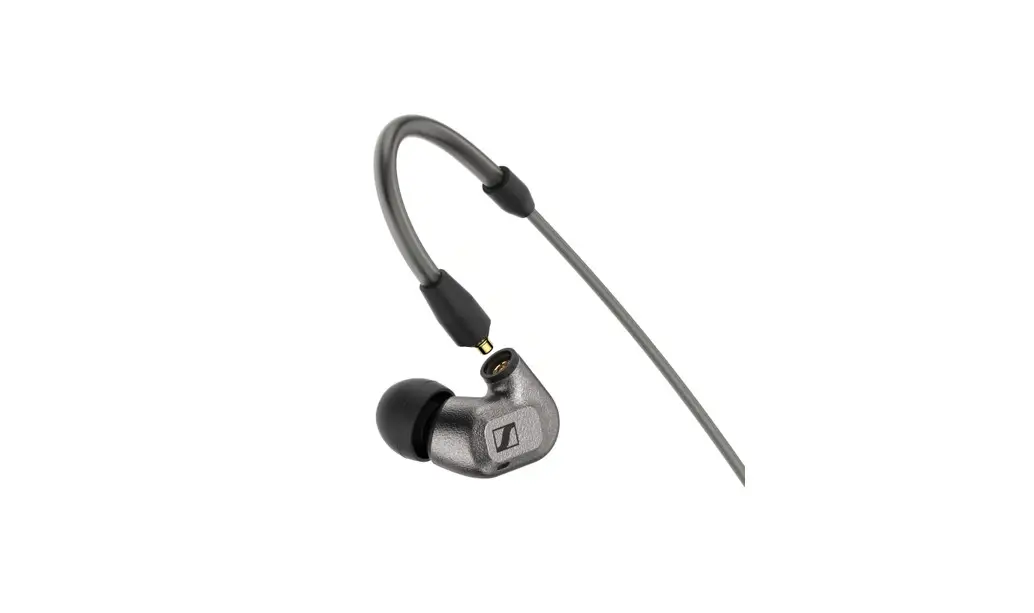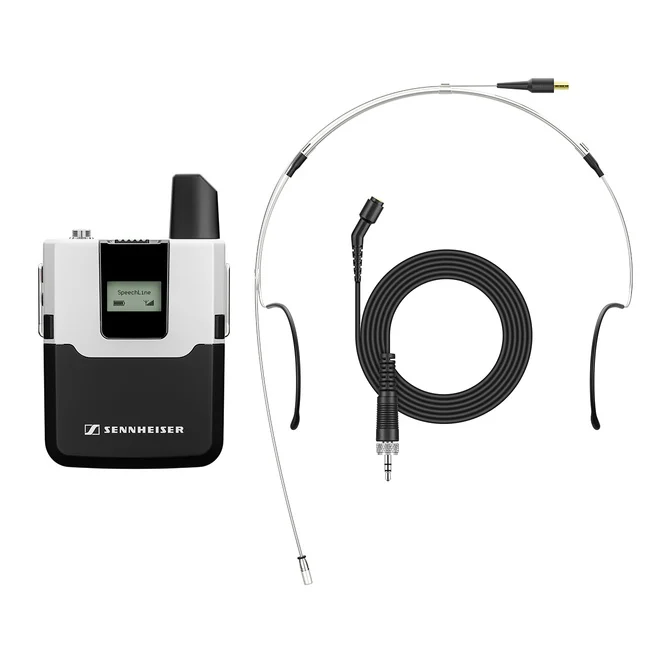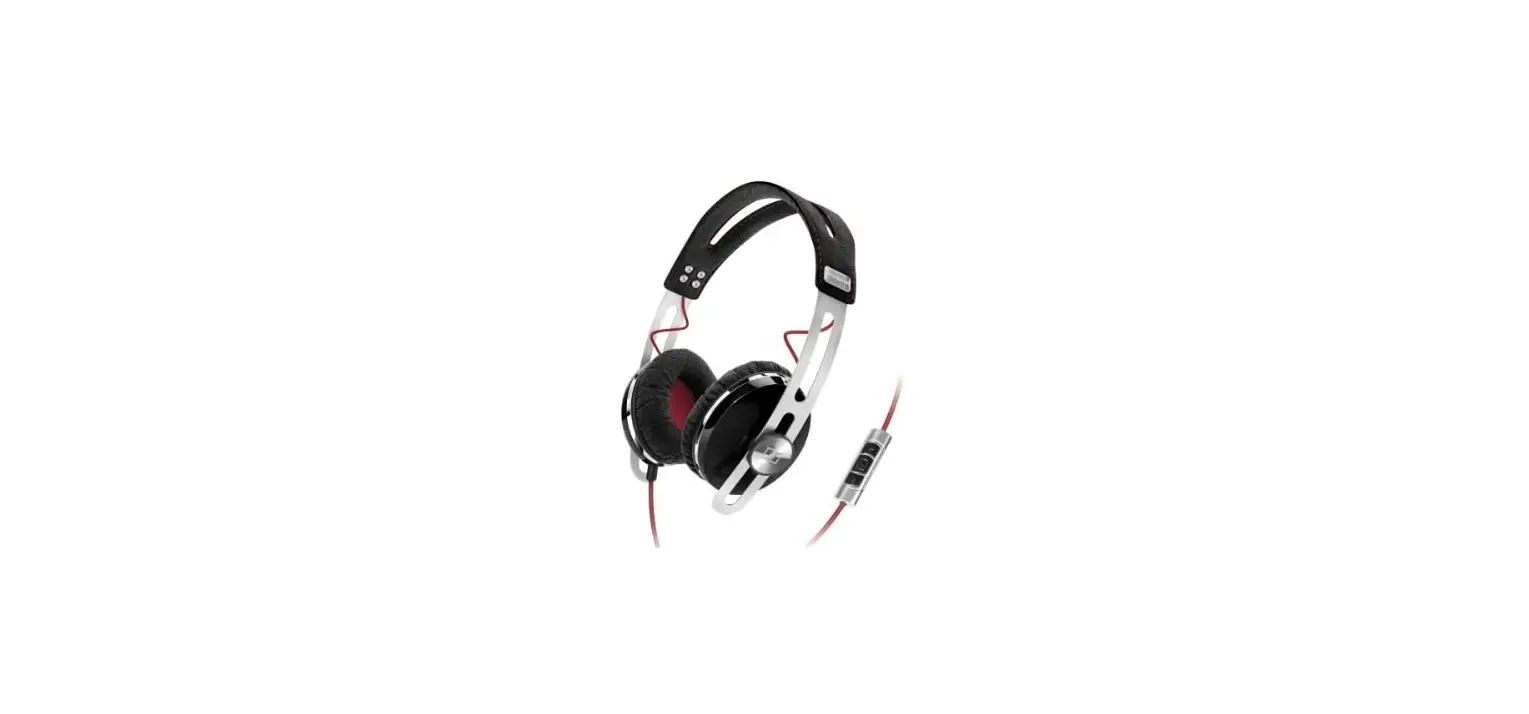

Sennheiser 505795 On-Ear Headphone – Black
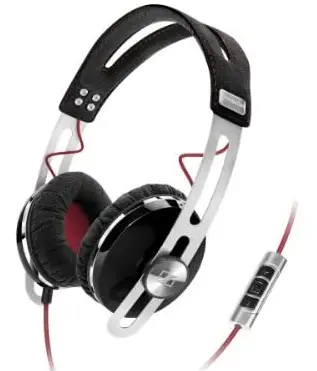
SPECIFICATION
- Brand Sennheiser
- Model Name 505795
- Color Black
- Form Factor Over Ear
- Connectivity Technology Wired
- Product Dimensions 8 x 3.25 x 9 inches
- Item Weight 5 ounces
WHAT’S IN THE BOX
- Sennheiser Momentum On-Ear Headphone – Black
- Momentum On-Ear Headphone
- Rca M2 Cable
- Manuals
- Carrying Case
PRODUCT DESCRIPTION
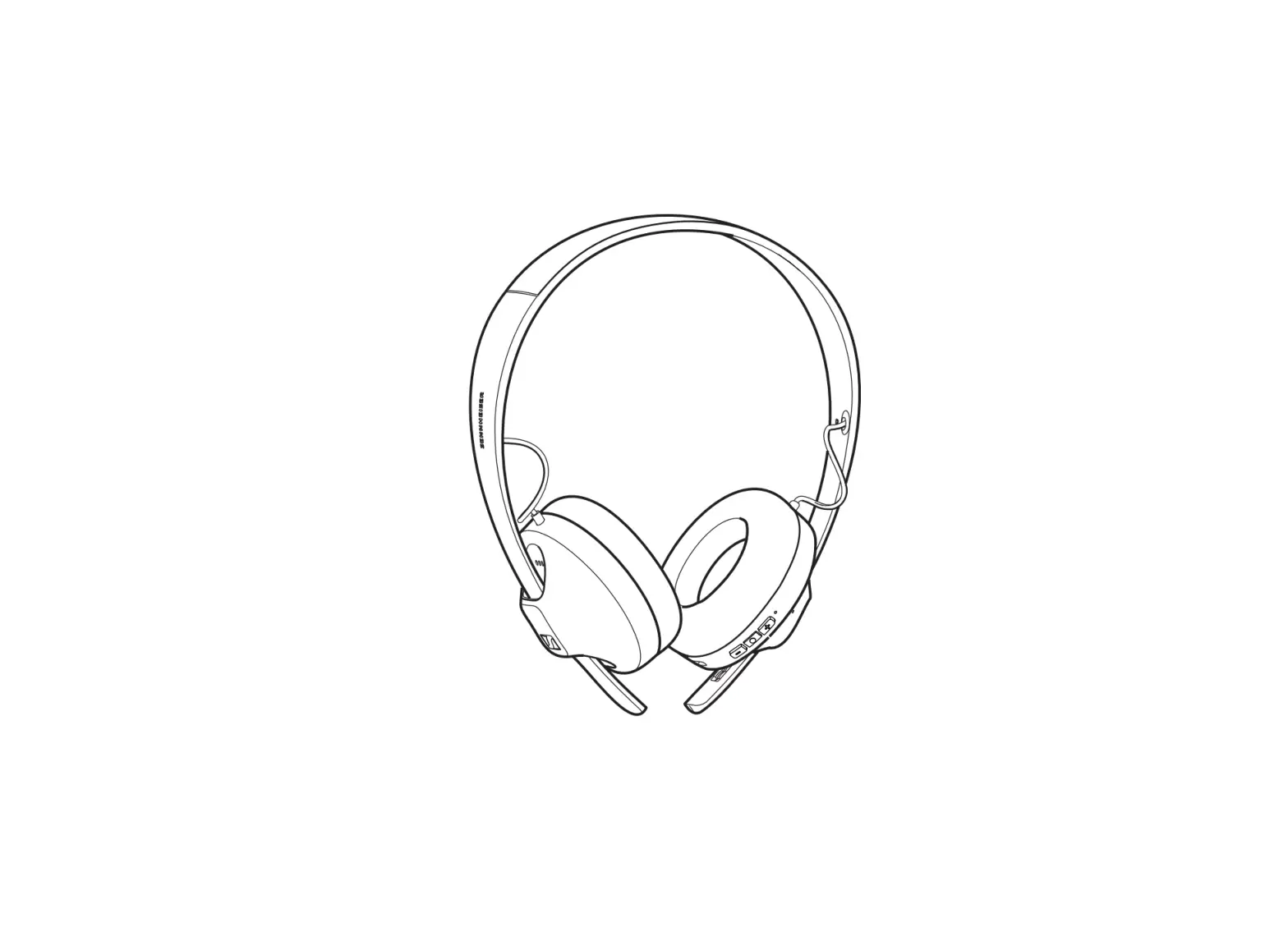
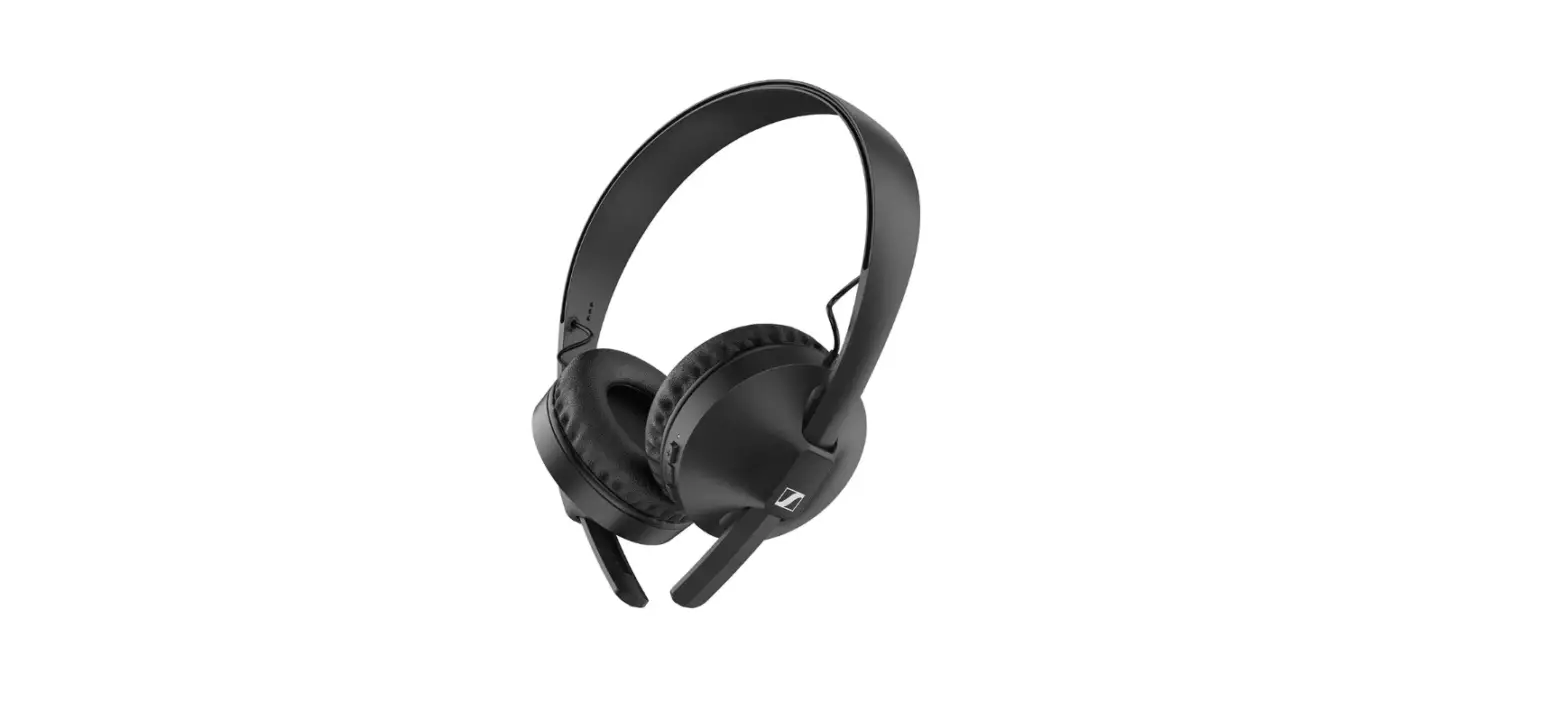
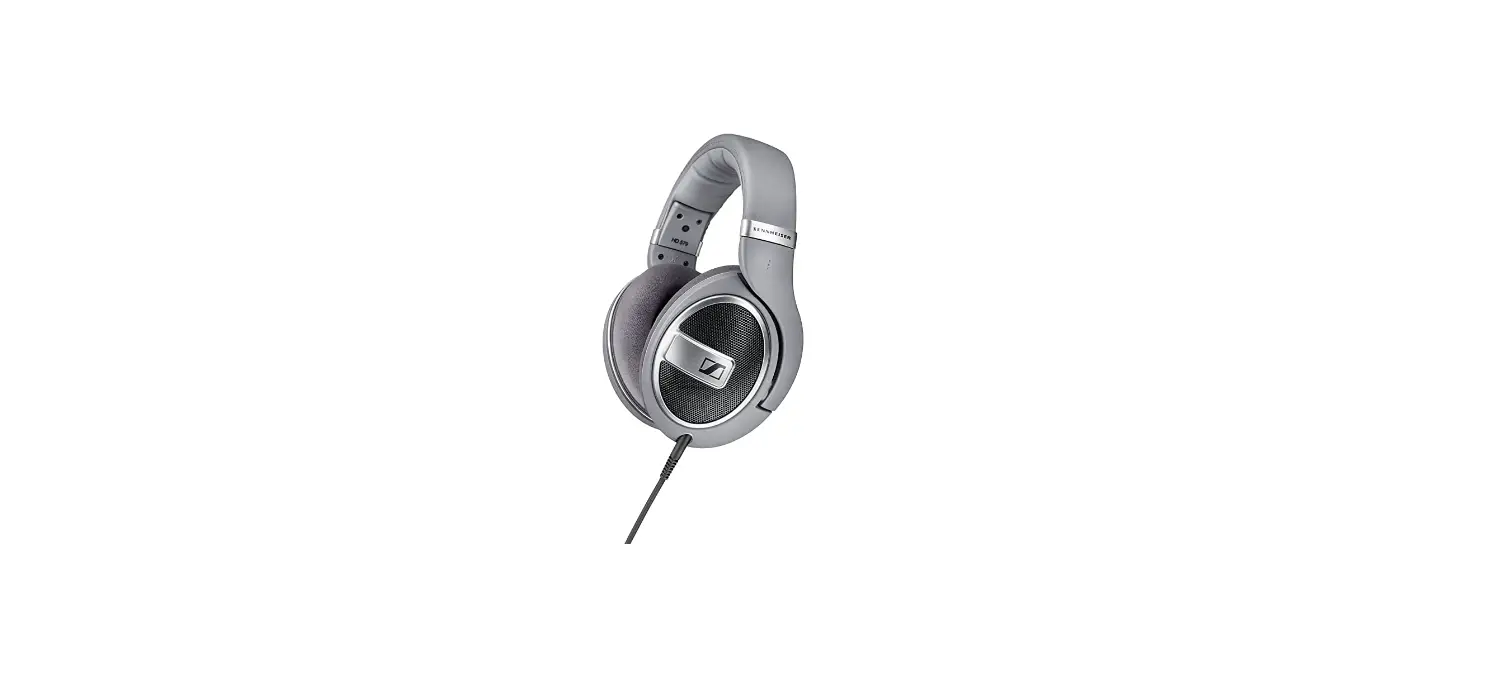
MOMENTUM On-Ear. Stunning sound and sensational style. Beautiful and compact, the MOMENTUM On-Ear embodies the style and substance of Sennheiser’s critically acclaimed MOMENTUM headphones in a smaller, lighter, refreshingly fashionable approach. Designed specifically for use with phones, tablets and laptops, MOMENTUM On-Ear is the perfect choice for “on the go” music enthusiasts seeking superb sound quality. MOMENTUM On-Ear employs precision 18-ohm transducers using powerful neodymium magnets. They deliver exceptional detail, superb dynamics and solid bass response. The smooth frequency response has a slightly elevated emphasis in the bass, delivering a full bodied, warm sound. The ear cushions and stainless steel headband are covered in luxurious Alcantara, for exceptional wearing comfort for long listening sessions. MOMENTUM On-Ear is available in a range of fresh pastel and traditional colors carefully selected by an international team of fashion designers. MOMENTUM On-Ear will complement your sense of style while making a statement about your passion for sound quality.
SAFETY INSTRUCTION
- Turn down the volume. Turning down the level is the best approach to preserve your hearing while listening to music.
- Take advantage of noise-canceling headphones.
- Opt for headphones rather than earbuds.
- abide by the 60/60 rule.
- Decide on a volume cap.
HOW TO CONNECT
- Verify the physical audio output of the computer. Finding your computer’s audio ports and making sure they are not physically damaged is the first step.
- Connect the Connector to the Port.
- Set the PC’s Sound Output preferences.
- Make a mic check
FEATURES
- Compact closed back, over-ear design isolates ambient noise to maximize musical enjoyment.
- Connectivity Technology: Wired
- Headband and layered foam ear pads are covered with supersoft, breathable and durable providing comfort and a perfect fit.
- 18-ohm operating impedance produces outstanding bass response, dynamics and overall output level with portable audio devices
- One of the two included connection cables features a metal in-line three button control and microphone supporting Apple devices like iPod, iPad and iPhone.
- 2 year global warranty
Note: Products with electrical plugs are designed for use in the US. Outlets and voltage differ internationally and this product may require an adapter or converter for use in your destination. Please check compatibility before purchasing.
Frequently Asked Questions
Noise-induced hearing loss brought on by earbuds is entirely avoidable if you don’t use them for too long or loudly. The 60%/60-minute rule, which specifies that no music, video game, or movie should be played at more than 60% of its maximum loudness, is one that doctors advise following. No more than 60 minutes should be spent using earbuds at once.
Noise-induced hearing loss brought on by earbuds is entirely avoidable if you don’t use them for too long or loudly. The 60%/60-minute rule, which specifies that no music, video game, or movie should be played at more than 60% of its maximum loudness, is one that doctors advise following. No more than 60 minutes should be spent using earbuds at once.
Over-ear headphones have larger earpads that wrap around your entire ear; on-ear headphones have smaller earpads that lie on top of your ears. This is the precise justification.
As was previously said, exposure to loud music or extended exposure causes the hair cells to bend down excessively and severely, which may result in either acute hearing loss or permanent hearing loss. Dizziness: Frequent loud noise raises the pressure in the ear canal, which might cause this problem.
Under normal circumstances, problems with in-ear devices are rare. However, wearing earbuds for a long time—say, all day—can compress earwax, making it less fluid and more challenging for the body to properly expel. Compress the earwax so tightly that the body becomes irritated.
Headphones break quite readily because we mistreat them and use them so regularly. They are exposed to the backs of aeroplane seats, the bottom of your rucksack, the sun, and the rain.
The argument states that since linked headphones are not transmitting a signal, they are not emitting radiation. This is false, however, as wired headphones only transmit extremely low frequency (ELF), a type of weak radiation that is even safer than standard non-ionizing EMR.
Simply put, the amount of electricity you receive across the cable is insufficient for operation. Another factor separating noise-canceling headphones from headphones with cables is the need for charging.
If you can only hear audio coming from the left side of your headphones, check to see if the audio source has stereo output capability. A mono device only emits sound to the left. If a gadget has an output jack labelled “HEADPHONE,” it will normally be stereo; if it has an output jack labelled “EARPHONE,” it will typically be mono.
They do deplete your phone’s battery because they convert electrical energy into sound, but the damage is not too severe. Why do wired headphones work without a battery or some external source of power? Wired headphones are only powered by the audio signal.
Because they don’t emit any RF waves, wired headphones are the safer option if you need a pair of headphones for extended use. Even yet, they barely produce any EMF radiation. Do not forget that other signals, like as WiFi, are already widely used, and that EMFs, tragically, are a natural part of our environment.
Wired noise-canceling headphones typically have a battery life of 20 to 30 hours. While some high-end Bluetooth headphones offer battery life of up to 40 hours, the normal battery life of Bluetooth headphones is 8 to 12 hours.
Audiophiles prefer wired headphones because of this. Wired headphones receive analogue impulses, which have a higher data capacity than Bluetooth® transmissions. As a result, it offers better sound quality.
Compared to wireless headphones, wired headphones frequently have a louder loudness. Since there is no battery restriction while using wired headphones, turning off the volume cap is easier. The maximum loudness of wireless headphones is often capped by manufacturers to preserve battery life.