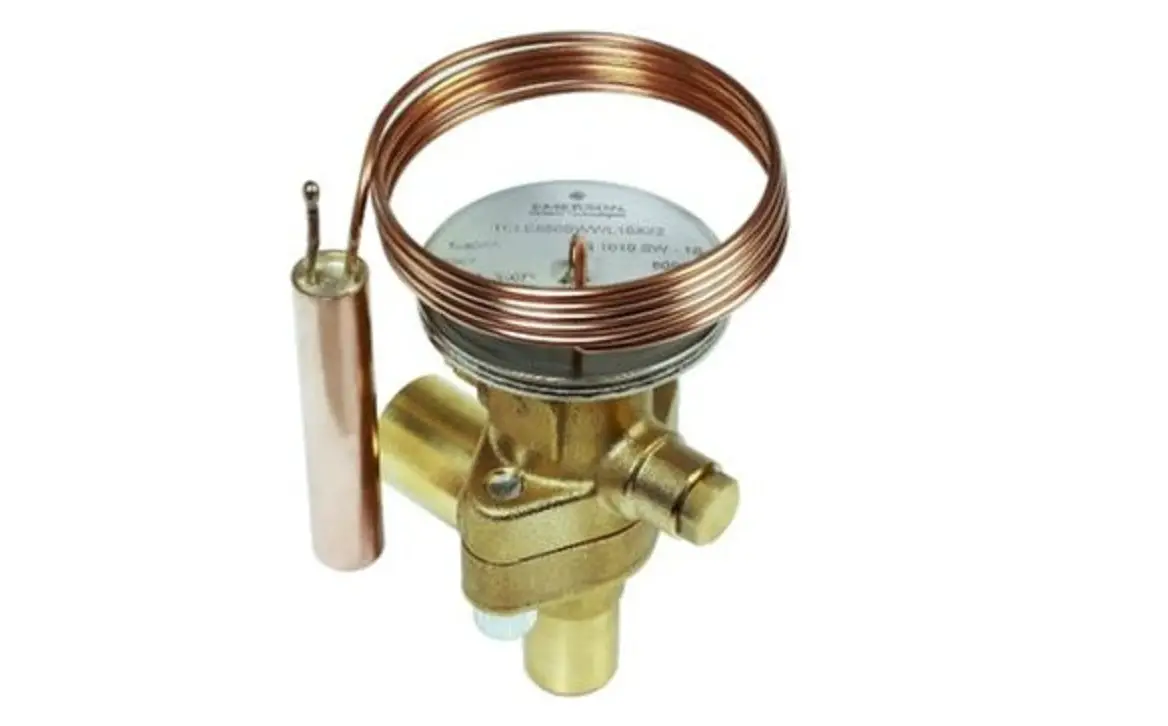
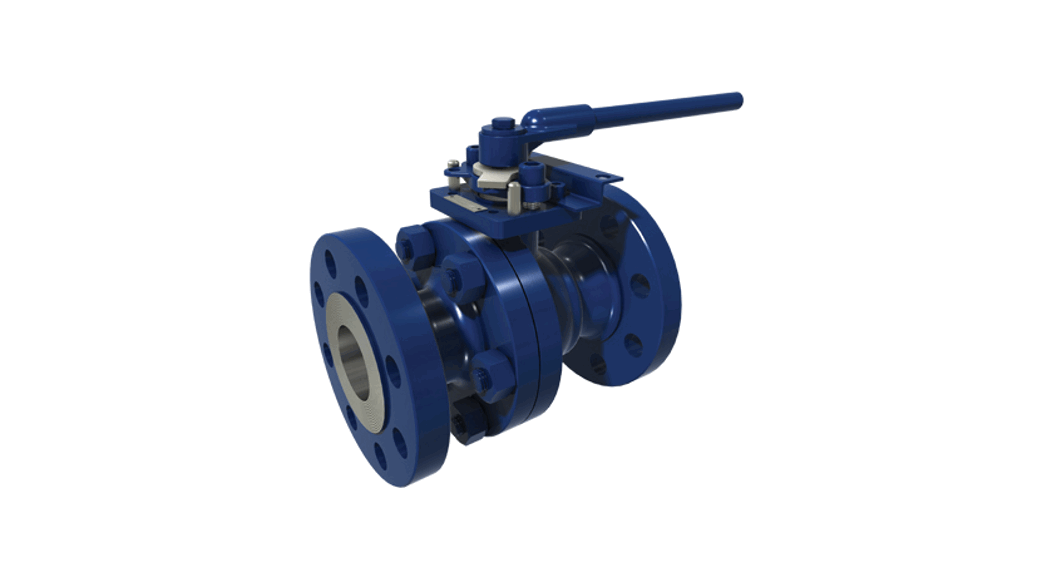
D103042X012 D4 Control Valve Assembly
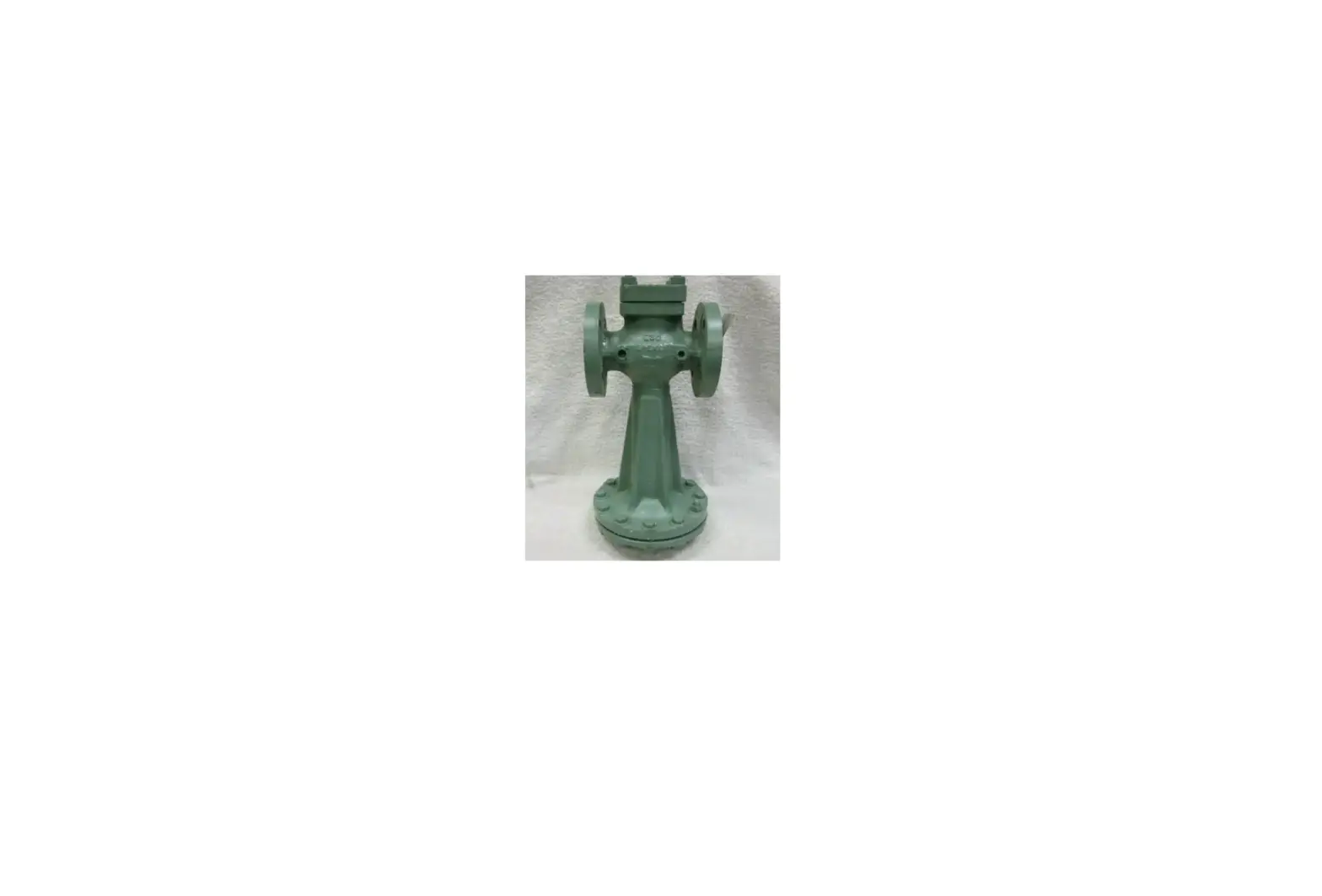
FisherTM D4 Control Valve Assembly
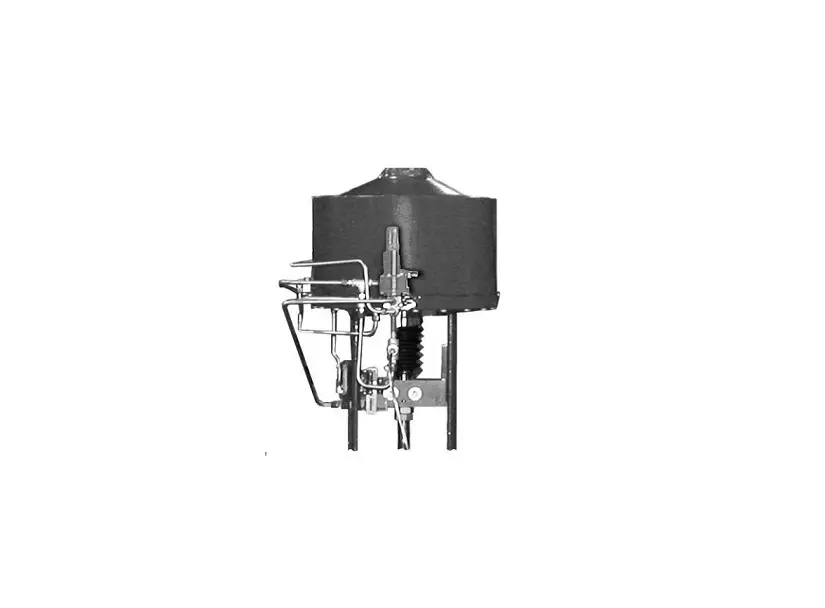
The FisherTM D4 Control Valve Assembly is a valve that is used
to control the flow of a fluid in a pipeline. It can be configured
as either spring-to-close or spring-to-open.
Specifications
| Available Configurations | Spring-to-Close, Spring-to-Open |
|---|---|
| Valve Body Sizes and End Connection Styles | See Table 2 |
| Material Temperature Capabilities | – |
| Maximum Inlet Pressures and Temperatures | If the valve nameplate shows an ASME pressure-temperature class, maximum inlet pressure and temperature is consistent with the applicable class per ASME B16.34. If the nameplate does not show an ASME class, it will show a maximum cold working pressure at 38_C (100_F) (for example, 293 bar [4250 psi]) |
| Maximum Pressure Drops | See tables 4, 5, 6, and 7 |
| Input Signal to Actuator | See tables 4, 5, 6, and 7 |
| Actuator Maximum Casing Pressure | 3.4 bar (50 psig) |
| Shutoff Classification per ANSI/FCI 70-2 and IEC 60534-4 | Class IV |
| Flow Characteristic | Equal percentage |
| Flow Direction | Flow up only |
| Port Diameters | See Table 2 |
| Valve Plug Travel | 19 mm (0.75 inch) |
| Valve Plug Style | Micro-Form valve plug |
| Actuator Diaphragm Effective Area | 452 cm2 (69 inches2) |
| Actuator Pressure Connection Size | 1/4 NPT internal |
Installation
To install the FisherTM D4 Control Valve Assembly, follow these
steps:
- Determine the appropriate valve body size and end connection
style for your application by referring to Table 2. - Install the valve body in your pipeline using the appropriate
end connections. - Adjust the spring tension on the actuator to achieve the
desired valve opening/closing pressure. Refer to the Spring
Adjustment section in the user manual for detailed
instructions.
Maintenance
Regular maintenance is necessary to ensure the proper
functioning of the FisherTM D4 Control Valve Assembly. The
following components require periodic maintenance:
- Valve Plug and Seat Ring
- Valve Packing
- Actuator
Refer to the Maintenance section in the user manual for detailed
instructions on how to maintain these components.
Instruction Manual
D103042X012
FisherTM D4 Control Valve Assembly
Contents
Introduction . . . . . . . . . . . . . . . . . . . . . . . . . . . . . . . . . 1 Scope of Manual . . . . . . . . . . . . . . . . . . . . . . . . . . . . . 1 Description . . . . . . . . . . . . . . . . . . . . . . . . . . . . . . . . . 1 Specifications . . . . . . . . . . . . . . . . . . . . . . . . . . . . . . . 2 Educational Services . . . . . . . . . . . . . . . . . . . . . . . . . 2
Installation . . . . . . . . . . . . . . . . . . . . . . . . . . . . . . . . . . 4 Spring Adjustment . . . . . . . . . . . . . . . . . . . . . . . . . . . . 5 Maintenance . . . . . . . . . . . . . . . . . . . . . . . . . . . . . . . . . 6
Valve Plug and Seat Ring . . . . . . . . . . . . . . . . . . . . . . 6 Valve Packing . . . . . . . . . . . . . . . . . . . . . . . . . . . . . . . 8 Actuator . . . . . . . . . . . . . . . . . . . . . . . . . . . . . . . . . . 12 Parts Ordering . . . . . . . . . . . . . . . . . . . . . . . . . . . . . . . 16 Repair Kits . . . . . . . . . . . . . . . . . . . . . . . . . . . . . . . . . . 16 Parts List . . . . . . . . . . . . . . . . . . . . . . . . . . . . . . . . . . . 16
Figure 1. Fisher D4 Control Valve
D4 Valve
April 2022
W8531
Introduction
Scope of Manual
This instruction manual provides installation, maintenance, and parts information for the Fisher D4 control valve. Do not install, operate, or maintain a D4 control valve without being fully trained and qualified in valve, actuator, and accessory installation, operation, and maintenance. To avoid personal injury or property damage, it is important to carefully read, understand, and follow all the contents of this manual, including all safety cautions and warnings. If you have any questions about these instructions, contact your Emerson sales office before proceeding.
Description
The D4 control valve is a compact, rugged valve designed primarily for high-pressure throttling applications. This valve is ideal for use on pressure and flow control applications within the oil and gas production industry. The D4 valve also makes an excellent dump valve for high-pressure separators and scrubbers. The D4 control valve meets the metallurgical requirements of NACE MR0175/ISO 15156 without environmental limits for temperatures below 135_C (275_F). If the temperature is above 135_C (275_F), the N07718 Belleville washers will impose some limits, as shown in table 3.
www.Fisher.com
D4 Valve
April 2022
Instruction Manual
D103042X012
Table 1. Specifications
Available Configurations Spring-to-Close Spring-to-Open
Valve Body Sizes and End Connection Styles(1) See table 2
Material Temperature Capabilities(1)
Actuator Assembly: -40 to 93°C (-40 to 200°F)
Valve Body Assembly: Standard Bonnet O-Ring: -40 to 135°C (-40 to 275°F) Optional Fluorocarbon Bonnet O-Ring: -23 to 204°C (-10 to 400°F)
Maximum Inlet Pressures and Temperatures(1) If the valve nameplate shows an ASME pressure-temperature class, maximum inlet pressure and temperature is consistent with the applicable class per ASME B16.34. If the nameplate does not show an ASME class, it will show a maximum cold working pressure at 38_C (100_F) (for example, 293 bar [4250 psi])
Maximum Pressure Drops(1) See tables 4, 5, 6, and 7
Input Signal to Actuator See tables 4, 5, 6, and 7
Actuator Maximum Casing Pressure(1) 3.4 bar (50 psig)
Shutoff Classification per ANSI/FCI 70-2 and IEC 60534-4 Class IV
Flow Characteristic Equal percentage
Flow Direction Flow up only
Port Diameters See table 2
Valve Plug Travel 19 mm (0.75 inch)
Valve Plug Style Micro-Form valve plug
Actuator Diaphragm Effective Area 452 cm2 (69 inches2)
Actuator Pressure Connection Size 1/4 NPT internal
1.The pressure or temperature limits in the referenced tables and any applicable ASME code limitations should not be exceeded.
Specifications
Table 1 lists specifications for the D4 control valve. Some of the specifications for a given control valve as it originally comes from the factory are stamped on a nameplate located on the actuator spring barrel.
Educational Services
For information on available courses for Fisher D4 valves, as well as a variety of other products, contact:
Emerson Automation Solutions Educational Services – Registration Phone: 1-641-754-3771 or 1-800-338-8158 E-mail: [email protected] emerson.com/fishervalvetraining
2
Instruction Manual
D103042X012
D4 Valve
April 2022
Table 2. Valve Sizes and Connection Styles
VALVE SIZE, NPS
PORT DIAMETER, (INCHES)
SCREWED 4250 psi
CL150
1
0.25, 0.375, 0.5, 0.75
X
X
2
0.25, 0.375, 0.5 0.75, 1, 1.25
X
X
X = Available construction.
RAISED FACE (RF) FLANGED
CL300
CL600
X
X
X
X
CL900 and CL1500 X
X
RING TYPE JOINT (RTJ) FLANGED
CL600
CL900 and CL1500
X
X
X
X
Table 3. D4 Environmental Limits for NACE MR0175/ISO 15156 with Sour Trim
MAXIMUM TEMPERATURE
_C
_F
MAXIMUM H2S PARTIAL PRESSURE
MPa
psia
232
450
0.2
30
204
400
1.4
200
199
390
2.3
330
191
375
2.5
360
149
300
2.8
400
135
275
No Limit
COMPATIBLE WITH ELEMENTAL SULFUR?
No No No No No Yes
Table 4. Maximum Shutoff Pressure Drops(1) for Fisher D4 Control Valves (Spring-to-Close) When Used with Typical Control Instrumentation(2)
INPUT SIGNAL TO ACTUATOR
0 to 1.2 Bar (0 to 18 Psig)
0 to 1.4 Bar (0 to 20 Psig)
0 to 2.0 Bar (0 to 30 Psig)
0 to 2.3 Bar (0 to 33 Psig)
0 to 2.4 Bar (0 to 35 Psig)
SPRING
Light Rate
Heavy Rate
INITIAL SPRING SETTING
0.77 Bar (11.2 Psig)
0.77 Bar (11.2 Psig)
0.85 Bar (12.4 Psig)
1.05 Bar (15.3 Psig)
1.18 Bar (17.1 Psig)
PORT DIAMETER
Maximum Pressure Drop
mm
Inches
Bar
Psi
Bar
Psi
Bar
Psi
Bar
Psi
Bar
6.4
0.25
293(3) 4250(3) 293(3) 4250(3)
293
4250
293
4250
293
9.5
0.375
293(3) 4250(3) 293(3) 4250(3)
293
4250
293
4250
293
12.7
0.5
191
2765
191
2765
219
3180
288
4180
293
19.1
0.75
80
1160
80
1160
92
1340
123
1785
143
25.4
1
42
610
42
610
49
715
67
965
78
31.8
1.25
25
365
25
365
30
430
41
590
48
1. The pressure or temperature limits in the referenced tables and any applicable ASME code limitations should not be exceeded. 2. For example, use the column marked 0-1.4 bar (0-20 psig) for a 0.21-1.0 bar (3-15 psig) pneumatic controller with 1.4 bar (20 psig) supply pressure. 3. For applications with downstream pressure in excess of 196 bar (2845 psig), use 196 bar (2845 psig) for Maximum Shutoff Pressure.
Psi
4250 4250 4250 2080 1130 700
0 to 3.4 Bar (0 to 50 Psig)
1.18 Bar (17.1 Psig)
Bar
Psi
293
4250
293
4250
293
4250
143
2080
78
1130
48
700
Table 5. Maximum Shutoff Pressure Drops(1) for Fisher D4 Control Valves (Spring-to-Close) When Used with Instrumentation with Restricted Output Range(2)
INPUT SIGNAL TO ACTUATOR
0.4 to 2.0 Bar (6 to 30 Psig)
0.14 to 2.3 Bar (2 to 33 Psig)
SPRING
Heavy Rate
Heavy Rate
INITIAL SPRING SETTING
0.97 Bar (14.0 Psig)
1.17 Bar (17.0 Psig)
PORT DIAMETER
Maximum Pressure Drop
mm
Inches
Bar
Psi
Bar
6.4
0.25
293(3)
4250(3)
293
9.5
0.375
210(3)
3045(3)
293
12.7
0.5
113
1635
282
19.1
0.75
45
655
120
25.4
1
23
330
65
31.8
1.25
13
185
39
1. The pressure or temperature limits in the referenced tables and any applicable ASME code limitations should not be exceeded. 2. For example, an Electro-Pneumatic Transducer calibrated for 0.4-2.0 bar (6-30 psig) output pressure. 3. For applications with downstream pressure in excess of 118 bar (1715 psig), use 118 bar (1715 psig) for Maximum Shutoff Pressure.
Psi
4250 4250 4095 1750 945 580
3
D4 Valve
April 2022
Instruction Manual
D103042X012
Table 6. Maximum Shutoff Pressure Drops(1) for Fisher D4 Control Valves (Spring-to-Open) When Used with Typical Control Instrumentation(2)
INPUT SIGNAL TO ACTUATOR
0 to 1.2 Bar (0 to 18 Psig)
0 to 1.4 Bar (0 to 20 Psig)
0 to 2.0 Bar (0 to 30 Psig)
0 to 2.3 Bar (0 to 33 Psig)
0 to 2.4 Bar (0 to 35 Psig)
SPRING
Light Rate
Heavy Rate
INITIAL SPRING SETTING
0.23 Bar (3.4 Psig)
0.23 Bar (3.4 Psig)
0.28 Bar (4.0 Psig)
0.28 Bar (4.0 Psig)
0.28 Bar (4.0 Psig)
PORT DIAMETER
Maximum Pressure Drop
mm
Inches
Bar
Psi
Bar
Psi
Bar
Psi
Bar
Psi
Bar
6.4
0.25
293(3) 4250(3) 293(3) 4250(3)
293
4250
293
4250
293
9.5
0.375
293(3) 4250(3) 293(3) 4250(3)
293
4250
293
4250
293
12.7
0.5
187
2715
233
3380
293
4250
293
4250
293
19.1
0.75
78
1135
99
1430
147
2130
178
2575
198
25.4
1
41
600
53
765
80
1160
97
1410
109
31.8
1.25
24
355
32
465
49
715
60
875
68
1. The pressure or temperature limits in the referenced tables and any applicable ASME code limitations should not be exceeded. 2. For example, use the column marked 0-1.4 bar (0-20 psig) for a 0.21-1.0 bar (3-15 psig) pneumatic controller with 1.4 bar (20 psig) supply pressure. 3. For applications with downstream pressure in excess of 190 bar (2760 psig), use 190 bar (2760 psig) for Maximum Shutoff Pressure.
Psi
4250 4250 4250 2875 1575 985
Table 7. Maximum Shutoff Pressure Drops(1) for Fisher D4 Control Valves (Spring-to-Open) When Used with Instrumentation with Restricted Output Range(2)
INPUT SIGNAL TO ACTUATOR
0.4 to 2.0 Bar (6 to 30 Psig)
0.14 to 2.3 Bar (2 to 33 Psig)
SPRING
Heavy Rate
Heavy Rate
INITIAL SPRING SETTING
0.69 Bar (10.0 Psig)
0.42 Bar (6.1 Psig)
PORT DIAMETER
Maximum Pressure Drop
mm
Inches
Bar
Psi
Bar
6.4
0.25
293(3)
4250(3)
293
9.5
0.375
293(3)
4250(3)
293
12.7
0.5
196
2845
293
19.1
0.75
82
1195
156
25.4
1
43
630
85
31.8
1.25
26
380
52
1. The pressure or temperature limits in the referenced tables and any applicable ASME code limitations should not be exceeded. 2. For example, an Electro-Pneumatic Transducer calibrated for 0.4-2.0 bar (6-30 psig) output pressure. 3. For applications with downstream pressure in excess of 202 bar (2925 psig), use 202 bar (2925 psig) for Maximum Shutoff Pressure.
0 to 3.4 Bar (0 to 50 Psig)
0.28 Bar (4.0 Psig)
Bar
Psi
293
4250
293
4250
293
4250
293
4250
195
2830
123
1785
Psi
4250 4250 4250 2265 1235 765
Installation
WARNING
Always wear protective gloves, clothing, and eyewear when performing any installation operations to avoid personal injury. To avoid personal injury or property damage caused by bursting of pressure-retaining parts or by uncontrolled process fluid, be certain the service conditions do not exceed the limits shown on the valve nameplate and in tables 1, 4, 5, 6, and 7. Use pressure-relieving devices required by government or accepted industry codes and good engineering practices. Check with your process or safety engineer for any additional measures that must be taken to protect against process media. If installing into an existing application, also refer to the WARNING at the beginning of the Maintenance section in this instruction manual.
4
Instruction Manual
D103042X012
D4 Valve
April 2022
WARNING
When ordered, the valve configuration and construction materials were selected to meet particular pressure, temperature, pressure drop, and controlled fluid conditions. Responsibility for the safety of process media and compatibility of valve materials with process media rests solely with the purchaser and end-user. Since some body/trim material combinations are limited in their pressure drop and temperature ranges, do not apply any other conditions to the valve without first contacting your Emerson sales office.
WARNING
Avoid personal injury or property damage caused by possible actuator failure. The use of a rigidly-mounted support on the actuator casing may cause additional stress on the actuator leading to premature wear and/or failure of the actuator components.
CAUTION
To avoid product damage, inspect the valve before installation for any damage or any foreign material that may have collected in the valve body. Also remove any pipe scale, welding slag, or other foreign material from the pipeline.
1. Before installing the control valve assembly, inspect it for any damage and for any foreign material that may have collected in the valve body.
2. Remove any pipe scale, welding slag, and other foreign material from the pipeline. 3. The control valve can be installed in any position, but normally the actuator is vertical above the valve. Install the
valve so the flow direction arrow on the side of the valve indicates the direction of the process flow. 4. Install the valve following local and national piping codes when they apply to the application. For screwed
connections, treat the external pipe threads with a good grade pipe compound. For flanged valves, use suitable gaskets between valve and pipeline flanges. 5. If continuous operation is required during maintenance and inspection, install a conventional three-valve bypass around the valve. 6. Connect loading pressure for the Spring-to-Open configuration to the 1/4-18 NPT connection in the upper casing assembly (key 23) as shown in figure 5. The Spring-to-Close configuration loading pressure connection is in the lower casing assembly (key 39) as shown in figure 4.
Spring Adjustment
The spring has a fixed pressure span over which loading pressure will stroke the valve. Adjustment of the spring compression shifts the span so that more or less loading pressure is required to start travel. Since the span does not change, there will be a corresponding increase or decrease in the pressure requirements at the end of the valve stroke.
In order to maximize shutoff pressure drop values, the actuator spring must be accurately adjusted for each Input Signal Pressure Range. If the actuator has been disassembled or pressure conditions have changed, the spring may require adjustment. Refer to tables 2 and 4 to determine the Initial Spring Set values based on the Input Signal range that is available to the actuator. These values include packing friction.
5
D4 Valve
April 2022
Instruction Manual
D103042X012
Spring-to-Close
Refer to figure 4. 1. Loosen the adjusting screw nut (key 44). 2. Turn the adjusting screw (key 31) clockwise to compress the spring or counterclockwise to decrease spring
compression. 3. After adjustment, tighten the adjusting screw nut (key 44).
Spring-to-Open
Refer to figure 5. 1. Unscrew the spring case assembly (key 27). 2. Turn the adjusting stem nut (key 44) clockwise to compress the spring or counterclockwise to decrease spring
compression. 3. After adjustment, replace the spring case assembly (key 27).
Maintenance
Refer to figure 4.
Valve parts are subject to normal wear and must be inspected and replaced as necessary. The frequency of inspection and maintenance depends on the severity of the service conditions.
WARNING
Avoid personal injury from sudden release of process pressure or bursting of parts. Before performing any maintenance operations: DDo not remove the actuator from the valve while the valve is still pressurized. DAlways wear protective gloves, clothing, and eyewear when performing any maintenance operations to avoid personal
injury. DDisconnect any operating lines providing air pressure, electric power, or a control signal to the actuator. Be sure the
actuator cannot suddenly open or close the valve. DUse bypass valves or completely shut off the process to isolate the valve from process pressure. Relieve process pressure
on both sides of the valve. Drain the process media from both sides of the valve. DVent the power actuator loading pressure and relieve any actuator spring precompression. DUse lock-out procedures to be sure that the above measures stay in effect while you work on the equipment. DThe valve packing box may contain process fluids that are pressurized, even when the valve has been removed from the
pipeline. Process fluids may spray out under pressure when removing the packing hardware or packing rings. DCheck with your process or safety engineer for any additional measures that must be taken to protect against process
media.
Valve Plug and Seat Ring
The D4 control valve is designed to allow easy access to the valve plug and seat ring without disturbing the packing. Refer to other sections of this instruction manual if additional maintenance is required.
6
Instruction Manual
D103042X012
D4 Valve
April 2022
Disassembly
1. Remove the loading pressure tubing and any accessories that may hamper disassembly. 2. Break the hammer nut (key 6) loose with a hammer. Continue turning the hammer nut by using a hammer or a
large adjustable wrench, tightened around one ear of the hammer nut. If the bonnet is stuck on the valve, continue to unscrew the hammer nut. The hammer nut will contact the spring pins (key 7) and will force the bonnet out of the valve. Carefully lift the actuator, bonnet, and valve plug assembly from the valve body.
WARNING
The spring pins must always be in place during valve operation. They provide a safeguard against injury when the unit is being disassembled.
3. Use a socket wrench to loosen the seat ring (key 3). 4. Remove the seat ring (key 3) and seat ring gasket (key 9) from the valve body. 5. Inspect parts for wear or damage that would prevent proper operation of the valve body. Carefully clean the seat
ring gasket surfaces and seat ring threads.
WARNING
Be careful to avoid damaging the seating surface on the valve plug or seat ring as damage in these areas will allow excessive leakage at shutoff. Avoid damaging the highly polished valve stem surface. A damaged valve stem could cut the packing and allow process fluid to leak to the atmosphere.
Table 8. Torque for Seat Ring (Key 3)
VALVE SIZE NPS 1 2
NSm 407 698
RECOMMENDED TORQUE
LbfSft 300 515
6. For spring-to-close only: To remove the valve plug (key 2), drive out the groove pin (key 4) and unscrew the valve plug from the stem (key 47). If the groove pin (key 4) is not exposed, verify that downward movement of the stem is not restricted by instrument linkages attached to the stem (key 47).
If the valve plug cannot be easily unscrewed from the stem, use a punch to keep the stem from turning as the plug is removed.
7. For spring-to-open only: To remove the valve plug (key 2), first remove the spring case assembly (key 27). Remove the adjustment screw nut (key 44), the upper spring seat (key 29), and the spring (key 30). Push the adjustment stem (key 31) fully downward until the diaphragm plate (key 40) contacts the cap screws (key 38), exposing the groove pin (key 4) in the plug. If the groove pin (key 4) is not exposed, verify that downward movement of the stem is not restricted by instrument linkages attached to the stem (key 47). Drive out the groove pin (key 4) and unscrew the valve plug from the stem (key 47).
If the valve plug cannot be easily unscrewed from the stem, use a punch to keep the stem from turning as the plug is removed.
Assembly
1. Make sure the bonnet O-ring (key 8) is on the bonnet and lubricated with lithium grease (key 49). 2. Install the plug (key 2) on the stem (key 47) and insert a new groove pin (key 4).
7
D4 Valve
April 2022
Instruction Manual
D103042X012
3. Thoroughly clean the seat ring and bonnet threads in the valve body (key 1). Also clean the valve body seat ring gasket surfaces.
4. Apply anti-seize lubricant (key 54) to the threads of the seat ring (key 3), and its mating threads in the valve body. 5. Apply anti-seize lubricant (key 54) to the seat ring gasket (key 9) and install into the valve body. 6. Screw the seat ring into the valve body. Use a socket wrench to tighten the seat ring to the torque values shown in
table 8. Remove all excess lubricant after tightening. 7. Lubricate (key 54) the threads on the valve body and hammer nut and the contact surfaces of the bonnet and
hammer nut flange. Install the bonnet and actuator assembly with pinned valve plug onto the valve body. Tighten the hammer nut using an adjustable wrench until the nut stops turning. A few hammer blows will be required to ensure that the assembly is tight. 8. See the actuator assembly and spring adjustment sections of this manual.
Valve Packing
WARNING
Observe the warning at the start of the Maintenance section.
The valve stem packing can only be accessed from within the valve body. If packing maintenance is required, first disassemble per steps 1, 2, and 6 or 7 in the Valve Plug and Seat Ring Disassembly section of this document.
Note Packing installation and adjustment is critical to the long-term packing performance. Absolutely no deviations from this procedure are allowed.
To minimize friction and maximize sealing performance, a small amount of fluorinated grease (key 56) is placed between the packing rings.
Single Packing Arrangement
The packing components are to be installed as shown in the assembly drawing per the following procedure:
1. Install packing spacer (key 48) in the packing box. 2. Using a non-marring installation tool, such as a 12 inch length of 1/2 inch PVC pipe, push the first anti-extrusion
washer (key 12) fully into the packing box by hand. Then, use the packing spacer (key 14) to fully seat the anti-extrusion washer by firmly tapping the packing spacer against the anti-extrusion washer with a hammer and the PVC pipe. 3. Using a needle point syringe filled with fluorinated grease, apply a continuous bead of approximately 3/16 inch diameter inside the V-groove of the female adaptor ring. See figure 2. Take care to keep the lubricant confined to only the V-groove. Do not lubricate the other surfaces of the packing ring, the stem, or the packing box.
CAUTION
All D4 packing kits include a single use packet of high performance fluorinated grease. This is the only acceptable D4 packing lubricant.
8
Instruction Manual
D103042X012
D4 Valve
April 2022
4. Install the female adaptor ring using the packing spacer and PVC pipe to push the ring against the anti-extrusion washer. Apply only enough force to cause the female adaptor to make contact.
5. Using a needle point syringe filled with fluorinated grease, apply a continuous bead of approximately 3/16 inch diameter inside the V-groove of the white V-ring. See figure 2. Take care to keep the lubricant confined to only the V-groove. Do not lubricate the other surfaces of the packing ring, the stem, or the packing box.
6. Install the V-ring using the packing spacer and PVC pipe to push the V-ring against the female adaptor. Apply only enough force to cause the female adaptor to make contact.
7. Install the male adaptor.
8. Using the PVC pipe, push the second anti-extrusion washer (key 12) fully into the packing box by hand. Then, use the packing spacer (key 14) to fully seat the anti- extrusion washer by firmly tapping the packing spacer against the anti-extrusion washer with a hammer and the PVC pipe.
9. Install the packing spacer (key 14) and five Belleville springs (key 11). The Belleville springs (key 11) should be single stacked with the ID of the inner spring contacting the packing spacer (key 14) and the OD of the outer spring contacting the packing retainer (key 10). The final Belleville spring should be within the 1.26 inch-diameter bore of the bonnet.
10. Adjust the packing retainer by hand until it contacts the Belleville springs. Do not tighten by hand, simply install the packing retainer until it contacts the Belleville springs. Torque the packing retainer to 68 NSm (50 lbfSft).
9
D4 Valve
April 2022
Figure 2. Fisher D4 Packing Installation
Instruction Manual
D103042X012
UNTIGHTENED, NOTE THE GAP
BELLEVILLE SPRINGS FULLY ENCLOSED BY THE PACKING RETAINER
UPPER PACKING SPACER (KEY 48)
PACKING RETAINER (KEY 8)
FULLY TIGHTENED, NO GAP
VALVE PLUG, BELLEVILLE SPRINGS, AND PACKING
RETAINER CORRECTLY INSTALLED AND TIGHTENED
FULLY TIGHTENED, NO GAP
10
VALVE PLUG, BELLEVILLE SPRINGS, AND PACKING
RETAINER CORRECTLY INSTALLED AND TIGHTENED
(DOUBLE PTFE)
Instruction Manual
D103042X012
Figure 3. Lubrication Locations on Packing
FEMALE PACKING ADAPTER
D4 Valve
April 2022
PACKING RING
LUBRICATE WITH 3mm (1/8 INCH BEAD) OF SUPPLIED HIGH PERFORMANCE FLUORINATED GREASE
MALE PACKING ADAPTER
LUBRICATE WITH 3mm (1/8 INCH BEAD) OF SUPPLIED HIGH PERFORMANCE FLUORINATED GREASE
Double Packing Arrangement
The packing components are to be installed as shown in the assembly drawing per the following procedure:
1. Using a non-marring installation tool, such as a 12 inch length of 1/2 inch PVC pipe, push the first anti-extrusion washer (key 12) fully into the packing box by hand. Then, use the packing spacer (key 14) to fully seat the anti-extrusion washer by firmly tapping the packing spacer against the anti-extrusion washer with a hammer and the PVC pipe.
2. Using a needle point syringe filled with fluorinated grease, apply a continuous bead of approximately 3/16 inch diameter inside the V-groove of the female adaptor ring. See figure 2. Take care to keep the lubricant confined to only the V-groove. Do not lubricate the other surfaces of the packing ring, the stem, or the packing box.
CAUTION
All D4 packing kits include a single use packet of high performance fluorinated grease. This is the only acceptable D4 packing lubricant.
3. Install the female adaptor ring using the packing spacer and PVC pipe to push the ring against the anti-extrusion washer. Apply only enough force to cause the female adaptor to make contact.
4. Using a needle point syringe filled with fluorinated grease, apply a continuous bead of approximately 3/16 inch diameter inside the V-groove of the white V-ring. See figure 2. Take care to keep the lubricant confined to only the V-groove. Do not lubricate the other surfaces of the packing ring, the stem, or the packing box.
5. Install the V-ring using the packing spacer and PVC pipe to push the V-ring against the female adaptor. Apply only enough force to cause the female adaptor to make contact.
6. Install the male adaptor. 7. Install the packing spacer (key 14). 8. Using a needle point syringe filled with fluorinated grease, apply a continuous bead of approximately 3/16 inch
diameter inside the V-groove of the female adaptor ring. See figure 2. Take care to keep the lubricant confined to only the V-groove. Do not lubricate the other surfaces of the packing ring, the stem, or the packing box 9. Install the female adaptor ring using the packing spacer and PVC pipe to push the ring against the anti-extrusion washer. Apply only enough force to cause the female adaptor to make contact.
11
D4 Valve
April 2022
Instruction Manual
D103042X012
10. Using a needle point syringe filled with fluorinated grease, apply a continuous bead of approximately 3/16 inch diameter inside the V-groove of the white V-ring. See figure 2. Take care to keep the lubricant confined to only the V-groove. Do not lubricate the other surfaces of the packing ring, the stem, or the packing box.
11. Install the V-ring using the packing spacer and PVC pipe to push the V-ring against the female adaptor. Apply only enough force to cause the female adaptor to make contact.
12. Install the male adaptor. 13. Using the PVC pipe, push the second anti-extrusion washer (key 12) fully into the packing box by hand. Then, use
the packing spacer (key 14) to fully seat the anti- extrusion washer by firmly tapping the packing spacer against the anti-extrusion washer with a hammer and the PVC pipe. 14. Install the packing spacer (key 14) and six Belleville springs (key 11). The Belleville springs (key 11) should be double stacked with the ID of the inner spring contacting the packing spacer (key 14) and the OD of the outer spring contacting the packing retainer (key 10). The final Belleville spring should be within the 1.26 inch-diameter bore of the bonnet. 15. Adjust the packing retainer by hand until it contacts the Belleville springs. Torque the packing retainer to 54 NSm (40 lbfSft).
Actuator (Spring-to-Close)
WARNING
Observe the warning at the start of the Maintenance section.
Refer to figure 4.
Before disassembling the actuator, disassemble the valve plug, seat ring, and packing according to instructions in this manual.
Disassembly
1. Loosen the adjusting screw nut (key 44) and turn the adjusting screw (key 31) counterclockwise to remove all spring compression.
2. Unscrew the casing cap screws and hex nuts (keys 45 and 46), and remove the upper casing assembly (key 23) from the lower casing (key 39).
3. Remove the spring seat (key 29) and actuator spring (key 30). 4. Lift out the diaphragm, diaphragm plate, and stem assembly. Remove the travel indicator (key 32) when the
bottom of the stem enters the yoke window. 5. To replace the diaphragm (key 15), separate the diaphragm assembly by using a wrench on the hex nuts (key 42) to
unscrew the assembly. 6. Separate the parts–diaphragm washer, actuator O-ring (keys 41 and 25), diaphragm, and diaphragm plate, (keys 15
and 40). 7. Inspect the diaphragm and the actuator O-ring for damage or deterioration, and replace if necessary. If the
diaphragm is replaced, a new O-ring should also be installed. 8. Inspect the stem O-ring (key 19) and bonnet bushing (key 20); replace if necessary. To inspect the casing O-ring
(key 18), remove the cap screws (key 38) and lift off the lower casing (key 39). Replace the O-ring if necessary. 9. If the hammer nut needs to be removed from the bonnet, the spring pins (key 7) can be removed with locking
pliers.
Assembly
1. Before starting assembly, make sure all parts are clean and in good condition. There should be no burrs or sharp edges on any threads or surfaces that might cut or damage an O-ring, bushing, the packing, or the diaphragm.
12
Instruction Manual
D103042X012
D4 Valve
April 2022
When replacing O-rings and bushings, be sure the O-ring or bushing groove is clean and undamaged. Using a general purpose lubricant (key 49), lubricate all bushings and O-rings and the threads of parts that have to pass through the bushings and O-rings.
CAUTION
The threads on factory-produced valve stems have been specially machined to avoid O-ring, bushing, or packing damage during trim maintenance. Use of other than a factory-produced valve stem may result in early stem O-ring, bushing, and packing failure.
Note Do not lubricate cap screws (key 38) before inserting them in the following procedure.
2. Place the hammer nut and spring pins on the bonnet, if removed. Install the casing O-ring (key 18), the stem O-ring (key 19), and the bonnet bushing (key 20). Position the lower casing (key 39) on the bonnet. Insert the nonlubricated cap screws (key 38), and torque to 49 NSm (36 lbfSft).
WARNING
The spring pins must always be in place during valve operation. They provide a safeguard against injury when the unit is being disassembled.
3. Assemble the diaphragm plate assembly. Place the patterned side of the diaphragm (key 15) against the diaphragm plate (key 40). Be sure to turn the diaphragm washer (key 41) so that the side that is beveled on the inside diameter is against the O-ring (key 25). Also, make sure that it is assembled for installation with the diaphragm on the loading pressure side and the lockwasher (key 43) and lower spring seat (key 28) are on the spring side.
4. Fasten the diaphragm and diaphragm plate assembly on the stem with hex nuts (key 42). Place the diaphragm and diaphragm plate, and stem assembly into the lower casing and bonnet. Install the travel indicator (key 32) on the stem as the bottom of the stem enters the yoke window.
CAUTION
Over-tightening the diaphragm casing cap screws and nuts (keys 45 and 46) can damage the diaphragm. Do not exceed 27 NSm (20 lbfSft) torque.
5. Replace the spring (key 30) on the diaphragm plate (key 40). Replace the upper spring seat (key 29). Position the upper casing (key 23) on the lower casing (key 39). Insert the cap screws (key 45) and tighten the hex nuts (key 46). Torque the casing cap screws evenly to 27 NSm (20 lbfSft) using a crisscross pattern.
6. Adjust the initial spring set per the Spring Adjustment section in this manual.
Actuator (Spring-to-Open)
WARNING
Observe the warning at the start of the Maintenance section.
Refer to figure 5.
13
D4 Valve
April 2022
Instruction Manual
D103042X012
Before disassembling the actuator, disassemble the valve plug, seat ring, and packing according to instructions in this manual.
Disassembly
1. Unscrew the spring case assembly (key 27). Turn the adjusting screw nut (key 44) counterclockwise to remove all spring compression. Remove the adjusting screw nut, upper spring seat, and spring (keys 44, 29, and 30)
2. Unscrew the casing cap screws and hex nuts (keys 45 and 46), and remove the upper casing assembly (key 23) from the lower casing (key 39). Remove the cotter pin (key 36) and unscrew the adjusting stem (key 31).
3. Lift out the diaphragm (key 15), diaphragm plate (key 40), and stem assembly. Remove the travel indicator (key 32) when the bottom of the stem enters the yoke window.
4. To replace the diaphragm (key 15), separate the diaphragm assembly by using a wrench on the hex nuts (key 42) to unscrew the assembly.
5. Separate the parts–diaphragm washer, actuator O-ring (keys 41 and 25), diaphragm, and diaphragm plate, (keys 15 and 40).
6. Inspect the diaphragm and the actuator O-ring for damage or deterioration, and replace if necessary. If the diaphragm is replaced, a new O-ring should also be installed.
7. Inspect the stem O-ring (key 19) and bonnet bushing (key 20); replace if necessary. To inspect the casing O-ring (key 18), remove the cap screws (key 38) and lift off the lower casing (key 39). Replace the O-ring if necessary. Inspect the adjusting stem bushing (key 26) and actuator stem O-ring (key 53). Replace if necessary.
8. If the hammer nut needs to be removed from the bonnet, the spring pins (key 7) can be removed with locking pliers.
Assembly
1. Before starting assembly, make sure all parts are clean and in good condition. There should be no burrs or sharp edges on any threads or surfaces that might cut or damage an O-ring, bushing, the packing, or the diaphragm. When replacing O-rings and bushings, be sure the O-ring or bushing groove is clean and undamaged. Using a general purpose lubricant (key 49), lubricate all bushings and O-rings and the threads of parts that have to pass through the bushings and O-rings.
CAUTION
The threads on factory-produced valve stems have been specially machined to avoid O-ring, bushing, or packing damage during trim maintenance. Use of other than a factory-produced valve stem may result in early stem O-ring, bushing, and packing failure.
Note Do not lubricate cap screws (key 38) before inserting them in the following procedure.
2. Place the hammer nut and spring pins on the bonnet, if removed. Install the casing O-ring (key 18), the stem O-ring (key 19), and the bonnet bushing (key 20). Position the lower casing (key 39) on the bonnet. Insert the nonlubricated cap screws (key 38), and torque to 49 NSm (36 lbfSft).
3. Assemble the diaphragm plate assembly. Place the patterned side of the diaphragm (key 15) against the diaphragm plate (key 40). Be sure to turn the diaphragm washer (key 41) so that the side that is beveled on the inside diameter is against the O-ring (key 25). Also, make sure that it is assembled for installation with the diaphragm on the loading pressure side and the lockwasher (key 43) and diaphragm washer (key 41) are on the upper side.
14
Instruction Manual
D103042X012
D4 Valve
April 2022
WARNING
The spring pins must always be in place during valve operation. They provide a safeguard against injury when the unit is being disassembled.
4. Fasten the diaphragm and diaphragm plate assembly on the stem with hex nuts (key 42). Place the diaphragm and diaphragm plate, and stem assembly into the lower casing and bonnet. Install the travel indicator (key 32) on the stem as the bottom of the stem enters the yoke window.
5. Screw the adjusting stem (key 31) onto the stem (key 47) and secure the cotter pin (key 36). Make sure the bushing and O-ring are in place in the upper casing.
CAUTION
Over-tightening the diaphragm casing cap screws and nuts (keys 45 and 46) can damage the diaphragm. Do not exceed 27 NSm (20 lbfSft) torque.
6. Position the upper casing (key 23) on the lower casing (key 39). Insert the cap screws (key 45) and tighten the hex nuts (key 46). Torque the casing cap screws evenly to 27 NSm (20 lbfSft) using a crisscross pattern.
7. Replace the spring (key 30), spring seat (key 29), and adjusting stem nut (key 44) over the adjusting stem. Replace the spring case assembly (key 27).
8. Adjust the initial spring set per the Spring Adjustment section in this manual.
15
D4 Valve
April 2022
Instruction Manual
D103042X012
Parts Ordering
Each D4 control valve is assigned a serial number, which can be found on the nameplate. Refer to the number when contacting your Emerson sales office for assistance or when ordering replacement parts.
WARNING
Use only genuine Fisher replacement parts. Components that are not supplied by Emerson should not, under any circumstances, be used in any Fisher valve, because they may void your warranty, might adversely affect the performance of the valve, and could cause personal injury and property damage.
Repair Kits
Note
All repair kits are supplied with hydrogenated nitrile bonnet O-ring. FKM (fluorocarbon) bonnet O-ring must be ordered separately when required.
Description
Part Number
*
Packing Repair Kit
Includes key numbers 4, 8, 12 (2 req’d),
13, and high performance fluorinated grease RD4X0000012
*
Actuator Repair Kit
Includes key numbers 4, 8, 12 (2 req’d), 13,
15, 18, 19, 20, 25, 26, 36, 53, and
high performance fluorinated grease
RD4X0000022
Parts List
Note Contact your Emerson sales office for Part Ordering information.
Key Description
1
Valve Body
2* Valve Plug
3* Seat Ring
4* Groove Pin
5
Bonnet
6
Hammer Nut
7
Spring Pin
8* Bonnet O-ring
Key Description
9* Seat Ring Gasket 10 Packing Retainer 11 Belleville Springs, (5 req’d) 12* Anti-Extrusion Washer, (2 req’d) 13* Packing Set 14 Packing Spacer 15* Diaphragm 16 Nameplate 17 Drive Screw 18* Casing O-ring 19* Stem O-ring 20* Bonnet Bushing 23 Upper Casing Assembly 25* Actuator O-ring 26* Adjusting Stem Bushing (spring-to-open only) 27 Spring Case Assembly 28 Lower Spring Seat 29 Upper Spring Seat 30 Spring 31 Adjustment Screw or Stem 32 Travel Indicator 34 Vent Assembly 36* Cotter Pin (spring-to-open only) 37 Pipe Plug 38 Cap Screw 39 Lower Casing 40 Diaphragm Plate 41 Diaphragm Washer 42 Hex Nut 43 Lockwasher 44 Adjustment Screw Nut 45 Cap Screw 46 Hex Nut 47* Valve Stem 48 Upper packing spacer 49 Lubricant (lithium grease) 51 Drive Screw 53* Actuator Stem O-ring (spring-to-open only) 54 Lubricant (anti-seize) 55 Spring Setting Label (not shown) 56 High Performance Fluorinated Grease Packing Lubricant
16
*Recommended spare parts
Instruction Manual
D103042X012
Figure 4. Fisher D4 Valve Assembly (Spring-to-Close)
D4 Valve
April 2022
BELLEVILLE SPRING AND PACKING ARRANGEMENT
BELLEVILLE SPRING AND DOUBLE PACKING ARRANGEMENT
GE02332-D
APPLY LUB
17
D4 Valve
April 2022
Figure 5. Fisher D4 Valve Assembly (Spring-to-Open)
Instruction Manual
D103042X012
BELLEVILLE SPRING AND PACKING ARRANGEMENT
BELLEVILLE SPRING AND DOUBLE PACKING ARRANGEMENT
GE02334-F
APPLY LUB
18
Instruction Manual
D103042X012
D4 Valve
April 2022
19
D4 Valve
April 2022
Instruction Manual
D103042X012
Neither Emerson, Emerson Automation Solutions, nor any of their affiliated entities assumes responsibility for the selection, use or maintenance of any product. Responsibility for proper selection, use, and maintenance of any product remains solely with the purchaser and end user. Fisher is a mark owned by one of the companies in the Emerson Automation Solutions business unit of Emerson Electric Co. Emerson Automation Solutions, Emerson, and the Emerson logo are trademarks and service marks of Emerson Electric Co. All other marks are the property of their respective owners.
The contents of this publication are presented for informational purposes only, and while every effort has been made to ensure their accuracy, they are not to be construed as warranties or guarantees, express or implied, regarding the products or services described herein or their use or applicability. All sales are governed by our terms and conditions, which are available upon request. We reserve the right to modify or improve the designs or specifications of such products at any time without notice.
Emerson Automation Solutions Marshalltown, Iowa 50158 USA Sorocaba, 18087 Brazil Cernay 68700 France Dubai, United Arab Emirates Singapore 128461 Singapore
www.Fisher.com
2E02002, 2022 Fisher Controls International LLC. All rights reserved.
 Education Services & Training | Emerson US
 Fisher.com