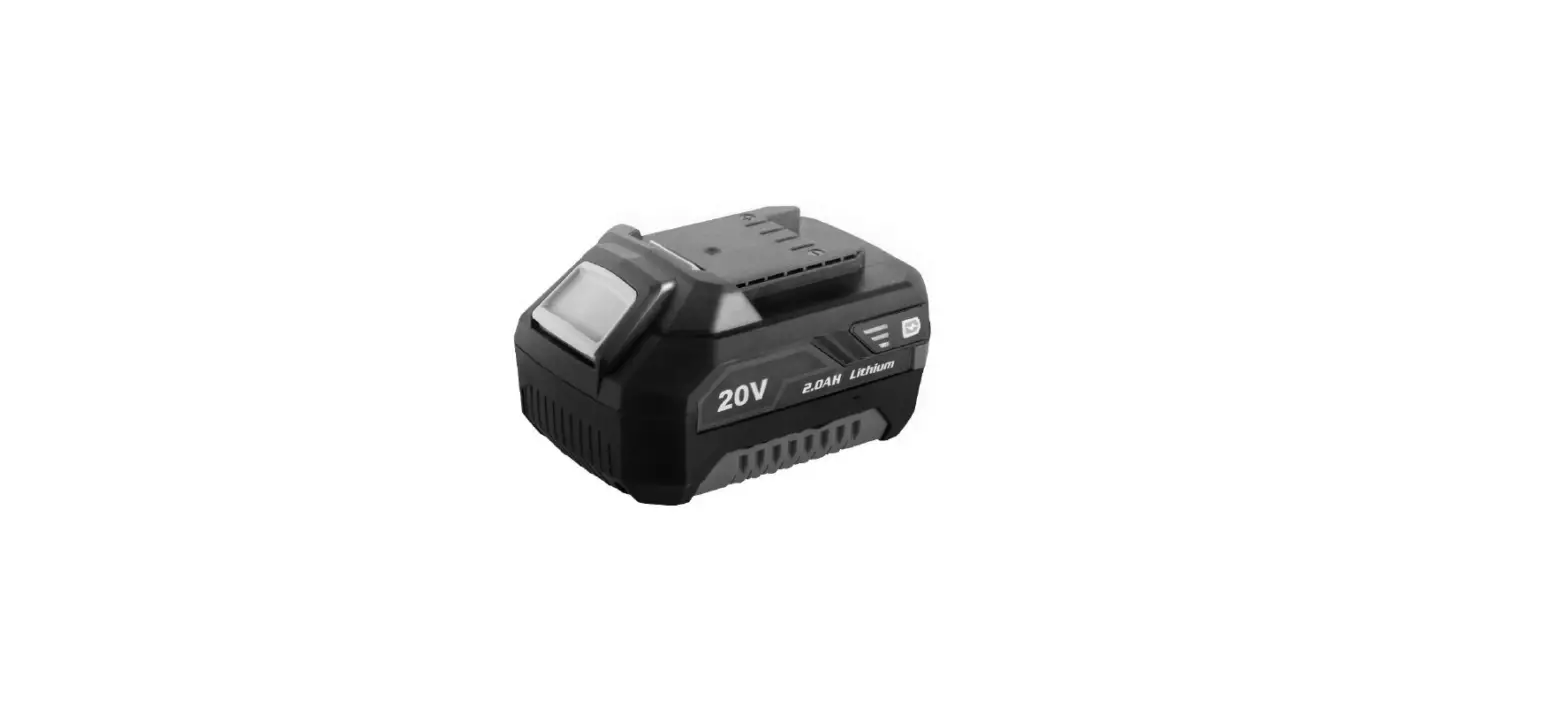
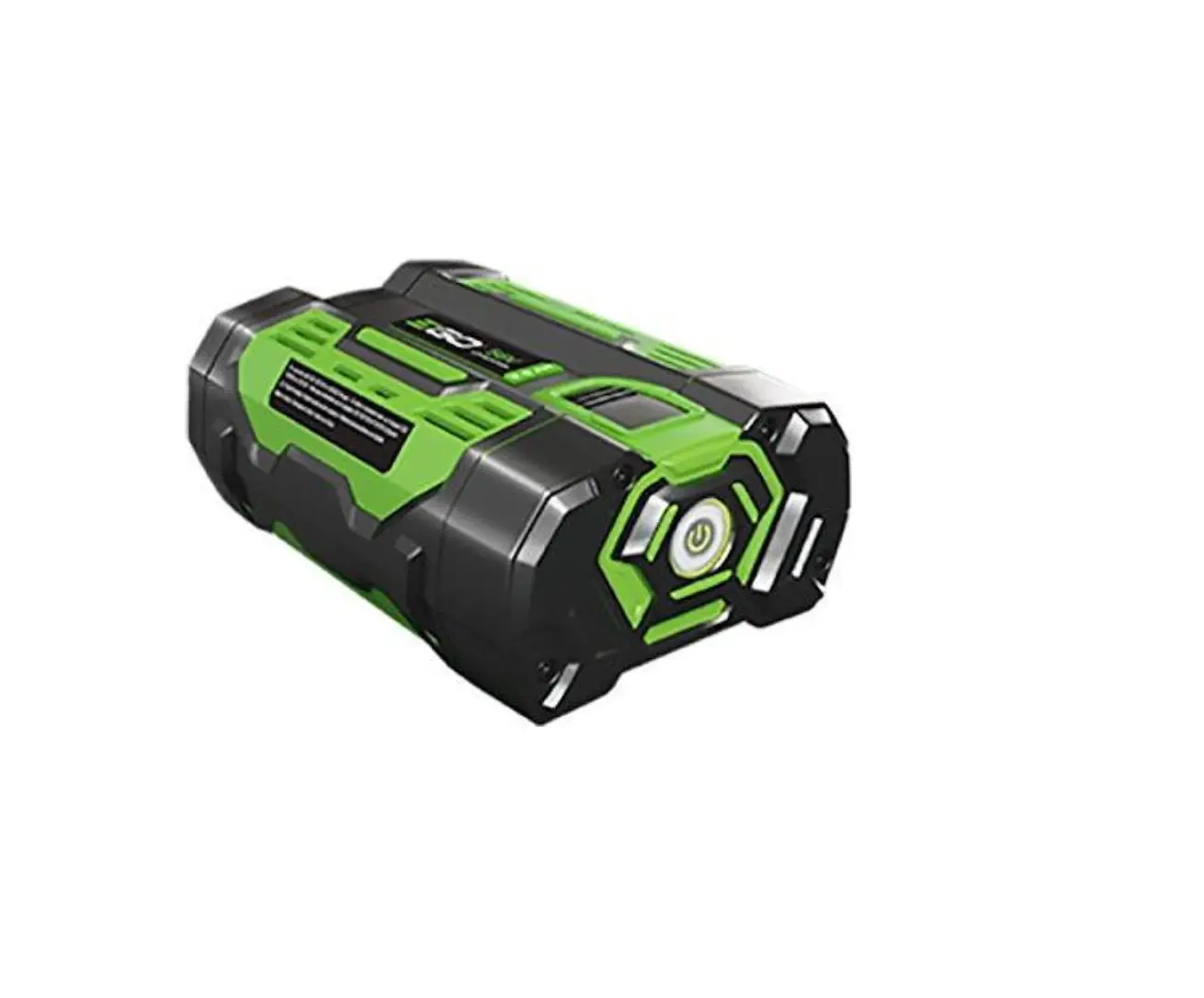
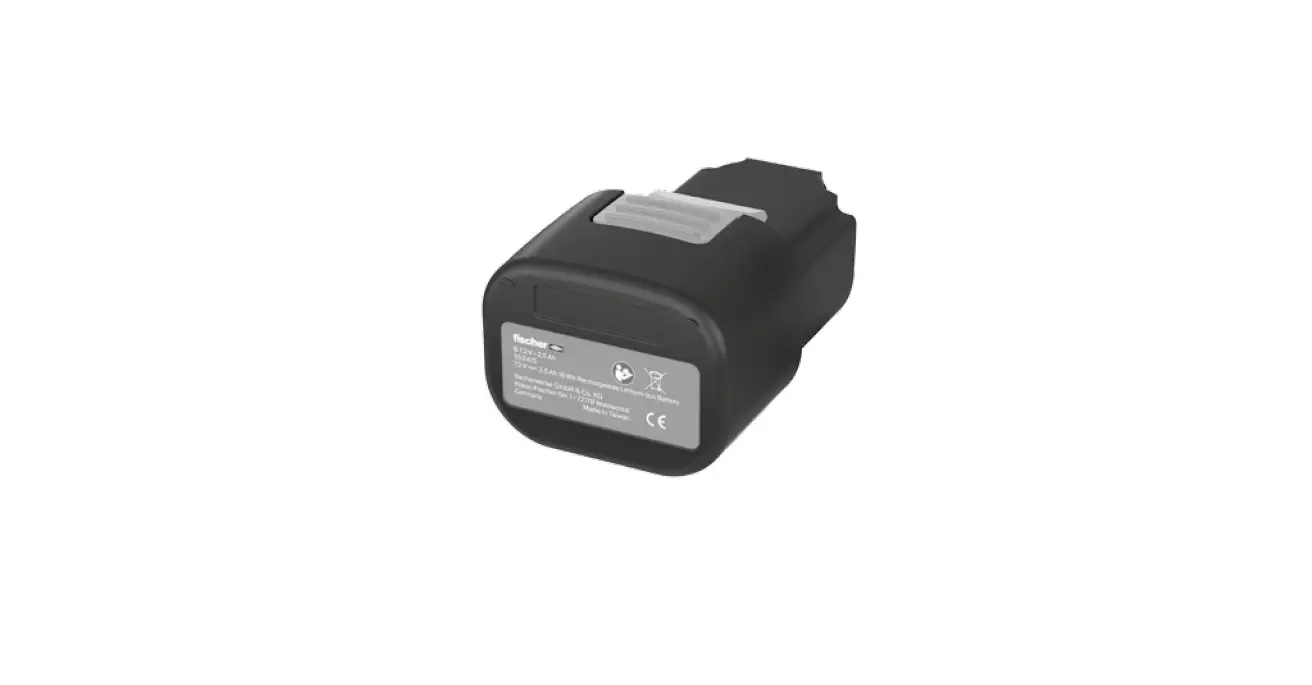
B50 Li 20V-2.5Ah Battery
Product Information: DeckblBaAtt LLii–IIoonnAAkkkkuuBB5500
LLii
This is a user manual for the Li-Ion Battery B50 Li (ABP118L25),
with the product code 442228_a. It is available in multiple
languages, including DE, GB, NL, FR, ES, IT, SI, HR, PL, CZ, SK,
HU, DK, SE, NO, FI, LT, LV, RU, and UA. The manual contains
information on safety instructions, usage instructions, technical
specifications, customer service and warranty.
Safety Instructions
Before using the battery, it is important to read and follow the
safety instructions mentioned in the manual. Some of the key safety
instructions include:
- Do not use the battery if it is wet or dirty. Clean it with a
dry and clean cloth before use. - Only unpack the battery from its original packaging when it
needs to be used.
Product Usage Instructions
Charging the Battery
To charge the battery:
- Unpack the battery from its original packaging.
- Connect the battery to a power source using the appropriate
charging cable. - Allow the battery to charge fully before use.
Storing the Battery
It is recommended to charge the battery after every 3 months of
storage. Store the battery in a dry and cool place.
Transporting the Battery
When transporting the battery, ensure that it is properly packed
and protected to prevent any damage. Follow the guidelines
mentioned in the battery law (BattG) for disposing of batteries and
accumulators.
Troubleshooting
In case the battery does not charge, check the charging cable
and clean the plug contacts with a dry cloth. If the problem
persists, contact AL-KO Servicestelle for assistance.
Technical Specifications
The technical specifications for the battery are:
- Product code: ABP118L25
- Battery type: Li-Ion
- Model: B50 Li
- Release date: 08/2017
Customer Service and Warranty
Contact AL-KO Servicestelle for any queries or assistance
related to the battery. The battery comes with a warranty, details
of which can be found in the manual.
DeckblBaAtt LLii–IIoonnAAkkkkuuBB5500 LLii
BETRIEBSANLEITUNG Li-Ion Akku
B50 Li (ABP118L25)
Li
442228_a
DE GB NL FR ES IT SI HR PL CZ SK HU DK SE NO FI LT LV RU UA
08 | 2017
DE
Inhaltsverzeichnis
Inhaltsverzeichnis Deutsch …………………………………………………………………………………………………………………………………. 4 English…………………………………………………………………………………………………………………………………. 13 Nederlands …………………………………………………………………………………………………………………………… 22 Français……………………………………………………………………………………………………………………………….. 31 Español ……………………………………………………………………………………………………………………………….. 40 Italiano …………………………………………………………………………………………………………………………………. 49 Slovenscina ………………………………………………………………………………………………………………………….. 58 Hrvatski………………………………………………………………………………………………………………………………… 67 Polski …………………………………………………………………………………………………………………………………… 76 Cesky ………………………………………………………………………………………………………………………………….. 86 Slovenská …………………………………………………………………………………………………………………………….. 95 Magyarul…………………………………………………………………………………………………………………………….. 104 Dansk ………………………………………………………………………………………………………………………………… 114 Svensk……………………………………………………………………………………………………………………………….. 123 Norsk …………………………………………………………………………………………………………………………………. 132 Suomi ………………………………………………………………………………………………………………………………… 141 Lietuvi ………………………………………………………………………………………………………………………………. 150 Latviesu ……………………………………………………………………………………………………………………………… 159 P ……………………………………………………………………………………………………………………………… 168 ………………………………………………………………………………………………………………………………. 178
© 2017 AL-KO KOBER GROUP Kötz, Germany This documentation or excerpts therefrom may not be reproduced or disclosed to third parties without the express permission of the AL-KO KOBER GROUP.
2
B50 Li
01 2
02
1
1
5
2
3
4
442228_a
3
DE
Original-Betriebsanleitung
ORIGINAL-BETRIEBSANLEITUNG Inhaltsverzeichnis 1 Zu dieser Betriebsanleitung ……………………………………………………………………………………………….. 5
1.1 Zeichenerklärungen und Signalwörter…………………………………………………………………………. 5
2 Produktbeschreibung ………………………………………………………………………………………………………… 5 2.1 Bestimmungsgemäße Verwendung ……………………………………………………………………………. 5 2.2 Möglicher vorhersehbarer Fehlgebrauch …………………………………………………………………….. 5 2.3 Produktübersicht (01) ……………………………………………………………………………………………….. 5
3 Sicherheitshinweise ………………………………………………………………………………………………………….. 6
4 Inbetriebnahme ………………………………………………………………………………………………………………… 7 4.1 Akku auspacken ………………………………………………………………………………………………………. 7 4.2 Akku laden (02) ……………………………………………………………………………………………………….. 7
5 Lagerung…………………………………………………………………………………………………………………………. 8
6 Entsorgung ……………………………………………………………………………………………………………………… 8
7 Transport ………………………………………………………………………………………………………………………… 9
8 Hilfe bei Störungen …………………………………………………………………………………………………………. 10
9 Technische Daten …………………………………………………………………………………………………………… 10
10 Kundendienst/Service ……………………………………………………………………………………………………… 11
11 Garantie ………………………………………………………………………………………………………………………… 11
12 EG-Konformitätserklärung ……………………………………………………………………………………………….. 11
4
B50 Li
Zu dieser Betriebsanleitung
1 ZU DIESER BETRIEBSANLEITUNG Bei der deutschen Version handelt es sich
um die Original-Betriebsanleitung. Alle weiteren Sprachversionen sind Übersetzungen der Original-Betriebsanleitung. Lesen Sie unbedingt vor der Inbetriebnahme diese Betriebsanleitung sorgfältig durch. Dies ist die Voraussetzung für sicheres Arbeiten und störungsfreie Handhabung. Bewahren Sie diese Betriebsanleitung immer so auf, dass Sie darin nachlesen können, wenn Sie eine Information zum Gerät benötigen. Geben Sie das Gerät nur mit dieser Betriebsanleitung an andere Personen weiter. Lesen und beachten Sie die Sicherheits- und Warnhinweise in dieser Betriebsanleitung.
1.1 Zeichenerklärungen und Signalwörter
GEFAHR! Zeigt eine unmittelbar gefährliche Situation an, die wenn sie nicht vermieden wird den Tod oder eine schwere Verletzung zur Folge hat.
WARNUNG! Zeigt eine potenziell gefährliche Situation an, die wenn sie nicht vermieden wird den Tod oder eine schwere Verletzung zur Folge haben könnte.
VORSICHT! Zeigt eine potenziell gefährliche Situation an, die wenn sie nicht vermieden wird eine geringfügige oder mäßige Verletzung zur Folge haben könnte.
ACHTUNG! Zeigt eine Situation an, die wenn sie nicht vermieden wird Sachschäden zur Folge haben könnte.
HINWEIS Spezielle Hinweise zur besseren Verständlichkeit und Handhabung.
2 PRODUKTBESCHREIBUNG Der Akku B50 Li ist ein Lithium-Ionen-Akku mit einer Ausgangsnennspannung von max. 20 V und einem Ladungsspeichervermögen von 2,5 Ah. Sobald der Akku in das Ladegerät eingeschoben wird, erkennt das Ladegerät automatisch den Ladezustand des Akkus. Danach beginnt der Ladevorgang. Er endet automatisch, wenn der Akku vollgeladen ist. Der Akku kann in jedem beliebigen Ladezustand geladen werden. Eine Unterbrechung des Ladevorgangs schadet dem Akku nicht.
2.1 Bestimmungsgemäße Verwendung Der Akku ist für Geräte der Firma AL-KO vorgesehen, die mit einem Akku angetrieben werden. Er ist ausschließlich für den Einsatz im Gartenund Hobbybereich bestimmt, jedoch nicht für den professionellen Einsatz. Der Akku darf nur mit dem AL-KO Ladegeräten C30 Li (ACG18LD3) und TC30 Li (ACG18LD2) aufgeladen werden. Eine andere als die hier beschriebene Verwendung oder eine darüber hinausgehende Verwendung gilt als nicht bestimmungsgemäß.
2.2 Möglicher vorhersehbarer Fehlgebrauch Das Gerät darf in explosions- und brandgefährdeten Umgebungen nicht verwendet werden.
2.3 Produktübersicht (01)
Nr. Bauteil
1 Schienen und Akkukontakte
2 Einrastknopf
442228_a
5
DE
Sicherheitshinweise
3 SICHERHEITSHINWEISE Dieser Abschnitt nennt alle
grundlegenden Sicherheitsund Warnhinweise, die bei der Benutzung des Akkus zu beachten sind. Lesen Sie diese Hinweise!
Akku nur bestimmungsgemäß nutzen, d. h. für akkubetriebene Geräte der Firma AL-KO. Akku nur mit dem vorgesehenen Ladegerät aufladen.
Neuen Akku erst aus der Originalverpackung auspacken, wenn er verwendet werden soll.
Den Akku vor dem ersten Gebrauch vollständig aufladen und dafür stets das angegebene Ladegerät verwenden. Stets die Angaben in dieser Betriebsanleitung zum Aufladen des Akkus einhalten.
Nur Original-Akkus und -Ladegeräte von ALKO verwenden.
Betreiben Sie den Akku nicht in explosions- und brandgefährdeten Umgebungen.
Setzen Sie den Akku beim Betreiben am Gerät nicht Nässe und Feuchtigkeit aus.
Den Akku vor Hitze, Öl und Feuer schützen, damit er nicht beschädigt wird und keine Dämpfe und Elektrolytflüssigkeiten austreten können.
Den Akku nicht stoßen oder werfen.
Den Akku nicht verschmutzt oder nass benutzen. Vor Verwendung den Akku mit einem trockenen, sauberen Tuch reinigen und trocknen.
Den geladenen und nicht benutzten Akku von metallischen Gegenständen fernhalten, um die Kontakte nicht zu überbrücken (z. B. Büroklammern, Münzen, Schlüssel, Nägel, Schrauben). Durch einen Kurzschluss können Verbrennungen oder Feuer entstehen.
Akku nicht öffnen, zerlegen oder zerkleinern. Es besteht Stromschlag- und Kurzschlussgefahr.
Bei unsachgemäßer Nutzung und beschädigtem Akku können Dämpfe und Elektrolytflüssigkeit austreten. Den Raum ausreichend lüften und bei Beschwerden einen Arzt aufsuchen. Bei Kontakt mit Elektrolytflüssigkeit diese gründlich abwaschen und Augen sofort
6
B50 Li
Inbetriebnahme
gründlich ausspülen. Danach einen Arzt aufsuchen.
Dieser Akku darf nicht von unbefugten Personen benutzt werden, es sei denn, sie werden durch eine für ihre Sicherheit zuständige Person beaufsichtigt oder sie erhielten von ihr Anweisungen, wie der Akku zu benutzen ist. Unbefugte Personen sind z. B.:
Personen (einschließlich Kinder) mit eingeschränkten physischen, sensorischen oder geistigen Fähigkeiten
Personen, die keine Erfahrung und/oder kein Wissen über den Akku besitzen.
Kinder müssen beaufsichtigt und unterwiesen werden, damit sie nicht mit dem Akku spielen.
Den Akku nicht auf Dauer im Ladegerät belassen. Akku zur längeren Aufbewahrung aus dem Ladegerät entfernen.
Den Akku aus den betriebenen Geräten entfernen, wenn diese nicht benutzt werden.
Den unbenutzten Akku trocken und an einem abgeschlossenen Ort lagern. Vor Hitze und direkter Sonneneinstrahlung schützen. Unbefug-
te Personen und Kinder dürfen keinen Zugriff auf den Akku haben.
4 INBETRIEBNAHME
4.1 Akku auspacken Packen Sie einen neuen Akku erst aus der Originalverpackung aus, wenn Sie ihn verwenden möchten.
4.2 Akku laden (02)
HINWEIS Den Akku vor dem ersten Gebrauch vollständig aufladen. Der Akku kann in jedem beliebigen Ladezustand geladen werden. Eine Unterbrechung des Ladens schadet dem Akku nicht.
VORSICHT! Brandgefahr beim Laden! Aufgrund Erwärmung des Ladegeräts besteht Brandgefahr, wenn es auf leicht brennbaren Untergrund gestellt und nicht ausreichend belüftet wird. Betreiben Sie das Lade-
gerät immer auf nichtbrennbarem Untergrund bzw. in nicht-brennbarer Umgebung. Falls vorhanden: Halten Sie die Lüftungsschlitze frei.
442228_a
7
DE
Lagerung
1. Schieben Sie den Akku (02/1) in das Ladegerät (02/2) ein und stecken Sie den Netzstecker (02/3) in die Steckdose. Der Ladevorgang beginnt.
2. Beobachten Sie die LED (02/4). Wenn die LED (02/4) dauerhaft grün leuchtet, ist der Ladevorgang abgeschlossen. Ladedauer dauert je nach Ladegerät ca. 50 min (C30 Li) bis 75 min (TC30 Li).
3. Ziehen Sie den Netzstecker (02/3) ab, wenn die LED (02/4) dauerhaft grün leuchtet.
4. Drücken Sie den Einrastknopf (02/5) auf der Unterseite des Akkus und halten Sie ihn gedrückt. Ziehen Sie dann den Akku (02/1) aus dem Ladegerät (02/2).
5 LAGERUNG
GEFAHR!
Gefahr von Explosionen und Bränden!
Personen werden getötet oder schwer verletzt, wenn der Akku explodiert, weil er vor offenen Flammen oder Hitzequellen gelagert wurde. Lagern Sie den Akku
kühl und trocken, jedoch nicht vor offenen Flammen oder Hitzequellen.
HINWEIS
Der Akku ist beim Aufladen im Ladegerät aufgrund der automatischen Erkennung des Ladezustandes vor Überladen geschützt und kann somit einige Zeit, jedoch nicht auf Dauer, im Ladegerät verbleiben.
Lagern Sie den Akku an einem trockenen, frostfreien Ort bei einer Umgebungstemperatur zwischen 0 °C und +25 °C und mit einem Ladezustand von ca. 40 60%.
Laden Sie den Akku nach ca. 3 Monaten nach.
6 ENTSORGUNG
Hinweise zum Elektro- und Elektronikgerätegesetz (ElektroG)
Elektro- und Elektronik-Altgeräte gehören nicht in den Hausmüll, sondern sind einer getrennten Erfassung bzw. Entsorgung zuzuführen!
Altbatterien oder -akkus, welche nicht fest im Altgerät verbaut sind, müssen vor der Abgabe entnommen werden! Deren Entsorgung wird über das Batteriegesetz geregelt.
Besitzer bzw. Nutzer von Elektro- und Elektronikgeräten sind nach deren Gebrauch gesetzlich zur Rückgabe verpflichtet.
Der Endnutzer trägt die Eigenverantwortung für das Löschen seiner personenbezogenen Daten auf dem zu entsorgenden Altgerät!
Das Symbol der durchgestrichenen Mülltonne bedeutet, dass Elektro- und Elektronikaltgeräte nicht über den Hausmüll entsorgt werden dürfen.
Elektro- und Elektronikaltgeräte können bei folgenden Stellen unentgeltlich abgegeben werden:
Öffentlich-rechtliche Entsorgungs- bzw. Sammelstellen (z. B. kommunale Bauhöfe)
Verkaufsstellen von Elektrogeräten (stationär und online), sofern Händler zur Rücknahme verpflichtet sind oder diese freiwillig anbieten.
Diese Aussagen gelten nur für Geräte, die in den Ländern der Europäischen Union installiert und verkauft werden und die der Europäischen Richtlinie 2012/19/EU unterliegen. In Ländern außerhalb der Europäischen Union können davon abweichende Bestimmungen für die Entsorgung von Elektro- und Elektronik-Altgeräten gelten.
8
B50 Li
Transport
Hinweise zum Batteriegesetz (BattG)
Altbatterien und -akkus gehören nicht in den Hausmüll, sondern sind einer getrennten Erfassung bzw. Entsorgung zuzuführen!
Zur sicheren Entnahme von Batterien oder Akkus aus dem Elektrogerät und für Informationen über deren Typ bzw. chemisches System beachten Sie die weiteren Angaben innerhalb der Bedienungs- bzw. Montageanleitung.
Besitzer bzw. Nutzer von Batterien und Akkus sind nach deren Gebrauch gesetzlich zur Rückgabe verpflichtet. Die Rückgabe beschränkt sich auf die Abgabe von haushaltsüblichen Mengen.
Altbatterien können Schadstoffe oder Schwermetalle enthalten, die der Umwelt und der Gesundheit Schaden zufügen können. Eine Verwertung der Altbatterien und Nutzung der darin enthaltenen Ressourcen trägt zum Schutz dieser beiden wichtigen Güter bei.
Das Symbol der durchgestrichenen Mülltonne bedeutet, dass Batterien und Akkus nicht über den Hausmüll entsorgt werden dürfen.
Befinden sich zudem die Zeichen Hg, Cd oder Pb unterhalb der Mülltonne, so steht dies für Folgendes:
Hg: Batterie enthält mehr als 0,0005 % Quecksilber
Cd: Batterie enthält mehr als 0,002 % Cadmium
Pb: Batterie enthält mehr als 0,004 % Blei
Akkus und Batterien können bei folgenden Stellen unentgeltlich abgeben werden:
Öffentlich-rechtliche Entsorgungs- bzw. Sammelstellen (z. B. kommunale Bauhöfe)
Verkaufsstellen von Batterien und Akkus
Rücknahmestellen des gemeinsamen Rücknahmesystems für Geräte-Altbatterien
Rücknahmestelle des Herstellers (falls nicht Mitglied des gemeinsamen Rücknahmesystems)
Diese Aussagen sind nur gültig für Akkus und Batterien, die in den Ländern der Europäischen Union verkauft werden und die der Europäischen Richtlinie 2006/66/EG unterliegen. In Ländern außerhalb der Europäischen Union können davon abweichende Bestimmungen für die Entsorgung von Akkus und Batterien gelten.
7 TRANSPORT
Der Li-Ion Akku unterliegt den Anforderungen des Gefahrgutrechts. Der Akku kann durch den privaten Benutzer ohne weitere Auflagen auf der Straße transportiert werden. Transportieren Sie den Akku nur, wenn er unbeschädigt ist. Dabei muss der Akku gegen Berührung durch andere Gegenstände, Kurzschluss und unbeabsichtigtes Verrutschen gesichert sein. Beim Versand durch Dritte (z.B. durch Spedition oder Lufttransport) sind besondere Anforderungen an Verpackung und Kennzeichnung zu beachten.
Hier muss bei der Vorbereitung des Versands ein Gefahrgut-Fachmann hinzugezogen werden. Versenden Sie Akkus nur, wenn das Gehäuse unbeschädigt ist. Kleben Sie offene Kontakte ab und verpacken Sie den Akku so, dass er sich in der Verpackung nicht mehr bewegen kann.
Bitte beachten Sie auch eventuelle weiterführende nationale Vorschriften.
442228_a
9
DE
Hilfe bei Störungen
8 HILFE BEI STÖRUNGEN
Auftretender Fehler Akku wird nicht geladen.
Akku wurde aus Ladegerät entnommen und ist nicht geladen.
Anzeigen
Mögliche Ursache
Lösung
LED am Ladegerät
blinkt rot (C30 Li).
leuchtet dauerhaft rot (TC30 Li).
Lebensdauer des Akkus ist abgelaufen.
Akku nicht vollständig in Ladegerät eingeschoben.
Akku ersetzen. Nur Original-Zubehör von ALKO verwenden.
Akku vollständig ins Ladegerät einschieben.
Steckkontakte am Akku oder am Ladegerät verschmutzt.
Netzstecker ziehen und Steckkontakte mit einem trockenen Lappen reinigen. Wenn der Fehler weiter auftritt, AL-KO Servicestelle aufsuchen.
Akku oder Ladegerät defekt.
Akku ersetzen. Nur Original-Zubehör von ALKO verwenden.
LED am Ladegerät
Akku oder Ladegerät
blinkt grün (C30 Li). sind zu heiß.
blinkt rot (TC30 Li).
Netzstecker ziehen und Akku sowie Ladegerät abkühlen lassen. Lüftungsschlitze des Ladegerätes freihalten.
LED am Ladegerät ist nicht aktiv.
Keine Netzspannung.
Netzstecker einstecken bzw. prüfen, ob Netzspannung anliegt.
Fehler am Akku oder am Ladegerät (siehe obige Ursachen).
Siehe obige Maßnahmen.
HINWEIS
Bei Störungen, die nicht in dieser Tabelle aufgeführt sind oder nicht selbst behoben werden können, an unseren Kundendienst wenden.
9 TECHNISCHE DATEN
Artikel-Nr. Bezeichnung Modell (EN 62133) Nennspannung Nennkapazität (Ladungsmenge) Gespeicherte Gesamtenergie Einsatztemperaturbereich Lagertemperaturbereich
113559 B50 Li ABP118L25 18 V (20 V max.) 2,5 Ah 45 Wh 0 °C bis +45 °C 0 °C bis +25 °C
10
B50 Li
Kundendienst/Service
Abmessungen (Länge x Breite x Höhe) Gewicht
L = 110 mm B = 75 mm H = 40 mm
0,35 kg
10 KUNDENDIENST/SERVICE
Bei Fragen zu Garantie, Reparatur oder Ersatzteilen wenden Sie sich bitte an Ihre nächstgelegene ALKO Servicestelle.
Diese finden Sie im Internet unter folgender Adresse: www.al-ko.com/service-contacts
11 GARANTIE
Etwaige Material- oder Herstellungsfehler am Gerät beseitigen wir während der gesetzlichen Verjährungsfrist für Mängelansprüche entsprechend unserer Wahl durch Reparatur oder Ersatzlieferung. Die Verjährungsfrist bestimmt sich jeweils nach dem Recht des Landes, in dem das Gerät gekauft wurde.
Unsere Garantiezusage gilt nur bei: Beachten dieser Betriebsanleitung Sachgemäßer Behandlung Verwenden von Original-Ersatzteilen
Die Garantie erlischt bei: Eigenmächtigen Reparaturversuchen Eigenmächtigen technischen Veränderungen Nicht bestimmungsgemäßer Verwendung
Von der Garantie ausgeschlossen sind: Lackschäden, die auf normale Abnutzung zurückzuführen sind
Verschleißteile, die auf der Ersatzteilkarte mit Rahmen xxxxxx (x) gekennzeichnet sind
Die Garantiezeit beginnt mit dem Kauf durch den ersten Endabnehmer. Maßgebend ist das Datum auf dem Kaufbeleg. Wenden Sie sich bitte mit dieser Erklärung und dem Original-Kaufbeleg an Ihren Händler oder die nächste autorisierte Kundendienststelle. Die gesetzlichen Mängelansprüche des Käufers gegenüber dem Verkäufer bleiben durch diese Erklärung unberührt.
12 EG-KONFORMITÄTSERKLÄRUNG
Produkt Lithium-Ionen-Akku
Seriennummer G1990012
Hersteller
AL-KO Geräte GmbH Ichenhauser Str. 14 D-89359 Kötz
Dokumentationsbevollmächtigter
Andreas Hedrich Ichenhauser Str. 14 D-89359 Kötz
Typ/Modell B50 Li (ABP118L25)
EU-Richtlinien 2014/30/EU 2011/65/EU
Harmonisierte Normen EN 62133:2013 EN 55014-1:2006+A2:2011
Kötz, 01.08.2017
Wolfgang Hergeth Managing Director
442228_a
11
DE
EG-Konformitätserklärung
Der Akku B50 Li ist für die hier genannten AL-KO Geräte bestimmt und entspricht den CE-Richtlinien.
Gerät Akku-Rasentrimmer GT 2025 Akku-Heckenschere HT 2050 Akku-Laubbläser LB 2060 Akku-Hochentaster CSA 2020 Akku-Hochheckenschere HTA 2050 Akku-Rasenmäher 34.8 Li
Artikelnummer 113535 113536 113537 113538 113539 113540
12
B50 Li
Translation of the original instructions for use
TRANSLATION OF THE ORIGINAL INSTRUCTIONS FOR USE Contents 1 About these operating instructions ……………………………………………………………………………………. 14
1.1 Legends and signal words……………………………………………………………………………………….. 14 2 Product description …………………………………………………………………………………………………………. 14
2.1 Designated use ……………………………………………………………………………………………………… 14 2.2 Possible foreseeable misuse……………………………………………………………………………………. 14 2.3 Product overview (01) …………………………………………………………………………………………….. 14 3 Safety instructions ………………………………………………………………………………………………………….. 15 4 Start-up …………………………………………………………………………………………………………………………. 16 4.1 Unpacking the rechargeable battery …………………………………………………………………………. 16 4.2 Charging the rechargeable battery (02) …………………………………………………………………….. 16 5 Storage …………………………………………………………………………………………………………………………. 17 6 Disposal ………………………………………………………………………………………………………………………… 17 7 Transport ………………………………………………………………………………………………………………………. 18 8 Help in case of malfunction………………………………………………………………………………………………. 19 9 Technical data ……………………………………………………………………………………………………………….. 19 10 After-Sales / Service ……………………………………………………………………………………………………….. 20 11 Guarantee ……………………………………………………………………………………………………………………… 20 12 EU declaration of conformity…………………………………………………………………………………………….. 20
442228_a
13
GB
1 ABOUT THESE OPERATING INSTRUCTIONS
The German version is the original operating instructions. All additional language versions are translations of the original operating instructions.
It is essential to carefully read through these operating instructions before start-up. This is essential for safe working and trouble-free handling.
Always safeguard these operating instructions so that they can be consulted if you need any information about the appliance.
Only pass on the appliance to other persons together with these operating instructions.
Comply with the safety and warning information in these operating instructions.
1.1 Legends and signal words
DANGER! Denotes an imminently dangerous situation which will result in fatal or serious injury if not avoided.
WARNING! Denotes a potentially dangerous situation which can result in fatal or serious injury if not avoided.
CAUTION! Denotes a potentially dangerous situation which can result in minor or moderate injury if not avoided.
IMPORTANT! Denotes a situation which can result in material damage if not avoided.
About these operating instructions
NOTE Special instructions for ease of understanding and handling.
2 PRODUCT DESCRIPTION The B50 Li rechargeable battery is a lithium-ion rechargeable battery with a maximum rated output voltage of 20 V and a charge storage capacity of 2.5 Ah. As soon as the rechargeable battery is inserted into the charger, the charger automatically detects the charge status of the rechargeable battery. The charging process then begins. It ends automatically when the rechargeable battery is fully charged. The rechargeable battery can be charged in any charge status. Interrupting the charging process does not damage the rechargeable battery.
2.1 Designated use The rechargeable battery is intended for AL-KO appliances that are operated by a rechargeable battery. It is intended for use only in the garden and hobby area, not for professional use. The rechargeable battery must only be charged with the AL-KO C30 Li (ACG18LD3) and TC30 Li (ACG18LD2) charging units. Use in any way other than that described here is deemed as non-designated.
2.2 Possible foreseeable misuse Do not use the appliance in explosive and firerisk environments.
2.3 Product overview (01)
No. Component
1 Rails and rechargeable battery contacts
2 Lock knob
14
B50 Li
Safety instructions
3 SAFETY INSTRUCTIONS This section mentions all ba-
sic safety and warning information to be heeded when using the battery. Read these instructions.
Only use the rechargeable battery as designated, i.e. for AL-KO rechargeable batterydriven devices. Only charge the rechargeable battery with the charging unit provided.
Only unpack the new rechargeable battery from the original packaging when it is to be used.
Fully charge the rechargeable battery before using it for the first time and always use the specified charger. Always comply with the details given in these instructions for use for charging the rechargeable battery.
Only use original rechargeable batteries and charging units from AL-KO.
Do not use the rechargeable battery in environments where there is a potential risk of explosion and/or fire.
Do not expose the rechargeable battery to moisture and humidity when in use on the appliance.
Protect the rechargeable battery from heat, oil and fire to prevent it being damaged so no vapours and electrolyte liquids can escape.
Do not subject the rechargeable battery to impacts or throw it.
Do not use the rechargeable battery when soiled or wet. Before use, clean and dry the rechargeable battery with a dry, clean cloth.
When battery pack is not in use, keep it away from other metal objects, like paperclips, coins, keys, nails, screws or other small metal objects that can make a connection from one terminal to another. Burns or fire can result from a shortcircuit.
Do not open, dismantle or crush the rechargeable battery. There is a danger of electric shock and short-circuit.
442228_a
15
GB
Start-up
An improperly used and damaged rechargeable battery can cause vapours and electrolyte fluid to escape. Vent the room adequately and in the case of any disorders, consult a doctor. If contact accidentally occurs, flush with water and immediately rinse the eyes thoroughly. Then consult a doctor.
This rechargeable battery must not be used by unauthorised persons unless they are supervised by a person responsible for their safety or have been instructed on how to use the rechargeable battery. Unauthorised persons include, for example:
Persons (including children) with limited physical, sensory or mental aptitude
Persons who have no experience and/or knowledge of the rechargeable battery.
Children must be supervised and instructed so they do not play with the rechargeable battery.
Do not leave the rechargeable battery permanently in the charger. For prolonged storage, remove the rechargeable battery from the charger.
When not in use, remove the rechargeable batteries from the operated appliances.
Dry the unused rechargeable battery and store in a closed place. Protect from heat and direct sunlight. Unauthorised persons and children must not have access to the rechargeable battery.
4 START-UP
4.1 Unpacking the rechargeable battery Only unpack a new rechargeable battery from the original packaging when you want to use it.
4.2 Charging the rechargeable battery (02)
NOTE Fully charge the rechargeable battery before using it for the first time. The rechargeable battery can be charged in any charge status. Interrupting charging does not damage the rechargeable battery.
CAUTION! Danger of fire during charging! Due to heating of the charger, there is a danger of fire if it is placed on an inflammable surface and is not adequately ventilated. Always use the charger
on a non-inflammable surface or in a non-combustible environment. If available: Keep the ventilation slots free.
16
B50 Li
Storage
1. Insert the rechargeable battery (02/1) in the charger (02/2) and plug the power plug (02/3) into the power outlet. The charging process begins.
2. Observe the LED (02/4). If the LED (02/4) permanently lights green, the charging process is complete. Depending on the charger, the duration of charging takes approx. 50 min (C30 Li) to 75 min (TC30 Li).
3. Disconnect the power plug (02/3) when the LED (02/4) lights permanently green.
4. Press and hold the lock knob (02/5) on the underside of the rechargeable battery. Then pull the rechargeable battery (02/1) out of the charger (02/2).
5 STORAGE
DANGER!
Danger of explosions and fires!
Persons will be fatally or severely injured if the rechargeable battery explodes because it was stored in front of naked flames or heat sources. Store the rechargeable
battery in cool and dry conditions, but not in front of naked flames or heat sources.
NOTE
When charging in the charger, the rechargeable battery is protected from overcharging due to automatic detection of the charge status and thus can remain in the charger for some time, but not permanently.
Store the rechargeable battery in a dry, frostfree place at an ambient temperature between 0°C and +25°C and with a charge state of approx. 40 – 60%.
Recharge the rechargeable battery after approx. 3 months.
6 DISPOSAL
Information on the German Electrical and Electronic Equipment Act (ElectroG)
Electrical and electronic appliances do not belong in household waste, but should be collected and disposed of separately.
Used batteries or rechargeable batteries that are not installed permanently in the old appliance must be removed before disposal. Their disposal is regulated by the battery law.
Owners or users of electrical and electronic appliances are obliged by law to return them after use.
The end user bears personal responsibility for deleting his personal data from the old appliance to be disposed of.
The symbol of the crossed-through rubbish bin means that electrical and electronic appliances may not be disposed of in the household rubbish.
Electrical and electronic appliances can be handed in at no charge at the following places:
Public service disposal or collection points (e.g. municipal building yards)
Points of sale of electrical appliances (stationary and online) provided traders are obliged to take them back or offer this voluntarily.
These statements only apply to appliances that are installed and sold in the countries of the European Union and are subject to European Directive 2012/19/EU. Different provisions may apply to the disposal of electrical and electronic appliances in countries outside the European Union.
442228_a
17
GB
Transport
Information on German Battery Act (BattG)
Used batteries and rechargeable batteries do not belong in household waste, but should be collected and disposed of separately.
For safe removal of batteries or rechargeable batteries from the electrical appliance and for information on their type or chemical system, follow the further information within the operating or installation instructions.
Owners or users of batteries and rechargeable batteries are obliged by law to return them after use. The return is limited to the handover of customary household quantities.
Used batteries can contain harmful substances or heavy metals that can cause damage to the environment and human health. Reuse of the used batteries and use of the resources contained therein contributes to the protection of these two essential commodities.
The symbol of the crossed-through rubbish bin means that batteries and rechargeable batteries may not be disposed of in household rubbish.
In addition, if the symbol Hg, Cd or Pb appears under the rubbish bin, this stands for the following:
Hg: Battery contains more than 0.0005 % mercury
Cd: Battery contains more than 0.002 % cadmium
Pb: Battery contains more than 0.004 % lead
Rechargeable batteries and batteries can be handed in at the following places at no charge:
Public service disposal or collection points (e.g. municipal building yards)
Points of sale of batteries and rechargeable batteries
Disposal points of the common take-back system for the used batteries of appliances
Disposal point of the manufacturer (if not a member of the common take-back system)
These statements apply only to rechargeable batteries and batteries that are sold in the countries of the European Union and that are subject to European Directive 2006/66/EU. Different provisions can apply to the disposal of rechargeable batteries and batteries in countries outside the European Union.
7 TRANSPORT
The li-ion rechargeable battery is subject to the requirements of the hazardous goods law. The rechargeable battery can be transported on public roads by the private user without further conditions. Only transport the rechargeable battery if it is undamaged. The rechargeable battery must be protected against contact with other objects, short-circuit and accidental shifting. For shipment by third parties (e.g. by shipping agent or air freight), heed the special requirements on packaging and marking.
A hazardous goods specialist must be involved in the preparation of the shipment. Only ship rechargeable batteries if the housing is undamaged. Tape off exposed contacts and pack the rechargeable battery so it can no longer move in the packaging.
Please heed any other national regulations.
18
B50 Li
Help in case of malfunction
8 HELP IN CASE OF MALFUNCTION
Errors that occur The rechargeable battery is not charging.
The rechargeable battery has been removed from the charger and is not charged.
Displays LED on the charger flashes red (C30
Li). permanently lights
red (TC30 Li).
LED on the charger flashes green (C30
Li). flashes red (TC30
Li). The LED on the charger is not active.
Possible cause
Solution
The service life of the rechargeable battery has expired.
Replace the rechargeable battery. Only use original accessories from AL-KO.
The rechargeable bat- Fully insert the re-
tery is not fully inserted chargeable battery in
in the charger.
the charger.
The plug contacts of the rechargeable battery or charger are soiled.
Disconnect the power plug and clean the plug contacts with a dry cloth. If the fault reoccurs, contact an AL-KO service centre.
The rechargeable battery or charger is faulty.
Replace the rechargeable battery. Only use original accessories from AL-KO.
The rechargeable battery or charger is too hot.
Disconnect the power plug and let the rechargeable battery and charger cool down. Keep the ventilation slots of the charger clear.
No mains voltage.
Insert the power plug or check that mains voltage is present.
There is a fault on the rechargeable battery or on the charger (see above causes).
See above measures.
NOTE
If you encounter any malfunctions that are not listed in this table or that you cannot rectify yourself, please contact our customer service.
9 TECHNICAL DATA
Item No. Designation Model (EN 62133) Rated voltage Rated capacity (charge quantity) Total stored energy Operating temperature range
113559 B50 Li ABP118L25 18 V (20 V max.) 2.5 Ah 45 Wh 0 °C to +45 °C
442228_a
19
GB
After-Sales / Service
Storage temperature range Dimensions (Length x Width x Height)
weight
0 °C to +25 °C
L = 110 mm W = 75 mm H = 40 mm
0.35 kg
10 AFTER-SALES / SERVICE
In the event of questions of warranty, repair or spare parts, please contact your nearest AL-KO Service Centre.
These can be found on the Internet at: www.al-ko.com/service-contacts
11 GUARANTEE
We will resolve any material or manufacturing faults on the appliance during the legal warranty period for claims relating to faults, in accordance with our choice either to repair or replace. The legal warranty period is determined by the legislation of the country in which the appliance was purchased.
Our warranty promise applies only if: These operating instructions are heeded The appliance is handled correctly Original spare parts have been used
The warranty becomes void in the case of: Unauthorised repair attempts Unauthorised technical modifications Non-intended use
The guarantee excludes: Paint damage that can be attributed to normal wear and tear
Wear parts that are marked with a frame xxxxxx (x) on the spare parts card
The guarantee period commences with purchase by the first end user. The date on the proof of purchase is decisive. In the event of a guarantee claim, please take this guarantee declaration and the original proof of purchase, and contact your dealer or the nearest authorised customer service centre. This statement does not affect the purchaser’s statutory claims for defects against the vendor.
12 EU DECLARATION OF CONFORMITY
Product Lithium ion battery
Serial number G1990012 Type/model B50 Li (ABP118L25)
Manufacturer AL-KO Geräte GmbH Ichenhauser Str. 14 D-89359 Kötz Germany
EU directives 2014/30/EU 2011/65/EU
Authorised representative Andreas Hedrich Ichenhauser Str. 14 D-89359 Kötz Germany
Harmonised standards EN 62133:2013 EN 55014-1:2006+A2:2011
Kötz, 01/08/2017
Wolfgang Hergeth Managing Director
20
B50 Li
EU declaration of conformity
The B50 Li rechargeable battery is intended for the AL-KO appliances mentioned here and complies with the CE directives.
Machine GT 2025 battery-powered lawn trimmer HT 2050 battery-powered hedge trimmer LB 2060 battery-powered leaf blower CSA 2020 battery-powered pruner HTA 2050 battery-powered high hedge trimmer 34.8 Li battery-powered lawnmower
Article number 113535 113536 113537 113538 113539 113540
442228_a
21
NL
Vertaling van de originele gebruikershandleiding
VERTALING VAN DE ORIGINELE GEBRUIKERSHANDLEIDING Inhoudsopgave 1 Over deze gebruikershandleiding ……………………………………………………………………………………… 23
1.1 Verklaring van pictogrammen en signaalwoorden ………………………………………………………. 23
2 Productomschrijving ……………………………………………………………………………………………………….. 23 2.1 Reglementair gebruik ……………………………………………………………………………………………… 23 2.2 Mogelijk voorzienbaar foutief gebruik………………………………………………………………………… 23 2.3 Productoverzicht (01) ……………………………………………………………………………………………… 23
3 Veiligheidsinstructies ………………………………………………………………………………………………………. 24
4 Ingebruikname ……………………………………………………………………………………………………………….. 25 4.1 Accu uitpakken ………………………………………………………………………………………………………. 25 4.2 Accu laden (02) ……………………………………………………………………………………………………… 25
5 Opslag ………………………………………………………………………………………………………………………….. 26
6 Verwijderen ……………………………………………………………………………………………………………………. 26
7 Transport ………………………………………………………………………………………………………………………. 27
8 Hulp bij storingen ……………………………………………………………………………………………………………. 28
9 Technische gegevens ……………………………………………………………………………………………………… 28
10 Klantenservice/service centre …………………………………………………………………………………………… 29
11 Garantie ………………………………………………………………………………………………………………………… 29
12 EG-verklaring van overeenstemming ………………………………………………………………………………… 29
22
B50 Li
Over deze gebruikershandleiding
1 OVER DEZE GEBRUIKERSHANDLEIDING
De Duitse versie is de originele gebruiksaanwijzing. Alle andere taalversies zijn vertalingen van de originele gebruiksaanwijzing.
Lees voor de ingebruikname deze gebruikershandleiding absoluut zorgvuldig door. Dit is de voorwaarde voor veilig werken en een storingsvrij gebruik.
Bewaar deze gebruikershandleiding goed zodat u erin het antwoord op uw vragen kunt terugvinden wanneer u informatie over het apparaat nodig hebt.
Draag het apparaat alleen samen met deze gebruikershandleiding aan andere personen over.
Lees en neem de veiligheids- en waarschuwingsinstructies in deze gebruikershandleiding in acht.
1.1 Verklaring van pictogrammen en signaalwoorden
GEVAAR!
Wijst op een direct gevaarlijke situatie, die, wanneer ze niet vermeden wordt, tot de dood of tot een ernstig letsel leidt.
WAARSCHUWING!
Wijst op een potentieel gevaarlijke situatie, die, wanneer ze niet vermeden wordt, tot de dood of tot een zwaar letsel kan leiden.
VOORZICHTIG!
Wijst op een potentieel gevaarlijke situatie, die, wanneer ze niet vermeden wordt, tot een licht of middelzwaar letsel kan leiden.
LET OP! Wijst op een situatie, die, wanneer ze niet vermeden wordt, tot materiële schade kan leiden.
OPMERKING Speciale aanwijzingen voor meer duidelijkheid en een beter gebruik.
2 PRODUCTOMSCHRIJVING De accu B50 Li is een lithium-ion accu met een nominale uitgangsspanning van max. 20 V en een lading opslagvermogen van 2,5 Ah. Zodra de accu in de oplader wordt geschoven, herkent de oplader automatisch de laadtoestand. Daarna begint het laden. Het stopt automatisch wanneer de accu volledig opgeladen is. De accu kan in elke willekeurige laadtoestand worden opgeladen. Het is niet slecht voor de accu als het laden wordt onderbroken.
2.1 Reglementair gebruik De accu is bedoeld voor gebruik met apparaten van de firma AL-KO, die door een accu van stroom worden voorzien. Hij is uitsluitend bedoeld voor gebruik in de tuin en voor hobbydoeleinden, niet echter voor professioneel gebruik. De accu mag allen met de AL-KO opladers C30 Li (ACG18LD3) en TC30 Li (ACG18LD2) opgeladen worden. Elk ander dan het hier beschreven gebruik of een verdergaande toepassing is ongeoorloofd.
2.2 Mogelijk voorzienbaar foutief gebruik Het apparaat mag niet in explosie- en brandgevaarlijke omgevingen worden gebruikt.
2.3 Productoverzicht (01)
Nr. Component
1 Klemmen en accu-contacten
2 Grendelknop
442228_a
23
NL
3 VEILIGHEIDSINSTRUCTIES In deze paragraaf worden alle
basis veiligheids- en waarschuwingsinstructies opgesomd, die bij het gebruik van de accu moeten worden gerespecteerd. Lees de instructies!
Accu uitsluitend reglementair gebruiken, dit is voor apparaten met accuvoeding van de firma AL-KO. Accu uitsluitend met de daartoe voorziene oplader opladen.
Nieuwe accu voor ingebruikname eerst uit de originele verpakking halen.
De accu voor ingebruikname volledig opladen en daarvoor altijd de voorgeschreven oplader gebruiken. Altijd de instructies van deze gebruikershandleiding voor het opladen van de accu respecteren.
Uitsluitend originele accu’s en opladers van AL-KO gebruiken.
Gebruik de accu niet in omgevingen waar gevaar voor explosie en brand bestaat.
Stel de accu niet bloot aan water en vocht wanneer u ze in het apparaat gebruikt.
Veiligheidsinstructies
De accu beschermen tegen hitte, olie en vuur, zodat ze niet beschadigd wordt en er geen elektrolyt kan vrijkomen.
De accu niet stoten of werpen.
De accu niet vuil of nat gebruiken. Voor gebruik de accu met een droge, schone doek reinigen en drogen.
De opgeladen en niet gebruikte accu uit de buurt van metalen voorwerpen houden, om de contacten niet te overbruggen (bijvoorbeeld paperclips, munten, sleutels, spijkers, schroeven). Door een kortsluiting kunnen brandwonden of brand ontstaan.
Accu niet openen, uit elkaar halen of slopen. Er bestaat gevaar voor elektrocutie en kortsluiting.
Bij niet reglementair gebruik en beschadigde accu kunnen dampen en elektrolyt vrijkomen. De ruimte voldoende ventileren en in geval van klachten een arts raadplegen. Bij contact met elektrolyt grondig afspoelen en de ogen direct grondig uitspoelen. Daarna een arts raadplegen.
24
B50 Li
Ingebruikname
Deze accu mag niet worden gebruikt door onbevoegden, behalve wanneer ze onder toezicht staan van een voor hun veiligheid verantwoordelijke persoon of wanneer ze instructies hebben gekregen hoe ze de accu moeten gebruiken. Onbevoegde personen zijn bijv.:
Personen (met inbegrip van kinderen) met beperkte fysieke, sensorische of geestelijke capaciteiten.
Personen die geen ervaring met en/of geen kennis over de accu hebben.
Kinderen mogen niet alleen in de buurt van de accu komen om te garanderen dat ze niet met het apparaat spelen.
De accu mag niet langdurig aan de oplader gekoppeld blijven. Bij langdurige opslag accu van de oplader loskoppelen.
Accu uit het apparaat verwijderen wanneer het niet wordt gebruikt.
De ongebruikte accu droog en op een afgesloten plaats opslaan. Bescherm de accu tegen hitte en rechtstreekse zonnestraling. Onbevoegde personen en kinderen mogen geen toegang tot de accu krijgen.
4 INGEBRUIKNAME
4.1 Accu uitpakken Verwijder een nieuwe accu eerst uit te originele verpakking wanneer u de accu wilt gebruiken.
4.2 Accu laden (02)
OPMERKING De accu moet voor het eerste gebruik compleet worden opgeladen. De accu kan in elke willekeurige laadtoestand worden opgeladen. Het is niet slecht voor de accu als het opladen wordt onderbroken.
VOORZICHTIG! Brandgevaar bij het opladen! Er bestaat brandgevaar wanneer de lader op een makkelijk brandbare ondergrond is geplaatst en niet voldoende wordt geventileerd. Gebruik de lader altijd
op een niet-brandbare ondergrond of in een niet-brandbare omgeving. Indien beschikbaar: Houd de ventilatieopeningen vrij.
1. Schuif de accu (02/1) in de oplader (02/2) en steek dan de stekker (02/3) in het stopcontact. Het laadproces begint.
2. Controleer de LED (02/4). Als de LED (02/4) continu groen brandt is het opladen voltooid. Het opladen duurt afhankelijk van de oplader ca. 50 min (C30 Li) tot 75 min (TC30 Li).
442228_a
25
NL
Opslag
3. Trek de stekker uit het stopcontact (02/3) wanneer de LED (02/4) continu groen oplicht.
4. Druk de vergrendelknop (02/5) aan de onderkant van de accu in en houdt deze ingedrukt. Verwijder dan de accu (02/1) uit de oplader (02/2).
5 OPSLAG
GEVAAR! Gevaar voor explosie en brand! Wanneer een accu explodeert kunnen personen gedood of zwaargewond raken, omdat ze opgeslagen is in de buurt van vlammen en warmtebronnen. Bewaar de accu op een
koele en droge plaats, maar niet in de buurt van open vuur of warmtebronnen.
OPMERKING De accu is bij het opladen in de oplader dankzij de automatische herkenning van de laadtoestand tegen overladen beschermd en kan dan ook een tijdje, maar niet op lange termijn, in de oplader worden gelaten.
Bewaar de accu op een droge, vorstvrije plaats bij een omgevingstemperatuur tussen 0 °C en +25 °C en met een lading van ong. 40 60%.
Laad de accu na circa drie maanden na.
6 VERWIJDEREN
Advies over de wetgeving inzake elektrische en elektronische apparaten (ElektroG)
Oude elektrische en elektronische apparaten horen niet thuis bij het huishoudelijke afval, maar moeten gescheiden worden aangeboden of verwijderd!
Gebruikte batterijen of accu’s, die niet vast in het apparaat ingebouwd zijn, moeten voor de verwijdering worden gedemonteerd! De recycling ervan wordt door de batterijwetgeving beheerst.
Bezitters of gebruikers van elektrische en elektronische apparatuur zijn wettelijk tot teruggave na gebruik verplicht.
De eindgebruiker is verantwoordelijk voor het wissen van zijn persoonlijke gegevens op het te verwijderen gebruikte apparaat!
Het symbool van de afvalemmer met de schuine streep erdoor betekent, dat elektrische en elektronische gebruikte apparaten niet via het gewoon afval mogen worden verwijderd.
Elektrische en elektronische apparaten kunnen op de volgende verzamelpunten gratis worden afgegeven:
Openbare recycling- en verzamelpunten (bijv. milieuparken)
Verkooppunten van elektrische apparatuur (vast en online), voor zover handelaren tot terugname verplicht zijn of deze vrijwillig aanbieden.
Deze voorschriften zijn alleen voor toepassing op apparaten die in landen van de Europese Unie geïnstalleerd en verkocht werden en die beantwoorden aan de Europese richtlijn 2012/19/EU. In landen buiten de Europese Unie kunnen afwijkende voorschriften gelden voor het verwijderen van afgedankte elektrische en elektronische apparaten.
26
B50 Li
Transport
Over de batterijwetgeving (in Duitsland: BattG)
Gebruikte batterijen en accu’s horen niet bij het gewone afval, maar moeten afzonderlijk worden weggedaan!
Zie de gebruikershandleiding om tot een veilige verwijdering van batterijen of accu’s uit het elektrische apparaat over te kunnen gaan en voor informatie over het type of het chemisch systeem.
Bezitters of gebruikers van batterijen en accu’s zijn wettelijk tot teruggave na gebruik verplicht. De teruggave is beperkt tot de normale huishoudelijke hoeveelheden.
Gebruikte batterijen kunnen schadelijke stoffen of zware metalen bevatten, die het milieu en de gezondheid schade kunnen toebrengen. Het herverwerken van gebruikte batterijen en het opnieuw gebruiken van de grondstoffen draagt bij tot het behoud van deze belangrijke goederen.
Het symbool van de afvalemmer met de schuine streep erdoor betekent, dat gebruikte batterijen en accu’s niet via het gewoon afval mogen worden verwijderd.
Wanneer ook de vermelding Hg, Cd of Pb onder de afvalemmer is aangebracht, betekent dit het volgende:
Hg: de batterij bevat meer dan 0,0005 % kwik
Cd: de batterij bevat meer dan 0,002 % cadmium
Pb: de batterij bevat meer dan 0,004 % lood
Accu’s en batterijen kunnen op de volgende verzamelpunten gratis worden afgegeven:
Openbare recycling- en verzamelpunten (bijv. milieuparken)
Verkooppunten van batterijen en accu’s
Een verzamelpunt van het gemeenschappelijke recycling systeem voor gebruikte apparaten en batterijen
Een verzamelpunt van de fabrikant (indien hij geen lid is van het gemeenschappelijke recycling systeem)
Deze voorschriften zijn alleen voor toepassing op accu’s en batterijen die in landen van de Europese Unie verkocht werden en die beantwoorden aan de Europese richtlijn 2006/66/EU. In landen buiten de Europese Unie kunnen afwijkende bepalingen voor de recycling van accu’s en batterijen gelden.
7 TRANSPORT
De Li-ion accu is onderworpen aan de vereisten van de wetgeving inzake gevaarlijke goederen. De accu kan door de particuliere gebruiker zonder verdere voorwaarden op de weg worden getransporteerd. Transporteer de accu enkel, wanneer deze onbeschadigd is. Daarbij moet de accu tegen aanraking met andere voorwerpen, kortsluiting en onbedoeld wegglijden beveiligd zijn. Bij versturen door derden (bijv. door goederentransport of luchttransport) moeten speciale vereisten wat betreft verpakking en markering in acht worden genomen.
In dit geval moet bij de voorbereiding van de zending een beroep worden gedaan op een specialist inzake gevaarlijke goederen. Verstuur accu’s enkel wanneer de behuizing onbeschadigd is. Dek open contacten af en verpak de accu zo dat deze zich in de verpakking niet meer kan bewegen.
Neem ook eventuele verdere nationale voorschriften in acht.
442228_a
27
NL
Hulp bij storingen
8 HULP BIJ STORINGEN
Probleem
Weergave
Mogelijke oorzaak
Oplossing
Accu laadt niet op.
Led op de lader
knippert rood (C30 Li).
brandt continu rood (TC30 Li).
Levensduur van de accu is afgelopen.
Accu niet volledig in de lader geschoven.
Accu vervangen. Gebruik alleen originele toebehoren van AL-KO.
Accu volledig in de lader schuiven.
Klemmen van de accu of de lader zijn vuil.
Stekker uittrekken en klemmen met een droge doek reinigen. Wanneer de fout zich nog voordoet, AL-KO servicepunt bezoeken.
Accu of lader defect.
Accu vervangen. Gebruik alleen originele toebehoren van AL-KO.
Led op de lader
knippert groen (C30 Li).
knippert rood (TC30 Li).
Accu of lader zijn te warm.
Stekker uittrekken en accu en lader laten afkoelen. Ventilatie-openingen van de lader vrijhouden.
Led op lader is niet ac- Geen voedingsspan-
tief.
ning.
Stekker insteken en controleren of er voedingsspanning aanwezig is.
Accu wordt uit de lader verwijderd en is niet opgeladen.
Defect van de accu of Zie overige maatregede lader (zie boven ver- len. melde oorzaken).
OPMERKING
Neem contact op met onze klantenservice bij storingen die niet in deze tabel staan vermeld of die u niet zelf kunt oplossen.
9 TECHNISCHE GEGEVENS
Artikelnr. Aanduiding Model (EN 62133) Nominale spanning Nominale capaciteit (ladingshoeveelheid) Opgeslagen totale energie Gebruikstemperatuurbereik Bewaartemperatuurbereik
113559 B50 Li ABP118L25 18 V (20 V max.) 2,5 Ah 45 Wh 0 °C tot +45 °C 0 °C tot +25 °C
28
B50 Li
Klantenservice/service centre
Afmetingen (lengte x breedte x hoogte) Gewicht
L = 110 mm B = 75 mm H = 40 mm
0,35 kg
10 KLANTENSERVICE/SERVICE CENTRE
Voor vragen over garantie, reparatie of reserveonderdelen kunt u contact opnemen met het dichtstbijzijnde AL-KO service centre.
Deze vindt u op internet op het volgende adres: www.al-ko.com/service-contacts
11 GARANTIE
Eventueel binnen de wettelijke termijn voor aansprakelijkheid optredende materiaal- of fabricagefouten van het apparaat worden naar eigen oordeel door ons verholpen, hetzij door reparatie of door levering van een vervangend apparaat. De geldende termijn voor aansprakelijkheid hangt in elk geval af van de wetgeving in het land waarin het apparaat werd aangeschaft.
Onze garantie geldt alleen bij:
De garantie vervalt bij:
naleving van deze gebruikershandleiding
Eigenhandig uitgevoerde reparatiepogingen
Deskundig gebruik Gebruik van originele reserveonderdelen
Eigenhandig aangebrachte technische wijzigingen
Gebruik voor andere doeleinden dan het gebruiksdoel
Van de garantie zijn uitgesloten: lakschade opgetreden als gevolg van normaal gebruik
Slijtageonderdelen die op de reserveonderdelenkaart met een kader xxxxxx (x) zijn aangeduid
De garantietermijn begint bij de aanschaf door de eerste eindgebruiker. Maatgevend is daarbij de datum op de kassabon. Ga met deze garantieverklaring en de originele kassabon naar uw dealer of naar de dichtstbijzijnde klantenservice. Deze verklaring laat het vorderingsrecht van de koper jegens de verkoper wegens defecten aan het apparaat onverlet.
12 EG-VERKLARING VAN OVEREENSTEMMING
Product
Fabrikant
Lithium-ion accu Serienummer
AL-KO Geräte GmbH Ichenhauser Str. 14 D-89359 Kötz
G1990012
Gemachtigde voor de documentatie
Andreas Hedrich Ichenhauser Str. 14 D-89359 Kötz
Type/model B50 Li (ABP118L25)
EU-richtlijnen 2014/30/EU 2011/65/EU
Geharmoniseerde normen EN 62133:2013 EN 55014-1:2006+A2:2011
Kötz, 1-8-2017
442228_a
Wolfgang Hergeth Managing Director
29
NL
EG-verklaring van overeenstemming
De accu B50 is bedoeld voor de hierboven vermelde AL-KO-apparaten en beantwoordt aan de CErichtlijnen.
Apparaat Accu-gazontrimmer GT 2025 Accu-heggenschaar HT 2050 Accu-bladblazer LB 2060 Accu-boomzaag CS 2020 Accu hoge heggenschaar HTA 2050 Accu-gazonmaaier 34.8 Li
Artikelnummer 113535 113536 113537 113538 113539 113540
30
B50 Li
Traduction de la notice d’utilisation originale
TRADUCTION DE LA NOTICE D’UTILISATION ORIGINALE Table des matières 1 À propos de cette notice ………………………………………………………………………………………………….. 32
1.1 Explications des symboles et des mentions……………………………………………………………….. 32 2 Description du produit ……………………………………………………………………………………………………… 32
2.1 Utilisation conforme………………………………………………………………………………………………… 32 2.2 Éventuelles utilisations erronées prévisibles………………………………………………………………. 32 2.3 Aperçu produit (01)…………………………………………………………………………………………………. 32 3 Consignes de sécurité …………………………………………………………………………………………………….. 33 4 Mise en service ………………………………………………………………………………………………………………. 34 4.1 Déballer la batterie …………………………………………………………………………………………………. 34 4.2 Charger la batterie (02) …………………………………………………………………………………………… 34 5 Stockage ……………………………………………………………………………………………………………………….. 35 6 Élimination …………………………………………………………………………………………………………………….. 35 7 Transport ………………………………………………………………………………………………………………………. 36 8 Aide en cas de pannes ……………………………………………………………………………………………………. 37 9 Caractéristiques techniques …………………………………………………………………………………………….. 37 10 Service clients/après-vente………………………………………………………………………………………………. 38 11 Garantie ………………………………………………………………………………………………………………………… 38 12 Déclaration de conformité CE …………………………………………………………………………………………… 38
442228_a
31
FR
À propos de cette notice
1 À PROPOS DE CETTE NOTICE La version originale du manuel est la version
allemande. Toute autre version linguistique est une traduction du manuel original. Lire impérativement la présente notice avec attention avant la mise en service. C’est la condition pour un travail sûr et une bonne maniabilité. Conserver toujours cette notice de manière à pouvoir la consulter facilement si vous avez besoin d’informations sur l’appareil. Si vous cédez l’appareil à un tiers, remettezlui impérativement cette notice. Lire et respecter les consignes de sécurité et les avertissements de la présente notice.
1.1 Explications des symboles et des mentions
DANGER ! Indique une situation de danger immédiat qui, si elle n’est pas évitée, entraîne la mort, ou des blessures graves.
AVERTISSEMENT ! Indique une situation de danger potentiel qui, si elle n’est pas évitée, peut entraîner la mort, ou des blessures graves.
ATTENTION ! Indique une situation de danger potentiel qui, si elle n’est pas évitée, peut entraîner des blessures légères à moyennes.
ATTENTION ! Indique une situation qui, si elle n’est pas évitée, peut entraîner des dégâts matériels.
REMARQUE Instructions spéciales pour une meilleure compréhension et maniabilité.
2 DESCRIPTION DU PRODUIT La batterie B150 Li est une batterie à ions lithium ayant une tension de sortie de max. 20 V et une capacité de stockage de charge de 2,5 Ah. Le chargeur détecte automatiquement le niveau de charge de la batterie dès que cette dernière est insérée dans le chargeur. Le processus de chargement démarre ensuite. Il s’arrête automatiquement dès que la batterie est entièrement chargée. La batterie peut être rechargée à partir de n’importe quel niveau de charge. Le chargement peut être interrompu sans endommager la batterie.
2.1 Utilisation conforme Cette batterie est prévue pour les appareils de la marque AL-KO qui fonctionnent sur batterie. Elle est destinée exclusivement à une utilisation en jardinage et en loisirs, mais pas pour une utilisation professionnelle. La batterie doit uniquement être rechargée avec les chargeurs AL-KO C30 Li (ACG18LD3) et TC30 Li (ACG18LD2). Toute autre utilisation que celle décrite ici ou dépassant de ce cadre est considérée comme non conforme.
2.2 Éventuelles utilisations erronées prévisibles
L’appareil ne doit pas être utilisé dans des environnements soumis à des risques d’explosions ou d’incendies.
2.3 Aperçu produit (01)
N° Pièce
1 Rails et contacts de la batterie
2 Bouton d’encrantement
32
B50 Li
Consignes de sécurité
3 CONSIGNES DE SÉCURITÉ
Cette section cite toutes les consignes de sécurité et d’avertissement essentielles à observer lors de l’utilisation de la batterie. Lisez ces consignes.
N’utiliser la batterie que de manière conforme, c’est-àdire pour les appareils sans fil de l’entreprise AL-KO. Ne recharger la batterie qu’à l’aide du chargeur prévu.
Ne sortir la batterie neuve de son emballage d’origine qu’immédiatement avant de l’utiliser.
Avant toute première utilisation, la batterie doit être rechargée entièrement. Toujours utiliser le chargeur indiqué. Toujours respecter les indications contenues dans cette notice d’utilisation pour recharger la batterie.
N’utiliser que des batteries et chargeurs AL-KO d’origine.
N’utilisez pas la batterie dans les environnements exposés à un risque d’explosion et d’incendie.
Pendant son utilisation sur l’appareil, n’exposez pas la batterie à l’humidité.
Protéger la batterie de la chaleur, de l’huile et des flammes pour éviter de l’endommager et empêcher les fuites de vapeurs et d’électrolyte.
Ne pas heurter ou jeter la batterie.
Ne pas utiliser la batterie si elle est encrassée ou mouillée. Avant d’utiliser la batterie, la nettoyer et la sécher à l’aide d’un chiffon sec et propre.
Tenir la batterie chargée et non utilisée à distance des objets métalliques (p.ex. trombones, pièces de monnaie, clés, clous, vis) afin de ne pas court-circuiter les contacts. Un court-circuit peut provoquer des brûlures ou un incendie.
Ne pas ouvrir, désosser ou broyer la batterie. Il existe sinon un risque de choc électrique et de court-circuit.
En cas d’utilisation incorrecte et si la batterie est endommagée, des vapeurs et du fluide électrolytique peuvent s’échapper. Ventiler suffisamment la pièce et en cas de problèmes de santé, consulter un médecin. En cas de contact avec du fluide électrolytique, laver à grande eau et rincer immédia-
442228_a
33
FR
Mise en service
tement et abondamment les yeux. Consulter ensuite un médecin.
La batterie ne doit pas être utilisée par des personnes non autorisées sauf si ces personnes sont sous la surveillance d’une personne responsable de leur sécurité ou si elles ont été instruites sur la manière d’utiliser la batterie. Les personnes non autorisées sont par ex. :
les personnes (y compris les enfants) aux facultés physiques, sensorielles ou mentales restreintes
les personnes ne possédant aucune expérience et/ ou aucune connaissance sur la batterie.
Les enfants doivent être surveillés et informés afin qu’ils ne jouent pas avec cette batterie.
Ne pas laisser la batterie indéfiniment en charge. En cas de stockage prolongé, retirer la batterie du chargeur.
Retirer la batterie des appareils qu’elle alimente si ces appareils ne sont pas utilisés.
Stocker la batterie non utilisée dans un lieu sec et non accessible. Protéger la batterie
de la chaleur et des rayons directs du soleil. Les personnes non autorisées et les enfants ne doivent pas pouvoir avoir accès à la batterie.
4 MISE EN SERVICE
4.1 Déballer la batterie Sortez la batterie de son emballage d’origine que lorsque vous voulez l’utiliser.
4.2 Charger la batterie (02)
REMARQUE Charger entièrement la batterie avant la première utilisation. La batterie peut être rechargée à partir de n’importe quel niveau de charge. Le chargement peut être interrompu sans endommager la batterie.
ATTENTION ! Risque d’incendie pendant le chargement ! La chauffe du chargeur peut entraîner un risque d’incendie, si celui-ci est posé sur une surface facilement inflammable et non ventilé suffisamment. Utilisez toujours le char-
geur sur une surface non inflammable et dans un environnement non inflammable. S’il y en a : gardez les fentes d’aération non encombrées.
34
B50 Li
Stockage
1. Insérez la batterie (02/1) dans le chargeur (02/2) et branchez la fiche secteur (02/3) dans la prise électrique. Le chargement débute.
2. Observez la LED (02/4). Si la LED (02/4) reste constamment allumée en vert, le chargement est terminé. La durée de chargement dure env. 50 min. (C30 Li) à 75 min. (TC30 Li) selon le chargeur.
3. Débranchez la fiche secteur (02/3) lorsque la LED (02/4) reste constamment allumée en vert.
4. Appuyez sur le bouton d’encrantement (02/5) situé sous la batterie et maintenez-le enfoncé. Sortez ensuite la batterie (02/1) du chargeur (02/2).
5 STOCKAGE
DANGER !
Danger d’explosions et d’incendie
Si la batterie explose après avoir été placée à côté de flammes nues ou de sources de chaleur, les personnes risquent d’être blessées gravement, voire mortellement. Stockez la batterie dans
un endroit frais et sec, mais pas à côté de flammes nues ou de sources de chauffage.
REMARQUE
Grâce à la fonction de reconnaissance automatique de l’état de charge, la batterie est protégée de toute surcharge pendant le chargement dans le chargeur. Elle peut donc rester dans le chargeur, mais pas de manière permanente.
Stockez la batterie dans un endroit sec et à l’abri du gel et à une température ambiante comprise entre 0 °C et +25 °C avec une charge d’environ 40 à 60 %.
Rechargez la batterie au bout de 3 mois environ.
6 ÉLIMINATION
Indications de la loi allemande sur les appareils électriques et électroniques (ElektroG)
Les appareils électriques et électroniques ne doivent pas être jetés aux ordures ménagères, mais être triés avant leur mise au rebut.
Les piles ou batteries usagées qui ne sont pas fixées à demeure dans l’appareil usagé doivent être retirées avant d’éliminer l’appareil. Leur élimination est régie par la loi sur les piles.
Les détendeurs et utilisateurs d’appareils électriques et électroniques sont légalement tenus de les rapporter après utilisation.
L’utilisateur final porte seul la responsabilité de la suppression de ses données personnelles sur l’appareil usagé à éliminer.
Le symbole de la poubelle barrée signifie que les appareils électriques et électroniques ne doivent pas être jetés aux ordures ménagères.
Les appareils électriques et électroniques peuvent être déposés gratuitement aux endroits suivants : points de collecte ou centres de tri publics
(p.ex. déchetteries communales) points de vente d’appareils électroniques
(magasins ou en ligne) si le revendeur est obligé de rependre l’appareil ou s’il le propose.
442228_a
35
FR
Ces déclarations ne s’appliquent qu’aux appareils installés et vendus dans les pays de l’Union européenne et soumis à la directive européenne 2012/19/UE. Dans les pays en dehors de l’Union européenne, des dispositions différentes peuvent être applicables en matière d’élimination des appareils électriques et électroniques.
Indications de la loi allemande sur les piles (BattG)
Les piles et batteries usagées ne doivent pas être jetées aux ordures ménagères, mais être triées avant leur mise au rebut.
Pour retirer en toute sécurité les piles et batteries de l’appareil électronique et pour toute information sur le type ou le système chimique, reportez-vous aux informations données dans le manuel d’utilisation et/ou de montage.
Les propriétaires et utilisateurs de piles et de batteries sont légalement tenus de les rapporter après utilisation. La reprise de ces produits est limitée à une quantité estimée normale pour un ménage.
Les piles usagées peuvent contenir des substances nocives ou des métaux lourds qui peuvent nuire à l’environnement et à la santé. Le retraitement des piles usagées et l’utilisation des ressources qu’elles contiennent contribuent à la protection de ces deux ressources vitales.
Le symbole de la poubelle barrée signifie que les piles et les batteries ne doivent pas être jetées aux ordures ménagères.
En outre, s’il y a sous la poubelle les mentions Hg, Cd ou Pb, cela signifie que : Hg : la batterie contient plus de 0,0005 % de
mercure Cd : la batterie contient plus de 0,002 % de
cadmium Pb : la batterie contient plus de 0,004 % de
plomb
Les batteries et les piles peuvent être déposées gratuitement aux endroits suivants : points de collecte ou centres de tri publics
(p.ex. déchetteries communales) points de vente de piles et de batteries
Transport
points de reprise du réseau national de récupération des piles usagées des appareils
point de reprise du fabricant (s’il n’est pas membre du réseau national de récupération)
Ces déclarations ne s’appliquent qu’aux piles et batteries vendues dans les pays de l’Union européenne et soumises à la directive européenne 2006/66/CE. Dans les pays en dehors de l’Union européenne, des dispositions différentes peuvent être applicables en matière d’élimination des piles et batteries.
7 TRANSPORT
La batterie à ions Li est soumise aux exigences du droit sur les marchandises dangereuses. La batterie peut être transportée sur route par l’utilisateur privé sans autre obligation. Transportez la batterie uniquement si celle-ci n’est pas endommagée. Pour cela, la batterie doit être protégée contre les contacts avec d’autres objets, contre les courts-circuits et contre le glissement involontaire. En cas d’envoi par un tiers (par ex. une entreprise de transport ou un transport aérien), il convient de respecter des exigences particulières en matière d’emballage et de marquage.
Il faut ici faire appel à un spécialiste en marchandises dangereuses pour la préparation de l’expédition. N’utilisez les batteries que si le boîtier est intact. Mettez du ruban adhésif sur les contacts et emballez la batterie de façon à ce que celle-ci ne puisse pas bouger dans son emballage.
Veuillez également respecter les éventuelles prescriptions nationales plus détaillées.
36
B50 Li
Aide en cas de pannes
8 AIDE EN CAS DE PANNES
Erreur survenue
Indications affichées Causes possibles
Solution
La batterie ne se charge pas.
La LED sur le chargeur
clignote en rouge (C30 Li).
reste constamment allumée en rouge (TC30 Li).
La batterie a atteint sa durée de vie utile.
La batterie n’est pas entièrement insérée dans le chargeur.
Remplacer la batterie. N’utiliser que des pièces d’origine AL-KO.
Insérer entièrement la batterie dans le chargeur.
Les contacts de la batterie ou du chargeur sont sales.
Débrancher la fiche secteur et nettoyer les contacts à l’aide d’un chiffon propre. Si l’erreur se reproduit, contacter le service de maintenance AL-KO.
Batterie ou chargeur défectueux.
Remplacer la batterie. N’utiliser que des pièces d’origine AL-KO.
La LED sur le chargeur
clignote en vert (C30 Li).
clignote en rouge (TC30 Li).
La batterie ou le chargeur sont trop chauds.
Débrancher la fiche secteur et laisser la batterie ainsi que le chargeur refroidir. Ne pas obstruer les fentes d’aération du chargeur.
La LED sur le chargeur Absence de tension
n’est pas active.
secteur.
Brancher la fiche secteur et vérifier l’alimentation en tension.
La batterie a été retirée du chargeur et n’est pas chargée.
Défaut sur la batterie Voir les mesures ciou sur le chargeur (voir dessus. les causes ci-dessus).
REMARQUE
En cas de pannes ne figurant pas dans ce tableau ou ne pouvant pas être éliminées, contacter notre service après-vente compétent.
9 CARACTÉRISTIQUES TECHNIQUES
Référence Désignation Modèle (EN 62133) Tension nominale Capacité nominale (capacité de charge) Énergie totale stockée Plage de températures d’utilisation Plage de températures de stockage
113559 B50 Li ABP118L25 18 V (20 V max.) 2,5 Ah 45 Wh 0 °C à +45 °C 0 °C à +25 °C
442228_a
37
FR
Service clients/après-vente
Dimensions (longueur x largeur x hauteur) Poids
L = 110 mm l = 75 mm H = 40 mm
0,35 kg
10 SERVICE CLIENTS/APRÈS-VENTE
En cas de questions portant sur la garantie, les réparations ou les pièces de rechange, contacter le service de maintenance AL-KO le plus proche de chez vous.
Vous le trouverez à l’adresse suivante sur Internet : www.al-ko.com/service-contacts
11 GARANTIE
Pendant la période légale de garantie contre les vices de fabrication, nous éliminons par réparation ou remplacement, selon notre choix, tout défaut de matériau ou de fabrication survenu sur l’appareil. La durée de prescription dépend de la législation respective en vigueur dans le pays où a été acheté l’appareil.
Notre garantie s’applique seulement en cas : de respect du présent manuel d’utilisation, d’utilisation correcte, d’utilisation de pièces de rechange d’origine.
La garantie ne s’applique pas en cas : de tentatives de réparation par l’utilisateur, de modifications techniques par l’utilisateur, d’utilisation non conforme.
Sont exclues de la garantie : les détériorations de la peinture dues à une usure normale,
les pièces d’usure qui figurent en encadré sur la carte des pièces de rechange xxxxxx (x) .
La période de garantie commence à courir au moment de l’achat par le premier utilisateur final. La date d’achat figurant sur la preuve d’achat fait foi. Veuillez vous adresser à votre revendeur ou bien au point de service après-vente agréé le plus proche, en présentant cette déclaration et la preuve d’achat. Les droits légaux de l’acheteur vis-à-vis du vendeur en cas de défaut ne sont pas affectés par cette déclaration.
12 DÉCLARATION DE CONFORMITÉ CE
Produit Batterie ions lithium
Numéro de série G1990012
Fabricant
AL-KO Geräte GmbH Ichenhauser Str. 14 D-89359 Kötz
Responsable de la documentation
Andreas Hedrich Ichenhauser Str. 14 D-89359 Kötz
Type/modèle B50 Li (ABP118L25)
Directives UE 2014/30/EU 2011/65/EU
Normes harmonisées EN 62133:2013 EN 55014-1:2006+A2:2011
Kötz, 01/08/2017
Wolfgang Hergeth Directeur général
38
B50 Li
Déclaration de conformité CE
La batterie B50 est destinée aux appareils AL-KO cités ici et répond aux réglementations CE.
Appareil Coupe-bordures sans fil GT 2025 Taille-haie sans fil HT 2050 Souffleur sans fil LB 2060 Sécateur manche long sans fil GT 2020 Taille-haie manche long sans fil HTA 2050 Tondeuse sans fil 34.8 Li
Référence 113535 113536 113537 113538 113539 113540
442228_a
39
ES
Traducción del manual original de instrucciones
TRADUCCIÓN DEL MANUAL ORIGINAL DE INSTRUCCIONES Índice 1 Acerca de este manual de instrucciones ……………………………………………………………………………. 41
1.1 Explicación de símbolos y palabras de señalización …………………………………………………… 41
2 Descripción del producto …………………………………………………………………………………………………. 41 2.1 Uso previsto ………………………………………………………………………………………………………….. 41 2.2 Posible uso indebido previsible ………………………………………………………………………………… 41 2.3 Vista general del producto (01) ………………………………………………………………………………… 41
3 Instrucciones de seguridad ………………………………………………………………………………………………. 42
4 Puesta en funcionamiento ……………………………………………………………………………………………….. 43 4.1 Desembalar la batería …………………………………………………………………………………………….. 43 4.2 Cargar la batería (02) ……………………………………………………………………………………………… 43
5 Almacenamiento …………………………………………………………………………………………………………….. 44
6 Eliminación del producto………………………………………………………………………………………………….. 44
7 Transporte …………………………………………………………………………………………………………………….. 45
8 Ayuda en caso de avería …………………………………………………………………………………………………. 46
9 Datos técnicos ……………………………………………………………………………………………………………….. 46
10 Servicio de atención al cliente/servicio técnico……………………………………………………………………. 47
11 Garantía ………………………………………………………………………………………………………………………… 47
12 Declaración de conformidad EC ……………………………………………………………………………………….. 47
40
B50 Li
Acerca de este manual de instrucciones
1 ACERCA DE ESTE MANUAL DE INSTRUCCIONES
La versión original de este manual de instrucciones está en alemán. Todas las demás versiones en otros idiomas son traducciones de la versión original.
Antes de ponerlo en marcha, es imprescindible leer atentamente este manual de instrucciones. Esto es esencial para un trabajo seguro y un manejo sin problemas.
Conserve siempre este manual de instrucciones para poderlo leerlo en caso de que necesite consultar información sobre el aparato.
Entregue el aparato a otra persona siempre adjuntando el manual de instrucciones.
Lea y tenga en cuenta las indicaciones de seguridad y advertencias de este manual de instrucciones.
1.1 Explicación de símbolos y palabras de señalización
¡PELIGRO!
Indica una situación de peligro inminente que, en caso de no evitarse, produce lesiones graves o la muerte.
¡ADVERTENCIA!
Indica una situación de peligro potencial que, en caso de no evitarse, podría producir lesiones graves o la muerte.
¡PRECAUCIÓN!
Indica una situación de peligro potencial que, en caso de no evitarse, podría producir lesiones de leves a moderadas.
¡ATENCIÓN! Indica una situación que, en caso de no evitarse, podría producir daños materiales.
NOTA Indicaciones especiales para una mejor comprensión y manejo.
2 DESCRIPCIÓN DEL PRODUCTO La batería B50 Li es una batería de iones de litio con una tensión nominal de salida de 20 V como máx. t una capacidad de carga de 2,5 Ah. En cuanto la batería se introduzca en el cargador, el cargador detectará automáticamente el estado de carga de la batería. Después se iniciará el proceso de carga. Este finalizará automáticamente cuando la batería esté cargada completamente. La batería se puede cargar en cualquier estado de carga. Si se interrumpe la carga, la batería no se dañará.
2.1 Uso previsto La batería está prevista para aparatos de la empresa AL-KO que funcionen con una batería. Está únicamente indicada para uso en jardines y cuartos para ocio, no estando indicado para uso profesional. La batería solamente se puede cargar con los cargadores de AL-KO C30 Li (ACG18LD3) y TC30 Li (ACG18LD2). Cualquier otro uso distinto al que aquí se describe o un uso que exceda estos límites se considerará no conforme a lo previsto.
2.2 Posible uso indebido previsible No utilice el aparato en entornos con peligro de explosión y de incendio.
2.3 Vista general del producto (01)
N.º Componente
1 Guías y contactos de batería
2 Botón de encastre
442228_a
41
ES
Instrucciones de seguridad
3 INSTRUCCIONES DE SEGURIDAD
Este apartado cita todas las indicaciones de seguridad y advertencias básicas que deben tenerse en cuenta a la hora de utilizar la batería. Lea estas indicaciones.
Utilice la batería únicamente de la manera prevista, es decir, para dispositivos a pilas de la empresa AL-KO. Cargue la batería solo con el cargador indicado.
Saque del envase original la nueva batería cuando vaya a utilizarla.
Cargue la batería completamente antes de su primer uso y utilice siempre el cargador especificado. Respete siempre las indicaciones del manual de instrucciones para cargar la batería.
Utilice solamente cargadores y baterías originales de ALKO.
No utilice la batería en entornos con peligro de explosión y de incendio.
Cuando esté utilizándose en el aparato, no exponga la batería al agua ni a la humedad.
Proteja la batería del calor, el aceite y el fuego para no dañarla y evitar que se generen vapores y líquidos electrolíticos.
No tire ni arroje la batería.
No utilice la batería sucia o mojada. Antes de utilizarla, limpie y seque la batería con un paño seco y limpio.
Mantenga la batería cargada y sin utilizar fuera del alcance objetos metálicos para evitar el sobrepuenteo de contactos (p. ej. clips, monedas, llaves, clavos, tornillos). Pueden producirse quemaduras o fuego debido a un cortocircuito.
No abra, desmonte ni despiece la batería. Existe peligro de cortocircuito y de descarga eléctrica.
Si se hace un uso indebido y si la batería está dañada pueden salir vapores y líquido electrolítico de ella. Ventile suficientemente la estancia y acuda a un médico en caso de molestias. En caso de contacto con líquido electrolítico, lávese la zona afectada exhaustivamente y enjuáguese los ojos abundantemente de inmediato. Después, acuda a un médico.
42
B50 Li
Puesta en funcionamiento
Las personas no autorizadas no pueden utilizar la batería a no ser que estén supervisadas por una persona responsable de su seguridad o hayan recibido de ella instrucciones sobre el modo de funcionamiento de la batería. Las personas no autorizadas son, por ejemplo:
personas (incluidos los niños) cuya capacidad física, psíquica o sensorial esté limitada.
personas sin experiencia y/ o sin conocimientos sobre la batería.
Deben vigilarse a los niños para que no jueguen con la batería.
No deje la batería permanentemente en el cargador. Si no va a utilizarla durante mucho tiempo, saque la batería del cargador.
Saque la batería de los aparatos que se utilizan cuando no vaya a utilizarlos.
Almacene la batería que no se use en un lugar seco y cerrado. Protéjala del calor y de la radiación solar directa. Las personas no autorizadas y los niños no deben tener acceso a la batería.
4 PUESTA EN FUNCIONAMIENTO
4.1 Desembalar la batería Saque la batería nueva del embalaje original cuando quiera utilizarla.
4.2 Cargar la batería (02)
NOTA Cargue la batería por completo antes de utilizarla por primera vez. La batería se puede cargar en cualquier estado de carga. La interrupción de la carga no daña la batería.
¡PRECAUCIÓN! Peligro de incendio durante la carga. Si el cargador se calienta y este está situado sobre una base que se inflama con facilidad y la estancia no está lo suficientemente ventilada, existe peligro de incendio. Utilice el cargador siem-
pre sobre una base que no prenda con facilidad y en un entorno no inflamable. Si existe: Deje libres las ranuras de ventilación.
1. Introduzca la batería (02/1) en el cargador (02/2) y conecte el enchufe (02/3) a la toma. Comienza el proceso de carga.
2. Observe el LED (02/4). Si el LED (02/4) está iluminado en verde de forma fija, el proceso de carga ha concluido. En función del cargador, la carga puede durar unos 50 min (C30 Li) hasta 75 min (TC30 Li).
442228_a
43
ES
Almacenamiento
3. Desconecte el enchufe (02/3) cuando el LED (02/4) se ilumine fijo en verde.
4. Presione el botón de encastre (02/5) de la parte inferior de la batería y manténgalo así. Saque la batería (02/1) del cargador (02/2).
5 ALMACENAMIENTO
¡PELIGRO! Peligro por explosiones e incendios. Pueden morir personas o resultar gravemente heridas si la batería explota debido a que se almacena delante de llamas abiertas o fuentes de calor. Almacene la batería en
un lugar fresco y seco pero no delante de fuentes de calor ni llamas abiertas.
NOTA La batería está protegida frente a sobrecarga durante la carga en el cargador ya que el estado de carga se detecta automáticamente; la batería puede permanecer en el cargador algún tiempo pero no de manera permanente.
Almacene la batería en un lugar seco y sin riesgo de heladas a una temperatura ambiente entre 0 °C y +25 °C y con un estado de carga de aprox. 40-60%.
Recargue la batería cada 3 meses aproximadamente.
6 ELIMINACIÓN DEL PRODUCTO
Indicaciones sobre la ley alemana de equipos eléctricos y electrónicos (ElektroG)
Los aparatos eléctricos y electrónicos antiguos no pertenecen a la basura doméstica y deben eliminarse por separado.
Las baterías o pilas gastadas que no sean fijas deben retirarse antes del aparato. La ley alemana de baterías rige su eliminación.
El propietario o usuario de equipos eléctricos y electrónicos están obligados por ley a devolverlas tras su uso.
El usuario final asume la responsable propia de borrar los datos personales del equipo antiguo que quiere eliminar.
El símbolo del contenedor tachado significa que los aparatos eléctricos y electrónicos no se pueden tirar a la basura doméstica.
Los aparatos eléctricos y electrónicos pueden depositarse en los siguientes puntos:
Puntos de recogida y eliminación públicos (p. ej. recintos municipales)
Puntos de venta de electrodomésticos (físicos y en línea) siempre que el comerciante esté obligado a recoger aparatos u ofrezca el servicio voluntariamente.
Estas afirmaciones solamente son válidas para aparatos que se instalen y se vendan en los países de la Unión Europea y que estén sujetos a la Directiva europea 2012/19/UE. En países fuera de la Unión Europea pueden estar vigentes unas disposiciones diferentes a ésta en materia de eliminación de aparatos eléctricos y electrónicos antiguos.
44
B50 Li
Transporte
Indicaciones sobre la ley alemana de baterías (BattG)
Las pilas y baterías gastadas no pertenecen a la basura doméstica sino que deben eliminarse por separado.
Consulte el resto de indicaciones del manual de operación y montaje para extraer con seguridad las baterías o pilas del aparato electrónico y obtener información sobre el tipo y el sistema químico de las mismas.
El propietario o usuario de pilas y baterías están obligados por ley a devolverlas tras su uso. La devolución se limita a la entrega de cantidades normales.
Las baterías gastadas pueden contener sustancias contaminantes y metales pesados que pueden perjudicar el medio ambiente y la salud. Reciclar las baterías gastadas y aprovechar sus recursos contribuye a proteger estos dos bienes tan preciados.
El símbolo del contenedor tachado significa que las baterías y las pilas no se puede tirar a la basura doméstica.
Si además del contenedor, debajo de este se encuentran los símbolos Hg, Cd o Pb significa lo siguiente:
Hg: la batería contiene más de 0,0005% de mercurio
Cd: la batería contiene más de 0,002% de cadmio
Pb: la batería contiene más de 0,004% de plomo
Las pilas y las baterías pueden entregarse gratuitamente en los siguientes puntos:
Puntos de recogida y eliminación públicos (p. ej. recintos municipales)
Puntos de venta de pilas y baterías
Puntos de recogida del sistema de recogida comunitario para baterías gastadas de aparatos
Un punto de recogida del fabricante (en caso de que no sea miembro del sistema de recogida comunitario)
Estas afirmaciones solamente son válidas para las baterías y pilas que se instalen y se vendan en los países de la Unión Europea y que estén sujetas a la Directiva europea 2006/66/CE. En países que no pertenezcan a la Unión Europea pueden estar vigentes otras disposiciones diferentes a esta en materia de eliminación de baterías y pilas.
7 TRANSPORTE
La batería de iones de litio está sujeta a los requisitos de las disposiciones sobre mercancía peligrosa. La batería puede ser transportada por carretera por un usuario privado sin más condiciones. Transporte la batería únicamente cuando no presente ningún daño. Durante el transporte, la batería debe estar asegurada contra un posible contacto con otros objetos, un cortocircuito y un desplazamiento accidental. En caso de envío por parte de terceros (p. ej. a través de una compañía de transportes o por transporte aéreo), se debe prestar atención a determinados requisitos sobre embalaje y etiquetado.
Se deberá consultar a un especialista en mercancías peligrosas para preparar el envío. Envíe baterías únicamente si la carcasa no presenta daños. Pegue los contactos abiertos y embale la batería de modo que no se pueda mover dentro del embalaje.
Tenga en cuenta también otras disposiciones nacionales secundarias.
442228_a
45
ES
Ayuda en caso de avería
8 AYUDA EN CASO DE AVERÍA
Posibles errores
Indicación
Posible causa
Solución
La batería no se carga.
El LED del cargador
parpadea en rojo (C30 Li).
se ilumina fijo en rojo (TC30 Li).
La vida útil de la batería ha finalizado.
Sustituir la batería. Utilice solamente accesorios originales de ALKO.
La batería no está total- Introduzca totalmente
mente introducida en el la batería en el carga-
cargador.
dor.
El contacto enchufable de la batería o del cargador está sucio.
Retire el enchufe y limpie los contactos enchufables con un trapo seco. Si el error persiste, acuda al servicio técnico de AL-KO.
La batería o el cargador están defectuosos.
Sustituir la batería. Utilice solamente accesorios originales de ALKO.
El LED del cargador
parpadea en verde (C30 Li).
parpadea en rojo (TC30 Li).
La batería o el cargador están demasiado calientes.
Retire el enchufe y deje que la batería y el cargador se enfríen. Deje libre las ranuras de ventilación del cargador.
El LED del cargador no No hay tensión de red. Introduzca el enchufe y
está activo.
compruebe si hay ten-
sión de red.
La batería se ha salido del cargador y no se carga.
Error en la batería o en Véanse las medidas el cargador (véase la anteriores. causa anterior).
NOTA
En caso de averías que no figuren en esta tabla o no pueda solucionar usted mismo, póngase en contacto con nuestro servicio de atención al cliente.
9 DATOS TÉCNICOS
N.º de artículo Denominación Modelo (EN 62133) Tensión nominal Capacidad nominal (cantidad de carga) Energía total acumulada Margen de temperatura de funcionamiento Margen de temperatura de almacenamiento
113559 B50 Li ABP118L25 18 V (20 V máx.) 2,5 Ah 45 Wh de 0 °C a +45 °C de 0 °C a +25 °C
46
B50 Li
Servicio de atención al cliente/servicio técnico
Dimensiones (largo x ancho x alto) Peso
L = 110 mm An = 75 mm Al = 40 mm
0,35 kg
10 SERVICIO DE ATENCIÓN AL CLIENTE/SERVICIO TÉCNICO
Para cuestiones acerca de la garantía, reparaciones o piezas de recambio, diríjase al punto de servicio técnico de AL-KO más cercano.
Lo encontrará en la siguiente dirección electrónica: www.al-ko.com/service-contacts
11 GARANTÍA
Durante el periodo legal de la garantía, nos comprometemos, a nuestra elección, a reparar o sustituir el aparato en caso de defecto de fabricación o material. El periodo de la garantía depende de la legislación del país donde se compró el aparato.
Nuestra garantía solo tiene validez en los siguien- La garantía no tendrá validez en los siguientes ca-
tes casos:
sos:
Se ha seguido el manual de instrucciones
Intentos de reparación no autorizados
Se manipula el aparato correctamente
Modificaciones técnicas sin autorización
Se han utilizado piezas de repuesto originales Un uso inadecuado
Quedan excluidos de la garantía: Los daños de pintura derivados del desgaste normal
Las piezas de desgaste que están identificadas con el marco xxxxxx (x) en la ficha de piezas de repuesto
El plazo de garantía comienza con la compra por parte del primer comprador final. La fecha del comprobante de compra será determinante. Diríjase al comercio donde compró el aparato o al servicio de atención al cliente autorizado más cercano con esta declaración y el comprobante de compra original. De acuerdo con esta declaración, los derechos del comprador permanecen intactos frente al vendedor.
12 DECLARACIÓN DE CONFORMIDAD EC
Producto Batería de iones de litio
Número de serie G1990012
Fabricante
AL-KO Geräte GmbH Ichenhauser Str. 14 89359 Kötz (Alemania)
Representante legal de la documentación
Andreas Hedrich Ichenhauser Str. 14 89359 Kötz (Alemania)
Tipo/modelo B50 Li (ABP118L25)
Directivas UE 2014/30/UE 2011/65/UE
Normas armonizadas EN 62133:2013 EN 55014-1:2006+A2:2011
Kötz, 01/08/2017
442228_a
Wolfgang Hergeth Director general
47
ES
Declaración de conformidad EC
La batería B50 Li está indicada para los aparatos AL-KO que aquí se citan y cumplen las directivas CE.
Aparato Recortabordes de batería GT 2025 Cortasetos de batería HT 2050 Soplador de hojas de batería LB 2060 Podadora de altura de batería CSA 2020 Cortasetos de altura de batería HTA 2050 Cortacésped de batería 34.8 Li
Número de referencia 113535 113536 113537 113538 113539 113540
48
B50 Li
Traduzione del manuale per l’uso originale
TRADUZIONE DEL MANUALE PER L’USO ORIGINALE Sommario 1 Istruzioni per l’uso …………………………………………………………………………………………………………… 50
1.1 Descrizione dei simboli e parole segnaletiche ……………………………………………………………. 50 2 Descrizione del prodotto ………………………………………………………………………………………………….. 50
2.1 Utilizzo conforme alla destinazione …………………………………………………………………………… 50 2.2 Possibile uso errato prevedibile ……………………………………………………………………………….. 50 2.3 Panoramica prodotto (01)………………………………………………………………………………………… 50 3 Indicazioni di sicurezza ……………………………………………………………………………………………………. 51 4 Messa in funzione …………………………………………………………………………………………………………… 52 4.1 Disimballaggio della batteria ……………………………………………………………………………………. 52 4.2 Caricare la batteria (02)…………………………………………………………………………………………… 52 5 Conservazione ……………………………………………………………………………………………………………….. 53 6 Smaltimento …………………………………………………………………………………………………………………… 53 7 Trasporto ………………………………………………………………………………………………………………………. 54 8 Supporto in caso di anomalie …………………………………………………………………………………………… 55 9 Specifiche tecniche …………………………………………………………………………………………………………. 55 10 Servizio clienti/Assistenza ……………………………………………………………………………………………….. 56 11 Garanzia ……………………………………………………………………………………………………………………….. 56 12 Dichiarazione di conformità CE ………………………………………………………………………………………… 56
442228_a
49
IT
Istruzioni per l’uso
1 ISTRUZIONI PER L’USO Le istruzioni per l’uso originali sono quelle in
tedesco. Tutte le altri varianti linguistiche sono traduzioni delle istruzioni per l’uso originali. Prima della messa in funzione, leggere attentamente queste istruzioni per l’uso. È il presupposto per lavorare in modo sicuro e per una gestione regolare. Conservare le presenti istruzioni per l’uso in maniera da potervi leggere, qualora si rendesse necessaria, un’informazione a proposito dell’apparecchio. Consegnare l’apparecchio ad altre persone solo insieme alle presenti istruzioni per l’uso. Attenersi alle indicazioni di sicurezza e alle avvertenze contenute nelle presenti istruzioni per l’uso.
1.1 Descrizione dei simboli e parole segnaletiche
PERICOLO!
Mostra una situazione pericolosa imminente che ha come conseguenza la morte o una seria lesione se non viene evitata.
ATTENZIONE!
Mostra una situazione potenzialmente pericolosa che, se non viene evitata, ha come conseguenza la morte o una seria lesione.
CAUTELA!
Mostra una situazione potenzialmente pericolosa che, se non viene evitata, ha come conseguenza una leggera o media lesione.
ATTENZIONE! Mostra una situazione che, se non viene evitata, potrebbe avere come conseguenza dei danni materiali.
AVVISO Indicazioni speciali volte a migliorare la comprensione e l’uso.
2 DESCRIZIONE DEL PRODOTTO La batteria B50 Li è una batteria agli ioni di litio con una tensione di uscita massima di 20 V e con una capacità di immagazzinaggio di carica di 2,5 Ah. Non appena la batteria viene spinta dentro il caricabatteria, questo riconosce automaticamente lo stato di carica della batteria. Inizia poi il processo di ricarica. Esso termina automaticamente quando la batteria è completamente carica. La batteria può essere utilizzata in qualsiasi stato di carica a scelta. Un’interruzione della procedura di ricarica non danneggia la batteria.
2.1 Utilizzo conforme alla destinazione La batteria è destinata ad apparecchi della ditta AL-KO che funzionano a batteria. Essa è destinata esclusivamente all’uso nel giardinaggio e nell’hobbistica, ma non per l’uso professionale. La batteria può essere caricata esclusivamente con i caricabatterie AL-KO C30 Li (ACG18LD3) e TC30 Li (ACG18LD2). Un uso diverso o che va oltre quello descritto nelle presenti istruzioni è da considerarsi non conforme alla destinazione d’uso.
2.2 Possibile uso errato prevedibile L’apparecchio non deve essere utilizzato in ambienti a rischio di esplosione e di incendio.
2.3 Panoramica prodotto (01)
N. Componente
1 Guida e contatti batteria
2 Pulsante di sblocco
50
B50 Li
Indicazioni di sicurezza
3 INDICAZIONI DI SICUREZZA
Questa sezione cita tutte le indicazioni di sicurezza e le avvertenze da tenere in considerazione durante l’uso della batteria. Leggere le presenti avvertenze!
Utilizzare la batteria solo conformemente alla sua destinazione d’uso, vale a dire per apparecchi a batteria della ditta AL-KO. Caricare la batteria esclusivamente con il caricabatteria previsto.
Estrarre la batteria nuova dalla confezione originale solo in caso di imminente utilizzo.
Prima del primo utilizzo, caricare completamente la batteria e utilizzare a tale fine sempre il caricabatteria indicato. Rispettare sempre le indicazioni contenute nelle presenti istruzioni d’uso per il caricamento della batteria.
Utilizzare solo batterie e caricabatteria ALKO originali.
Non fare funzionare la batteria in ambienti a rischio di esplosione o di incendio.
Durante l’uso dell’apparecchio, non esporre la batteria all’acqua e all’umidità.
Proteggere la batteria da calore, da olio e da fiamme libere, in maniera che non venga danneggiato e che non possano fuoriuscire vapori e liquidi elettrolitici.
Non urtare né scaraventare la batteria.
Non usare la batteria sporca o bagnata. Prima dell’utilizzo, pulire la batteria con un panno asciutto e pulito ed asciugarla.
Tenere lontana la batteria carica e non usata da oggetti metallici per non cortocircuitare i contatti (ad es. graffette per ufficio, monete, chiavi, aghi, viti). Un cortocircuito può provocare ustioni o incendi.
Non aprire, disassemblare né triturare la batteria. Pericolo di folgorazione e di cortocircuito.
In caso di uso improprio e di batteria danneggiata, possono fuoriuscire vapori e liquido elettrolita. Aerare il locale in modo adeguato e consultare un medico in caso di disturbi. In caso di contatto con liquido elettrolita, lavare accuratamente e risciacquare abbondantemente gli occhi. Consultare poi un medico.
442228_a
51
IT
Messa in funzione
Questa batteria non deve venire utilizzata da persone non autorizzate, ma ciò non si applica se esse vengono supervisionate da una persona addetta alla sicurezza o se hanno ottenuto istruzioni su come utilizzare la batteria. Con persone non autorizzate si intendono ad es.:
Persone (inclusi i bambini) con capacità fisiche, sensoriali o mentali limitate
Persone che non possiedono esperienza e/o conoscenze sulla batteria.
Avvertenze di sicurezza.
Non lasciare la batteria nel caricabatteria troppo a lungo. Per una migliore conservazione, rimuovere la batteria dal caricabatteria.
Rimuovere la batteria dagli apparecchi utilizzati, se essi non vengono utilizzati.
Quando non viene utilizzata, conservare la batteria in un luogo chiuso e asciutto. Proteggere dal calore e dall’irraggiamento diretto del sole. È vietato consentire alle persone non autorizzate e ai bambini l’accesso alla batteria.
4 MESSA IN FUNZIONE
4.1 Disimballaggio della batteria Disimballare una nuova batteria dalla sua confezione originale solo se si desidera utilizzarla.
4.2 Caricare la batteria (02)
AVVISO Caricare completamente la batteria prima del primo utilizzo. La batteria può essere utilizzata in qualsiasi stato di carica a scelta. Un’interruzione della carica non danneggia la batteria.
CAUTELA! Pericolo di incendio durante la ricarica! Pericolo di incendio per via dell’aumento di temperatura del caricabatteria, se viene appoggiato su superfici facilmente infiammabili e non ventilato adeguatamente. Far funzionare il carica-
batteria sempre e solo su una superficie di appoggio non infiammabile e in un ambiente non esposto a pericolo di incendio. Se presenti: tenere libere le fessure di aerazione.
52
B50 Li
Conservazione
1. Spingere la batteria (02/1) nel caricabatteria (02/2) ed infilare la spina di rete (02/3) nella presa elettrica. Viene avviato il processo di caricamento.
2. Osservare il LED (02/4). Se il LED (02/4) si accende permanentemente a luce verde, il processo di ricarica è terminato. A seconda del caricabatteria, la ricarica richiede da 50 min (C30 Li) a 75 min (TC30 Li) circa.
3. Sfilare la spina di rete (02/3) non appena il LED (02/4) si accende permanentemente a luce verde.
4. Premere il pulsante di sblocco (02/5) sul lato inferiore della batteria e tenerlo premuto. Estrarre ora la batteria (02/1) dal caricabatteria (02/2).
5 CONSERVAZIONE
PERICOLO! Pericolo di esplosione e di incendio! Se la batteria dovesse esplodere perché è stata conservata in prossimità di fiamme libere o di fonti di calore, è possibile che delle persone vengano uccise o seriamente ferite. Conservare la batteria
al fresco e all’asciutto, ma non davanti a fiamme libere o a fonti di calore.
AVVISO
A causa del riconoscimento automatico dello stato di carica, la batteria è protetta da sovraccarica e può dunque rimanere per un certo tempo nel caricabatteria, ma non in maniera continua.
Conservare la batteria in un luogo asciutto e senza gelo, ad una temperatura ambiente compresa tra 0 °C e +25 °C e con uno stato di carica di circa 40 60%.
Dopo ca. 3 mesi. ricaricare la batteria.
6 SMALTIMENTO
Note sulla legge sulle apparecchiature elettriche ed elettroniche (ElektroG)
Le apparecchiature elettriche ed elettroniche non appartengono ai rifiuti domestici, ma devono essere portati presso una raccolta o smaltimento dei rifiuti separati!
Prima della consegna devono essere rimossi pile o batterie usati che non sono installati in modo permanente sulla vecchia unità! Lo smaltimento è regolato dalla legge sulle batterie.
I proprietari o gli utilizzatori di apparecchiature elettriche ed elettroniche sono tenuti per legge alla restituzione dopo l’uso.
È responsabilità dell’utente finale cancellare i propri dati personali presenti sul vecchio apparecchio da smaltire!
Il simbolo del cestino barrato significa che le apparecchiature elettriche ed elettroniche non possono essere smaltite insieme ad altri rifiuti.
Le apparecchiature elettriche ed elettroniche possono essere depositate gratuitamente nei seguenti punti: Servizio pubblico di smaltimento o punti di
raccolta (ad es. cantieri comunali) Rivenditori di apparecchiature elettriche (fissi
oppure online), se i gestori sono obbligati ad accettarli oppure volontariamente il servizio.
Queste affermazioni valgono solo per apparecchi installati e venduti nei Paesi dell’Unione Europea e che sono soggetti alla direttiva europea 2012/19/UE. Nei Paesi al di fuori dell’Unione Europea possono valere disposizioni differenti per lo smaltimento di apparecchi elettrici ed elettronici.
442228_a
53
IT
Trasporto
Istruzioni sulla legge sulla batterie (BattG)
Le batterie usate non appartengono ai rifiuti domestici, ma devono essere portate presso una raccolta o smaltimento dei rifiuti separati!
Per la rimozione sicura delle batterie dal dispositivo elettrico e per informazioni sul tipo o sul sistema chimici, tenere presenti le informazioni supplementari contenute nelle istruzioni d’uso o di installazione.
I proprietari o gli utilizzatori di batterie sono tenuti per legge alla restituzione dopo l’uso. La restituzione si limita alla consegna di piccole quantità.
Le batterie usate possono contenere sostanze nocive o metalli pesanti che possono danneggiare l’ambiente e la salute. Un riciclaggio di batterie usate e l’uso delle risorse in esse contenute contribuisce alla protezione di questi due beni importanti.
Il simbolo del cestino barrato significa che le batterie non possono essere smaltite insieme ad altri rifiuti.
Sotto il cestino sono presenti inoltre dei simboli Hg, Cd o Pb, con il significato seguente:
Hg: La batteria contiene oltre lo 0,0005% di mercurio
Cd: La batteria contiene oltre lo 0,002 % di cadmio
Pb: La batteria contiene oltre lo 0,004 % di piombo
Le batterie possono essere depositate gratuitamente nei seguenti punti:
Servizio pubblico di smaltimento o punti di raccolta (ad es. cantieri comunali)
rivenditori di batterie
punto di conferimento del sistema comune di restituzione per batterie esauste di apparecchi
punto di conferimento del produttore (se non membro del sistema comune di restituzione)
Queste affermazioni valgono solo per batterie vendute nei Paesi dell’Unione Europea e che sono soggetti alla direttiva europea 2006/66/CE. Nei Paesi al di fuori dell’Unione Europea possono valere disposizioni differenti per lo smaltimento delle batterie.
7 TRASPORTO
La batteria agli ioni di litio è soggetta ai requisiti della legge sui materiali pericolosi. La batteria può essere trasportata dall’utente privato sulle strade pubbliche senza ulteriori obblighi. Trasportare la batteria solo se non è danneggiata. In questo caso la batteria deve essere protetta dal contatto con altri oggetti, cortocircuito e scivolamento involontario. In caso di trasporto a cura di terzi (ad. es. tramite spedizione oppure trasporto aereo) è necessario attenersi a speciali requisiti relativi all’imballaggio e alla marcatura.
Per la preparazione della spedizione è necessario consultare un esperto in materiali pericolosi. Spedire batterie solo se l’alloggiamento non è danneggiato. Coprire con nastro adesivo i contatti aperti e imballare la batteria in modo tale che all’interno dell’imballaggio non possa più muoversi.
Si prega di osservare anche eventuali ulteriori direttive nazionali.
54
B50 Li
Supporto in caso di anomalie
8 SUPPORTO IN CASO DI ANOMALIE
Difetti possibili
Indicazioni
Possibile causa
Soluzione
La batteria non viene caricata.
LED sul caricabatteria
con luce rossa lampeggiante (C30 Li).
acceso permanentemente a luce rossa (TC30 Li).
La vita operativa della batteria è terminata.
Batteria non inserita completamente nel caricabatteria.
Inserire la batteria. Utilizzare solo accessori originali AL-KO.
Spingere la batteria completamente nel caricabatteria.
Contatti elettrici della batteria o del caricabatterie sporchi.
Sfilare la spina elettrica e pulire i contatti con un panno asciutto. Se il difetto persiste, rivolgersi al punto di assistenza AL-KO.
Batteria o caricabatteria Inserire la batteria. Uti-
guasti.
lizzare solo accessori
originali AL-KO.
LED sul caricabatteria
con luce verde lampeggiante (C30 Li).
con luce rossa lampeggiante (TC30 Li).
La batteria o il caricabatteria sono troppo caldi.
Sfilare la spina di rete e lasciare raffreddare la batteria. Tenere libere le fessure di aerazione del caricabatteria.
Il LED del caricabatteria non è attivo.
Tensione di rete assen- Infilare la spina di rete
te.
e controllare se è pre-
sente tensione elettrica.
La batteria è stata estratta dal caricabatteria e non è carica.
Guasto alla batteria o al caricabatteria (vedere le cause riportate sopra).
Vedere le misura sopra riportate.
AVVISO
In caso di guasti che non sono elencati in questa tabella o che non si è in grado di eliminare personalmente, rivolgersi al nostro servizio clienti.
9 SPECIFICHE TECNICHE
N. articolo Denominazione Modello (EN 62133) Tensione nominale Capacità nominale (quantità di carica) Energia complessiva accumulata Campo di temperatura di utilizzo Campo di temperatura di immagazzinaggio
113559 B50 Li ABP118L25 18 V (20 V max.) 2,5 Ah 45 Wh da 0 °C a +45 °C da 0 °C a +25 °C
442228_a
55
IT
Servizio clienti/Assistenza
Dimensioni (lunghezza x larghezza x altezza)
Lungh. = 110 mm Largh. = 75 mm Alt. = 40 mm
Peso
0,35 kg
10 SERVIZIO CLIENTI/ASSISTENZA
In caso di domande sulla garanzia, la riparazione o i pezzi di ricambio, rivolgersi al centro di assistenza AL-KO più vicino.
Per reperirlo, consultare il sito Internet all’indirizzo: www.al-ko.com/service-contacts
11 GARANZIA
Elimineremo – a nostra discrezione tramite riparazione o consegna sostitutiva – eventuali difetti di produzione o del materiale dell’apparecchio entro i termini di prescrizione previsti dalla legge per i diritti di ricorso per vizi della cosa. I termini di prescrizione dipendono dalla normativa in vigore nel paese in cui l’apparecchio è stato acquistato.
I termini della garanzia valgono solo nei casi seguenti: Osservare le presenti istruzioni per l’uso Trattamento corretto Utilizzare parti di ricambio originali
La garanzia decade nei casi seguenti: Tentativi di riparazione in proprio Modifiche tecniche eseguite in proprio Uso non conforme alla destinazione
Sono esclusi dalla garanzia: danni della vernice da ricondurre alla normale usura
Parti usurabili che sono contraddistinte sulla scheda ricambi xxxxxx (x) con telaio
Il periodo di garanzia inizia con l’acquisto da parte del primo consumatore finale. Fondamentali sono la data e la ricevuta di acquisto. Rivolgersi al proprio rivenditore o al centro di assistenza autorizzato più vicino presentando la presente garanzia e la ricevuta di acquisto originale. La presente dichiarazione di garanzia non altera i diritti derivanti da vizi del prodotto spettanti per legge all’acquirente nei confronti del venditore.
12 DICHIARAZIONE DI CONFORMITÀ CE
Prodotto Batteria agli ioni di litio
Numero seriale G1990012 Tipo/Modello B50 Li (ABP118L25)
Costruttore AL-KO Geräte GmbH Ichenhauser Str. 14 D-89359 Kötz
Direttive UE 2014/30/EU 2011/65/EU
Agente della documentazione Andreas Hedrich Ichenhauser Str. 14 D-89359 Kötz
Norme armonizzate EN 62133:2013 EN 55014-1:2006+A2:2011
Kötz, 01/08/2017
Wolfgang Hergeth Managing Director
56
B50 Li
Dichiarazione di conformità CE
La batteria B50 Li è destinata ai rispettivi apparecchi AL-KO ed è conforme alle direttive CE.
Apparecchio Trimmer a batteria GT 2025 Tagliasiepi a batteria HT 2050 Soffiatore di fogliame a batteria LB 2060 Motosega telescopica a batteria CSA 2020 Tagliasiepi telescopica a batteria HTA 2050 Tosaerba a batteria 34.8 Li
Codice articolo 113535 113536 113537 113538 113539 113540
442228_a
57
SI
Prevod originalnih navodil
PREVOD ORIGINALNIH NAVODIL Kazalo vsebine 1 K tem navodilom za uporabo ……………………………………………………………………………………………. 59
1.1 Razlaga znakov in opozorilne besede……………………………………………………………………….. 59
2 Opis izdelka …………………………………………………………………………………………………………………… 59 2.1 Namenska uporaba ………………………………………………………………………………………………… 59 2.2 Mozna predvidljiva napacna raba……………………………………………………………………………… 59 2.3 Pregled izdelka (01) ……………………………………………………………………………………………….. 59
3 Varnostni napotki ……………………………………………………………………………………………………………. 60
4 Zagon……………………………………………………………………………………………………………………………. 61 4.1 Razpakirajte akumulatorsko baterijo …………………………………………………………………………. 61 4.2 Napolnite akumulatorsko baterijo (02)……………………………………………………………………….. 61
5 Skladiscenje…………………………………………………………………………………………………………………… 62
6 Odstranjevanje……………………………………………………………………………………………………………….. 62
7 Transport ………………………………………………………………………………………………………………………. 63
8 Pomoc pri motnjah ………………………………………………………………………………………………………….. 64
9 Tehnicni podatki……………………………………………………………………………………………………………… 64
10 Servisna sluzba/servis …………………………………………………………………………………………………….. 65
11 Garancija ………………………………………………………………………………………………………………………. 65
12 Izjava ES o skladnosti……………………………………………………………………………………………………… 66
58
B50 Li
K tem navodilom za uporabo
1 K TEM NAVODILOM ZA UPORABO Nemska razlicica je izvirnik navodil za
uporabo. Razlicice v vseh drugih jezikih so prevodi originalnih navodil za uporabo. Pred zagonom obvezno temeljito preberite ta navodila za uporabo. To je pogoj za varno delo in nemoteno delovanje. Navodila za uporabo vedno hranite tako, da jih lahko uporabite, kadar boste potrebovali informacije o napravi. Napravo izrocite drugim osebam samo skupaj s temi navodili za uporabo. Preberite in upostevajte varnostne napotke in opozorila v teh navodilih za uporabo.
1.1 Razlaga znakov in opozorilne besede
NEVARNOST! Oznacuje neposredno nevarno situacijo, ki bo ob neupostevanju opozorila povzrocila smrt ali hude telesne poskodbe.
OPOZORILO! Oznacuje mozno nevarno situacijo, ki lahko ob neupostevanju opozorila povzroci smrt ali hude telesne poskodbe.
PREVIDNO! Oznacuje mozno nevarno situacijo, ki lahko ob neupostevanju opozorila povzroci manjse ali zmerne telesne poskodbe.
POZOR! Oznacuje situacijo, ki lahko ob neupostevanju opozorila povzroci materialno skodo.
NAPOTEK Posebni napotki za boljse razumevanje in ravnanje.
2 OPIS IZDELKA Akumulatorska baterija B50 Li je litij-ionska akumulatorska baterija z izhodnim napajanjem maks. 20 V in kapaciteto shranjevanja 2,5 Ah. Ko vstavite akumulatorsko baterijo v polnilnik, le-ta samodejno prepozna stanje napolnjenosti akumulatorske baterije. Nato se zacne postopek polnjenja. Ko je akumulatorska baterija napolnjena, se polnjenje samodejno konca. Akumulatorsko baterijo lahko polnite v poljubnem stanju napolnjenosti. Prekinitev postopka polnjenja ne skoduje akumulatorski bateriji.
2.1 Namenska uporaba Akumulatorska baterija je predvidena za naprave podjetja AL-KO, ki se napajajo prek akumulatorja. Namenjena je izkljucno rabi za vrtna opravila in hobi in ni namenjena poklicni uporabi. Akumulatorsko baterijo polnite samo s polnilnikoma AL-KO C30 Li (ACG18LD3) in TC30 Li (ACG18LD2). Uporaba, ki ni v skladu s tukaj opisano uporabo, velja za neustrezno.
2.2 Mozna predvidljiva napacna raba Naprave ni dovoljeno uporabljati v okolju z nevarnostjo eksplozij ali pozarov.
2.3 Pregled izdelka (01)
St. Sestavni del
1 Vodila in kontakti akumulatorske baterije
2 Zaskocni gumb
442228_a
59
SI
Varnostni napotki
3 VARNOSTNI NAPOTKI V tem razdelku so navedeni
vsi osnovni varnostni napotki in opozorila, ki jih je treba upostevati pri uporabi akumulatorske baterije. Preberite te napotke!
Akumulatorsko baterijo uporabljajte samo namensko, tj. za akumulatorske naprave podjetja AL-KO. Akumulatorsko baterijo polnite samo s predvidenim polnilnikom.
Novo akumulatorsko baterijo vzemite iz originalne embalaze sele, ko jo boste uporabili.
Pred prvo uporabo v celoti napolnite akumulatorsko baterijo z navedenim polnilnikom. Za polnjenje akumulatorske baterije vedno upostevajte napotke v teh navodilih za uporabo.
Uporabljajte samo originalne akumulatorske baterije in polnilnike AL-KO.
Akumulatorske baterije ne uporabljajte v okoljih, v katerih obstaja nevarnost eksplozij in pozarov.
Vlazne ali mokre akumulatorske baterije ne namescajte na napravo.
Zascitite akumulatorsko baterijo pred vrocino, oljem in plameni, da se ne poskoduje in da ne pride do uhajanja hlapov ter iztekanja elektrolitske tekocine.
Akumulatorja ne mecite in ne tolcite.
Akumulatorske baterije ne uporabljajte, ce je umazana ali vlazna. Pred uporabo s suho, cisto krpo ocistite in osusite akumulatorsko baterijo.
Napolnjeno in neuporabljeno akumulatorsko baterijo hranite stran od kovinskih predmetov, da ne pride do premostitve kontaktov (npr. pisarniskih sponk, kovancev, kljucev, zebljev, vijakov). Zaradi kratkega stika lahko pride do vziga ali pozara.
Akumulatorske baterije ne odpirajte, ne razstavljajte in ne drobite. Obstaja nevarnost elektricnega udara in kratkega stika.
Pri neustrezni uporabi in poskodovani akumulatorski bateriji lahko pride do uhajanja hlapov in iztekanja elektrolitske tekocine. Ustrezno prezracite prostor in v primeru tezav poiscite zdravnisko pomoc.
60
B50 Li
Zagon
Pri stiku z elektrolitsko tekocino le-to temeljito sperite in takoj temeljito izperite oci. Nato poiscite zdravnisko pomoc.
Nepooblascene osebe ne smejo uporabljati akumulatorske baterije, razen ce jih nadzoruje ali jih je o uporabi akumulatorske baterije poucila oseba, ki je pristojna za njihovo varnost. Nepooblascene osebe so npr.:
osebe (vkljucno z otroki) z omejenimi telesnimi, cutilnimi in dusevnimi sposobnostmi,
osebe brez izkusenj in/ali znanja o akumulatorski bateriji.
Nadzorujte otroke, da se z akumulatorsko baterijo ne bi igrali.
Akumulatorske baterije ne puscajte trajno v polnilniku. Za daljse shranjevanje odstranite akumulatorsko baterijo iz polnilnika.
Ce uporabljene naprave ne potrebujete vec, iz nje odstranite akumulatorsko baterijo.
Neuporabljeno akumulatorsko baterijo hranite na suhem in zaprtem mestu. Zascitite jo pred vrocino in neposredno
soncno svetlobo. Nepooblascenim osebam in otrokom preprecite dostop do akumulatorske baterije.
4 ZAGON
4.1 Razpakirajte akumulatorsko baterijo Novo akumulatorsko baterijo vzemite iz originalne embalaze sele, ko jo zelite uporabiti.
4.2 Napolnite akumulatorsko baterijo (02)
NAPOTEK Akumulatorsko baterijo pred prvo uporabo do konca napolnite. Akumulatorsko baterijo lahko polnite v poljubnem stanju napolnjenosti. Prekinitev polnjenja ne skoduje akumulatorski bateriji.
PREVIDNO! Nevarnost pozara med polnjenjem! Zaradi segrevanja polnilnika obstaja nevarnost pozara, kadar stoji na lahko vnetljivi podlagi in ni zadostnega prezracevanja. Polnilnik vedno
uporabljajte na nevnetljivi podlagi oz. v nevnetljivem okolju. Ce so na voljo: Ohranjajte prezracevalne reze proste.
442228_a
61
SI
Skladiscenje
1. Vstavite akumulatorsko baterijo (02/1) v polnilnik (02/2) in prikljucite omrezni vtic (02/3) v vticnico. Polnjenje se zacne.
2. Preverite LED (02/4). Ko LED-indikator (02/4) sveti zeleno, je postopek polnjenja zakljucen. Polnjenje je odvisno od polnilnika in traja od pribl. 50 min (C30 Li) do 75 min (TC30 Li).
3. Ko LED (02/4) neprekinjeno sveti zeleno, izvlecite omrezni vtic (02/3).
4. Pritisnite in drzite zaskocni gumb (02/5) na spodnji strani akumulatorske baterije. Nato izvlecite akumulatorsko baterijo (02/1) iz polnilnika (02/2).
5 SKLADISCENJE
NEVARNOST!
Nevarnost eksplozij in pozarov!
Ce akumulatorska baterija eksplodira zaradi shranjevanja na mestih z odprtim plamenom ali viri toplote, lahko pride do smrti ali hudih telesnih poskodb oseb. Hranite akumulatorsko
baterijo na hladnem in suhem mestu, vendar ne pred odprtim plamenom ali ob virih toplote.
NAPOTEK
Samodejno prepoznavanje stanja napolnjenosti varuje akumulatorsko baterijo pred cezmernim polnjenjem v polnilniku, zato lahko se nekaj casa ostane v njem, vendar ne trajno.
Akumulatorsko baterijo shranite na suhem mestu, zascitenem pred zmrzovanjem, pri temperaturi okolice med 0 in +25 °C; akumulatorska baterija mora biti napolnjena pribl. 4060 %.
Po pribl. 3 mesecih napolnite akumulatorsko baterijo.
6 ODSTRANJEVANJE
Napotki k Uredbi o odpadni elektricni in elektronski opremi
Stara elektricna in elektronska oprema ne sodi med gospodinjske odpadke, temvec jo je treba odstraniti loceno!
Stare baterije ali akumulatorje, ki niso fiksno vgrajeni v staro napravo, je treba pred oddajo odstraniti iz naprave! Njihovo odstranjevanje urejajo predpisi za baterije.
Lastniki oz. uporabniki elektricnih in elektronskih naprav jih morajo po uporabi skladno z zakonom vrniti.
Koncni uporabnik nosi odgovornost za izbris osebnih podatkov s stare naprave za odstranitev!
Simbol prekrizanega zabojnika za odpadke pomeni, da se odpadne elektricne in elektronske opreme ne sme odvreci med gospodinjske odpadke.
Odpadno elektricno in elektronsko opremo lahko brezplacno oddate na naslednjih mestih: javna komunalna oz. zbirna mesta (npr.
komunalni objekti); prodajna mesta elektricnih naprav (fizicna in
spletna), kjer so prodajalci obvezani sprejeti vracila oziroma kjer to storitev prostovoljno ponujajo.
Te izjave veljajo samo za naprave, ki so namescene in kupljene v Evropski uniji in za katere velja evropska Direktiva 2012/19/EU. V drzavah izven Evropske unije lahko veljajo drugacna dolocila za odstranjevanje stare elektricne in elektronske opreme.
62
B50 Li
Transport
Napotki k Uredbi o ravnanju z baterijami in akumulatorji ter odpadnimi baterijami in akumulatorji
Stare baterije in stari akumulatorji ne sodijo med gospodinjske odpadke, temvec jih je treba odstraniti loceno!
Za varno odstranitev baterij ali akumulatorjev iz elektricnih naprav in za informacije o njihovi vrsti oz. kemicnem sistemu upostevajte nadaljnje podatke v navodilih za uporabo in montazo.
Lastniki oz. uporabniki baterij in akumulatorjev jih morajo po uporabi skladno z zakonom vrniti. Vracilo je omejeno na oddajo kolicin, obicajnih za gospodinjstva.
Stare baterije lahko vsebujejo skodljive snovi ali tezke kovine, ki lahko skodujejo okolju in zdravju. Uporaba starih baterij in v njih vsebovanih virov prispeva k zasciti teh pomembnih dobrin.
Simbol prekrizanega zabojnika za odpadke pomeni, da se baterij in akumulatorjev ne sme odvreci med gospodinjske odpadke.
Ce so pod zabojnikom za smeti tudi oznake Hg, Cd ali Pb, velja naslednje:
Hg: Baterija vsebuje vec kot 0,0005 % zivega srebra
Cd: Baterija vsebuje vec kot 0,002 % kadmija
Pb: Baterija vsebuje vec kot 0,004 % svinca
Akumulatorje in baterije lahko brezplacno oddate na naslednjih mestih:
javna komunalna oz. zbirna mesta (npr. komunalni objekti);
prodajna mesta baterij in akumulatorjev;
zbirna mesta skupnega zbirnega sistema za stare baterije za naprave;
zbirna mesta proizvajalca (ce ni clan skupnega zbirnega sistema).
Te izjave veljajo samo za akumulatorje in baterije, ki so kupljene v Evropski uniji in za katere velja evropska Direktiva 2006/66/ES. V drzavah izven Evropske unije lahko veljajo drugacna dolocila za odstranjevanje akumulatorjev in baterij.
7 TRANSPORT
Prilozena litij-ionska akumulatorska baterija je predmet zakona o nevarnih snoveh. Akumulatorsko baterijo lahko zasebni uporabnik brez dodatnih zahtev prevaza po cesti. Akumulatorsko baterijo prevazajte le, ce je neposkodovana. Pri tem je treba akumulatorsko baterijo zavarovati pred stikom z drugimi predmeti, kratkim stikom in nenamernim premikom. Ce jo odpremljajo tretje osebe (npr. spedicija ali zracni transport), je treba upostevati posebne zahteve, navedene na embalazi in oznaki.
Za to je treba med pripravo posiljke vkljuciti strokovnjaka za nevarne snovi. Akumulatorske baterije posiljajte le, ce je ohisje neposkodovano. Prelepite odprte kontakte in zapakirajte akumulatorsko baterijo tako, da se v embalazi ne more vec premikati.
Upostevajte tudi morebitne dodatne nacionalne predpise.
442228_a
63
SI
Pomoc pri motnjah
8 POMOC PRI MOTNJAH
Napaka Akumulatorska baterija se ne polni.
Akumulatorska baterija je odstranjena iz polnilnika in se ne polni.
Prikaz LED na polnilniku utripa rdece (C30
Li). trajno utripa rdece
(TC30 Li).
LED na polnilniku utripa zeleno (C30
Li). utripa rdece (TC30
Li).
LED na polnilniku ne deluje.
Mozen vzrok
Resitev
Cas polnjenja akumulatorske baterije se je iztekel.
Zamenjajte akumulatorsko baterijo. Uporabite samo originalni pribor AL-KO.
Akumulatorska baterija Potisnite
ni v celoti potisnjena v akumulatorsko baterijo
polnilnik.
v celoti v polnilnik.
Vticni kontakti na akumulatorski bateriji ali na polnilniku so umazani.
Izvlecite omrezni vtic in s suho krpo ocistite vticne kontakte. Ce se napaka ponovi, obiscite servisno delavnico ALKO.
Akumulatorska baterija ali polnilnik sta pokvarjena.
Zamenjajte akumulatorsko baterijo. Uporabite samo originalni pribor AL-KO.
Akumulatorska baterija ali polnilnik sta pregreta.
Izvlecite omrezni vtic in pocakajte, da se akumulatorska baterija in polnilnik ohladita. Prezracevalne reze polnilnika morajo biti proste.
Ni omrezne napetosti.
Prikljucite omrezni vtic oz. preverite, ali je prisotna omrezna napetost.
Na akumulatorski bateriji ali polnilniku je prislo do napake (glejte zgornje vzroke).
Glejte zgornje ukrepe.
NAPOTEK
Pri motnjah, ki niso navedene v tej tabeli ali ki jih ne morete sami odpraviti, se obrnite na naso servisno sluzbo.
9 TEHNICNI PODATKI
St. izdelka Oznaka Model (EN 62133) Nazivna napetost Nazivna kapaciteta (kolicina polnjenja)
113559 B50 Li ABP118L25 18 V (maks. 20 V) 2,5 Ah
64
B50 Li
Servisna sluzba/servis
Skupna shranjena energija Temperaturno obmocje uporabe Temperaturno obmocje shranjevanja Mere (dolzina x sirina x visina)
Teza
45 Wh
od 0 do +45 °C
od 0 do +25 °C
D = 110 mm S = 75 mm V = 40 mm
0,35 kg
10 SERVISNA SLUZBA/SERVIS
V primeru vprasanj glede garancije, popravil ali nadomestnih delov se obrnite na najblizjo servisno delavnico AL-KO.
Najdete jo na naslednjem naslovu: www.al-ko.com/service-contacts
11 GARANCIJA
Morebitne napake materiala ali proizvodne napake na napravi bomo znotraj zakonskega obdobja veljavnosti, ki velja za garancijske zahtevke, po nasi izbiri opravili s popravilom ali nadomestilom. Obdobje veljavnosti garancije je odvisno od veljavne zakonodaje v drzavi, v kateri je bila naprava kupljena.
Nasa garancija velja samo, ce: so ta navodila za uporabo upostevana, je bila naprava strokovno uporabljena, so bili uporabljeni originalni nadomestni deli.
Garancija preneha veljati, ce:
so bili izvedeni samovoljni poskusi popravila,
so bile izvedene samovoljne tehnicne spremembe,
naprava ni bila uporabljena v skladu z namenom uporabe.
Garancija ne velja za: poskodbe laka, ki so posledica normalne uporabe,
obrabne dele, ki so na kartici nadomestnih delov oznaceni z okvirjem xxxxxx (x) .
Garancija zacne veljati, ko napravo kupi prvi koncni uporabnik. Velja datum na racunu. S to izjavo in originalnim potrdilom o nakupu se obrnite na vasega prodajalca ali na najblizjo pooblasceno servisno sluzbo. Ta izjava ne vpliva na zakonske garancijske zahtevke, ki jih ima kupec do prodajalca.
442228_a
65
SI
12 IZJAVA ES O SKLADNOSTI
Izdelek Litij-ionska akumulatorska baterija
Serijska stevilka G1990012 Tip/model B50 Li (ABP118L25)
Proizvajalec AL-KO Geräte GmbH Ichenhauser Str. 14 D-89359 Kötz
Direktive EU 2014/30/EU 2011/65/EU
Izjava ES o skladnosti
Oseba, odgovorna za pripravo dokumentacije Andreas Hedrich Ichenhauser Str.
 Startseite - AL-KO Unternehmensgruppe