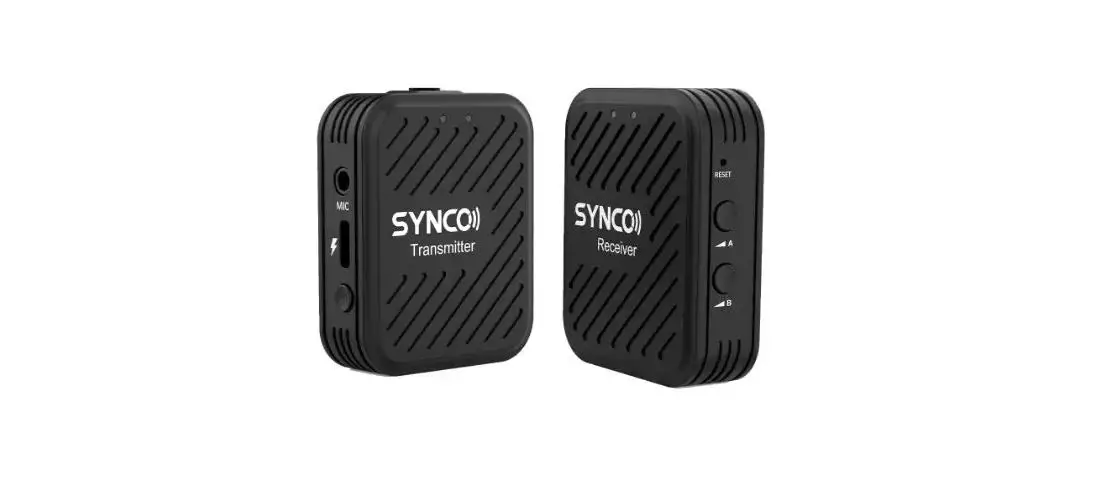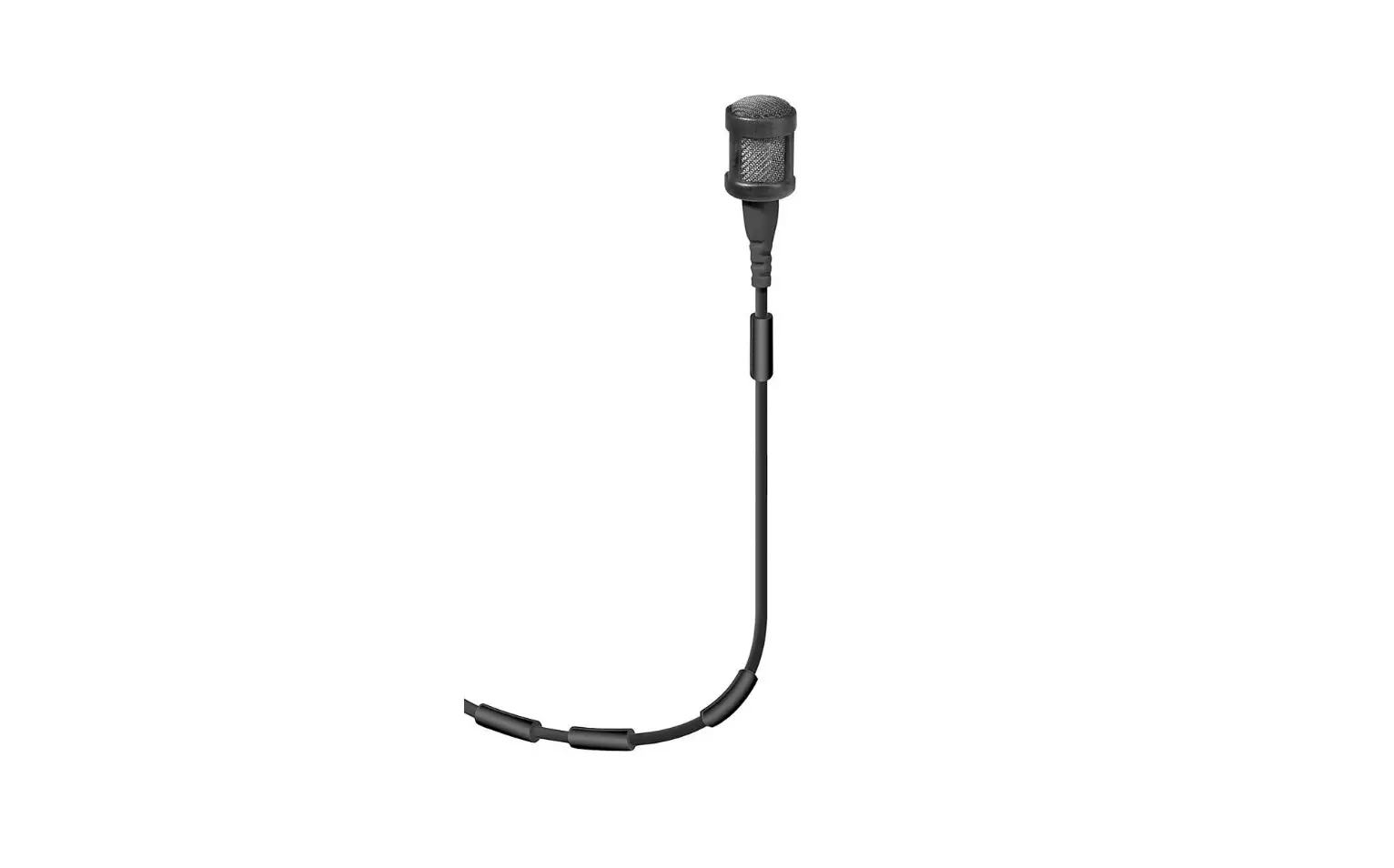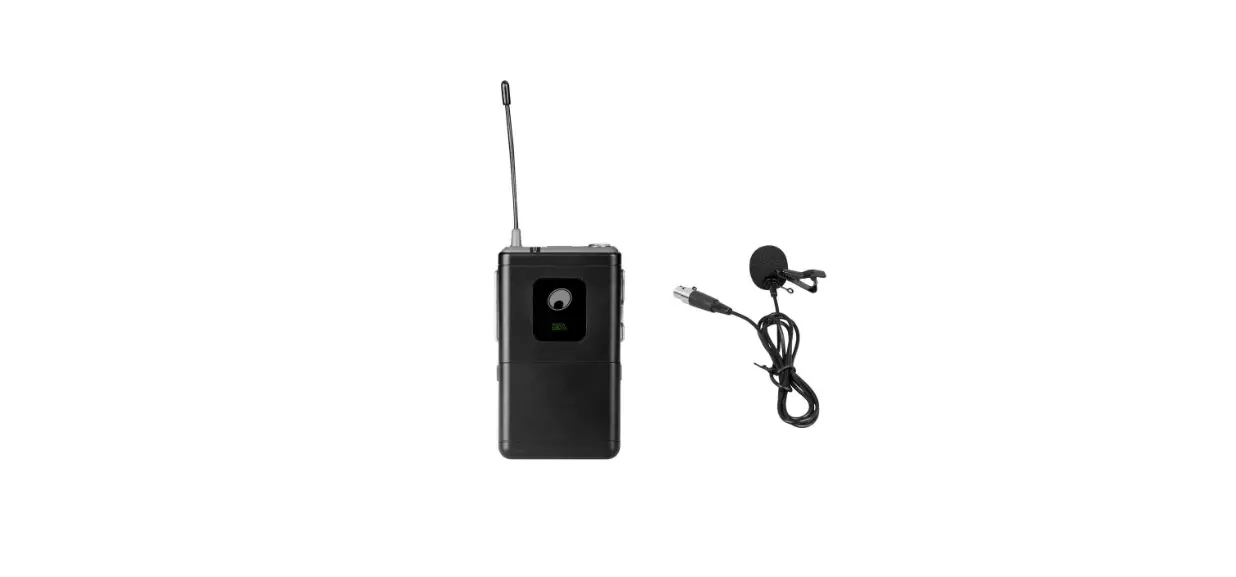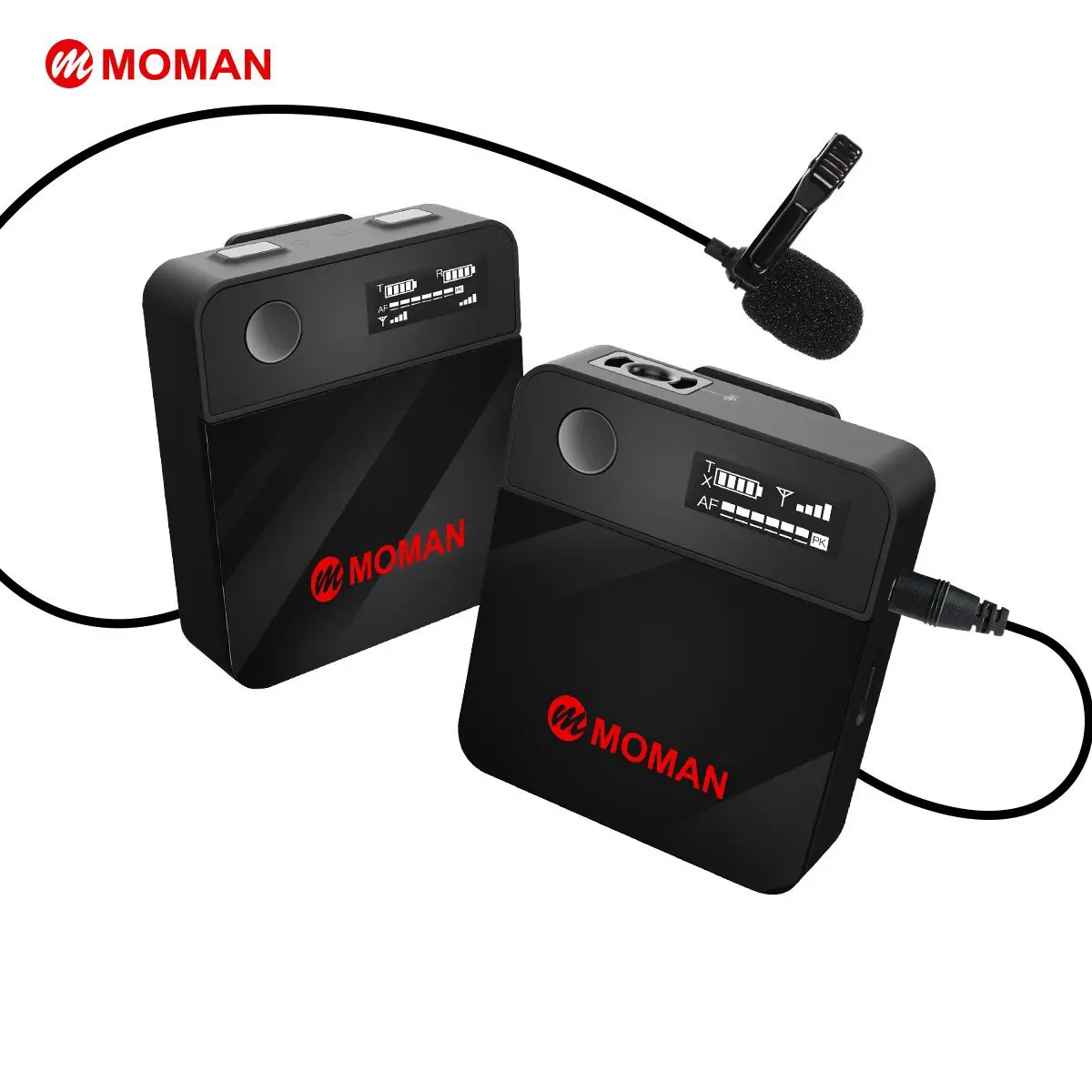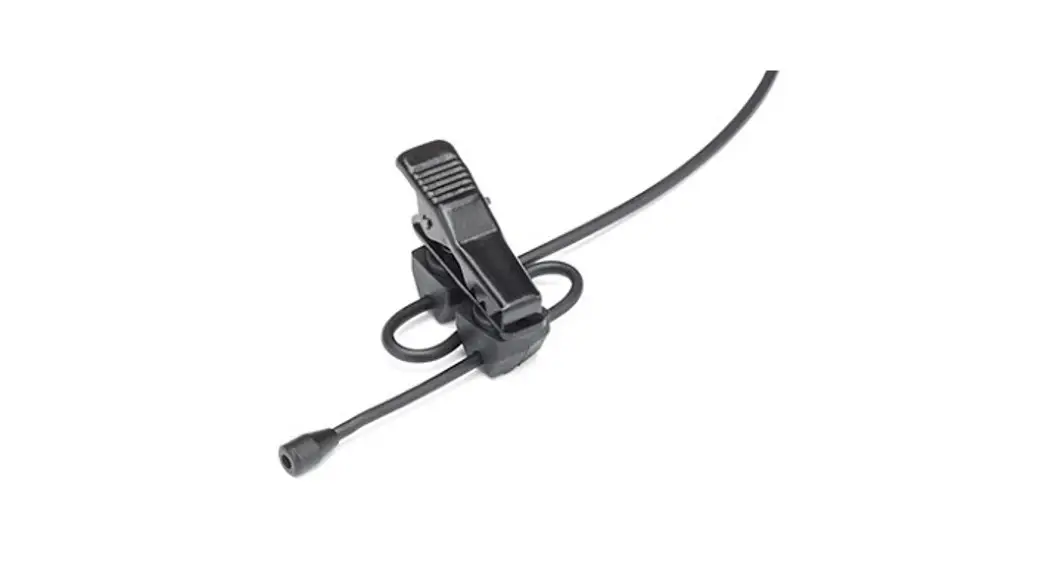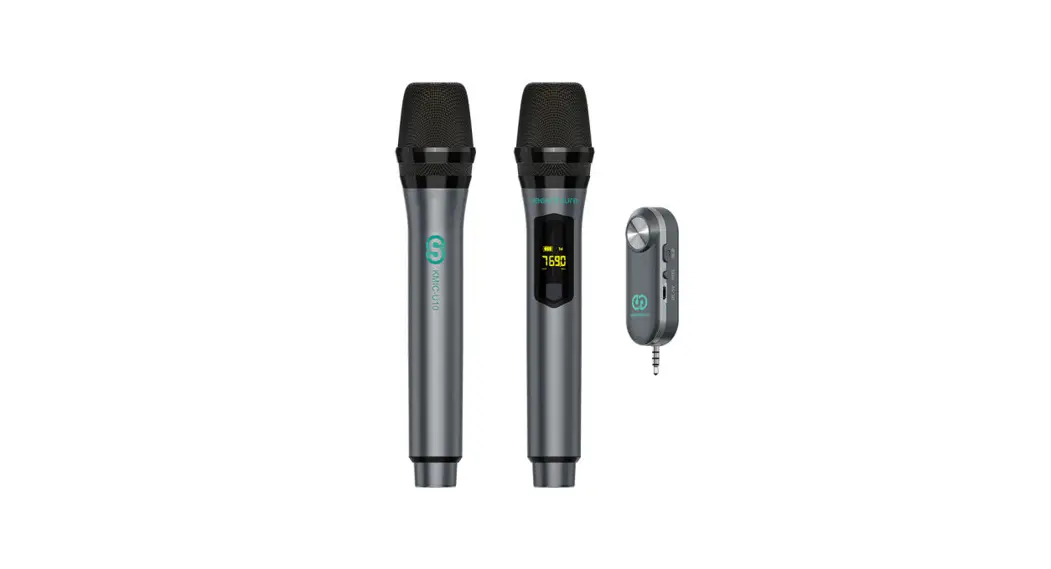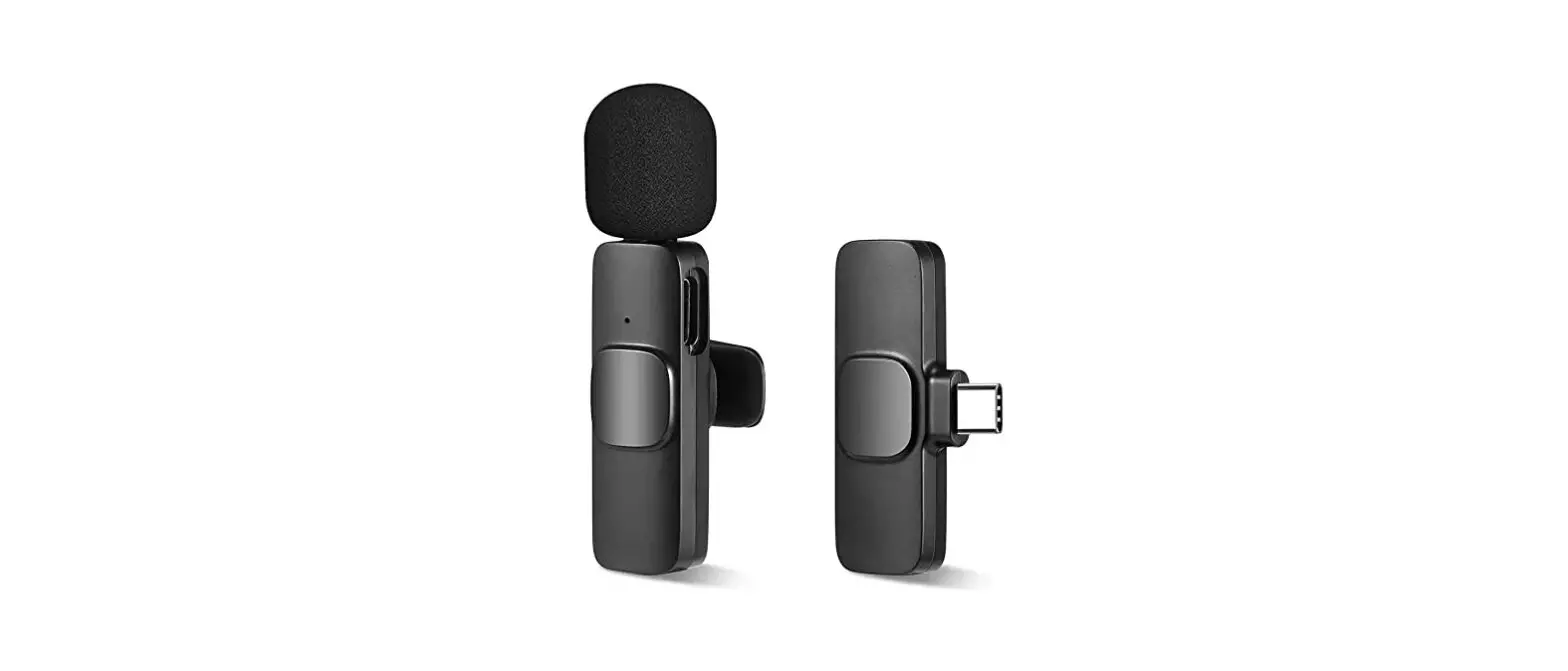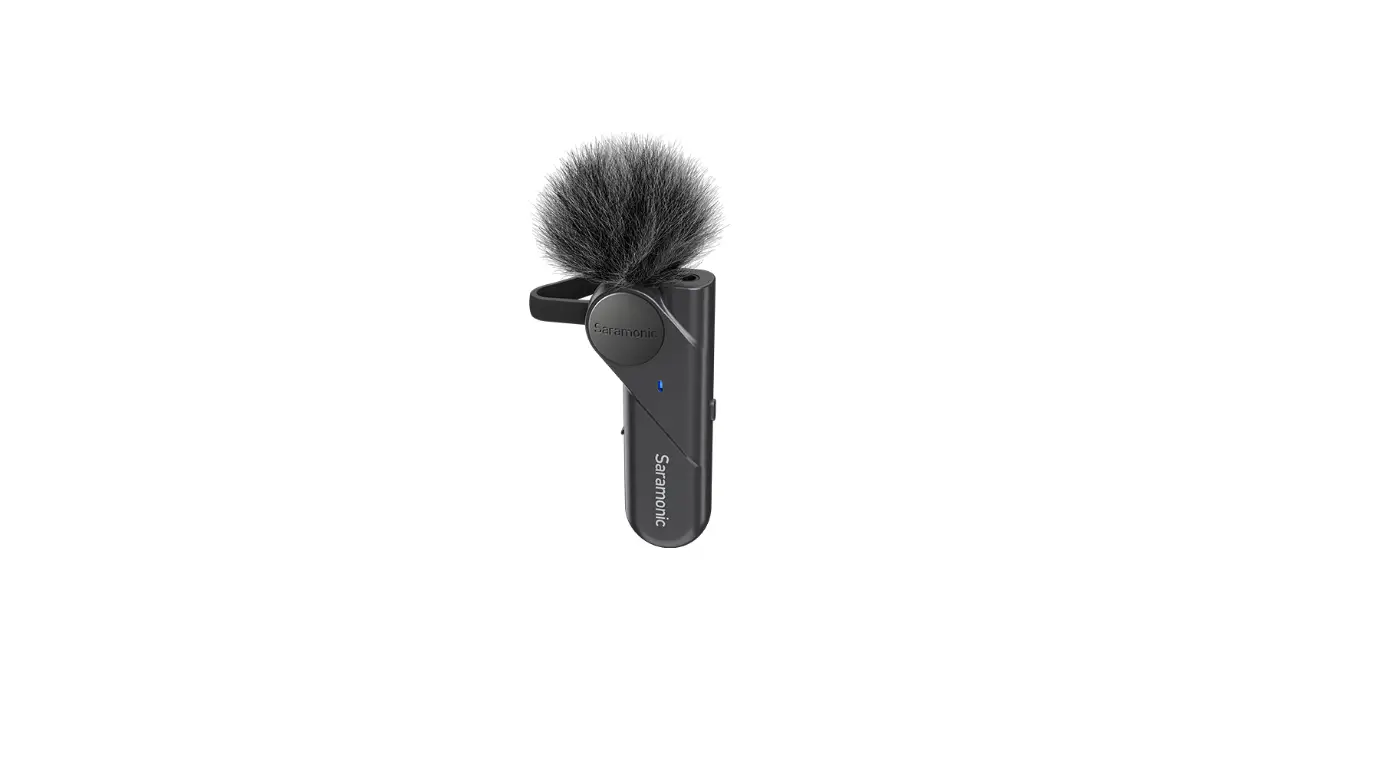

Sennheiser EW 112P G4 Camera-Mount Wireless Omni Lavalier Mic
Specifications
- BRAND: Sennheiser
- CONNECTIVITY TECHNOLOGY: XLR
- CONNECTOR TYPE: 3.5 mm Jack, XLR Connector
- POLAR PATTERN: Omnidirectional
- MICROPHONE FORM FACTOR: Microphone System
- ITEM DIMENSIONS LXWXH: 3.2 x 2.5 x 0.9 inches
- POWER SOURCE: Battery Powered
- HARDWARE PLATFORM: Camera
- ITEM WEIGHT: 7 pounds
- PRODUCT DIMENSIONS: 3.2 x 2.5 x 0.9 inches
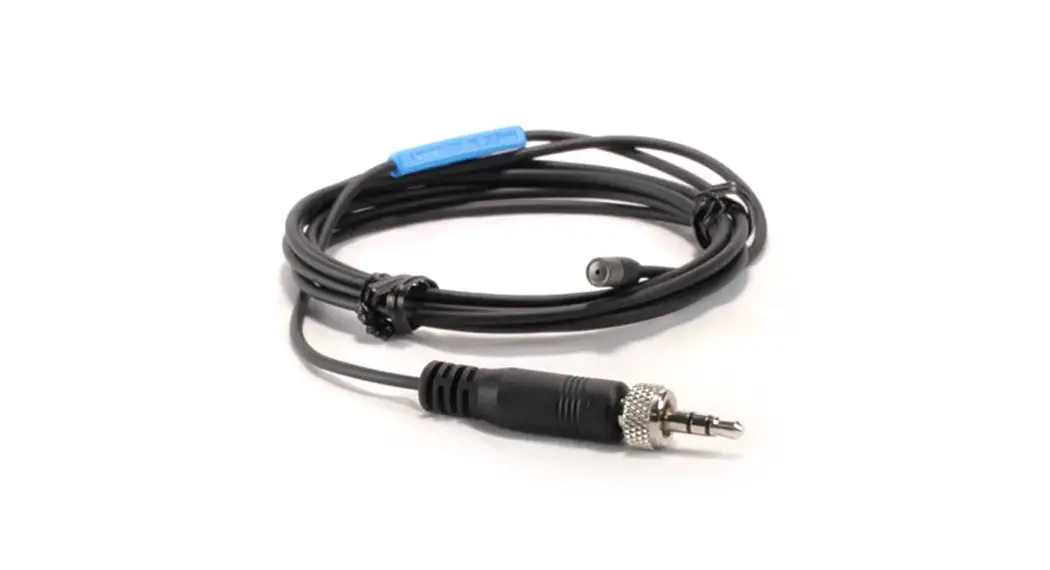
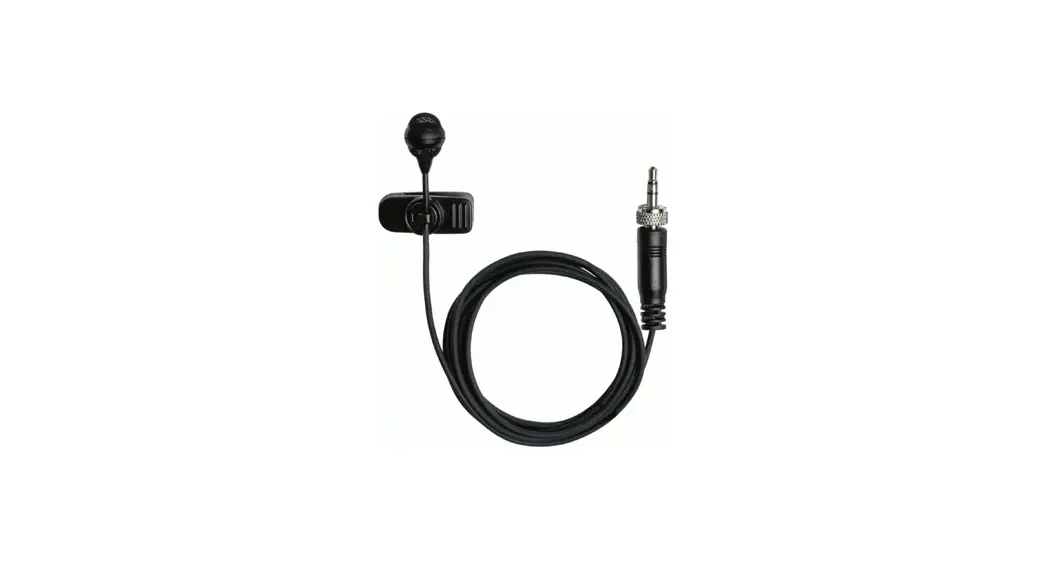
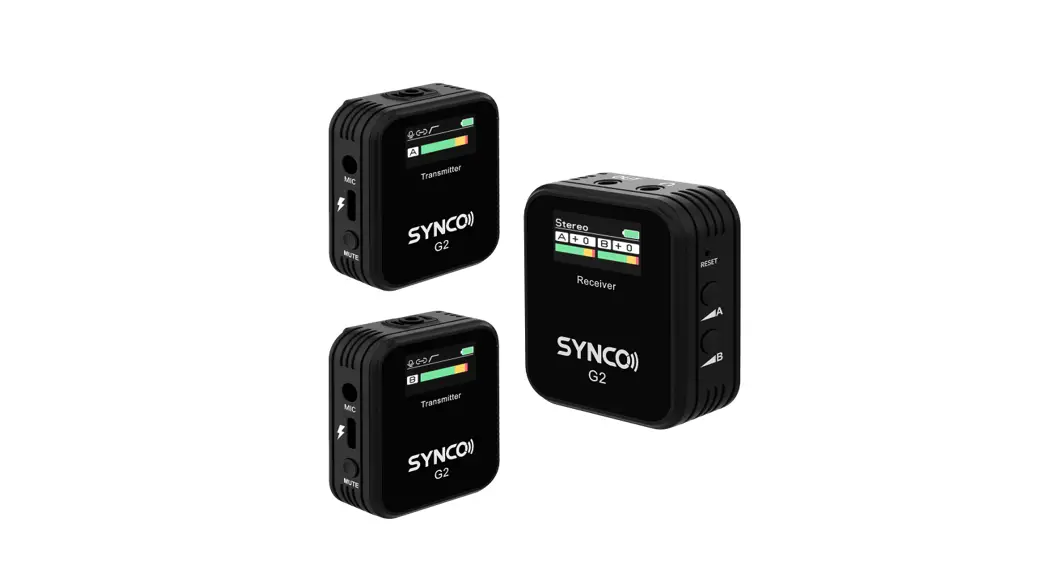
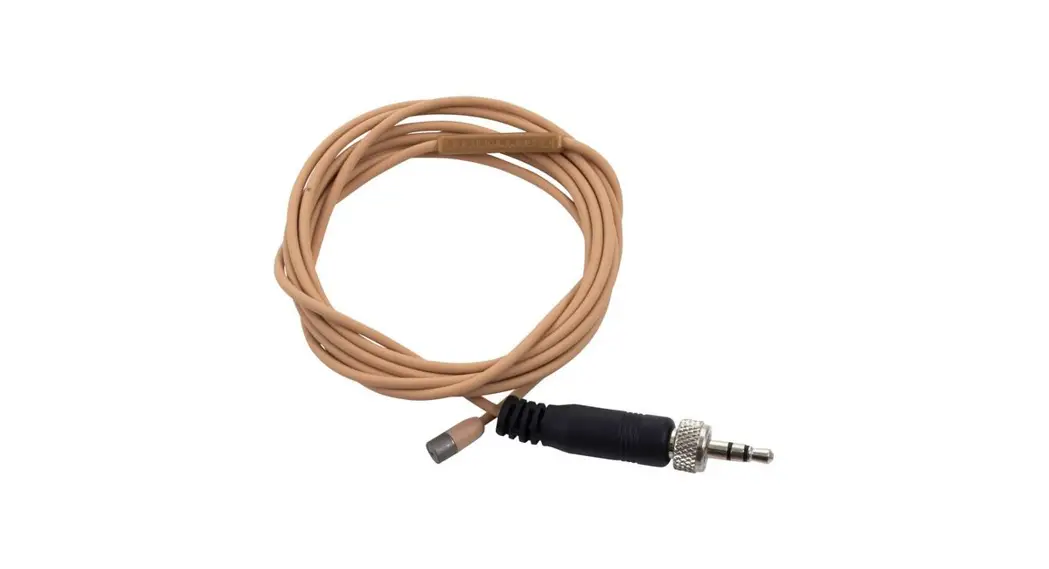
The Sennheiser EW 112P G4 camera-mount wireless lavalier microphone system offers the tried-and-true combination of dependability, adaptability, and broadcast-quality sound that has established the EW Series as the de facto standard for photographers, journalists, and content producers all over the world. A bodypack transmitter, a camera-mount receiver, and an upgraded ME 2-II omnidirectional lavalier mic are all included in the system. It may record clear speech or dialog for projects like documentaries, wedding films, commercials, and hands-free interviews by connecting to a camcorder or a DSLR/mirrorless camera.
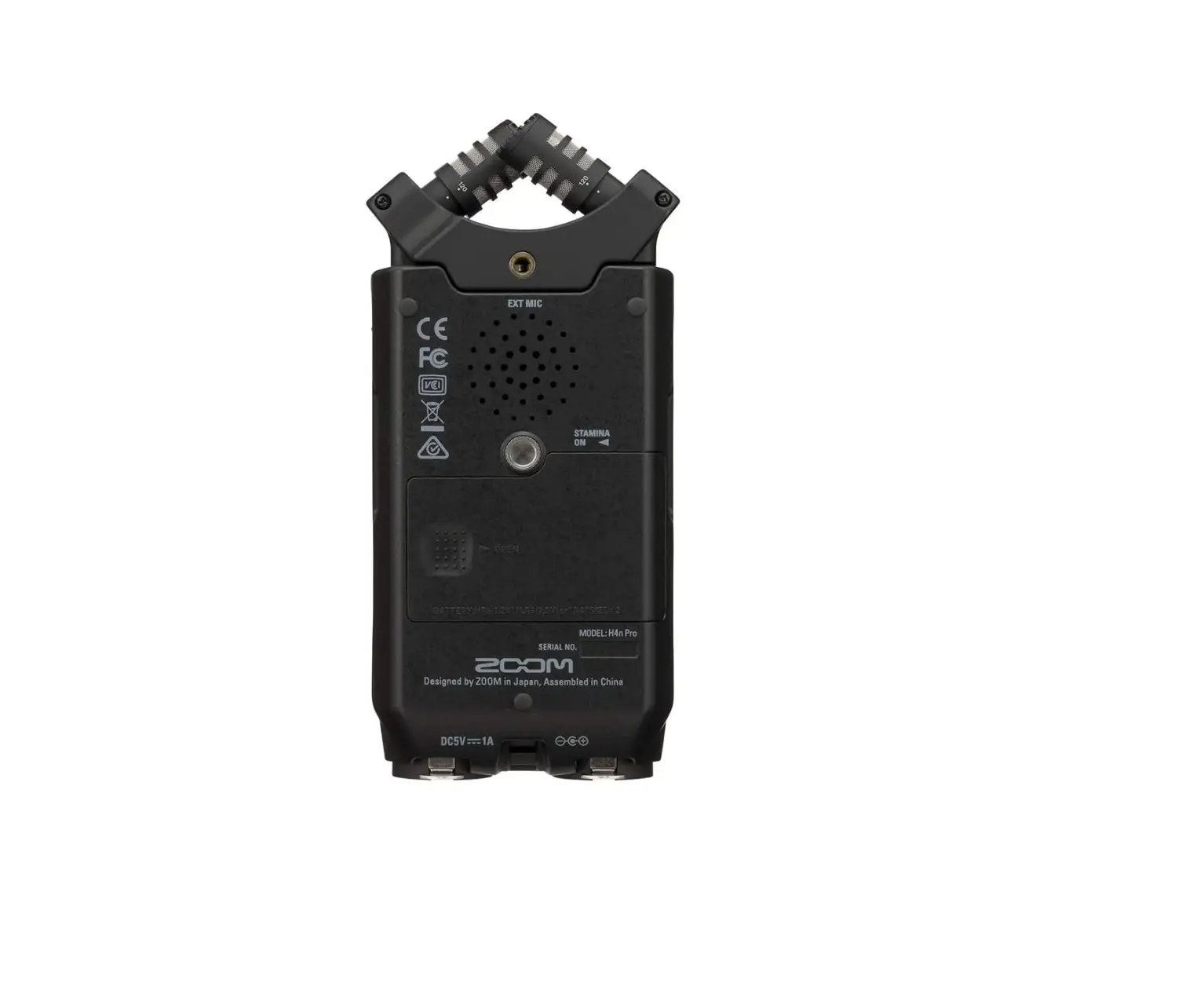
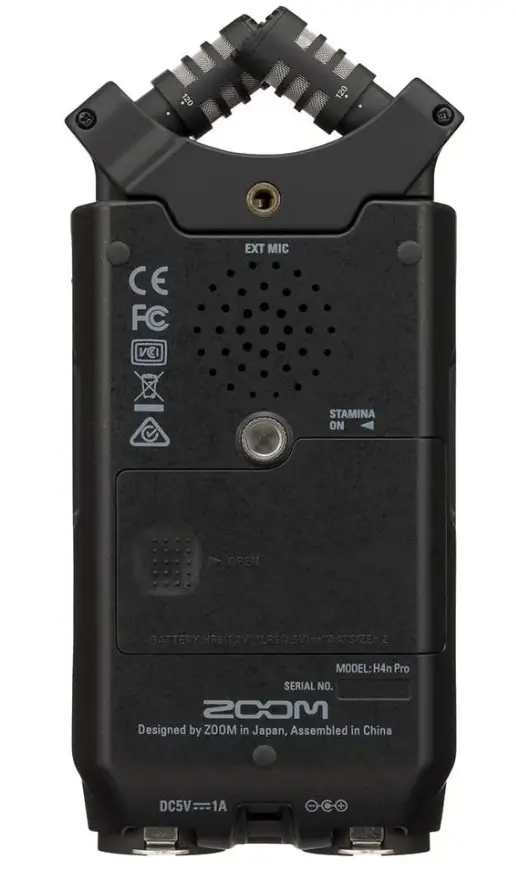
The Zoom H4n All Black 2020 Model Portable Handheld Recorder with Onboard Stereo Microphone Capsule is paired with it. You can record up to four tracks of high-resolution audio in the palm of your hand thanks to a flexible mic/line/instrument input. Connect your preferred guitar and microphone, then take use of endless overdubbing, amp emulation, and a variety of effects to shape your songs into a finished mix. It is including a 10-pack of fastening straps, as well.
HOW TO UNLOCK
The transmitter must be turned off and on again in order to be used after the lock-off mechanism has been activated. Activate the SET button. Locked displays in the display panel. Choose UP or DOWN and press it.
HOW TO TURN OFF WIRELESS MICROPHONE
- Hit the on/off switch.
- Hit the indicated button.
- Activate the Set button.
- Till it turns off, press and hold the on/off button.
HOW TO CHANGE FREQUENCY
On the receiver you want to use for this frequency, press the SET button. This process should be used to sequentially assign a frequency to each connected receiver. Assign a frequency to the master receiver as the final step. The multi-channel frequency setting is now complete.
HOW TO RECORD A LAVALIER MICROPHONE
To begin recording, affix the microphone to the speaker’s clothing in the preferred location, then plug the microphone cable into the camera or other recording device.
HOW TO TURN OFF RF MODE
- Press the ON/OFF button quickly.
- It says “RF Mute On?”
- Activate the SET button.
- Press the ON/OFF button quickly.
- It says RF Mute Off?
- Activate the SET button.
FAQs
The microphone’s pick-up sensitivity can be changed on the body pack or microphone itself. Typically, the sensitivity should be set between -15 and -18 dB for general use. Depending on the specific application, you may need to alter this.
Squelch is a detector circuit that performs comparable duties to a receiver noise gate. This detector circuit will muffle the audio if the receiver does not pick up a radio frequency (RF) signal above a specific threshold.
A compact, cordless digital microphone is known as a lavalier microphone. These microphones typically come with a clip so you may fasten it or place it next to your mouth. The microphone can be fastened to a garment or collar.
A pendant suspended from a delicate chain and worn as a necklace.
Telephones, hearing aids, public address systems for concert halls and public gatherings, motion picture production, live and recorded audio engineering, sound recording, two-way radios, megaphones, and radio and television transmission are just a few of the uses for microphones.
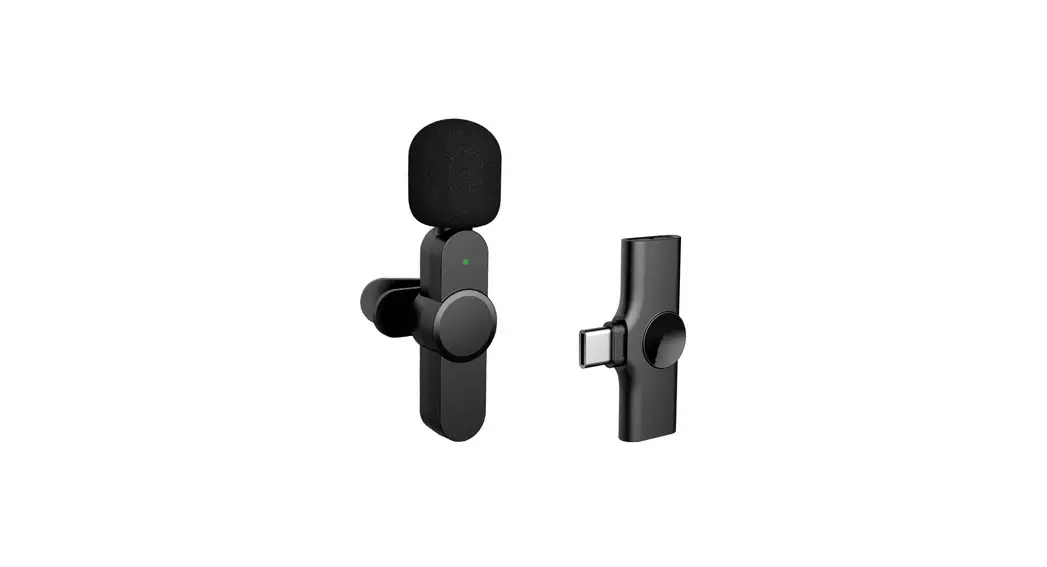
A 3.5mm TRS to TRRS adapter is required to connect a lapel mic with a 3.5mm TRS jack to an Android smartphone’s headphone jack. The adapter must be inserted into the phone’s headphone jack. Next, insert the TRS jack of the microphone into the adaptor.
With the appropriate device, you can connect practically any USB microphone and a variety of USB audio interfaces to an iPhone or Android phone. Most likely, all you’ll need to get started is an Apple Camera Connection Kit or USB-A to USB-C cord if you already have a microphone or interface you prefer.
One active microphone transmitter at a time can only have its signal demodulated by a wireless receiver. However, as long as only one transmitter is turned on at any given time, you are free to utilize either one.
Without the use of a cable between the microphone and camera, we can record high-quality voice and video simultaneously by employing a wireless microphone. Many filmmakers value the freedom of mobility this enables.
In case you forgot, the squelch systems in wireless microphone receivers function similarly to an audio system’s noise gate. Its main function is to “squelch” or muffle” the audio output from your receiver if the receiver loses connection with your microphone transmitter.
Press and hold the “-” button to mute the ringtone during an incoming call. Unmute by holding down the “+” button.
The final signal’s strength when it leaves the receiver and enters the sound board, PA system, recorder, etc. Only the receiver’s menu options contain the “AF OUT” setting. If you’re connecting to a line-level input on the sound board, speakers, etc., this will typically be set to around 0 dB or +6 db.
The infrared interface on the receiver allows you to synchronize transmitters and receivers from the ew 100 G4 series. Turn on both the receiver and the transmitter. SYNC the receiver by pressing the SYNC button. The receiver’s display shows Sync, and the blue LED turns blue.
The squelch level should ideally be set at a position where the desired signal is getting too noisy to be usable or slightly above the background radio noise level. The receiver must have a stronger received signal at greater squelch levels in order to be unmuted.
The amount of radio traffic you can receive will be severely constrained if you crank the squelch up too much. This could be useful if, for instance, you want to concentrate on strong radio signals that are extremely localized. Just remember to reset the control afterward.