 User Guide for User Recording Unit (URU)
DOC-00015
Rev.00
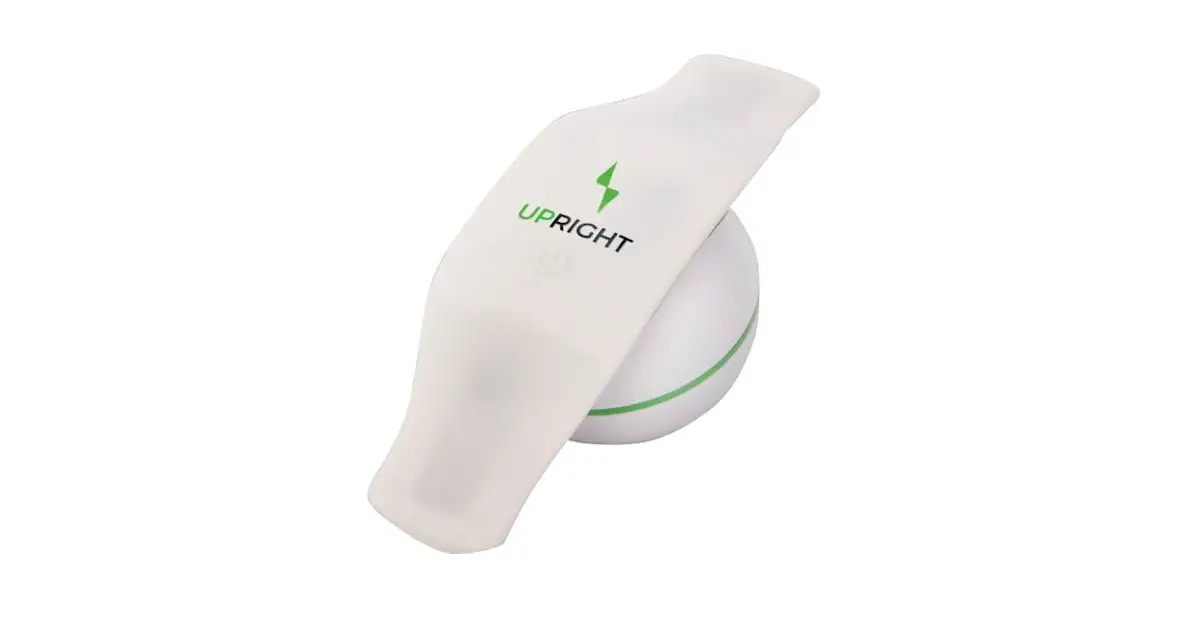
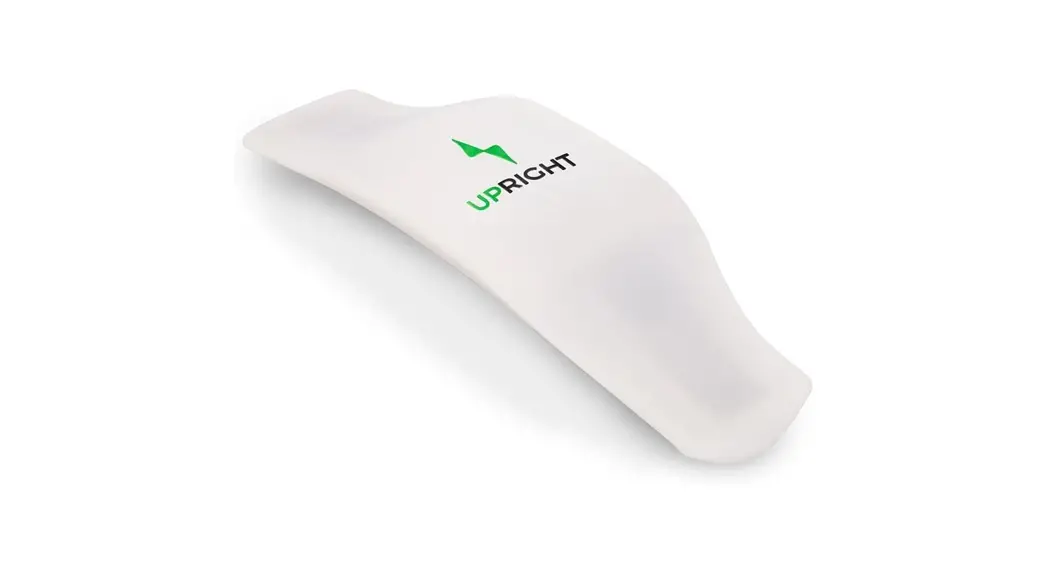
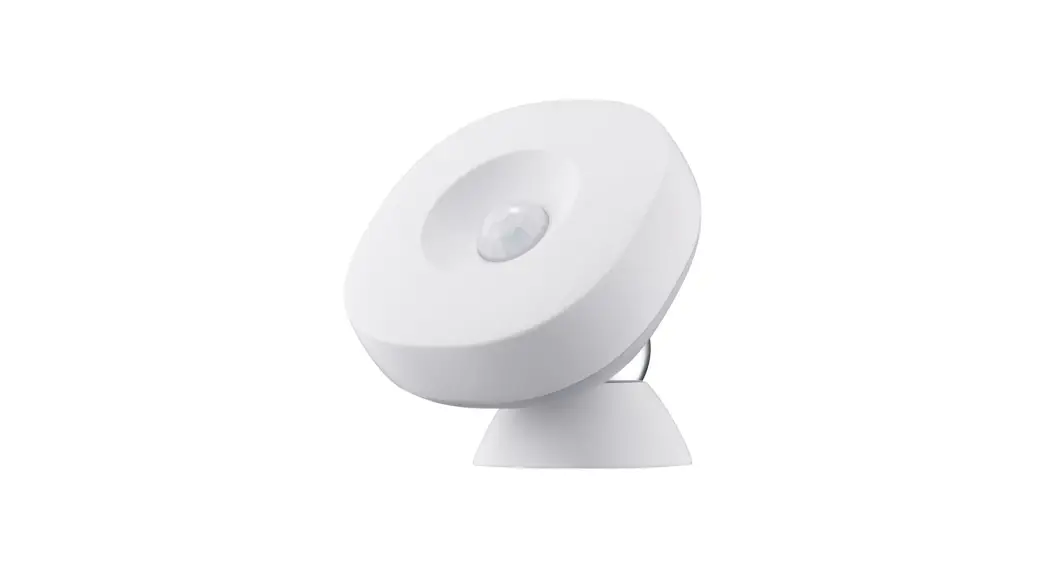
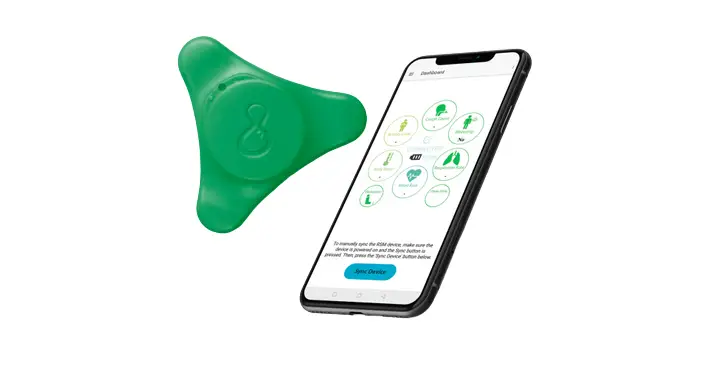
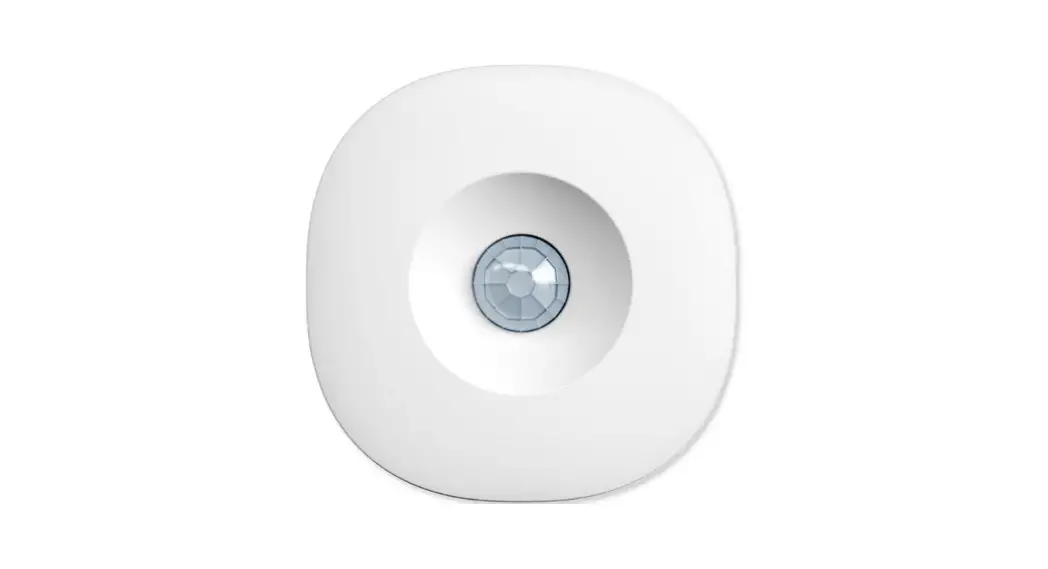
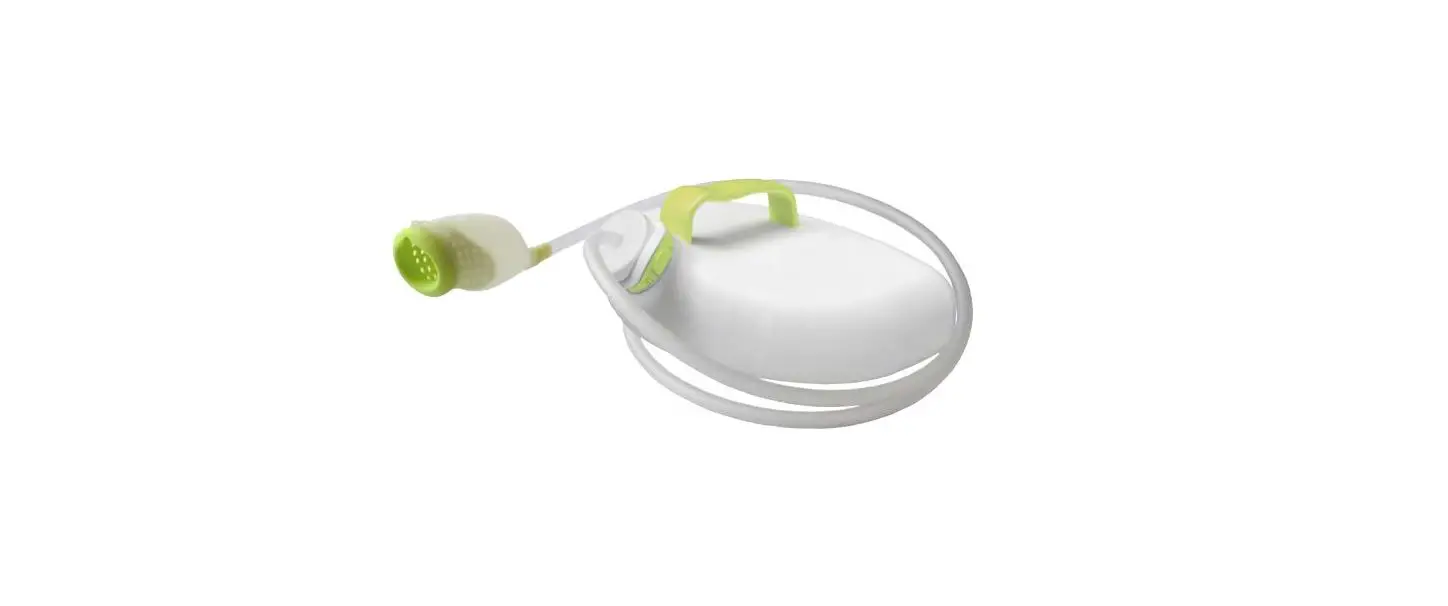
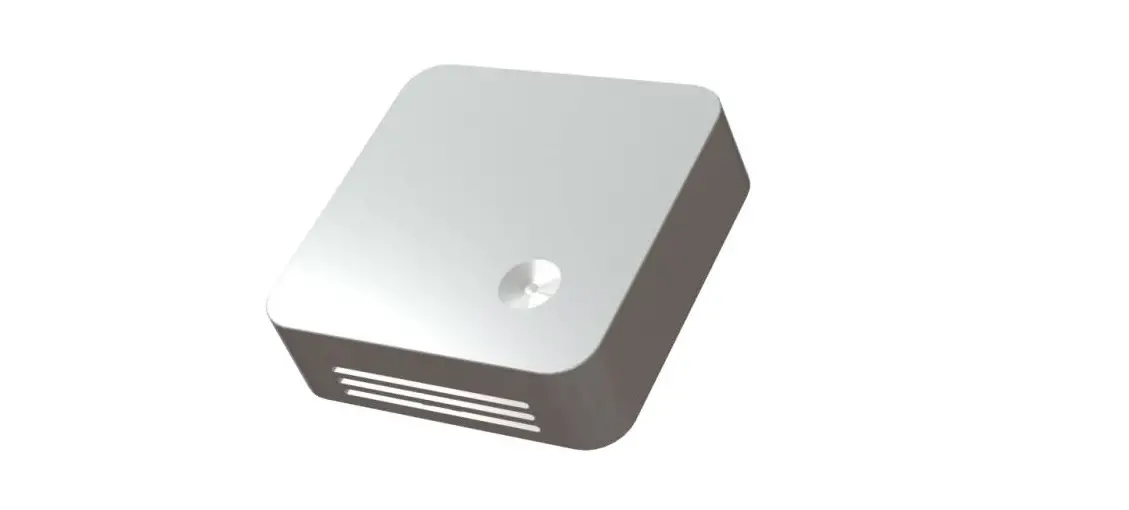
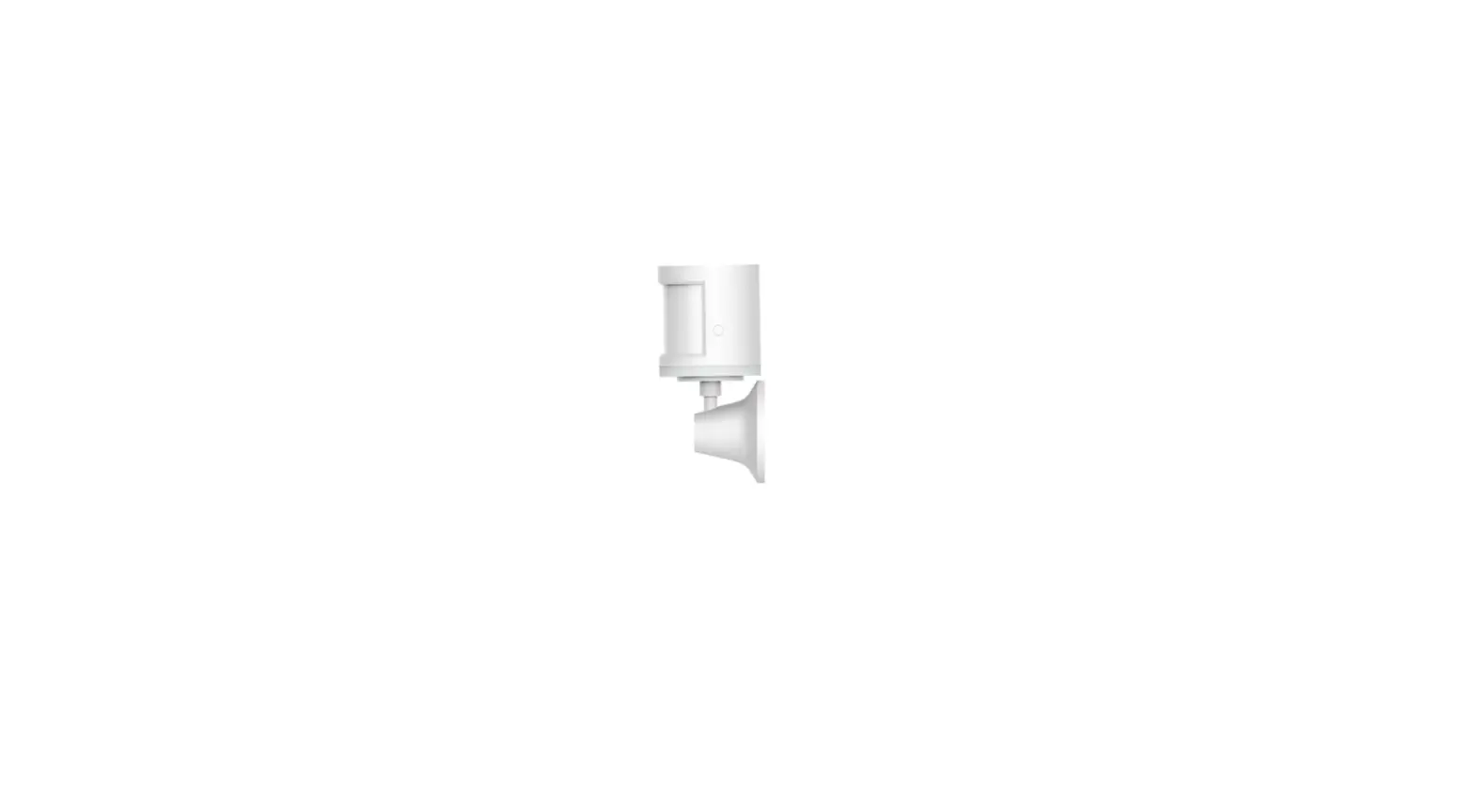
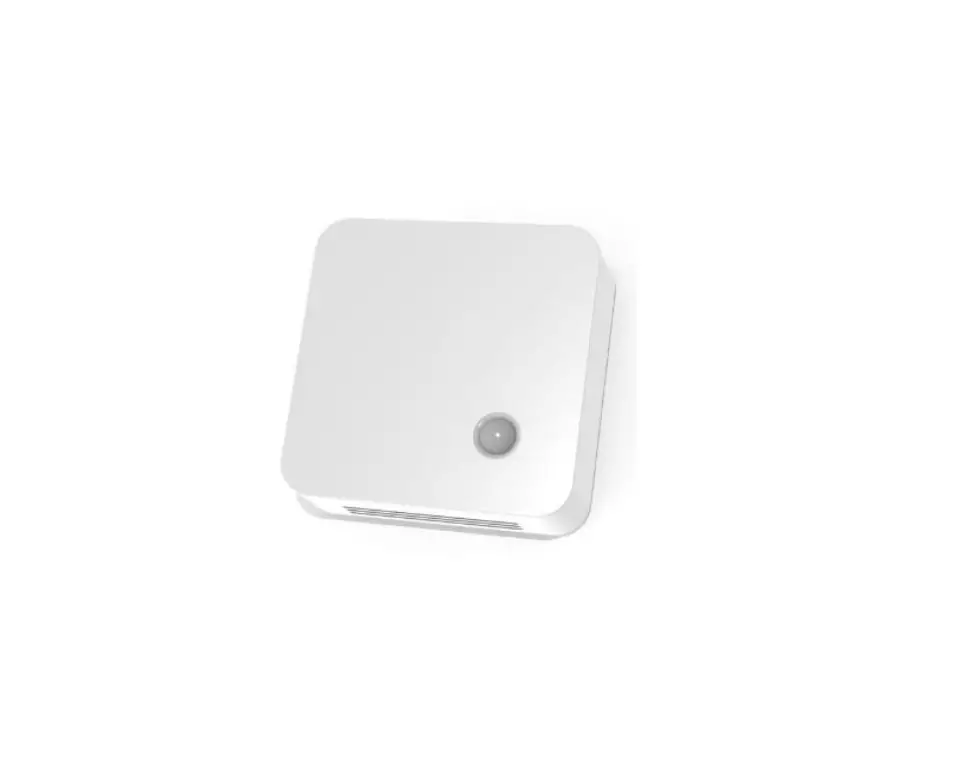
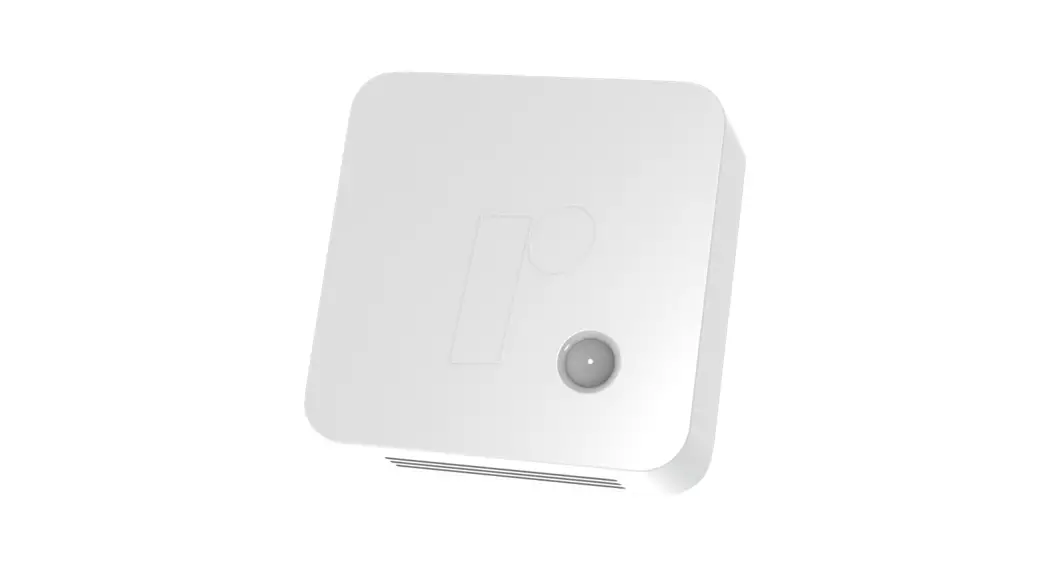
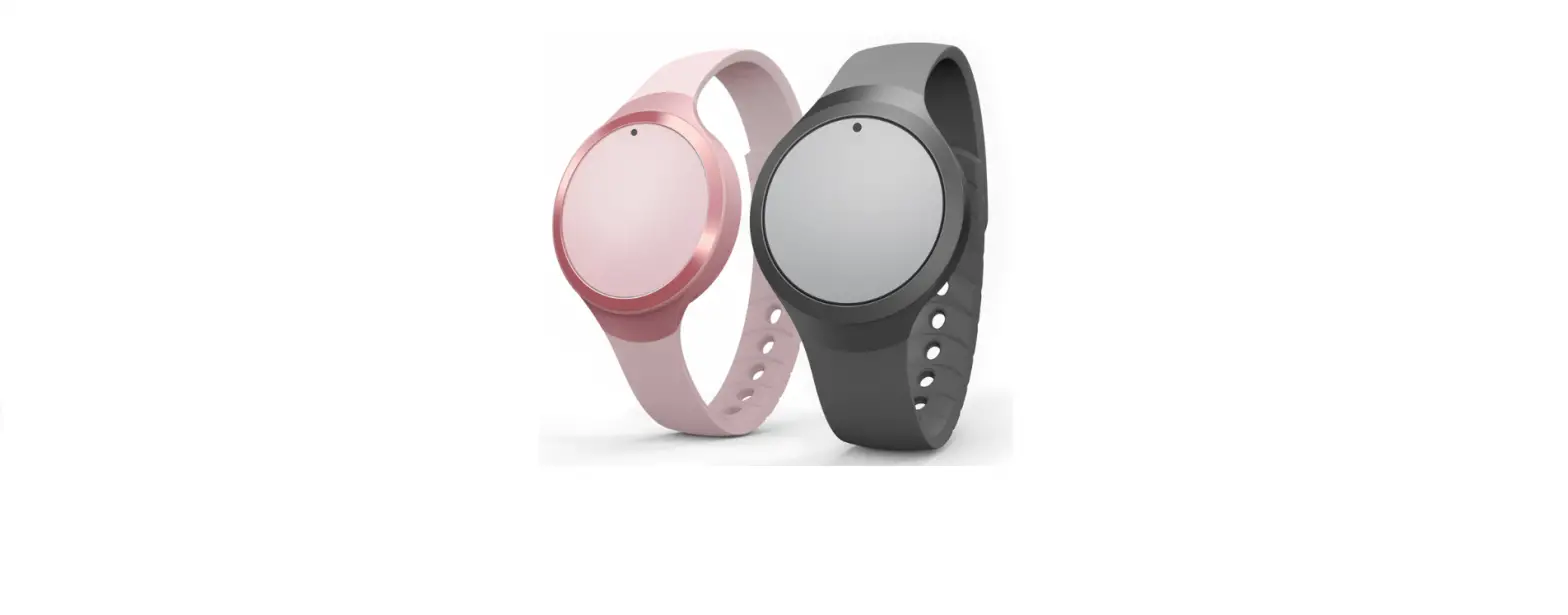
The User Recording Unit (URU) is designed to be used as part of the Patch system. The URU is a wearable sensor intended to record biological signals from the user during sleep.
Cautions and Warnings for URU
- Read the entire manual before using the URU.
- When using consumables and accessories, please read the manufacturer’s information supplied with the products.
- It is important to inspect the condition of the URU. If there are any visible defects, the URU should not be used.
- It is recommended to initiate recording on the URU immediately before going to sleep.
- Do not submerge the URU in liquid.
- Do not modify the URU.
- Excessive noise may affect the quality of the recording. When using the URU, the patient should sleep in a quiet environment to minimize the impact of the ambient noise.
- Wireless communication devices might have an impact on the system. Do not place it too close to the patch.
- Small parts may be a choking hazard to children.
- The healthcare professional is responsible for explaining to the patient the functions of the URU and how to operate it safely with the help of the patient’s User Guide.
URU LED Light Indicators
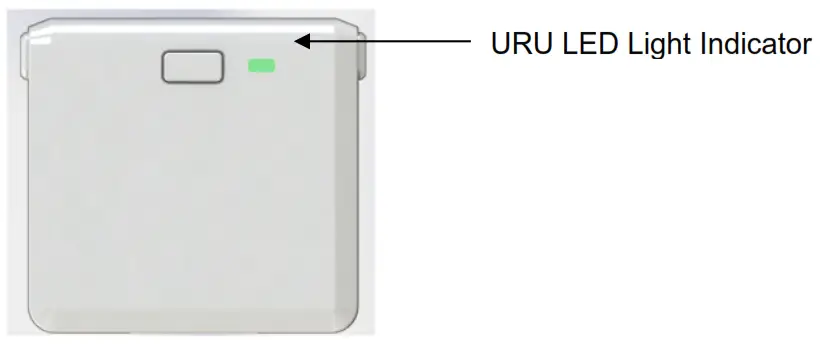
| Light | Description |
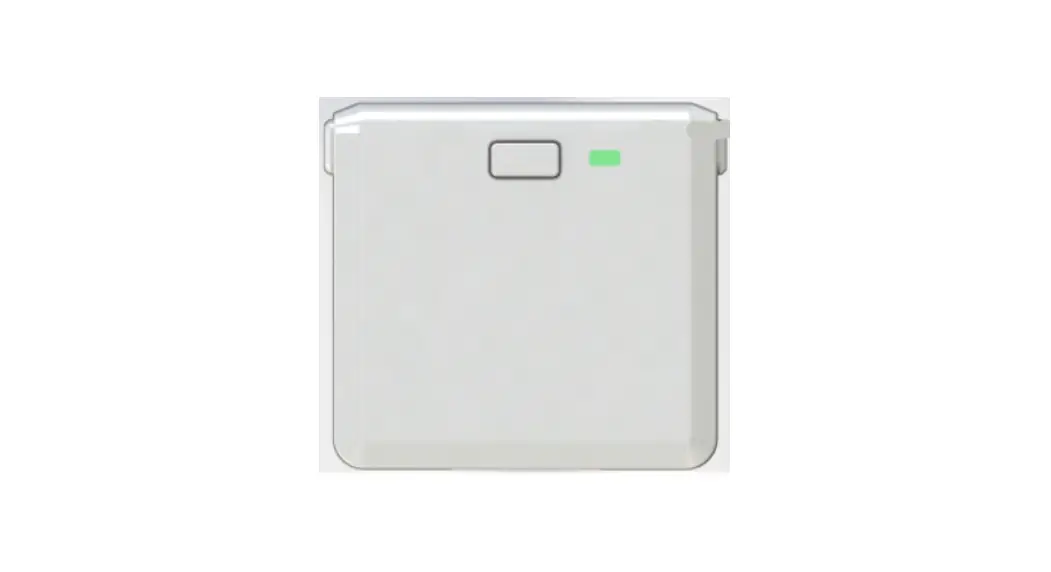
| Solid Green | URU will start recording |
| Flashing Green | URU recording in progress |
| Solid Red | URU in error state |
Charging URU
- Plug the data collection unit (DCU) into a wall outlet.
- Insert the URU to the charging dock in DCU.
- The URU should be charged for approximately 2 hours.
- The URU should be charged the day you wish to conduct the home sleep test.
Directions for Use
Note: The URU must be fully charged prior to usage. See charging instructions for URU.
- Attach the URU on the neck.
- Turn on the URU by pressing the button. The green LED light will turn on solid.
- Once all components are connected, the LED light on URU will flash green and eventually turn off within a minute.
- Go to sleep.
Cleaning and maintenance
- Wipe all outer surfaces of URU using an antiseptic isopropyl alcohol wipe.
- Leave the components to dry.
FCC Regulatory Statements
This device complies with Part 15 of the FCC Rules. Operation is subject to the following two conditions:
- This device may not cause harmful interference.
- This device must accept any interference received, including interference that may cause undesired operation.
This equipment has been tested and found to comply with the limits for a Class B digital device, pursuant to part 15 of the Federal Communication Commission (FCC) rules. These limits are designed to provide reasonable protection against harmful interference in a residential installation. This equipment generates, uses, and can radiate radio frequency energy and, if not installed and used in accordance with the instructions, may cause harmful interference to radio communications. However, there is no guarantee that interference will not occur in a particular installation. If this equipment causes harmful interference to radio or television reception, which can be determined by turning the equipment off and on, the user is encouraged to try to correct the interference by doing one or more of the following measures:
- Reorient or relocate the receiving antenna.
- Increase the separation between the equipment and receiver.
- Connect the equipment into an outlet on a circuit different from that to which the receiver is connected.
- Consult the dealer or an experienced radio/TV technician for help.
NOTE: THE GRANTEE IS NOT RESPONSIBLE FOR ANY CHANGES OR MODIFICATIONS NOT EXPRESSLY APPROVED BY THE PARTY RESPONSIBLE FOR COMPLIANCE. SUCH MODIFICATIONS COULD VOID THE USER’S AUTHORITY TO OPERATE THE EQUIPMENT.
RF Exposure Warning
This equipment complies with FCC radiation exposure limits set forth for an uncontrolled environment. In order to avoid the possibility of exceeding the FCC radio frequency exposure limits, human proximity to the antenna must not be co-located or operating in conjunction with any other antenna or transmitter.
ISED Regulatory Statements
This device complies with ISED Canada license-exempt RSS standard(s). Operation is subject to the following two conditions: (1) this device may not cause interference, and (2) this device must accept any interference, including interference that may cause undesired operation of the device.
CAN ICES-3 (B)/NMB-3(B)
RF Exposure Information
This equipment complies with ISED RSS-102 radiation exposure limits set forth for an uncontrolled environment. This transmitter must not be co-located or operating in conjunction with any other Ω.
Storage/Environmental/ transport conditions
| Environmental operating conditions | Temperature | +5°C to +40°C |
| Relative Humidity | 15% – 93%, non- condensing | |
| Atmospheric Pressure | 700 – 1060 hPa | |
| Altitude | Up to 4000 meters | |
| Temperature | -40°C to +70°C |
| Environmental conditions of transportation and storage before first use | Relative Humidity | 10% – 100%, including condensation |
| Atmospheric Pressure | 50 – 106 kPa | |
| Environmental conditions of transportation and storage between uses | Temperature | -25°C without relative humidity control; and +70°C at a relative humidity up to 93%, non- condensing |
Safety and EMC Compliance
- IEC 60601-1:2005+AMD1:2012 Medical electrical equipment – Part 1: General requirements for basic safety and essential performance
- IEC 60601-1-2:2014: Medical electrical equipment – Part 1-2: General requirements for basic safety and essential performance – Collateral Standard: Electromagnetic disturbances – Requirements and tests
- IEC 60601-1-6:2010+AMD1:2013 Medical electrical equipment – Part 1-6: General requirements for basic safety and essential performance – Collateral standard: Usability IEC 60601-1-11:2015: Medical electrical equipment – Part 1-11: General requirements for basic safety and essential performance – Collateral Standard: Requirements for medical electrical equipment and medical electrical systems used in the home healthcare environment
- IEC 62366-1:2015: Medical devices — Part 1: Application of usability engineering to medical devices
- IEC 62133-2:2017 Secondary cells and batteries containing alkaline or other non-acid electrolytes -Safety requirements for portable sealed secondary lithium cells, and for batteries made from them, for use in portable applications – Part 2: Lithium systems
- ISO 10993-1:2018 Biological evaluation of medical devices — Part 1: Evaluation and testing within a risk management process
- ISO 10993-5:2009 Biological evaluation of medical devices — Part 5: Tests for in vitro cytotoxicity
- ISO 10993-10:2010 Biological evaluation of medical devices — Part 10: Tests for irritation and skin sensitization
 | Medical Prescription required |
 | Operating instructions Consult operating instructions |
 | Caution, Consult accompanying documents |
 | Follow instructions for use |
| General warning sign |
 | Type BF applied part |
 | Manufacturer information |
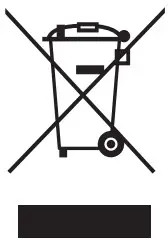 | WEEE |
 | Catalogue number |
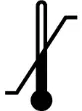 | Temperature limitation |
 | Humidity limitation |
 | Atmospheric pressure limitation |
 | Fragile, handle with care |
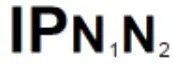 | Degree of protection against harmful ingress of water or particulate matter, where N1 defines the degree of protection against harmful ingress of particulate matter and N2 the degree of protection against harmful ingress of water |
 | Medical device |
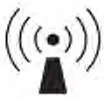 | Non-ionizing electromagnetic radiation. Equipment includes RF transmitters. Interference may occur in the vicinity of equipment marked with this symbol. |
Manufacturer’s info
Manufacturer Name: BresoTEC Inc.
Manufacturer Address: Unit 407, 555 Richmond Street West, Toronto, Ontario M5V 3B1, Canada.
Manufacturer website: www.bresotec.com
Contact information:
[email protected]
+1.844.276.3239
Technical Specification
Function and Features
| URU | Recording time per session | 8 hours maximum |
| Sample Resolution (Sound/snoring) | 8000 Hz, 24 bits | |
| Sample Resolution (Neck/Chest Movement) | 100 Hz, 12 bits x 3 axis | |
| Power Requirements | ||
| Power Source | URU | Lithium-ion rechargeable battery, 3.7V, 170mAh, 0.6Wh IEC62133-2:2017 Certified |
| Battery Life | URU (continuous and repeated uses) | 17 hours (new and fully charged battery) |
| URU (idle, not in use) | > 6 months (new and fully charged battery) | |
| Physical Specification | ||
| URU | Dimension | 17.4mm x 38.7mm x 35.5mm (H x W x D) |
| Weight | 17 grams | |
| Transmitter | ||
| URU | WLAN compliance | 802.11 b/g/n |
| Antenna Type | Internal, 2.4GHz Chip Antenna | |
| Operating Frequency | 2.4 GHz | |
| Band Width | 20 MHz | |
| Operation | WLAN Station | |
| Modulation | 1 DSSS, 6 OFDM, 54 OFDM | |
| FCC ID | 2AYNV-BTSM1URU | |
| IC | 26577-BTSM1URU | |
| Expected Service Life | ||
| URU | 50 Recordings (8 hours per recording) | |
BresoTec Inc. | 555 Richmond St. W, Unit 407
Toronto, ON, M5V 3B1 Canada
www.bresotec.com
 Bresotec | A better way to test for sleep apnea