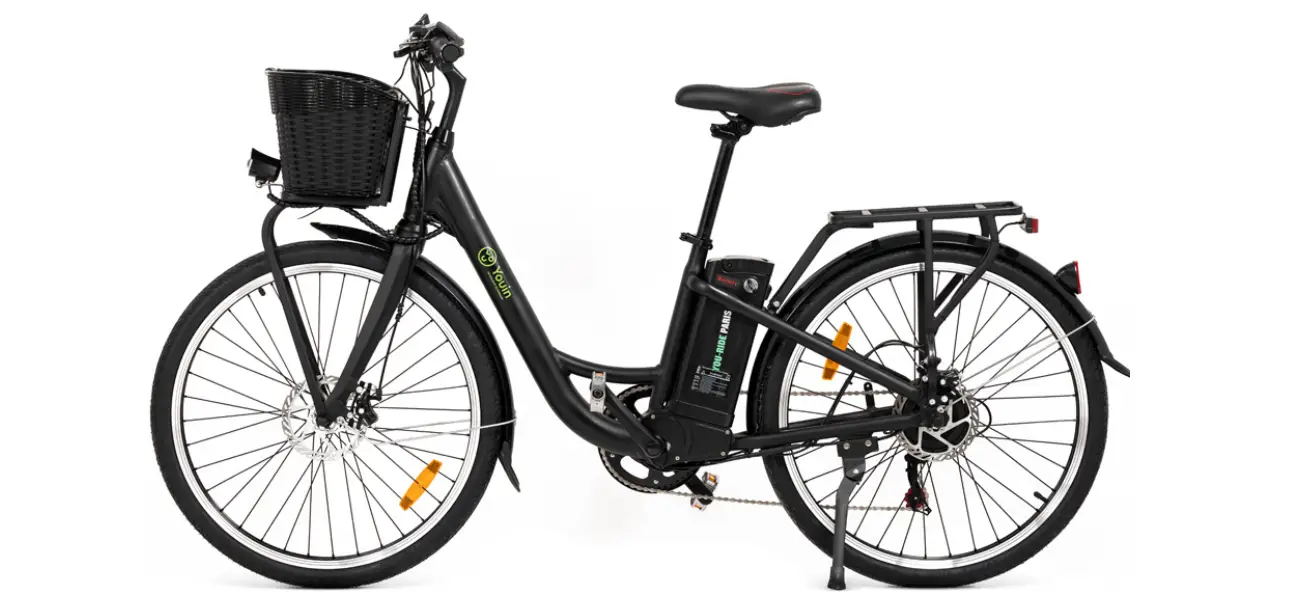
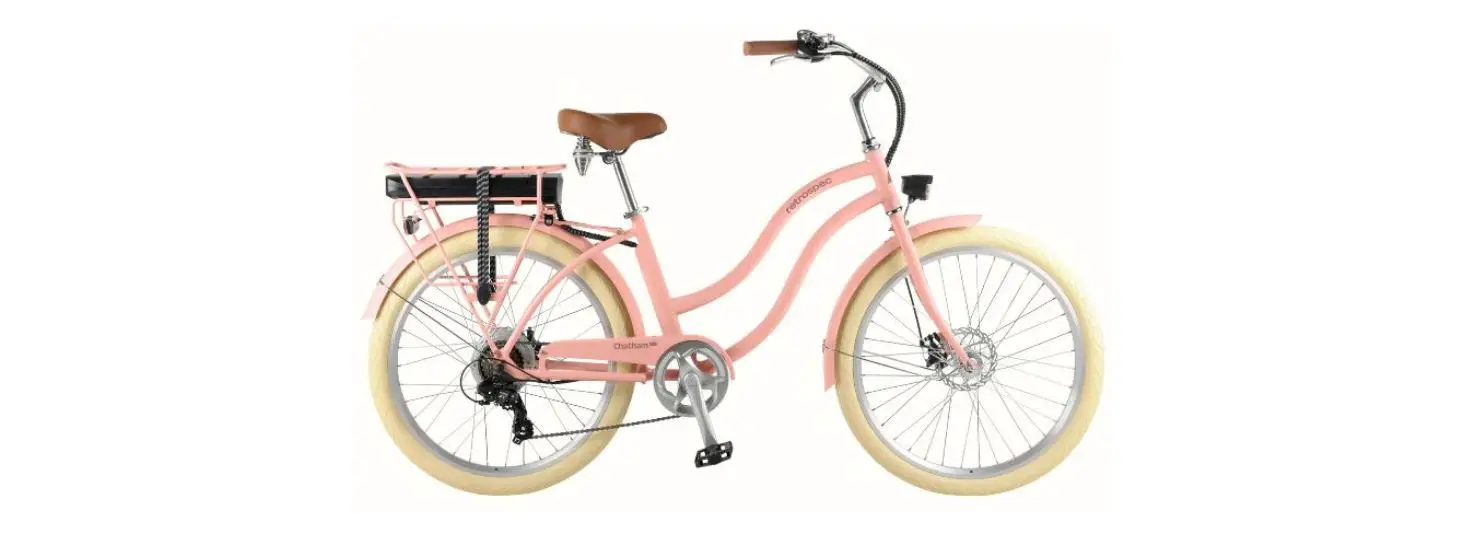
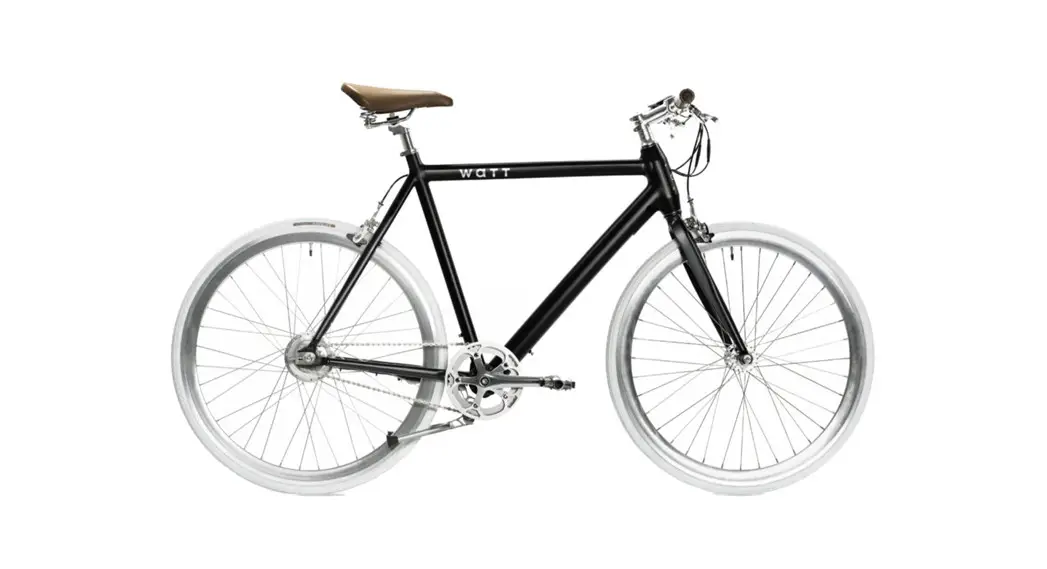
Tyee 6 CF 27.5 Perfect Bike
Product Information
The product is a bike called “Tyee”. It comes with a user manual
containing assembly instructions and usage guidelines. The manual
is available in German (DE) and English (EN) languages.
Assembly Instructions
1. Unpack the bike carefully, removing the handlebar, rear
frame, and fork fixations.
2. Rotate the stem straight and attach the handlebar:
- Remove the screws of the stem clamp.
- Take off the stem clamp and screws.
- Adjust the brake and shift levers to match the handlebar
angle. - Attach the handlebar to the stem, place the stem clamp, and
hand-tighten the screws. - Tighten the two clamp screws alternately until a torque of 6 Nm
is reached. - Tighten the upper clamp screws using the torque specified on
the clamp or stem. - Tighten the lower clamp screws using the torque specified on
the clamp. - Tighten the stem clamp with a torque of 1.5 Nm.
3. Mount the rear derailleur and rear wheel (for SRAM
transmission):
- Attach the derailleur to the dropout of the bike.
- Insert the rear wheel into the dropout.
- Place the chain on the red-marked sprocket of the
cassette. - Hold the derailleur in position and tighten its screw with a
torque of 35 Nm. - Tighten the rear wheel axle with a torque of 12 Nm.
4. Charge the SRAM AXS batteries:
- Remove the battery cover.
5. Mount the front wheel:
- Remove the axle from the fork.
- Insert the axle through the dropout of the fork and screw it
into the thread until there is a small gap between the axle and
dropout. - Ensure there is no gap between the axle and dropout.
6. Mount the pedals:
- Apply a small amount of grease to the pedal threads.
- If available, place washers on the pedal threads.
- Screw the left pedal counterclockwise into the left crank arm
with a torque of 35 Nm. - Screw the right pedal clockwise into the right crank arm with a
torque of 35 Nm.
7. Mount the saddle:
- Remove the screws of the seat clamp and take off the upper
clamp. - Attach the upper clamp to the seat post.
Product Usage Instructions
Once the bike is assembled, follow these instructions for
usage:
- Before your first ride, make sure you have read and understood
the user manual. - Ensure all components are securely tightened and adjusted.
- Check tire pressure and adjust if necessary.
- Familiarize yourself with the bike’s gear shifting mechanism
and braking system. - Always wear appropriate safety gear, including a helmet.
- Observe traffic rules and ride defensively to ensure your
safety and the safety of others. - Maintain and clean the bike regularly to prolong its
lifespan.
AUFBAUANLEITUNG / BEDIENUNGSANLEITUNG VOR DER ERSTEN FAHRT LESEN!
ASSEMBLY INSTRUCTIONS / USER MANUAL READ BEFORE YOUR FIRST RIDE!
DE EN
TYEE
AUFBAUANLEITUNG VOR DER ERSTEN FAHRT LESEN!
DE
// LIEFERUMFANG
// AUSPACKEN
1
2
3
Öffne den Verpackungskarton vorsichtig auf der Oberseite. Innenliegende Teile dürfen dabei nicht beschädigt
werden!
4
Entnimm die Fixierung des Lenkers, des Hinterbaus und der Gabel.
Achte beim Herausnehmen darauf, den Lenker vorsichtig aus der Fixierung zu lösen. So verhinderst du eventuelle Beschädigungen am Lack durch den Lenker.
5
Entnimm vorsichtig beide Laufräder. Um Beschädigungen zu vermeiden, sei hier besonders
vorsichtig.
6
Entnimm nun vorsichtig das Bike.
Achte auf Lenker, Federgabel und Schaltwerk. Fixiere das Bike für den weiteren Aufbau an einem Montageständer oder stelle es in der Hinterbaufixierung auf dem Boden ab.
Entnimm den Karton für die Kleinteile und öffne ihn.
In diesem Karton befinden sich Pedale, Sattel, Drehmomentschlüssel, Kleinteile sowie Kleidung/ Merchandise die mit dem Bike erworben wurden.
Hinweise zur Verwendung des Drehmomentschlüssels, siehe nächste Seite.
Löse das Schaltwerk von der Hinterbaufixierung.
// VORBAU GERADE DREHEN UND LENKER MONTIEREN
1
2
3
1. Öffne die Klemmschrauben und drehe den Vorbau in Fahrtrichtung.
1. Drehe die Schrauben der Klemmschelle des Vorbaus heraus.
2. Nimm die Lenkerklemmschelle und die Schrauben ab.
4
1. Drehe den Lenker in Fahrtrichtung, richte den Lenker mittig aus und stelle die Neigung des Lenkers nach den persönlichen Vorlieben ein.
2. Passe die Brems- und Schalthebel an die Lenkerneigung an.
1. Bringe den Lenker am Vorbau an, bringe die Lenkerklemmschelle an und drehe die Schrauben von Hand einige Umdrehungen hinein.
No Gap
A
A
5
C
C
B B Gap
1. Ziehe die beiden Klemmschrauben C abwechseln an, bis ein Drehmoment von 6 Nm erreicht ist.
2. Drehe die beiden oberen Klemmschrauben hinein und ziehe beide Schrauben mit dem auf der Klemmschelle oder dem Vorbau aufgelaserten Drehmoment an.
3. Drehe die beiden unteren Klemmschrauben hinein und ziehe beide Schrauben mit dem auf der Klemmschelle aufgelaserten Drehmoment an.
// TRIGGER DER SATTELSTÜTZE AM LENKER MONTIEREN
Der Trigger der Sattelstütze wird je nach Ausstattung deines Fahrrads für den Versand vom Lenker demontiert und muss entsprechend beim Aufbau deines Bikes wieder montiert werden.
1
1,5 Nm
1. Bringe den Trigger der Sattelstütze an der linken Lenkerseite an. Achte bei der Positionierung des Triggers darauf, keine anderen Bedienelemente in ihrer Funktion zu beeinträchtigen. Der Trigger muss mit dem Daumen bedienbar sein.
2. Ziehe die Klemmschelle mit einem Drehmoment von 1,5 Nm an.
// SCHALTWERK UND HINTERRAD MONTIEREN (SRAM TRANSMISSION)
1
2
2
1. Bringe das Schaltwerk am Ausfallende deines Bikes an.
2. Drehe die Schraube des Schaltwerks vollständig hinein und anschließend eine volle Umdrehung zurück.
1. Setze das Hinterrad in das Ausfallende des Rahmens ein.
Die Bremsscheibe muss dabei zwischen die Bremsbeläge eingefädelt werden.
Setze die Kette auf das rot markierte Ritzel der Kassette.
2. Stecke die Steckachse von der Bremsseite (in Fahrtrichtung links) durch die Ausfallenden des Rahmens und die Nabe des Laufrads.
3. Drehe die Steckachse vollständig hinein und drehe sie anschließend eine volle Umdrehung zurück.
1. Ziehe das Schaltwerk von Hand soweit zurück, dass die Kette gespannt ist, während sich die Kette auf dem rot markierten Ritzel der Kassette befindet.
2. Halte das Schaltwerk in dieser Position und ziehe die Schraube des Schaltwerks mit einem Drehmoment von 35 Nm an.
3. Ziehe die Steckachse des Hinterrads mit 12 Nm an.
// SRAM AXS AKKUS LADEN
Wenn dein Fahrrad mit SRAM AXS Komponenten ausgestattet ist, müssen diese vor der ersten Fahrt geladen werden.
1
2
3
1
1. Nimm die Abdeckung der Batterie ab.
1. Stecke die Batterie in das Ladegerät.
2. Lade die Batterie, bis die grüne LED des Ladegeräts leuchtet.
3. Drücke den Entriegelungshebel des Ladegeräts, um die Batterie aus dem Ladegerät zu entnehmen.
1. Stecke die vollständig geladene Batterie in das Schaltwerk.
2. Schließe den Batterieverschluss.
Der Batterieverschluss rastet ein. Die LED leuchtet einmal grün auf.
// SCHALTWERK MONTIEREN
Montiere das Schaltwerk mit Hilfe eines 5 mm Innensechskantschlüssels am Schaltauge des Rahmens. Der Anschlag des Schaltwerks muss an der Nase des
Schaltauges anstehen. Ziehe das Schaltwerk mit einem Drehmoment von
10 Nm an.
10 Nm
// VORDERRAD MONTIEREN
Je nach Federgabelhersteller muss die Steckachse von rechts oder links durch das Ausfallende der Federgabel geschoben werden.
1
2
3
Entferne die Steckachse aus der Gabel.
4
1. Entferne die Transportsicherung zwischen den Bremsbelägen.
2. Bewahre die Transportsicherung für den späteren Transport deines Fahrrads auf.
5
1. Setze das Vorderrad in die Ausfallenden der Gabel ein. Die Bremsscheibe muss dabei zwischen die Bremsbeläge eingefädelt werden.
2. Öffne den Hebel der Steckachse und stecke die Steckachse von der Antriebsseite (in Fahrtrichtung rechts) durch die Ausfallenden der Gabel und die Nabe des Laufrads.
Drehe die Steckachse so weit in das Gewinde im Ausfallende, dass zwischen Steckachse und Ausfallende nur noch ein kleiner Spalt zu sehen ist.
1. Schließe den Hebel der Steckachse.
2. Es darf kein Spalt zwischen Steckachse und Ausfallende sein.
Das Schließen des Hebels sollte eine zunehmende Handkraft erfordern, bis der Hebel vollständig geschlossen ist. Um die Hebelspannung zu erhöhen, öffne den Hebel und drehe ihn im Uhrzeigersinn. Schließe den Hebel, um die Hebelspannung erneut zu prüfen. Wiederhole den Vorgang, bis die Spannung ausreicht und schließe dann den Hebel.
// HINTERRAD MONTIEREN
1
2
3
Aktiviere die Cage Lock Funktion. Ziehe dazu den Käfig des Schaltwerks nach vorn und drücke die Cage Lock Taste mit dem Symbol .
Der Schaltwerkskäfig bleibt bei aktivierter Cage Lock Funktion in einer nach vorn geneigten Position. Dies erleichtert den Einbau des Hinterrads.
4
1. Entferne die Steckachse aus dem Rahmen. 2. Entferne die Transportsicherung zwischen den
Bremsbelägen. 3. Bewahre die Transportsicherung für den späteren
Transport deines Fahrrads auf.
5
2
1
Drehe die Steckachse mit Hilfe eines 6 mm Innensechskantschlüssels in das Ausfallende und ziehe die Steckachse mit einem Drehmoment von 12 Nm an.
Deaktiviere die Cage Lock Funktion. Ziehe dazu den Käfig des Schaltwerks leicht nach vorn und lass das Schaltwerk vorsichtig in seine Ausgangsposition zurückkehren.
1. Setze das Hinterrad in das Ausfallende des Rahmens ein.
Die Bremsscheibe muss dabei zwischen die Bremsbeläge eingefädelt werden.
Setze die Kette auf das kleinste Ritzel der Kassette.
2. Stecke die Steckachse von der Bremsseite (in Fahrtrichtung links) durch die Ausfallenden des Rahmens und die Nabe des Laufrads.
// PEDALE MONTIEREN
// SATTEL MONTIEREN
1
1
3
R
L
Eines deiner Pedale besitzt ein Rechts- und das andere ein Linksgewinde. Die meisten Pedale sind mit ,,L” und ,,R” für die Montageseite gekennzeichnet. Bei manchen Pedalen ist das linke Pedal mit einer Rille auf der Achse gekennzeichnet.
1. Pedalgewinde leicht fetten.
2. Falls vorhanden, Unterlegscheiben auf die Pedalgewinde aufstecken.
3. Drehe das linke Pedal gegen den Uhrzeigersinn in das Gewinde im linken Kurbelarm und ziehe das Pedal mit einem Anzugsdrehmoment von 35 Nm fest.
4. Drehe das rechte Pedal im Uhrzeigersinn in das Gewinde im rechten Kurbelarm und ziehe das Pedal mit einem Anzugsdrehmoment von 35 Nm fest.
Drehe die Schrauben der Sattelklemmschelle heraus und nimm die obere Klemmschelle ab.
2
1. Bring die obere Klemmschelle auf dem Sattelgestell an.
2. Richte den Sattel nach deinen persönlichen Vorlieben aus und drehe die Klemmschrauben hinein.
Sitzhöhe einstellen:
Achtung: Bei der Verstellung der Sitzhöhe muss die Leitung der Sattelstütze nachgeschoben werden. Die Leitung kann sonst abknicken und beschädigt werden!
1. Öffne die Sattelklemmschelle.
2. Schiebe die Sattelstütze vorsichtig und langsam in den Rahmen bzw. ziehe die Sattelstütze aus dem Rahmen. Gleichzeitig Leitung an der Öffnung im Rahmen nachschieben bzw. -ziehen.
3. Sattelklemmschelle schließen.
// REIFEN AUFPUMPEN
Wenn du dein Fahrrad ohne Tubeless Setup bestellt hast, pumpe die Reifen auf einen Druck von etwa 2 bar auf. Wenn du dein Fahrrad mit Tubeless Setup bestellt hast, musst du vor der ersten Fahrt die beiliegende Dichtflüssigkeit in beide Reifen einfüllen.
1
2
3
1. Lass die Luft vollständig aus dem Reifen.
2. Schraube die Ventilkappe ab.
3. Drehe den Ventileinsatz mit Hilfe des mitgelieferten Ventilschlüssels aus dem Ventil heraus.
1. Schüttle die mitgelieferte Dichtflüssigkeit etwa eine Minute.
2. Fülle die Dichtflüssigkeit durch das Ventil in den Reifen. Pro Reifen sollte etwa 60 ml Dichtflüssigkeit verwendet werden.
3. Drehe den Ventileinsatz mit Hilfe des Ventilschlüssels in das Ventil und ziehe den Ventileinsatz handfest an.
1. Pumpe den Reifen auf etwa 2 bar auf.
2. Prüfe den korrekten Reifensitz.
Der Reifen muss am gesamten Umfang gleichmäßig auf der Felge aufliegen. Wenn nicht, Luftdruck ablassen, Reifen in die Mitte des Felgenbetts drücken und Vorgehensweise wiederholen.
Reifensitz bei Unklarheiten durch eine Fachperson prüfen lassen!
3. Drehe und schüttle das Laufrad langsam, um die Dichtflüssigkeit auf der gesamten inneren Oberfläche des Reifens zu verteilen.
4. Nachdem der Reifen abgedichtet hat, Reifendruck auf den gewünschten Druck reduzieren.
5. Schraube die Ventilkappe auf.
6. Führe eine kurze Testfahrt durch und prüfe den Reifendruck regelmäßig.
// FEDERELEMENTE EINSTELLEN
Dein Fahrrad wird mit einer Basis-Einstellung der Federelemente ausgeliefert. Vor der ersten Fahrt muss der Luftdruck in den Federelementen auf dein Körpergewicht angepasst werden.
1
A
B
1. Ventilkappe des Dämpfers / der Federgabel abschrauben.
2. Dämpferpumpe aufschrauben und Dämpfer / Federgabel auf den gewünschten Druck aufpumpen.
Beachte die Hinweise zur Bedienung der Dämpferpumpe. Wir empfehlen an der Federgabel einen SAG* von 15% – 20%, am Dämpfer 20% – 30%.
Beachte unbedingt die Herstellerangaben der Federelemente zum Luftdruck. Die entsprechenden Manuals liegen bei.
3. Dämpferpumpe abschrauben und Ventilkappe auf das Ventil aufschrauben.
* Der Luftdruck deiner Federelemente wird über den sogennanten SAG (Negativ-Federweg) eingestellt. Der SAG ist das Maß, um welches der Dämpfer und die Federgabel durch das Eigengewicht des Fahrers einfedern. Setze dich zur Ermittlung des SAGs mit kompletter Fahrradausrüstung (Helm, Rucksack, Schuhe etc.) auf das Fahrrad und nimm eine normale Fahrposition ein. Beim Abschrauben der Dämpferpumpe kann keine Luft entweichen.
// VOR DER ERSTEN FAHRT
1 BESTIMMUNGEN FÜR DEN GEBRAUCH
2 BESTIMMUNGEN GEMÄSS STRASSENVERKEHRS-ZULASSUNGSORDNUNG (STVZO)
Wenn du das TYEE im öffentlichen Straßenverkehr verwenden möchtest, müssen eine Front- und Rückleuchte, ein nach vorn wirkender weißer Reflektor, ein nach hinten wirkender roter Reflektor sowie Speichenreflektoren am TYEE angebracht werden. Achte bei nachträglich angebrachten Pedalen darauf, dass diese über gelbe, nach vorn und hinten wirkende Reflektoren verfügen. Möglicherweise gelten außerhalb Deutschlands anderslautende gesetzliche Anforderungen.
B
A
Size XS
Beachte die grundlegenden Bestimmungen für das TYEE:
BESTIMMUNGSGEMÄSSER GEBRAUCH Der Einsatzbereich von Fahrrädern ist in fünf Kategorien aufgeteilt – von Fahrten auf geteerten Straßen bis zum Einsatz im Downhill oder Freeride Bereich. Das TYEE darf ausschließlich gemäß den Bestimmungen von Kategorie 5 oder darunter verwendet werden. Details findest du in der Betriebsanleitung deines Fahrrads.
ZULÄSSIGE GESAMTMASSE Die zulässige Gesamtmasse (Fahrer + Fahrrad + Ausrüstung + Gepäck) beträgt 120 kg bzw. 100 kg für die Größe XS und darf nicht überschritten werden!
D D
D
Pos. Bezeichnung A Frontleuchte und weißer Reflektor B Rückleuchte und roter Reflektor
C Pedalreflektor D Speichenreflektor
C D
Besondere Hinweise
Front- und Rückleuchte sowie die Reflektoren müssen während der Dämmerung, bei Dunkelheit oder wenn die Sichtverhältnisse es sonst erfordern, angebracht werden. Die Leuchten sowie die Reflektoren müssen während ihres Betriebs fest angebracht und gegen unabsichtliches Verstellen unter normalen Betriebsbedingungen gesichert sowie ständig einsatzbereit sein. Die Frontleuchte muss so eingestellt sein, dass andere Verkehrsteilnehmer nicht geblendet werden. Die Leuchten und Reflektoren dürfen nicht verdeckt sein.
Beide Pedale müssen nach vorn und hinten wirkende, gelbe Reflektoren besitzen.
Am Vorder- und Hinterrad müssen jeweils zwei Speichenreflektoren angebracht werden.
// VOR DER ERSTEN FAHRT
Prüfe vor der ersten Fahrt alle grundlegenden Funktionen deines Fahrrads, um Fehler bei der Montage oder Transportschäden auszuschließen. Liegen Mängel oder Fehler vor, muss dein Fahrrad von einem ausgebildeten Zweiradmechatroniker überprüft und die Mängel beseitigt werden. Fahre niemals mit einem defekten oder fehlerhaften Fahrrad!
LAUFRÄDER / REIFEN
ANBAUTEILE
RAHMEN FEDERGABEL / DÄMPFER BREMSEN
Hebe nacheinander Vorder- und Hinterrad an und drehe die Räder.
Die Räder müssen leichtgängig drehen. Die Räder müssen gerade, ohne Seiten- oder Höhenschlag drehen. Die Reifen dürfen an keiner Stelle den Rahmen berühren. Prüfe den Reifendruck.
Der Reifendruck sollte etwa 2 bar betragen. Der maximale Reifendruck des Laufrades und des verwendeten Reifens darf nicht überschritten werden. Anzugsdrehmoment der Steckachsen prüfen.
Der Hebel der Steckachse des Vorderrads muss fest geschlossen sein! Die Steckachse des Hinterrads muss mit 12 Nm angezogen sein! Festen Sitz des Vorbaus prüfen: Stelle dich vor das Fahrrad, klemme das Vorderrad zwischen die Knie und versuche den Lenker zu verdrehen.
Der Lenker darf sich mit normalem Kraftaufwand nicht verdrehen lassen. Lagerspiel des Steuersatzes prüfen: Stelle dich neben dein Fahrrad, ziehe den Bremshebel der Vorderradbremse und bewege das Fahrrad langsam vor und zurück.
Es darf kein Lagerspiel feststellbar sein. Alle Anbauteile auf festen Sitz prüfen.
Lose Anbauteile müssen mit dem erforderlichen Drehmoment angezogen werden. Kontaktieren im Zweifelsfall den Propain Service. Rahmen auf Beschädigungen und Verformungen prüfen.
Es dürfen keine Beschädigungen vorhanden sein. Setze dich mit kompletter Fahrradausrüstung (Helm, Rucksack, Schuhe etc.) auf das Fahrrad und nimm eine normale Fahrposition ein.
Wir empfehlen an der Federgabel einen SAG von 15% – 20%, am Dämpfer 20% – 30%. Ändere bei Bedarf den Luftdruck deiner Federelemente. Bei einem Dämpfer mit Stahlfeder hast du bereist bei der Bestellung eine deines Gewichts entsprechende
Federhärte gewählt. Details findest du in der Betriebsanleitung deines Fahrrads.
Bremswirkung prüfen: Ziehe im Stand nacheinander beide Bremshebel und bewege das Fahrrad vor und zurück.
Das Vorder- und Hinterrad muss bei gezogener Bremse blockieren. Bremsleitungen und Anschlüsse auf Bremsflüssigkeits-Austritt und Defekte prüfen.
Es darf keine Bremsflüssigkeit an den Leitungsanschlüssen austreten. Bremse die Bremsbeläge ein. Wähle eine Straße abseits des öffentlichen Straßenverkehrs und Bremse 20 bis 30 mal mit einer Bremse von 30 km/h auf 5 km/h ab. Die Bremsungen sollten so stark wie möglich erfolgen, ohne dass eines der Räder blockiert. Anschließend Vorgang für die zweite Bremse wiederholen. Erst danach kann die Bremse ihre volle Bremskraft entfalten.
// TECHNISCHE DATEN
Suspension Leverage Ratio 3,3
3,1 29
2,9
30
2,7
2,5
1
2,4
2,3 0 20 40 60 80 100 120 140 160 180
17
28
31
29
14 13 22 18 27 5 4 7 5 27 13
23 2 25
16 19 12
18
6
3
11
8
6
9
26 13
12 14
27
5
10 27 13
TYEE – Standards
Shock length Shock travel Shock mount top Shock mount bottom Rear wheel travel Bottom bracket Brake mount Seat post diameter Head set (S.H.I.S.) Rear wheel axle Rear hub width Front derailleur mount Chain line Chain guide mount Tire size Maxium fork travel
24 16 20 21
210mm 55mm 8 x 30mm 8 x 30mm 160mm BSA 73mm Post Mount 180 & 200 31,6mm Top: ZS56 / Bottom: ZS56 12mm 148mm (Boost) None 52 – 55mm ISCG 05 27.5″ / MIX / 29 ” 170mm
NO
Propain
Description
QTY.
partnumber-version
1
001619-AG
Front_triangle
1
2
001682-AG
Rear_triangle
1
3
001698-AB
Lower_link
1
4
001689-AE
Upper_link
1
5
000176-AA
Bearing_15x28x7
6
6
000006-AA
Bearing_15x28x7
2
7
001693-AA
Axle
1
8
001694-AA
Axle
1
9
001695-AA
Axle
6
10
001696-AA
Axle
1
11
002162-AA
Spacer
2
12
001720-AA
Flip_chip
4
13
000600-AB
15mm_Axle_Cap
6
14
001626-AA
Bolt
2
15
000991-AB
Bolt
2
16
001764-AA
Bolt
2
17
000733-AA
Bolt
4
18
000056-AA
Bolt
2
19
001537-AA
Bolt
1
20
001690-AD
Brake_adapter
1
21
001739-AA
UDH hanger
1
22
001780-AB
DT_protector
1
NO
Propain
Description
QTY.
partnumber-version
23
001879-AB
24
002038-AE
25
001284-AA
26
001713-AA
27
000602-AB
28
001858-AB
29
002161-AA
30
002159-AA
31
002160-AA
SS_protector
1
CS_protector
1
Propain_Sixpack_X12_axle_UDH
1
Action cable base
1
Dust_cap_seal
6
Cable_shield
1
Cable_grommet
2
Cable_grommet
1
Cable_grommet
1
BEDIENUNGSANLEITUNG VOR DER ERSTEN FAHRT LESEN!
DE
21
// BEDIENUNGSANLEITUNG
WE BUILD THE BEST BIKE FOR YOU
Glückwunsch zu deinem neuen Bike & Danke für dein Vertrauen! Und jetzt direkt aufs Bike! Stimmt fast, denn der Aufbau deines Bikes dauert nicht lange. Nimm dir bitte dennoch die Zeit dein Bike richtig einzustellen und alle sicherheitsrelevanten Informationen in dieser Bedienungsanleitung zu lesen. So bist du sicher unterwegs und hast mit dem richtigen Setup deutlich mehr Spaß. Mit unseren Manuals lernst du Schritt für Schritt den richtigen Aufbau und bekommst alle Informationen rund um dein Bike. So bist du im Handumdrehen mit deinem Bike vertraut. So, jetzt muss dein Bike erstmal aus dem Karton. Am besten hast du für die Montage etwas Platz um dich rum. Unsere Bikes kommen so vormontiert, dass du keine Fachwerkstatt daheim haben und kein Profimonteur sein musst. Du kommst dennoch nicht weiter? Dann wende dich einfach an unseren Customer Service, egal ob über [email protected] oder unter +49 (0)7529 / 468 868 0. Gemeinsam finden wir eine Lösung. Eine Bitte noch: Wir wollen, dass du mit deinem Bike Spaß hast und dabei sicher unterwegs bist. Wenn du dir bei der Montage unsicher bist, dann kontaktiere unbedingt einen Profi. Wir können keine Haftung übernehmen, wenn es durch fehlerhafte Montage oder falsche Benutzung zu Stürzen und Verletzungen kommt. Fertig? Dann wünschen wir dir viel Spaß mit deinem neuen Bike! PS: Wir freuen uns über deine besten Bilder unter #propainbicycles
22
1. BESONDERE HINWEISE FÜR ELTERN, ERZIEHUNGSBERECHTIGTE UND AUFSICHTSPERSONEN
Diese Bedienungsanleitung deckt sowohl Fahrräder für Erwachsene als auch für Jugendliche und Kinder ab. Evtl. fährt dein Kind auch schon ein Fahrrad in einer Größe, die für Erwachsene vorgesehen ist. Alle Personen, die mit der Betreuung oder der Aufsicht des Kindes betraut sind, müssen die folgenden Punkte kennen, verstehen und beachten.
GEFAHR
UNFALLGEFAHR DURCH UNACHTSAMKEIT UND FEHLENDES VERANTWORTUNGSBEWUSSTSEIN DES KINDES!
Kinder können Gefahren oft nicht richtig einschätzen und verfügen oft nicht über die nötige Erfahrung und das Verantwortungsbewusstsein zur sicheren Benutzung eines Fahrrads! · Die Eltern, Erziehungsberechtigten oder Aufsichtspersonen sind verantwortlich für die sichere Benutzung und den einwandfreien Zustand des Kinderfahrrads. · Die auf dieser Seite aufgeführten Punkte müssen bei jeder Fahrt beachtet werden. · Bei Zweifeln muss der PROPAIN Service oder ein ausgebildeter Zweiradmechatroniker hinzugezogen werden.
Als Elternteil, Erziehungsberechtigter oder Aufsichtsperson bist du für die Aktivitäten und die Sicherheit des Kindes verantwortlich. Folgende Punkte liegen in deiner Verantwortung: · Du musst diese Bedienungsanleitung lesen und die Warnhinweise sowie die Funktionen und die Benutzung des Fahrrads mit deinem Kind besprechen, bevor du es mit dem Fahrrad fahren lässt. · Du musst das Fahrrad ordnungsgemäß an das Kind anpassen oder anpassen lassen. · Du musst sicherstellen, dass sich das Fahrrad immer in einwandfreiem Zustand befindet. · Du und das Kind müssen den sicheren Betrieb des Fahrrads gelernt und verstanden haben. Der Schwerpunkt der ersten Ausfahrten sollte darin bestehen, dem Kind beizubringen, sicher zu Bremsen und
das Fahrrad sicher zu benutzen. · Du und das Kind müssen nicht nur die geltenden örtlichen Gesetze für Kraftfahrzeuge, Fahrräder und Verkehr, sondern auch die Regeln des gesunden Menschenverstands für sicheres und
verantwortungsbewusstes Radfahren gelernt, verstanden und befolgt haben. · Du musst sicherstellen, dass dein Kind beim Fahren immer einen zugelassenen Fahrradhelm trägt, aber auch, dass dein Kind versteht, dass ein Fahrradhelm nur zum Radfahren geeignet ist und abgesetzt
werden muss, wenn es nicht fährt. Ein Helm darf nicht beim Spielen, auf Spielplätzen, auf Spielgeräten, beim Klettern auf Bäume, bzw. nie getragen werden, wenn nicht Fahrrad gefahren wird. Die Nichtbeachtung dieser Warnung kann zu schweren Verletzungen oder zum Tod führen. · Bei der Benutzung eines Kinderfahrrades ist eine elterliche Aufsicht erforderlich. · Durch den beaufsichtigenden Erwachsenen muss jederzeit beobachtet werden, ob das Kind Situationen richtig einschätzt und das Fahrrad entsprechend den Anforderungen der Umgebung unter Kontrolle ist. · Du musst sicherstellen, dass das Fahrrad die richtige Größe für das Kind hat. Beide Füße müssen den Boden berühren, wenn das Kind auf dem Sattel sitzt.
23
// BEDIENUNGSANLEITUNG 2. ALLGEMEINES
Diese Bedienungsanleitung ist der wichtigste Baustein zur gefahr- und beschädigungsfreien Anwendung und Wartung deines Fahrrads. Sie soll dir die wichtigsten Grundlagen deines Fahrrads vermitteln und dir hilfreiche Tipps zur Anwendung während der gesamten Lebensdauer deines Fahrrads geben. Bei Zweifeln oder Unsicherheiten bezüglich der Arbeiten an deinem Fahrrad solltest du unbedingt einen ausgebildeten Zweiradmechatroniker oder den Propain Service hinzuziehen. Diese Bedienungsanleitung muss vor der ersten Verwendung deines Fahrrads gelesen und verstanden worden sein. Stelle sicher, dass auch Drittanwender über die Inhalte dieser Bedienungsanleitung informiert werden und die Inhalte verstehen und beachten. Bewahre diese Bedienungsanleitung für späteres Nachschlagen auf. Verkaufst oder verschenkst du dein Fahrrad, muss diese Bedienungsanleitung beigelegt werden. Diese Bedienungsanleitung ist zusätzlich unter www.propain-bikes.com verfügbar. 2.1 ERKLÄRUNG VERWENDETER SYMBOLE
GEFAHR
…kennzeichnet eine Gefährdung mit hohem Risikograd, die Tod oder schwere Verletzungen zur Folge haben wird, wenn sie nicht vermieden wird.
VORSICHT
…kennzeichnet eine Gefährdung mit niedrigem Risikograd, die geringfügige oder mäßige Verletzungen zur Folge haben kann, wenn sie nicht vermieden wird.
HINWEIS
…kennzeichnet eine Gefährdung für Sachgüter.
24
2.2 ZIELGRUPPE Die Zielgruppe dieses Handbuchs bist Du, der Besitzer bzw. die Besitzerin des Propain Fahrrads. Bei Kinderfahrrädern sind die Zielgruppen dieser Bedienungsanleitung die Eltern, Erziehungsberechtigen oder die Aufsichtsperson (siehe auch ,,1. Besondere Hinweise für Eltern, Erziehungsberechtigte und Aufsichtspersonen”). Voraussetzung zur Montage und Wartung des Fahrrads ist grundlegendes Wissen in der Fahrradtechnik. Bestehen Zweifel, sollte unbedingt ein ausgebildeter Zweiradmechatroniker hinzugezogen werden. Falsche Montage oder falsche Wartung deines Fahrrads können zu schwerwiegenden Unfällen mit Todesfolge führen!
2.3 ANFORDERUNGEN AN DEN FAHRER Der Fahrer muss geistig und körperlich in der Lage sein, das Fahrrad über einen längeren Zeitraum und eine längere Strecke sicher zu bedienen. Für Anfänger, Einsteiger und Wiedereinsteiger empfehlen sich besondere Fahrkurse.
2.4 BEDIENUNGSANLEITUNGEN DER KOMPONENTENHERSTELLER Diese Bedienungsanleitung enthält alle Angaben zum sicheren Umgang mit deinem Fahrrad. Neben dieser Bedienungsanleitung liegen deinem Fahrrad gegebenenfalls einige Produktinformationen oder Bedienungsanleitungen verschiedener Komponentenhersteller bei. Bei Bedarf können hier weitere Informationen zu z. B. Montage- und Einstellarbeiten sowie spezifische Produktinformationen entnommen werden. Möglicherweise sind die Bedienungsanleitungen einzelner Hersteller nur online abrufbar (siehe auch ,,8.2 Weiterführende Informationen”.
2.5 WERKZEUGE Arbeiten am Fahrrad dürfen nur mit geeignetem Werkzeug durchgeführt werden. Schraubverbindungen müssen mit Hilfe eines Drehmomentschlüssels mit einem definierten Drehmoment angezogen werden. Nur mit einwandfrei funktionierenden und unbeschädigten Werkzeugen kann eine einwandfreie Montage bzw. Demontage der Komponenten gewährleistet werden.
2.6 BESONDERHEITEN DES WERKSTOFFS CARBON Carbon-Rahmen dürfen nicht geklemmt (z. B. im Montageständer) oder anderweitig auf Druck belastet werden. Carbon Bauteile müssen immer mit dem vorgeschriebenen Drehmoment angezogen werden. Schäden an Carbon-Bauteilen sind nicht unbedingt sofort sichtbar. Bestehen Zweifel, sollte unbedingt ein ausgebildeter Zweiradmechatroniker hinzugezogen werden. Carbon-Bauteile haben eine begrenzte Lebensdauer. Lenker, Sattelstütze, Vorbau, Kurbeln und Laufräder aus Carbon sollten in regelmäßigen Abständen (z. B. alle drei Jahre) ausgetauscht werden. Starke Hitze beschädigt die Carbon-Struktur dauerhaft. Carbon-Bauteile dürfen nicht in der Nähe von Wärmequellen oder bei direkter Sonneneinstrahlung innerhalb eines Fahrzeugs gelagert werden.
25
// BEDIENUNGSANLEITUNG
2.7 VERSCHLEISSTEILE Die in der folgenden Auflistung erwähnten Komponenten sollten regelmäßig kontrolliert und nach Bedarf getauscht werden:
· Reifen und Schläuche · Felgen · Bremsscheiben und Bremsbeläge · Lager (Steuersatz, Innenlager, Hinterbau-Lagerung, Nabenlager) · Kette, Kassette und Ritzel · Lenker und Vorbau und Griffe · Sattel und Sattelstütze · Fett, Schmierstoff, Hydrauliköl und Bremsflüssigkeit · Schaltzüge und Zughüllen · Federgabel und Hinterbaudämpfer · Aufkleber und Lackierung 2.8 TAUSCH VON KOMPONENTEN Diese Bedienungsanleitung gilt für den Originalzustand deines Fahrrads. Ein Tausch von Komponenten geschieht immer in Verantwortung des Anwenders und muss in Absprache mit einem ausgebildeten Zweiradmechatroniker oder dem PROPAIN Service erfolgen. Möglicherweise verändern sich durch den Tausch von Komponenten die Garantieansprüche.
26
2.9 MAXIMALES SYSTEMGEWICHT
GEFAHR
UNFALLGEFAHR DURCH ÜBERSCHREITUNG DES MAXIMALEN SYSTEMGEWICHTS! Das maximale Systemgewicht addiert sich aus Fahrer, Fahrrad, Ausrüstung (Helm, Rucksack, Schuhe, Kleidung) und Gepäck. Eine Überschreitung des maximalen Systemgewichts kann Bauteile schwächen und plötzliches und unkontrolliertes Versagen von Bauteilen zur Folge haben. DAS MAXIMALE SYSTEMGEWICHT DES TYEE BETRÄGT 120 KG. BEI RAHMENGRÖSSE S REDUZIERT SICH DAS MAXIMALE SYSTEMGEWICHT AUF 100 KG. Das maximale Systemgewicht darf nicht überschritten werden! Werden Komponenten ausgetauscht, darf deren maximales Systemgewicht nicht geringer als das des Fahrrads sein.
2.10 HAFTUNGSAUSSCHLUSS Die in diesem Handbuch aufgeführten Tätigkeiten müssen von Personen mit ausreichendem Fachwissen durchgeführt werden. Der Anwender haftet für Schäden infolge von:
· Verwendung außerhalb des bestimmungsgemäßen Gebrauchs (siehe ,,3.3 Bestimmungsgemäßer Gebrauch” auf Seite 31) · Nichtbeachtung sicherheitsrelevanter Bestimmungen · Unsachgemäßer Montage, Reparatur und Wartung · Verwendung nicht zugelassener Ersatz- und Zubehörteile · Veränderung des Bauzustandes Bei Zweifeln muss ein ausgebildeter Zweiradmechatroniker oder der Propain Service hinzugezogen werden.
27
// BEDIENUNGSANLEITUNG 3. SICHERHEIT
3.1 ALLGEMEINE SICHERHEIT
GEFAHR
VERLETZUNGSGEFAHR DURCH UNGENÜGENDE SICHERHEITSAUSRÜSTUNG! Wirkungsvolle Sicherheitsausrüstung trägt einen wertvollen Teil zur persönlichen Sicherheit bei.
· Trage bei jeder Fahrt einen Helm. · Bei Fahrten abseits von befestigten Wegen sollten Protektoren für Knie, Ellbogen und Rücken, sowie Handschuhe und eine Fullfacehelm getragen werden. · Trage stets gut sichtbare und reflektierende Kleidung.
GEFAHR
UNFALLGEFAHR DURCH UNSACHGEMÄSS MONTIERTE KOMPONENTEN! Unsachgemäß montierte Komponenten können sich während der Fahrt lösen oder brechen!
· Die Montage muss gemäß der Aufbauanleitung erfolgen. · Bei Zweifeln muss der PROPAIN Service oder ein ausgebildeter Zweiradmechatroniker hinzugezogen werden.
28
GEFAHR
UNFALLGEFAHR DURCH REDUZIERTE BREMSLEISTUNG INFOLGE NICHT EINGEBREMSTER BREMSBELÄGE! Scheibenbremsen können erst nach sorgfältigem Einbremsen der Bremsbeläge ihre volle Bremskraft entfalten. Wähle dazu eine Straße abseits des öffentlichen Straßenverkehrs.
· Bremse 20 bis 30 mal mit der Vorder- oder Hinterradbremse von 30 km/h auf 5 km/h ab und wiederhole den Vorgang anschließend für die zweite Bremse. Die Bremsungen sollten so stark wie möglich erfolgen, ohne dass eines der Räder blockiert.
· Beachte hierzu auch die Herstellerangaben deiner Bremse (siehe ,,8.2 Weiterführende Informationen” auf Seite 42).
GEFAHR
UNFALLGEFAHR DURCH PLÖTZLICHES VERSAGEN VORGESCHÄDIGTER KOMPONENTEN! Ein Sturz oder nicht vorgesehene Fahrmanöver können Komponenten deines Fahrrads unbemerkt vorschädigen. Vorgeschädigte Komponenten können sich während der Fahrt verformen oder brechen.
· Prüfe deine Komponenten regelmäßig und nach einem Sturz oder Unfall auf Beschädigungen und Fehlfunktionen. · Stark belastete Komponenten müssen regelmäßig von einem ausgebildeten Zweiradmechatroniker geprüft und gegebenenfalls getauscht werden. Beschädigte Komponenten müssen umgehend
getauscht werden.
3.2 SICHERHEIT IM STRASSENVERKEHR
GEFAHR
UNFALLGEFAHR DURCH FALSCHE VERHALTENSWEISE IM STRASSENVERKEHR! Du als Fahrradfahrer bist das schwächste Glied im Straßenverkehr. Unfälle mit Beteiligung anderer Verkehrsteilnehmer enden für Radfahrer meist mit schweren Konsequenzen!
· Halte dich an die Regeln des öffentlichen Straßenverkehrs und an alle örtlichen Verkehrsregeln. · Fahre konzentriert, vorausschauend und defensiv. Gehe immer davon aus, dass andere Verkehrsteilnehmer dich nicht sehen. · Trage bei jeder Fahrt einen Helm und gut sichtbare und reflektierende Kleidung.
29
// BEDIENUNGSANLEITUNG GEFAHR
UNFALLGEFAHR DURCH UNGENÜGENDE AUSSTATTUNG FÜR DEN ÖFFENTLICHEN STRASSENVERKEHR! Die für Fahrräder vorgeschriebenen Ausstattungen für den öffentlichen Straßenverkehr dienen in erster Linie der Sichtbarkeit der Fahrradfahrer. Wirst du als Fahrradfahrer nicht oder zu spät erkannt, können Unfälle mit schweren Folgen geschehen.
· Dein Fahrrad muss mit allen länderspezifisch vorgeschriebenen Komponenten für den öffentlichen Straßenverkehr ausgestattet sein! · Neben der Unfallgefahr kann die Nichtbeachtung der Vorschriften zur Verhängung von Bußgeldern und Verlust des Versicherungsschutzes führen. · Beachte bei Fahrten im Ausland bzw. bei grenzüberschreitenden Fahrten die dort geltenden gesetzlichen Anforderungen. · Angaben zur benötigten Ausstattung findest du im Kapitel ,,Bestimmungen gemäß Strassenverkehrs-Zulassungsordnung (STVZO)” auf Seite 17 SORGFALTSPFLICHT UND VERANTWORTUNG DES FAHRERS Die Anwendung dieser Bedienungsanleitung entbindet den Fahrer nicht von der Sorgfaltspflicht, das Fahrrad in betriebssicherem Zustand zu halten. Bei Fragen muss unbedingt ein ausgebildeter Zweiradmechatroniker oder der PROPAIN Service hinzugezogen werden. Da es unmöglich ist, alle Situationen oder Umstände, die während der Fahrt auftreten können, vorherzusehen, gibt diese Bedienungsanleitung keine Gewähr für den sicheren Gebrauch des Fahrrads unter allen Bedingungen. Es gibt Risiken im Zusammenhang mit der Benutzung von Fahrrädern, die nicht vorhergesagt oder vermieden werden können und die in der alleinigen Verantwortung des Fahrers liegen.
30
3.3 BESTIMMUNGSGEMÄSSER GEBRAUCH
Der Einsatzbereich der Propain Fahrräder ist in fünf Kategorien aufgeteilt – von Fahrten auf geteerten Straßen bis zum Einsatz im Downhill- oder Freeride-Bereich. Die Fahrräder sind ausschließlich gemäß deren bestimmungsgemäßem Gebrauch zu verwenden. Anderenfalls übernimmt der Anwender die Verantwortung. Zur Identifikation des bestimmungsgemäßen Gebrauchs deines Fahrrads befindet sich ein Aufkleber mit der Einsatzkategorie auf dem Rahmen deines Fahrrads.
KATEGORIE 1: EINSATZ AUSSCHLIESSLICH AUF BEFESTIGTEN WEGEN
Kategorie 1 steht für den Einsatz von Fahrrädern und dessen Komponenten auf befestigten Wegen. Die Räder bleiben stets in Kontakt mit dem Untergrund
1
KATEGORIE 2: EINSATZ AUF UND ABSEITS DER STRASSE UND STUFEN BIS 15 CM
Kategorie 2 steht für den Einsatz von Fahrrädern und dessen Komponenten unter den Bedingungen von Kategorie 1 sowie auf Schotterwegen und moderaten Trails. Die Räder können
den Kontakt zum Untergrund verlieren. Stufen können eine maximale Höhe von 15 cm erreichen.
2
KATEGORIE 3: EINSATZ IN GROBEM GELÄNDE UND SPRÜNGE BIS 61 CM
Kategorie 3 steht für den Einsatz von Fahrrädern und dessen Komponenten unter den Bedingungen von Kategorie 1 und 2 sowie auf groben Trails, grobem und unbefestigtem Gelände,
welches gehobene Fahrtechnik erfordert. Sprünge und Stufen erreichen eine maximale Höhe von 61 cm.
3
KATEGORIE 4: EINSATZ IN GROBEM GELÄNDE UND SPRÜNGE BIS 122 CM
Kategorie 4 steht für den Einsatz von Fahrrädern und dessen Komponenten unter den Bedingungen von Kategorie 1, 2 und 3 sowie in sehr rauem und teilweise verblocktem Gelände mit
stärkeren Gefällen und damit einhergehenden höheren Geschwindigkeiten. Regelmäßige, moderate Sprünge durch geübte Fahrer stellen kein Problem für diese Bikes dar. Ausschließen
4
sollte man jedoch die regelmäßige und dauerhafte Nutzung der Räder auf North-Shore Strecken und in Bike Parks. Diese Räder sollten aufgrund der stärkeren Belastungen nach jeder
Fahrt auf mögliche Beschädigungen kontrolliert werden. Vollgefederte Bikes mit mittlerem Federweg sind typisch für diese Kategorie.
KATEGORIE 5: EXTREMER EINSATZBEREICH (DOWNHILL, FREERIDE, DIRT)
Kategorie 5 steht für den Einsatz von Fahrrädern und dessen Komponenten unter den Bedingungen von Kategorie 1, 2, 3 und 4 sowie in anspruchsvollem, stark verblocktem und extrem
steilen Gelände, welches nur von technisch geübten und sehr gut trainierten Fahrern bewältigt werden kann. Größere Sprünge bei sehr hohen Geschwindigkeiten sowie die intensive
5
Nutzung von ausgewiesenen Bikeparks oder Downhillstrecken sind typisch für diese Kategorie. Bei diesen Bikes ist unbedingt darauf zu achten, dass nach jeder Fahrt eine intensive
Prüfung auf mögliche Beschädigungen stattfindet. Vorschädigungen können bei deutlich geringeren weiteren Beanspruchungen zu einem Versagen führen. Auch sollte ein regelmäßiger
Austausch von sicherheitsrelevanten Bauteilen berücksichtigt werden. Das Tragen von speziellen Protektoren wird unbedingt empfohlen. Vollgefederte Bikes mit langen Federwegen,
aber auch Dirtbikes zeichnen diese Kategorie aus.
31
// BEDIENUNGSANLEITUNG
4. GARANTIE / CRASH REPLACEMENT
4.1 GARANTIE Die Bestimmungen zu Garantie und AGBs findest du auf unserer Homepage: https://service.propain-bikes.com
4.2 CRASH REPLACEMENT Unser Propain Crash Replacement (PCR) greift da, wo eine normale Garantie aufhört: Bei Beschädigungen in Folge von Stürzen. Während solcher Stürze können große Kräfte auf das Bike einwirken und den Rahmen zerstören und es somit unfahrbar machen. Das ist der Grund, warum wir unser PCR-Programm eingeführt haben. Es ermöglicht dem Erstbesitzer für geringe Kosten einen neuen Rahmen zu erstehen. Die Preise und Konditionen des Crash Replacements findest du unter www.propain-bikes.com
5. ERSTE FAHRT UND GEWÖHNUNG AN DEIN NEUES FAHRRAD
Mache dich in einfachem Gelände abseits des öffentlichen Straßenverkehrs mit Fahrverhalten, Bremsen, Schaltung und mit den Federelementen vertraut. Auch hier den Helm nicht vergessen! Steigere nur langsam den Anspruch des Geländes bzw. der Fahrmanöver. Voraussetzungen:
· Das Fahrrad ist gemäß der Aufbauanleitung montiert. · Die Sitzhöhe ist so eingestellt, dass ein komfortables Fahren und sicheres Auf- und Absteigen möglich ist. · Die Tätigkeiten aus der Tabelle ,,Vor der Fahrt” (siehe ,,6. Tätigkeiten vor und nach der Fahrt” auf Seite 34) sind ausgeführt.
SCHEIBENBREMSEN:
1. Bremse die Bremsbeläge ein. Wähle eine Straße abseits des öffentlichen Straßenverkehrs und Bremse 20 bis 30 mal mit einer Bremse von 30 km/h auf 5 km/h ab. Die Bremsungen sollten so stark wie möglich erfolgen, ohne dass eines der Räder blockiert. Anschließend Vorgang für die zweite Bremse wiederholen. Erst danach kann die Bremse ihre volle Bremskraft entfalten. Beachte hierzu ergänzend die Herstellerangaben deiner Bremse (siehe auch ,,8.2 Weiterführende Informationen” auf Seite 42).
2. Prüfe die Funktion der Bremsen während der Fahrt.
32
Im Normalfall befindet sich auf der rechten Seite des Lenkers der Bremshebel für die Hinterradbremse, auf der linken Seite der Bremshebel für die Vorderradbremse. Auf Kundenwunsch können die Bremshebel auch spiegelverkehrt verbaut sein. Sollte die Anordnung an deinem Fahrrad für dich neu und ungewohnt sein, musst du bei den ersten Fahrten besonders vorsichtig sein. Mache dich bei langsamer Fahrt mit der Funktion und Bremskraft deiner Bremsen vertraut. Bei vielen Bremsen lassen sich Druckpunkt und/oder der Abstand des Hebels zum Lenker verstellen. Beachte hierzu die Herstellerangaben deiner Bremse (siehe auch ,,8.2 Weiterführende Informationen” auf Seite 42).
SCHALTUNG:
3. Schalte bei langsamer Fahrt durch alle Gänge und wähle einen für dich passenden Gang. Alle Gänge können geschaltet werden. Im größten und kleinsten Gang ist der Anschlag so eingestellt, dass die Kette nicht von der Kassette springt.
33
Laufräder / Reifen
// BEDIENUNGSANLEITUNG
6. TÄTIGKEITEN VOR UND NACH DER FAHRT
6.1 VOR DER FAHRT
Für den sicheren Gebrauch deines Fahrrads solltest du vor der Fahrt bestimmte Tätigkeiten ausführen. Liegen Mängel oder Fehler vor, muss dein Fahrrad von einem ausgebildeten Zweiradmechatroniker überprüft und die Mängel beseitigt werden. Fahre niemals mit einem defekten oder fehlerhaften Fahrrad! Hinweise zu Tätigkeiten vor der ersten Fahrt findest du im Kapitel ,,// VOR DER ERSTEN FAHRT” auf Seite 18.
TÄTIGKEIT/PRÜFUNG
Hebe nacheinander Vorder- und Hinterrad an und drehe die Räder. Die Räder müssen leichtgängig drehen. Die Räder müssen gerade, ohne Seiten- oder Höhenschlag drehen. Die Reifen dürfen an keiner Stelle den Rahmen berühren. Prüfe den Reifendruck. Der Reifendruck sollte etwa 2 bar betragen. Der maximale Reifendruck des Laufrades und des verwendeten Reifens darf nicht überschritten werden (siehe auch,,Reifendruck” auf Seite 44″). Anzugsdrehmoment der Steckachse bzw. der Achsmutter und festen Sitz des Schnellspanners prüfen.
Der Hebel des Schnellspanners des Vorderrads muss fest geschlossen sein! Die Steckachse des Hinterrads muss mit 12 Nm angezogen sein! Die Achsmuttern am Hinterrad müssen mit 18 Nm angezogen sein! Hebe nacheinander Vorder- und Hinterrad an und bewege die Laufräder seitwärts. Es darf kein Spiel spürbar sein. Prüfe das Freilaufsystem der Hinterradnabe, um sicherzustellen, dass der Kraftschluss einwandfrei funktioniert: Setze dich auf dein Fahrrad, ziehe die Vorderradbremse und tritt im Stand mit mäßigem Kraftaufwand in die Pedale. Die Kraft muss auf das Hinterrad übertragen werden. Der Freilauf darf nicht durchrutschen. Prüfe die Reifen auf Beschädigungen und Verschleiß. Es dürfen keine Beschädigungen vorhanden sein. Der Verschleiß darf nicht so weit fortgeschritten sein, dass die Pannenschutzeinlage oder Karkassenfäden auf der Lauffläche sichtbar werden.
34
Bremsen
Rahmen Federgabel / Dämpfer
TÄTIGKEIT/PRÜFUNG
Bremswirkung prüfen: Ziehe im Stand nacheinander beide Bremshebel und bewege das Fahrrad vor und zurück. Das Vorder- und Hinterrad muss bei gezogener Bremse blockieren.
Bremsleitungen und Anschlüsse auf Bremsflüssigkeits-Austritt und Defekte prüfen. Es darf keine Bremsflüssigkeit an den Leitungsanschlüssen austreten.
Prüfe den Druckpunkt der Bremsen: Ziehe im Stand nacheinander beide Bremshebel. Nach etwa der Hälfte des Hebelwegs muss ein deutlicher Druckpunkt spürbar sein.
Prüfe den Verschleißgrad der Bremsbeläge. Der Bremsbelag auf dem metallischen Träger muss eine Mindeststärke von 0,5 mm haben.
Prüfe den Verschleißgrad der Bremsscheibe. Mindeststärken der Bremsscheiben: 1,7 mm
Prüfe die Federelemente auf Beschädigungen. Es dürfen keine Beschädigungen vorhanden sein.
Setze dich mit kompletter Fahrradausrüstung (Helm, Rucksack, Schuhe etc.) auf das Fahrrad und nimm eine normale Fahrposition ein. Wir empfehlen an der Federgabel einen SAG von 15% – 20%, am Dämpfer 20% – 30%. Ändere bei Bedarf den Luftdruck deiner Federelemente.
Prüfe den Rahmen auf Beschädigungen und Verformungen. Es dürfen keine Beschädigungen vorhanden sein.
Prüfe, ob alle Züge und Leitungen in den Zugklemmen sind und alle Klemmen fest sind. Alle Leitungen müssen fest in den Zugklemmen sitzen.
Prüfe die Anzugsdrehmomente der Lagerpunkte des Hinterbaus und der Dämpferbefestigung.
35
Anbauteile
// BEDIENUNGSANLEITUNG TÄTIGKEIT/PRÜFUNG
Festen Sitz des Vorbaus prüfen: Stelle dich vor das Fahrrad, klemme das Vorderrad zwischen die Knie und versuche den Lenker zu verdrehen. Der Lenker darf sich mit normalem Kraftaufwand nicht verdrehen lassen.
Lagerspiel des Steuersatzes prüfen: Stelle dich neben dein Fahrrad, ziehe den Bremshebel der Vorderradbremse und bewege das Fahrrad langsam vor und zurück. Es darf kein Lagerspiel feststellbar sein.
Alle Anbauteile auf festen Sitz prüfen. Lose Anbauteile müssen mit dem erforderlichen Drehmoment angezogen werden (siehe ,,7.4 Anzugsdrehmomente”). Kontaktiere im Zweifelsfall den PROPAIN Service.
Prüfe den festen Sitz der Sattelstütze: Stelle dich hinter dein Fahrrad, fasse mit einer Hand an den Sattel und versuche diesen zu verdrehen. Der Sattel und die Sattelstütze dürfen sich nicht verdrehen lassen.
Prüfe den festen Sitz der Griffe. Die Griffe dürfen sich nicht von Hand verdrehen lassen.
36
6.2 NACH DER FAHRT
FAHRRAD REINIGEN
GEFAHR
UNFALLGEFAHR DURCH BREMSVERSAGEN BZW. BREMSKRAFTREDUZIERUNG INFOLGE VERSCHMUTZTER BREMSBELÄGE ODER BREMSSCHEIBEN! Bremsbeläge und Bremsscheiben dürfen nicht mit schmierenden Stoffen wie Öl, Fett (auch Hautfett), Wachs, Silikon, Teflon etc. in Kontakt kommen! Auf diese Weise verschmutzte Bremsbeläge oder Bremsflächen dürfen nicht mehr verwendet werden!
Nach der Fahrt solltest du dein Fahrrad gründlich mit einem weichen Reinigungstuch und klarem Wasser reinigen. Verwende niemals einen Hochdruckreiniger! Hartnäckiger Schmutz kann mit speziellen Reinigungsmitteln für Fahrräder und deren Komponenten entfernt werden. Beachte unbedingt die Hinweise und Anwendungsempfehlungen des jeweiligen Reinigungsmittels. Nach der Reinigung deines Fahrrads muss die Kette frisch geölt werden (siehe ,,Kette pflegen”). Achte besonders auf die Sauberkeit im Bereich der beweglichen Teile der Federgabel und des Dämpfers. Schmutz in diesem Bereich kann frühzeitigen Verschleiß und somit Einbußen in der Leistung deiner Federelemente verursachen.
KETTE PFLEGEN
Die Fahrradkette ist das zentrale Element im Antriebssystem deines Fahrrads. Grober Schmutz sammelt sich an der öligen Kette und beschleunigt den Verschleiß. Für eine lange und zuverlässige Lebensdauer folgende Schritte regelmäßig durchführen: 1. Kette mit einem ölgetränkten Lappen reinigen. 2. Kette mit Kettenöl ölen. 3. Überschüssiges Öl mit einem trockenen, fusselfreien Tuch abwischen.
FAHRRAD ABSTELLEN
Fahrräder sollten immer sicher und geschützt gegen Umfallen abgestellt werden. Es genügt oft schon das Umfallen aus dem Stand auf eine Kante, um den Rahmen oder Komponenten bleibend zu schädigen. Siehe auch ,,7. Transport und Lagerung” auf Seite 38.
37
// BEDIENUNGSANLEITUNG
6.3 NACH EINEM STURZ
GEFAHR
UNFALLGEFAHR INFOLGE BESCHÄDIGTER ODER GEBROCHENER KOMPONENTEN! Stürze oder Überbeanspruchungen können unbemerkte und nicht sichtbare Schäden verursachen.
· Fahren mit beschädigten, verbogenen oder gar eingerissenen Teilen ist lebensgefährlich. · Nach einem Sturz müssen das Fahrrad und seine Teile durch den PROPAIN Service oder einen ausgebildeten Zweiradmechatroniker geprüft werden. · Richte niemals verbogene Teile selbst, sondern tausche diese zu deiner eigenen Sicherheit aus.
Bei Aluminium Bauteilen zeigen sich Beschädigungen durch Dellen, Risse, Verformungen oder Verfärbungen. Tritt eines dieser Anzeichen auf, darf das Bauteil bzw. das Fahrrad nicht weiterverwendet werden. Ein Verdacht auf einen Schaden sollte immer durch den PROPAIN Service oder von einem ausgebildeten Zweiradmechatroniker begutachtet werden.
7. TRANSPORT UND LAGERUNG
7.1 TRANSPORT IM AUTO Die beste und sicherste Lösung für den Transport deines Fahrrads ist innerhalb des Autos. Dort ist dein Fahrrad optimal vor Witterungseinflüssen und Diebstahl geschützt. Doch auch hier gibt es einige Punkte zu beachten:
· Bei direkter Sonneneinstrahlung können Oberflächen im Auto sehr heiß werden. Carbon-Teile müssen vor direkter Sonneneinstrahlung geschützt bzw. abgedeckt werden. · Carbon-Teile sind sehr empfindlich gegen Druckbelastung. Werden Teile gestapelt, z. B. Laufräder auf dem Rahmen, müssen diese unbedingt gepolstert werden. Viele Hersteller bieten spezielle
Laufradtaschen für ihre Laufräder an. Hier werden die Laufräder während des Transports optimal geschützt. · Wenn die Räder ausgebaut werden, muss eine Transportsicherung zwischen den Ausfallenden des Rahmens bzw. der Gabel und zwischen den Bremsbelägen der Scheibenbremse angebracht werden.
38
7.2 TRANSPORT AUF DEM AUTO-HECK- ODER DACHTRÄGER
Heck- und Dachträger mit Halteklauen für das Ober-, Unter oder Sitzrohr sind für Carbon-Rahmen nicht geeignet. Die Klemmkraft der Halteklaue kann die Carbon-Struktur beschädigen. Felgen müssen gepolstert werden, bevor Zurrgurte oder Ratschensysteme angebracht werden. Werden mehrere Fahrräder auf dem Heck- oder Dachträger transportiert, muss auf einen ausreichenden Abstand bzw. ausreichende Polsterung zwischen den Fahrrädern geachtet werden. Beim Transport von Fahrrädern mit Carbon Laufrädern auf dem Heckträger muss auf einen ausreichenden Abstand zwischen Auspuff und Laufrad geachtet werden. Der Mindestabstand beträgt 45 cm hinter dem Auspuff und mindestens 20 cm darüber. Bitte beachte auch die Bedienungsanleitung des Heck- bzw. Dachträger-Herstellers.
7.3 LAGERUNG DES FAHRRADS Das Fahrrad sollte in einem geeigneten Fahrradständer abgestellt werden, der im Optimalfall nur das Hinterrad aufnimmt. Kontrolliere bei längeren Standzeiten regelmäßig den Luftdruck. Das Fahrrad sollte nicht längere Zeit ohne Luft in den Reifen stehen. Eine weitere Alternative für eine sichere Lagerung ist das Aufhängen des Fahrrads an einem gepolsterten, bzw. mit Kunststoff oder Gummi überzogenen Haken. Bei einer Lagerung länger als drei Monate sollte bei Verwendung eines Tubeless-Systems die Dichtflüssigkeit aus dem Reifen entfernt werden. Manche Dichtflüssigkeiten enthalten korrosionsverstärkende Inhaltstoffe und können somit die Felge beschädigen.
7.4 VERSAND DES FAHRRADS
Je nach Größe der PROPAIN Bike Box kann das Fahrrad in unterschiedlichen Montagezuständen verschickt werden. Versende das Fahrrad in dem Montagezustand wie du es erhalten hast.
1. Alle losen oder beweglichen Teile fixieren oder ausreichend ummanteln.
Scharfe oder spitze Komponenten müssen zusätzlich ummantelt werden, damit sie im Karton keine Schäden verursachen und nicht nach außen durchschlagen können.
2. Demontiere das Vorderrad zum Versand (Dreckspatz, Frechdax) und ummantele das Vorderrad mit einem Karton.
3. Lege den Schnellspanner in die Kleinteilebox.
4. Platziere den Füllkarton hinter dem Hinterrad.
5. Schütze das Oberrohr durch geeignetes Material (z. B. Rohrisolierung) vor Beschädigungen durch den Lenker. 39
// BEDIENUNGSANLEITUNG 8. INSPEKTION UND WARTUNG
GEFAHR
UNFALLGEFAHR DURCH NICHT ODER NICHT FRISTGERECHT DURCHGEFÜHRTE WARTUNG UND INSPEKTION!
Werden Inspektion und Wartung vernachlässigt, können verschlissene Komponenten zu Unfällen führen. · Die in dieser Bedienungsanleitung angegebenen Wartungs- und Inspektionstätigkeiten und -intervalle müssen eingehalten werden. · Die Einhaltung der Wartungs- und Inspektionstätigkeiten und -intervalle sind Voraussetzung zur Erhaltung der Garantieansprüche.
Nur durch regelmäßige Wartung und Pflege wird gewährleistet, dass alle Teile des Fahrrads einwandfrei funktionieren. Einfache Reinigungs-, Pflege- und Kontrollarbeiten solltest du selbst regelmäßig durchführen (siehe ,,6. Tätigkeiten vor und nach der Fahrt”). Die erforderlichen Wartungs- und Inspektionstätigkeiten müssen je nach Wartungsintervall durch PROPAIN oder durch eine Person mit der nötigen Qualifikation durchgeführt werden.
Alle Informationen zur Inspektion und Wartung findest du zusätzlich unter www.propain-bikes.de.
8.1 WARTUNG DER KOMPONENTEN
Theoretisch kannst du alle Wartungstätigkeiten selbst durchführen. Bei Zweifeln an den eigenen Fähigkeiten oder fehlendem Spezialwerkzeug müssen die Tätigkeiten von PROPAIN oder von einem ausgebildeten Zweiradmechatroniker durchgeführt werden.
KOMPONENTE
Fahrrad komplett
TÄTIGKEIT
Anzugsdrehmomente aller Schrauben prüfen. Drehmomentwerte, siehe ,,8.3 Anzugsdrehmomente” auf Seite 40.
Rahmen
Sichtprüfung des Rahmens auf Beschädigungen wie Risse und Verformungen, Verfärbungen sowie Scheuerstellen durch die Zughülle oder Bremsleitungen.
INTERVALL
erstmals nach 100 bis 300 km oder 5 bis 15 h* anschließend alle 1500 km bzw. 75 h*
3 Monate
40
KOMPONENTE TÄTIGKEIT
Federgabel / Dämpfer Sichtprüfung auf Beschädigungen wie Risse und Verformungen sowie Verfärbungen.
Kleiner Service
Großer Service
Steuersatz
Alle Teile des Steuersatzes demontieren, reinigen, fetten und wieder montieren.
Schwer laufende oder korrodierte Lager tauschen.
Sattelstütze
Demontieren, Sattelstütze und Sattelrohr des Rahmens reinigen und ohne Verwendung von Schmierstoffen montieren.
Lenker / Vorbau
Anzugsdrehmoment prüfen. Drehmoment Sattelklemme und Sattelkloben, siehe ,,8.3 Anzugsdrehmomente” auf Seite 43. Anzugsdrehmoment prüfen.
Bremsen
Drehmomentwerte, siehe ,,8.3 Anzugsdrehmomente” auf Seite 43. Verschleiß der Bremsbeläge prüfen.
Der Bremsbelag auf dem metallischen Träger muss eine Mindeststärke von 0,5 mm haben.
Verschleiß der Bremsscheiben prüfen.
Mindeststärke der Bremsscheiben: 1,7 mm
Laufräder
Bremsen entlüften / Bremsflüssigkeit tauschen Wartung der Nabe:
bei normalen Einsatzbedingungen
bei extremen Einsatzbedingungen (regelmäßige Fahrten bei Staub, Regen, Schnee oder bei häufigem Transport im Regen)
Wartungstätigkeiten, siehe Herstellerangaben.
Speichenspannung, Rundlauf und Verschleiß des Laufrads prüfen.
INTERVALL
3 Monate 50 h / 3 Monate oder nach Herstellerangaben 200 h / jährlich oder nach Herstellerangaben 6 Monate
3 Monate
3 Monate
regelmäßig
regelmäßig
12 Monate
12 Monate 3 Monate
10 h*
41
// BEDIENUNGSANLEITUNG
KOMPONENTE TÄTIGKEIT
INTERVALL
Reifen
Reifen demontieren und auf Beschädigungen sowie eingefahrene Fremdkörper prüfen.
3 Monate
Schaltung / Antrieb Verschleiß der Kette mit Kettenverschleißlehre prüfen.
erstmals nach 1000 km, danach regelmäßig
Die Kette muss getauscht werden, wenn bei der Messung mit der Kettenverschleißlehre die maximal zulässige Längung gemessen wird.
Die Kettenblätter und die Kassette sollten beim Tausch der zweiten Kette ebenfalls getauscht werden.
Einstellung von Schaltwerk und Umwerfer prüfen.
3 Monate
Bei Verwendung einer elektronischen Schaltung oder elektronisch absenkbarer Sattelstütze: Knopfzellen tauschen. Batterie Typ: CR2032
2 Jahre oder bei leuchtender/blinkender roter LED
*h = Betriebsstunden. Bei Intervallen mit km- und h-Intervall gilt das zuerst eintreffende Ereignis.
8.2 WEITERFÜHRENDE INFORMATIONEN
Wenn du sicher bist, dass du das nötige Wissen und die Fähigkeiten besitzt, findest du auf den Webseiten der Komponentenhersteller alle nötigen Infos zu den oben aufgeführten Tätigkeiten. Bitte denke daran, dass du die Verantwortung für alle von dir selbst ausgeführten Tätigkeiten übernimmst und Garantie- und Gewährleistungsansprüche bei falscher Wartung oder Montage erlöschen.
· SRAM / Rock Shox: sram.com/service
· Magura:
www.magura.com/de/components/techcenter/
· Newmen:
www.newmen-components.de
· Fox:
www.ridefox.com
· Sixpack:
www.sixpack-racing.de
· Bikeyoke:
www.bikeyoke.de
· Stans:
www.notubes.com
· Crankbrothers: www.crankbrothers.com
42
8.3 ANZUGSDREHMOMENTE
Alle Schraubverbindungen müssen mit einem geeigneten Drehmomentschlüssel angezogen werden. Bei richtiger Handhabung wird so die Überdehnung der Schrauben mit anschließender Bruchgefahr verhindert. Die hier angegebenen Drehmomente gelten für ungeschmierte Gewinde. Werden Schrauben geschmiert, verändert sich die Reibungszahl erheblich und das Drehmoment muss geringer gewählt werden. In der folgenden Tabelle sind alle notwendigen Anzugsdrehmomente deines Fahrrads aufgelistet.
Komponenten Sattelklemmung Sattelstützenklemmschelle Bremssattelbefestigung Vorderrad und Hinterrad Achse Vorderrad Achse Hinterrad Achsmuttern Hinterrad Lockring Kassette Befestigungsschraube Schaltwerk Befestigungsschrauben Bremsscheiben Befestigungsschraube Kurbel Pedale
Bedienelemente am Lenker
Vorbau Lenkerklemmung Vorbau Gabelschaftklemmung Lagerpunkte Hinterbau
Hersteller, Modell alle alle alle alle alle alle alle alle alle alle alle
alle
SIXPACK SIXPACK PROPAIN
Anzugsdrehmoment siehe aufgelasertes Drehmoment* siehe aufgelasertes Drehmoment* 6 Nm siehe Herstellerangaben 12 Nm 18 Nm 40 Nm 10 Nm 6,2 Nm siehe aufgelasertes Drehmoment 35 Nm siehe aufgelasertes Drehmoment* zusätzlich Angaben des Lenkerherstellers beachten! 6 Nm 6 Nm siehe Aufbauanleitung
*Bei diesem Drehmoment handelt es sich um einen Wert, der nicht überschritten werden darf. Im Regelfall ist ein geringeres Drehmoment für eine sichere Verbindung ausreichend. Speziell bei Verwendung von Montagepaste kann das Drehmoment oft deutlich unter diesen Wert reduziert werden da die Feststoffpartikel in der Montagepaste die Reibung deutlich erhöhen. Tipp: Je geringer das Anzugsdrehmoment der Schrauben, umso weniger wird das Bauteil belastet – speziell wichtig ist das bei Carbonkomponenten.
43
// BEDIENUNGSANLEITUNG
8.4 REIFENDRUCK Der maximale Reifendruck ist abhängig von der Reifenbreite und der Innenbreite (Maulweite) deiner Felge. Bei Anpassungen des Reifendrucks kannst du dich folgender Tabelle orientieren. Der maximale Reifendruck darf in keinem Fall überschritten werden! Bei Fahrrädern mit Originalbereifung kann der maximale Reifendruck anhand der Reifenbreite bestimmt werden. Die Reifenbreite findest du auf der Flanke des Reifens. Bei Mountainbikes macht es zugunsten der Reifenhaftung Sinn, den Reifendruck niedriger als den Maximaldruck zu wählen. Der minimale Reifendruck ist ebenfalls auf der Reifenflanke markiert und sollte nicht unterschritten werden. Der Reifendruck für den Trail-, Enduro-, Freeride- und Downhill-Einsatz sollte am Vorderrad bei etwa 1,5 bis 1,9 bar und am Hinterrad bei etwa 1,7 bis 2,1 bar liegen.
44
ASSEMBLY INSTRUCTIONS READ BEFORE YOUR FIRST RIDE!
EN
// SCOPE OF DELIVERY
// UNPACKING
1
2
3
Carefully open the top of the bike box. Internal parts must not be damaged!
4
Remove the fixation of the handlebars, the fixation of the rear triangle and the fixation of the fork.
Carefully remove the handlebars from its fixation. This prevents possible damage to the paint.
Carefully remove both wheels. Be careful to avoid damages.
5
6
Now carefully remove the bike.
Watch the handlebars, suspension fork and rear derailleur. Fix the bike to a work stand for further assembly or place it on the ground in the rear end fixation.
Remove the box for the small parts and open it.
This box contains pedals, saddle, torque wrench, small parts as well as clothing/merchandise purchased with the bike.
For instructions on using the torque wrench, see next page.
Detach the rear derailleur from the rear end fixation.
// TURNING THE STEM STRAIGHT AND MOUNTING THE HANDLEBAR
1
2
3
1. Open the clamping screws and turn the stem in riding direction.
1. Unscrew the stem clamp screws. 2. Remove the handlebar clamp and the bolts.
4
1. Turn the handlebars in riding direction, center the handlebars and adjust the tilt of the handlebars according to personal preference.
2. Adjust the brake levers and the shifters to the angle of the handlebar.
1. Attach the handlebar to the stem, attach the handlebar clamp and turn the screws in by hand a few turns.
No Gap
A
A
5
C
C
B B Gap
1. Tighten the two clamping screws C alternately until a torque of 6 Nm is reached.
2. Turn in the two upper clamping screws and tighten both screws with the torque lasered on the clamp or stem.
3. Turn in the two lower clamping screws and tighten both screws with the torque lasered on the clamp.
// MOUNTING THE SEAT POST TRIGGER ON THE HANDLEBAR
Depending on the configuration of your bike, the trigger of the seat post is dismounted from the handlebar for shipping and must be remounted accordingly when assembling your bike.
1
1,5 Nm
1. Attach the seat post trigger to the left side of the handlebar. When positioning the trigger, take care not to interfere with the function of any other control elements. The trigger must be operable with the thumb.
2. Tighten the clamp with a torque of 1.5 Nm.
//MOUNTING THE REAR DERAILLEUR AND REAR WHEEL (SRAM TRANSMISSION)
1
2
2
1. Attach the rear derailleur to the dropout of your bike.
2. Turn the rear derailleur screw all the way in and then back a full turn.
1. Insert the rear wheel into the dropout of the frame.
The brake rotor must be placed between the brake pads.
Put the chain on the red marked sprocket of the cassette.
2. Slide the thru axle from the brake side (left in the direction of travel) into the fork dropout and hub of the wheel.
3. Turn the thru-release axle all the way in and then turn it back a full turn.
1. Pull the rear derailleur back by hand until the chain is tensioned while the chain is on the red marked sprocket of the cassette.
2. Hold the rear derailleur in this position and tighten the rear derailleur screw to a torque of 35 Nm.
3. Tighten the quick-release axle of the rear wheel with 12 Nm.
// CHARGING SRAM AXS BATTERIES
If your bike is equipped with SRAM AXS components, they must be charged before the first ride.
1
2
3
1
1. Take off the cover of the battery.
1. Put the battery into the charger.
2. Charge the battery until the green LED of the charger lights up.
3. Press the release lever to remove the battery from the charger.
1. Insert the fully charged battery into the rear derailleur. 2. Close the battery cap.
The battery latch snaps into place. The LED lights up green once.
// MOUNTING THE REAR DERAILLEUR
Mount the derailleur to the derailleur hanger of the frame using a 5 mm hex key. The derailleur stop must be at the lug of the derailleur
hanger. Tighten the derailleur with a torque of 10 Nm.
10 Nm
// MOUNTING THE FRONT WHEEL
Depending on the fork manufacturer, the thru axle must be pushed from the right or left through the dropout of the fork.
1
2
3
Remove the thru axle from the frame.
4
1. Remove the transport pad between the brake pads.
2. Store the transport securing device for future transport of your bike.
5
1. Put the front wheel into the dropouts of the fork. The
brake rotor must be placed between the brake pads.
2. Open the lever of the thru axle and slide the axle through the non-drive side (left in riding) fork dropouts and hub of the wheel.
Turn the thru axle so far into the thread in the dropout that only a small gap is visible between thru axle and dropout.
1. Close the lever of the thru axle.
2. There must be no gap between the thru axle and the dropout.
Closing the lever should require an increasing amount of hand force until the lever is fully closed. To increase the lever tension, open the lever and turn it clockwise. Close the lever to check the lever tension again. Repeat the process until the tension is sufficient and then close the lever.
// MOUNTING THE REAR WHEEL
1
2
3
Activate the Cage Lock function. Pull the cage of the rear derailleur forward and press the Cage Lock button with the symbol .
The rear derailleur cage remains tilted forward when the Cage Lock function is activated. This simplifies the installation of the rear wheel.
4
1. Remove the thru axle from the frame. 2. Remove the transport pad between the brake pads. 3. Store the transport securing device for future transport
of your bike.
5
2
1
Screw the thru axle into the dropout using a 6 mm hex key and tighten the thru axle to a torque of 12 Nm.
Deactivate the Cage Lock function. Pull the cage of the derailleur slightly forward and carefully return the derailleur to its original position.
1. Insert the rear wheel into the dropout of the frame.
The brake rotor must be placed between the brake pads.
Put the chain on the smallest sprocket of the cassette.
2. Slide the thru axle from the brake side (left in the direction of travel) into the fork dropout and hub of the wheel.
// MOUNTING THE PEDALS
// MOUNTING THE SADDLE
1
1
3
R
L
One of your pedals has a right-hand thread and the other a left-hand thread. Most pedals are marked with “L” and “R” for the mounting side. On some pedals, the left pedal is marked with a groove on the axle.
1. Slightly grease pedal thread.
2. If washers were provided with the cranks of your bike, fit them on the pedal threads.
3. Turn the left pedal counterclockwise into the thread in the left crank arm and tighten the pedal with a tightening torque of 35 Nm.
4. Turn the right pedal clockwise to screw it into the thread of the right crank arm and tighten the pedal to a torque of 35 Nm.
Unscrew the bolts of the saddle clamp and remove the upper clamp.
2
1. Attach the upper clamp to the saddle frame.
2. Adjust the saddle to your personal preferences and screw in the clamping bolts.
Adjust the seat height:
Attention: When adjusting the seat height, the cable of the seat post must be pushed or pulled in or out the frame. Otherwise the cable may get damaged!
1. Open the saddle clamp. 2. Push the seat post carefully and slowly into the frame
or pull the seat post out of the frame. At the same time push or pull the cable in or out the frame. 3. Close the seat post clamp.
// INFLATING THE TIRES
If you ordered your bike without tubeless setup, inflate the tires to a pressure of about 2 bar. If you have ordered your bike with tubeless setup, you must fill both tires with the enclosed sealing fluid before the first ride.
1
2
1. Release the air from the tire completely.
2. Unscrew the valve cap.
3. Unscrew the valve insert from the valve using the valve key supplied.
1. Shake the provided sealing fluid for about one minute.
2. Fill the sealing fluid through the valve into the tire. Approximately 60 ml of sealing fluid should be used per tire.
3. Screw the valve insert into the valve using the valve key and tighten it by hand.
3
1. Inflate the tire to about 2 bar.
2. Check the correct fit of the tire.
The tire must contact the rim evenly around its entire circumference. If not, release the air, press the tire into the center of the rim bed and repeat the procedure.
If the tire fit is unclear, have it checked by a specialist!
3. Slowly rotate and shake the wheel to distribute the sealing fluid over the entire inner surface of the tire.
4. After the tire has sealed, reduce tire pressure to desired pressure.
5. Screw on the valve cap.
6. Carry out a short test ride and check the tire pressure regularly.
// ADJUSTING THE SUSPENSION ELEMENTS
Your bike is delivered with a basic adjustment of the suspension elements. Before the first ride, the air pressure in the suspension elements must be adjusted to your body weight.
1
A
B
1. Unscrew the valve cap of the shock / fork.
2. Screw on the shock pump and inflate the shock / fork up to the required pressure.
Observe the instructions for operating the shock pump. We recommend a SAG* of 15% – 20% on the fork and 20% – 30% on the shock.
Please pay attention to the manufacturer’s instructions of the suspension elements for the air pressure. The corresponding manuals are included.
3. Unscrew the shock pump and screw the valve cap onto the valve.
* The air pressure of your suspension elements is adjusted via the so-called SAG (negative travel). The SAG is the degree by which the shock and the fork compresses under the weight of the rider. To adjust the SAG, sit on the bike with all your cycling equipment (helmet, backpack, shoes, etc.) and take a normal riding position. No air can escape when unscrewing the shock pump.
// BEFORE YOUR FIRST RIDE
1 PROVISIONS FOR USE
2 REGULATIONS ACCORDING TO THE GERMAN TRAFFIC REGULATIONS (STRASSENVERKEHRS-
ZULASSUNGSORDNUNG STVZO) If you want to use the TYEE on public roads, a front and rear light, a white front reflector, a red rear reflector and spoke reflectors must be attached to the TYEE. If the pedals are fitted retrospectively, make sure that they have yellow reflectors that act forwards and backwards. These regulations are for the use on public roads in Germany. If the bicycle is used in another country, the requirements applicable there must be observed.
B
A
Size XS
Observe the basic provisions for the TYEE:
INTENDED USE The intended use of Bikes is divided into five different categories ranging from the use on paved roads through to downhill or freeride use. The TYEE must only be used in accordance with the provisions of Category 5 or below. Details can be found in the user manual of your bike.
PERMISSIBLE TOTAL MASS The permissible total mass (rider + bike + equipment + luggage) is 120 kg or 100 kg for size XS and must not be exceeded!
D D
D
Pos. Description A Front light and white reflector B rear light and red reflector
C Pedal reflector D Spoke reflector
C D
Special notes
The front and rear lights and reflectors must be fitted at dusk, in the dark or whenever required by visibility conditions. The lights and reflectors must be fixed during operation and be protected against accidental movement under normal operating conditions and must be permanently operational. The front light must be set so that other road users are not blinded. The lights and reflectors must not be covered.
Both pedals must have yellow reflectors working forward and backward.
Two spoke reflectors must be fitted to the front and rear wheel.
// BEFORE THE FIRST RIDE
Before your first ride, check all basic functions of your bike to ensure that there are no assembly errors or transport damages. If there are any defects or faults, your bike must be checked by a trained bicycle mechanic and the defects must be rectified. Never ride with a defective bike!
WHEELS / TIRES
COMPONENTS
FRAME FORK / SHOCK BRAKES
Lift the front and rear wheel one after the other and turn the wheels.
The wheels must turn smoothly. The wheels must turn straight, without lateral or vertical runout. The tires must not rub against the frame. Check the tire pressure.
The tire pressure should be about 2 bar. The maximum tire pressure of the wheel and the tire used must not be exceeded. Check the tightening torque of the thru axles.
The lever of the thru axle of the front wheel must be closed firmly! The thru axle of the rear wheel must be tightened to 12 Nm! Verify the tight fit of the stem: Stand in front of the bike, clamp the front wheel between your knees and try to twist the handlebars.
It must not be possible to twist the handlebar with normal force. Check the headset for play: Stand next to your bike, pull the front brake lever and gently push the bike backwards and forwards.
No bearing play must be detectable. Make sure that all components are tight.
Loose components must be tightened to the required torque. In case of doubt, contact the Propain Service. Check the frame for damages and deformation.
There must be no damage. Sit on the bike with all your cycling equipment (helmet, backpack, shoes, etc.) and take a normal riding position.
We recommend a SAG of 15% – 20% on the fork and 20% – 30% on the shock. If necessary, change the air pressure of your suspension elements. If you have ordered a shock with steel spring you have already chosen a spring rate corresponding to
your weight. Details can be found in the user manual of your bike.
Check brake efficiency: While standing, pull both brake levers in succession and move the bike back and forth.
The front and rear wheel must lock when the brake is applied. Check brake hoses and connections for brake fluid leakage and defects.
No brake fluid may leak at the hose connections. Brake in the brake pads. Choose a road away from public roads and brake 20 to 30 times with the front or rear brake from a speed of 30 km/h down to 5 km/h. Braking should be as hard as possible without locking any of the wheels. Then repeat the procedure for the second brake. Only then can the brake develop its full braking force.
// TECHNICAL DATA
suspension leverage ratio 3.3
3.1 29
2.9
30
2.7
2.5
1
2.4
2.3 0 20 40 60 80 100 120 140 160 180
17
28
31
29
14 13 22 18 27 5 4 7 5 27 13
23 2 25
16 19 12
18
6
3
11
8
6
9
26 13
12 14
27
5
10 27 13
TYEE – Standards
shock length shock travel shock mount top shock mount bottom rear wheel travel bottom bracket brake mount seat post diameter head set (S.H.I.S.) rear wheel axle rear hub width front derailleur mount chain line chain guide mount tire size maxium fork travel
24 16 20 21
210mm 55mm 8 x 30mm 8 x 30mm 160mm BSA 73mm post munt 180 & 200 31.6mm Top: ZS56 / bottom: ZS56 12mm 148 mm (boost) none 52 – 55mm ISCG 05 27.5″ / MIX / 29 ” 170mm
NO
Propain
Description
QTY.
partnumber-version
1
001619-AG
front_triangle
1
2
001682-AG
rear_triangle
1
3
001698-AB
lower_link
1
4
001689-AE
upper_link
1
5
000176-AA
bearing_15x28x7
6
6
000006-AA
bearing_15x28x7
2
7
001693-AA
axle
1
8
001694-AA
axle
1
9
001695-AA
axle
6
10
001696-AA
axle
1
11
002162-AA
spacer
2
12
001720-AA
flip_chip
4
13
000600-AB
15mm_axle_cap
6
14
001626-AA
bolt
2
15
000991-AB
bolt
2
16
001764-AA
bolt
2
17
000733-AA
bolt
4
18
000056-AA
bolt
2
19
001537-AA
bolt
1
20
001690-AD
brake_adapter
1
21
001739-AA
UDH hanger
1
22
001780-AB
DT_protector
1
NO
Propain
Description
QTY.
partnumber-version
23
001879-AB
24
002038-AE
25
001284-AA
26
001713-AA
27
000602-AB
28
001858-AB
29
002161-AA
30
002159-AA
31
002160-AA
SS_protector
1
CS_protector
1
Propain_Sixpack_X12_axle_UDH
1
action cable base
1
dust_cap_seal
6
cable_shield
1
cable_grommet
2
cable_grommet
1
cable_grommet
1
USER MANUAL READ BEFORE YOUR FIRST RIDE!
EN
62
// USER MANUAL
WE BUILD THE BEST BIKE FOR YOU
Congratulations on your new bike & thanks for your trust! And now straight onto the bike! That’s almost right, because it doesn’t take long to assemble your bike. Nevertheless, please take the time to set up your bike correctly and read all safety-relevant information in this user manual. So you are safe on the road and have much more fun with the right setup. With our manuals you will learn step by step how to set up your bike correctly and get all the information you need. So you will be familiar with your bike in no time at all. Now your bike has to come out of the box. It is best to have some space around you for the assembly. Our bikes come pre-assembled so that you don’t have to have a specialist workshop at home or be a professional mechanic. You still can’t get ahead? Then simply contact our Customer Service, whether via [email protected] or under +49 (0)7529 / 468 868 0. Together we will find a solution. One more request: We want you to have fun with your bike and be safe on the road. If you are unsure about the assembly, contact a professional. We cannot accept any liability if crashes and injuries occur due to incorrect installation or incorrect use. Ready? Then we wish you lots of fun with your new bike! PS: We are happy about your best pictures at #propainbicycles
63
1. SPECIAL INFORMATION FOR PARENTS, GUARDIANS AND SUPERVISORS
This user manual covers both adult, teenager and kid’s bikes. Your child may already be riding a bike in a size that is intended for adults. All persons entrusted with the care or supervision of the child must know, understand and observe the following points.
DANGER
RISK OF ACCIDENTS DUE TO CARELESSNESS AND LACK OF SENSE OF RESPONSIBILITY OF THE CHILD! Children are often unable to assess dangers correctly and often do not have the necessary experience and sense of responsibility to use a bike safely!
· Parents, guardians or supervisors are responsible for the safe use and perfect condition of the child’s bike. · The points listed on this page must be observed during every ride. · In case of doubt, the PROPAIN Service or a qualified bicycle mechanic must be consulted.
As a parent, guardian or supervisor, you are responsible for the activities and safety of the child. The following points are your responsibility: · You must read this user manual and discuss the warnings, functions and use of the bike with your child before you let him or her ride the bike. · You must fit the bike properly to the child or have it fitted properly. · You must ensure that the bike is always in perfect condition. · You and the child must have learned and understood the safe operation of the bike. The focus of the first rides should be to teach the child to brake safely and to use the bike safely. · You and the child must have learned, understood and followed not only the applicable local laws for motor vehicles, bicycles and traffic, but also the common sense rules for safe and responsible cycling. · You must ensure that your child always wears an approved bike helmet when riding, but also that your child understands that a bike helmet is only suitable for cycling and must be removed when not
riding. A helmet may not be worn when playing, on playgrounds, on playground equipment, when climbing trees, or never when not riding a bike. Failure to observe this warning may result in serious injury or death. · Parental supervision is required when using a kid’s bike. · The supervising adult must observe at all times whether the child is assessing situations correctly and whether the bike is under control according to the requirements of the environment. · You must make sure that the bike is the right size for the child. Both feet must touch the ground when the child is sitting on the saddle.
64
// USER MANUAL 2. GENERAL INFORMATION
This user manual is the most important element to prevent any damages and risks during the use and servicing of your bike. It is provided to give you the most important information on your bike and to give you helpful tips over the entire life of your bike. If you have any doubts or uncertainties regarding the work on your bike, you should always consult a qualified bicycle mechanic or the PROPAIN service. This user manual must be read and understood before using the bike for the first time. Make sure that third party users are also informed about the contents of this user manual and that they understand and observe the contents. Keep this user manual for future reference. If you sell or give away your bike, please include this user manual. This user manual is also available at www.propain-bikes.com. 2.1 EXPLANATION OF SYMBOLS USED
DANGER
…indicates a hazard with a high degree of risk that will result in death or serious injury if not avoided.
CAUTION
…indicates a hazard with a low degree of risk that may result in minor or moderate injury if not avoided.
NOTE
…indicates a hazard to materials and parts.
65
2.2 TARGET GROUP This manual is intended for you, the owner of the PROPAIN bike. For kids bikes, the target groups of this user manual are parents, guardians or the person supervising them (see also ). Special information for parents, guardians and supervisors Assembly and maintenance works require basic knowledge in bike technology. If you have any questions, a qualified bicycle mechanic must be consulted. Incorrect assembly or incorrect maintenance of the bike can lead to serious accidents with fatal consequences!
2.3 REQUIREMENTS FOR THE RIDER The rider must be mentally and physically able to safely operate the bike over a longer period of time and longer distances. For beginners and those getting back into bike riding, special bike skills courses are recommended.
2.4 USER MANUALS OF THE COMPONENT MANUFACTURERS This user manual contains all the information you need to use your bike safely. In addition to this user manual, your bike may be accompanied by some product information or user manuals from various component manufacturers. If required, further information on e.g. assembly and adjustment work as well as specific product information can be taken from here. The user manuals of some manufacturers might only be available online (also see ).
2.5 TOOLS Work on the bike may only be carried out with suitable tools. Screw connections must be tightened to a defined torque with the aid of a torque wrench. Proper assembly or disassembly of the components can only be guaranteed with properly functioning and undamaged tools.
2.6 SPECIAL FEATURES OF THE MATERIAL CARBON Carbon frames must not be clamped (e.g. in the assembly stand) or otherwise subjected to pressure. Carbon components must always be tightened to the prescribed torque. Damage to carbon components is not necessarily immediately visible. If you have any questions, a qualified bicycle mechanic must be consulted. Carbon components have a limited service life. Handlebar, seat post, stem, cranks and carbon wheels should be replaced at regular intervals (e.g. every three years). Intense heat permanently damages the carbon structure. Carbon components must not be stored near heat sources or in direct sunlight inside a vehicle.
66
// USER MANUAL
2.7 WEAR PARTS The components listed below should be checked regularly and replaced, if required:
· Tires and tubes · Rims · Brake rotors and brake pads · Bearings (headset, bottom bracket, rear triangle bearings, hub bearings) · Chain, cassette and sprocket · Handlebars, stem and grips · Saddle and seatpost · Grease, lubricant, hydraulic oil and brake fluid · Shift cables and housings · Fork and rear shock · Stickers and paintwork 2.8 EXCHANGE OF COMPONENTS This user manual is valid for the original condition of your bike. An exchange of components is always the responsibility of the user and must be carried out in consultation with a qualified bicycle mechanic or the PROPAIN Service. It is possible that the exchange of components will change the guarantee claims.
67
2.9 MAXIMUM SYSTEM WEIGHT
DANGER
DANGER OF ACCIDENTS DUE TO EXCEEDING THE MAXIMUM SYSTEM WEIGHT! The maximum system weight is the sum of rider, bike, equipment (helmet, backpack, shoes, clothes) and luggage. Exceeding the maximum system weight can weaken components and lead to sudden and uncontrolled component failure. THE MAXIMUM SYSTEM WEIGHT OF THE TYEE IS 120 KG. WITH FRAME SIZE S, THE MAXIMUM SYSTEM WEIGHT IS REDUCED TO 100 KG. The maximum system weight must not be exceeded! If components are exchanged, their maximum system weight must not be less than that of the bike.
2.10 DISCLAIMER The activities listed in this manual must be performed by persons with sufficient expertise. The user is liable for damages as a result of:
· Use outside the intended use (see “3.3 Intended use” on page 72) · Non-compliance with safety-relevant regulations · Improper assembly, repair and maintenance · Use of non-approved spare parts and accessories · Change in the state of construction If in doubt, a qualified bicycle mechanic or the Propain service must be consulted.
68
// USER MANUAL 3. SAFETY
3.1 GENERAL SAFETY
DANGER
RISK OF INJURY DUE TO INSUFFICIENT SAFETY EQUIPMENT! Effective safety equipment makes a valuable contribution to personal safety.
· Wear a helmet every time you ride. · When riding off-road, wear protectors for knees, elbows and back, as well as gloves and a full-face helmet. · Always wear highly visible and reflective clothing.
DANGER
RISK OF ACCIDENT DUE TO IMPROPERLY MOUNTED COMPONENTS! Improperly installed components can become loose or break during the ride!
· The assembly must be carried out according to the assembly instructions. · In case of doubt, the PROPAIN Service or a qualified bicycle mechanic must be consulted.
69
DANGER
DANGER OF ACCIDENT DUE TO REDUCED BRAKING POWER AS A RESULT OF BRAKE PADS NOT BEING BRAKED IN! Disc brakes can only develop their full braking power after careful braking in the brake pads. To do this, choose a road away from public traffic.
· Brake 20 to 30 times with the front or rear brake from 30 km/h to 5 km/h and then repeat the process for the second brake. Braking should be as hard as possible without locking any of the wheels. · Please see the brake manufacturer’s instructions for more information (see also “8.2 Further Information” on page 83).
DANGER
RISK OF ACCIDENT DUE TO SUDDEN FAILURE OF PRE-DAMAGED COMPONENTS! A crash or unplanned riding manoeuvres can pre-damage components of your bike unnoticed. Pre-damaged components can be deformed or break while riding.
· Check your components regularly and after a crash or accident for damage and malfunctions. · Components that are subject to high stress must be regularly replaced and checked by a qualified bicycle mechanic. Damaged components must be replaced immediately.
3.2 SAFETY IN PUBLIC TRAFFIC
DANGER
RISK OF ACCIDENTS DUE TO INCORRECT BEHAVIOUR IN ROAD TRAFFIC! You as a cyclist are the weakest link in road traffic. Accidents involving other road users usually end with serious consequences for cyclists!
· Follow the rules of public road traffic and all local traffic regulations. · Drive concentrated, anticipatory and defensive. Always assume that other road users do not see you. · Wear a helmet and highly visible and reflective clothing for each ride.
70
// USER MANUAL DANGER
DANGER OF ACCIDENT DUE TO INSUFFICIENT EQUIPMENT FOR PUBLIC ROAD TRAFFIC! The equipment prescribed for bikes for use on public roads is primarily intended to ensure the visibility of cyclists. If you as a cyclist are not recognized or are recognized too late, accidents with serious consequences can happen.
· Your bike must be equipped with all country-specific components required for public road traffic! · In addition to the risk of accident, failure to comply with the regulations can lead to the imposition of fines and loss of insurance cover. · For rides abroad or cross-border rides, observe the legal requirements applicable there. · Information about the required equipment can be found the chapter “Bestimmungen gemäß Strassenverkehrs-Zulassungsordnung (STVZO)” on page 17 DUTY OF CARE AND RESPONSIBILITY OF THE RIDER The use of this user manual does not release the rider from the duty of care to keep the bicycle in safe operating condition. If you have any questions, a qualified bicycle mechanic or the PROPAIN service must be consulted. As it is impossible to foresee all situations or circumstances that may occur during riding, this user manual does not guarantee the safe use of the bike under all conditions. There are risks associated with the use of bikes that cannot be predicted or avoided and are the sole responsibility of the rider.
71
3.3 INTENDED USE
The intended use of Propain bikes is divided into five different categories ranging from the riding on paved roads through to downhill or freeride use. The bicycles are to be used exclusively in accordance with their intended use. Otherwise, the user assumes responsibility. To identify the intended use of your bike, there is a sticker with the use category on the frame of your bike.
CATEGORY 1: USE EXCLUSIVELY ON PAVED ROADS
Category 1 stands for the use of bicycles and their components on paved roads. The wheels always remain in contact with the ground.
1
CATEGORY 2: USE ON AND OFF ROAD AND STEPS UP TO 15 CM
Category 2 stands for the use of bicycles and their components under the conditions of category 1 and on gravel roads and moderate trails. The wheels may lose contact with the
ground. Steps can reach a maximum height of 15 cm.
2
CATEGORY 3: USE IN ROUGH TERRAIN AND JUMPS UP TO 61 CM
Category 3 stands for the use of bicycles and their components under the conditions of category 1 and 2 as well as on rough trails, rough and unpaved terrain, which requires advanced
riding technique. Jumps and drops reach a maximum height of 61 cm.
3
CATEGORY 4: USE IN ROUGH TERRAIN AND JUMPS UP TO 122 CM
Category 4 includes the use of bikes and their components under the conditions of categories 1, 2 and 3 as well as in very rough and partially blocked terrain with steeper sections
and higher speeds. Regular, moderate jumps pose no problem for experienced riders when using these bikes. Extended and regular use in bike parks and when tackling “North Shore”
4
sections should be avoided. Due to increased stresses, these bikes should be checked for damage after every ride. Full suspension bikes with mid-level travel are typical in this category.
CATEGORY 5: EXTREME USE (DOWNHILL, FREERIDE, DIRT)
Category 5 includes the use of bikes and their components under the conditions of categories 1, 2, 3 and 4 as well as in demanding, heavily blocked and extremely steep terrain,
which can only be mastered by technically experienced and very well trained riders. In this category, big jumps are to be expected as well as intensive use in bike parks or on downhill
5
tracks. With these bikes it is essential to ensure that after each ride an intensive check for possible damage is carried out. Pre-damages can lead to failure even if further stresses
are significantly lower. A regular replacement of safety-relevant components should also be considered. Wearing appropriate protective gear is absolutely essential. Long travel full-
suspension bikes but also dirt bikes characterize this category.
72
// USER MANUAL
4. GUARANTEE / CRASH REPLACEMENT
4.1 GUARANTEE You can find the terms of warranty and general terms and conditions on our homepage: https://service.propain-bikes.com
4.2 CRASH REPLACEMENT Our Propain Crash Replacement (PCR) takes effect where a normal guarantee ends: In case of damage due to crashes. During such crashes large forces can act on the bike, destroying parts or the whole bike and making it unridable. That is why we have introduced our PCR program. It allows the first owner to purchase a new frame for little cost. The prices and conditions of the crash replacement can be found at www.propain-bikes.com
5. FIRST RIDE AND GETTING USED TO YOUR NEW BIKE
Make yourself familiar with the handling, brakes, shifting system and with the suspension elements of your bike away from public roads. Again, do not forget the helmet! Only slowly increase the demand of the terrain or riding maneuvers. Prerequisites:
· The bike is assembled according to the assembly instructions. · The saddle height is properly adjusted to guarantee a comfortable ride and to ensure you will get on and off the bike easily. · The activities from the “Before the ride” table (see “6. Activities before and after the ride” on page 75) have been performed.
DISC BRAKES:
1. Brake in the brake pads. Choose a road away from public roads and brake 20 to 30 times with the front or rear brake from a speed of 30 km/h down to 5 km/h. Braking should be as hard as possible without locking any of the wheels. Then repeat the procedure for the second brake. Only then can the brake develop its full braking force. Please see the brake manufacturer’s instructions for more information (see also “8.2 Further Information” on page 83).
2. Check the function of the brakes while riding.
73
Normally, the brake lever for the rear brake is located on the right side of the handlebar, the brake lever for the front brake is located on the left side. On customer request, the brake levers can also be installed inverted. If the arrangement on your bike is new and unfamiliar to you, you need to be extra careful on your first few rides. Familiarize yourself with the function and braking force of your brakes while riding slowly. Many brakes offer the possibility to adjust bite point and lever reach. Please see the brake manufacturer’s instructions for more information (see also “8.2 Further Information” on page 83).
GEARS:
3. Shift through all the gears while riding slowly and choose a gear that suits you. All gears can be shifted. In the largest and smallest gear, the stop is set so that the chain does not jump off the cassette.
74
Wheels / Tires
// USER MANUAL
6. ACTIVITIES BEFORE AND AFTER THE RIDE
6.1 BEFORE THE RIDE
For the safe use of your bike, you should perform certain tasks before riding. If there are any defects or faults, your bike must be checked by a trained bicycle mechanic and the defects must be rectified. Never ride with a defective bike! You can find information about activities before the first ride in the chapter “// BEFORE THE FIRST RIDE” on page 59.
TASK/CHECK
Lift the front and rear wheels one after the other and turn the wheels. The wheels must turn smoothly. The wheels must turn straight, without lateral or vertical runout. The tires must not rub against the frame. Check the tire pressure. The tire pressure should be about 2 bar. The maximum tire pressure of the wheel and of the tire used must not be exceeded (see also “Tire pressure” on page 85). Check the tightening torque of the thru axle or axle bolt and the tight fit of the quick-release.
The lever of the quick release of the front wheel must be firmly closed! The thru axle of the rear wheel must be tightened to 12 Nm! The axle bolts of the rear wheel must be tightened with 18 Nm! Lift the front and rear wheels one after the other and move the wheels sideways. No play should be noticeable. Check the freewheel system of the rear wheel hub to ensure that the connection is working properly: Get on your bike, pull the front brake and pedal with moderate effort while stationary. The power must be transmitted to the rear wheel. The freewheel must not slip. Check the tires for damage and wear. There must be no damage. The tyres must not be so worn that the puncture protection belt or the carcass threads can be seen through the tread.
75
Brakes
Fork / shock
TASK/CHECK
Check brake efficiency: While standing, pull both brake levers in succession and move the bike back and forth. The front and rear wheel must lock when the brake is applied.
Check brake hoses and connections for brake fluid leakage and defects. No brake fluid may leak at the hose connections.
Check the bite point of the brakes: Pull one brake lever after the other while standing. After about half of the lever travel, a clear bite point must be felt.
Check the wear of the brake pads. The brake pads with a metal backing plate must be at least 0.5 mm thick.
Check the wear of the brake disc. Minimum thickness of the brake rotors: 1.7 mm
Check the suspension elements for damages. There must be no damage.
Sit on the bike with all your cycling equipment (helmet, backpack, shoes, etc.) and take a normal riding position. We recommend a SAG of 15% – 20% on the fork and 20% – 30% on the shock. If necessary, change the air pressure of your suspension elements.
Check the frame for damages and deformation. There must be no damage.
Check that all cables and hoses are in the cable clamps and that all clamps are tight. All cables must be firmly seated in the cable clamps.
Check the tightening torques of the pivot points of the rear triangle and the shock mount.
76
Frame
Components
// USER MANUAL TASK/CHECK
Verify the tight fit of the stem: Stand in front of the bike, clamp the front wheel between your knees and try to twist the handlebars. It must not be possible to twist the handlebar with normal force.
Check the headset for play: Stand next to your bike, pull the front brake lever and gently push the bike backwards and forwards. No bearing play must be detectable.
Make sure that all components are tight. Loose components must be tightened to the required torque (see ). In case of doubt, contact the PROPAIN Service.
Check the tight fit of the seat post: Stand behind your bike, grab the saddle with one hand and try to twist it. The saddle and the seat post must not be able to be twisted.
Check the tight fit of the grips. It shall not be possible to twist the grips by hand.
77
6.2 AFTER THE RIDE
CLEANING THE BIKE
DANGER
RISK OF ACCIDENT DUE TO BRAKE FAILURE OR REDUCTION OF BRAKING FORCE DUE TO DIRTY BRAKE PADS OR BRAKE ROTORS! Brake pads and brake rotors must not come into contact with lubricating substances such as oil, grease (including skin grease), wax, silicone, Teflon etc.! Brake pads or brake surfaces soiled in this way must no longer be used!
After riding, you should clean your bike thoroughly with a soft cleaning cloth and clean water. Never use a high-pressure cleaner! Stubborn dirt can be removed with special cleaning agents for bicycles and their components. Be sure to follow the instructions and application recommendations of the respective cleaning agent. After having cleaned your bike, you must lubricate the chain (see ). Pay particular attention to cleanliness in the area of the moving parts of the fork and the shock. Dirt in this area can cause premature wear and thus reduce the performance of your suspension elements.
MAINTAINING THE CHAIN
The bicycle chain is the central element in the drive system of your bike. Dirt collects on the oily chain and accelerates wear. For a long and reliable service life, perform the following steps regularly: 1. Clean the chain with an oil-soaked cloth. 2. Oil the chain with chain oil. 3. Wipe off excess oil with a dry, lint-free cloth.
PARKING YOUR BIKE
Bicycles should always be parked safely and protected against falling over. It is often enough to fall from a standing position onto an edge to cause permanent damage to the frame or components. See also “7. Transport and storage” on page 79.
78
// USER MANUAL
6.3 AFTER A CRASH
DANGER
RISK OF ACCIDENT DUE TO DAMAGED OR BROKEN COMPONENTS! Falls or overstressing can cause unnoticed and invisible damage.
· Riding with damaged, bent or even torn parts is life-threatening. · After a fall, the bike and its components must be checked by the PROPAIN service or by a qualified bicycle mechanic. · Never straighten bent parts yourself, but replace them for your own safety. Aluminum components show damage in the form of dents, cracks, deformation or discoloration. If one of these signs occurs, the component or the bicycle must not be used any further. When suspecting a damage, you should always consult the PROPAIN service or a qualified bicycle mechanic.
7. TRANSPORT AND STORAGE
7.1 CAR TRANSPORT The best and safest solution for transporting your bike is inside the car. There your bike is optimally protected from the weather and theft. But here are also some points to consider:
· In direct sunlight, surfaces in the car can become very hot. Carbon parts must be protected or covered from direct sunlight. · Carbon parts are very sensitive to compressive stress. If parts are stacked, e.g. wheels on the frame, it is essential that they are padded. Many manufacturers offer special wheel bags for their wheels.
Here the wheels are optimally protected during transport. · If the wheels are removed, a transport lock must be fitted between the dropouts of the frame or fork and between the brake pads of the disc brake.
79
7.2 TRANSPORT ON THE CAR REAR OR ROOF RACK
Rear and roof racks with retaining claws for the top, bottom or seat tube are not suitable for carbon frames. The clamping force of the retaining claw can damage the carbon structure. Rims must be padded before lashing straps or ratchet systems are attached. If several bicycles are transported on the rear or roof rack, care must be taken to ensure adequate spacing or sufficient padding between the bicycles. When transporting bicycles with carbon wheels on the rear carrier, make sure there is sufficient distance between the exhaust and the wheel. The minimum distance is 45 cm behind the exhaust and at least 20 cm above it. Please also refer to the operating instructions of the rear or roof rack manufacturer.
7.3 BIKE STORAGE
The bicycle should be parked in a suitable bicycle stand, which ideally only holds the rear wheel. Make sure to check the tire pressure when the bike has stood for a long time. You should not park your bike for longer with no air in the tires. Another alternative for safe storage is to hang the bike on a padded, or plastic or rubber covered you use a tubeless system, you should remove the sealant from the tire when parking your bike longer than three months. Some sealing fluids contain corrosion-intensifying ingredients and can thus damage the rim.
7.4 SHIPPING THE BIKE
Depending on the size of the PROPAIN bike box, the bike can be shipped in different assembly states. Ship the bike in the assembly condition as you received it.
hook. If
1. Fix or adequately sheathe all loose or moving parts. Sharp or pointed components must be additionally sheathed to prevent them from causing damage inside the carton and from penetrating to the outside.
2. Remove the front wheel (Dreckspatz, Frechdax) for shipping and wrap the front wheel in a cardboard box.
3. Put the quick release in the small parts box.
4. Place the filler box behind the rear wheel.
5. Protect the top tube from damage by the handlebar by using suitable material (e.g. tube insulation).
80
// USER MANUAL 8. INSPECTION AND SERVICE
DANGER
RISK OF ACCIDENT DUE TO MAINTENANCE AND INSPECTION NOT BEING PERFORMED OR NOT BEING PERFORMED ON TIME!
When neglecting inspection and servicing, worn components may cause accidents. · The service and inspection works and intervals mentioned in this user manual must be observed. · Compliance with the maintenance and inspection activities and intervals is a prerequisite for maintaining warranty claims.
Only regular service and care will ensure that all parts of the bike function properly. You should carry out easy cleaning, care and inspection tasks yourself regularly (see ). The necessary service and inspection works must be carried out by PROPAIN or by a person with the necessary qualifications, depending on the service interval.
All information on inspection and service can also be found at www.propain-bikes.com.
8.1 SERVICING THE COMPONENTS In theory, you can carry out all service works yourself. If there is any doubt about your own abilities or if you lack special tools, the work must be carried out by PROPAIN or by a qualified bicycle mechanic.
COMPONENT
Complete bike
Frame
TASK
Check tightening torques of all screws. Torque values, see “8.3 Tightening torques” on page 40.
Visual inspection of the frame for damage such as cracks and deformations, discolouration and chafing caused by the cable housing or brake hoses.
INTERVAL
for the first time after 100 to 300 km or 5 to 15 h* then every 1500 km or 75 h*
3 months
81
COMPONENT
Fork / shock
TASK
Visual inspection for damage such as cracks and deformations as well as discoloration. Small service
Full service
Headset Seatpost Handlebars / Stem Brakes
Disassemble, clean, grease and reassemble all parts of the headset. Replace poorly running or corroded bearings. Disassemble, clean the seat post and seat tube of the frame and assemble it without using lubricants. Check the tightening torque. Torque of the seat post clamp and saddle clamp, see “8.3 Torques” on page 84. Check the tightening torque. Torque values, see “8.3 Torques” on page 84. Check the wear of the brake pads. The brake pad on the metal backing plate must be at least 0.5 mm thick. Check the brake rotors for wear. Minimum thickness of the brake rotors: 1.7 mm Bleeding the brakes / changing the brake fluid
INTERVAL
3 months 50 h / 3 months or according to manufacturer’s specifications 200 h / annually or according to manufacturer’s specifications 6 months
3 months
3 months
regularly
regularly
12 months
82
// USER MANUAL
COMPONENT TASK
Wheels
Servicing the hub:
under normal conditions of use
In case of extreme operating conditions (regular rides in dust, rain, snow, or in case of frequent transport while raining)
Maintenance activities, see manufacturer’s instructions.
Check the spoke tension, dish and wear of the wheel.
Tires
Remove the tires and check them for damage and embedded foreign objects.
Gears / drive system Check wear of the chain with a chain wear gauge.
The chain must be replaced when the maximum permissible elongation is measured with the chain wear gauge.
The chainrings and the cassette should also be replaced when replacing the second chain. Check the adjustment of rear derailleur and front derailleur. When using an electronic gearshift or electronically dropper seat post: Change button cells.
Battery type: CR2032
*h = operating hours For intervals with km- and h-intervals, the event that occurs first applies.
INTERVAL
12 months 3 months
10 h* 3 months for the first time after 1000 km, then regularly
3 months 2 years or when red LED is on/blinking
8.2 FURTHER INFORMATION
If you are sure that you have sufficient knowledge and skills, you can find all the necessary information about the above mentioned tasks on the websites of the component manufacturers. Please mind that you take responsibility for all jobs carried out by yourself and that warranty and guarantee claims expire in case of incorrect service or installation.
· SRAM / Rock Shox: sram.com/service
· Magura:
www.magura.com/de/components/techcenter/
· Newmen:
www.newmen-components.de
83
· Fox: · Sixpack: · Bikeyoke: · Stans: · Crankbrothers:
www.ridefox.com www.sixpack-racing.com www.bikeyoke.de www.notubes.com www.crankbrothers.com
8.3 TORQUES
All screw connections must be tightened with a suitable torque wrench. When handled correctly, this prevents overstretching of the screws with subsequent risk of breakage. The torques specified here apply to unlubricated threads. If screws are lubricated, the coefficient of friction changes considerably and the torque must be selected lower. The following table lists all necessary tightening torques of your bike.
Components seat clamp seat post clamp caliper mount front and rear wheel front wheel axle rear wheel axle Axle bolts rear wheel lockring cassette fixing screw rear derailleur Mounting screws for brake discs fixing screw crank Pedals
Handlebar control elements
Manufacturer, Model fixing screws brake rotors fixing screws brake rotors fixing screws brake rotors fixing screws brake rotors fixing screws brake rotors fixing screws brake rotors fixing screws brake rotors fixing screws brake rotors fixing screws brake rotors fixing screws brake rotors fixing screws brake rotors
fixing screws brake rotors
Tightening torque see lasered torque* see lasered torque* 6 Nm see manufacturer’s specifications 12 Nm 18 Nm 40 Nm 10 Nm 6.2 Nm see lasered torque 35 Nm see lasered torque* also observe the instructions of the handlebar manufacturer!
84
// USER MANUAL
Components stem handlebar clamp stem steerer clamp Pivot points rear end
Manufacturer, Model SIXPACK SIXPACK PROPAIN
Tightening torque 6 Nm 6 Nm see assembly instructions
*This torque is a value which must not be exceeded. Normally, a lower torque is sufficient for a safe connection. Especially when using assembly paste, the torque can often be reduced significantly below this value, as the solid particles in the assembly paste increase the friction significantly. Tip: The lower the tightening torque of the screws, the less stress is placed on the component – this is particularly important for carbon components.
8.4 TIRE PRESSURE
The maximum tire pressure depends on the tire width and the inner rim width. The following table might be of help when adjusting the tire pressure. Do not exceed the maximum tire pressure! On bikes with originally fitted tires, the maximum tire pressure can be determined from the tire width. You can find the tire width on the sidewall of the tire. On mountainbikes, it makes sense to choose a tire pressure that is lower than the maximum pressure for higher grip. The minimum tire pressure is also marked on the tire sidewall and you should not fall below this value. The tire pressure for trail, enduro, freeride and downhill use should be about 1.5 to 1.9 bar at the front wheel and about 1.7 to 2.1 bar at the rear wheel.
85
V2023-06-pre
References
 Rocky Mountain
-
BikeYoke - Official Website
 Crankbrothers Mountain Bike Components & Accessories
-
magura.com/de/components/techcenter/
-
Newmen - Homepage
-
Welcome to Stan's NoTubes, the First Name in Tubeless for Bicycles | Stan's NoTubes
-
Propain Bikes | Custom Handcrafted Mountain Bikes
 Propain Bikes | Custom Handcrafted Mountain Bikes
-
FOX - RIDEFOX
-
MTB Komponenten | Sixpack Racing
-
MTB Komponenten | Sixpack Racing
-
Propain Bicylces GmbH Support
 Rocky Mountain
 BikeYoke - Official Website
 Crankbrothers Mountain Bike Components & Accessories
 magura.com/de/components/techcenter/
 Newmen - Homepage
 Welcome to Stan's NoTubes, the First Name in Tubeless for Bicycles | Stan's NoTubes
 Propain Bikes | Custom Handcrafted Mountain Bikes
 Propain Bikes | Custom Handcrafted Mountain Bikes
 FOX - RIDEFOX
 MTB Komponenten | Sixpack Racing
 MTB Komponenten | Sixpack Racing
 Propain Bicylces GmbH Support