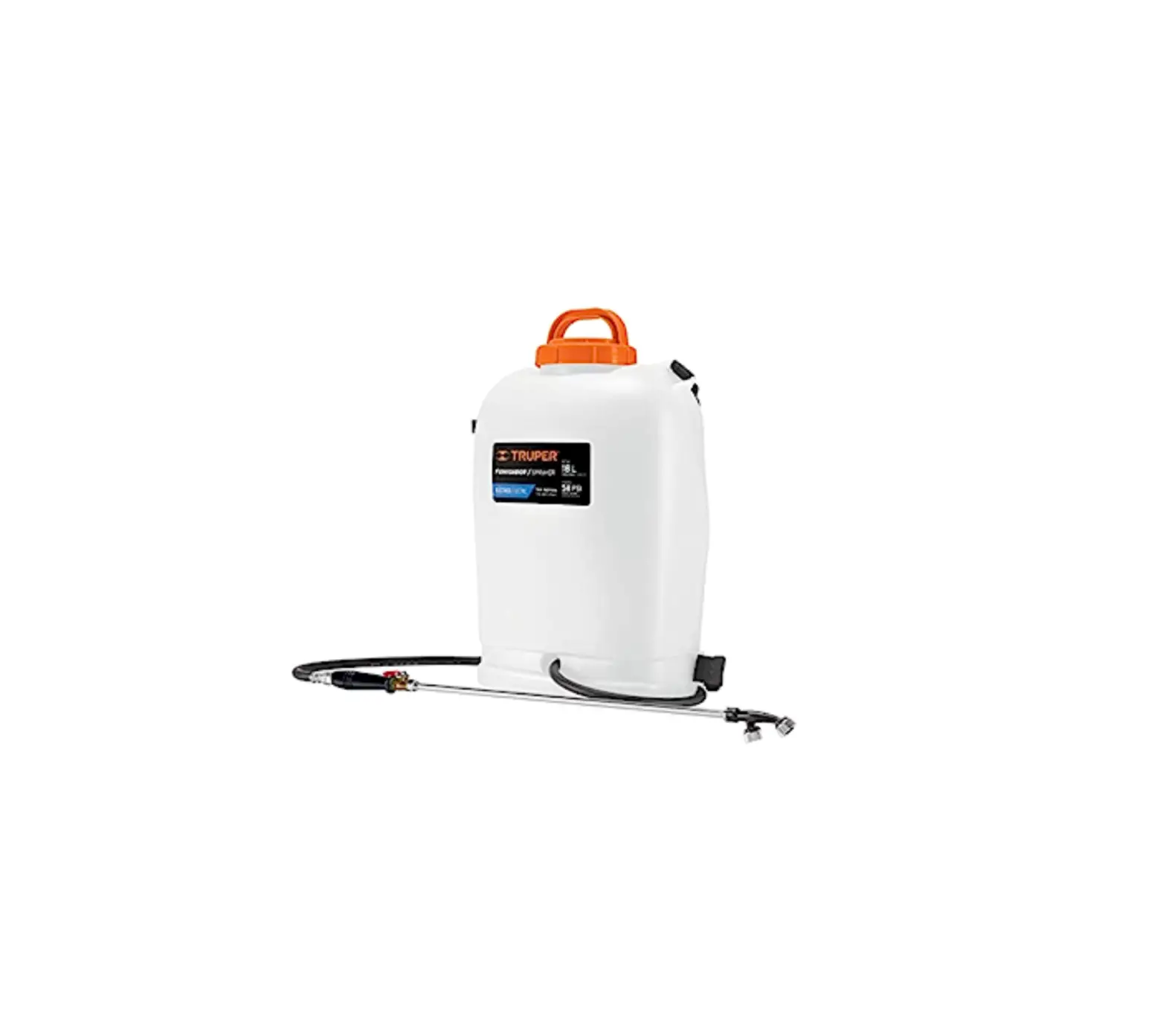
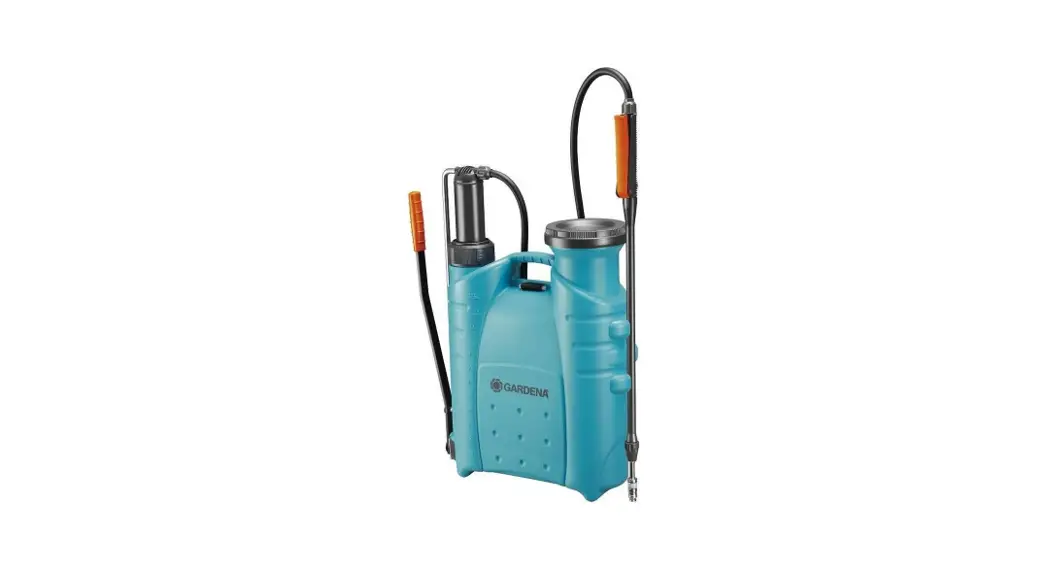
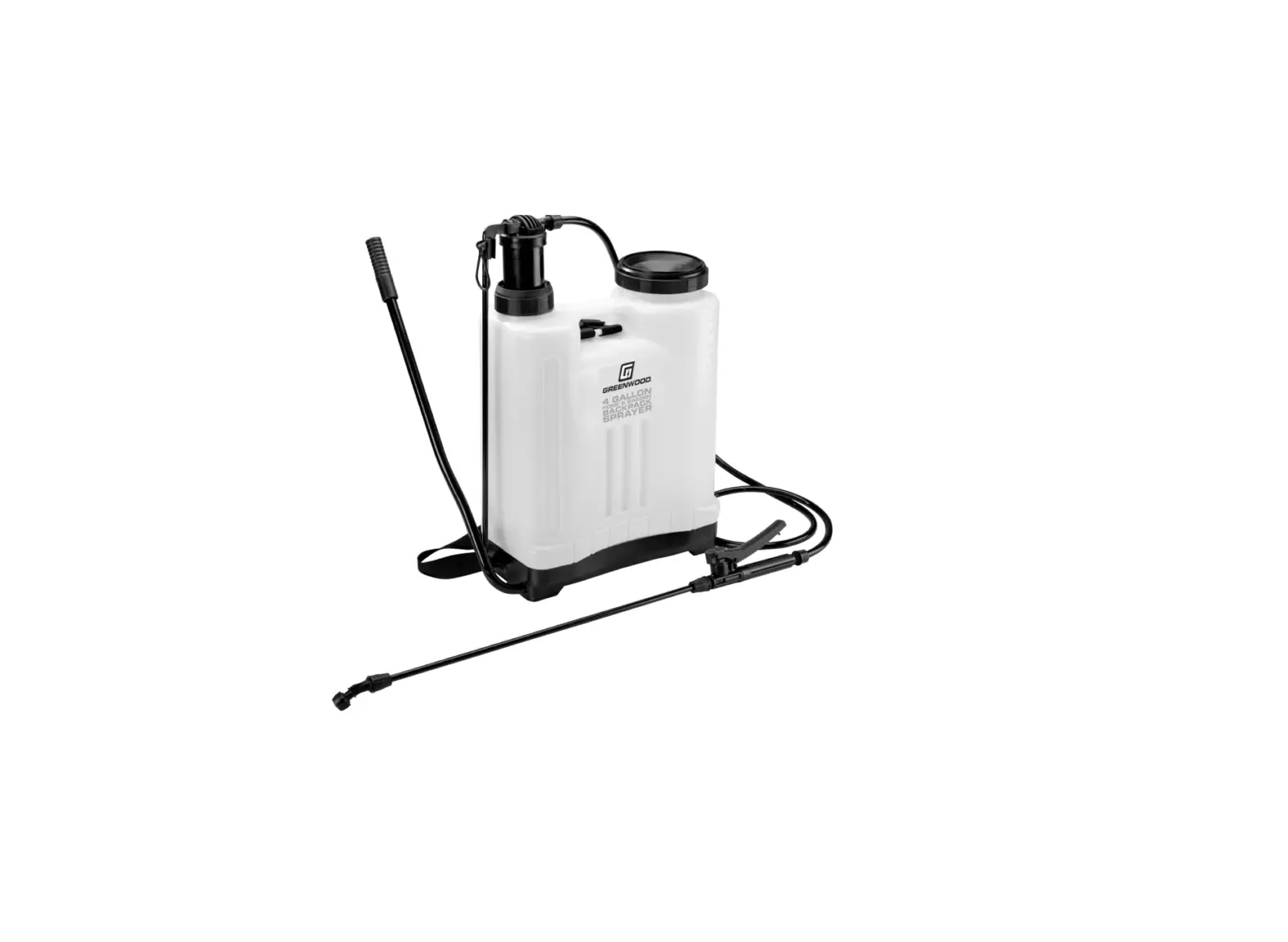
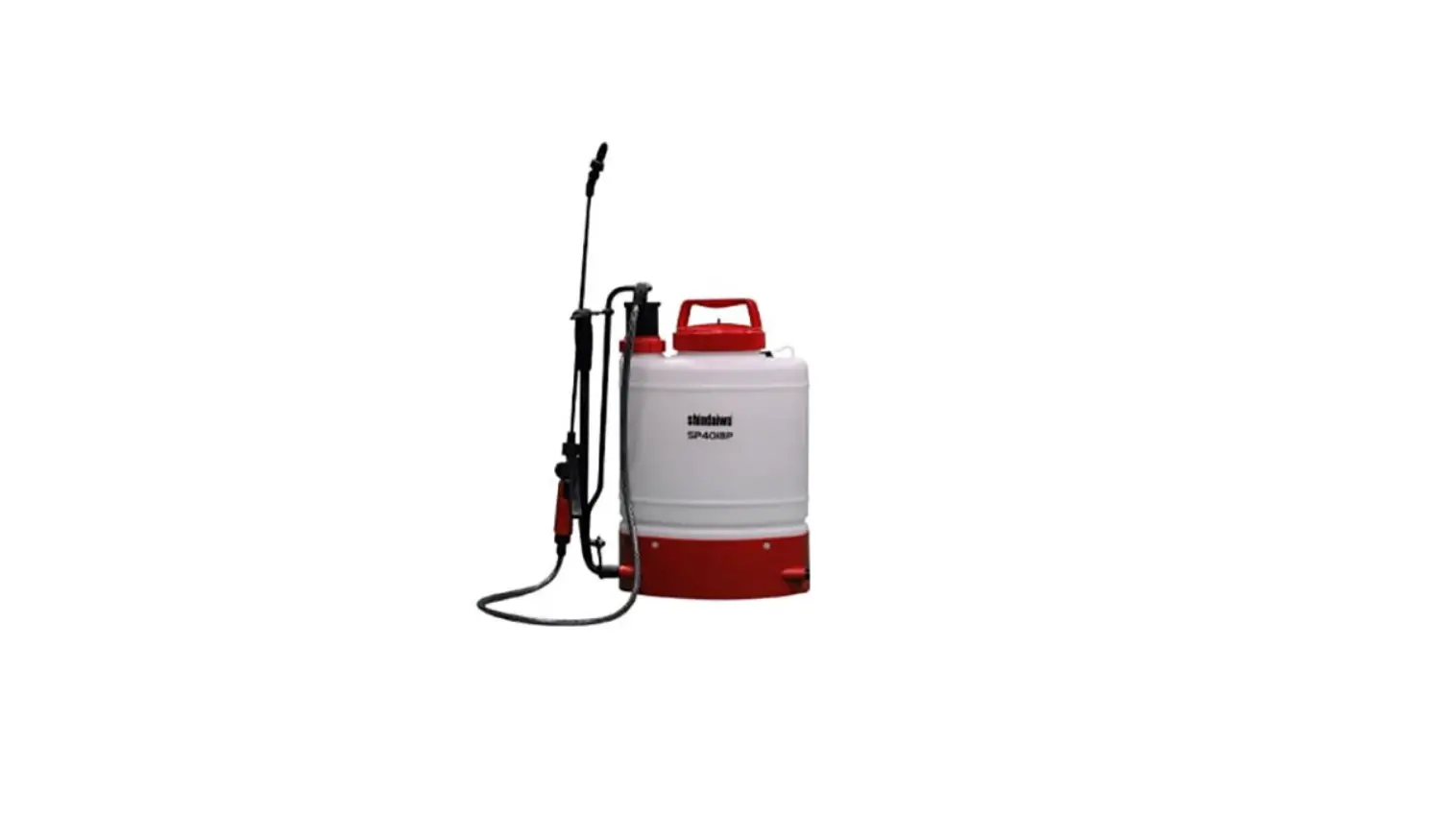
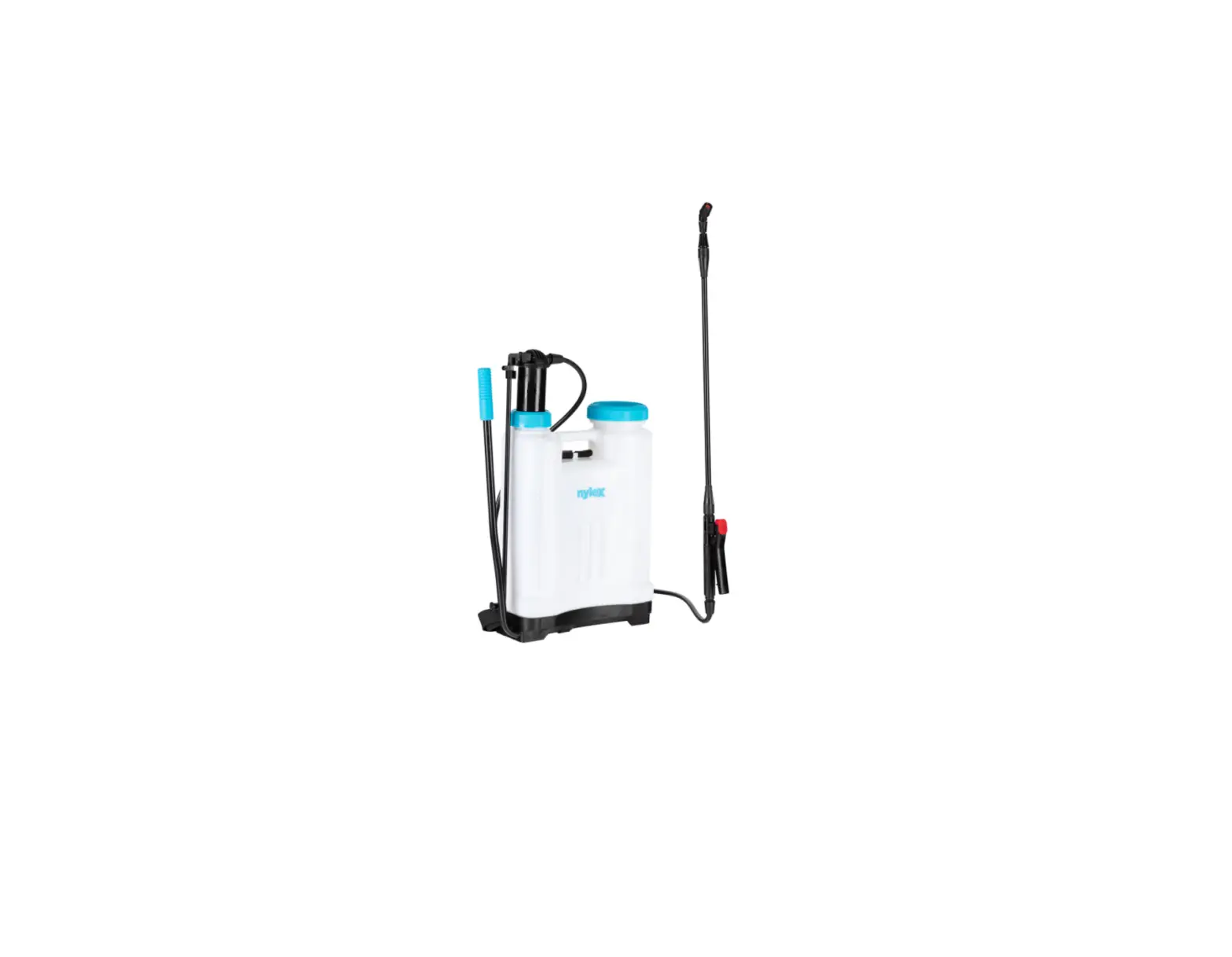
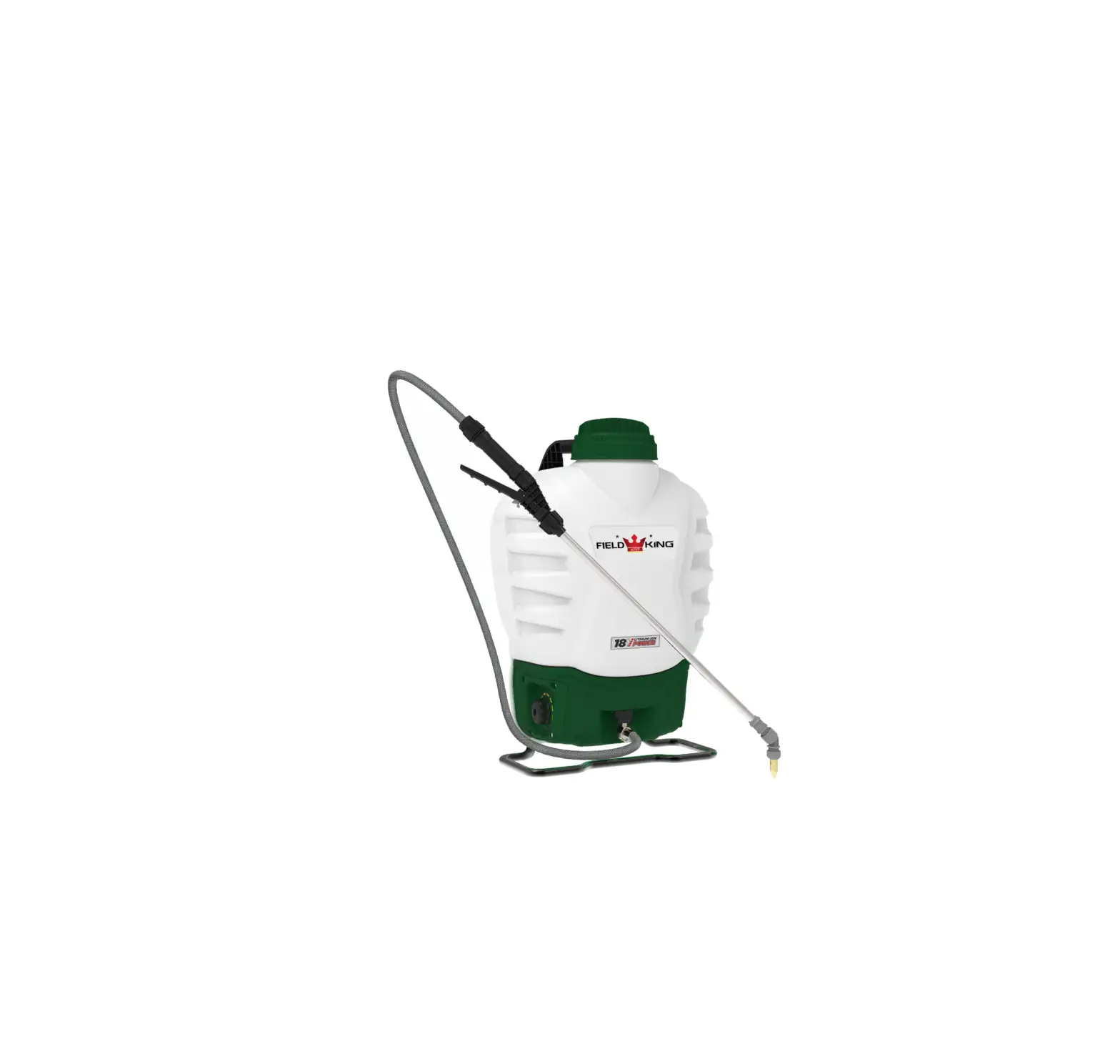
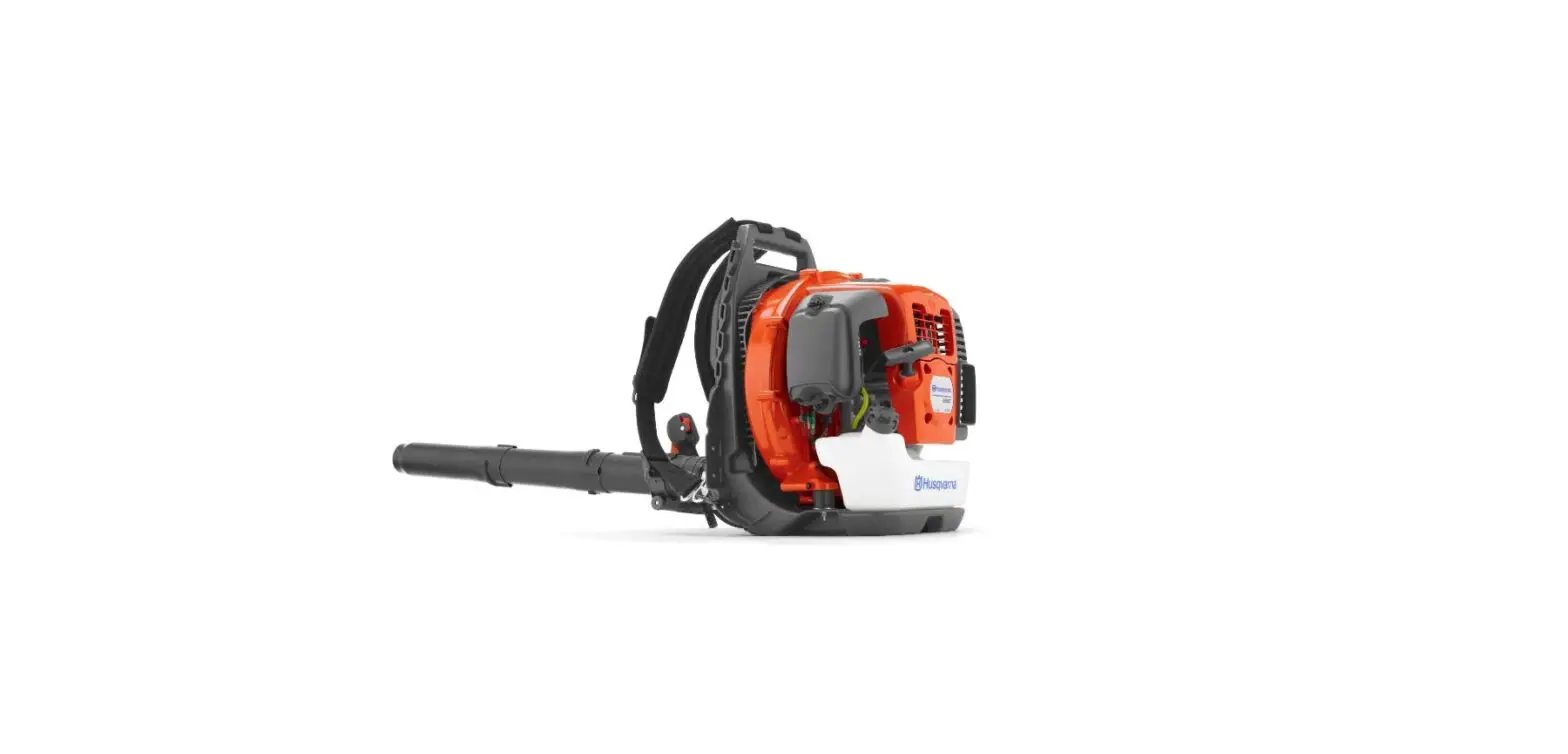
FUG-252 Gas Sprayer Backpack
Gas Sprayer Backpack FUG-252 User Manual
Product Information
The Gas Sprayer Backpack FUG-252 is a motorized tool used for
crop spraying. It has a fuel tank capacity of 6.6 gallons and a
maximum work pressure of 270 PSI. The sprayer backpack weighs 9 kg
and has a 25 cc motor with a rated power of 0.8 Hp. The maximum
liquid flow is 6 L/min, and the work cycle is 30 minutes’ rest per
tank consumed, with a maximum of 6 hours daily. The fuel used is
Gasoline/Oil Mix (50:1), and it has a retractable starter.
Fuel Specifications
The Gas Sprayer Backpack FUG-252 requires gasoline mixed with
2-STROKE motor oil. The recommended mix ratio is 50:1, which means
4 capfuls of oil should be mixed with 1 liter of gasoline. Do not
use fuel mixtures stored for more than 15 days, and always operate
the sprayer at full power with the throttle lever in the full
throttle position. Use synthetic oil for two-stroke engines to
extend engine life.
Product Usage Instructions
Before operating the Gas Sprayer Backpack FUG-252, read the user
manual thoroughly to avoid hazards of fatal injuries and prolong
the duty life of the tool. Keep the manual for future
references.
Assembly
Follow the instructions provided in the manual to assemble the
Gas Sprayer Backpack FUG-252.
Fuel Supply
Use gasoline mixed with 2-STROKE motor oil in a ratio of 50:1,
which means 4 capfuls of oil should be mixed with 1 liter of
gasoline. Do not use fuel mixtures stored for more than 15 days.
Use the cap of the ACES-2, ACES-5, or ACES-20 oils as a measure to
prepare the mixture. Fill the fuel tank with the mixture.
Ignition
Set the mixer 30 ft. away from the fuel filling up area before
starting the motor. Avoid making contact with power lines and
circuits. Find and avoid all power lines and circuits, especially
hidden wiring. Also, keep away from grounded objects. Use common
sense and be alert while operating the machine.
Tank Filling
Fill the fuel tank with the Gasoline/Oil Mix (50:1) following
the instructions provided in the manual.
Operation
Always operate the sprayer at full power with the throttle lever
in the full throttle position. Perform periodic maintenance to your
machine as recommended in the manual.
Maintenance
Perform periodic maintenance to your machine as recommended in
the manual to extend its life.
Troubleshooting
If you face any issues with the Gas Sprayer Backpack FUG-252,
refer to the troubleshooting section in the manual.
If you need any assistance or repairs, contact an authorized
service center.
Warranty Policy
To make the warranty valid if necessary, read and understand the
manual before using the tool. Keep the manual for future
references.
ENGLISH
ESPAÑOL
Manual
Gas sprayer Backpack
FUG-252
Applies for:
Code
Model
101568 FUG-252
6.6 gal
CAUTION
Read the user’s manual thoroughly before operating this tool.
Fuel Specifications
3
General safety warnings for motor tools
4
Safety Warnings for Using Sprayers
5
Parts
6
Assembly
7
Fuel Supply
8
Ignition
9
Tank filling
9
Operation
10
Maintenance
10
Troubleshooting
11
Authorized Service Centers
13
Warranty Policy
14
Contents
CAUTION
To gain the best performance of the tool, prolong the duty life,
make the Warranty valid if necessary, and to avoid hazards of fatal injuries please read and understand this Manual before
using the tool.
Keep this manual for future references. The illustrations in this manual are for reference only. They might be different from the real tool.
Use and care recommendations
Use gasoline mixed with 2-STROKE motor OIL. A wrong mix may cause the gas sprayer to throw a rod, causing expensive repairs!
4 oil capfuls
1 liter of Gasoline
1 L
Mix
50:1
Do not use a fuel MIX that has been stored longer than 15 days. ALWAYS operate your sprayer at FULL POWER with the throttle lever in the full throttle position. Perform periodic MAINTENANCE to your machine (page 9).
2 ENGLISH
Technical data
Code Description Net Weight
Motor Rated Motor Power
Fuel Tank Work Pressure Maximum liquid flow
Work Cycle Type of Fuel Type of starter
FUG-252
101568 Gas sprayer backpack
9 kg 25 cc 0.8 Hp 6.6 gal 270 PSI 6 l/min 30 minutes’ rest per tank consumed. Maximum 6 hours daily Gasoline / Oil Mix (50 : 1) Retractable
Fuel Specifications
· The sprayer has a 2-stroke air-cooled engine that uses a blend of unleaded gasoline and high-quality auto-mix oil with fuel stabilizer specified for two-stroke air-cooled engine. · The engine is certified to run on unleaded gasoline for vehicles with an octane rating of 87 ([R+M]/2) or higher. · Do not use any type of gasoline premixed with oil purchased at gas stations, such as gasoline intended for motorcycles. · Do not use automotive oil or 2-stroke outboard motor oil. · The ratio of the mixture should be 50 gasoline to 1 oil (50:1 ratio). Prepare the mixture in an approved gasoline container. Always mix well before pouring into the engine tank.
CAUTION Do not use fuel mixture stored for more than 15 days. Make the mixture in small quantities. WARNING Never smoke near the fuel, in the area where the gasoline is supplied, or where you prepare the mixture with the oil, or when operating the crop sprayer. WARNING Any attempt to start the sprayer without adding oil to the fuel mixture will cause engine failure.
Use the cap of the
ACES-2, ACES-5 or ACES-20 oils** as a measure to
prepare the mixture. Mix 4 capfuls of oil with each liter of gasoline
Incorrect mixing can cause the equipment’s engine to break down, resulting in costly repairs!
1L
1 liter Gasoline
+
4 capfuls oil
=
Ratio
50:1
Mix
To extend engine life, use
synthetic oil for two-stroke engines. * 1 gallon = 3.78 liters
** Not included
ENGLISH 3
General safety warnings for motor tools
Keep your work area tidy and with good lighting.
CAUTION Cluttered and dark areas can cause injuries.
Never use the mixer in explosive environments or where there are flammable liquids present.
DANGER Set the mixer 30 ft. away from the fuel filling up area before starting the motor.
Keep children and passersby at a safe distance while the mixer is operating.
WARNING Distractions can make you loose control and cause accidents.
Avoid making contact with power lines and circuits.
DANGER Find and avoid all power lines and circuits, especially hidden wiring. Also keep away from grounded objects.
Stay always alert, be prudent and use common sense.
CAUTION Even tough you are familiar with the use of the mixer do not get distracted while operating the machine. It can cause accidents.
Do not operate the mixer when tired or under the influence of drugs, alcohol or medication.
DANGER A moment of distraction while operating the mixer can cause severe personal injury.
Use the mixer with the guards and protector installed and in good repair.
WARNING Failure to comply with this warning leads to severe personal injury.
Never force the concrete mixer.
CAUTION Working within the range designed assures a belter job and is safer.
Store the mixer is a safe place away from the reach of children.
WARNING Motor concrete mixers are dangerous near inexperienced hands.
Wear the right clothes.
WARNING Loose clothing, jewelry or long hair can get tangled in the moving parts.
Keep your hands away from the rotating or moving parts.
WARNING Failure to comply with this warning leads to severe personal injury.
Do not use the mixer in enclosed areas.
DANGER To prevent accumulation of carbon monoxide, an odorless toxic gas potentially deadly.
Use the right personal protection equipment.
CAUTION Using eye protection, anti-dust masks, non-skid safety shoes, helmet, hearing protection and safety gloves considerably reduce the risk of injury.
Turn off the mixer before adjusting, changing accessories or storing.
WARNING Double-check the mixer motor switch is in the OFF position.
Never run the mixer if the switch is not working or is not duly assembled.
WARNING The operator is exposed to severe injury. Take it to repair
immediately to a
Authorized Service
Center.
Do not overreach.
CAUTION Good footing and balance give better control of the mixer in unexpected situations.
Prevent unintentional starting.
WARNING Double-check the mixer motor is OFF before leaving or servicing.
Remove any vise fixed in the mixer before starting it.
DANGER Additional tools or wrenches fixed in a rotating part in the mixer can cause severe personal injury.
Service the mixer and double-check it is in the best conditions before starting it.
CAUTION Check carefully the moving parts. See alignment and
assembly. Do it periodically. Look for damaged elements
or part that is not functioning correctly. Repair
immediately in a
Authorized Service
Center.
Accessories.
CAUTION
Use only accessories or spare parts indicated in this
Manual o certified by
.
Never leave the concrete mixer running and unattended.
DANGER To prevent severe accidents turn off the mixer after
operating and before setting it in a safe place.
Never smoke near fuel.
DANGER Do not smoke near the area where fuel is being supplied or when operating the mixer.
4 ENGLISH
Safety Warnings for Using Sprayers
· The sprayer is designed for agricultural use. · Do not attempt to spray hot solutions or solutions that can become hot with the sprayer.
DANGER · Do not attempt to spray gasoline, flammable liquids, caustic alkalis or corrosive acids with the sprayer.
Fuel handling
· Never smoke near the fuel, in the area where the gasoline is dispensed, or where you prepare the mixture with the oil, or when operating the sprayer. · To reduce the risk of fire or burns, handle fuel carefully, it is highly flammable. · Do not let gasoline or oil touch your skin. · Protect your eyes from gasoline and oil splashes. In case of accidental contact, wash immediately with clean water. If irritation persists, consult a doctor. · Mix and store fuel in a container designed for this purpose.
WARNING · Mix fuel outdoors away from any sparks or flames. · Before refueling the sprayer turn off the engine, place it on clear ground and wait for the engine to cool down.
CAUTION · Clean up any fuel that may have fallen into the sprayer before operating it.
CAUTION · Check for fuel leaks and correct them before using the sprayer to prevent fire or burn injury. · Move the sprayer at least 30 feet (9 meters) away from the fueling site before starting the engine. · Under no circumstances burn spilled fuel for disposal. · Do not use any type of fuel other than that specified for the sprayer in these instructions.
Before operating the sprayer
CAUTION · Equip yourself with adequate protection: protective clothing, goggles and respirators with suitable cartridges so as not to inhale the sprayed chemicals.
WARNING · Familiarize yourself with the first aid procedures described on the chemical container prior to application.
WARNING · For operator safety, spraying must be carried out strictly in accordance with the chemical instructions. Spraying extremely poisonous chemicals is strictly prohibited.
During the use of the sprayer
CAUTION · Never leave the sprayer unattended. · Take care of the sprayer from knocks and falls, especially when it is pressurized. · Do not exceed the level indicated on the tank when filling the sprayer.
WARNING · Do not spray while the wind is blowing or in any other condition that may expose you or others to the sprayed chemical. · Do not remove any parts or attempt to make repairs while the sprayer is pressurized. · Never carry the sprayer by the hose.
WARNING · Do not eat, drink, or smoke while using the sprayer.
After using the sprayer
CAUTION · Always empty and clean the sprayer after each use.
CAUTION · Clothes used during application should be washed daily, separately from everyday clothes.
Chemicals
WARNING · Keep the sprayer and chemicals out of the reach of children. Store in a safe place. · Do not store chemicals in the sprayer tank.
CAUTION · After preparing the compound it should be applied immediately.
CAUTION · Be sure to read and understand the instructions and precautions for the chemicals to be used with the equipment before use.
WARNING · Be sure to use the specific chemical in amounts appropriate for the job to be done. Wrong chemicals and quantities can damage the sprayer, spoil the sprayed product, cause hazardous situations and serious ecological damage.
WARNING · Even if the chemical is stored in a plastic container, it may damage some of the equipment parts. Make sure that the chemical is compatible with high density polypropylene sprayers.
WARNING · Many of the chemicals commonly used with the sprayer are hazardous if handled or used incorrectly.
CAUTION · In case of poisoning, seek medical advice immediately and show the doctor the label of the chemical used.
CAUTION · If the chemical splashes in the mouth or eyes, wash them out with clean water and then see a doctor.
CAUTION · If the operator has a headache or dizziness, stop work immediately and see a doctor immediately..
ENGLISH 5
Tank filling cap 25 L Tank Easy carrying handles
Parts
“Y” connector
Cone spray nozzles
Double fan spray nozzles
Choke lever
Spark plug
Exhaust
Fuel tank cap
Shoulder straps
Back padded support Pressure Regulator
Drain cap Jack-line
Allen Key
Spark plug Muffler
Air filter
Drain cap
Fuel tank Spark plug wrench
Wrench Frame
Hose connection
Throttle lever Stop button
Fuel tank
Handles with valve
Pump
Long-range pistol Spears
2 Hoses
6 ENGLISH
Fuel mix bottle
Assembly
Hose, valve and spears
A1
Pump
· Before starting to operate the equipment, its parts and accessories must be properly assembled and in the correct position. · Connect the end (A1) of the hose to the pump. · The long reach gun (F) can be connected to the end (A2) of the hose. · To use the nozzles (E) connect the end (A2) of the hose to the valve handle (B). · Connect the spear (D) to the valve. · One of the included nozzles (E) can be attached to the lance. NOTE For a larger spray area connect the “Y” adapter to the pump outlet and assemble both hoses together. · Check that all connections are tight and have their respective rubber washer.
A2 B
Rubber washer
D
F
E
ENGLISH 7
Assembly
Harness assembly
A
To mount the straps to the equipment:
C
1. Insert the ends of each strap (A) ) behind the mounting bolt (B).
2. Pass the end of the straps through its
respective buckle (C) as shown in the image.
3. Place the metal hooks of each strap (D) in
the plastic supports (E) on the bottom of the
tank.
B
B
E
D
· Follow the safety rules for fuel handling (page 5). · Wait for the engine to cool down completely before refueling. · Install the equipment on a flat surface. · Clean around the fuel tank cap to prevent contamination. · Slowly loosen the fuel tank cap. · Taking care to avoid spillage, pour the fuel mixture into the tank. CAUTION Follow the fuel specifications (page 3). · Before capping the fuel tank, check and clean the gaskets. · Immediately install the fuel tank cap and tighten it by hand. · Wipe up any spilled fuel.
CAUTION On a new engine, smoke emissions are normal during and after first use.
8 ENGLISH
C E
D
Fuel Supply
Ignition
Cold motor ignition
· Install the unit on a firm, level surface.
· Move the throttle lever to one third of the scale (A).
· Press and release the choke bulb 10 times (B).
A
· Move the choke lever to the ” ” (1) position.
· Pull the starter 3 to 5 times (C) to get fuel into the
engine, then pull the starter fast and hard to start the
1
engine. Once the engine starts do not let go of the
starter, carefully return it to its initial position to avoid
damaging it.
· Once the engine starts slowly install the choke lever in
the ” ” (2) position.
· Adjust the throttle lever (A) to a position suitable for
spraying operation.
· The machine is now ready for operation.
NOTE · The new machine should not be operated in
C
the fully open position for the first 4 hours. The speed
should be controlled at 4 000 RPM – 5 000 RPM, thus
allowing the motor to have a good adaptation and
perform a reliable work.
D
B
x10 2
Hot motor ignition
· Move the fuel lever to one third of the scale (A). · Move the choke lever to the ” ” (2) position. · Pull the starter (C) until the engine starts. · Adjust the throttle lever (A).
Tank filling
Shutdown
· Move the throttle lever (A) to its lowest position. · Press the stop button (D), until the motor stops.
CAUTION · When adding the liquid, the engine does not have to stop, but it must be at low speed (i.e., in the minimum throttle position).
A
CAUTION · BEFORE USING THE SPRAYER WITH CHEMICALS, YOU MUST TEST THE TANK UNDER RUNNING WATER. If you find any leaks or malfunctioning parts, repair or replace before using any chemicals.
CAUTION · Determine the proper amounts of chemical concentrate and water to prepare the spray mixture. The ratio is indicated on the label of the concentrated chemical container. · Remove the tank lid and make sure the particle filter (A) is in place. · Pour the appropriate amount of mixture into the tank, after pouring hold the container down for a minimum of 30 seconds to allow it to empty completely.
CAUTION · Do not exceed the limit marked on the tank. · Close the tank by screwing the cap clockwise until the tank is perfectly sealed.
ENGLISH 9
Operation
Pressure regulation
· The pressure at which the liquid comes out of the pump is regulated at the factory. · If adjustment is necessary, wait until the motor speed is 5 000 RPM – 6 000 RPM and make adjustments by means of the pressure adjustment knob (A). · Release the knob lock and turn clockwise to increase pressure and counterclockwise to decrease pressure.
Increase pressure
A
Decrease pressure
Spraying
· Chemical spraying should be done in cool weather with little wind. For example, in the early morning or late
Protective equipment
afternoon. This reduces evaporation and drift of the
chemicals as well as improves product application.
· Wear all personal protective equipment before carrying
the equipment on your shoulders.
Mask or breathing
· Set the equipment on a table that will support its weight, so that the shoulder system
straps are off the edge of the table.
· Put your shoulders through the straps and secure the equipment behind your
back.
Full coverall
· Adjust the throttle lever to operate the motor.
· Open the handle valve to start spraying.
· After opening the valve keep the handle moving so that the spray is not concentrated
in one spot. Failure to do so may result in chemical damage.
· Remember that the operator must face into the wind.
· The lance or gun should form a level angle of about 15°
· During spraying, the spray tube should oscillate continuously between left and right
to increase the spraying range. The advanced steps should match the oscillation speed.
Hood Protective goggles
Long sleeve Nitrile gloves
Rubber boots
Maintenance
· The following maintenance tasks should be carried out whenever you finish operating the equipment. · Clean all surfaces. · Clean the chemical tank with clean water and dry it. · Check all connections for water or fuel leaks. In case of a leak, repair it immediately. · Check all bolts for looseness or looseness. Tighten firmly or replace them.
· After maintenance, the machine should be left to dry in a ventilated place. It must be far from any source of light and avoid sunlight. · If the equipment is to be stored for a long time, in addition to the above points: · Completely discharge the fuel from the tank and carburetor. Turn off the choke, pull the starter 3 – 5 times. · Remove the spark plug and pour some oil into the cylinder. Then pull the starter lightly 2 – 3 times. Then install the spark plug.
10 ENGLISH
Periodic maintenance
General cleaning Air filter cleaning Check-fill oil level in the pump Carburetor cleaning* Spark plug inspection and adjustment* Fuel tank cleaning** Fuel filter change** Fuel Hose Replacement** Exhaust and muffler cleaning**
Each use
Every 25 h Every 50 h Every 150 h Every 250 h
of use
of use
of use
of use
*Trained user or Truper Authorized Service Center **Truper Authorized Service Center
Troubleshooting
Problem
Equipment does not start.
Cause
· Did not press the choke. · Water mixed with fuel. · Deterioration or carbon deposits on the spark plug. · No contact between spark plug and coil wire.
Solution
· Press 10 times as indicated. (p. 8) · Change the fuel. · Replace the spark plug.
· Check and adjust.
The equipment starts, · Choke not in fully open position.
but does not run at · Incorrect fuel ratio.
high speed.
· Water in fuel.
· Open to full position. · Change fuel. · Change fuel.
The equipment works, but has low efficiency.
· The air cleaner or filter is dirty. · The outside of the cylinder and muffler have carbon deposits. · Piston, piston ring, cylinder is excessively worn.
· Check and clean. · Check and clean.
· Go to a Service Center to replace.
Authorized
The equipment stops when running.
· Out of fuel. · The coil or spark plug wire is loose. · The spark plug is covered with carbon. · The filter is clogged. · Gasoline has water in it. · The air hole in the tank cap is clogged.
No liquid comes out.
· Inlet and outlet valves are blocked. · Damaged washer. · Damage to bearing 6004Z. · Damage to the piston.
· Add fuel. · Check, replace and tighten. · Replace spark plug. · Clean filter. · Change fuel. · Clean it.
· Replace o clean.
· Go to a
Authorized
Service Center to replace.
Spray volume and pressure is not enough.
· The regulated pressure is not enough. · The elastic force of the regulating spring is not enough. · Corrosion-resistant steel ball worn. · Pressure regulating valve seat worn.
· Make the adjustment. · Go to a Service Center to replace.
Authorized
The pressure is adequate but the spray is not.
The spraying mist is uneven.
· Worn piston. · Piston clearance not adequate. · Inlet and outlet valves are worn. · Spraying parts are clogged.
· The holes in the spraying nozzle are worn out. · The spraying parts are clogged.
· Go to a
Authorized
Service Center or repairs or replacement.
· Clean the parts.
· Go to a Service Center to replace. · Clean the parts.
Authorized
If the problems persist despite performing the recommended corrective actions,
contact a
Authorized Service Center.
ENGLISH 11
Notes
12 ENGLISH
Authorized Service Centers
In the event of any problem contacting a Truper Authorized Service Center, please see our webpage www.truper.com to get an updated list, or call our toll-free numbers 800 690-6990 or 800 0187-873 to get information about the nearest Service Center.
AGUASCALIENTES DE TODO PARA LA CONSTRUCCIÓN GRAL. BARRAGÁN #1201, COL. GREMIAL, C.P. 20030, AGUASCALIENTES, AGS. TEL.: 449 994 0537
BAJA SUCURSAL TIJUANA CALIFORNIA AV. LA ENCANTADA, LOTE #5, PARQUE INDUSTRIAL EL
FLORIDO II, C.P 22244, TIJUANA, B.C. TEL.: 664 969 5100 BAJA FIX FERRETERÍAS CALIFORNIA SUR FELIPE ÁNGELES ESQ. RUIZ CORTÍNEZ S/N, COL. PUEBLO NUEVO, C.P. 23670, CD. CONSTITUCIÓN, B.C.S. TEL.: 613 132 1115 CAMPECHE TORNILLERÍA Y FERRETERÍA AAA AV. ÁLVARO OBREGÓN #324, COL. ESPERANZA C.P. 24080 CAMPECHE, CAMP. TEL.: 981 815 2808 CHIAPAS FIX FERRETERÍAS AV. CENTRAL SUR #27, COL. CENTRO, C.P. 30700, TAPACHULA, CHIS. TEL.: 962 118 4083 CHIHUAHUA SUCURSAL CHIHUAHUA AV. SILVESTRE TERRAZAS #128-11, PARQUE INDUSTRIAL BAFAR, CARRETERA MÉXICO CUAUHTÉMOC, C.P. 31415, CHIHUAHUA, CHIH. TEL. 614 434 0052 CIUDAD DE FIX FERRETERÍAS MÉXICO EL MONSTRUO DE CORREGIDORA, CORREGIDORA # 22, COL. CENTRO, C.P. 06060, CUAUHTÉMOC, CDMX. TEL: 55 5522 5031 / 5522 4861 COAHUILA SUCURSAL TORREÓN CALLE METAL MECÁNICA #280, PARQUE INDUSTRIAL ORIENTE, C.P. 27278, TORREÓN, COAH. TEL.: 871 209 68 23 COLIMA BOMBAS Y MOTORES BYMTESA DE MANZANILLO BLVD. MIGUEL DE LA MADRID #190, COL. 16 DE SEPTIEMBRE, C.P. 28239, MANZANILLO, COL. TEL.: 314 332 1986 / 332 8013 DURANGO TORNILLOS ÁGUILA, S.A. DE C.V. MAZURIO #200, COL. LUIS ECHEVERRÍA, DURANGO, DGO.TEL.: 618 817 1946 / 618 818 2844 ESTADO DE SUCURSAL CENTRO JILOTEPEC MÉXICO PARQUE INDUSTRIAL # 1, COL. PARQUE INDUSTRIAL JILOTEPEC, JILOTEPEC, EDO. DE MÉX. C.P. 54257 TEL: 761 782 9101 EXT. 5728 Y 5102 GUANAJUATO CÍA. FERRETERA NUEVO MUNDO S.A. DE C.V. AV. MÉXICO – JAPÓN #225, CD. INDUSTRIAL, C.P. 38010, CELAYA, GTO. TEL.: 461 617 7578 / 79 / 80 / 88 GUERRERO CENTRO DE SERVICIO ECLIPSE CALLE PRINCIPAL MZ.1 LT. 1, COL. SANTA FE, C.P. 39010, CHILPANCINGO, GRO. TEL.: 747 478 5793 HIDALGO FERREPRECIOS S.A. DE C.V. LIBERTAD ORIENTE #304 LOCAL 30, INTERIOR DE PASAJE ROBLEDO, COL. CENTRO, C.P. 43600, TULANCINGO, HGO. TEL.: 775 753 6615 / 775 753 6616 JALISCO SUCURSAL GUADALAJARA AV. ADOLFO B. HORN # 6800, COL: SANTA CRUZ DEL VALLE, C.P.: 45655, TLAJOMULCO DE ZUÑIGA, JAL. TEL.: 33 3606 5285 AL 90 MICHOACÁN FIX FERRETERÍAS AV. PASEO DE LA REPÚBLICA #3140-A, COL. EX-HACIENDA DE LA HUERTA, C.P. 58050, MORELIA, MICH. TEL.: 443 334 6858
MORELOS FIX FERRETERÍAS CAPITÁN ANZURES #95, ESQ. JOSÉ PERDIZ, COL. CENTRO, C.P. 62740, CUAUTLA, MOR. TEL.: 735 352 8931
NAYARIT HERRAMIENTAS DE TEPIC MAZATLAN #117, COL. CENTRO, C.P. 63000, TEPIC, NAY. TEL.: 311 258 0540
NUEVO LEÓN SUCURSAL MONTERREY CARRETERA LAREDO #300, 1B MONTERREY PARKS, COLONIA PUERTA DE ANÁHUAC, C.P. 66052, ESCOBEDO, NUEVO LEÓN, TEL.: 81 8352 8791 / 81 8352 8790
OAXACA FIX FERRETERÍAS AV. 20 DE NOVIEMBRE #910, COL. CENTRO, C.P. 68300, TUXTEPEC, OAX. TEL.: 287 106 3092
PUEBLA SUCURSAL PUEBLA AV PERIFÉRICO #2-A, SAN LORENZO ALMECATLA, C.P. 72710, CUAUTLACINGO, PUE. TEL.: 222 282 8282 / 84 / 85 / 86
QUERÉTARO ARU HERRAMIENTAS S.A DE C.V. AV. PUERTO DE VERACRUZ #110, COL. RANCHO DE ENMEDIO, C.P. 76842, SAN JUAN DEL RÍO, QRO. TEL.: 427 268 4544
QUINTANA ROO FIX FERRETERÍAS CARRETERA FEDERAL MZ. 46 LT. 3 LOCAL 2, COL EJIDAL, C.P. 77710 PLAYA DEL CARMEN, Q.R. TEL.: 984 267 3140
SAN LUIS FIX FERRETERÍAS POTOSÍ AV. UNIVERSIDAD #1850, COL. EL PASEO, C.P. 78320, SAN LUIS POTOSÍ, S.L.P. TEL.: 444 822 4341
SINALOA SUCURSAL CULIACÁN AV. JESÚS KUMATE SUR #4301, COL. HACIENDA DE LA MORA, C.P. 80143, CULIACÁN, SIN. TEL.: 667 173 9139 / 173 8400
SONORA FIX FERRETERÍAS CALLE 5 DE FEBRERO #517, SUR LT. 25 MZ. 10, COL. CENTRO, C.P. 85000, CD. OBREGÓN, SON. TEL.: 644 413 2392
TABASCO SUCURSAL VILLAHERMOSA CALLE HELIO LOTES 1, 2 Y 3 MZ. #1, COL. INDUSTRIAL, 2A ETAPA, C.P. 86010, VILLAHERMOSA, TAB. TEL.: 993 353 7244
TAMAULIPAS VM ORINGS Y REFACCIONES CALLE ROSITA #527 ENTRE 20 DE NOVIEMBRE Y GRAL. RODRÍGUEZ, FRACC. REYNOSA, C.P. 88780, REYNOSA, TAMS. TEL.: 899 926 7552
TLAXCALA SERVICIOS Y HERRAMIENTAS INDUSTRIALES PABLO SIDAR #132, COL . BARRIO DE SAN BARTOLOMÉ, C.P. 90970, SAN PABLO DEL MONTE, TLAX. TEL.: 222 271 7502
VERACRUZ LA CASA DISTRIBUIDORA TRUPER BLVD. PRIMAVERA. ESQ. HORTENSIA S/N, COL. PRIMAVERA C.P. 93308, POZA RICA, VER. TEL.: 782 823 8100 / 826 8484
YUCATÁN SUCURSAL MÉRIDA CALLE 33 #600 Y 602, LOCALIDAD ITZINCAB Y MULSAY, MPIO. UMÁN, C.P. 97390, MÉRIDA, YUC. TEL.: 999 912 2451
ENGLISH 13
Warranty policy
Code
101568
Model
FUG-252
Brand
Warranty. Duration: 1 year. Coverage: parts, components and workmanship against manufacturing or operating defects, except if used under conditions other than normal; when it was not operated in accordance with the instructive; was altered or repaired by personnel not authorized by Truper®. To make the warranty valid, present the product, stamped policy or invoice or receipt or voucher, in the establishment where you bought it or in Corregidora 35, Centro, Cuauhtémoc, CDMX, 06060, where you can also purchase parts, components, consumables and accessories. It includes the costs of transportation of the product that derive from its fulfillment of its service network. . Phone number 800-018-7873. Made in China. Imported by Truper, S.A. de C.V. Parque Industrial 1, Parque Industrial Jilotepec, Jilotepec, Edo. de Méx. C.P. 54257, Phone number 761 782 9100.
1
YEAR
Stamp of the business. Delivery date:
14 ENGLISH
www.truper.com 12-2022
Póliza de Garantía
Código
Modelo
Marca
101568
FUG-252
Garantía. Duración: 1 año. Cobertura: piezas, componentes y mano de obra contra defectos de fabricación o funcionamiento, excepto si se usó en condiciones distintas a las normales; cuando no fue operado conforme instructivo; fue alterado o reparado por personal no autorizado por Truper®. Para hacer efectiva la garantía presente el producto, póliza sellada o factura o recibo o comprobante, en el establecimiento donde lo compró o en Corregidora 35, Centro, Cuauhtémoc, CDMX, 06060, donde también podrá adquirir partes, componentes, consumibles y accesorios. Incluye los gastos de transportación del producto que deriven de su cumplimiento de su red de servicio. Tel. 800-018-7873. Made in/Hecho en China. Importador Truper, S.A. de C.V. Parque Industrial 1, Parque Industrial Jilotepec, Jilotepec, Edo. de Méx. C.P. 54257, Tel. 761 782 9100.
1
AÑO
Sello del establecimiento comercial. Fecha de entrega:
14 ESPAÑOL
www.truper.com 12-2022
Centros de Servicio Autorizados
En caso de tener algún problema para contactar un Centro de Servicio Autorizado Truper® consulte nuestra página www.truper.com donde obtendrá un listado actualizado, o llame al: 800 690-6990 ó 800 0187-873 donde le informarán cuál es el Centro de Servicio más cercano.
AGUASCALIENTES DE TODO PARA LA CONSTRUCCIÓN GRAL. BARRAGÁN #1201, COL. GREMIAL, C.P. 20030, AGUASCALIENTES, AGS. TEL.: 449 994 0537
BAJA SUCURSAL TIJUANA CALIFORNIA AV. LA ENCANTADA, LOTE #5, PARQUE INDUSTRIAL EL
FLORIDO II, C.P 22244, TIJUANA, B.C. TEL.: 664 969 5100 BAJA FIX FERRETERÍAS CALIFORNIA SUR FELIPE ÁNGELES ESQ. RUIZ CORTÍNEZ S/N, COL. PUEBLO NUEVO, C.P. 23670, CD. CONSTITUCIÓN, B.C.S. TEL.: 613 132 1115 CAMPECHE TORNILLERÍA Y FERRETERÍA AAA AV. ÁLVARO OBREGÓN #324, COL. ESPERANZA C.P. 24080 CAMPECHE, CAMP. TEL.: 981 815 2808 CHIAPAS FIX FERRETERÍAS AV. CENTRAL SUR #27, COL. CENTRO, C.P. 30700, TAPACHULA, CHIS. TEL.: 962 118 4083 CHIHUAHUA SUCURSAL CHIHUAHUA AV. SILVESTRE TERRAZAS #128-11, PARQUE INDUSTRIAL BAFAR, CARRETERA MÉXICO CUAUHTÉMOC, C.P. 31415, CHIHUAHUA, CHIH. TEL. 614 434 0052 CIUDAD DE FIX FERRETERÍAS MÉXICO EL MONSTRUO DE CORREGIDORA, CORREGIDORA # 22, COL. CENTRO, C.P. 06060, CUAUHTÉMOC, CDMX. TEL: 55 5522 5031 / 5522 4861 COAHUILA SUCURSAL TORREÓN CALLE METAL MECÁNICA #280, PARQUE INDUSTRIAL ORIENTE, C.P. 27278, TORREÓN, COAH. TEL.: 871 209 68 23 COLIMA BOMBAS Y MOTORES BYMTESA DE MANZANILLO BLVD. MIGUEL DE LA MADRID #190, COL. 16 DE SEPTIEMBRE, C.P. 28239, MANZANILLO, COL. TEL.: 314 332 1986 / 332 8013 DURANGO TORNILLOS ÁGUILA, S.A. DE C.V. MAZURIO #200, COL. LUIS ECHEVERRÍA, DURANGO, DGO.TEL.: 618 817 1946 / 618 818 2844 ESTADO DE SUCURSAL CENTRO JILOTEPEC MÉXICO PARQUE INDUSTRIAL # 1, COL. PARQUE INDUSTRIAL JILOTEPEC, JILOTEPEC, EDO. DE MÉX. C.P. 54257 TEL: 761 782 9101 EXT. 5728 Y 5102 GUANAJUATO CÍA. FERRETERA NUEVO MUNDO S.A. DE C.V. AV. MÉXICO – JAPÓN #225, CD. INDUSTRIAL, C.P. 38010, CELAYA, GTO. TEL.: 461 617 7578 / 79 / 80 / 88 GUERRERO CENTRO DE SERVICIO ECLIPSE CALLE PRINCIPAL MZ.1 LT. 1, COL. SANTA FE, C.P. 39010, CHILPANCINGO, GRO. TEL.: 747 478 5793 HIDALGO FERREPRECIOS S.A. DE C.V. LIBERTAD ORIENTE #304 LOCAL 30, INTERIOR DE PASAJE ROBLEDO, COL. CENTRO, C.P. 43600, TULANCINGO, HGO. TEL.: 775 753 6615 / 775 753 6616 JALISCO SUCURSAL GUADALAJARA AV. ADOLFO B. HORN # 6800, COL: SANTA CRUZ DEL VALLE, C.P.: 45655, TLAJOMULCO DE ZUÑIGA, JAL. TEL.: 33 3606 5285 AL 90 MICHOACÁN FIX FERRETERÍAS AV. PASEO DE LA REPÚBLICA #3140-A, COL. EX-HACIENDA DE LA HUERTA, C.P. 58050, MORELIA, MICH. TEL.: 443 334 6858
MORELOS FIX FERRETERÍAS CAPITÁN ANZURES #95, ESQ. JOSÉ PERDIZ, COL. CENTRO, C.P. 62740, CUAUTLA, MOR. TEL.: 735 352 8931
NAYARIT HERRAMIENTAS DE TEPIC MAZATLAN #117, COL. CENTRO, C.P. 63000, TEPIC, NAY. TEL.: 311 258 0540
NUEVO LEÓN SUCURSAL MONTERREY CARRETERA LAREDO #300, 1B MONTERREY PARKS, COLONIA PUERTA DE ANÁHUAC, C.P. 66052, ESCOBEDO, NUEVO LEÓN, TEL.: 81 8352 8791 / 81 8352 8790
OAXACA FIX FERRETERÍAS AV. 20 DE NOVIEMBRE #910, COL. CENTRO, C.P. 68300, TUXTEPEC, OAX. TEL.: 287 106 3092
PUEBLA SUCURSAL PUEBLA AV PERIFÉRICO #2-A, SAN LORENZO ALMECATLA, C.P. 72710, CUAUTLACINGO, PUE. TEL.: 222 282 8282 / 84 / 85 / 86
QUERÉTARO ARU HERRAMIENTAS S.A DE C.V. AV. PUERTO DE VERACRUZ #110, COL. RANCHO DE ENMEDIO, C.P. 76842, SAN JUAN DEL RÍO, QRO. TEL.: 427 268 4544
QUINTANA ROO FIX FERRETERÍAS CARRETERA FEDERAL MZ. 46 LT. 3 LOCAL 2, COL EJIDAL, C.P. 77710 PLAYA DEL CARMEN, Q.R. TEL.: 984 267 3140
SAN LUIS FIX FERRETERÍAS POTOSÍ AV. UNIVERSIDAD #1850, COL. EL PASEO, C.P. 78320, SAN LUIS POTOSÍ, S.L.P. TEL.: 444 822 4341
SINALOA SUCURSAL CULIACÁN AV. JESÚS KUMATE SUR #4301, COL. HACIENDA DE LA MORA, C.P. 80143, CULIACÁN, SIN. TEL.: 667 173 9139 / 173 8400
SONORA FIX FERRETERÍAS CALLE 5 DE FEBRERO #517, SUR LT. 25 MZ. 10, COL. CENTRO, C.P. 85000, CD. OBREGÓN, SON. TEL.: 644 413 2392
TABASCO SUCURSAL VILLAHERMOSA CALLE HELIO LOTES 1, 2 Y 3 MZ. #1, COL. INDUSTRIAL, 2A ETAPA, C.P. 86010, VILLAHERMOSA, TAB. TEL.: 993 353 7244
TAMAULIPAS VM ORINGS Y REFACCIONES CALLE ROSITA #527 ENTRE 20 DE NOVIEMBRE Y GRAL. RODRÍGUEZ, FRACC. REYNOSA, C.P. 88780, REYNOSA, TAMS. TEL.: 899 926 7552
TLAXCALA SERVICIOS Y HERRAMIENTAS INDUSTRIALES PABLO SIDAR #132, COL . BARRIO DE SAN BARTOLOMÉ, C.P. 90970, SAN PABLO DEL MONTE, TLAX. TEL.: 222 271 7502
VERACRUZ LA CASA DISTRIBUIDORA TRUPER BLVD. PRIMAVERA. ESQ. HORTENSIA S/N, COL. PRIMAVERA C.P. 93308, POZA RICA, VER. TEL.: 782 823 8100 / 826 8484
YUCATÁN SUCURSAL MÉRIDA CALLE 33 #600 Y 602, LOCALIDAD ITZINCAB Y MULSAY, MPIO. UMÁN, C.P. 97390, MÉRIDA, YUC. TEL.: 999 912 2451
ESPAÑOL 13
Notas
12 ESPAÑOL
Solución de problemas
Problema
El equipo no arranca.
Causa
· No presionó el bulbo cebador. · Se mezcló agua con el combustible. · Deterioro o depósitos de carbón en la bujía. · No hay contacto entre la bujía y el cable de la bobina.
Solución
· Presione 10 veces como se indica. (p. 8) · Cambie el combustible. · Cambie la bujía. · Revise y ajuste.
El equipo arranca, pero no funciona a alta velocidad.
· El ahogador no está en posición completamente abierto. · Proporción de combustible incorrecta. · Hay agua en el combustible.
· Abra a la posición completa.
· Cambie el combustible. · Cambie el combustible.
El equipo funciona, pero tiene poca eficiencia.
· El filtro o limpiador del aire está sucio. · La parte exterior del cilindro y el silenciador tienen depósitos de carbón. · El pistón, el anillo del pistón, el cilindro, están demasiado desgastados.
· Revise y limpie. · Revise y limpie.
· Acuda a un Centro de Servicio Autorizado para su reemplazo.
El equipo se detiene al estar funcionando.
· Se acabó el combustible. · El cable de la bobina o la bujía está flojo. · La bujía está cubierta de carbón. · El filtro está tapado. · La gasolina tiene agua. · El orificio de aire en la tapa del tanque está tapado.
· Agregue combustible. · Revise, cambie y apriete. · Cambie la bujía. · Limpie el filtro. · Cambie el combustible. · Límpielo.
No sale líquido.
· Las válvulas de entrada y de salida están bloqueadas. · Arandela dañada. · Daños en el rodamiento 6004Z. · Daños en el pistón.
· Cambie o límpielas.
· Acuda a un Centro de Servicio Autorizado para su reemplazo.
El volumen y la presión de pulverización no es suficiente.
· La presión regulada no es suficiente. · La fuerza elástica del resorte de regulación no es suficiente. · Bola de acero resistente a la corrosión desgastada. · Asiento de la válvula reguladora de presión desgastado.
· Realice el ajuste. · Acuda a un Centro de Servicio Autorizado
para su reemplazo.
La presión es suficiente pero el rociado no lo es.
· Pistón desgastado. · La distancia del pistón no es suficiente. · Las válvulas de entrada y salida estás desgastadas. · Las piezas de pulverización están tapadas.
· Acuda a un Centro de Servicio Autorizado para su reparación o
reemplazo.
· Límpielas.
El rocío de la pulverización no es parejo.
· Los orificios de la hoja de pulverización están gastados. · Las piezas de pulverización están tapadas.
· Acuda a un Centro de Servicio Autorizado para su reemplazo.
· Límpielas.
Si los problemas persisten a pesar de realizar las acciones correctivas recomendadas,
contacte a un Centro de Servicio Autorizado
.
ESPAÑOL 11
Operación
Regulación de presión
· La presión con la que sale el líquido de la bomba está regulada de fábrica. · Si es necesario regular, espere a que la velocidad del motor sea de 5 000 r/min 6 000 r/min y haga los ajustes por medio de la perilla de ajuste de presión (A). · Libere el seguro de la perilla y gire en sentido horario para aumentar la presión y en sentido antihorario para disminuirla.
Aumento de presión
Disminución de presión
A
Pulverización
· La pulverización de químicos debe realizarse con clima fresco y poco viento. Por ejemplo, a primera hora de la
Equipo de protección
mañana o a última de la tarde. Esto reduce las evaporaciones
y la deriva de los productos químicos así como mejorar la
aplicación del producto.
· Colóquese todo el equipo de protección personal antes de cargar el equipo en sus hombros.
Mascarilla o sistema de respiración
· Coloque el equipo en una mesa que sostenga su peso, de
manera que las correas para los hombros queden fuera del borde
de la mesa. · Haga pasar sus hombros por las correas y asegure el equipo a su
Traje completo
espalda.
· Regule la palanca de aceleración para que el motor funcione.
· Abra la válvula del mango para comenzar a pulverizar.
· Después de abrir la válvula mantenga el mango en movimiento para que el
rocío no se concentre en un solo punto. De lo contrario podría provocar un daño
por químicos.
· Recuerde que el operador debe orientarse hacia el viento.
· La lanza o pistola debe formar un ángulo nivelado de unos 15°
· Durante la pulverización, el tubo de pulverización debe oscilar continuamente
entre la izquierda y la derecha para aumentar el rango de pulverización. Los pasos
avanzados deben coincidir con la velocidad de oscilación.
Capucha
Gafas protectoras
Manga larga Guantes de nitrilo
Botas de hule
Mantenimiento
· Las siguientes tareas de mantenimiento se deben llevar a
· Si va a almacenar el equipo por largo tiempo, además de
cabo siempre que termine de operar el equipo.
los puntos anteriores:
· Limpie todas sus superficies.
· Descargue por completo el combustible del tanque y del
· Limpie el tanque para químicos con agua limpia y
carburador. Apague el ahogador, jale el arrancador 3 – 5
séquelo.
veces.
· Revise todas las conexiones para ubicar fugas de agua o
· Retire la bujía y vierta algo de aceite en el cilindro. Luego,
combustible. En caso de fuga, repárela inmediatamente.
jale el arrancador ligeramente de 2 3 veces. Después
· Revise todos los tornillos para ver si están sueltos o faltan. coloque la bujía.
Apriete con firmeza o cámbielos.
· Después del mantenimiento, la máquina se debe dejar
secar en un sitio ventilado. Debe estar lejos de fuente de
fuego y evitar la luz solar.
Mantenimiento periódico
Cada uso
Cada 25 h de uso
Cada 50 h Cada 150 h Cada 250 h de uso de uso de uso
Limpieza general
Limpieza filtro de aire
Revisar-rellenar nivel de aceite en la bomba
Limpieza carburador*
Insepección y ajuste de bujía*
Limpieza de tanque de combustible**
Cambio de filtro de combustible**
Reemplazo de manguera de combustible**
10 ESPAÑOL
Limpieza del escape y silinciador** *Usuario capacitado o Centro de Servicio Autorizado Truper **Centro de Servicio Autorizado Truper
Encendido
Arranque del motor en frío
· Coloque el equipo en una superficie firme y nivelada.
· Mueva la palanca de aceleración a un tercio de la escala
(A).
A
· Oprima y suelte el bulbo cebador 10 veces (B).
· Mueva la palanca del ahogador a la posición ” ” (1).
· Jale el arrancador de 3 a 5 veces (C) para que el
1
combustible entre al motor, después jale rápido y con
fuerza el arrancador para arrancar el motor. Una vez que
el motor arranque no suelte el arrancador, regréselo con
cuidado a su posición inicial para evitar dañarlo.
· Una vez que el motor arranque coloque lentamente la
palanca del ahogador en la posición ” ” (2).
· Regule la palanca de aceleración (A) a una posición
adecuada para realizar la operación de pulverización.
· El equipo ya está listo para operar.
C
NOTA · La máquina nueva no debe trabajar en la
posición de aceleración máxima durante las primeras 4
horas. La velocidad debe ser controlada a dos tercios de la
escala de aceleración, permitiendo así que el motor tenga
una buena adaptación y realice un trabajo confiable.
D
B
x10 2
Arranque del motor en caliente
Apagado
· Mueva la palanca de combustible a un tercio de la
escala (A). · Mueva la palanca del ahogador a la posición ” ” (2). · Tire del arrancador (C) hasta que el motor arranque. · Regule la palanca de aceleración (A).
· Mueva la palanca de aceleración (A) a su posición más
baja. · Presione el botón de paro (D), hasta que se detenga el
motor.
Llenado del tanque
ATENCIÓN · Cuando se añade el líquido, el motor no tiene que parar, pero debe estar a baja velocidad (es decir, en la posición de mínima aceleración).
A
ATENCIÓN · ANTES DE USAR EL FUMIGADOR CON QUÍMICOS, DEBE PROBAR EL TANQUE CON AGUA CORRIENTE. Si encuentra alguna fuga o parte que no funcione correctamente, repare o reemplace antes de utilizar cualquier químico.
ATENCIÓN · Determine las cantidades adecuadas de químico concentrado y agua para preparar la mezcla del producto a rociar. La proporción está indicada en la etiqueta del contenedor del químico concentrado. · Retire la tapa del tanque y asegúrese de que el filtro de partículas (A) esté en su lugar. · Vierta la cantidad adecuada de mezcla en el tanque, después de verter mantenga el envase hacia abajo durante un mínimo de 30 segundos para que se vacíe por completo.
ATENCIÓN · No rebase el límite de 25 Litros marcado en el tanque. · Cierre el tanque atornillando la tapa en el sentido de las manecillas del reloj hasta que el tanque quede perfectamente sellado.
ESPAÑOL 9
Ensamblado
Ensamble del arnés
A
Para montar las correas al equipo:
C
1. Inserte los extremos de cada correa (A) por atrás del perno de montaje (B).
2. Haga pasar el extremo de las correas por su
respectiva hebilla (C) como se muestra en la
imagen.
3. Coloque los ganchos metálicos de cada
correa (D) en los soportes plásticos (E) en la
parte inferior del tanque.
B
B
E D
C E
D
Abastecimiento de combustible
· Siga las normas de seguridad para el manejo de combustible (página 5). · Espere a que el motor se enfríe por completo antes de abastecer el combustible. · Coloque el equipo sobre una superficie plana. · Limpie alrededor de la tapa del tanque de combustible para evitar su contaminación. · Afloje lentamente la tapa del tanque de combustible. · Teniendo cuidado de evitar derrames vierta la mezcla de combustible en el tanque. ATENCIÓN Siga las especificaciones del combustible (página 3). · Antes de tapar el tanque de combustible revise y limpie las juntas. · Coloque de inmediato la tapa del tanque de combustible y apriételo con la mano. · Limpie todo derrame de combustible.
ATENCIÓN En un motor nuevo, es normal que haya emisiones de humo durante y después de usarse por primera vez.
8 ESPAÑOL
Ensamblado
Manguera, válvula y lanzas
A1
Bomba
· Antes de comenzar a operar el equipo, sus piezas y accesorios deben de estar debidamente ensambladas y estar en la posición correcta. · Conecte el extremo (A1) de la manguera a la bomba. · La pistola de largo alcance (F) puede ser conectada al extremo (A2) de la manguera. · Para utilizar las boquillas (E) conecte el extremo (A2) de la manguera al mango con valvula (B). · Conecte la lanza (D) a la valvula. · A la lanza se puede conectar alguna de las boquillas incluidas (E). NOTA Para una mayor área de pulverizado conecte el adaptador “Y” a la salida de la bomba y ensamble ambas mangueras. · Compruebe que todas las conexiones estén firmes y cuenten con su respectiva arandela de goma.
A2 B
Arandela de goma
D
F
E
ESPAÑOL 7
Tapa de llenado del
tanque Tanque de 25 L
Manijas para un fácil transporte
Partes
Adaptador “Y”
Boquillas pulverizadoras de cono
Boquillas pulverizadoras de abanico doble
Palanca del
Bujía
ahogador
Escape
Tapa del tanque de combustible
Correas para hombros Soporte acojinado para espalda Regulador de presión
Tapón de drenado
Piola
Llaves allen
Bujía Silenciador Filtro
de aire
Tapón de drenado
Palanca del Botón acelerador de paro
Tanque de combustible
Mangos con válvula
Bomba
Pistola de largo alcance Lanzas
2 Mangueras
6 ESPAÑOL
Bote para mezcla de combustible
Tanque de combustible
Llave para bujía
Llave Bastidor
Conexión de manguera
Advertencias de Seguridad
para uso de fumigadores agrícolas
· El fumigador está diseñado para uso agrícola. · No intente rociar soluciones calientes o que puedan calentarse con el fumigador.
PELIGRO · No intente rociar gasolina, líquidos inflamables, alcalinos cáusticos o ácidos corrosivos con el fumigador.
Manejo de combustible
· Nunca fume cerca del combustible, ni de la zona en donde se abastezca de la gasolina, ni donde prepare la mezcla con el aceite, ni al operar el fumigador. · Para reducir el riesgo de incendio o quemaduras maneje el combustible con cuidado, es muy inflamable. · No deje que gasolina o aceite toquen la piel. · Protéjase los ojos para evitar salpicaduras de gasolina y aceite. En caso de contacto accidental lávelos inmediatamente con agua limpia. Si persiste la irritación acuda a un médico. · Mezcle y almacene el combustible en un recipiente diseñado para tal fin.
ADVERTENCIA · Mezcle el combustible al aire libre lejos de cualquier chispa o llama. · Antes de reabastecer el fumigador de combustible apague el motor, colóquela en suelo despejado y espere a que el motor se enfríe.
ATENCIÓN · Limpie todo el combustible que pueda haber caído en el fumigador antes de operarla.
ATENCIÓN · Revise si hay fugas de combustible, de ser así corríjalas antes de usar el fumigador, para evitar incendios o lesiones por quemadura. · Aleje el fumigador por lo menos 9 metros (30 pies) del lugar de carga de combustible antes de arrancar el motor. · Bajo ninguna circunstancia queme el combustible derramado para eliminarlo. · Por ningún motivo utilice cualquier otro tipo de combustible que el especificado para el fumigador en este instructivo.
Antes de operar el fumigador
ATENCIÓN · Equípese con protección adecuada: ropa protectora, gafas protectoras y respiradores con cartuchos adecuados para no inhalar los químicos rociados.
ADVERTENCIA · Familiarícese con los procedimientos de primeros auxilios descritos en el recipiente del químico antes de su aplicación.
ADVERTENCIA · Para la seguridad del operador, la pulverización debe llevarse a cabo estrictamente de acuerdo con las instrucciones de los productos químicos. Está estrictamente prohibido pulverizar productos químicos extremadamente venenosos.
Durante el uso del fumigador
ATENCIÓN · Jamás deje el fumigador sin atender. · Cuide el fumigador de golpes y caídas, especialmente cuando esté presurizado. · No sobrepase el nivel indicado en el tanque cuando llene el fumigador.
ADVERTENCIA · No realice trabajos de rociado mientras sopla el viento o en cualquier otra condición que pueda exponerlo a usted o los demás al químico rociado. · No remueva ninguna pieza o trate de hacer reparaciones mientras el fumigador se encuentre presurizado. · Nunca cargue el fumigador por la manguera.
ADVERTENCIA · No coma, beba, ni fume mientras use el fumigador.
Después de operar el fumigador
ATENCIÓN · Siempre vacíe y limpie el fumigador después de cada uso.
ATENCIÓN · La ropa usada durante la aplicación debe ser lavada diariamente, separada de la ropa de uso cotidiano.
Químicos
ADVERTENCIA · Mantenga el fumigador y los químicos fuera del alcance de los niños. Guárdelos en un lugar seguro. · No almacene químicos en el tanque del fumigador.
ATENCIÓN · Después de preparar el compuesto debe de ser aplicado inmediatamente.
ATENCIÓN · Asegúrese de leer y entender las instrucciones y precauciones de los químicos que va a utilizar con el equipo antes de usarlo.
ADVERTENCIA · Asegúrese de usar el químico específico en cantidades adecuadas para el trabajo a realizar. Los químicos y cantidades equivocadas pueden dañar el fumigador, estropear el producto rociado, provocar situaciones de riesgo y daños ecológicos graves.
ADVERTENCIA · A pesar de que el químico esté almacenado en un recipiente de plástico, podría dañar alguna de las partes del equipo. Asegúrese que el químico sea compatible con fumigadores de Polipropileno de alta densidad.
ADVERTENCIA · Muchos de los químicos comúnmente usados con el fumigador son peligrosos si se manejan o usan de forma incorrecta.
ATENCIÓN · En caso de intoxicación, busque inmediatamente un médico y muéstrele la etiqueta del producto químico utilizado.
ATENCIÓN · Si el producto químico salpica la boca o los ojos, lávelos con agua limpia y luego vaya a ver al médico.
ATENCIÓN · Si el operario tiene dolor de cabeza o mareos, debe dejar de trabajar inmediatamente y acudir al médico de inmediato.
ESPAÑOL 5
Advertencias Generales de Seguridad para uso de herramientas motorizadas
Mantenga su área de trabajo limpia, ordenada y bien iluminada.
ATENCIÓN Áreas desordenadas y obscuras pueden provocar accidentes.
Nunca utilice el equipo en ambientes explosivos, o en presencia de líquidos inflamables.
PELIGRO Aleje el equipo al menos 9 metros (30 pies) del lugar de recarga de combustible antes de arrancar el motor.
Mantenga a los niños y a otras personas a una distancia segura mientras utiliza el equipo.
ADVERTENCIA Las distracciones pueden hacerle perder el control y provocar accidentes.
Evite hacer contacto con líneas y circuitos eléctricos.
PELIGRO Ubique y evite todas las líneas y circuitos eléctricos, especialmente el cableado oculto. Así como cualquier objeto conectado a tierra.
Esté siempre alerta, sea prudente y utilice el sentido común.
ATENCIÓN No deje que la familiaridad con el uso del equipo lo distraiga mientras lo utiliza. Esto puede provocar accidentes.
No utilice el equipo si está cansado, o bajo la influencia de drogas, alcohol o medicamentos.
PELIGRO Un momento de distracción mientras utiliza el equipo puede provocar lesiones personales graves.
Utilice el equipo con sus guardas y protectores en su lugar y en buen estado.
ADVERTENCIA De no hacerlo se expone a lesiones personales graves.
Nunca fuerce el equipo.
ATENCIÓN Trabajar dentro del rango para el que fue diseñado asegura un mejor trabajo y es más seguro.
Guarde el equipo en un lugar seguro fuera del alcance de los niños.
ADVERTENCIA Los equipos motorizados son peligrosas en manos inexpertas.
Utilice la indumentaria adecuada.
ADVERTENCIA La ropa suelta, joyas o cabello largo pueden ser atrapados por las piezas móviles.
Mantenga las manos alejadas de las partes giratorias y/o móviles.
ADVERTENCIA De no hacerlo se expone a lesiones personales graves.
No utilice el equipo en espacios encerrados.
PELIGRO Para evitar respirar la acumulación de monóxido de carbono, gas inodoro tóxico y potencialmente mortal.
Utilice equipo adecuado de protección personal.
ATENCIÓN Usar protección para los ojos, mascarillas antipolvo, zapatos de seguridad antideslizantes, casco, protección para los oídos y guantes de seguridad, reduce considerablemente el riesgo de lesiones.
Apague el equipo antes de hacer ajustes, cambiar sus accesorios o guardarlo.
ADVERTENCIA Asegúrese de que el interruptor del equipo esté en posición
de apagado.
Nunca utilice el equipo si el interruptor no funciona o no está debidamente ensamblado.
ADVERTENCIA De hacerlo se expone a lesiones personales
graves, repárelo inmediatamente en un
Centro de Servicio Autorizado
.
No sobre extienda su campo de acción.
ATENCIÓN Un buen apoyo y equilibrio permiten un mejor control del equipo en situaciones inesperadas.
Evite encendidos accidentales.
ADVERTENCIA Asegúrese de que el motor del equipo esté apagado antes de dejarlo o darle mantenimiento.
Retire cualquier llave de ajuste antes de encender el equipo.
PELIGRO Herramientas adicionales o llaves colocadas
en una pieza giratoria del equipo
puede provocar lesiones personales graves.
Déle mantenimiento al equipo y cerciórese que se encuentra en condiciones óptimas antes de utilizarlo.
ATENCIÓN Revise cuidadosamente sus partes móviles, su
alineación y montaje. Hágalo periódicamente.
Busque cualquier elemento dañado o pieza que no
funcione adecuadamente para su inmediata reparación
en un Centro de Servicio Autorizado
.
Accesorios.
ATENCIÓN
Utilice sólo los accesorios o refacciones
indicados en este instructivo o
certificados por
.
Nunca deje el equipo en marcha sin supervisión.
PELIGRO Apague el equipo después de operarlo y antes de colocarlo en un lugar seguro para evitar accidentes graves.
Nunca fume cerca del combustible.
PELIGRO No fume cerca de la zona en donde se abastezca de combustible, ni al operar el equipo.
4 ESPAÑOL
Especificaciones técnicas
Código Descripción
Peso neto Motor
Potencia nominal del motor Tanque de líquido Presión de trabajo
Flujo máximo de líquido Ciclo de trabajo
Tipo de combustible Tipo de arranque
FUG-252
101568 Fumigador a gasolina tipo mochila
9 kg 25 cm3 (cc) 600 W (0.8 Hp) 25 L (6.6 gal) 1 861 kPa (270 PSI)
6 l/min 30 min de descanso por tanque consumido. Máximo diario 6 horas.
Mezcla de gasolina / aceite (50 : 1) Retractil
Especificaciones de combustible
· El fumigador tiene un motor de 2 tiempos enfriado por aire que utiliza una mezcla de gasolina sin plomo y aceite automezclante de alta calidad con estabilizador de combustible especificado para motor de dos tiempos enfriado por aire. · El motor está certificado para funcionar con gasolina sin plomo para vehículos con un octanaje de 87 ([R+M]/2) o más. · No use ningún tipo de gasolina premezclada con aceite adquirida en gasolineras, como la destinada a motocicletas. · No use aceite de uso automotor ni aceite para motores fuera de borda de 2 tiempos. · La relación de la mezcla debe de ser de 50 tantos de gasolina por 1 de aceite (proporción 50:1). Prepare la mezcla en un recipiente aprobado para gasolina. Siempre mezcle bien antes de verterlo en el tanque del motor.
ATENCIÓN No utilice mezcla de combustible almacenada durante mas de 15 días. Haga la mezcla en pequeñas cantidades.
ADVERTENCIA Nunca fume cerca del combustible, ni de la zona en donde se abastezca de la gasolina, ni donde prepare la mezcla con el aceite, ni al operar el fumigador.
ADVERTENCIA Cualquier intento de arrancar el fumigador sin añadirle aceite a la mezcla de combustible provocará fallas en el motor.
Utilice la tapa de los aceites** ACES-2, ACES-5 o ACES-20
como medida
para preparar la mezcla. Mezcle 4 tapas de aceite con cada litro de gasolina
¡Una mezcla incorrecta puede provocar que el motor del equipo se desbiele, ocasionando costosas reparaciones!
1L
1 litro Gasolina
+
4 tapas de aceite
=
proporción
50:1
Mezcla
Para alargar la vida útil del motor use aceite sintético
para motores de dos tiempos.
* 1 galón = 3.78 litros
** No incluidos
ESPAÑOL 3
Especificaciones técnicas Advertencias de Seguridad para uso de herramientas motorizadas Advertencias de Seguridad para uso de fumigadores agrícolas Partes Ensamble Abastecimiento de combustible Encendido Llenado del tanque Operación Mantenimiento Solución de problemas Centros de Servicio Autorizados Póliza de Garantía
Índice
3
ATENCIÓN
4
Para poder sacar el máximo provecho de la herramienta,
alargar su vida útil, hacer válida
5
la garantía en caso de ser necesario y evitar riesgos o
6
lesiones graves, es fundamental
leer este Instructivo por
7
completo antes de usar la
herramienta.
8
Guarde este Instructivo para futuras referencias.
9
Los gráficos de este Instructivo son para
9
referencia, pueden variar del aspecto real de la
herramienta.
10
10
11
13
14
Recomendaciones de uso y cuidados
Utilice gasolina mezclada con ACEITE para motor de 2 TIEMPOS. ¡Una mezcla incorrecta puede provocar que el fumigador se desbiele, ocasionando costosas reparaciones!
4 tapas de aceite
1 litro de Gasolina
1 L
Mezcla
50:1
No usar MEZCLA de combustible de más de 15 días.
SIEMPRE opere su fumigador a MÁXIMA POTENCIA con la palanca de aceleración en la posición de máxima aceleración Realice MANTENIMIENTO periódico a su máquina (página 9).
2 ESPAÑOL
ESPAÑOL
ENGLISH
Instructivo de
Fumigador a gasolina 25 L
tipo mochila
6.6 gal
FUG-252
Este Instructivo es para: Código Modelo 101568 FUG-252
ATENCIÓN
Lea este Instructivo por completo antes de usar la herramienta.
 Truper® - Es mucha herramienta