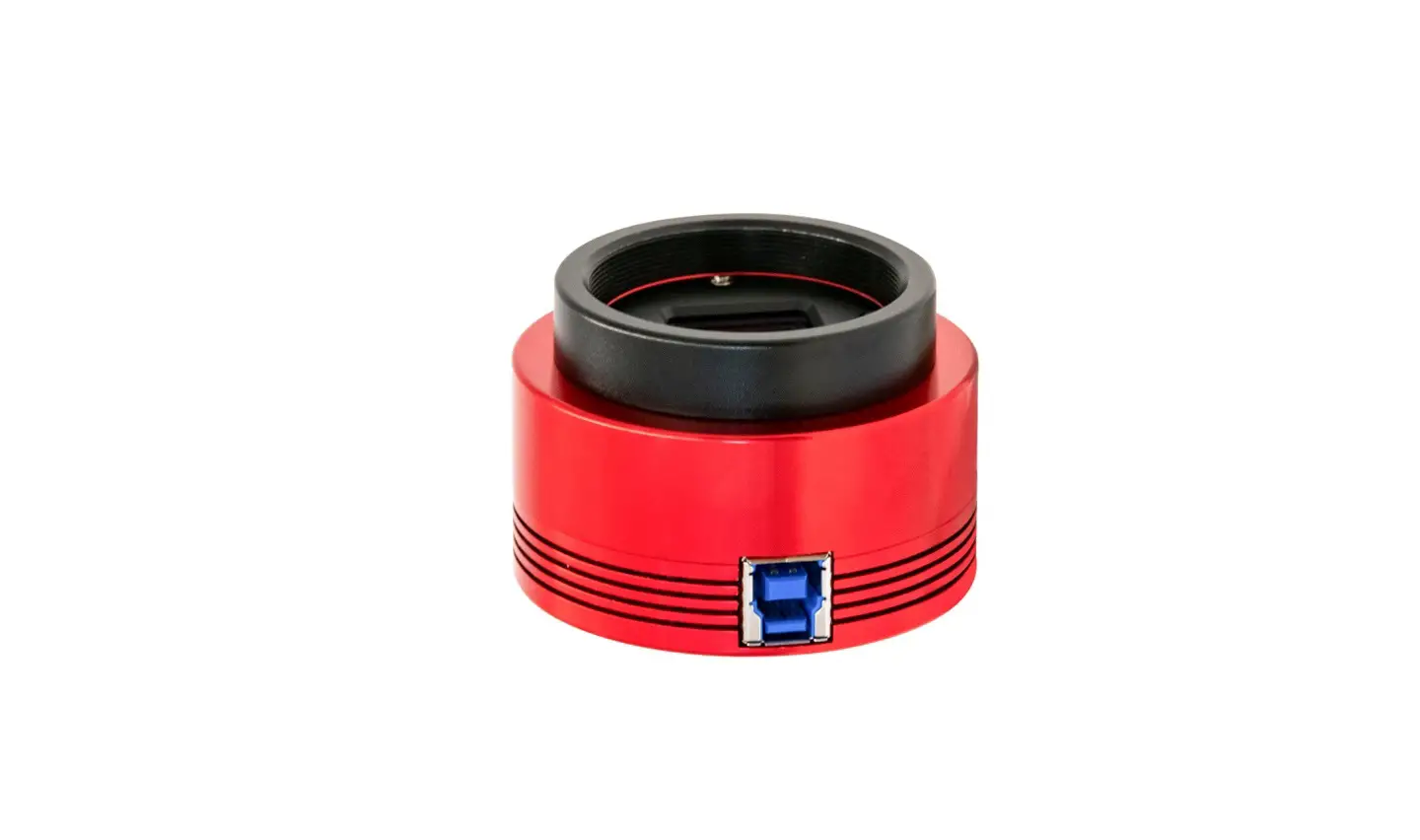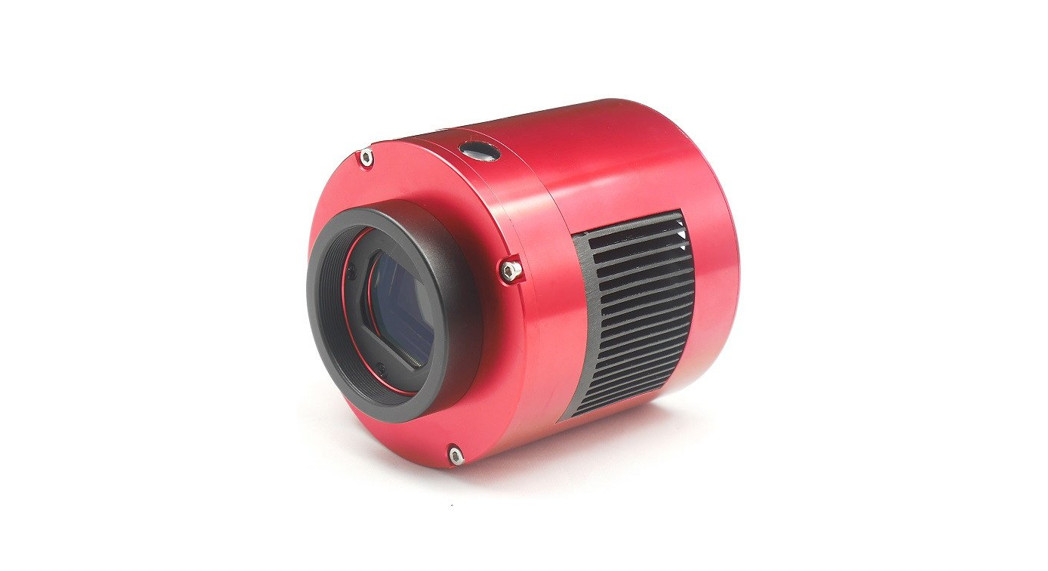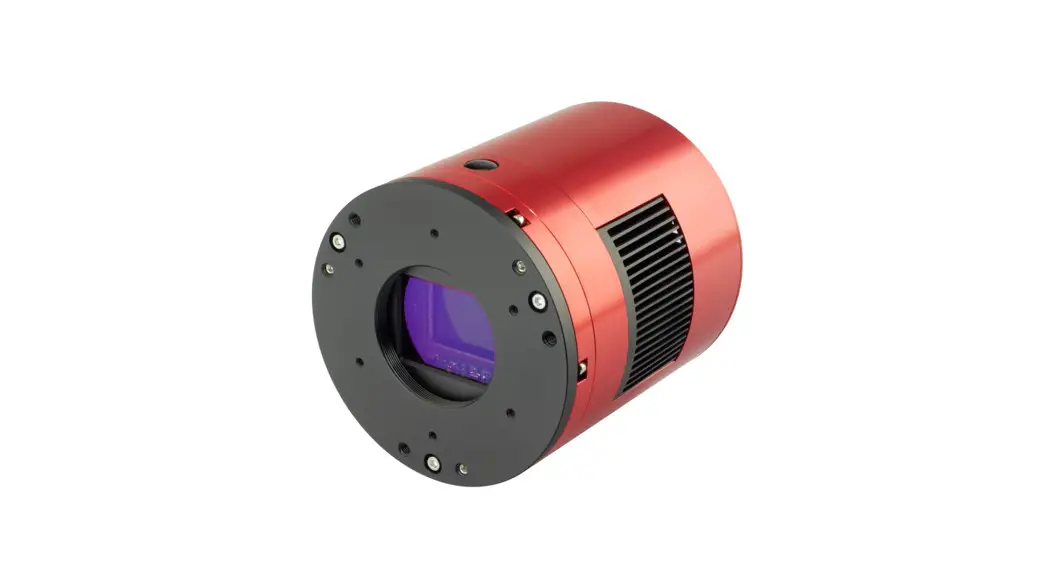

ASI2600 Manual
Revision 1.2
Jan, 2021
All materials related to this publication are subject to change without notice and its copyright totally belongs to Suzhou ZWO CO., LTD.
Please download the latest version from our official website.
Instruction
Congratulations and thank you for buying one of our ASI Cameras! This manual will give you a brief introduction to your ASI camera. Please take the time to read it thoroughly and if you have any other questions, feel free to contact us at the support page of the ZWO site: https://support.astronomy-imaging-camera.com/
Welcome to join ZWO FB and User Forum below!
Facebook: https://www.facebook.com/ZwoDesignAstronomyCameras
User Forum: https://bbs.astronomy-imaging-camera.com/
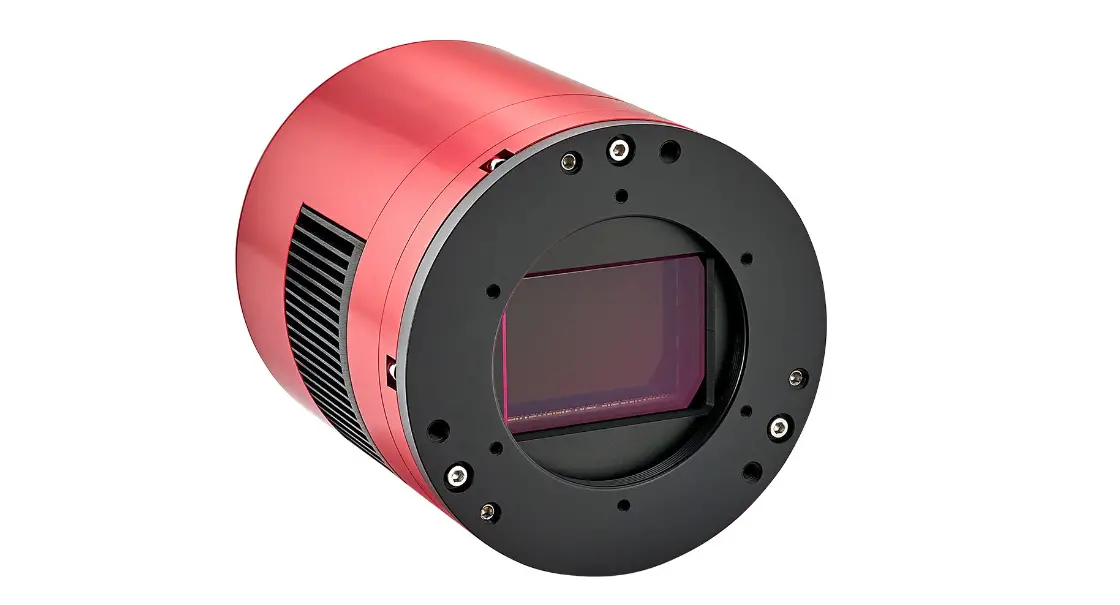
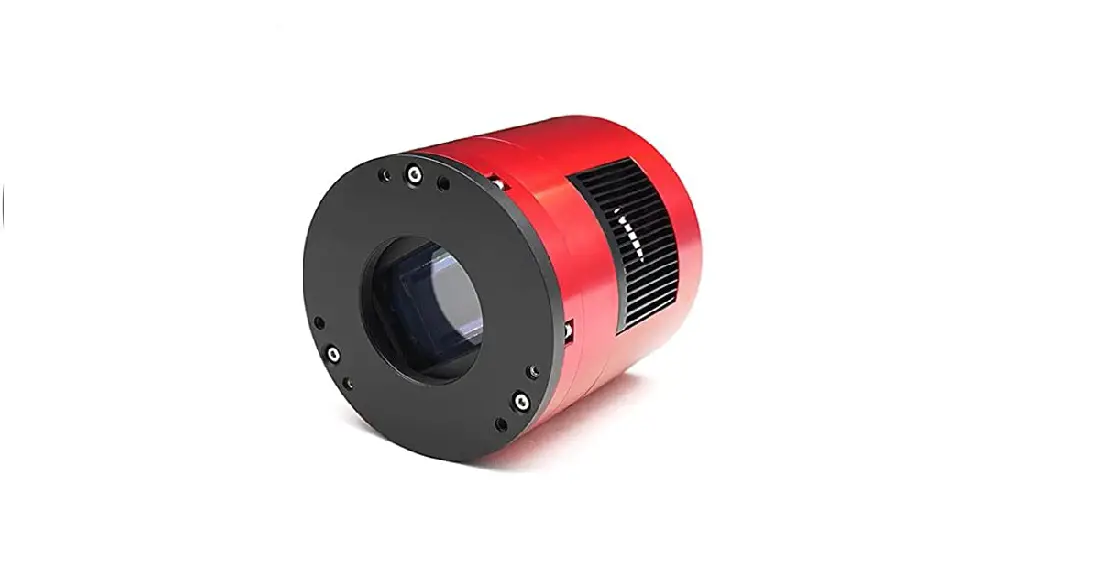
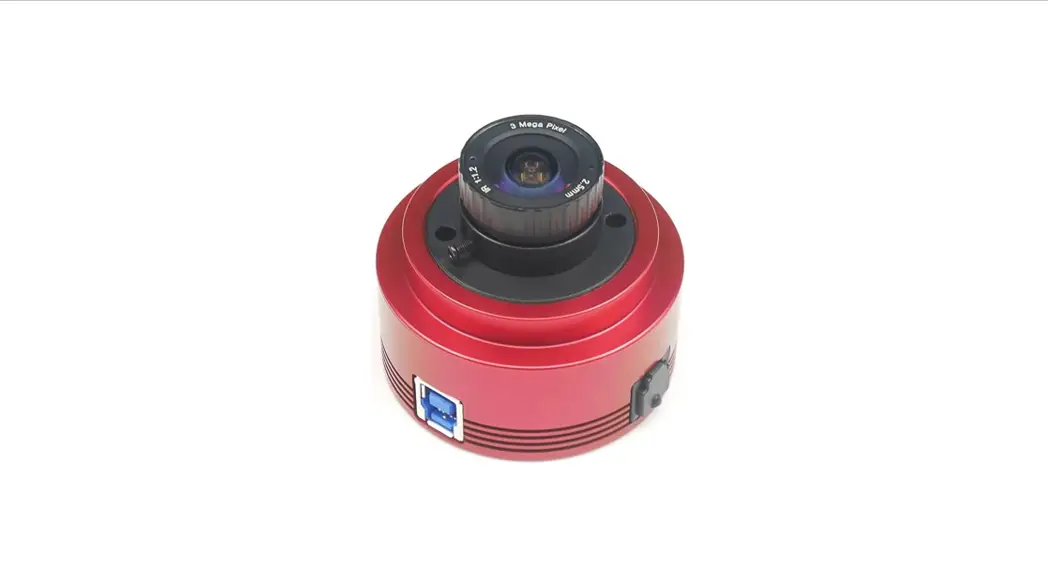
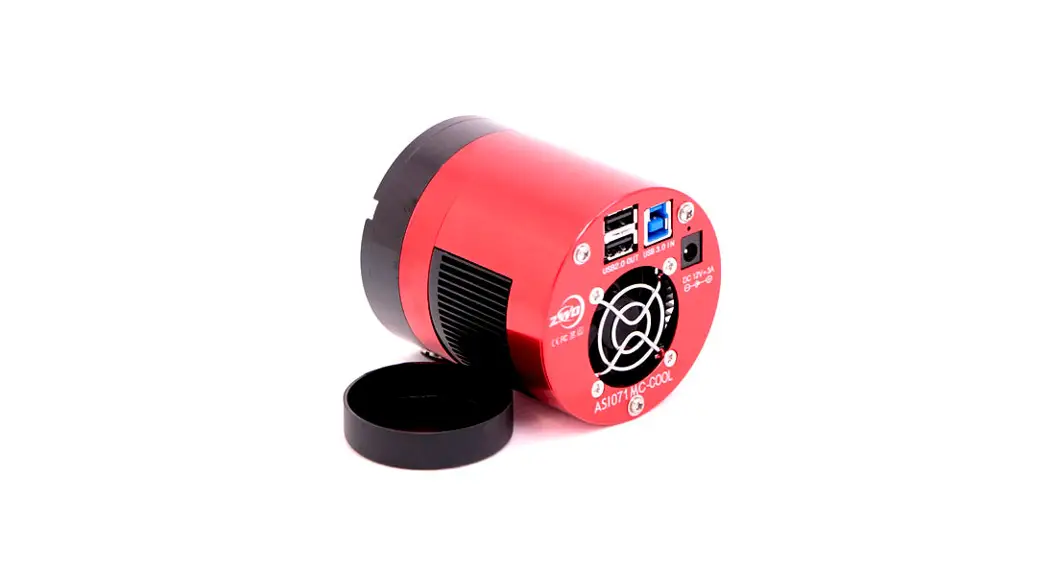
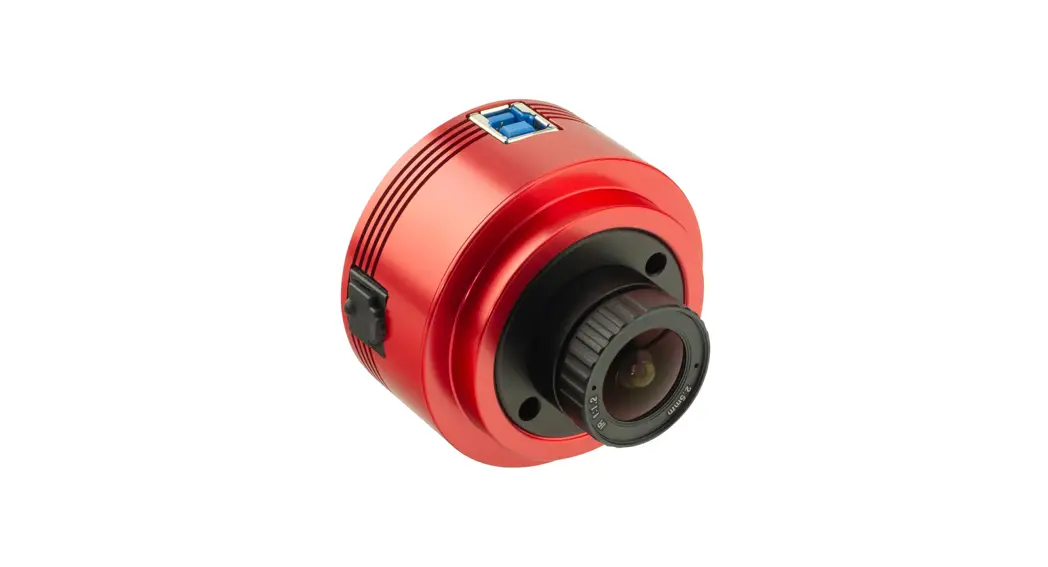
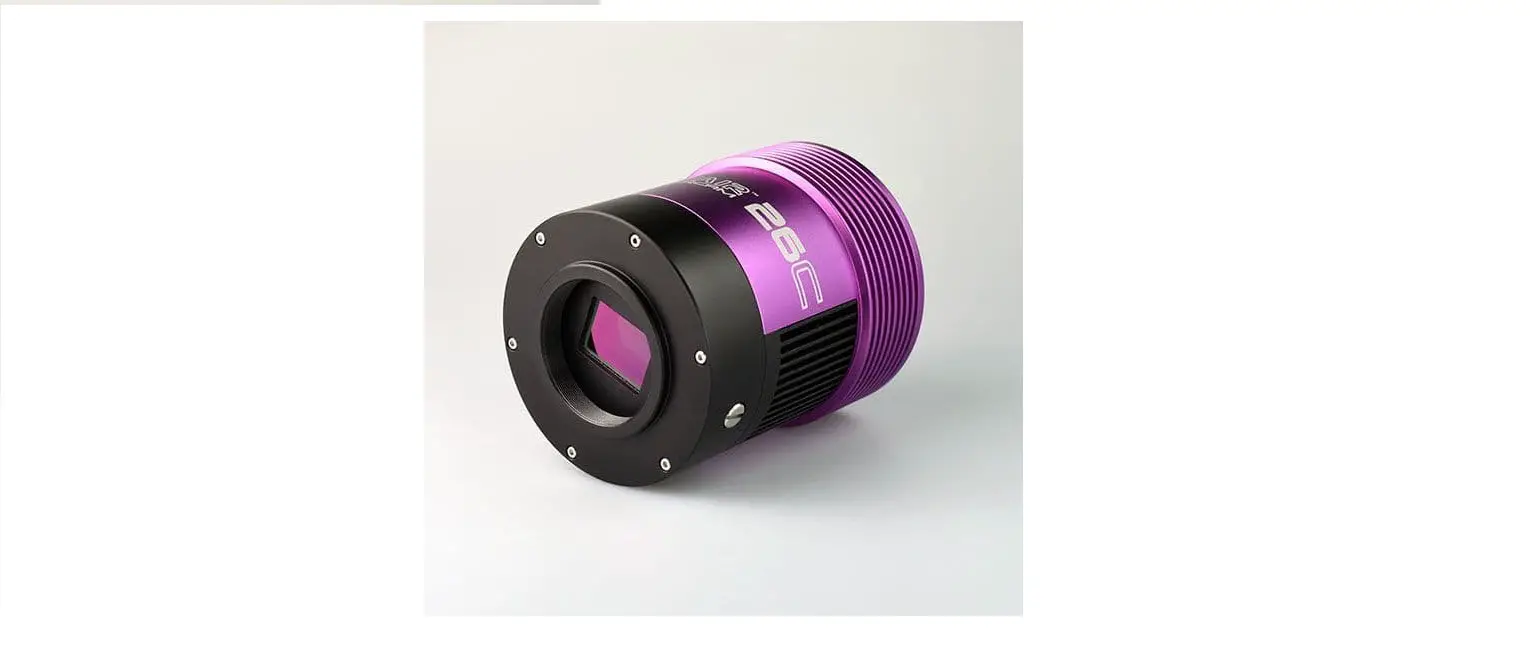
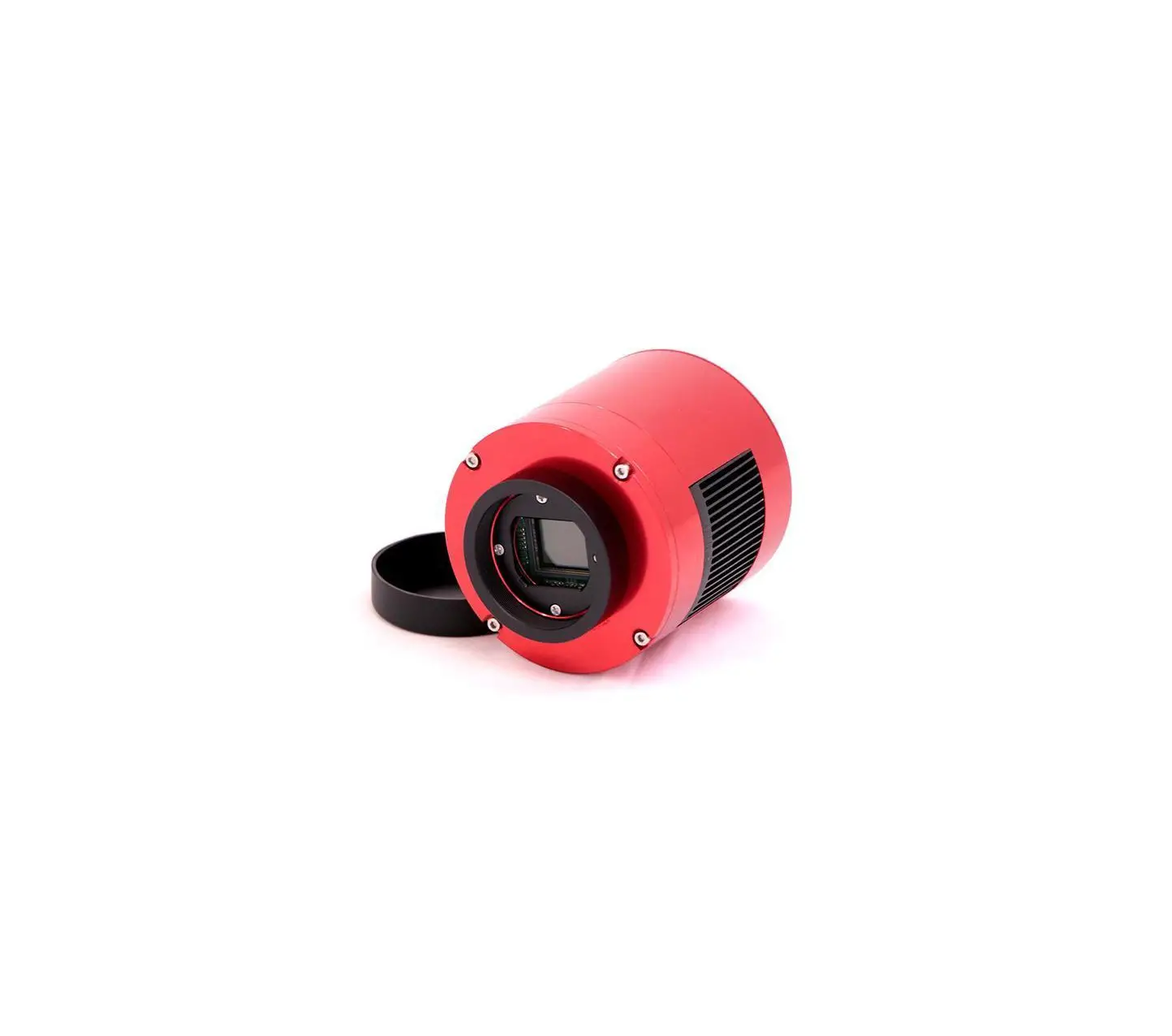
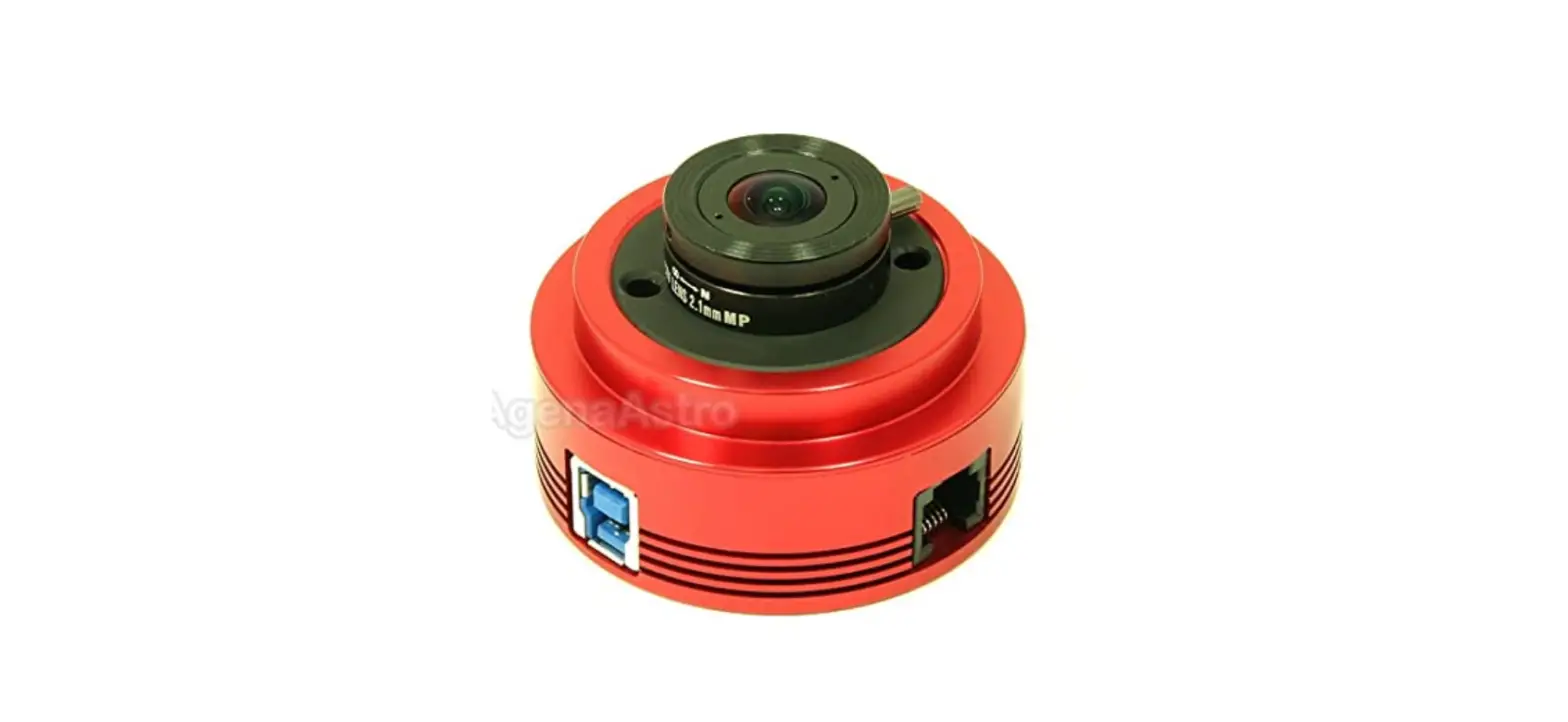
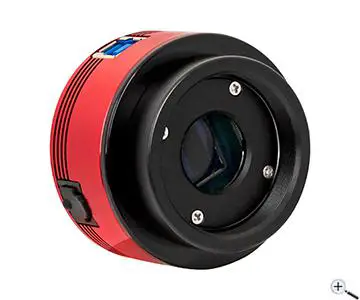
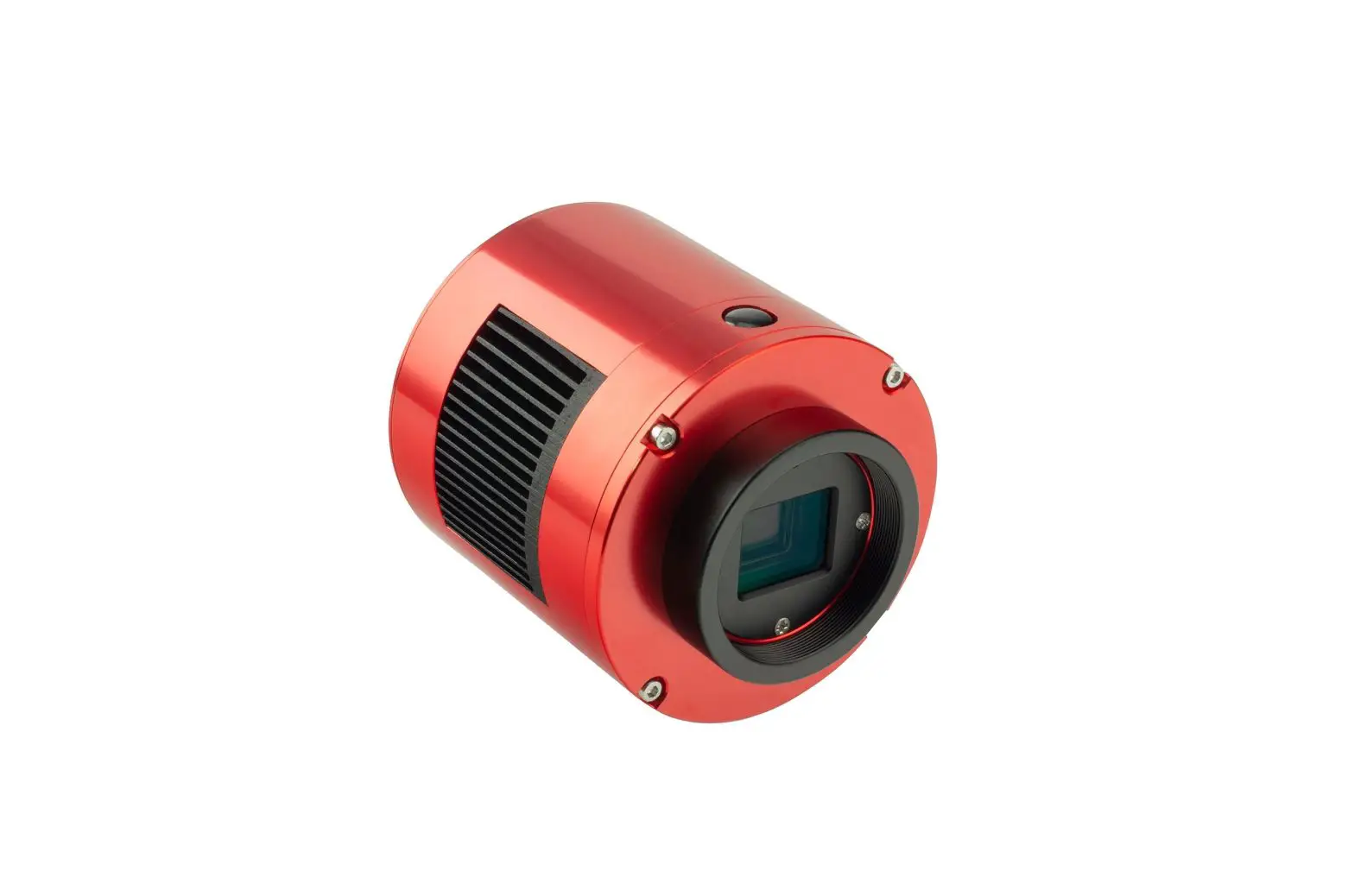
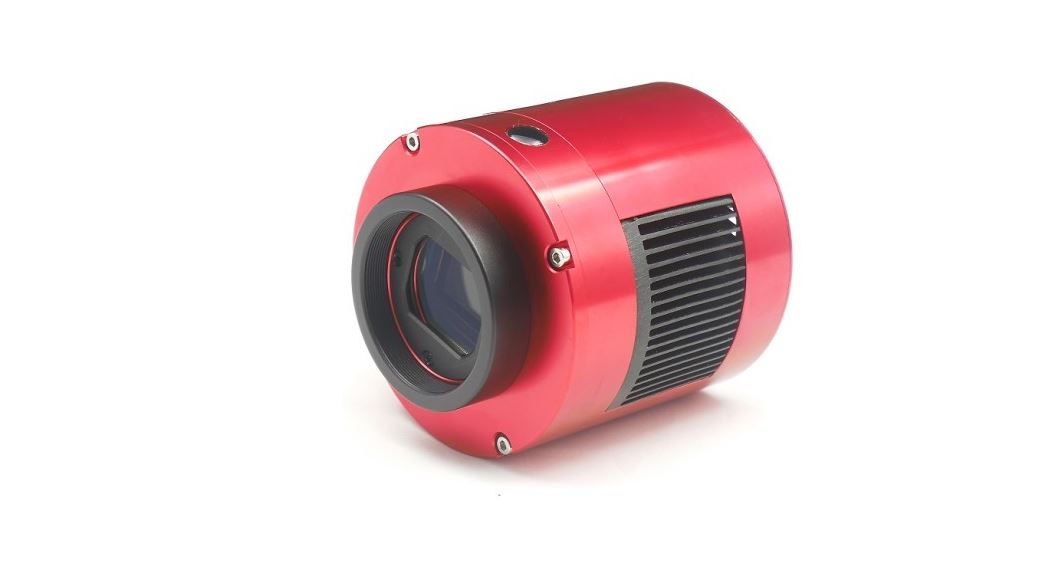
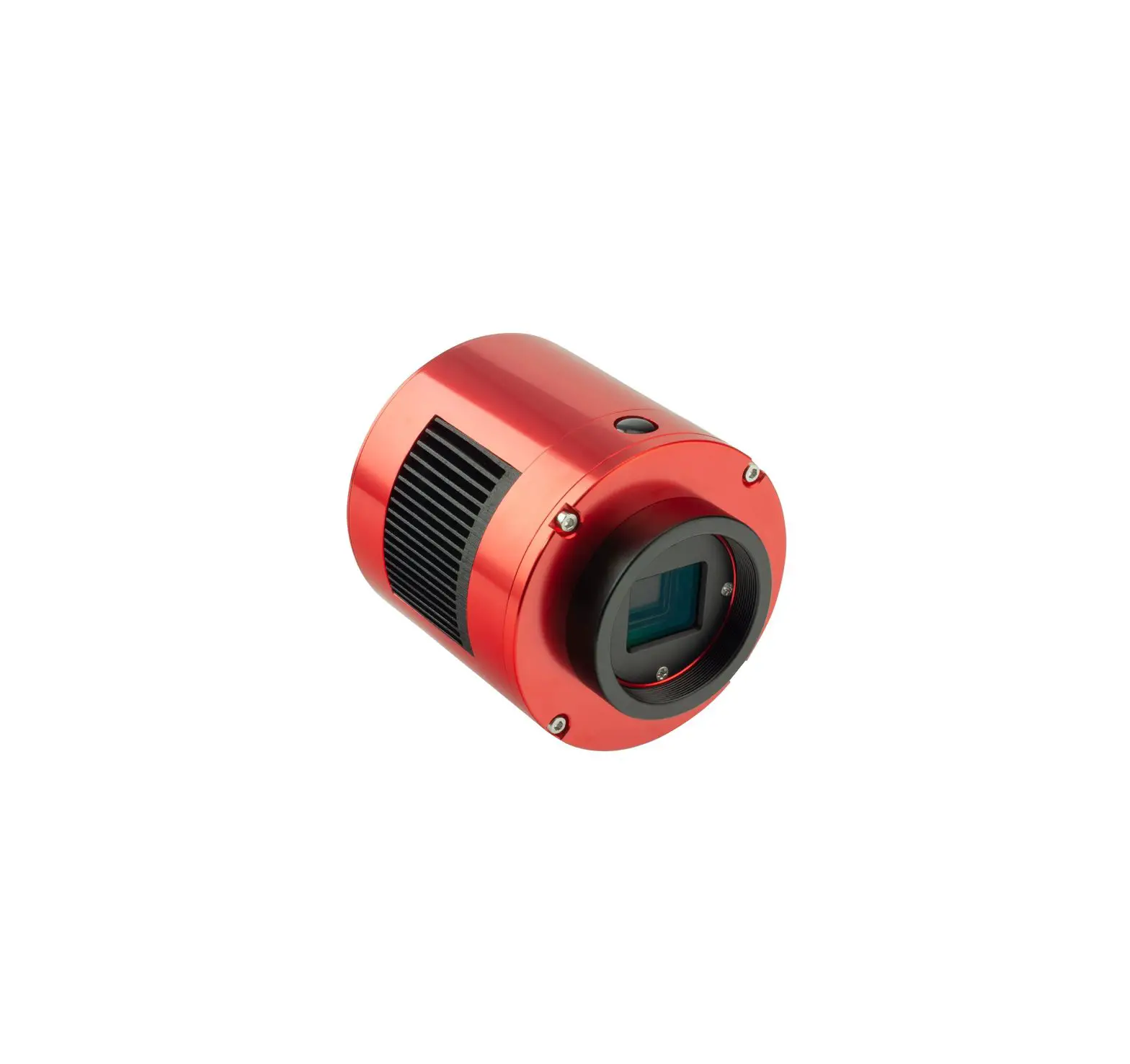
ASI2600 Camera is specifically designed for astronomical photography. It is not only suitable for DSO imaging but also for Planetary imaging. You will be impressed by its superior performance and wide use!
Model | Mono/Color | (TEC)Cooling | DDR3 Buffer | Sensor |
| ASI2600MC Pro | Color | Two-Stage | 256MB | SONY IMX571 |
| ASI2600MM Pro | Mono | Two-Stage | 256MB | SONY IMX571 |
For software installation instructions and other technical information, please refer to our official website: https://astronomy-imaging-camera.com/
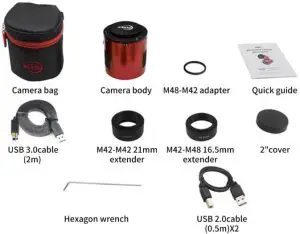
What’s in the box?
Camera technical specifications
| Sensor | SONY IMX571 CMOS |
| Diagonal | 28.3mm |
| Resolution | 26 Mega Pixels 6248*4176 |
| Pixel Size | 3.76μm |
| Image area | 23.5*17.5mm |
| Max FPS at full resolution | 3.51FPS |
| Shutter | Rolling shutter |
| Exposure Range | 32μs-2000s |
| Read Noise | 1.0-3.3e |
| QE peak | Above 80% (OSC) Around 91%(mono) |
| Full well | 50ke |
| ADC | 16bit |
| DDR3 buffer | 256MB |
| Interface | USB3.0/USB2.0 |
| Adapters | M42*0.75 |
| Protect window | AR window (mono) IR CUT (OSC) |
| Dimensions | 90mm |
| Weight | 0.7kg |
| Back Focus Distance | 17.5mm |
| Cooling: | Regulated Two-Stage TEC |
| Delta T | 35°C below ambient |
| Cooling Power consumption | 12V at 3A Max |
| Supported OS | Windows, Linux & Mac OSX |
QE Graph & Read Noise
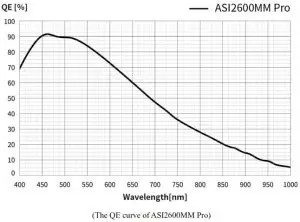
QE and Read noise are the most important parts to measure the performance of a camera.
Higher QE and Lower read noise are needed to improve the SNR of an image.
For ASI2600MC Pro, the QE peak value is above 80%.
For ASI2600MM Pro, the QE peak value is around 91%.
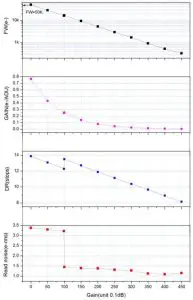
Read noise includes pixel diode noise, circuit noise, and ADC quantization error noise. The lower the better.
As you can see, the Read Noise of the ASI2600 camera is extremely low when compared with traditional CCD cameras. In addition, it is with Built-in HCG mode, which can effectively reduce read noise at high gain and keep the same wide dynamic range for this camera as at low gain.
Depending on your target, you can set the gain lower for a higher dynamic range (longer exposure) or set the gain higher for lower noise (such as short exposure or lucky imaging).
Read noise. full well, gain and dynamic range for ASI2800
Getting to know your camera
External View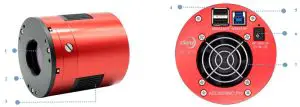
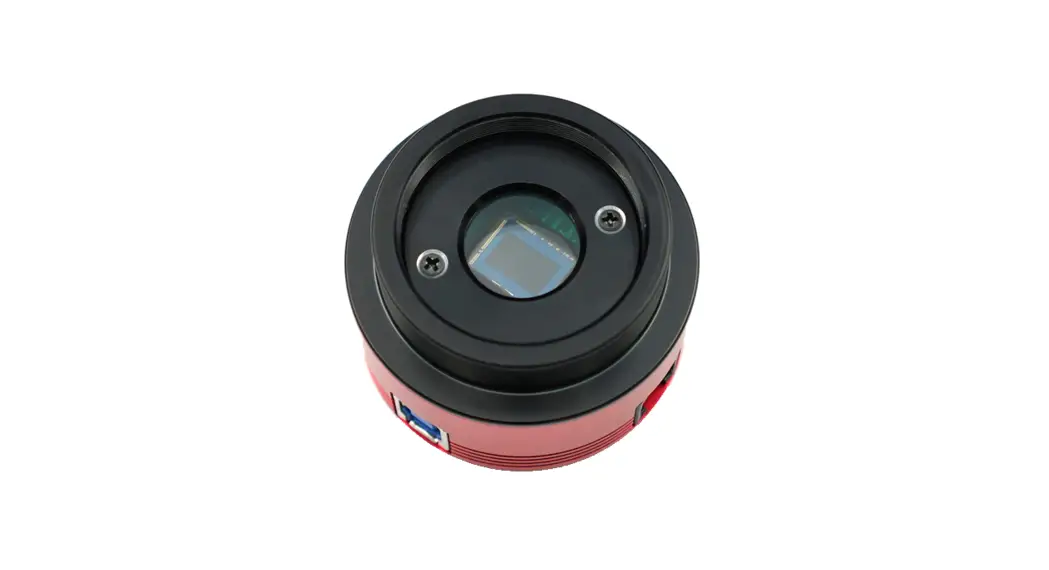
- Protective Window, D60*2mm, AR window for the mono camera, IR CUT for color camera
- Tilt adjustment ring which can be removed, M42*0.75 thread, thickness 5mm
- Radiator
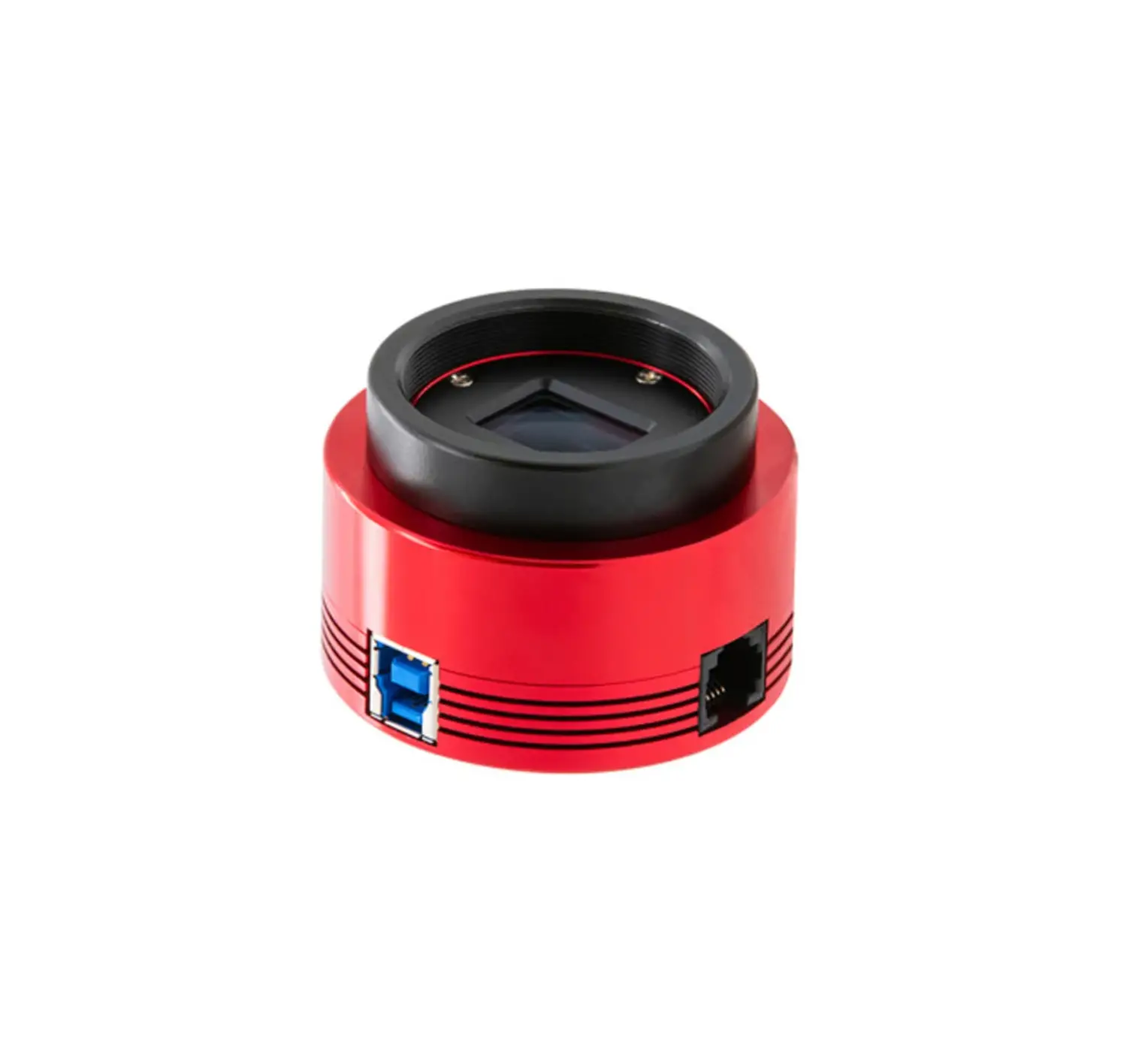
- USB2.0 Hub
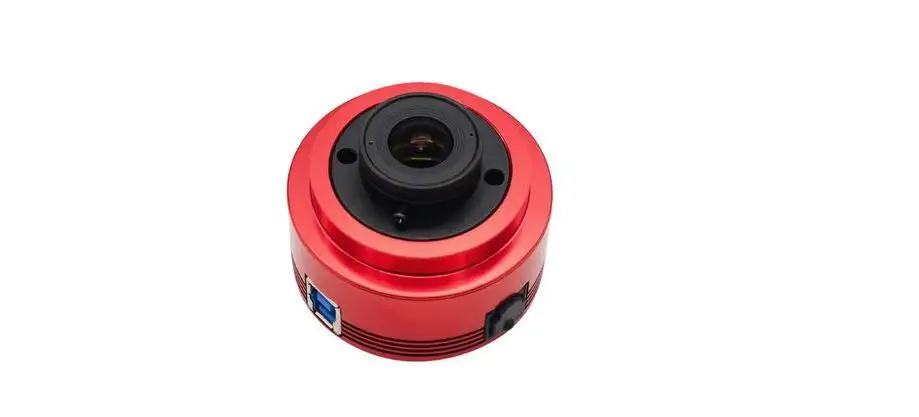
- USB3.0/USB2.0 Interface
- Cooling power supply DC power port: size 5.5 * 2.1mm, positive inside and negative outside,n 12V@3A power is recommended.
- Ultra-quiet magnetic levitation fan will rotate only when the cooling is on.
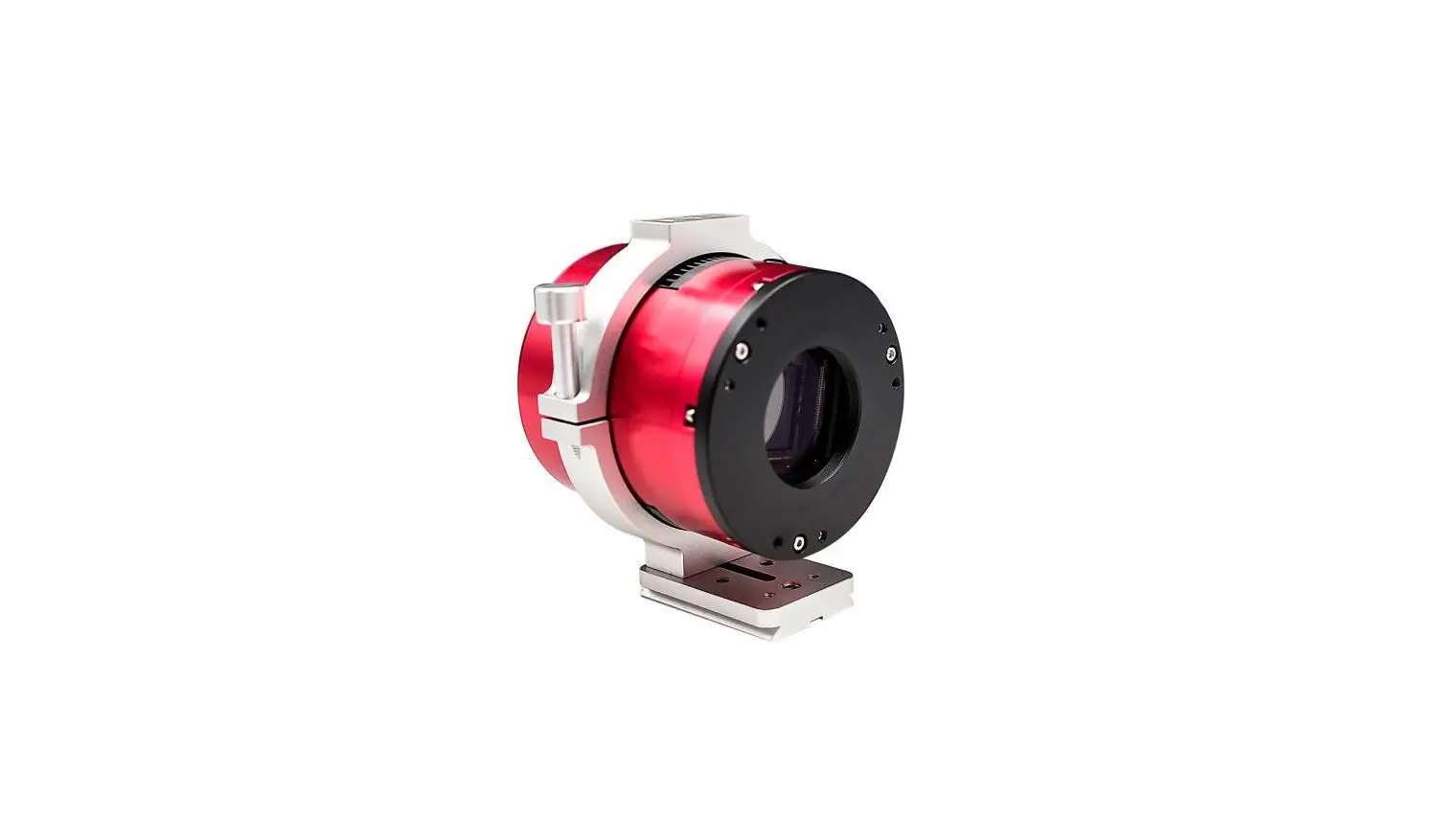
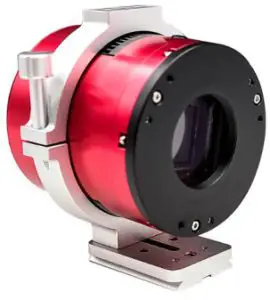 The camera can be placed on a holder ring for Cooled cameras with a 1/4” thread under the ring.
Power Consumption
ASI2600 camera is with low power consumption, max at 4.7W USB3.0 cable is recommended for power supply.
Recommended power supply for cooling: 12V @ 3A DC adapter (5.5×2.1mm, center pole positive). Also suitable: lithium battery with 11-15V.
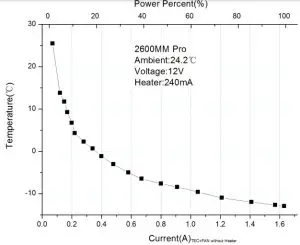
Here is the ASI2600 cooling efficiency graph.
DDR Buffer
The ASI2600 Pro camera includes a 256MB DDR3 memory buffer to ensure the stability of data transmission.
Cooling System
The Cooling system of the ASI2600 camera can precisely control the sensor temperature. Unlike traditional CCD, the ASI2600 camera has ultra-low readout noise, efficient cooling, and adjustable gain. There is no need to use ultra-long exposures to shoot targets, which significantly reduces the requirements for the photography system as well as the guide system. However, if you use short exposures (for example, less than 100ms), the effect of cooling on the image will be little. The cooling system can be set to a minimum temperature of 35 ℃ below ambient temperature.
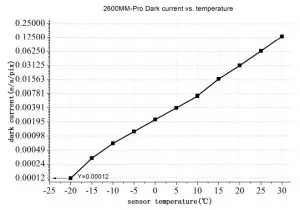
Here’s the dark current curve of ASI2600 sensor between -25℃ and 30℃
Back Focus Distance
The female flange to the sensor is 17.5mm. You can reach 55mm back focus distance with the 21mm and 16.5mm extender included in the camera package.
Protective Window
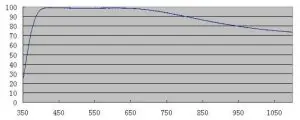
There is a protective window in front of the 2600 camera sensor, with 60mm diameter and 2mm thickness.
ASI2600MM Pro uses an AR-coated filter, while ASI2600MC Pro uses an IR CUT filter.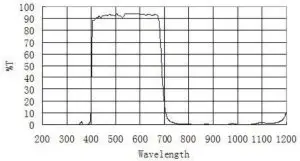
Analog to Digital Converter (ADC)
The ASI2600 camera has a built-in 16bit ADC. 12bit ADC mode for output will be used when we do hardware Bin, this camera also supports custom ROI partial readout mode, with a faster frame rate at small ROI resolutions.
Please see below the attached different frame rates under different resolutions on USB3.0 and USB2.0n of ASI2600 in 16bit mode.
Resolution | 16Bit ADC | |
| USB2.0 | USB3.0 | |
| 6248*4176 | 0.83fps | 3.51fps |
| 4096*3072 | 1.72fps | 4.75fps |
| 3840*2160 | 2.61fps | 6.71fps |
| 1920*1080 | 10.43fps | 13.13fps |
| 1280*720 | 19.29fps | 19.29fps |
| 640*480 | 28.06fps | 28.06fps |
| 320*240 | 51.44fps | 51.44fps |
Binning
The ASI2600 camera supports bin2, bin3, bin4 software Binning mode and hardware bin2, bin3, the best advantage of hardware binning is the faster frame rates. If you don’t care about speed, we recommend you use software binning.
Tilt Adjustment
There are 3 sets of screws that can be used to tilt the sensor, to make it the same as the primary mirror of Newtonian, two screws per set for screw-in/out.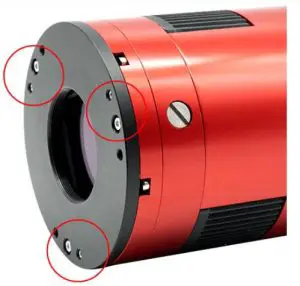
You can refer to below:
- Take a starred image with the camera, you will easily find out the tilt part in the image through the software, and then adjust one or more sets of flange adjustment screws on the camera corresponding to the image.
- Take another image after the sensor tilt adjustment, compare the new image with the previous one in the software. If the tilt issue is reduced, that means the adjustment is correct. Otherwise, the adjustment is wrong.
- Repeat step 2 until the stars in all corners are perfect.
How to use your camera
Using an adapter, the ASI2600 camera can be connected to a telescope, camera lens, filter wheel, and other accessories. Most of the adapters are already included in the package, and the rest can be purchased directly from our official website below.
https://astronomy-imaging-camera.com/
Nikon /Canon lens Connection Diagram: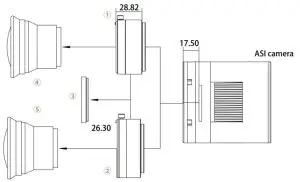
- Nikon-T2 adapter
- EOS-T2 adapter
- 2” filters (optional)
- Nikon lens
- EOS lens
Mono camera Connection Diagram:
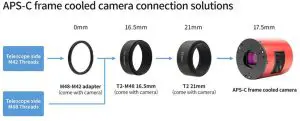
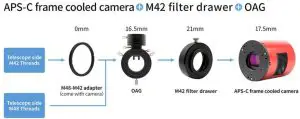
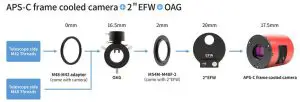
For the detailed connection methods of ASI2600MM Pro: https://astronomy-imaging-camera.com/tutorials/best-back-focus-length-solutions-55mm.html
OSC camera Connection Diagram:
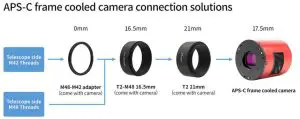
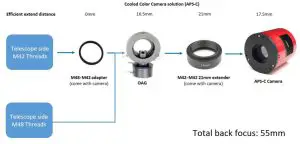
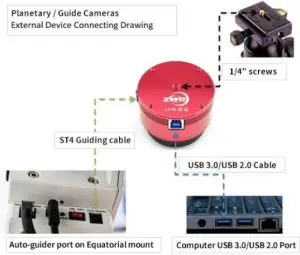
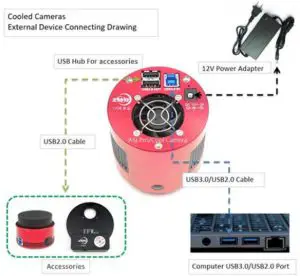
Mechanical drawing
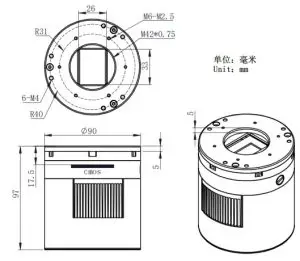
Servicing
For software upgrades, please refer to “Support-manual and software” on our official website. https://astronomy-imaging-camera.com/
Repairs and servicing are available by emailing [email protected]
For customers who bought the camera from your local dealer, the dealer is responsible for the customer service.
Warranty
We provide a 2-year warranty for our products. We offer repair service or replacement for free if the camera doesn’t work within the warranty period.
After the warranty period, we continue to provide repair support and service on a charged basis.
This warranty does not apply to damage that occurred as a result of abuse or misuse or caused by a fall or any other transportation failures after purchase.
The customer must pay for shipping when shipping the camera back for repair or replacement.