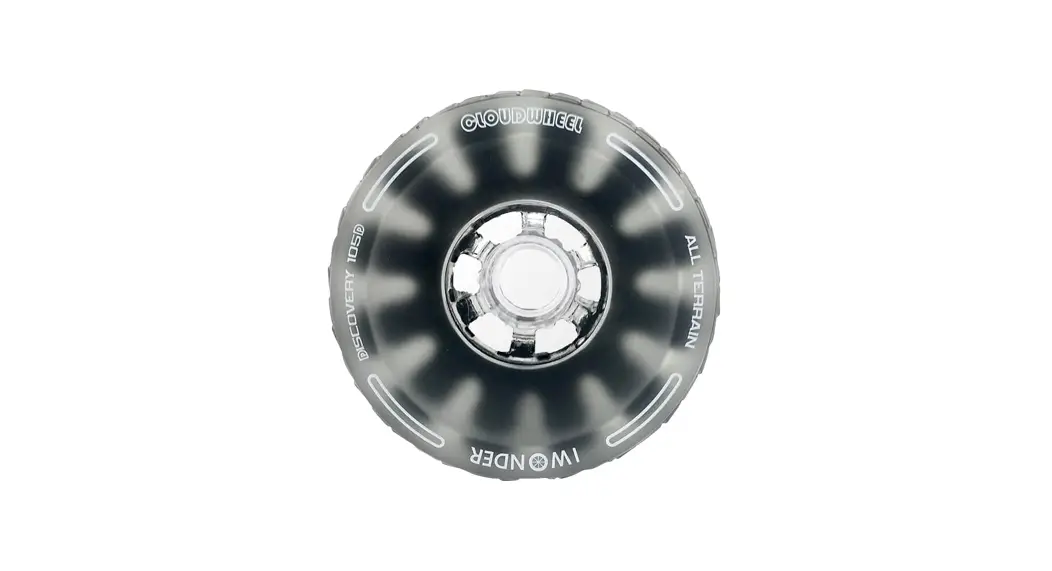
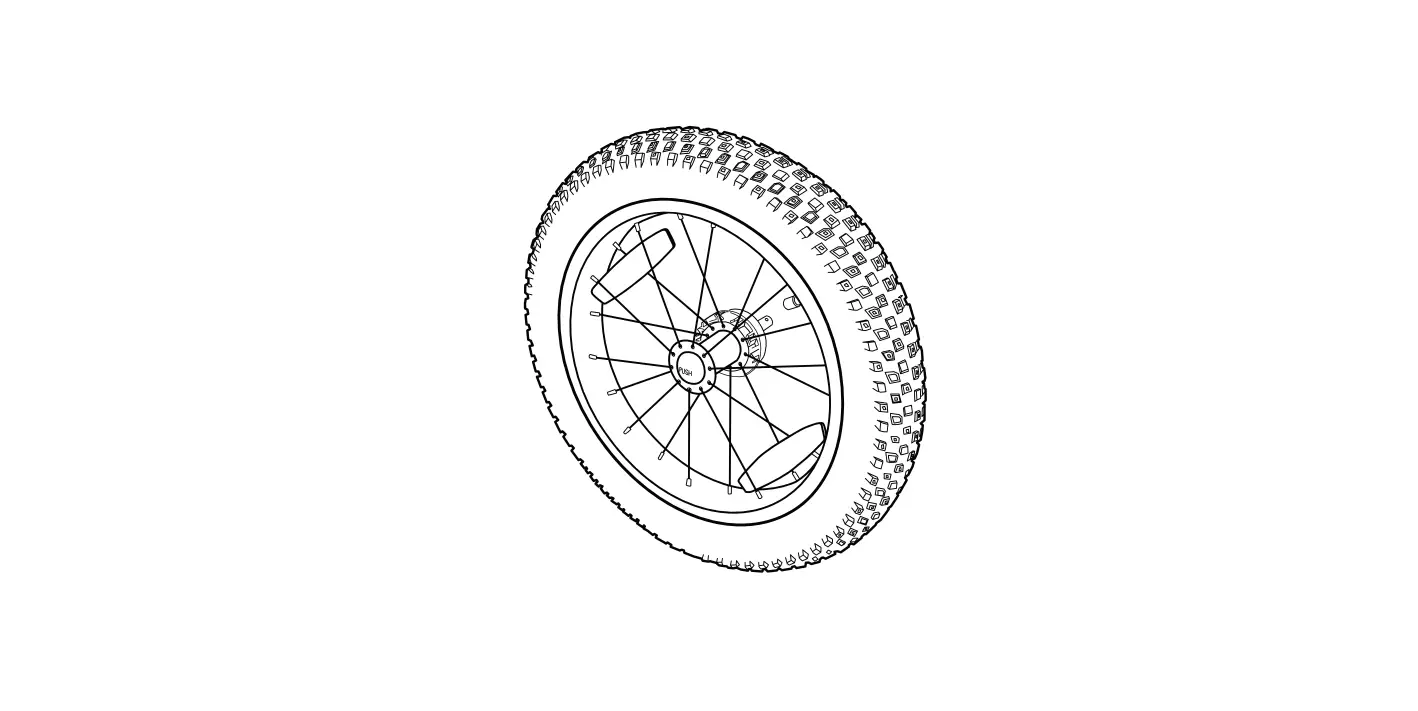
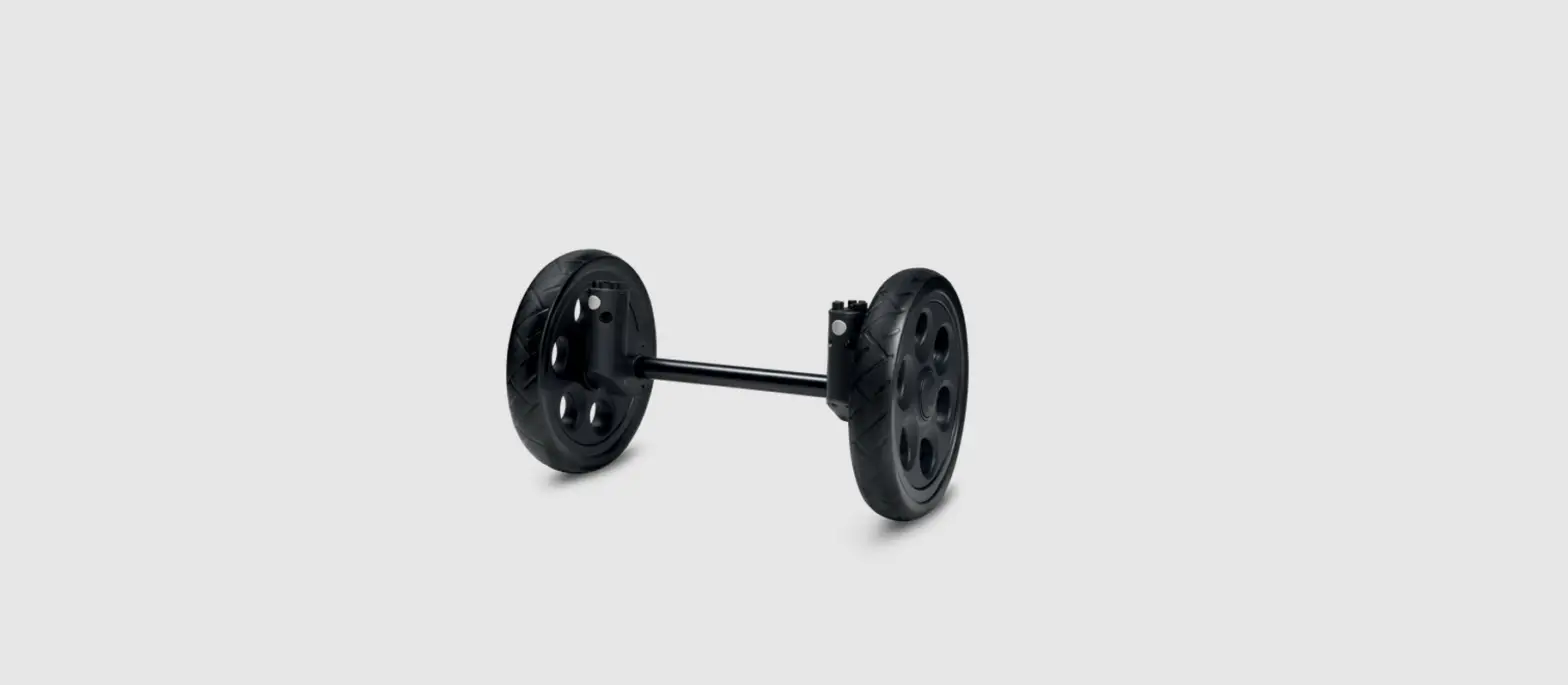
11-38-1500M 1/2 Inch Mega Buddy Rodder Terrain Wheels Standard
Product Information
The product is an EZ-REElTM Replacement, designed for use with
all-terrain wheels. It comes in different variations with different
lengths, ranging from 400′ to 1,000′. The product is part of the
Global Materials line and has a part number of 11-38-1500M. There
is also a replacement version available with the part number
11-1500RRM.
The product is manufactured by JAMESONTOOLS.COM and comes with a
warranty. It is important to note that there is a warning regarding
the use of adhesive with the product.
There are various accessories available for the product,
including a swivel eye, roller guide, swivel coupling, shackle,
stinger tip, and replacement all-terrain wheels. These accessories
are sold separately and there is also an accessories repair kit
available.
Product Usage Instructions
- Identify both ends of the conduit and ensure that switch gear
or other components in the area will not be damaged by the rod
entering the vault or box. - Insert the rod through the safety feed guide to prevent
hazardous conditions. - Adjust the drag brake by tightening or loosening the handle to
ensure that the rod does not feed itself from the reel. - Insert the rodder end into the conduit.
- Push the rodder through the conduit using short thrusts,
approximately 6-12 inches long, to take advantage of the rod’s
column strength and minimize the risk of breakage. - Pay attention to the feel of the rod. When the rod end enters
the box at the end of the conduit and contacts the vault or box
wall, impact vibrations can normally be felt in the rod. - Attach the wire or cable being pulled to the pulling eye using
standard methods. - When recoiling the rod onto the reel, loosen the drag brake to
allow the reel to turn freely. Use short, straight pulls from the
conduit to push the rod back onto the reel. Do not bend, twist, or
jerk the rod. Do not manually spin the reel to recoil the rod. - If the pull is halted, check for kinking in the cable or wire
at the entry.
Connecting Two Rodders For Long Runs With Swivel
Coupling:
- If the job requires more rod than is on the reel, an additional
reel with rod can be used. - Using the swivel coupling, attach the beginning of the new rod
to the end of the already installed rod.
Connecting Two Rodders For Long Runs With
Grapples:
- Attach a male grapple to one Big Buddy and begin rodding duct
from one end. - Attach a female grapple to another Big Buddy and begin rodding
from the opposite end of the duct. - When the two grapples meet, they lock together inside the duct,
enabling the pull.
Splicing Rod Or Attaching New End Ferrule:
- Prepare the rod by cleaning and roughening the surface with
emery cloth. - Apply adhesive to the inside of the ferrule using a toothpick
or nail. - Twist the ferrule as you insert the rod and clean off excess
glue. - Allow sufficient time for the adhesive to cure, approximately
20 minutes for setting and 24 hours for full cure.
OPERATION AND SAFETY MANUAL
1/2″ MEGA BUDDY® RODDER
1,500′ ALL TERRAIN WHEELS STANDARD
Part Number 11-38-1500M
EZ-REElTM Replacement 11-1500RRM
Description Mega Buddy® Conduit Rodder, 1/2″ x 1500′, Marked Every 5′
.
AND
GLOBAL
A M
TERIALS
1/2″ BIG BUDDY® RODDER
400′ – 1,000′
Part Number
EZ-REElTM Replacement
Description
11-38-400M 11-38-500M 11-38-600M 11-38-800M 11-38-1000M
11-400RRM 11-500RRM 11-600RRM 11-800RRM 11-1000RRM
Big Buddy® Conduit Rodder, 1/2″ x 400′, Marked Every 5′ Big Buddy® Conduit Rodder, 1/2″ x 500′, Marked Every 5′ Big Buddy® Conduit Rodder, 1/2″ x 600′, Marked Every 5′ Big Buddy® Conduit Rodder, 1/2″ x 800′, Marked Every 5′ Big Buddy® Conduit Rodder, 1/2″ x 1000′, Marked Every 5′
WITH U.S
WARNING
· DO NOT USE ON LIVE CIRCUITS. DISCONNECT POWER. Metal tip on rod. · Wear safety glasses and gloves. · Keep rod inside reel when not in use. Out-of-control rod can harm personnel or property. · Keep rod clean. Some contaminants (including water) can conduct electricity. · Keep secure footing. Protect yourself from falling should pulling eye move suddenly or separate from rod. · Check for rod damage prior to use. Cracks, gouges, nicks, or white stress marks on jacket or sharp bends will weaken rod. Injury could result if rod breaks while pulling. · Do not use slip joint pliers, locking pliers or powered pulling equipment on rod. · Do not force a pull that is stuck. Check for kinks or obstructions. · Avoid pulling rod over sharp edges. · Do not bend rod beyond 4″ radius.
WARNING – ADHESIVE
Read manufacturer’s instructions before using adhesive. In case of eye contact, flush with water and seek medical attention If skin contact occurs, apply solvent (such as nail polish remover) to area and gently remove adhesive. Wash solvent off with water. Solvents should not be used in case of contact with eyes or open wounds. Always wear safety goggles (ANSI Std. Z87.1) and gloves when working with adhesive and/or unprotected fiberglass rod. See adhesive product label for Safety Data Sheet (SDS).
WARRANTY
Jameson products carry a warranty against any defect in material and workmanship for a period of one year from date of shipment unless failure is due to misuse or improper application. Jameson shall in no event be responsible or liable for modifications, alterations, misapplications or repairs made to its products by purchaser or others. This warranty is limited to repair or replacement of the product and does not include reimbursement for shipping or other expenses incurred. Jameson disclaims any other express or implied warranty.
800.346.1956 | JAMESONTOOLS.COM
1
ACCESSORIES
Swivel Eye
Roller Guide
Swivel Coupling
Shackle
Stinger Tip
Replacement All Terrain Wheels
Good Buddy® Grapples
Part Number 11-38-RK 11-139 11-141 11-142 11-143 11-148 11-25-6ST 11-25-8ST 11-140 11-146 11-AWK Accessories – Sold Separately
Accessories Repair Kit Swivel Eye Roller Guide Shackle Fitting Swivel Coupling Rod Grapple Set 6′ Stinger Tip 8′ Stinger Tip Splice Repair Kit End Ferrule Repair Wheel Kit
Big Buddy® Repair Kit
Description 2 Splice Ferrules, End Ferrule, Emery Cloth, Adhesive, Canvas Pouch
Attaches pull line to rod Guides rod around bends, sweeps, misalignments, wires Use with swivel eye for larger pulling loop to attach pulling eye
Connects two rods; provides rotation Connects two rodders from opposite directions
Guides rod through bends, sweeps, misalignments
Splice Ferrule, Adhesive, Emery Cloth End Ferrule, Adhesive, Emery Cloth
All-Terrain Kit (2 wheels/axle)
Using The Big or Mega Buddy®
1. Identify both ends of conduit. Ensure switch gear or other components in area will not be damaged by rod entering vault or box. 2. Insert rod through safety feed guide. Failure to do so can cause a hazardous condition. 3. Adjust drag brake by tightening or loosening handle so rod does not feed itself from reel. 4. Insert rodder end into conduit. 5. Push rodder through conduit using short thrusts (approximately 6-12″ long). This takes advantage of rod’s column strength and minimizes
risk of breakage. 6. Pay attention to feel of rod. When rod end enters box at end of conduit and contacts vault or box wall, impact vibrations can normally be felt
in rod. 7. Attach wire or cable being pulled to the Pulling Eye using standard methods. 8. When recoiling rod onto reel, loosen drag brake, allowing reel to turn freely. Use short, straight pulls from conduit to push back onto reel.
Do not bend, twist or jerk rod. Do not spin reel manually in an attempt to recoil rod on reel. 9. If pull is halted, check for kinking in cable or wire at entry.
2 JAMESONTOOLS.COM | 800.346.1956
Connecting Two Rodders For Long Runs With Swivel Coupling
If job requires more rod than is on reel, you can use an additional reel with rod and attach this rod to existing rod. Using Swivel Coupling, attach the beginning of new rod to end of already installed rod.
Connecting Two Rodders For Long Runs With Grapples
1. Attach male grapple to one Big Buddy and begin rodding duct from one end. 2. Attach female grapple to other Big Buddy and begin rodding from opposite end of duct. 3. When the two grapples meet, they lock together inside the duct, enabling the pull.
Splicing Rod Or Attaching New End Ferrule
1. Cut away damaged section(s) of fiberglass rod with a fine-tooth hacksaw or sharp knife. Strip protective jacket back about 1-1/4″. Do not cut into fiberglass core when stripping jacket. Do not crush fiberglass core. 2. Use emery cloth provided to roughen surface of fiberglass core end (Fig. 1). Do not remove large amounts of material during sanding. 3. Clean ends of fiberglass core with a cleaning solvent such as lacquer thinner or denatured alcohol before applying glue. 4. Allow cleaning solvent to evaporate. 5. Throughly mix adhesive per product instructions. 6. Apply drop of adhesive to fiberglass core end (in case of a splice, do one end at a time as in Fig. 2A) and spread over core
with toothpick or nail. 7. Twist ferrule as you insert rod (Fig. 2A and 2B). Clean off excess glue. Return unused materials to kit. 8. Allow sufficient time for adhesive to cure. Adhesive will set in approximately 20 minutes, but requires 24 hours for full cure.
Fig. 1
Fig. 2A End Ferrule Repair
Fig. 2B Splice Repair
800.346.1956 | JAMESONTOOLS.COM
3
DUCT RODDER SAFETY TIPS
POSITION FOR USE
WARNING
When rod is engaged with twin roller guides, the spring tension in the rod will naturally result in rod paying out and reel rotating. Ensure brake is engaged as required to prevent injury. Wear safety glasses and gloves at all times.
· Release brake tension to rotate protective cage · Carefully remove rod from protective cage and place it
between the twin roller guides · Set brake tension for payout speed by adjusting black handle
BRAKE
· Adjustable brake controls payout speed and secures rodder for storage when fully engaged
STORAGE
· Rotate reel while holding rod end to disengage rod from twin guide pulleys
· Carefully place the rod safely inside the protective cage
· Fully engage brake by turning black handle till it stops
4 JAMESONTOOLS.COM | 800.346.1956
MANUAL DE OPERACIÓN Y SEGURIDAD
1/2″ MEGA BUDDY® RODDER
1,500′ ALL TERRAIN WHEELS STANDARD
Part Number 11-38-1500M
EZ-REElTM Replacement 11-1500RRM
Description Mega Buddy® Conduit Rodder, 1/2″ x 1500′, Marked Every 5′
.
AND
GLOBAL
A M
TERIALS
1/2″ BIG BUDDY® RODDER
400′ – 1,000′
Part Number
EZ-REElTM Replacement
Description
11-38-400M 11-38-500M 11-38-600M 11-38-800M 11-38-1000M
11-400RRM 11-500RRM 11-600RRM 11-800RRM 11-1000RRM
Big Buddy® Conduit Rodder, 1/2″ x 400′, Marked Every 5′ Big Buddy® Conduit Rodder, 1/2″ x 500′, Marked Every 5′ Big Buddy® Conduit Rodder, 1/2″ x 600′, Marked Every 5′ Big Buddy® Conduit Rodder, 1/2″ x 800′, Marked Every 5′ Big Buddy® Conduit Rodder, 1/2″ x 1000′, Marked Every 5′
WITH U.S
ADVERTENCIA
· NO UTILICE EN CIRCUITOS CON CORRIENTE. DESCONECTE LA ELECTRICIDAD. La varilla tiene punta de metal. · Use gafas y guantes de seguridad. · Deje la varilla dentro de la bobina cuando no la use. Una varilla fuera de control puede causar daños al personal y a la propiedad. · Mantenga la varilla limpia. Algunos contaminantes (incluida el agua) pueden conducir electricidad. · Párese con firmeza. Protéjase de caídas en caso de que el ojal de tracción se mueva de repente o se separe de la varilla. · Verifique que la varilla no esté dañada antes de usarla. Las rajaduras, hendiduras, muescas o marcas blancas de tensión en el revestimiento o los pliegues marcados
debilitan la varilla. La varilla puede causar lesiones si se rompe durante la tracción. · No use pinzas ajustables, pinzas de presión ni un equipo de tracción eléctrico en la varilla. · No fuerce la tracción si la varilla se atasca. Retire los cables y verifique que no haya torceduras u obstrucciones. · Evite tirar de la varilla sobre bordes afilados. · No doble la varilla en un radio superior a 10″.
ADVERTENCIA – ADHESIVO
Lea las instrucciones del fabricante antes de usar el adhesivo. En caso de contacto con los ojos, enjuague con agua y busque atención médica. En caso de contacto con la piel, aplique un disolvente (por ejemplo, quitaesmalte de uñas) en el área y quite el adhesivo suavemente. Quite el disolvente con agua. No se debe usar disolventes en caso de contacto con los ojos o heridas abiertas. Siempre utilice gafas (norma ANSI Z87.1) y guantes de seguridad cuando trabaje con adhesivos o varillas de fibra de vidrio no protegidas. Vea la hoja de datos de seguridad (SDS) del adhesivo en la etiqueta del producto.
GARANTÍA
Los productos Jameson tienen una garantía contra cualquier defecto en el material y la confección por un período de un año a partir de la fecha de envío, a menos que la falla se deba a un uso indebido o una aplicación no autorizada. Jameson no se hará responsable en ningún caso de las modificaciones, alteraciones, aplicaciones indebidas o reparaciones hechas a sus productos por parte del comprador u otros. La presente garantía se limita a la reparación o al reemplazo del producto y no incluye reembolso por envío u otros gastos incurridos. Jameson niega cualquier otra garantía expresa o implícita.
800.346.1956 | JAMESONTOOLS.COM
5
ACCESORIOS
Ojal giratorio
Guía de rodillo
Acople giratorio
Grillete
Punta de punzón
Rueda todo terreno
Grapas
Kit de reparación
Pieza de pieza 11-38-RK 11-139 11-141
Accessories Kit de reparación
Ojal giratorio Guía de rodillo
11-142
Ajuste de grilletes
11-143
Acople giratorio
11-148
Juego de grapas
11-25-6ST
Punta de punzón de 6′
11-25-8ST
Punta de punzón de 8′
11-140
Kit de reparación del empalme
11-146
Reparación del casquillo terminal
11-AWK
Kit de ruedas
Accessories – Sold Separately
Description 2 casquillos de empalme, casquillo terminal, tela de lija, adhesivo, bolsa de lona
Une la línea de tracción a la varilla Guía la varilla por curvas, pendientes, zonas desalineadas y cables Úselo con el ojal giratorio para obtener un bucle de tracción más grande para acoplar el ojal de tracción.
Conecta dos varillas; proporciona rotación Conecta dos guías pasacables desde direcciones opuestas
Guía la varilla por curvas, pendientes y zonas desalineadas
Casquillo de empalme, adhesivo, tela de lija Casquillo terminal, adhesivo, tela de lija Kit todo terreno (2 ruedas/eje)
Cómo usar Big o Mega Buddy®
1. Identifique ambos extremos del conducto. Asegúrese de que el interruptor y demás componentes en el área no se dañarán al introducir la varilla en la bóveda o caja.
2. Introduzca la varilla a través de la guía de alimentación segura. No hacerlo puede provocar una condición peligrosa.
3. Acomode el freno de arrastre ajustando o aflojando la palanca para que la varilla no se desenrolle sola de la bobina.
4. Introduzca el extremo de la guía pasacables en el conducto.
5. Pase la guía pasacables por el conducto con empujones cortos (de aproximadamente 6 a 12″ de largo). Esto aprovecha la resistencia al pandeo de la varilla y minimiza el riesgo de rotura.
6. Preste atención a la sensación que le trasmite la varilla. Cuando el extremo de la varilla ingresa en la caja en el extremo del conducto y hace contacto con la pared de la bóveda o la caja, por lo general se pueden sentir las vibraciones de impacto en la varilla.
7. Acople el cable o alambre del que está tirando al ojal de tracción usando métodos normalizados.
8. Al enrollar la varilla en la bobina, afloje el freno de arrastre para que la bobina gire con libertad. Use tirones cortos y rectos desde el conducto para retraer la varilla hacia la bobina. No doble, retuerza ni sacuda la varilla. No gire la bobina manualmente en un intento de retraer la varilla hacia la bobina.
9. Si se interrumpe la tracción, verifique que el cable o alambre no se haya retorcido en la entrada.
6 JAMESONTOOLS.COM | 800.346.1956
Cómo conectar dos guías pasacables con acople giratorio para recorridos largos
Si el trabajo requiere más varilla de la que hay en la bobina, puede usar una bobina adicional con varilla y acoplar esta varilla a la existente. Usando el acople giratorio, acople el principio de la varilla nueva al extremo final de la varilla ya instalada.
Cómo conectar dos guías pasacables con grapas para recorridos largos
1. Acople la grapa macho a un Big Buddy y comience a pasar la varilla por el conducto desde un extreo. 2. Acople la grapa hembra a otro Big Buddy y comience a pasar la varilla desde el extremo opuesto del conducto. 3. Cuando las grapas se junten, se trabarán entre sí dentro del conducto, lo que permitirá la tracción.
Cómo empalmar varillas o unir un nuevo casquillo terminal
1. Corte las secciones dañadas de la varilla de fibra de vidrio con una sierra para metales de dientes finos o un cuchillo afilado. Quite aproximadamente 1-1/4″ del revestimiento de protección.
No corte el núcleo de fibra de vidrio cuando quite el revestimiento. No aplaste el núcleo de fibra de vidrio.
2. Use la tela de lija proporcionada para dar aspereza a la superficie del extremo del núcleo de fibra de vidrio (Fig. 1). No quite grandes cantidades de material durante el lijado.
3. Limpie los extremos del núcleo de fibra de vidrio con un disolvente para limpiar, como diluyente de laca o alcohol desnaturalizado, antes de aplicar el pegamento.
4. Deje que el disolvente para limpiar se evapore.
5. Mezcle minuciosamente el adhesivo según las instrucciones del producto.
6. Aplique una gota de adhesivo en el extremo del núcleo de fibra de vidrio (en caso de empalme, trabaje con un extremo a la vez, como se muestra en la Fig. 2A) y distribúyalo sobre el núcleo con un mondadientes o un clavo.
7. Gire el casquillo mientras introduce la varilla (Figs. 2A y 2B). Limpie el exceso de pegamento. Guarde los materiales no usados en el kit.
8. Deje que pase el tiempo suficiente para que el adhesivo se cure. El adhesivo se fijará en 20 minutos aproximadamente, pero necesita 24 horas para curarse por completo.
Fig. 1
Fig. 2A Reparación del casquillo terminal
Fig. 2B Reparación del empalme
800.346.1956 | JAMESONTOOLS.COM
7
CONSEJOS DE SEGURIDAD DE DUCT RODDER
POSICIÓN DE USO
ADVERTENCIA
Cuando la caña está acoplada con guías de rodillos gemelos, la tensión del resorte en la caña naturalmente hará que la caña se desplace y el carrete gire. Asegurar el freno está accionado según sea necesario para evitar lesiones. Use gafas de seguridad y guantes en todo momento.
· Libere la tensión del freno para girar la jaula protectora. · Retire con cuidado la varilla de la jaula protectora y colóquela
entre las guías de rodillos dobles · Establezca la tensión del freno para la velocidad de pago ajustando
el mango negro
FRENO
· El freno ajustable controla la velocidad de pago y asegura el rodder para el almacenamiento cuando está completamente enganchado
ALMACENAMIENTO
· Gire el carrete mientras sostiene el extremo de la barra para desenganchar la barra de poleas guía gemelas
· Coloque con cuidado la varilla de forma segura dentro de la jaula protectora.
· Accione completamente el freno girando la manija negra hasta que se detenga
8 JAMESONTOOLS.COM | 800.346.1956
LT_OM015 REV. 06/2022
 Lineman Tools | Jameson Tools | Wiring Equipment Arborist Tools