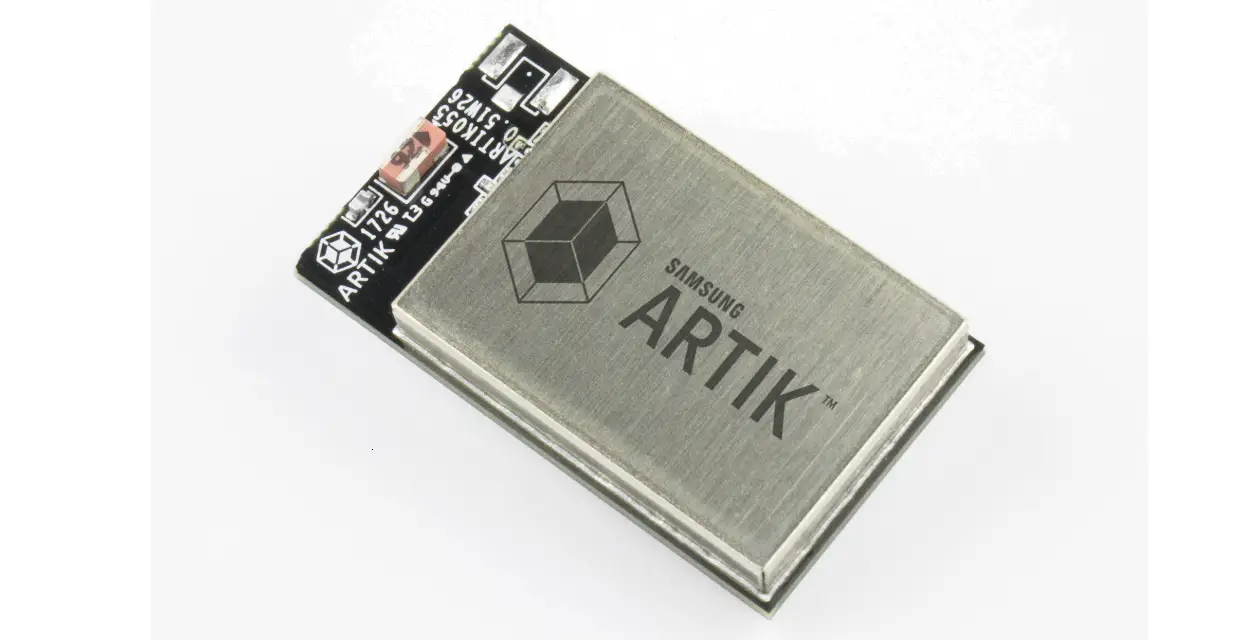
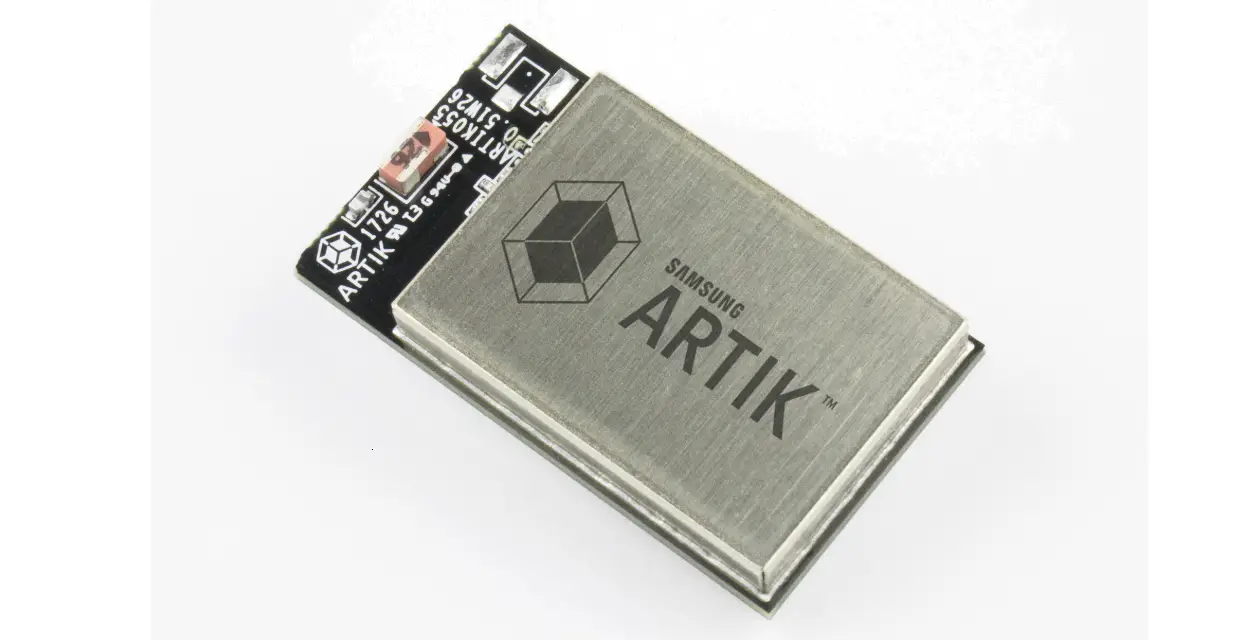
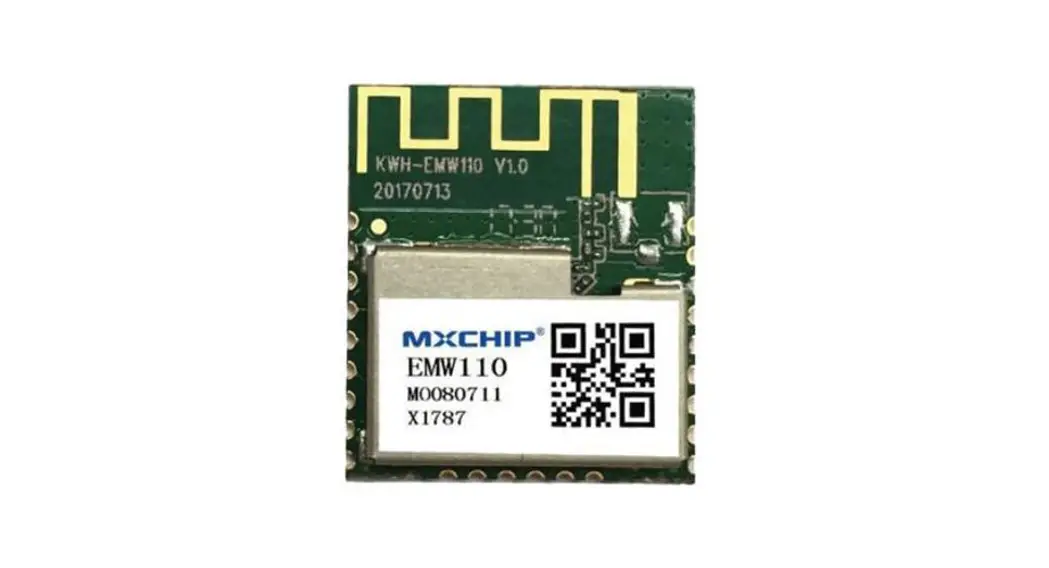
WIC213S IoT Module
Product Information
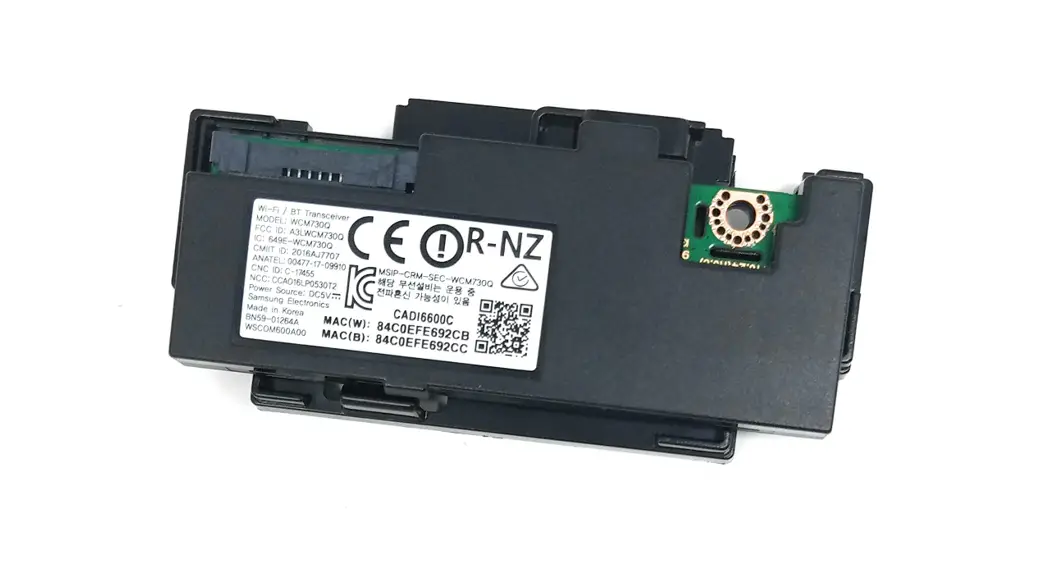
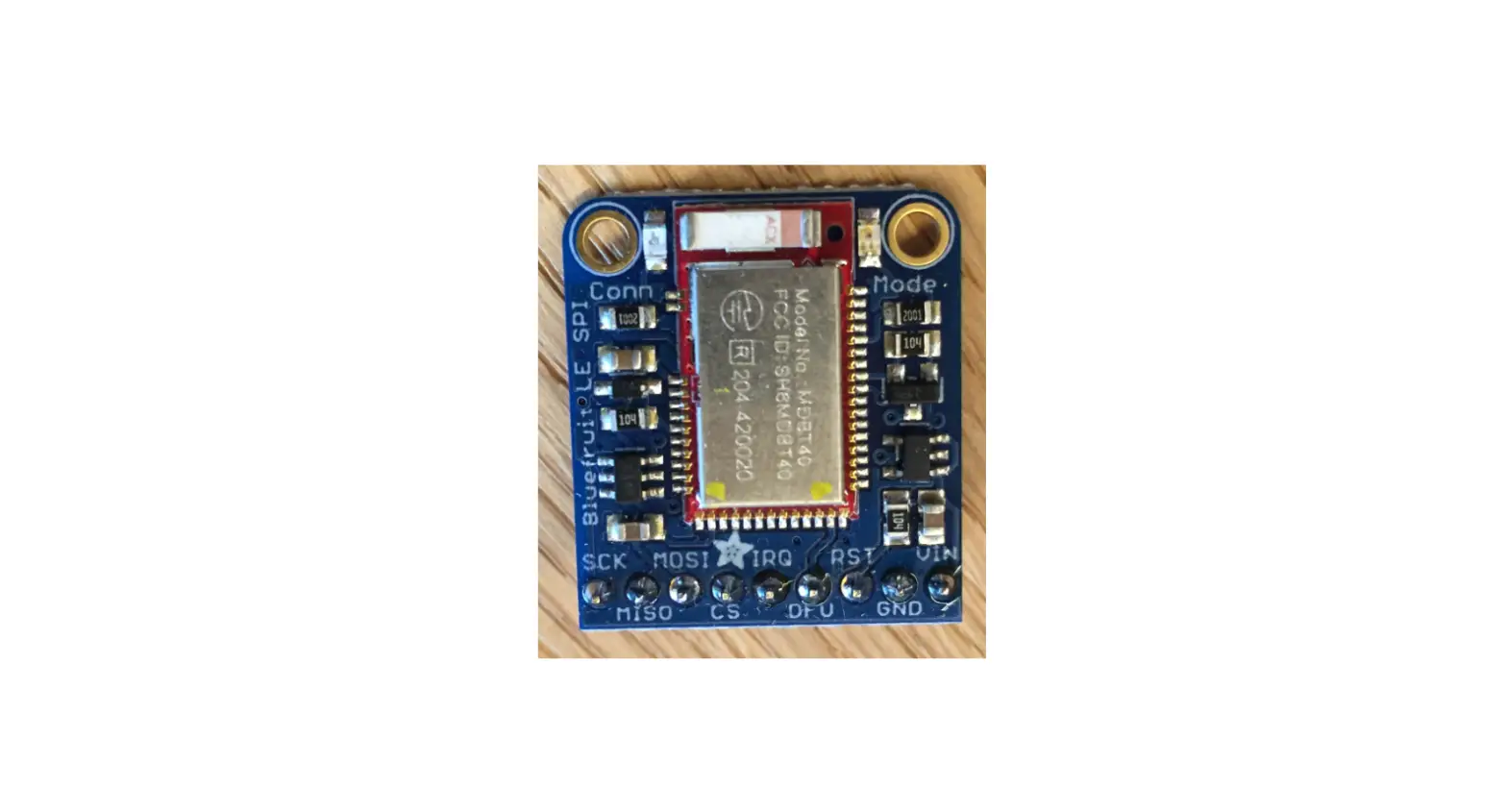
The WIC213S is an IoT Module designed for home automation
networks. It acts as a pathway between remote home automation
devices and the monitor-remote control device. The module is
powered by an external 5VDC@500mA regulated power source with a
10pin zip type connector. It utilizes EFR32 IoT Multi-Protocol
technology from Silicon Labs to deliver information from the remote
control device to the main board.
Networking
The WIC213S is equipped with EFR32 IoT Multi-Protocol technology
from Silicon Labs to facilitate seamless networking between home
automation devices and the monitor-remote control device. It uses a
10pin zip type connector to connect to the main board.
Power Source
The module requires an external 5VDC@500mA regulated power
source to operate. The power is supplied through a 10pin zip type
connector.
Indication
There is no specific indication feature provided by the WIC213S
module.
Expansion Ports
The WIC213S does not have any expansion ports for additional
connectivity or functionality.
Regulatory Compliance
The device complies with Part 15 of the FCC’s Rules for
operation in the US/Canada. It is designed to not cause harmful
interference and must accept any interference received. The maximum
RF output power is 9.17 dBm, and the module is limited to
installation in mobile or fixed applications.
Product Usage Instructions
1. Connect the WIC213S module to the monitor-remote control
device using the provided 10pin zip type connector.
2. Connect the module to an external 5VDC@500mA regulated power
source using the 10pin zip type connector.
3. Ensure that the module is installed in a mobile or fixed
application as per the limitations specified.
4. The module will act as a pathway between remote home
automation devices and the monitor-remote control device,
facilitating communication and information transfer.
5. No specific indication feature is provided by the module, so
refer to the connected devices for visual indicators or status
updates.
6. Do not modify or make any changes to the module without
proper approval, as it may void the user’s authority to operate the
equipment.
Please refer to the supplemental user’s manual for integration
instructions according to FCC KDB 996369 D03, Section 2.0
notice.
Theory of Operation WIC213S IoT Module SAMSUNG ELECTRONICS 09/07/22
Introduction
The WIC213S is a IoT Module for Home automation networks. Connected to the Monitor-remote control device, it acts as a pathway between remote home automation. Power is provided by External 5V power supply with 10pin zip type connector.
Networking
The WIC2131S is applied EFR32 IoT Multi-Protocol of Silicon Labs. The IoT Module delivers the information received from the remote control device to the main board with 10pin zip type connector.
Power Source
The WIC213S is powered by an external 5VDC@500mA regulated power source with 10pin zip type connector.
Indication
None.
Expansion Ports
None.
Eu r p o e
US/Canada FCC approval This device complies with Part 15 of the FCC`s Rules. Operation is subject to the following two Conditions: 1. This device may not cause harmful interference, and 2. This device must accept any interference received, including interference that may cause undes-
irable operation. This equipment has been tested and found to comply with the limits for a Class B digital device, pursuant to part 15 of the FCC Rules. These limits are designed to provide reasonable protection against harmful interference in aresidential installation. This equipment generates, uses and can radiate radio frequency energy and, if not installedand used in accordance with the instructions, may cause harmful interference to radio communications. However, there is no guarantee that interference will not occur in a particular installation. If this equipment doescause harmful interference to radio or television reception, which can be determined by turning the equipment off and on, the user is encouraged to try to correct the interferenc e by one or more of the following measures: -Reorient or relocate the receiving antenna. -Increase the separation between the equipment and receiver. -Connect the equipment into an outlet on a circuit different from that to which the receiver is connected. -Consult the dealer or an experienced radio/ TV technician for help. -The OEM integrator is responsible for ensuring the end-user has no manual instruction to
remove or install module.
3. Max RF output power e.i.r.p. 9.17 dBm.
-The module is limited to installation in mobile or fixed applications.
IC approval This device contains licenceexempt transmitter(s)/receiver(s) that comply with Innovation, Science and Economic development Canada’s licenceexempt RSS(s). Operation is subject to the following two conditions: (1) This device may not cause interference. (2) This device must accept any interference, including interference that may cause undesired oper ation of the device. L’émetteur/récepteur exempt de licence contenu dans le présent appareil est conforme aux CNR d’ Innovation, Sciences et Développement économique Canada applicables aux appareils radio exempts de licence. L’exploitation est autorisée aux deux conditions suivantes : (1) L’appareil ne doit pas produire de brouillage; (2) L’appareil doit accepter tout brouillage radioélectrique subi, même si le brouillage est susceptib
le d’en compromettre le fonctionnement.
IMPORTANT NOTE This device complies with FCC & IC radiation exposure limits set forth for an uncontrolled environ ment. This device should be installed and must not be colocated or operating in conjunction with any other antenna or transmitter. This device is intended only for OEM integrators under the following conditions: 1) This module may not be co-located with any other transmitters or antennas. 2) The antenna must be installed such that 20cm is maintained between the antenna and users. As long as 2 conditions above are met, further transmitter test will not be required. However, the OEM integrator is still responsible for testing their end product for any additional compliance requirements with this module installed. In the event that these conditions cannot be met, then the FCC & IC authorizations are no longer considered valid and the FCC ID cannot be used on the final product. In these circumstances, the OEM integrator will be responsible for reevaluating the end product including this module and obtaining separate FCC & IC authorizations.
Cet appareil est conforme aux limites de la FCC et IC exposition aux radiations dans un environne ment non contrôlé. Cet appareil doit être installé et ne doit pas être co-localisées ou opérant en conjonction avec une autre antenne ouun autre émetteur.
Cet appareil est conçu uniquement pour les intégrateurs OEM dans les conditions suivantes :
1 ) L’ antenne doit être installée de telle sorte que 20 cm est maintenue entre l’antenne et les utili
sateurs .
2 ) Ce module ne peut pas être co-localisé avec d’autres émetteurs ou des antennes .
Aussi longtemps que deux conditions précitées sont remplies, le test du transmetteur supplément
aires ne serontpas tenus. Toutefois, l’intégrateur OEM est toujours responsable de tester leurs
produits finis pour toutes lesexigences de conformité supplémentaires avec ce module installé.
Dans le cas où ces conditions ne peuvent pas être remplies, alors la FCC et IC autorisations ne so
nt plus considérés comme valides et l’ID de la FCC ne peut pas être utilisé sur le produit final.
Dans ces circonstances, l’intégrateur OEM sera responsable de réévaluer le produit final, y
compris l’obtention de ce module et séparée de la FCC et IC Autorisations
User Information
Caution: Any changed or modifications not expressly approved by the party responsible for compl
iance could void the user`s authority to operate this equipment.
Attention: Toute changé ou modifications non expressément approuvés par la partie responsable
de la conformité pourraient annuler l’utilisateur `autorité de faire fonctionner cet équipement.
Supplemental User’s Manual
INTEGRATION INSTRUCTIONS per FCC KDB 996369 D03, Section 2.0 2.2 List of applicable FCC rules The module has been certified for use under FCC Part 15.247 only 2.3 Summarize the specific operational use conditions The host device must be tested for spurious emissions due to the module’s lack of its own shielding. 2.4 Limited module procedures The host device must be tested for spurious emissions due to the module’s lack of its own shielding. 2.5 Trace antenna designs Antenna is integrated into module and the module should be used with no other antennas 2.6 RF exposure considerations The antenna(s) used for this transmitter must be installed to provide a separation distance of at least 20 cm from all persons and must not be co-located or operating in conjunction with any other antenna or transmitter device. 2.7 Antennas Antenna is soldered on the module and and the module should be used with no other antennas. 2.8 Label and compliance information Module contains its own label 2.9 Information on test modes and additional testing requirements None required. 2.10 Additional testing, Part 15 Subpart B disclaimer This module has been tested and certified to comply with FCC Part 15C requirements. The host device to which it is installed may require additional testing to show compliance with FCC Part 15B requirements.
Supplemental User’s Manual
INTEGRATION INSTRUCTIONS per FCC KDB 996369 D03, Section 2.0 Notice:
OEM should include the following warnings on the label: “Contains FCC ID:********, IC Number:********” As well as the model name: “*********” Installer should include the following in the user’s manual: “This device complies with part 15 of the FCC Rules. Operation is subject to the following two conditions: (1) This device may not cause harmful interference, and (2) this device must accept any interference received, including interference that may cause undesired operation.” “Changes of modification not expressly approved by the party responsible for compliance could void the user’s authority to operate the equipment.”