Junior Tow Rope
Product Information: Tow Rope
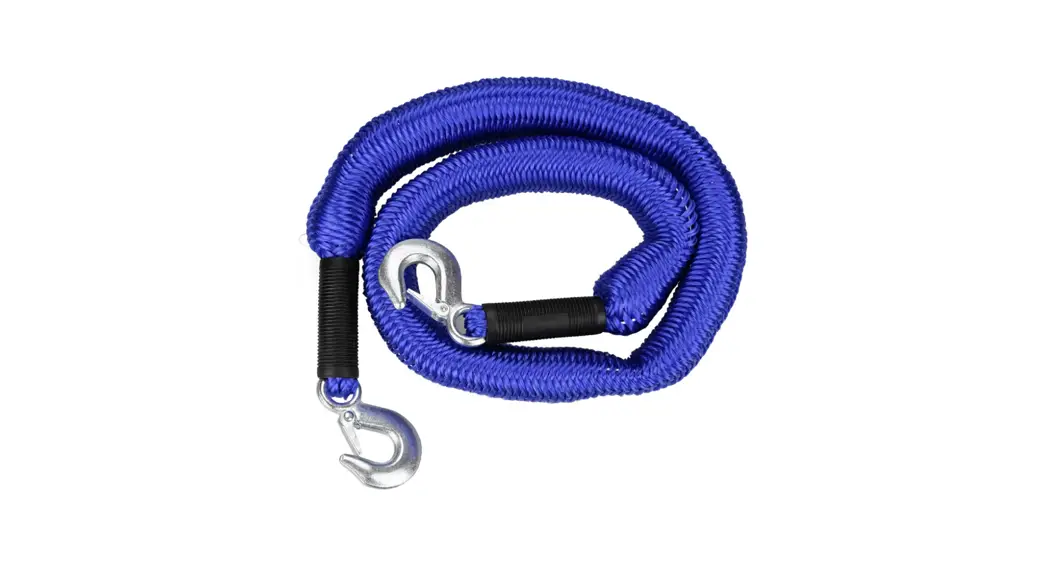
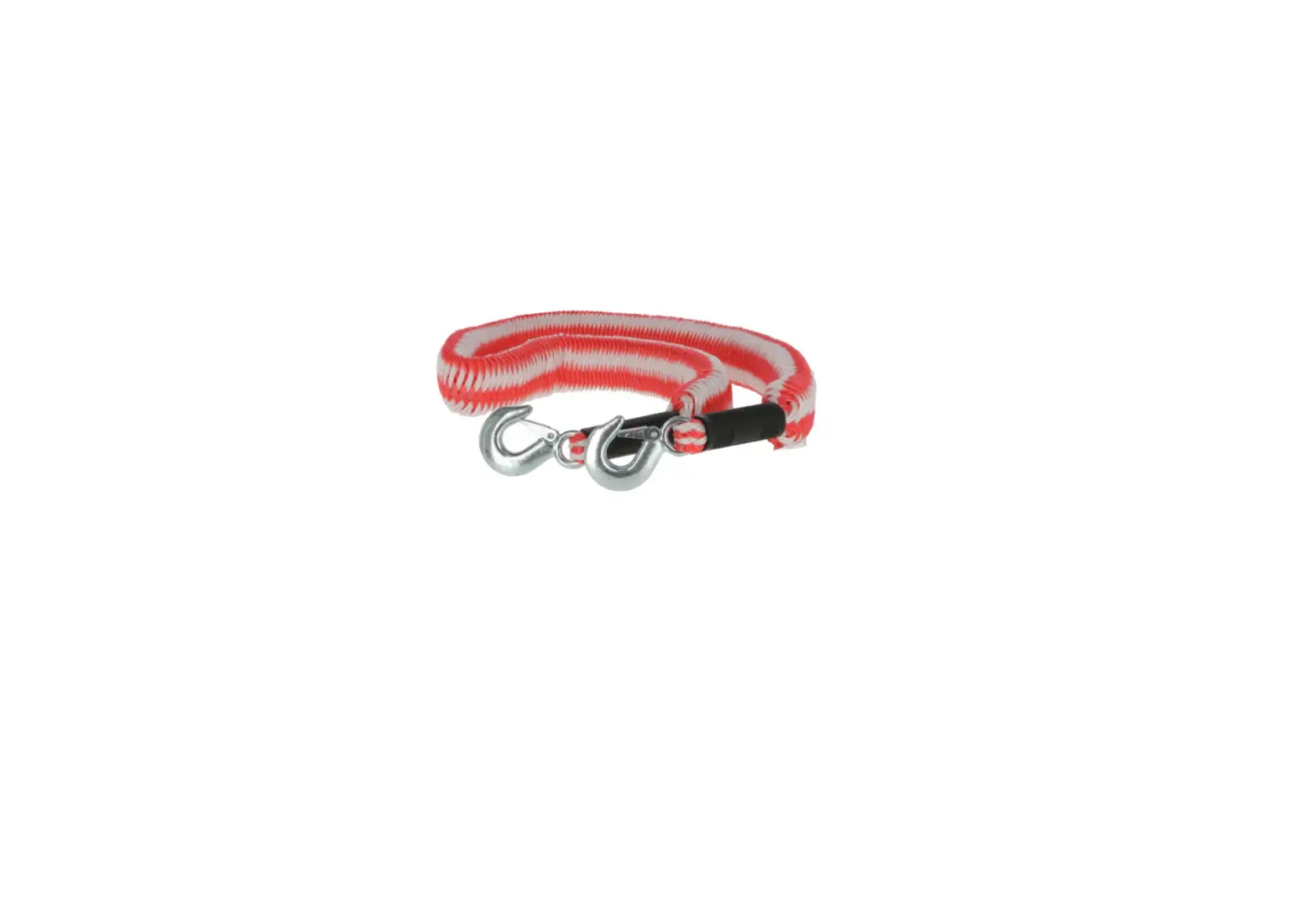
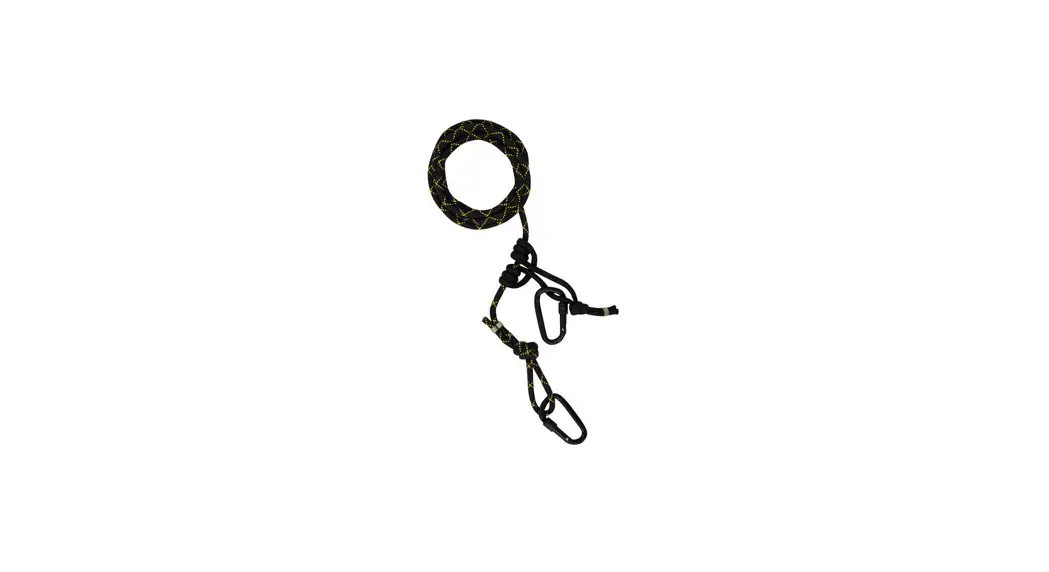
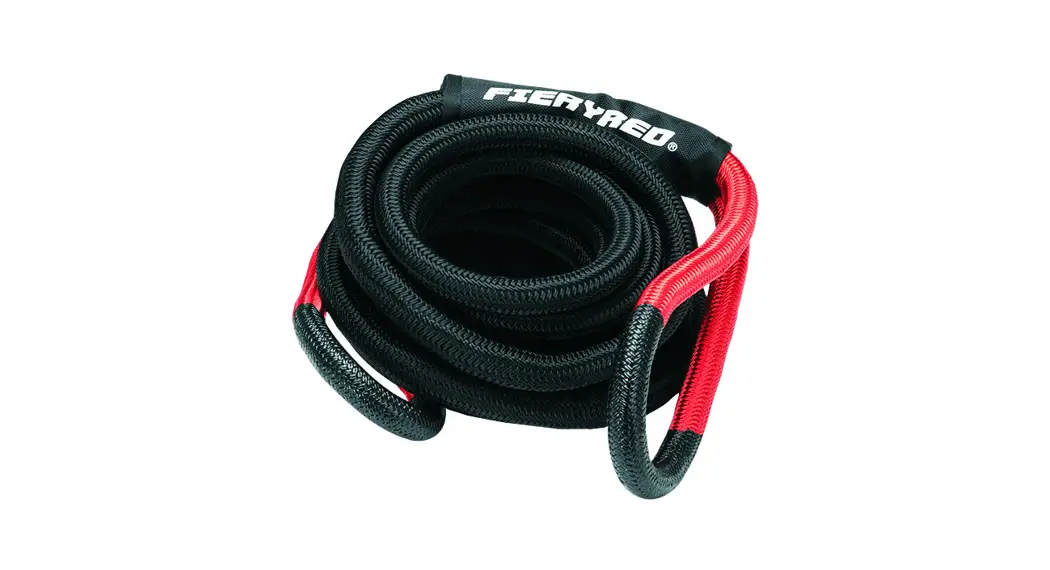
The tow rope is a product that can be used for various purposes
such as towing bicycles, hiking, and jogging. It is designed to
provide tow assist and is especially suitable for towing trailer
loads of up to 100 kg (Art. 640027) and up to 170 kg (Art. 640026).
The tow rope is made of nylon coating with a bungee rubber band for
gentle start. It comes with two carabiners and two webbing bands
for easy, toolless mounting on the saddle or seat post of the
towing bike and on the handlebars, handle stem, or frame triangle
of the towed bike. The tow rope also includes a storage bag for
mounting to the saddle rail or frame.
Safety Instructions
- Read the operating instructions and safety instructions
completely before using the product. - Using the tow rope is not easy and is only recommended for
experienced users. - The process should only be carried out under the supervision of
adult supervisors. - Before use, check the item for possible damage and only use the
rope if it is undamaged. - For the towing process, observe the relevant regulations of the
applicable Road Traffic Act. - Check the bike’s suitability for towing loads by referring to
the bike manufacturer’s instructions. - All acceleration and deceleration must be carried out with
reasonable caution to avoid injury from crushing. - Do not stop towing and get off the bike until the rope is
completely slack to avoid danger of losing control of the towed
bicycle. - Make sure that the rope does not come loose and snap back to
avoid danger of losing control of the bike. - Always keep the rope under tension so that it does not drag on
the ground or get caught in the front wheel to avoid risk of
falling. - It is not permitted to tow bicycles with a defective brake
mechanism to avoid danger of losing control of the bike. - For safety reasons, choose a moderate speed even under
favorable environmental conditions. - Only tow one trailer load at a time.
- Do not tow in poor environmental conditions such as snow, ice,
or slippery roads. - Tow ropes are consumable products and suffer from material
fatigue after repeated use. Never use a tow rope with severe signs
of wear or with a deformed/damaged carabiner for your own
safety. - Check both the tow rope and the fittings before each use.
- Never tow off across from the standing position of the
bikes. - Never guide the tow rope over sharp edges to avoid damaging the
tow rope and causing it to break. - Never use the tow rope for climbing or for supporting the
weight of people. Use only for the stated purpose. - Do not use the tow rope when hiking in the mountains.
- Never overload the tow rope and observe the weight
specifications. - Do not use for activities where the tow rope supports full body
weight. - Do not ride downhill with the tow rope connected.
Product Usage Instructions
- Read the operating instructions and safety instructions
completely before using the product. - Check the item for possible damage before use and only use the
rope if it is undamaged. - Check the bike’s suitability for towing loads by referring to
the bike manufacturer’s instructions. - Attach the tow rope to the saddle or seat post of the towing
bike using the webbing bands and carabiners provided. - Attach the tow rope to the handlebars, handle stem, or frame
triangle of the towed bike using the webbing bands and carabiners
provided. - Make sure that the tow rope is straight while riding, i.e., in
the direction of the longitudinal axis of the bike. Do not make
sharp changes of direction. - All acceleration and deceleration must be carried out with
reasonable caution to avoid injury from crushing. - Always keep the rope under tension so that it does not drag on
the ground or get caught in the front wheel to avoid risk of
falling. - Choose a moderate speed even under favorable environmental
conditions for safety reasons. - Only tow one trailer load at a time.
- Do not tow in poor environmental conditions such as snow, ice,
or slippery roads. - Do not use the tow rope when hiking in the mountains.
- Never overload the tow rope and observe the weight
specifications. - Do not use for activities where the tow rope supports full body
weight. - Do not ride downhill with the tow rope connected.
- After use, store the tow rope in the storage bag provided for
mounting to the saddle rail or frame.
EN MANUAL
Read the operating instructions and the safety instructions completely and keep them for future reference. The following notes should be strictly observed when using this product. Using the tow rope is not easy and is only recommended for experienced users. Furthermore, the process should only be carried out under the supervision of adult supervisors. Before use, check the item for possible damage and only use the rope if it is undamaged.
DE BEDIENUNGSANLEITUNG
Lesen Sie die Bedienungsanleitung und die Sicherheitshinweise vollständig durch und bewahren Sie diese zu Nachschlagzwecken sorgfältig auf. Die folgenden Hinweise sollten bei der Verwendung dieses Produkts unbedingt beachtet werden. Die Verwendung des Abschleppseils ist nicht einfach und wird nur erfahrenen Nutzern empfohlen. Des Weiteren sollte der Vorgang nur unter Aufsicht von erwachsenen Aufsichtspersonen erfolgen. Vor Nutzung untersuchen Sie den Artikel auf mögliche Beschädigungen und verwenden Sie das Seil nur im unbeschädigten Zustand.
PURPOSE OF USE
Universal areas of application: bicycles (e-bikes, biobikes), hiking, jogging
Tow assist, especially suitable for the following trailer loads: Art. 640027: for up to 100 kg Art: 640026: for up to 170 kg
The total trailer load must be observed!
– huge resilience due to nylon coating – with bungee rubber band for gentle start – incl. 2 carabiners and 2 webbing bands for easy, toolless mounting
on saddle or seat post of the towing bike and on handlebars, handle stem or frame triangle of the towed bike – incl. storage bag for mounting to the saddle rail, frame, …
VERWENDUNGSZWECK
Universelle Einsatzbereiche: Fahrrad (E-Bike, Biobike), Wandern, Joggen
Abschlepphilfe, besonders geeignet für folgende Anhängelasten: Art. 640027: für bis zu 100 kg Art: 640026: für bis zu 170 kg
Die Gesamtanhängelast ist unbedingt zu beachten!
– enorme Belastbarkeit durch Nylonummantelung – mit Bungee-Gummiband für sanftes Anfahren – inkl. 2 Karabinerhaken und 2 Gurtbänder für einfache, werkzeuglose
Montage an Sattel oder Sattelstütze des Zugrads und an Lenker, Vorbau oder Rahmendreieck des gezogenen Fahrrads – inkl. Tasche zur Befestigung am Sattelgestell, Rahmen, …
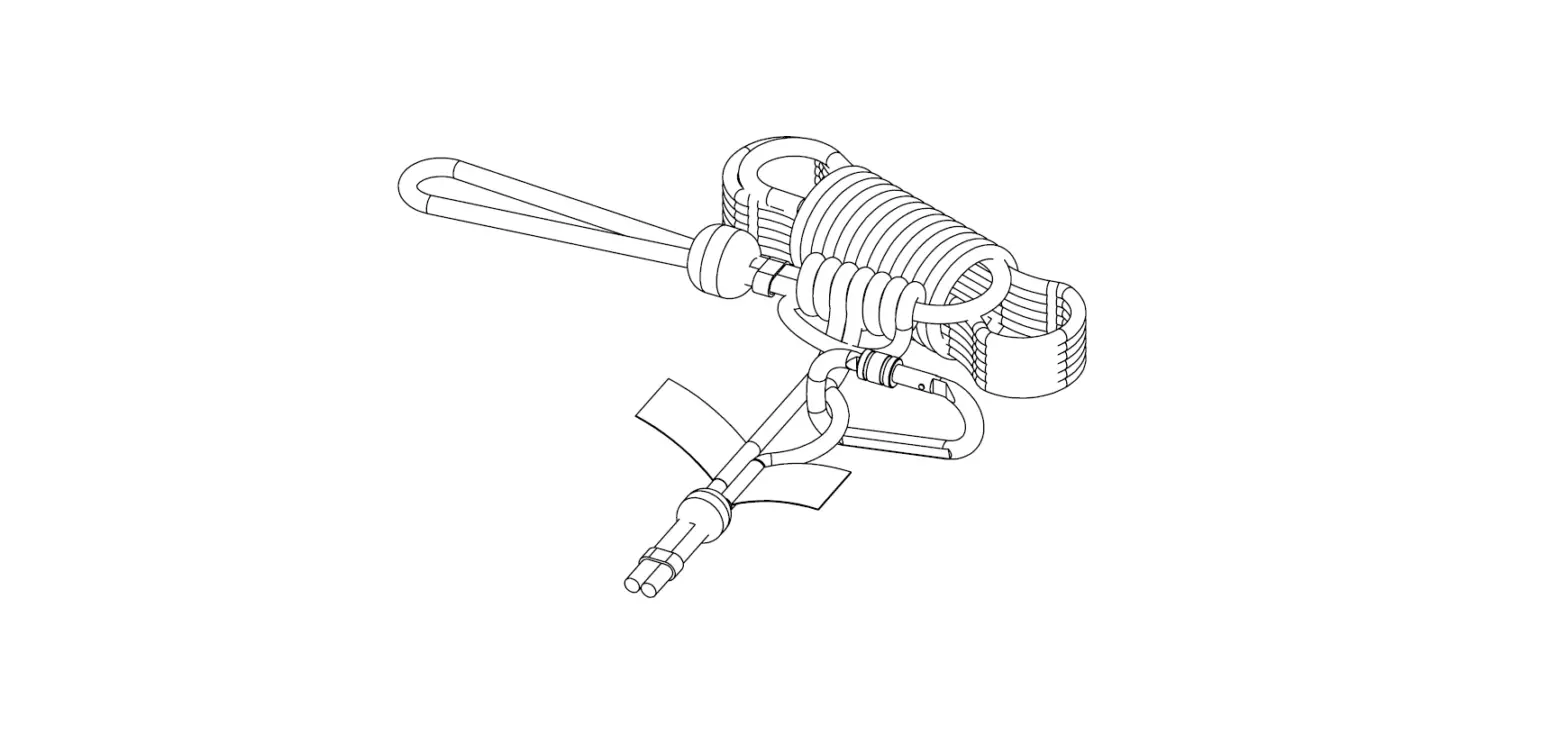
MOUNTING Easy, toolless mounting
1
2
AUFBAU Einfache, werkzeuglose Montage
3
4
5a
5b
6
7
SAFETY INSTRUCTIONS
– For the towing process, the relevant regulations of the applicable Road Traffic Act (e.g. German STVO) must be observed.
– Check the bike’s suitability for towing loads by referring to the bike manufacturer’s instructions.
– The handling is negatively influenced by the towing process. – The tow rope must be straight while riding, i.e. in the direction of the
longitudinal axis of the bike. Do not make sharp changes of direction. – All acceleration and deceleration must be carried out with reasonable caution. – There is a risk of injury from crushing. – Do not stop towing and get off the bike until the rope is completely slack.
Danger of losing control of the towed bicycle. – Make sure that the rope does not come loose and snap back. – Always keep the rope under tension so that it does not drag on the ground or
get caught in the front wheel. There is a risk of falling. – It is not permitted to tow bicycles with a defective brake mechanism. Danger of
losing control of the bike. Risk of injury. – For safety reasons, a moderate speed should be chosen even under favorable
environmental conditions. – Only tow one trailer load at a time. – Bicycle: Do not tow in poor environmental conditions (snow, ice,
slippery roads, …).
SICHERHEITSHINWEISE
– Für den Abschleppvorgang sind die entsprechenden Vorschriften der StVO einzuhalten.
– Prüfen Sie die Eignung des Fahrrads zum Ziehen von Lasten unter Bezugnahme auf die Anweisung des Fahrradherstellers.
– Das Fahrverhalten wird durch den Abschleppvorgang negativ beeinflusst. – Das Abschleppseil muss während des Fahrens gerade, d.h. in Richtung der
Fahrradlängsachsen verlaufen. Keine scharfen Richtungswechsel ausführen. – Sämtliche Anfahr- und Abbremsvorgänge sind mit angemessener Vorsicht
durchzuführen. – Es besteht Verletzungsgefahr durch Quetschungen. – Erst beim vollständig entspannten Seil den Abschleppvorgang beenden und
vom Fahrrad absteigen. Gefahr durch Verlust der Kontrolle des gezogenen Fahrrads. – Stellen Sie sicher, dass sich das Seil nicht löst und zurückschnellt. – Das Seil immer soweit auf Spannung halten, dass dieses nicht am Boden schleift oder sich im Vorderrad verfängt. Sturzgefahr. – Das Abschleppen von Fahrrädern mit defekter Bremsmechanismus ist nicht zulässig. Gefahr durch Verlust der Kontrolle des Fahrrads. Verletzungsgefahr. – Aus Sicherheitsgründen sollte selbst unter günstigen Umweltbedingungen eine mäßige Geschwindigkeit gewählt werden. – Immer nur eine Anhängelast ziehen.
– Tow ropes are consumable products and suffer from material fatigue after repeated use! For your own safety, never use a tow rope with severe signs of wear or with a deformed/damaged carabiner.
– Check both the tow rope and the fittings before each use. – Never tow off across from the standing position of the bikes. – Never guide the tow rope over sharp edges. This can damage the tow rope and
cause it to break. – Never use the tow rope for climbing or for supporting the weight of people.
(Use only for the stated purpose) – Do not use the tow rope when hiking in the mountains. – Never overload the tow rope and observe the weight specifications – Do not use for activities where the tow rope supports full body weight – Do not ride downhill with the tow rope connected.
– Fahrrad: Schleppen Sie bei schlechten Umweltbedingungen (Schnee, Eis, Glätte, …) nicht ab.
– Abschleppseile sind Verbrauchsprodukte und leiden nach mehrfachem Gebrauch an Materialermüdung! Zu Ihrer eigenen Sicherheit benutzen Sie niemals ein Abschleppseil mit starken Abnutzungserscheinungen oder mit einem verformten / beschädigten Karabiner.
– Kontrollieren Sie sowohl das Abschleppseil als auch die Beschlagteile vor jedem Gebrauch.
– Schleppen Sie nie quer vom Standplatz ab. – Führen Sie das Abschleppseil niemals über scharfe Kanten. Dies kann das
Abschleppseil beschädigen und dazu führen, dass es reißt. – Das Abschleppseil niemals zum Klettern oder zum Halten des Gewichts von
Personen verwenden. (Nur für den angegebenen Zweck verwenden) – Das Abschleppseil nicht beim Wandern in den Gebirgen verwenden. – Überlasten Sie niemals das Abschleppseil und beachten Sie die Gewichts-
angaben – Nicht für Aktivitäten verwenden bei denen das Abschleppseil das volle
Körpergewicht unterstützt – Fahren Sie keine Berg-Abfahrten mit verbundenem Abschleppseil
CARE AND STORAGE
– Do not permanently expose the tow rope to strong light. – Keep the tow rope dry. Avoid contact with moisture and chemicals such as fuel. – Keep the rope out of the reach of children.
PFLEGE UND AUFBEWAHRUNG
– Setzen Sie das Abschleppseil nicht dauerhaft starker Lichteinstrahlung aus. – Halten Sie das Abschleppseil trocken. Vermeiden Sie den Kontakt mit
Feuchtigkeit und Chemikalien, wie z.B. Treibstoff. – Bewahren Sie das Seil außer Reichweite von Kindern auf.
CONTENTS Storage bag, 2 attachment ropes, 2 carabiners, tow rope
INHALT Aufbewahrungstasche, 2 Befestigungsseile, 2 Karabiner, Abschleppseil
OPTIONAL ACCESSORIES Hip belt art. 640156
OPTIONALES ZUBEHÖR Hüftgurt Art. 640156
Art. 640026 | 640027