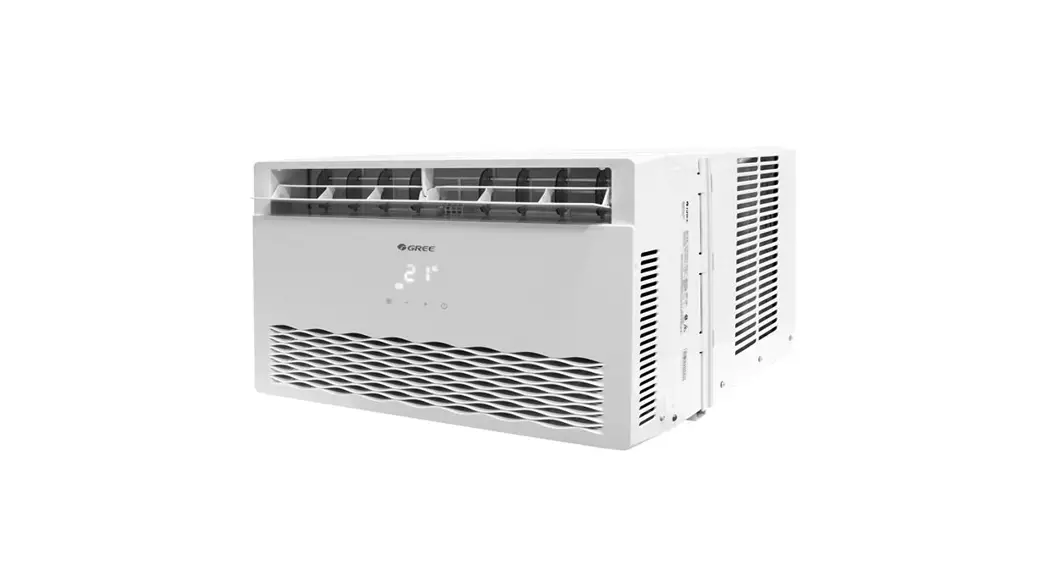
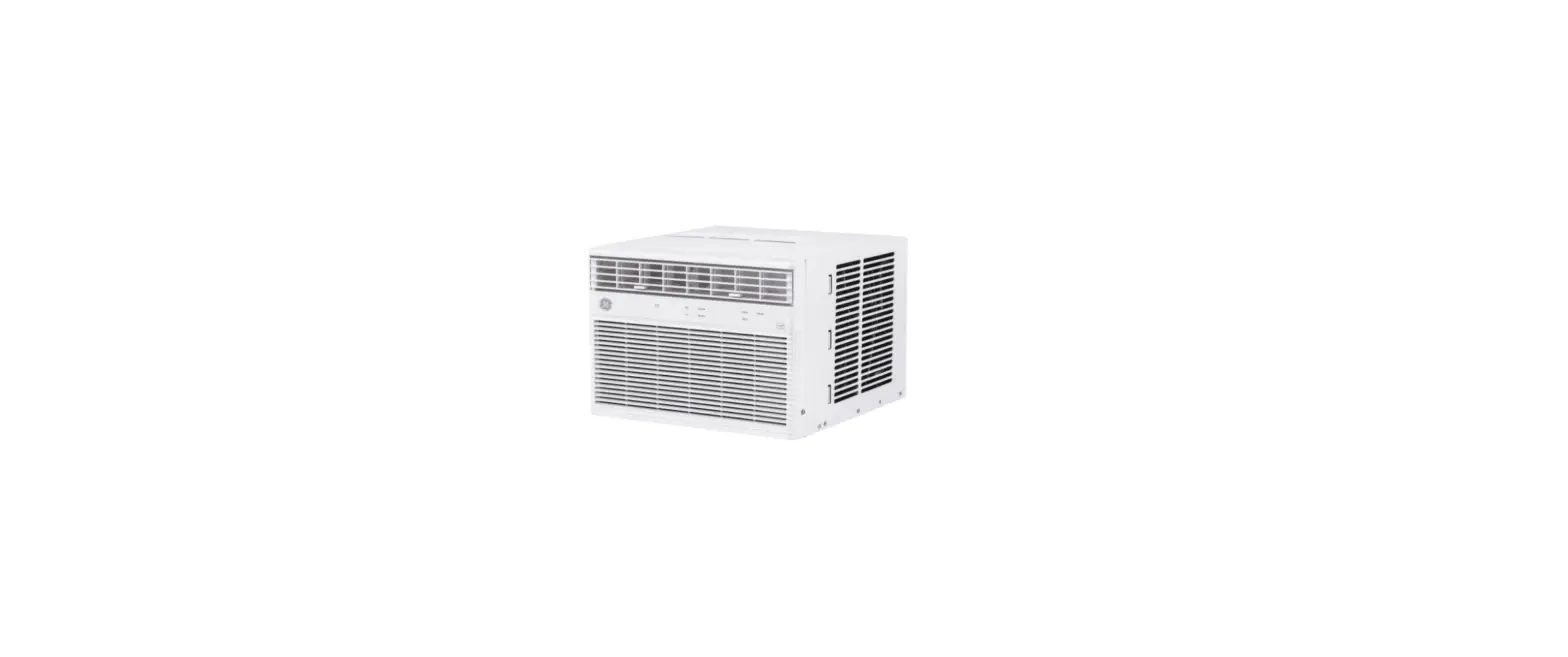
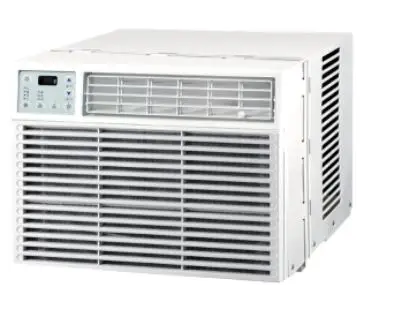
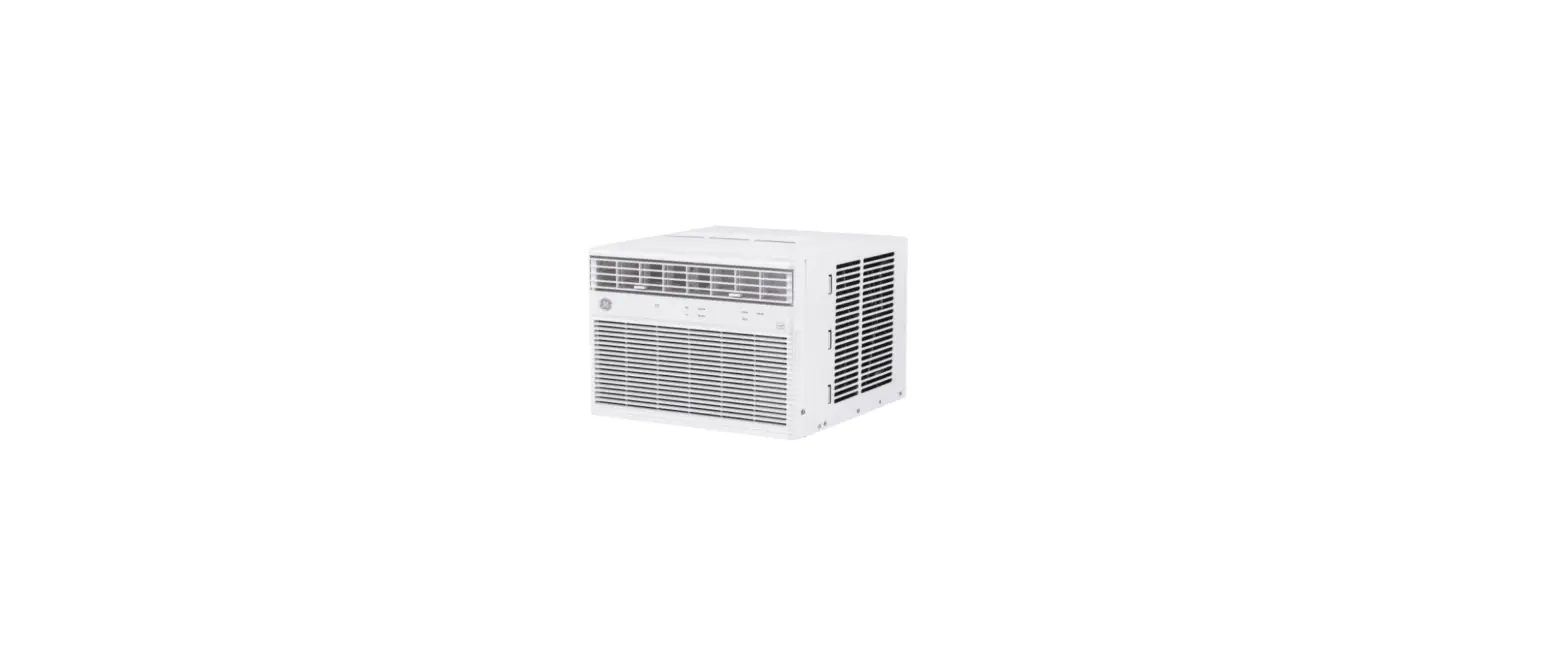
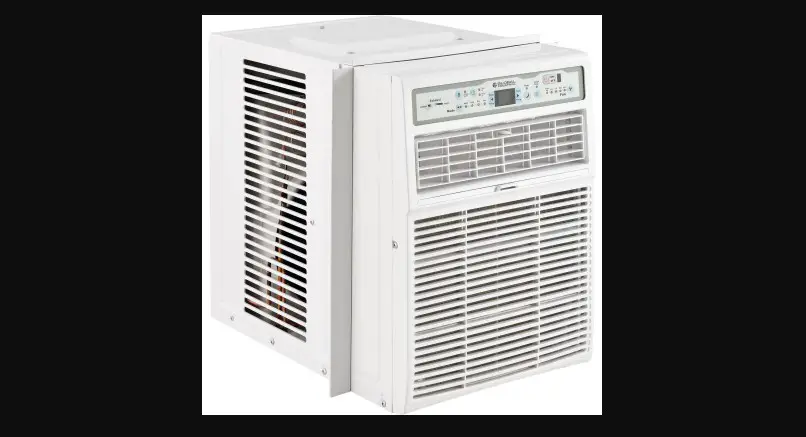
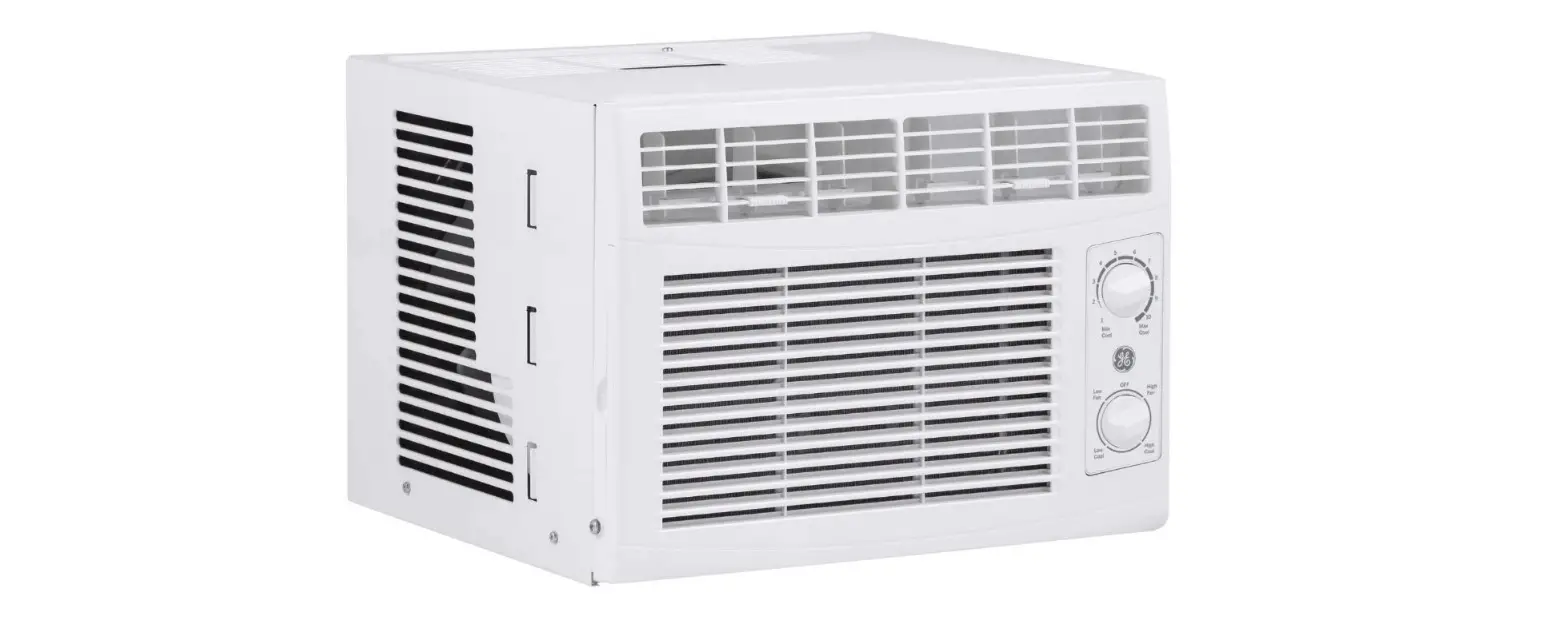
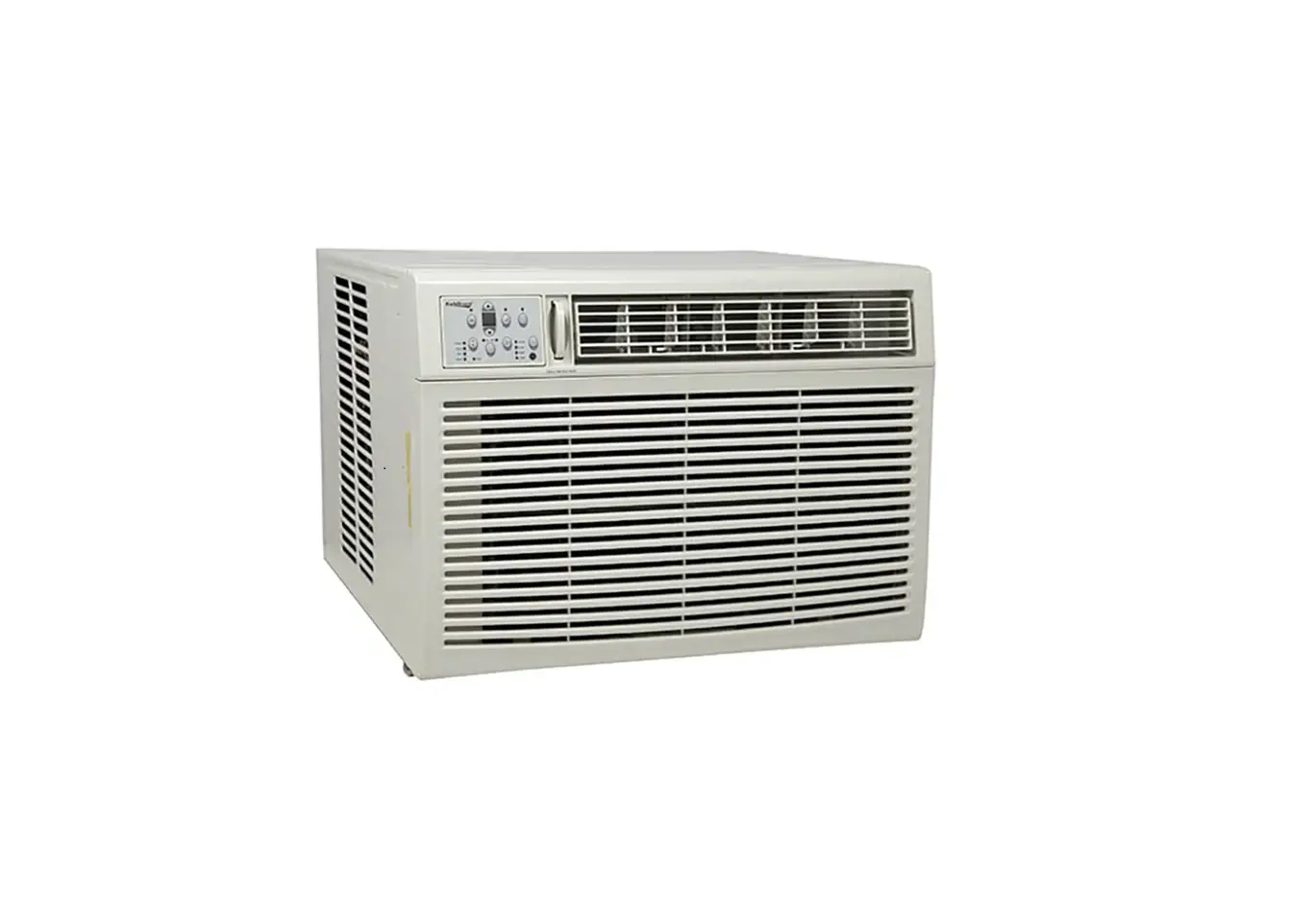
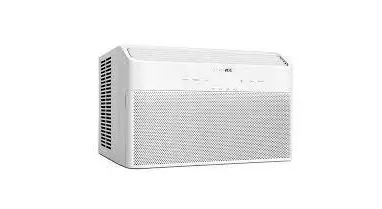
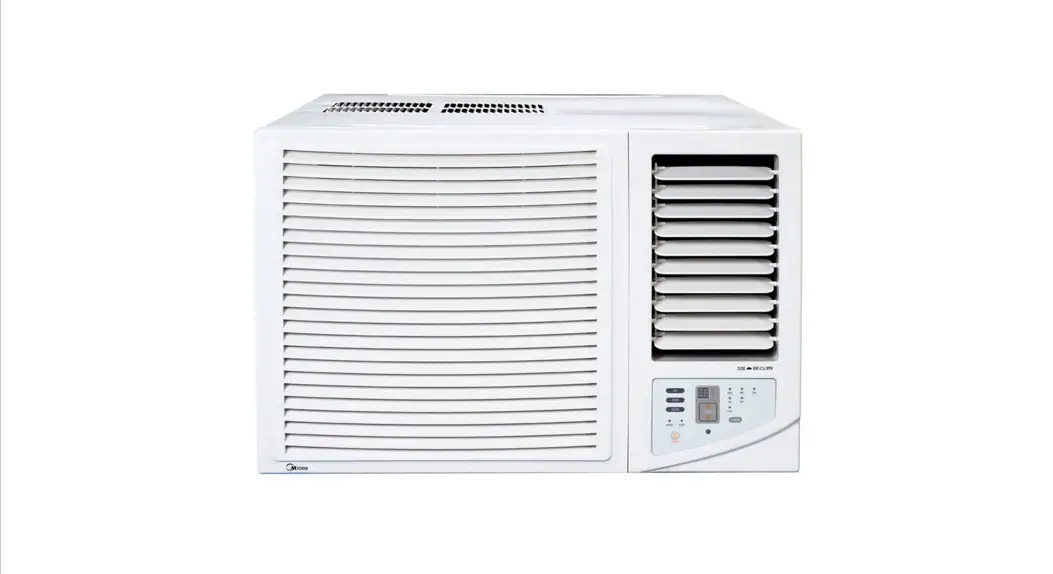
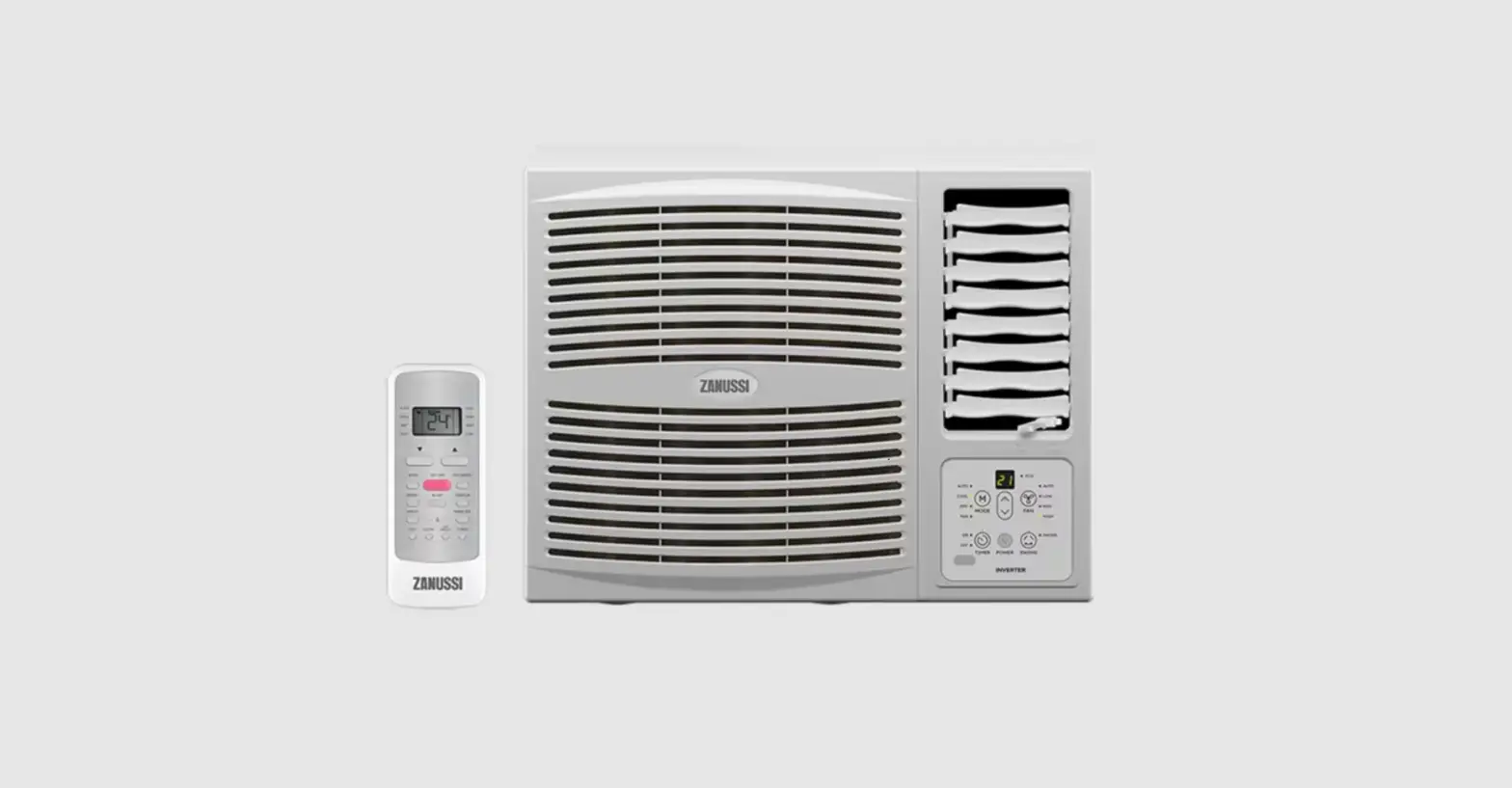
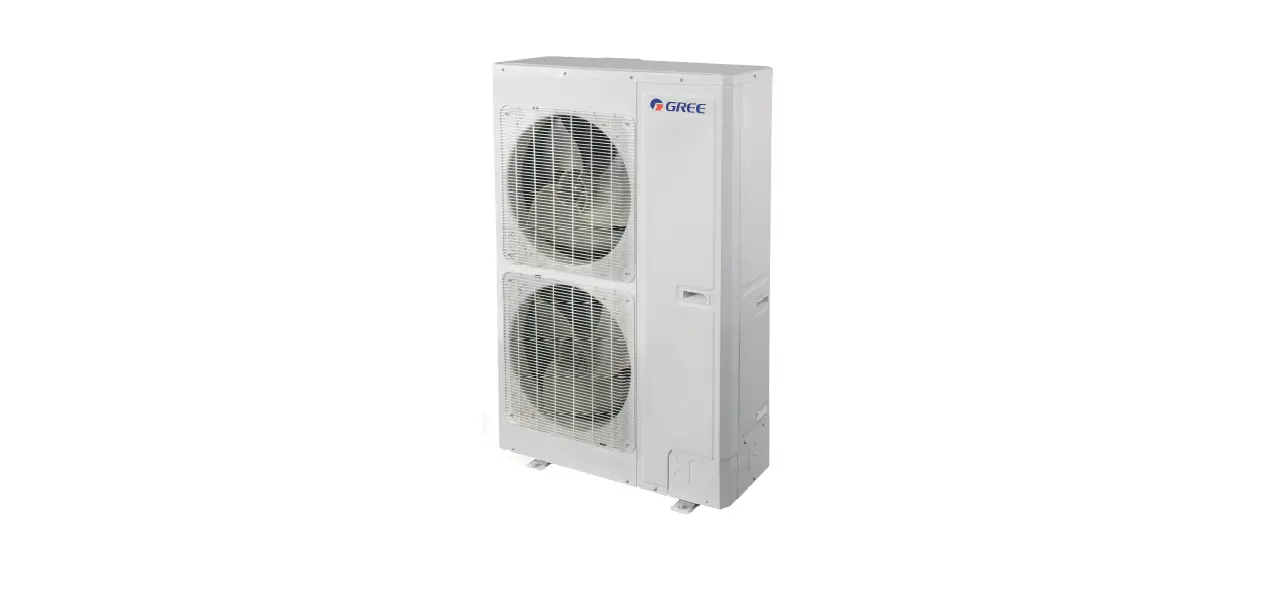
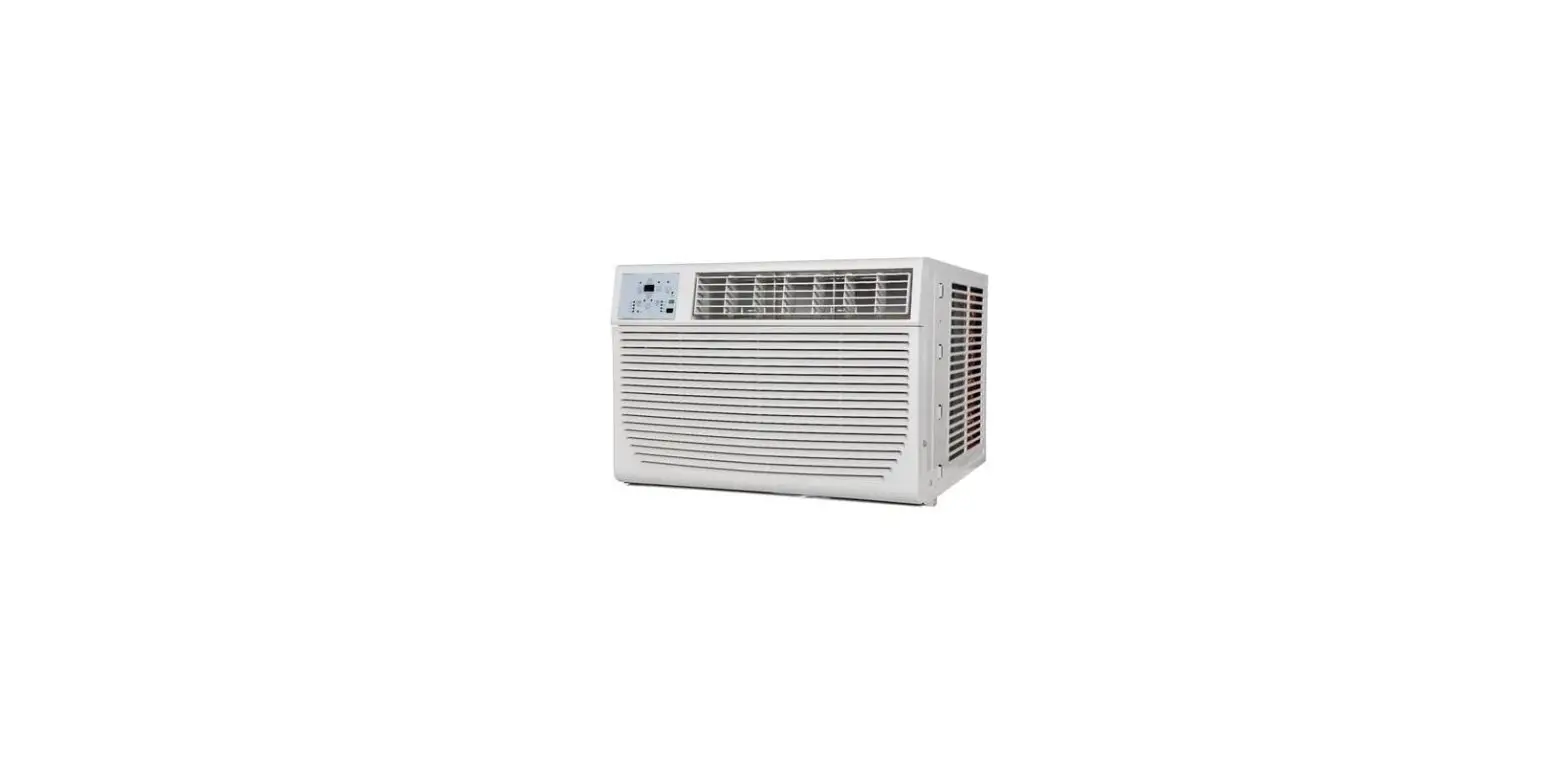
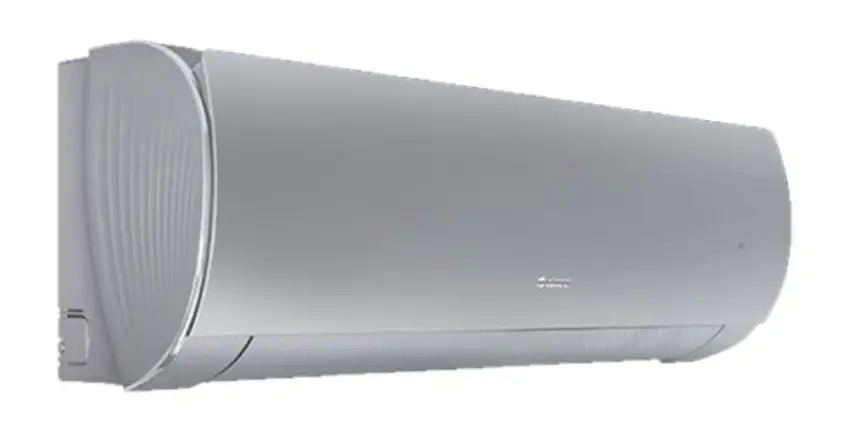
GWF07DB Window type Air Conditioner
Product Information – Window Type Air Conditioner
Product Details
The Window Type Air Conditioner is designed for efficient
cooling with minimal noise. It is capable of maintaining a
comfortable room temperature. Please read this User’s Manual
carefully before operating the unit.
Contents:
- Structure mechanism and Installation
- The Refrigerant
- Specialist’s Manual
- UV-C lamp function instruction
- Precautions
- Function
- Power requirement
- Installation
- Notes for installation
- Operation procedure
- Air direction adjustment
- Remote control operation procedure
- Remote control panel
- Operation Tips
- Care and maintenance – Caution
- Troubleshooting guide
- After service
- Safety operation of flammable refrigerant
Product Usage Instructions:
Installation:
To install the air conditioner, please contact a dealer or local
service center for assistance. It is important to have the unit
installed, moved, or maintained by an appointed unit to avoid
serious damage or personal injury. When handling refrigerant leaks
or discharge during installation, maintenance, or disassembly,
certified professionals should be consulted or local laws and
regulations must be followed.
The Refrigerant:
The air conditioner unit uses a special refrigerant to circulate
and achieve its cooling function.
Change for life
User’s Manual
Window type Air Conditioner
Thank you for choosing our product. Please read this User’s Manual carefully before operation and retain it for reference. If you lost the User’s Manual, please contact the Tool Box or visit www.gilman-group.com or send an email to Tool Box GPS the electronic version.
GWF07DB GWF09DB GWF12DB GWF18DB GWF24DB
CONTENTS
Thank you for choosing the air conditioner.Our design is based on the best efficiency and the lowest noise operation and it can keep the room comfortable. Please read this operating manual carefully before operating the unit and keep it for consultation.
Structure mechanism and Installation
The Refrigerant
1
Specialist’s Manual
2
UV-C lamp function instruction
8
Precautions
9
Function
10
Power requirement
11
Installation
12
Notes for installation
15
Operation procedure
16
Air direction adjustment
16
Remote control operation procedure
17
Remote control panel
21
Operation Tips
23
Care and maintenance
Caution
24
Care and maintenance
25
Troubleshooting guide
26
After service
27
Safety operation of flammable refrigerant
28
Please read this operating manual carefully before operating the unit.
mildly
to the material objects for reference.
Explanation of Symbols
DANGER
Indicates a hazardous situation that, if not avoided, will result in death or serious injury.
Indicates a hazardous situation that, if not avoided, could
WARNING result in death or serious injury.
CAUTION
NOTICE
Indicates a hazardous situation that, if not avoided, may result in minor or moderate injury.
Indicates important but not hazard-related information, used to indicate risk of property damage.
Indicates a hazard that would be assigned a signal word WARNING or CAUTION.
Exception Clauses
Manufacturer will bear no responsibilities when personal injury or property loss is caused by the following reasons.
1.Damage the product due to improper use or misuse of the product;
2.Alter, change, maintain or use the product with other equipment without abiding by the instruction manual of manufacturer;
3.After verification, the defect of product is directly caused by corrosive gas; 4.After verification, the defects are due to improper operation during transportation
of product; 5.Operate, repair, maintain the unit without abiding by instruction manual or related
regulations; 6.After verification, the problem or dispute is caused by the quality specification or
performance of parts and components that produced by other manufacturers; 7.The damage is caused by natural calamities, bad using environment or force
majeure.
If it needs to install, move or maintain the air conditioner, please contact dealer or local service center to conduct it at first. Air conditioner must be installed, moved or maintained by appointed unit. Otherwise, it may cause serious damage or personal injury or death. When refrigerant leaks or requires discharge during installation, maintenance, or disassembly, it should be handled by certified professionals or otherwise in compliance with local laws and regulations.
The Refrigerant
To realize the function of the air conditioner unit, a special refrigerant circulates .
lead to explosion . It can
Compared to common refrigerants, R32 is a nonpolluting refrigerant with no
lower. R32 has got very good thermodynamic features which lead to a really high
WARNING:
Do not use means to accelerate the defrosting process or to clean, other than those recommended by the manufacture.Should repair be necessary, contact your nearest authorized Service Centre. The installation work shall be carried out by qualified personnel.
The appliance shall be stored in a room without continuously operating ignition
electric heater.) Do not pierce or burn. The appliance is using mildly flammable refrigerant R32 and tested to comply with IEC 60335-2-40. There is no minimum room area requirement for the appliance.
mildly ‘s instructions only. Be aware that refrigerants may not contain an odour. Read specialist’s manual.
According to EN60335-1 This appliance can be used by children aged from 8 years and above and persons with reduced physical,sensory or mental capabilities or lack of experience and knowledge if they have been given supervision or instruction concerning use of the appliance in a safe way and understand the hazards involved. Children shall not play with the appliance. Cleaning and user maintenance shall not be made by children without supervision.
– 1 –
Specialist’s Manual
The following checks shall be applied to installations using flammable refrigerants: the charge size is in accordance with the room size within which the refrigerant containing parts are installed; the ventilation machinery and outlets are operating adequately and are not obstructed; if an indirect refrigerating circuit is being used, the secondary circuit shall be checked for the presence of refrigerant; marking to the equipment continues to be visible and legible. Markings and signs that are illegible shall be corrected; refrigeration pipe or components are installed in a position where they are unlikely to be exposed to any substance which may corrode refrigerant containing components, unless the components are constructed of materials which are inherently resistant to being corroded or are suitably protected against being so corroded. Repair and maintenance to electrical components shall include initial safety checks and component inspection procedures. If a fault exists that could compromise safety, then no electrical supply shall be connected to the circuit until it is satisfactorily dealt with. If the fault cannot be corrected immediately but it is necessary to continue operation, an adequate temporary solution shall be used. This shall be reported to the owner of the equipment so all parties are advised. Initial safety checks shall include: that capacitors are discharged: this shall be done in a safe manner to avoid possibility of sparking; that no live electrical components and wiring are exposed while charging, recovering or purging the system; that there is continuity of earth bonding. Checks to the area Prior to beginning work on systems containing flammable refrigerants, safety checks are necessary to ensure that the risk of ignition is minimised. For repair to the refrigerating system, IEC60335-2-40:2018 Annex DD.4.3 to DD.4.7 shall be completed prior to conducting work on the system. Work procedure Work shall be undertaken under a controlled procedure so as to minimise the risk of a flammable gas or vapour being present while the work is being performed. General work area All maintenance staff and others working in the local area shall be instructed on the nature of work being carried out. Work in confined spaces shall be avoided.
– 2 –
Specialist’s Manual
Checking for presence of refrigerant
The area shall be checked with an appropriate refrigerant detector prior to and
during work, to ensure the technician is aware of potentially toxic or flammable atmospheres. Ensure that the leak detection equipment being used is suitable for use with all applicable refrigerants, i.e. non-sparking, adequately sealed or intrinsically safe. Presence of fire extinguisher If any hot work is to be conducted on the refrigerating equipment or any associated parts, appropriate fire extinguishing equipment shall be available to hand. Have a dry powder or CO2 fire extinguisher adjacent to the charging area.
No ignition sources No person carrying out work in relation to a refrigerating system which involves exposing any pipe work shall use any sources of ignition in such a manner that it may lead to the risk of fire or explosion. All possible ignition sources, including cigarette smoking, should be kept sufficiently far away from the site of installation, repairing, removing and disposal, during which refrigerant can possibly be released to the surrounding space. Prior to work taking place, the area around the equipment is to be surveyed to make sure that there are no flammable hazards or ignition risks. “No Smoking” signs shall be displayed. Ventilated area Ensure that the area is in the open or that it is adequately ventilated before breaking into the system or conducting any hot work. A degree of ventilation shall continue during the period that the work is carried out. The ventilation should safely disperse any released refrigerant and preferably expel it externally into the atmosphere. Checks to the refrigeration equipment Where electrical components are being changed, they shall be fit for the purpose and to the correct specification. At all times the manufacturer’s maintenance and service guidelines shall be followed. If in doubt, consult the manufacturer’s technical department for assistance. Checks to electrical devices that capacitors are discharged: this shall be done in a safe manner to avoid possibility of sparking; that no live electrical components and wiring are exposed while charging, recovering or purging the system. Repairs to sealed components During repairs to sealed components, all electrical supplies shall be disconnected from the equipment being worked upon prior to any removal of sealed covers, etc. If it is absolutely necessary to have an electrical supply to equipment during servicing, then a permanently operating form of leak detection shall be located at the most critical point to warn of a potentially hazardous situation. Particular attention shall be paid to the following to ensure that by working on electrical components, the casing is not altered in such a way that the level of protection is affected. This shall include damage to cables, excessive number of connections, terminals not made to original specification, damage to seals, incor-
– 3 –
Specialist’s Manual
rect fitting of glands, etc.
Ensure that the apparatus is mounted securely. Ensure that seals or sealing materials have not degraded to the point that they no longer serve the purpose of preventing the ingress of flammable atmospheres. Replacement parts shall be in accordance with the manufacturer’s specifications. NOTE: The use of silicon sealant can inhibit the effectiveness of some types of leak detection equipment. Intrinsically safe components do not have to be isolated prior to working on them. Repair to intrinsically safe components Do not apply any permanent inductive or capacitance loads to the circuit without ensuring that this will not exceed the permissible voltage and current permitted for the equipment in use. Intrinsically safe components are the only types that can be worked on while live in the presence of a flammable atmosphere. The test apparatus shall be at the correct rating. Replace components only with parts specified by the manufacturer. Other parts may result in the ignition of refrigerant in the atmosphere from a leak. Cabling Check that cabling will not be subject to wear, corrosion, excessive pressure, vibration, sharp edges or any other adverse environmental effects. The check shall also take into account the effects of aging or continual vibration from sources such as compressors or fans. Leak detection methods Leak detection fluids are suitable for use with most refrigerants but the use of detergents containing chlorine shall be avoided as the chlorine may react with the refrigerant and corrode the copper pipe-work. Detection of flammable refrigerants Under no circumstances shall potential sources of ignition be used in the searching for or detection of refrigerant leaks. A halide torch (or any other detector using a naked flame) shall not be used. The following leak detection methods are deemed acceptable for all refrigerant systems. Electronic leak detectors may be used to detect refrigerant leaks but, in the case of flammable refrigerants, the sensitivity may not be adequate, or may need re-calibration. (Detection equipment shall be calibrated in a refrigerant-free area.) Ensure that the detector is not a potential source of ignition and is suitable for the refrigerant used. Leak detection equipment shall be set at a percentage of the LFL of the refrigerant and shall be calibrated to the refrigerant employed, and the appropriate percentage of gas (25% maximum) is confirmed. Leak detection fluids are also suitable for use with most refrigerants but the use of detergents containing chlorine shall be avoided as the chlorine may react with the refrigerant and corrode the copper pipe-work. NOTE: Examples of leak detection fluids are – bubble method, – fluorescent method agents.
– 4 –
Specialist’s Manual
If a leak is suspected, all naked flames shall be removed/extinguished. If a leakage of refrigerant is found which requires brazing, all of the refrigerant shall be recovered from the system, or isolated (by means of shut off valves) in a part of the system remote from the leak. Removal of refrigerant shall be according to clause IEC60335-2-40:2018 Annex DD.9. Removal and evacuation When breaking into the refrigerant circuit to make repairs – or for any other purpose – conventional procedures shall be used. However, for flammable refrigerants it is important that best practice is followed since flammability is a consideration. The following procedure shall be adhered to:
remove refrigerant; purge the circuit with inert gas; evacuate ; purge with inert gas ; open the circuit by cutting or brazing.. The refrigerant charge shall be recovered into the correct recovery cylinders. For appliances containing flammable refrigerants other than A2L refrigerants, the system shall be purged with oxygen-free nitrogen to render the appliance safe for flammable refrigerants. This process may need to be repeated several times. Compressed air or oxygen shall not be used for purging refrigerant systems. For appliances containing flammable refrigerants, other than A2L refrigerants, refrigerants purging shall be achieved by breaking the vacuum in the system with oxygen-free nitrogen and continuing to fill until the working pressure is achieved, then venting to atmosphere, and finally pulling down to a vacuum. This process shall be repeated until no refrigerant is within the system. When the final oxygen-free nitrogen charge is used, the system shall be vented down to atmospheric pressure to enable work to take place. This operation is absolutely vital if brazing operations on the pipe-work are to take place. Ensure that the outlet for the vacuum pump is not close to any potential ignition sources and that ventilation is available.
Charging procedures In additon to conventional charging procedures, the following requirements shall be followed.
Ensure that contamination of different refrigerants does not occur when using charging equipment. Hoses or lines shall be as short as possible to minimise the amount of refrigerant contained in them.
Cylinders shall be kept in an appropriate position according to the instructions. Ensure that the refrigerating system is earthed prior to charging the system with refrigerant. Label the system when charging is complete (if not already). Extreme care shall be taken not to overfill the refrigerating system. Prior to recharging the system, it shall be pressure-tested with the appropriate purging gas. The system shall be leak-tested on completion of charging but prior to commissioning. A follow up leak test shall be carried out prior to leaving the site. Decommissioning Before carrying out this procedure, it is essential that the technician is completely
– 5 –
Specialist’s Manual
familiar with the equipment and all its detail. It is recommended good practice that all refrigerants are recovered safely. Prior to the task being carried out, an oil and refrigerant sample shall be taken in case analysis is required prior to reuse of reclaimed refrigerant. It is essential that electrical power is available before the task is commenced. a) Become familiar with the equipment and its operation. b) Isolate system electrically. c) Before attempting the procedure, ensure that: mechanical handling equipment is available, if required, for handling refrigerant cylinders; all personal protective equipment is available and being used correctly; the recovery process is supervised at all times by a competent person; recovery equipment and cylinders conform to the appropriate standards. d) Pump down refrigerant system, if possible. e) If a vacuum is not possible, make a manifold so that refrigerant can be removed from various parts of the system. f) Make sure that cylinder is situated on the scales before recovery takes place. g) Start the recovery machine and operate in accordance with manufacturer’s instructions. h) Do not overfill cylinders. (No more than 80% volume liquid charge). i ) Do not exceed the maximum working pressure of the cylinder, even temporarily. j ) When the cylinders have been filled correctly and the process completed, make sure that the cylinders and the equipment are removed from site promptly and all isolation valves on the equipment are closed off. k) Recovered refrigerant shall not be charged into another refrigeration system unless it has been cleaned and checked. Labelling Equipment shall be labelled stating that it has been de-commissioned and emptied of refrigerant. The label shall be dated and signed. For appliances containing flammable refrigerants, ensure that there are labels on the equipment stating the equipment contains flammable refrigerant. Recovery When removing refrigerant from a system, either for servicing or decommissioning, it is recommended good practice that all refrigerants are removed safely. When transferring refrigerant into cylinders, ensure that only appropriate refrigerant recovery cylinders are employed. Ensure that the correct number of cylinders for holding the total system charge are available. All cylinders to be used are designated for the recovered refrigerant and labelled for that refrigerant (i.e. special cylinders for the recovery of refrigerant). Cylinders shall be complete with pressure-relief valve and associated shut-off valves in good working order. Empty recovery cylinders are evacuated and, if possible, cooled before recovery occurs. The recovery equipment shall be in good working order with a set of instructions concerning the equipment that is at hand and shall be suitable for the recovery of all appropriate refrigerants including, when applicable, flammable refrigerants. In addition, a set of calibrated weighing scales shall be available and in good working
– 6 –
Specialist’s Manual
order. Hoses shall be complete with leak-free disconnect couplings and in good condition. Before using the recovery machine, check that it is in satisfactory working order, has been properly maintained and that any associated electrical components are sealed to prevent ignition in the event of a refrigerant release. Consult manufacturer if in doubt. The recovered refrigerant shall be returned to the refrigerant supplier in the correct recovery cylinder, and the relevant waste transfer note arranged. Do not mix refrigerants in recovery units and especially not in cylinders. If compressors or compressor oils are to be removed, ensure that they have been evacuated to an acceptable level to make certain that flammable refrigerant does not remain within the lubricant. The evacuation process shall be carried out prior to returning the compressor to the suppliers. Only electric heating to the compressor body shall be employed to accelerate this process. When oil is drained from a system, it shall be carried out safely.
– 7 –
UV-C lamp function instruction
WARNING
This appliance contains a UV emitter. Do not stare at the light source. This appliance contains a UV-C lamp. Read the maintenance instructions before open-
ing the appliance. Details for cleaning and other user maintenance
of the appliance:
æ Prior to cleaning or other maintenance, the appliance must be disconnected from the supply mains.
ç Open the panel to take out the filter. è Use a soft cotton cloth to wipe the quartz
glass until it’s clean. é Reinstall the filter when it has been cleaned
and then close the panel cover.
The method, frequency of cleaning, and necessary precautions to be taken:
Cleaning method: wipe the quartz glass with soft cloth until the surface is clean. Cleaning frequency: clean it every 6 months; the cleaning frequency can be properly adjusted according to the degree of air cleanliness. Preventive measures: æ The unit must be turned off and the power
must be cut off before cleaning. Otherwise, it may cause electric shock and damage by UV. ç Do not use volatile oil, alcohol, diluents or lacquer to clean the UV-C lamp. Otherwise, the UV-C lamp may be damaged. è Do not touch the fins of indoor unit to prevent scalding. é Do not scratch the surface of glass when wiping it.
Unintended use of the appliance or damage to the housing may result in the escape of dangerous UV-C radiation. UV-C radiation may, even in small doses, cause harm to the eyes and skin.
Appliances that are obviously damaged must not be operated.
Before opening doors and access panels bearing the ultraviolet radiation hazard Symbol for the conducting user maintenance, it is recommended to disconnect the power.
UV-C barriers bearing the ultraviolet radiation hazard symbol should not be removed.
Do not operate UV-C lamps outside of the appliance.
WARNING
Do not operate the UV-C emitter when it is removed from theappliance. To avoid any dangerous situations, shall not re-
place the UV-C lamp.
– 8 –
Precautions
Warning
Children shall not play with the appliance.
Cleaning and user maintenance shall not be made by children without supervision.
The air conditioner should be installed in accordance with national wiring regulations. Air Conditioner should be properly grounded. Incorrect grounding may cause electric shock.
This appliance can be used by children aged from 8 years and above and persons with reduced physical, sensory or mental capabilities or lack of experience and
knowledge if they have been given supervision or instruction concerning use of the appliance in a safe way and understand the hazards involved.
Do not connect air conditioner to multi-purpose socket.Otherwise, it may cause fire hazard.
Do install the air switch. If not, it may cause malfunction. Do not spill water on the remote controller, otherwise the remote controller may
be broken. Do not spray water on air conditioner. It may cause electric shock or malfunction. Do not extend fingers or objects into air inlet or air outlet. It may cause personal
injury or damage. Do not step on air conditioner, or put heavy objects. It may cause damage or
personal injury. Do not block air outlet or air inlet. It may cause malfunction. Do disconnect power supply when cleaning air conditioner. Otherwise, it may cause
electric shock. Do not repair air conditioner by yourself. It may cause electric shock or damage.
Please contact dealer when you need to repair air conditioner. Maintenance must be performed by qualified professionals.Otherwise, it may cause
injury or damage. The appliance is not to be used by persons (including children) with reduced physical,
sensory or mental capabilities, or lack of experience and knowledge, unless they have been given supervision or instruction. Children being supervised not to play with the appliance.
Please install the devices for short-circuit protection and electrical leakage protection when installing the air conditioner.
According to the local safety regulations, use qualified power supply circuit and circuit break.
Working temperature range
Operating Temperature Range
Indoor side DB/WB(°C)
Maximum cooling
32/23
Outdoor side DB/WB(°C) 43/-
The operating temperature range (outdoor temperature) for cooling only unit is 18°C~ 43°C.
– 9 –
Function
Introduction
Room temp.
Spring
Autumn
Summer
Winter
Wind direction
Window type room air conditioners can regulate the room temperature and dry the room. It is convenient for your work,study and life. It can be widely used in residence, shop, hotel, office, library and laboratory, and so on.
Cooling in summer
In hot summer, Air conditioner can cool down the room air by transferring heat out.
Dehumidifying in rainy or humid season
Without reducing the room temp., air conditioner can dehumidify and make the room air dry and comfortable.
Dry
– 10 –
Operating Condition
Please operate air conditioner in the correct conditions as following.
COOL mode operation
DRY mode operation
Outdoor temperature should be in range of 18 to 43 , otherwise it is possible for air conditioner to breakdown. Room humidity should be lower than 90%. Otherwise, it is possible for air conditioner to dew at air conditioner surface and even drop water after running for so much time. But this is normal.
Outdoor temperature should be in range of 18 to 43 , otherwise it is possible for air conditioner to breakdown.
Power requirement
The electric components will be damaged when the voltage is too high. If the voltage is too low, the compressor will vibrate violently to damage the refrigerant system and easily cause the compressor and electric components not work. The ground must be connected. Special socket must be used. Furthermore, the socket and wiring must conform to the wiring regulations. And the earthing method must be reliable. In fixed circuit, there must be electricity leakage protection switch of enough power capacity and air switch with enough space.
Earth wire To ensure the reliable earthing, please do not connect earth wire to the following places:
Water pipe
– 11 –
Installation
Installation precaution:
Window type air conditioner is so valuable and the improper installation of it will cause a lot of damage! Please associate the professional technician to install the unit and don’t install it by yourself. Otherwise, we are not responsible for the damage like this.
Location:
The minimum installation height of R32 window type unit must be over 750mm. The condensation water must be drained away conveniently. Install air conditioner unit far away from TV set or radio etc. to avoid disturbing video or voice.
In salt and coastal area or place where is near thermal springs and polluted by sulphurous gas, or other special areas, please contact the seller before use. Avoid a place where is possible for inflammable gas to leak out. It’s not allowed to be installed on the unstable or motive base
structure (such as truck) or in the corrosive environment (such as che.mical factory).
Avoid other heat sources or direct sun light. Avoid a place where is easy for children to touch. Don’t use the unit in the immediate surroundings of a laundry, a bath, a shower or a swimming pool. For window type air conditioner with remote control, install in a location where is strong electromagnetic disturbance, you should contact the seller in advance to avoid the malfunction in use.
How to install:
Choose a location where there are no any obstacle surrounding the unit, and the plug is accessible. Prepare the installation hole slightly bigger than unit size. Choose the installation space according to the following diagram.
500mm
500mm
The distance between the air conditioner 300mm and the around obstacles should meet the requirement as below: over 300mm(upper side), over 500mm (left side), over 500mm (right side), over 1500mm (front side) and over 500mm (rear side).
300 mm 0WFS 5NN
300mm
Over 75NN ‘MPPS
12
Installation procedure:
1) Remove the sticker from the front panel. 2) Put the unit into the installation hole.
When installing the unit, it should be slanted down to the back to avoid the enlargement of noise or vibration. (Slant between 6-10mm.) (Shown at right figure.) The installation place should be strong enough to avoid the enlargement of noise or vibration. 3) Fill up sews in the cabinet with sponge or foam.
Wall Rubber plate
Installation assistance:
Use iron support The installation hole should be strong enough to support the air conditioner. If it cannot, iron support has to be used outdoors. Iron support should be fixed on the building (Shown at right figure.) Use sunshade board Air conditioner should avoid anything to be dropped into it and avoid direct sunshine. If there is no cover on it, you should contact the seller for installing the sunshade board. When installing the sunshade board, don’t let it block the air inlet at the side grille.
Over 750mm
Sunshade board
6-10mm Support Horizontal line
– 13 –
Drain water for one style:
To get the maximum cooling efficiency, the air conditioner is designed to splash the condensate on the condenser coil. If the splashing sound annoys you, you can provide an outside drain by using the following procedure, which may however cause a small loss of performance. 1. There is a drainage outlet at the back of the unit. 2. Remove cover from the drainage outlet, and then connect drainage joint to it with screw. 3. Connect the drain hose to the outlet. Note: Drain hose or tubing can be purchased locally to satisfy your particular needs.
Drainage outlet Washer
Drainage joint
Remove
Install
Cover
Drain water for another style :
To get the maximum cooling efficiency, the air conditioner is designed to splash the condensation water on the condenser coil. To the cooling only unit, If the splashing sound annoys you, you can provide an outside drain by using the follo -wing procedure, which may however cause a small loss of performance. 1. Slide out the chassis from the cabinet. 2. Remove the rubber plug from the body base plate. 3. Install the drain pan to the corner of the cabinet with 2 screws. 4. Connect the drain hose to the outlet on the drain pan bottom. 5. Slide the chassis into its original place in the cabinet.
Note:
Drain pan and drain hose must be installed before using reverse cycle models. Drain hose or tubing can be purchased locally to satisfy your particular needs.
– 14 –
Notes for installation
Remove
Before removing air conditioner to the other place, you should contact the seller firstly. Then it must be done under the direction of the professional technician. In addition, the charge of this must be paid.
Noise
Install in a location where is firm enough to avoid the enlargement of noise and vibration. Don’t put anything in front of the outlet of the unit to avoid increasing noise. Be sure that hot air or oise will not inconvenience neighbors. Please contact the seller as soon as there is strange noise during operation. Please use the safety support.
Electric wiring
Must connect with ground reliably. The exclusive circuit must be used. But removable socket can’t be used because poor contact of it can cause over heat or fire. Don’t pull the power cord strongly. In fixed circuit, there must be electricity leakage protection switch and leakage current is less than 30mA. Air switch (thermal-magnetic breaker) should be installed in the circuit and its capacity is 10A (07Ka09Ka12K) / 16A (18Ka24K). Connecting method between air conditioners and power cord and interconnecting method of each individual element with one another should accord with wiring diagram on the unit. The air conditioner should be installed in accordance with national wiring regulations. An all-pole disconnection switch having a contact separation of at least 3mm in all poles should be connected in fixed wiring. If the supply cord is damaged, it must be replaced by the manufacturer o our dealer or a qualified person to avoid a hazard. All he ectrical work must be done according to the local wiring regulations.
– 15 –
Part identification
Panel outlook picture, just for reference, please take the real unit as standard.
Air filter (behind the front intake grille)
Front intake grille
Cabinet
Air inlet louver Front grille Remote control panel
Air direction adjustment
(Airflow direction adjustment up and down) The vertical airflow direction vane is controlled by positioning the vane to discharge the air upwards, downwards or straight out.
– 16 –
5HPRWHFRQWURORSHUDWLRQSURFHGXUH
Note:
This is a general use remote controller, it could be used for the air conditioners with multifunction; For some function, which the model doesn’t have, if press the corresponding button on the remote controller that the unit will keep the original running status.
1 On/Off button
2 Mode button
3 + / – button
1
2
4 Swing button
3
4
5 Fan button
5 6
7
9
6 Sleep button
8
7 Timer button
8 UV button
9 WiFi button
1 On/Off button
Press this button to turn on the unit. Press this button again to turn off the unit.
2 Mode button
Press this button can your required operation mode in turn. Corresponding
indicator will be on.
Auto
Cool
Dry
Fan Only
Heat(not applicable for this model)
Auto: Under this mode, the unit will operate automatically according to ex-factory setting. In this case, set temperature cannot be adjusted.
Cool: Under this mode, air conditioner operates under cooling mode. Cooling indicator will be on. Press “Fan Speed” button can adjust the fan speed.
– 17 –
Dry: Under this mode, the unit runs in low fan speed for dehumidification and the corresponding indicator is on; under dry mode, the fan speed cannot be adjusted.
Fan Only: Under this mode, air conditioner will not cool or heat, only blow wind. Fan indicator will be on. Press “Fan Speed” button can adjust the fan speed.
Heat: Under this mode, air conditioner operates under heating mode. Press “Fan Speed” button can adjust the fan speed.(Cooling only unit won’t receive heating mode signal. If setting heat mode with remote controller, press ON/OFF button can’t start up the unit).
3 + / – button
Pressing “+” or “-” button once will increase or decrease set temperature by 1°F(°C).
Hold “+” or “-” button for 2s, set temperature on remote controller will change quickly. Release the button after your required set temperature is reached. Under timer setting status, after each pressing of “+” or “-” button, time will increase or decrease 0.5h . Hold ” + ” or “-” button, 2s later, time displayed on dual-8 nixie tube will change quickly. Loosen the button until the time is reached to your set time.
4 Swing button
Press this button to turn “ON” & “OFF” swing.
5 Fan button
This button is used for setting Fan Speed in the sequence that goes from AUTO, , , to then back to Auto.
Auto
Speed 1
Speed 2
Speed 3
NOTE: There are 3 speeds for the Fan Speed of this model.
6 Sleep button
Press this button to go into the Sleep operation mode. Press it again to cancel this function. This function is available in COOL, HEAT (Only for models with heating function) mode to maintain the most comfortable temperature for you.
– 18 –
7 Timer button
Under ON status, press this button to set timer OFF; Under OFF status, press this button to set timer ON. Press this button once and the characters of HOUR ON (OFF) will flash to be displayed. Meanwhile, press “+” button or “-” button to adjust timer setting (time will change quickly if holding “+” or “-” button). Time setting range is 0.5~24hours. Press this button again to confirm timer setting and the characters of HOUR ON (OFF)will stop flashing. If the characters are flashing but you haven’t press timer button,timer setting status will be quit after 5s.If timer is confirmer, press this button again to cancel timer.
8 UV button
Press this button to select your required operation function as below:
When selecting ” ” with remote controller, air conditioner will turn on the UV function.
When selecting ” ” or “no display” with remote controller, air conditioner will turn off the UV function.
NOTE:” ” function is not applied on this model..
9 WiFi button
Press “WiFi” button to turn on WiFi function, “WiFi” icon will be displayed on the remote controller; Hold “WiFi” button for 5s to turn off WiFi function and “WiFi” icon will disappear. Under off status, press “MODE” and “WiFi” buttons simultaneously for 1s, WiFi module will restore factory settings. This function is only available for some models.
Function introduction for combination buttons
Temperature display switchover function
Under OFF status, press “-” and “Mode” buttons simultaneously to switch temperature display between °C and °F
Light function
Under switch-on or switch-off state, you may hold “+”and “FAN” buttons simultaneously to set the lamp on or off and send the code. After being energized the lamp is defaulted on.
– 19 –
Replacement of batteries in remote controller
1. Press the back side of remote controller marked
the cover of battery box along the arrow direction. 2. Replace two 7# (AAA 1.5V) dry batteries, and
make sure the position of “+” polar and “-” polar are correct. 3. Reinstall the cover of battery box.
signal sender
battery
reinstall remove
Cover of battery box
NOTICE
The distance between signal sender and receiving window should be no more than 8m, and there should be no obstacles between them.
conditioner when using the remote controller. Replace new batteries of the same model when replacement is required. When you don’t use remote controller for a long time, please take out the
batteries.
– 20 –
Remote control panel
Note:
If wireless remote controller is lost, you can use the remote control panel and operate manually. The schematic diagram of membrane in the instruction manual is only for reference. Please refer to the actual product.
3
1 ON/OFF BUTTON Operation starts when pressing this button, and stops when pressing this button again.
2 SWING BUTTON Activate the automatic air swing function.
3 FAN SPEED BUTTON Select the fan speed LOW, MID, HIGH and AUTO in sequence.
– 21 –
4 TIME/TEMP BUTTON Press the keypad to increase the set (operating) temperature of the unit. and Press the keypad to decrease the set (operating) temperature of the unit. The temperature setting range is from 16~30°C.Press the keypad also to increase the selected time in 0.5 hour increments, and Press the keypad to to decrease the selected time in 0.5 hour decrements, The time setting range is from 0~10 hours. Press the keypad also to increase the selected time in 1 hour increments, and Press the keypad to decrease the selected time in 1 hour decrements, The time setting range is from 10~24 hours.
5 SIGNAL RECEIVER
6 MODE BUTTON Select the operation mode, COOL, DRY, FAN, HEAT (for reverse cycle model) or COOL, DRY, FAN (for cooling only model).
7 FILTER BUTTON This feature is a reminder to clean the Air Filter (See Care and Cleaning) for more efficient operation and cooling. The LED (light) will illuminate after 250 hours of operation. To reset after cleaning the filter, press the “Check Filter” button and the light will go off. Before the LED(light) illuminate, press the “Check filter” button until after 3 seconds, the accumulated time of operation will be canceled.
UV BUTTON Under on status, hold FILTER button and TIMER/TEMP button on the control panel for 3s can turn on or turn off UVC device. When UVC device is turned on, “HE” will be displayed on the dual-8 nixie tube for 5s.
– 22 –
Operation Tips
Operation for comfort and economy
Do not overcool the room temperature. This is not good for health and wastes electricity.
Keep blind or curtains closed. Do not let sunshine enter the room directly when the air conditioner is in operation.
Keep the room temp. stable Adjust the vertical and horizontal airflow direction to ensure a stable temperature in the room. Air can’t be discharged to the direction of air-in.
Make sure that the doors and windows are tightly closed. Avoid opening doors and windows as much as possible to keep air conditioning in the room.
Clean the air filter regularly . Blockages in the air filter reduce dehumidifying effects. Clean the air filter at least once every two weeks.
Ventilate the room occasionally. Since windows are kept closed, it is a good idea to open them and ventilate the room now and then. When starting the unit, curtains or windows should be closed to prevent the heat/cool leakage.
23
Caution
Operations for safety and health
1) The plug must be accessible after the appliance is positioned. 2) Do not use this appliance in the laundry. 3) If the power cord is damaged, it must be replaced by the manufacture or its service agent in avoid of hazard.
Do not pull out the power cord. Damage to the cord may result in serious electric shocks.
Do not use the air conditioner for other purposes except for cooling the room. Do not use the air conditioner for other purposes such as drying clothes, preserving foods, or cultivating vegetables.
Do not block the air intake and outlet vents This causes lowered performance and irregular operation. Do not insert sticks or other objects into these vents as it is dangerous to touch the electric components and the fan.
Select the most appropriate temperature. Pay attention to adjust the temperature to suit the conditions. Rooms occupied by infants,the elderly, or the sick should be kept at an appropriate temperature.
Do not use heating apparatuses in Avoid exposing the body directly to
the vicinity.The air conditioner s plastic parts will melt if exposed to excessive heat.
a continuous unidirectional air flow for long periods. This is not recommended for health reason.
Always wait at least 3 minutes before switching the air conditioner on again after you have switched it off during cooling or heating.
Always wait at least 3 minutes
mildly Inappropriate treatment of the unit involves the risk of severe damages of people and material. Details to this refrigerant are found in chapter “refrigerant”. The appliance is using mildly flammable refrigerant R32 and tested to comply with IEC 60335-2-40. There is no minimum room area requirement for the appliance.
24
Care and maintenance
Always turn off the air conditioner and main power supply before cleaning to ensure safety.
Cleaning unit
1. Cut power off before cleaning.
Plug out only after air conditioner stops at all.
2. Use soft cloth when cleaning cabinet. If the cabinet is very dirty, dip cloth into warm water below 40 dry
the cloth and then rub off the dirt.
Dry the cloth by hands before cleaning.
3. Don’t use gas, benzene, solvent,wash, chemical solvent, etc. for cleaning.
Air filter
The air filter behind the intake grille should be washed at least once every two weeks or as often as it needs cleaning.
How to clean the air filter:
1. To remove the air intake grille, grasp the tab on the filter and pull to take out.
2. Vacuum the filter on the dusty side to remove light dust.
Vacuum cleaner 3. Wash the filter, cleaner side up under gently flowing water to wash out accumulated dust and lint.
4. Do not splash water directly into the
unit, in which
there are micro-
computer and
circuit plate,
they must not be drenched with water.
Accident could happen.
* Check earth wire
Is it broken or loose?
4. If the filter is very dirty, use a mild household detergent in the wash water.
Let the filter dry thoroughly before reinstalling it. If. necessary, please ask the professional personnel to clean it.
* Check if air inlet and outlet of the unit are blocked or not.
Air lock could result in bad efficiency.
25
Troubleshooting guide
Please check the following items before asking for repair,it saves your time and money.
Fault phenomenon
Air conditioner does not operate at all.
Trouble-shooting
* Is there a power failure? * Is the plug out? * Is power fuse or switch off ? * Whether the voltage is too high or too low?
Cool or heat efficiency is not good.
* Is air inlet or outlet locking? * Is there any other heat/cool source in room? * Are air filters dirty very much? * Is indoor fan speed set at LOW? * Maybe the room is too hot/cool when the unit is
started.
Foggy air flows out.
The air conditioner operation is noisy.
* At COOL mode operation, sometimes there is foggy air flowing out of the unit, this is because the room humid air has been cooling rapidly.
* The unit is normal while the indoor outlet is sending out some odor, because the inlet air may be mixed with the smell of furniture and smoke.
* For a noise that sounds like water flowing: This is the sound of freon flowing inside the air conditioner unit.
* For a noise that sounds like a shower: This is the sound of the dehumidifying water being processed inside the air conditioner unit.
It seems that condensation is leaking from air conditioner.
* Condensation occurs when the airflow from the air conditioner cools the warm room air.
Air conditioner does not operate for about 3 minutes when restart.
* This is to protect the mechanism. * Wait about 3 minutes and operation will begin.
26
Malfunction code H5 E5 E4 H3 H5 PL PH HC Fo F3 F4 F5 F0 E6 F1 F2 U7
Solution Please contact professional person to deal with it. Please contact professional person to deal with it. Please contact professional person to deal with it. Please contact professional person to deal with it. Please contact professional person to deal with it. Please contact professional person to deal with it. Please contact professional person to deal with it. Please contact professional person to deal with it. Please contact professional person to deal with it. Please contact professional person to deal with it. Please contact professional person to deal with it. Please contact professional person to deal with it. Please contact professional person to deal with it. Please contact professional person to deal with it. Please contact professional person to deal with it. Please contact professional person to deal with it. Please contact professional person to deal with it.
Note: If there’re other malfunction codes, please contact qualified professionals for service.
Immediately stop all operations and plug out, please contact your dealer in the following situations.
*Operation starts or stops abnormally; *Power fuse or switch often breaks; *Carelessly splash water or something into air conditioner; *Electrical lines are much hot or lines cover breaks; *Other strange situations.
Others
The connection between AC and power cord or among other elements independently shall be subject to wiring diagram on the unit. Model and rated value of fuse shall be subject to screen print on corresponding controller or protective bushing.
After service
If your air conditioner has the questions of quality or anything else, please contact the service center.
27
1. All the work men who are engaging in the refrigeration system should bear the valid certification awarded by the authoritative organization and the qualification for dealing with the refrigeration system recognized by this industry. If it needs other technician to maintain and repair the appliance, they should be supervised by the person who bears the qualification for using the flammable refrigerant.
2. It can only be repaired by the method suggested by the equipment’s manufacturer.
Installation notes
1. The air conditioner is not allowed to use in a room that has running fire ( such as fire source, working coal gas ware, operating heater).
2. The appliance is using mildly flammable refrigerant R32 and tested to comply with IEC 60335-2-40. There is no minimum room area requirement for the appliance.
3. Leak test is a must after installation.
Maintenance notes
1. Check whether the maintenance area or the room area meet the requirement of the nameplate. – It’s only allowed to be operated in the rooms that meet the requirement of the nameplate.
2. Check whether the maintenance area is well-ventilated. – The continuous ventilation status should be kept during the operation process.
3. Check whether there is fire source or potential fire source in the maintenance area.
4. Check whether the appliance mark is in good condition. – Replace the vague or damaged warning mark.
– 28 –
Welding
1. If you should cut or weld the refrigerant system pipes in the process of maintaining, please follow the steps as below a. Shut down the unit and cut power supply b. eliminate the refrigerant c. vacuuming d. clean it with N2 gas e. cutting or welding f. carry back to the service spot for welding
2. The refrigerant should be recycled into the specialized storage tank. and it’s well-ventilated.
Filling the refrigerant
ferent kinds of refrigerant won’t contaminate with each other.
another time of leak detection should be done when it’s removed.
Safety instructions for transportation and storage
1. Please ues the flammable gas detector to check before unload and open the container.
2. No fire source and smoking. 3. According to the local rules and laws.
– 29 –
‘
%$)#VJMEJOH
,BJ$IFVOH3PBE
,PXMPPO#BZ
)POH,POH
66129938213