FAST Bin
Product Information
The FAST Bin system is a product offered by Fastenal Company. It
consists of five devices: IR Bins, RFID Bins, Controllers, Readers,
and Repeaters. The system uses different communication technologies
such as Ethernet, Long Range Radio (LoRa), Cellular, and Bluetooth
Low Energy (BLE) to transfer information.
Trademark Information
Fastenal is a registered trademark of Fastenal Company. FAST Bin
is a service mark of Fastenal Company. All other trade names
mentioned in this manual are the trademarks or registered
trademarks of their respective holders.
Support Information
The FAST Bin system is manufactured, owned, installed,
maintained, and operated by Fastenal Company. For support or
assistance, you can contact Fastenal at the following toll-free
number: +1 866-829-1564.
System Description
The FAST Bin system offers two types of installations: Infrared
(IR) Bins and Radio Frequency Identification (RFID) Bins. The IR
system uses IR Bins, Controller(s), and Repeater(s) for
communication, while the RFID system uses RFID Bins, Controller(s),
and a Reader.
System Operation
The FAST Bin system automates the manual method of checking
inventory stored in Fastenal standard Bin systems. It improves
efficiency and accuracy in inventory management.
Product Usage Instructions
To use the FAST Bin system effectively, follow these
instructions:
Infrared (IR) Bins
- Place the IR Bin in a suitable location where it can be easily
accessed. - Ensure that the two printed circuit boards (PCBs) inside the
Bin are properly positioned and protected by the plastic
insert. - Connect the IR Bin to the Controller(s) and Repeater(s) using
the appropriate communication technology (Ethernet, Long Range
Radio, Cellular, or Bluetooth Low Energy). - Ensure that the communication between the IR Bin and other
devices is established.
Radio Frequency Identification (RFID) Bins
- Place the RFID Bin in a suitable location where it can be
easily accessed. - Connect the RFID Bin to the Controller(s) and Reader using the
appropriate communication technology (Ethernet, Long Range Radio,
Cellular, or Bluetooth Low Energy). - Ensure that the communication between the RFID Bin and other
devices is established.
Note: It is important to follow the installation and maintenance
guidelines provided by Fastenal Company. Unauthorized installation,
changes, or maintenance by non-Fastenal personnel can result in
system malfunctions and may void the user’s authority to operate
the equipment.
FAST Bin User Manual
Contents
Trademark Information………………………………………………………………………………………………………………… 2 Support Information ……………………………………………………………………………………………………………………. 2 System Description ……………………………………………………………………………………………………………………… 4 System Operation ……………………………………………………………………………………………………………………….. 5
Infrared (IR) Bins ……………………………………………………………………………………………………………………… 5 Radio Frequency Identification (RFID) Bins …………………………………………………………………………………. 6 Reader ……………………………………………………………………………………………………………………………………. 7 Controller ……………………………………………………………………………………………………………………………….. 7 Repeater…………………………………………………………………………………………………………………………………. 8 Indicator Lights……………………………………………………………………………………………………………………………. 8 Controller ……………………………………………………………………………………………………………………………….. 8 Repeater…………………………………………………………………………………………………………………………………. 8 Reader ……………………………………………………………………………………………………………………………………. 9 Device Labels [Controller and Reader] …………………………………………………………………………………………… 9 Controller Label……………………………………………………………………………………………………………………….. 9 Reader Label …………………………………………………………………………………………………………………………… 9 Installation Instructions ……………………………………………………………………………………………………………… 11 IR Bins…………………………………………………………………………………………………………………………………… 11 RFID Enclosure ………………………………………………………………………………………………………………………. 11 Repeater……………………………………………………………………………………………………………………………….. 11 Controller ……………………………………………………………………………………………………………………………… 12 Technical Specifications [Controller and Reader] …………………………………………………………………………… 12 Controller ……………………………………………………………………………………………………………………………… 12 Reader ………………………………………………………………………………………………………………………………….. 13 Device Labels [Repeater] ……………………………………………………………………………………………………………. 13 Repeater Label ………………………………………………………………………………………………………………………. 13 Technical Specifications [Repeater] ……………………………………………………………………………………………… 14 Repeater……………………………………………………………………………………………………………………………….. 14
`Rev. 2/7/2023
Page 1 of 19
Device Labels [IR Bins] ……………………………………………………………………………………………………………….. 15 IR Bin Labels ………………………………………………………………………………………………………………………….. 15
Technical Specifications [IR Bins] …………………………………………………………………………………………………. 16 IR 220 Bin ……………………………………………………………………………………………………………………………… 16 IR 230 Bin ……………………………………………………………………………………………………………………………… 17 IR 240 Bin ……………………………………………………………………………………………………………………………… 18 IR 250 Bin ……………………………………………………………………………………………………………………………… 19
Compliance Information …………………………………………………………………………………………………………….. 20 FCC Compliance Statement……………………………………………………………………………………………………… 20 FCC Statement ………………………………………………………………………………………………………………………. 20 Canadian (IC) Statement of Compliance ……………………………………………………………………………………. 20 ISED Compliance Statement ……………………………………………………………………………………………………. 20 Mexico Compliance Statement………………………………………………………………………………………………… 21
Appendix A: Physical Placement Guidelines ………………………………………………………………………………….. 22 Controller Placement ……………………………………………………………………………………………………………… 22 Repeater and RFID Enclosure/Reader Physical Placement…………………………………………………………… 22
Trademark Information
Fastenal is a registered trademark of Fastenal Company. FAST Bin is a service mark of Fastenal Company. All other trade names mentioned in this manual are the trademarks or registered trademarks of their respective holders.
Support Information
These units are manufactured, owned, installed, maintained, and operated by: Fastenal Company 2001 Theurer Blvd Winona, Minnesota 55987 USA
Support (toll free): +1 866-829-1564
CAUTION: Qualified Fastenal support staff are required to install and maintain the FAST Bin system. Unauthorized installation, changes, or maintenance by non-Fastenal personnel can result in the system not working as intended and could void the user’s authority to operate the
`Rev. 2/7/2023
Page 2 of 19
equipment. Please contact Fastenal at the toll-free number listed above if you need assistance or have questions regarding the FAST Bin system.
`Rev. 2/7/2023
Page 3 of 19
System Description
This document describes the Fastenal® FAST Bin system, which enables remote monitoring of inventory by means of sensing and communication technologies to report the state of the inventory to a central Fastenal server.
The FAST Bin system consists of the five devices that are used to create two different types of installations: Infrared (IR) Bins and Radio Frequency Identification (RFID) Bins. The devices include IR Bins, RFID Bins, Controllers, Readers, and Repeaters.
The IR system uses IR Bins, Controller(s) and Repeater(s) to communicate information, while the RFID system uses RFID Bins, Controller(s), and a Reader.
Each device uses one or more communication technologies to transfer the information, as shown below:
FAST Bin Communication
The communication technologies are as follows:
Ethernet: A standard technology used to connect digital devices on a network using a wired connection
Long Range Radio (LoRa): A protocol that provides low power, wide area communication between remote sensors & gateways connected to a network
Cellular: A network technology that enables mobile device communication via cells and transceivers
Bluetooth Low Energy (BLE): A power-conserving variant of Bluetooth technology, which provides short-range wireless interconnection of digital devices
`Rev. 2/7/2023
Page 4 of 19
System Operation
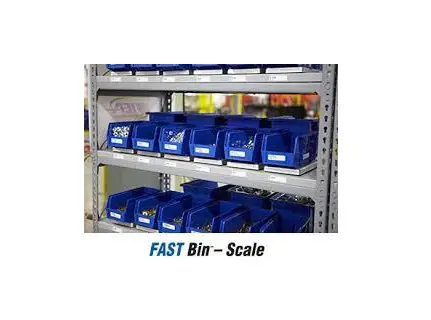
The FAST Bin system automates the current manual method of checking inventory that is stored in Fastenal standard Bin systems as shown below :
Standard Fastenal Bin Systems
The following subsections describe how each of the FAST Bin devices work.
Infrared (IR) Bins
The IR Bins consist of a standard Bin plus two printed circuit boards (PCBs) that sit opposite each other inside the Bin; the PCBs are protected by a plastic insert as shown below:
Infrared (IR) Bin There is an array of LED IR emitters on one PCB and corresponding IR sensors on the
opposite PCB.
Obstruction of an IR beam equates to the presence of inventory at that point inside the bin.
The obstructed or unobstructed state, as detected by the sensors, is transmitted to the Controller by means of Bluetooth Low Energy (BLE), and the data for each Bin is then transmitted to the Fastenal Server via the Internet.
`Rev. 2/7/2023
Page 5 of 19
Multiple IR Bins communicate via BLE directly with a single Controller. If distance or obstructions are an issue, a Repeater can be used. In this case, the IR Bins communicate via BLE with the Repeater, which in turn communicates via Long Range Radio (LoRa) with the Controller.
CAUTION: Use only the battery provided. There may be a risk of explosion if a wrong type of battery is used for the unit. The battery cannot be subjected to high or low extreme temperature and low air pressure at high altitude during use, storage or transportation. Disposal of battery into fire or a hot oven, or mechanically crushing or cutting or the battery can result in an explosion. Leaving the battery in an extremely high temperature surrounding environment can result in an explosion or the leakage of flammable liquid of gas. Battery subjected to extremely low air pressure may result in an explosion or the leakage of flammable liquid or gas. Dispose of used battery according to the instructions of local regulations or laws.
Radio Frequency Identification (RFID) Bins
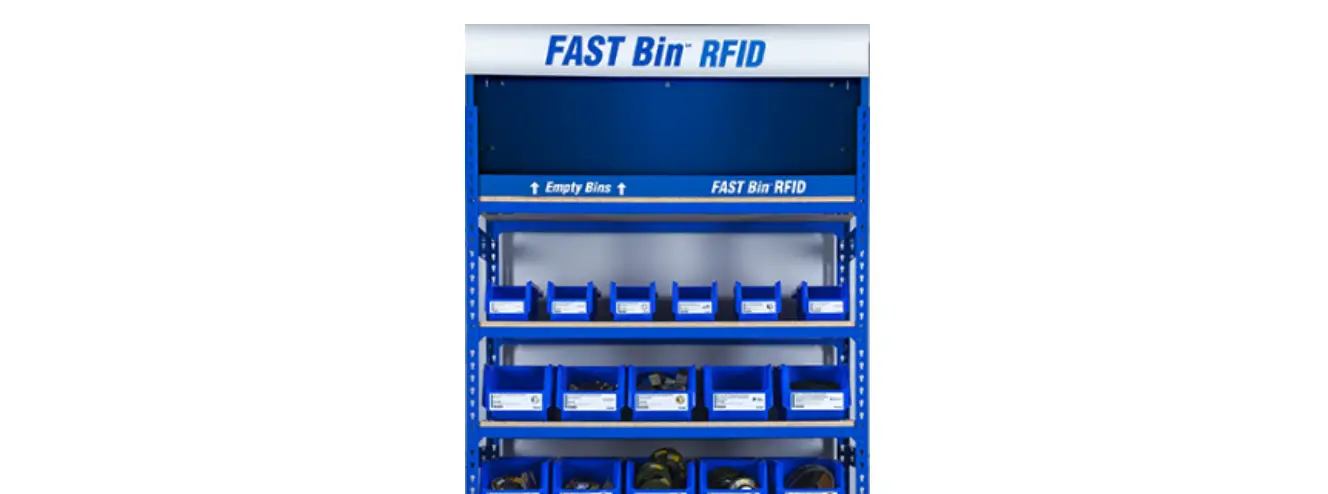
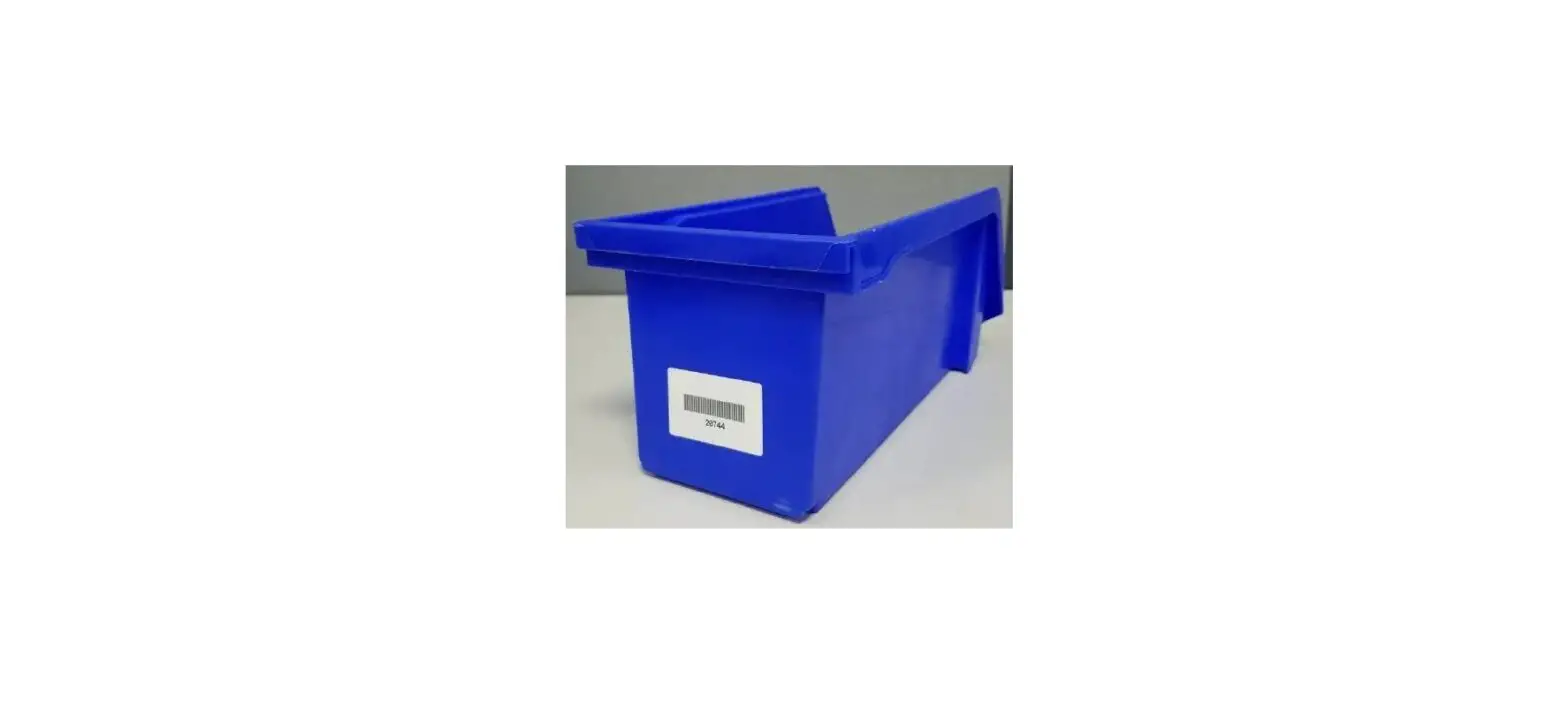
RFID Bins are standard Bins with RFID tags applied (as shown below). When a Bin has been emptied of its contents, it is manually placed in the replenishment area of the RFID enclosure.
The Reader, which is located in the enclosure’s subfloor, registers the presence of the RFID tag on the Bin. The Reader then transmits the tag ID to the Controller via LoRa, and the data is then transmitted to the Fastenal Server via the Internet.
Bin with Radio Frequency Identification (RFID) tag
`Rev. 2/7/2023
Page 6 of 19
RFID Bins in Standard Rivet Rack
Reader
The Reader reads Bins with RFID tags and sends the information to the Controller via a LoRa connection. See the Radio Frequency Identification (RFID) Bins section for more information on the location of the Reader.
Controller
The Controller is a communication hub for the overall FAST Bin system and uses several different data streams to communicate with the other FAST Bin devices.
`Rev. 2/7/2023
FAST Bin Controller
Page 7 of 19
Repeater
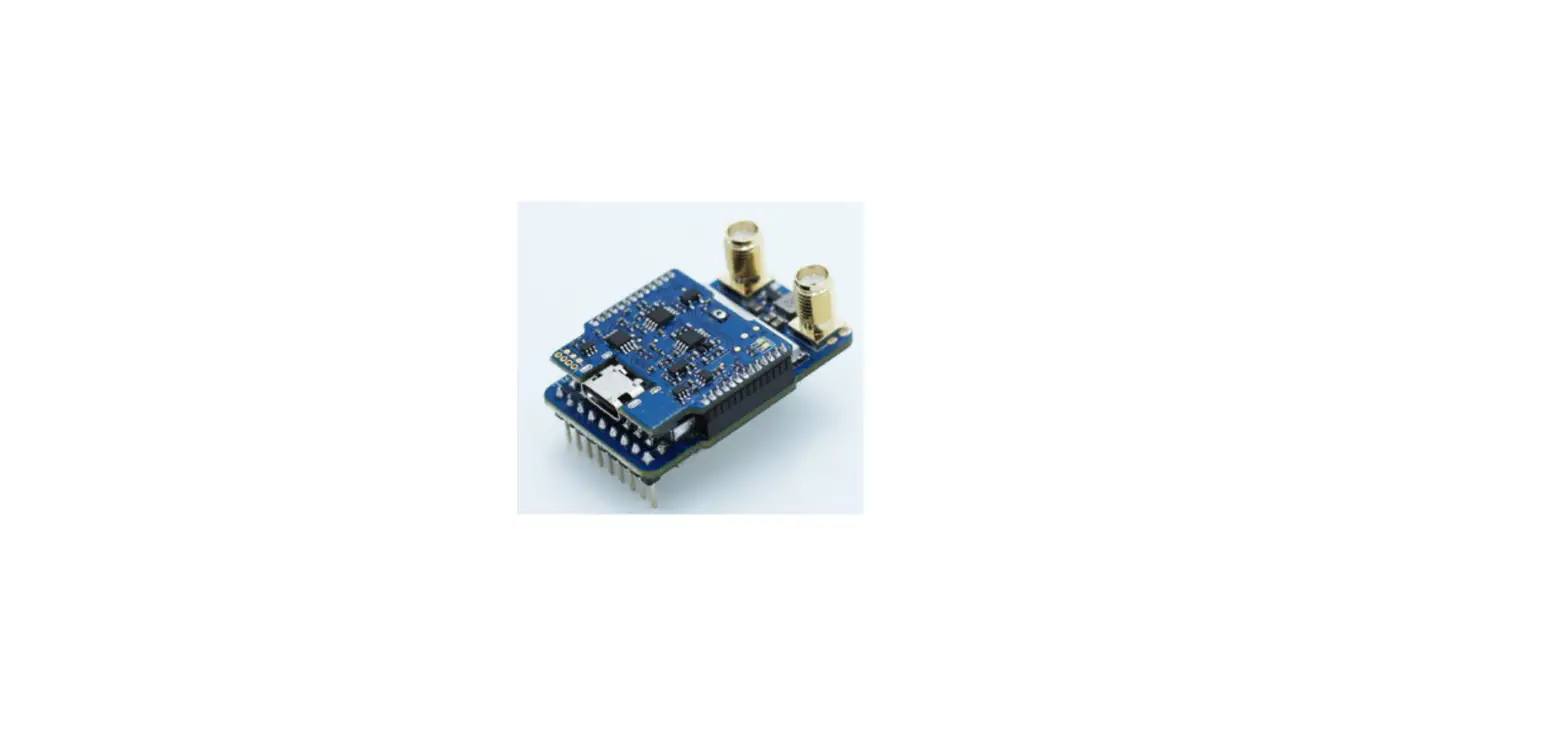
The Repeater is used when it is necessary to increase the range of the BLE transmitters. BLE messages are received by the BLE Module. The Repeater then relays the message delivered to the Controller using LoRa communications.
Indicator Lights
The following sections define the indicator lights located on each device. For the controller, repeater, and RFID repeater a blink of all green LEDs in a pattern indicates that the device is being updated.
Controller
LED Color
State
BLE
Green
LoRa Green
Red
Yellow Internet
Solid: At least one IR Bin is being actively monitored Off: No IR Bins are being actively monitored Solid: At least one Repeater or RFID Reader is being actively
monitored. Off: No Repeater or RFID Reader is being monitored. Solid: There is no network connection to the controller via Ethernet
or Cellular radio. Solid: Ethernet port has a local network connection, but there is no
connection to the Internet.
Green Solid: Either the Ethernet port or an installed cellular radio adapter has a good internet connection.
Repeater
LED Color
State
BLE
Green Solid: At least one IR Bin is being actively monitored
Off: No IR Bins are being actively monitored
LoRa Green Solid: LorA Link to a Controller has been established.
Off: No LoRa link to a Controller has been established.
Power Green Solid: Powered on but locked up
Heartbeat: Powered on and running
Off: No power
`Rev. 2/7/2023
Page 8 of 19
Reader
LED LoRa
Color
State
Green Solid: LoRa link to a Controller has been established.
Off: No LoRa link to a controller has been established.
LED Color
State
Power Green Solid: Powered on but locked up
Heartbeat: Powered on and running
Off: No power
New Tag Green Solid: A new tag has been read at 25 times
Off: No new tags within the last five seconds
Device Labels [Controller and Reader]
The following images define the labels for the Controller, Repeater, and Reader.
Controller Label
The labels for the Controller are shown below; this label is located on the bottom of the device:
922194626-3
2001 Theurer Blvd Winona, MN 55987 USA
920219555-3
2001 Theurer Blvd Winona, MN 55987 USA
922194622-3
2001 Theurer Blvd Winona, MN 55987 USA
IFT: to be issued later Contains FCC ID: XPYBMD360 Contains FCC ID: T9JRN2903
DC 5V
1.2A
Basic Controller US/Canada/Mexico
`Rev. 2/7/2023
DC 5V
1.2A
Basic Controller EU/UK
Contains FCC ID: XPYBMD360 FCC ID: T9JRN2903 FCC ID: RI7LE910CXNF
DC 5V
1.2A
Controller with cellular US/Canada
Page 9 of 19
Reader Label
The Labels for the Reader are shown below:
920219553-3
2001 Theurer Blvd Winona, MN 55987 USA
922194627-3
2001 Theurer Blvd Winona, MN 55987 USA
EU/UK Label
FCC ID: 2APK7-922194627V10 IC: 23979-92219462710
US/Canada Label
The label is located on the RFID enclosure as shown with the red circle in Figure 11:
Post-installed back panel
Left-side panel
`Rev. 2/7/2023
Figure 11. Reader Label Location
Page 10 of 19
Installation Instructions
The following instructions define how to install the FAST Bin devices. Qualified Fastenal support staff are required to install the FAST Bin system.
The Controller, Repeater, and Reader devices are powered on when plugged in (i.e., there is no on/Off switch on the devices).
It is recommended that the Readers/RFID Bins, Repeaters, and/or racks of IR Bins be installed before choosing the Controller location. This will allow optimal placement of the Controller based on the range requirements of the other devices. See Physical Placement Guidelines in Appendix A for more information on placing the devices.
The following table summarizes the maximum distances between each device.
From Controller Controller Controller Repeater
To Reader
Repeater IR Bin 2nd Gen IR Bin 2nd Gen
Range 500 ft (152.4 m) 500 ft (152.4 m) 50 ft (15.2 m) 50 ft (15.2 m)
IR Bins
1. Remove the battery insulation pull tab. 2. Ensure that the placement of the Bin is within 50 feet (15.2 meters) of nearest
Controller or Repeater.
RFID Enclosure
1. Assemble the RFID enclosure per assembly instructions provided with the enclosure.
2. Place the enclosure on top of the Bin rack and plug in the power cable. · Best practice is to place the enclosure on particle board, on top of the racking/shelf.
3. Ensure that the enclosure placement is within 500 feet (152.4 meters) of the nearest Controller.
4. Ensure that the communications diagnostic light on the front of the enclosure is lit up showing a connected state.
Repeater
1. Install the Repeater using the guidelines in Appendix A. 2. Ensure the Repeater is within 500 feet (152.4 meters) of the Controller.
`Rev. 2/7/2023
Page 11 of 19
3. Plug in the power cable to a standard wall power outlet. 4. Ensure that the LEDs are showing that the device is in a connected state.
Controller
1. Configure the device: a. If the site uses DHCP Ethernet, then no special network setup is required. b. If the site requires use of a static IP address, contact Fastenal support to configure the network settings.
2. Plug in the power cable to a standard wall power outlet. 3. Ensure that the controller has a network connection and is plugged in via
the network connection LED indicator. 4. Ensure that no Reader or Repeater is more than 500 feet (152.4 meters) from
the Controller and that the LEDs are showing that all devices are in a connected state.
Technical Specifications [Controller and Reader]
Controller
Regulatory Numbers Basic Controller Regulatory Numbers Controller with cellular data interface Dimensions
Weight Power Operating Temperature Operating Humidity External Ports & Connections Supported Protocols & Regulatory Identification Numbers
FCC ID: 2APK7-922194626V10 IC ID: 23979-922194626V10 FCC ID: 2APK7-922194622V10 IC ID: 23979-922194622V10 5.556″ W x 4.862″ L x 2.0″ H (14.11 cm W x 12.35 cm L x 5.08 cm H) 0.71 lbs. (0.322 kg) 5.0 VDC +/-10%, 1.2A max input 60.8° to 89.6° F (16° to 32° C) 20% to 80% Ethernet, Power LoRa: 903-914.2 MHz (12500 bps max)
FCC ID: T9JRN2903 IC ID: 6514A-RN2903
BLE: FCC ID: XPYBMD360 IC ID: 8595A-BMD360
Supported Antennas
LoRa: Flat Patch RF Antenna (Yageo ANTX100P001BWPEN3)
BLE: Integrated trace antenna in BLE module 4G LTE (with optional cellular module installed):
Taoglas, Ltd. TG.30.8113
`Rev. 2/7/2023
Page 12 of 19
Reader
Regulatory Identifications Numbers
Dimensions of RFID enclosure (in which Reader is housed) Power Operating Temperature Operating Humidity External Ports & Connections Supported Protocols & Regulatory Identification Numbers
Supported Antennas
FCC ID: 2APK7-992194627V10 IC ID: 23979-992194627V10 48″ W x 18″ H x 24″ H (121.92 cm W x 45.72 cm L x 60.96 cm H) 5.0 VDC+/-10%, 0.4 A max input 60.8° to 89.6° F (16° to 32° C) 20% to 80% Power
LoRa: 903-914.2 MHz (12500 bps max) FCC ID: T9JRN2903 IC ID: 6514A-RN2903
LoRa: Flat Patch RF Antenna (Yageo ANTX100P001BWPEN3) RFID: Four (4) Patch Antennas (Custom )
Device Labels [Repeater]
Repeater Label
The label for the Repeater is shown; the label is located on the bottom of the device.
922194623
2001 Theurer Blvd Winona, MN 55987 USA
`Rev. 2/7/2023
IFT: to be issued later FCC ID: 2APK7-9705080V1-0 IC: 23979-9705080V10 Contains FCC ID: XPYBMD360 Contains FCC ID: T9JRN2903
Repeater Label
Page 13 of 19
Technical Specifications [Repeater]
Repeater
Regulatory Identifications Numbers
Dimensions
Weight Power Operating Temperature Operating Humidity External Ports & Connections Supported Protocols & Regulatory Identification Numbers
Supported Antennas
FCC ID: 2APK7-9705080V1-0 IC ID: 23979-9705080V10
3.839″ W x 3.352″ L x 1.5″ H (9.75 cm W x 8.51 cm L x 3.81 cm H) 0.33 lbs. 5.0 VDC+/-10%, 0.4 A max input 60.8° to 89.6° F (16° to 32° C) 20% to 80% Power
LoRa: 903-914.2 MHz (12500 bps max) FCC ID: T9JRN2903 IC ID: 6514A-RN2903
BLE: FCC ID: XPYBMD360 IC ID: 8595A-BMD360
LoRa: Flat Patch RF Antenna (Yageo ANTX100P001BWPEN3) BLE: Integrated trace antenna in BLE module
`Rev. 2/7/2023
Repeater
Page 14 of 19
Device Labels [IR Bins]
IR Bin Labels
The labels for the IR220, IR230, IR240, and IR250 bins are shown below; the labels are located on the inside back wall of the bins.
IR220 Label
922194621
IR230 Label
922194625
2001 Theurer Blvd Winona, MN 55987 USA
2001 Theurer Blvd Winona, MN 55987 USA
FCC ID: 2APK7-92219462110
IC: 23979-92219462110 Rating: 3.0Vdc, 90mW
Caution Risk of explosion if the battery is replaced by an incorrect type Attention Risque d’explosion si la placée par un type incorrect
FCC ID: 2APK7-92219462510
IC: 23979-92219462510 Rating: 3.0Vdc, 90mW
Caution Risk of explosion if the battery is replaced by an incorrect type Attention Risque d’explosion si la batterie est remplacée par un type incorrect
IR240 Label
922194620
2001 Theurer Blvd Winona, MN 55987 USA
IR250 Label
922194624
2001 Theurer Blvd Winona, MN 55987 USA
FCC ID: 2APK7-92219462010 IC: 23979-92219462010 Rating: 3.0Vdc, 90mW
Caution Risk of explosion if the battery is replaced by an incorrect type Attention Risque d’explosion si la batterie est remplacée par un type incorrect
`Rev. 2/7/2023
FCC ID: 2APK7-92219462410 IC: 23979-92219462410 Rating: 3.0Vdc, 90mW
Caution Risk of explosion if the battery is replaced by an incorrect type Attention Risque d’explosion si la batterie est remplacée par un type incorrect
Page 15 of 19
Technical Specifications [IR Bins]
IR 220 Bin
Regulatory Identifications Numbers
Dimensions
Weight Power Operating Temperature Operating Humidity External Ports & Connections Supported Protocols & Regulatory Identification Numbers
Supported Antennas
FCC ID: 2APK7-92219462110 IC ID: 23979-92219462110 4.25″ W x 7.5″ L x 3″ H (10.80 cm W x 19.1 cm L x 7.62 cm H) 0.4 lbs. 3.0 VDC, CR2032 battery 60.8° to 89.6° F (16° to 32° C) 20% to 80% None None
BLE: PCB meandering inverted F
IR220
`Rev. 2/7/2023
Page 16 of 19
IR 230 Bin
Regulatory Identifications Numbers
Dimensions
Weight Power Operating Temperature Operating Humidity External Ports & Connections Supported Protocols & Regulatory Identification Numbers
FCC ID: 2APK7-92219462510 IC ID: 23979-92219462510
5.5″ W x 11.0″ L x 5″ H (13.97 cm W x 27.94 cm L x 12.7 cm H) 1.2 lbs. 3.0 VDC, CR2032 battery 60.8° to 89.6° F (16° to 32° C) 20% to 80% None None
Supported Antennas
BLE: PCB meandering inverted F
IR230
`Rev. 2/7/2023
Page 17 of 19
IR 240 Bin
Regulatory Identifications Numbers
Dimensions
Weight Power Operating Temperature Operating Humidity External Ports & Connections Supported Protocols & Regulatory Identification Numbers
Supported Antennas
FCC ID: 2APK7-92219462010 IC ID: 23979-92219462010 8.5″ W x 14.8″ L x 7″ H (21.59 cm W x 37.59 cm L x 17.78 cm H) 1.6 lbs. 3.0 VDC, CR2032 battery 60.8° to 89.6° F (16° to 32° C) 20% to 80% None None
BLE: PCB meandering inverted F
`Rev. 2/7/2023
Page 18 of 19
IR 250 Bin
Regulatory Identifications Numbers
Dimensions
Weight Power Operating Temperature Operating Humidity External Ports & Connections Supported Protocols & Regulatory Identification Numbers
Supported Antennas
FCC ID: 2APK7-92219462410 IC ID: 23979-92219462410 16.4″ W x 14.8″ L x 7″ H (41.66 cm W x 37.59 cm L x 17.78 cm H) 2.8 lbs. 3.0 VDC, 2-AAA batteries 60.8° to 89.6° F (16° to 32° C) 20% to 80% None None
BLE: PCB meandering inverted F
`Rev. 2/7/2023
Page 19 of 19
Compliance Information
The following compliance information applies to the IR Bins, Controller, Reader, and Repeater devices.
FCC Compliance Statement
This device complies with Part 15 of the FCC Rules. Operation is subject to two conditions: (1) This device may not cause harmful interference, and (2) this device must accept any interference that may be received or that may cause undesired operation. Changes or modifications not expressly approved by the party responsible for compliance could void the user’s authority to operate the equipment.
FCC Statement
This equipment has been tested and found to comply with the limits for a Class A digital device, pursuant to part 15 of the FCC Rules. These limits are designed to provide reasonable protection against harmful interference when the equipment is operated in a commercial environment. This equipment generates, uses, and can radiate radio frequency energy and, if not installed and used in accordance with the user manual, may cause harmful interference to radio communications. Operation of this equipment in a residential area is likely to cause harmful interference in which case the user will be required to correct the interference at his own expense.
Canadian (IC) Statement of Compliance
This device complies with RSS-247 of the Industry Canada rules. Operation is subject to two conditions: (1) This device may not cause harmful interference, and (2) this device must accept any interference that may be received or that may cause undesired operation.
Cet appareil est conforme à la norme RSS-247 des règles d’Industrie Canada. Le fonctionnement est soumis à deux conditions: (1) Cet appareil ne doit pas causer d’interférences nuisibles, et (2) cet appareil doit accepter toute interférence qui pourrait être reçue ou qui pourrait causer un fonctionnement indésirable.
This Class A digital apparatus complies with Canadian ICES-003.
Cet appareil numérique de la classe A est conforme à la norme NMB-003 du Canada.
ISED Compliance Statement
This device contains license-exempt transmitter(s)/receiver(s) that comply with Innovation, Science and Economic Development Canada’s license-exempt RSS(s). Operation is subject to the following two conditions:
(1) This device may not cause interference.
`Rev. 2/7/2023
Page 20 of 19
(2) This device must accept any interference, including interference that may cause undesired operation of the device.
L’émetteur/récepteur exempt de licence contenu dans le présent appareil est conforme aux CNR d’Innovation, Sciences et Développement économique Canada applicables aux appareils radio exempts de licence. L’exploitation est autorisée aux deux conditions suivantes:
1) L’appareil ne doit pas produire de brouillage; 2) L’appareil doit accepter tout brouillage radioélectrique subi, même si le brouillage est
susceptible d’en compromettre le fonctionnement.
Mexico Compliance Statement
La operación de este equipo está sujeta a las siguientes dos condiciones: (1) es posible que este equipo o dispositivo no cause interferencia perjudicial y (2) este equipo o dispositivo debe aceptar cualquier interferencia, incluyendo la que pueda causar su operación no deseada.
`Rev. 2/7/2023
Page 21 of 19
Appendix A: Physical Placement Guidelines
Controller Placement
Placing the Controller in an optimal location ensures that the Controller will have a much better signal with far less interference. It may be necessary in large facilities to install multiple controllers. The following guidelines can be used to help place the Controller in an optimal location.
NOTE: The Controller and Repeater are designed to sit on a shelf or other surface to allow for access to the regulatory information on the device label (which is located on the bottom of each device).
1. Centralize the Controller: Make sure you place the Controller in the middle of all the devices (i.e., Readers and Repeaters) that are being used. The signal strength from the Controller is somewhat based on the distance. A central position can allow even distribution to all the devices.
2. Controller Placement: Try to place the Controller as high as possible in the room, so the signal gets dispersed throughout the facility.
3. Minimize Number and Angle of Walls: Keep the number of walls and ceilings between the Controller and the Reader/Repeater devices to a minimum. Always imagine a direct line of sight between the Controller and Reader/Repeater devices. Position devices so that the signal will travel straight through a wall or ceiling (instead of at an angle) for better reception.
4. Wall Building Materials: Consider the type of building material through which the signal must travel. Drywall or open doorways are good choices. Materials and objects such as walls with insulation, glass, brick, concrete, steel, metal, water, or mirrors can degrade signal strength. Also, do not place the Controller inside a cabinet or a storage area/space.
5. Avoid Other Wireless Devices: Place appliances, such as cordless telephones, microwaves, Wi-Fi routers, and televisions, as far away as possible from the Controller (at least 3 to 6 feet (1 to 2 meters)). This will significantly reduce any interference that theses appliances may cause.
Repeater and RFID Enclosure/Reader Physical Placement
1. IR Bin Placement:
· Envision each IR bin as being at the center of a large circle with a 25-foot radius. At least one Repeater, or a Controller should be within the edge of that circle.
February 7, 2023
Page 22 of 23
· It is important that no IR Bin be more than 25 feet (7.62 meters) from a Controller or repeater. Then install each Repeater within this distance from all bins it must support using the same guidelines as defined for the Controller Placement.
2. RFID Bin Placement: Placing the RFID enclosure/Reader is constrained only by the requirement that it cannot be more than 500 feet (152.4 meters) from the Controller.
February 7, 2023
Page 23 of 23