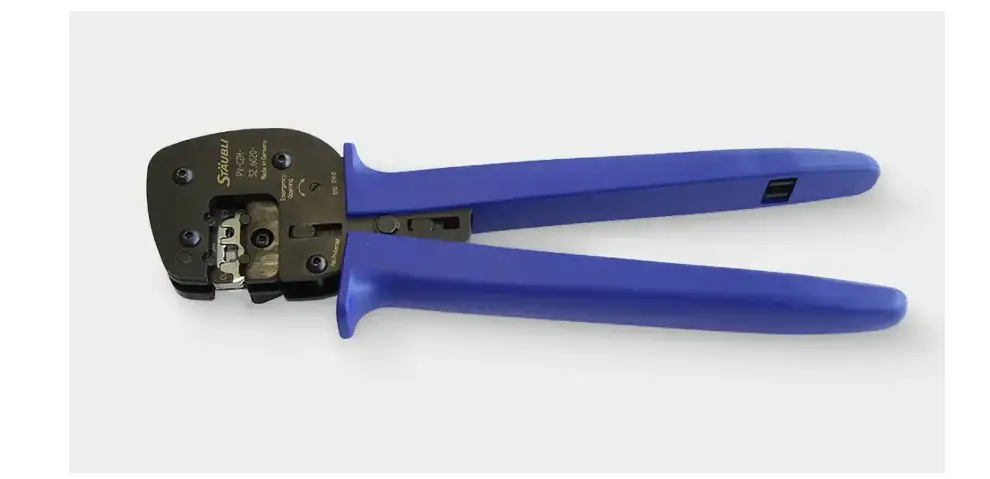
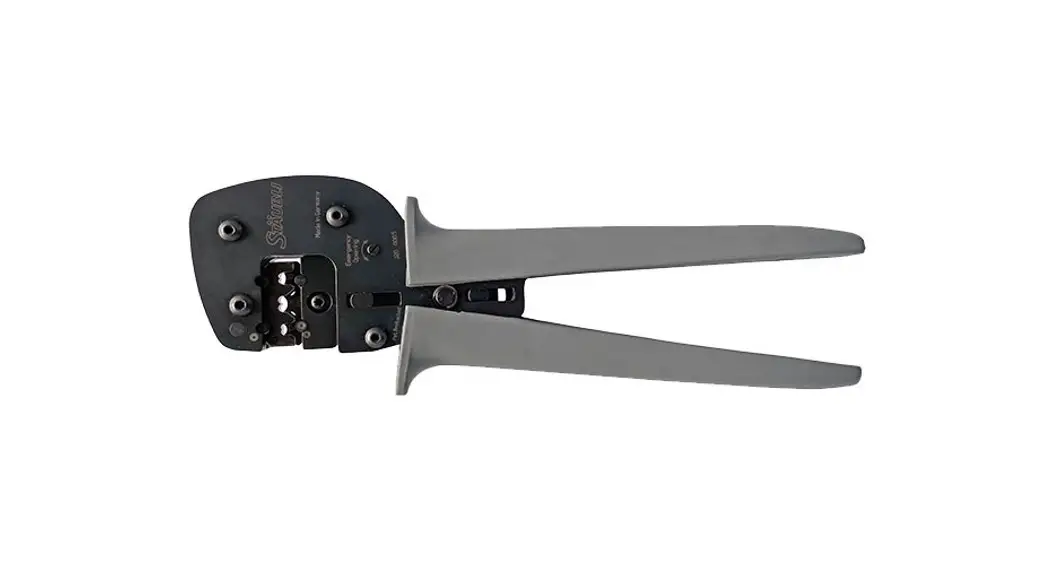
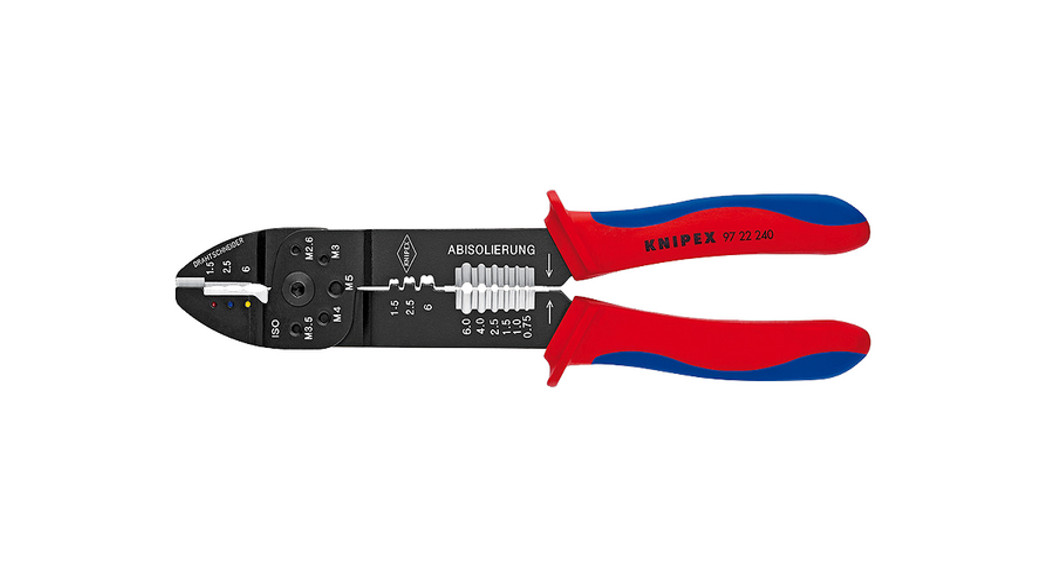
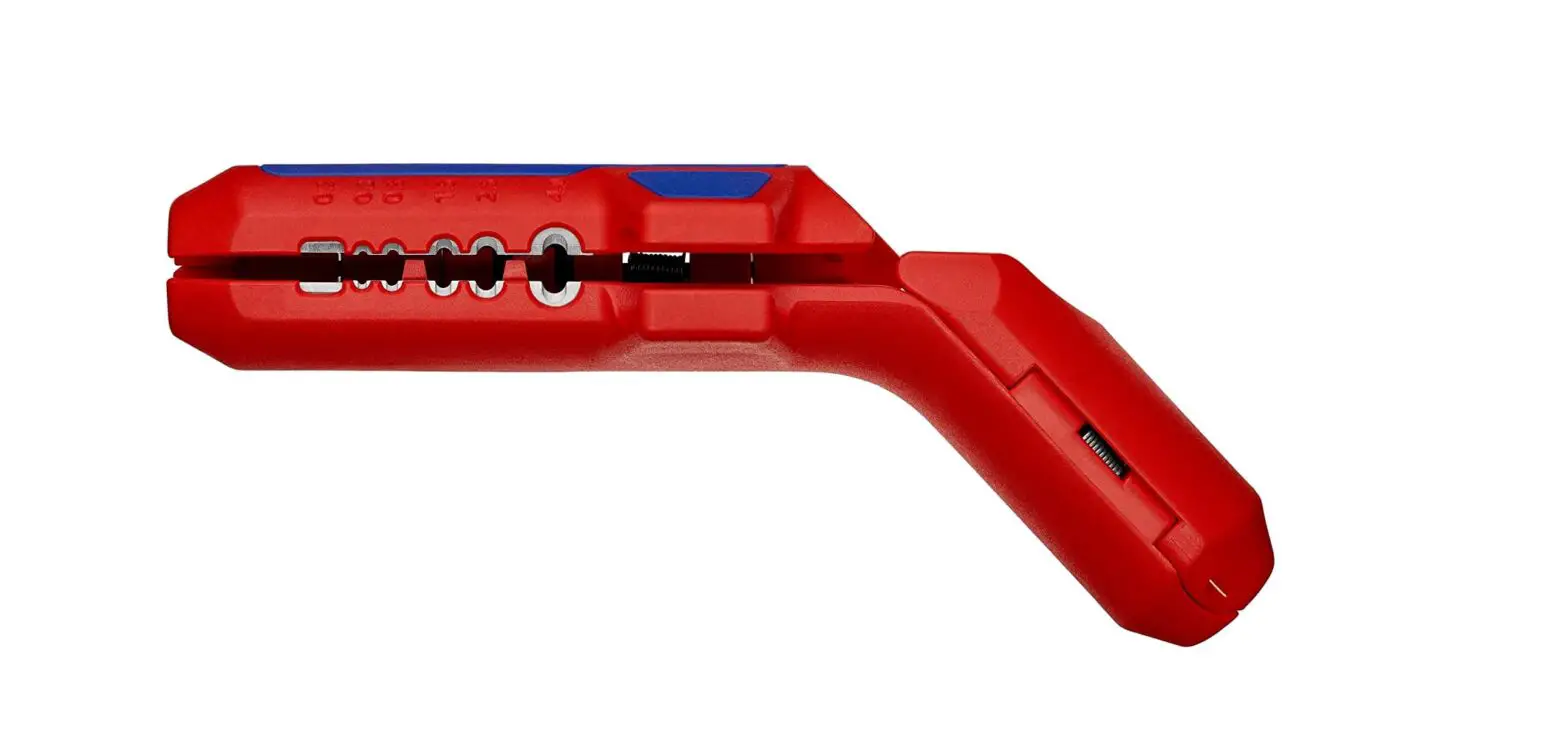
MA231 Stripping Pliers 4/6/10 mm²
Product Information
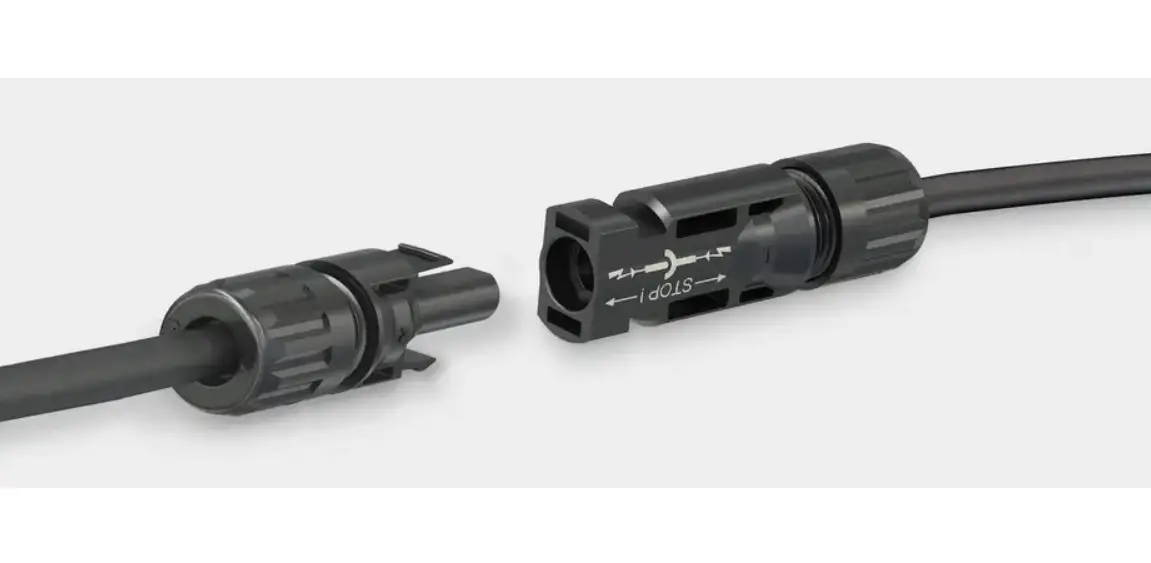
The PV-Kupplungsstecker PV-KST4/…-UR and PV-Kupplungsbuchse
PV-KBT4/…-UR are male and female cable couplers respectively that
are used to electrically connect components within the DC circuits
of a photovoltaic array. These connectors can also be used for
other purposes like LVDC components, but the requirements and
specifications may differ from those described in the user manual.
The package includes sealing caps to protect the connectors when
not in use.
Tools Required
- Stripping pliers PV-AZM-156 or PV-AZM-410
- Assembly and unlocking tool PV-MS-PLS or open-end spanner set
PV-MS - Crimping pliers PV-CZM… incl. locator and crimping die
Conductor Cross Section and Types
| Crimping Pliers Type | Conductor Cross Section |
|---|---|
| PV-CZM-19100 32.6020-19100 | PV-KBT4/2,5…-UR, 2.5 mm2 |
| PV-CZM-22100 32.6020-22100 | PV-KST4/2,5…-UR 14 AWG |
| PV-CZM-23100 32.6020-23100 | 4 mm2 |
| PV-CZM-20100 32.6020-20100 | PV-KBT4/6…-UR, 12 AWG |
| PV-CZM-21100 32.6020-21100 | PV-KST4/6…-UR 6 mm2 |
Product Usage Instructions
- Only an electrician or electrically instructed person should
assemble, install and commission the system. - Follow the assembly and safety instructions to avoid
life-threatening injuries due to electric shock, electric arcs,
fire, or failure of the system. - Ensure safe assembly and mounting as live parts can remain
energized even after isolation or disconnection. - Do not modify or repair the component.
- Use the stripping pliers to strip the cable ends to the
required length. - Use the crimping pliers and locator to crimp the conductor onto
the connector as per the table provided. - Use the assembly and unlocking tool or open-end spanner set to
mate and disconnect the connectors. - When not in use, use the sealing caps to protect the
connectors.
MA020301 (de_en) Montageanleitung
PV-Kupplungsstecker PV-KST4/…-UR PV-Kupplungsbuchse PV-KBT4/…-UR
MA020301 (de_en) Assembly instructions
PV male cable coupler PV-KST4/…-UR PV female cable coupler PV-KBT4/…-UR
Inhalt
Sicherheitshinweise ……………………………………………………………2 Erforderliches Werkzeug …………………………………………………….3 Hinweise zur Lagerung ………………………………………………………4 Leitfaden zur Konfiguration der Steckverbinder ………………………5 Vorbereitung der Leitung…………………………………………………….5 Crimpen ………………………………………………………………………….7 Montage-Prüfung ……………………………………………………………..9 Stecken und Trennen der Leitungskupplung – ohne Sicherungshülse PV-SSH4 ……………………………………..10 – mit Sicherungshülse PV-SSH4 ………………………………………..10 Hinweise zur Installation…………………………………………………….11 Technische Daten ……………………………………………………………12
Content
Safety Instructions ……………………………………………………………..2 Tools required………………………………………………………………….. 3 Notes on storage ……………………………………………………………… 4 Guideline for connector configuration…………………………………… 5 Cable preparation …………………………………………………………….. 5 Crimping…………………………………………………………………………. 7 Assembly check ………………………………………………………………. 9 Mating and disconnecting the cable coupler – without safety lock clip PV-SSH4 ……………………………………. 10 – with safety lock clip PV-SSH4 ………………………………………… 10 Notes on installation …………………………………………………………11 Technical data ……………………………………………………………….. 12
Kupplungsbuchse/Female cable coupler
PV-KBT4/2.5…-UR PV-KBT4/6…-UR PV-KBT4/10…
Kupplungsstecker/Male cable coupler
PV-KST4/2.5…-UR PV-KST4/6…-UR PV-KST4/10…
PV-KBT4/5…-UR PV-KBT4/8II-UR
PV-KST4/5…-UR PV-KST4/8II-UR
Optional PV-SSH4 Sicherungshülse/Safety lock clip
(siehe/see www.staubli.com/electrical –> MA252)
Verschlusskappen/Sealing caps
PV-BVK4 32.0716
PV-SVK4 32.0717
1 / 12
Sicherheitshinweise
Safety instructions
Bedeutung der Montageanleitung
Wenn die Montageanleitung und die folgenden Sicherheitshinweise NICHT befolgt werden, können Lebensgefahr durch Stromschlag, Lichtbögen, Brand oder ein Ausfall des Systems die Folge sein.
· Montageanleitung vollständig befolgen.
· Das Produkt nur entsprechend dieser Montageanleitung und der technischen Daten anschließen und verwenden.
· Montageanleitung aufbewahren und an nachfolgende Verwender weitergeben.
Importance of the assembly instructions
NOT following the assembly and safety instructions could result in life-threatening injuries due to electric shock, electric arcs, fire, or failure of the system.
· Follow the entire assembly instructions.
· Use and install the product only according to this assembly instructions and the technical data.
· Safely store the assembly instructions and pass them on to subsequent users.
Bestimmungsgemäße Verwendung
Der Steckverbinder verbindet Komponenten elektrisch in Gleichstromkreisen einer Photovoltaik-Anlage. Die Verwendung des Steckverbinders für andere Zwecke als in einem Photovoltaik-System ist möglich, z. B. als Niederspannungs-Gleichstrom-Komponente. Dabei können andere Anforderungen und Spezifikationen als in diesem Dokument beschrieben anwendbar werden.
· Für mehr Informationen Stäubli kontaktieren www.staubli.com/electrical
Intended use
The connector electrically connects components within the DC circuits of a photovoltaic array. The connector can be used for purposes other than those in a photovoltaic array, e.g., as a LVDC component. If the component is used for other purposes, then the requirements and specifications may be different from the ones described in this document.
· For more information, contact Stäubli www.staubli.com/electrical
Anforderungen an das Personal
Die Montage und Installation dürfen ausschließlich von einer Elektrofachkraft oder einer elektrotechnisch unterwiesenen Person durchgeführt werden.
· Eine Elektrofachkraft ist eine Person mit geeigneter fachlicher Ausbildung, Kenntnissen und Erfahrungen, sodass sie Gefahren erkennen und vermeiden kann, die von der Elektrizität ausgehen können. Die Elektrofachkraft ist befähigt, geeignete Schutzausrüstungen zu wählen und zu verwenden.
· Eine elektrotechnisch unterwiesene Person ist eine Person, die durch eine Elektrofachkraft unterwiesen oder beaufsichtigt wird, sodass sie Gefahren erkennen und vermeiden kann, die von der Elektrizität ausgehen können.
Requirements for personnel
Only an electrician or electrically instructed person may assemble, install, and commission the system.
· An electrician is a person with appropriate professional training, knowledge, and experience to identify and avoid the dangers that may originate from electricity. An electrician is able to choose and use suitable personal protective equipment.
· An electrically instructed person is a person who is instructed or supervised by an electrician and can identify and avoid the dangers that may originate from electricity.
Voraussetzungen für die Installation und Montage
· NIEMALS offensichtlich beschädigte Steckverbinder verwenden.
· NUR von Stäubli zugelassene Werkzeuge und Hilfsmittel verwenden.
· NUR PV-Leitungen, die für die Steckverbinder zugelassen sind, an die Steckverbinder anschließen.
Prerequisites for installation and assembly
· NEVER use an obviously damaged product.
· ONLY tools and procedures approved by Stäubli shall be used.
· ONLY approved PV-cables shall be assembled to the connector.
Sichere Montage und Installation
Aktive Teile können auch nach Freischalten der PhotovoltaikAnlage und Trennen der Steckverbinder unter Spannung stehen.
· Den Steckverbinder NUR im spannungsfreien Zustand des Photovoltaik-Strings oder -Bereiches montieren.
Safe assembly and mounting
Live parts can remain energized after isolation or disconnection
· ONLY Install the product when the photovoltaic-array or -string is de-energized.
Stecken und Trennen
· IMMER vor dem Trennen und Stecken der Steckverbinder Photovoltaik-Anlage lastfrei schalten.
· NIEMALS den Steckverbinder unter Last trennen.
· NIEMALS Stecker oder Buchse des Stäubli-Steckverbinders mit Buchse bzw. Stecker eines anderen Herstellers verbinden.
Mating and disconnecting
· ALWAYS de-energize the photovoltaic system before mating and disconnecting the connectors.
· NEVER disconnect the connectors under load.
· NEVER connect male or female part of Stäubli connector with connectors of other manufacturers.
Komponente NICHT ändern oder reparieren
· Steckverbinder nur einmal montieren. · Steckverbinder nach der Montage NICHT nachträglich modi-
fizieren. · Defekte Steckverbinder austauschen.
Do NOT modify NOR repair component
· Mount connector only once. · Do NOT modify connectors after assembly. · Replace defective connectors.
2 / 12
Erforderliches Werkzeug
(ill. 1) Abisolierzange PV-AZM…
Tools required
(ill. 1) Stripping pliers PV-AZM…
Leiterquerschnitt Conductor cross section
1
mm2
AWG
1.5/2.5/4/6
4/6/10
Typ Type
PV-AZM-156 PV-AZM-410
Bestell-Nr. Order No.
32.6027-156 32.6027-410
Hinweis:
Bedienungsanleitung MA267, www.staubli.com/electrical
Note:
Operating instructions MA267, www.staubli.com/electrical
PV-MS-PLS
(ill. 2)
(ill. 2)
Montage- und Entriegelungswerkzeug
Assembly and unlocking tool
PV-MS-PLS, Bestell.-Nr. 32.6058
PV-MS-PLS, Order No. 32.6058
oder
or
PV-MS
2
Montageschlüsselset PV-MS,
Open-end spanner set PV-MS,
Bestell-Nr. 32.6024
Order No. 32.6024
Hinweis:
Bedienungsanleitung MA270, www.staubli.com/electrical
Note:
Operating instructions MA270, www.staubli.com/electrical
(ill. 3)
Crimpzange PV-CZM… inkl. Lokator und Crimpeinsatz.
(ill. 3)
Crimping pliers PV-CZM… incl. locator and crimping die.
Hinweis:
Bedienungsanleitung MA251,
3
www.staubli.com/electrical
Note:
Operating instructions MA251, www.staubli.com/electrical
Zuweisung der Crimpzangen-Einsätze und Lokatoren für den herzustellenden Steckverbinder
Tab. 1
Assign the crimping pliers die and locator according to the connector chosen
Crimpzangen Crimping pliers
Typ Type Leiterquerschnitt Conductor cross section PV-CZM-19100 32.6020-19100 PV-CZM-22100 32.6020-22100 PV-CZM-23100 32.6020-23100 PV-CZM-20100 32.6020-20100 PV-CZM-21100 32.6020-21100
PV-KBT4/2,5…-UR, 2.5 mm2
·
PV-KST4/2,5…-UR 14 AWG
·
4 mm2
·
·
PV-KBT4/6…-UR, 12 AWG
·
·
PV-KST4/6…-UR
6 mm2
·
·
10 AWG
·
·
PV-KBT4/5…-UR, PV-KST4/5…-UR
14 AWG 12 AWG 10 AWG
PV-KBT4/8II-UR, PV-KST4/8II-UR
8 AWG
·
PV-KBT4/10II, PV-KST4/10II
10 mm2
Hinweis:
Für Crimpeinsätze und Lokator Informationen, siehe Bedienungsanleitung MA251, www.staubli.com/electrical
· ·
· · · · ·
·
·
·
Note:
For crimping die and locator information, please see the operating instructions MA251, www.staubli.com/electrical
3 / 12
(ill. 4)
PV-WZ-Torque-Set, Bestell-Nr. 32.0065
(ill. 4)
PV-WZ-Torque-Set, Order No. 32.0065
4
(ill. 5) PV-PST Prüfstift 5 Bestell-Nr. 32.6028
(ill. 6) SW15 Gabelschlüssel
6
(ill. 7) SW12 Drehmomentschlüssel
7
(ill. 5) Test plug PV-PST Order No. 32.6028
(ill. 6) Open-end spanner wrench 15 mm
(ill. 7) Torque wrench 12 mm (1/2″ drive)
(ill. 8)
Kabelschere PV-WZ-KS, Bestell-Nr. 32.6080
Hinweis:
Bedienungsanleitung MA705,
8
www.staubli.com/electrical
(ill. 8) Cable cutter PV-WZ-KS, Order No. 32.6080
Note: Operating instructions MA705, www.staubli.com/electrical
Hinweise zur Lagerung der Steckverbinder und ihrer Komponenten
Für die Lagerung der Steckverbinder Komponenten empfiehlt Stäubli eine möglichst konstante Lagertemperatur im Bereich von -30°C bis +60°C bei weniger als 70 % relativer Luftfeuchtigkeit. Die Komponenten dürfen dabei nicht direktem Regen oder kondensierendem Wasser u.ä. ausgesetzt werden. Es ist darauf zu achten, dass Komponenten nicht mit Säuren, Laugen, Gasen, Aceton oder anderen chemisch aggressiven Substanzen in Berührung kommen, die einen negativen Einfluss auf die verwendeten Materialien haben können. Sofern all diese Bedingungen eingehalten werden, beträgt die maximale Lagerzeit zwei Jahre nach Herstellung.
Notes on connectors and components storage
Stäubli recommends to store connector components at a preferably constant temperature range between 30°C and +60°C and relative humidity of less than 70%. The components must not be exposed to moisture due to direct rainfall, condensation, etc. Ensure that individual components do not get into contact with acids, alkalis, gases, acetone or any other aggressive chemical substances, which might impact the material performance. Once all these storage conditions are met the components could be stored up to two years behind manufacturing.
4 / 12
Leitfaden zur Konfiguration der Steckverbinder
Guideline for connector configuration
Hinweis:
Liegt der verwendete Leitungsdurchmesser zwischen zwei Grenzen, verwenden Sie bitte den kleineren Dichteinsatz.
Note:
Please use the smaller sealing if the cable diameter used is between two limits.
Vorbereitung der Leitung
Anschlussleitungen mit einem Leiteraufbau der Klassen 5 oder 6 nach IEC 60228 sollen verwendet werden. Für den UL zugelassenen Bereich sollen Leiter der Klasse B oder höher verwendet werden.
Achtung: Es sind, verzinnte Leiter zu verwenden. Keine blanken* oder bereits oxidierte Leiter verwenden. Alle Staubli-Solarleitungen haben hochwertige, verzinnte Leiter. Aus Sicherheitsgründen untersagt Stäubli die Verwendung von PVC-Leitungen sowie den Einsatz von unverzinnten Leitungen vom Typ H07RN-F.
* Es ist zulässig, blanke Kupferleiter, Klasse B oder höher mit den folgenden Produkten anzuschließen: PV-KBT4/5…-UR, PV-KST4/5…-UR, PV-KBT4/8II-UR und PV-KST4/8II-UR
Cable preparation
For IEC applications cables with flexible conductors of class 5 or 6 according to IEC 60228 shall be connected. For the UL approved range applications power cables of class B or higher shall be connected.
Attention: Used tinned copper conductors. Do not use uncoated (bare*) nor already oxidized conductors. All Staubli solar cables have high-quality, tinned conductors. For safety reasons, Stäubli prohibits the use of PVC cables and the use of non-tinned cables of type H07RN-F.
* It is acceptable to use bare copper conductors, class B or higher with the following products: PV-KBT4/5…-UR, PV-KST4/5…UR, PV-KBT4/8II-UR and PV-KST4/8II-UR
(ill. 9) Maße A und b kontrollieren, siehe Tab. 2 auf Seite 5 sowie Tab. 3 auf Seite 6.
Hinweis: Bei Verwendung anderer Leitungsdurchmesser als in Tab. 2 und Tab. 3 angegeben, Stäubli kontaktieren.
Auswahl von nach TÜV-Rheinland geprüften Steckverbinderkonfigurationen
An den Steckverbindern angeschlossene Leitungen müssen für die Verwendung in photovoltaischen Systemen geeignet sein und den Anforderungen von IEC 62930 entsprechen.
9
(ill. 9) Check dimensions A and b, see Tab. 2 on page 5 and tab. 3 on page 6.
Note: In case that other diameters than those mentioned in Tab. 2 and Tab. 3 are used contact Stäubli.
Choose connector configuration verified by TÜVRheinland
Cables connected to the connector shall be suitable for use in photovoltaic systems and shall comply with the requirements of IEC 62930.
Tab. 2
A: ø-Bereich der Leitung [mm] A: ø range of the cable [mm]
5.0 6.0 5.5 7.4 7.0 8.8 b: Kontrollmaß b: control dimension
2.5 mm2 PV-KxT4/2,5I-UR PV-KxT4/2,5X-UR PV-KxT4/2,5II-UR
~4 mm
Leitungsquerschnitt Conductor cross section
4 mm2
6 mm2
PV-KxT4/6I-UR
PV-KxT4/6I-UR
PV-KxT4/6X-UR
PV-KxT4/6X-UR
PV-KxT4/6II-UR
PV-KxT4/6II-UR
~5.8 mm
10 mm2 PV-KxT4/10I PV-KxT4/10X PV-KxT4/10II
~6.5 mm
Hinweis:
Bezüglich der Auswahl der PV Leitungen muss folgender Punkt berücksichtigt werden: – Das Mantelmaterial der PV-Leitung muss Isolierstoffklasse 1 nach IEC 60664-1 erfüllen.
Note:
Following topic needs to be considered when selecting the PV cable: – The sheath material of the PV cable has to meet insulation class 1 according to IEC 60664-1.
5 / 12
Auswahl der Steckverbinderkonfiguration bei Verwendung von UL-zertifizierten Leitungen
Selection of connector configuration when using cables certified at UL
Eine an den Stecker angeschlossene Leitung muss für die Verwendung in photovoltaischen Systemen geeignet sein und den Anforderungen von ZKLA (PV-wire) oder TYLZ (USE-2) entsprechen.
Tab. 3
Cables connected to the connectors shall be suitable for use in photovoltaic systems and shall comply with the requirements of ZKLA (PV-wire) or TYLZ (USE-2).
Bemessungsspannung [V] DC Rated voltage [V] DC
A: ø-Bereich der Leitung [mm] A: ø range of the cable [mm]
Leitungsquerschnitt/Conductor cross section AWG (stranding)
ZKLA (PV-wire) TYLZ (USE-2)
14
12
10
8
600/1000/1500
600
19-49
7-49
7-65 *
7-65
7-78 *
7-78
7-168
5.60 6.20
4.80 6.20
PV-KxT4/2,5I-UR
PV-KxT4/5I-UR
PV-KxT4/6I-UR
PV-KxT4/5I-UR
PV-KxT4/6I-UR
PV-KxT4/5I-UR
6.20 7.00
6.20 7.00
PV-KxT4/2,5X-UR
PV-KxT4/5X-UR
PV-KxT4/6X-UR
PV-KxT4/5X-UR
PV-KxT4/6X-UR
PV-KxT4/5X-UR
7.00 8.60
7.00 8.60
PV-KxT4/2,5II-UR
PV-KxT4/5II-UR
PV-KxT4/6II-UR
PV-KxT4/5II-UR
PV-KxT4/6II-UR
PV-KxT4/5II-UR
5.95 8.00
8.30 8.56
PV-KxT4/8II-UR
b: Kontrollmaß b: control dimension
4 mm
~3 mm
5.8 mm
~3 mm
5.8 mm
~3 mm
~4.4 mm
* empfohlener Litzenanzahlbereich: 19-65
* preferred conductor stranding: 19-65
Hinweis:
Erfüllt die ausgewählte Leitung die Kriterien nach Tabellen 2 und 3 sowie den technischen Daten auf Seite 12, so kann diese als doppelt zertifizierte Leitung (TÜV Rheinland und UL) verwendet werden.
Note:
If your chosen cable is suitable for both configurations listed in Tab. 2 and 3 as well as in the technical data on page 12, it can be used as a double certified cable according TÜV Rheinland and UL.
L
Tab. 4
Typ/Type PV-KxT4/2,5… PV-KxT4/6… PV-KxT4/5… PV-KxT4/8… PV-KxT4/10…
10
Maße/Lengths “L” 6 mm 7.5 mm 6 mm 7.5 mm 8.5 mm 10 mm 8.5 mm 10 mm 6 mm 7.5 mm
(ill. 10)
Die Leitung nach Auswahl der Werte aus Tab. 4 abisolieren (Maß L) und prüfen.
(ill. 10)
Strip cable insulation (length L) according to ranges mentioned in Tab. 4 and check.
Achtung:
Beim Abisolieren keine Einzeldrähte abschneiden!
Attention:
Do not cut single strands when stripping the cable!
6 / 12
B-Crimp K
O-Crimp
Crimpen
Crimping
(ill. 11)
(ill. 11)
Für das Crimpen von offenen Crimp- For crimping open crimp contacts
kontakten (B-Crimp)
(B-Crimp)
C
PV-KxT4/2.5…-UR; PV-KxT4/6…-UR oder PV-KxT4/10…
PV-KxT4/2.5…-UR; PV-KxT4/6…-UR or PV-KxT4/10…
· Klemmbügel (K) öffnen und festhalten. · Open clamp (K) and hold tight.
· Kontakt in den passenden Querschnittsbereich einlegen.
· Insert the contact in the appropriate cross-section range.
· Crimplaschen (C) nach oben drehen. · Turn the crimping flaps (C) upwards.
· Klemmbügel (K) loslassen.
11
· Der Kontakt ist fixiert.
· Release clamp (K). · The contact is locked.
(ill. 12) Für das Crimpen von geschlossenen Crimpkontakten (O-Crimp) PV-KxT4/5…-UR oder PV-KxT4/8II-UR
Kontakt in den passenden Querschnittsbereich einlegen.
(ill. 12) For crimping closed crimp contacts (O-Crimp) PV-KxT4/5…-UR or PV-KxT4/8II-UR
Place the contact in the appropriate cross-section range.
für PV-KxT4/5… und PV-KxT4/8…:
Kontakt je nach zu crimpendem Leiterquerschnitt in die entsprechende Position platzieren.
For PV-KxT4/5… and PV-KxT4/8…:
Place contact into the appropriate locator position, based on conductor cross-section to be crimped.
12
7 / 12
(ill. 13)
Sicherstellen, dass der Kontakt vor dem Crimpen vollständig in die Positioniervorrichtung eingeführt wird.
(ill. 13)
Make sure the contact is fully inserted into the locator before crimping.
8 / 12
13
(ill. 14) Zange leicht zusammendrücken, so dass die Crimplaschen innerhalb des Crimpeinsatzes liegen.
(ill. 14)
Press the pliers gently together until the crimping flaps are properly located within the crimping die.
14
(ill. 15) Abisolierte Leitung einführen, bis die Litzen der Leitung am Klemmbügel anschlagen. Crimpzange ganz schließen.
(ill. 15)
Insert the stripped cable end until the lead strands come up against the clamp. Completely close the crimping pliers.
15
(ill. 16) Crimpung visuell kontrollieren be-
züglich der Kriterien, die in
IEC 60352-2 beschrieben sind.
(ill. 16)
Visually check the crimp according to the criteria written in IEC 60352-2.
Sicherstellen, dass:
Confirm that:
· alle Litzen in der Crimphülse eingeschlossen sind
· all of the strands have been captured in the crimp sleeve
· die Crimphülse nicht deformiert ist und kein Teil der Crimplaschen fehlt
· the crimp sleeve is not deformed or missing any portion of the crimp flaps
· die Crimpung symmetrisch ist
· that the crimp is symmetrical
16 · auf der Kontaktseite der Crimpung ein · a “brush” of conductor strands are
,,Bündel” Litzen sichtbar ist.
visible on the contact side of crimp.
Montage-Prüfung
Assembly check
(ill. 17)
(ill. 17)
Angecrimpten Kontakt von hinten in die Insert the crimped contact into the
Isolation bis zum Einrasten einführen.
insulator of the male or female coupler
Es ertönt ein ,,Klick”-Geräusch, sobald
until engaged.
dieser vollständig eingeführt ist.
You will typically hear a “click” sound
17
Durch leichtes Ziehen an der Leitung prüfen, ob das Metallteil richtig einge-
once fully engaged. Pull gently the cable to verify that the
rastet ist.
metal part is correctly engaged.
(ill. 18)
Prüfstift mit der entsprechenden Seite bis zum Anschlag in die Buchse bzw. in den Stecker stecken. Bei richtig montiertem Kontakt muss die weiße Markierung am Prüfstift noch sichtbar sein.
(ill. 18)
Insert the appropriate end of the test pin into the male or female coupler as far as it will go. If the contact is assembled properly the white mark on the test pin must still be visible.
18
(ill. 19)
· Leitungsverschraubung mit PV-MS oder PV-MS-PLS handfest anziehen.
· Leitungsverschraubung mit dem PV-WZ-Torque-Set anziehen und mit PV-MS oder PV-MS-PLS abstützen.
Das Anzugsdrehmoment muss für die verwendeten Solarleitung geeignet sein. Typische Werte liegen zwischen 3,4 N m und 3,5 N m1).
1) Stäubli empfiehlt den eingesetzten Drehmomentschlüssel vor Montagebeginn zu kalibrieren. Der NFPA National Electric Code (NEC 2017) fordert den Einsatz eines kalibrierten Drehmomentschlüssels im Abschnitt 110.14(D).
(ill. 19)
· Pre-tighten cable gland with tools PV-MS or PV-MS-PLS.
· tighten cable gland using the PV-WZ-Torque-Set while supporting the insulator front with PV-MS or PV-MS-PLS.
The tightening torque must be appropriate for the solar cables used. Typical values are between 3.4 N m and 3.5 N m1).
1) Stäubli recommends to use a calibrated torque wrench for assembly. The NFPA National Electric Code (NEC 2017) requires the use of a calibrated torque wrench in section 110.14(D).
Hinweis:
Note:
19
Die Umgebungstemperatur zur
For assembly of components an
Montage der Komponenten sollte zwi-
ambient temperature between -15 °C
schen -15 °C und +35 °C liegen
and +35 °C is recommended.
0!
>0
Hinweis: Hutmutter nicht auf Block verschrauben.
Note: Do not bottom out the capnut.
9 / 12
Stecken und Trennen der Leitungskupplung ohne Sicherungshülse PV-SSH4
Mating and disconnecting the cable coupler without safety lock clip PV-SSH4
Stecken
Mating
(ill. 20)
(ill. 20)
Leitungskupplungen zusammenstecken Mate the cable coupler until a ,,Click”
bis ein ,,Klick” hörbar ist. Korrektes
can be heard. Check correct engage-
Einrasten durch Ziehen an der Leitungs- ment by lightly pulling on the connector
kupplung kontrollieren
(maximum pulling force: 20 N).
20 (Zugkraft max. 20 N).
Achtung
Bei der Montage sind nicht vollständig eingerastete Kabelkupplungen unzulässig, da dies zu einer dauerhaften Verformung der Rasthaken führen kann und damit zum Verlust der Verriegelungsfunktion. Die korrekte Montage der Kabelkupplungen ist in jedem Fall zu überprüfen.
Attention
Assembly of not fully engaged connectors is not permitted as this could lead to a permanent deflection of clips and thus to a potential loss of the locking function. The assembly has to be verified in any case.
mit PV-MS with PV-MS
Trennen
(ill. 21) Entriegelungsstifte des PV-MS oder PV-MS-PLS auf Einrastlaschen (X) der Buchse stecken und Leitungskupplung trennen.
Disconnecting
(ill. 21) Push the unlocking pins of PV-MS or PV-MS-PLS onto the locking clips (X) of the socket and separate the coupling.
21
Stecken und Trennen der Leitungskupplung, wenn Mating and disconnecting the cable coupler
Sicherungshülse PV-SSH4 verwendet ist
once safety lock clip PV-SSH4 is involved
Stecken
(ill. 22) Leitungskupplungen zusammenstecken bis ein ,,Klick” hörbar ist. Korrektes Einrasten durch Ziehen an der Leitungskupplung kontrollieren (Zugkraft max. 20 N).
Mating
(ill. 22) Mate the cable coupler until a ,,Click” can be heard. Check correct engagement by lightly pulling on the connector (maximum pulling force: 20 N).
Trennen
Disconnecting
Entriegelungsstifte des PV-MS oder
Push the unlocking pins of PV-MS or
PV-MS-PLS in die dafür vorgesehenen PV-MS-PLS into the openings provided
Öffnungen von PV-SSH4 auf Ein-
in PV-SSH4 and onto the locking clips
22
rastlaschen der Buchse stecken und Leitungskupplung trennen.
of the socket and separate the coupling.
10 / 12
Hinweise zur Installation
Hinweis: Wenn der Steckverbinder in Niederspannungs-Gleichstrom Anwendungen für andere Zwecke als in einem PhotovoltaikSystem verwendet werden soll, befolgen Sie bitte die Hinweise im Stäubli Technical Description Report. Link
Notes on installation
Note: If the connector is to be used in low-voltage DC applications other than those in a photovoltaic array, please consult the information as provided in the Stäubli Technical Description Report. Link
Allgemeine Installationshinweise
· Nicht gesteckte Steckverbinder sind mit Verschlusskappen (Buchse Bestell-Nr. 32.0716; Stecker Bestell-Nr. 32.0717) vor Umwelteinflüssen zu schützen (Feuchtigkeit, Schmutz, Staub etc.).
· Kontaminierte Steckverbinder nicht miteinander verbinden.
· Steckverbinder dürfen nicht in Berührung mit jeglichen Chemikalien kommen.
General notes on installation
· Unmated connectors must be protected from environmental impact (moisture, dirt, dust, etc.) with sealing caps (socket order no. 32.0716; plug order no. 32.0717).
· Do not mate contaminated connectors.
· Connectors must not come into contact with any chemicals.
Leitungsführung
Die Leitung muss so installiert werden, dass sie mindestens 20 mm gerade und ohne Biegung oder Belastung aus der Verschraubung bzw. den Dichtungen des Steckverbinders herausgeführt wird. Spezifikationen des Leitungsherstellers betreffend des Biegeradius beachten.
Cable routing
Cable management must allow a minimum of 20 mm of cable that exits directly from the cable seal without bending or stress. Refer to cable manufacturers specification for minimum bending radius.
Min. 20 mm
Verunreinigte/beschädigte Steckverbinder:
· Sicherstellen, dass der Steckverbinder nicht durch Umwelteinflüsse verunreinigt wird (z. B. durch Erde, Wasser, Insekten, Staub).
· Sicherstellen, dass die Oberfläche des Steckverbinders nicht verunreinigt wird (z. B. durch Aufkleber, Farbe, Schrumpfschläuche).
· Der Steckverbinder darf nicht direkt auf der Dachfläche liegen.
· Sicherstellen, dass der Steckverbinder sich nicht an der tiefsten Stelle der Verkabelung befindet, wo sich Wasser ansammeln kann.
· Sicherstellen, dass der Steckverbinder nicht in stehendem Wasser steht.
· Sicherstellen, dass die Kabelbinder nicht direkt am Steckerverbindergehäuse befestigt werden.
Contaminated/damaged connectors:
· Do not allow connectors to be contaminated by the environment (e.g. soil, water, insects, dust).
· Do not allow the connector to be contaminated on its surface (e.g. stickers, paint, heat shrink tubing).
· Do not allow that the connector is directly on the roofing surface.
· Do not allow that the connector is at the lowest point of cabling where water can collect.
· Do not allow that the connector is in standing water.
· Do not allow that cable ties to be mounted directly on the connector body.
Mechanische Beanspruchung:
· Sicherstellen, dass die Steckverbinder keiner dauerhaften mechanischen Zugbelastung oder Vibration ausgesetzt sind.
· Die Steckverbinder sollen nicht durch das Kabelmanagement belastet werden.
Mechanical stress:
· Check that the connectors are not subjected to a permanent mechanical tensile load or vibration.
· Connectors shall not be under strain from cable management.
11 / 12
© by Stäubli Electrical Connectors AG, Switzerland MA231 01.2022 Index f Marketing Communications Änderungen vorbehalten / Subject to alterations
Technische Daten
Technical data
Typenbezeichnung Steckverbindersystem Bemessungsspannung: IEC 62852:2014 + Amd1:2020 2 PfG 2330/04.2013 UL 6703
Bemessungsstrom IEC (85 °C)
Type designation Connector system Rated voltage: IEC 62852:2014 + Amd1:2020 2 PfG 2330/04.2013 UL 6703
Rated current IEC (85 °C)
Bemessungsstrom (UL)
Rated current (UL)
Bemessungsstossspannung
Rated impulse voltage
Umgebungstemperaturbereich
Ambient temperature range
Temperaturbereich Transport/Lagerung Relative Luftfeuchtigkeit Transport/Lagerung
Transportation/storage temperature range Transportation/storage relative humidity
Obere Grenztemperatur
Upper limiting temperature
Obere Betriebstemperatur
MOT max. operating temperature
Schutzart, gesteckt ungesteckt
Degree of protection, mated unmated
Überspannungskategorie/Verschmutzungsgrad Overvoltage category/Pollution degree
Kontaktwiderstand der Steckverbinder
Contact resistance of plug connectors
Polarität der Steckverbinder
Polarity of the connectors
Verriegelungssystem
Locking system
Schutzklasse (IEC)
Safety class (IEC)
Kontaktsystem Anschlussart
Contact system Type of termination
Sicherheitshinweis
Kontaktmaterial Isolationsmaterial Flammklasse Salzsprühnebeltest, Schärfegrad 6 Ammoniakbeständigkeit (gemäss DLG) TÜV-Rheinland zertifiziert nach IEC 62852:2014 + Amd.1:2020 TÜV-Rheinland zertifiziert nach 2 PfG 2330/04.2013 UL zertifiziert nach UL 6703 CSA zertifiziert nach UL 6703 JET zertifiziert nach IEC 62852:2014 CQC zertifiziert Max. Einsatzhöhe über Meeresniveau nach IEC 62852:2014 + Amd.1:2020
Temperatur Level nach IEC TS 63126:2020
Safety instruction
Contact material Insulation material Flame class Salt mist spray test, degree of severity 6 Ammonia resistance (according to DLG) TÜV-Rheinland certified according to IEC 62852:2014 + Amd.1:2020 TÜV-Rheinland certified according to 2 PfG 2330/04.2013 UL certified according to UL 6703 CSA certified according to UL 6703 JET certified according to IEC 62852:2014 CQC certified Max. operating altitude above sea level according to IEC 62852:2014 + Amd.1:2020 Temperature Level according to IEC TS 63126:2020
MC4 Ø 4 mm
DC 1000 V 1) DC 1500 V 1), 2) DC 1500 V 3) 22,5 A (2,5 mm²) 39 A (4 mm²/6 mm²) 45 A (10 mm2) 30 A (14 AWG) 4) 35 A (12 AWG) 4) 50 A (10 AWG) 4) 70 A (8 AWG) 4) 12 kV (DC 1000 V) 16 kV (DC 1500 V) -40 °C…+85 °C (IEC) -40 °C…+85 °C (UL) -30 °C/+60 °C < 70 % 105 °C (IEC) +85 °C 4) IP65/IP68 (1 m, 1 h) IP2X CAT III/3 0.25 m Buchse/Socket = Plus/positive Stecker/Plug = Minus/negative Locking type II: DC 1000 V 0: DC 1500 V MULTILAM Crimpen/Crimping Nicht unter Last trennen Do not disconnect under load Kupfer, verzinnt/Copper, tin plated PC/PA UL94-V0 IEC 60068-2-52 6076F (1500 h, 70 °C/70 % RH, 750 ppm)
R 60127190
R 60087448
E343181 250725 1625-C43O4-302 2013003030Z
5000 m; AK 60159411
Level 2; AK 60158515
1) An den Stecker angeschlossene Leitungen müssen für die Verwendung in photovoltaischen Systemen geeignet sein und den Anforderungen von IEC 62930 entsprechen. Cables connected to the connector shall be suitable for use in photovoltaic systems and shall comply with the requirements of IEC 62930.
2) IEC DC 1500 V: Nur für zugangsbeschränkte Standorte zugelassen/Only for use in PV-systems in access-restricted areas.
3) Eine Information zu den verwendbaren Leitungsdurchmessern finden Sie in Tabelle 3 in dieser Montageanleitung/For applicable cable diameter please see table 3 in this assembly instructions.
4) Engineering Hinweis: Die Ströme über alle Steckverbinder zu dieser Montageanleitung müssen in der Endanwendung so geplant werden, dass die maximal zulässige Betriebstemperatur der Steckverbinder nicht überschritten wird. Engineering considerations: Application associated current ratings have to be verified in the products end-use and shall not exceed the maximum operating temperature.
Hersteller/Manufacturer:
Stäubli Electrical Connectors AG
Stockbrunnenrain 8
4123 Allschwil/Switzerland
Tel.
+41 61 306 55 55
Fax
+41 61 306 55 56
mail [email protected]
www.staubli.com/electrical
12 / 12
 Electrical connectors for reliable, safe and durable solutions - Stäubli