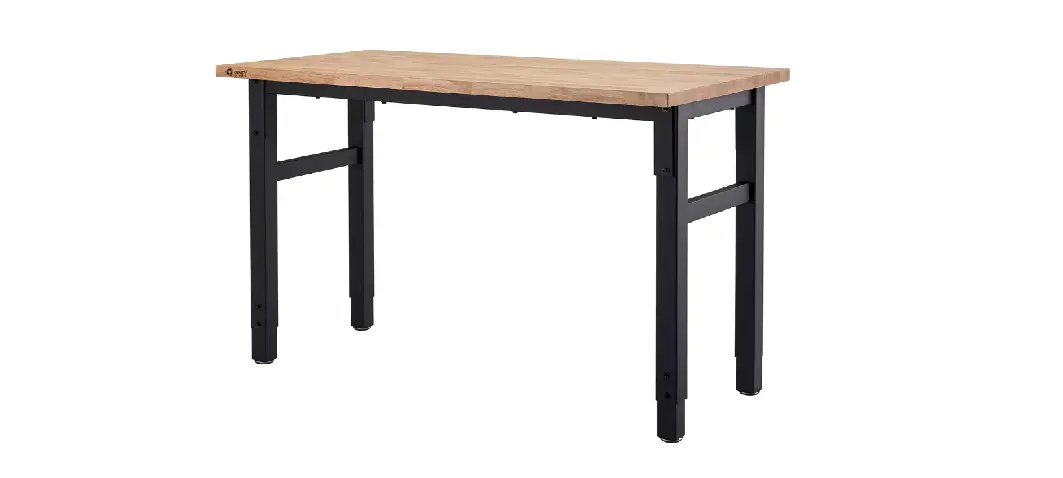
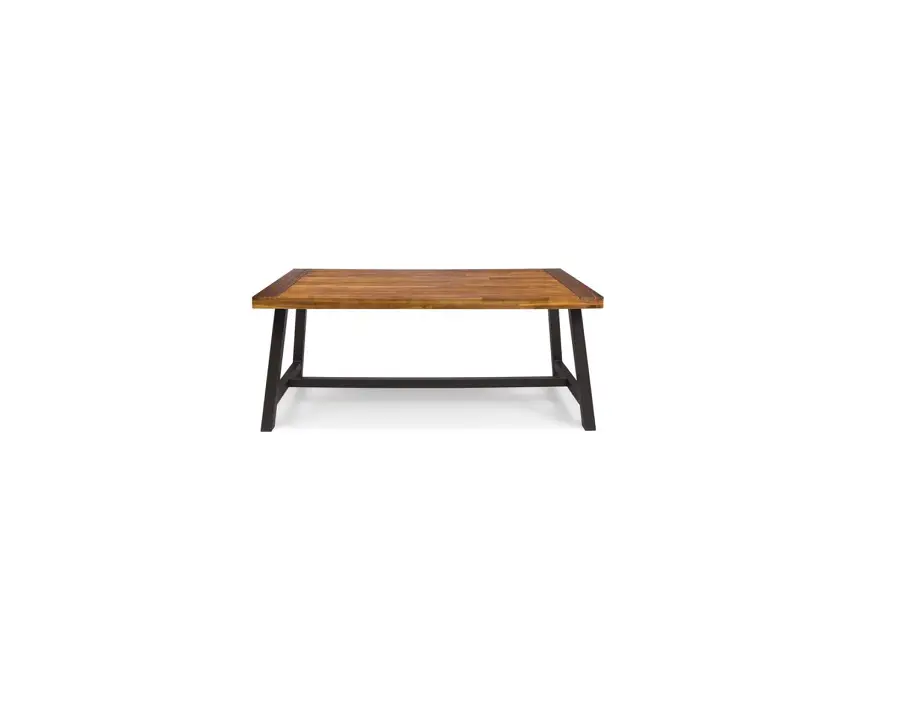
Wood Top Work Tables
Product Information
The product is a wood top work table designed for cutting and
food preparation. The wood top has an oil finish that provides a
natural matte appearance and protects the wood from moisture and
humidity exchange.
Product Usage Instructions
- Regularly inspect the wood surface for any dry spots. Apply
additional oil to these areas using a soft cloth or brush. Avoid
over-oiling the wood surface. - Maintain the bevel on the edge of the worktop to prevent
splitting or chipping. Do not cut continuously on the same surface
area; distribute your cutting over the entire work surface to
ensure even wear. - For minor scratches, sand the affected area with a fine grit
(#200) sandpaper. Always sand with the grain. If the scratches are
located along the edges, lightly sand the edges into the
surrounding area. Remove all dust after sanding. - To clean the worktop surface, ensure it is free from any food
debris, dirt, oil, or grease. - Use a good steel scraper or spatula several times a day, as
necessary, to keep the cutting surface clean and sanitary. Avoid
using a steel brush on the cutting surface. - Wipe the top thoroughly with a clean cloth and mild soap and
water solution to remove debris. - Rinse the cloth in clean warm water and go over the surface
again to remove any remaining soap. - Thoroughly wipe all surfaces with a clean dry towel. Allow
residual surface moisture to air dry before reapplying mineral
oil.
Caution: Follow these instructions carefully to
maintain the quality and longevity of your wood top work table.
Visit www.RegencyTablesandSinks.com
for more information.
Tables and Sinks
Wood Top Work Tables
Care & Maintenance
INSTALLING YOUR WOOD WORKTOP Wood worktops should be installed to ensure equal exposure to the ambient atmosphere on all surfaces including the bottom. When attaching a wood worktop to a base, the worktops should be installed or attached to provide 1/16″ expansion for every lineal 12″ of width, perpendicular to the grain direction. Slotted or oversized holes may be used in the supporting frame to provide this tolerance. Note: In order to maintain NSF listing for the completed table, tops must be attached to NSF Certified bases or bases constructed to the requirements of NSF/ANSI standard 2-2010. Field alterations to the table top, altering the length or width, making notches or cut-outs will void the NSF Certified listing on the wood worktop.
OIL FINISHED WOOD TOPS An oil finish is intended to be used for a cutting surface. The oil finish has a natural matte appearance that helps to protect the wood from moisture and humidity exchange.
Oil Finished Wood Tops
CARE & MAINTENANCE INSTRUCTIONS A minimum of once a month (depending upon the use and household conditions), apply an even coat of mineral oil to all surfaces of your worktop using a clean cloth, disposable towel or mineral oil applicator. The more often it is cleaned, the more often it should be oiled. A dry appearance is a sure sign it is time to oil your wood surface. 1. Make sure the worktop surface is free from any food debris, dirt, oil, or grease before applying mineral oil. 2. Allow the mineral oil to fully penetrate through the wood fibers overnight, then wipe off any excess oil. Apply
additional oil to any visible dry spots or for any other necessary reasons. Do not over oil your wood surface. 3. Maintain the same bevel on the edge of your worktop as it had when purchased. This helps prevent splitting or
chipping on the outside of the worktop. 4. Be sure NEVER to cut continuously on the same surface area. Distribute your cutting over the entire work surface so
that it will wear evenly. 5. Minor scratches can be repaired by sanding the affected area with a fine grit (#200) sandpaper. When sanding,
always sand with the grain. If the area needing repaired is located along the edges, lightly sand the edges into the surrounding area. Remove all dust.
www.RegencyTablesandSinks.com
1
Tables and Sinks
CLEANING INSTRUCTIONS 1. Make sure the worktop surface is free from any food debris, dirt, oil, or grease. 2. Use a good steel scraper or spatula several times a day, as necessary, to keep the cutting surface clean and sanitary.
Scraping the surfaces will remove 75% of the liquids. Do not use a steel brush on the cutting surface. 3. With a clean cloth and mild soap and water solution, wipe the top thoroughly until all the debris is removed. 4. Wash out the cloth in clean warm water, wring out, and go over the surface again to remove any remaining soap. 5. Thoroughly wipe all surfaces with a clean dry towel. Allow residual surface moisture to air dry before reapplying
mineral oil.
Caution
· DO NOT allow fresh, wet meats and liquids of any type to stand on the worktop surface for long periods of time. Brine, water, and blood, contain liquids that soak into the wood, causing the worktop surface to expand, the wood to soften, and affects the strength of the glued joints.
· DO NOT cut fish or poultry on the worktop surface unless you have thoroughly followed the proper care instructions. · The moisture barrier must be intact prior to cutting any type of fish, seafood, or poultry on the worktop surface. · ALWAYS CLEAN THE WORKTOP SURFACE THOROUGHLY AFTER CUTTING FISH OR POULTRY. · DO NOT use a razor-edged cleaver or serrated knife. These may chip or splinter the wood and produce soft spots. · DO NOT wash your worktop with harsh detergents of any type. Harsh chemical cleaners may result in permanent
damage and discoloration to the surface. · DO NOT place worktops near excessive heat (such as a stove) without proper insulation between the heat source and
the edge of the surface. · DO NOT over oil your wood surface.
www.RegencyTablesandSinks.com
2
 Home | Regency