
aune DAC-BT Audio Receivers & Amplifiers
Specifications
- Package Dimensions: 89 x 6.22 x 3.7 inches
- Item Weight: 01 pounds
- Item model number: Flamingo Tube DAC-BT
- Batteries: 1 C battery required. (Included)
Product Descriptions
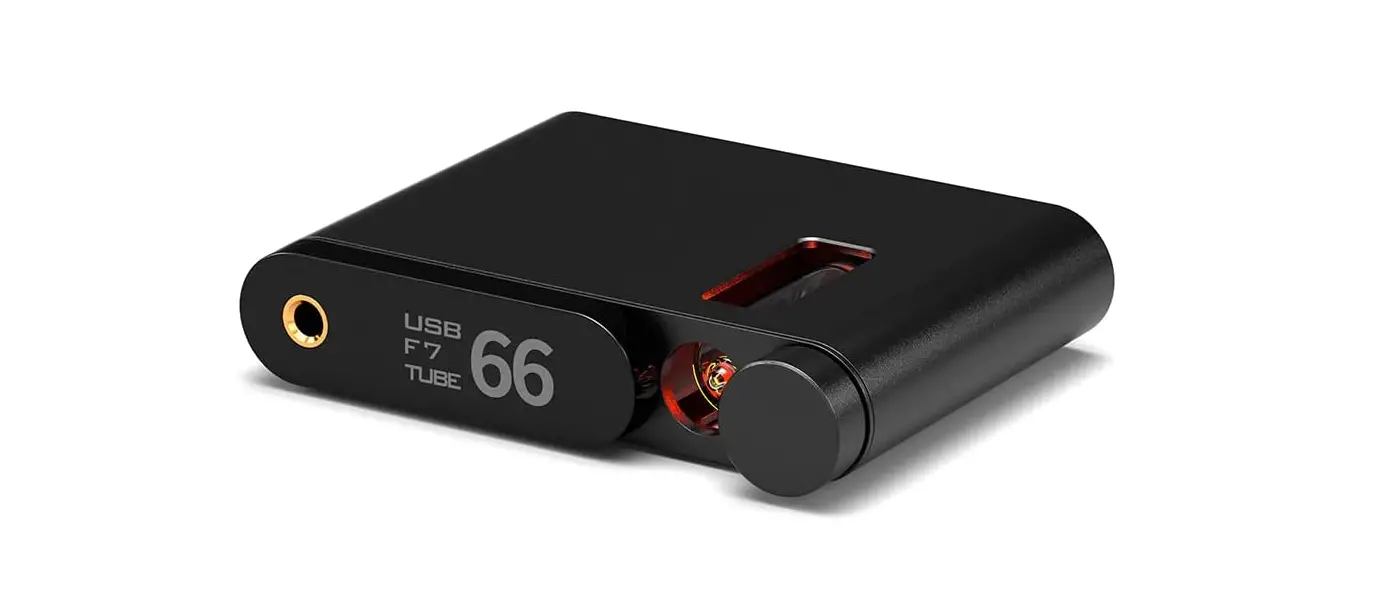
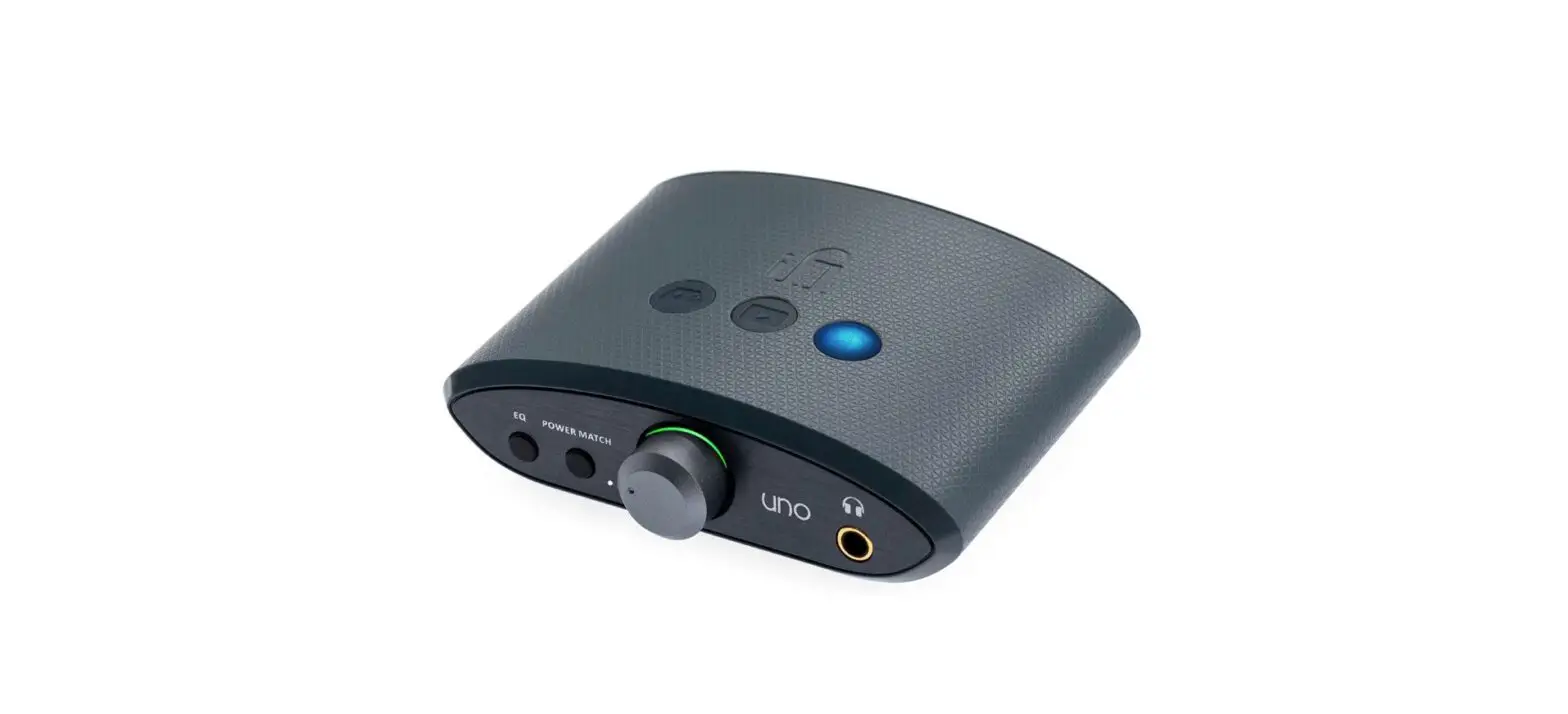
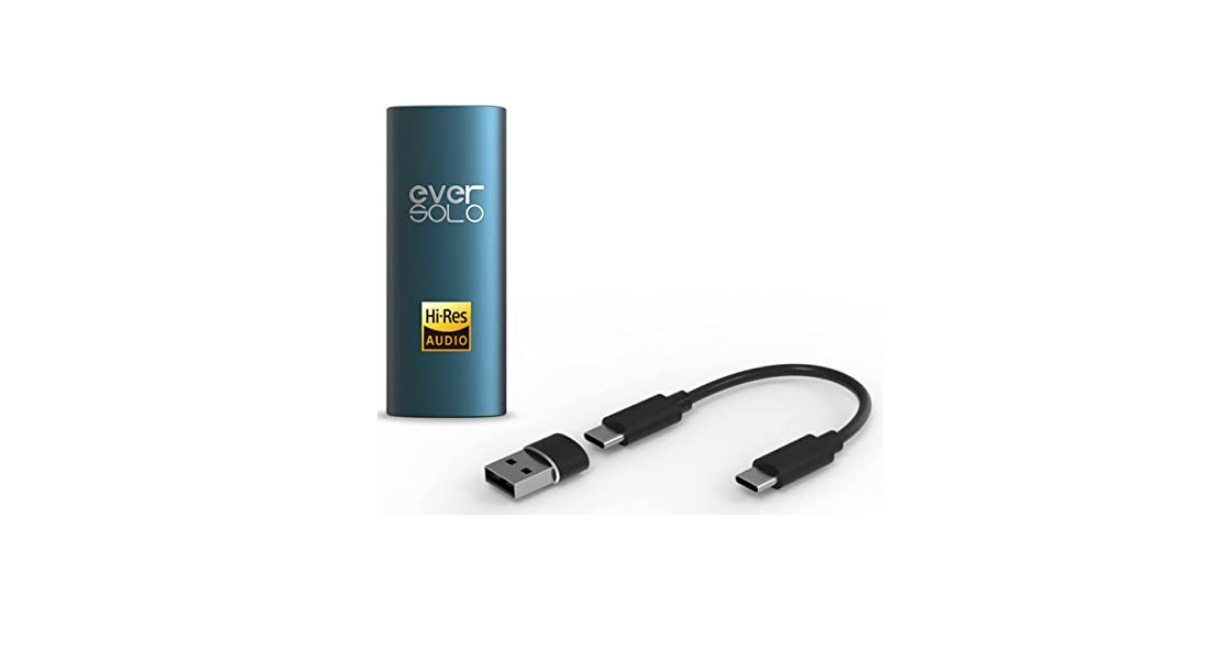
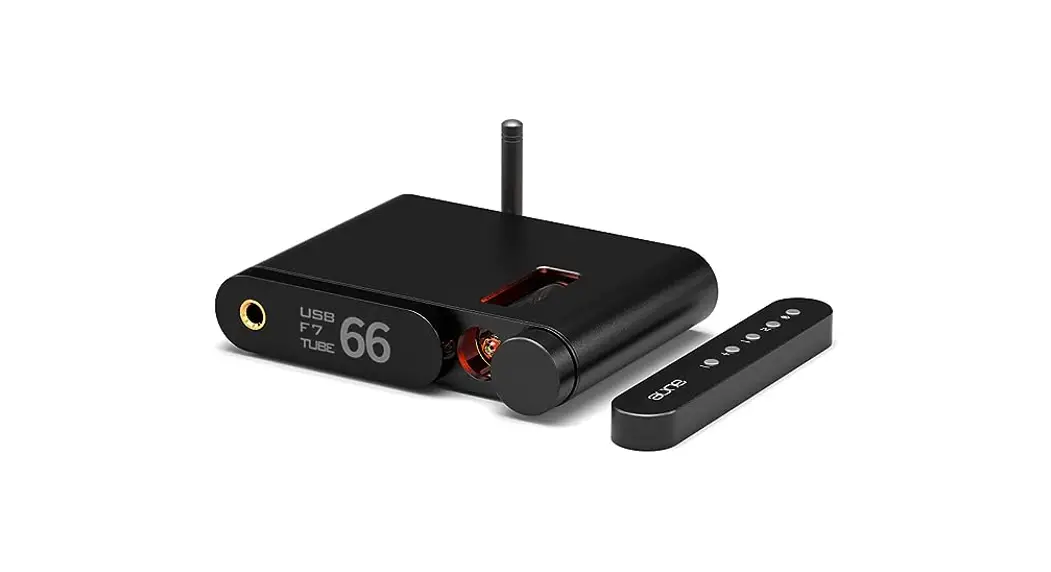
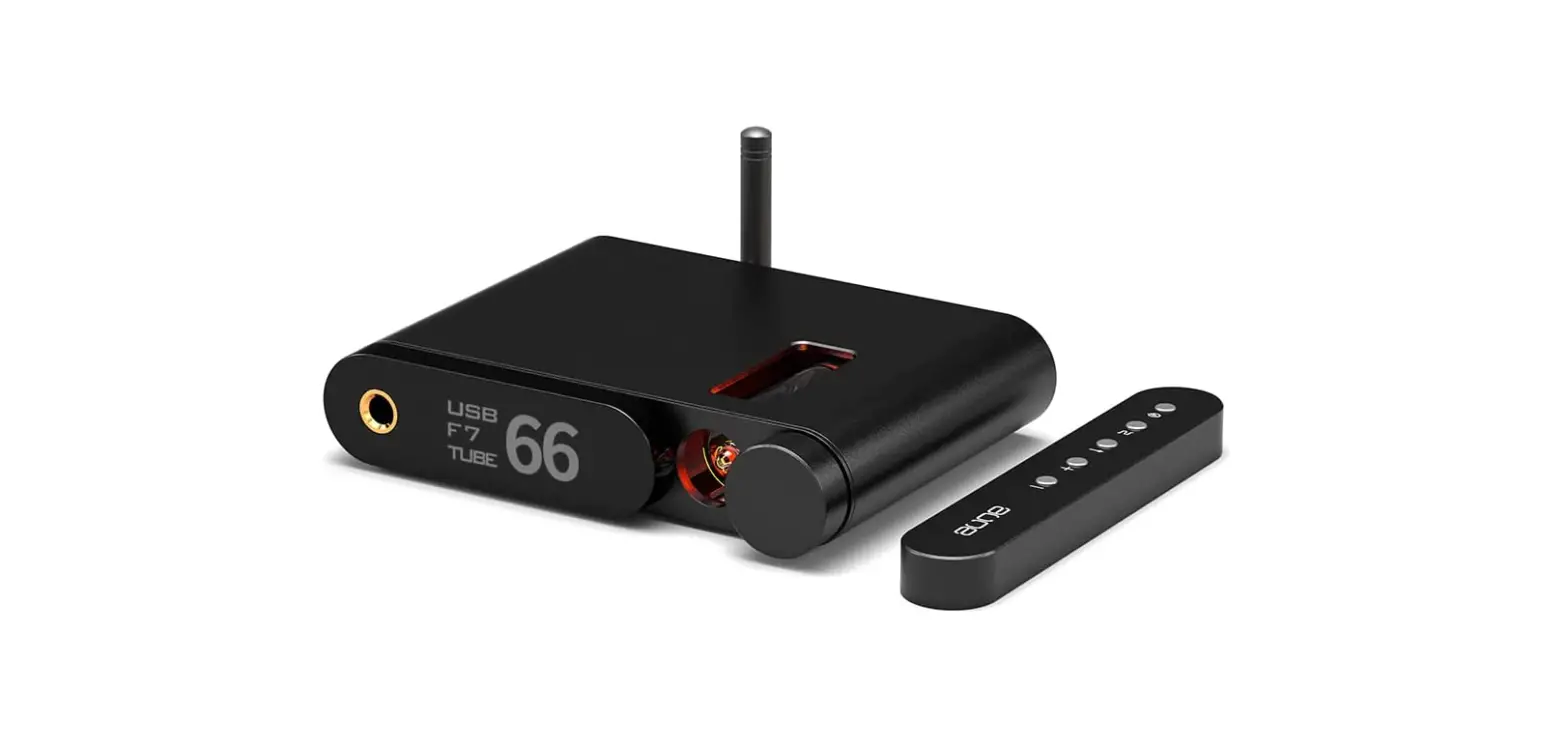
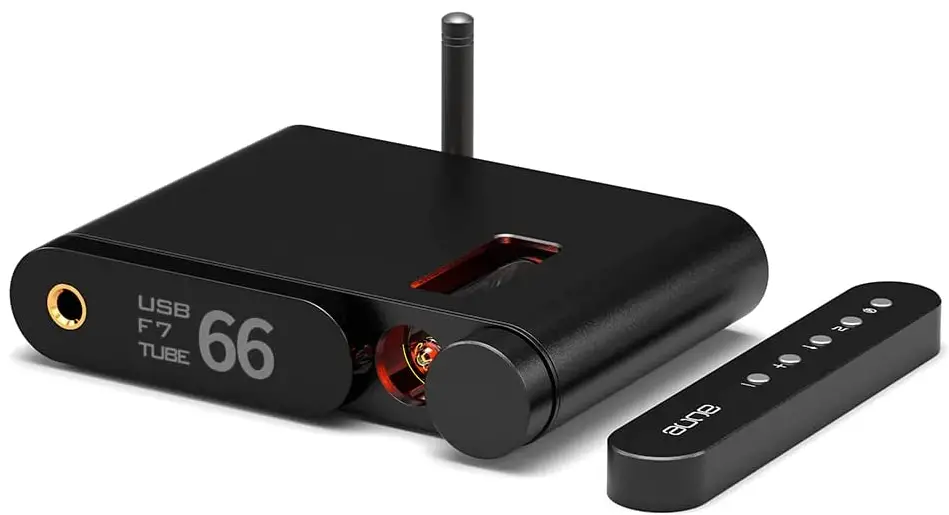
Among home audio receivers and amplifiers, the aune Flamingo tube DAC Amp Combo features an op-amp mode in addition to a tube in its small form that can produce a pleasant and mellow tone.
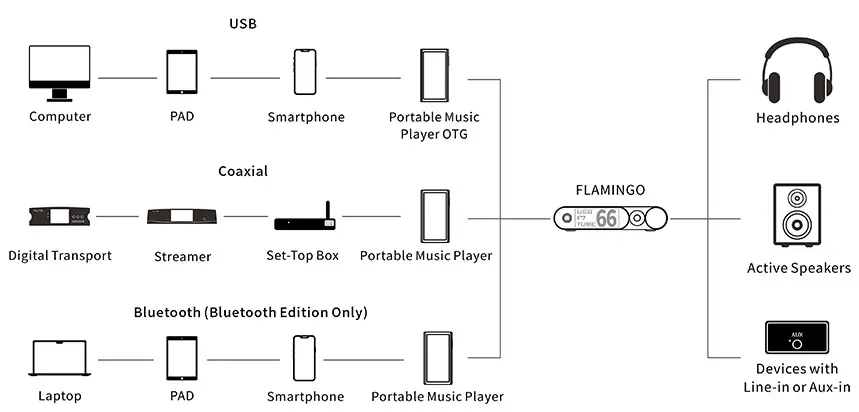
The USB input support for a USB sound card, external sound card, or USB DAC (digital to analogue audio converter) is up to 32 bits/768 kHz and DSD512. An iPhone DAC is also possible (the necessary cable is included). The coaxial input support is up to 24 bits/384 kHz and DoP128.
You can experience high-resolution audio even when using Bluetooth because the Bluetooth version supports aptX HD and LDAC and functions as a Bluetooth DAC, home audio receiver, and Bluetooth headphone receiver. Aune’s 2014-born classic tube DAC series is currently in its fifth iteration.
The latest generation has better performance than any of its predecessors despite being substantially smaller thanks to our understanding of tube circuits and years of experience using tubes in audio.
Multi-Connectivity
Features
- Make a Tube one Out of Your Audio System
The Flamingo is a small, versatile tube audio DAC that may be utilized in a variety of settings, including your home and workplace. Vacuum tubes have been around for more than a century. It has superior overload tolerance, improved linearity, more consistent harmonics, and a distinct flavor that transistors lack. - Dual Mode & High Resolution Audio
The Flamingo offers master tape-level decoding capabilities: Coaxial input: up to 24bit/384k; USB input: up to 32bit/768k and DSD512. Both the tube mode and the op-amp mode are available. Two different modes, two tastes. - Receiving in High Definition through Bluetooth (Only the Bluetooth Edition)
1 Bluetooth supports LDAC, AAC, and Qualcomm aptX HD. - High-end and attractive tuning
High-quality Hi-Fi parts as communication-level FR PCB material; C0G capacitor, low-ripple LDO, etc. are used in the Flamingo.
Cautious
When the gadget is functioning, the tube may become warm. Avoid touching it. US-style plugs are used. An appropriate adaptor is required to utilize it in another area. Before placing the order, kindly verify compatibility.
Frequently Asked Questions
Usually not.
An amplifier is already present in an A/V receiver.
An audio signal can be received, processed, amplified for speakers, and video can be passed through to a TV or projector using an A/V receiver.
Yes, there are few exceptions to this rule where you can add more amps to a configuration that already has a receiver installed.
However, generally speaking, you use an AV receiver for home theatre and a stereo amp for hi-fi.
That’s how easy it is, in fact.
A receiver has a built-in radio portion, whereas an amplifier does not, and this is the primary distinction between a receiver and a “normal” integrated amplifier with reference to sound systems.
Therefore, while not all amplifiers are receivers, all receivers are technically amplifiers
The majority advise using 25 to 400 watts and some even more.
Choose a receiver that can output a consistent level of power within the recommended rating. For example, if a speaker needs between 25 and 150 watts, a 45 to 100 watt receiver would be a great choice.
Amplifiers shouldn’t be left on since prolonged and continuous heat exposure might cause internal components, including the filament, to wear out.
It’s advisable to switch your amps off when not in use, though.
The receiver has greater reverberation, delays, and decoding circuitry.
In order to improve sound quality, the receiver also amplifies the source signal; this is another setting that may be adjusted dependent on the room and speaker configuration.
You can link two receivers together and increase the sound output of the complete system by adding more speakers.
You may easily connect two audio receivers by yourself if you have two and want to.
Receivers for stereo and surround sound
They have a variety of uses, but their primary function is to accept audio and videosignals from different sources (such as a turntable, Bluray player, or cable box), amplify them, and then deliver the audio to your speakers Receivers function for those same devices as a switcher.
A common question is whether it is secure to connect two amplifiers together.
There are numerous possibilities, therefore it is feasible.
The choices are determined by the input/output settings of the machine.
You might have an outdated amplifier that you think will improve the sound of your audio setup.
No amplifier is required.
If whatever you use to listen to music can achieve that on its own: a lack of power isn’t one of your difficulties. An amplifier’s duty is to raise the power output of your source to the level you want.
You may now stop reading and continue listening to your favourite podcasts!
The head unit’s weak audio stream is amplified by an amplifier to make it strong enough to move
The receiver transmits the audio to the decoder and transmits the video to your television. The information is sent to amplifiers for each sound channel output after the decoder separates the various sound channels from the video stream. The suitable speaker or speakers are connected to these amplifiers.
The size of your space is the first factor to consider when selecting an AV receiver. This serves as the basis for determining how much power, how many channels, and ultimately how much money you’ll need to spend to acquire these things.