
Specifications
- Item Package Dimensions L x W x H: 14.5 x 10.7 x 2.8 inches
- Package Weight: 2.4 Pounds
- Item Weight: 1.09 Kilograms
- Part Number: L10-WBR
- Sport Type: Track & Field
What’s in the box?
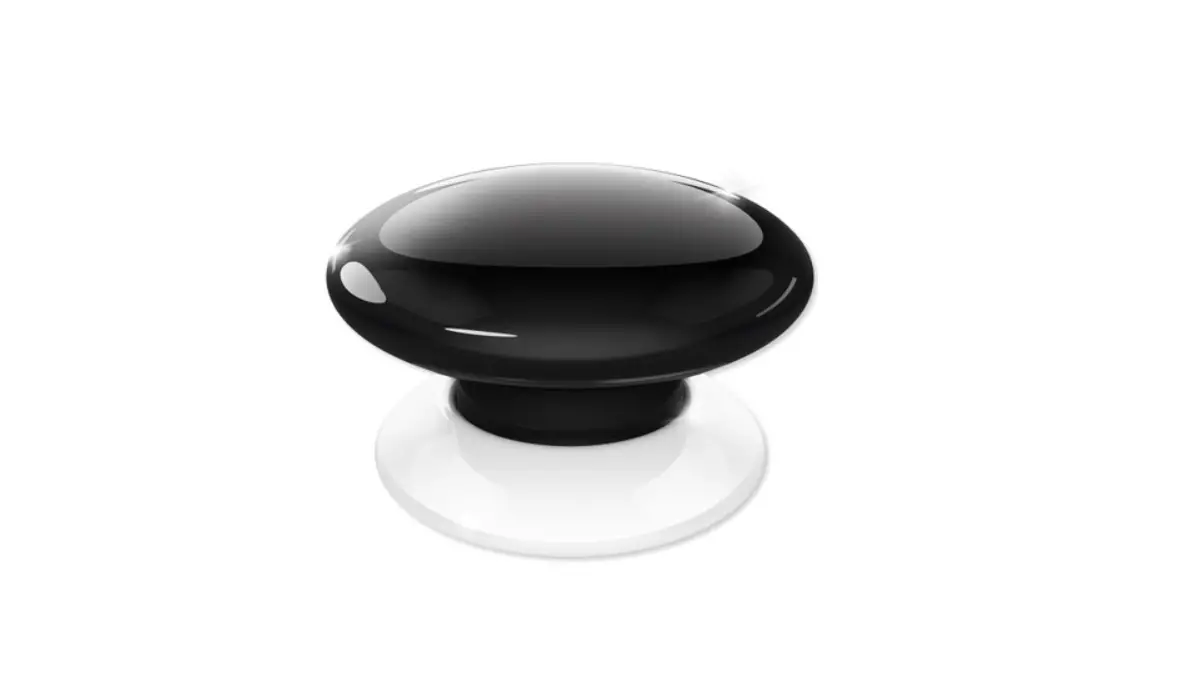
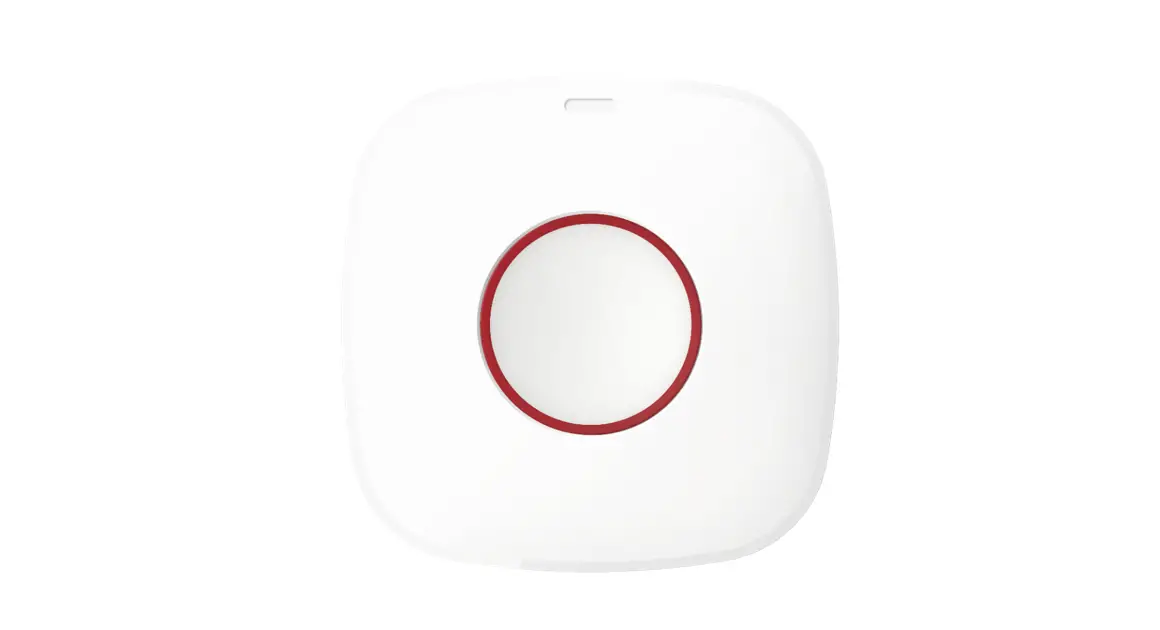
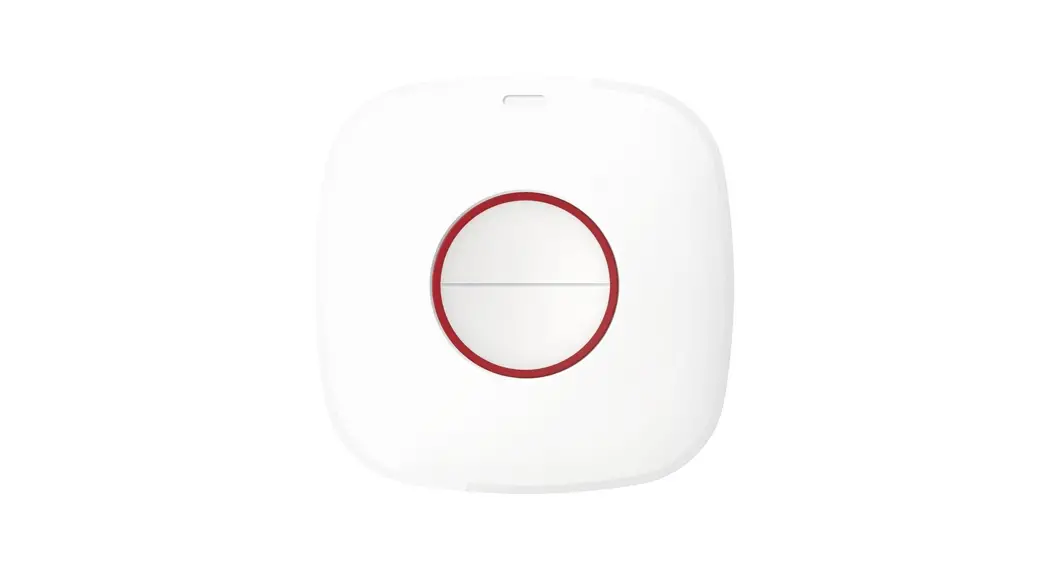
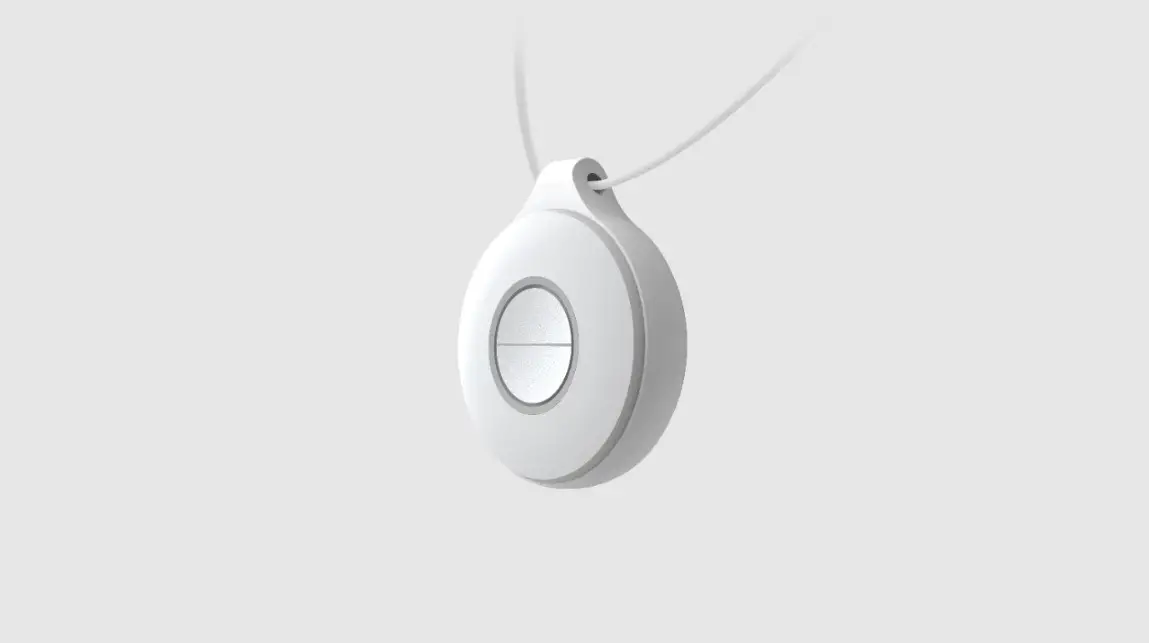
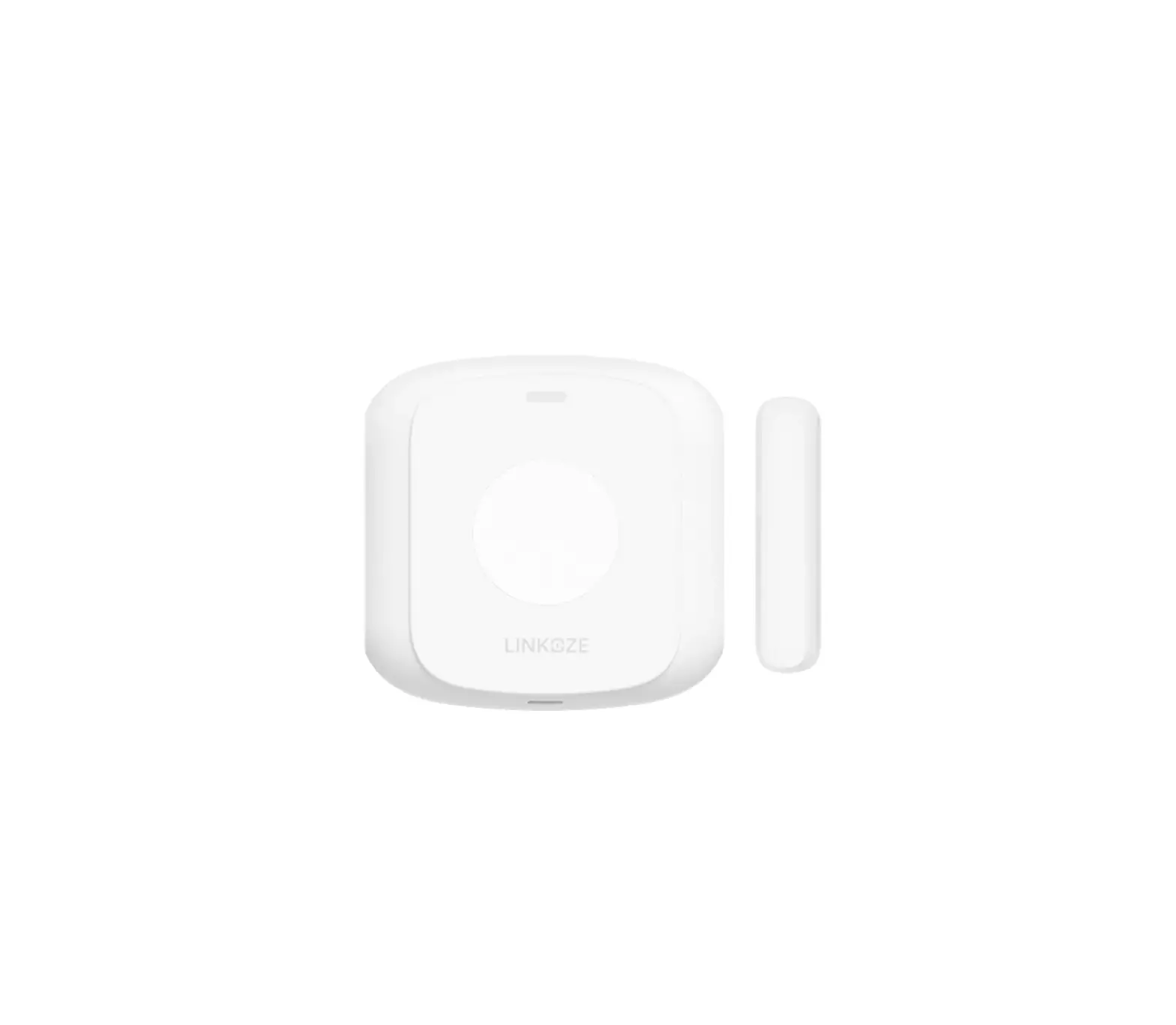
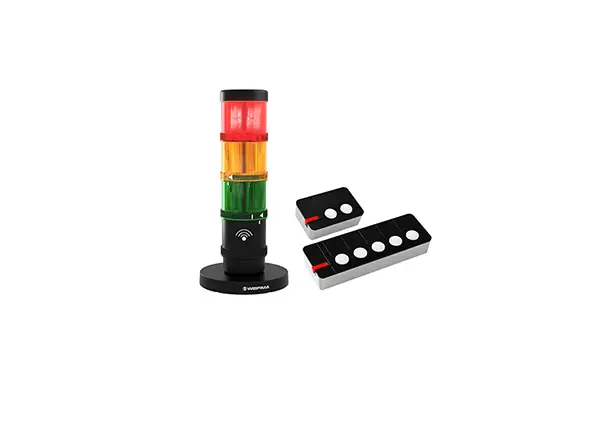
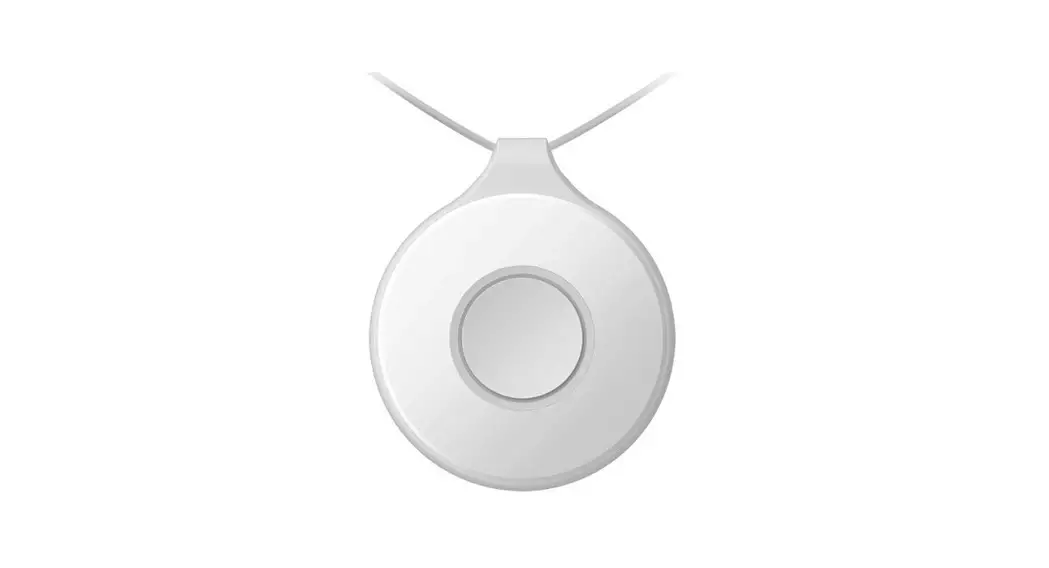
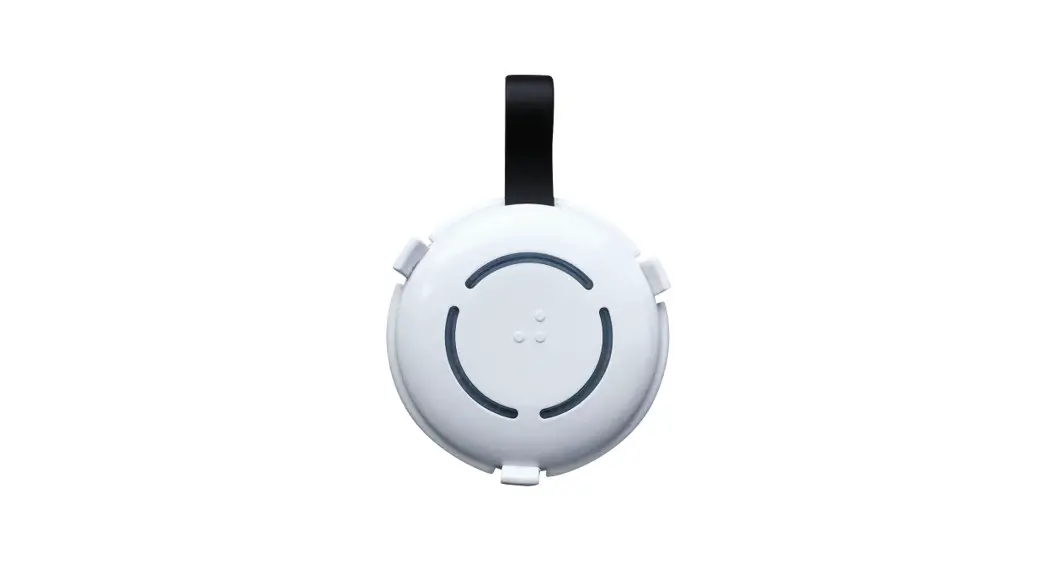
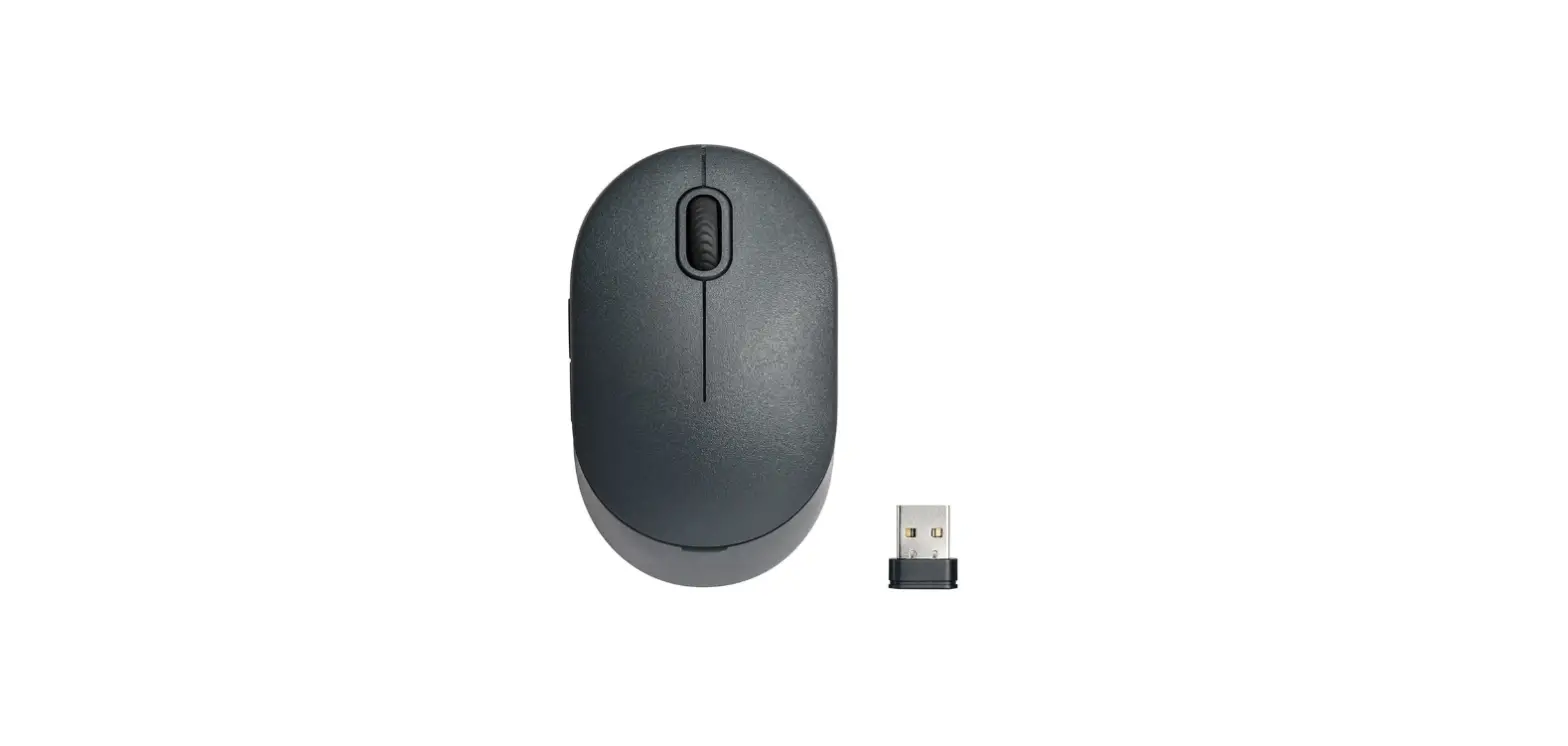
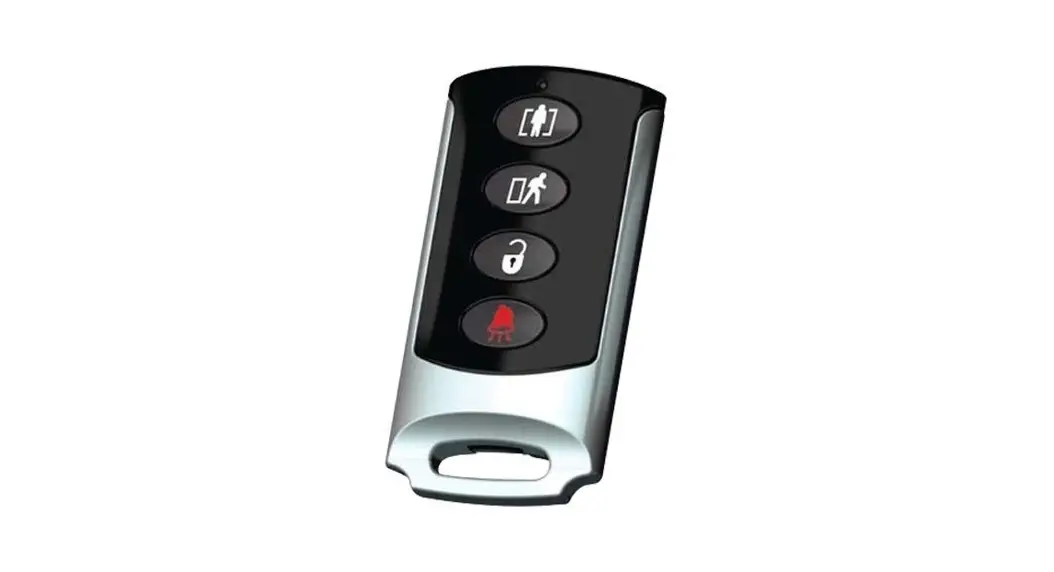
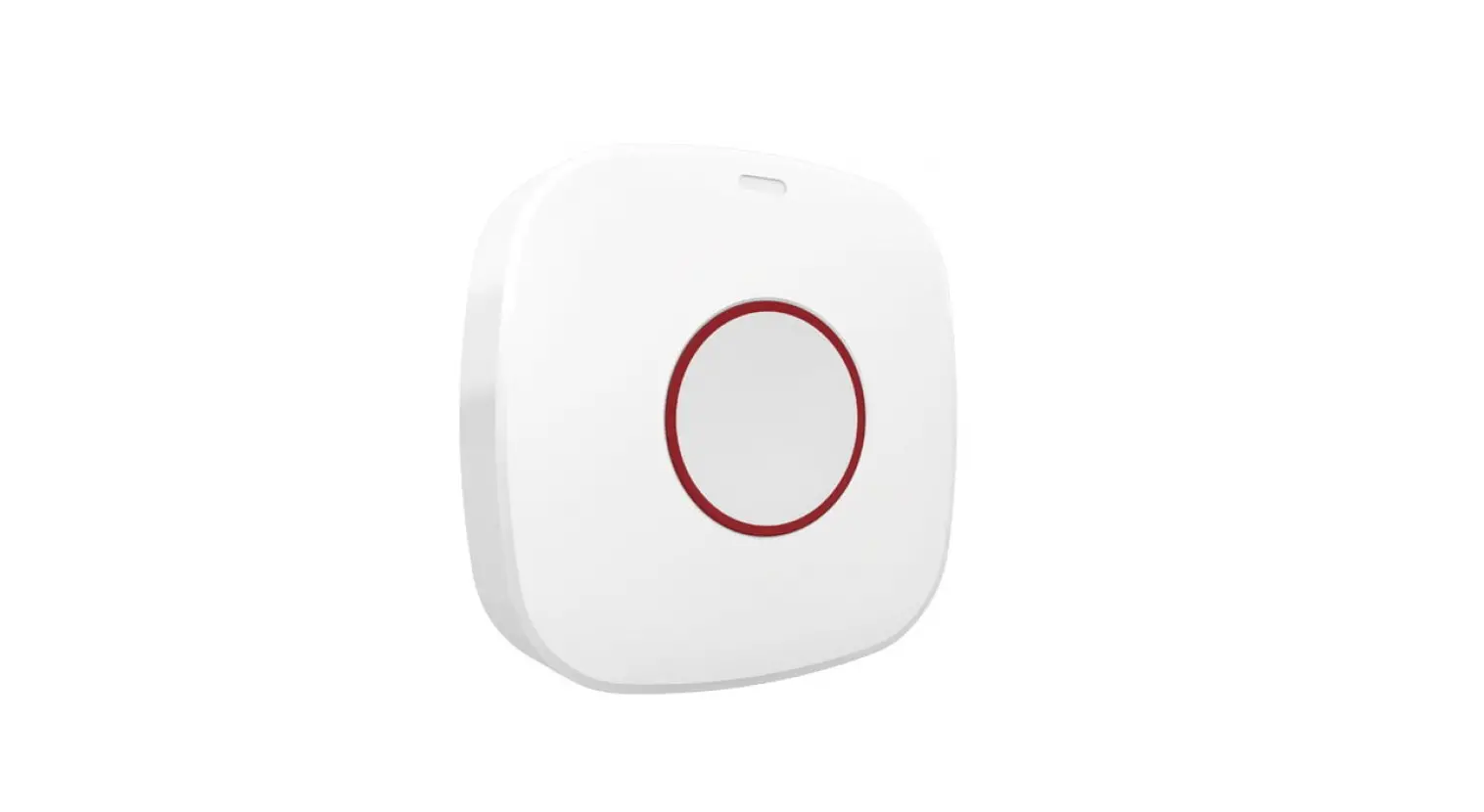
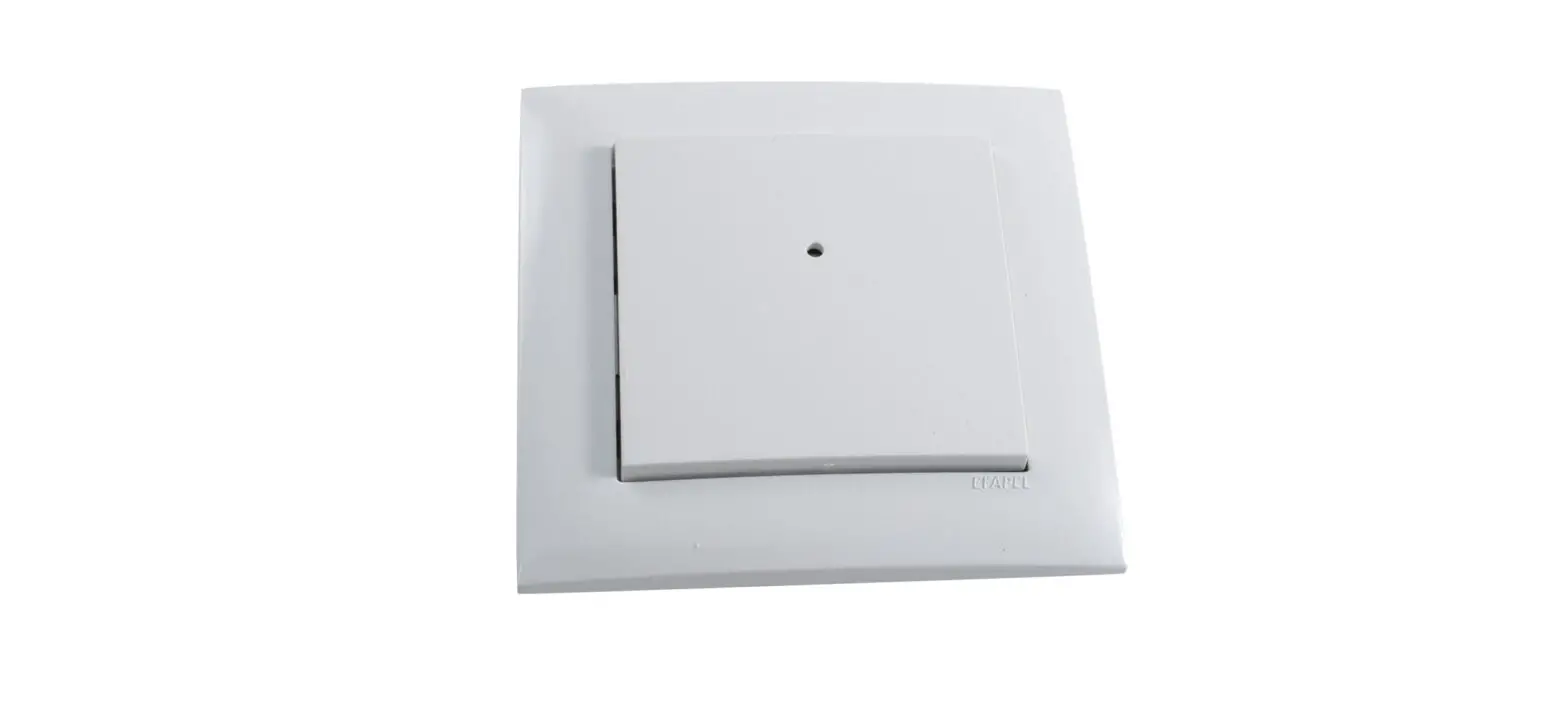
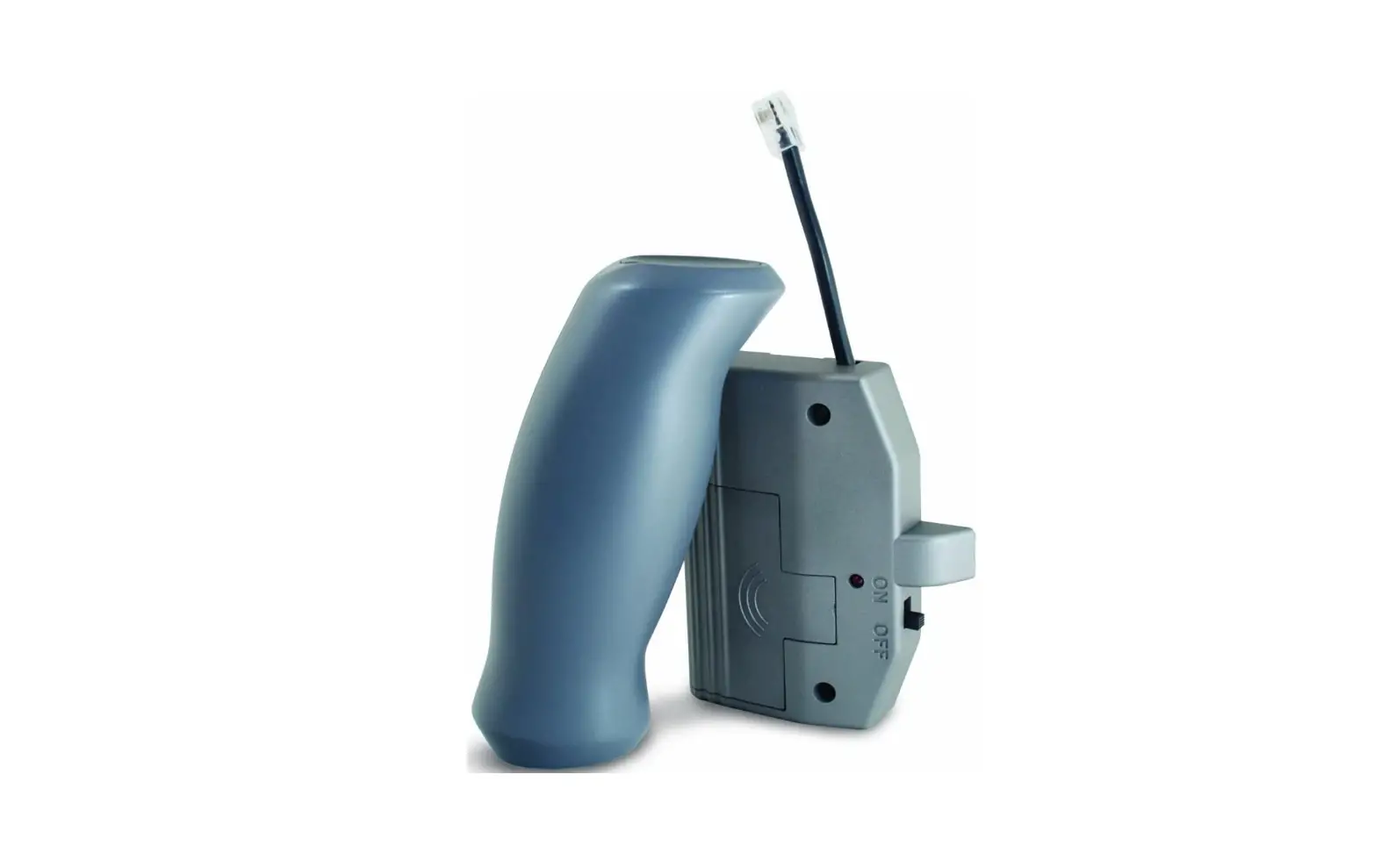
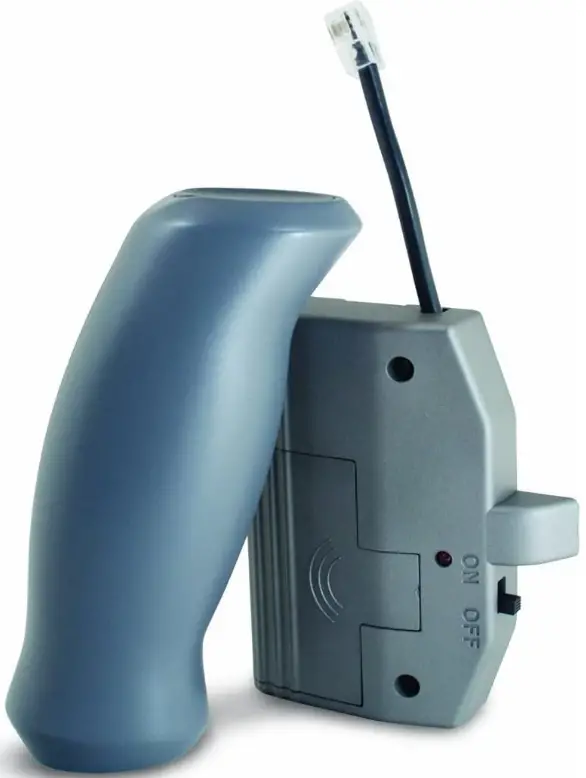
- Wireless Button with Receiver
Product Description
One wireless button and receiver are included with the Ultrak L10 Multi-Lane Timer. In order to prevent interference with other L10 timers, it used radio frequency technology and presettable RF channels. It operates within a 30 meter/100 foot range. Ten buttons can be connected to one receiver. For each button, there are user-preset lane numbers. It runs on batteries and works with all L10 models.
Features
Ultrak L10 Multi-Lane Timer wireless button and receiver radio frequency operation; cross interference is avoided by predefined RF channels. Working range of 30 meters/100 feet; 1 receiver can link up to 10 buttons. Each button’s lane number is selected by the user; battery-powered compatible with all L10 iterations
Radio frequency operation; presettable RF channels to prevent interference with other L10s nearby; 30 meter/100 foot operating range; one receiver box can link up to ten buttons; user presets lane numbers for each individual button; battery operation (2 AAA batteries for buttons and receiver box); compatible with all L10 versions; A receiver box and either one or ten lane buttons are available as options. Extra buttons are also available for purchase individually.
Frequently Asked Questions
Reducing Radio Frequency (RF) Exposure: Steps to Take
Cut back on the time you spend on your phone. To put extra space between your head and the phone, use speaker mode, headphones, or earbuds. As weak signals cause cell phones to increase RF transmission power, avoid making calls when the signal is weak.
As a result, the average ranges with transmitter powers of 1 W and 10 W are up to 30 kilometers and 80 kilometers, respectively, for the 400 MHz frequency range. RF connection functional factors are illustrated in a sample image at the conclusion of this document.
Sound waves, a sort of analogue signal, are sent to your receiver via AM and FM radio. The information transmitted by modern digital radio is coded as a digital signal made up of numbers. Every second, millions of radio waves carrying data and sound wave signals make their way to your receiver.
They can, yes. Surprisingly, even those who are deaf can hear sound as electric current flowing through their heads. The term for it is electrophonic hearing. One of the papers about hearing radio frequencies is available here.
To create a radio receiver that is practical, design must take into account a number of key factors. Gain, selectivity, sensitivity, and stability are the major criteria. To recover the data that was first imprinted on the radio carrier signal, a process known as modulation, the receiver must include a detector.
Realistically, the maximum communication distance between two persons using a handheld two-way radio on flat terrain without any obstacles is between 4 and 6 kilometres. You might be asking why you see radios that advertise a range of at least 25 miles. They could communicate that far technically.
Radio receiver types Radios with digital tuners: Digital radio receivers convert the digital audio signals received from the digital radio signals to analogue audio, and they are only compatible with digital radio transmission or internet broadcast. Debojit Acharjee is the author.
The FM receiver’s operation and its parts contribute to this. An antenna: To identify the frequency waves first. Electronic filters are used to isolate the necessary radio waves from all other types of detected frequency waves. Amplifier: A device that boosts the radio signal’s power.
According to researchers, the signals have been present consistently and can last up to three seconds. The majority of fast radio bursts, or FRBs, are extremely brief.
Simplest radio receivers are crystal radios, which may be constructed with a few low-cost components like earphones, a coil of wire for an antenna, a capacitor, and a crystal detector (because a crystal set has insufficient power for a loudspeaker).
Sensitivity, selectivity, and stability make up a radio receiver’s fundamental performance traits. Sensitivity is the ability to receive faint radio signals. For a signal with a frequency bandwidth of roughly 1 kilohertz, the signal strength may be as low as 10–19 watt.
From the transmitting antenna to the receiving antenna, radio waves can travel through or along the earth’s surface, through the atmosphere, or by reflecting or scattering off of natural or man-made reflectors.
Non-conducting materials like wood, bricks, and concrete can be reasonably effectively penetrated by radio waves. They cannot cross metals or water, which are electrical conductors. Radio waves from distant space can enter Earth’s atmosphere above v = 40 MHz.