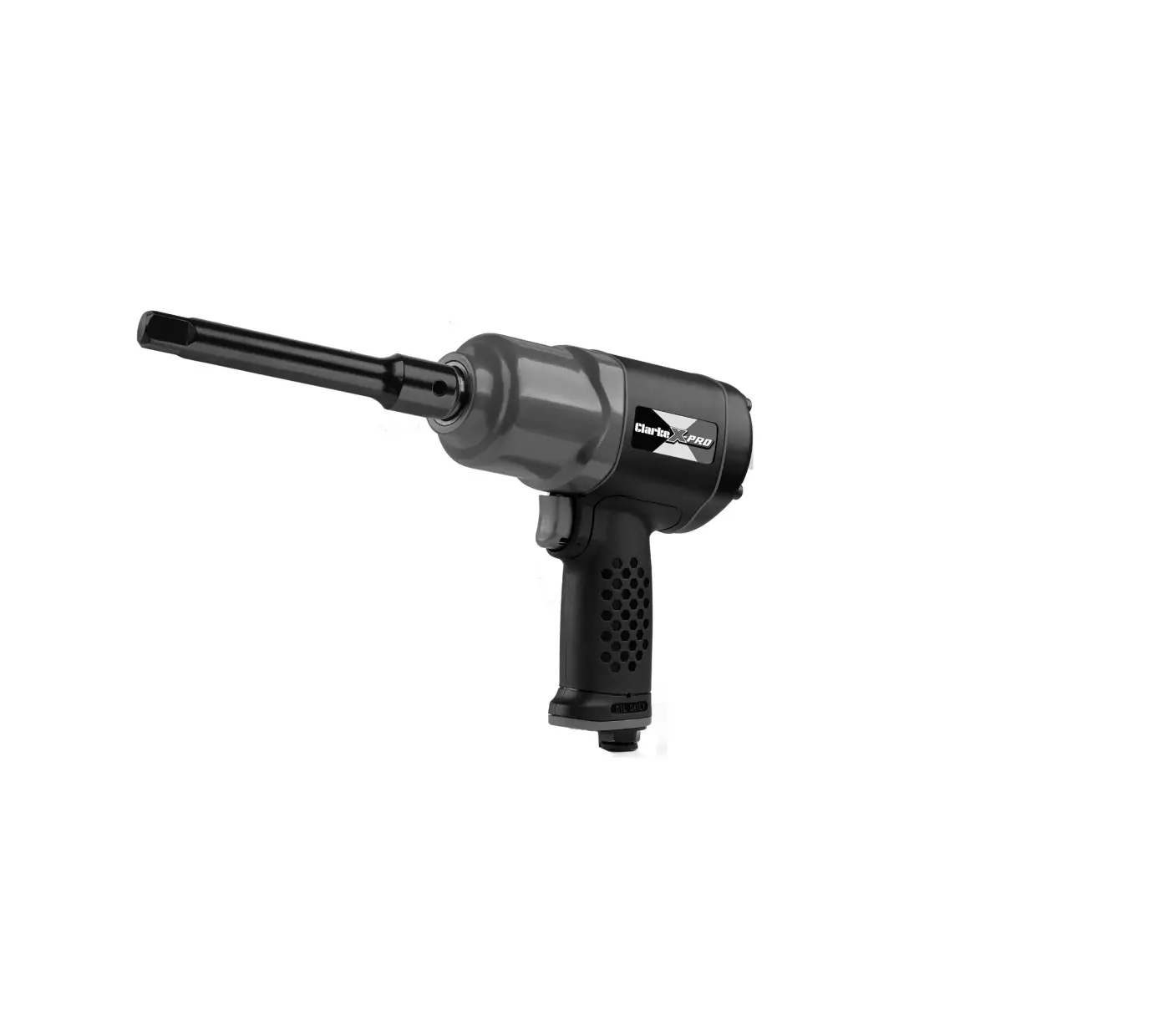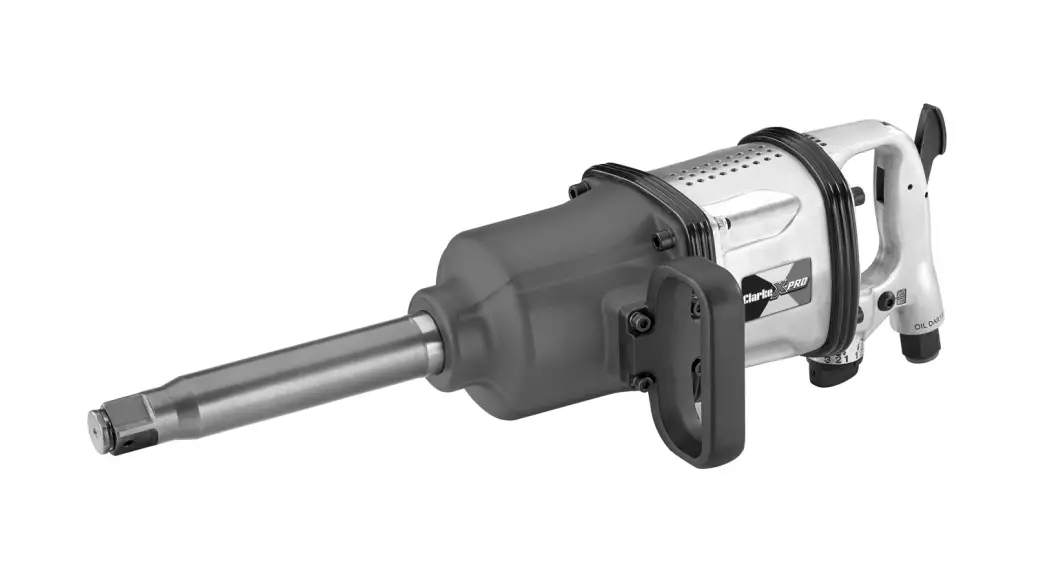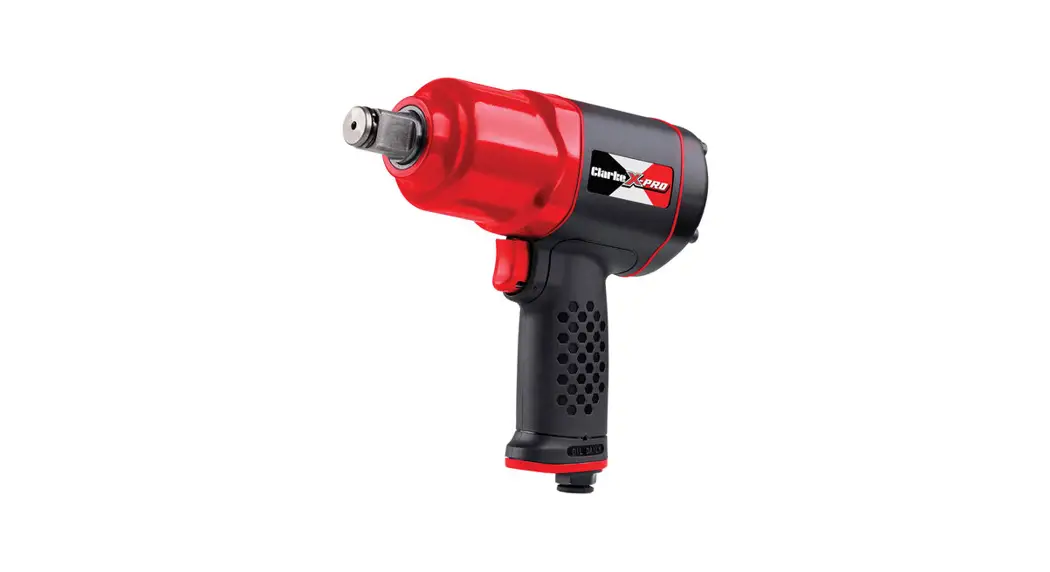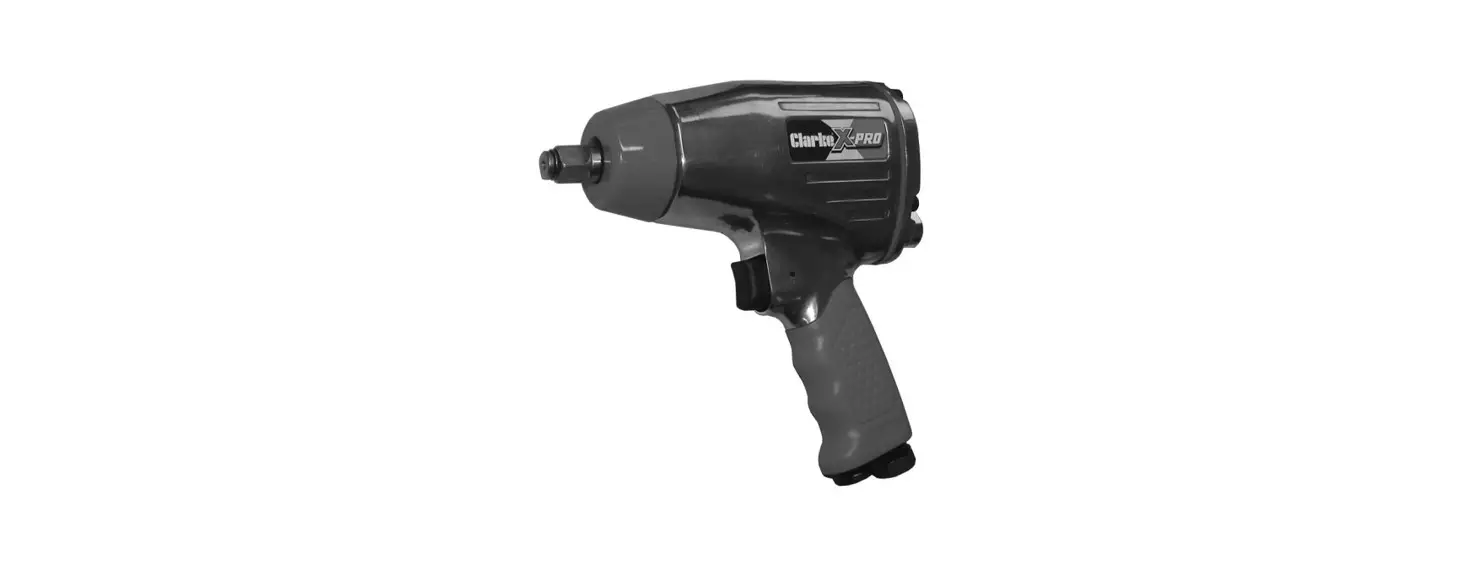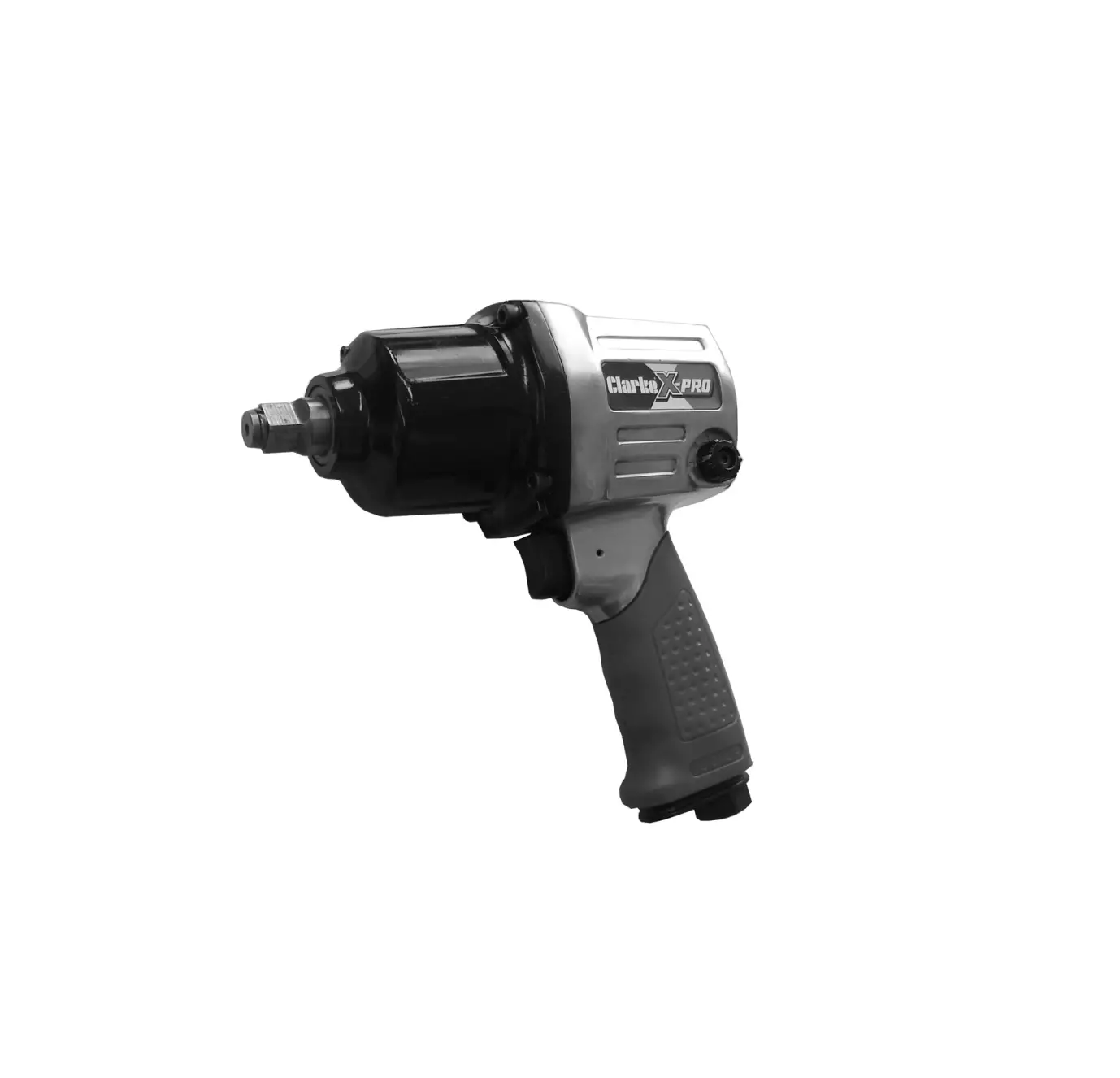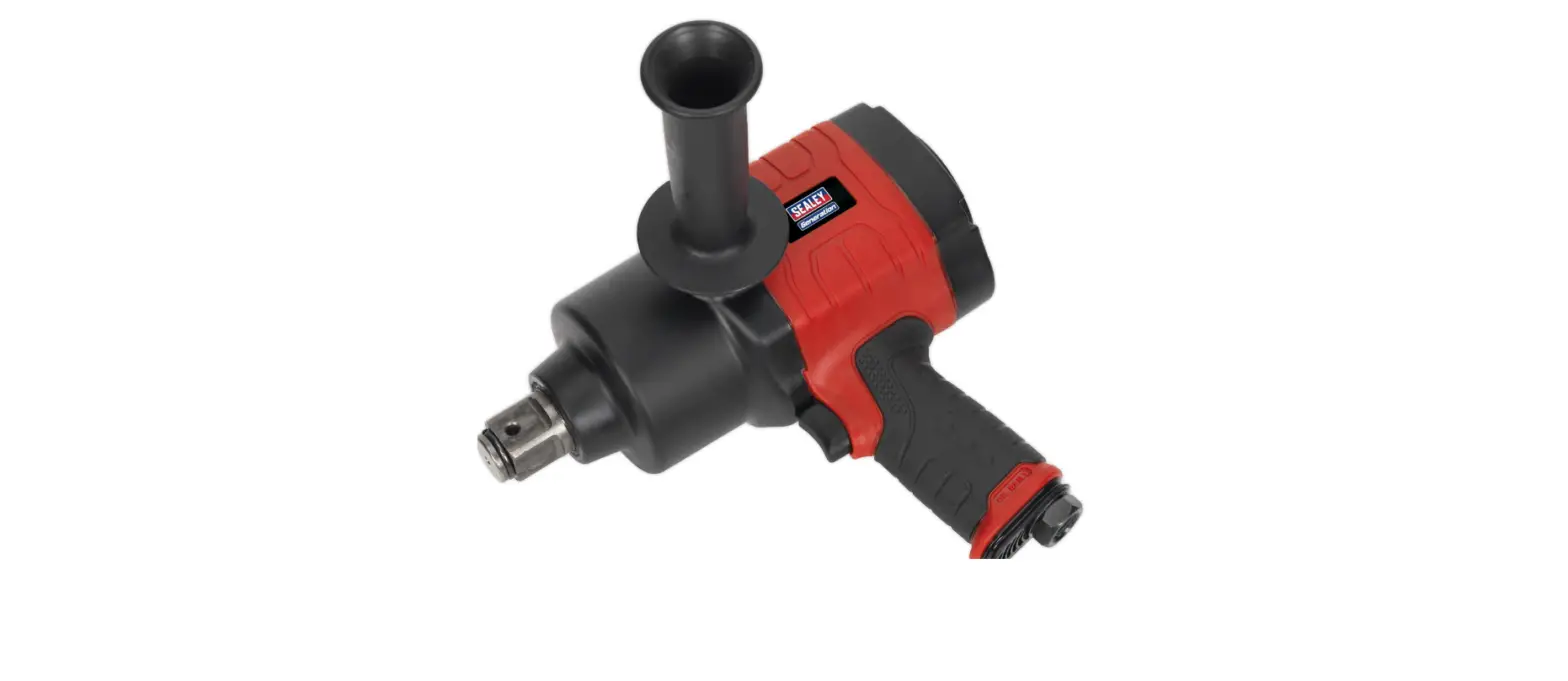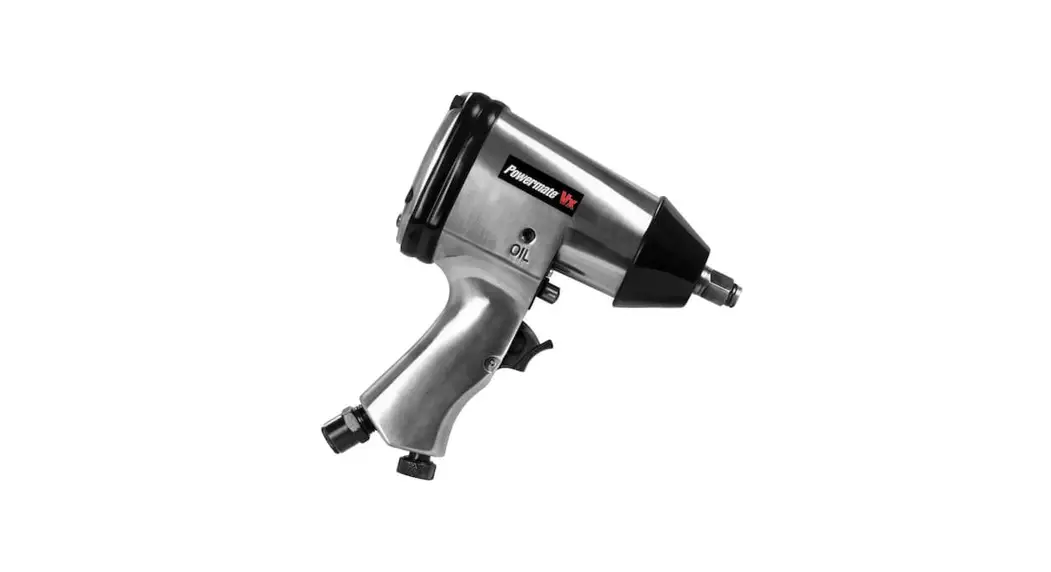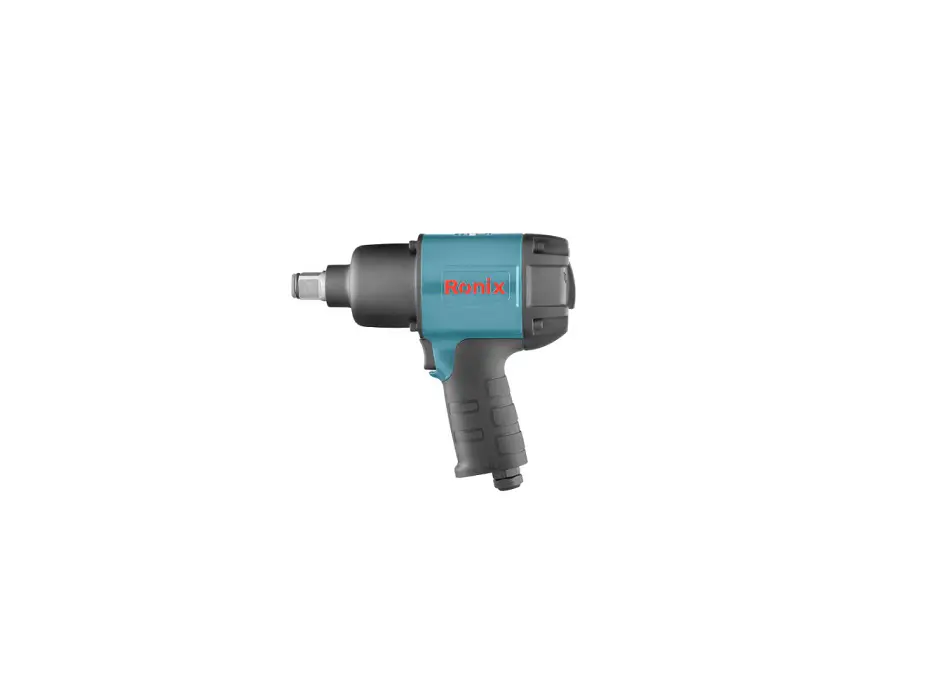
Ronix RA-1211 Air Impact Wrench Instruction Manual

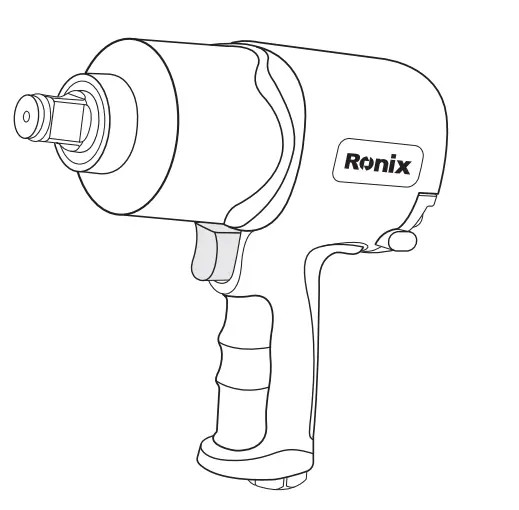
SPECIFICATIONS
| Model | RA-1211 |
| Head Style | Fixed Square |
| Max torque | 1000ft.lb, 1800N.m |
| Working Pressure | 90Psi, 0.63MPa, 6.3Bar |
| Drive anvil size | 3/4” |
| No-load speed | 7000RPM |
| Bolt size | 1”, 25mm |
| Air inlet (NPT) | 3/8″, 9.52mm |
| Air hose (ID) | 1/2″, 12.7mm |
| Avg air consumption | 9.5CFM, 269L/min |
| Length | 8.18″, 208mm |
| Weight | 3.0Kg |
| Handle Type | Pistol Grip |
| Supplied in | COLOR BOX |
| Housing Material | composite |
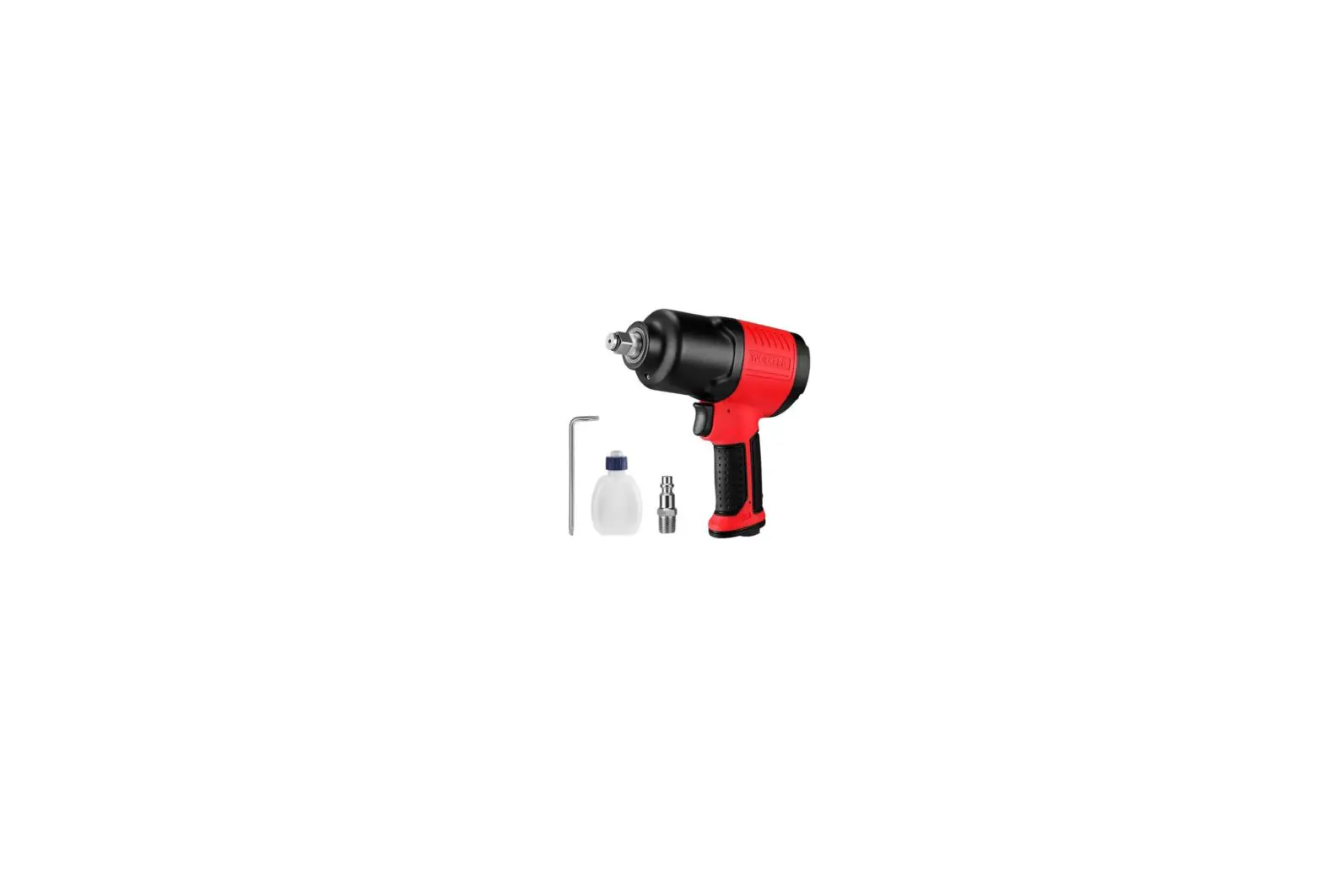
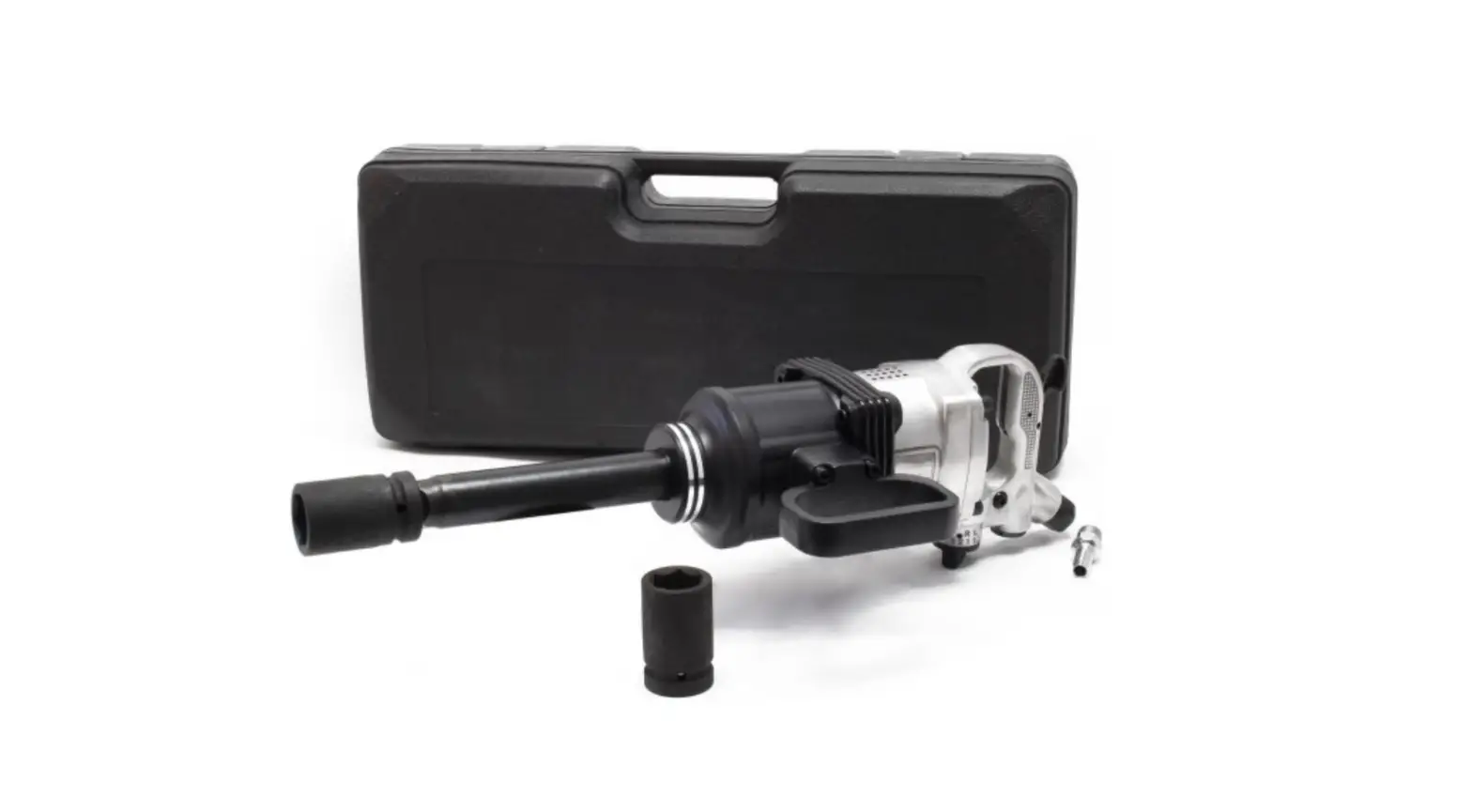
| Included Components | 1pc T25 Wrench,1pc connector, 1pc oil bottle |
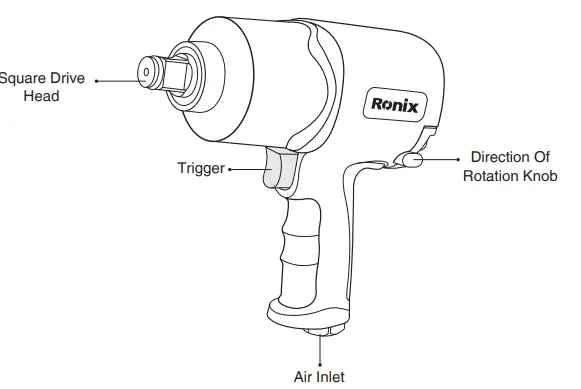
PARTS LIST
IMPORTANT SAFETY RULES
Air Inlet Even when the tool is used as prescribed it is not possible to eliminate all residual risk factors. The following hazards may arise in connection with the tool’s construction and design:
- Damage to lungs if an effective dust mask is not
- Damage to hearing if effective hearing protection is not
- Health defects resulting from vibration emission if the power tool is being used over longer period of time or not adequately managed and properly
- Wear eye
- Always ensure machine is switched off before connecting to air supply. 6- Disconnect any machine from the air supply before changing blades or discs, and before servicing any type of
- Always keep your air tool clean and lubricated. Daily lubrication is essential to avoid internal corrosion and possible
- Do not wear watches, rings bracelets or loose clothing when using air 9- Using only light weight coil hoses from a tool to the wall or compressor coupling. Do not fit quick change couplings onto the machine as vibration can cause the coupling to fail.
- Do not overload the Allow the tool to operate at its optimum speed for maximum efficiency.
- Do not increase the air pressure above the manufacturers recommended level, as excessive overload can cause the machine casing to Also, this creates excessive wear on moving parts and possible failure.
- In the interests of safety and possible damage to the machine/operator, always ensure that the machine has stopped before putting it down after 13- Always ensure that the work piece is firmly secured leaving both hands free to control the machine.
- Always ensure that the accessories such as blades, discs, sockets, are designed for use with the machine. Also, correctly and securely fastened before connecting the machine to the air supply.
COMPATIBLE COMPRESSOR AND AIR TOOL:
Always ensure the use of appropriately matched air tools and compressors. The compressor should be able to supply a minimal air delivery of 9.5 SCFM (90PSI) to ensure the compressor can run continuously with the VALU-AIR Air-Powered Impact wrench. Using tools or a combination of tools that together or separately require air pressure more than that of which the air compressor can deliver will reduce performance and could void the compressor.
| Air compressor size & power | 2HP | 2-1/2 HP | 3+ HP |
| 5-6 Gallons | Light duty and intermittent use | Light duty and intermittent use | Medium duty and intermittent use |
| 8-11 Gallons | Light duty and intermittent Use | Medium duty and intermittent use | Heavy duty and continuous use |
| 15+ Gallons | Medium duty and intermittent use | Heavy duty and continuous use | Heavy duty and continuous use Heavy duty and continuous use |
OPERATING INSTRUCTION AIR SUPPLY
- Always use clean, dry, regulated, compressed air at 4 to 7bar (60 to 100PSI).
- Do not exceed the maximum and minimum Operating the tool at the wrong pressure (too low or too high) will cause excessive noise or rapid wear.
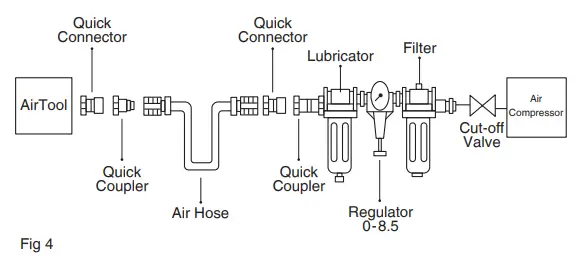
- It is recommended that a filter-regulator-lubricator be used and be
located as close to the tool as possible.
- If a filter-regulator-lubricator is not installed, place up to 6 drops of
pneumatic tool oil into the air inlet plug before each use.
- If a filter-regulator-lubricator is installed, keep the air filter clean. A dirty filter will reduce the air pressure to the tool, which will cause a reduction in power, efficiency, and general
- Clean air inlet filter
- Line pressure should be increased to compensate for unusually long air hoses (over 8 meters). The hose diameter should be 3/8” D.
- Do not use oxygen or any other combustible or bottled gas to power this
- Do not use this tool in the presence of any flammable liquids or
LOADING AND OPERATION
ENSURE YOU READ, UNDERSTAND AND APPLY SAFETY INSTRUCTIONS BEFORE USE.
- Only use impact sockets which are specifically designed for use with an impact wrench.
- Connect the wrench to the air
- Place the socket over the subject nut and depress the trigger to operate the
- For reverse (R) rotation, press the speed control knob on the left side of the tool; For forward (F) rotation, press the speed control knob on the right side of the tool; Rotate the speed control knob on the left side of the tool during reverse rotation to control the speed of the air flow as Rotate the speed control knob on the right side of the tool during forward rotation to control the speed of the air flow as required.
- The flow of air may be regulated by adjusting flow valve at the base of the handle.
- Do not use Impact wrench accessories other than those that are specifically designed for use with the Air-powered impact Failure to comply will result in serious injury or loss of life.
- DO NOT use any additional force upon the wrench in order to remove a nut. DO NOT allow wrench to free run for an extended period of time as this will shorten its life.
LUBRICATION
An automatic in-line filter-regulator-lubricator is recommended (Fig4) as it increases tool life and keeps the tool in sustained operation. The in-line lubricator should be regularly checked and filled with air tool oil. Proper adjustment of the in-line lubricator is performed by placing a sheet of paper next to the exhaust ports and holding the throttle open approximately 30 seconds. The lubricator is properly set when a light stain of oil collects on the paper. Excessive amounts of oil should be avoided.
the paper. Excessive amounts of oil should be avoided
In the event that it becomes necessary to store the tool for an extended period of time (overnight, weekend, etc.), it should receive a generous amount of lubrication at that time. The tool should be run for approximately 30 seconds to ensure oil has been evenly distributed throughout the tool. The tool should be stored in a clean and dry environment.
- It is most important that the tool be properly lubricated by keeping the airline lubricator filled and correctly Without proper lubrication the tool will not work properly and parts will wear prematurely.
- Use the proper lubricant in the air line The lubricator should be of low air flow or changing air flow type, and should be kept filled to the correct level. Use only recommended lubricants, specially made for pneumatic applications. Substitutes may harm the rubber compounds in the tools O-rings and other rubber parts.
IMPORTANT!
If a filter/regulator/lubricator is not installed on the air system, air operated tools should be lubricated at least once a day or after 2 hours work with 2 to 6 drops of oil, depending on the work environment, directly through the male fitting in the tool housing.
MAINTENANCE
Disconnect wrench from air supply before changing accessories, servicing or performing maintenance. Replace or repair damaged parts. Use genuine parts only. Non-authorized parts may be dangerous.
- Lubricate the air wrench daily with a few drops of air tool oil dripped into the air
- DO NOT use worn, or damaged
- Loss of power or erratic action may be due to the following:
- Excessive drain on the air line. Moisture or restriction in the air pipe. Incorrect size or type of hose To remedy check the air supply and follow instructions.
- Grit or gum deposits in the wrench may also reduce If your model has an air strainer (located in the area of the air inlet), remove the strainer and clean it.
- When not in use, disconnect from air supply, clean wrench and store in a safe, dry, childproof
- Verify that no part is loose or missing and that no part is stuck or 6- Check the air supply for correct size and type of hose connectors. To avoid loss of power or erratic action, ensure that there is no additional drain on the air line and no moisture or restriction in the air pipe.
| Maintenance required | Description | Maximum service interval | ||
| Each use or every 2 hrs | Monthly | As needed | ||
| General inspection-free movement | Trigger, spring, safety mechanism | ¯ | ||
| In-depth inspection | Worn or broken parts | ¯ | ¯ | |
| Replace worn or broken parts | ¯ | |||
TROUBLE SHOOTING
The following form lists the common operating system with problem and solutions.
If any of the following symptoms appears during your operating, stop using the tool immediately, or serious personal injury could result. Only a qualified persons or an authorized service center can perform repairs or replacement of tool. Disconnect tool from air supply before attempting repair or adjustment. When replacing O-rings or Cylinder, lubricate with air tool oil before assembly.
| PROBLEMS | POSSIBLE CAUSES | REMEDIES |
| – Lubricating clutch housing. | ||
| – Check for excess clutch oil. Clutch | ||
| Tool runs at normal speed but loses under load | – Motor parts worn. – Cam clutch worn or sticking due to lack of lubricant. | cases need only be half full. Overfilling can cause drag on high-speed clutch parts, ie. a typical oiled/lubricated wrench requires 1/2 ounce of oil. GREASE LUBRICATED: NOTE: Heat |
| usually indicates insufficient grease in | ||
| chamber. Severe operating conditions | ||
| may require more frequent lubrication. | ||
|
Tool runs slowly. Air flows slightly from exhaust | – Motor parts jammed with dirt particles – Power regulator in closed position – Air flow blocked by dirt. | – Check air inlet filter for blockage. – Pour air tool lubricating oil into air inlet as per instructions. – Operate tool in short bursts quickly reversing rotation back and forth where applicable. – Repeat above as needed. |
|
Tools will not run. Air flows freely from exhaust |
– One or more motor vanes stuck due to material build up. | – Pour air tool lubricating tool into air inlet. – Operate tool in short bursts of forward and/or reverse rotation where applicable. – Tap motor housing gently with plastic mallet. – Disconnect supply. Free motor by rotating drive shank manually where applicable |
| Tool will not shut off | – “O” rings throttle valve dislodged from seat inlet valve. | – Replace “O” ring. |
| Note: Repairs should be carried out by a qualified person. | ||