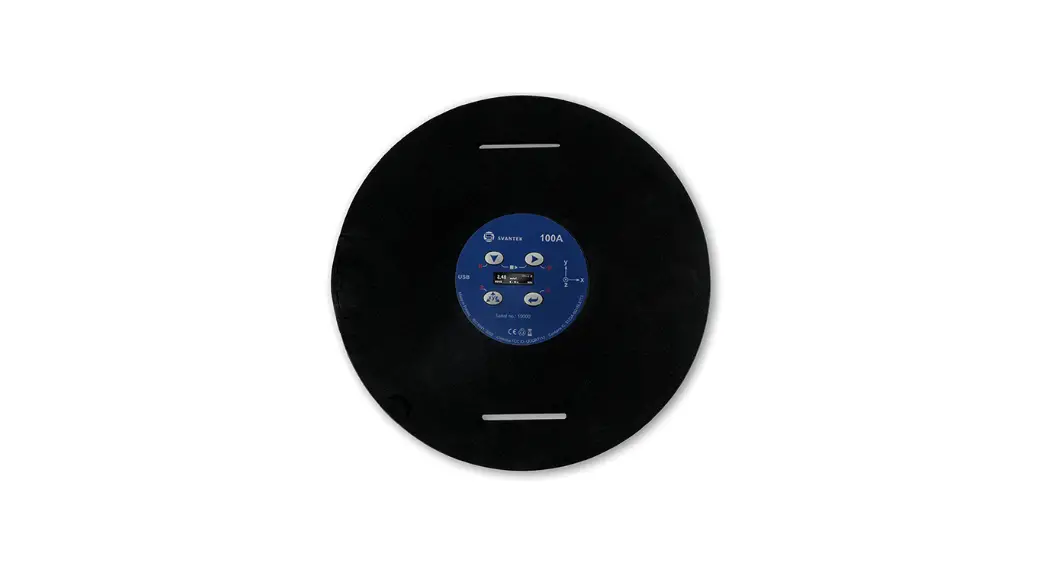

SV100A Whole-Body Vibration Dosimeter
Instructions
IMPROVED METHODS OF ASSESSMENT OF WHOLE-BODY VIBRATION RISK IN
MOVING VEHICLES
Jacek Kuczynski Marketing Manager
SVANTEK Warsaw, 04-872
Poland
SV100A Whole-Body Vibration Dosimeter
Abstract
The development of new vibration dosimeters enabled a simple way for complete fulfilment of ISO 2631-1 requirements. The use of GPS location and speed data enables more accurate evaluation of whole-body vibration exposure risk in moving vehicles. Simple vibration plots on maps give possibility of identification possible “bad road conditions”. On the other hand the information about speed is useful for solving exposure risk problems.
Introduction
The detailed guidelines on measurement of whole-body vibration is described in ISO 2631-1 [1]. The standard implies that it is desirable for the measurement report to include frequency content and information about changes of the conditions over time. However, the practice shows that the vibration exposure values are often estimated on a basis of measurement in reference conditions and additional factors such as vehicle speed or road quality and not considered which may lead to underestimation or overestimation of the vibration exposure values. The development of new vibration dosimeters enabled correlation of GPS data with the vibration and plot them on a map as a cultured route where a color indicates vibration magnitudes. This simple solution gives a powerful tool for projecting the A(8) vibration exposure with the respect to vehicle speed and route.
Methods
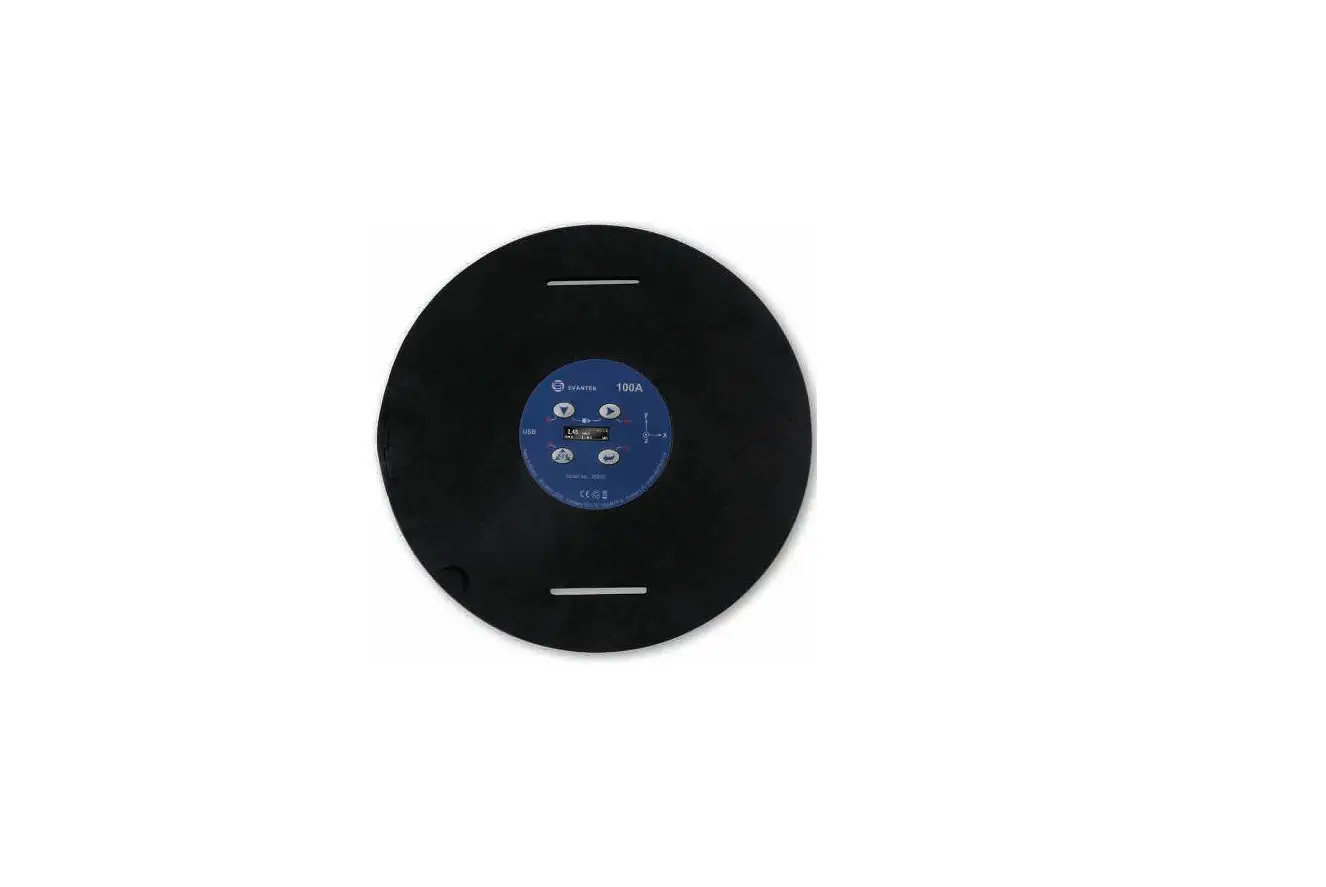
The study has been performed with the SV 100A [2], SVANTEK’s new whole-body vibration exposure level meter that meets ISO 8041:2005 [3]. The task was to measure vibration on seat of Skoda Superb moving on a route including a bad and good quality roads sections. During the measurement the SV 100A recorded time history of aw (RMS) and VDV values together the unweighted 1/3 octave spectra. During the measurement the SV 100A maintained the connection with the smartphone installed in the vehicle cabin. The GPS data from the smartphone has been transferred to the dosimeter enabling a real-time correlation of the vibration data with the localization and vehicle speed.
The data was further post-processed in the Supervisor software [4].
Results
The analysis of vibration exposure values in accordance to ISO 2631-1 shows increase of vibration magnitudes. However it does not the answer the questions: what was the reason of the increase and how to solve the problem of the possible exposure risk.
Presented at the 50th United Kingdom Conference on Human Responses to Vibration, held at ISVR, University of Southampton, Southampton, England, 9 – 10 September 2015.
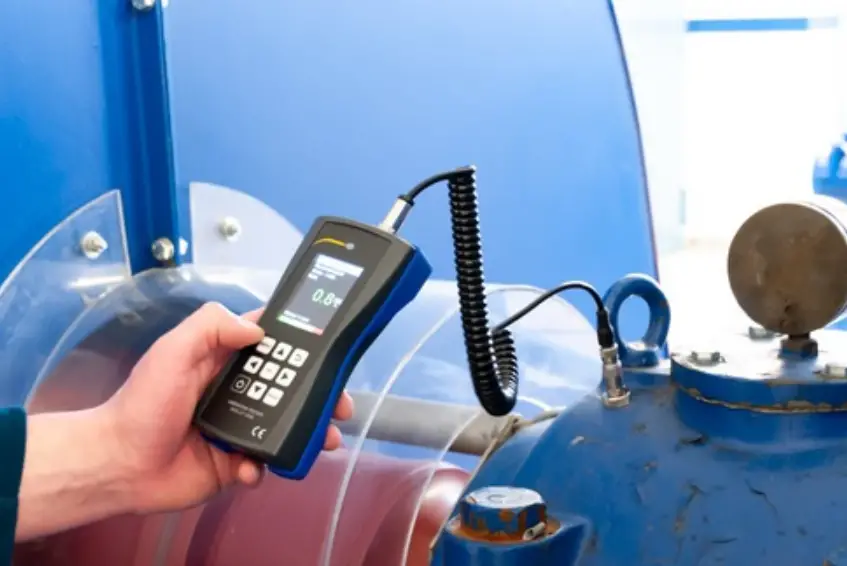
 Photo 1 SV 100A Wireless Whole-body Vibration Exposure Meter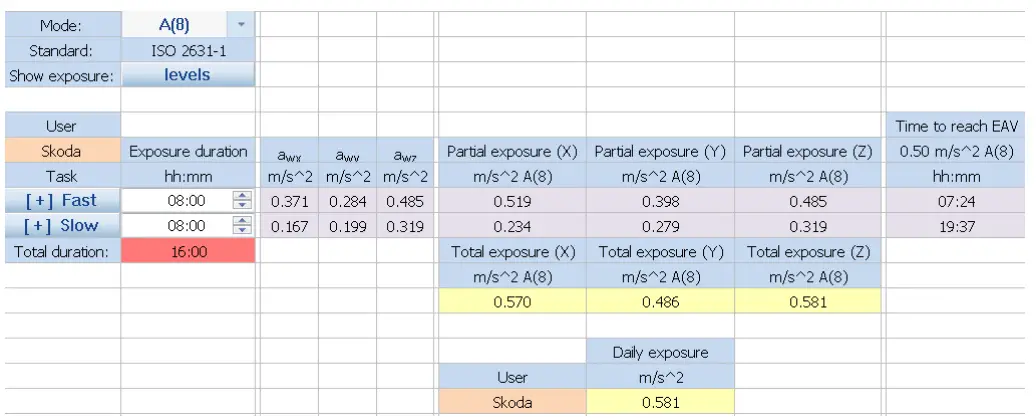
Figure 1 Vibration exposure values calculated in Supervisor software
The analysis of time history of vibration magnitudes (Amax) shows the increase of vibration magnitudes however still doesn’t help in providing answers to above questions. 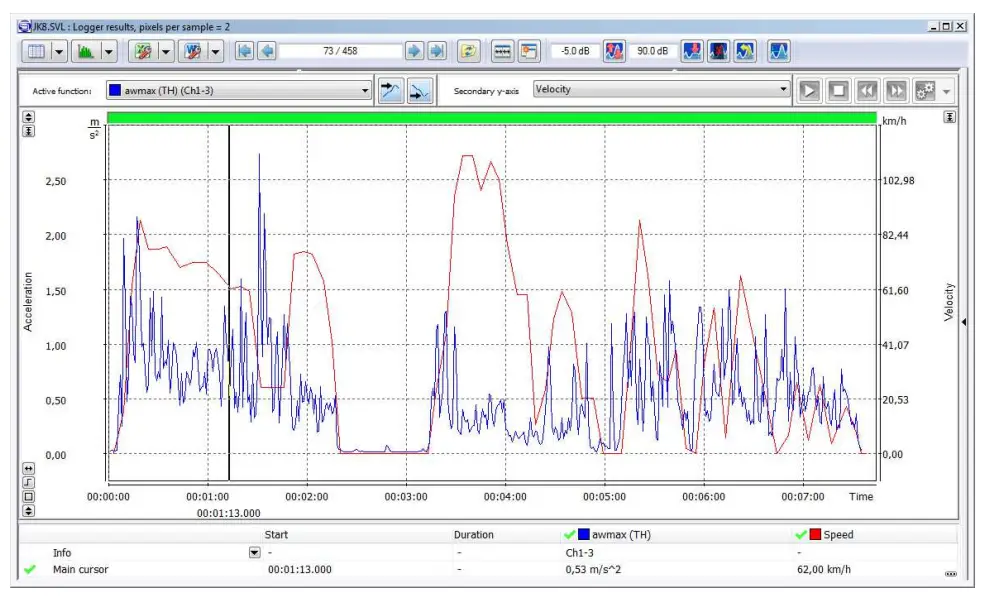
Figure 2 Time history of awx with different speeds
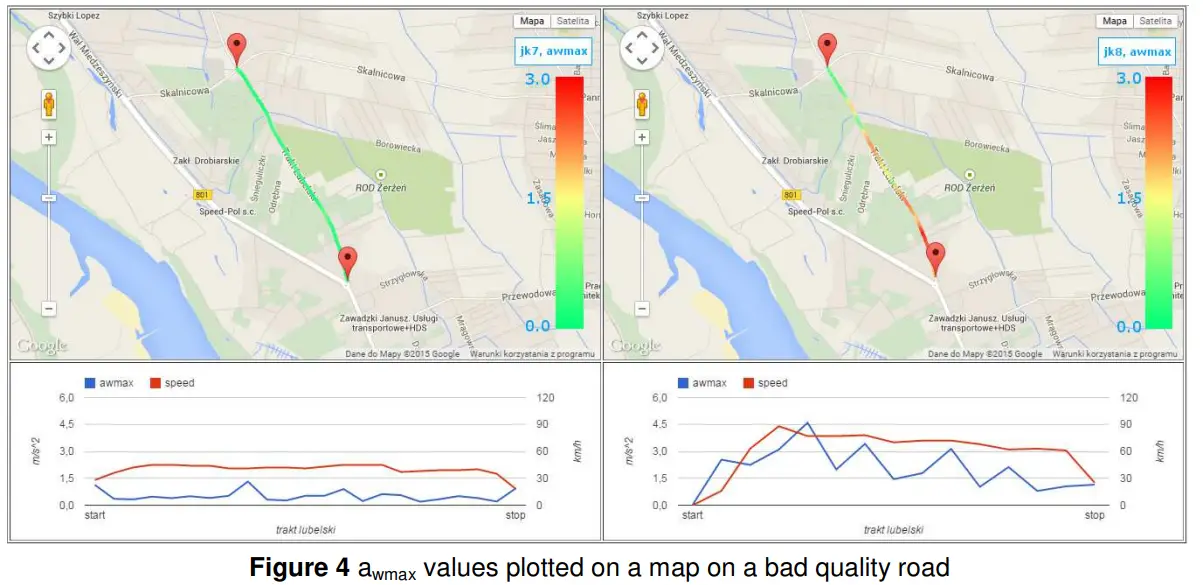
More information has been obtained from analysis of admix plotted on a map. First conclusion was that the vehicle speed changes on the good quality roads didn’t result with a significant changes of the vibration amplitudes [figure 3]. However the speed increase on a bad quality road caused the high increase of vibration magnitudes [figure 4].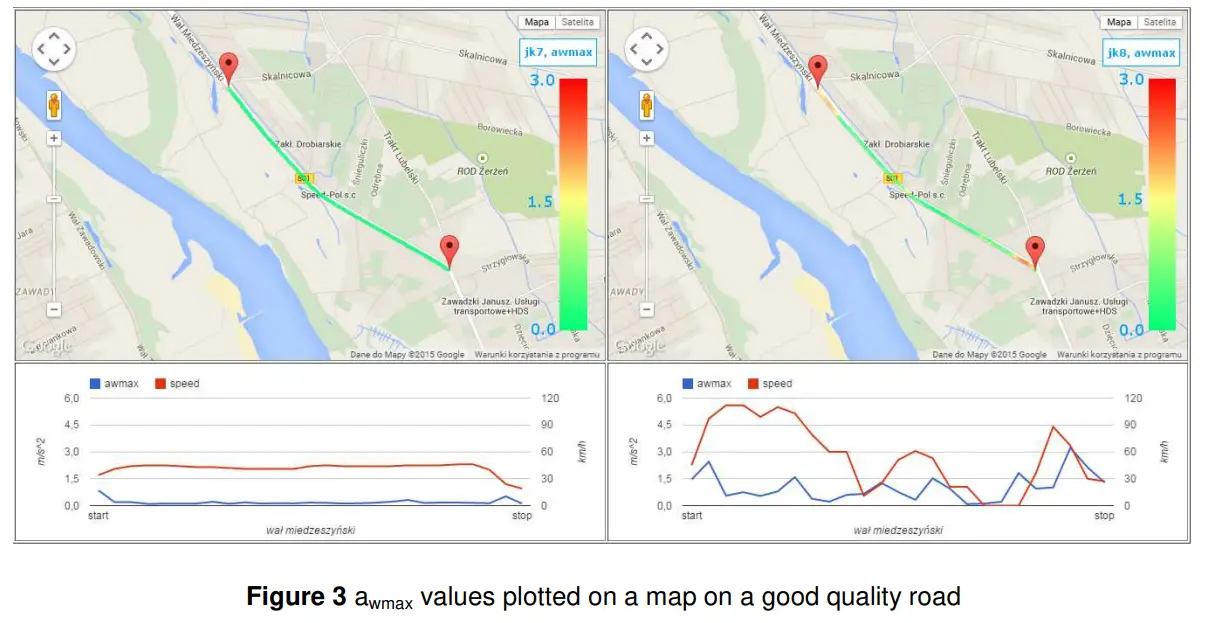
The increase of vibration on a bad quality road is clearly shown on the 1/3 octave spectrogram: 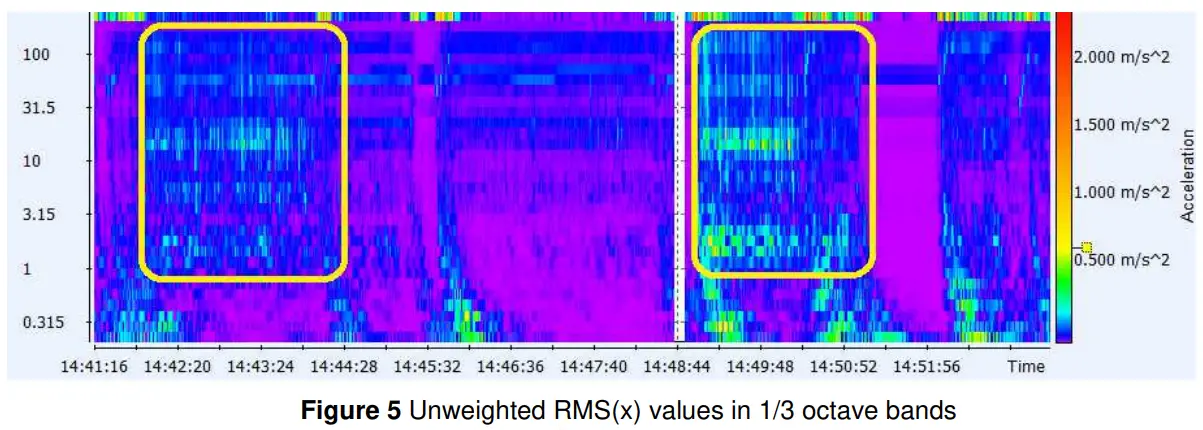
Conclusion
The development of new vibration dosimeters enabled a simple way for complete fulfilment of ISO 2631-1 requirements. The use of GPS location and speed data enables more accurate evaluation of whole-body vibration exposure risk in moving vehicles. Simple vibration plots on maps give possibility of identification possible “bad road conditions”. On the other hand the information about speed is useful for solving exposure risk problems.
References
International Organization for Standardization (1997) Mechanical vibration and shock. Evaluation of human exposure to whole-body vibration. Part 1: General requirements, ISO 2631-1:1997
Stantec Sp. Z oxo. (2015) SV 100A Whole-Body Vibration Exposure Meter;
http://svantek.com/lang-en/product/81/sv_100a_whole_body_vibration_exposure_meter.html#about
International Organization for Standardization (2005) Human response to vibration. Measuring instrumentation, ISO 8041.
Svantek Sp. Z o.o. (2015) Supervisor software
http://svantek.com/lang-en/product/20/supervisor_software.html#about
 Sound and Vibration Measurement Instrumentation