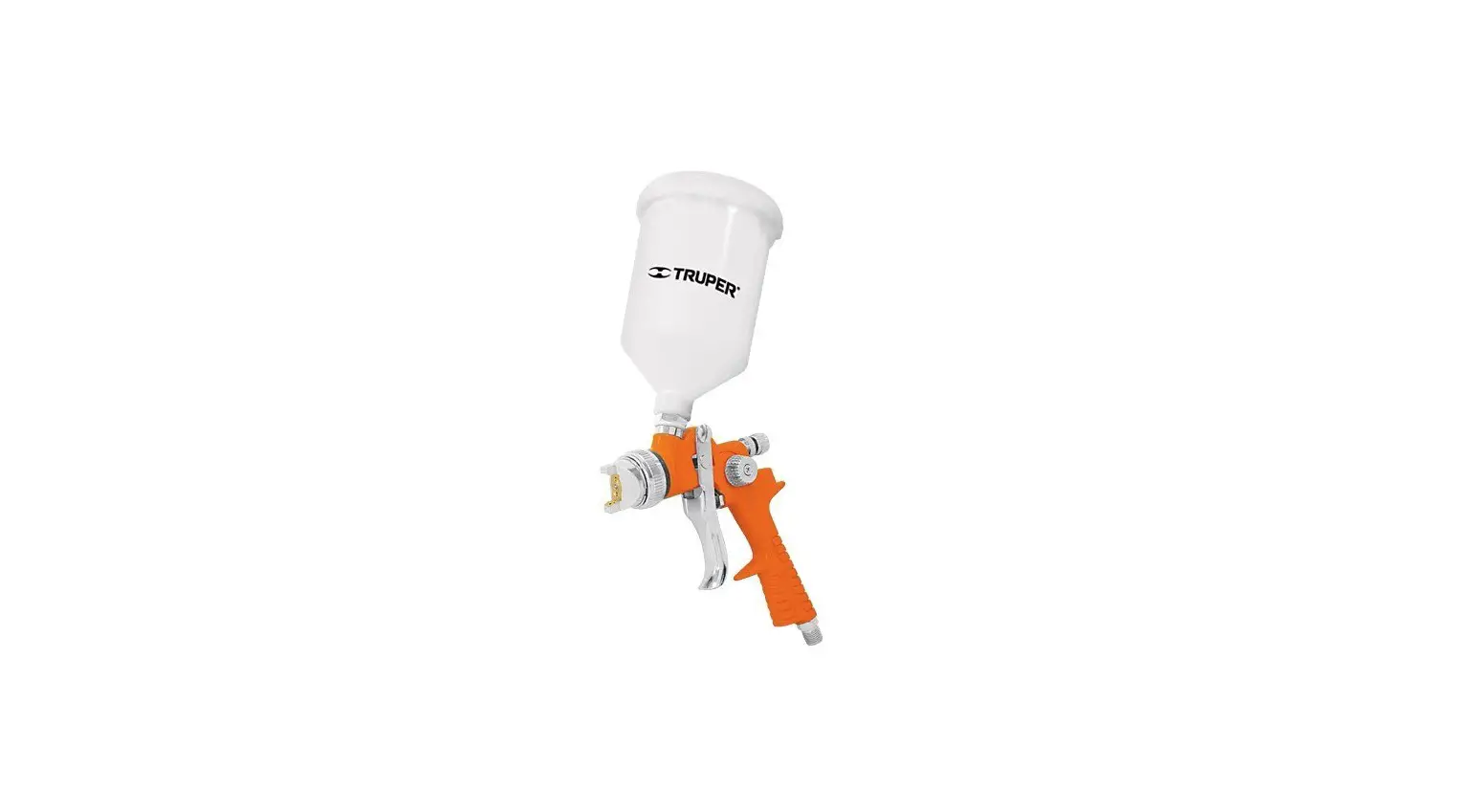
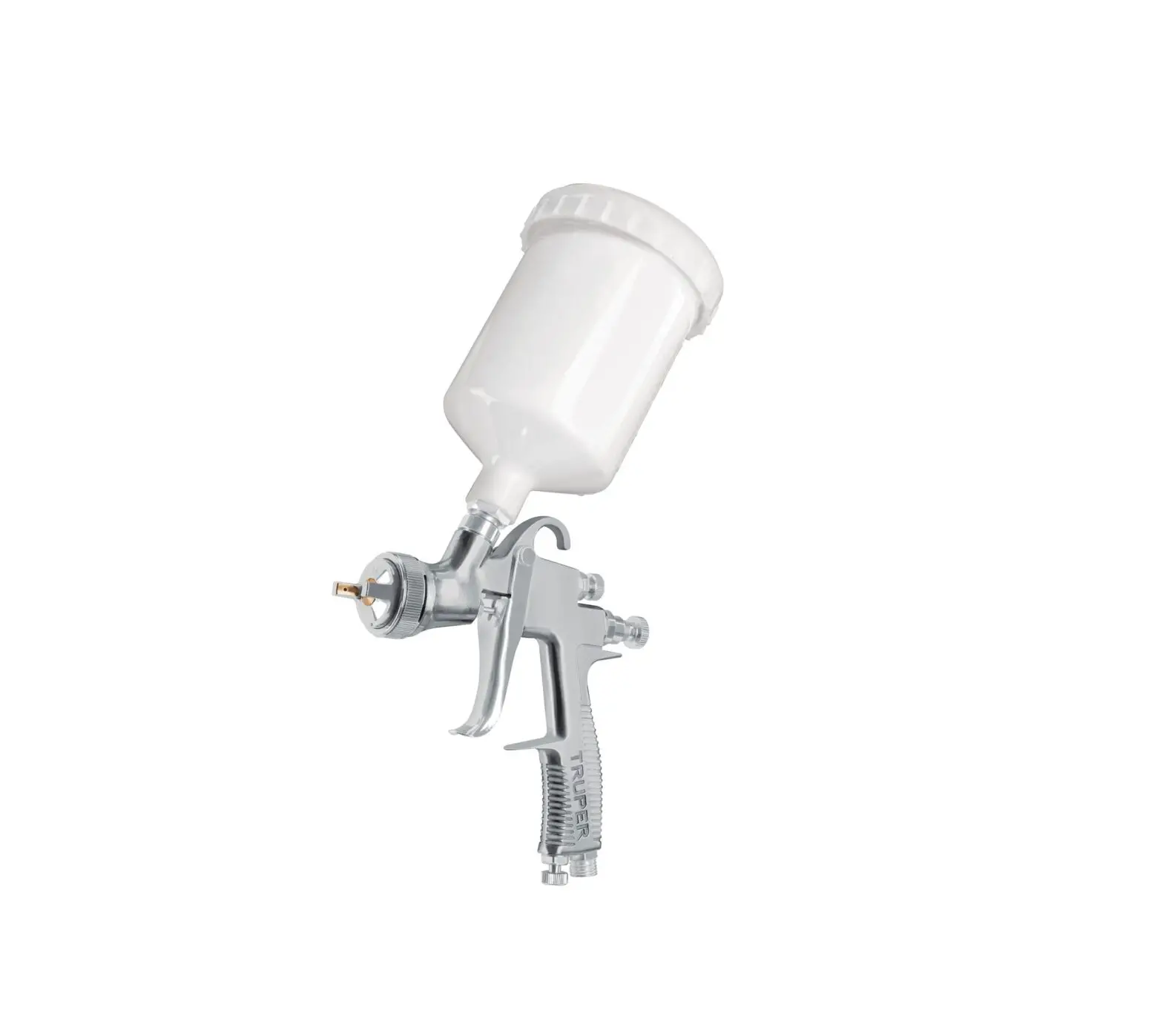
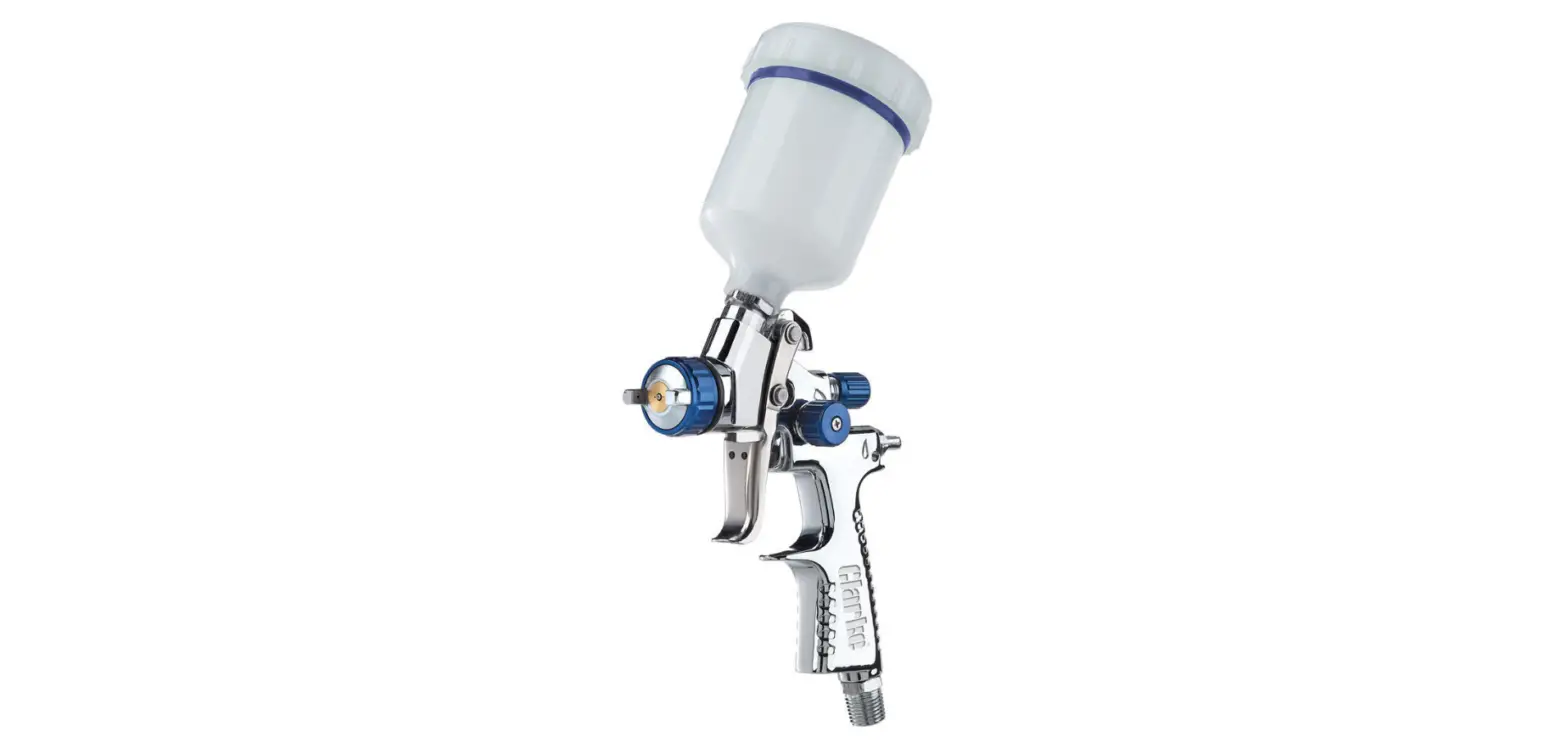
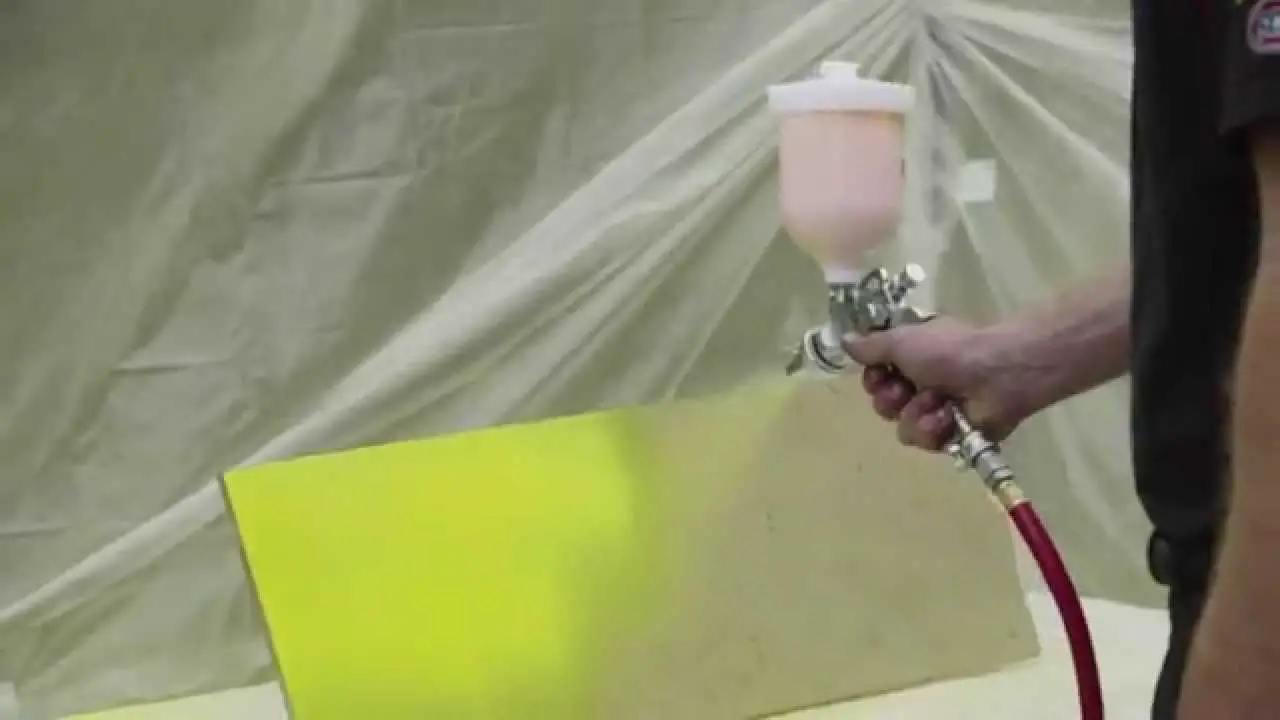
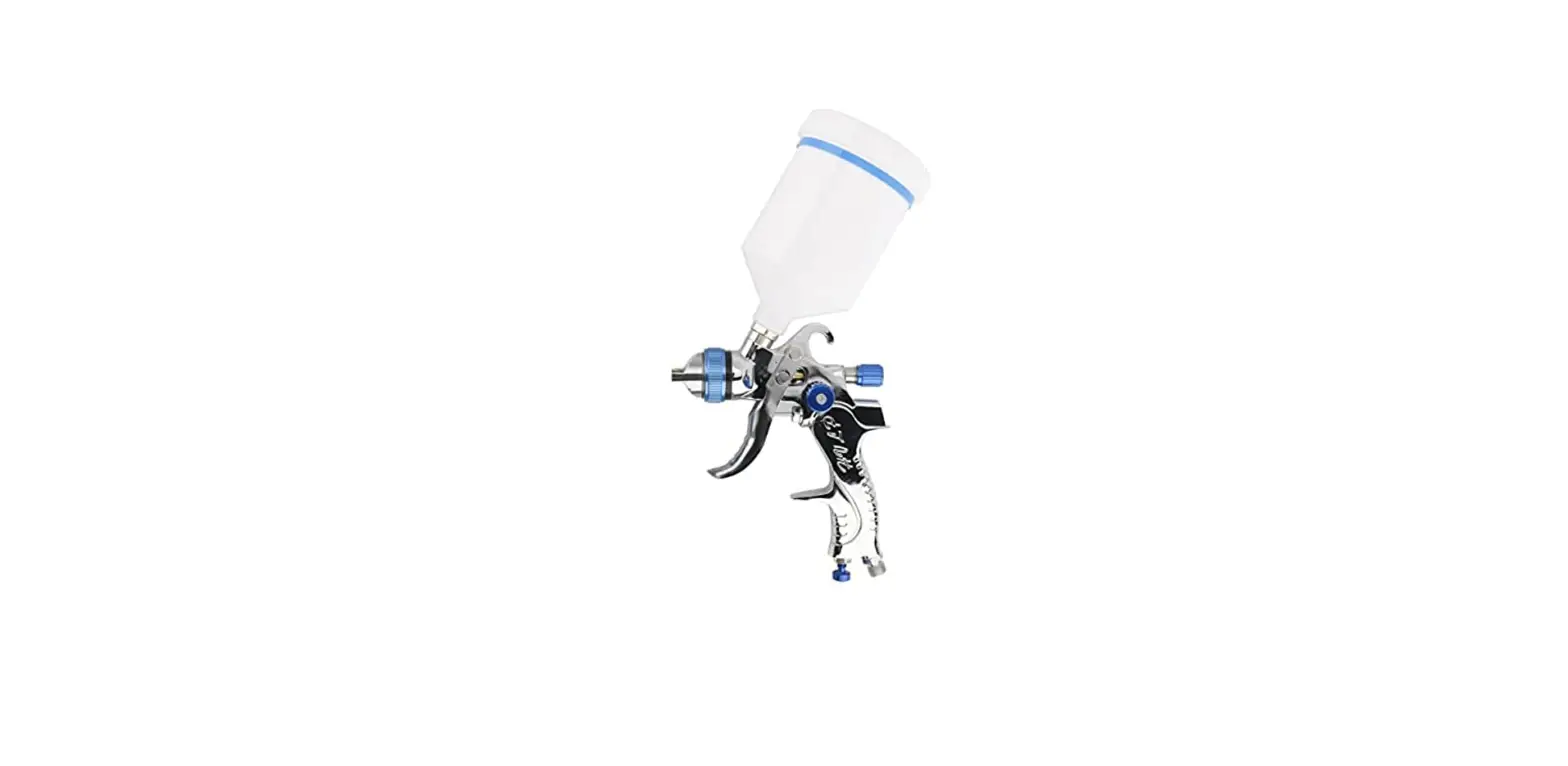
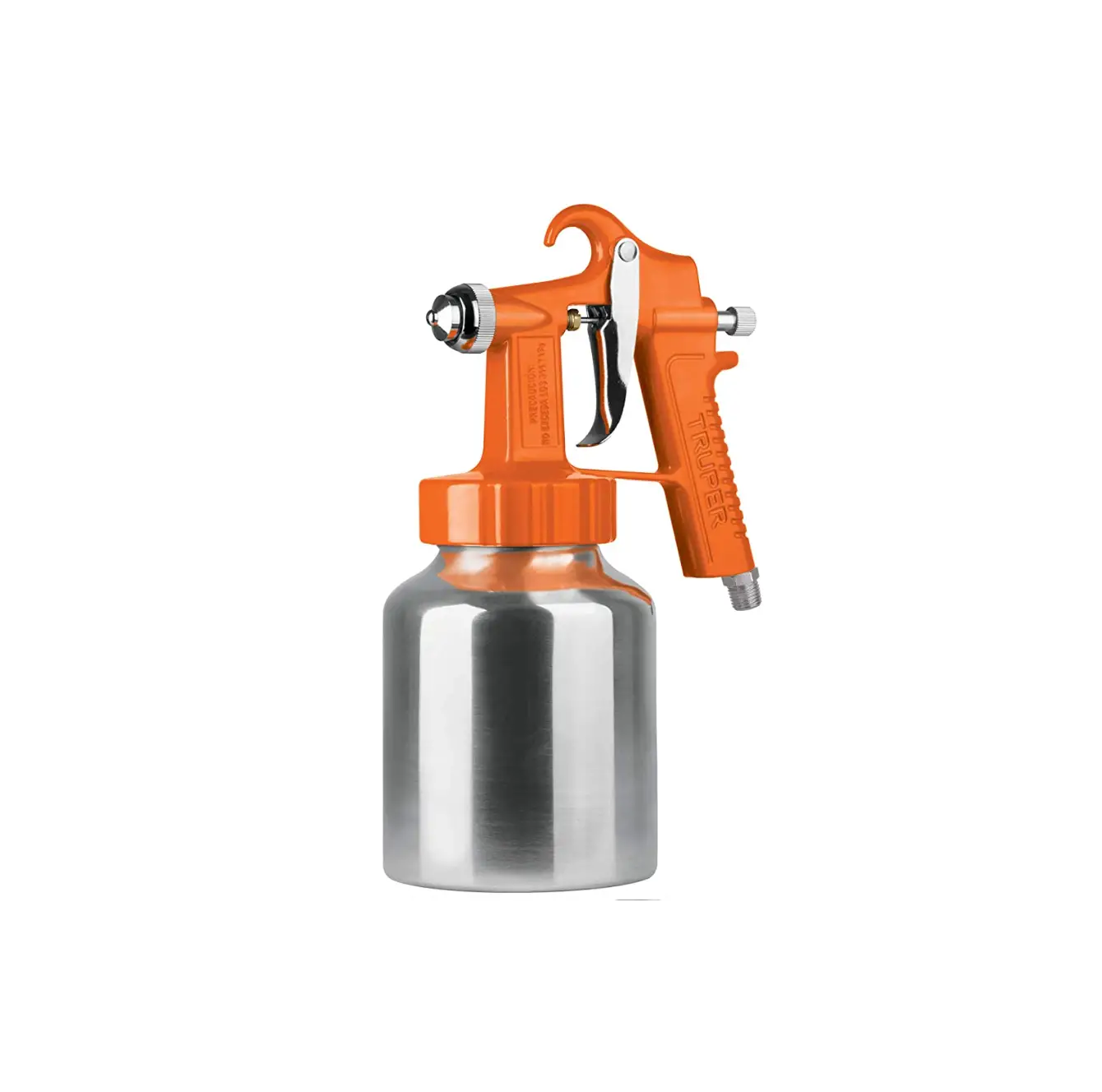
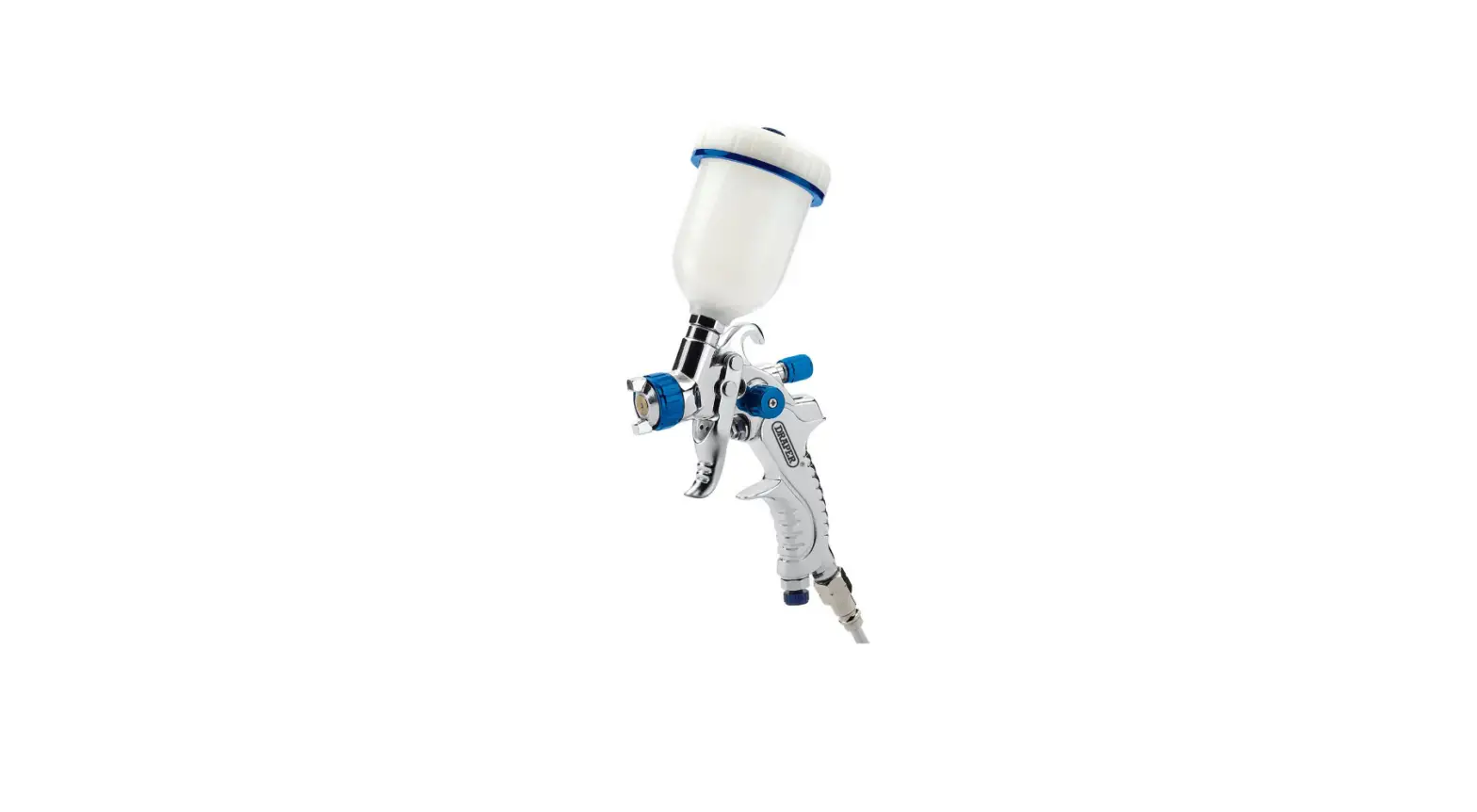
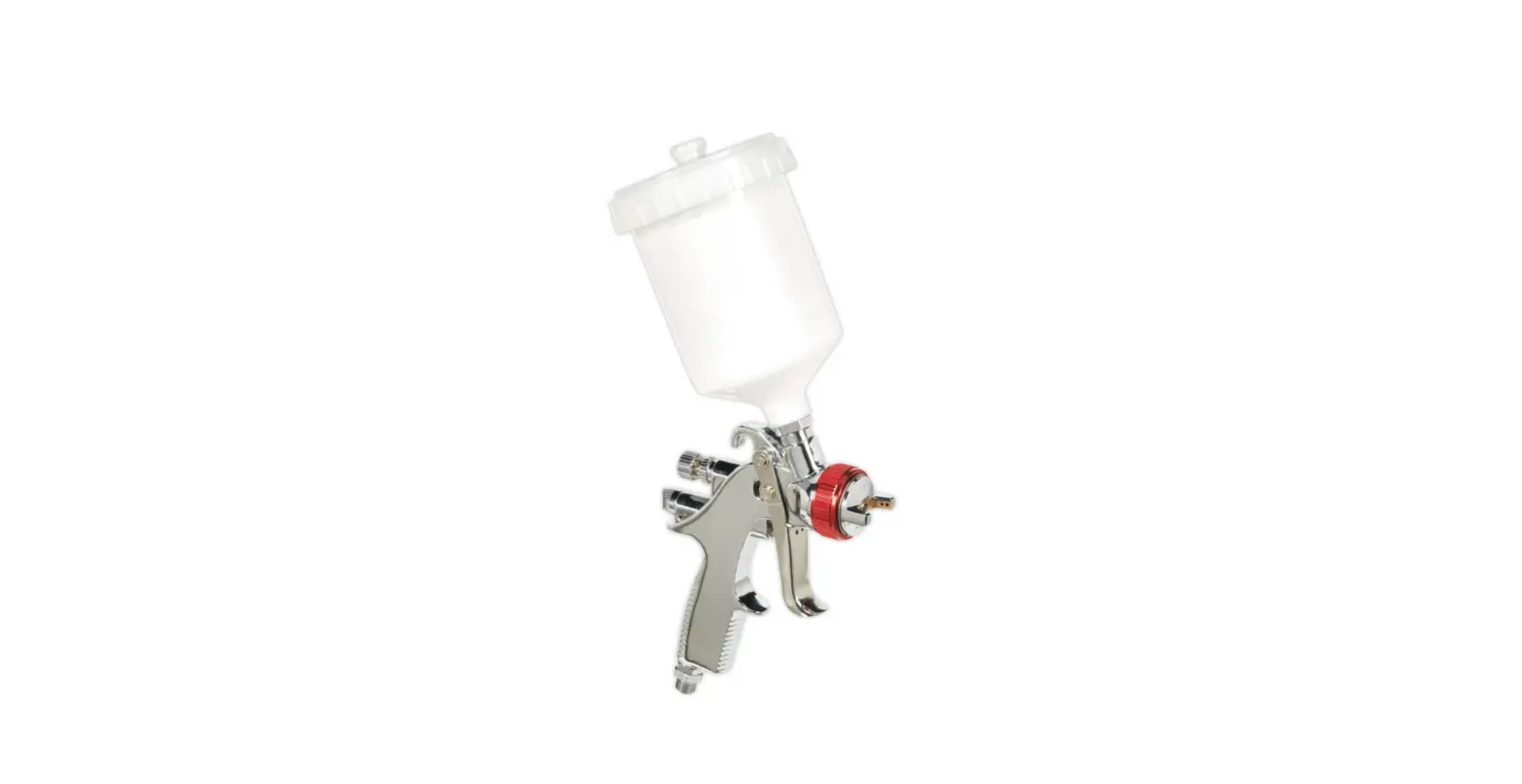
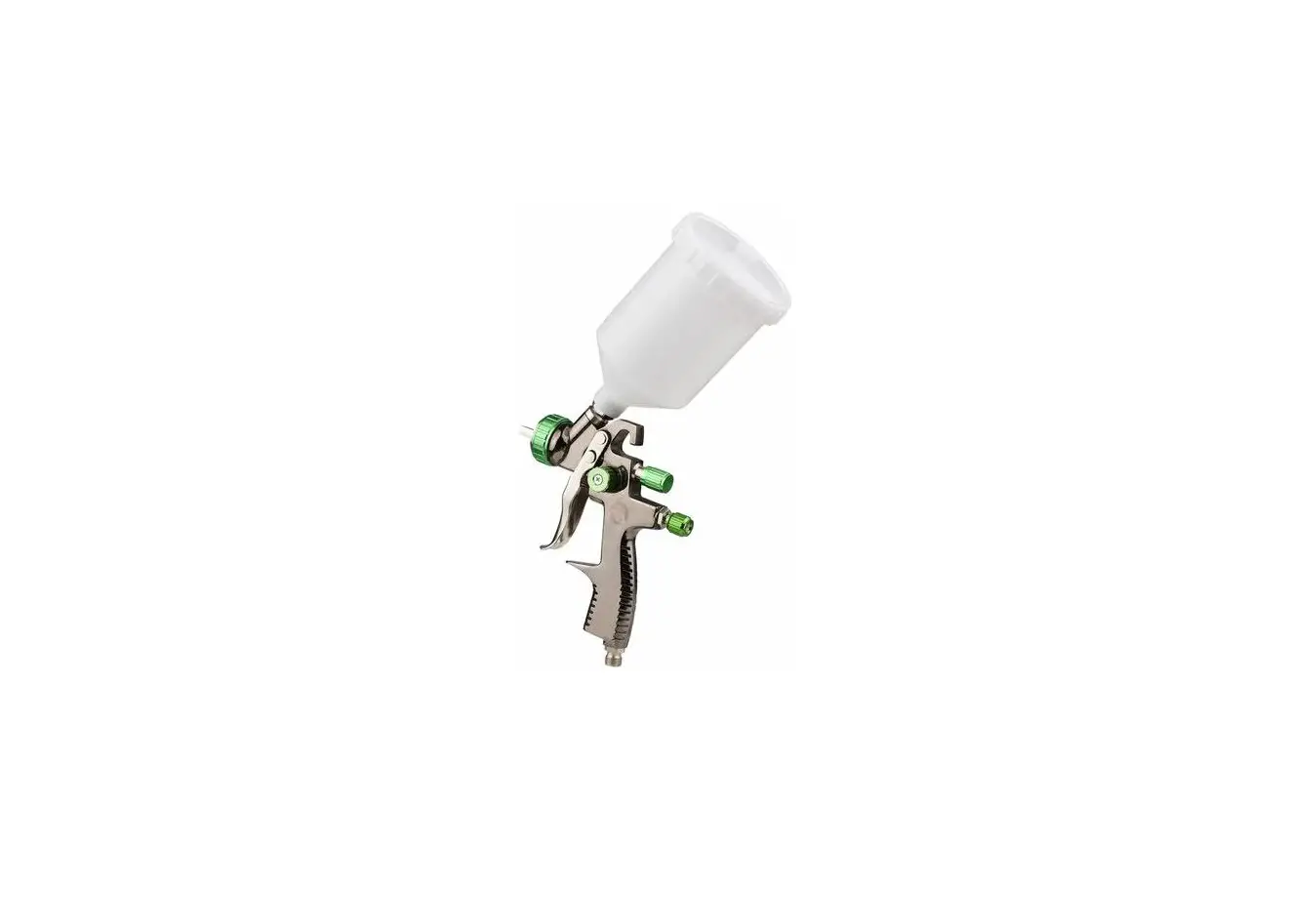
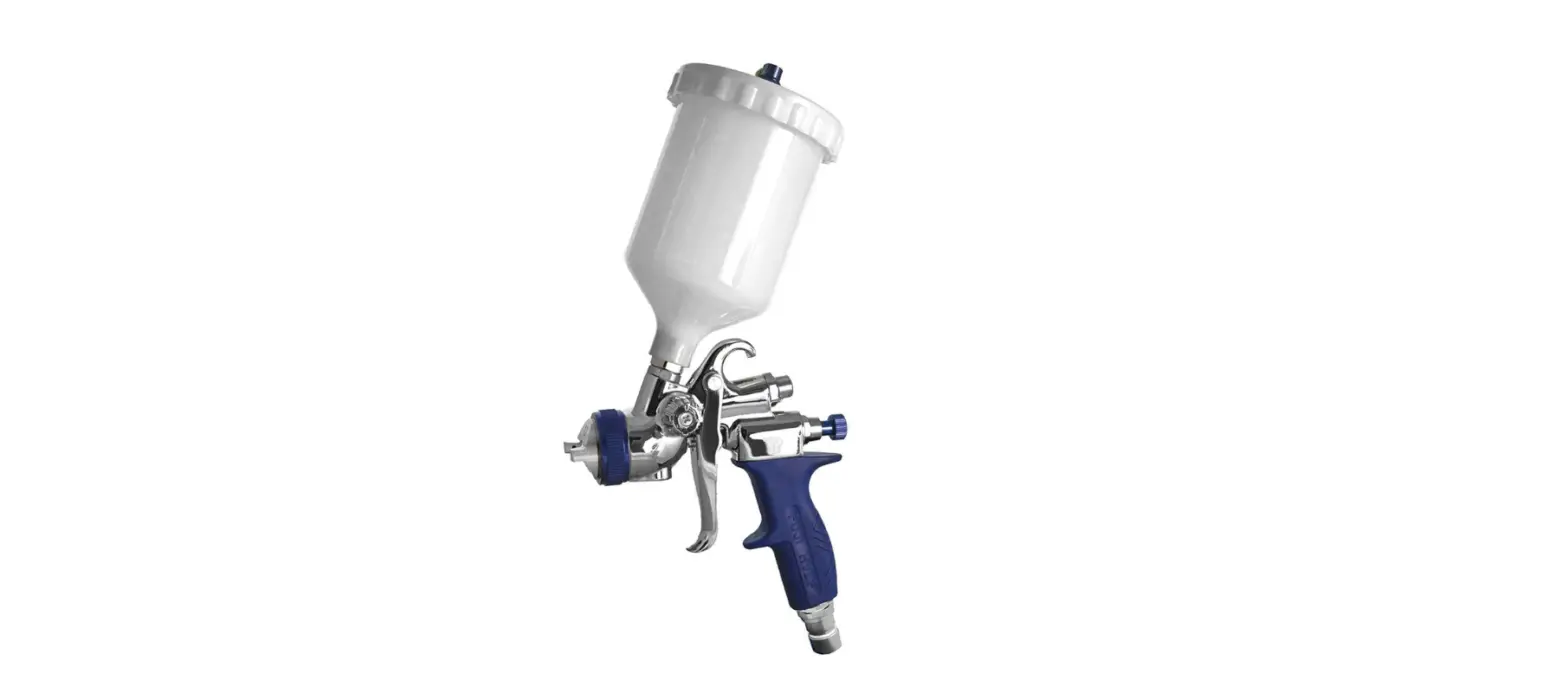
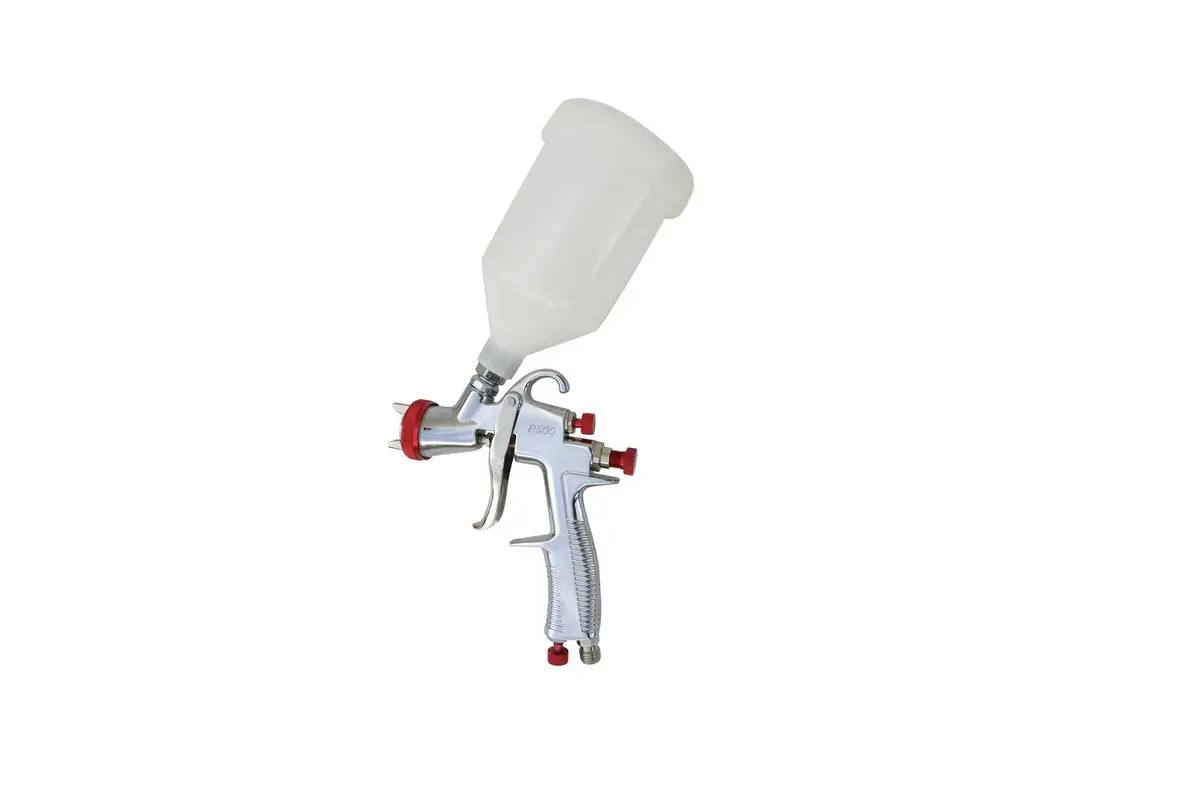
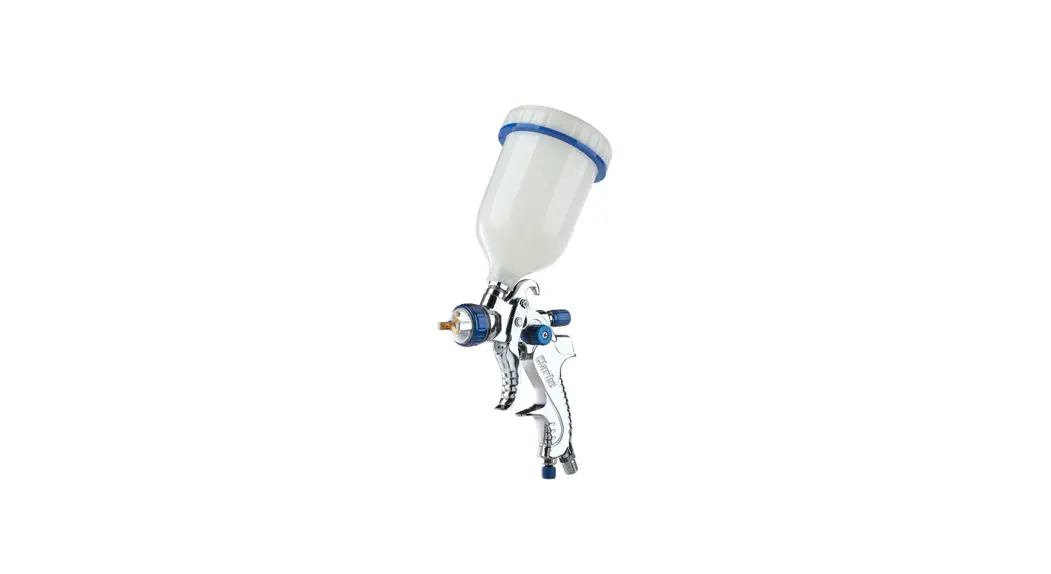
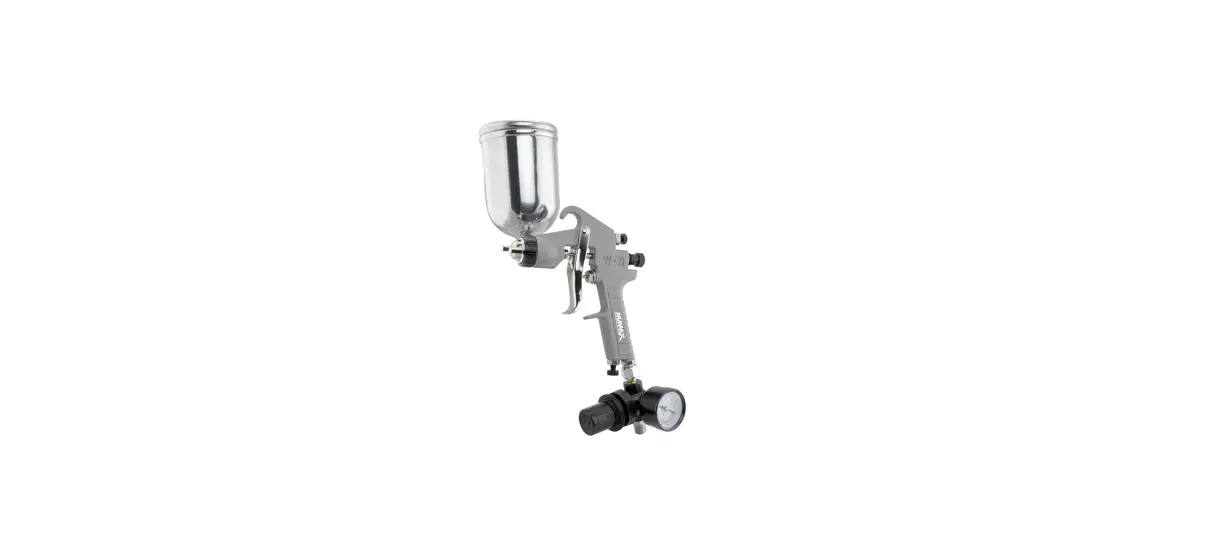
PIPI-420 Gravity Feed Spray Gun
Product Information
The product is a gravity feed spray gun with a jar capacity of
13.5 oz. It has a maximum air pressure range of 30 to 50 PSI and
requires an air compressor with a regulating filter. The tool has a
1/4 NPT air pressure connection diameter, an air consumption of 6
CFM, and nozzle diameters of 0.05, 0.06, and 0.07 depending on the
model code. The tool is available in three model codes: PIPI-420,
PIPI-421, and PIPI-422.
Product Usage Instructions
- Read the user manual thoroughly before operating the tool.
- Ensure that the work area is clean, tidy, and well-lit to avoid
accidents. - Avoid using the tool in explosive environments or near
flammable liquids to prevent sparks that may cause an explosion or
fire. - Keep children and visitors at a safe distance when using the
tool to avoid distractions that may cause accidents. - Avoid contact with power lines and circuits, especially hidden
wires and grounded devices. - Stay alert, use care, and common sense while operating the tool
to prevent accidents. - Do not use the tool when tired or under the influence of drugs,
alcohol, or medication to avoid severe injuries caused by
distractions. - Use the tool with guards and protective devices in place and in
good working conditions to prevent severe injuries. - Secure and support the workpiece properly using bench vices and
a stable working area to prevent accidents. - Do not force the tool beyond its intended rate as it may cause
accidents. - Store the tool in a safe place away from the reach of children
to prevent inexperienced hands from handling it. - Dress properly, avoiding loose clothing, jewelry, or long hair
that may get caught in moving parts. Use adequate personal
protection such as safety glasses, anti-dust mask, safety non-skid
shoes, helmet, and earplugs to reduce the risk of injury. - Disconnect the air hose from the tool when servicing, changing
devices, or storing to reduce the risk of unintentional starting
causing accidents. - Never use a tool if the switch is not working or is not
properly assembled to avoid severe personal injury.
ENGLISH
ESPAÑOL
Manual
Gravity feed spray gun
30 PSI – 50 PSI
Air Pressure
Applies for:
Code Model
11095 13061 13060
PIPI-420 PIPI-421 PIPI-422
PIPI-420 PIPI-421 PIPI-422
CAUTION
Read the user’s manual thoroughly before operating this tool.
Contents
Technical Data Pneumatic Requirements Safety Warnings for the Use of Pneumatic Tools Safety Warnings for the Use of Gravity feed spray guns Parts Preparation Start Up Maintenance Troubleshooting
2
CAUTION
2
To gain the best performance of
the tool, prolong the duty life,
3
make the Warranty valid if necessary, and to avoid hazards
of fatal injuries please read and
4
understand this Manual before
using the tool.
5
6
Keep this manual for future references.
The illustrations in this manual are for reference
7
only. They might be different from the real tool.
8
9
Technical Data
Code Description Jar Capacity Air Pressure Connection Diameter Air Consumption Nozzle Diameter
PIPI-420
PIPI-421
11095
13061
Gravity feed spray gun
13.5 oz
30 PSI 50 PSI
1/4 NPT
6 CFM
0.05″
0.06″
PIPI-422
13060
0.07″
Pneumatic Requirements
· For household jobs, it is possible to use 1.5 CV compressors with a 25 liters’ deposit. For more demanding jobs, like bodywork, industry, etc., we recommend using 3 CV compressors with a 100-liter deposit as minimum. · Use high-pressure hoses with the adequate length to do the job comfortably.
CAUTION · Dust and water condensation inside the compressor tank can cause a deficient finish in the surface to be painted. To prevent that possibility, install a regulating filter between the compressor and the gun.
2 ENGLISH
Air compressor
Regulating filter
Air hose
Safety Warnings
for the Use of Pneumatic Tools
Keep your work area clean, tidy and well lit.
CAUTION Cluttered and dark areas may cause accidents.
Never use the tool in explosive environments or near flammable liquids.
DANGER Sparks generated by the tool may cause explosion or fire.
Keep children and visitors at a safe distance when using the tool.
WARNING Distractions may cause loosing control and cause accidents.
Avoid contact with power lines and circuits.
DANGER Find and avoid both power lines and circuits, especially hidden wires and grounded devices.
Stay alert, use care and common sense.
CAUTION Do not rely on your knowledge of the tool. Do not get distracted while operating it. It could cause accidents.
Do not use the tool when tired or under the influence of drugs, alcohol or medication.
DANGER One second of distraction while using the tool may cause severe injuries.
Use the tool with guards and protective devices in place and in good working conditions.
WARNING Failure to comply with these measures may cause severe injuries.
Secure and support the work piece properly.
CAUTION Use bench vices and a stable working area.
Do not force the tool.
CAUTION It will do the job better and safer at the rate for which it was intended.
Store the tool in a safe place away from the reach of children.
WARNING Pneumatic tools are dangerous in inexperienced hands.
Dress properly.
WARNING Loose clothing, jewelry or long hair may get caught in moving parts.
Keep your hands away from rotating and/or mobile parts.
WARNING Failure to comply with this safety measure exposes you to severe personal injury.
Use adequate personal protection.
CAUTION Using safety glasses, anti-dust mask, safety non-skid shoes, helmet and earplugs used in adequate conditions considerably reduce the risk of injury.
Disconnect the air hose from the tool servicing, changing devices or storing.
WARNING Reduce the risk of unintentional starting causing
accidents.
Never use a tool if the switch is not working or is not properly assembled.
WARNING You are exposed to severe personal injury.
Do not overreach.
CAUTION Good footing and balance allow you to gain better
control of the tool in unexpected situations.
Never pull the air hose.
WARNING Do not use it to carry or disconnect the tool pulling out the air supply. Damaged or tangled hoses can burst and shoot residues towards the operator.
Avoid accidental start up.
WARNING Make sure the air supply tool is switched off before connecting or moving the tool.
Remove vices before starting the tool.
DANGER Additional tools or vices set into a moving part may cause severe injury.
Service the tool and verify it is in excellent working conditions.
CAUTION Carefully check all moving parts, alignment and
assembly. Make this periodically. Look for damaged or
malfunctioning parts to immediately be repaired.
Accessories.
CAUTION
Use only accessories or spare parts recommended in
this MANUAL or certified by
.
Never leave a running tool unattended.
CAUTION Switch off and disconnect the tool from the air supply after operating and before putting it aside. Avoid severe injury.
ENGLISH 3
Safety Warnings
for the Use of Gravity feed spray guns
Substances and Materials
CAUTION · The unit is designed to apply covering materials like paint, varnish, enamel, etc. These should have an ignition point not lower than 70 °F. Check the product can label or container.
WARNING · Do not spray substances you are not familiar with and if their potential danger is unknown to you.
WARNING · Do not spray flammable substances. · Use care with dangers originated by the sprayed substances. Read the text and information in the cans and containers or the manufacturer specifications.
While operating the device
CAUTION · Never point the sprayer towards your body, passersby or animals. · Make sure that the equipment does not absorb any steam solvent.
CAUTION · In the event you need to pause during the application process, do not set the sprayer sideways. Hold it by the hook of somewhere for it be vertical.
Before operating the unit
CAUTION · The unit shall not be used in enclosed areas or explosive environments. · If working outdoors consider wind direction. Wind carries the covering to great distances, causes damages and makes the job difficult.
CAUTION · If working indoors, verify there is adequate ventilation.
WARNING · The work area shall be free of any ignition source. Do not smoke while spraying or near the work area.
CAUTION · Wear a face mask and safety goggles when spraying. Prevents damaging lungs and eyes. · Wearing gloves and an overall is recommended to protect hands and clothes from the product when applying.
After operating the unit
WARNING · When finishing the job clean the gun perfectly to eliminate any product residue. Accumulations can damage the gun and cancel the Warranty
4 ENGLISH
Parts
Cap Jar
Jar to Gun Connection
Gasket
Needle Hook
Nut Included accessories
Wrench
Brush
Spike Paint Flow Regulating Screw
Spring
Fan Regulating Screw
Sprayer (Nozzle)
Liquid nozzle
Trigger
Air Flow Regulating Screw
Grip Air Inlet
ENGLISH 5
Preparation
· Preparing the surface to be sprayed is important to carry out a good job. Thin the paint or product to gain the right viscosity before applying. · Double check always the surface to be sprayed is free of dust, dirt or grease. · Make sure to cover with adhesive tape, some newspaper and/or plastic those areas that do not require spraying. · Paint or product to be sprayed shall be mixed perfectly before filling the jar to prevent settling and make them lump-free. · Before buying the product read the manufacturer recommendations.
Thinning the material
Filling the Jar
· Most paints are sold ready to be used with a brush. They need to be thinned before applying with a paint gun. Follow the manufacturer’s instructions to correctly thin the material. · Adding a thinner is recommended. Add 5 to 10% until reaching the right viscosity to apply the material. · Use the din 4 viscosity flow cup (not included) to determine the paint right viscosity. Viscosity is determined by counting the seconds it takes for the material to be discharged into the measuring glass. The following table shows the recommended times for different products.
Product Water based Paint
Second to discharge
20 – 25
· Unscrew the paint gun jar to fill up with paint. Close
the cap to prevent spilling.
· The jar can easily be filled up during the paint process.
· The jar shall not be tilted more than 30° from the vertical to assure a continuous paint flow (A). · In the event the job requires tilting the gun more than
30° you can adjust the jar to compensate the vertical and keep the paint flow running (B).
30°
A
Primer
24 – 28
Varnish
20 – 25
Oil Based Paint
18 – 22
Enamel Paint
18 – 22
Aluminum Paint
22 – 25
30°
Automotive Sealant
25 – 35
Wood Sealant
28 – 35
Wood Preserver
Thinning is not
30°
Wood Stain
Required
· If after thinning the product the dispersion capacity is too low add thinner. Add slowly
Din 4 Viscosity Flow Cup
J
from 5 to 10 % until the
dispersion capacity meets
your needs.
B
· If the paint is too thick, the painted surface will be too
00:20
60°
rough (orange peel). If the
paint is too liquid, there is
risk of dripping.
6 ENGLISH
Start Up
Adjusts
CAUTION · During the adjusting process and before applying the paint onto the work surface make some tests on scrap material until gaining the adequate paint flow. · Turn the adjusting screw (A) in a counterclockwise direction to increase the volume of the material to be spayed. · Turn the adjusting screw in a clockwise direction to diminish the volume of the material to be spayed. · Turn the adjusting screw (B) to modify the fan pattern needed to apply the paint. · Turn the adjusting screw (C) to modify the air flow needed to apply paint. · Turn the sprayer (D) to determine the angle to apply the spray pattern.
Spraying Techniques
· To gain best results keep the gun always parallel to the surface (F). Keep the nozzle 7.8″ – 12″ from the surface and spray in an even manner from one side to the other and upwards and downwards. Do not spray in an angle with regards to the surface. Pass softly and evenly. When spraying on large areas use the crossed pattern (G). · Displace the gun using uniform and constant speed. Fast movements produce thin layers and slow movements, produce thick layers. · Apply one layer at a time. If another layer is needed see the drying recommendations in the manufacturer product before applying a second layer. Keep in mind that to gain a better finish applying two thin layers is always better than one thick layer. · When spraying small areas turn the adjusting screw to reduce the volume of material to be applied. This is helpful to use less paint and prevents from over-spaying. · To assure applying evenly avoid pausing while spraying an object when possible.
Turning on
· Turn on the compressor. · Press the trigger (E) to open the air flow and start suctioning the product from the jar. Aim the gun against a piece of cardboard until the spraying starts. · Release the trigger to stop the spaying flow.
B
A
E
C
Vertical
Inclined
Horizontal
Fan
Fan
Fan
D
F
G
ENGLISH 7
Cleansing and Care
· It is very important to clean the paint gun thoroughly after each use.
WARNING Inadequate cleansing will result in malfunctioning and will cancel the Warranty. · Without removing the jar press the trigger to remove all the product inside the system. · Pour the remaining material into an adequate container. · Disconnect the paint gun hose. · Clean the jar, the gasket seal and the suction pipe thoroughly with a rag soaked with the solvent that is right for the product. · Disassemble the regulator, the sprayer, the nozzle and the needle. Clean them with a brush and solvent. · Clean the paint gun body with a piece of rag moistened with solvent.
CAUTION Do not immerse the gun in solvent. The gaskets may get damaged. · When the parts are clean assemble back the paint gun. · Pour a small amount of solvent into the jar. Connect the hose to the paint gun. · Turn on the compressor and spray into a container until getting clean solvent out through the nozzle.
Maintenance
Needle Seal
· Use special care adjusting the needle seal. This is important to get a better job. · Using the wrench adjust the needle seal (A). · Check the seal often to assure it is not damaged. To gain access to the seal, remove the needle and remove the seal pressing part (B).
A
B
8 ENGLISH
Troubleshooting
Right Mist Pattern
Problem
Wrong Spraying Pattern:
Cause
· Half Moon
· Paint build up in the nozzle.
· Leaning
· Paint build up in the nozzle or sprayer. · Damaged nozzle. · Nozzle wrongly tightened.
· Divided · Centered
· Paint viscosity is too poor. · Fluid outlet is too high.
· Paint viscosity is too high. · Fluid outlet is too low.
Solution
· Remove the obstructions from the nozzle. CAUTION Do not use metal objects
to clean the funnel orifices.
· Remove the obstructions from the nozzle and sprayer. · Replace nozzle. · Tighten the nozzle.
· Add paint to the mix. · Adjust the paint flow regulator or the air flow.
· Add thinner to the mix. · Adjust the paint flow regulator or the air flow.
Problem
Wrong Fan:
· Fluctuation
· Divided Air leaks. Paint leaks. Paint is not flowing.
Right Fan
Cause
Solution
· Air enters between the nozzle and the gun body. · Air is suctioned through the needle seal gasket.
· Clean the nozzle and the gun joint. If damaged, replace the nozzle. · Tighten the needle seal as indicated in page 8.
· Nozzle and needle are not correctly set. · Damaged nozzle and/or needle.
· Paint build up inside the gun system.
· Clean the nozzle and needle.
· Replace the fluids nozzle and the fluids needle. · Disassemble the gun parts and clean all the components.
· Residues or damage in the air flow regulating screw. Components are not correctly tightened.
· Disassemble the system to check, clean and tighten the air valve, its seat and washers. Replace any damaged part.
· Residues or damage in the nozzle · Disassemble the system to check, clean and
and / or needle. Components are not tighten the nozzle, needle its seat and washers.
correctly tightened.
Replace any damaged part.
· Regulating paint flow screw is not open enough. · There is obstruction in the system.
· Turn the screw in a counterclockwise direction to increase the flow. · Disassemble the gun parts and clean all its components.
ENGLISH 9
Notes
10 ENGLISH
Imported by: Truper, S.A. de C.V. Parque Industrial 1, Parque Industrial Jilotepec, Jilotepec, Edo. de Méx. C.P. 54257 Made in China, Tel.: 76 1782 9100.
www.truper.com
10-2022
Póliza de Garantía
Códigos
11095 13061 13060
Modelos
PIPI-420 PIPI-421 PIPI-422
Marca
Este producto está garantizado por 10 años contra defectos de fabricación, funcionamiento y mano de obra. Para hacer válida la garantía o adquirir partes o refacciones, deberá presentar el producto en Corregidora 22, Col. Centro, Alc. Cuauhtémoc, CDMX C.P. 06060 o en el establecimiento donde lo compró. Para dudas o comentarios consulte www.truper.com o llame al 800 018 7873. Made in/Hecho en China. Importado por Truper, S.A. de C.V. Parque Industrial 1, Parque Industrial Jilotepec, Jilotepec, Edo. de Méx. C.P. 54257.
10
AÑOS
Fecha de compra:
10 ESPAÑOL
www.truper.com 10-2022
Solución de problemas
Patrón de rocío correcto
Problema
Patrón de rocío incorrecto: · Media luna
· Inclinado
Causa
· Acumulación de pintura en la boquilla.
Solución
· Retire las obstrucciones de la boquilla. ATENCIÓN No use objetos de
metal para limpiar los orificios del embudo.
· Acumulación de pintura en la boquilla o el aspersor. · Boquilla dañada. · Boquilla mal apretada.
· Retire las obstrucciones de la boquilla y el aspersor. · Reemplace la boquilla. · Apriete la boquilla.
· Dividido
· Viscosidad de pintura demasiado baja. · Salida de fluido demasiado alta.
· Agregue pintura a la mezcla. · Ajuste el regulador de flujo de pintura o el de flujo de aire.
· Centrado
· Viscosidad de la pintura demasiado alta. · Agregue diluyente a la mezcla.
· Salida del fluido demasiado baja.
· Ajuste el regulador de flujo de pintura o
el de flujo de aire.
Abanico correcto
Problema
Abanico incorrecto:
Causa
Solución
· Fluctuación
· Entra aire entre la boquilla y el cuerpo de la pistola. · Se succiona aire por el empaque del sello de la aguja.
· Limpie la boquilla y la unión con la pistola. Si está dañada, reemplace la boquilla. · Apriete el sello de la aguja como se indica en la página 8.
· Dividido
· La boquilla y la aguja no están asentadas correctamente. · Boquilla y/o aguja dañadas.
· Acumulación de pintura dentro del sistema de la pistola.
· Limpie la boquilla y la aguja.
· Reemplace la boquilla de fluido y la aguja de fluido. · Desmonte las piezas de la pistola y limpie todos sus componentes.
Fugas de aire.
· Residuos o daños en el sistema del · Desmonte el sistema para revisar, limpiar y
tornillo regulador de flujo de aire. apretar la válvula de aire, su asiento y
Componentes mal apretados.
empaques. Reemplace cualquier parte dañada.
Fugas de pintura.
· Residuos o daños en la boquilla y/o · Desmonte el sistema para revisar, limpiar y aguja. Componentes mal apretados. apretar la boquilla, la aguja, su asiento y
empaques. Reemplace cualquier parte dañada.
La pintura no fluye.
· Tornillo regulador de flujo de pintura con abertura insuficiente. · Obstrucción en el sistema.
· Gire el tornillo en sentido contrario a las manecillas del reloj para aumentar el flujo. · Desmonte las piezas de la pistola y limpie todos sus componentes.
ESPAÑOL 9
Limpieza y cuidados
· Es muy importante limpiar la pistola por completo después de cada uso.
ADVERTENCIA Una limpieza inadecuada a la larga dará como resultado un mal funcionamiento e invalidará la garantía. · Sin retirar el vaso presione el gatillo para que retirar todo el producto del interior del sistema. · Vacíe el material sobrante del vaso en un contenedor adecuado. · Desconecte la manguera de la pistola. · Limpie el vaso, el empaque y el tubo de succión por completo con un trapo empapado en solvente adecuado para el producto que haya utilizado. · Desmonte el regulador, el aspersor, la boquilla y la aguja para limpiarlos con un cepillo y solvente. · Limpie el cuerpo de la pistola con un trapo humedecido con solvente.
ATENCIÓN No sumerja la pistola en solvente o los empaques podrían dañarse. · Una vez que las piezas estén limpias arme de nuevo la pistola. · Vierta un poco del solvente en el vaso. Conecte la manguera a la pistola. · Encienda el compresor y rocíe en un contenedor hasta que salga solvente limpio por la boquilla.
Mantenimiento
Sello de la aguja
· Tenga especial cuidado con el ajuste del sello de la aguja. Es importante para un buen trabajo. · Ajuste el sello de la aguja con ayuda de una llave (A). · Revise el sello periódicamente para asegurarse que no presente daños, para tener acceso al sello retire la aguja y remueva la pieza opresora del sello (B).
A
B
8 ESPAÑOL
Puesta en marcha
Ajustes
ATENCIÓN · Durante el proceso de ajuste y antes de aplicar la pintura en la superficie de trabajo se recomienda hacer pruebas sobre material de desecho hasta obtener el flujo de pintura adecuado. · Gire el tornillo de ajuste (A) en sentido contrario a las manecillas del reloj para aumentar el volumen de material a rociar. · Gire el tornillo de ajuste en sentido de las manecillas del reloj para disminuir el volumen de material a rociar. · Gire el tornillo de ajuste (B) para modificar el patrón del abanico con el que será aplicado la pintura. · Gire el tornillo de ajuste (C) para modificar el flujo de aire con el que se aplica la pintura. · Gire el aspersor (D) para determinar el ángulo con el que se aplicará el patrón de rocío.
Encendido
· Encienda el compresor. · Presione el gatillo (E) para abrir el flujo de aire y comience a succionar el producto del vaso. Apunte la pistola hacia un pedazo de cartón hasta que salga el rocío del producto. · Suelte el gatillo para detener el flujo de rocío.
B
A
E
Técnicas de rociado
· Para obtener un buen resultado mantenga siempre la pistola nivelada y paralela a la superficie (F). Mantenga la boquilla a 20 cm – 30 cm de la superficie y rocíe de manera pareja de un lado al otro y de arriba hacia abajo. No rocíe en ángulo con respecto a la superficie, de lo contrario la pintura podría correrse por la superficie. Dé pasadas suaves y uniformes. Cuando rocíe áreas grandes, utilice un patrón cruzado (G). · Desplace la pistola a una velocidad constante y uniforme. Los movimientos rápidos producen capas delgadas y los movimientos lentos producen capas gruesas. · Aplique una capa a la vez. En caso de requerir otra capa vea las recomendaciones de secado del fabricante del producto antes de aplicar una segunda capa. Recuerde que para un mejor acabado, aplicar dos capas delgadas siempre es mejor que aplicar sólo una capa gruesa. · Cuando rocíe áreas pequeñas gire el tornillo de ajuste para disminuir el volumen de material a aplicar. Con esto se evita utilizar demasiada pintura y previene sobre rociar. · Siempre que sea posible evite hacer pausas durante el rociado de un objeto. Para asegurar una aplicación uniforme.
C
Abanico
Abanico
Abanico
vertical
inclinado
horizontal
D
F
G
ESPAÑOL 7
Preparación
· Para obtener un buen trabajo es importante que prepare la superficie a rociar y adelgace la pintura o producto para que obtenga la viscosidad correcta antes de su aplicación. · Confirme siempre que la superficie a rociar esté libre de polvo, suciedad y grasa. · Asegúrese de cubrir las áreas que no requiera rociar con cinta adhesiva, periódico y/o plástico. · La pintura o producto a rociar debe removerse antes de llenar el vaso para evitar asentamientos y debe estar libre de grumos u otras partículas. · Revise siempre las recomendaciones del fabricante del producto antes de comprarlo.
Adelgazamiento del material
· La mayoría de las pinturas se venden listas para su aplicación con brocha y necesitan ser adelgazadas antes de ser adecuadas para su aplicación con pistola. Siga las instrucciones del fabricante del producto para adelgazarlo adecuadamente. · Se recomienda agregar un diluyente del 5 al 10% hasta alcanzar la viscosidad adecuada para aplicar el material. · Utilice un vaso medidor de viscosidad DIN 4 (no incluido) para determinar la viscosidad correcta de la pintura. La viscosidad se determina contando los segundos que tarda el material en ser descargado del vaso medidor. La siguiente tabla muestra los tiempos recomendados para diferentes productos.
Producto Pintura con base de agua
Segundos de descarga
20 – 25
Primer
24 – 28
Barnices
20 – 25
Pinturas con base de aceite 18 – 22
Pinturas de esmalte
18 – 22
Pinturas de aluminio
22 – 25
Sellador automotriz
25 – 35
Sellador para madera
28 – 35
Preservador de madera Tinta para madera
No requiere adelgazante
Llenado del vaso
· Abra la tapa del vaso para llenar de pintura. Cierre la tapa para evitar derrames. · El vaso puede ser rellenado fácilmente durante los procesos de pintura. · El vaso no debe de ser inclinado a más de 30° de la vertical para asegurar un flujo continuo de pintura (A). · En caso de que el trabajo requiera inclinar la pistola a más de 30° puede ajustar el ángulo del vaso para compensar su vertical y mantener el flujo de pintura (B).
30°
A
30° 30°
J
· Si después de adelgazar el
producto la capacidad de
Vaso medidor de
dispersión es muy baja añada más diluyente del 5 al
viscosidad DIN 4
B
10% poco a poco hasta que
la capacidad de dispersión
60°
cumpla con sus necesidades. · Si la pintura es demasiado
00:20
espesa, la superficie pintada
quedará rugosa (piel de
naranja). Si la pintura es
demasiado fluida, existe el
riesgo de que chorree.
6 ESPAÑOL
Partes
Tapa Vaso
Conexión del vaso a la pistola
Empaque
Aguja Gancho
Tuerca
Accesorios incluidos
Llave
Cepillo
Espiga Tornillo regulador de flujo de pintura
Resorte
Tornillo regulador de abanico
Aspersor (Boquilla)
Tobera
Gatillo
Válvula de ajuste de aire
Mango Entrada de aire
(Conexión macho 1/4 NPT)
ESPAÑOL 5
Advertencias de Seguridad para uso de pistolas para pintar
Substancias y materiales
Mientras opera el equipo
ATENCIÓN · El equipo está diseñado para aplicar materiales de recubrimiento como pintura, barniz, esmalte, etc. Los cuales deben tener un punto de inflamación no menor de 21 °C, consulte la etiqueta de la lata o contenedor del producto.
ADVERTENCIA · No rocíe substancias con las cuales no esté familiarizado y desconozca su peligro potencial.
ADVERTENCIA · No rocíe substancias inflamables. · Tenga cuidado con los peligros que se originen por las substancias rociadas. Consulte el texto y la información de las latas y contenedores o las especificaciones del fabricante.
ATENCIÓN · Nunca apunte la pistola de gravedad hacia usted ni a otras personas o animales. · Asegúrese de que el equipo no absorba ningún vapor solvente.
ATENCIÓN · Si va a hacer una pausa durante el proceso de aplicación, no ponga de lado la pistola, sosténgala en algún lugar por el gancho para que quede en posición vertical.
Antes de operar el equipo
ATENCIÓN · El equipo no debe utilizarse en espacios cerrados ni en ambientes explosivos. · Si va a trabajar en exteriores considere la dirección del viento. El viento puede llevar el recubrimiento a grandes distancias y ocasionar daños, además de dificultar el trabajo.
ATENCIÓN · Si va a trabajar en interiores verifique que haya ventilación adecuada.
ADVERTENCIA · El área de trabajo debe de estar libre de cualquier fuente de ignición. No fume durante el trabajo de rociado ni cerca del área de trabajo.
ATENCIÓN · Utilice una mascarilla y lentes de seguridad cuando rocíe para evitar daños en los pulmones y los ojos. · Se recomienda utilizar guantes y overol para proteger sus manos y ropa del producto a aplicar.
Después de operar el equipo
ADVERTENCIA · Limpie perfectamente la pistola para eliminar cualquier residuo de producto al terminar el trabajo. Las acumulaciones pueden estropear la pistola e invalidar la garantía.
4 ESPAÑOL
Advertencias de Seguridad para uso de herramientas neumáticas
Mantenga su área de trabajo limpia, ordenada y bien iluminada.
ATENCIÓN Áreas desordenadas y obscuras pueden provocar accidentes.
Nunca utilice la herramienta en ambientes explosivos, o en presencia de líquidos inflamables o sin ventilación.
PELIGRO Las chispas que genera la herramienta podría provocar una explosión o incendio.
Mantenga a los niños y a otras personas a una distancia segura mientras utiliza la herramienta.
ADVERTENCIA Las distracciones pueden hacerle perder el control y provocar accidentes.
Evite hacer contacto con líneas y circuitos eléctricos.
PELIGRO Ubique y evite todas las líneas y circuitos eléctricos, especialmente el cableado oculto. Así como cualquier objeto conectado a tierra.
Esté siempre alerta, sea prudente y utilice el sentido común.
ATENCIÓN No deje que la familiaridad con el uso de la herramienta lo distraiga mientras la utiliza. Esto puede provocar accidentes.
No utilice la herramienta si está cansado, o bajo la influencia de drogas, alcohol o medicamentos.
PELIGRO Un momento de distracción mientras utiliza la herramienta puede provocar lesiones personales graves.
Utilice equipo adecuado de protección personal.
ATENCIÓN Utilice protección para los ojos. Mascarilla antipolvo, zapatos de seguridad antideslizantes, casco y protección para los oídos en condiciones adecuadas reducen considerablemente el riesgo de lesiones.
Desconecte la manguera de aire de la herramienta antes de darle mantenimiento o cambiar sus accesorios.
ADVERTENCIA Para evitar encendidos accidentales que deriven en accidentes.
Nunca utilice la herramienta si el interruptor no funciona o no está debidamente ensamblada.
ADVERTENCIA De hacerlo se expone a lesiones personales graves, repárela inmediatamente.
No sobre extienda su campo de acción.
ATENCIÓN Un buen apoyo y equilibrio permiten un mejor control de la herramienta en situaciones inesperadas.
Nunca tire de la manguera de aire.
ADVERTENCIA No la use para cargar la herramienta o desconectarla de la toma de aire. Las mangueras dañadas o enredados pueden reventar y lanzar residuos al operador.
Evite encendidos accidentales.
ADVERTENCIA Asegúrese de que la toma de aire está desconectada antes de lubricar, colocar accesorios o dar mantenimiento a la herramienta.
Utilice la herramienta con todas sus piezas en su lugar y en buen estado.
ADVERTENCIA De no hacerlo se expone a lesiones personales graves.
Asegure y apoye adecuadamente la pieza de trabajo.
ATENCIÓN Utilice abrazaderas y una superficie de trabajo estable.
Nunca fuerce la herramienta.
ATENCIÓN Trabajar dentro del rango para el que fue diseñada asegura un mejor trabajo y es más seguro.
Guarde la herramienta en un lugar seguro fuera del alcance de los niños.
ADVERTENCIA Las herramientas neumáticas son peligrosas en manos inexpertas.
Utilice la indumentaria adecuada.
ADVERTENCIA La ropa suelta, joyas o cabello largo pueden ser atrapados por las piezas móviles.
Mantenga las manos alejadas de las partes giratorias y/o móviles.
ADVERTENCIA De no hacerlo se expone a lesiones personales graves, como cortes, quemaduras o aplastamiento.
Retire cualquier llave de ajuste antes de encender la herramienta.
PELIGRO Herramientas adicionales o llaves colocadas
en una pieza giratoria de la herramienta
puede provocar lesiones personales graves.
Déle mantenimiento a la herramienta y cerciórese que se encuentra en condiciones óptimas antes de utilizarla.
ATENCIÓN Revise cuidadosamente sus partes móviles, su
alineación y montaje. Hágalo periódicamente.
Busque cualquier elemento dañado o pieza que no
funcione adecuadamente para su inmediata reparación.
Accesorios.
ATENCIÓN
Utilice sólo los accesorios o refacciones
indicados en este Instructivo o
certificados por
.
Nunca deje la herramienta en marcha sin supervisión.
ATENCIÓN Desconecte la herramienta de la toma de aire después de operarla y antes de dejarla para evitar accidentes graves.
ESPAÑOL 3
Índice
Especificaciones técnicas
2
Requerimientos neumáticos
2
Advertencias de Seguridad
para uso de herramientas neumáticas
3
Advertencias de Seguridad
para uso de pistolas para pintar
4
Partes
5
Preparación
6
ATENCIÓN
Para poder sacar el máximo provecho de la herramienta, alargar su vida útil, hacer válida
la garantía en caso de ser necesario y evitar riesgos o lesiones graves, es fundamental
leer este Instructivo por completo antes de usar la
herramienta.
Puesta en marcha
7
Guarde este Instructivo para futuras referencias.
Mantenimiento Solución de problemas
8
Los gráficos de este Instructivo son para referencia, pueden variar del aspecto real de la
9
herramienta.
Garantía
10
Especificaciones técnicas
Código Descripción Capacidad del vaso Presión de trabajo Diámetro de conexión Consumo de aire Diámetro de la boquilla
PIPI-420
PIPI-421
11095
13061
Pistola de gravedad para pintar
400 ml
207 kPa – 345 kPa (30 PSI – 50 PSI)
1/4 NPT
169.9 L/min (6 CFM)
1.4 mm
1.7 mm
PIPI-422
13060
2 mm
Requerimientos neumáticos
· Para trabajos caseros es posible utilizar compresores de 1.5 CV con depósito de 25 litros; para trabajos más demandantes como trabajos en carrocería, industria, etc. se recomienda utilizar compresores de al menos 3 CV con depósito de 100 litros. · Utilice mangueras de alta presión con una longitud adecuada para realizar el trabajo de pintado cómodamente.
ATENCIÓN · El polvo y agua condensada dentro del tanque del compresor pueden ocasionar un acabado deficiente en la superficie a pintar. Se recomienda instalar un filtro regulador entre el compresor y la pistola para evitar esta posibilidad.
2 ESPAÑOL
Compresor de aire
Filtro regulador
Manguera de aire
ESPAÑOL
ENGLISH
Instructivo de
Pistola de gravedad para pintar
30 PSI 207 kPa – 50 PSI 345 kPa Presión de trabajo
Este Instructivo es para:
Modelos Códigos
PIPI-420 PIPI-421 PIPI-422
11095 13061 13060
PIPI-420 PIPI-421 PIPI-422
ATENCIÓN
Lea este Instructivo por completo antes de usar la herramienta.
 Truper® - Es mucha herramienta