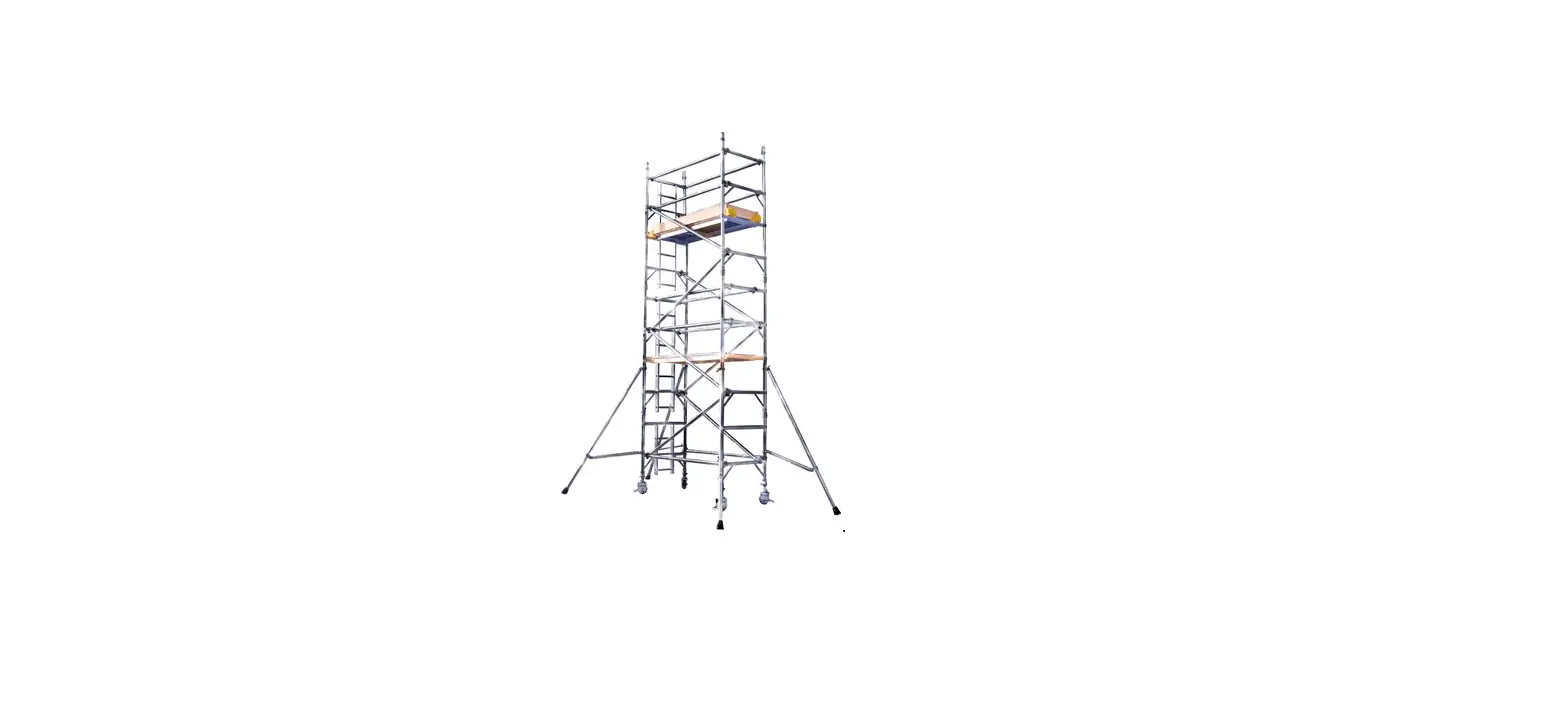
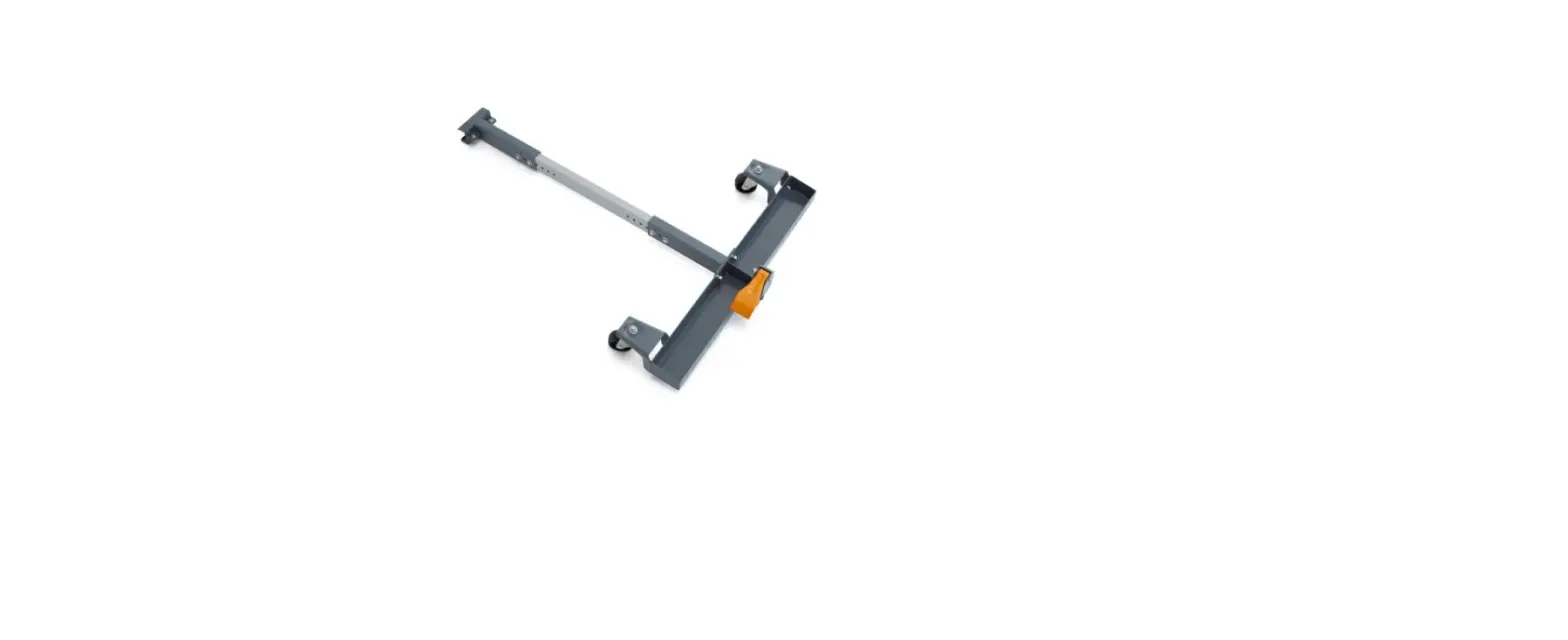
Teleguard Plus Access Towers
TeleguardPLUS
Instruction Manual
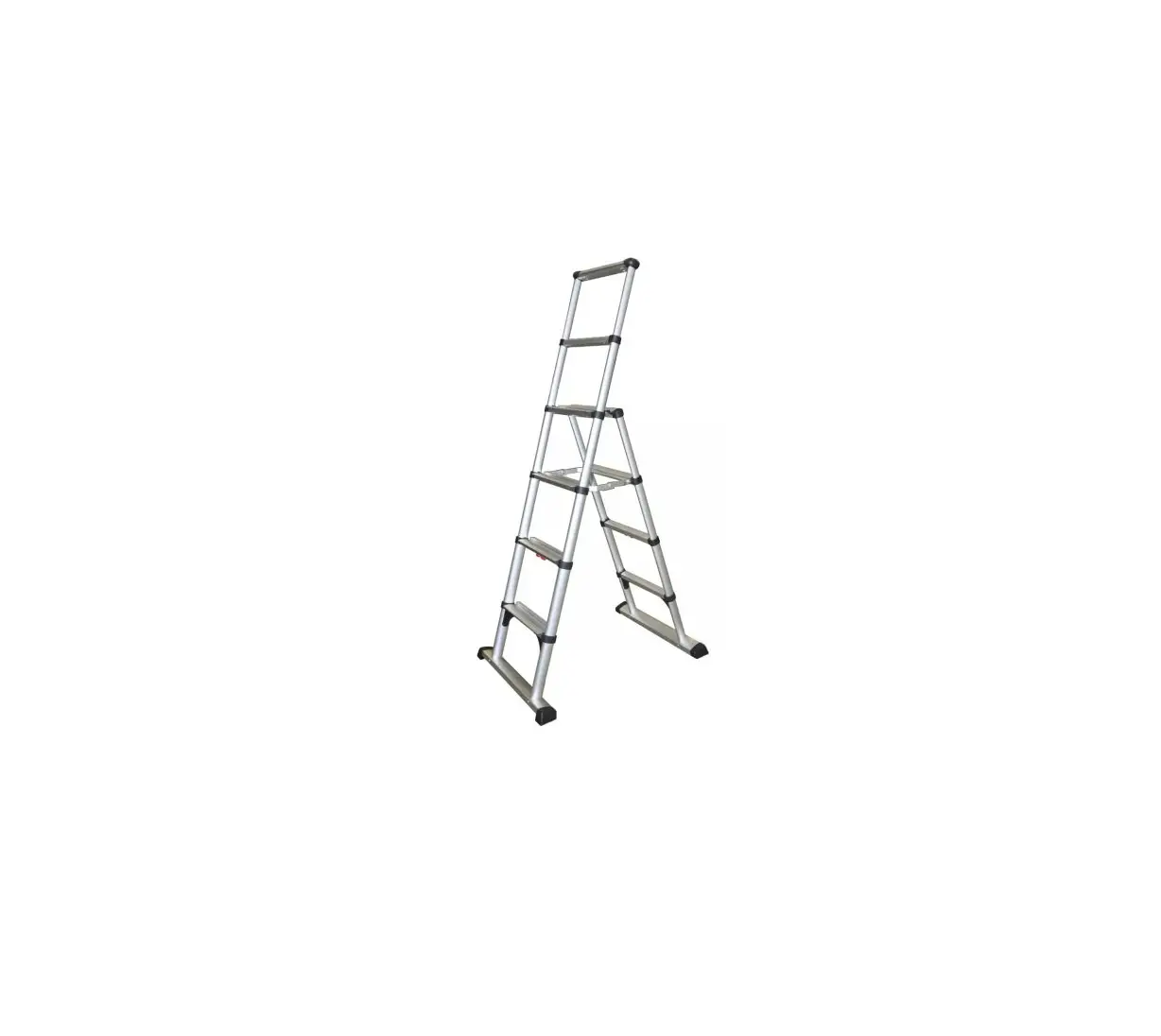
The BoSS TeleguardPLUS is a ladder designed for commercial use
and must only be used for its intended purpose.
Contents
- 1 Intended Use
- 2 General Safety Instructions
- 2.1 Commercial Use
- 3 Inspection, Maintenance And Servicing
- 4 Transporting And Storage
- 5 Safety Instructions
- 5.1 Before Use
- 5.2 Positioning & Erecting The Ladder
- 5.3 Using The Ladder
- 5.4 Repair, Maintenance & Storage
- 5.5 List Of Items To Be Inspected
- 5.6 Storage Checklist
- 6 Setting Up The Ladder
- 7 Dismantling And Moving The Ladder
Intended Use
The TeleguardPLUS ladder is intended for commercial use and must
only be used for its intended purpose.
General Safety Instructions
Users must take note of the general markings on the product in
addition to the general safety instructions.
Commercial Use
The ladder is designed for commercial use.
Inspection, Maintenance And Servicing
The ladder must be inspected, maintained and serviced regularly
to ensure it is safe to use.
Transporting And Storage
The ladder must be transported and stored safely to prevent
damage.
Safety Instructions
Before Use
Before using the ladder, ensure that it is in good condition and
free from contaminants.
Positioning & Erecting The Ladder
The ladder must be positioned on a solid and level surface. It
should not be positioned on slippery surfaces, unless additional
measures are taken to prevent slipping. The ladder must also be
erected correctly.
Using The Ladder
When using the ladder, maintain three points of contact at all
times and do not carry heavy or difficult to handle objects. Do not
stand on the top two rungs of a standing ladder without a platform
and a hand/knee rail.
Repair, Maintenance & Storage
The ladder must be regularly inspected and maintained. If any
part of the ladder is damaged or missing, it should not be
used.
List Of Items To Be Inspected
The following items must be inspected regularly:
- The stiles/legs (uprights)
- The fixings
- The rungs/steps
- The hinges between the front and rear sections
- The locking stays horizontal, back rails and corner braces
- The rung hooks
- The guide brackets
- The ladder feet/end caps
- The entire ladder for contaminants
- The locking catches (if fitted)
- The platform (if fitted)
Storage Checklist
A storage checklist should be followed to ensure the ladder is
stored safely and correctly.
TeleguardPLUS
Instruction Manual
BoSS TeleguardPLUS Instruction Manual
Contents
1 Intended Use 2 General Safety Instructions 2.1 Commercial Use 3 Inspection, Maintenance And Servicing 4 Transporting And Storage 5 Safety Instructions 5.1 Before Use 5.2 Positioning & Erecting The Ladder 5.3 Using The Ladder 5.4 Repair, Maintenance & Storage 5.5 List Of Items To Be Inspected 5.6 Storage Checklist 6 Setting Up The Ladder 7 Dismantling And Moving The Ladder
bossaccesstowers.com
2 2 3 3 4 4 4 5 5 7 7 7 8 12
1
1 Intended Use
This ladder is a piece of mobile work equipment that can be used in different places. This ladder allows users to perform short access work from height where the use of other equipment is inappropriate (Work at Height Regulations 2005). This ladder may only be used in accordance with these instructions. Any other use is considered improper. The manufacturer does not accept any liability for any damages resulting from improper use. Any modifications to the ladder that are not authorised by the manufacturer will void the warranty and exclude any liability of the manufacturer..
2 General Safety Instructions
IN ADDITION TO THE GENERAL SAFETY INSTRUCTIONS, USERS MUST TAKE NOTE OF THE GENERAL MARKINGS ON THE PRODUCT (SEE SECTION 5).
· The ladder may only be set up and used by individuals familiar with these assembly and user instructions.
· The ladder and its parts may not be modified.
· Before using the ladder, check that all its parts are assembled correctly and functioning properly.
· When using the ladder, there is a risk of the user falling from the ladder or the ladder toppling over. This may cause injury to persons or damage to property.
· Make sure that the ladder is suitable for the application in question and is set up in a proper position during use.
· The ladder should only be set up on an even, horizontal and stable surface that is capable of withstanding the weight load. If necessary, insert load-distributing pads under the unit.
· Do not move the ladder while standing on it.
· When setting up the ladder, be cautious of the risk of collision, e.g. with pedestrians, vehicles or doors. Whenever possible, lock the doors (except emergency exits) and windows in the working area.
· The ladder must be placed on its feet, not on the rungs or steps.
· Work involving the use of the ladder must be carried out in such a way that minimises the risk of the user falling or the ladder toppling.
2
BoSS TeleguardPLUS Instruction Manual
2 General Safety Instructions
· When using the product outdoors, take safety precautions to protect it against the influence of wind.
· The ladder should only be used for performing light work over a short period of time.
· Fatigue while using the ladder is detrimental to safety. Never work for long periods of time on the ladder without taking regular breaks.
· Only stand on surfaces intended to be stepped on. · Do not use the ladder if it is soiled (with e.g. wet paint, dirt, oil or snow). · Never move the ladder from the top. · Always use non-conducting ladders when you are required to work around
electricity.
2.1 Commercial Use
· To ensure the product is used properly, carry out a risk assessment in accordance with the legal requirements in the country of use.
· The rules and regulations applicable in the country of use must be observed especially when using the product commercially.
3 Inspection, Maintenance And Servicing
· Product inspections should be carried out by a competent person and in accordance with national/local policies.
· All formal product inspections must be recorded. · Where applicable all damaged or loose parts must be replaced with original
components. The use of non-original components will void the manufacturing warranty. · Lubricate all moving parts with conventional oils. · Clean product with water and mild cleansing agent. · The manufacturer strongly recommends that all damaged ladders are immediately removed from service and quarantined to prevent further use. Damaged ladders should either be scrapped or returned to the manufacturer for repair.
bossaccesstowers.com
3
4 Transportation And Storage
· Store ladders in such a way that they cannot be damaged (e.g. bent or twisted).
· Protect ladders from the influence of weather and keep them from unauthorised use (e.g. by children) while they are in storage.
· While transporting ladders to or from the place of storage, they should be properly secured to keep them from sliding and prevent impact and accidents.
· Do not throw the ladders during loading and unloading. · When transporting ladders, properly secure them on a vehicle’s roof racks or in
its interior. · Use good manual handling practices & techniques when erecting, dismantling,
moving, transporting and handling a ladder. · Only move ladder in closed position and with the product laying in horizontal
position. · Use the platform top guardrail as a hand hold and raise until the castors
contact the floor. Move ladder to desire position, lower and re-erect.
5 Safety Instructions
5.1 Before Use
· Read all instructions on and accompanying the ladder.
· WARNING! Fall from the ladder
· Visually check the ladder is not damaged and is safe to use at the start of each day when the ladder is to be used.
· Inspect ladder feet.
· Inspect the ladder after delivery. Before every use visually check the ladder is not damaged and is safe to use.
· Do not use a damaged ladder. · Do not use the ladder if you are
not fit enough. Certain medical conditions or medication, alcohol or drug abuse could make ladder use unsafe. · Ensure the ladder is suitable for the task.
4
· Do not use the ladder if contaminated, e.g. with wet paint, mud, oil, water or snow.
· Prevent damage of the ladder when transporting e.g. by fastening and ensure they are suitably placed to prevent damage.
· For professional users regular periodic inspection is required.
· For professional use, a risk assessment shall be carried out respecting the legislation in the country of use.
· Do not modify the ladder design.
BoSS TeleguardPLUS Instruction Manual
5 Safety Instructions
· Do not use the ladder until the stabiliser bar has firstly been fully attached and secured to the ladder.
· Ladder suitable for Professional Use
5.2 Positioning & Erecting The Ladder
· When positioning the ladder, take into account risk of collision with the ladder e.g. from pedestrians, vehicles or doors. Secure doors (not fire exits) and windows where possible in the work area.
· Warning! Electricity hazard. Identify any electrical risks in the work area, such as overhead lines or other exposed electrical equipment and do not use the ladder where electrical risks occur.
· Ladder shall be on an even, level and unmovable base.
· Standing ladders shall not be used as a leaning ladder unless it is designed to do so.
· Ladder shall be erected at the correct position with the rungs or treads level and complete opening of a standing ladder.
· Open the ladder fully before use.
· Do not erect ladder on contaminated
ground. Ladders shall not be
positioned on slippery surfaces (such as ice, shiny surfaces or
OIL
H2O
significantly contaminated solid
surfaces) unless additional effective measures are
taken to prevent the ladder slipping or ensuring
contaminated surfaces are sufficiently clean.
· Do not use the ladder on an unlevel
or unfirm base.
max.
· Locking devices, if fitted, shall be fully secured before use.
· Use the ladder with restraint devices engaged only.
· Ladder shall be stood on its feet, not the rungs or steps.
5.3 Using The Ladder
· Do not exceed the maximum total load (load includes user, tools, materials, etc.).
· Maximum number of users on the ladder.
max. 150 kg max. 1
· Do not wear unsuitable footwear when climbing a ladder.
· Do not ascend or descend unless you are facing the ladder.
bossaccesstowers.com
5
5 Safety Instructions
· Keep a secure grip on the ladder
when ascending and descending.
Maintain 3 points of contact whilst
working from a ladder or take
additional safety precautions if you
cannot.
· Do not stand on the top two steps/
rungs of a standing ladder without
a platform and a hand/knee rail.
12
· Do not stand on top hand/knee rail.
· Do not use the ladder as a bridge.
· Secure and positively lock the chain guard during use.
· Apply load centrally to platform.
· Do not stand on these rungs/steps or the tool tray (if applicable).
· Do not apply platform load to one side only.
· Do not overreach, user should keep their belt buckle (navel) inside the stiles and both feet on the same step/rung throughout the task.
· Avoid work that imposes a sideways load on ladders, such as side-on drilling through solid materials.
· Do not ascend or descend unless you are facing the ladder.
· Only use ladder with both front and rear section stabilisers fitted.
· Do not carry equipment which is
KG
· Do not step off the platform onto another surface.
heavy or difficult to handle while
using a ladder.
· Equipment carried while using a ladder should be light and easy to handle.
· Use non-conductive ladders for unavoidable electrical work.
· Secure doors (not fire exits) and windows where possible in the work area.
· Do not use the ladder outside in adverse weather conditions, such as strong wind.
· When outdoors, be cautious in windy conditions.
· Ladders should only be used for light work of a short duration.
· Do not spend long periods on the ladder without regular breaks (tiredness is a risk).
· For outdoor use, use caution to the wind. Beware of high winds and tunnelling effect when using all products outside. Do not use products in strong winds or adverse weather conditions.
· Fit ballast weights to model 32951500 when product is used outside.
· Ensure all stabiliser devices/ outriggers are fully always deployed during use.
6
BoSS TeleguardPLUS Instruction Manual
5 Safety Instructions
5.4 Repair, Maintenance & Storage
· Repairs and maintenance shall be carried out by a competent person and be in accordance with the producer’s instructions.
· Ladders should be stored in accordance with the producer’s instructions.
· Replacement spare parts are available to order online at bossaccesstowers.com.
5.5 List Of Items To Be Inspected
For regular inspections, the following items shall be taken into account –
Check:
The stiles/legs (uprights) are not bent, bowed, twisted, dented, cracked, corroded or rotten.
The stiles/legs around the fixing points for other components are in good condition.
The fixings (usually rivets, screws or bolts) are not missing, loose or corroded.
The rungs/steps are not missing, loose, excessively worn, corroded or damaged.
The hinges between the front and rear sections are not damaged, loose or corroded.
The locking stays horizontal, back rails and corner braces are not missing, bent, loose, corroded or damaged.
The rung hooks are not missing, damaged, loose or corroded and engage properly on the rungs.
The guide brackets are not missing, damaged, loose or corroded and engage properly on the mating stile.
The ladder feet/end caps are not missing, loose, excessively worn, corroded or damaged.
The entire ladder is free from contaminants (e.g. dirt, mud, paint, oil or grease).
The locking catches (if fitted) are not damaged or corroded and function correctly.
The platform (if fitted) has no missing parts or fixings and is not damaged or corroded.
If any of the above checks cannot be fully satisfied, you should NOT use the ladder.
5.6 Storage Checklist
The important considerations when storing a ladder (not in use) should include the following:
Is the ladder stored away from areas where it’s condition could deteriorate more rapidly e.g. dampness, excessive heat, or exposed to the elements?
Is the ladder stored in a position which helps it remain straight e.g. hung by the stiles on proper ladder brackets or laid on a flat clutter free surface?
Is the ladder stored where it cannot be damaged by vehicles, heavy objects, or contaminants?
Is the ladder stored where it cannot cause a trip hazard or an obstruction?
Is the ladder stored securely where it cannot be easily used for criminal purposes?
If the ladder is permanently positioned (e.g. on scaffolding), is it secured against unauthorised climbing (e.g. by children)?
bossaccesstowers.com
7
6 Setting Up The Ladder
32951500
4x
2x
32651500
32851500
32751500
32951500
32951500
8
BoSS TeleguardPLUS Instruction Manual
6 Setting Up The Ladder
2. 3. 1.
32651500 32851500 32751500 32951500
A
B
max. 2x
C ….
max. 2x
C …. B
A
1
2
1.
3
2x
2.
1.
bossaccesstowers.com
9
6 Setting Up The Ladder
1
2
3
32851500/32751500 32951500
2x
4x
32951500
1.
10
4x
2.
BoSS TeleguardPLUS Instruction Manual
6 Setting Up The Ladder
32951500
4x
1.
127017
2.
4x
Fit x4 10kg solid ballast weights to stabilisers when using model 32951500 outside.
bossaccesstowers.com
11
7 Dismantling And Moving The Ladder
32951500
4x
1.
2.
1
32851500/32751500
32951500
2x
4x
2
3
12
BoSS TeleguardPLUS Instruction Manual
7 Dismantling And Moving The Ladder
A
max. 2x
C …. B
max. 2x
1
1.
2. 2x
2
3
A
C …. B
32651500 32851500 32751500 32951500
3.
2. 1.
bossaccesstowers.com
13
For further information and support for the TeleguardPLUS or any other products and services, please contact:
Werner UK Sales & Distribution Ltd. Blackwater Trading Estate, The Causeway, Maldon, Essex, CM9 4LJ, United Kingdom
+44 (0)1621 745900 [email protected]
bossaccesstowers.com
Art-No. 165 01 967 PN125983-01 ©WernerCo Rev. A
 The UK's No.1 Mobile Tower System | BoSS Access Towers
 The UK's No.1 Mobile Tower System | BoSS Access Towers