MINIBOT Modular Reconfigurable Intelligent Robot System
Product Information:
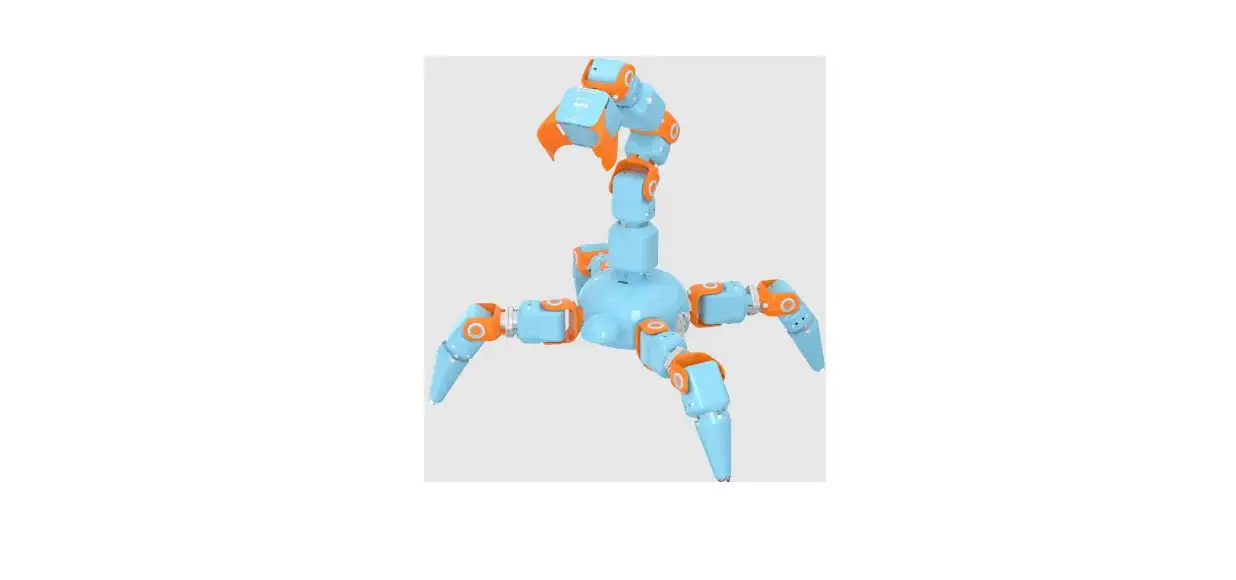
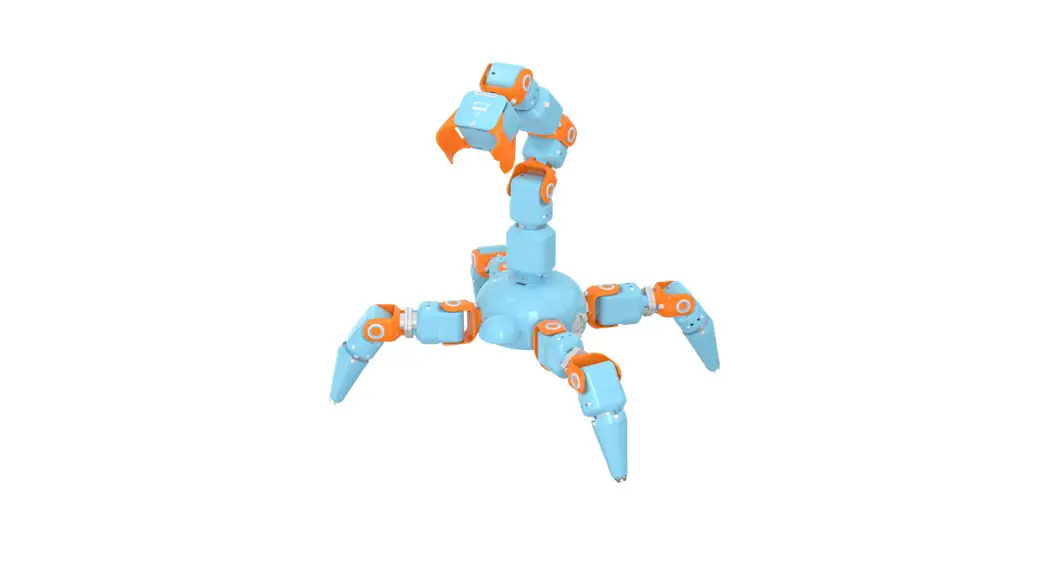
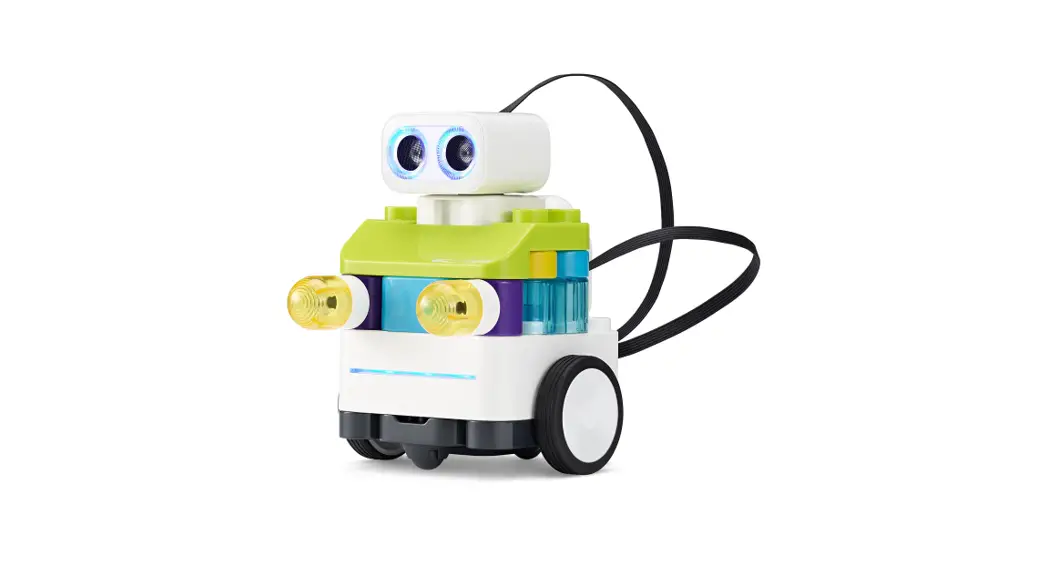
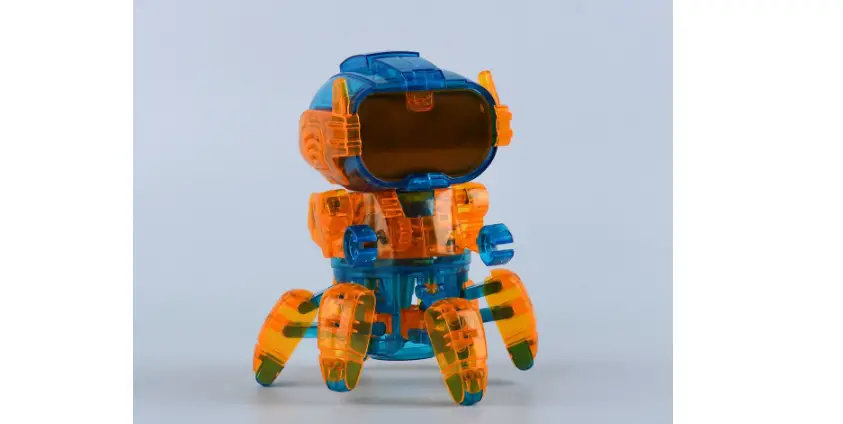
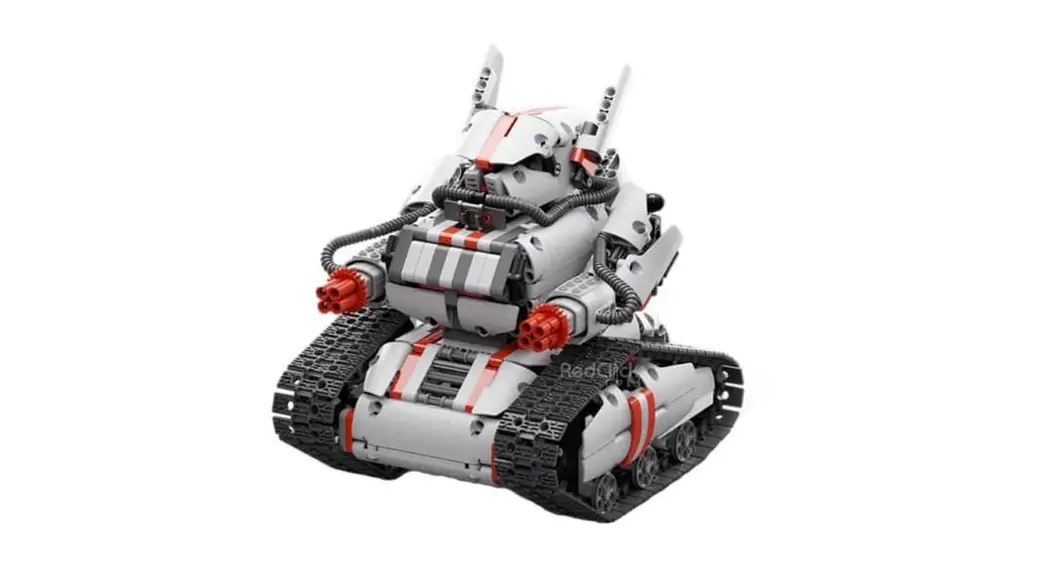
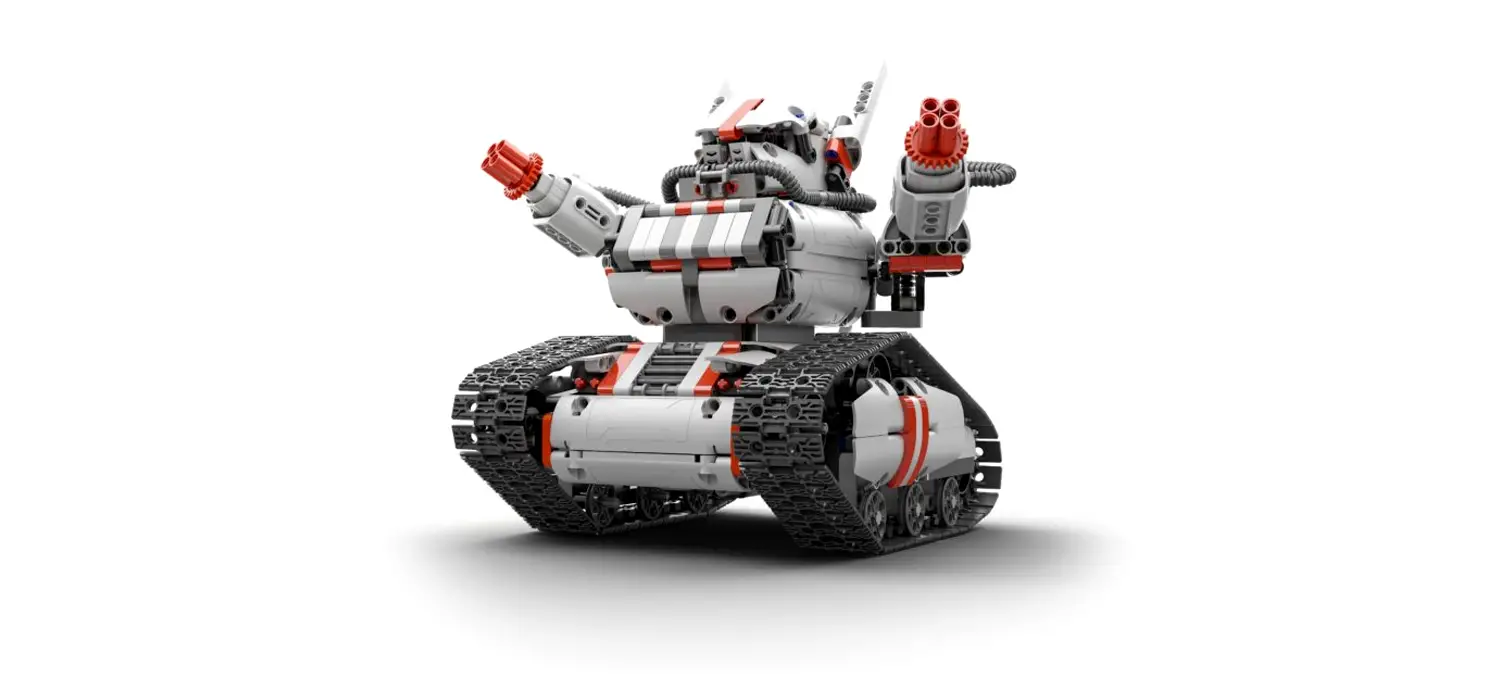
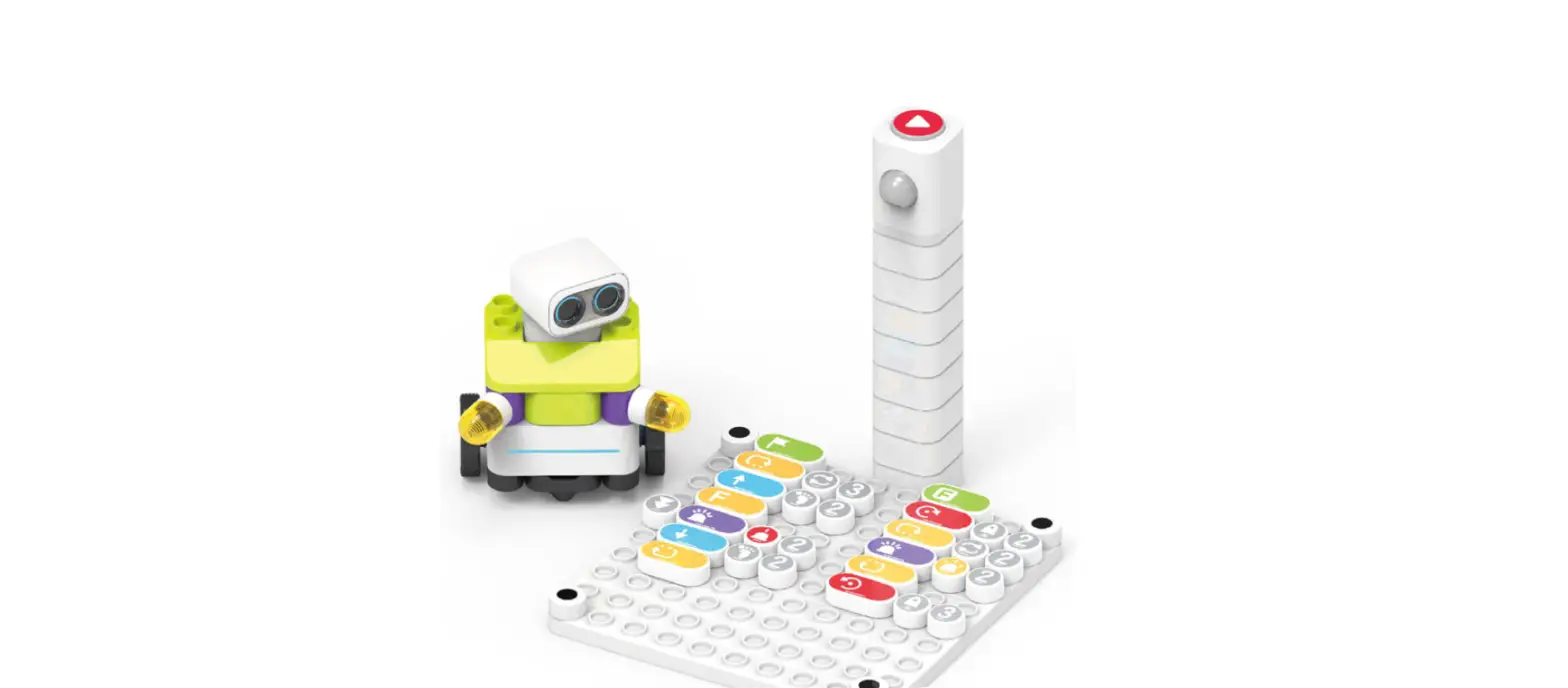
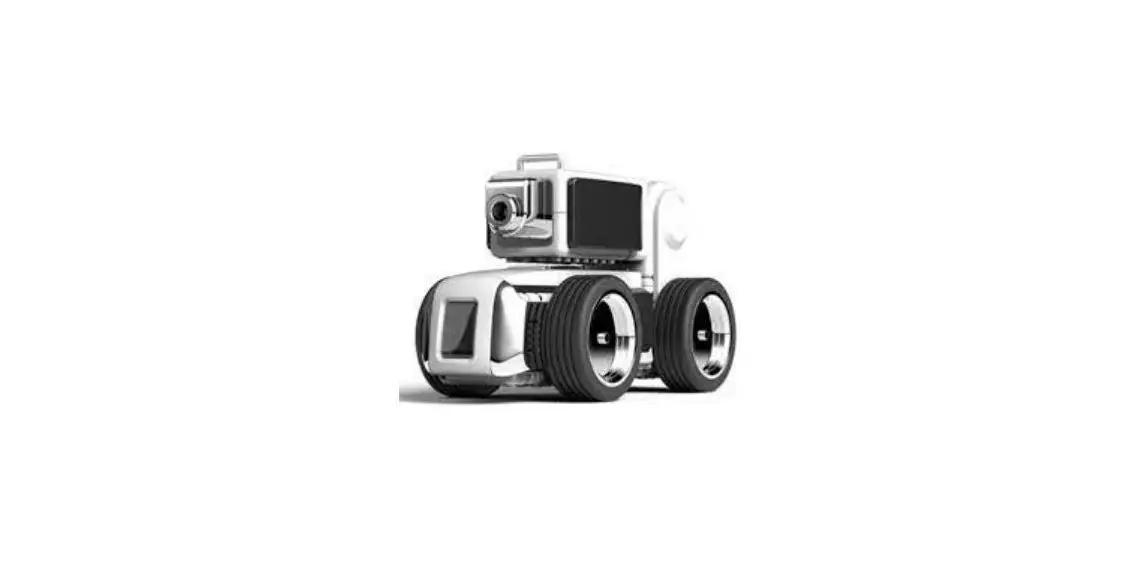
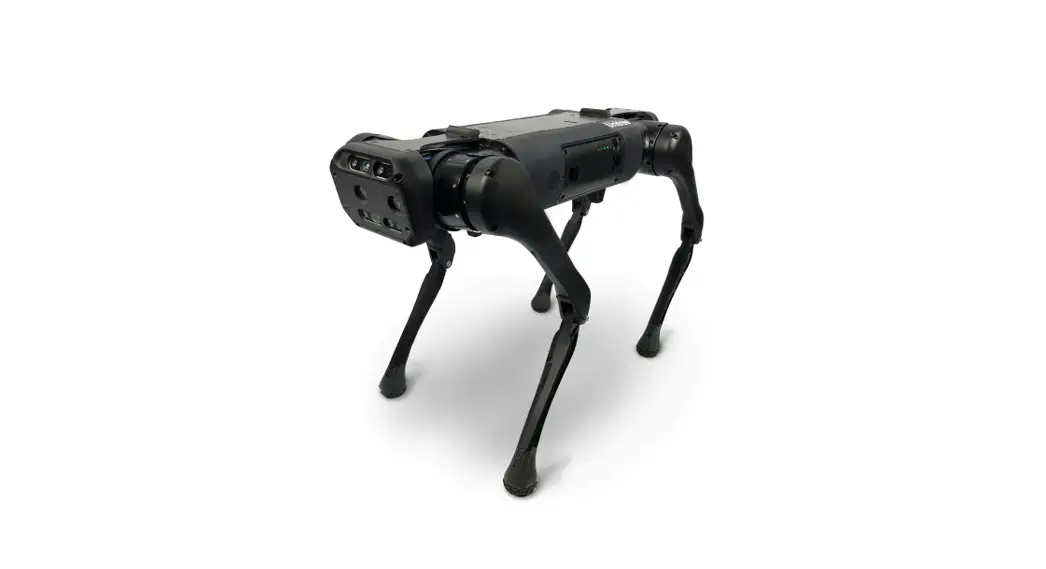
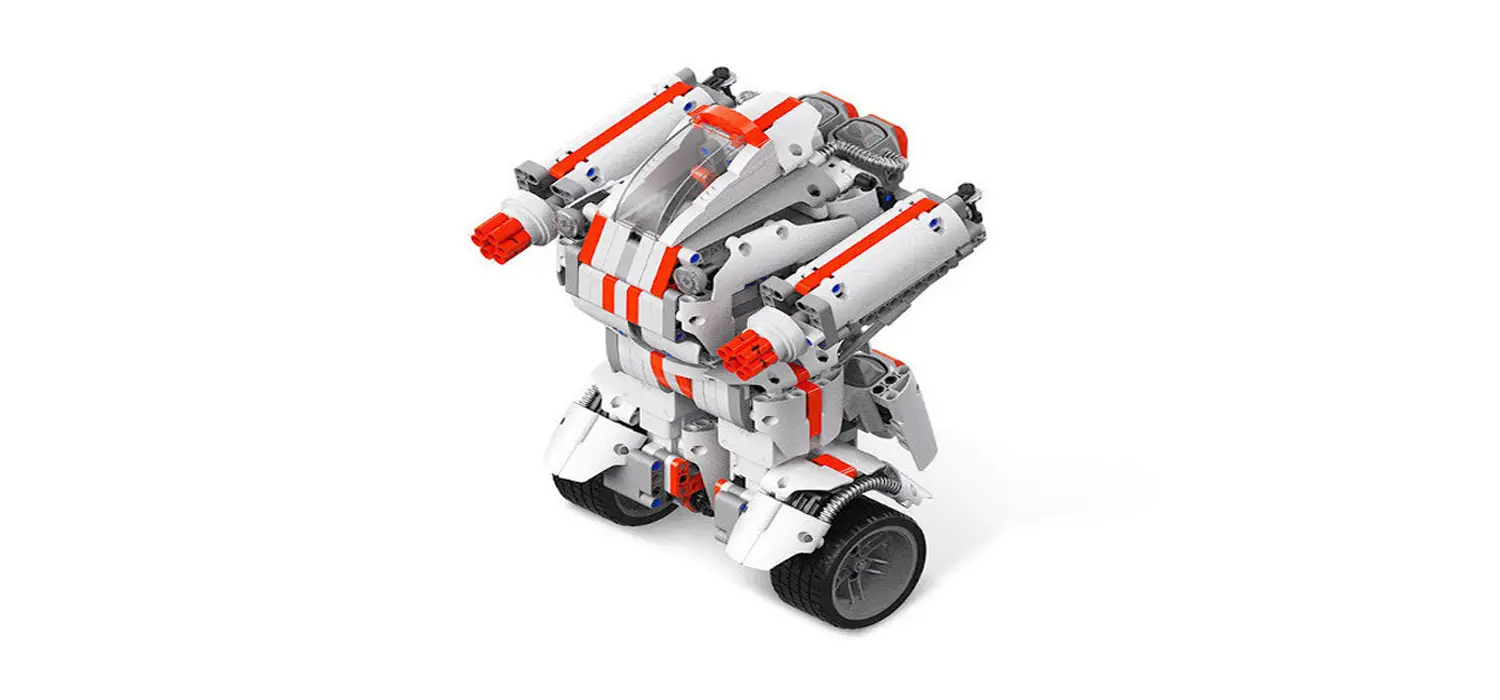
The Biowin MINIBOT is a modular reconfigurable intelligent robot
system manufactured by Biowin Robot Automation Technology Co., Ltd.
It is designed to provide a versatile and customizable solution for
various robotic applications. The system consists of different
modules and external equipment that can be combined and configured
according to specific needs.
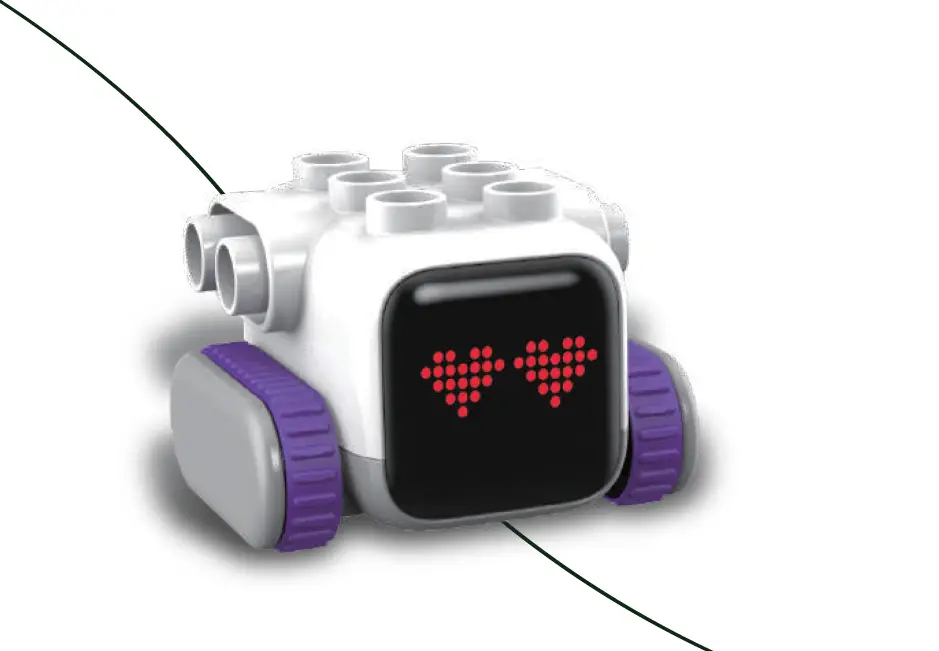
The basic module includes the G module, T module, I module, F
module, P module, Ultrasonic module, LED module, Sound sensor
module, M module, Fixed base module, Orthogonal module, I Holder
module, Bionic foot module, Mecanum wheel module, Flat wheel
module, Universal wheel module, and Serpentine wheel module.
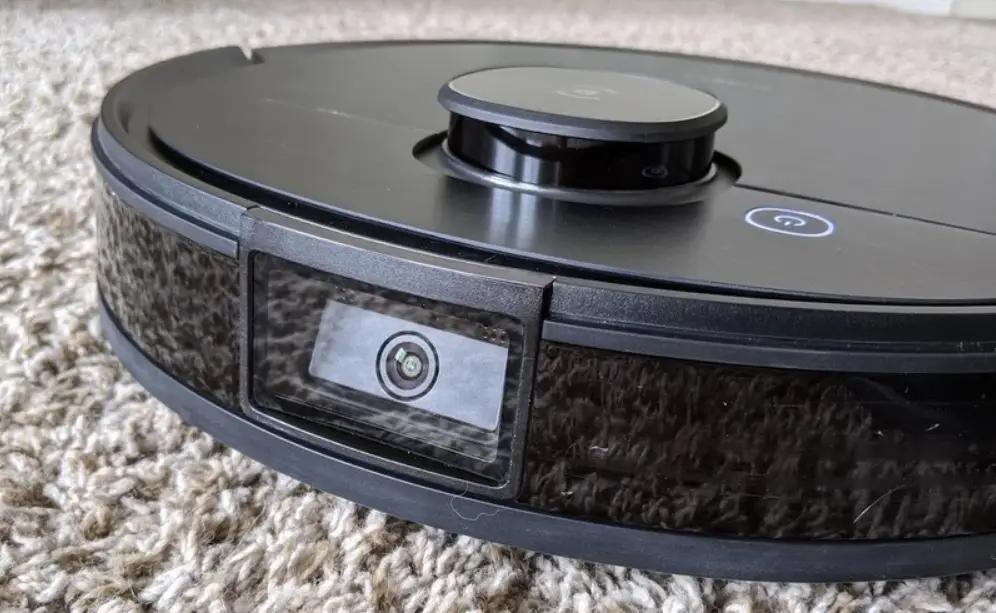
Additionally, the system supports various external equipment
such as the Color Infrared module, Control board sensor, and Camera
module. These external equipment modules enhance the capabilities
of the robot system.
The Biowin MINIBOT is suitable for a wide range of applications
and is applicable to undergraduate education in fields such as
Robotic Engineering, Automation Mechatronic Engineering, Mechanical
Manufacturing and Automation, Intelligent Manufacturing
Engineering, Artificial intelligence, and Intelligent Science and
Technology. It is also relevant to vocational education in areas
like Industrial robot, Electrical automation, Mechanical
Manufacturing and Automation, Mechatronics, and Computer
Application Technology.
For more information about the product and the company, visit
www.biowinedu.com. You can
also contact their customer support at 400-994-0579.
Product Usage Instructions:
To use the Biowin MINIBOT modular reconfigurable intelligent
robot system:
- Assemble the basic modules according to your specific
requirements. Combine and configure the G module, T module, I
module, F module, P module, Ultrasonic module, LED module, Sound
sensor module, M module, Fixed base module, Orthogonal module, I
Holder module, Bionic foot module, and wheel modules (Mecanum wheel
module, Flat wheel module, Universal wheel module, Serpentine wheel
module) as needed. - Add any desired external equipment modules such as the Color
Infrared module, Control board sensor module, and Camera module to
enhance the capabilities of the robot system. - Refer to the provided experiment list and choose the desired
experiments to implement with the robot system. These experiments
may include control of mechanical arm, control of wheeled mobile
robot, control of bionic multi-legged robot, AI vision – color
recognition, AI vision – QR code recognition, AI Vision – Face
Recognition, AI Vision Speech Recognition, AI vision voice control,
AI Visual Voice Conversation, ROS-Simulation MiniBot,
ROS-Autonomous navigation, ROS-Autonomous positioning, ROS-Follow
autonomously, and ROS-Sports Planning. - Ensure that any modifications or changes to the device are
explicitly approved by the manufacturer to avoid voiding the
device’s authority to operate. - Comply with FCC Rules and regulations regarding the operation
and radiation exposure of the device. The device should not cause
harmful interference and should accept any interference received.
Install and operate the equipment with a minimum distance of 0cm
between the radiator and your body.
Biowin MINIBOT A Modular Reconfigurable Intelligent Robot System Bi win Foshan Biowin Robot Automation Technology Co., Ltd
Kit Introduction
Basic module
External equipment
G module T module
I module
F module
P module
Ultrasonic
LED Sound sensor
M module Fixed base Orthogonal module
I Holder
Bionic foot module
Mecanum wheel Flat wheel Universal wheel Serpentine wheel
Experim ental Cases
Color Infrared module Control board sensor
……
Camera module
Robot Controller
Im plem ented Experim ents
Applicable Majors
Undergraduate education
Robotic Engineering
Automation Mechatronic Engineering
Mechanical , manufacturing and automation
Intelligent Manufacturing Engineering
Artificial intelligence
Intelligent Science and Technology ……
Vocational education
Industrial robot
Electrical automation
Mechanical Manufacturing and Automation
Mechatronics
Computer Application Technology ……
Bi win Foshan Biowin Robot Automation Technology Co., Ltd
Experiment List
Control AI
ROS
Control of mechanical arm Control of wheeled mobile robot
Control of bionic multi legged
…… AI vision – color recognition AI vision – QR code recognition AI Vision – Face Recognition AI Vision Speech Recognition
AI vision voice control AI Visual Voice Conversation
…… ROS-Simulation MiniBot ROS-Autonomous navigation ROS-Autonomous positioning ROS-Follow autonomously
ROS-Sports Planning
……
: www.biowinedu.com
: 400- 994- 0579
FCC Warnning: This equipment has been tested and found to comply with the limits for a Class B digital device, pursuant to part 15 of the FCC Rules. These limits are designed to provide reasonable protection againstharmful interference in a residential installation. This equipment generates, uses and can radiateradio frequency energy and, if not installed and used in accordance with the instructions, maycause harmful interference to radio communications. However, there is no guarantee thatinterference will not occur in a particular installation. If this equipment does cause harmfulinterference to radio or television reception, which can be determined by turning the equipmentoff and on, the user is encouraged to try to correct the interference by one or more of thefollowing measures: · Reorient or relocate the receiving antenna. · Increase the separation between the equipment and receiver. · Connect the equipment into an outlet on a circuit different from that to which the receiver is connected. · Consult the dealer or an experienced radio/TV technician for help.
Caution: Any changes or modifications to this device not explicitly approved by manufacturer could void your authority to operate this equipment.
This device complies with part 15 of the FCC Rules. Operation is subject to the following two conditions: (1)This device may not cause harmful interference, and (2) this device must accept any interference received, including interference that may cause undesired operation.
This equipment complies with FCC radiation exposure limits set forth for an uncontrolled environment. This equipment should be installed and operated with minimum distance 0cm between the radiator and your body.
 欢迎访您问广州博文机器人科技有限公司官方唯一网站