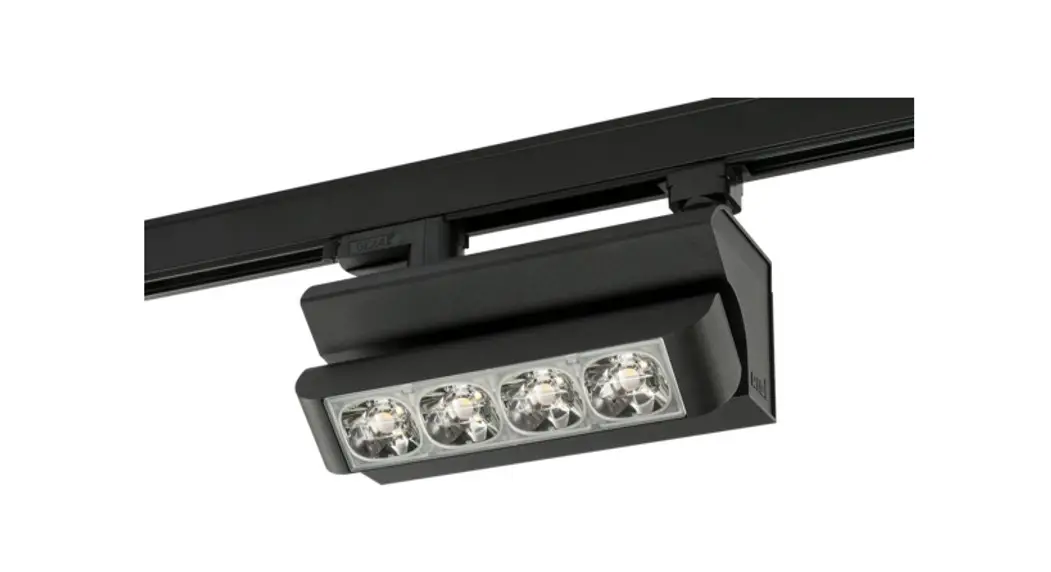
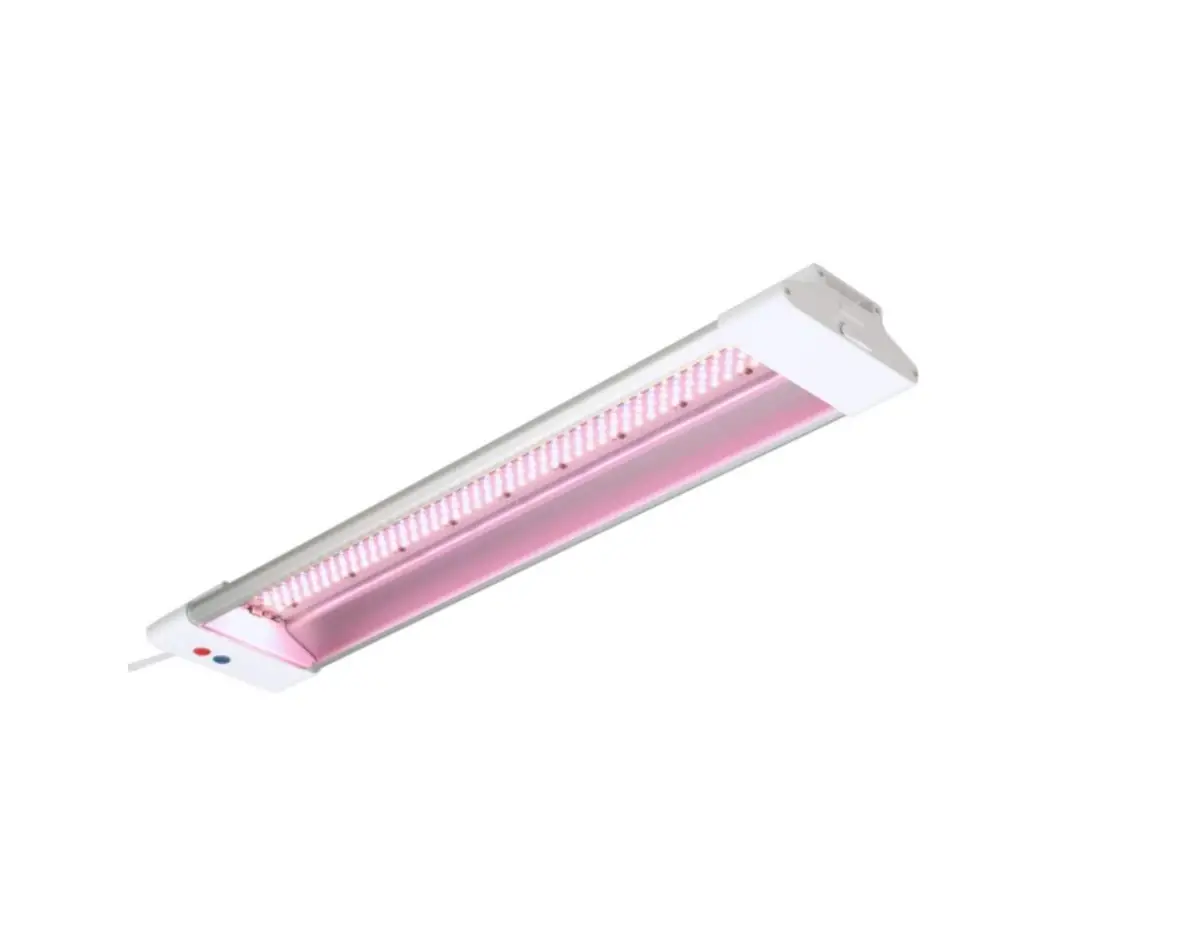
Highland Track Lighting for Indoor Plants
Product Information
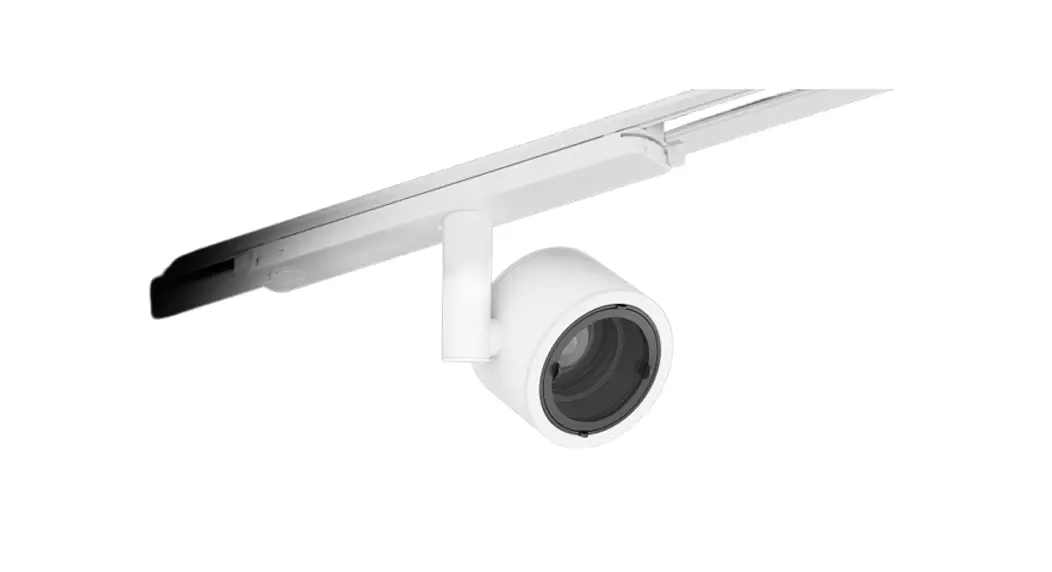
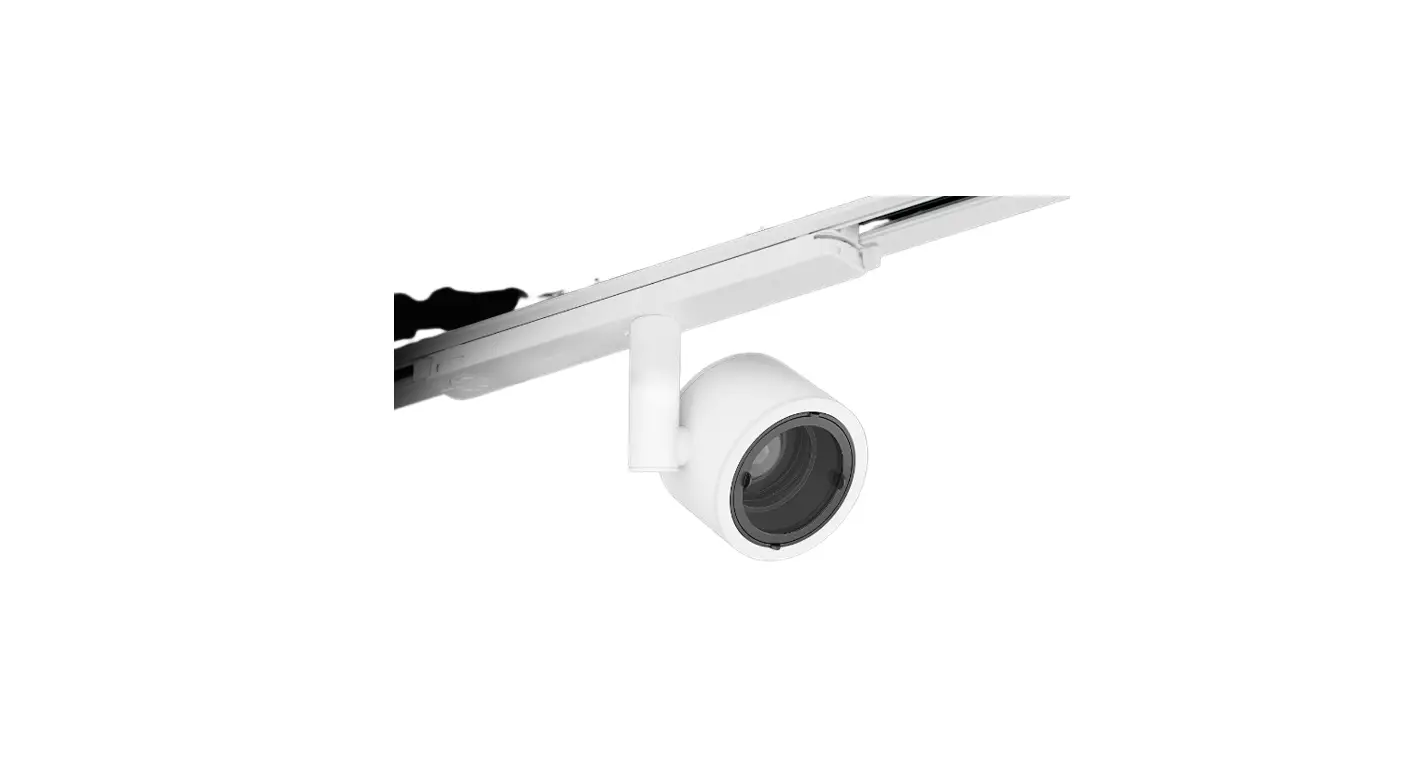
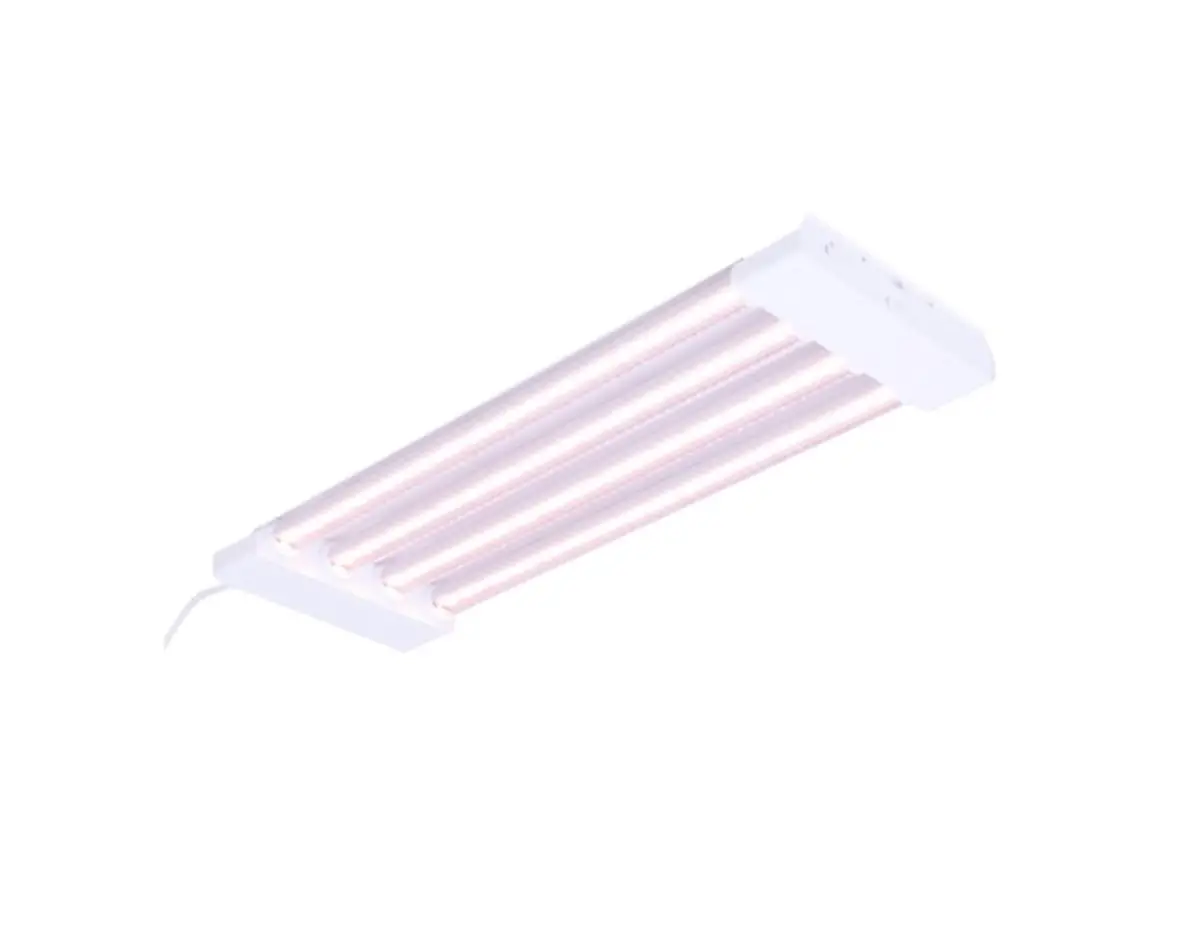
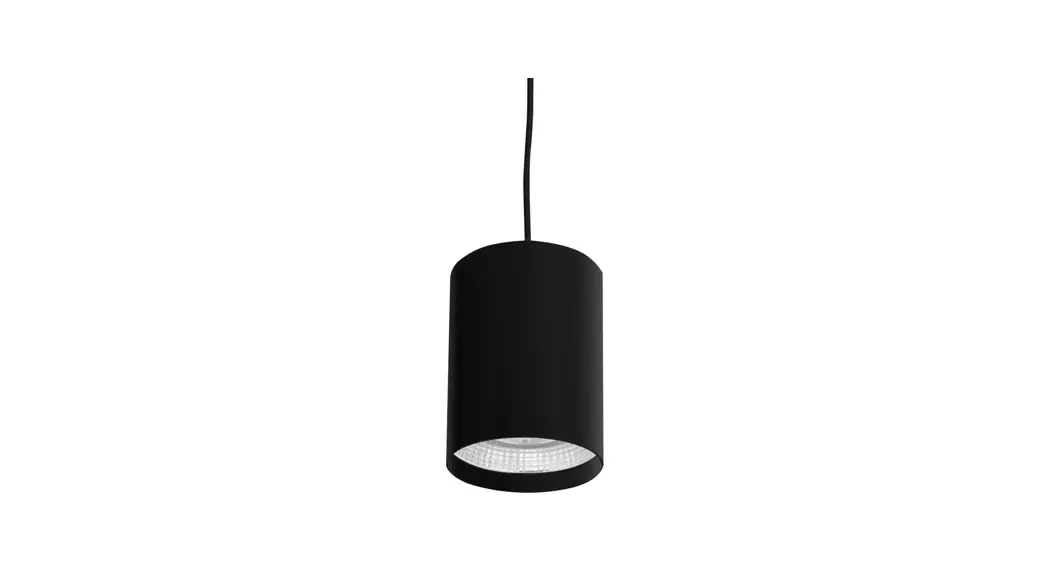
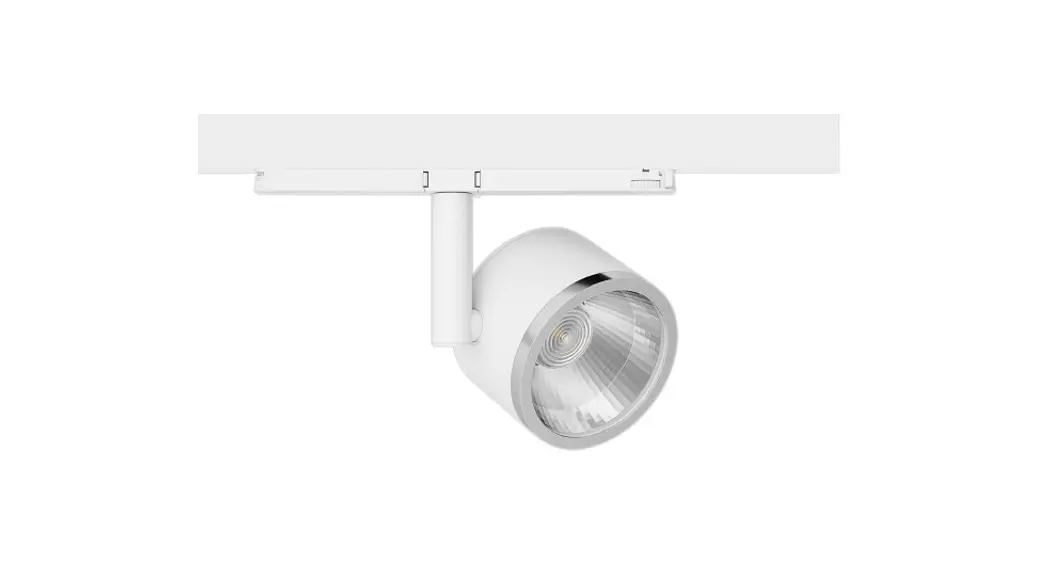
The product is called “Highland” and it is a lighting fixture
designed for indoor growing. It comes with two options for
reflectors: a wide reflector for plants near the light, and a
narrow reflector for plants further away. The user manual provides
recommended distance, coverage, and plant light requirements for a
single Highland.
Product Usage Instructions
To determine the distance and coverage for your specific plants,
refer to the following guidelines:
Narrow Reflector:
This option is suitable for plants that are further away from
the light.
- Distance Away:
- 12 inches (0.30 meters)
- 18 inches (0.46 meters)
- 24 inches (0.61 meters)
- 30 inches (0.76 meters)
- 36 inches (0.91 meters)
- 42 inches (1.07 meters)
- 48 inches (1.22 meters)
- 54 inches (1.37 meters)
- 60 inches (1.52 meters)
- 66 inches (1.68 meters)
- 72 inches (1.83 meters)
- 78 inches (1.98 meters)
- 84 inches (2.13 meters)
- 90 inches (2.29 meters)
- 96 inches (2.44 meters)
- 102 inches (2.59 meters)
- Plant Light Requirements:
- Not Recommended
- Not Recommended
- Full Sun
- Full Sun
- High Light
- High Light
- Moderate Light
- Moderate Light
- Low Light
- Low Light
- Low Light
- Low Light
- Low Light
- Low Light
- Very Low Light
- Light Coverage:
- –
- –
- –
- –
- 13 inches (33 centimeters)
- 16 inches (41 centimeters)
- 19 inches (48 centimeters)
- 22 inches (56 centimeters)
- 26 inches (66 centimeters)
- 29 inches (74 centimeters)
- 32 inches (81 centimeters)
- 35 inches (89 centimeters)
- 38 inches (97 centimeters)
- 42 inches (107 centimeters)
- 45 inches (114 centimeters)
- 48 inches (122 centimeters)
- 51 inches (130 centimeters)
- 55 inches (140 centimeters)
Wide Reflector:
This option is suitable for plants that are near the light.
- Distance Away:
- 12 inches (0.30 meters)
- 18 inches (0.46 meters)
- 24 inches (0.61 meters)
- 30 inches (0.76 meters)
- 36 inches (0.91 meters)
- 42 inches (1.07 meters)
- 48 inches (1.22 meters)
- 54 inches (1.37 meters)
- 60 inches (1.52 meters)
- 66 inches (1.68 meters)
- 72 inches (1.83 meters)
- 78 inches (1.98 meters)
- 84 inches (2.13 meters)
- 90 inches (2.29 meters)
- 96 inches (2.44 meters)
- Plant Light Requirements:
- Full Sun
- Full Sun
- High Light
- High Light
- Moderate Light
- Moderate Light
- Moderate Light
- Low Light
- Low Light
- Low Light
- Low Light
- Very Low Light
- Very Low Light
- Very Low Light
- Light Coverage:
- 10 inches (25 centimeters)
- 15 inches (38 centimeters)
- 20 inches (51 centimeters)
- 26 inches (66 centimeters)
- 31 inches (79 centimeters)
- 36 inches (91 centimeters)
- 41 inches (104 centimeters)
- 46 inches (117 centimeters)
- 52 inches (132 centimeters)
- 57 inches (145 centimeters)
- 62 inches (157 centimeters)
- 67 inches (170 centimeters)
- 72 inches (183 centimeters)
- 78 inches (198 centimeters)
The manual also provides a list of common plants and their
lighting requirements for both narrow and wide reflectors.
TABLE OF CONTENTS
LIGHT CYCLES …………………………………………………………………2 DETERMINING THE DISTANCE AND COVERAGE ……….3 INDOOR GROWING GUIDE …………………………………………….9
LIGHT CYCLES Light cycles are used to simulate the conditions of day and night for indoor plants. We highly recommend the use of a 24-hour timer to create a repeatable light cycle. Most plants grow in two stages, the vegetative stage and flowering stage. During the vegetative growth stage, the plant is focused on growing in preparation for flowering. Some plants can be left in the vegetative stage indefinitely with no adverse effects. The flower stage is initiated when the light cycle changes into the critical light period, explained below. This change will cause your plant to focus completely on making flowers and seeds for reproduction. There are three types of plant responses; short-day, long-day, and day-neutral. The first two types have a critical light and dark period associated with them and can vary from plant to plant. This critical period will determine when the plant switches from the vegetative stage to the flowering stage. Day-neutral plants are generally unaffected by light cycles and flower when the plant is mature. If you find that it is difficult to flower a short-day plant due to a light flash at night, we recommend flowering in a closet or grow tent.
2
DETERMINING THE DISTANCE AND COVERAGE
Highlands are made with either a wide reflector for plants near the light, or a narrow reflector for plants further away. The following pages provided the recommended distance, coverage, and plant light requirements for a single Highland. To increase the amount of light, for example low light to moderate light, point two Highland fixtures at the same location.
Distance Away
Inches
Meters
12
0.30
18
0.46
24
0.61
30
0.76
36
0.91
42
1.07
48
1.22
54
1.37
60
1.52
66
1.68
72
1.83
78
1.98
84
2.13
90
2.29
96
2.44
102
2.59
Narrow Reflector
Plant Light Requirements
Not Recommended Not Recommended
Full Sun Full Sun High Light High Light Moderate Light Moderate Light Low Light Low Light Low Light Low Light Low Light Low Light Low Light Very Low Light
Light Coverage
Inches Centimeters
–
–
–
–
13
33
16
41
19
48
22
56
26
66
29
74
32
81
35
89
38
97
42
107
45
114
48
122
51
130
55
140
3
108
2.74
Very Low Light
58
147
114
2.90
Very Low Light
61
155
120
3.05
Very Low Light
64
163
Distance Away
Inches
Meters
12
0.30
18
0.46
24
0.61
30
0.76
36
0.91
42
1.07
48
1.22
54
1.37
60
1.52
66
1.68
72
1.83
78
1.98
84
2.13
90
2.29
Wide Reflector
Plant Light Requirements
Full Sun Full Sun High Light High Light Moderate Light Moderate Light Moderate Light Low Light Low Light Low Light Low Light Very Low Light Very Low Light Very Low Light
Light Coverage
Inches Centimeters
10
25
15
38
20
51
26
66
31
79
36
91
41
104
46
117
52
132
57
145
62
157
67
170
72
183
78
198
4
Common Name African Violets Aglaonemas Aloe Aluminum Plant Amaryllis Anthurium Aralia, Balfour Aralia, False Aralia, Ming Arrowhead Vine Azalea Begonia, Angel Wing Begonia, Iron Cross Begonia, Strawberry Bird-of-Paradise Bomeliad, Earth Star Bougainvilla Brake, Victoria Bromeliad, Air Plant Bromeliad, Bird Nest Bromeliad, Blushing Bromeliad, Dyckia Bromeliad, Flaming Sword Bromeliad, Friendship Bromeliad, Pineapple Bromeliad, Star Bromeliad, Living Vase Burro’s (Donkey’s) Tail
Cactus, Christmas
Cactus, Easter
Cactus, Old Man
Lighting Requirements Moderate to Low Light Moderate to Low Light High Light Moderate to Low Light High Light Moderate Light High Light High to Moderate Light High to Moderate Light Moderate Light High Light Moderate Light Moderate Light Moderate Light High to Moderate Light Moderate Light High Light High Light High Light Moderate to Low Light Moderate Light High Light
Moderate to Low Light
Moderate Light High Light Moderate to Low Light Moderate Light High Light Moderate Light
Moderate Light
High Light
Narrow 48″ – 96″ 48″ – 96″ 36″ – 42″ 48″ – 96″ 36″ – 42″ 48″ – 66″ 36″ – 42″ 36″ – 66″ 36″ – 66″ 48″ – 66″ 36″ – 42″ 48″ – 66″ 48″ – 66″ 48″ – 66″ 36″ – 66″ 48″ – 66″ 36″ – 42″ 36″ – 42″ 36″ – 42″ 48″ – 96″ 48″ – 66″ 36″ – 42″
48″ – 96″
48″ – 66″ 36″ – 42″ 48″ – 96″ 48″ – 66″ 36″ – 42″ 48″ – 66″
48″ – 66″
36″ – 42″
Wide 36″ – 72″ 36″ – 72″ 24″ – 30″ 36″ – 72″ 24″ – 30″ 36″ – 48″ 24″ – 30″ 24″ – 48″ 24″ – 48″ 36″ – 48″ 24″ – 30″ 36″ – 48″ 36″ – 48″ 36″ – 48″ 24″ – 48″ 36″ – 48″ 24″ – 30″ 24″ – 30″ 24″ – 30″ 36″ – 72″ 36″ – 48″ 24″ – 30″
36″ – 72″
36″ – 48″ 24″ – 30″ 36″ – 72″ 36″ – 48″ 24″ – 30″ 36″ – 48″
36″ – 48″
24″ – 30″
5
Common Name Cactus, Prickly Pear Cactus, Thanksgiving Calathea Cast Iron Plant Century Plant Chenille Plant Chinese Evergreens Citrus Coffee Plant Coralberry Croton Crown of Thorns Cyclamen Dracaena, Corn Plant Dracaena, Dragon Tree Dracaena, Gold Dust Dracaena, ‘Janet Craig’ Dracaena, Red Margined Dracaena, Song of India Dracaena, ‘Tri-color’ Dumbcane Elephant’s Ear Fern, Asparagus Fern, Bird’s Nest Fern, Button Fern, Rabbit’s Foot Fern, Staghorn Ferns (Sword, Dallas, Boston) Ferns, Maidenhair Fig, Creeping
Lighting Requirements High Light Moderate Light Moderate Light Moderate to Low Light High Light High Light Moderate to Low Light High Light High to Moderate Light Moderate Light High Light High to Moderate Light High to Moderate Light Moderate to Low Light High to Moderate Light High to Moderate Light Moderate to Low Light
Moderate Light
Moderate Light Moderate Light Moderate Light Moderate Light Moderate Light Moderate to Low Light High to Moderate Light High to Moderate Light Moderate Light
High to Moderate Light
Moderate Light Moderate Light
Fig, Fiddleleaf
Moderate Light
6
Narrow 36″ – 42″ 48″ – 66″ 48″ – 66″ 48″ – 96″ 36″ – 42″ 36″ – 42″ 48″ – 96″ 36″ – 42″ 36″ – 66″ 48″ – 66″ 36″ – 42″ 36″ – 66″ 36″ – 66″ 48″ – 96″ 36″ – 66″ 36″ – 66″ 42″ – 72″
48″ – 66″
48″ – 66″ 48″ – 66″ 48″ – 66″ 48″ – 66″ 48″ – 66″ 48″ – 96″ 36″ – 66″ 36″ – 66″ 48″ – 66″
36″ – 66″
48″ – 66″ 48″ – 66″
48″ – 66″
Wide 24″ – 30″ 36″ – 48″ 36″ – 48″ 36″ – 72″ 24″ – 30″ 24″ – 30″ 36″ – 72″ 24″ – 30″ 24″ – 48″ 36″ – 48″ 24″ – 30″ 24″ – 48″ 24″ – 48″ 36″ – 72″ 24″ – 48″ 24″ – 48″ 36″ – 54″
36″ – 48″
36″ – 48″ 36″ – 48″ 36″ – 48″ 36″ – 48″ 36″ – 48″ 36″ – 72″ 24″ – 48″ 24″ – 48″ 36″ – 48″
24″ – 48″
36″ – 48″ 36″ – 48″
36″ – 48″
Common Name Fig, Weeping Fuchsia Gardenia Gloxinia Goldfish Plant Hawaiian Ti Plant Haworthia Hibiscus Hoya / Wax Plant Indian Rubber Plant Ivy, Algerian Ivy, Aralia (Fatshedra) Ivy, English Ivy, Grape Ivy, Parlor Ivy, Swedish Ivy, Variegated Mintleaf Ivy, Wax Jade Plant Kalanchoe Lantana Lipstick Plant Natal Plum Nerve Plant Norfolk Island Pine Orchid, Buttonhole Orchid, Cattleya Orchid, Dendrobium Orchid, Lady’s Slipper Orchid, Moon/Vanda Orchid, Oncidium Orchid, Phalanopsis
Lighting Requirements Moderate Light Moderate Light High to Moderate Light High Light High Light Moderate Light Moderate Light High to Moderate Light High Light High Light High to Moderate Light High to Moderate Light High to Moderate Light Moderate Light Moderate Light Moderate Light Moderate Light Moderate Light High to Moderate Light High Light High Light High Light High Light Moderate to Low Light Moderate Light High Light High Light High to Moderate Light Moderate Light Moderate Light Moderate Light High to Moderate Light
Narrow 48″ – 66″ 48″ – 66″ 36″ – 66″ 36″ – 42″ 36″ – 42″ 48″ – 66″ 48″ – 66″ 36″ – 66″ 36″ – 42″ 36″ – 42″ 36″ – 66″ 36″ – 66″ 36″ – 66″ 48″ – 66″ 48″ – 66″ 48″ – 66″ 48″ – 66″ 48″ – 66″ 36″ – 66″ 36″ – 42″ 36″ – 42″ 36″ – 42″ 36″ – 42″ 48″ – 96″ 48″ – 66″ 36″ – 42″ 36″ – 42″ 36″ – 66″ 48″ – 66″ 48″ – 66″ 48″ – 66″ 36″ – 66″
Wide 36″ – 48″ 36″ – 48″ 24″ – 48″ 24″ – 30″ 24″ – 30″ 36″ – 48″ 36″ – 48″ 24″ – 48″ 24″ – 30″ 24″ – 30″ 24″ – 48″ 24″ – 48″ 24″ – 48″ 36″ – 48″ 36″ – 48″ 36″ – 48″ 36″ – 48″ 36″ – 48″ 24″ – 48″ 24″ – 30″ 24″ – 30″ 24″ – 30″ 24″ – 30″ 36″ – 72″ 36″ – 48″ 24″ – 30″ 24″ – 30″ 24″ – 48″ 36″ – 48″ 36″ – 48″ 36″ – 48″ 24″ – 48″
7
Common Name Palm, Fan Palm, Parlor Palm, Sago Panda Plant Peace Lily Peperomia Philodendron Philodendron, Split Leaf (Monstera) Piggyback Plant Pitcher Plant Poinsettia Polka Dot Plant Ponytail Plant Pothos Prayer Plant Primrose Primrose, Cape Purple Passion (Velvet) Purple Waffle Plant Rosary Vine Schefflera (Umbrella) Shamrock Plant Shrimp Plant Snake Plant Spiderplant String-of-Pearls Tahitian Bridal Veil Tradescantia zebrina Venus Fly Trap Yucca Zebra Plant
Lighting Requirements High to Moderate Light Moderate to Low Light Moderate Light High Light Moderate to Low Light Moderate Light Moderate to Low Light
Moderate to Low Light
High Light High Light High Light High to Moderate Light High to Moderate Light High to Moderate Light Moderate Light Moderate Light High Light High Light Moderate to Low Light High Light High to Moderate Light High to Moderate Light High Light Moderate to Low Light Moderate Light High Light High to Moderate Light High to Moderate Light High Light High to Moderate Light Moderate Light
Narrow 36″ – 66″ 48″ – 96″ 48″ – 66″ 36″ – 42″ 48″ – 96″ 48″ – 66″ 48″ – 96″
48″ – 96″
36″ – 42″ 36″ – 42″ 36″ – 42″ 36″ – 66″ 36″ – 66″ 36″ – 66″ 48″ – 66″ 48″ – 66″ 36″ – 42″ 36″ – 42″ 48″ – 96″ 36″ – 42″ 36″ – 66″ 36″ – 66″ 36″ – 42″ 48″ – 96″ 48″ – 66″ 36″ – 42″ 36″ – 66″ 36″ – 66″ 36″ – 42″ 36″ – 66″ 48″ – 66″
Wide 24″ – 48″ 36″ – 72″ 36″ – 48″ 24″ – 30″ 36″ – 72″ 36″ – 48″ 36″ – 72″
36″ – 72″
24″ – 30″ 24″ – 30″ 24″ – 30″ 24″ – 48″ 24″ – 48″ 24″ – 48″ 36″ – 48″ 36″ – 48″ 24″ – 30″ 24″ – 30″ 36″ – 72″ 24″ – 30″ 24″ – 48″ 24″ – 48″ 24″ – 30″ 36″ – 72″ 36″ – 48″ 24″ – 30″ 24″ – 48″ 24″ – 48″ 24″ – 30″ 24″ – 48″ 36″ – 48″
8
INDOOR GROWING GUIDE
Plants should not be an overlooked element in creating a warm and inviting room; a perfectly placed plant can bring the entire room to life! For beginner gardeners, or even those with a year or two under their belts, the world of garden tools, materials, and supplies can be overwhelming. We provided this guide to help you decide what essentials you need to get started.
Lighting:
Lighting is the most important first step for your plants! This manual will help you determine the appropriate distance, light cycles and more. You can tell if your plant is not receiving enough light if it stops growing, the spaces between the leaves on new growth are much longer than before, the new leaves are smaller, the leaf color is lighter, or older leaves are dead.
It is important that light covers the entire plant, including the sides of the plant. Larger plants may require two or more Highlands to provide adequate light intensity. If you have questions, you can contact Soltech Solutions and we would be glad to assist you.
Temperature:
Temperature is a major factor influencing plant growth indoors. Before picking out your plants, consider the optimal temperature the plant needs. While many plants grow at temperatures around 60°F 85°F (15°C 29°C), some tropical plants grow best at temperatures exceeding 85°F. Be careful not to place plants near AC vents or heaters, the change in temperature may kill them.
Humidity:
Some indoor plants need high humidity and excellent air circulation for optimal growth. Humidity below 20% is considered low, up to 50% is medium, and above 50% is high. Many plants come from tropical regions and require high humidity. Since most homes have low humidity levels, you can do a few things to increase humidity.
· Place plants close together. Plants naturally humidify the air around them.
· Set your plants on a tray of pebbles filled with water. · Use a humidifier.
Take caution when misting plants, especially if your plant has hairy leaves. Your plant may be more susceptible to disease and mildew. You may want to consider adding a fan to increase air circulation.
9
Pots & Containers:
To start your garden, you need the right type of container for your plant. The container should have drainage holes; water should be able to drain out. Plants cannot sit in waterlogged soil or they will die.
Watering:
Often overlooked, watering your plants properly is important. When dealing with how much water to apply, consider the plant type, plant size, container size, soil moisture and light intensity. For most plants, when deciding when you should water, feel the soil by pushing your finger about 1-2 inches below the dirt’s surface. If the soil is still moist, do not water the plant. Overwatering can lead to root rot, mildew, and disease. Water meters are available at most greenhouses to simplify watering.
Soil:
Do not use topsoil or soil from your garden! We recommend that you find a high quality, pre-mixed soil at your local garden stores that was designed for container gardening. Topsoil and garden soil have very poor drainage abilities and you may introduce unwanted pests in your home. If you find your soil does not drain well, you can add perlite, coarse sand, or peat moss to increase drainage. Different plants grow better in different soil, make sure you know which soil you plant needs before planting.
Buying New Plants:
Buying new plants is always fun, but make sure to look for healthy looking plants with medium to dark green foliage. Avoid plants with unnatural yellow or brown leaves. Look for pest, especially small white mites on the undersides of the leaves. Remove the plant from the pot and examine the root system. Healthy roots generally are visible along the outside of the soil and have an earthy smell. Brown or black roots, especially if they have a foul smell, are signs of a problem.
Acclimatization:
Acclimatization is the adaptation of a plant to a new environment. Changing the environment the plant is accustomed to will stress the plant and may cause damage, prevent growth, or even kill the plant. The greater the difference between the previous environment and the new environment, the greater the stress the plant endures.
10
Pruning:
Pruning your plant is a great way to encourage dense growth while maintaining an optimal size and shape. Plants concentrate growing on the top and outer parts; pruning these growth areas regularly will encourage growth closer to the inner parts of the plant. Although not all houseplants need pruning, most will benefit from some attention, even if it’s simply removing dead leaves or diseased or damaged stems.
Pest Management:
Like all plants, indoor plants will occasionally come under attack from pests. If you notice a plant dropping leaves or otherwise looking ill, take a close look. Chances are, it is infected with unwanted pests. If not quickly treated, infestations can be very severe, spread quickly and kill your plants.
Some of the most commonly encountered arthropod pests found on plants are those that feed on plant juices. These pests include aphids, scales, mites, leafhoppers and plant bugs. Some of these pests can even act as vectors of plant diseases.
To remove the infestation, we recommend diluted organic Neem Oil or Mighty Wash. Both can be bought in stores or online. You should first test these in a small area before using them on the plant. Some plants are sensitive to the sprays and you could kill them. You can also treat the plants by wiping leaves and stems with insecticidal soap. Heavy infestations may be too difficult to treat, consider discarding these plants.
Fungus Gnats:
These gnats are a common pest of plants grown indoors, especially where humidity and moisture are high. You normally notice one or two gnats flying around your plants or near windows and you think nothing about it. Before you know it, they lay eggs in the wet soil and multiply.
To rid your plant and home of fungus gnats, you need to let your plant soil dry out between watering. Fungus gnats do well in damp soil, allowing your soil to dry out an inch or two down will kill larvae and inhibit egg development. We found that yellow sticky paper is the best method of killing flying adults. For plants that can tolerate neem oil, we recommend adding a small amount of Neem oil when you water your plants. Neem Oil will help kill eggs and larvae deep down in the soil. It may take over a month to fully rid our home of Fungus Gnats.
11