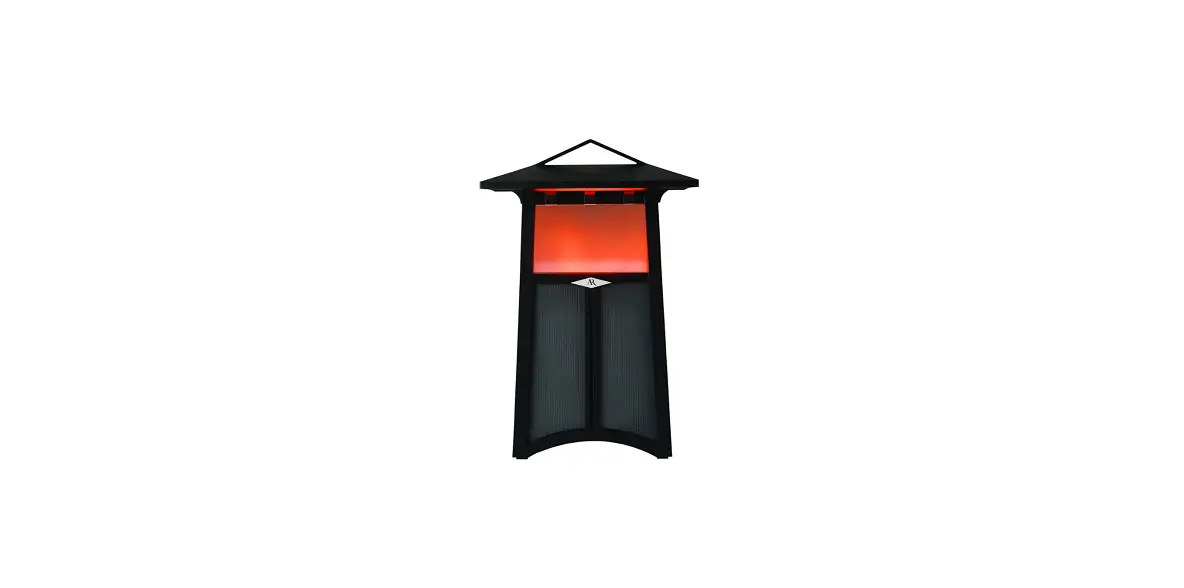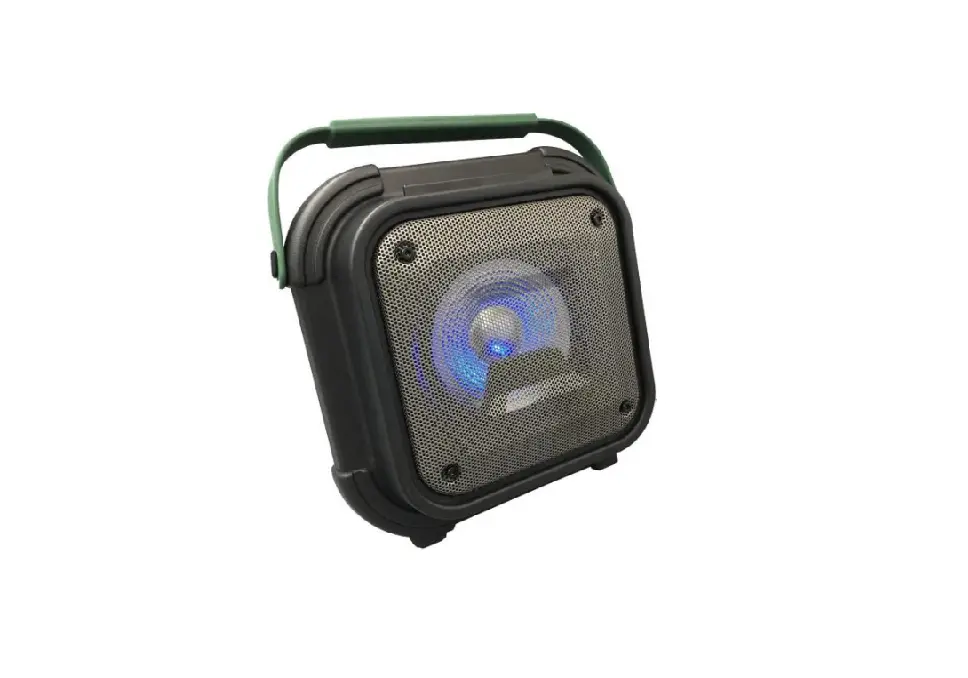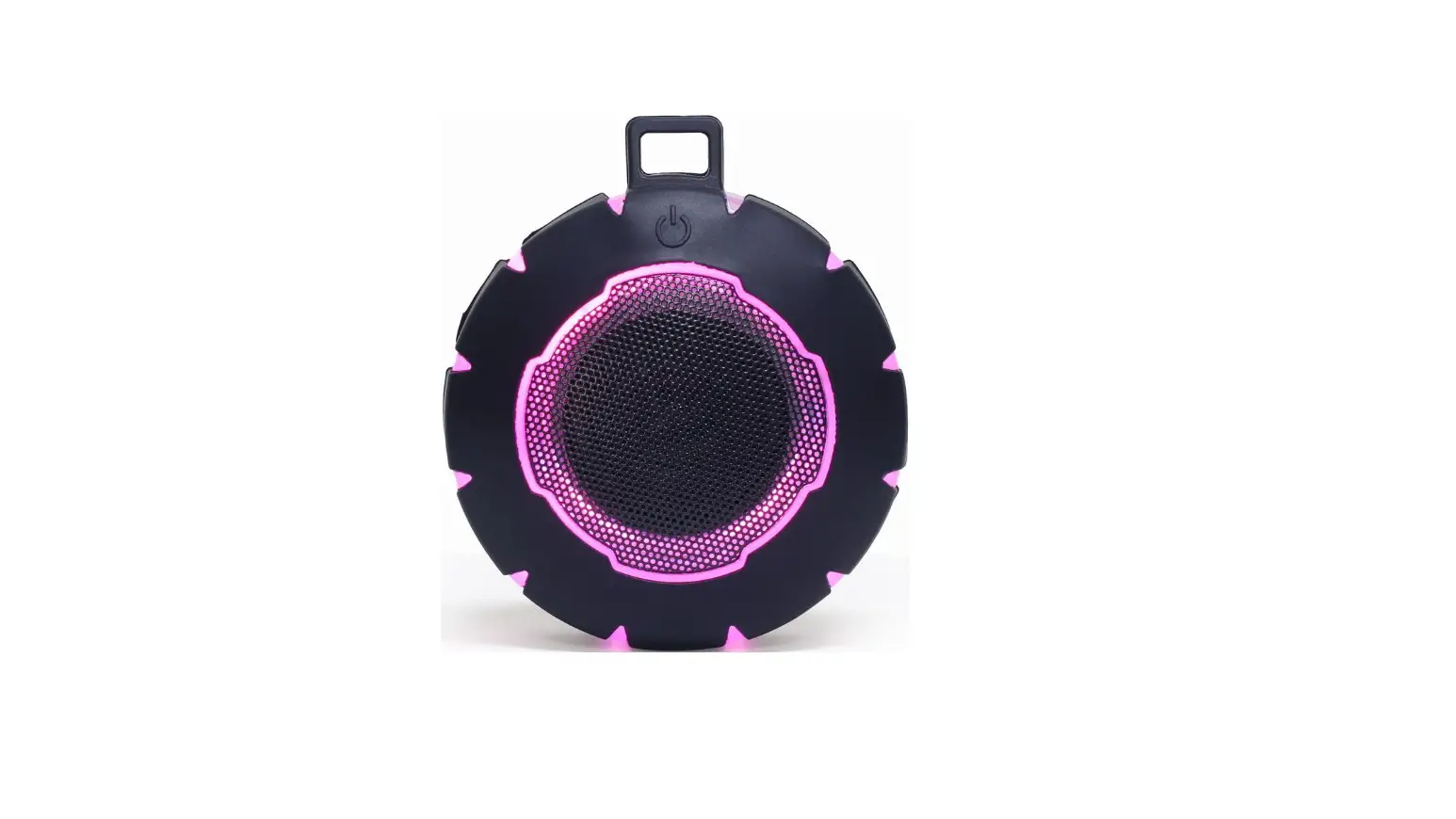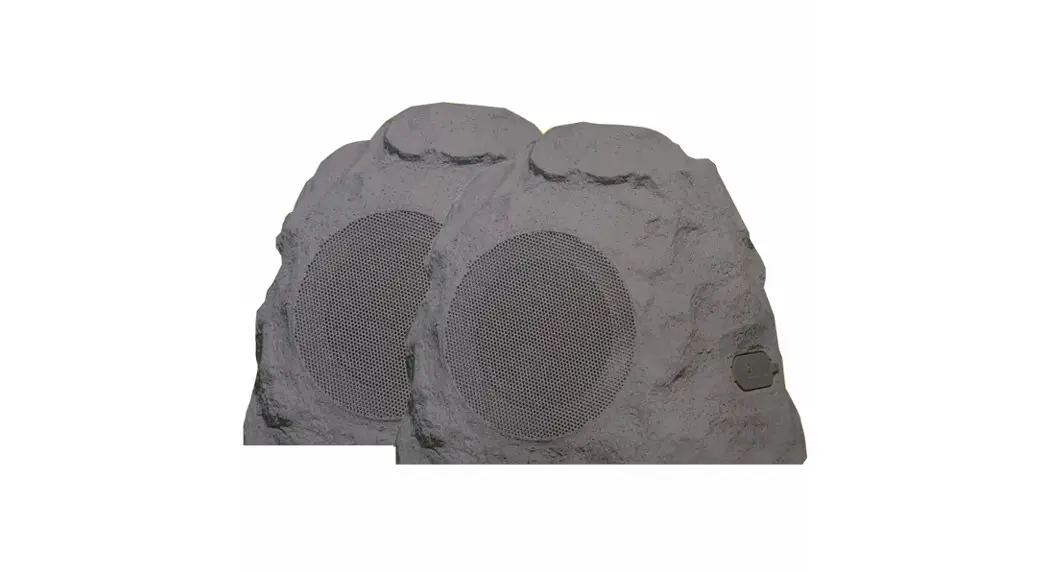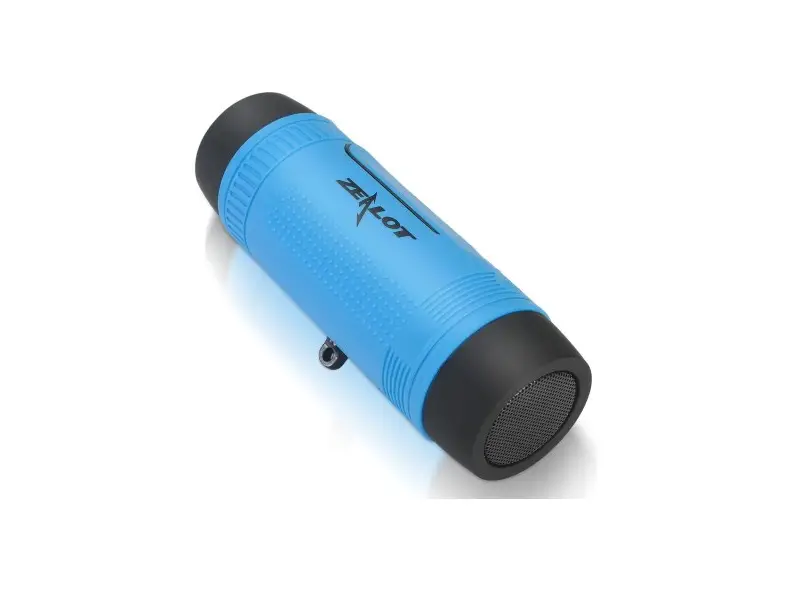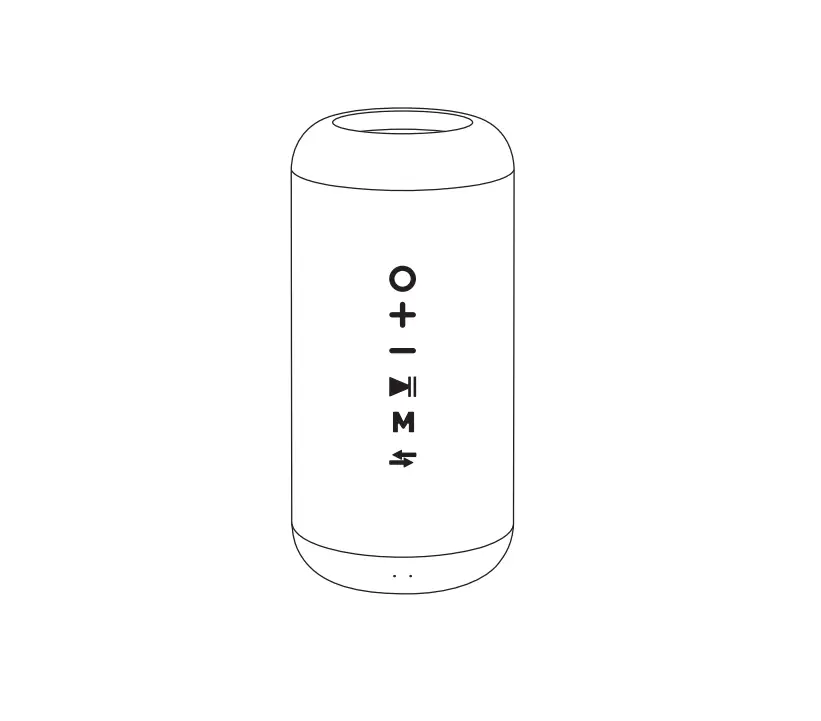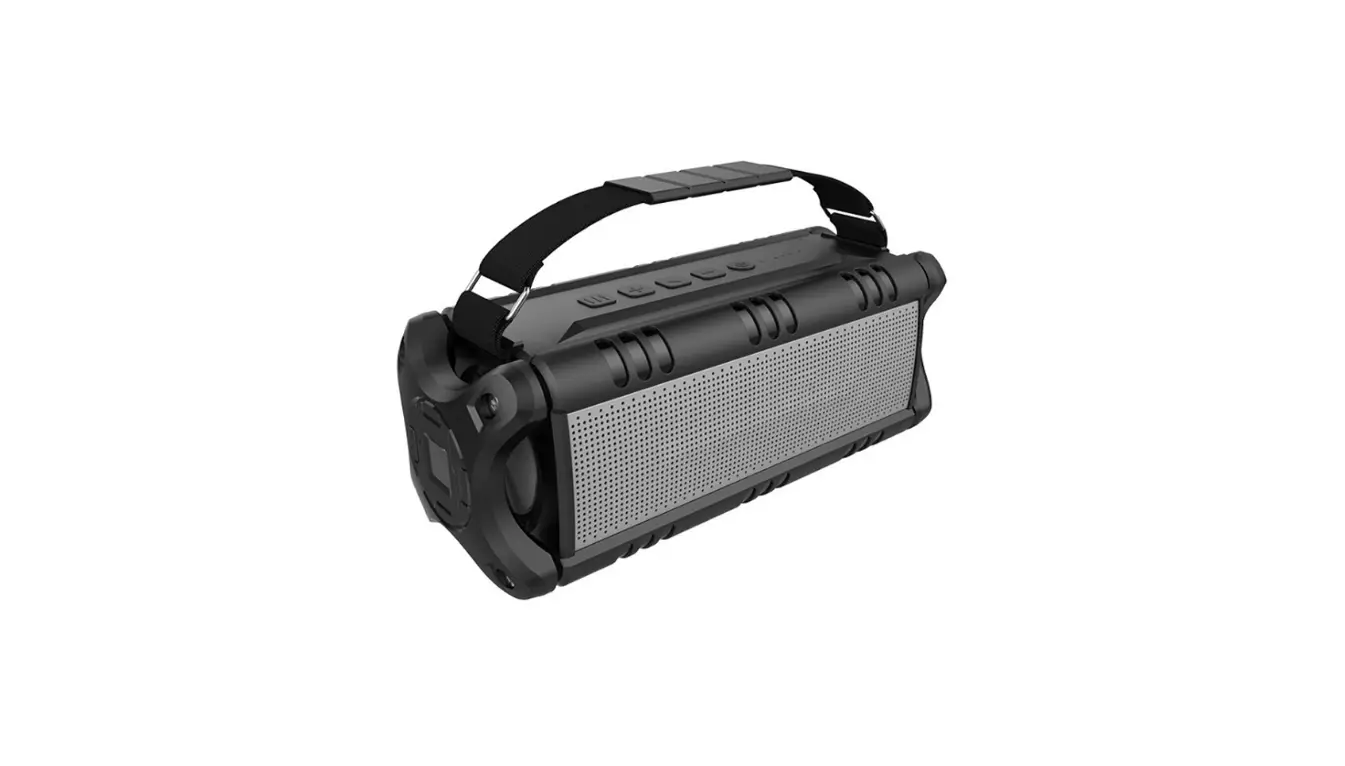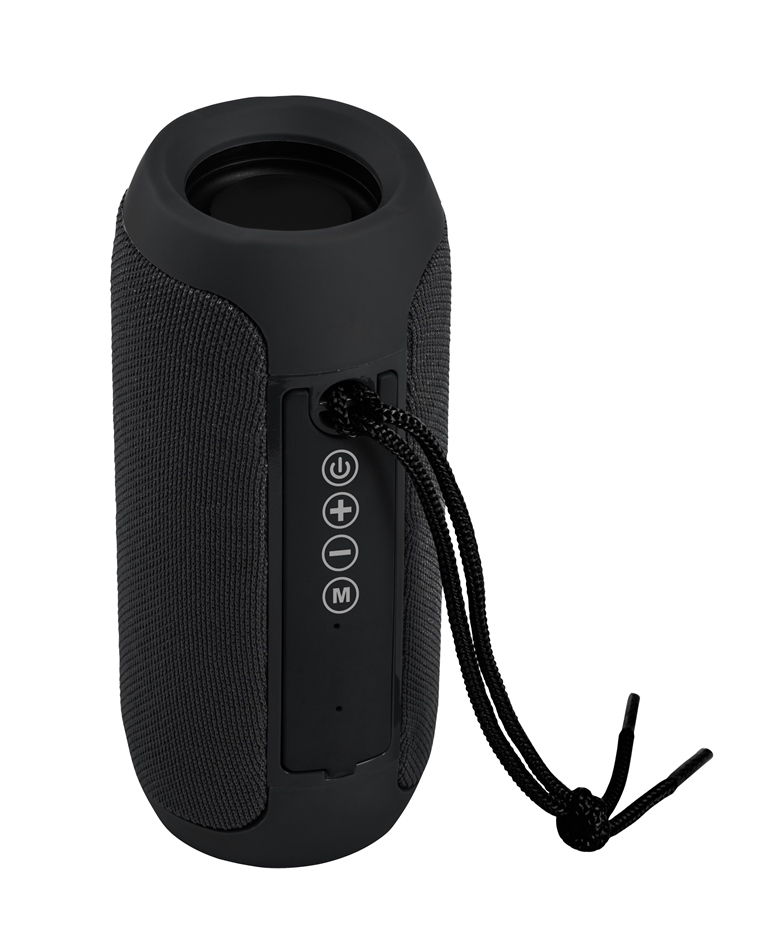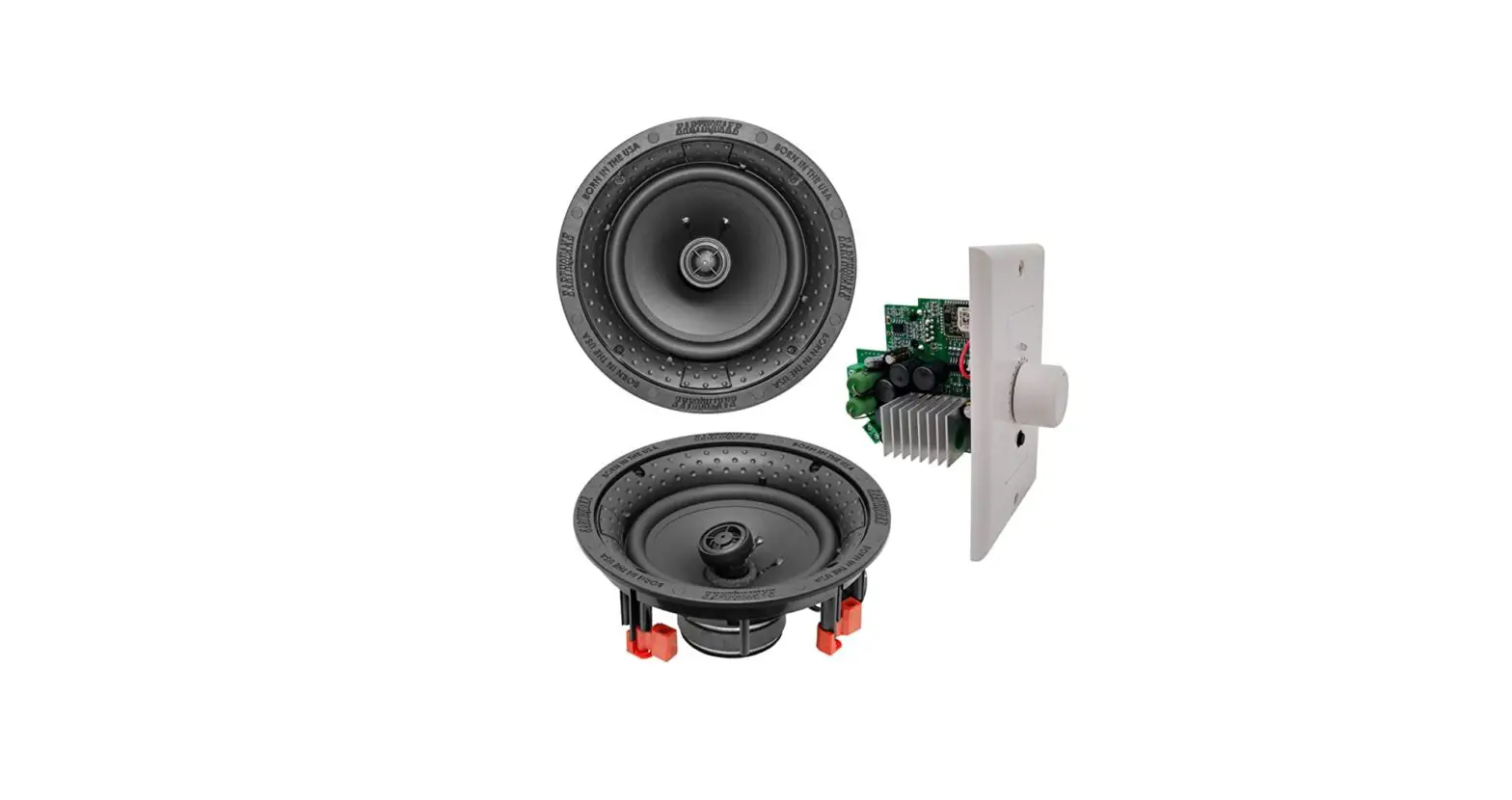

Earthquake BTA-502B Outdoor Bluetooth Speaker
Specifications
- Product Dimensions: 4 x 8.81 x 8.81 inches
- Item Weight:5 pounds
- Item model number: BTA-R650-V2
- Speaker Type: Woofer
- Speaker Size:5 Inches
- Speaker Connectivity: Bluetooth
- Speaker Amplification: Type Passive
Technical Specifications
- Poe that works with Bluetooth (Power over Ethernet)
- Power output of the amplifier: 2 x 50 WRMS at 4-Ohm
- 8-Ohm, 2 x 25 WRMS
- 160 Watts of speaker power handling
- 45Hz–20 kHz speaker frequency response
- 6-1/2″ Single Voice Coil Woofer Dimensions
At 4-Ohm, 50 Watts RMS per channel
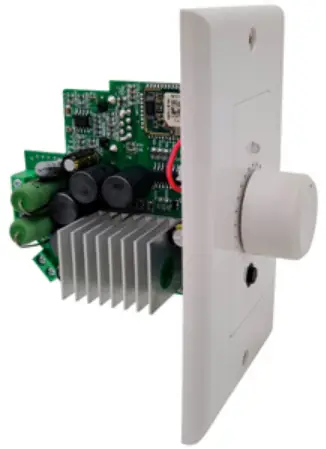
The in-wall amplifier can simply power a pair of ceiling, outdoor, or in-wall speakers with the included 12-24 VDC power source and cable adaptor and can deliver 50 WRMS per channel. Additionally, for extra convenience, it has a front-mounted volume control knob and is compatible with both 4- and 8-Ohm systems.
Three possible inputs
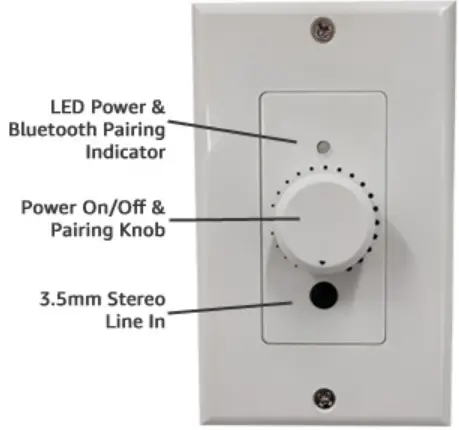
It has never been simpler to add an audio zone with Bluetooth capabilities. The front-panel 3.5mm stereo small jack, Ethernet port, or Bluetooth connection can all send signals to the in-wall amplifier.
Easy to Install
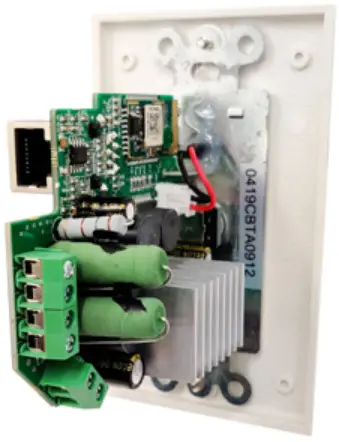
The amplifier may be quickly placed into any new or existing construction because it is made to fit into a conventional single-gang junction box (home, bars, restaurants, hotel rooms, etc.). The amplifier is a terrific addition for home installs in your garage, workshop, shed, and even near hot tub and pool areas.
What’s in the box?
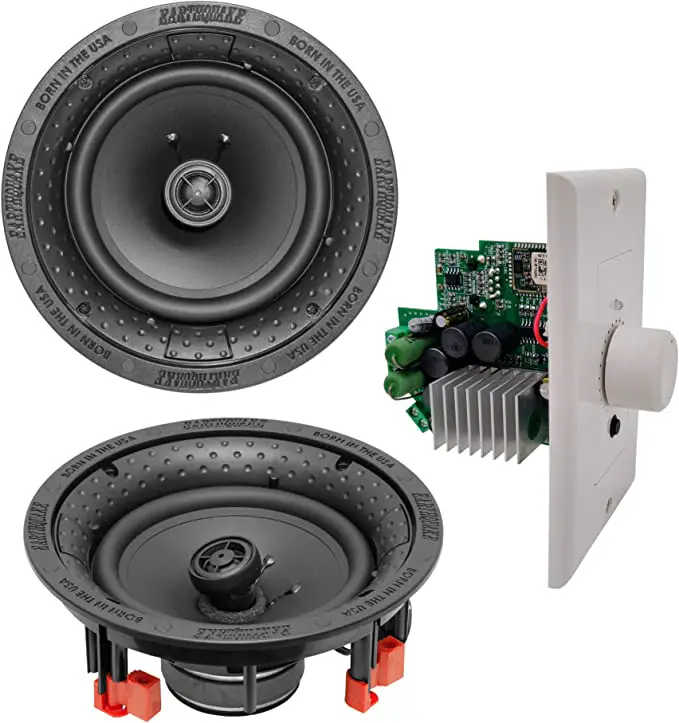
- BTA-250 Amplifier, B120R Electrical Box, 24VDC Power Supply, Power Adapter
- 650 Speakers (2), Cutout Template, Product Manuals
Descriptions
- The Earthquake Sound R650 Reference Ceiling Speakers continue to strike a mix between excellent audio and cost while also providing a high level of aesthetic appeal.
- The reasonably priced Edgeless design maintains Earthquake Sound’s ground-breaking technology while giving off a slick, high-end, inconspicuous appearance.
- Each speaker has swivelling tweeters that may be pointed at the listener for optimum sound staging, and the woofer cones are made of polypropylene for longevity and minimal distortion.
- With the help of the paintable, magnetically connected grilles and the new edgeless design, you can easily match your speakers to any style of decor.
- The Earthquake Sound BTA-250 In-Wall 2-Channel Stereo Amplifier is also included.
- It has never been simpler to add an audio zone with Bluetooth capabilities.
- The wireless in wall amplifier kit, which can be used both indoors and outdoors, combines adaptability, power, and control into a very compact and covert design.
- The in-wall amplifier, B120R retrofit electrical box, 12-24 VDC power supply, and cable adaptor are all included in the BTA-250 kit.
- The front-panel 3.5mm stereo mini jack, Ethernet connector, or Bluetooth connection can all be used to send signals to the BTA-250 three input in-wall amplifier.
- The BTA-250 can output 50 WRMS per channel and simply power a pair of ceiling, outdoor, or in-wall speakers with the included 12-24 VDC power supply and cable adaptor.
- It is also equipped with a front-mounted volume control knob for increased convenience and is compatible with both 4-Ohm and 8-Ohm systems.
- Ideas for installation.
- The BTA-250 may be quickly put into any new or existing construction because it was made to fit into a conventional single-gang junction box (home, bars, restaurants, hotel rooms, etc.). The
- BTA-250 is an excellent complement for residential setups and may be used in garages, workshops, sheds, and even around hot tub and pool areas.
- Earthquake’s new BTA-250 will conveniently expand your home audio system, providing you a variety of audio zones wherever you feel the urge to add one.
Features
- Power output for a two-channel audio system is 50 WRMS per channel at 4 ohms and 25 WRMS per channel at 8 ohms.
- Flexible: The BTA-250 amplifier has three inputs that allow it to accept signals via Bluetooth, Ethernet with Cat 5/6 compatibility, and front-panel 3.5mm stereo small jacks.
- Users can wirelessly stream audio to a connected speaker system thanks to built-in Bluetooth.
The most recent smart devices are compatible with it, and its wireless range is up to 32.8 feet (10m) - Wider surrounds for deeper bass, a raised back basket for higher speaker excursion, polypropylene woofer cones for durability and low distortion, and a 1-inch (25mm) swivelling silk dome neodymium tweeter for enhanced sound staging are all features of theR650 edgeless in-wall/in-ceiling speakers.
- Add a 2-channel audio system to any location with an edgeless design, magnetic grilles, and paintable covers to match any space.
Frequently Asked Questions
An amplifier is necessary for every stereo system because it gives the loudspeakers life. Even the smallest loudspeakers contain an amplification module somewhere in their construction, but it is typically hidden by other components due to its excellent integration.
Two speakers are often a manageable load for most amplifiers. Similar to a passenger on a tiny motorbike: carrying two passengers doubles the load that the bike must carry, but most bikes can manage this. However, if you add more speakers than two, the amplifier will typically get overloaded.
Before it is supplied to the speakers, an amplifier makes a larger copy of the input signal from a source, such as a laptop, turntable, or CD player. Your mains electricity, which is routed straight to the amplifier’s power source, provides the energy needed to accomplish this.
An electronic device called an amplifier boosts a signal’s voltage, current, or power. Wireless communications, broadcasting, and all types of audio equipment employ amplifiers.Either weak-signal amplifiers or power amplifiers can be used to describe them.
You only need an amplifier when the maximum electrical output of your source—be it a laptop, smartphone, or other device—through the headphone port is less than what your headphones need to achieve the desired output level.
As you increase the level, factory speakers have a tendency to crackle and distort the music, while speakers supplied by an amplifier don’t. No matter how small or inexpensive an amplifier is, installing one will make music clearer, louder, bassier, and distortion-free.
A receiver has a built-in radio portion, whereas an amplifier does not, and this is the primary distinction between a receiver and a “normal” integrated amplifier with reference to sound systems. Therefore, all amplifiers (with radio functionality) are theoretically receivers, but not all receivers are amplifiers.
Two speakers are often a manageable load for most amplifiers. Similar to a passenger on a tiny motorbike: carrying two passengers doubles the load that the bike must carry, but most bikes can manage this. However, if you add more speakers than two, the amplifier will typically get overloaded.
Generally speaking, you should choose an amplifier that has a power output capacity that is double the program/continuous power rating of the speaker. This indicates that an amplifier with a power output of 700 watts into an 8 ohm load is necessary for a speaker with a “nominal impedance” of 8 ohms and a programme rating of 350 watts.
In a real-world listening circumstance, an amplifier that was judged to be “similar” to another during testing may sound quite different. Since we don’t always assess some of the factors that can have a significant impact on the sound, it is these differences that are the most challenging to cope with.
Your amp should be about 20W for domestic use. You should have a 20W tube amp or, if you’re performing alone, a 40W solid state amp for the majority of gigs and live performances in spaces that can accommodate about 100 spectators. You’ll probably need a 50W valve amp or a 100W solid state amp if you’re playing alongside a drummer.
For each speaker you want to amplify, you generally require one channel. A single channel amplifier will do the trick if you’re adding a subwoofer to an existing setup.
If whatever you use to listen to music can achieve that on its own: a lack of power isn’t one of your difficulties. An amplifier’s duty is to raise the power output of your source to the level you want. You may now stop reading and continue listening to your favorite podcasts! It’s not your audio’s fault if it sounds poor.
The kit’s included transformer has a rating of 100-240 50/60 Hz. So, yes.
Speakers may not be able to handle an amp’s power. The amount of electrical energy that speakers can transform into audio is a constraint. Generally speaking, harm is unlikely to occur if the amplifier generates more electrical energy than the speakers can handle. Instead, distortion or clipping may occur.