Pocket Pro+ Multi 2 Water Quality Testing
Product Information
The Water Quality Testing product is designed to ensure
consistent and reliable safe water in both development work and
disaster relief situations. It is a comprehensive testing system
that measures various parameters to assess the quality of
water.
Daily Tests
- Treated Water Chlorine (free)
- Turbidity
- pH
- Conductivity
Weekly Tests
- Treated and Source Water Chlorine (free and total)
- Turbidity
- pH
- Conductivity
- Bacteria
- Dissolved Contaminants
Safe water, as defined by the World Health Organization, refers
to water that does not pose any significant health risks over a
lifetime of consumption.
Product Usage Instructions
Tips for Water Sampling
When collecting water samples, there are two types of containers
available:
Re-usable Sampling Containers
These containers include tubes for chlorine, a sample cell for
turbidity, and a cap for Pocket Pro+. They can be used multiple
times.
Single-use Sampling Containers
For bacteria testing, always use Whirl-Paks to collect samples.
These containers are designed for one-time use.
Tips for Water Quality Testing
Chlorine
To track chlorine levels in drinking water, it is important to
monitor both total chlorine (all chlorine in a sample) and free
chlorine (chlorine available for disinfection).
Total chlorine should be below 4.0 mg/L, while free chlorine
should be in the range of 0.2-0.5 mg/L. In disaster relief
situations, a higher free chlorine concentration of 0.5-1.0 mg/L is
recommended if water collection containers are dirty.
Turbidity
Turbidity measures the amount of suspended solids (such as dirt
and particles) in water. The acceptable turbidity level is below
1.0 NTU. However, in disaster relief scenarios, turbidity up to 5.0
NTU is acceptable for short-term water supply.
pH and Conductivity
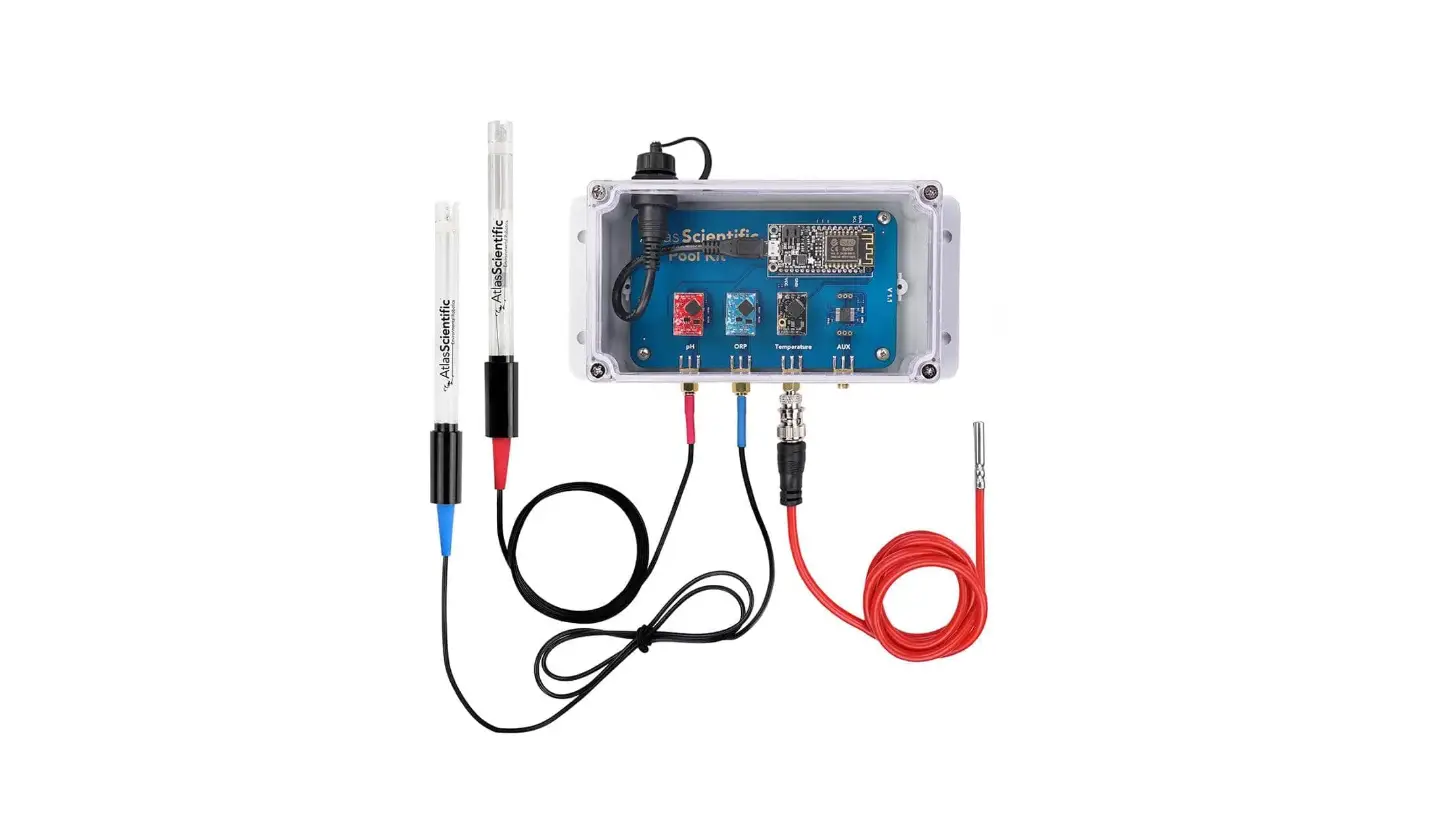
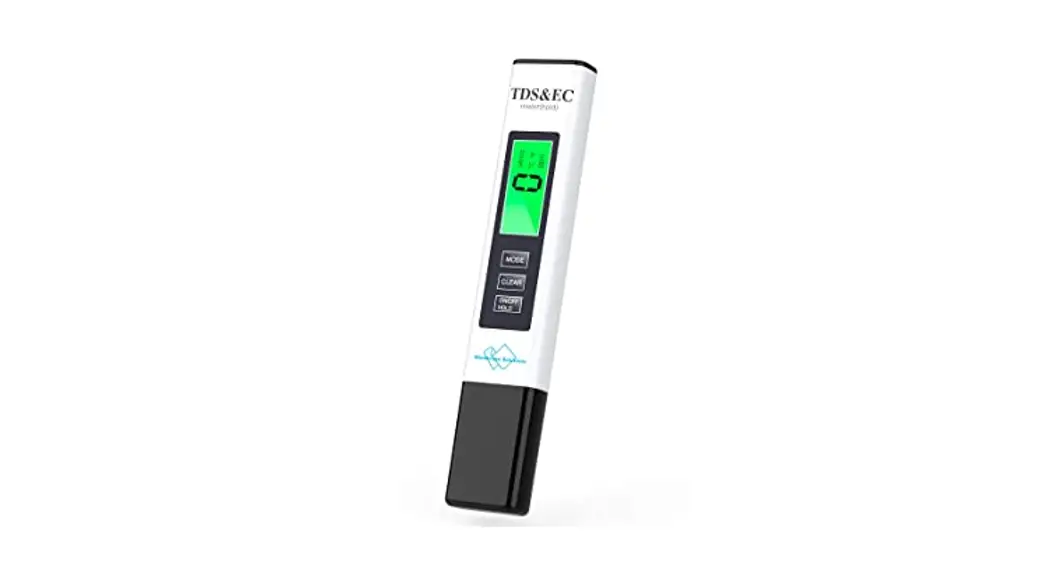
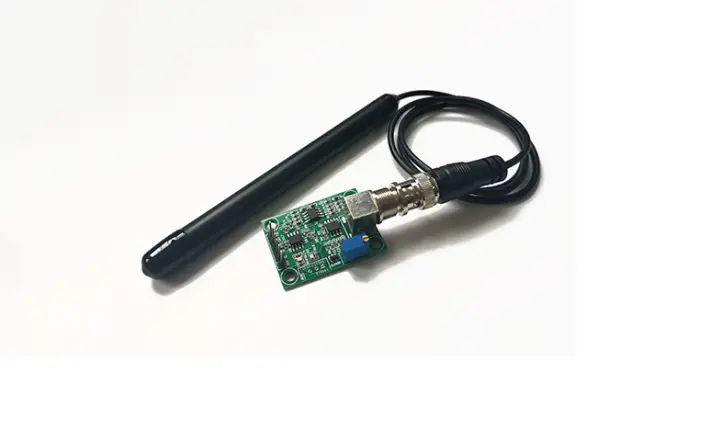
The Pocket Pro+ Multi 2 device is primarily used for measuring
pH and conductivity. Follow the instructions provided with the
device to accurately measure these parameters.
Bacteria
Bacteria testing is performed using membrane filtration. The
total coliform count should be 0 CFU/100 mL, and the fecal coliform
count should also be 0 CFU/100 mL. Fecal coliforms refer to the
blue colonies only, which indicate the presence of E. Coli.
Dissolved Contaminants
Test strips are commonly used to measure alkalinity, chloride,
copper, iron, hardness, hydrogen, nitrate, nitrite, manganese,
phosphate, and sulfate levels in water. Refer to the specific test
strip instructions for accurate results.
Please refer to the Water Quality Guidelines for specific limits
and additional information on each contaminant.
Water Quality Testing
Quick Guide
Water Quality in Disaster Relief
In both development work and disaster relief, Water Mission believes water should be accessible, sustainable, and safe. Ensuring consistent and reliable safe water requires routine water quality testing.
Daily Tests – Treated Water Chlorine (free), Turbidity, pH, Conductivity
Weekly Tests – Treated and Source Water Chlorine (free and total), Turbidity, pH, Conductivity, Bacteria, Dissolved Contaminants
Safe water is defined by the World Health Organization as water that “does not represent any significant risk to health over a lifetime of consumption”.
Tips for Water Sampling
General Tips · For valves or tap stands: Open the tap or valve and let water flush the lines for a least 5-10 seconds before sampling. · For open water sources (rivers, lakes): Collect water in an area that provides a representative sample (mid-depth, mid-stream).
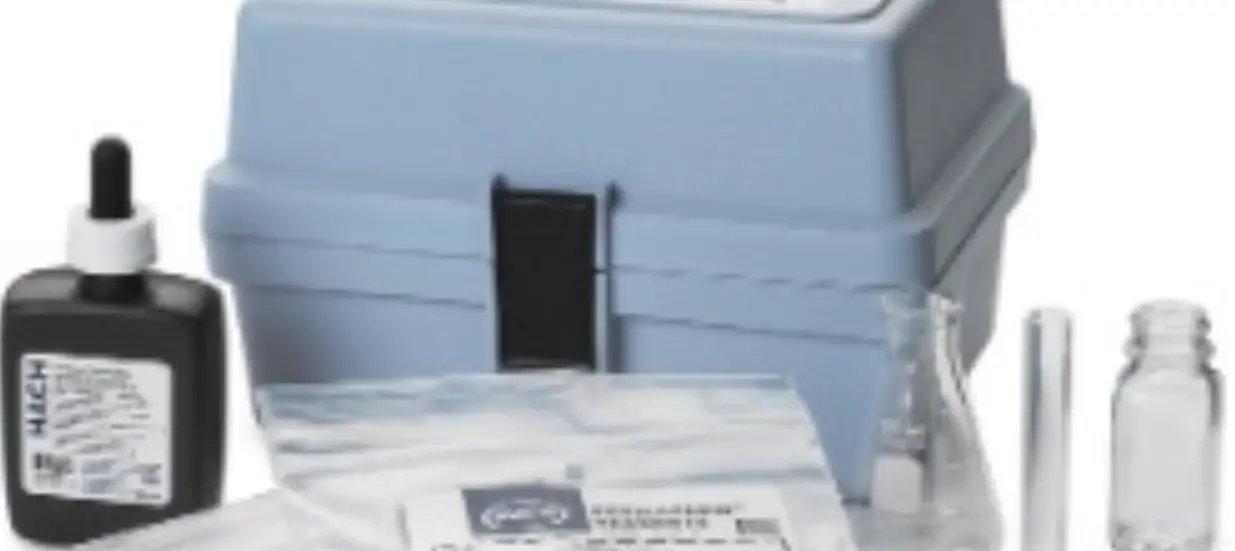
Re-usable Sampling Containers Includes tubes for chlorine, sample cell for turbidity, cap for Pocket Pro+.
· Rinse re-usable containers before sampling. This prevents results from being influenced by previous samples. Make sure to rinse multi-use containers with sample water 2-3 times before taking the final sample.
Single-use Sampling Containers Whirl-Paks should always be used to collect samples for bacteria testing.
· Use the plastic tabs to open. Touching the rim or mouth of the Whirl-Pak will contaminate the sample.
· Label each sample. Include the location or community name, water source, date, and time.
· Store in a cool place and test within 24 hours. Perform bacteria tests as soon as possible (no more than 24 hours after samples).
Tips for Water Quality Testing
Chlorine For chlorine in drinking water, it is important to track both total (all chlorine in a sample) and free (chlorine still available for disinfection).
· Use the correct reagent. There is one for total chlorine and one for free chlorine. Each individual packet will be labeled.
· Use the correct water sample volume. The sample volume is always written on the bag reagent packets come in and the tubes have one line for 5 mL and one line for 10 mL samples.
· The blank tube accounts for colored water samples: The left slot is meant for a blank tube (water but no reagent) to make comparing colors easier if the sample is not 100% colorless.
· Read the test after the appropriate time. For total chlorine, wait three minutes (but no longer than 6 minutes). For free chlorine, wait 30 seconds (but no longer than 1 minute). After these designated times, the test results are unreliable.
Total chlorine: < 4.0 mg/L Free chlorine: 0.2-0.5 mg/L * In disaster relief, a higher free chlorine concentration of 0.5-1.0 mg/L is ideal if water collection containers are dirty.
Water Quality Testing
Quick Guide
Tips for Water Quality Testing (cont.)
Turbidity Turbidity measures the suspended solids (dirt, particles) in water.
· Mix the sample. Make sure the water sample has not settled before pouring it into the sample cell or taking readings.
· Rinse sample cell 2-3 times. Previous samples can affect results. To rinse: fill halfway with sample water, cap, invert 3-5 times, and discard. When possible, rinse with clean water after testing.
· Make sure the sample cell is clean. Dirt, fingerprints, or water droplets on the sample cell can interfere with readings. Make sure to wipe off and dry the sample cell before testing.
· The turbidimeter may need calibration. Each turbidimeter comes with calibration standards. To verify and calibrate, push the “Verify Cal” button and follow the on-screen instructions.
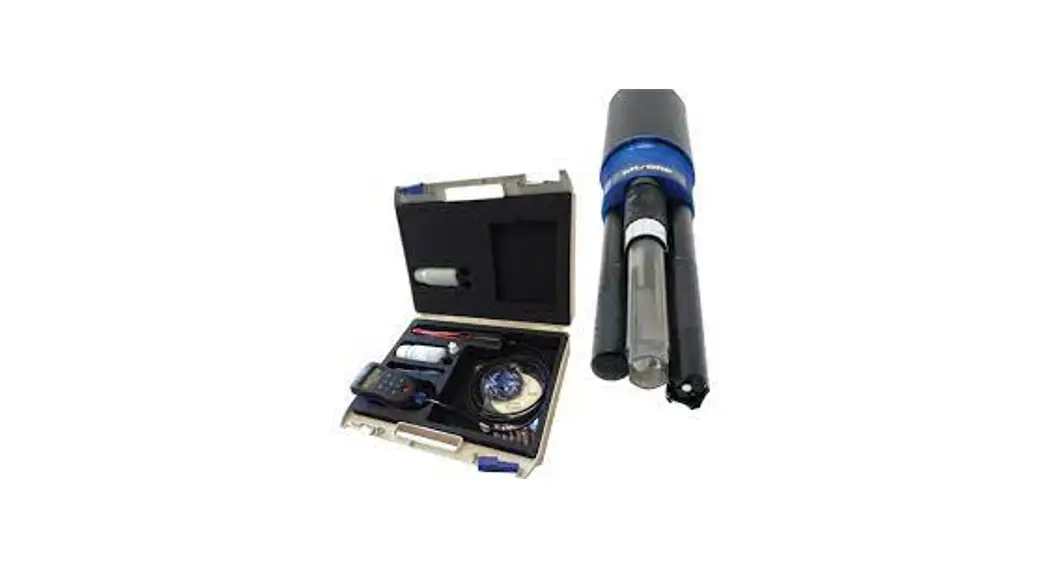
pH and Conductivity The Pocket Pro+ Multi 2 is primarily used for pH and conductivity.
· Wait for results to stabilize before reading. Make sure results stabilize (stop drifting) before recording.
· The pH may need calibration. If pH readings seem incorrect or will not stabilize, calibrate it using the calibration program on the Pocket Pro+ with pH calibration standards.
· Record units. Conductivity can be µS/cm (micro-Siemens per centimeter) or mS/cm (milli-Siemens per centimeter). TDS can be ppm (parts per million) or ppt (parts per thousand).
· Store the Pocket Pro+ with water in the cap. This prevents the senor tip from drying out, which causes it to stop working.
Bacteria Bacteria is tested using membrane filtration.
· Start with samples expected to be less contaminated. If testing several samples at one time, it is best practice to start with the one that is least contaminated. For example, if testing raw and treated water, test treated first to lower risk of contamination.
· Sterilize test equipment before each test. The tweezers and top of the filter should be sterilized before each test to avoid contamination. Use a flame, ethyl alcohol, or bleach.
· Use a new filter cup each test. Filter cups are disposable and single use. Use a new cup for each test to avoid contamination.
· Label petri dishes. Clearly identify the sample, date, and time. · Incubate petri dishes for 24 hours. The petri dishes must be
incubated at 95°F (35°C) for 24 hours to see results. · Always pay attention to colony colors. Total coliforms refers to
the number of red and blue colonies combined. Fecal coliforms refers to the blue colonies only, which indicate E. Coli.
Dissolved Contaminants Test strips are common for alkalinity, chloride, copper, iron, hardness, hydrogen, nitrate, nitrite, manganese, phosphate, sulfate.
· Use instructions for each set of test strips. Instructions are specific to each contaminant and found on the test strip bottle.
Turbidity: < 1.0 NTU * In disaster relief, turbidity up to 5.0 NTU is acceptable for short term water supply.
pH: 6.5-8.5 Conductivity: < 1,000 µS/cm
Total Coliforms: 0 CFU/100 mL Fecal Coliforms: 0 CFU/100 mL
Limits specific to each contaminant * Refer to Water Quality Guidelines for specific limits and information on each