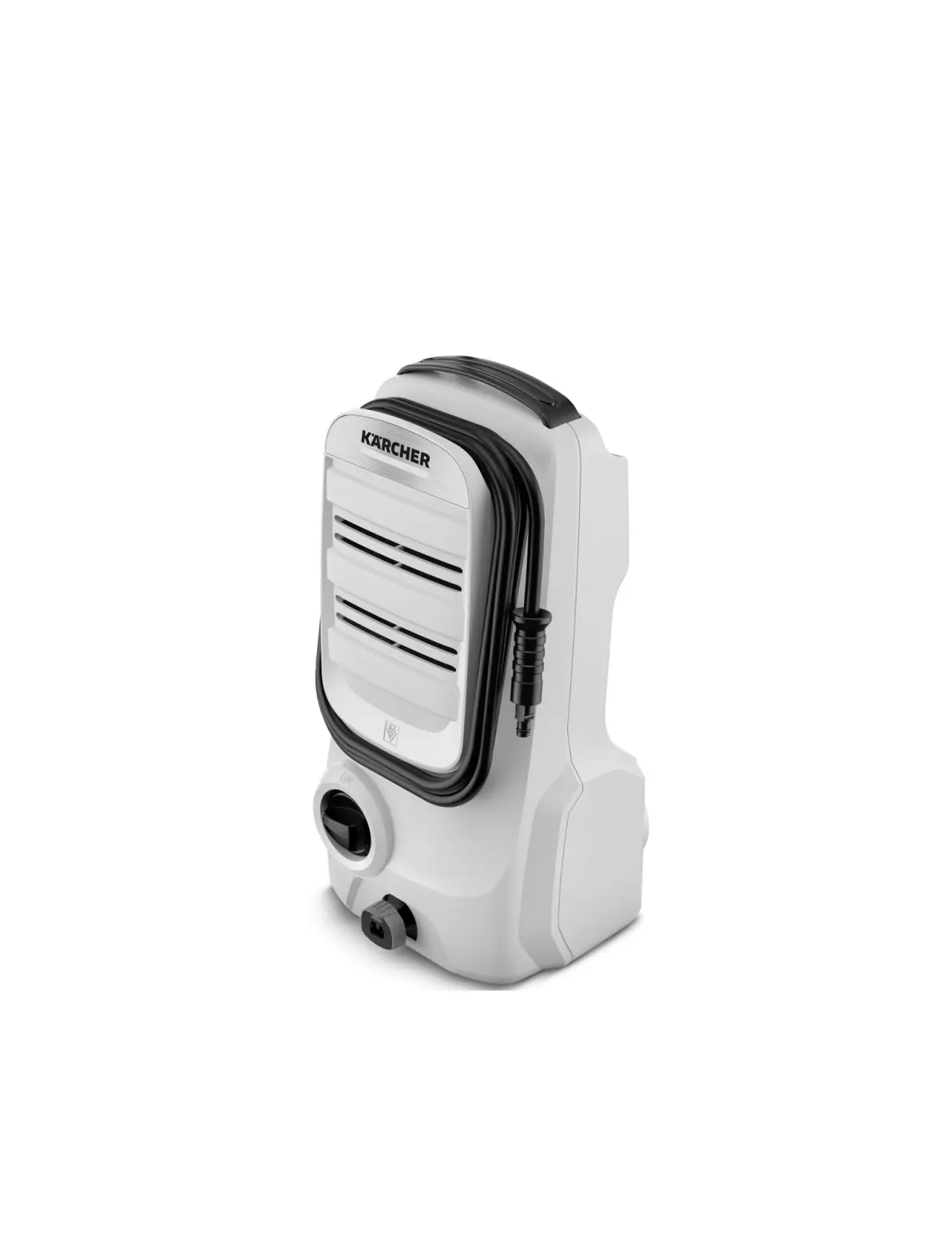
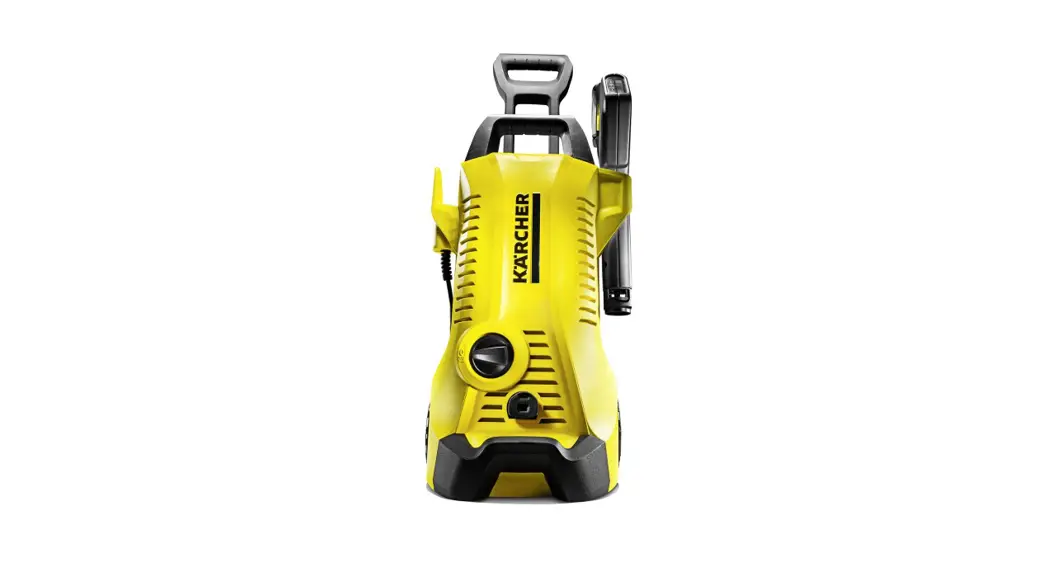
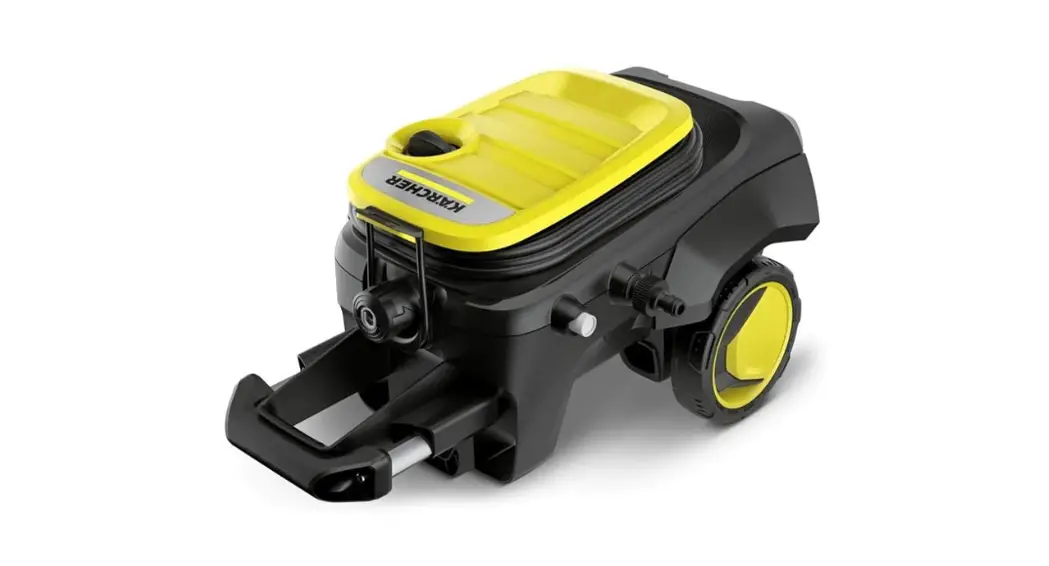
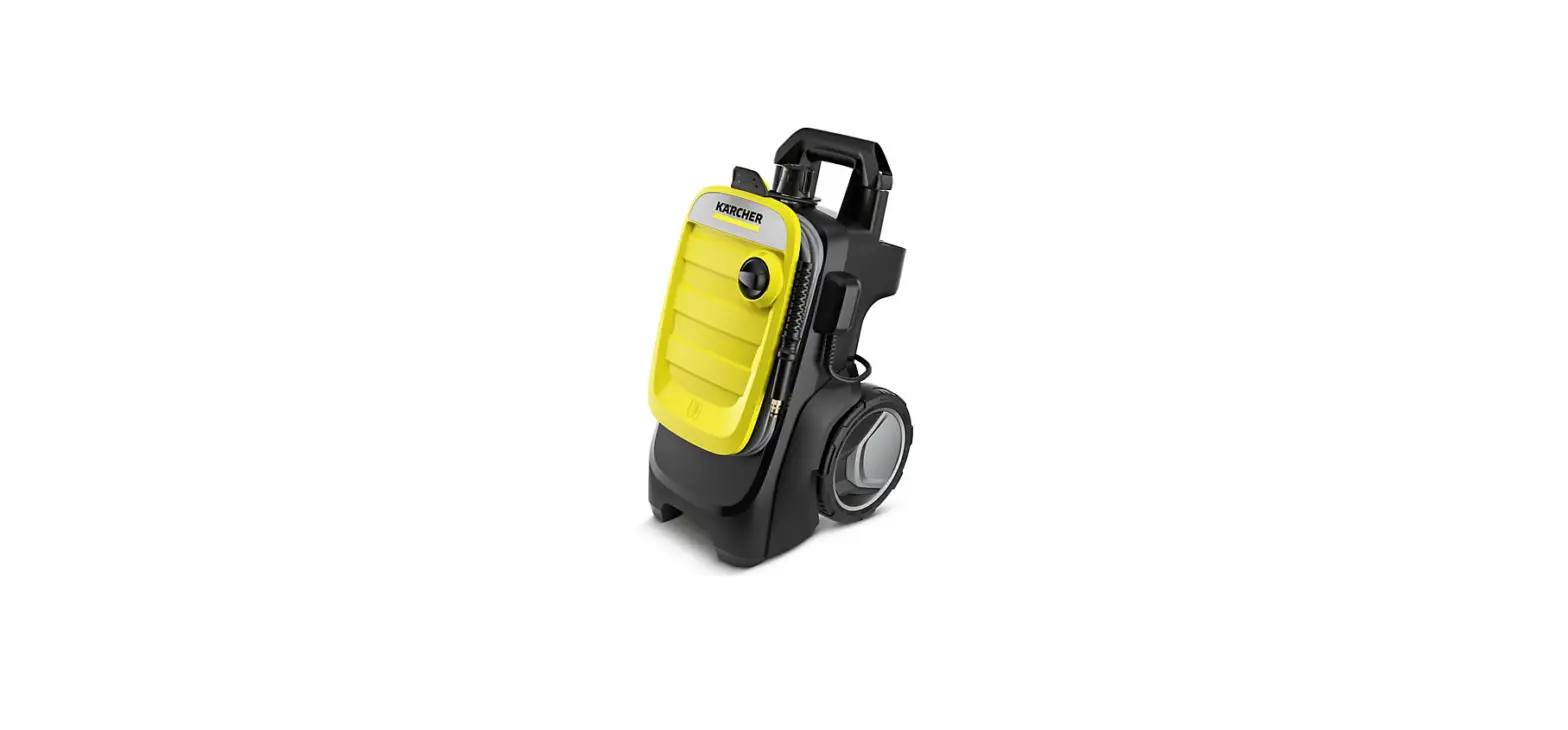
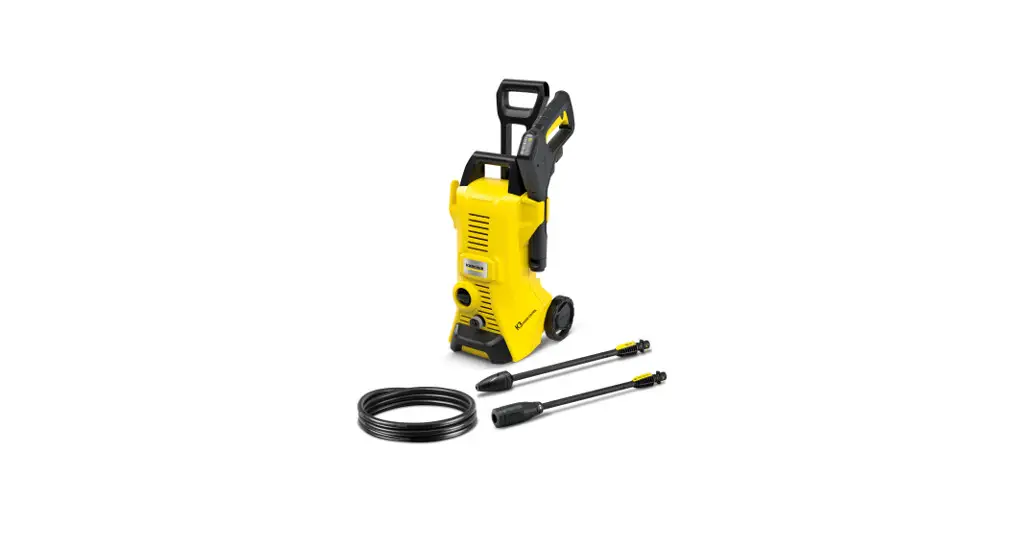
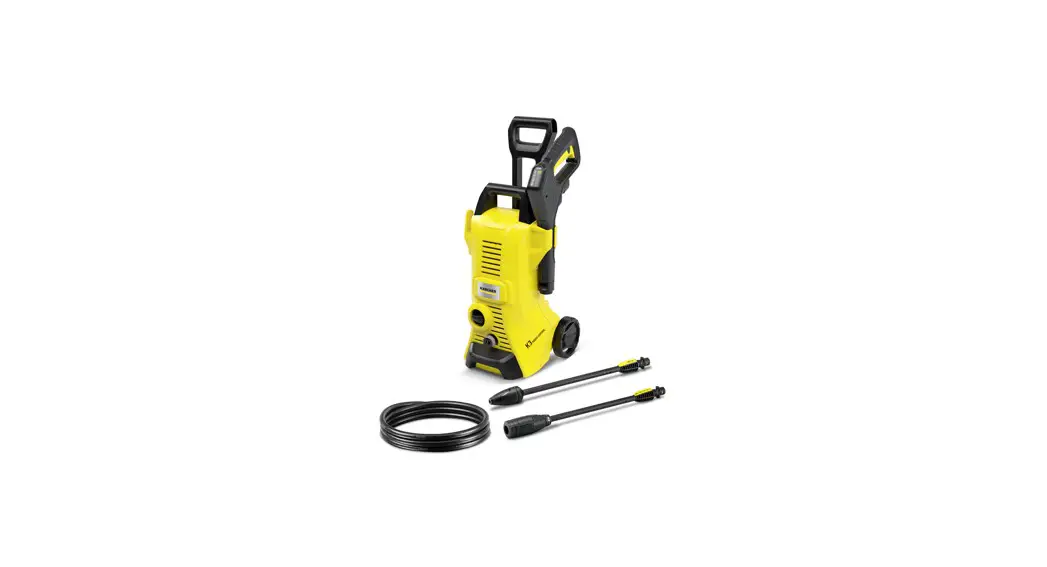
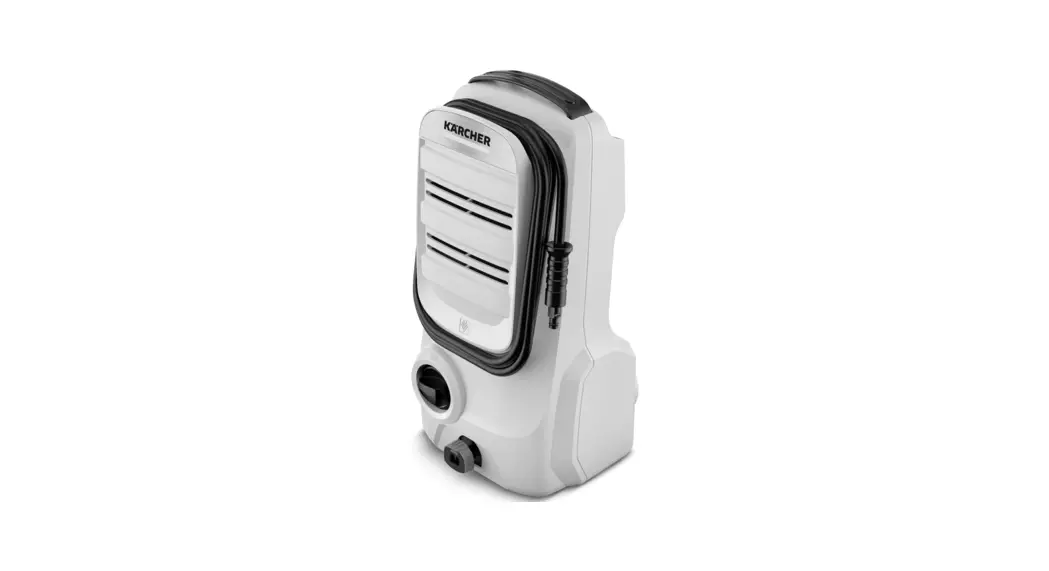
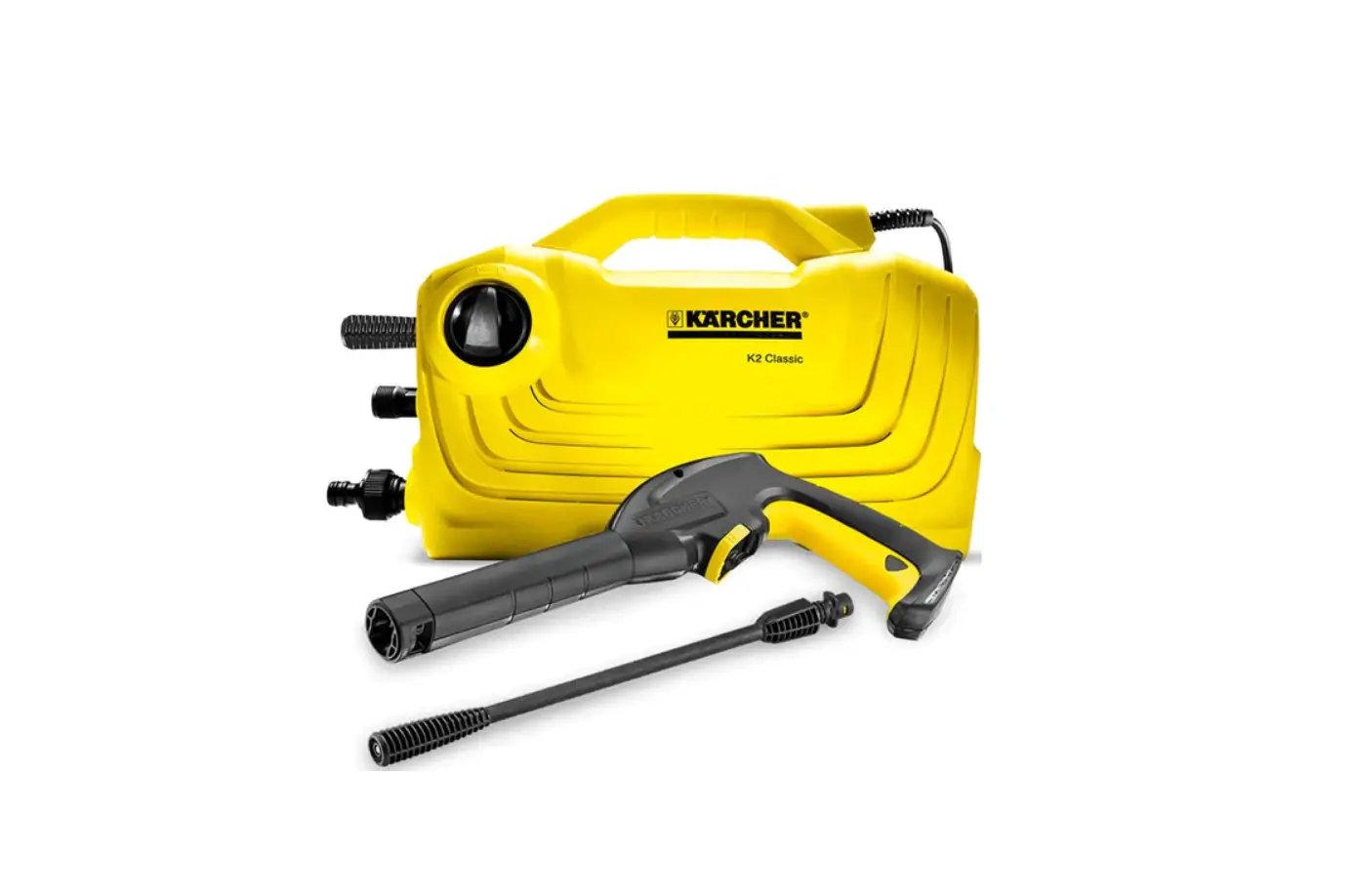
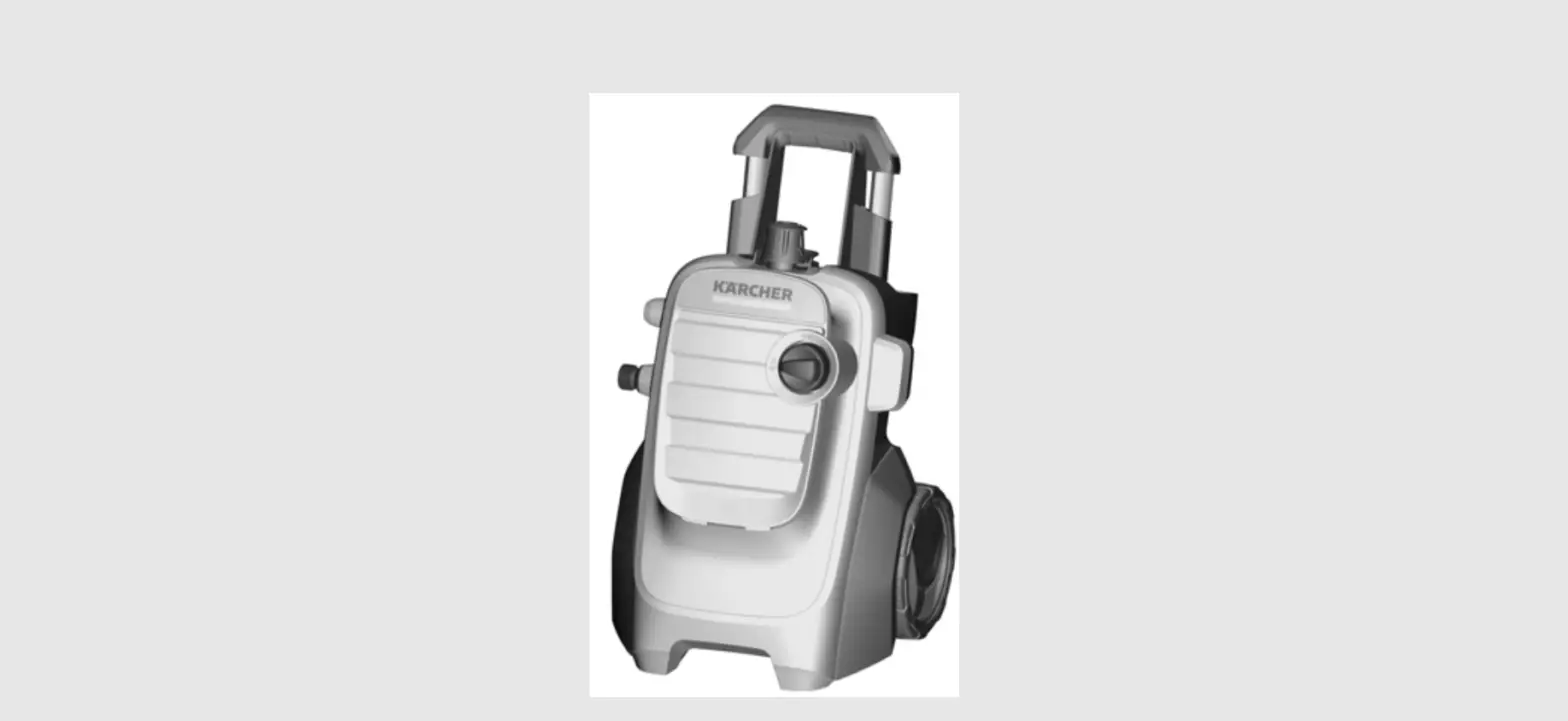
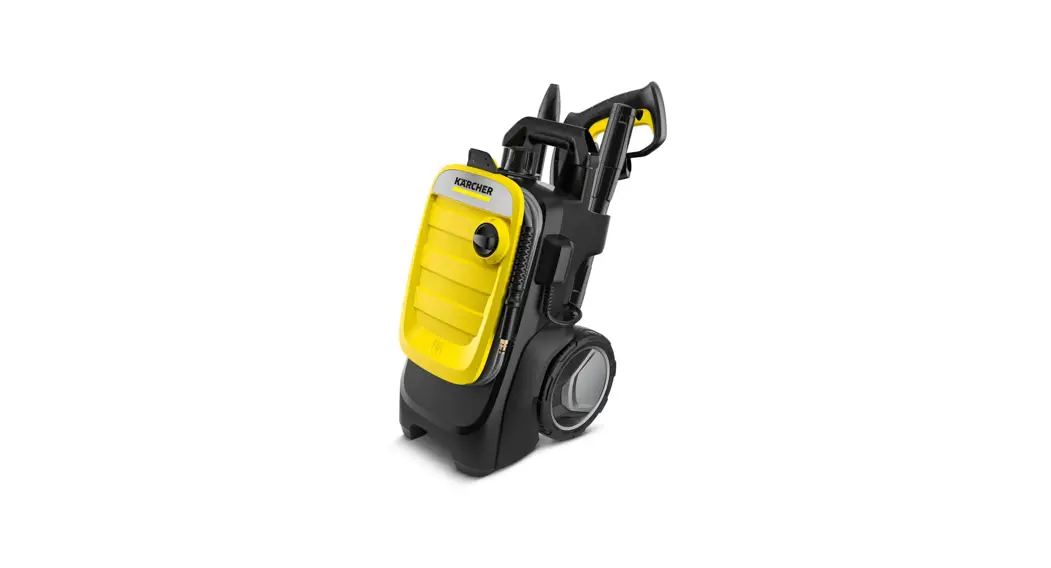
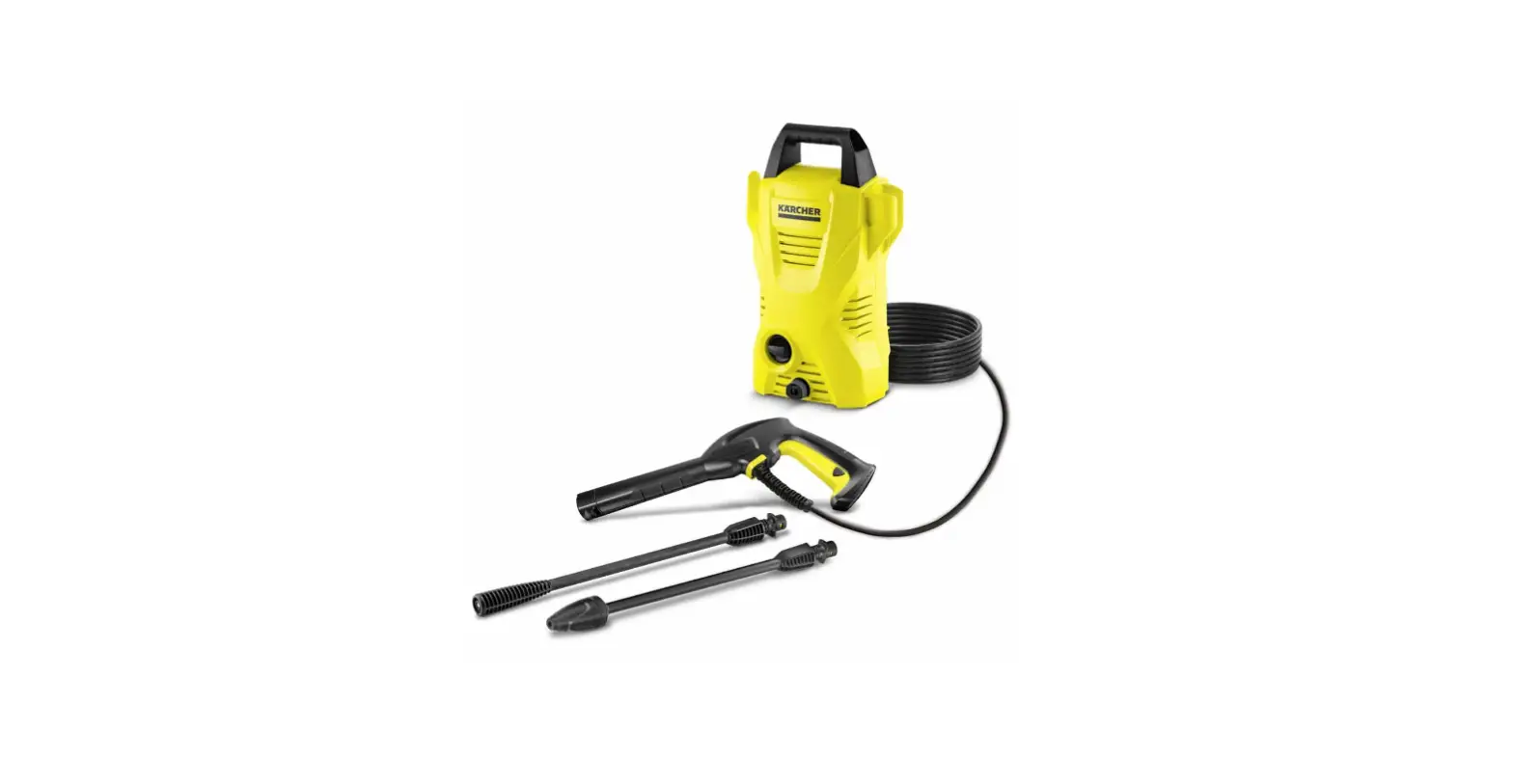
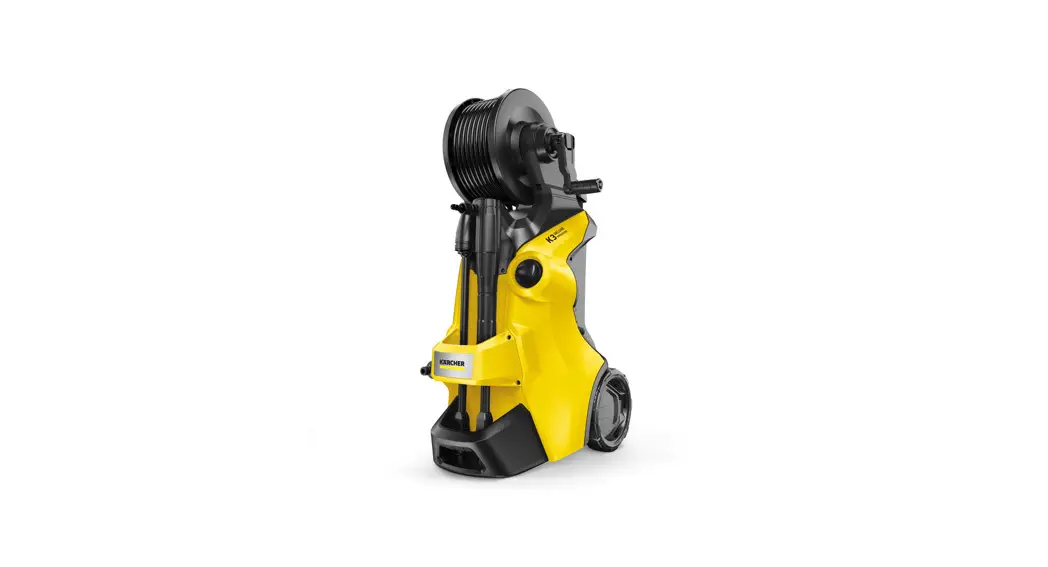
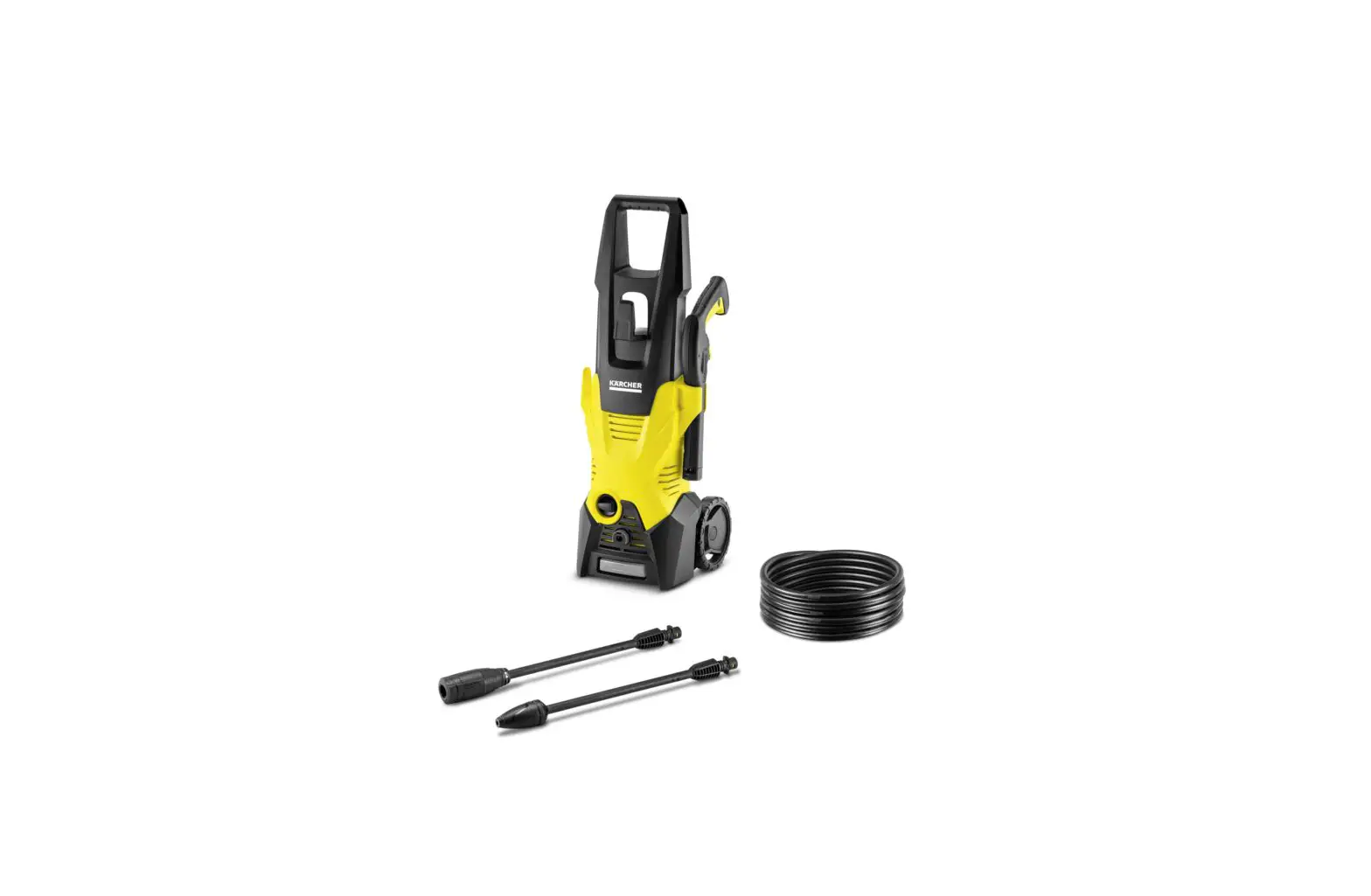
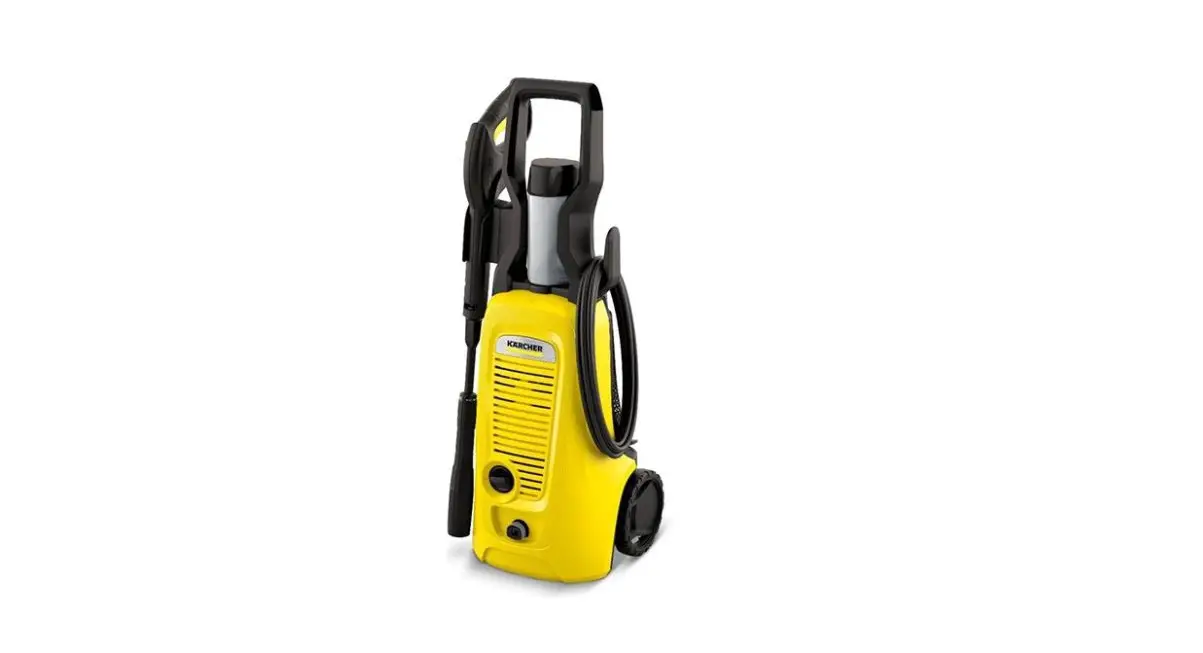
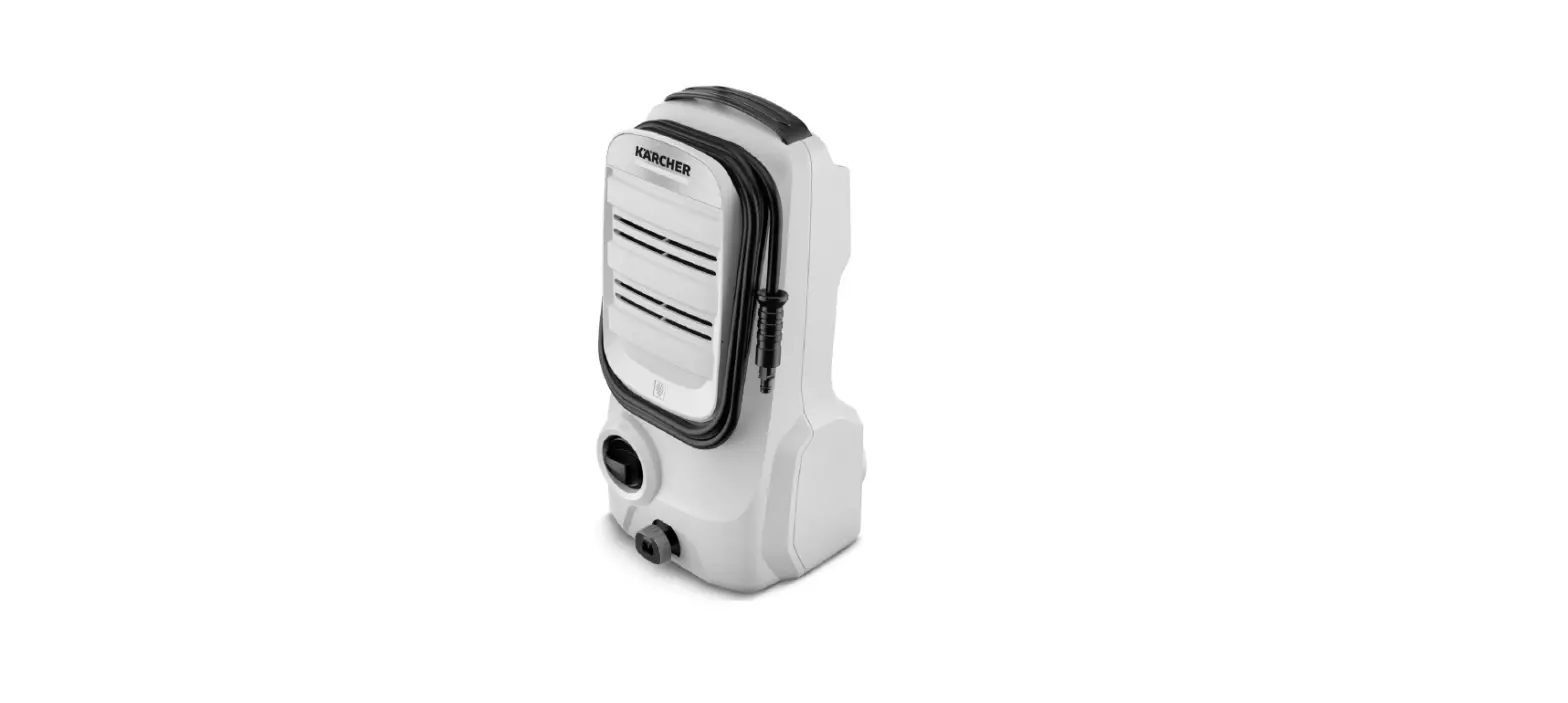
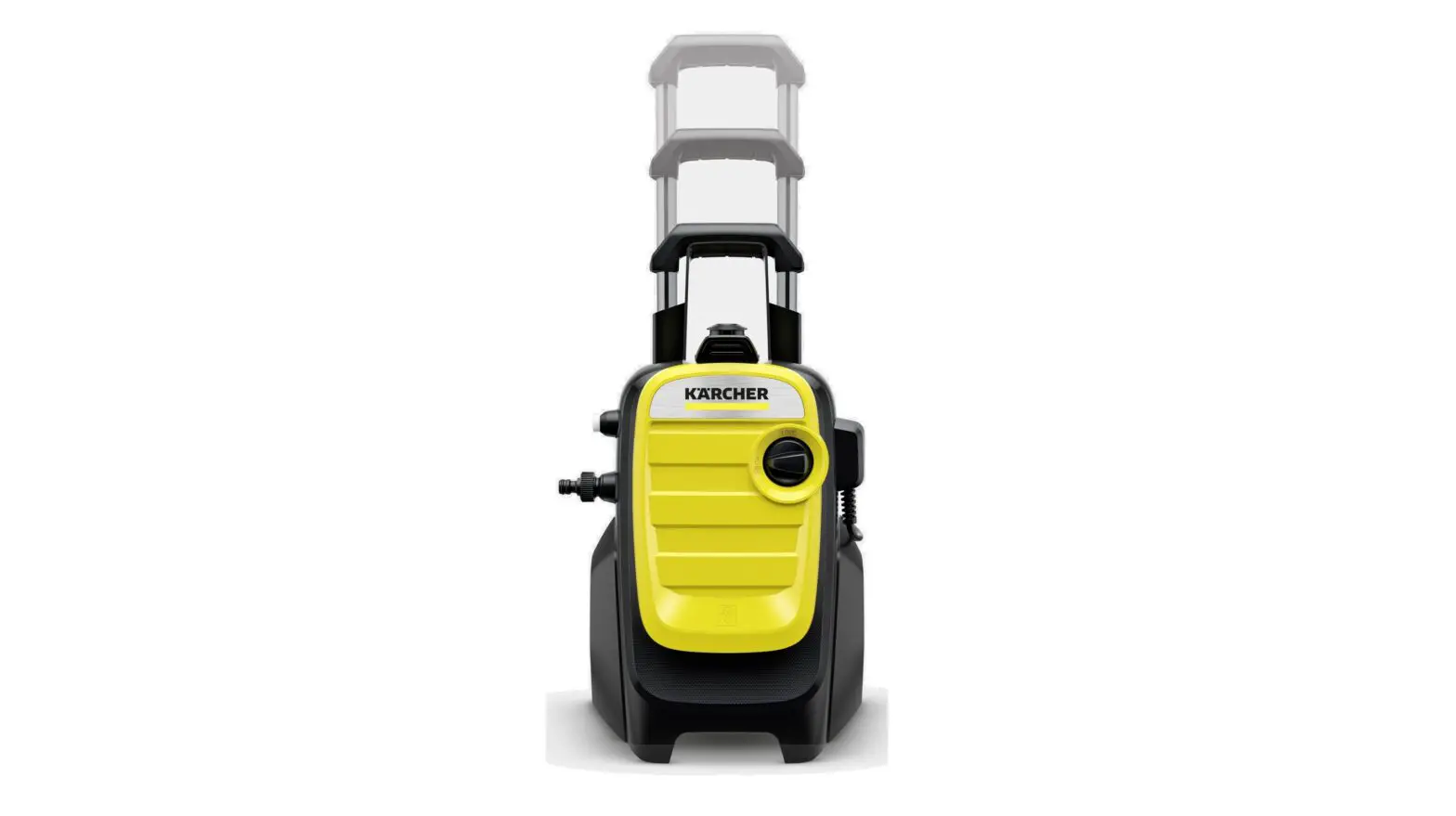
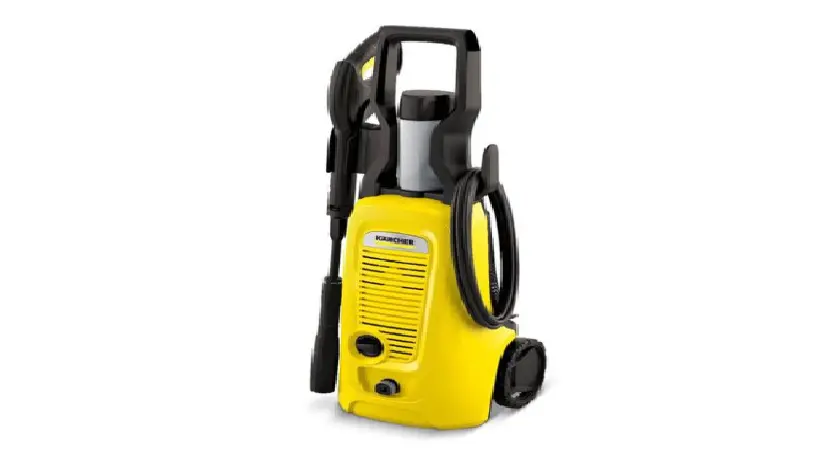
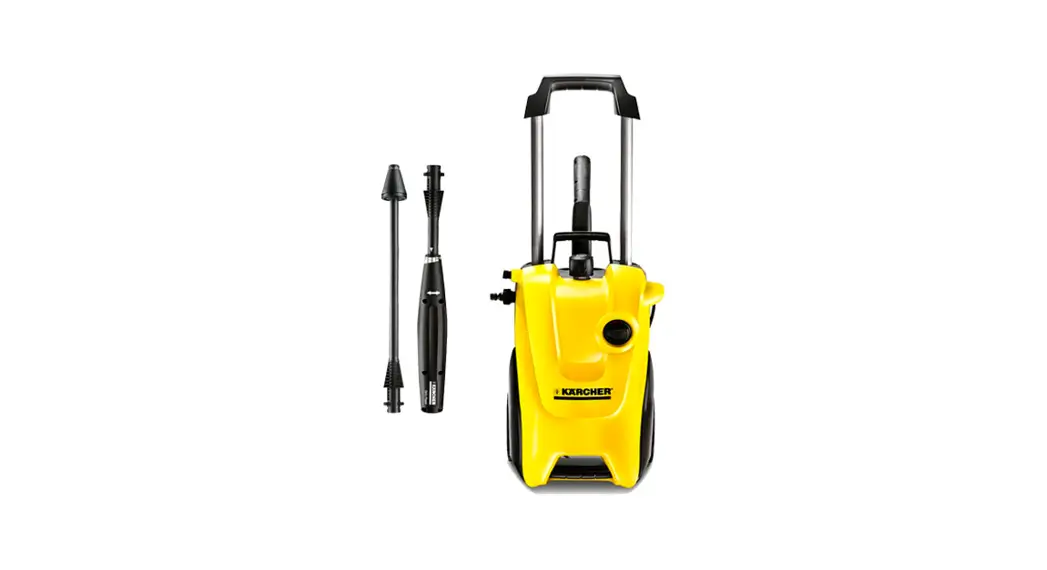
K 3 Compact Pressure Washer
Product Information
Product Name: K 3 Compact
Language: English
Model Number: 59697070 (10/21)
Contents
- Safety instructions
- Environmental protection
- Intended use
- Accessories and spare parts
- Scope of delivery
- Description of the device
- Safety devices
- Symbols on the device
- Assembly
- Initial startup
- Operation
- Transport
- Storage
- Care and service
- Troubleshooting guide
- Technical data
Safety Instructions
Hazard Levels
- DANGER: Indication of an imminent threat of
danger that will lead to severe injuries or even death. - WARNING: Indication of a potentially dangerous
situation that may lead to severe injuries or even death. - CAUTION: Indication of a potentially dangerous
situation that may lead to minor injuries. - ATTENTION: Indication of a potentially
dangerous situation that may lead to damage to property.
Protective Gear
- CAUTION: Wear suitable protective
clothing.
General Safety Instructions
- DANGER: Risk of asphyxiation. Keep packaging
film out of the reach of children. - WARNING: Only use the device for its proper
use. Take into account the local conditions and beware of third
parties, in particular children, when working with the device.
Persons with reduced physical, sensory or mental capabilities and
persons lacking experience and knowledge may only use the appliance
if they are properly supervised, have been instructed on use of the
appliance safely by a person responsible for their safety, and
understand the resultant hazards involved. Children must not
operate the device. Children must be supervised to prevent them
from playing with the appliance. - CAUTION: Safety devices are provided for your
own protection. Never modify or bypass safety devices. - DANGER: Only connect protection class I
devices to properly earthed power sources. Only connect the device
to alternating current. The voltage indicated on the type plate
must match the voltage of the power source. Only operate the device
via a fault current protection switch (maximum 30 mA). Never touch
the mains plug and socket with wet hands. The mains plug and
coupling of the extension cable must be water tight and may not be
placed in water. The coupling may not be on the floor. Use cable
drums to ensure that the sockets are at least 60 mm above the
floor. All live parts in the work area must be protected against
water.
Product Usage Instructions
- Assembly: Follow the instructions provided in
the user manual for assembling the device. - Initial startup: Before using the device for
the first time, check that all safety devices are in place and
functioning properly. Connect the device to a properly earthed
power source via a fault current protection switch (maximum 30 mA).
Ensure that the voltage indicated on the type plate matches the
voltage of the power source. - Operation: Use the device only for its
intended use. Take into account the local conditions and beware of
third parties, in particular children, when working with the
device. Persons with reduced physical, sensory or mental
capabilities and persons lacking experience and knowledge may only
use the appliance if they are properly supervised, have been
instructed on use of the appliance safely by a person responsible
for their safety, and understand the resultant hazards involved.
Children must not operate the device. Children must be supervised
to prevent them from playing with the appliance. - Transport: When transporting the device,
ensure that all safety devices are in place and functioning
properly. Do not lift the device by its power cord. Use the
carrying handle provided. - Storage: Store the device in a dry place. When
storing for an extended period of time, disconnect the device from
the power source and ensure that all safety devices are in
place. - Care and service: Regularly clean the device
and its accessories according to the instructions provided in the
user manual. Do not use abrasive or corrosive cleaning agents. For
service and maintenance, contact an authorized service center. - Troubleshooting guide: If the device is not
functioning properly, refer to the troubleshooting guide provided
in the user manual. - Technical data: Refer to the technical data
provided in the user manual for information on voltage, power
consumption, and other specifications.
K 3 Compact
English
5
Español
10
CONSUMO DE ENERGÍA
1. En Operación: 1334,34 Wh 2. En Modo de Espera: N/A Modelo: K 3 Compact
59697070 (10/21)
A
2
B
C
D
E
F
G
H
3
3
J
K
L
4
4
Contents
Safety instructions ……………………………………….. 5
Environmental protection………………………………. 6
Intended use……………………………………………….. 6
Accessories and spare parts …………………………. 6
Scope of delivery …………………………………………. 6
Description of the device ………………………………. 6
Safety devices …………………………………………….. 7
Symbols on the device …………………………………. 7
Assembly ……………………………………………………. 7
Initial startup ……………………………………………….. 7
Operation……………………………………………………. 7
Transport ……………………………………………………. 8
Storage………………………………………………………. 8
Care and service …………………………………………. 9
Troubleshooting guide ………………………………….. 9
Technical data …………………………………………….. 9
Safety instructions
Read this safety chapter and these original instructions before using the device for the first time. Act in accordance with them. Keep the original instructions for future reference or for future owners. In addition to the notes in the operating instructions, you also need to take into consideration the general safety regulations and accident prevention guidelines applicable by law. Warnings and information notices attached to the device provide important information for hazard-free operation.
Hazard levels
DANGER
Indication of an imminent threat of danger that will lead to severe injuries or even death.
WARNING
Indication of a potentially dangerous situation that may lead to severe injuries or even death.
CAUTION
Indication of a potentially dangerous situation that may lead to minor injuries.
ATTENTION
Indication of a potentially dangerous situation that may lead to damage to property.
Protective gear
CAUTION Wear suitable protective clothing
and safety goggles to protect yourself from water or dirt backsplash. Aerosols can be formed when using highpressure cleaners. Inhaling aerosols can be harmful for your health. Depending on the application, the use of fully shielded nozzles (e.g. surface cleaners) can significantly lower the emission of aqueous aerosols. Depending on the environment to be cleaned, wear a suitable respiratory protective mask of class FFP 2 or comparable to protect yourself from inhaling aerosols if the use of a fully shielded nozzle is not possible.
General safety instructions
DANGER Risk of asphyxiation. Keep pack-
aging film out of the reach of children.
WARNING Only use the device for its proper
use. Take into account the local conditions and beware
of third parties, in particular children, when working with the device. Persons with reduced physical, sensory or mental capabilities and persons lacking experience
and knowledge may only use the appliance if they are
properly supervised, have been instructed on use of the
appliance safely by a person responsible for their safety, and understand the resultant hazards involved. Children must not operate the device. Children must be supervised to prevent them from playing with the appli-
ance.
CAUTION Safety devices are provided for
your own protection. Never modify or bypass safety de-
vices.
Risk of electric shock
DANGER Only connect protection class I de-
vices to properly earthed power sources. Only connect the device to alternating current. The voltage
indicated on the type plate must match the voltage of the power source. Only operate the device via a fault current protection switch (maximum 30 mA). Never touch the mains plug and socket with wet hands. The mains plug and coupling of the extension cable must be
water tight and may not be placed in water. The coupling
may not be on the floor. Use cable drums to ensure that the sockets are at least 60 mm above the floor. All live parts in the work area must be protected against water
jets.
WARNING Only connect the device to an
electrical connection which has been set up by a qualified electrician as per IEC 60364-1. Check that the mains connection cable with mains plug is undamaged
each time before using the device. To avoid any possi-
ble danger, a damaged mains connection cable must be
immediately replaced by the manufacturer, or the au-
thorised customer service department or a qualified electrician. Do not damage the power supply and extension cable by running over it, crushing or yanking it
or similar. Protect the power supply cable from heat, oil and sharp edges. Unsuitable electrical extension cables are dangerous. Only use approved and appropri-
ately marked electrical extension cables with a sufficient line cross section when outdoors: 1-10 m : 1.5 mm2, 10-30 m : 2.5 mm2
CAUTION Always fully unwind the extension
cable from the cable drum. In case of longer breaks in operation and after use, switch off the device at the
main switch / device switch and pull the mains plug.
Operation
DANGER Operation in explosive atmos-
pheres is prohibited. Never suction solvents, liquids containing solvents or undiluted acids. This includes
e.g. petrol, paint thinner or heating oil. The spray mist is highly flammable, explosive and poisonous. Damaged wheels / tyre valves are extremely dangerous.
Damaged wheels / tyre valves can be damaged by the
high-pressure jet and explode. The first sign of this is
discolouration of the tyres. Keep a spray distance of at
least 30 cm when cleaning the wheels / tyre valves.
WARNING Do not use the device if people
without the proper protective clothing are in its reach. Do not aim the high-pressure jet at yourself, e.g. to clean clothes or shoes. Do not direct the high-pressure jet at persons, animals, live electrical equipment or at the device itself. Do not spray any objects which contain harmful substances (e.g. asbestos). Check
English
5
the device and the accessories, such as the high-pressure hose, high-pressure gun and safety devices, to make sure they are in proper safe and reliable condition before each operation. Do not use the device if it is damaged. Replace damaged components immediately. Only use high-pressure hoses, control panels and couplings specified by the manufacturer. Risk of scalding. When disconnecting the supply or high-pressure hose, hot water can leak out of the connections after operation.
CAUTION According to the applicable regu-
lations, the appliance may never be used with the drinking water network without a system separator. Ensure that the connection to your house water system, with which the high-pressure cleaner is operated, is equipped with a system separator according to EN 12729 type BA. Water that has flowed through a system separator is no longer classified as drinkable. Never leave the device unsupervised while it is in operation. Recoil force from the water stream emerging at the high-pressure nozzle acts on the high-pressure gun. Keep proper footing and hold the high-pressure gun and spray lance firmly. Accidents or damage due to the device falling over. Before all actions with or on the device, you must make sure that it is stable.
ATTENTION Do not operate the device at tem-
peratures below 0 °C.
Operation with detergent
WARNING Incorrect use of detergents can
cause serious injuries or poisoning.
CAUTION Keep the detergent out of the
reach of children. Only use the detergents supplied or specified by the manufacturer. The use of other detergents or chemicals can impair the safety of the device.
Care and service
WARNING Always pull out the mains plug
before all care and maintenance work.
CAUTION Have repair work and work on
electrical components carried out by the authorised customer service only.
ATTENTION Do not use acetone, undiluted ac-
ids or solvents, as they corrode the materials used on the device.
Transportation
CAUTION
Risk of accidents and injuries. Take into account the weight of the device for transportation and storage. See chapter Technical data in the operating instructions.
Environmental protection
The packing materials can be recycled. Please dispose of packaging in accordance with the environmental regulations. Electrical and electronic appliances contain valuable, recyclable materials and often components such as batteries, rechargeable batteries or oil, which – if handled or disposed of incorrectly – can pose a potential danger to human health and the environment. However, these components are required for the correct operation of the appliance. Appliances marked by this symbol are not allowed to be disposed of together with the household rubbish.
Cleaning work producing in oily waste water, e.g. washing engines, washing undercarriages etc., may only be performed at washing stations with an oil separator. Working with detergents may only be performed on watertight surfaces with connection to the waste water sewage system. Do not allow detergent to enter waterways or the soil. Notes on the content materials (REACH) Current information on content materials can be found at: www.kaercher.de/REACH
Intended use
Use the high-pressure cleaner in private households only. The high-pressure cleaner is intended for cleaning machines, vehicles, buildings, tools, façades, terraces, garden machines etc. using a high-pressure water jet.
Accessories and spare parts
Only use original accessories and original spare parts. They ensure that the appliance will run fault-free and safely. Information on accessories and spare parts can be found at www.kaercher.com.
Scope of delivery
The scope of delivery for the appliance is shown on the packaging. Check the contents for completeness when unpacking. If any accessories are missing or in the event of any shipping damage, please notify your dealer.
Description of the device
The maximum amount of equipment is described in these operating instructions. Depending on the model used, there are differences in the scope of delivery (see packaging). For the illustrations, refer to the graphics page Illustration A
1 Transport wheel
2 Storage for high-pressure hose and mains connection cable
3 Storage for spray lance
4 Storage for high-pressure gun
5 Spray lance with dirt grinder for stubborn soiling
6 Vario Power spray lance for common cleaning tasks: The working pressure can be continuously increased from “SOFT” to “HARD”. To adjust the working pressure, release the high-pressure gun lever and turn the spray lance to the desired position. Detergent can be added to the water jet when the spray lance is turned all the way in the SOFT direction.
7 High-pressure gun
8 Clamp for the high-pressure hose
9 High-pressure gun lever
10 High-pressure gun lock
11 High-pressure hose
12 Mains connection cable with mains plug
13 Trigger “0/OFF” / “I/ON”
6
English
14 Carrying handle
15 Transport handle, telescoping
16 Coupling for high-pressure hose
17 Type plate
18 Water connection with integrated sieve
19 Suction hose for detergent (with filter)
20 Water connection coupling
21 Hose coupling
22 **Garden hose (fabric reinforced, diameter at least 1/2 inch (13 mm), length at least 7.5 m)
** additionally required
Safety devices CAUTION
Missing or modified safety devices Safety devices are provided for your own protection. Never modify or bypass safety devices.
Power switch
The power switch prevents unintentional operation of the device.
High-pressure gun lock
The lock locks the lever of the high-pressure gun and prevents the device from starting unintentionally.
Auto-stop function
If the lever of the high-pressure gun is released, the pressure switch turns off the pump and the high-pressure jet stops. The pump switches on again when the lever is pressed.
Symbols on the device
Do not aim the high-pressure jet may at persons, animals, live electrical equipment or the device itself. Protect the device against frost. The device may not be connected to the public drinking water network.
Assembly
For the illustrations, refer to the graphics page. Fit the supplied loose parts onto the device before starting up the device.
Fitting the wheels
1. Fasten and secure the wheels to the device. Illustration B
Installing the water connection coupling
1. Screw the water connection coupling onto the water connection on the device. Illustration C
Initial startup
1. Place the device on a flat and level surface. 2. Connect the high-pressure hose to the device.
a Pull out the clamp on the coupling. b Insert the high-pressure hose into the coupling. c Insert the clamp into the coupling.
Illustration D
3. Connect the high-pressure hose to the high-pressure gun. a Squeeze the clamp. b Pull out the clamp. c Insert the high-pressure hose. d Press the clamp in until it latches into place. Illustration E
4. Check for a secure connection by pulling on the high-pressure hose.
5. Plug the mains plug into a mains socket.
Water supply
For the connection values, see the type plate or chapter Technical data. Observe the water distribution company regulations.
ATTENTION
Damage through contaminated water Contamination in the water can damage the pump and the accessories. KÄRCHER recommends using the KÄRCHER water filter for protection(special accessory, order number 4.730-059).
Connection to the water line
ATTENTION
Hose coupling with Aquastop on the water connection of the device Damage to the pump Never use a hose coupling with Aquastop on the water connection of the device. You can use an Aquastop coupling on the tap. 1. Screw the supplied hose coupling on to the end of
your garden hose. 2. Plug the garden hose onto the water connection
coupling. 3. Connect the garden hose to the water line. 4. Open the water tap fully.
Illustration F
Operation
ATTENTION
Pump running dry Damage to the device If pressure does not build up in the device after 2 minutes then switch the device off and proceed according to the instructions in chapter Troubleshooting guide.
High-pressure operation
ATTENTION
Damage to painted or sensitive surfaces Surfaces can be damaged when the jet is too close to the surface or an unsuitable spray lance is used. Maintain a minimum spray distance of 30 cm when cleaning painted surfaces. Do not clean car tyres, paint or sensitive surfaces such as wood with the dirt grinder. 1. Insert a spray lance into the high-pressure gun and
lock it by turning it 90°. Illustration G 2. Switch the device on (“I/ON”). 3. Unlock the lever of the high-pressure gun. 4. Press the lever of the high-pressure gun. The device switches on.
English
7
Operation with detergent
DANGER
Failure to adhere to the safety data sheet Incorrect handling of the detergent can seriously damage your health Observe the safety data sheet of the detergent manufacturer, in particular the instructions on personal protective equipment. Note KÄRCHER detergents ensure fault-free operation. Ask us for a consultation, request our catalogue or our detergent information sheets. 1. Pull the desired length of the detergent suction hose
out of the casing. Illustration H 2. Hang the detergent suction hose in a container with detergent solution. 3. Use the Vario Power spray lance. 4. Turn the spray lance all the way in the “SOFT” direction. The detergent solution is mixed with the water jet during operation.
Recommended cleaning method
1. Spray the detergent sparingly on the dry surface and let it work for a while (do not let it dry).
2. Rinse off the loosened dirt with the high-pressure jet.
After operation with detergent
1. Flush the device with clear water for approx. 30 seconds.
Interrupting operation
1. Release the lever of the high-pressure gun. The device switches off when the lever is released. The high pressure in the system is retained.
2. Lock the lever of the high-pressure gun. Illustration J
3. Switch the device off “0/OFF” during work breaks longer than 5 minutes.
Ending operation
CAUTION
Pressure in the system Injuries from high-pressure water escaping uncontrollably Only disconnect the high-pressure hose from the highpressure gun or the device when the system is fully depressurised. 1. Release the lever of the high-pressure gun. 2. Close the water tap. 3. Press the lever of the high-pressure gun for 30 sec-
onds. The pressure remaining in the system is discharged. 4. Release the lever of the high-pressure gun. 5. Lock the lever of the high-pressure gun. 6. Disconnect the device from the water supply. 7. Switch off the device “0/OFF”. 8. Pull the mains plug out of the socket.
Transport
CAUTION
Failure to observe the weight Risk of injury and damage Be aware of the weight of the device during transportation.
Carrying the device
1. Lift up the device by the carrying handle, and carry it.
Pulling the device
1. Pull the transport handle out until it audibly latches into place.
2. Pull the device via the transport handle.
Transporting the device in a vehicle
1. Secure the device against slipping and tipping over.
Storage
CAUTION
Failure to observe the weight Risk of injury and damage Be aware of the weight of the device during storage.
Storing the device
1. Place the device on a level surface. 2. Disconnect the spray lance from the high-pressure
gun. 3. Disconnect the high-pressure gun from the high-
pressure hose. 4. Disconnect the high-pressure hose from the device. 5. Store the high-pressure hose on the device. 6. Store the mains connection cable and accessories
on the device. Observe the additional notes before storing the device for a long period of time, see chapter Care and service.
Frost protection
ATTENTION
Danger of frost Incompletely emptied devices can be destroyed by frost. Completely empty the device and accessories. Protect the device from frost. The following requirements must be satisfied: The device is disconnected from the water supply. The high-pressure hose is removed. 1. Switch the device on “I/ON”. 2. Wait for a maximum of 1 minute until no more water
escapes from the high-pressure connection. 3. Switch off the device. 4. Store the device in a frost-protected room, together
with all accessories.
8
English
Care and service
DANGER
Danger of electric shock Injuries due to touching live parts Switch off the device. Remove the mains plug. The device is maintenance-free, i.e. you do not need to perform any maintenance work.
Clean the sieve in the water connection
ATTENTION
Damaged sieve in the water connection Damage to the device through contaminated water Check the sieve for damage before inserting it in the water connection. If necessary, clean the sieve in the water connection. 1. Remove the water connection coupling. 2. Pull the sieve out using flat pliers. 3. Clean the sieve under running water.
Illustration K 4. Insert the sieve into the water connection.
Clean the detergent filter
Clean the detergent filter before longer periods of storage. 1. Pull the filter off the detergent suction hose. 2. Clean the filter under running water.
Illustration L
Troubleshooting guide
Malfunctions often have simple causes that you can remedy yourself using the following overview. When in doubt, or in the case of malfunctions not mentioned here, please contact your authorised Customer Service.
DANGER
Danger of electric shock Injuries due to touching live parts Switch off the device. Remove the mains plug. Device not running 1. Press the lever of the high-pressure gun.
The device switches on. 2. Check that the voltage specified on the type plate
corresponds to the voltage of the power source. 3. Check the mains connection cable for damage. Device does not reach required pressure The water supply is too low 1. Open the water tap fully. 2. Check the water inlet for an adequate flow rate. The sieve in the water connection is dirty. 1. Pull the sieve in the water connection out using flat
pliers. 2. Clean the sieve under running water. Air is in the device. 1. Vent the device:
a Switch on the device without a connected highpressure hose for a maximum of 2 minutes until the water escaping from the high-pressure connection is free of air bubbles.
b Switch off the device. c Connect the high-pressure hose. Strong pressure fluctuations 1. Clean the high-pressure nozzle: a Use a needle to remove dirt from the nozzle drill. b Rinse the high-pressure nozzle from the front
with water. 2. Check the water supply volume.
Device leaking 1. The device leaks a small amount for technical rea-
sons. If the leak is severe, request authorised Customer Service. Detergent is not sucked in 1. Use the Vario Power spray lance and turn it all the way in the “SOFT” direction. 2. Clean the filter on the detergent suction hose. 3. Check the detergent suction hose for kinks.
Warranty
The warranty conditions issued by our relevant sales company apply in all countries. We shall remedy possible malfunctions on your appliance within the warranty period free of cost, provided that a material or manufacturing defect is the cause. In a warranty case, please contact your dealer (with the purchase receipt) or the next authorised customer service site. (See overleaf for the address)
Technical data
Electrical connection Voltage Phase Frequency Power rating Degree of protection Protection class Power protection (slow-blowing) Water connection Feed pressure (max.) Input temperature (max.) Input amount (min.) Device performance data Operating pressure
Max. permissible pressure
Water flow rate Maximum flow rate Detergent flow rate High-pressure gun recoil force Dimensions and weights Typical operating weight Length Width Height Subject to technical modifications.
V ~ Hz kW
A
MPa °C l/min
MPa psi MPa psi l/min l/min l/min N
kg mm mm mm
127 1 60 1,45 IPX5 II 10
1,2 40 9
8,0 1150 12,0 1700 5,0 6,0 0,3 11
5,0 264 256 450
English
9
Índice de contenidos
Instrucciones de seguridad …………………………… 10
Protección del medio ambiente ……………………… 11
Uso previsto ……………………………………………….. 11
Accesorios y recambios ……………………………….. 11
Volumen de suministro …………………………………. 11
Descripción del equipo …………………………………. 12
Dispositivos de seguridad …………………………….. 12
Símbolos en el equipo………………………………….. 12
Montaje………………………………………………………. 12
Puesta en funcionamiento…………………………….. 12
Funcionamiento…………………………………………… 13
Transporte ………………………………………………….. 14
Almacenamiento………………………………………….. 14
Conservación y mantenimiento ……………………… 14
Ayuda en caso de avería………………………………. 15
Datos técnicos …………………………………………….. 15
Instrucciones de seguridad
Antes de poner en marcha por primera vez el equipo, lea este capítulo de seguridad y este manual original. Actúe conforme a estos documentos. Conserve el manual original para su uso posterior o para propietarios ulteriores. Además de las instrucciones incluidas en el manual de instrucciones, debe respetar las normativas de seguridad y para la prevención de accidentes del legislador correspondiente. Las placas de advertencia e indicadoras colocadas en el equipo proporcionan indicaciones importantes para un funcionamiento seguro.
Niveles de peligro
PELIGRO
Aviso de un peligro inminente que produce lesiones corporales graves o la muerte.
ADVERTENCIA
Aviso de una posible situación peligrosa que puede producir lesiones corporales graves o la muerte.
PRECAUCIÓN
Aviso de una posible situación peligrosa que puede producir lesiones corporales leves.
CUIDADO
Aviso de una posible situación peligrosa que puede producir daños materiales.
Equipo de protección personal
PRECAUCIÓN Lleve ropa de seguridad
adecuada y unas gafas de protección para protegerse de la suciedad o el agua que salga disparada. Durante el uso de limpiadoras de alta presión pueden producirse aerosoles. La inhalación de aerosoles puede producir daños para la salud. Dependiendo de la aplicación, el uso de boquillas totalmente apantalladas (p. ej. limpiadoras de superficies) puede reducir notablemente la expulsión de aerosoles líquidos. En función del entorno a limpiar, utilice una mascarilla de protección respiratoria adecuada de clase FFP 2 o similares para evitar inhalar aerosoles si no es posible utilizar una boquilla totalmente apantallada.
Instrucciones generales de seguridad
PELIGRO Riesgo de asfixia. Mantenga los
embalajes fuera del alcance de los niños.
ADVERTENCIA Utilice el equipo solo pa-
ra su uso previsto. Al trabajar con el equipo, tenga en
cuenta las condiciones locales y evite causar daños a terceras personas, sobre todo a niños. Las personas con capacidades físicas, sensoriales o psíquicas limita-
das o que carezcan de experiencia y conocimientos so-
bre el equipo solo pueden utilizar el equipo bajo
supervisión correcta o si han recibido formación sobre
el uso seguro del equipo por parte de una persona res-
ponsable de su seguridad y han comprendido los peligros existentes. Los niños no pueden utilizar el equipo. Se debe supervisar a los niños para asegurarse de que no jueguen con el aparato.
PRECAUCIÓN Los dispositivos de seguri-
dad velan por su seguridad. Nunca modifique ni mani-
pule los dispositivos de seguridad.
Peligro de choques eléctricos
PELIGRO Solo conecte los equipos de la
clase de protección I a fuentes de corriente con toma a tierra. Solo conecte el equipo a corriente alterna. La tensión indicada en la placa de características debe coincidir con la tensión de la fuente de corriente. Maneje el equipo solo mediante un interruptor de corriente de defecto (máximo 30 mA). Nunca toque los conectores de red y enchufes con las manos húmedas. El conector de red y el acoplamiento de un conducto de
prolongación deben ser impermeables y no pueden ten-
derse en el agua. El acoplamiento no puede situarse
sobre el suelo. Utilice enrolladores de cables que ga-
ranticen que las tomas se encuentran a, mínimo, 60 mm sobre el suelo. Todas las piezas que conducen corriente en la zona de trabajo deben estar protegidas
contra chorros de agua.
ADVERTENCIA Conecte el equipo única-
mente a una conexión eléctrica instalada por un electri-
cista formado conforme a la norma IEC 60364-1. Cada vez que utilice el equipo, asegúrese de que el cable de conexión de red con el conector de red no está
dañado. Si el cable de conexión de red está dañado, el
fabricante, el servicio de posventa autorizado o el per-
sonal electricista especialista deben sustituirlo inmediatamente para evitar cualquier peligro. No dañe el conducto de prolongación ni el cable de conexión de
red pasando por encima, aplastándolo, arrastrándolo o
similares. Proteja el cable de conexión de red frente al calor, el aceite y los cantos afilados. Los conductos de prolongación eléctricos inadecuados resultan peligro-
sos. Solo utilizar libremente conductos de prolongación
eléctricos autorizados e identificados debidamente con la suficiente sección de conducto: 1-10 m : 1,5 mm2, 10-30 m : 2,5 mm2
PRECAUCIÓN Desenrolle completamen-
te el conducto de prolongación del enrollador de cables. En caso de pausas prolongadas y tras su uso, apague el equipo en el interruptor principal/interruptor del equi-
po y desconecte el conector de red.
10
Español
Servicio
PELIGRO Queda prohibido su uso en entor-
nos explosivos. Nunca aspire disolventes, líquidos que contenga disolventes ni ácidos no diluidos. Entre
ellos, por ejemplo, gasolina, diluyentes o gasóleo para
calefacción. La niebla de pulverización es inflamable, explosiva y tóxica. Las válvulas de neumáticos de vehículos dañados resultan peligrosos. Las válvulas de
neumáticos de vehículos pueden reventar o sufrir da-
ños por parte de chorros de alta presión. La decolora-
ción del neumático constituye uno de los primeros
síntomas de daños. Durante la limpieza de válvulas de
neumáticos/neumáticos de vehículos debe mantener
una distancia de, mínimo, 30 cm con el chorro.
ADVERTENCIA No utilice el equipo si hay
personas en la zona de alcance sin la correspondiente ropa de seguridad. No dirija el chorro de alta presión hacia sí mismo, por ejemplo, para limpiar la ropa o el calzado. No dirija el chorro de alta presión hacia personas, animales, equipamiento eléctrico activo, ni apunte con él al propio equipo. No pulverice objetos que contengan sustancias perjudiciales para la salud (p. ej. amianto). Antes de cada uso, compruebe el buen estado y la seguridad de funcionamiento del equi-
po y los accesorios, por ejemplo, manguera de alta pre-
sión, pistola de alta presión y dispositivos de seguridad.
No utilice el equipo en caso de daños. Sustituya inmediatamente los componentes dañados. Utilice únicamente los acoplamientos, accesorios y mangueras de alta presión recomendados por el fabricante. Riesgo de incendios. Tras el servicio, puede salir agua caliente
de las conexiones tras desconectar la manguera de ali-
mentación o la manguera de alta presión.
PRECAUCIÓN Nunca utilice el equipo sin
separador de sistema en la red de agua potable, confor-
me a las disposiciones vigentes. Asegúrese de que la
conexión de su sistema doméstico, donde se utiliza la
limpiadora de alta presión, esté equipada con un separador de sistema conforme a EN 12729 tipo BA. El agua que fluye por el separador de sistema no se considera agua potable. Nunca deje el equipo sin supervisión durante el servicio. La salida del chorro de agua de la boquilla de alta presión provoca una fuerza
de retroceso en la pistola de alta presión. Permanezca
siempre en una postura segura y agarre con firmeza la pistola de alta presión y el tubo pulverizador. La caída del equipo puede producir accidentes o daños. Antes
de cualquier tarea, debe adoptar una postura equilibra-
da con el equipo.
CUIDADO No utilice el equipo a temperaturas in-
feriores a 0 °C.
Funcionamiento con detergente
ADVERTENCIA Un uso inadecuado de
detergentes puede provocar lesiones graves o intoxica-
ciones.
PRECAUCIÓN Mantenga el detergente
fuera del alcance de los niños. Solo utilice detergentes recomendados y suministrados por el fabricante. El
uso de otros detergentes o sustancias químicas puede
comprometer la seguridad del equipo.
Cuidado y mantenimiento
ADVERTENCIA Antes de cualquier tarea
de conservación y mantenimiento, desconecte el conector de red.
PRECAUCIÓN Solo el servicio de aten-
ción al cliente autorizado puede realizar las tareas de reparación y otras tareas en los componentes eléctricos.
CUIDADO No utilice ni acetona, ácidos sin diluir,
ni disolventes ya que pueden dañar los materiales utilizados en el equipo.
Transporte
PRECAUCIÓN
Riesgo de accidentes y lesiones. Tenga en cuenta el peso del equipo al transportarlo y almacenarlo, véase capítulo Datos técnicos del manual de instrucciones.
Protección del medio ambiente
Los materiales de embalaje son reciclables. Elimine los embalajes de forma respetuosa con el medio ambiente. Los equipos eléctricos y electrónicos contienen materiales reciclables y, a menudo, componentes, como baterías, acumuladores o aceite, que suponen un peligro potencial para la salud de las personas o el medio ambiente en caso de manipularse o eliminarse de forma inadecuada. Sin embargo, dichos componentes son necesarios para un servicio adecuado del equipo. Los equipos identificados con este símbolo no pueden eliminarse con la basura doméstica. Los trabajos de limpieza que generan agua sucia con un alto contenido en aceite, p. ej., los lavados de motores o la limpieza de bajos, deben realizarse únicamente en estaciones de lavado con un separador de aceite. Los trabajos con detergentes deben realizarse únicamente sobre superficies de trabajo a prueba de filtraciones y conectadas a la canalización de agua sucia. No permita que los detergentes penetren en masas de agua o en la tierra.
Avisos sobre sustancias contenidas (REACH) Encontrará información actualizada sobre las sustancias contenidas en: www.kaercher.de/REACH
Uso previsto
Utilice la limpiadora de alta presión únicamente en el ámbito doméstico. La limpiadora de alta presión está diseñada para la limpieza de máquinas, vehículos, edificios, herramientas, fachadas, terrazas, equipos para el jardín, etc. con un chorro de agua de alta presión.
Accesorios y recambios
Utilice únicamente accesorios y recambios originales, estos garantizan un servicio seguro y fiable del equipo. Encontrará información sobre los accesorios y recambios en www.kaercher.com.
Volumen de suministro
El volumen de suministro del equipo se muestra en el embalaje. Compruebe la integridad del volumen de suministro durante el desembalaje. Póngase en contacto con su distribuidor si faltan accesorios o en caso de daños de transporte.
Español
11
Descripción del equipo
En este manual de instrucciones se describe el equipamiento máximo. Existen diferencias en el alcance del suministro según el modelo (véase el embalaje). Véanse las figuras en la página de gráficos Figura A
1 Rueda de transporte
2 Almacenaje para la manguera de alta presión y el cable de conexión de red
3 Almacenaje para tubos pulverizadores
4 Almacenaje para pistolas de alta presión
5 Tubo pulverizador con boquilla turbo para suciedad incrustada
6 Tubo pulverizador Vario Power para tareas de limpieza habituales: La presión de trabajo aumenta de forma continua de «SOFT» a «HARD». Para reajustar la presión de trabajo, suelte la palanca de la pistola de alta presión y gire el tubo pulverizador hacia la posición deseada. Se puede dosificar el detergente girando el tubo pulverizador hasta el tope en dirección «SOFT».
7 Pistola de alta presión
8 Abrazadera para la manguera de alta presión
9 Palanca de pistola de alta presión
10 Cierre de la pistola de alta presión
11 Manguera de alta presión
12 Cable de conexión de red con conector de red
13 Interruptor del equipo «0/OFF»/«I/ON»
14 Asa de transporte
15 Asa de transporte, extraíble
16 Acoplamiento para manguera de alta presión
17 Placa de características
18 Conexión de agua con tamiz integrado
19 Manguera de aspiración de detergente (con filtro)
20 Acoplamiento de la conexión de agua
21 Acoplamiento para manguera
22 **Manguera de riego (reforzada con tela, diámetro de al menos 1/2 pulgadas (13 mm), longitud de al menos 7,5 m)
** necesaria de manera adicional
Dispositivos de seguridad PRECAUCIÓN
Dispositivo de seguridad faltantes o modificados Los dispositivos de seguridad velan por su seguridad. Nunca modifique ni manipule los dispositivos de seguridad.
Interruptor del equipo
El interruptor del equipo impide el funcionamiento involuntario del equipo.
Cierre de la pistola de alta presión
El cierre bloquea la palanca de la pistola de alta presión y evita el arranque involuntario del equipo.
Función de parada automática
Cuando se suelta la palanca de la pistola de alta presión, el interruptor de presión desconecta la bomba y se para el chorro de alta presión. Al presionar la palanca, vuelve a conectarse la bomba.
Símbolos en el equipo
No dirija el chorro de alta presión hacia personas, animales, equipamiento eléctrico activo ni apunte con él al propio equipo. Proteja el equipo de las heladas.
El equipo no debe conectarse directamente a la red pública de agua potable.
Montaje
Véanse las figuras en la página de gráficos. Antes de la puesta en funcionamiento, monte en el equipo las piezas que se suministran sueltas.
Montaje de las ruedas
1. Fije y asegure las ruedas en el equipo. Figura B
Montaje del acoplamiento de la conexión de agua
1. Enrosque el acoplamiento de la conexión de agua en dicha conexión del equipo. Figura C
Puesta en funcionamiento
1. Coloque el equipo sobre una superficie plana. 2. Conecte la manguera de alta presión al equipo.
a Extraiga la abrazadera del acoplamiento. b Introduzca la manguera de alta presión en el aco-
plamiento. c Inserte la abrazadera en el acoplamiento.
Figura D 3. Conecte la manguera de alta presión a la pistola de
alta presión. a Apriete la abrazadera. b Extraiga la abrazadera. c Inserte la manguera de alta presión. d Presionar la abrazadera hasta encajarla.
Figura E 4. Comprobar que las conexiones son seguras tirando
de la manguera de alta presión. 5. Conectar el conector de red en un enchufe.
12
Español
Alimentación de agua
Para consultar los valores de conexión, véase la placa de características o el apartado Datos técnicos. Respete las normas de la empresa de suministro de agua.
CUIDADO
Daños por agua sucia La suciedad en el agua puede dañar la bomba y los accesorios. Para protegerlos, KÄRCHER recomienda usar su filtro de agua (accesorio especial, referencia de pedido 4.730-059).
Conexión al conducto de agua
CUIDADO
Acoplamiento de mangueras con Aquastop en la conexión de agua del equipo Daños en la bomba Nunca use un acoplamiento de mangueras con Aquastop en la conexión de agua del equipo. Puede usar un acoplamiento Aquastop en el grifo de agua. 1. Atornille el acoplamiento de manguera suministrado
en el extremo de su manguera de riego. 2. Inserte la manguera de riego en el acoplamiento de
la conexión de agua. 3. Conecte la manguera de riego al conducto de agua. 4. Abra el grifo de agua por completo.
Figura F
Funcionamiento
CUIDADO
Marcha en vacío de la bomba Daños en el equipo Si el equipo no genera ninguna presión en un intervalo de 2 minutos, desconéctelo y proceda conforme a las instrucciones del apartado Ayuda en caso de avería.
Funcionamiento con alta presión
CUIDADO
Daños en superficies pintadas o delicadas Las superficies resultan dañadas si no se mantiene la suficiente distancia con la boquilla de pulverizado o si se selecciona un tubo pulverizador inadecuado. Mantenga una distancia con la boquilla de pulverizado de al menos 30 cm al limpiar superficies pintadas. No utilice la boquilla turbo para limpiar llantas de vehículos, pinturas ni superficies delicadas, como la madera. 1. Insertar un tubo pulverizador en la pistola de alta
presión y fijarlo girándolo 90°. Figura G 2. Conectar el equipo («I/ON»). 3. Desbloquear la palanca de la pistola de alta presión. 4. Presionar la palanca de la pistola de alta presión. El equipo se conecta.
Funcionamiento con detergente
PELIGRO
Inobservancia de la hoja de datos de seguridad Problemas de salud graves por un uso inadecuado del detergente Observe la hoja de datos de seguridad del fabricante de detergentes, especialmente las indicaciones sobre equipos de protección personal. Nota Los detergentes KÄRCHER garantizan un funcionamiento sin averías. Solicite el asesoramiento oportuno o pida nuestro catálogo o nuestra hoja informativa sobre detergentes. 1. Extraiga la manguera de aspiración de detergente
de la carcasa hasta alcanzar la longitud deseada. Figura H 2. Cuelgue la manguera de aspiración de detergente en un recipiente con solución de detergente. 3. Use el tubo pulverizador Vario Power. 4. Gire el tubo pulverizador en dirección «SOFT» hasta llegar al tope. Durante el funcionamiento, se añade la solución de detergente al chorro de agua.
Métodos de limpieza recomendados
1. Pulverizar poco detergente sobre la superficie seca y dejar que actúe (no secar).
2. Lavar la suciedad desprendida con el chorro de alta presión.
Tras el funcionamiento con detergente
1. Enjuague el equipo con agua limpia durante unos 30 segundos.
Interrupción del servicio
1. Suelte la palanca de la pistola de alta presión. Al soltar la palanca, el equipo se desconecta. Se mantiene la alta presión en el sistema.
2. Bloquee la palanca de la pistola de alta presión. Figura J
3. Desconecte el equipo con «0/OFF» durante las pausas de trabajo de más de 5 minutos.
Finalización del funcionamiento
PRECAUCIÓN
Presión en el sistema Lesiones por la salida incontrolada de agua a alta presión Desconecte la manguera de alta presión de la pistola de alta presión o del equipo únicamente cuando no haya ninguna presión en el sistema. 1. Suelte la palanca de la pistola de alta presión. 2. Cierre el grifo de agua. 3. Presione la palanca de la pistola de alta presión du-
rante 30 segundos. Se elimina toda la presión que queda en el sistema. 4. Suelte la palanca de la pistola de alta presión. 5. Bloquee la palanca de la pistola de alta presión. 6. Desconecte el equipo de la alimentación de agua. 7. Desconecte el equipo con «0/OFF». 8. Desconectar el conector de red del enchufe.
Español
13
Transporte
PRECAUCIÓN
Inobservancia del peso Peligro de lesiones y daños Tenga en cuenta el peso del equipo durante el transporte.
Trasporte del equipo
1. Levante y transporte el equipo agarrándolo por el asa de transporte.
Arrastre del equipo
1. Extraiga el asa de transporte hasta que encaje de forma audible.
2. Tire del equipo utilizando el asa de transporte.
Transporte del equipo en vehículo
1. Asegure el equipo para evitar que se desplace o vuelque.
Almacenamiento
PRECAUCIÓN
Inobservancia del peso Peligro de lesiones y daños Tenga en cuenta el peso del equipo para su almacenamiento.
Almacenaje del equipo
1. Deposite el equipo sobre una superficie plana. 2. Desconecte el tubo pulverizador de la pistola de alta
presión. 3. Desconectar la pistola de alta presión de la man-
guera de alta presión. 4. Desconectar la manguera de alta presión del equi-
po. 5. Guardar la manguera de alta presión en el equipo. 6. Guardar el cable de conexión de red y el accesorio
en el equipo. Tener en cuenta las instrucciones adicionales si se va a almacenar el equipo durante un periodo de tiempo prolongado; véase el capítulo Conservación y mantenimiento.
Anticongelante
CUIDADO
Riesgo de helada Los aparatos que no estén totalmente vacíos pueden destruirse con las heladas. Vacíe el aparato y los accesorios por completo. Proteja el aparato de las heladas. Debe cumplirse los siguiente: El equipo está desconectado de la alimentación de
agua. Se ha retirado la manguera de alta presión. 1. Conecte el equipo con «I/ON». 2. Espere 1 minuto como máximo hasta que ya no sal-
ga agua de la conexión de alta presión. 3. Desconecte el equipo. 4. Guarde el equipo con todos los accesorios en una
sala protegida de heladas.
Conservación y mantenimiento
PELIGRO
Peligro de choques eléctricos Lesiones al tocar piezas que conducen corriente Desconecte el equipo. Desconecte el conector de red. El equipo no requiere mantenimiento, es decir, no es necesario llevar a cabo trabajos de mantenimiento de forma periódica.
Limpieza del tamiz de la conexión de agua
CUIDADO
Tamiz de la conexión de agua dañado Daños en el equipo debido a agua sucia Antes de colocarlo en la conexión de agua, compruebe si el tamiz presenta daños. En caso necesario, limpie el tamiz de la conexión de agua. 1. Retire el acoplamiento de la conexión de agua. 2. Extraiga el tamiz con un alicate de boca plana. 3. Limpie el tamiz con agua corriente.
Figura K 4. Coloque el tamiz en la conexión de agua.
Limpieza del filtro de detergente
Limpie el filtro de detergente si lo va almacenar durante un tiempo prolongado. 1. Retire el filtro de la manguera de aspiración de de-
tergente. 2. Limpie el filtro con agua corriente.
Figura L
14
Español
Ayuda en caso de avería
A menudo, las causas de las averías son simples y pueden solucionarse con ayuda del siguiente resumen. En caso de duda o averías no mencionadas aquí, póngase en contacto con el servicio de posventa.
PELIGRO
Peligro de choques eléctricos Lesiones al tocar piezas que conducen corriente Desconecte el equipo. Desconecte el conector de red. El equipo no funciona 1. Presione la palanca de la pistola de alta presión.
El equipo se conecta. 2. Compruebe si la tensión indicada en la placa de ca-
racterísticas coincide con la tensión de la fuente de corriente. 3. Compruebe si el cable de conexión de red presenta daños. El equipo no genera presión Entrada de agua insuficiente 1. Abra el grifo de agua por completo. 2. Compruebe que la entrada de agua cuenta con el volumen transportado suficiente. El tamiz de la conexión de agua está sucio. 1. Extraer el tamiz de la conexión de agua con un alicate de boca plana. 2. Limpie el tamiz con agua corriente. Hay aire en el equipo. 1. Purgue el equipo: a Conectar el equipo sin la manguera de alta pre-
sión conectada durante un máximo de 2 minutos y esperar hasta que el agua salga sin burbujas de la conexión de alta presión. b Desconecte el equipo. c Conectar la manguera de alta presión. Fuertes variaciones de presión 1. Limpie la boquilla de alta presión: a Elimine la suciedad del taladro de boquilla con ayuda de una aguja. b Enjuague la boquilla de alta presión con agua desde la parte frontal. 2. Compruebe el volumen de entrada de agua. Equipo no estanco 1. Desde un punto de vista técnico, el equipo puede presentar una pequeña falta de estanqueidad. En caso de que la falta de estanqueidad sea más grave, informe al servicio de posventa. No se aspira el detergente 1. Usar el tubo pulverizador Vario Power y girarlo en dirección «SOFT» hasta llegar al tope. 2. Limpiar el filtro de la manguera de aspiración de detergente. 3. Comprobar si la manguera de aspiración de detergente presenta puntos de flexión.
Garantía
En cada país se aplican las condiciones de garantía indicadas por nuestra compañía distribuidora autorizada. Subsanamos cualquier fallo en su equipo de forma gratuita dentro del plazo de garantía siempre que la causa se deba a un fallo de fabricación o material. En caso de garantía, póngase en contacto con su distribuidor o con el servicio de postventa autorizado más próximo presentando la factura de compra. (Dirección en el reverso)
Datos técnicos
Conexión eléctrica
Tensión
V
127
Fase
~
1
Frecuencia
Hz
60
Potencia conectada
kW
1,45
Tipo de protección
IPX5
Clase de protección
II
Fusible de red (lento)
A
10
Conexión de agua
Presión de entrada (máx.)
MPa 1,2
Temperatura de entrada (máx.) °C
40
Volumen de entrada (mín.)
l/min 9
Datos de potencia del equipo
Presión de servicio
MPa 8,0
psi
1150
Presión máx. admisible
MPa 12,0
psi
1700
Volumen transportado, agua
l/min 5,0
Volumen transportado máximo
l/min 6,0
Volumen transportado, detergente l/min 0,3
Fuerza de retroceso de la pistola de N
11
alta presión
Peso y dimensiones
Peso de servicio típico
kg
5,0
Longitud
mm 264
Anchura
mm 256
Altura
mm 450
Reservado el derecho a realizar modificaciones.
Español
15
www.kaercher.com/dealersearch
Alfred Kärcher SE & Co. KG Alfred-Kärcher-Str. 28-40 71364 Winnenden (Germany) Tel.: +49 7195 14-0 Fax: +49 7195 14-2212
 Cleaning equipment and pressure washers | Kärcher International
 Lieferkette und Produkte | Kärcher