BC209 Bluetooth Module
BC209 Bluetooth Module Instruction Book
1. Descriptions
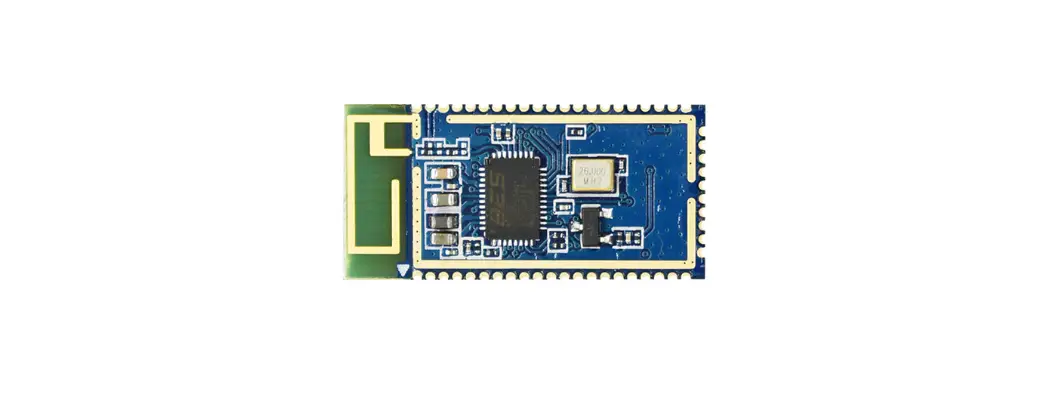
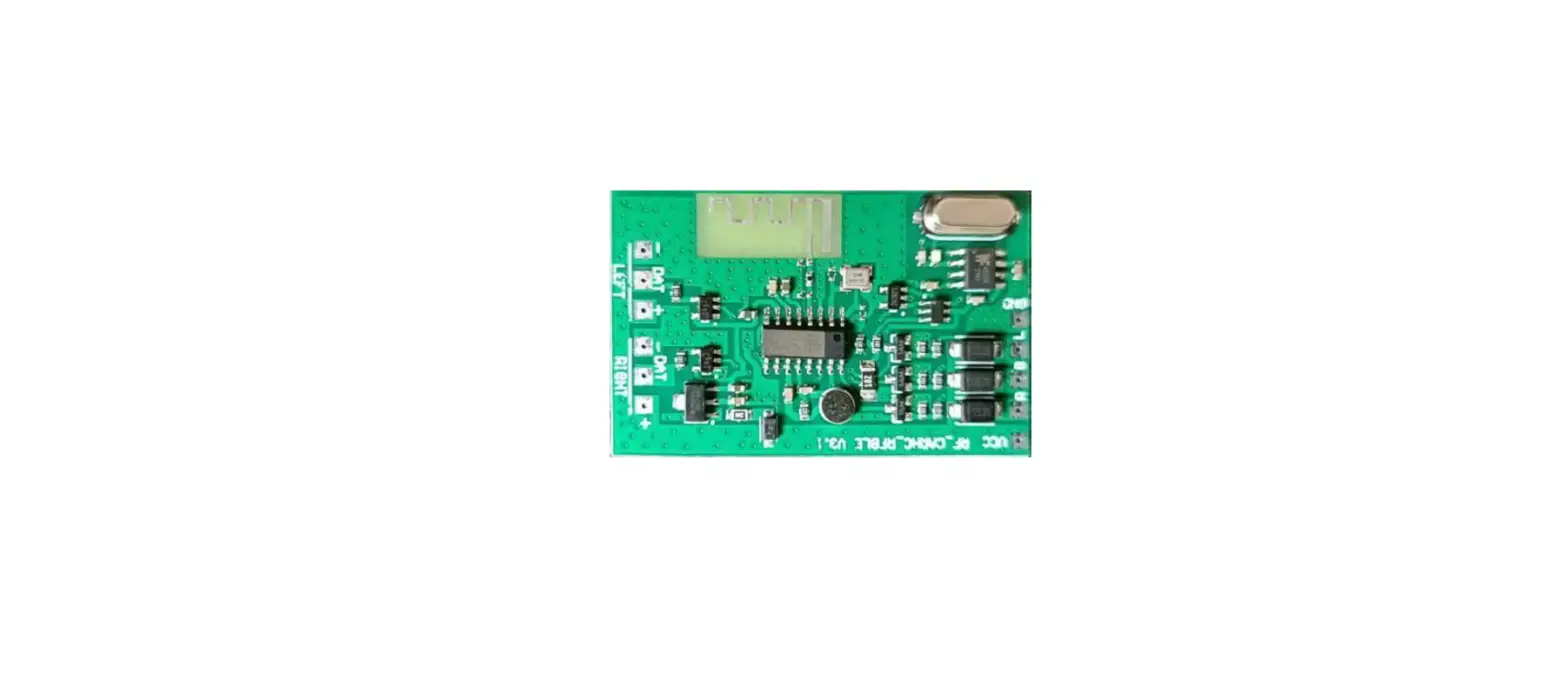
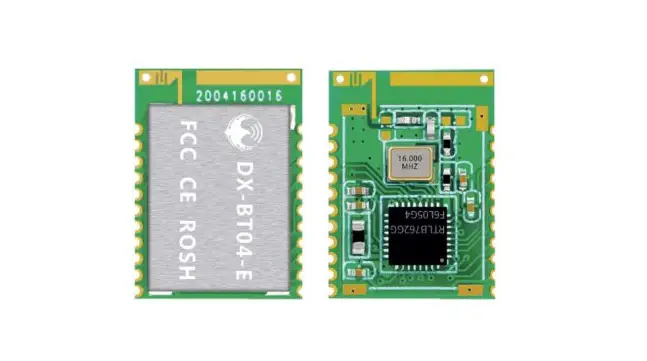
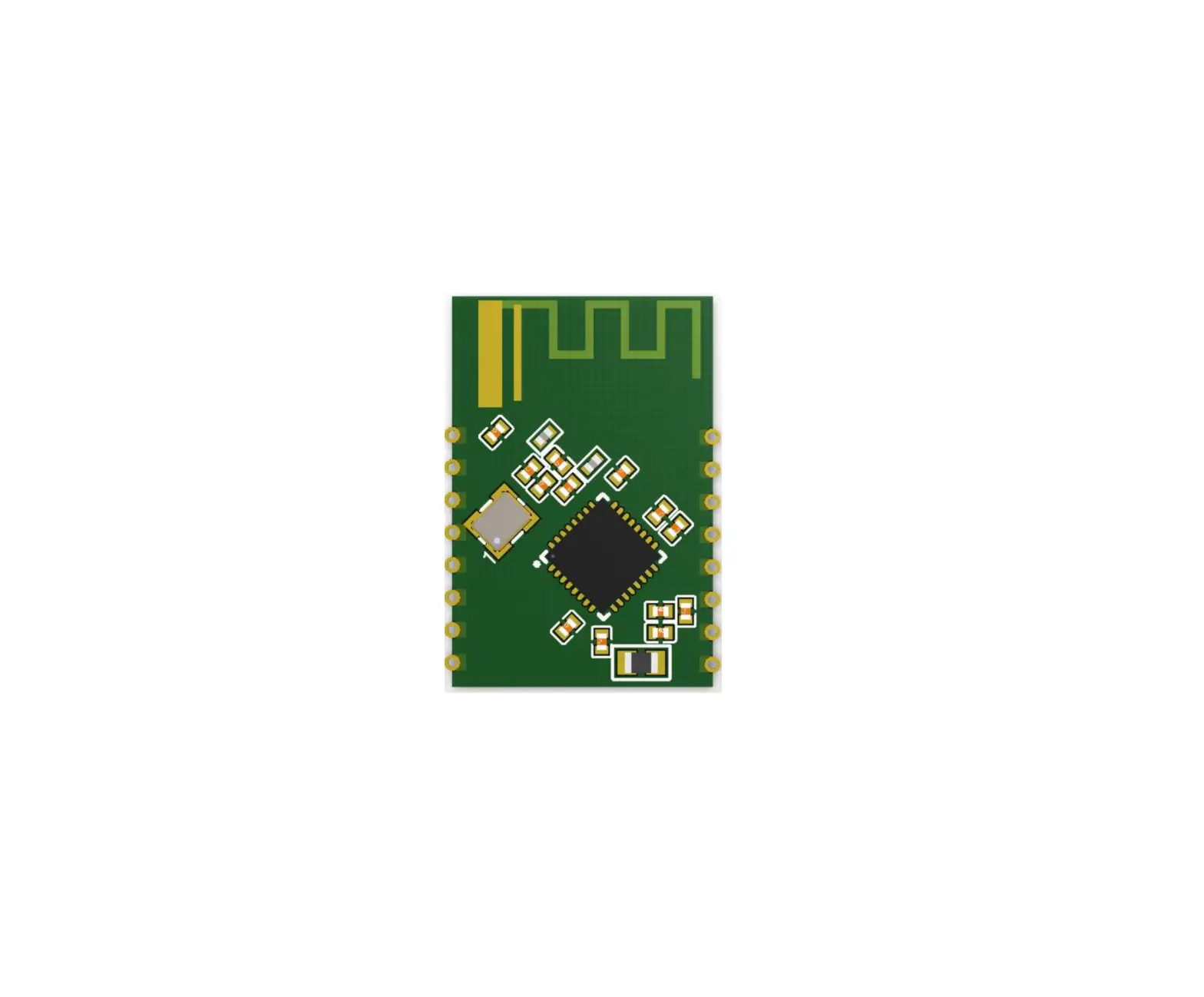
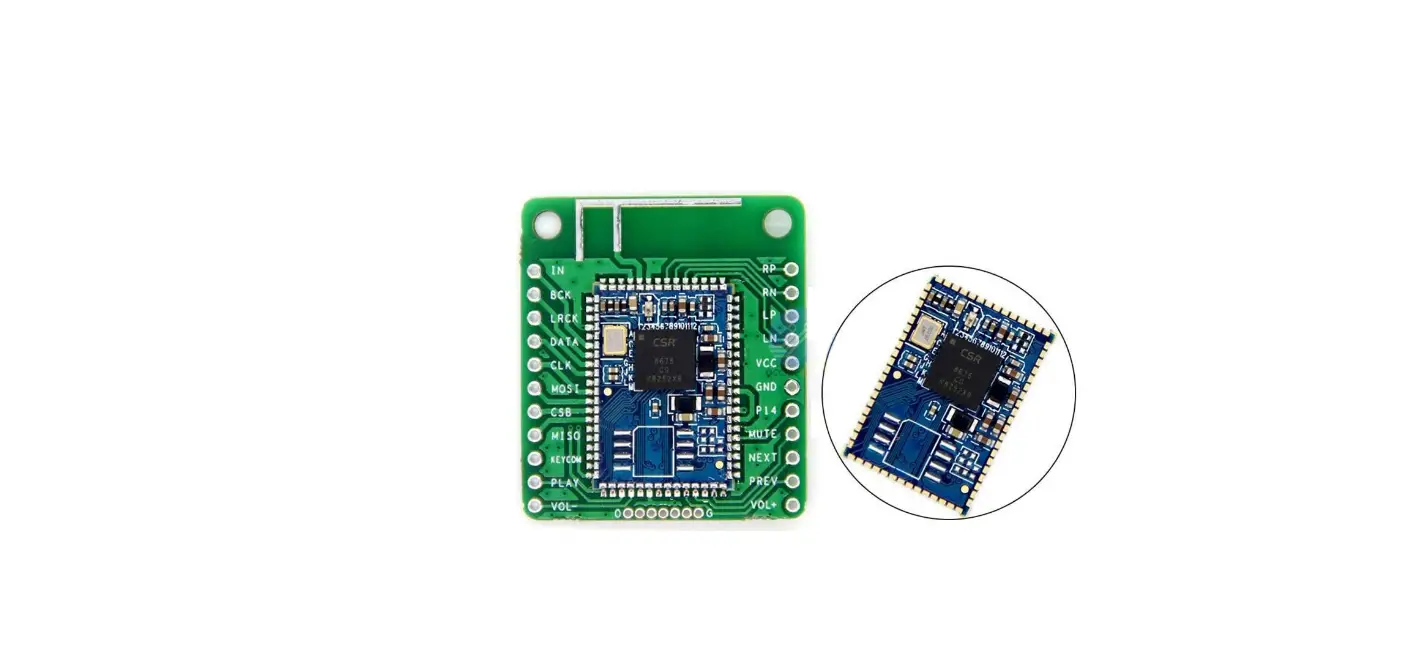
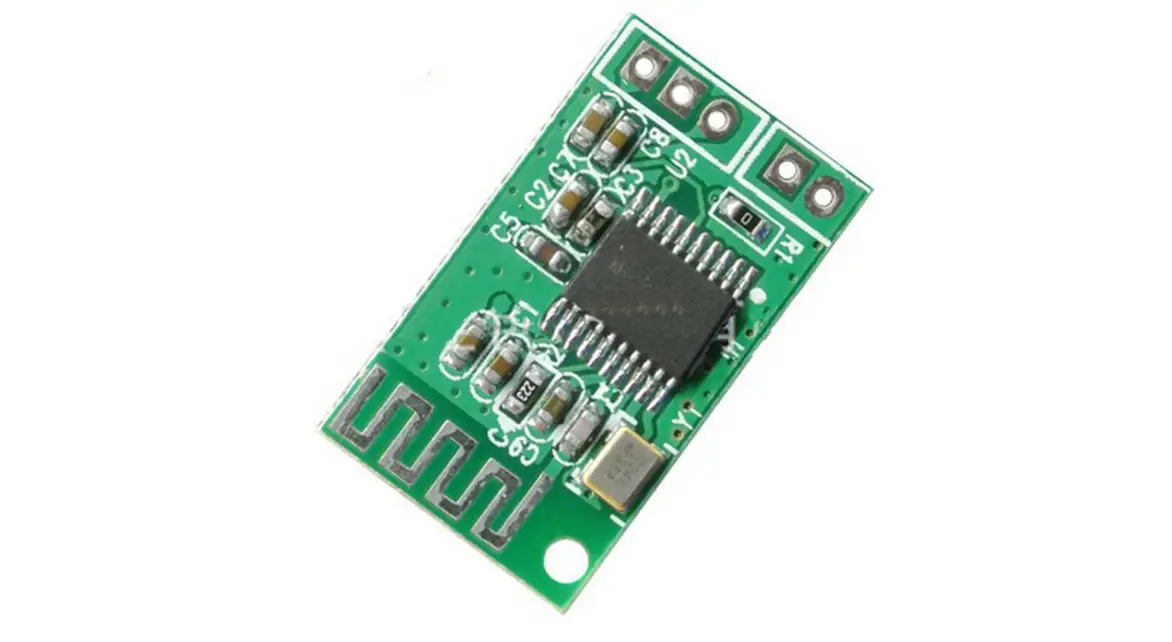
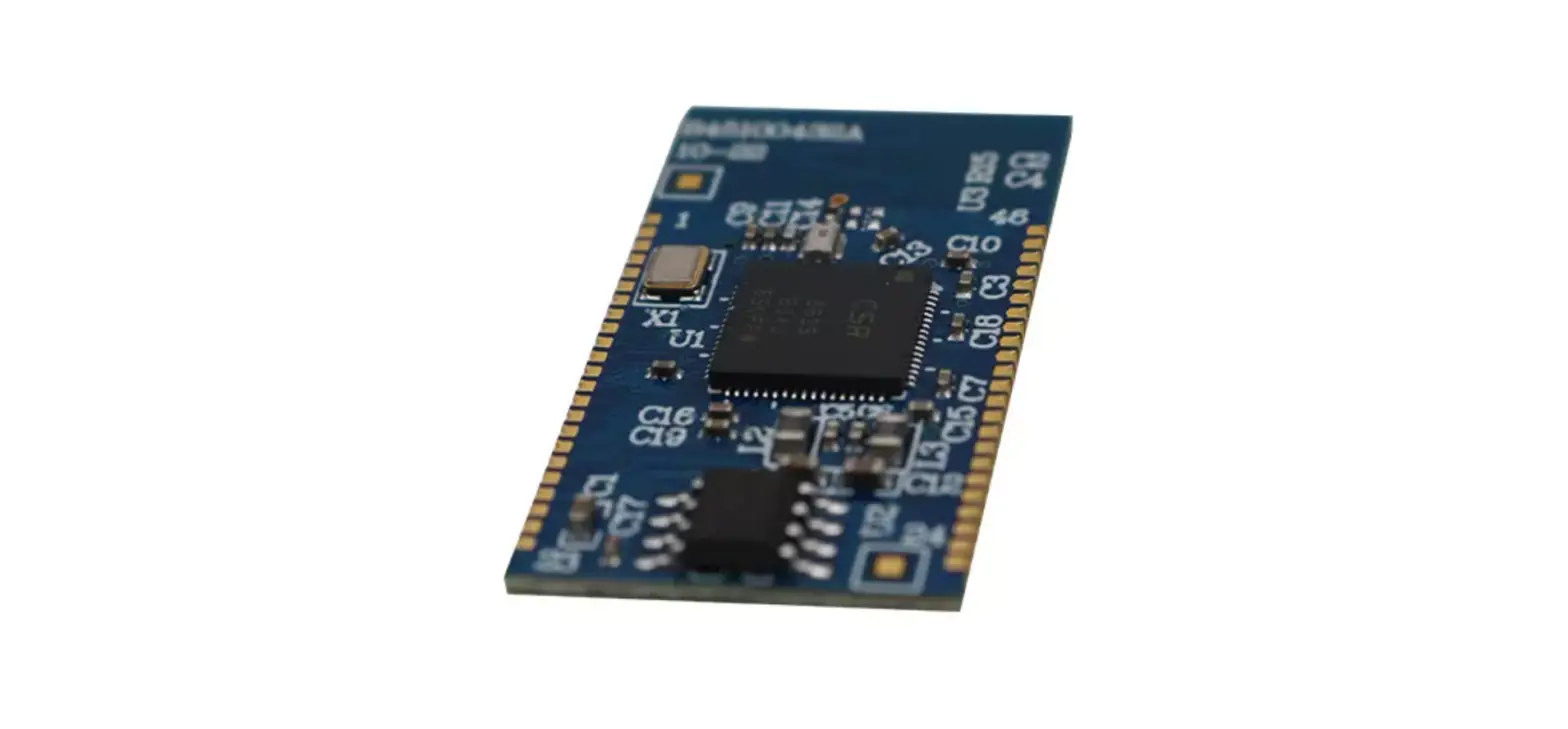
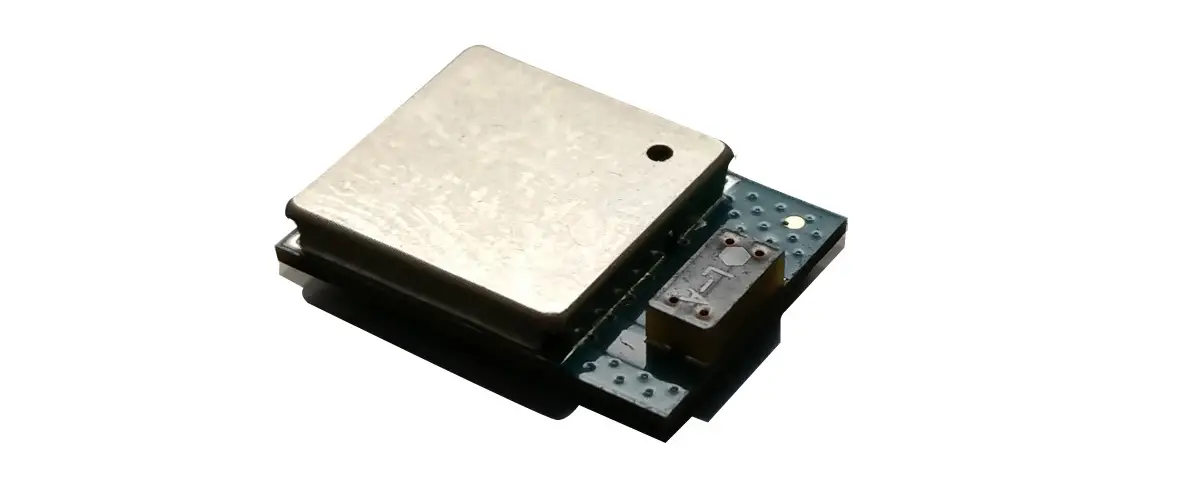
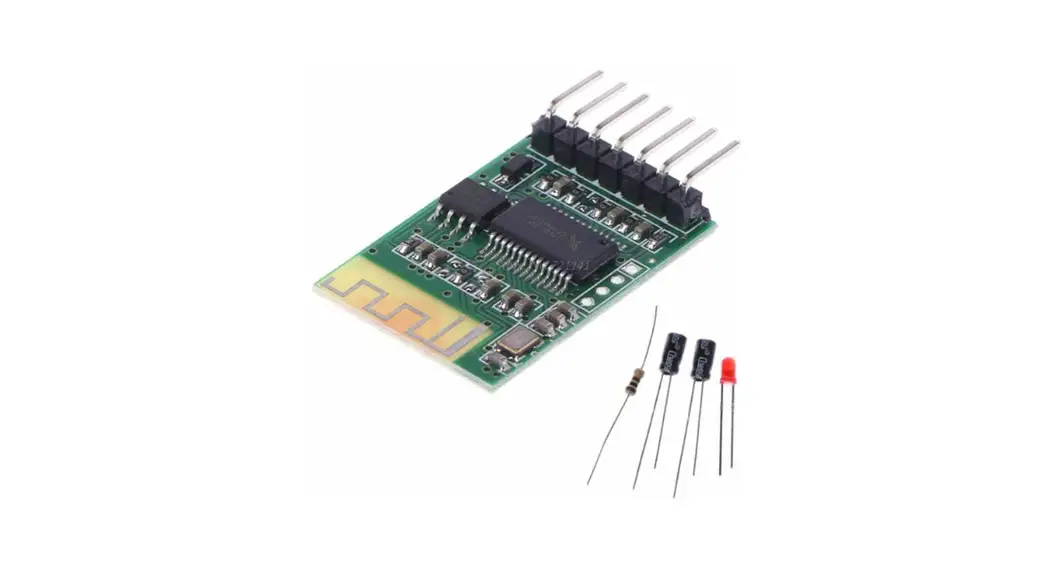
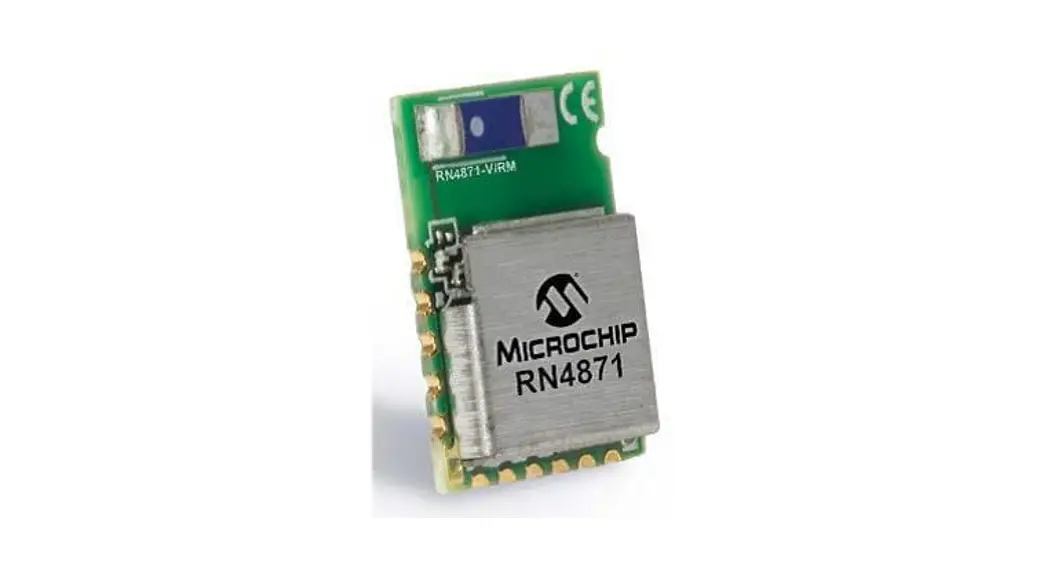
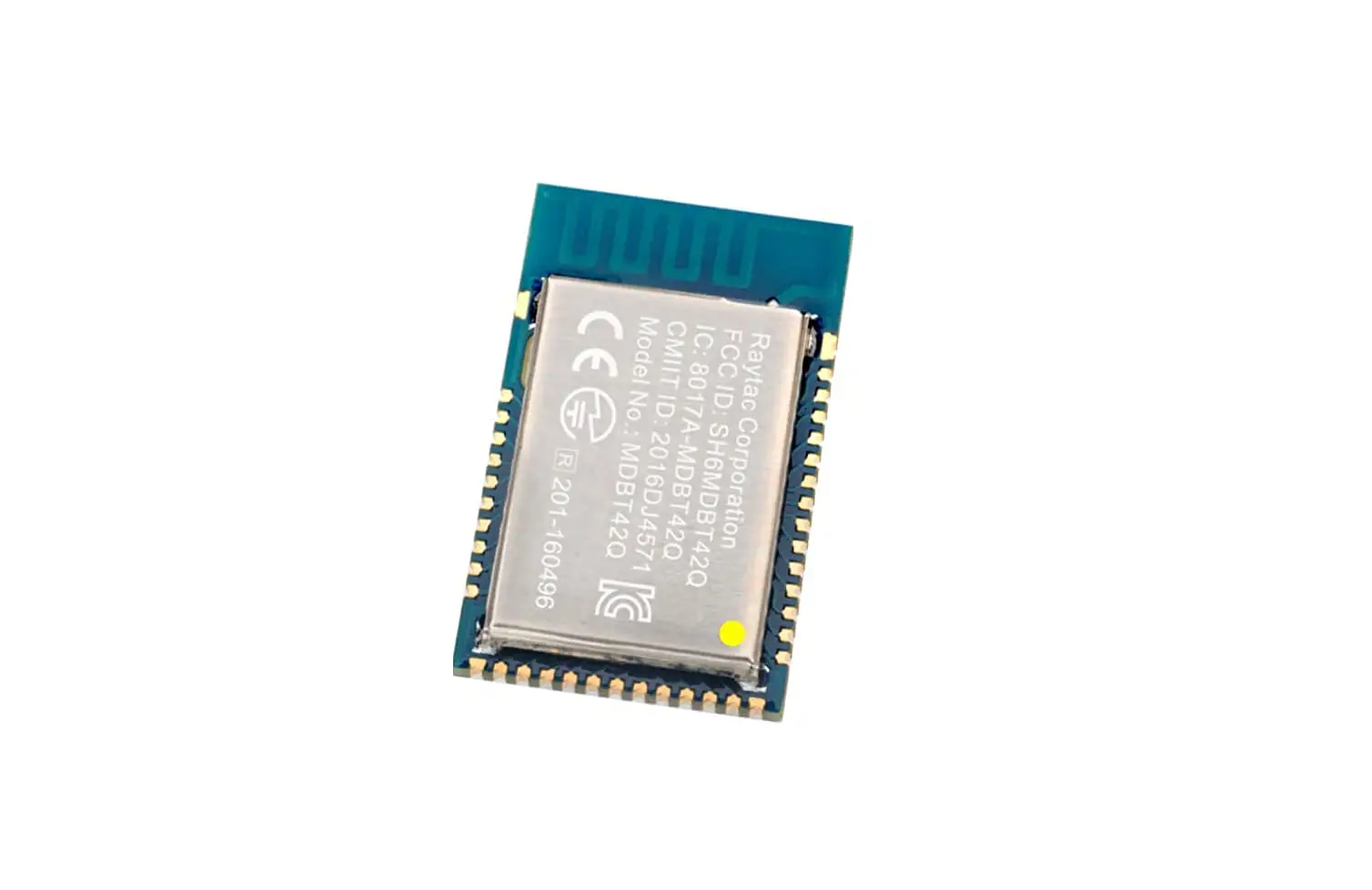
1.1 Image of the module

1.2 Function Description
BC209 is a low-power Bluetooth 5.0 integrated module, based on
the M0 core, which can support master-slave switching. It includes
full function Bluetooth 5.0 and can develop a variety of
applications based on 32-bit high-performance.
This module has rich peripherals, such as UART, SPI, IIC, GPIO,
ADC, PWM, and so on. BC209 has many features, such as easy to
develop, BLE connection stability.
1.3 Basic parameter
- Bluetooth 5.0 Support 125Kbps/500Kbps/1Mbps/ Blutooth mesh:
Support SIG Mesh, Private mesh, Through transmission - MCU core ARM 32-bit Cortex-M0 CPU
- Highest frequency: 64MHz
- Max Data SRAM: 64KB
- Maximum Data Flash storage: 512KB
- RX mode: 4.5mA @3.3V
- TX mode: 4.3mA @3.3V 0dBm
- SLEEP mode: 1uA
- One broadcast for 1s in standby: 36uA
2. Hardware application
Please refer to Table 2.1 for recommended operating
conditions.
| Rating | Operating temperature | VDD Operating current |
|---|---|---|
| -40 | 20 | 8 mA |
| 85 | ||
| 2.4 | 3.3 | 3.6 |
The overall maximum thickness of the module is 2.6mm. Please
find the corresponding business interface to provide the package
information of the corresponding backplane of the module.
Please refer to Fig 4.1 and Table 4.1 for pin definition.
This equipment complies with FCC radiation exposure limits set
forth for an uncontrolled environment. This equipment should be
installed and operated with a minimum distance of 20 cm between the
radiator and your body.
3. Product Usage Instructions
- Ensure that the operating conditions are within the range
specified in Table 2.1. - Connect the BC209 module to a power source with a voltage range
between 2.4V and 3.6V. - Refer to Fig 4.1 and Table 4.1 for pin definition and connect
the required peripherals such as UART, SPI, IIC, GPIO, ADC, PWM,
etc. - To program the module, connect the RX and TX pins to a serial
burning device and pull the BOOT pin high. - The BC209 module supports master-slave switching and can
develop a variety of applications based on 32-bit
high-performance. - The module has BLE connection stability and can support
Bluetooth 5.0 with support for 125Kbps/500Kbps/1Mbps/ Bluetooth
mesh: Support SIG Mesh, Private mesh, Through transmission. - Ensure that the minimum distance of 20 cm is maintained between
the radiator and the body while operating the equipment to comply
with FCC radiation exposure limits.
BC209 Bluetooth Module Instruction Book
1.Descriptions
1.1Image of the module
Fig. 1: Image of BC209
1.2Function Description
BC209 is a low-power Blutooth 5.0 integrated module, based on the M0 core, which can support master-slave switching. It includes full function Bluetooth 5.0 . It Can develop a variety of applications based on 32-bit high-performance .
This module has rich peripherals, such as UART, SPI, IIC, GPIO, ADC, PWM, and so on. BC209 has many features, such as easy to develop, BLE connection stability.
1.3Basic parameter
1.3.1Bluetooth 5.0 Support 125Kbps/500Kbps/1Mbps/ Blutooth mesh: Support SIG Mesh, Private mesh, Through transmission
Page 1
1.3.2MCU core ARM 32-bit Cortex-M0 CPU Highest frequency: 64MHz Max Data SRAM: 64KB Maximum Data Flash storage: 512KB RX mode: 4.5mA @3.3V TX mode: 4.3mA @3.3V 0dBm SLEEP mode: 1uA One broadcast for 1s in standby: 36uA
2Hardware application
Table 2.1 Recommended operating conditions
Rating Operating temperature
VDD Operating current
3Size
Min Typ Max Unit
-40 20
85
2.4 3.3 3.6
V
–
8
–
mA
Remarks VDD 3.3V
thickness Fig 3.1 Package size chartThe overall maximum thickness of the module is 2.6mm Please find the corresponding business interface to provide the package information of the corresponding backplane of the module.
Page 2
4Pin definition
Fig 4.1 Pin Diagram Table 4.1 Description of pin definition
Number
Name
definition
Description
1
PB10
PB10
GPIO
2
PB09
PB09
GPIO
3
PB08
PB08
GPIO
4
PB06
PB06
GPIO
5
RX
PB01
GPIO Serial burning RX
6
TX
PB00
GPIO Serial burning TX
7
PA13
PA13
GPIO
During serial programming, the BOOT
8
BOOT
BOOT
pin is pulled high (the programming point
is reserved
9
PA01
PA01
GPIO
10
PA00
PA00
GPIO Wake Up Connect to external MCU
11
PB15
PB15
GPIO RX Connect to the TX of external MCU
12
PB13
PB13
GPIO TX
Connect to the RX of
external MCU
13
PB12
PB12
GPIO
14
VDD
VDD
Positive electrode of module power
15
GND
GND
negative electrode of module power 3.3V
Notice: The red mark is the programming pin. When designing, it is recommended to reserve a
burning point.
Page 3
FCC WARNING FCC Caution: Any changes or modifications not expressly approved by the party responsible for compliance could void the user’s authority to operate this equipment. This device complies with Part 15 of the FCC Rules. Operation is subject to the following two conditions: (1) This device may not cause harmful interference, and (2) this device must accept any interference received, including interference that may cause undesired operation. This device and its antenna(s) must not be co-located or operating in conjunction with any other antenna or transmitter.
15.105 Information to the user. (b) For a Class B digital device or peripheral, the instructions furnished the user shall include the following or similar statement, placed in a prominent location in the text of the manual: Note: This equipment has been tested and found to comply with the limits for a Class B digital device, pursuant to part 15 of the FCC Rules. These limits are designed to provide reasonable protection against harmful interference in a residential installation. This equipment generates, uses and can radiate radio frequency energy and, if not installed and used in accordance with the instructions, may cause harmful interference to radio communications. However, there is no guarantee that interference will not occur in a particular installation. If this equipment does cause harmful interference to radio or television reception, which can be determined by turning the equipment off and on, the user is encouraged to try to correct the interference by one or more of the following measures: –Reorient or relocate the receiving antenna. –Increase the separation between the equipment and receiver. –Connect the equipment into an outlet on a circuit different from that to which the receiver is connected. –Consult the dealer or an experienced radio/TV technician for help.
This equipment complies with FCC radiation exposure limits set forth for an uncontrolled environment. This equipment should be installed and operated with minimum distance 20 cm between the radiator and your body.
Radiation Exposure Statement: This equipment complies with FCC radiation exposure limits set forth for an uncontrolled environment. This transmitter must not be co-located or operating in conjunction with any other antenna or transmitter. The availability of some specific channels and/or operational frequency bands are country dependent and are firmware programmed at the factory to match the intended destination. The firmware setting is not accessible by the end user. The final end product must be labelled in a visible area with the following: “Contains Transmitter Module BC209”
Requirement per KDB996369 D03
2.2 List of applicable FCC rules
List the FCC rules that are applicable to the modular transmitter. These are the rules that specifically establish the bands of operation, the power, spurious emissions, and operating fundamental frequencies. DO NOT list compliance to unintentional-radiator rules (Part 15 Subpart B) since that is not a condition of a module grant that is extended to a host manufacturer. See also Section 2.10 below concerning the need to notify host manufacturers that further testing is required.3
Explanation: This module meets the requirements of FCC part 15C(15.247).it specifically establish the 6dB Bandwidth,, Peak Output Power, Radiated Spurious Emission, Power Spectral Density, Restricted Band of Operation and Band Edge (Out of Band Emissions) Measurement
2.3 Summarize the specific operational use conditions
Describe use conditions that are applicable to the modular transmitter, including for example any limits on antennas, etc. For example, if point-to-point antennas are used that require reduction in power or compensation for cable loss, then this information must be in the instructions. If the use condition limitations extend to professional users, then instructions must state that this information also extends to the host manufacturer’s instruction manual. In addition, certain information may also be needed, such as peak gain per frequency band and minimum gain, specifically for master devices in 5 GHz DFS bands.
Explanation: The EUT has one PCB antenna, Yes, the module contains a permanently attached antenna, The antenna gain is 2.58dBi.
2.4 Limited module procedures
If a modular transmitter is approved as a “limited module,” then the module manufacturer isresponsible for approving the host environment that the limited module is used with. The manufacturer of a limited module must describe, both in the filing and in the installation instructions, the alternative means that the limited module manufacturer uses to verify that the host meets the necessary requirements to satisfy the module limiting conditions.
A limited module manufacturer has the flexibility to define its alternative method to address the conditions that limit the initial approval, such as: shielding, minimum signaling amplitude, buffered modulation/data inputs, or power supply regulation. The alternative method could include that the limited module manufacturer reviews detailed test data or host designs prior to giving the host manufacturer approval.
This limited module procedure is also applicable for RF exposure evaluation when it is necessary to demonstrate compliance in a specific host. The module manufacturer must state how control of the product into which the modular transmitter will be installed will be maintained such that full compliance of the product is always ensured. For additional hosts other than the specific host originally granted with a limited
module, a Class II permissive change is required on the module grant to register the additional host as a specific host also approved with the module. Explanation: The module is a single module.
2.5 Trace antenna designs
For a modular transmitter with trace antenna designs, see the guidance in Question 11 of KDB Publication 996369 D02 FAQ Modules for Micro-Strip Antennas and traces. The integration information shall include for the TCB review the integration instructions for the following aspects: layout of trace design, parts list (BOM), antenna, connectors, and isolation requirements.
a) Information that includes permitted variances (e.g., trace boundary limits, thickness, length, width, shape(s), dielectric constant, and impedance as applicable for each type of antenna);
b) Each design shall be considered a different type (e.g., antenna length in multiple(s) of frequency, the wavelength, and antenna shape (traces in phase) can affect antenna gain and must be considered);
c) The parameters shall be provided in a manner permitting host manufacturers to design the printed circuit (PC) board layout;
d) Appropriate parts by manufacturer and specifications;
e) Test procedures for design verification; and
f) Production test procedures for ensuring compliance.
The module grantee shall provide a notice that any deviation(s) from the defined parameters of the antenna trace, as described by the instructions, require that the host product manufacturer must notify the module grantee that they wish to change the antenna trace design. In this case, a Class II permissive change application is required to be filed by the grantee, or the host manufacturer can take responsibility through the change in FCC ID (new application) procedure followed by a Class II permissive change application.
Explanation: Yes, The module with trace antenna designs, and This manual has been shown the layout of trace design,, antenna, connectors, and isolation requirements.
2.6 RF exposure considerations
It is essential for module grantees to clearly and explicitly state the RF exposure conditions that permit a host product manufacturer to use the module. Two types of instructions are required for RF exposure information: (1) to the host product manufacturer, to define the application conditions (mobile, portable xx cm from a person’s body); and (2) additional text needed for the host product manufacturer to provide to end users in their end-product manuals. If RF exposure statements and use conditions are not provided, then the host product manufacturer is required to take responsibility of the module through a change in FCC ID (new application).
Explanation: This module complies with FCC RF radiation exposure limits set forth for an uncontrolled environment, This equipment should be installed and operated with a minimum distance of 20 centimeters between the radiator and your body.” This module is designed to comply with the FCC statement, FCC ID: 2BAJZ-BC209
2.7 Antennas
A list of antennas included in the application for certification must be provided in the instructions. For modular transmitters approved as limited modules, all applicable professional installer instructions must be included as part of the information to the host product manufacturer. The antenna list shall also identify the antenna types (monopole, PIFA, dipole, etc. (note that for example an “omni-directional antenna” is not considered to be a specific “antenna type”)).
For situations where the host product manufacturer is responsible for an external connector, for example with an RF pin and antenna trace design, the integration instructions shall inform the installer that unique antenna connector must be used on the Part 15 authorized transmitters used in the host product. The module manufacturers shall provide a list of acceptable unique connectors.
Explanation: The EUT has one PCB antenna, Yes, the module contains a permanently attached antenna, The antenna gain is 2.58dBi.
2.8 Label and compliance information
Grantees are responsible for the continued compliance of their modules to the FCC rules. This
includes advising host product manufacturers that they need to provide a physical or e-label stating “Contains FCC ID” with their finished product. See Guidelines for Labeling and User Information for RF Devices KDB Publication 784748.
Explanation:The host system using this module, should have label in a visible area indicated the following texts: “Contains FCC ID: 2BAJZ-BC209
2.9 Information on test modes and additional testing requirements5
Additional guidance for testing host products is given in KDB Publication 996369 D04 Module Integration Guide. Test modes should take into consideration different operational conditions for a stand-alone modular transmitter in a host, as well as for multiple simultaneously transmitting modules or other transmitters in a host product.
IC statement This device contains licence-exempt transmitter(s)/receiver(s) that comply with Innovation, Science and Economic DevelopmentCanada’s licence-exempt RSS(s). Operation is subject to the following two conditions: (1) This device may not cause interference. (2) This device must accept any interference, including interference that may cause undesired operation of the device. The term “IC: ” before the certification/registration number only signifies that the Industry Canada technical specifications were met. This product meets the applicable Industry Canada technical specifications. Cet appareil contient des émetteurs / récepteurs exemptés de licence conformes aux RSS (RSS) d’Innovation, Sciences etDéveloppement économique Canada. L’exploitation est autorisée aux deux conditions suivantes : (1) l’appareil ne doit pasproduire de brouillage,et (2) l’utilisateur de l’appareil doit accepter tout brouillage radioélectrique subi, même si le brouillage est susceptible d’en compromettre le fonctionnement. L’émetteur/récepteur exempt de licence contenu dans le présent appareil est conforme auxCNR d’Innovation, Sciences et Développement économique Canada applicables aux appareils radio exempts de licence. L’exploitation est autorisée aux deux conditions suivantes : 1)L’appareil ne doit pas produire de brouillage; 2)L’appareil doit accepter tout brouillage radioélectrique subi, même si le brouillage est susceptible d’en compromettre lefonctionnement. Please notice that if the ISED certification number is not visible when the module is installed inside another device, then theoutside of the device into which the module is installed o display a label referring to the enclosed module. This exteriorlabel can use wording such as the following: “Contains IC: 30177-BC209” any similar wording that expresses the same meaningmay be used. l’appareil hôte doit porter une étiquette donnant le numéro de certification du module d’Industrie Canada, précédédes mots «Contient un module d’émission », du mot «IC: 30177-BC209ou d’une formulation similaireexprimant le même sens, comme suit The device meets the exemption from the routine evaluation limits in section 2.5 of RSS 102 andcompliance with RSS-102 RF exposure, users can obtain Canadian information on RF exposure andcompliance. Le dispositif rencontre l’exemption des limites courantes d’évaluation dans la section 2.5 de RSS 102 etla conformité àl’expositionde RSS-102 rf, utilisateurs peut obtenir l’information canadienne surl’exposition et la conformitéde rf. This transmitter must not be co-located or operating in conjunction with any other antenna ortransmitter. This equipment should be installed and operated with a minimum distance of 20centimeters between the radiator and your body. Cet émetteur ne doit pas être Co-placéoune fonctionnant en même temps qu’aucune autre antenne ouémetteur. Cet équipementdevrait être installéet actionnéavec une distance minimum de 20 centimètres entre le radiateur et votre corps.