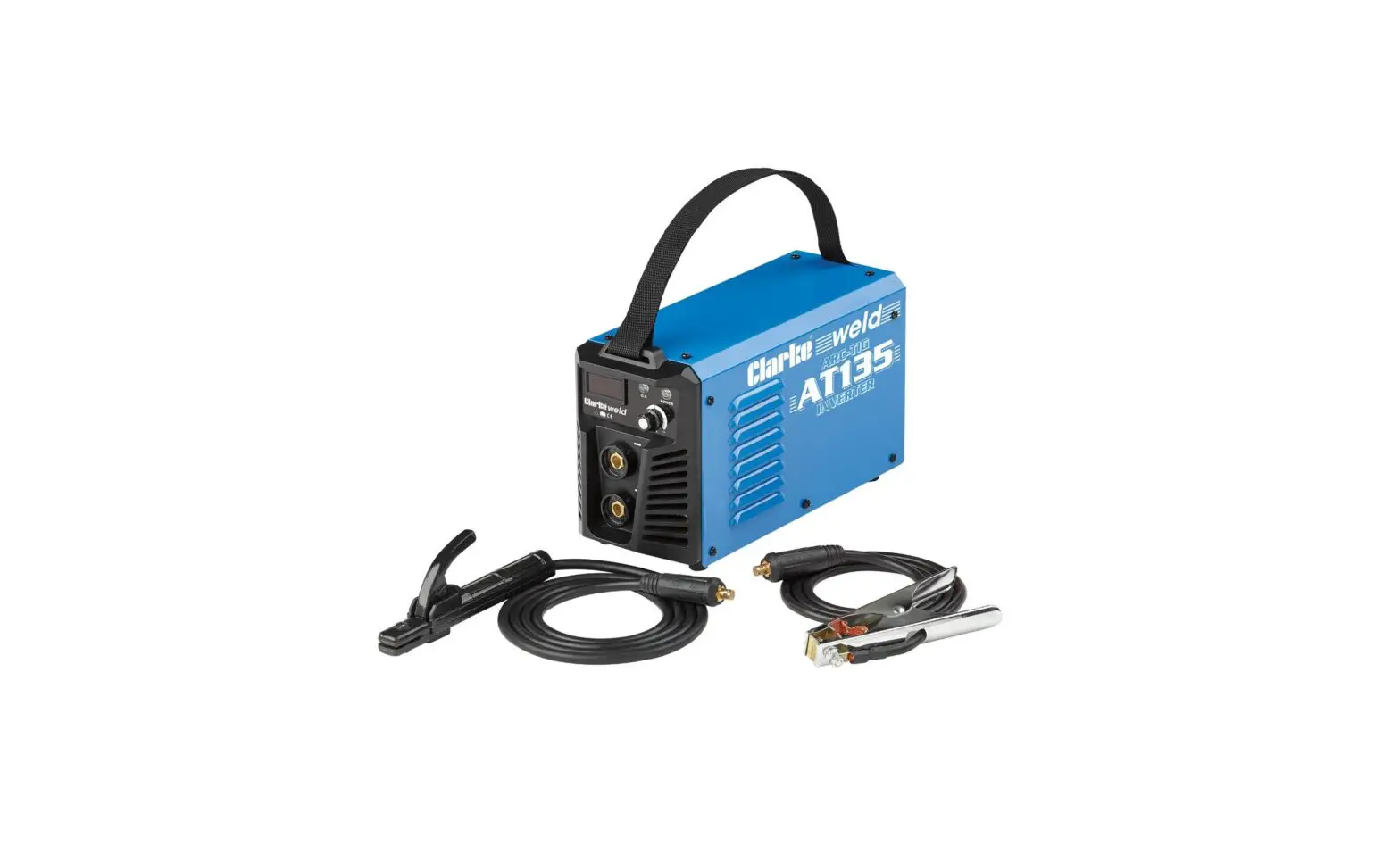
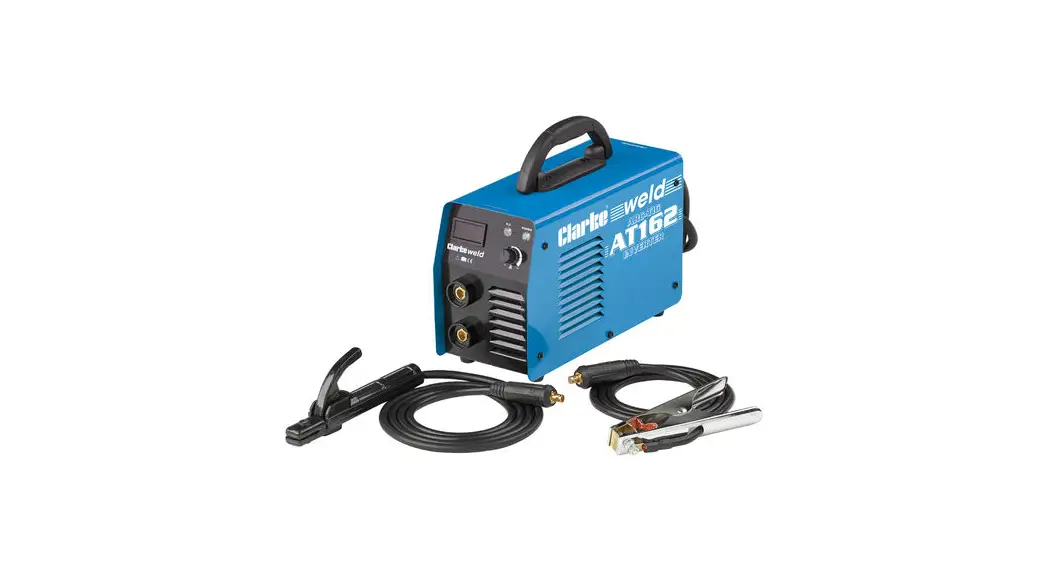
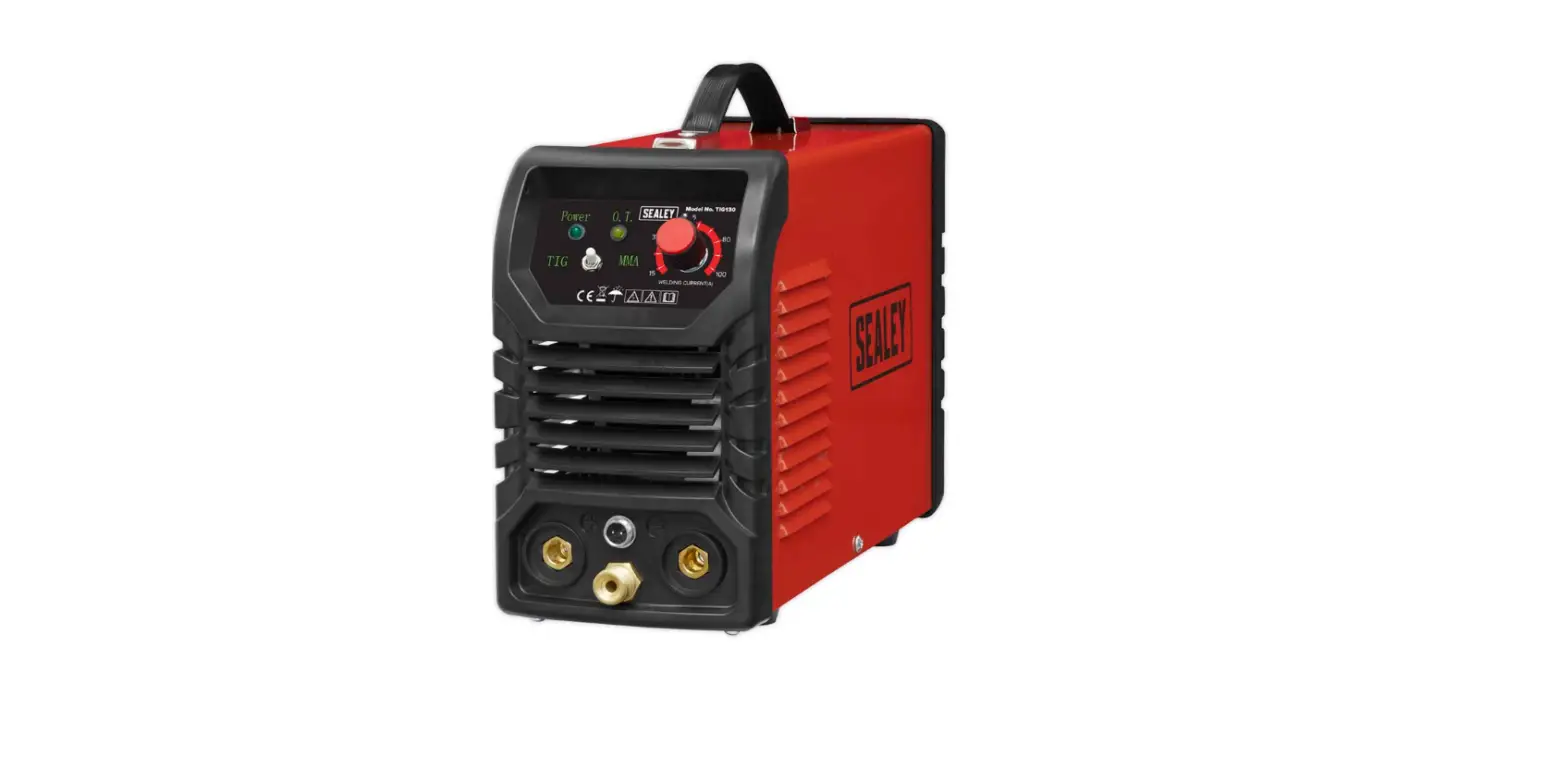
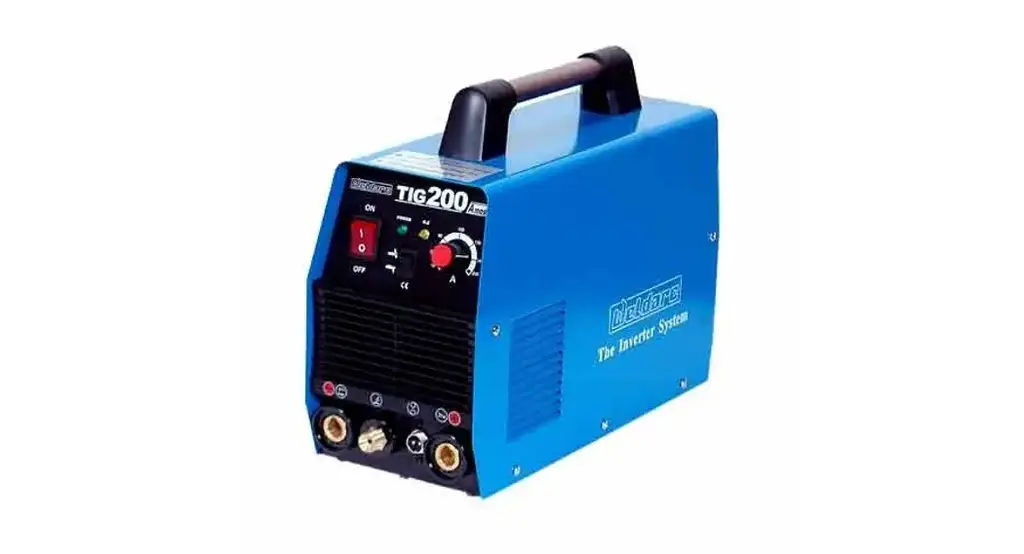
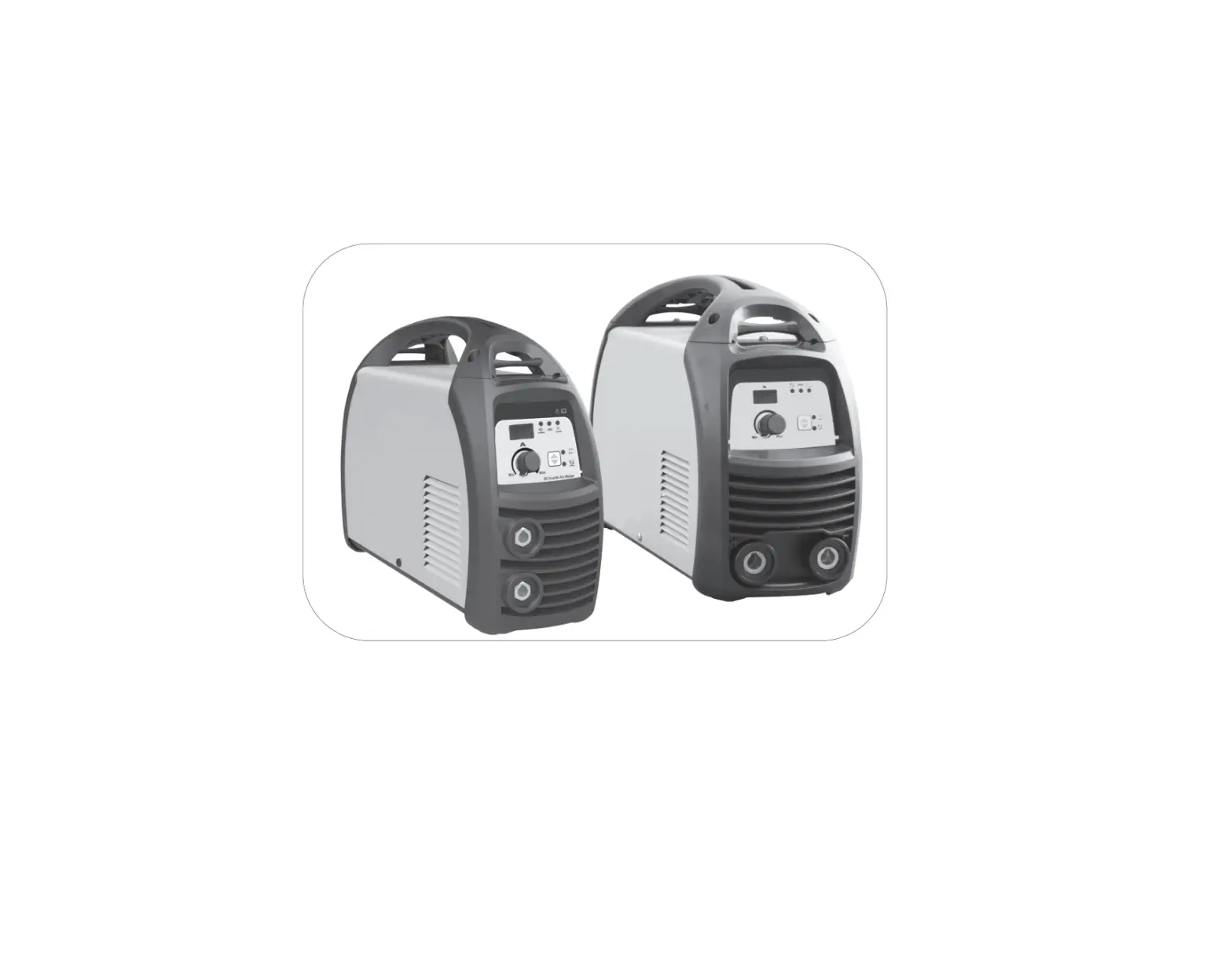
UWI-203 TP MMA or TIG Welding Inverter
Product Information
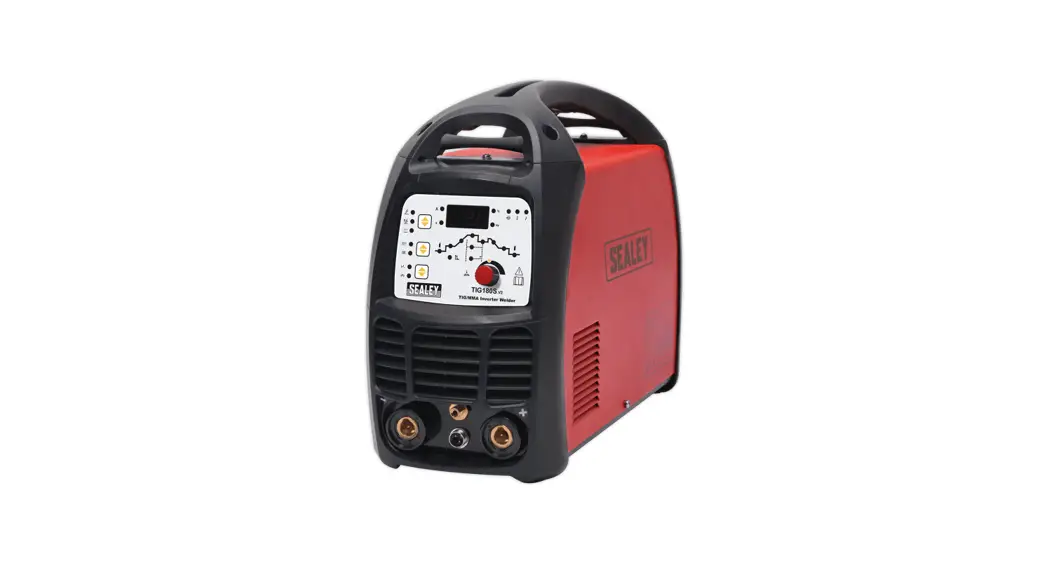
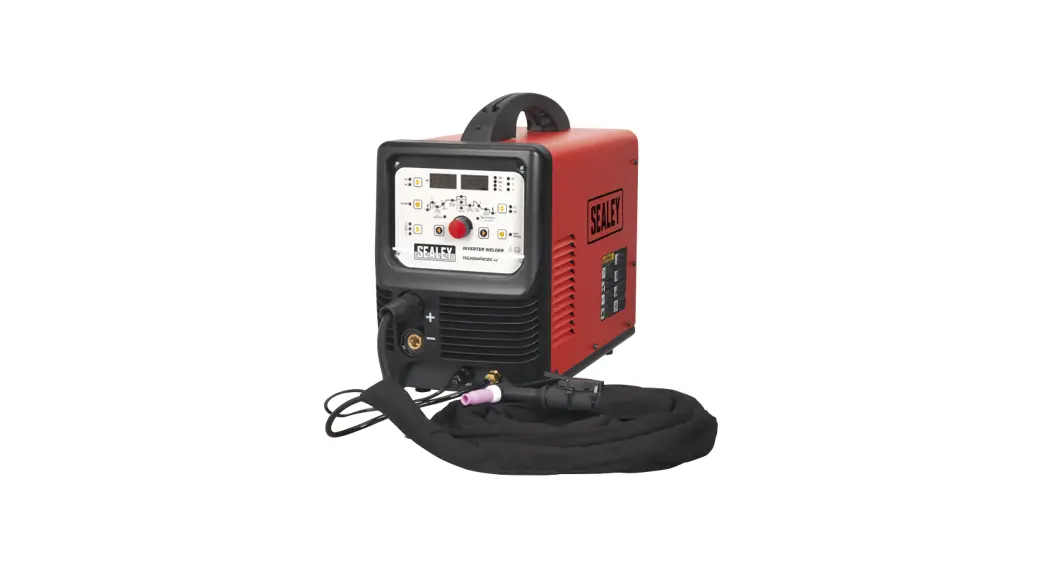
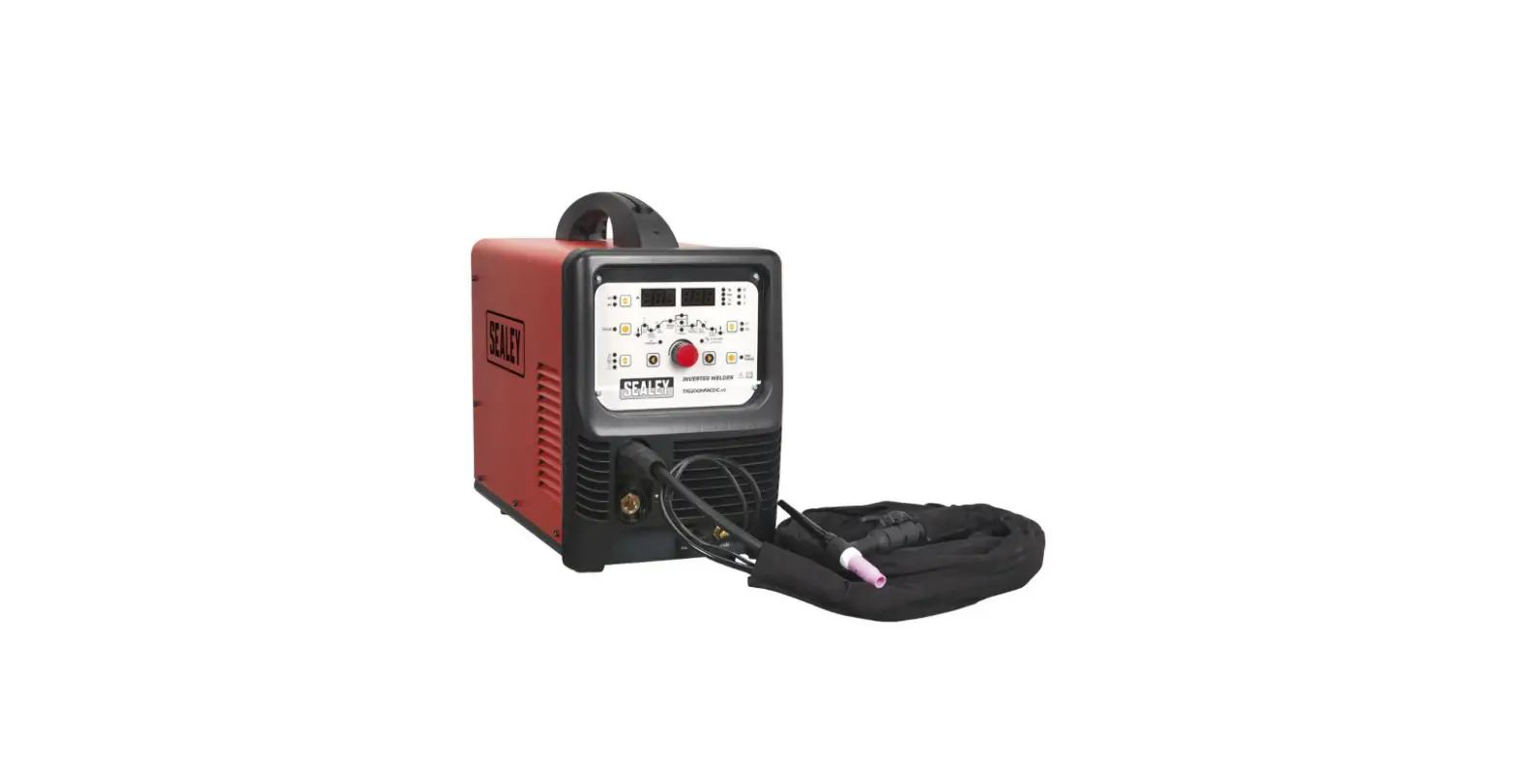
Unitor Welding Inverter UWI 203 TP
The Unitor Welding Inverter UWI 203 TP is a versatile MMA
(Stick) / TIG welder. It is designed for professional use and
offers a range of features to ensure efficient and high-quality
welding.
General Description
The welding inverter can be connected to any primary voltage
between 380 and 440V without the need for any action from the
operator. Line voltage compensation ensures a constant output
regardless of fluctuations in input power. The inverter is safe to
use, with an open circuit voltage of only 65V. From serial number
129431, it also features an Automatic Voltage Reducing Function
(VRD) that reduces touchable voltage for the operator to a maximum
of 13V. The inverter has an Automatic Hot Start for stick arc
starts, making arc striking easy and preventing electrode sticking.
It also has an adjustable Arc Force for stick electrode welding,
allowing the arc characteristics to be changed for specific
applications and electrodes. In TIG mode, it provides easy and soft
TIG arc starting with its Lift-Start feature. The casing is made of
high-grade aluminum and industrial plastic to eliminate corrosion
damage. This also contributes to its low weight and compact
dimensions, making it highly portable. The inverter features a wind
tunnel design for internal cooling air flow, protecting electrical
components and PC boards from dirt and debris, thus greatly
improving reliability. It has thermal overload protection with
indicator lights to prevent machine damage if the duty cycle is
exceeded or airflow is blocked. Additionally, it has a Total
Protection function with an indicator light to prevent damage if
one phase in the power supply falls out.
Technical Data
The Unitor Welding Inverter UWI 203 TP is a three-phase static
transformer rectifier frequency converter with DC output. It
supports MMA (Stick electrode / SMAW) and TIG (GTAW) welding
processes. The welding machine is suitable for use in areas with
increased electric shock hazard. It has a duty cycle marking (X) to
indicate its duty cycle.
Components Included
The Unitor Welding Inverter UWI 203 TP, product number
191-203203, comes with the following components:
- 1 Carrying strap mounted on the machine
- 1 pce 4 m primary cable, mounted on the welding machine (plug
not included) - 1 set 3 m welding cable with quick connector and electrode
holder - 1 set 3 m ground cable with quick connector and ground
clamp - 1 Instruction Manual
Product Usage Instructions
Installation
Before installing the Unitor Welding Inverter UWI 203 TP, ensure
that you have read the instruction manual, including the safety
instructions. Follow the provided guidelines for installation,
ensuring proper connection to a primary voltage between 380 and
440V.
Welding
To start welding using the Unitor Welding Inverter UWI 203 TP,
follow these steps:
- Ensure that you have appropriate safety gear, including welding
gloves, helmet, and protective clothing. - Connect the primary cable to a suitable power source within the
specified voltage range. - Connect the welding cable with the electrode holder to the
appropriate output outlet on the inverter. - Connect the ground cable with the ground clamp to the workpiece
or a suitable grounding point. - Refer to the instruction manual for specific welding techniques
and settings based on the desired welding process (MMA or
TIG). - Adjust the Arc Force setting for stick electrode welding, if
necessary. - For TIG welding, use the Lift-Start feature to initiate a soft
arc start. - Ensure that you maintain proper welding technique and safety
precautions throughout the welding process.
Routine Maintenance
To ensure the optimal performance and longevity of the Unitor
Welding Inverter UWI 203 TP, regular maintenance is recommended.
Follow the routine maintenance guidelines provided in the
instruction manual. This may include cleaning, inspection, and
servicing of the inverter components.
Troubleshooting
If you encounter any issues or problems while using the Unitor
Welding Inverter UWI 203 TP, refer to the troubleshooting section
in the instruction manual. It provides guidance on identifying and
resolving common issues.
Additional Information
For detailed wiring diagrams, component information, spare part
details, and available accessories for the Unitor Welding Inverter
UWI 203 TP, refer to the respective sections in the instruction
manual.
Safety Instructions
Ensure that you carefully read and follow all safety
instructions provided in the instruction manual. Failure to do so
may result in personal injury or damage to the equipment.
Prioritize safety at all times during installation, operation, and
maintenance of the welding inverter.
Instruction manual
Unitor Welding Inverter UWI 203 TP
MMA (Stick) / TIG welder
Revision date: 23 09 2014
Page 1 of 24
CONTENTS
1. GENERAL DESCRIPTION 2. TECHNICAL DATA 3. INSTALLATION 4. FRONT AND BACK PANEL 5. WELDING 6. ROUTINE MAINTENANCE 7. TROUBLESHOOTING 8. WIRING DIAGRAM 9. COMPONENTS AND SPARES 10. ACCESSORIES 11. SAFETY INSTRUCTIONS
DO NOT INSTALL, OPERATE OR REPAIR THIS EQUIPMENT WITHOUT READING THIS MANUAL INCLUDING THE SAFETY INSTRUCTIONS
Revision date: 23 09 2014
Page 2 of 24
1 GENERAL DESCRIPTION
Connects to any primary voltage between 380 and 440V without need for any action from the operator.
Line Voltage compensation keeps output of the power source constant regardless of fluctuation in input power from 10% below lowest to above highest rated input voltage.
Safe in use. Open Circuit Voltage only 65V, from serial number 129431 with Automatic Voltage Reducing Function VRD reducing “touchable” voltage for the operator to max. 13V.
Automatic Hot Start for stick arc starts makes arc striking easy and prevents electrode sticking.
Adjustable Arc Force for stick electrode welding allows the arc characteristics to be changed for specific applications and electrodes:
Lift-Start in TIG mode provides easy and soft TIG arc starting.
Step-less adjustment of welding current through whole current range: 5 200A.
Casing of high grade aluminium and industrial plastic to eliminate corrosion damage also contributes to low-weight which together with compact outer dimensions provides good portability.
Wind tunnel design for the internal cooling air flow protects electrical components and PC boards from dirt, dust, debris, greatly improving reliability.
Thermal overload protection with indicator lights helps prevent machine damage if the duty cycle is exceeded or airflow is blocked.
Total Protection function with indicator light prevents damage to the machine if one phase in the power supply falls out
IDENTIFY COMPONENTS
Unitor Welding Inverter UWI 203 TP, product number 191- 203203 is delivered with
1 Carrying strap mounted on the machine
1 pce
2
4 m primary cable, mounted on the welding machine, plug not included.
1 pce
3 3 m welding cable with quick connector and electrode holder 1 set
4 3 m ground cable with quick connector and ground clamp
1 set
5 Instruction Manual
1 pce
1 2
3
4
5
Revision date: 23 09 2014
Page 3 of 24
2 TECHNICAL DATA
Type of welding machine Processes
Three-phase static transformer rectifier frequency converter, DC output.
MMA (Stick electrode / SMAW) Safety Marking
TIG (GTAW)
Suitable for use in areas with increased electric shock hazard X: Duty cycle
Duty Cycle is percentage of 10 minutes that unit can weld at rated load without overheating. It refers to a 40°C environmental temperature. If unit overheats a thermal switch stops the output, the warning light for over-temperature is lit and the cooling fan continues to run. Wait fifteen minutes for unit to cool. Reduce amperage or duty cycle before starting to weld.
I2= Welding current. Range 5 200A
Revision date: 23 09 2014
Page 4 of 24
U0 = No-load voltage Also called open circuit voltage, is the maximum voltage (excluded any stabilization voltage or arc ignition) found between the output outlets when the welding machine is not welding. This is the voltage a welder can be exposed to between electrode holder and work piece.
Ur= rated reduced no-load voltage No-load voltage of a welding power source fitted with a voltage reducing device
U2 = Arc voltage Voltage present between the output outlets when welding is being carried out, in relation to a particular set current. The relation, for the various welding modes is the following: MMAU2=(20+0,04*I2) TIG U2=(10+0,04*I2)
Primary connection
U1 I1max I1eff
= Effective input voltage 380 440V = Maximum value of input current at the corresponding duty cycle. = Effective value of input current at the corresponding duty cycle.
Maximum input power is 6,7 kVA. Power factor 0,95. Duty Cycle 40%
Cooling COOLING AF= Forced air cooling (with a fan).
Protection class IP23S= Ingress Protection class. Protection degree of the casing according to EN 60529
2: Protection against object not greater than 80mm in length and 12mm in diameter 3: Protection from sprayed water at an angle of 60º from vertical S: Valid at standstill. (Should not be used for welding outdoors in heavy wind and rain)
Thermal insulation class I.CL.H= Thermal class of the insulating materials and insulation systems.
resistant up to 180°C.
Standards EN 60974-10 European Norm for electromagnetic compatibility. EN 60974-1 European Norm for arc welding appliance: Current sources for welding.
Mark stating conformity to all safety standards and other standards required for sale within the European Union
Dimensions and weight
Height : 325mm Length : 460mm Width : 230mm Weight : 12,2kg
Revision date: 23 09 2014
Page 5 of 24
Recast Directive This mark confirms that the product confirms to the RoHS directive which restricts the use of specific hazardous or restricted substances in electrical and electronic equipment in EU
3 INSTALLATION
Only qualified personnel should perform this installation. Only personnel that have read and understood this Manual should install and operate this equipment. Machine must only be plugged into a receptacle which is grounded in accordance with valid regulations. Note The power switch should be in the OFF position when installing work cable and electrode cable and when connecting power cord to input power.
Select a suitable location The UWI 203 TP inverter welder has an IP23S rating. Locate the welder in a dry location where there is free circulation of clean air into the louvers in the back and out the front of the unit.
Ensure minimum 50cm free space on all sides. If free flow of air is hindered the machine will overheat.
A location that minimizes the amount of smoke and dirt drawn into the louvers reduces the chance of dirt accumulation that can block air passages and cause overheating.
Avoid tilting The machine must be placed on a secure, level surface, maximum 15º out of horizontal.
Assembly
3 phase 380-440V 50/60 Hz + PE (10 A slow fuses recommended)
Return cable and ground clamp
Welding cable and electrode holder
Work Piece
Negative pole
Positive pole
Select polarity to electrode based on recommendations on the electrode package and the job at hand. For GTAW (TIG) welding negative (-) polarity should always be to the torch.
Revision date: 23 09 2014
Page 6 of 24
4 FRONT AND BACK PANEL
Description
1. Power on warning. Green light when the machine is connected and switched on.
2. Thermal protection activated. Yellow light indicates that the protection thermostat has cut the output. Do not switch the machine off. The fan will be running and the thermostat resets automatically when the machine has cooled down sufficiently. The light will darken when the machine is live again.
3. Selection of welding process: Up: SMAW (MMA) welding with stick electrodes Down: GTAW (TIG) welding.
4. Welding current adjustment potmeter. Rotate knob clockwise to increase amperage, minimum to 200 Ampere
5. Arc force increases the short circuit amperage providing a crisper arc, allowing the welder to use very short arc without sticking the electrode in the melt pool. It is useful when welding with stick electrodes at low amperages but gives more spatter. Set control to 0 (soft arc) for normal electrode welding and TIG welding.
6. Active VRD signal. When lit this shows that the Voltage Reducing Device is active, reducing the voltage across the welding sockets. This will happen within 2 seconds after the welding arc is broken to protect the welder from electric chock. Full arc striking voltage will automatically be re-established when the welding circuit is reestablished by touching the electrode to the work-piece.
7. On/Off switch (Back panel)
8. Primary cable, 4 core 2,5mm², 3m long.
9. Missing phase warning. Warning light indicates that one of the three phases in the power supply to the machine has fallen out.
7
8
9
Revision date: 23 09 2014
Page 7 of 24
5 WELDING
MMA (SMAW stick electrode) welding
Select MMA welding (selector switch up). Connect ground (return) cable with good contact to the work piece. Select polarity and amperage as recommended for the electrode and start arc as follows: Drag electrode across work piece like striking a Match and lift electrode slightly after touching work. If arc goes out electrode was lifted to high. If electrode sticks to work piece, use a quick twist to free it.
1 Electrode 2 Workpiece 3 Arc
Hot start The machine has automatic Hot Start for stick electrode welding. This makes arc striking easier and reduces the possibility of electrode sticking
TIG (GTAW) welding
Select TIG process (selector switch down) and connect TIG torch to negative (-) terminal on the machine. The torch should preferably have gas valve on the handle. Connect ground (return) cable with good contact to the work piece.
When the TIG process is selected normal open-circuit voltage is not present before tungsten electrode touches and lifts from work piece. Only a low sensing voltage is present between electrode and work piece. The solid-state output contactor does not energize until after electrode is touching work piece. This allows the electrode to touch the work piece without overheating, sticking, getting contaminated or contaminate the work piece.
Start the arc as follows: Turn gas on. Touch tungsten electrode to workpiece at weld start point. Hold electrode to workpiece for 1-2 seconds, and slowly lift electrode. The arc is formed when the electrode is lifted.
.
1 Electrode 2 Workpiece
Touch the electrode to the work piece. Only sensing voltage will be
present
Lift carefully and the arc will be established
Revision date: 23 09 2014
Page 8 of 24
6 ROUTINE MAINTENANCE
Checkpoint
Primary plug and socket
Primary cable
Primary cable stretch relief and connection
Labels
Internal dust and dirt
Welding current sockets
Cable connectors
Welding cables
Electrode holders and
torches
Ground clamps
Remote controls, if relevant.
Action
Interval
Check connections 3 months or more
and stretch relief
often if needed
Check for damage and replace if necessary
3 months or more often if needed
Check for damage 3 months or more
and tightness
often if needed
Replace damaged or unreadable labels
3 months or more often if needed
Blow out or vacuum inside
6 months or more often if needed
Check and clean
3 months or more often if needed
Check, clean if needed and tighten
Prior to use / every 3 months
Repair or replace if damaged
Prior to use / every 3 months
Check, clean and replace if damaged
Prior to use / every 3 months
Check tightness and clean contact points
Prior to use / every 3 months
Check function and 3 months or more condition of cables often if needed
Revision date: 23 09 2014
Page 9 of 24
7 TROUBLESHOOTING
SYMPTOM
No output, no warning light, fan not running
POSSIBLE REASON
SOLUTION
Mains fuses blown
Machine is not plugged in
Primary power does not reach the machine
Broken primary cable Cable connection to machine is loose Machine not switched on
On/off switch damaged
No output, yellow warning light
No arc, no warning light Unstable arc
Voltage protection activated
Thermal protection activated
Too high or too low input voltage, should be within 342 – 484V
Used at too high duty cycle, wait until machine has cooled down and power returns. Weld with more breaks or lower current
Cooling air flow is hindered, remove obstructions
Heat development in loose electrode holder or ground cable connections
Broken fan, repair or replace
Incomplete circuit Polarity
Too much dirt in power source compartment, clean out.
Check ground cable connections and torch connection
Check that polarity set on the machine matches the wire
Poor contact
Check ground clamp and torch connections
Contaminated work piece
Clean
Revision date: 23 09 2014
Page 10 of 24
8 WIRING DIAGRAM
Revision date: 23 09 2014
Page 11 of 24
9 COMPONENTS AND SPARES
Revision date: 23 09 2014
Page 12 of 24
No.
Code
1
005.0001.0007
2
011.0001.0152
3
012.0003.0000
4
050.0002.0091
5
011.0003.0011
6
044.0004.0001
7
010.0007.0007
8
050.5021.2402
9
014.0002.0009
10
014.0002.0005
11
010.0006.0038
12
021.0001.0259
13
045.0006.0076
14
011.0003.0009
15
016.0009.0003
16
011.0008.0001
17
011.0003.0007
18
011.0003.0001
19
032.0002.2003
20
040.0003.1070
21
050.0001.0012
22
011.0003.0012
23
003.0002.0002
24
011.0003.0008
25
010.0006.0034
26
013.0006.0000
27
045.0000.0007
28
045.0002.0012
29
040.0001.0015
30
011.0003.0002
31
032.0001.3616
32
041.0004.0300
33
015.0001.0005
34
050.0002.0040
35
050.0001.0057
36
022.0002.0190
Item Name Belt
Upper cover Internal frameworks
Power board Conveyor plate Output inductance Power transformer Logic front panel
Small knob Knob with pointer Front plastic panel Fixed socket 400A Copper bracket
Front plate Rubber foot Lower cover Lower support Middle plate
Diode Termal switch Snubber board Capacitor board support
Fan Rear plate Rear plastic panel Rear panel Cable clamp Supply cable Three-pole switch Fan support Primary rectifier Hall sensor Heat sink Capacitors board Three-phase supply protection board Led wiring
Spare part kit for UWI-203TP includes power board, necessary additional components and complete instructions for replacement Order no191-203205
For ordering spares please state:
Model: UWI 203 TP
Serial no: ………….
Pos no: ………….
Code:
…………..
Revision date: 23 09 2014
Page 13 of 24
10 ACCESSORIES
Cable Extensions
Welding cable 35mm² (max 20m extension is recommended), per m
195 175836
Cable connector DIX 70 male female for welding cable extension
195 632893
Stick Welding Accessories for UWI 203
AutoVision Welding Face Shield with Adjustable Shade 9 To 13
196 709519
Face shield with handle and filter shade 11 glass
196 619098
Flip-Vision shield with flip-up frame, head band and filter shade 11 glass 196 709485
Filter glass set shade 9 for up to 40 A, 5 set
196 633248
Filter glass set shade 10 for up to 80 A, 5 set
196 633255
Filter glass set shade 11 for up to 175 A, 5 set
196 633263
Filter glass set shade 12 for up to 300 A, 5 set
196 633271
Long lined welding gloves, 6 pairs
196 632786
Electrode holder with 3m cable and connector (included with machine) 196 627005
Ground clamp with 3m cable and connector (included with machine)
196 633172
Wire brush, steel, 2 rows, 6 pcs
196 632976
Wire brush, stainless steel, 2 rows, 6 pcs
196 632984
Chipping hammer steel, 2 pcs
196 633008
Chipping hammer stainless steel
196 632992
Welding gauge type J
196 516161
TIG welding Accessories for UWI 203
Specially thin and soft TIG gloves, 6 pairs
197 632794
TIG-torch T-210 with gas valve and DIX 70 connector
197 676932
Accessories kit for TIG-torch
197 607810
Argon regulator with flow adjustment 0-32 l/min
197 510010
Flowcontrol meter for use at torch nozzle
197 597328
Flowcontrol needle valve for gas flow adjustment
197 597310
Argon for TIG shielding is available in 10 l cylinders (E-10) and 50 l cylinders (E-50)
Revision date: 23 09 2014
Page 14 of 24
TIG torch T-200 Order number 197-200000
Pos.
1 2 3 4 4 5 5 6 6 7 7
Order number Unit Product description
197-551192 pcs Short back-cap 197-551200 pcs Long back-cap 197-613767 pcs Heat shield 197-551168 pcs Collet 1.6mm 197-551150 pcs Collet 2.4mm 197-551184 pcs Collet body 1.6 mm 197-551176 pcs CoIlet body 2.4 mm 197-551135 pcs Alumina nozzle 6 197-551127 pcs Alumina nozzle 7 197-674710 pck Tungsten electrode (10 pcs) 1.6 mm alloyed for DC welding 197-674736 pck Tungsten electrode (10 pcs) 2.4 mm alloyed for DC welding
Revision date: 23 09 2014
Page 15 of 24
11 SAFETY INSTRUCTIONS
Arc Welding Hazards
The safety information given below is only a summary of the more complete safety information found in the Safety Standards listed in Section 1-5. Read and follow all Safety Standards. Only qualified persons should install, operate, maintain, and repair this unit. During operation, keep everybody, especially children, away.
ELECTRIC SHOCK can kill. Touching live electrical parts can cause fatal shocks or severe burns. The electrode and work circuit is electrically live whenever the output is on. The input power circuit and machine internal circuits are also live when power is on. In semiautomatic or automatic wire welding, the wire, wire reel, drive roll housing, and all metal parts touching the welding wire are electrically live. Incorrectly installed or improperly grounded equipment is a hazard.
Do not touch live electrical parts. Wear dry, hole-free insulating gloves and body protection. Insulate yourself from work and ground using dry insulating mats or covers big enough to prevent any physical contact with the work or ground. Do not use AC output in damp areas, if movement is confined, or if there is a danger of falling. Use AC output ONLY if required for the welding process. If AC output is required, use remote output control if present on unit.
Disconnect input power before installing or servicing this equipment. Always verify the supply ground – check and be sure that input power cord ground wire is properly connected to ground terminal in the cord plug and that the plug is connected to a properly grounded receptacle outlet. When making input connections, attach proper grounding conductor first – double-check connections. Frequently inspect input power cord for damage or bare wiring -replace cord immediately if damaged – bare wiring can kill. Turn off all equipment when not in use.
Do not use worn, damaged, undersized, or poorly spliced cables. Do not drape cables over your body. If earth grounding of the work-piece is required, ground it directly with a separate cable. Do not touch electrode if you are in contact with the work, ground, or another electrode from a different machine.
Use only well-maintained equipment. Repair or replace damaged parts at once. Maintain unit according to manual. Wear a safety harness if working above floor level. Keep all panels and covers securely in place. Clamp work cable with good metal-to-metal contact to work-piece or worktable as near the weld as practical. Insulate work clamp when not connected to work-piece to prevent contact with any metal object. Do not connect more than one electrode or work cable to any single weld output terminal.
SIGNIFICANT DC VOLTAGE exists after removal of input power on inverters. Turn off inverter, disconnect input power, and discharge input capacitors before touching any parts.
Revision date: 23 09 2014
Page 16 of 24
FUMES AND GASES can be hazardous. Welding produces fumes and gases. Breathing these fumes and gases can be hazardous to your health. Keep your head out of the fumes. Do not breathe the fumes. If inside, ventilate the area and/or use exhaust at the arc to remove welding fumes and gases. If ventilation is poor, use an approved air-supplied respirator. Read the Material Safety Data Sheets (MSDSs) and the manufacturer’s instructions for metals, consumables, coatings, cleaners, and degreasers. Work in a confined space only if it is well ventilated, or while wearing an air-supplied respirator. Always have a trained watchperson nearby. Welding fumes and gases can displace air and lower the oxygen level causing injury or death. Be sure the breathing air is safe. Do not weld in locations near degreasing, cleaning, or spraying operations.The heat and rays of the arc can react with vapors to form highly toxic and irritating gases. Do not weld on coated metals, such as galvanized, lead, or cadmium plated steel, unless the coating is removed from the weld area, the area is well ventilated, and if necessary, while wearing an airsupplied respirator. The coatings and any metals containing these elements can give off toxic fumes if welded.
ARC RAYS can burn eyes and skin. Arc rays from the welding process produce intense visible and invisible (ultraviolet and infrared) rays that can burn eyes and skin. Sparks fly off from the weld. Wear a welding helmet fitted with a proper shade of filter to protect your face and eyes when welding or watching. Wear approved safety glasses with side shields under your helmet. Use protective screens or barriers to protect others from flash and glare; warn others not to watch the arc. Wear protective clothing made from durable, flameresistant material (leather and wool) and foot protection.
WELDING can cause fire or explosion. Welding on closed containers, such as tanks, drums, or pipes, can cause them to blow up. Sparks can fly off from the welding arc. The flying sparks, hot workpiece, and hot equipment can cause fires and burns. Accidental contact of electrode to metal objects can cause sparks, explosion, overheating, or fire. Check and be sure the area is safe before doing any welding. Protect yourself and others from flying sparks and hot metal. Do not weld where flying sparks can strike flammable material. Remove all flammables within 35 ft (10.7 m) of the welding arc. If this is not possible, tightly cover them with approved covers. Be alert that welding sparks and hot materials from welding can easily go through small cracks and openings to adjacent areas. Watch for fire, and keep a fire extinguisher nearby. Be aware that welding on a ceiling, floor, bulkhead, or partition can cause fire on the hidden side. Do not weld on closed containers such as tanks, drums, or pipes, unless they are properly prepared Connect work cable to the work as close to the welding area as practical to prevent welding current from travelling long, possibly unknown paths and causing electric shock and fire hazards. Do not use welder to thaw frozen pipes. Remove stick electrode from holder or cut off welding wire at contact tip when not in use. Wear oil-free protective garments such as leather gloves, heavy shirt, cuff-less trousers, high shoes, and a cap. Remove any combustibles, such as a butane lighter or matches, from your person before doing any welding.
FLYING METAL can injure eyes. Welding, chipping, wire brushing, and grinding cause sparks and flying metal. As welds cool, they can throw off slag. Wear approved safety glasses with side shields even under your welding helmet.
BUILDUP OF GAS can injure or kill. Shut off shielding gas supply when not in use. Always ventilate confined spaces or use approved airsupplied respirator.
Revision date: 23 09 2014
Page 17 of 24
HOT PARTS can cause severe burns. Do not touch hot parts bare handed. Allow cooling period before working on gun or torch.
MAGNETIC FIELDS can affect pacemakers. Pacemaker wearers keep away. Wearers should consult their doctor before going near arc welding, gouging, or spot welding operations.
NOISE can damage hearing. Noise from some processes or equipment can damage hearing. Wear approved ear protection if noise level is high.
CYLINDERS can explode if damaged. Shielding gas cylinders contain gas under high pressure. If damaged, a cylinder can explode. Since gas cylinders are normally part of the welding process, be sure to treat them carefully. Protect compressed gas cylinders from excessive heat, mechanical shocks, slag, open flames, sparks, and arcs. Install cylinders in an upright position by securing to a stationary support or cylinder rack to prevent falling or tipping. Keep cylinders away from any welding or other electrical circuits. Never drape a welding torch over a gas cylinder. Never allow a welding electrode to touch any cylinder. Never weld on a pressurized cylinder – explosion will result. Use only correct shielding gas cylinders, regulators, hoses, and fittings designed for the specific application; maintain them and associated parts in good condition. Turn face away from valve outlet when opening cylinder valve. Keep protective cap in place over valve except when cylinder is in use or connected for use. Read and follow instructions on compressed gas cylinders, associated equipment, and CGA publication P-1 listed in Safety Standards.
Additional precautions for installation, operation, and maintenance
Do not install or place unit on, over, or near combustible surfaces. Do not install unit near flammables. Do not overload building wiring – be sure power supply system is properly sized, rated, and protected to handle this unit.
FALLING UNIT can cause injury. Use lifting eye to lift unit only, NOT running gear, gas cylinders, or any other accessories. Use equipment of adequate capacity to lift and support unit. If using lift forks to move unit, be sure forks are long enough to extend beyond opposite side of unit.
OVERUSE can cause OVERHEATING Allow cooling period; follow rated duty cycle. Reduce current or reduce duty cycle before starting to weld again. Do not block or filter airflow to unit.
STATIC (ESD) can damage PC boards. Put on grounded wrist strap BEFORE handling boards or parts. Use proper static-proof bags and boxes to store, move, or ship PC boards.
MOVING PARTS can cause injury. Keep away from moving parts. Keep away from pinch points such as drive rolls.
WELDING WIRE can cause injury. Do not press gun trigger until instructed to do so. Do not point gun toward any part of the body, other people, or any metal when threading welding wire.
Revision date: 23 09 2014
Page 18 of 24
MOVING PARTS can cause injury. Keep away from moving parts such as fans. Keep all doors, panels, covers, and guards closed and securely in place.
H.F. RADIATION can cause interference. High-frequency (H.F.) can interfere with radio navigation, safety services, computers, and communications equipment. Have only qualified persons familiar with electronic equipment perform this installation. The user is responsible for having a qualified electrician promptly correct any interference problem resulting from the installation. If notified about interference, stop using the equipment at once. Have the installation regularly checked and maintained. Keep high-frequency source doors and panels tightly shut, keep spark gaps at correct setting, and use grounding and shielding to minimize the possibility of interference.
ARC WELDING can cause interference. Electromagnetic energy can interfere with sensitive electronic equipment such as computers and computer-driven equipment such as robots. Be sure all equipment in the welding area is electromagnetically compatible. To reduce possible interference, keep weld cables as short as possible, close together, and down low, such as on the floor. Locate welding operation 100 meters from any sensitive electronic equipment. Be sure this welding machine is installed and grounded according to this manual. If interference still occurs, the user must take extra measures such as moving the welding machine, using shielded cables, using line filters, or shielding the work area.
EMF Information
Considerations about welding and the effects of low frequency electric and magnetic fields. Welding current, as it flows through welding cables, will cause electromagnetic fields. There has been and still is some concern about such fields. However, after examining more than 500 studies spanning 17 years of research, a special blue ribbon committee of the National Research Council concluded that: “The body of evidence, in the committee’s judgment, has not demonstrated that exposure to power-frequency electric and magnetic fields is a human-health hazard.” However, studies are still going forth and evidence continues to be examined. Until the final conclusions of the research are reached, you may wish to minimize your exposure to electromagnetic fields when welding or cutting.
To reduce magnetic fields in the workplace, use the following procedures: 1. Keep cables close together by twisting or taping them. 2. Arrange cables to one side and away from the operator. 3. Do not coil or drape cables around your body. 4. Keep welding power source and cables as far away from operator as practical. 5. Connect work clamp to workpiece as close to the weld as possible.
About Pacemakers: Pacemaker wearers consult your doctor first. If cleared by your doctor, then following the above procedures is recommended.
Revision date: 23 09 2014
Page 19 of 24
DECLARATION OF CONFORMITY
We hereby state that the machine type
is in compliance with the directives
and that the following standards apply
UNITOR WELDING INVERTER UWI-203 TP
2004/108/CEE 2006/95/CE 2011/65/EU
EN 60974-1 EN 60974-10
WECO srl Via S. Antonio, 22 – BELVEDERE 36050 TEZZE SUL BRENTA (VICENZA) ITALY Tel. +39 0424 561943 – Fax +39 0424 561944 E-mail [email protected] – www.weco.it P. IVA 02783960244 – C.F. 02710490281 Reg. Impr. VI n° 52214 – R.E.A. N° 274736 Capitale sociale i.v. 52.000,00
Belvedere, 01/01/2013 Amm. Giorgio TONIOLO
Revision date: 23 09 2014
Page 20 of 24
NOTES
………………………………………………………………………………………………… ………………………………………………………………………………………………… ………………………………………………………………………………………………… ………………………………………………………………………………………………… ………………………………………………………………………………………………… ………………………………………………………………………………………………… ………………………………………………………………………………………………… ………………………………………………………………………………………………… ………………………………………………………………………………………………… ………………………………………………………………………………………………… ………………………………………………………………………………………………… ………………………………………………………………………………………………… ………………………………………………………………………………………………… ………………………………………………………………………………………………… ………………………………………………………………………………………………… ………………………………………………………………………………………………… ………………………………………………………………………………………………… ………………………………………………………………………………………………… ………………………………………………………………………………………………… …………………………………………………………………………………………………
Revision date: 23 09 2014
Page 21 of 24
………………………………………………………………………………………………… ………………………………………………………………………………………………… ………………………………………………………………………………………………… ………………………………………………………………………………………………… ………………………………………………………………………………………………… ………………………………………………………………………………………………… ………………………………………………………………………………………………… ………………………………………………………………………………………………… ………………………………………………………………………………………………… ………………………………………………………………………………………………… ………………………………………………………………………………………………… ………………………………………………………………………………………………… ………………………………………………………………………………………………… ………………………………………………………………………………………………… ………………………………………………………………………………………………… ………………………………………………………………………………………………… ………………………………………………………………………………………………… ………………………………………………………………………………………………… …………………………………………………………………………………………………
FOR FULL INFORMATION ON THE UNITOR WELDING OFFER
Revision date: 23 09 2014
Page 22 of 24
USE THE UNITOR WELDING HANDBOOK FOR MARITIME WELDERS
You can download it here
http://www.wilhelmsen.com/services/maritime/companies/buss/DocLit/PorductLiterature/Pages/Maintenanceandrepair.aspx
…or contact Wilhelmsen Ships Service for a paper copy
Revision date: 23 09 2014
Page 23 of 24
Instruction manual Fraser/surrey Gaspe Gros Caouna Halifax Hamilton Harbour Grace Holyrood Kitimat Long Pond Marytown Montreal Nanaimo New
Westminster Bc Pictou/halifax Pointe Aux Pic.quebec Port Alfred Port Cartier Port Colborne Port Hawkesbury Port Mellon Port Moody
Port Of halifax
Quebec Port Weller Powell Squamish St. Catherines
SRti.vjoehr nP’sri,ncNeflRduSpet.rrot mRoubaeldrtsSBteapnhkeSnsaviniltleJ&oShsunmpSmaarrenerisai,dpOea/nhrtatalrilfiaoisxSteTphtreIleesRSievveersn
Islands Sorel Souris/ Thunder Bay Toronto
alleyfield Vancouver Victoria Weymouth Windsor Yarmouth Ancud / Laitec Antofagasta Arica Caldera Concepcion Bay Coquimbo
Coronel Corral Huasco Las Ventanas Lirquen Lota Penco Puerto Montt Puerto Williams Punta Arenas Quintero San Antonio San
Vicente Talcahuano Tocopilla Valparaiso Antilla Bahia Honda Banes Baracoa Cabanas Caibarien Cardenas Casilda Ceiba Hueca
Cienfuegos Guantanamo Guayabal Havana Isabel De Sagua Manati Mariel Media Luna Moa Nicaro Niquero Nuevitas Pilon Puerto
Padre Santiago De Cuba Sigloo Genoa Finn Tanamo Tunas De Zaza Vita Balao Esmeraldas Guayaquil La Libertad Manta Puerto
Bolivar Freeport/bahamas Guam Mahdia Acapulco Campeche Ciudad Del Carmen Coatzacoaloos Cozumel Dos Bocas Ensenada
Guaymas La Paz Lazaro Cardenas Mazatlan Progreso Puerto Vallarta Salina Cruz Tampico Topolobampo Tuxpan Vera Cruz Bonaire
Bullen Bay Curacao Aguadulce Almirante Armuelles Bahia Las Minas Balboa Cristobal Manzanillo Int.term. Vacamonte Callao
Chimbote Ilo Matarani Paita Pisco Guayama Guayanilla Mayaguez Ponce San Juan Yabucoa St. Vincent Chaguaramas La Brea Point
Fortin Point Lisas Pointe-a-pierre Port Of Spain Tembladora Aberdeen,wa Alameda Albany,n.y. Alexandria, Va Algiers Point Amelia
Anacortes, Wa Anchorage,ak Annapolis,md Antioch Aransas Pass Tx Astoria, Or Baltimore Baton Rouge Bayonne Baytown Beaumont
Bellingham, Ma Bellingham, Wa Benicia, Ca Boston, Ma Bridgeport Bridgeport, Conn Brooklyn, Ny Brownsville Tx Brunswick Brunswick,
Ga ucksport,me Buras Camden Camden, Nj Cameron La Chalmette Charleston, Sc Cheasapeake Chester Chicago Claymont Convent
Coos Bay, Or Corpus Chr.tx Crockett Darrow Davant Deer Park Delaware City Destrehan Donaldsonville Dutch Harbor, Ak Eastport, Me
Eureka Everett, Wa Fairless Hills Famagusta Ferndale,wa Freeport Tx Galveston Tx Garyville Geismar Georgetown, Sc Gloucester, Nj
Good Hope Gramercy Grand Isle Grays Harbour Gretna Gulfport, Ms Harvey Honolulu, Hawaii Hoquiam, Wa Houma Jacksonville
Kalama Kalama, Wa Kenai Key West Lake Charles La Long Beach Long Island, Ny Longview, Wa Loop Terminal Los Angeles
Manchester, Wa Manhattan, Ny MaWrcues sHoeorkv, iPcaeMyaortiunerznMeiaemdi sMoinbile2M2o0re0hepaodrCtisty…Morehead City, Nc Morgan City Morrisville, Pa
Myrtle Grove Naples Nederland Tx New Haven, Conn New Iberia New London New Orleans New York Newington, Nh Newport News,
Va Newport, Or Newport, Ri Nikiski Norco Norfolk Oakland Olympia, Wa Orange, Rotterdam Tx Palm Beach Panama City, Fl
Pasadena Pascagoula, Ms Paulsboro, Nj Pennsauken, Nj Pensacola, Fl Petaluma Philadelphia Piney Point, Md Pittsburg Plaquemine
Point Comfort Tx Port Allen Port Angeles, Wa Port Arthur Tx Port Canaveral Port Everglades Port Hueneme Port Isabel Tx Port
Manatee, Fl Port Neches Tx Port Royal, Sc Port St. Joe, Fl Port Townsend, Wa Portland, Me Portland, Or Portsmouth Portsmouth, Nh
Providence, Ri Queens, Ny Redwood City Reserve Revere, Ma Richmond Richmond, Va Sacramento Salem Salem, Ma San Diego San
Francisco Sandwich, Ma Savannah Searsport, Me Seattle Seward Sparrows Point St.petersburg, Fl St.rose Staten Island, Ny Stockton
Tacoma, Wa Tampa Texas City The Bronx, Ny The Loop Valdez Vancouver, Wa Venice West Palm Beach Westville, Nj Wilmington, Ca
Wilmington, De Houston Wilmington,nc Yonkers, Ny Yorktown, Va Fray Bentos Jose Ignacio Montevideo Nueva Palmira Amuay Bay
Bajo Grande Cumarebo El Palito El Tablazo Guanta Guaranao Jose Bay La Guaira La Salina Maracaibo Pertigalete Puerto Cabello
Puerto La Cruz Puerto Miranda Puerto Ordaz Punta Cardon Punta De Palmas Punto Fijo San Lorenzo, Vz St.croix Aeroskobing Assens
Bagenkop Bogense Copenhagen Ebeltoft Enstedvaerket Havn Esbjerg Fakse Ladeplads Havn Fredericia Frederiksund Frederiksvaerk
Fredrikshavn Faaborg Gedser Great Belt Grenaa Graasten Gulfhavn Haderslev Halsskov Hanstholm Helsingor Hirtshals Hobro Holbaek
Horsens Kalundborg Kertminde Koge Kolding Korsor Lemvig Mariager Marstal Oslo Middlefart Naestved Nakskov Nyborg Nykobing
Falster Nykobing Mors Nykobing Skjaelland Odense Orehoved Falster Randers Ronne Rudkobing Sakskobing Skaelskor Skaerbaek
Skagen Skive Sonderborg Stege Stigsnaesvaerkets Havn Svendborg Studstrupvaerkets Havn Thisted Thorshavn Vejle Vordingborg
Aabenraa Aalborg Aarhus Kunda Loksa Muuga Paldiski Paljassaare Parnu Tallinn Dalsbruk Hamina/fr.havn Hanko/hangoe Helsinki
Ingaa/inkoo Jakobstad Kalajoki Kantvik Kaskinen/kasko Kemi Kemio Kokkola/karleby Kotka Koverhar Kristinestad Lappvik Lovisa
Mariehamn Merikarvia Nystad Naantali Oulu Pargas Pori Porvoo/borgaa Rauma Raahe/brahestad Skoeldvik Tammisaari Teijo Tolkis
Torneaa Turku Valkom/valko Vaasa Akureyri Isafjørdur Reykjavik Arklow Aughinish Bantry Cork Drogheda Dublin Dun Laoghaire
Dundalk Foynes Galway Limerick Moneypoint Ringaskiddy Tarbert Waterford Liepaja Mersrags Riga Roja Salacgriva Skulte Ventspils
Butinge Klaipeda Agnefest Alta Piraeus Arendal Asker Askoy Aukra Aure Averoey Bergen Berlevaag Bodoe Boemlo Brattvag Breivika
Brevik Baatsfjord Dirdal Drammen Dusavik Egersund Eide Elnesvaagen Eydehavn Fagerstrand Farsund Finnsnes Flekkefjord Floroe
Flaam Fosnavaag Fraena Fredrikstad Frei Gamvik Genoa Geiranger Gjemnes Glomfjord Gravdal Grimstad Gudvangen Halden Halsa
Hammerfest Harstad Haugesund Hellesylt Heroeya Hjelmeland Hoeyanger Holla Holmestrand Hommelvik Honningsvaag Horten
Husnes Jelsa Jessheim Joerpeland Joessinghamn Kambo Karmoey Kirkenes Singapore Krageroe Kristiansand Kristiansund
Kvinesdal Kyrksaeterora Kaarsto Larvik Leknes Lillesand Lyngdal Mandal Mehavn Mo I Rana Molde Mongstad Mosjoen Moss Muruvik
Maaloey Namsos Narvik Nesset Odda Oelen Oersta Orkanger Porsgrunn Rafnes Randaberg Raubergvika Risoer Sandefjord Sandnes
Sandnessjoen Sarpsborg Sauda Skien Skjervoey Slagen Slagentangen Smoela Soevik Sola Sorreisa Sortland Stavanger Stord Sture
Sunndalsoera Dubai Surnadal Svelgen Svolvaer Tananger Tau Thamshamn Tingvoll Tjeldbergodden Toensberg Tofte Tomrefjord
Tromsoe Trondheim Tustna Tvedestrand Tyssedal Tysvaer Ulsteinvik Vadsoe Vardoe Verdal Vik Volda Aagotnes Aaheim Aalesund
Aalvik Aardal i Ryfylke Aardalstangen Gdansk Gdynia Kolobrzeg Police Swinoujscie Szczecin Arkangelsk Baltiysk De Kastri Kaliningrad
Kandalaksha Kavkaz Kronshtadt Lomonosov Murmansk Nakhodka Novorossiysk Primorsk Sakhalin Sakhalin Severomorsk St.
Petersburg Svetlyi Taman Temruk Temryuk Tuapse Vladivostok Vostochniy, Port Vostochnyi Vyborg Bohus Brofjorden Falkenberg
Gavle Gothenburg Hallstavik Halmstad Helsingborg Hoganas Holmsund Hudiksvall Iggesund Kalmar Karlshamn Karlskrona Karlstad
Koeping Landskrona Lidkoping Lilla Edet Luleaa Lysekil Malmoe Mariestad Marstrand Munkedal Norrkoeping Norrsundet Norrtalje
Nynashamn Rotterdam Ornskoldsvik Oskarshamn Oxelosund Pitea Shanghai Simrishamn Skarhamn Skelleftehamn Skutskar Slite
Soderhamn Sodertalje Solvesborg Stenungsund Stockholm Stromstad Sundsvall Surte Trelleborg Uddevalla Umeaa Varberg Vastervik
Vasteraas Visby Wallhamn Ystad Aberdeen Appledore Arbroath Ardersier Ardrossan Avonmouth Ayr Ballycastle Banff Barking
Barnstaple Barrow In Furness Barry Barton On Humber Belfast Berwick Upon Tweed Billingham Birkenhead Blyth Boston Bowling
Braefoot Bay Bridgend Bridlington Bridport Bristol Briton Ferry Brixham Bromborough Buckie Burntisland Burton Upon Stather
Caernarvon Campbeltown Canvey Island Cardiff Carrickfergus Carrington Clacton On Sea Coleraine Connah’s Quay Coryton Cowes
Revision date: 23 09 2014
Page 24 of 24
www.wilhelmsen.com/shipsservice
 Homepage new - Weco - Weld the World