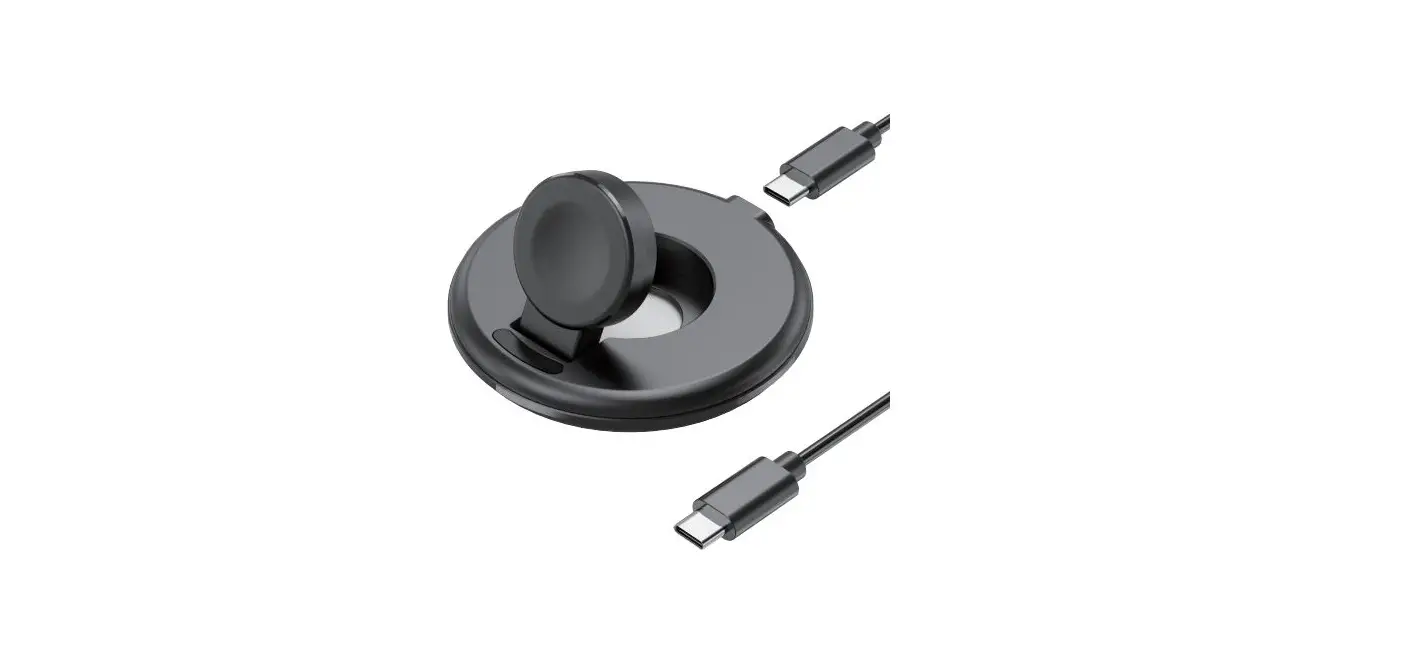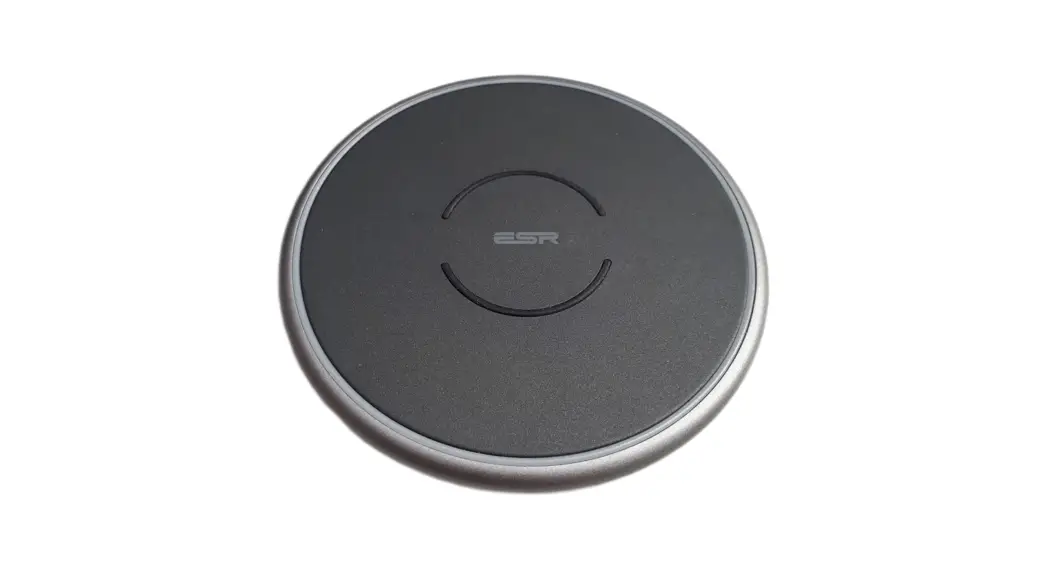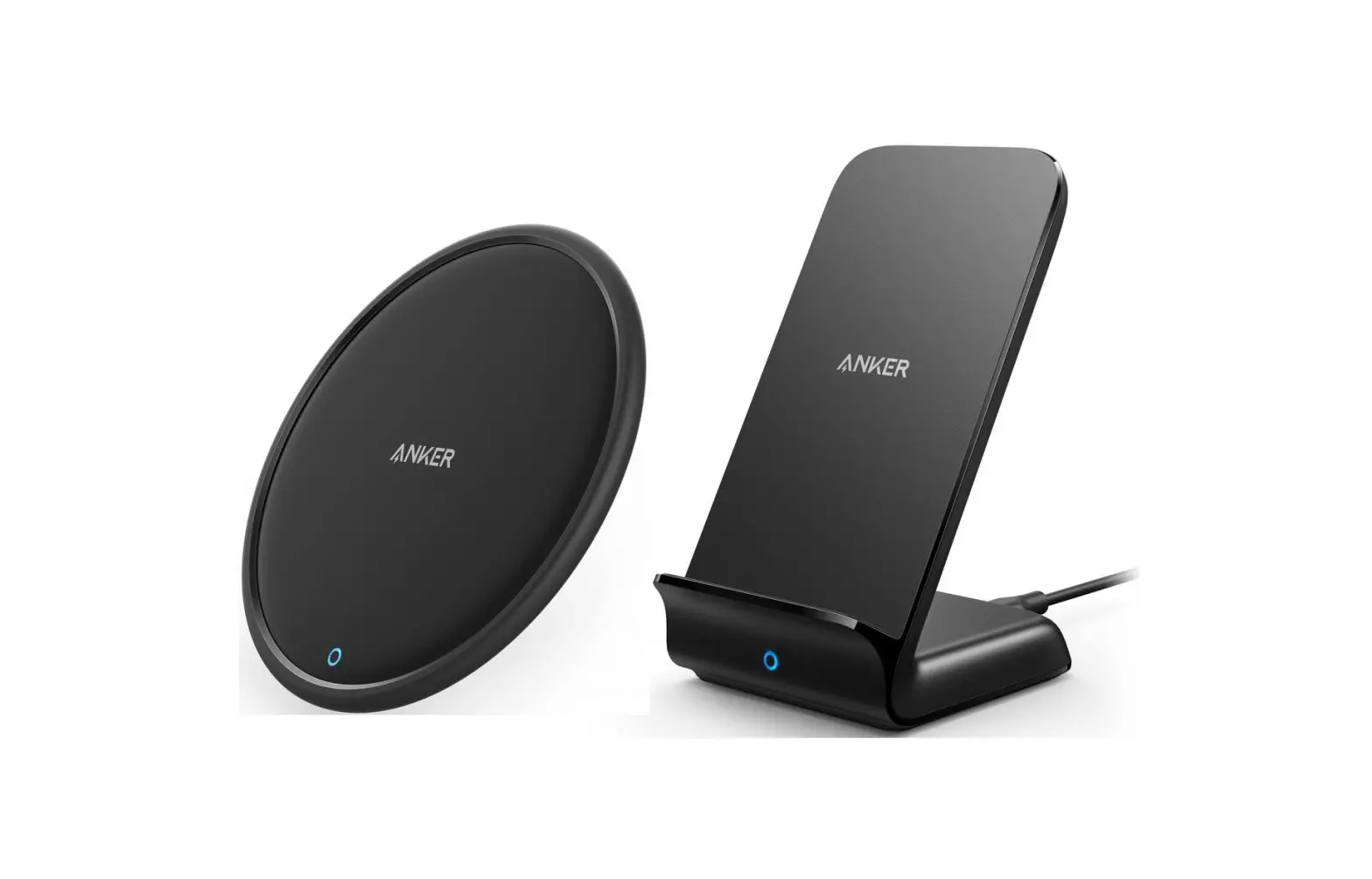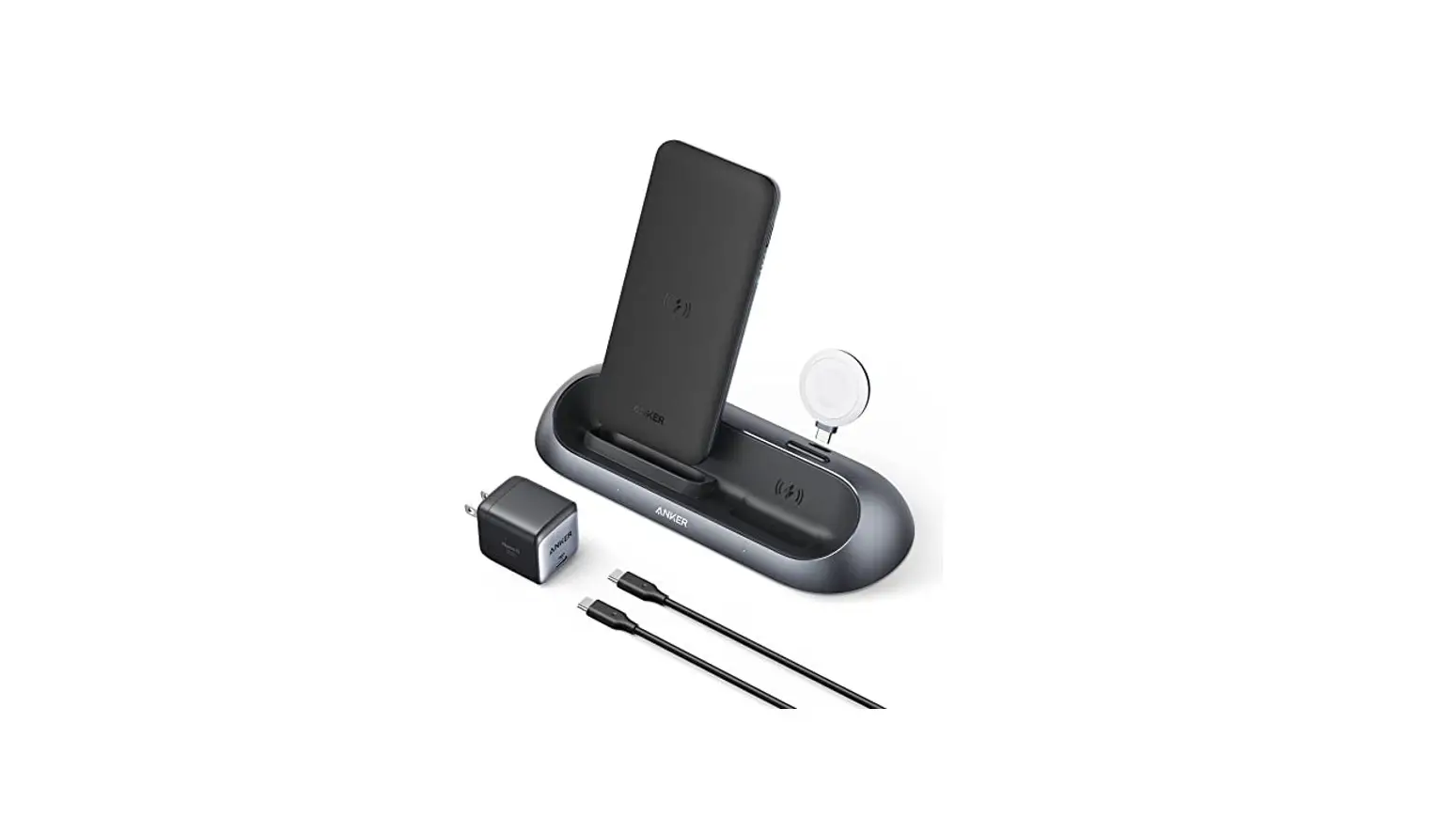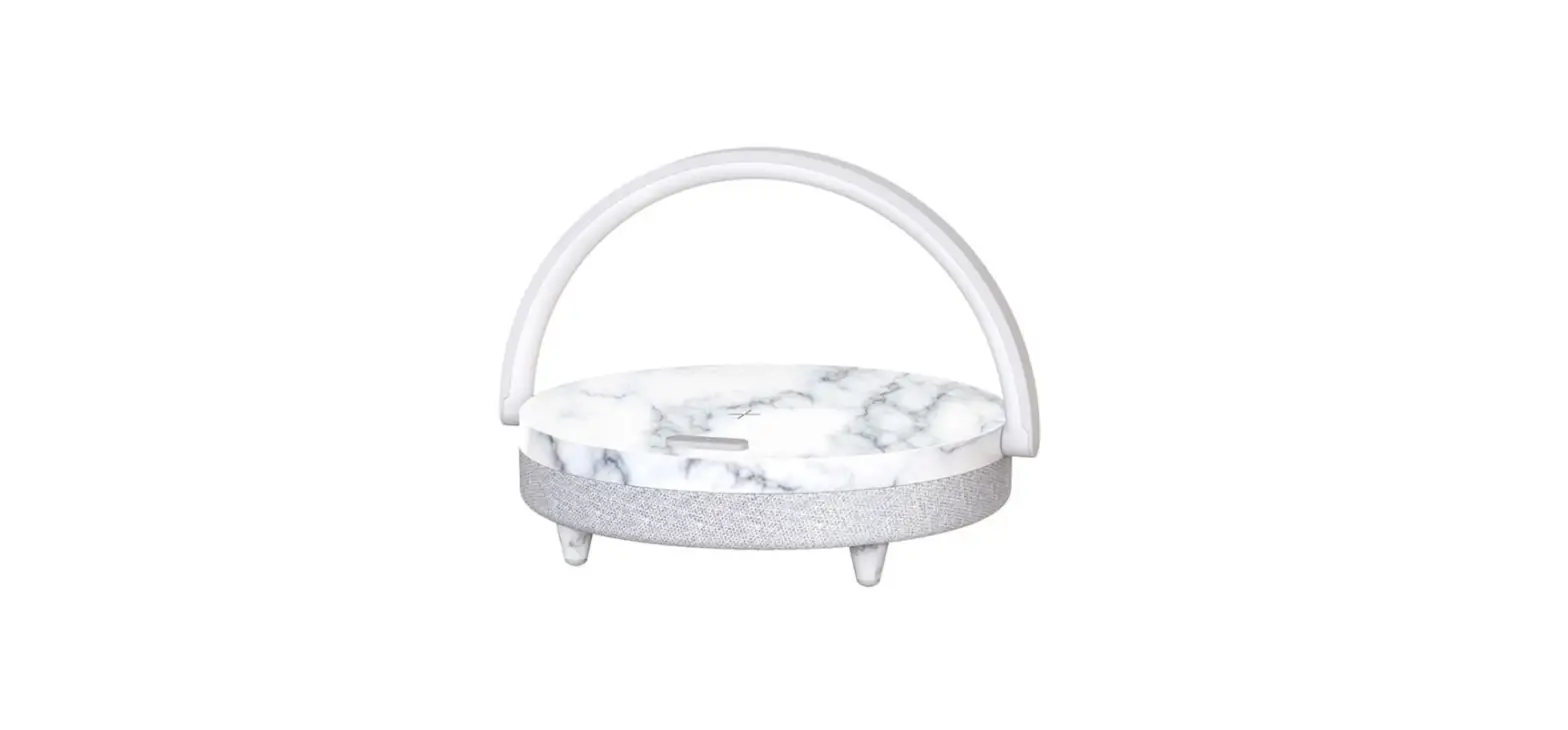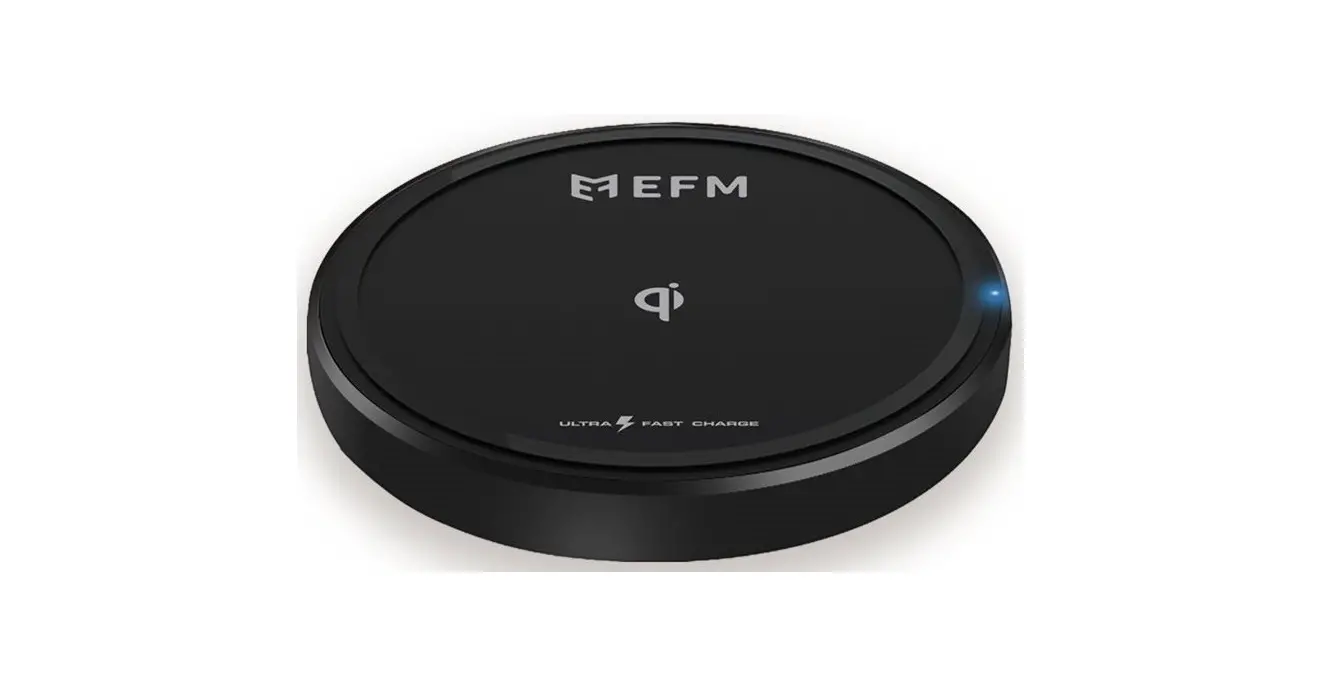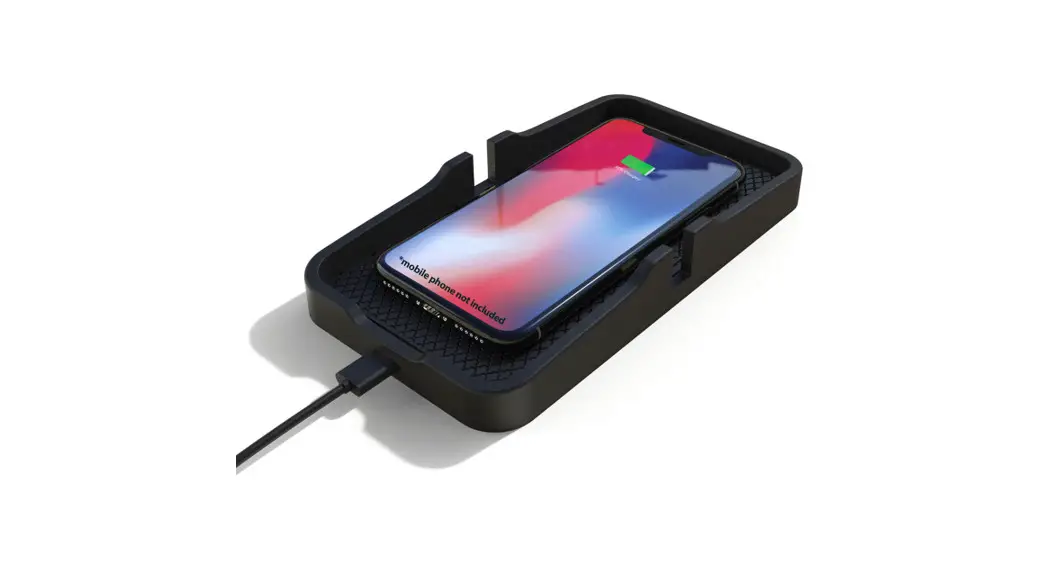

Wireless Charger E7
instructions
PRODUCT DESCRIPTION
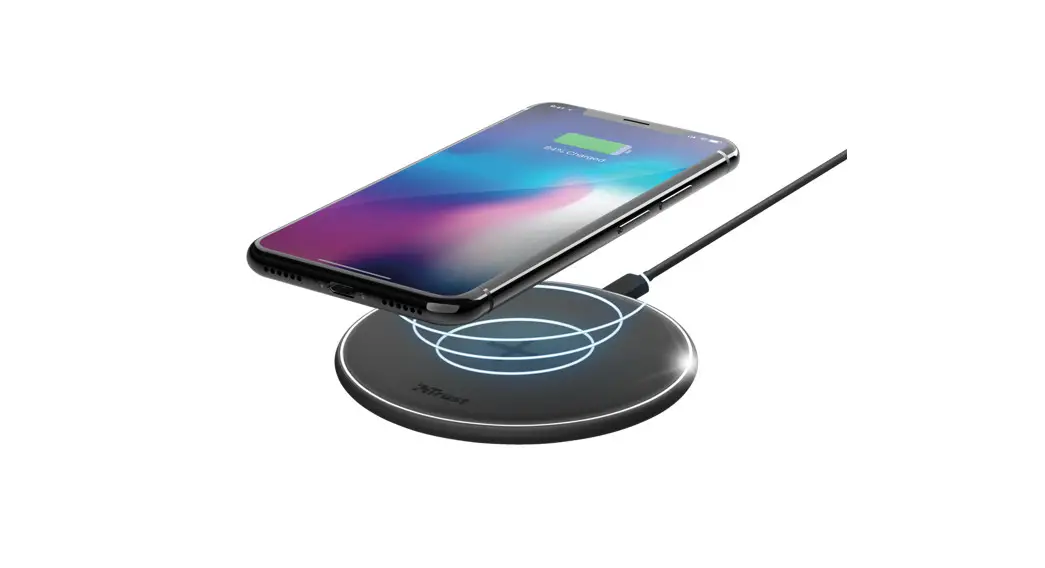
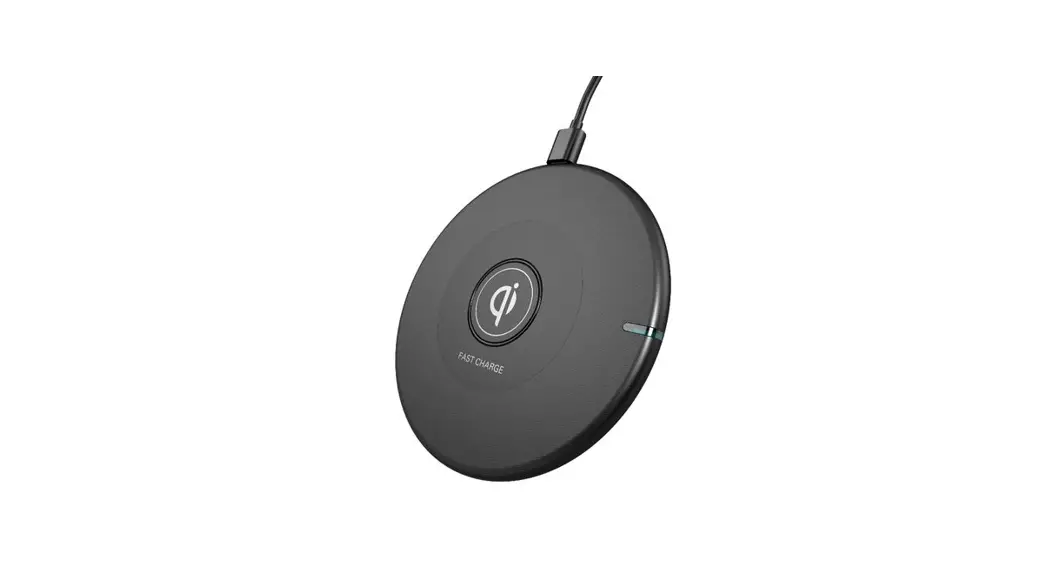
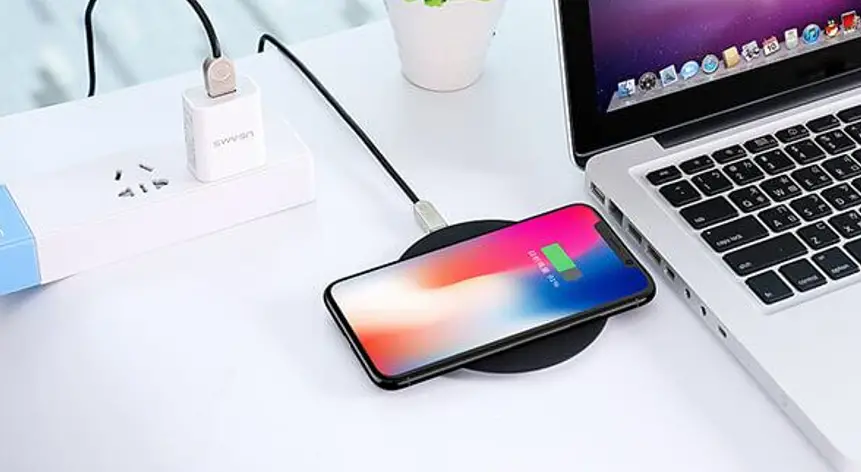
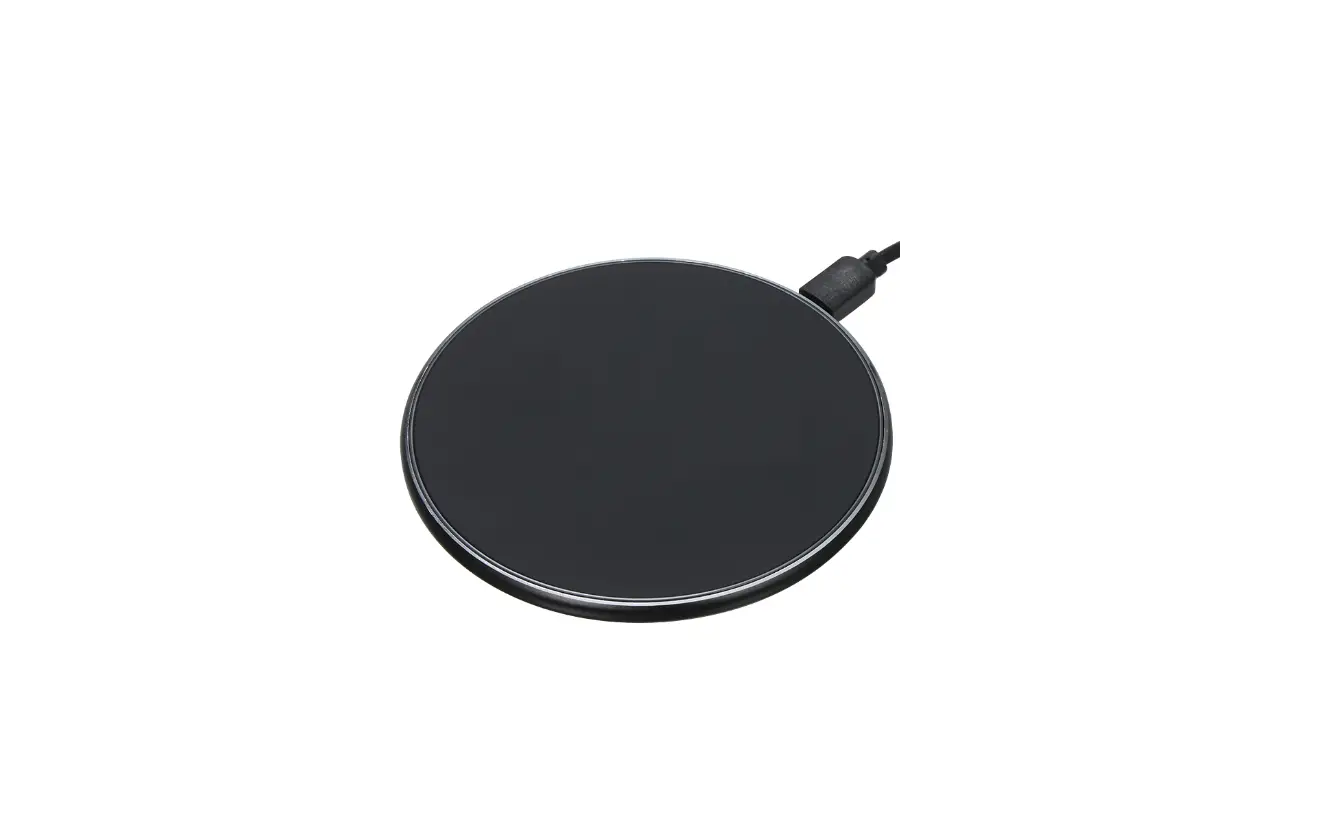
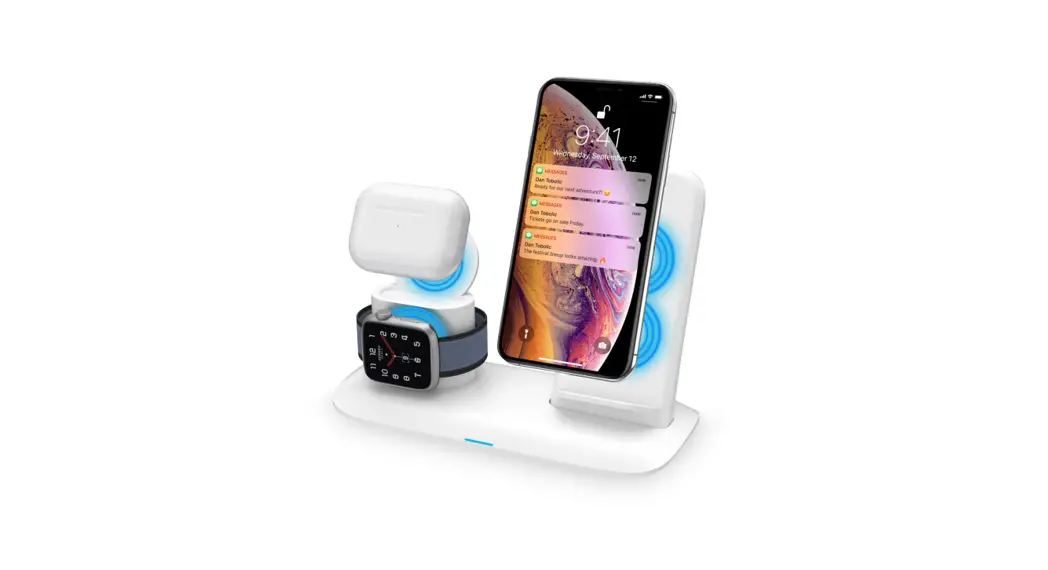
This product adopts the theory of electromagnetic induction. Transfer electricity from the power supply to the device that will be charged by the electromagnetic waves. It uses advanced, distinguished, and controlled technology, which can realize low power standby, charge indication. The charging efficiency can reach up to 70%. Any device that passes the Qi certification can be charged on the board. It has the following features
- WPC-certified Transmit;
- Transmit output voltage of 5V
PRODUCT SPECIFICATION
| Operation Temperature | -10-40°C |
| Storage Temperature | -45-75°C |
| Efficiency | >70% |
| Operational Frequency | 110-205KHz |
| Input | 5V/ 2A |
| Output Voltage | 5V ± 5% |
| Output Current | 1.0A Max |
ELECTRICAL PERFORMANCE
| Parameter | Notes and Conditions | Min Typ Max | Unit | |
| INPUT CHARACTERISTICS | ||||
| VIN | Input Voltage | Typical V-rectified voltage at | 4.8 5 5.2 | V |
| V ADAPTER | Adapter Input Voltage | 4.8 5.2 | V | |
| TOP | Input Overvoltage Protection | Voltage at V-rectified | 5.5 | V |
| OUTPUT CHARACTERISTICS | ||||
| VOUT | V J3 to J4 | VIN = Nom, IOUT = Nom | 4.75 5 5.2 | V |
| ABOUT | I J3 | VIN = Min to Max | 0 1.0 1.1 | A |
| SYSTEMS CHARACTERISTICS | ||||
| Fa | Switching Frequency | 105 205 | kHz | |
| Eff | Efficiency | Output Current 1000mA | 70 80 | % |
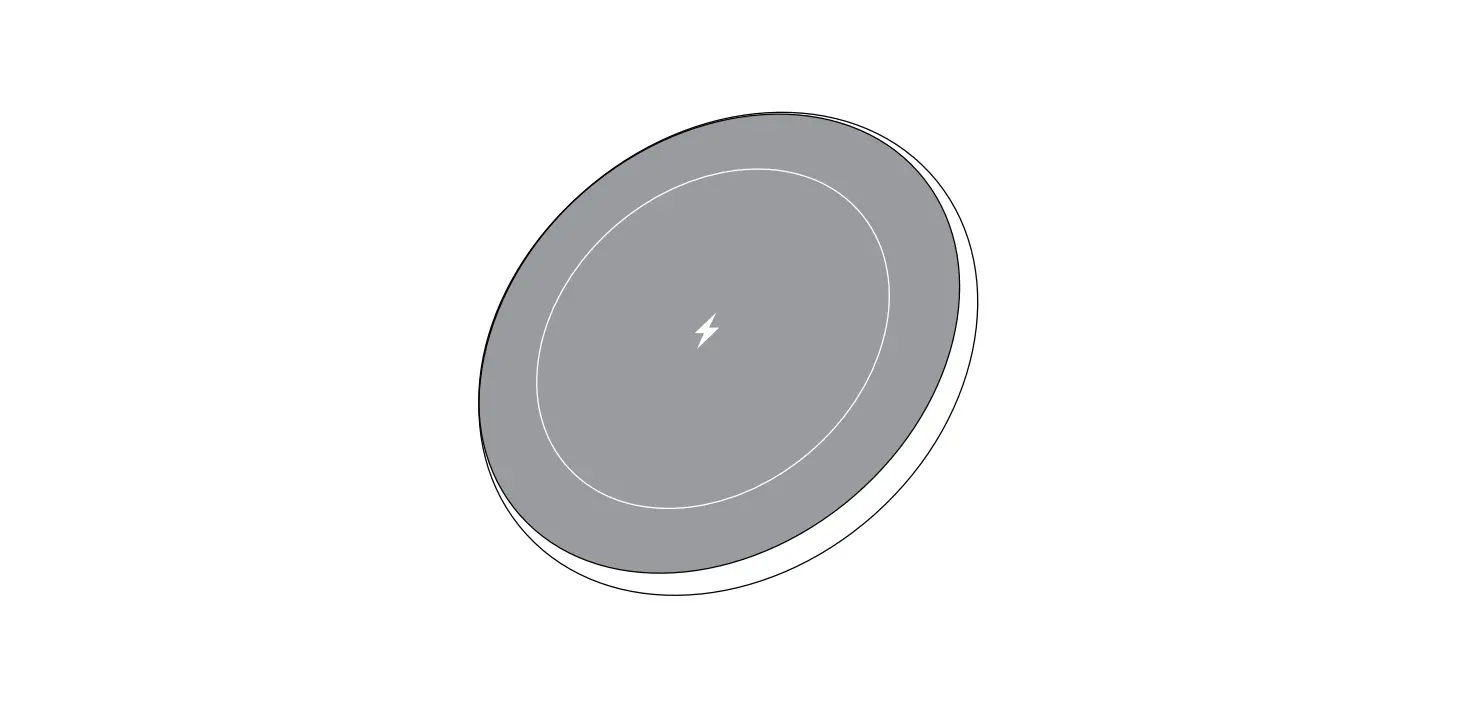
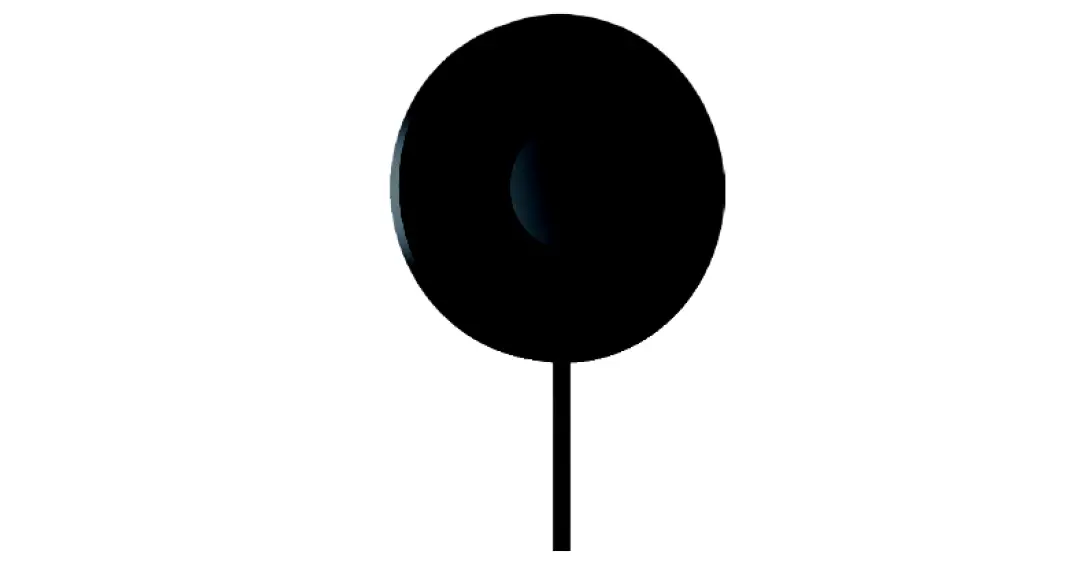
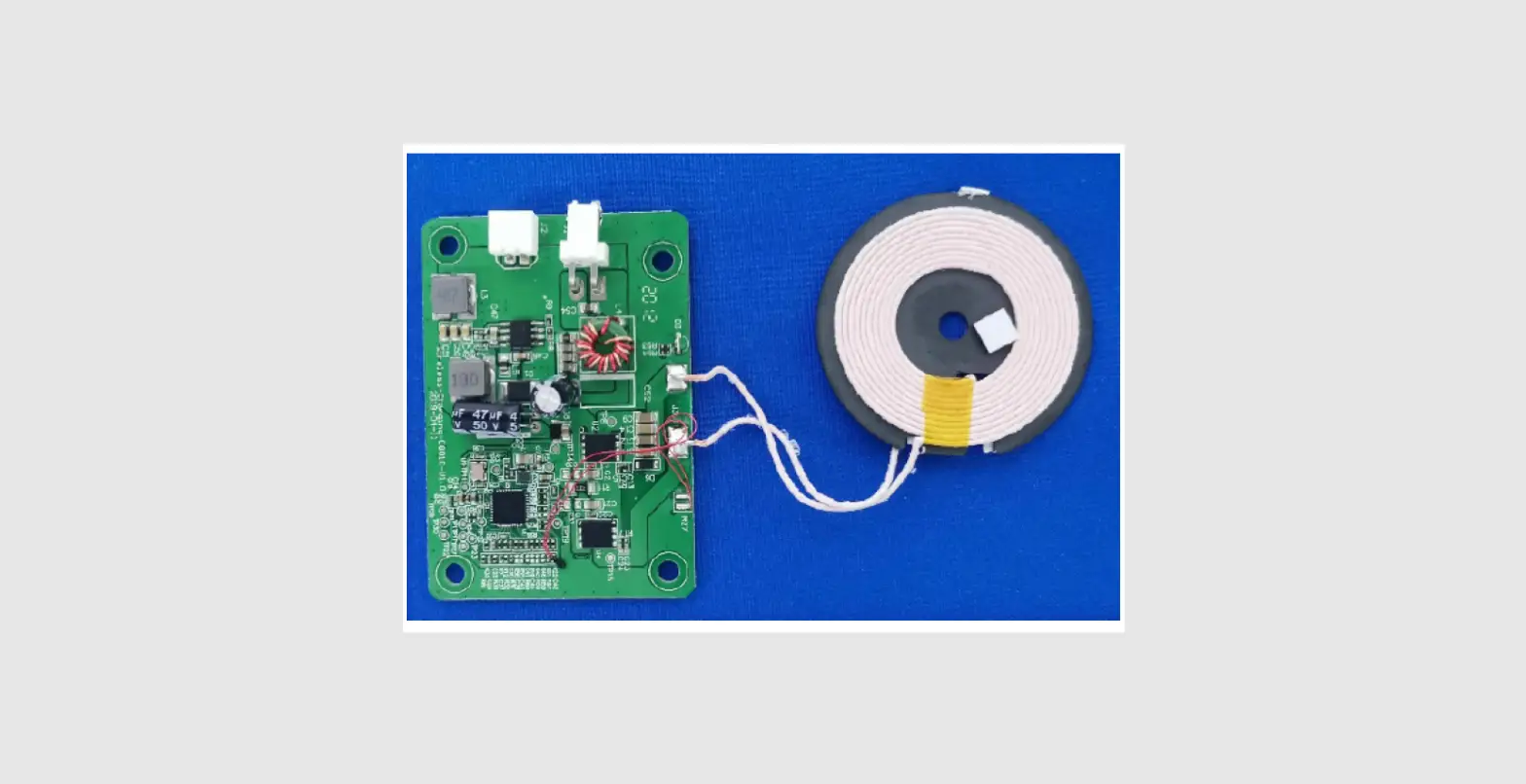
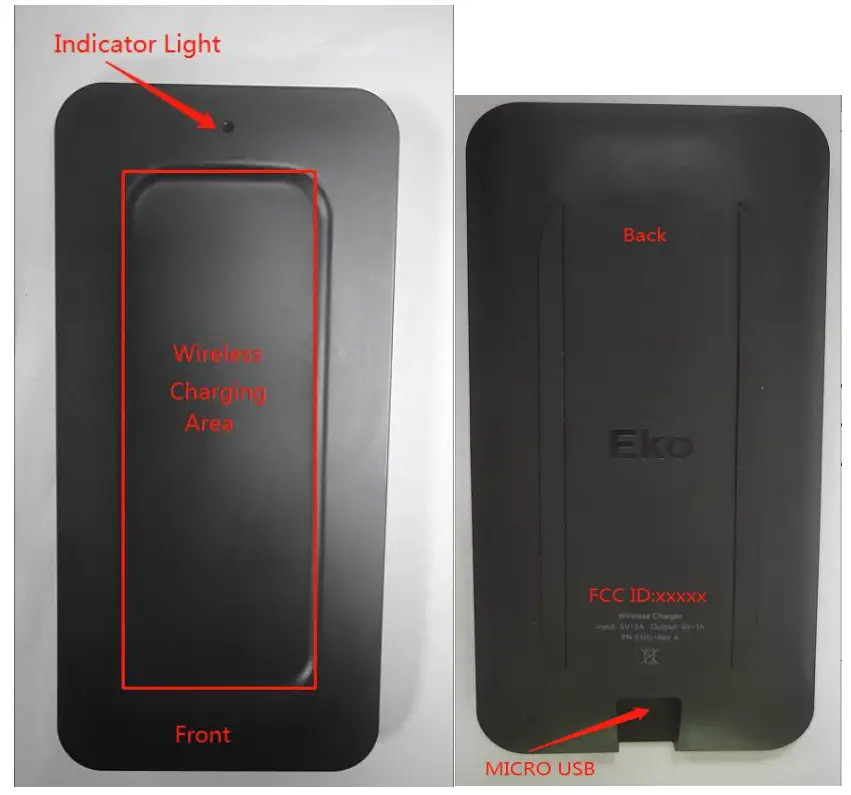
PRODUCT DIAGRAM
FCC Statement
Changes or modifications not expressly approved by the party responsible for compliance could void the user’s authority to operate the equipment.
This equipment has been tested and found to comply with the limits for a Class B digital device, pursuant to Part 15 of the FCC Rules. These limits are designed to provide reasonable protection against harmful interference in a residential installation. This equipment generates uses and can radiate radio frequency energy and, if not installed and used in accordance with the instructions, may cause harmful interference to radio communications. However, there is no guarantee that interference will not occur in a particular installation. If this equipment does cause harmful interference to radio or television reception, which can be determined by turning the equipment off and on, the user is encouraged to try to correct the interference by one or more of the following measures:
— Reorient or relocate the receiving antenna.
— Increase the separation between the equipment and receiver.
— Connect the equipment into an outlet on a circuit different from that to which the receiver is connected.
— Consult the dealer or an experienced radio/TV technician for help
This device complies with part 15 of the FCC rules. Operation is subject to the following two conditions (1)this device may not cause harmful interference, and (2) this device must accept any interference received, including interference that may cause undesired operation.