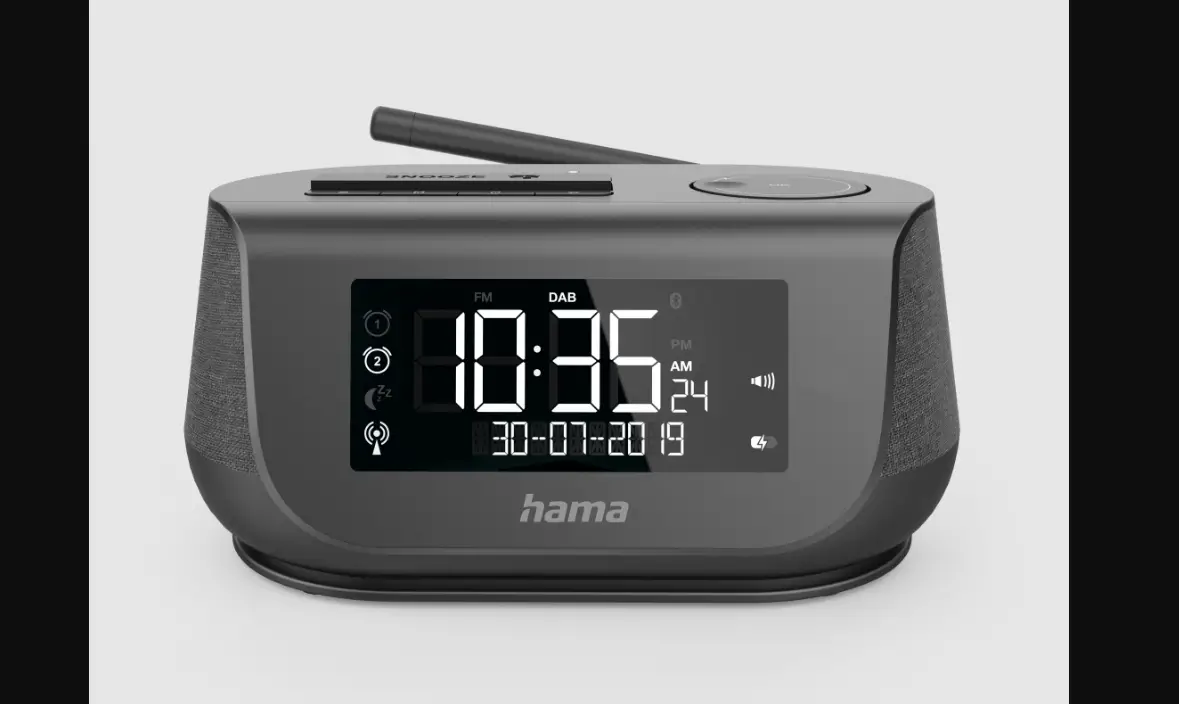
RDH-16V Digital Radio
Product Information
The product is a radio transmitter that generates RF energy and
can possibly cause interference with other devices or systems. It
has the following features:
- WXMAN
- BFGRLY
- RUGGED1
- NETWRK
- CHKRS1
- RUGGED2
- YOKO
- BITDRLY
- CHKRS2
- BFGPIT
- MAG7
- RUGGED3
- CORE
- LOCOMO
- RUGGED4
- L PCIRL
- SAND3
- SAND5
- SAND6
- HANSEN
- HUNT2
- DUKES2
- ENDURO
- HERBST1
- HERBST2
- JEFRIES
- SKILTON
- RIVERA2
- SOURPS2
- TAYLOR2
- MARKING
- WILSON2
Product Usage Instructions
To avoid electromagnetic interference, turn off the radio in
areas where signs are posted to do so. Do not operate the
transmitter in areas that are sensitive to electromagnetic
radiation such as hospitals, aircraft, and blasting sites.
The radio transmitter is to be used in occupational or
controlled situations where persons are aware of the potential for
exposure and can exercise control over their exposure.
When using the product, ensure that you are in an appropriate
location where there is no risk of electromagnetic interference.
Follow the instructions provided in the manual for proper usage and
maintenance of the product.
WXMAN BFGRLY RUGGED1 NETWRK CHKRS1 RUGGED2 YOKO BITDRLY
CHKRS2 BFGPIT MAG7 RUGGED3 CORE LOCOMO RUGGED4 L PCIRL
SAND3 SAND5 SAND6 HANSEN HUNT2 DUKES2 ENDURO HERBST1
HERBST2 JEFRIES SKILTON RIVERA2 SOURPS2 TAYLOR2 MARKING WILSON2
Safety: This radio generates RF electromagnetic energy during transmit mode. This radio is designed for and classified as “Occupational Use Only,” meaning it must be used only during the course of employment by individuals aware of the hazards, and the ways to minimize such hazards. This radio is NOT intended for use by the “General Population” in an uncontrolled environment. This radio has been tested and complies with the FCC RF exposure limits for “Occupational Use Only”. In addition, this radio complies with the following Standards and Guidelines with regard to RF energy and electromagnetic energy levels and evaluation of such levels for exposure to humans: FCC OET Bulletin 65 Edition 97-01 Supplement C, Evaluating Compliance with FCC Guidelines for Human Exposure to Radio Frequency Electromagnetic Acids. American National Standards Institute (C95.1-1992), IEEE Standard for Safety Levels with Respect to Human Exposure to Radio Frequency Electromagnetic Fields, 3 kHz to 300 GHz. American National Standards Institute (C95.3-1992), IEEE Recommended Practice for the Measurement of Potentially Hazardous Electromagnetic Fields– RF and Microwave. The following accessories are authorized for use with this product. use of accessories other than those (listed in the instruction) specified may result in RE exposure levels exceed the FCC requirements for wireless RE exposure. To ensure that your exposuree to RF electromagnetic energy is within the FCC allowable limits for occupational use, always adhere to the following guidelines: DO NOT operate the radio without a proper antenna attached, as this may damage the radio and may also cause you to exceed FCC RF exposure limits. A proper antenna is the antenna supplied with this radio by the manufacturer or antenna specifically authorized by the manufacturer for use with this radio. DO NOT transmit for more than 50% of total radio use time. Transmitting more than 50% of the time can cause FCC RF exposure compliance requirements to be exceeded. The radio is transmitting when the `TX indicator’ lights up red. You can cause the radio to transmit by pressing the PTT switch. ALWAYS keep the antenna at least 2.5 cm (1 inch) away from the body when transmitting and only use the provided belt-clip to ensure FCC RF exposure compliance requirements are not exceeded. To provide the recipients of your transmission the best sound quality, hold the antenna at least 5 cm (2 inches) from your mouth, and slightly off to one side. The information outlined in this manual provides the user with the information needed to make him or her aware of RF exposure and what to do in order to assure this radio is operated safely within the FCC exposure limits.
Electromagnetic Interference/Compatibility During Transmission: Your radio generates RF energy that can possibly cause interference with other devices or systems. To avoid such interference, turn off the radio in areas where signs are posted to do so. DO NOT operate the transmitter in areas that are sensitive to electromagnetic radiation such as hospitals, aircraft, and blasting sites.
Occupational/Controlled Use: The radio transmitter is used in situations in which persons are exposed as consequence of their employment provided those persons are fully aware of the potential for exposure and can exercise control over their exposure.
FCC STATEMENTS WARNING AND COMPLIANCE STATEMENT: FCC Part 15.19 Warning Statement This device complies with part 15 of the FCC Rules. Operation is subject to the following two conditions: (1) This device may not cause harmful interference, and (2) this device must accept any interference including received interference that may cause undesired operation. FCC Part 15.21 Warning Statement The grantee is not responsible for any changes or modifications not expressly approved by the party responsible for compliance. Such modifications could void the user’s authority to operate the equipment. Replacement of any transmitter component (crystal, semiconductor, etc) not authorized by the FCC equipment authorization for this radio could violate FCC rules. FCC Part 15.121(f) Warning Statement WARNING: MODIFICATION OF THIS DEVICE TO RECEIVE CELLULAR RADIOTELEPHONE SERVICE SIGNALS IS PROHIBITED UNDER FCC RULES AND FEDERAL LAW. FCC Part 15.105(b) Warning Statement Note: This equipment has been tested and found to comply with the limits for a Class B digital device, pursuant to part 15 of the FCC Rules. These limits are designed to provide reasonable protection against harmful interference in a residential installation. This equipment generates, uses and can radiate radio frequency energy and, if not installed and used in accordance with the instructions, may cause harmful interference to radio communications. However, there is no guarantee that interference will not occur in a particular installation. If this equipment does cause harmful interference to radio or television reception, which can be determined by turning the equipment off and on, the user is encouraged to try to correct the interference by one or more of the following measures: -Reorient or relocate the receiving antenna. -Increase the separation between the equipment and receiver. -Connect the equipment into an outlet on a circuit different from that to which the receiver is connected. -Consult the dealer or an experienced radio/TV technician for help.
exercise control over their exposure.