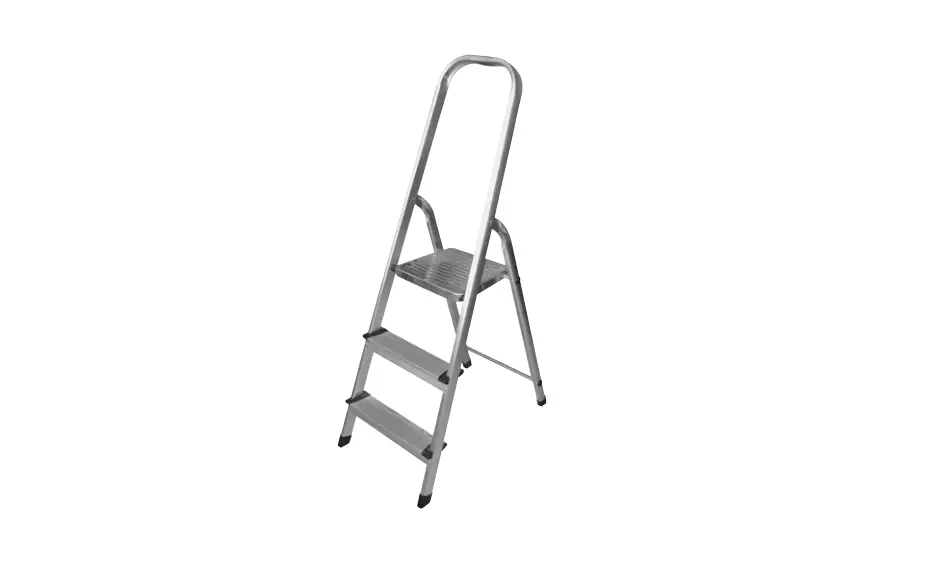


Item no.
012643/012645/012646/012647/012648
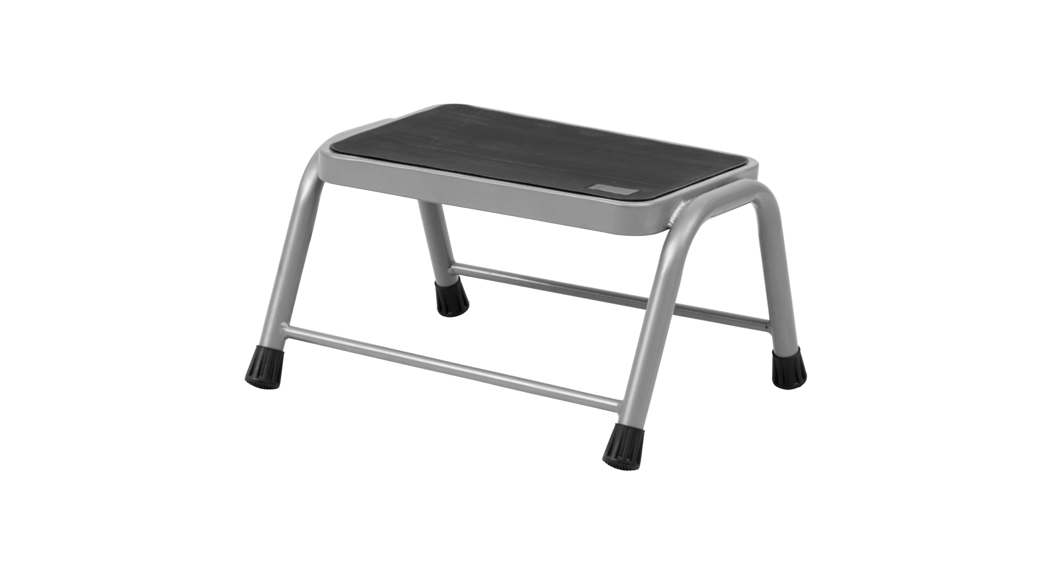
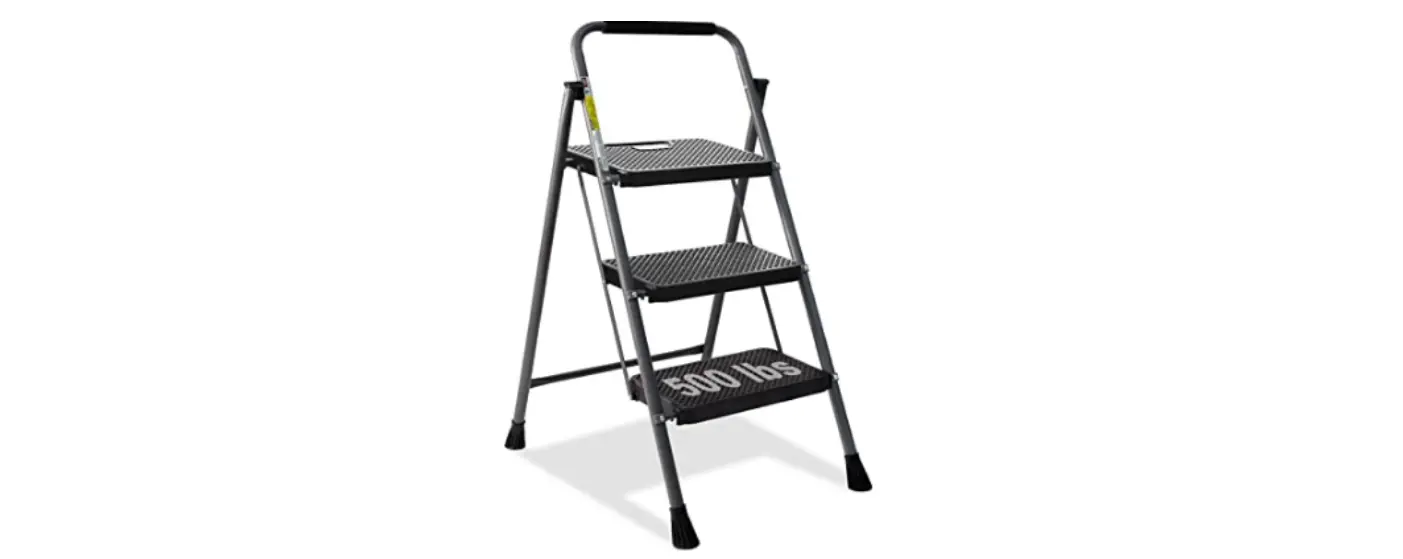
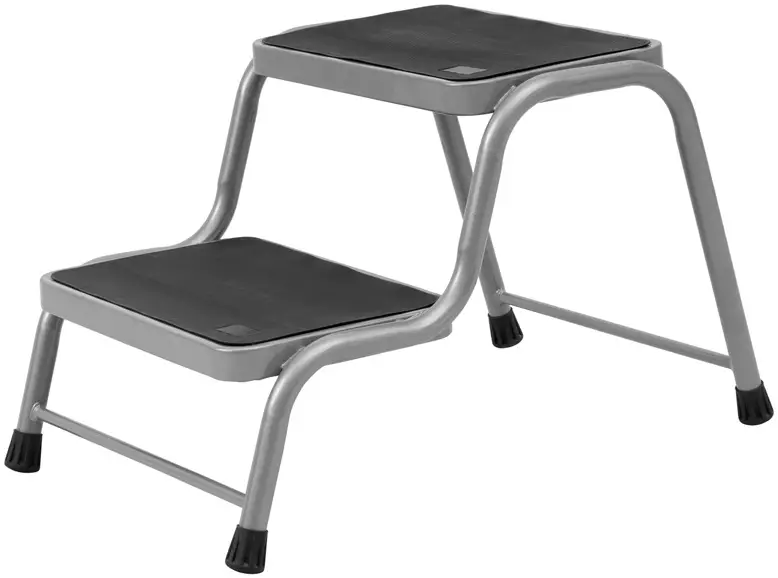
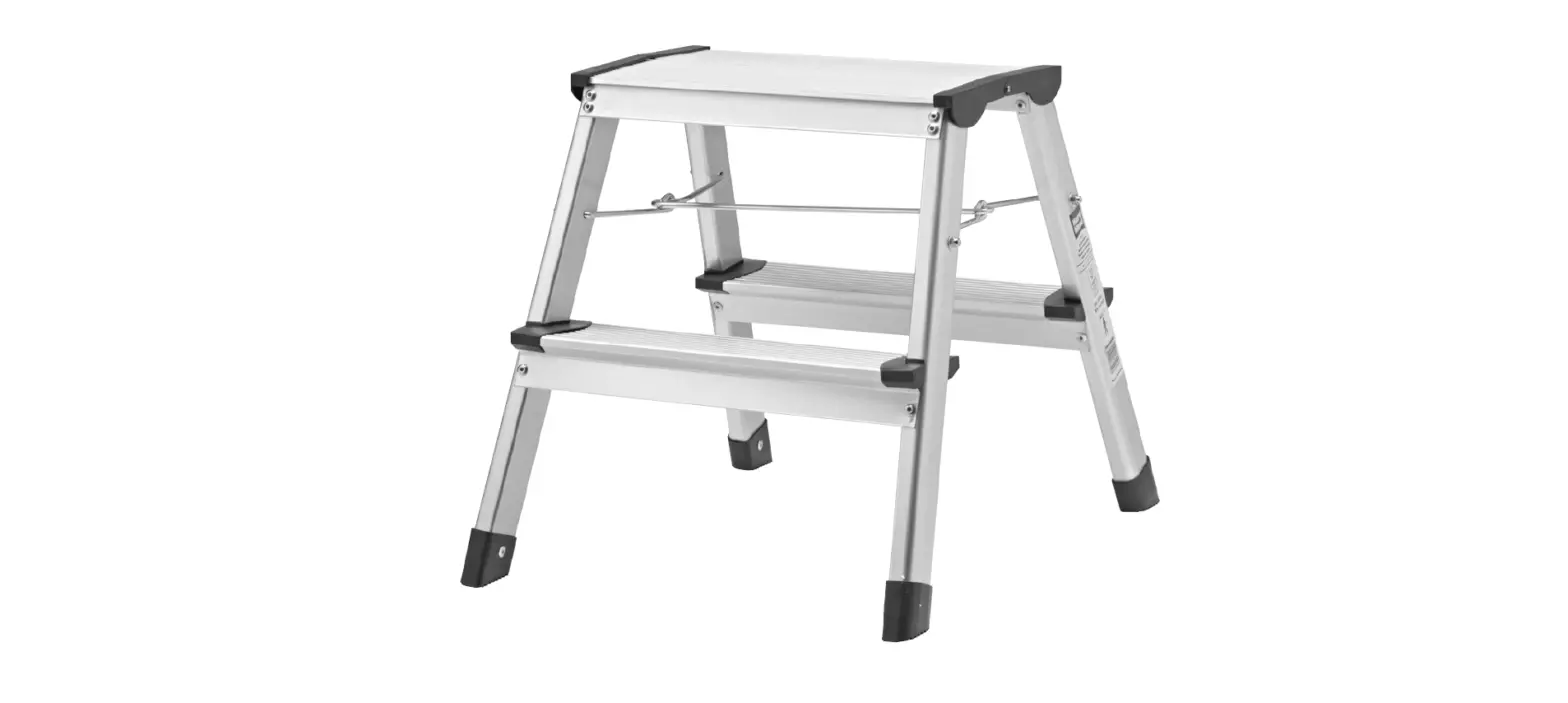
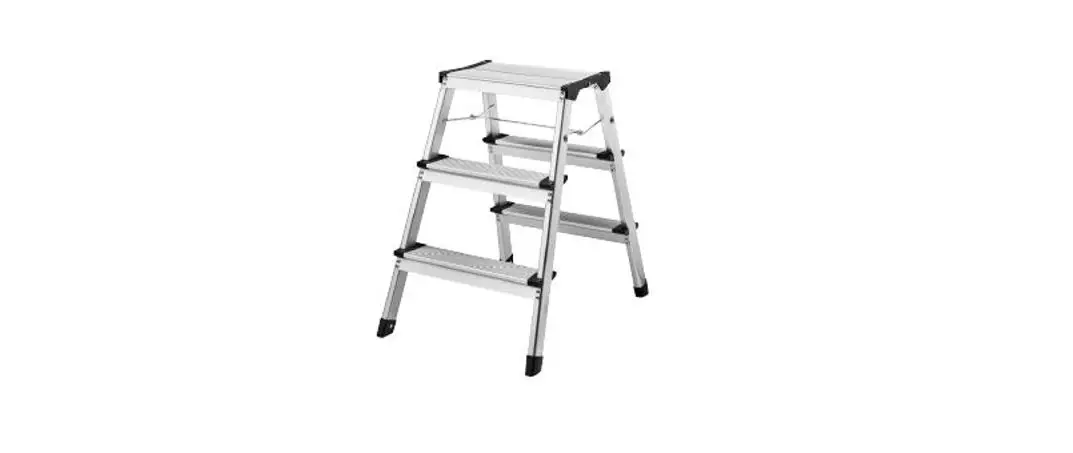
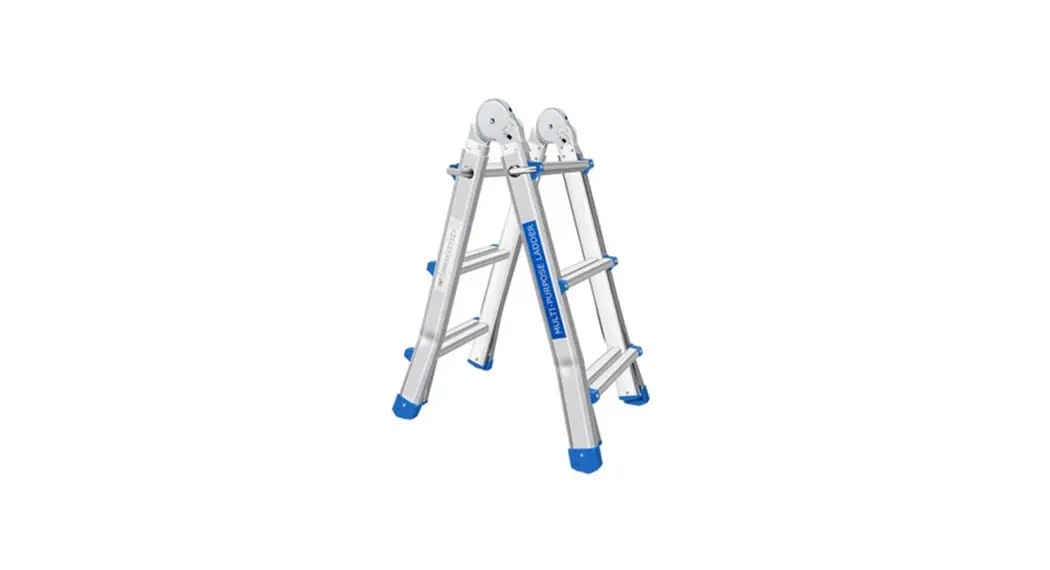
STEPLADDER
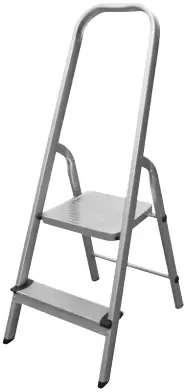
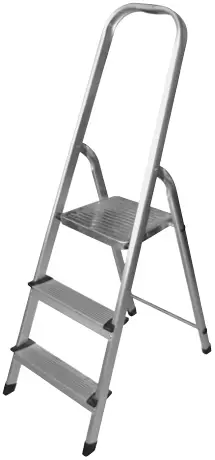
012643 012645
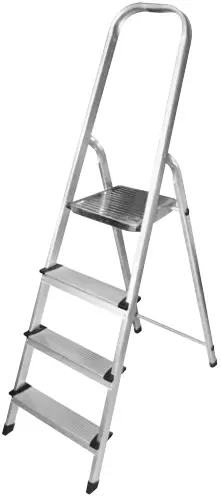
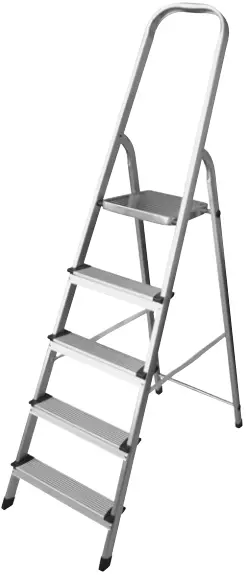
012646 012647
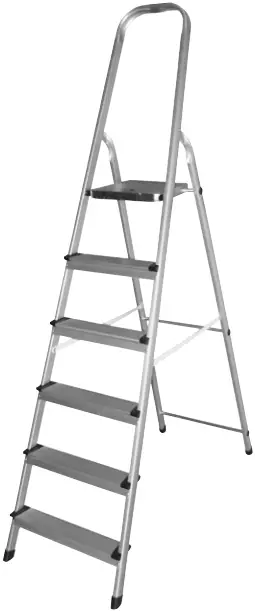
012648
STEPLADDER
OPERATING INSTRUCTIONS
Important! Read the user instructions carefully before use. Save them for future reference. (Translation of the original instructions).
Jula reserves the right to make changes.
For latest version of operating instructions, see www.jula.com
JULA AB, BOX 363, SE-532 24 SKARA
2022-06-30
© Jula AB
SAFETY INSTRUCTIONS
- Make sure that you are capable of using the stepladder. Some medical conditions and certain medicines, alcohol or drugs may make it unsafe to use the stepladder.
- When transporting stepladders on support rails or in a truck, make sure to position them so they cannot be damaged.
- Inspect the stepladder after delivery and before using for the first time to check its condition and the functionality of all the parts.
- Visually inspect the stepladder for damage and check that it is safe to use each day before using it.
- Do not use a damaged stepladder.
- Remove any dirt, wet paint, clay, oil or snow, from the stepladder.
- A risk assessment must be made in accordance with the applicable regulations in the country of use, before using a stepladder at work.
- Repairs and maintenance work must be carried out at an accredited service centre in accordance with the manufacturer’s instructions.
- Only spare parts from the manufacturer must be used.
- Do not use stepladders that conduct electricity to do jobs where it is not possible to switch off the power.
SYMBOLS
The following symbols are used in the instructions and/or on the product.
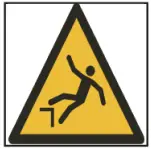 | Risk of falling. |
| Read the instructions. |
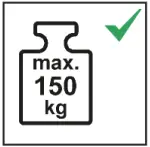 | Max load. |
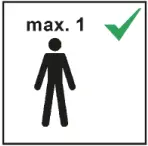 | Max number of persons on the stepladder. |
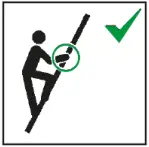 | Keep a firm grip on the stepladder when climbing up. |
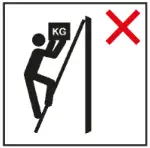 | Do not carry heavy items up the stepladder. |
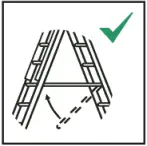 | Check that the extension lock is correctly connected. |
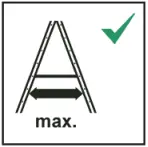 | Check that the stepladder is fully extended before use. |
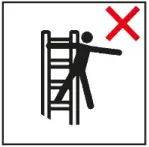 | Do not overreach. |
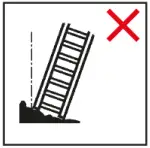 | Place the stepladder on a stable surface. |
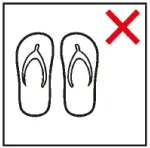 | Wear suitable footware. |
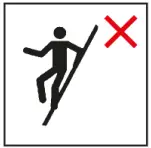 | Always face the stepladder when using it. |
 | Check that the surface under the stepladder is free from contamination. |
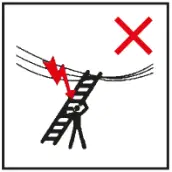 | Pay attention to overhead power lines when moving the stepladder – risk of electric shock. |
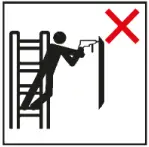 | Do not overreach. |
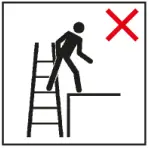 | Do not step off sideways from the stepladder. |
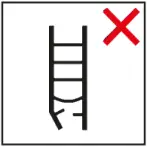 | Check the stepladder before use. |
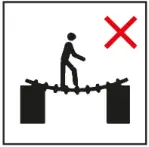 | Do not use the stepladder as a footbridge. |
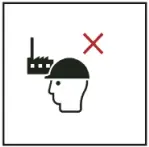 | The stepladder is not intended for professional use. |
 | The stepladder is intended for household use. |
TECHNICAL DATA
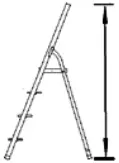 | 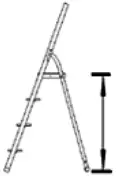 | WEIGHT | |
| 012643 | 100 cm | 39 cm | 3.0 kg |
| 012645 | 122 cm | 61 cm | 3.6 kg |
| 012646 | 144 cm | 83 cm | 4.2 kg |
| 012647 | 165.5 cm | 104.5 cm | 4.8 kg |
| 012648 | 187.5 cm | 126.5 cm | 6.6 kg |
USE
- Locks, if available, must be fully locked before use.
- The stepladder must be placed on a smooth, level and stable base.
- As a lean-to ladder it must lean against a smooth, stable surface and be fastened with a stable device before use.
- Never move the stepladder from above.
- When positioning the stepladder take into consideration the risk of collision, e.g. with pedestrians, vehicles or doors. Lock doors (not emergency exits) and windows in the work area, where possible.
- Identify potential risks in the work area, such as high-tension cables or exposure to electrical components.
- The stepladder must stand on its feet and not rest on a step.
- Do not put the stepladder on slippery surfaces (for example, ice, shiny surfaces or heavily soiled surfaces) unless additional measures are taken to prevent it from slipping.
- Do not exceed the maximum load for the stepladder.
- Do not overreach. The user must keep the belt buckle (navel) inside the side rails and both feet on the same step when working.
- Do not get off the stepladder at a higher level without additional safety measures, for example a suitable device to improve stability.
- Do not use standalone ladders to get to another level.
- Stepladders must only be used for simple jobs for short periods.
- Do not use the stepladder outdoors in bad weather, for example in strong wind.
- Take precautions to prevent children playing on the stepladder.
- Face the stepladder when climbing up or down the steps.
- Keep a firm grip on the steps when climbing up or down the stepladder.
- Do not use the stepladder as a footbridge.
- Wear suitable footwear when climbing on a stepladder.
- Avoid work on stepladders that involves lateral tensions, for example drilling to the side in solid material (brick or concrete). Do not spend a long time on the stepladder without frequent breaks (tiredness is a risk factor).
- Equipment carried up on a stepladder should be lightweight and easy to handle.
- Always keep a firm grip with at least one hand when working on the stepladder, or if this is not possible take additional safety precautions.
MAINTENANCE
- Check the parts on the stepladder and the hinges at regular intervals. Use low viscosity oil when it is cold. Lubricate the hinges at regular intervals, but be careful not to drip oil on the steps or side rails
- Stepladders must be stored where they are not exposed to rain or snow, or direct sunlight.
 Jula – products for home and garden