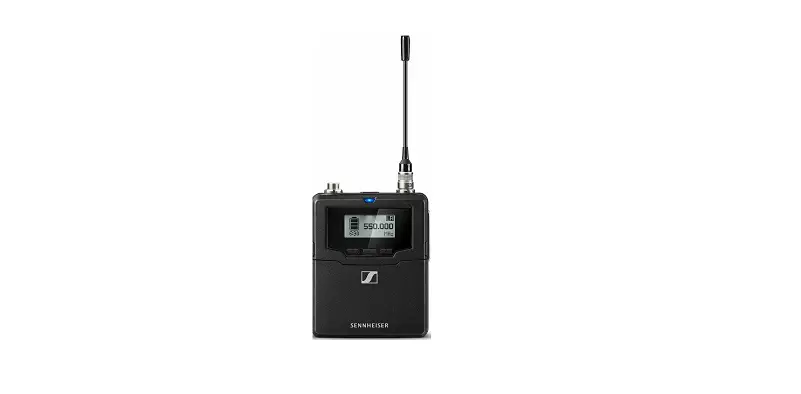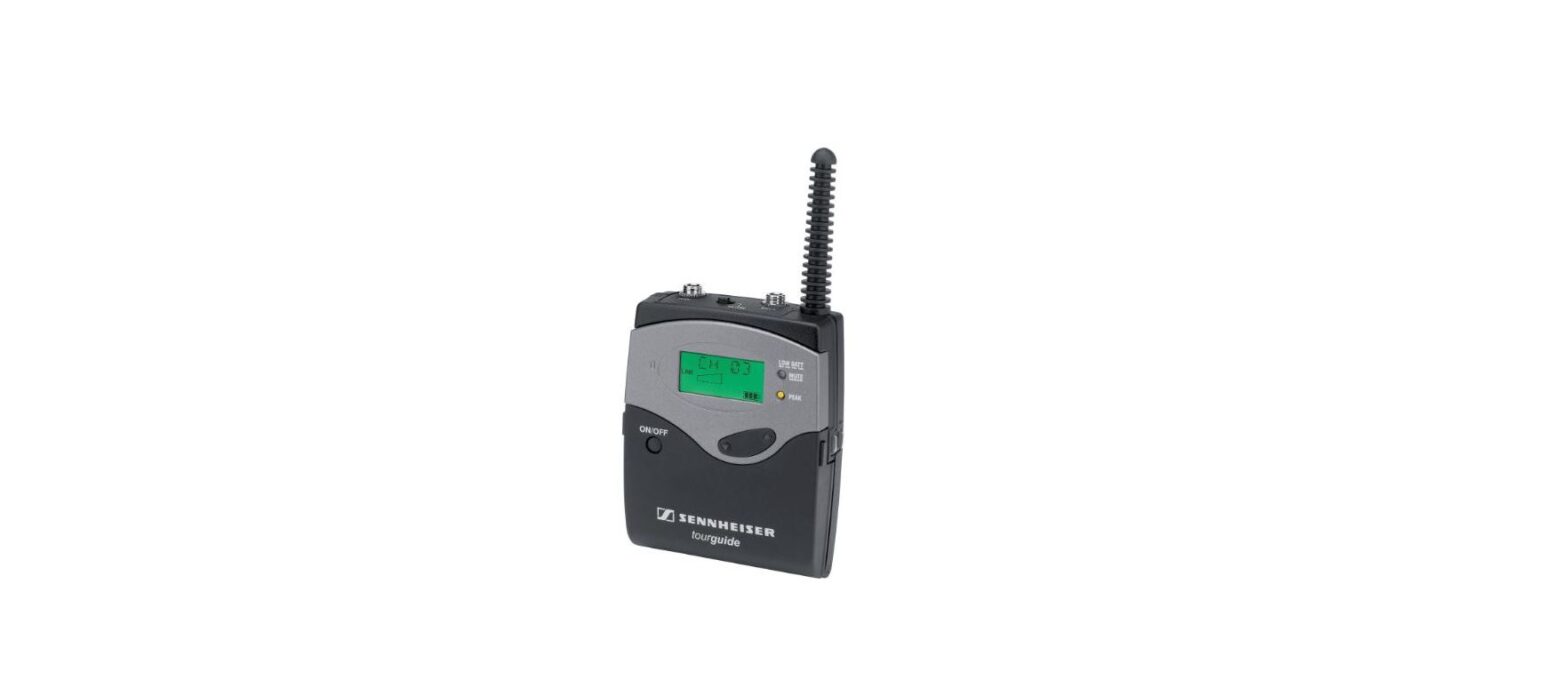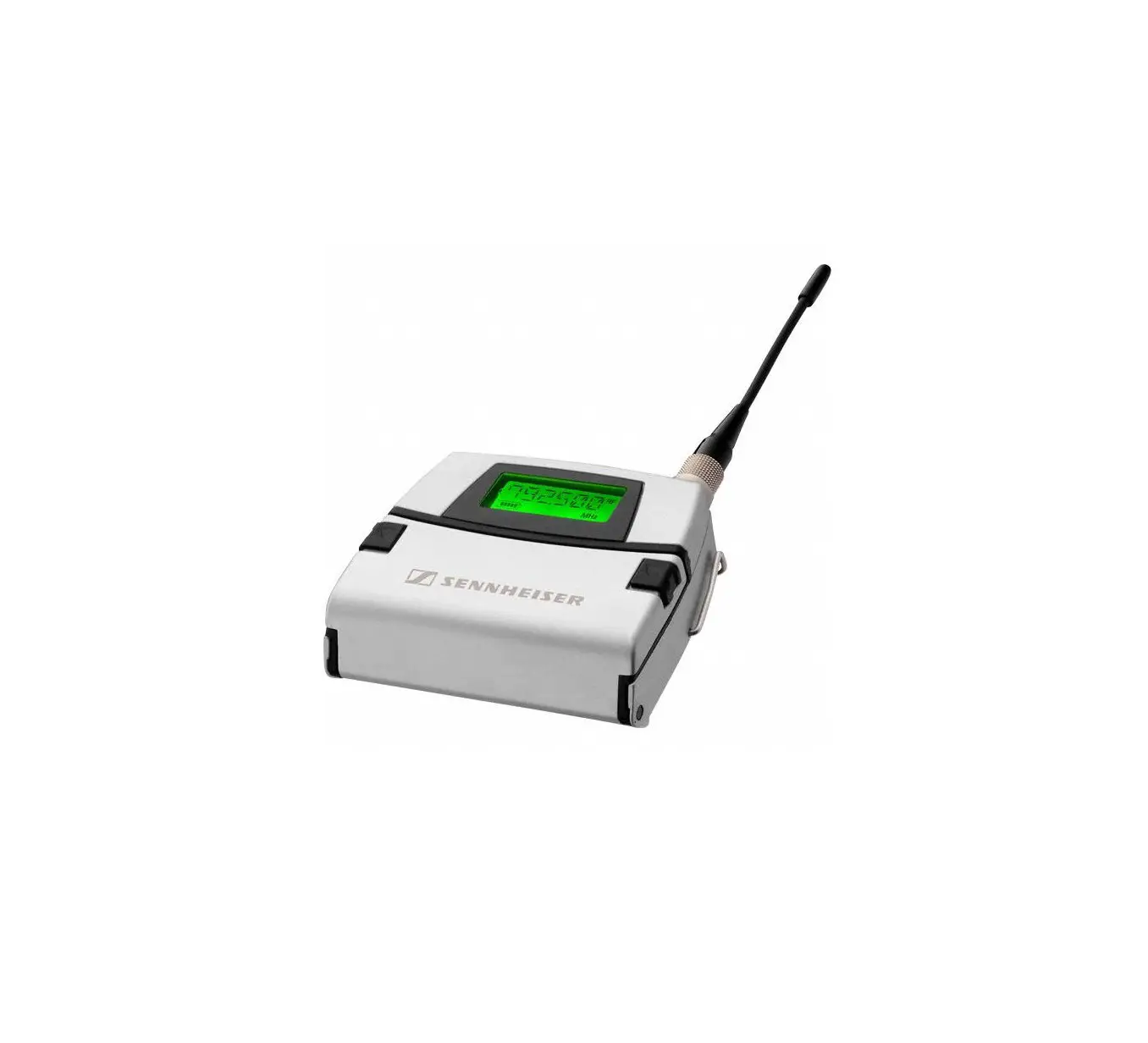
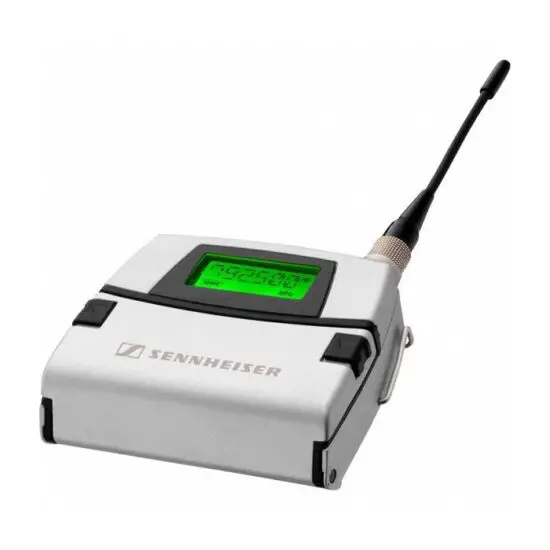
SENNHEISER SK 5212-II Bodypack Location Sound Transmitter
Important safety instructions
- Read the instruction manual and the safety guide carefully and completely before using the product.
- Ensure that the instruction manual and safety guide are easily accessible to all users at all times.
- Always include this instruction manual and the safety guide when passing the product on to third parties.
- Only use attachments, accessories and spare parts specified by the manufacturer.
- Do not attempt to open the product housing on your own.
- The warranty is voided for products opened by the customer.
- Refer all servicing to qualified service personnel. Servicing is required when the product has been damaged in any way, liquid has been spilled or objects have fallen into the product, when the product has been exposed to rain or moisture, does not operate normally, or has been dropped.
- Use the product only under the conditions of use listed in the specifications.
- Do not operate the product if it was damaged during transportation.
- Do not operate the product if it was damaged during transportation.
- Keep the product and its connections away from liquids and electrically conductive objects that are not necessary for operating the product.
- Do not use any solvents or aggressive cleaning agents to clean the product.
- Caution: Very high signal levels can damage your hearing and your loudspeakers. Reduce the volume on the connected audio devices before switching on the product; this will also help prevent acoustic feedback.
Safety instructions for lithium-ion rechargeable batteries
- Do not dismantle, open or shred secondary cells or batteries.
- Keep batteries out of the reach of children. Battery usage by children should be supervised. Especially keep small batteries out of reach of small children.
- Do not expose cells or batteries to heat or fire. Avoid storage in direct sunlight.
- Do not short-circuit a cell or a battery. Do not store cells or batteries haphazardly in a box or drawer where they may short-circuit each other or be short-circuited by other metal objects.
- Do not remove a cell or battery from its original packaging until required for use.
- Do not use any charger other than that specifically provided for use with the equipment.
- Do not use any cell or battery which is not designed for use with the equipment.
- Do not mix cells of different manufacture, capacity, size or type within a device.
- Always purchase the battery recommended by Sennheiser for the equipment.
- Keep cells and batteries clean and dry.
- Wipe the cell or battery terminals with a clean dry cloth if they become dirty.
- Do not leave a battery on prolonged charge when not in use.
- Retain the original product literature for future reference.
- Use the cell or battery only in the application for which it was intended.
- When possible, remove the battery from the equipment when not in use.
- Dispose of properly.
- When not using rechargeable batteries for extended periods of time, charge them regularly (about every three months).
- Immediately remove rechargeable batteries from obviously defective products.
- Do not continue to use defective rechargeable batteries.
Danger due to high volume levels
This product is used for commercial purposes. Commercial use is subject to the rules and regulations of the trade association responsible. Sennheiser, as the manufacturer, is therefore obliged to expressly point out possible health risks arising from use.
This product is capable of producing sound pressure levels exceeding 85 dB (A). 85 dB (A) is the sound pressure corresponding to the maximum permissible volume which is by law (in some countries) allowed to affect your hearing for the duration of a working day. It is used as a basis according to the specifications of industrial medicine. Higher volumes or longer durations can damage your hearing. At higher volumes, the duration must be shortened in order to prevent hearing damage.
The following are sure signs that you have been subjected to excessive noise for too long a time:
- You can hear ringing or whistling sounds in your ears.
- You have the impression (even for a short time only) that you can no longer hear high notes.
Inform all users of these risks and ask them to set the volume to a moderate level if necessary.
Intended use
The product can be used for commercial purposes.
It is considered improper use when the product is used for any application not named in the corresponding instruction manual.
Sennheiser does not accept liability for damage arising from improper use or misuse of this product and its attachments/ accessories.
Sennheiser is not liable for damages resulting from the loss of connection due to flat or overaged (rechargeable) batteries or exceeding the transmission range.