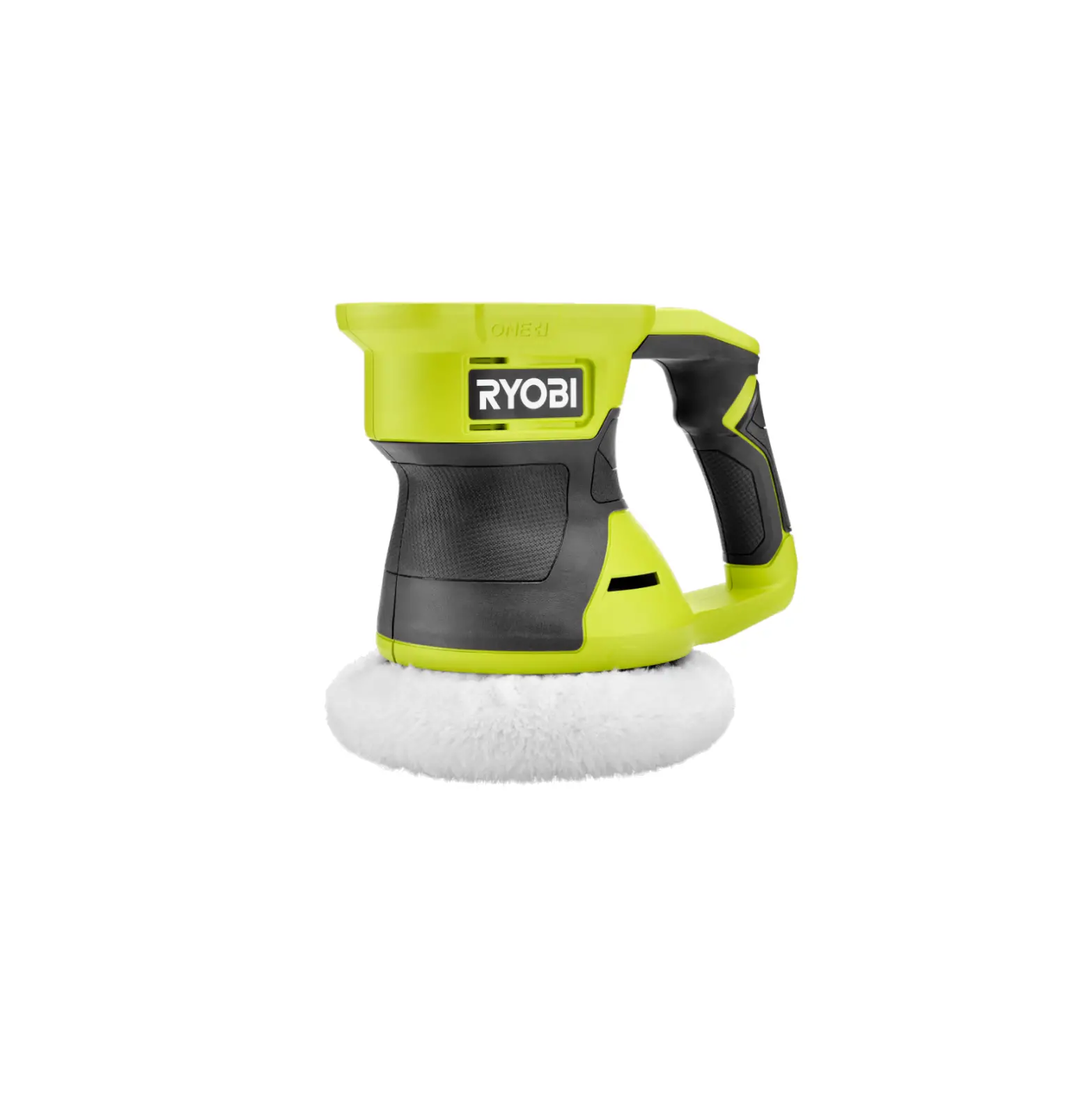
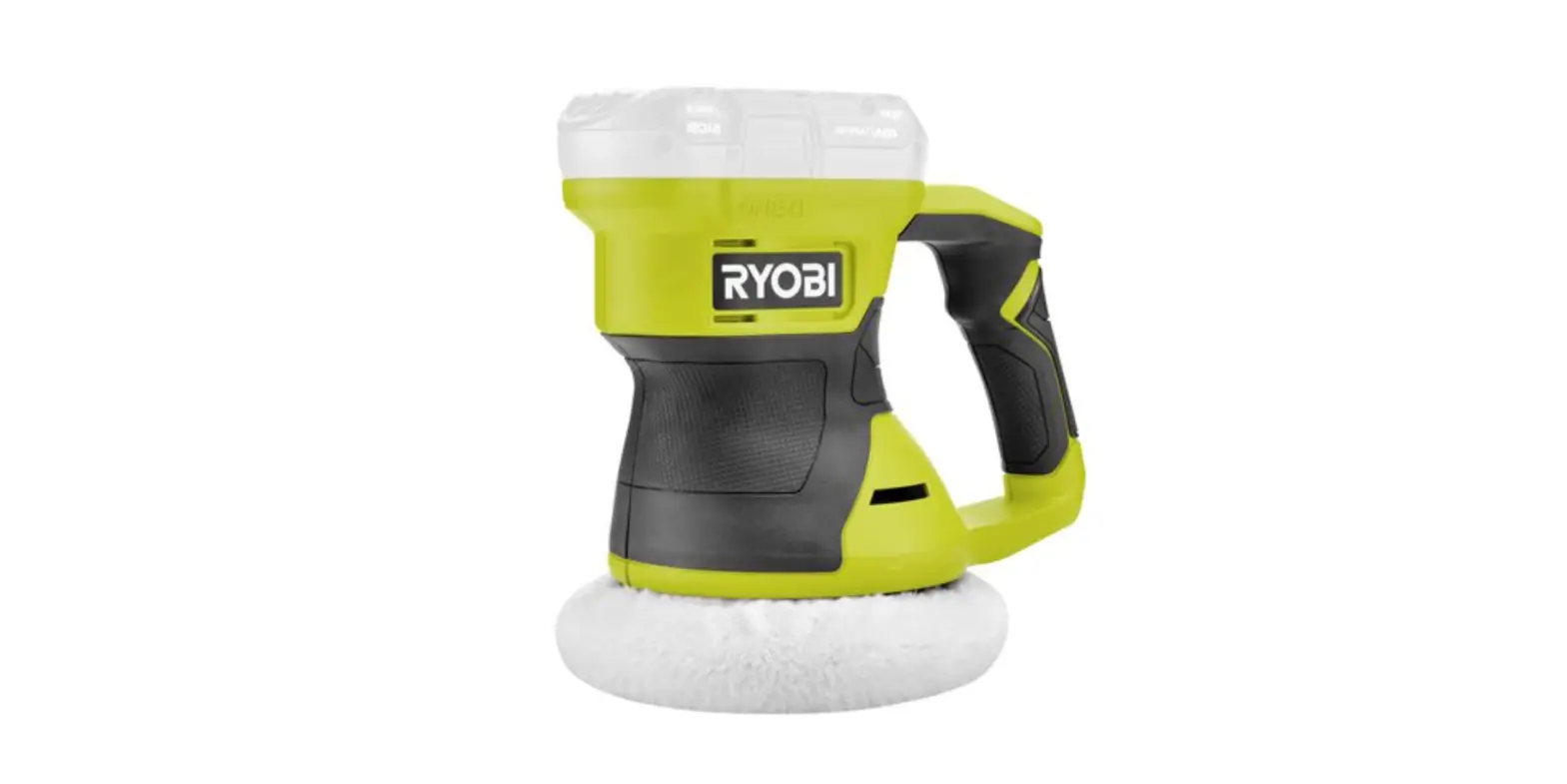
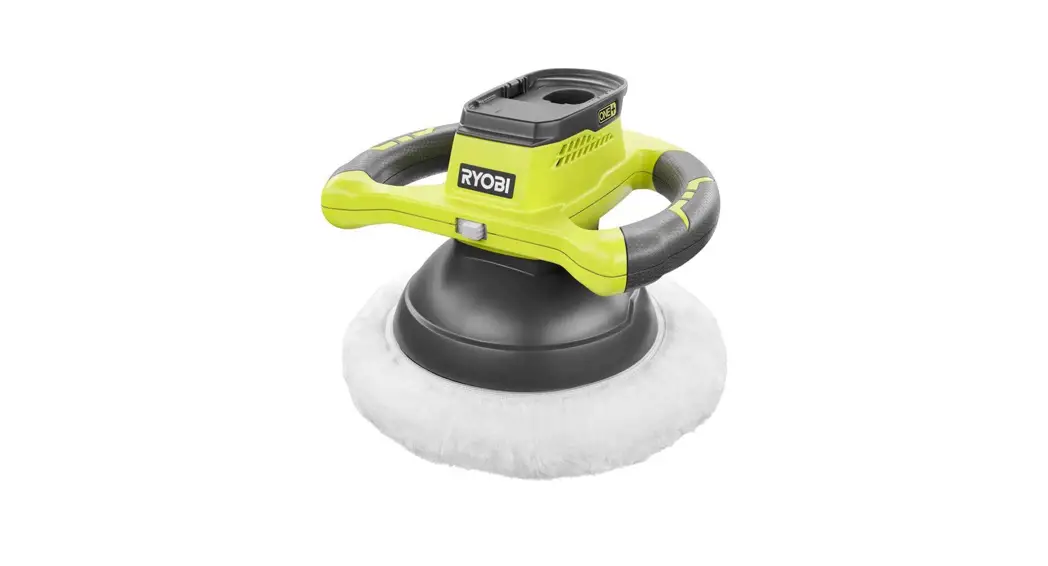
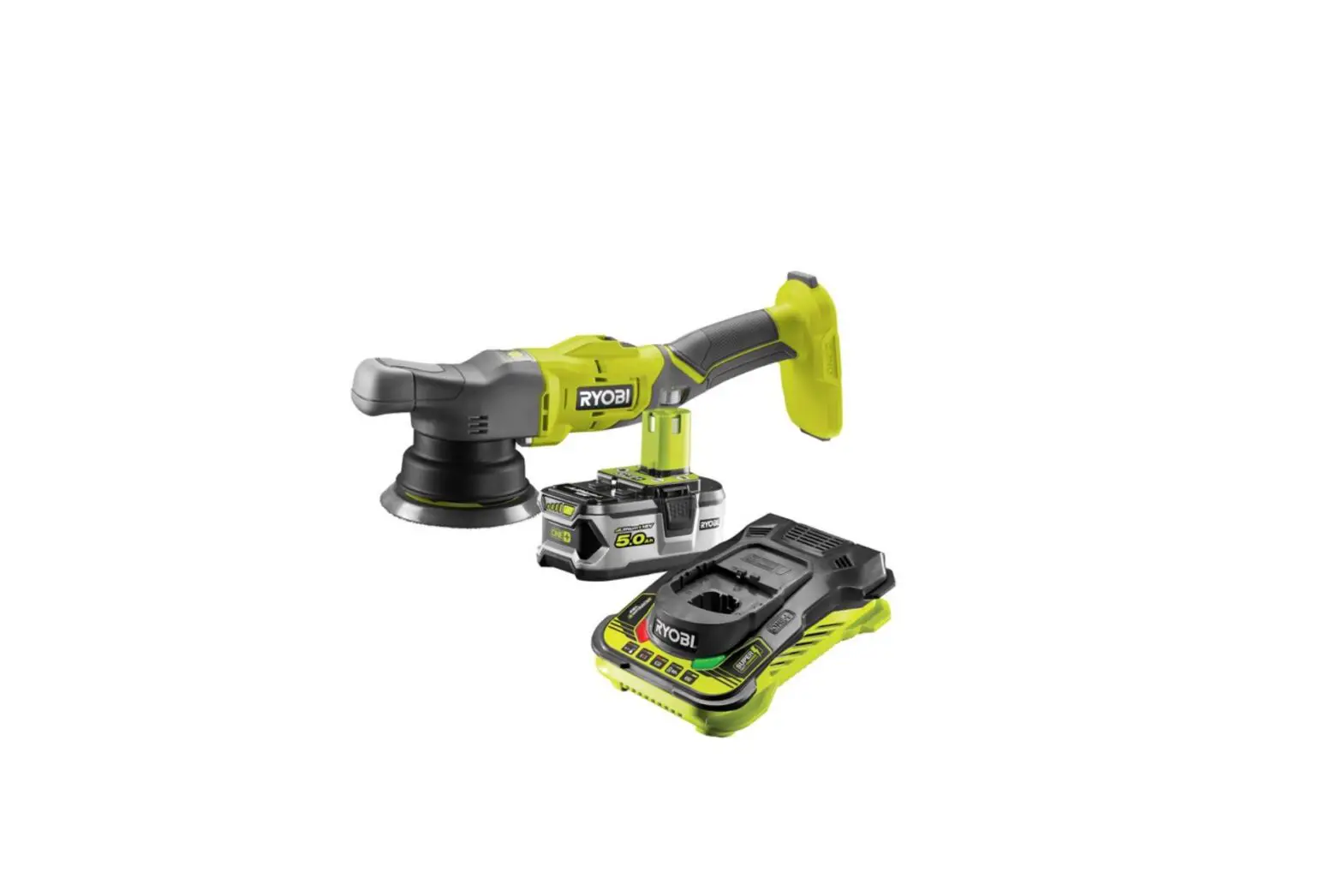
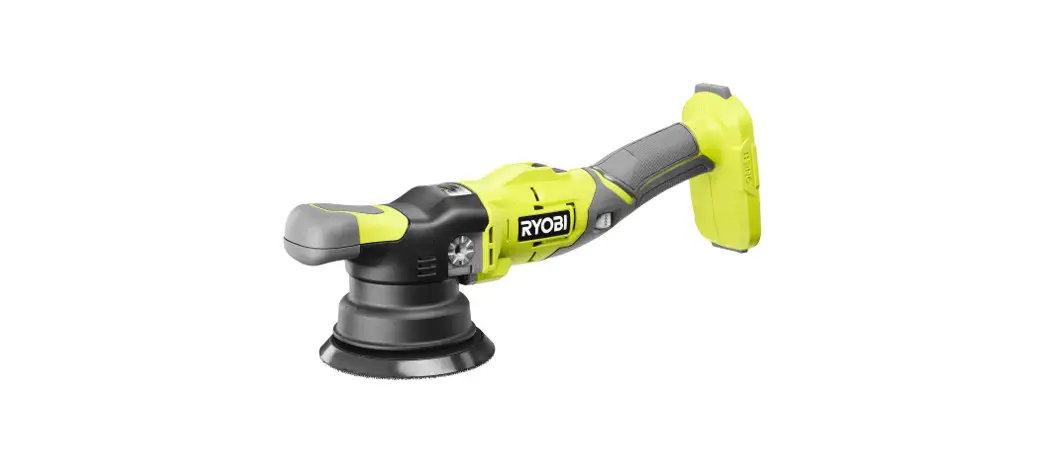
RBP18250 18V ONE+ 250mm 10 Inch Random Orbital Buffer Polisher
Product Information: RBP18250 Buffer/Polisher
The RBP18250 is a power tool designed for buffing and polishing
various surfaces. Safety, performance, and dependability have been
given top priority in the design of this buffer/polisher.
The product is subject to technical modification. It is
essential to read the instructions in the manual before assembling,
operating, and maintaining the product.
The buffer/polisher is intended for use in a safe and
appropriate manner. Failure to follow the safety warnings and
instructions may result in electric shock, fire, and/or serious
injury. The product comes with general power tool safety warnings
that must be read carefully before use.
Product Usage Instructions
Work Area Safety:
- Keep the work area clean and well-lit to prevent
accidents. - Avoid using the buffer/polisher in explosive atmospheres, such
as in the presence of flammable liquids, gases or dust. This can
cause sparks that may ignite the dust or fumes. - Keep children and bystanders away while operating the tool to
prevent distractions that could cause loss of control.
Electrical Safety:
- Ensure that the power tool plugs match the outlet.
- When using the tool outdoors, use an extension cord suitable
for outdoor use to reduce the risk of electric shock. - If using the buffer/polisher in a damp location is unavoidable,
use a residual current device (RCD) protected supply to reduce the
risk of electric shock.
Personal Safety:
- Stay alert and use common sense when operating the
buffer/polisher. Do not use the tool while tired or under the
influence of drugs, alcohol, or medication. - Always wear eye protection and other personal protective
equipment such as a dust mask, non-skid safety shoes, hard hat, or
hearing protection depending on the working conditions. - Ensure that the switch is in the off-position before connecting
to a power source and/or battery pack, picking up or carrying the
tool to prevent unintentional starting. - Remove any adjusting key or wrench before turning on the power
tool to prevent personal injury. - Do not overreach, keep proper footing and balance at all times
to maintain control of the buffer/polisher in unexpected
situations. - Avoid wearing loose clothing, jewelry, or keeping long hair
near moving parts to prevent entanglement. - If devices are provided for the connection of dust extraction
and collection facilities, ensure that they are connected and
properly used to reduce dust-related hazards. - Do not become complacent with frequent use of the tool and
ignore safety principles as a careless action can cause severe
injury within a fraction of a second.
By following the product usage instructions and safety
precautions, you can ensure safe and effective operation of the
RBP18250 buffer/polisher.
RBP18250
IMPORTANT! It is essential that you read the instructions in this manual before assembling, operating, and maintaining the product. Subject to technical modification.
Safety, performance, and dependability have been given top priority in the design of your buffer/polisher.
INTENDED USE
The buffer/polisher is intended to be used only by adults who have read and understood the instructions and warnings in this manual, and can be considered responsible for their actions. The product is intended for polishing and buffing cars, boats, recreational vehicles, watercrafts, motorcycles, hardwood floors, and large furniture. The product is intended for consumer use only. Do not use the product for any other purpose. Use of the product for operations different from intended could result in a hazardous situation.
GENERAL POWER TOOL SAFETY WARNINGS
WARNING! Read all safety warnings, instructions, illustrations and specifications provided with this power tool. Failure to follow all instructions listed below may result in electric shock, fire and/or serious injury. Save all warnings and instructions for future reference. The term “power tool” in the warnings refers to your mainsoperated (corded) power tool or battery-operated (cordless) power tool.
WORK AREA SAFETY Keep work area clean and well lit. Cluttered or dark
areas invite accidents. Do not operate power tools in explosive
atmospheres, such as in the presence of flammable liquids, gases or dust. Power tools create sparks which may ignite the dust or fumes. Keep children and bystanders away while operating a power tool. Distractions can cause you to lose control.
ELECTRICAL SAFETY Power tool plugs must match the outlet. Never
modify the plug in any way. Do not use any adapter plugs with earthed (grounded) power tools. Unmodified plugs and matching outlets will reduce risk of electric shock. Avoid body contact with earthed or grounded surfaces, such as pipes, radiators, ranges and refrigerators. There is an increased risk of electric shock if your body is earthed or grounded. Do not expose power tools to rain or wet conditions. Water entering a power tool will increase the risk of electric shock. Do not abuse the cord. Never use the cord for carrying, pulling or unplugging the power tool. Keep cord away from heat, oil, sharp edges or moving parts. Damaged or entangled cords increase the risk of electric shock.
When operating a power tool outdoors, use an extension cord suitable for outdoor use. Use of a cord suitable for outdoor use reduces the risk of electric shock.
If operating a power tool in a damp location is unavoidable, use a residual current device (RCD) protected supply. Use of an RCD reduces the risk of electric shock.
PERSONAL SAFETY
Stay alert, watch what you are doing and use common sense when operating a power tool. Do not use a power tool while you are tired or under the influence of drugs, alcohol or medication. A moment of inattention while operating power tools may result in serious personal injury.
Use personal protective equipment. Always wear eye protection. Protective equipment such as a dust mask, non-skid safety shoes, hard hat or hearing protection used for appropriate conditions will reduce personal injuries.
Prevent unintentional starting. Ensure the switch is in the off-position before connecting to power source and/or battery pack, picking up or carrying the tool. Carrying power tools with your finger on the switch or energising power tools that have the switch on invites accidents.
Remove any adjusting key or wrench before turning the power tool on. A wrench or a key left attached to a rotating part of the power tool may result in personal injury.
Do not overreach. Keep proper footing and balance at all times. This enables better control of the power tool in unexpected situations.
Dress properly. Do not wear loose clothing or jewellery. Keep your hair and clothing away from moving parts. Loose clothes, jewellery or long hair can be caught in moving parts.
If devices are provided for the connection of dust extraction and collection facilities, ensure these are connected and properly used. Use of dust collection can reduce dust-related hazards.
Do not let familiarity gained from frequent use of tools allow you to become complacent and ignore tool safety principles. A careless action can cause severe injury within a fraction of a second.
POWER TOOL USE AND CARE
Do not force the power tool. Use the correct power tool for your application. The correct power tool will do the job better and safer at the rate for which it was designed.
Do not use the power tool if the switch does not turn it on and off. Any power tool that cannot be controlled with switch is dangerous and must be repaired.
Disconnect the plug from the power source and/ or remove the battery pack, if detachable, from the power tool before making any adjustments, changing accessories, or storing power tools. Such preventive safety measures reduce the risk of starting the power tool accidentally.
Store idle power tools out of the reach of children and do not allow persons unfamiliar with the power
2 Original Instructions
tool or these instructions to operate the power tool. Power tools are dangerous in the hands of untrained users.
Maintain power tools and accessories. Check for misalignment or binding of moving parts, breakage of parts and any other condition that may affect the power tool’s operation. If damaged, have the power tool repaired before use. Many accidents are caused by poorly maintained power tools.
Keep cutting tools sharp and clean. Properly maintained cutting tools with sharp cutting edges are less likely to bind and are easier to control.
Use the power tool, accessories and tool bits etc. in accordance with these instructions, taking into account the working conditions and the work to be performed. Use of the power tool for operations different from those intended could result in a hazardous situation.
Keep handles and grasping surfaces dry, clean and free from oil and grease. Slippery handles and grasping surfaces do not allow for safe handling and control of the tool in unexpected situations.
BATTERY TOOL USE AND CARE
Recharge only with the charger specified by the manufacturer. A charger that is suitable for one type of battery pack may create a risk of fire when used with another battery pack.
Use power tools only with specifically designated battery packs. Use of any other battery packs may create a risk of injury and fire.
When battery pack is not in use, keep it away from other metal objects, like paper clips, coins, keys, nails, screws or other small metal objects, that can make a connection from one terminal to another. Shorting the battery terminals together may cause burns or a fire.
Under abusive conditions, liquid may be ejected from the battery; avoid contact. If contact accidentally occurs, flush with water. If liquid contacts eyes, additionally seek medical help. Liquid ejected from the battery may cause irritation or burns.
Do not use a battery pack or tool that is damaged or modified. Damaged or modified batteries may exhibit unpredictable behaviour resulting in fire, explosion or risk of injury.
Do not expose a battery pack or tool to fire or excessive temperature. Exposure to fire or temperature above 130°C may cause explosion.
Follow all charging instructions and do not charge the battery pack or tool outside the temperature range specified in the instructions. Charging improperly or at temperatures outside the specified range may damage the battery and increase the risk of fire.
SERVICE
Have your power tool serviced by a qualified repair person using only identical replacement parts. This will ensure that the safety of the power tool is maintained.
Never service damaged battery packs. Service of battery packs should only be performed by the manufacturer or authorised service providers.
BUFFER/POLISHER SAFETY WARNINGS
Clamp workpiece with a clamping device. Unclamped workpieces can cause severe injury and damage.
Injuries may be caused or aggravated by prolonged use of a tool. When using any tool for prolonged periods, ensure you take regular breaks.
Ambient temperature range for tool during operation is between 0°C and 40°C.
Ambient temperature range for tool storage is between 0°C and 40°C.
The recommended ambient temperature range for the charging system during charging is between 10°C and 38°C.
ADDITIONAL BATTERY SAFETY WARNINGS
To reduce the risk of fire, personal injury, and product damage due to a short circuit, never immerse your tool, battery pack or charger in fluid or allow a fluid to flow inside them. Corrosive or conductive fluids, such as seawater, certain industrial chemicals, and bleach or bleach-containing products, etc., can cause a short circuit.
Ambient temperature range for battery during use is between 0 °C and 40° C.
Ambient temperature range for battery storage is between 0 °C and 20° C.
TRANSPORTING LITHIUM BATTERIES
Transport the battery in accordance with local and national provisions and regulations.
Follow all special requirements on packaging and labelling when transporting batteries by a third party. Ensure that no batteries can come in contact with other batteries or conductive materials while in transport by protecting exposed connectors with insulating, non-conductive caps or tape. Do not transport batteries that are cracked or leaking. Check with the forwarding company for further advice.
MAINTENANCE
The product should never be connected to a power supply when assembling parts, making adjustments, cleaning, performing maintenance, or when the product is not in use. Disconnecting the product from the power supply will prevent accidental starting that could cause serious injury.
When servicing, use only original manufacturer’s replacement parts, accessories and attachments. Use of any other parts may create a hazard or cause product damage.
Avoid using solvents when cleaning plastic parts. Most plastics are susceptible to various types of commercial solvents and may be damaged by their use. Use clean cloths to remove dirt, carbon dust, etc.
Do not at any time let brake fluids, gasoline, petroleumbased products, penetrating oils, etc., come in contact with plastic parts. Chemicals can damage, weaken or destroy plastic which may result in serious personal injury.
For greater safety and reliability, all repairs should be performed by an authorised service centre.
Original Instructions 3
SYMBOLS ON THE PRODUCT
Safety alert
V
Volts
Direct current
min-1 Revolutions or reciprocations per minute
No-load speed
Diameter
Regulatory Compliance Mark (RCM). Product meets applicable regulatory requirements.
Please read the instructions carefully before starting the product.
Do not dispose of waste batteries, waste electrical and electronic equipment as unsorted municipal waste. Waste batteries and waste electrical and electronic equipment must be collected separately. Waste batteries, waste accumulators, and light sources have to be removed from the equipment. Check with your local authority or retailer for recycling advice and collection point. According to local regulations, retailers may have an obligation to take back waste batteries and waste electrical and electronic equipment free of charge. Your contribution to the reuse and recycling of waste batteries and waste electrical and electronic equipment helps to reduce the demand of raw materials. Waste batteries, in particular containing lithium, and waste electrical and electronic equipment contain valuable and recyclable materials, which can adversely impact the environment and the human health if not disposed of in an environmentally compatible manner. Delete personal data from waste equipment, if any.
SYMBOLS IN THIS MANUAL
Note
Parts or accessories sold separately Lock Unlock
4 Original Instructions
Off On Speed, minimum Speed, maximum
Battery port Speed control Handle, insulated gripping surface
Rotating base
Application bonnet
Buffing/polishing bonnet Operator’s manual Battery pack Charger
5
1
5
2
50 45
6
55 4
2 1
1
5
7
3
10
11
12
5 4
5 4
6
3
4
5
6
8
1
50 45
2
9
2 3
1
10
1
13
55 4
2 1
1
5
14
3
5 4
5 4
7
20220707v1d3
PRODUCT SPECIFICATIONS
Buffer / Polisher
Model
RBP18250
Voltage No-load speed
18 V 2000-3600 min-1
Buffing pad size
250 mm
Orbital diameter
12.5 mm
Weight (According to EPTA procedure 01/2014)
2.4 kg (1.5Ah) 3.2 kg (9.0Ah)
Weight – not incl. battery pack
2.03 kg
Measured sound values determined according to EN 62841:
A-weighted sound pressure level
LpA = 65.0 dB(A)
Uncertainty K
3 dB(A)
A-weighted sound power level Uncertainty K
LWA = 73.0 dB(A) 3 dB(A)
Wear ear protectors.
Weighted root mean
The vibration total values (triaxial vector sum) determined according to EN 62841:
Vibration emission value
ah, D = 6.7 m/s2
Uncertainty K
1.5 m/s2
BATTERY
Compatible battery pack (not included)
RB18L13
RB18L15 RB18L15A RB18L15B RB18L20
RB18L20A RB18L25 RB18L25A RB18L40
RB18L40A
RB18L50 RB18L50A RB18L60A RB18L90A RB1815C RB1820C
RB1825C RB1840C
RB1840X RB1850C RB1850X RB1860X
WARNING! The declared vibration total values and the declared noise emission values given in this instruction manual have been measured in accordance with a standardised test and may be used to compare one tool with another. They may be used for a preliminary assessment of exposure.
The declared vibration and noise emission values represent the main applications of the tool. However, if the tool is used for different applications, used with different accessories, or poorly maintained, the vibration and noise emission may differ. These conditions may significantly increase the exposure levels over the total working period. An estimation of the level of exposure to vibration and noise should take into account the times when the tool is turned off or when it is running idle. These conditions may significantly reduce the exposure level over the total working period.
Identify additional safety measures to protect the operator from the effects of vibration and noise, such as maintaining the tool and the accessories, keeping the hands warm (in case of vibration), and organising work patterns.
Imported by: Techtronic Industries Australia Pty Ltd 31 Gilby Road, Mount Waverley, VIC 3149 Melbourne, Australia
Techtronic Industries N.Z. Limited Unit C, 70 Business Parade South, Highbrook, Auckland 2013, New Zealand
RYOBI is a trade mark of Ryobi Limited, and is used under license.
01913900301Q-01