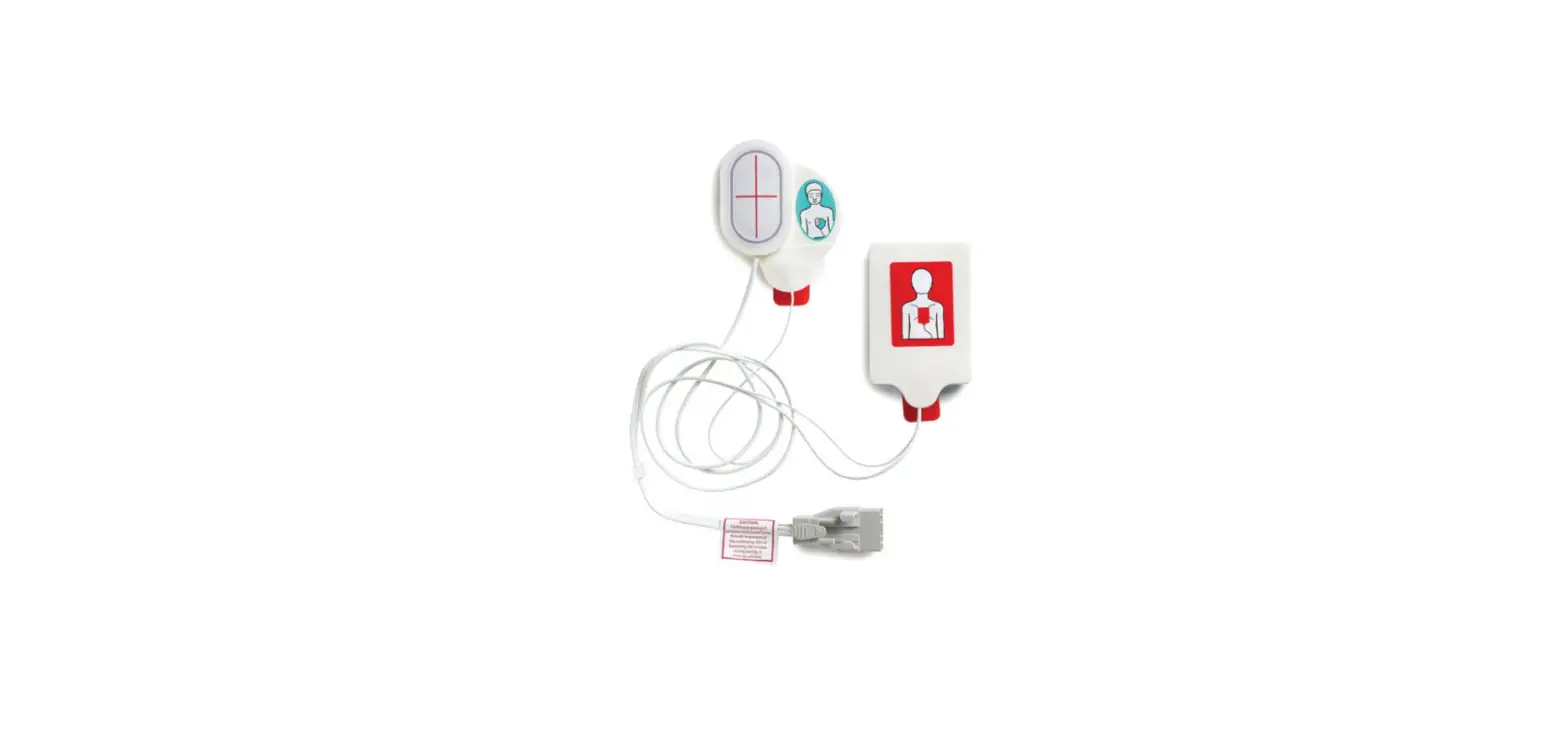
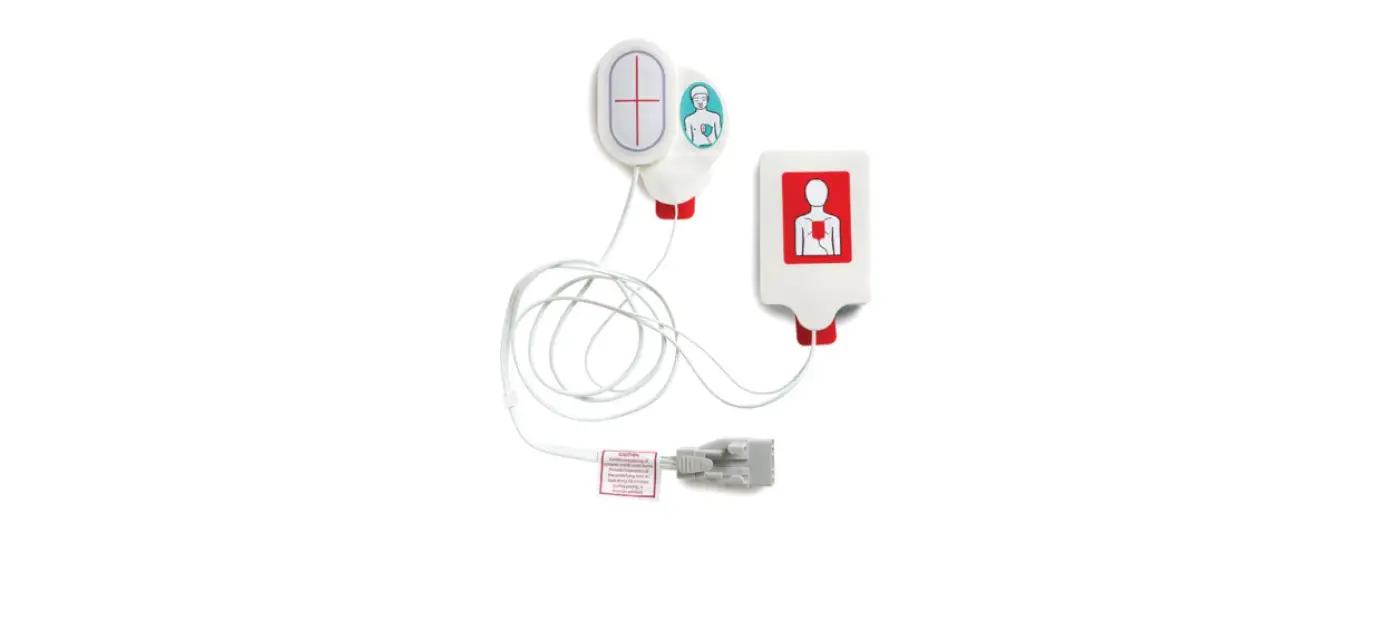
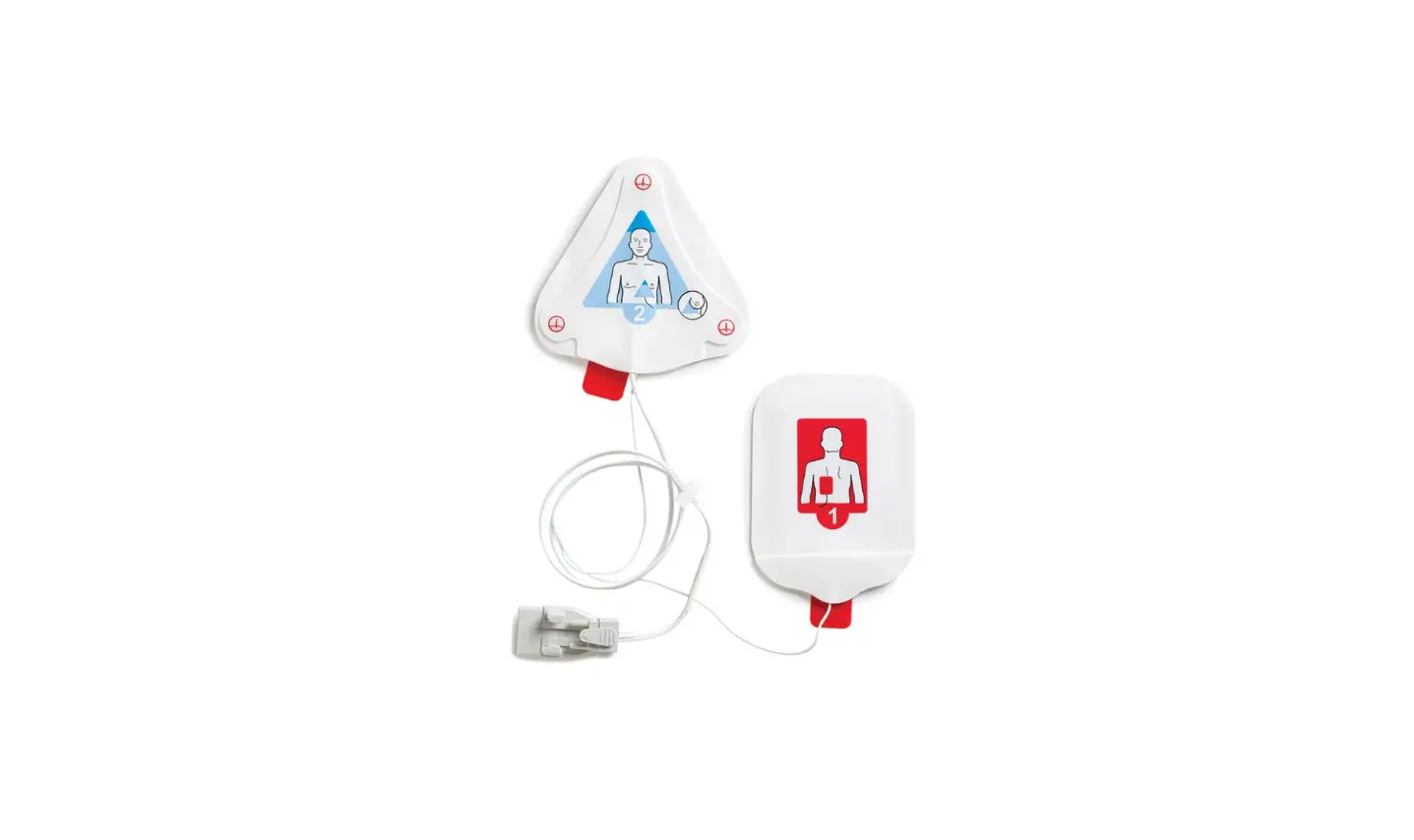
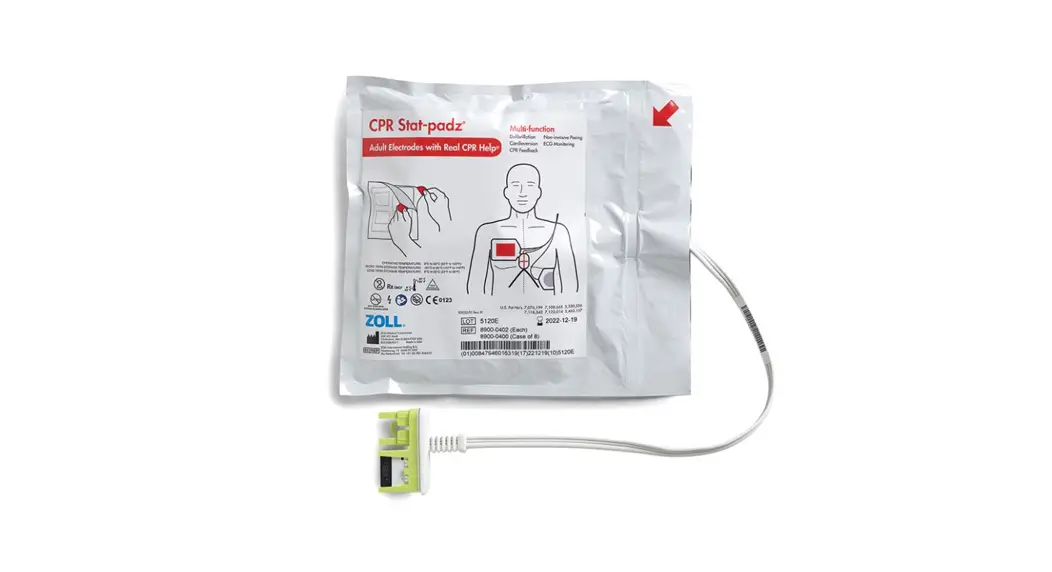
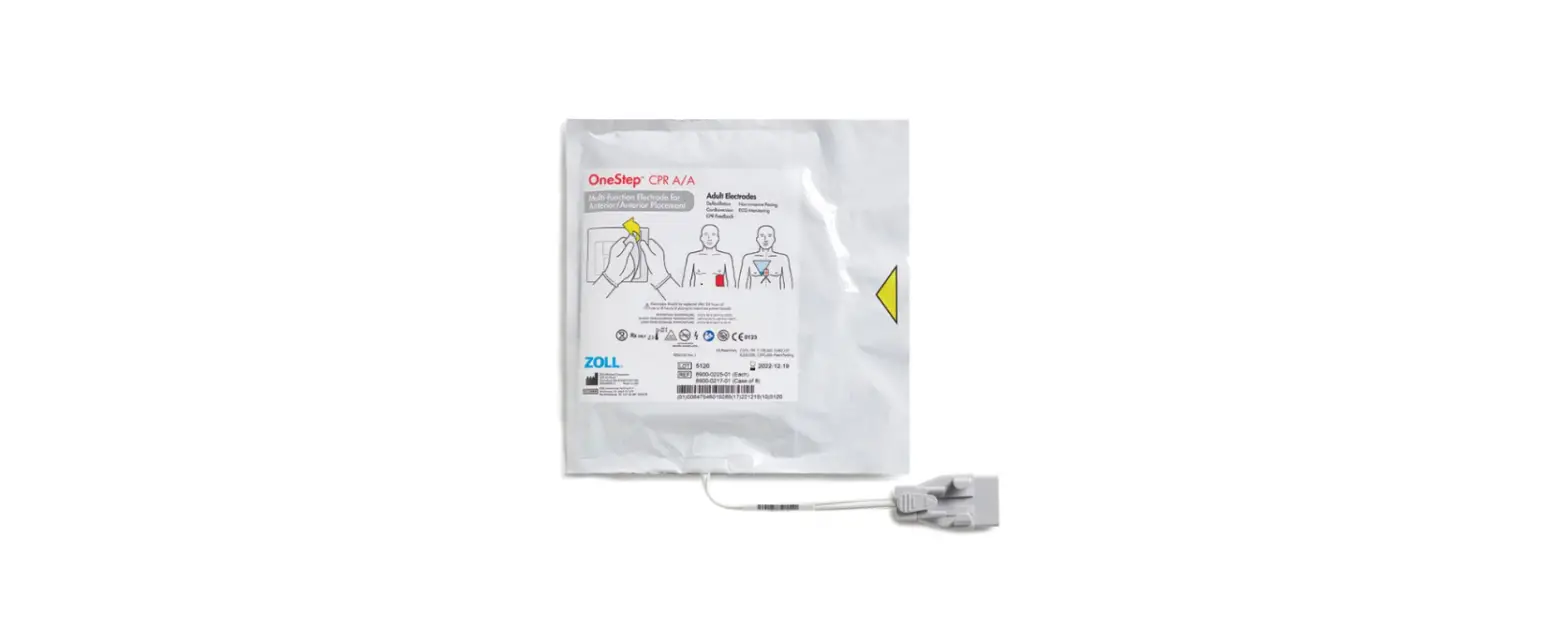
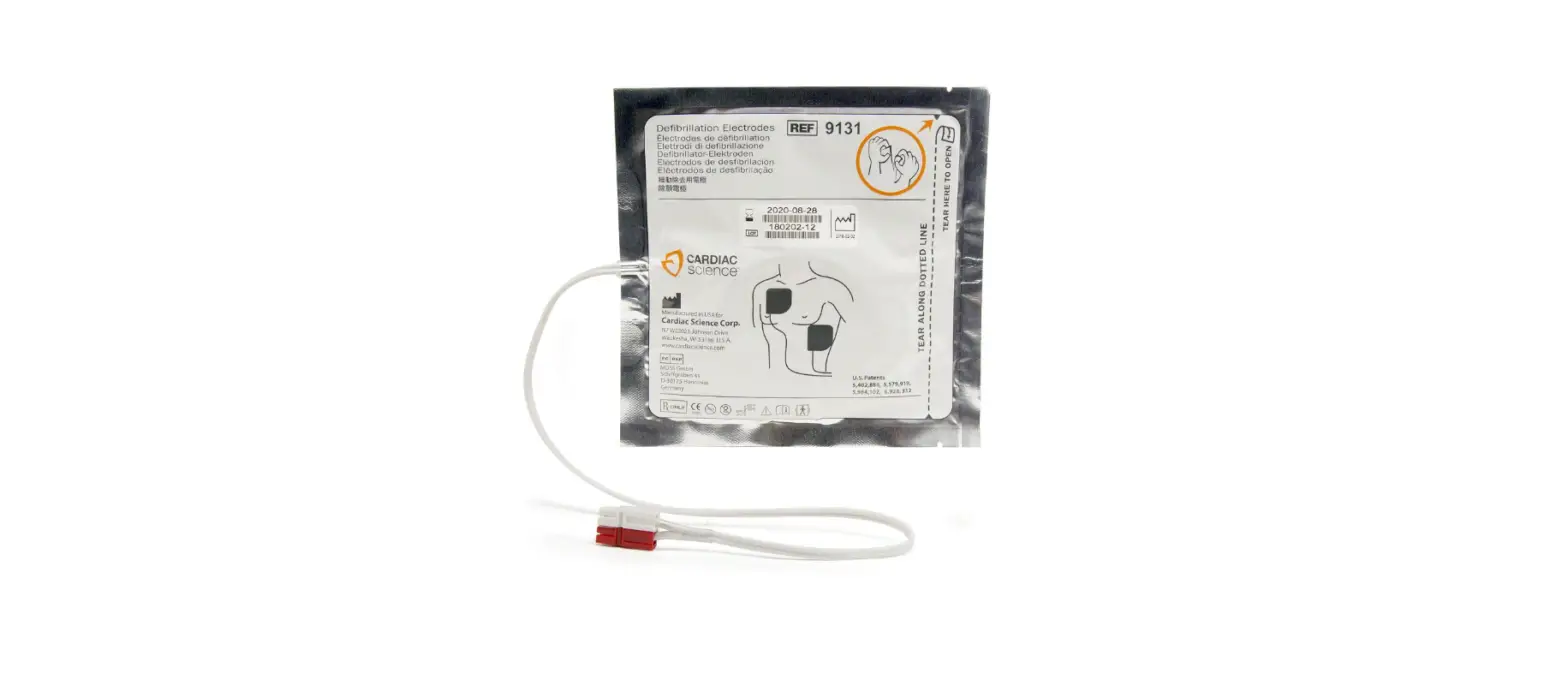
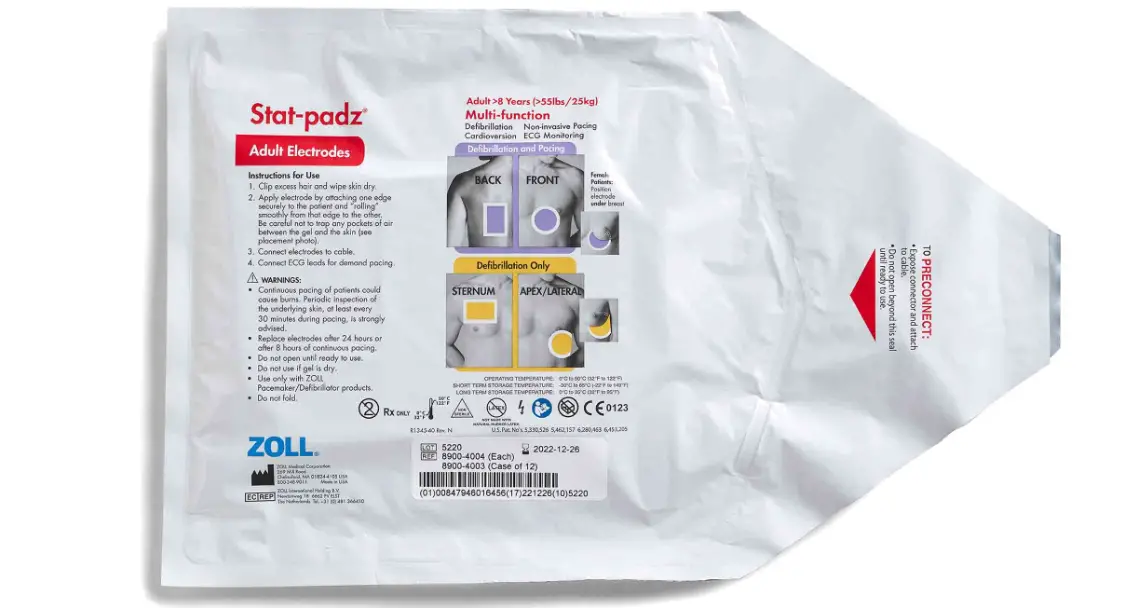
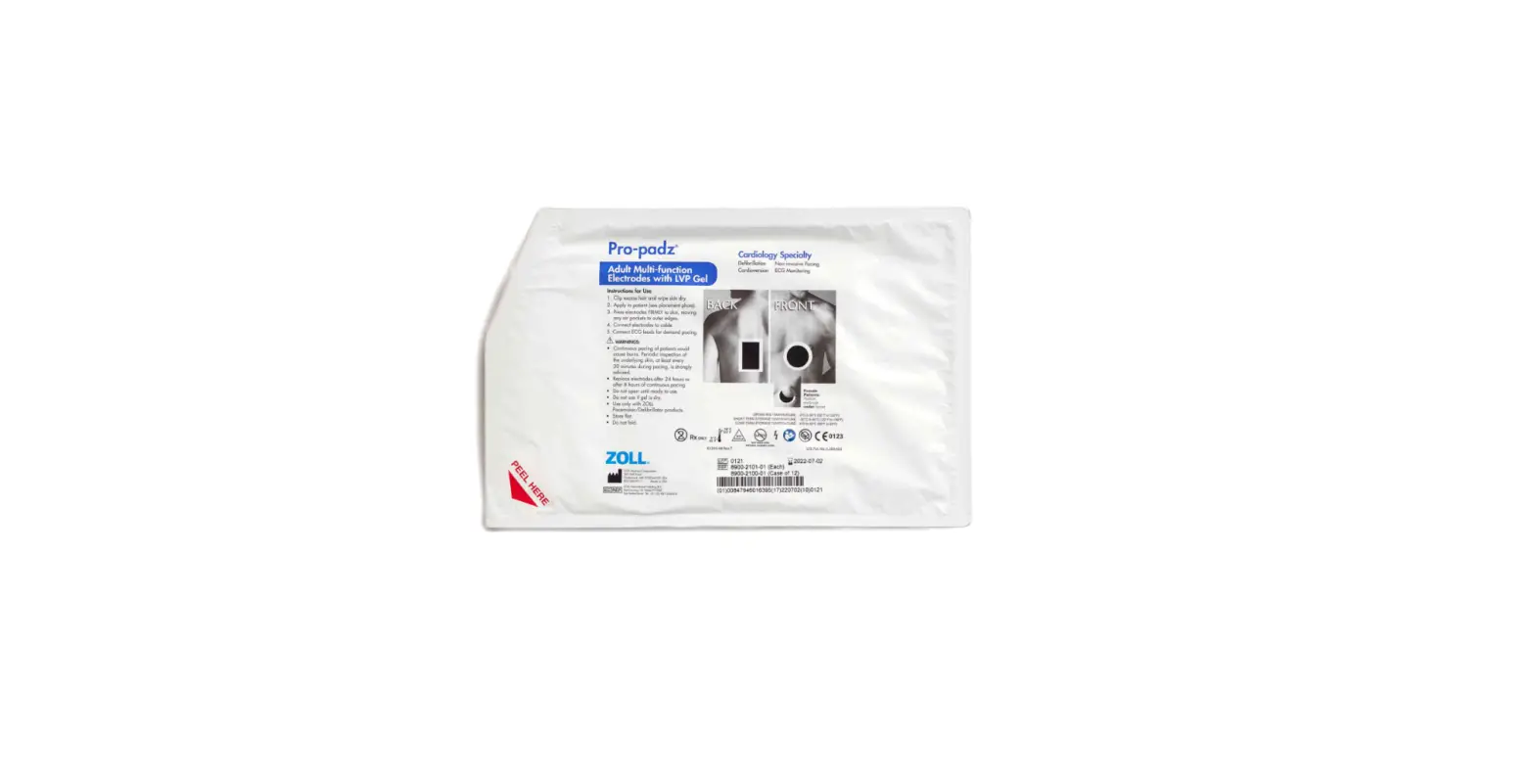
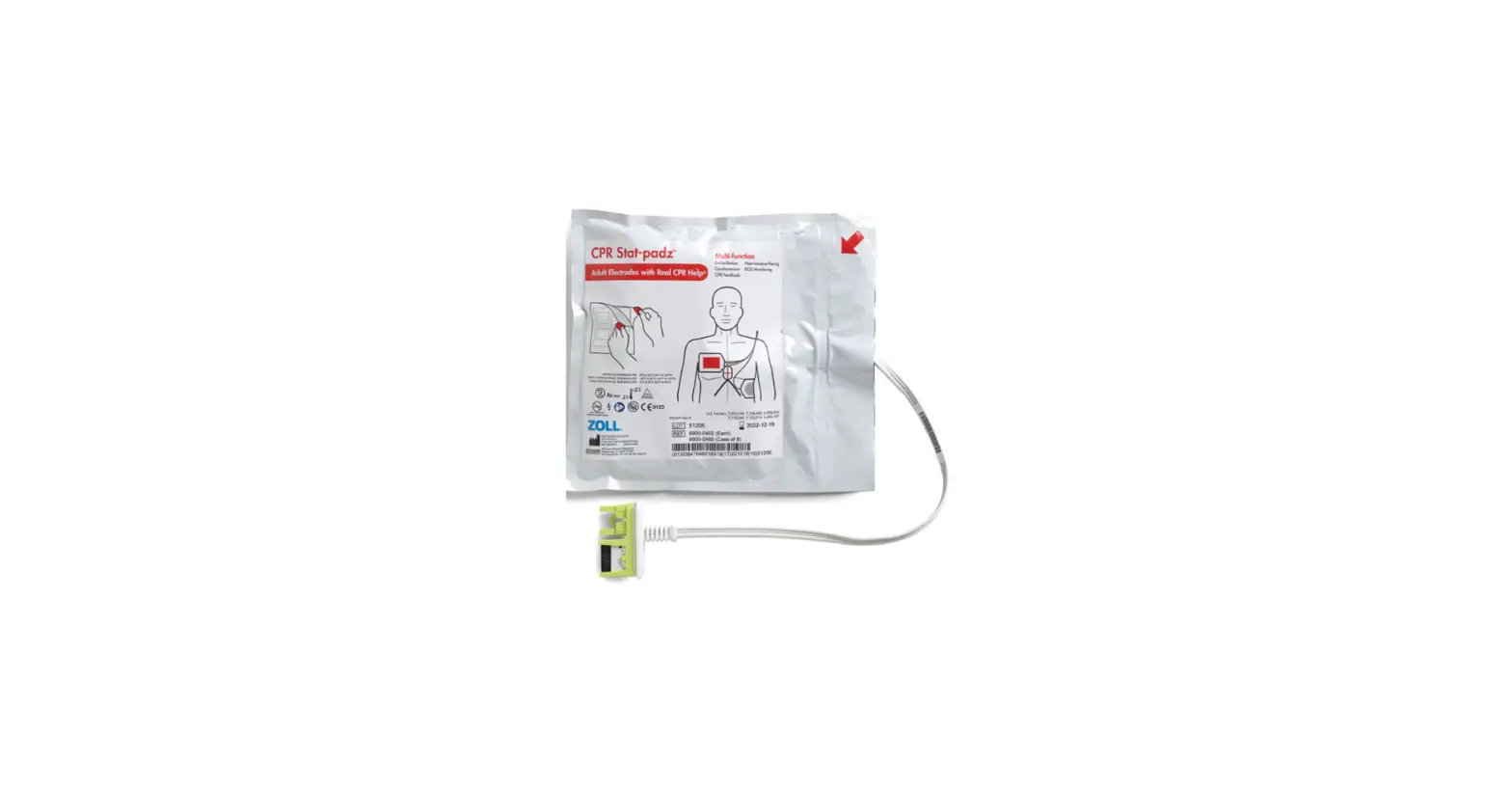
R2135 OneStep Pediatric Electrodes
Product Information
The OneStepTM Pediatric Electrodes with Green Connector are
designed for defibrillation, noninvasive pacing, cardioversion, and
ECG monitoring of pediatric patients. These electrodes are not made
with natural rubber latex and come with an expiration date.
It is important to note that using adult electrodes or pediatric
electrodes other than OneStep Pediatric Electrodes can result in
adult-oriented shock advisory outcome and the delivery of adult
energies to pediatric patients. Pediatric energy levels must be
manually set to site-specific clinical protocols when using OneStep
Pediatric Electrodes on defibrillators other than R Series or AED
Pro.
Product Usage Instructions
- Do not open electrode packaging until ready to use.
- Periodically inspect electrode packaging for integrity and
expiration date. - Attach electrode connector to AED Pro or ZOLL Multi-Function
cable and connector. - Open electrode package by pulling apart at the yellow
arrow. - Ensure skin is clean and dry. Remove any debris, ointments,
etc. with water (and mild soap if needed). Wipe off excess
moisture/diaphoresis with a dry cloth. - Apply one edge of the pad securely to the patient and roll the
pad smoothly from that edge to the other. Be careful not to trap
any pockets of air between the gel and skin. - Connect electrodes to Defibrillator/Pacer cable.
- Connect ECG leads for demand pacing.
- Always apply Back electrode first. Grasp the Back/Sternum
electrode at the bottom and peel from the plastic liner. Apply
electrode centered along the spine of the patient. - If Front electrode is already in place when patient is being
maneuvered for placement of the Back electrode, the Front electrode
may become partially lifted. This could lead to arcing and skin
burns. - Grasp the Apex/Front electrode at the bottom and peel from the
plastic liner. Apply over cardiac apex with the nipple alongside
adhesive area. Avoid any contact between nipple and gel treatment
area. - Do not use if gel is dry. Dried out gel can lead to skin
burning. Do not open pouch until ready to use. Do not use
electrodes past the expiration date on the pouch label. - Do not fold electrodes or packaging. Any fold in or other
damage to the conductive element could lead to the possibility of
arcing and/or skin burns. - After patient movement due to muscle contraction or patient
repositioning, press pads to skin to ensure good coupling between
pads and skin.
OneStepTM Pediatric Electrodes with Green Connector Instructions for Use
OPERATING TEMPERATURE: 0°C to 50°C (32°F to 122°F) SHORT TERM STORAGE TEMPERATURE: -30°C to 65°C (-22°F to 149°F) LONG TERM STORAGE TEMPERATURE: 0°C to 35°C (32°F to 95°F)
Rx ONLY 0° C 32° F
50° C 122° F
INDICATIONS FOR USE
NOT MADE WITH NATURAL RUBBER LATEX.
R2135-02 Rev. E
Defibrillation Noninvasive Pacing Cardioversion ECG monitoring
For use on pediatric patients with ZOLL® R Series® and 8009-0020 connector, and AED Pro® with software version 2.86 or higher by trained personnel including Physicians, Nurses, Paramedics, Emergency Medical Technicians and Cardiovascular Laboratory Technicians. OneStep Pediatric electrodes are indicated for use on a patient less than 8 years of age or weighing less than 55lbs (25kg).
Use of R Series with adult electrodes or pediatric electrodes other than OneStep Pediatric Electrodes can result in adult oriented shock advisory outcome and the delivery of adult energies to pediatric patients.
Pediatric energy levels must be manually set to site-specific clinical protocols when using OneStep Pediatric Electrodes on defibrillators other than R Series or AED Pro. Refer to defibrillator operator’s manual.
PRECONNECTING THE ELECTRODES
1. Do not open until ready to use. 2. Periodically inspect electrode packaging for integrity & expiration date. 3. Attach electrode connector to AED Pro or ZOLL Multi-Function cable and connector. 4. Open electrode package by pulling apart at yellow arrow. 5. Self test connection disengages after the electrode has been removed from the liner.
SKIN PREPARATION
Ensure skin is clean and dry. Remove any debris, ointments, etc. with water (and mild soap if needed). Wipe off excess moisture/diaphoresis with dry cloth.
1
Pad
Skin
2
ELECTRODE APPLICATION Instructions
1. Apply one edge of the pad securely to the patient. 2. “Roll” the pad smoothly from that edge to the other.
Be careful not to trap any pockets of air between the gel and skin. 3. Connect electrodes to Defibrillator/Pacer cable. 4. Connect ECG leads for demand pacing.
Poor adherence and/or air under the electrodes can lead to the possibility of arcing and skin burns.
BACK
ELECTRODE PLACEMENT (ANTERIOR-POSTERIOR)
Recommended for defibrillation, noninvasive pacing, cardioversion, and ECG monitoring of pediatric patients.
Grasp the Back/Sternum electrode at the bottom and peel from the plastic liner. Apply electrode centered along spine of patient.
Always apply Back electrode first. If Front electrode is already in place when patient is being maneuvered for placement of the Back electrode, the Front electrode may become partially lifted. This could lead to arcing and skin burns.
FRONT
Grasp the Apex/Front electrode at the bottom and peel from the plastic liner. Apply over cardiac apex with the nipple alongside adhesive area.
Avoid any contact between nipple and gel treatment area. Skin of the nipple area is more susceptible to burning.
1. Use of R Series with pediatric electrodes other than OneStep Pediatric Electrodes can result in adult oriented shock advisory outcome, and the delivery of adult energies to pediatric patients.
2. Pediatric energy levels must be manually set to site-specific clinical protocols when using OneStep Pediatric Electrodes on defibrillators other than R Series or AED Pro. Refer to defibrillator operator’s manual.
3. Do not use if gel is dry. Dried out gel can lead to skin burning. Do not open pouch until ready to use. Do not use electrodes past the expiration date on the pouch label.
4. Do not fold electrodes or packaging. Any fold in or other damage to the conductive element could lead to the possibility of arcing and/or skin burns.
5. After patient movement due to muscle contraction or patient repositioning, press pads to skin to ensure good coupling between pads and skin.
6. Continuous pacing of patients could cause burns. Periodic inspection of the underlying skin, at least every 30 minutes during pacing, is strongly advised.
WARNINGS
7. Electrodes should be replaced after 24 hours of use 13. or 1 hour of pacing.
8. These electrodes are recommended for patients
weighing less than 55lbs (25kg). For patients over 55lbs 14.
(25kg), adult electrodes are recommended. Do not
delay therapy to determine actual weight of patient
15.
during emergency.
9. U.S. Federal law restricts this device to use by or on the order of a physician.
10. Avoid electrode placement near the generator of an internal pacemaker, other electrodes or metal parts in contact with the patient.
11. Some current generated by electrosurgical units (ESU) may concentrate in the conductive gel of defibrillation electrodes, especially if an ESU grounding pad other than that recommended by the ESU manufacturer is used. Consult the ESU operator’s manual for further details.
12. To avoid electrical shock, do not touch the pads, patient, or bed when defibrillating.
Do not discharge standard paddles on or through electrodes or place separate ECG leads under pads. Doing so could lead to arcing and/or skin burning.
Device disposal shall follow hospital protocol.
Use only with ZOLL pacemaker/defibrillator products.
®
ZOLL Medical Corporation
269 Mill Road
Chelmsford, MA 01824-4105 USA
800-348-9011
Made in USA
ZOLL International Holding B.V. Newtonweg 18 6662 PV ELST The Netherlands Tel. +31 (0) 481 366410