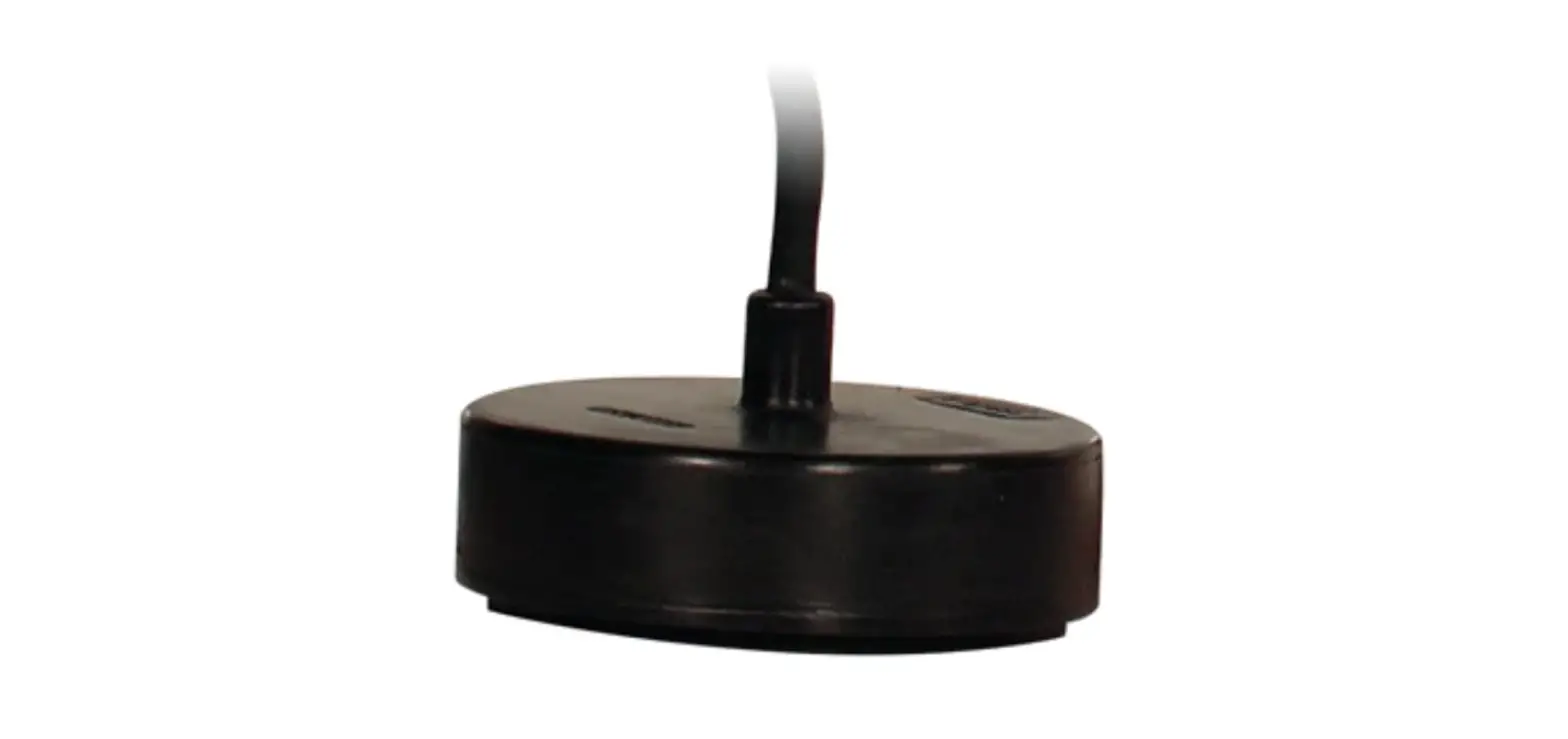
C-All Single Beam Transducer
SIMRAD C-ALL
Key Features
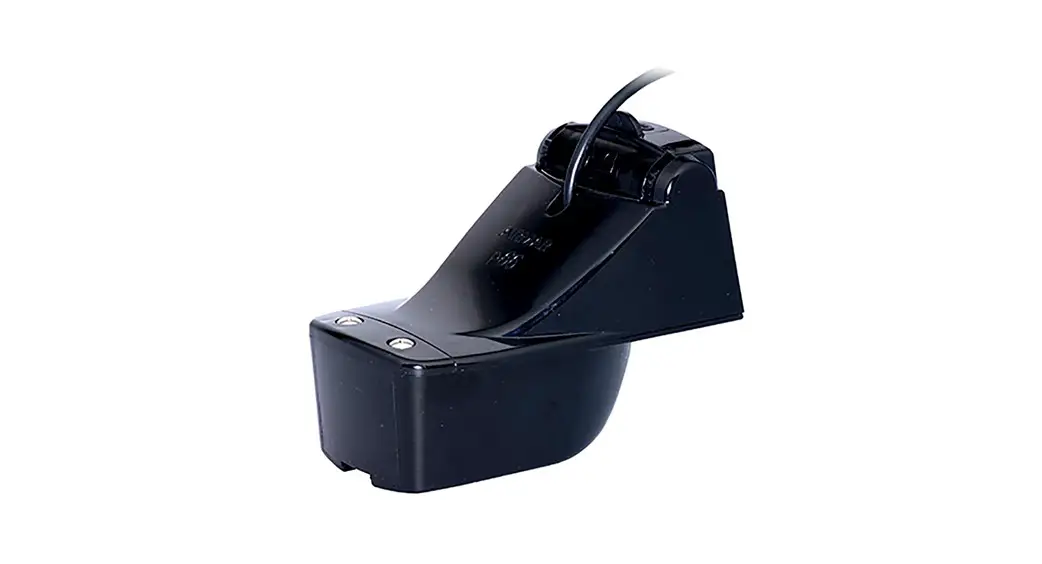
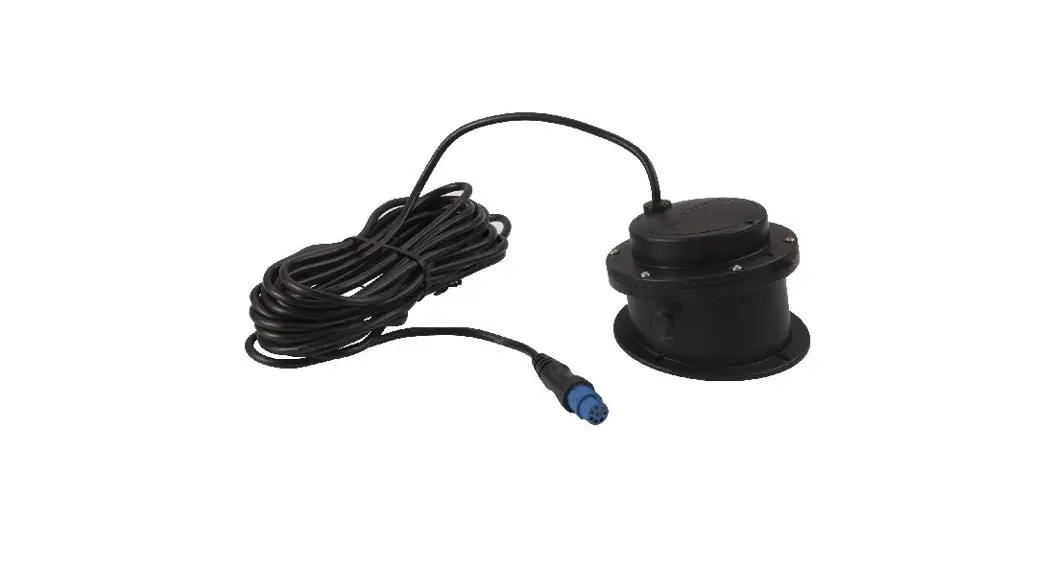
The Simrad C-All is a single beam transducer designed for fish
finding applications. The transducer body includes four different
transducer elements providing four operational frequencies: 38, 70,
120 and 200 kHz.
Order information, end user documentation and installation
drawings can be found at https://www.kongsberg.com/c-all
479238 / Rev.B / April 2022
Technical Specifications
The technical specifications and requirements provided are those
valid when operating at the nominal frequencies.
Kongsberg Maritime are continuously working to improve the
quality and performance of our products. The technical
specifications may be changed without prior notice and the
specifications refers to typical figures for the product.
Performance Specifications
- Echo sounder transducer with four frequencies
Power Specifications
- Static: 100 mm (theoretical)
- Dynamic: 185 mm (theoretical)
Weight and Outline Dimensions
- Weight: N/A
- Outline Dimensions:
- Length: 7.6 inches
- Width: 7 inches
- Height: 3.6 inches
Environment Requirements
The Simrad C-All is designed for use in marine environments.
Long-awaited Solution
The echo sounder operating frequency is important for good
results. This is because the echo strength of different fish
species varies with frequency. Some fish species are easier to find
with a high frequency than a low one, and vice versa. This is also
important if you are going to find smaller species, such as shrimp
or krill.
At the same time, lower frequencies generally have longer range.
A low frequency allows you to find both fish and the bottom when
working in deep water. For these reasons, many echo sounder systems
are equipped with more than one transducer. Some people prefer two
transducers to work with two different frequencies, others want
more. This increases the price of the echo sounder, and entails
increased installation costs.
Installation
The transducer is normally mounted flush with the hull plating
or the bottom of a blister. It is provided with an installation
flange, and by means of a clamping ring it is secured to a mounting
ring welded into the hull plating or the bottom of a blister.
The transducer can also be flush mounted at the bottom of a drop
keel.
The transducer cable penetrates the hull using a cable gland
which consists of bushing, washer, rubber gasket and packing
nipple.
Product Usage Instructions
To use the Simrad C-All echo sounder transducer:
- Mount the transducer flush with the hull plating or the bottom
of a blister using the provided installation flange and clamping
ring. - Alternatively, flush mount the transducer at the bottom of a
drop keel. - Penetrate the hull using a cable gland which consists of
bushing, washer, rubber gasket and packing nipple to connect the
transducer cable. - When operating the echo sounder, choose one of the four
operational frequencies (38, 70, 120 or 200 kHz) depending on the
type of fish species you want to find and the depth of the water
you are working in.
SIMRAD C-ALL
KEY FEATURES
· “All in one” · Compact, fits on all types
of fishing vessels · Easy to install · Four operating frequen-
cies in one single body: – 38 kHz – 70 kHz – 120 kHz – 200 kHz · Perfect fit for Simrad ES80 echo sounder with Wide Beam Transceiver (WBT)
Background photo by Sitas Baisch (Unsplash)
SIMRAD C-ALL:
Echo sounder transducer with four frequencies
The Simrad C-All is a single beam transducer designed for fish finding applications. The transducer body includes four different transducer elements providing four operational frequencies: 38, 70, 120 and 200 kHz.
Order information, end user documentation and installation drawings
See https://www.kongsberg.com/c-all
479238 / Rev.B / April 2022
Technical specifications
The technical specifications and requirements provided are those valid when operating at the nominal frequencies.
Kongsberg Maritime are continuously working to improve the quality and performance of our products. The technical specifications may be changed without prior notice and the specifications refers to typical figures for the product.
Performance specifications
· Nominal frequencies: 38, 70, 120 and 200 kHz · Bandwidth:
– 38 kHz : 35 to 42 kHz – 70 kHz : 60 to 80 khz – 120 kHz : 100 to 140 kHz – 200 kHz : 180 to 220 kHz · Beamwidth: 18° (each element) · Depth rating: 60 m · Sidelobe level: -17 dB · Impedance: 75 (each element)
Power specifications
· Max. input power: – 500 W (38 kHz) – 250 W (other frequencies)
· Maximum pulse length: 4 ms · Maximum duty cycle: 1 %
Weight and outline dimensions
· Physical dimensions: – Diameter: 300 mm – Height: 116 mm (body) – Total height: 198 mm
· Weight – In air: 9,1 kg – In air: 12,2 kg (with cable) – In water: 1,0 kg
· Cable length: 20 m · Cable diameter: 12.4±0.5 mm · Bending radius:
– Static: 100 mm (theoretical) – Dynamic: 185 mm (theoretical)
Environment requirements
· Storage temperature: Max.: +60°C Min.: -20°C
· Operating temperature: Max.: +40°C Min.: -5°C
Long-awaited solution
It is a well-established fact that the echo sounder operating frequency is important for good results. This is because the echo strength of different fish species varies with frequency. Some fish species are easier to find with a high frequency than a low one, and vice versa. This is also important if you are going to find smaller species, such as shrimp or krill.
At the same time, lower frequencies generally have longer range. A low frequency allows you to find both fish and the bottom when working in deep water. For these reasons, many echo sounder systems are equipped with more than one transducer. Some people prefer two transducers to work with two different frequencies, others want more. This increases the price of the echo sounder, and entails increased installation costs.
The C-All transducer is a long-awaited solution for many users. With four different operating frequencies in a single transducer body, you get a complete frequency range. The transducer is also specially adapted to our Wide Band Transceiver (WBT). This means that you with only a few main parts – can assemble a professional single-beam echo sounder suitable for all types of fishing.
2
Simrad C-All
Installation
The transducer is normally mounted flush with the hull plating or the bottom of a blister. It is provided with an installation flange, and by means of a clamping ring it is secured to a mounting ring welded into the hull plating or the bottom of a blister.
The transducer can also be flush mounted at the bottom of a drop keel.
The transducer cable penetrates the hull using a cable gland which consists of bushing, washer, rubber gasket and packing nipple.
Outline dimensions
&RQQHFWLQJ WR D SLQ $PSKHQRO VRFNHW
W7iKrHinWUDgQVGXFHU LV FRQQHFWHG WR WHUPLQDOV $ WKURXJK 1 RQ D FLUFXODU SLQ $PSKHQRO VRFNHW
7SH 6 7KLV VRFNHW LV XVHG RQ WKH *HQHUDO 3XUSRVH 7UDQVFHLYHU *37 DQG RQ VHYHUDO YHUVLRQV RI WKH :LGH %DQG 7UDQVFHLYHU :%7
6HFWRU
‘LJLWDO RXWSXW ‘LJLWDO JURXQG &DEOH VFUHHQ
)UHTXHQF N+] N+] N+] N+]
&DEOH FRORXUV
:KLWH %ODFN <HOORZ %ODFN *UHHQ %ODFN %OXH %ODFN 5HG %ODFN 6FUHHQ
7HUPLQDO RQ VRFNHW + ( ) & ‘ $ % / 0 1
7UDQVFHLYHU FKDQQHO
7KH FDEOH VFUHHQ PXVW EH FRQQHFWHG WR WKH KRXVLQJ RQ WKH WUDQVGXFHU SOXJ
1RWH
7KH EODFN ZLUHV LQ WKH WUDQVGXFHU FDEOH DUH QRW IRU JURXQGLQJ <RX PXVW QHYHU FRQQHFW WKHVH WRJHWKHU <RX PXVW QHYHU FRQQHFW DQ RI WKHP WR YHVVHO JURXQG :H VWURQJO UHFRPPHQG WKDW RX LQVWDOO WKH WUDQVGXFHU FDEOH LQ D VWHHO FRQGXLW
ø12.4
Forw$ ard
ø300
ø24
80
Guide cam
R5
116
R1
15
ø275 ø130
FWD
M8 Threaded depth: 12 mm
Simrad C-All
3
Rules for transducer handling
To secure the long life and accurate results, the transducer must be handled correctly. · A transducer must always be handled as a delicate item. Wrongful actions
may damage the transducer beyond repair. Observe these transducer handling rules:
· Do not activate the transducer when it is out of the water. · Do not handle the transducer roughly, avoid impacts. · Do not expose the transducer to direct sunlight or excessive heat. · Do not use high-pressure water, sandblasting, metal tools, or strong solvents
to clean the transducer face. · Do not damage the outer protective skin on the transducer face. · Do not lift the transducer by the cable. · Do not step on the transducer cable. · Do not damage the transducer cable, avoid sharp objects.
KONGSBERG MARITIME SIMRAD Strandpromenaden 50 P.O.Box 111 kongsberg.com/simrad
Switchboard: +47 3303 4000
E-mail sales: [email protected] E-mail support: [email protected]
kongsberg.com/simrad
 Simrad C-All - Kongsberg Maritime