 Cyanide
Ion Selective Electrode I User Guide
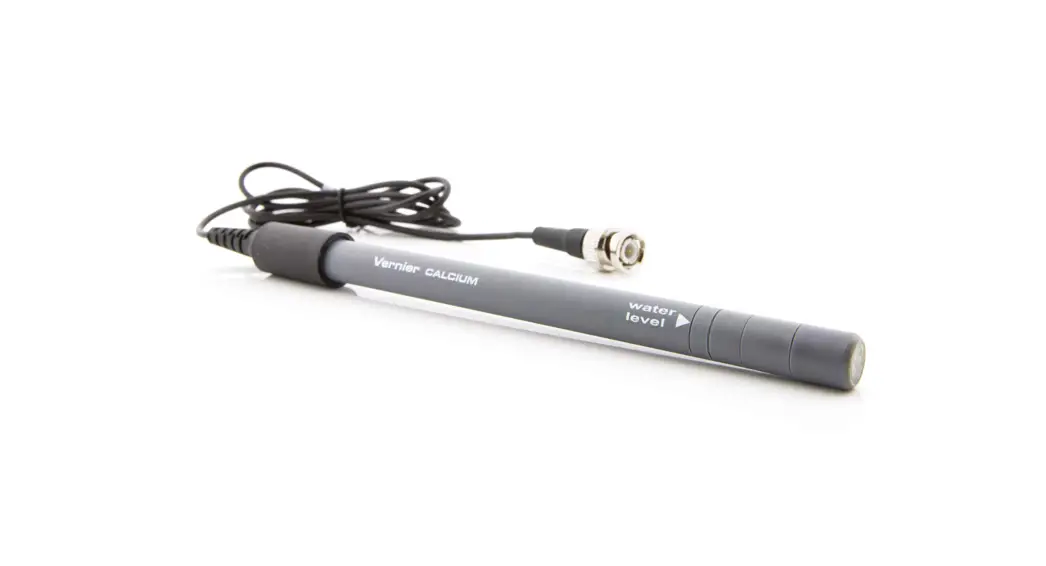
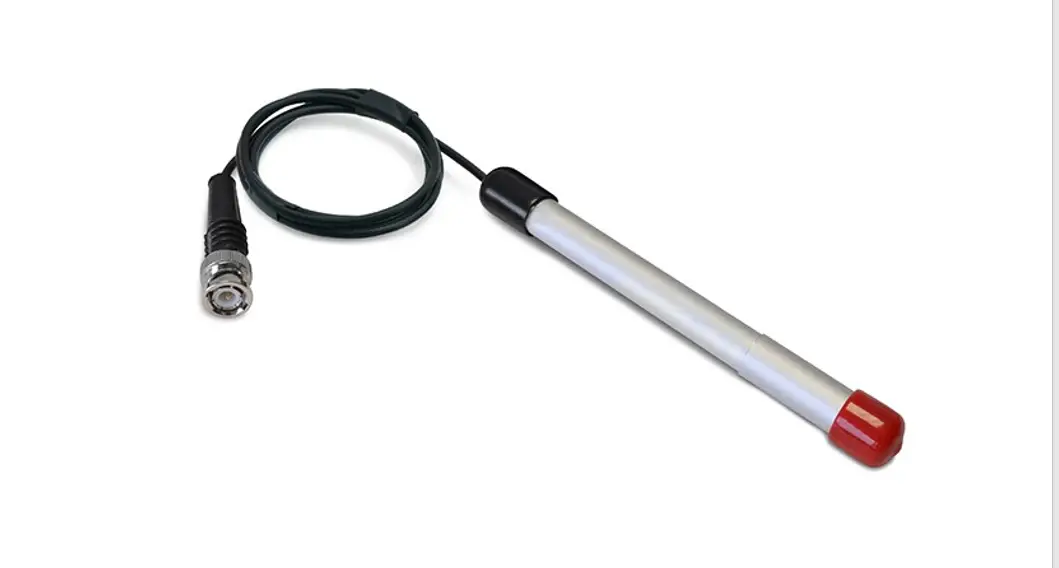
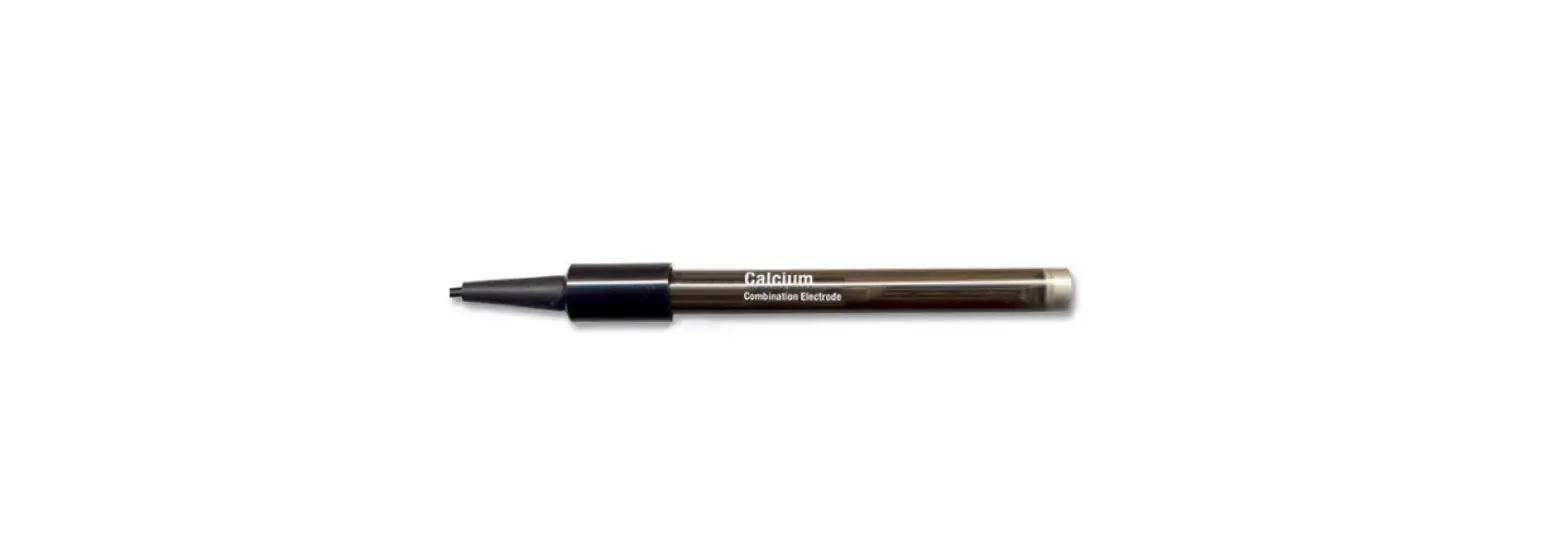
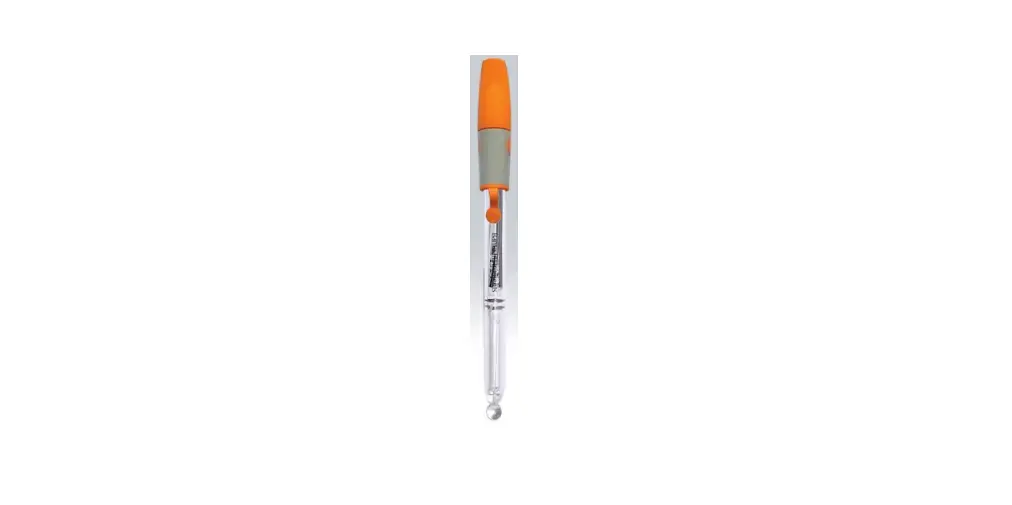
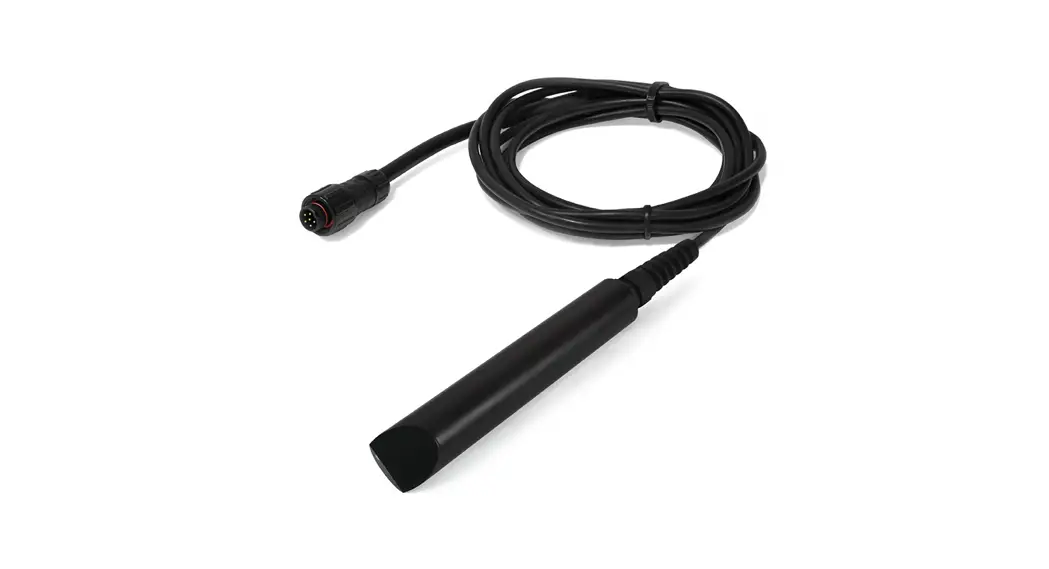
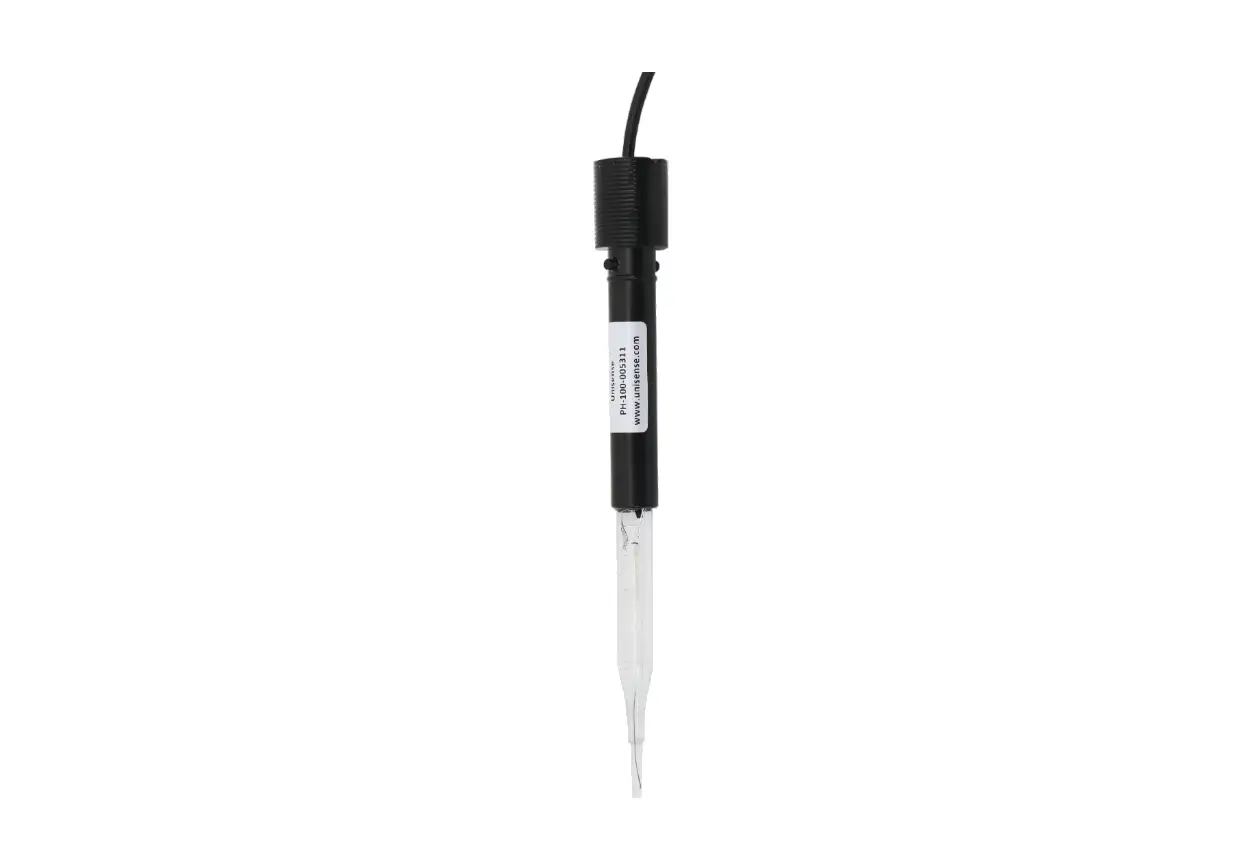
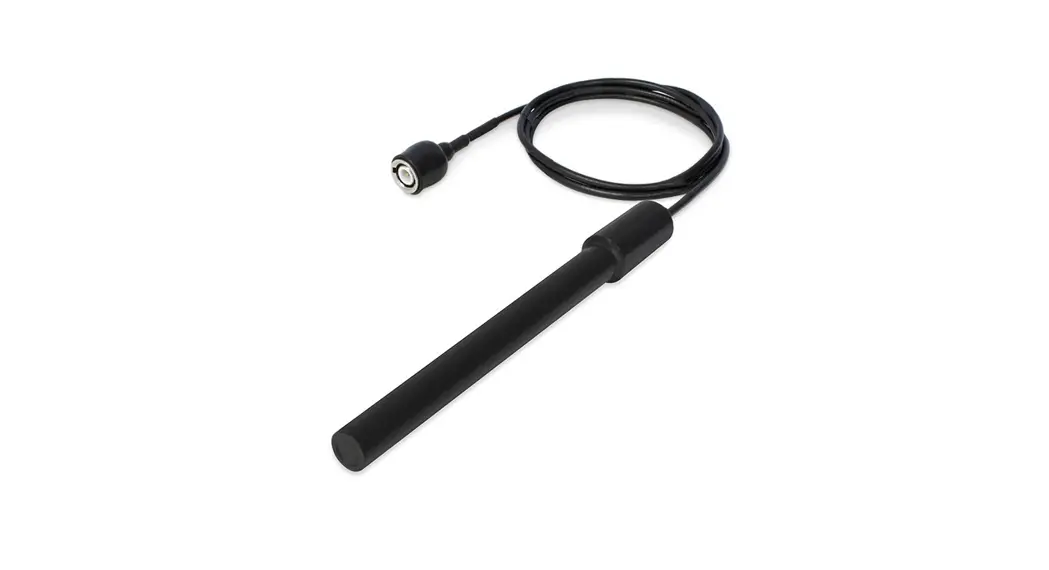
This ion-selective electrode is designed for the detection and analysis of the silver ion in an aqueous solution and is suitable for laboratory applications.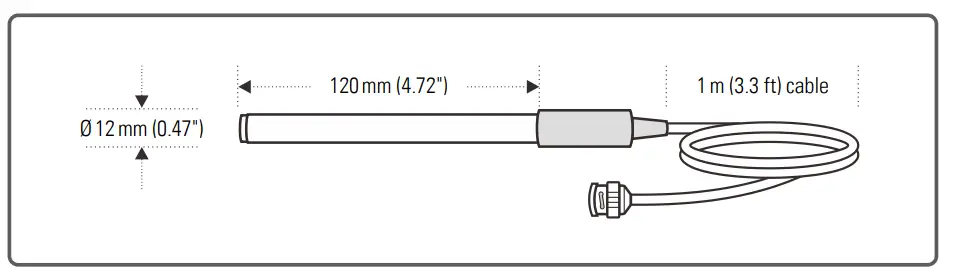
Required Equipment and Solutions
- An ion meter
- Volumetric flasks and beakers
- Distilled or deionized water:
To prepare the standard solutions or rinse the electrode between measurements. - Ionic strength adjuster (order code: ISA-CN):
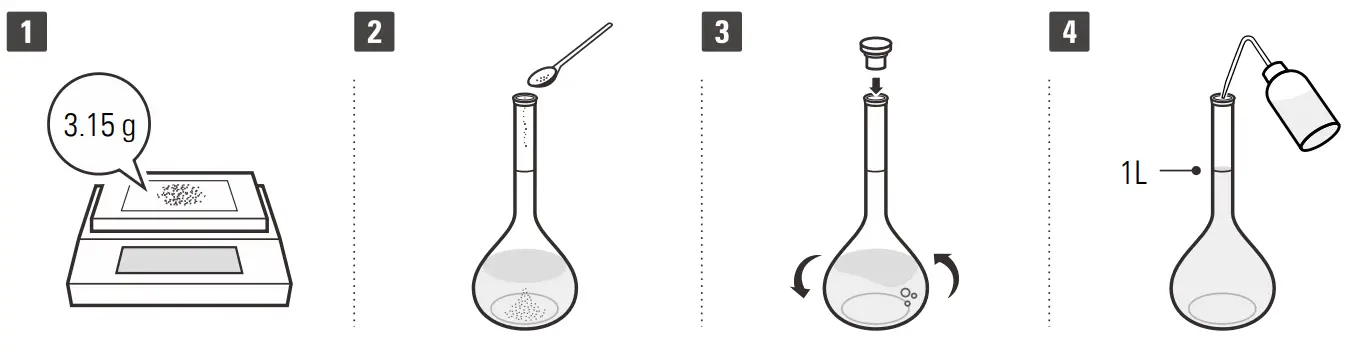
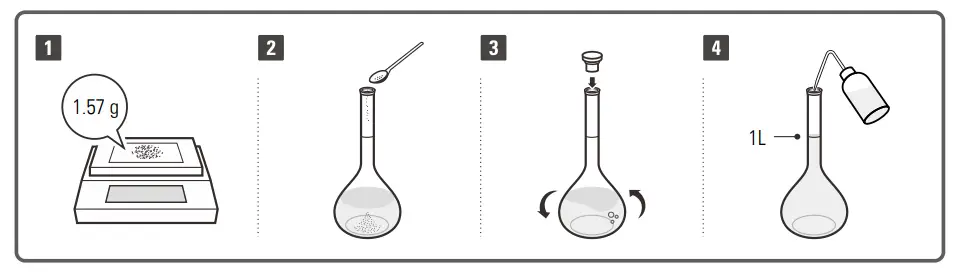
To keep a constant background ionic strength and adjust the pH.  HIGHLY TOXIC – Cyanide standard solution 0.1M: To prepare this standard solution, half fill a 1-liter volumetric flask with distilled water and add 4.9 grams of analytical grade sodium cyanide (NaCN) reagent. Swirl the volumetric flask gently to dissolve the reagent and fill it to the mark with distilled water. Cap and upend the volumetric flask several times to mix the solution.
- HIGHLY TOXIC – Cyanide standard solution 1000 ppm: To prepare this standard solution, half fill a 1-liter volumetric flask with distilled water and add 1.88 grams of analytical grade sodium cyanide (NaCN) reagent. Swirl the volumetric flask gently to dissolve the reagent and fill to the mark with distilled water. Cap and upend the volumetric flask several times to mix the solution.
Cyanide ISE
WARNING
Acidic cyanide solutions produce hydrogen cyanide (HCN) gas, highly toxic whether breathed or absorbed through the skin. Please make sure that read all of the related knowledge before preparing the standard solution, not only limited to the above introductions.
Prior to Use
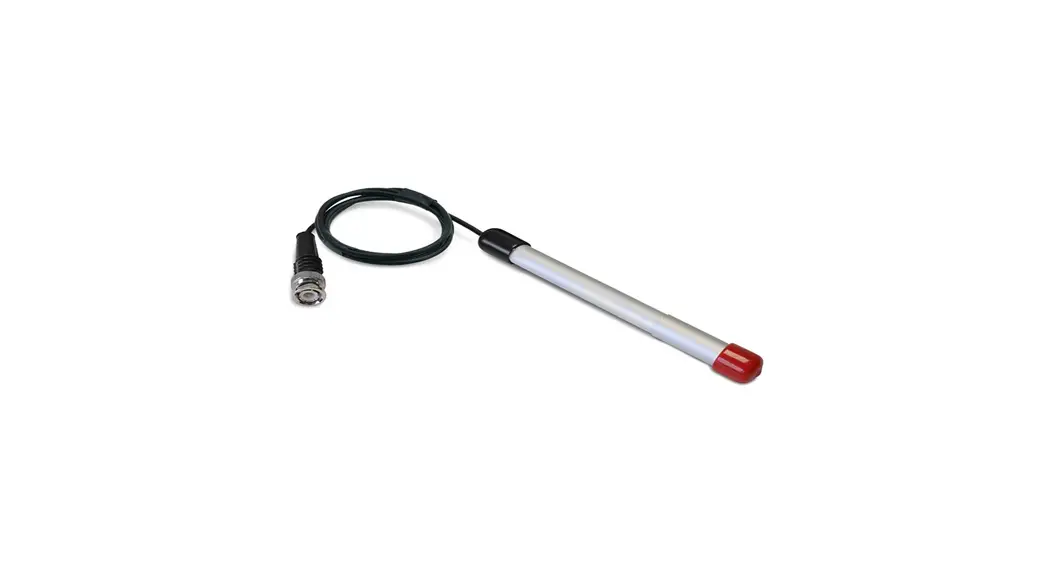
- Remove the protective cap from the bottom of the electrode.
- Soak the electrode in 100 ppm standard solution for about 10 minutes.
Measurement and Calibration Hints
- Do not use this electrode to measure the strongly acidic or alkaline samples, strong detergents, and organic solvents, these solutions will cause permanent damage to the electrode.
- For better accuracy, we recommend adding the ionic strength adjuster (ISA) to all of the standards and samples.
A typical addition would be 2 ml ISA to 100 ml of standard and sample solutions. - During the calibration and measurement, ensure that all standard and sample solutions are the same temperature.
- The calibration should be from the lowest concentration standard to avoid cross-contamination.
- The sample solution must fall in the pH range of 1 to 9. If necessary, add the ionic strength adjuster.
- Stir the standard and sample solutions at a uniform rate that will promote the accuracy of measurement.
- Calibrate the meter according to the manufacturer’s instructions.
- Rinse the electrode with distilled water and blot dry.
- Place the electrode into the sample and record the stable reading.
Electrode Maintenance
- Rinse the electrode thoroughly with distilled water after use, wipe clean with lint-free tissue, then replace the protective cap and store the electrode in a dry, cool, and well-ventilated area.
- Never touch or scratch the ion-sensitive membrane on the bottom of the electrode.
- If the electrode response becomes sluggish, soak the electrode in 100 ppm standard solution for at least 1 hour.
Specifications
| Model | ISE-CN |
| Concentration Range | 0.03 to 260 ppm |
| Slope | 54 to 59 mV/decade |
| pH Range | 11 to 13 |
| Interferences | I-, Br-, S2- |
| Operating Temperature | 5 to 50° C (41 to 122° F) |
| Electrode Dimensions | 150 (L) × 12 (Dia.) mm (5.9 × 0.47″) |
| Cable Length | 1 m (3.3 ft) |
| Connector | BNC |
| Body Type | Epoxy |
Bante Instruments Inc. I [email protected] I
  www.bante-china.com
 bante-china.com