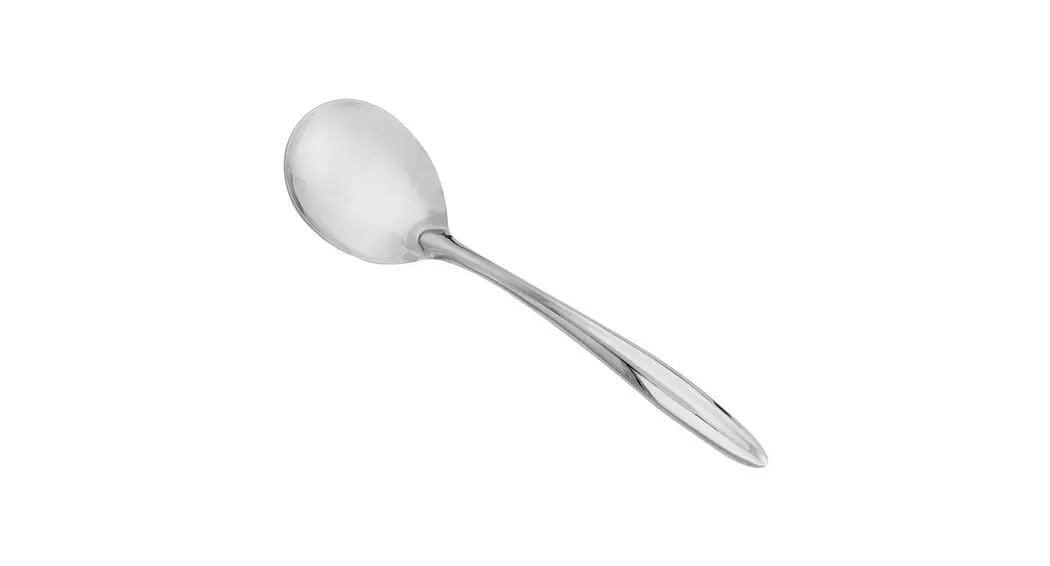
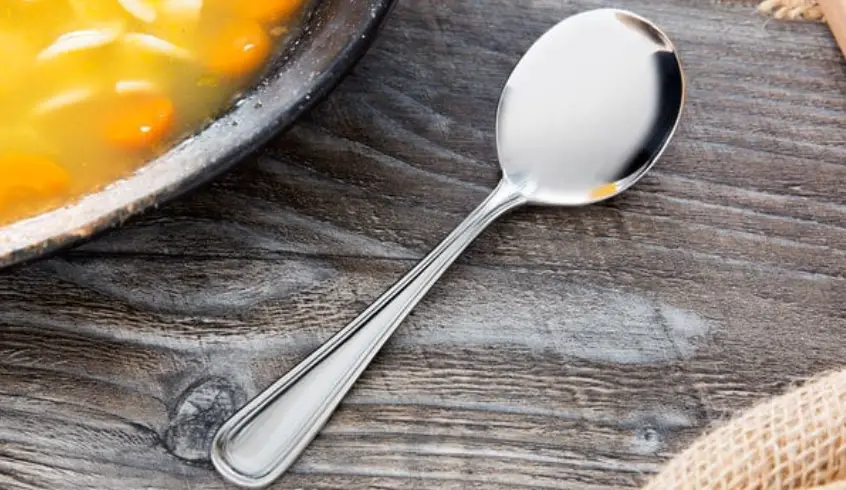
74149 Heavy-Duty 9 Long 18-0 Stainless Steel Tabletop Flat Pastry Serving Tongs
Product Information
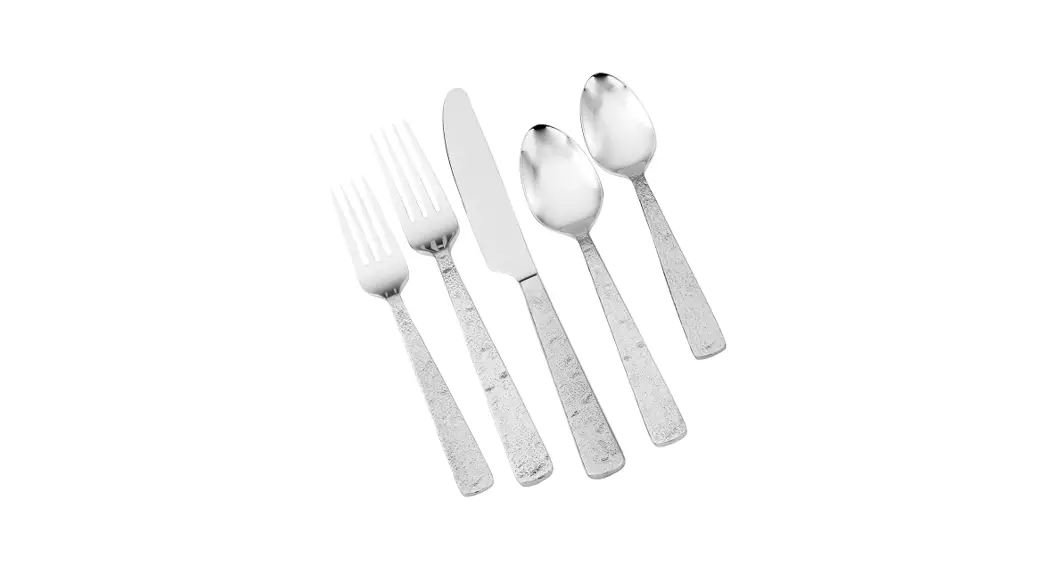
The product is stainless flatware, which is a set of utensils
made from stainless steel. It is designed for use in households,
restaurants, or any other food service establishments. Stainless
flatware is known for its durability, resistance to corrosion, and
easy maintenance.
Product Usage Instructions
- Handling:
- Slotted cylinders that are suitable for sink or dishwasher use
should be used to wash, transport, and dispense the flatware. This
minimizes handling. - If the flatware is washed and stored in the same cylinder, sort
the flatware into the cylinders with the utensil side down to
prevent hand contamination after cleaning. - If the flatware is transferred from a cleaning cylinder to a
storage cylinder by inversion, sort the flatware in the cleaning
cylinder with the utensil side up, so that it will eventually be
stored with the utensil side down.
- Slotted cylinders that are suitable for sink or dishwasher use
- Washing:
- After pre-soaking, immediately load the flatware loosely into
vertical cylinders. - Never wash the flatware flat.
- Wash the flatware in hot water and use a good cleaning agent.
Make sure to use a nonabrasive or noncorrosive cleaning agent. - Check the dishwasher temperature twice daily and ensure it is
above 130 degrees.
- After pre-soaking, immediately load the flatware loosely into
- Rinsing:
- Rinse the clean flatware in water of at least 180 degrees.
- Add a wetting agent to the rinse to prevent staining from
minerals in the water, especially if you have very hard water. - If you have very hard water, it is recommended to use a
softener. - Make sure the flatware in the cylinders is loosely packed to
allow air drying. - Shake the racks to remove any water.
- To prevent corrosion and film build-up, the flatware must be
rinsed thoroughly and dried immediately after rinsing.
- Storing:
- Always store stainless flatware in a dry area.
- Store the flatware with the tines, bowls, and blades down.
- Ensure the flatware is clean and dry before storing.
- Make sure you have an adequate amount of flatware for rush
periods.
CARE AND HANDLING
Stainless Flatware
To retain a quality product, please follow the process below
Handling x Slotted cylinders in a rack-suitable for sink or dishwasher use makes it possible to wash, transport, and dispense flatware
with minimum handling. x In a system where flatware is washed and stored in the same cylinder, the flatware should be sorted into the cylinders
utensil side down to prevent hand contamination after cleaning. x In a system where flatware is transferred from cleaning cylinder to a storage cylinder by inversion, it should be sorted in the
cleaning cylinder utensil side up, so that it will eventually be stored utensil side down.
Presoak x Remove all food remnants before presoak but avoid using steel wool or metal scrapers. x Flatware should be pre-soaked immediately following its removal from the table. x Flatware should not remain in presoak for longer than 10 min. x Use presoak compound suggested by manufacturer of your detergent. x Do not use presoak containing silver de-tarnishing agent on stainless. These products cause severe corrosion to flatware. x It is very important that only a plastic or stainless steel pan is used for pre-soaking. NEVER USE AN ALUMINUM PAN. x Make sure liquid or powder compounds are completely dissolved before flatware is placed in presoak. x Change presoak frequently. Chemicals accumulate in the presoak and may cause harm.
Washing x After pre-soaking, immediately load flatware loosely into vertical cylinders. x NEVER WASH FLAT. x Wash your flatware in hot water and a good cleaning agent. x Use a nonabrasive or noncorrosive cleaning agent. x Check dishwasher temperature twice daily, and make sure it is above 130 degrees.
Rinsing x The clean flatware should then be rinsed in water of at least 180 degrees. x A wetting agent may be added to the rinse to prevent minerals in water from staining the flatware. x Should you have very hard water, a softener is recommended. x Make sure flatware in cylinders is loosely packed to allow air drying. x Shake racks to remove any water. x To prevent corrosion and film build-up, flatware MUST be rinsed thoroughly and dried immediately after rinsing.
Storing x Always store stainless flatware in a dry area. x Always store flatware tines, bowls, and blades down. x Flatware must be clean and dry before storing. x Make sure you have the proper amount of flatware for rush periods.