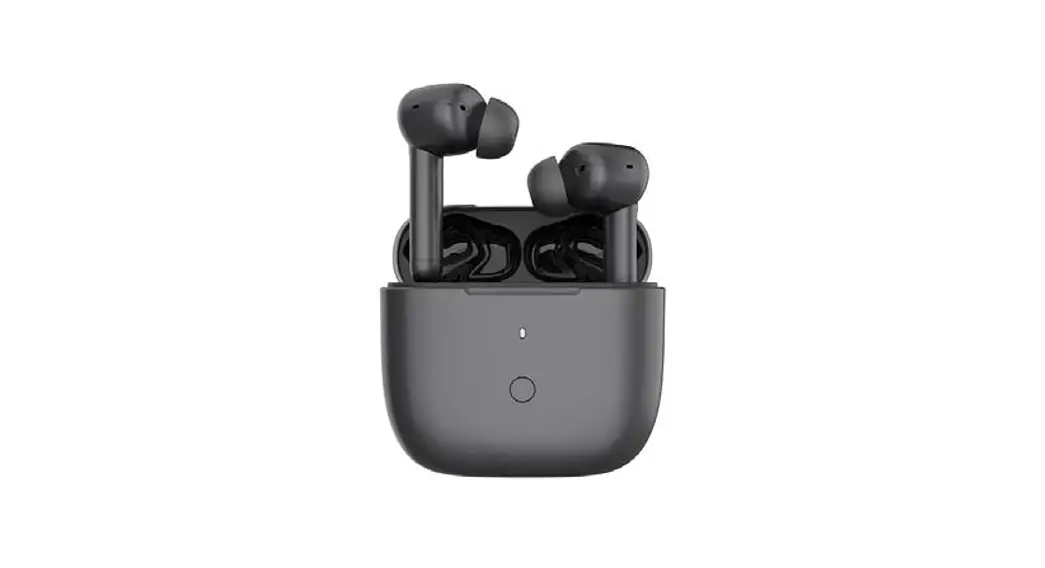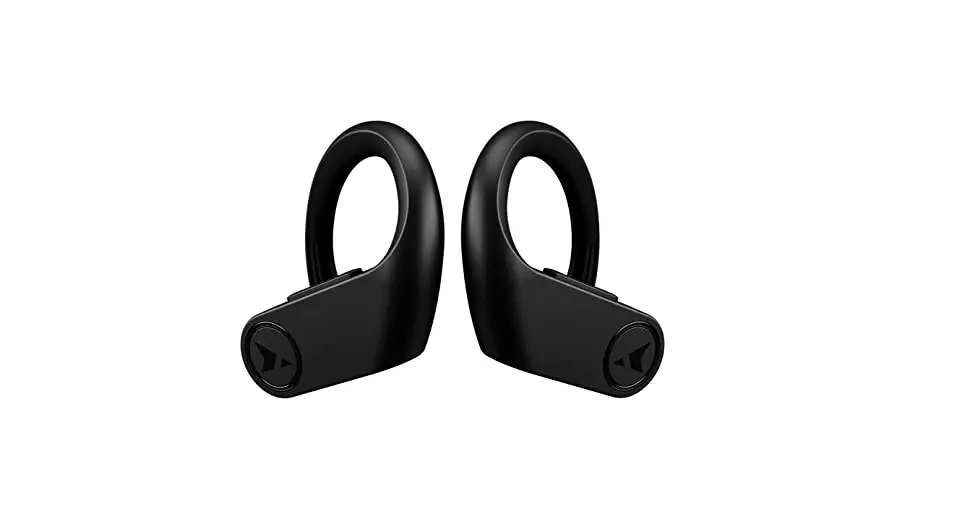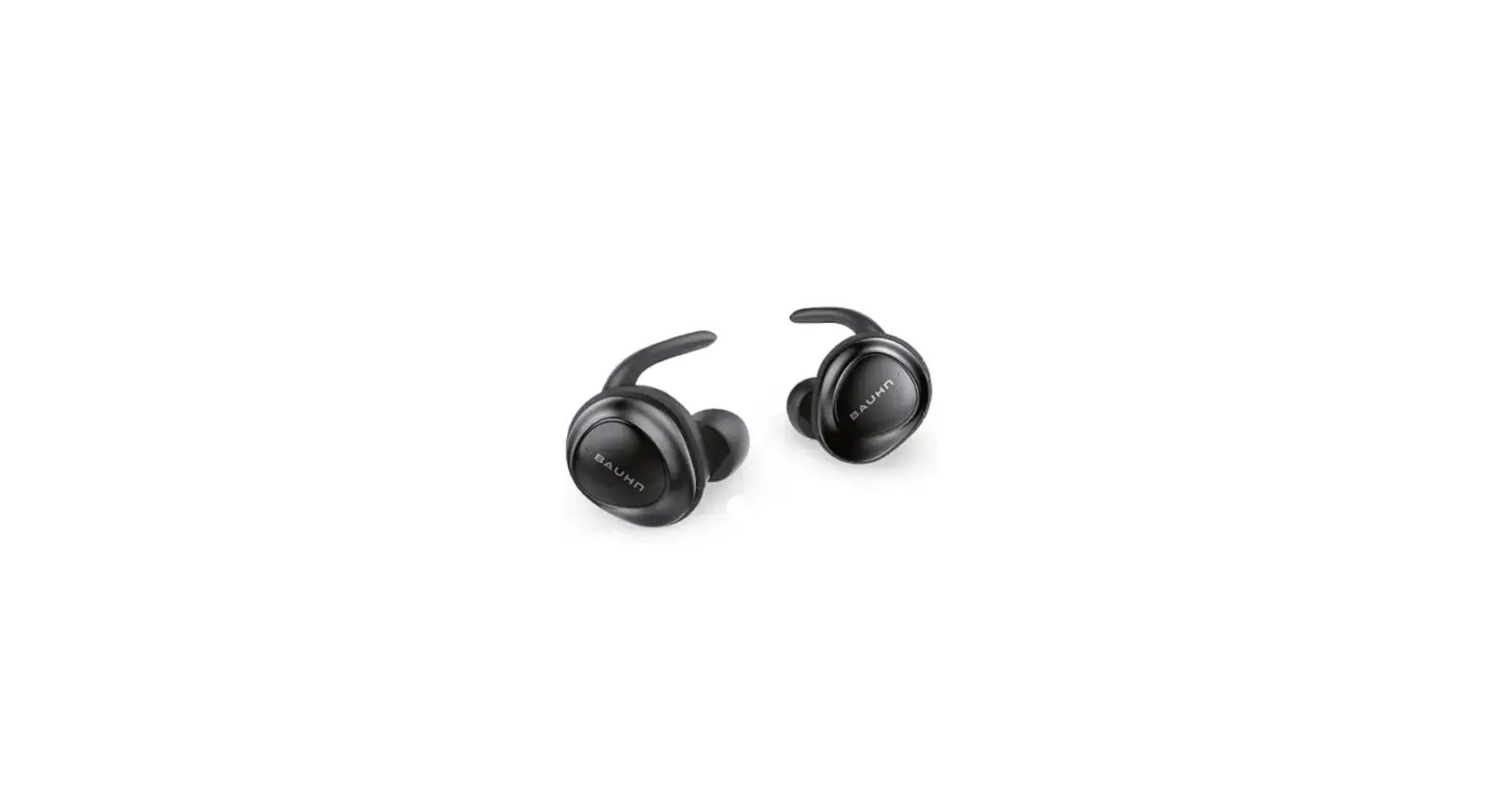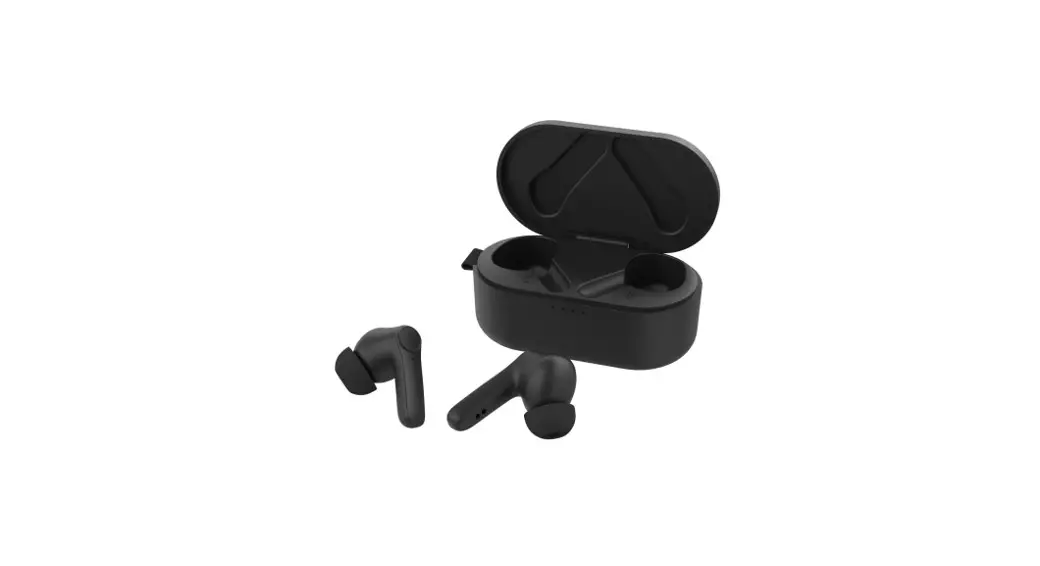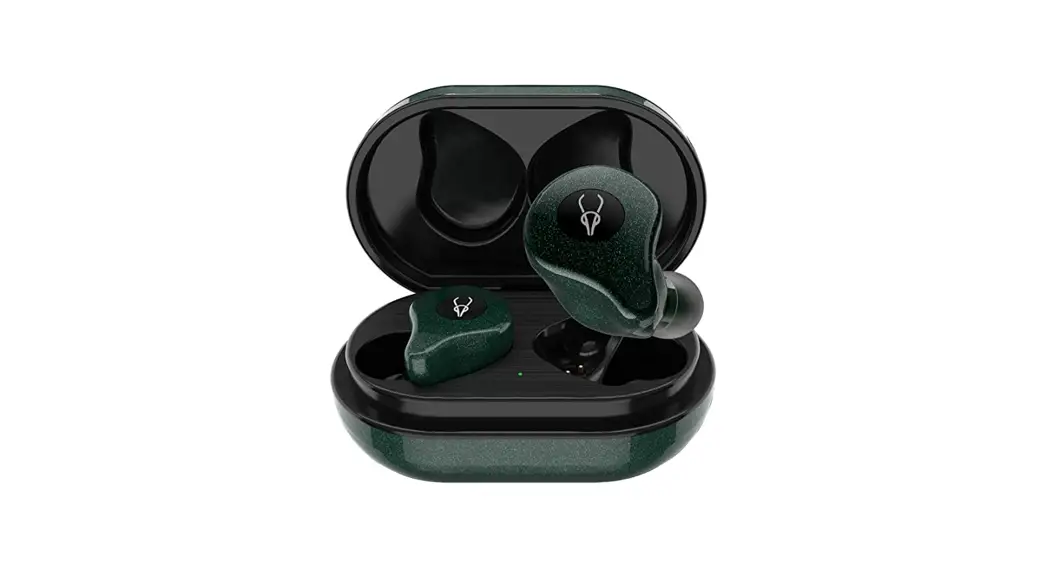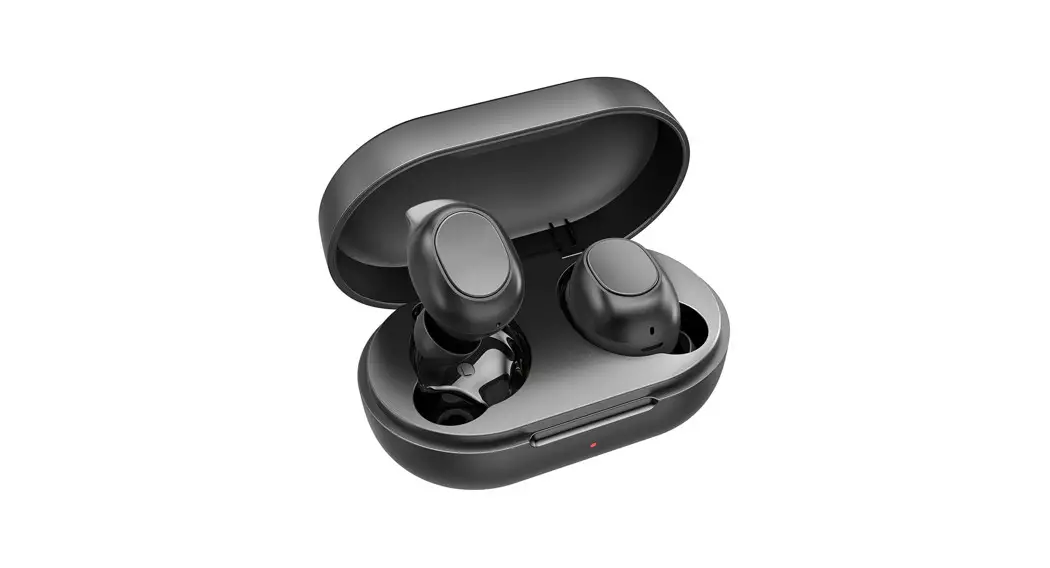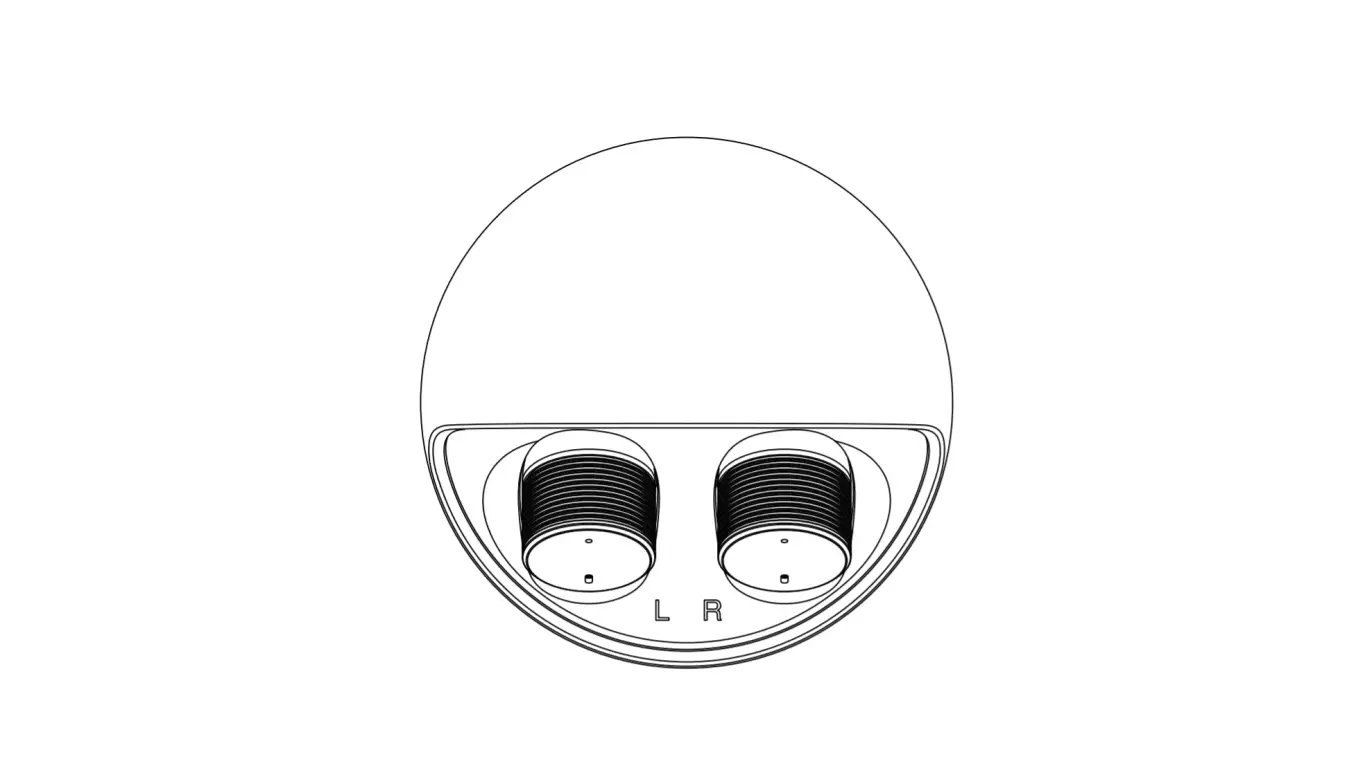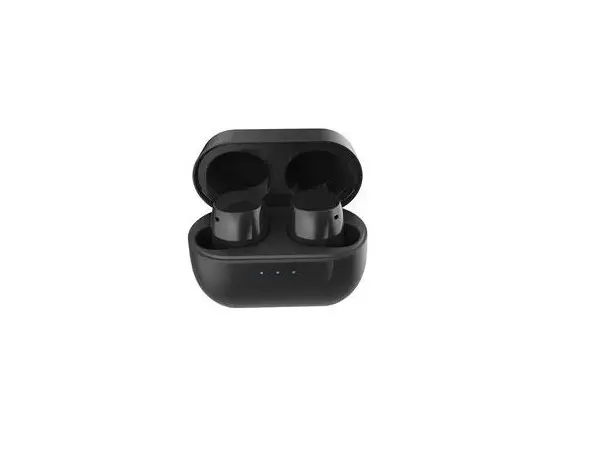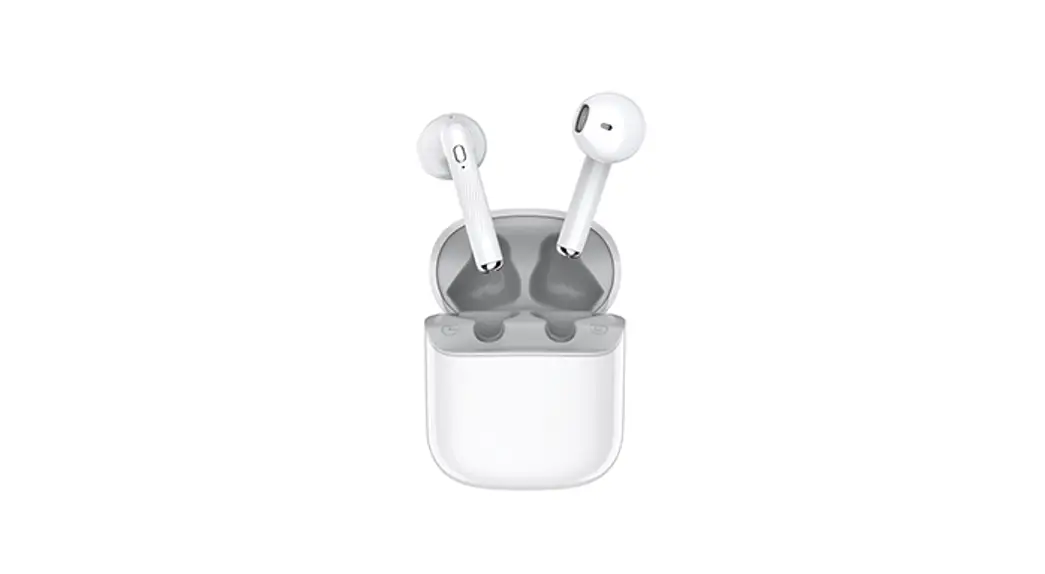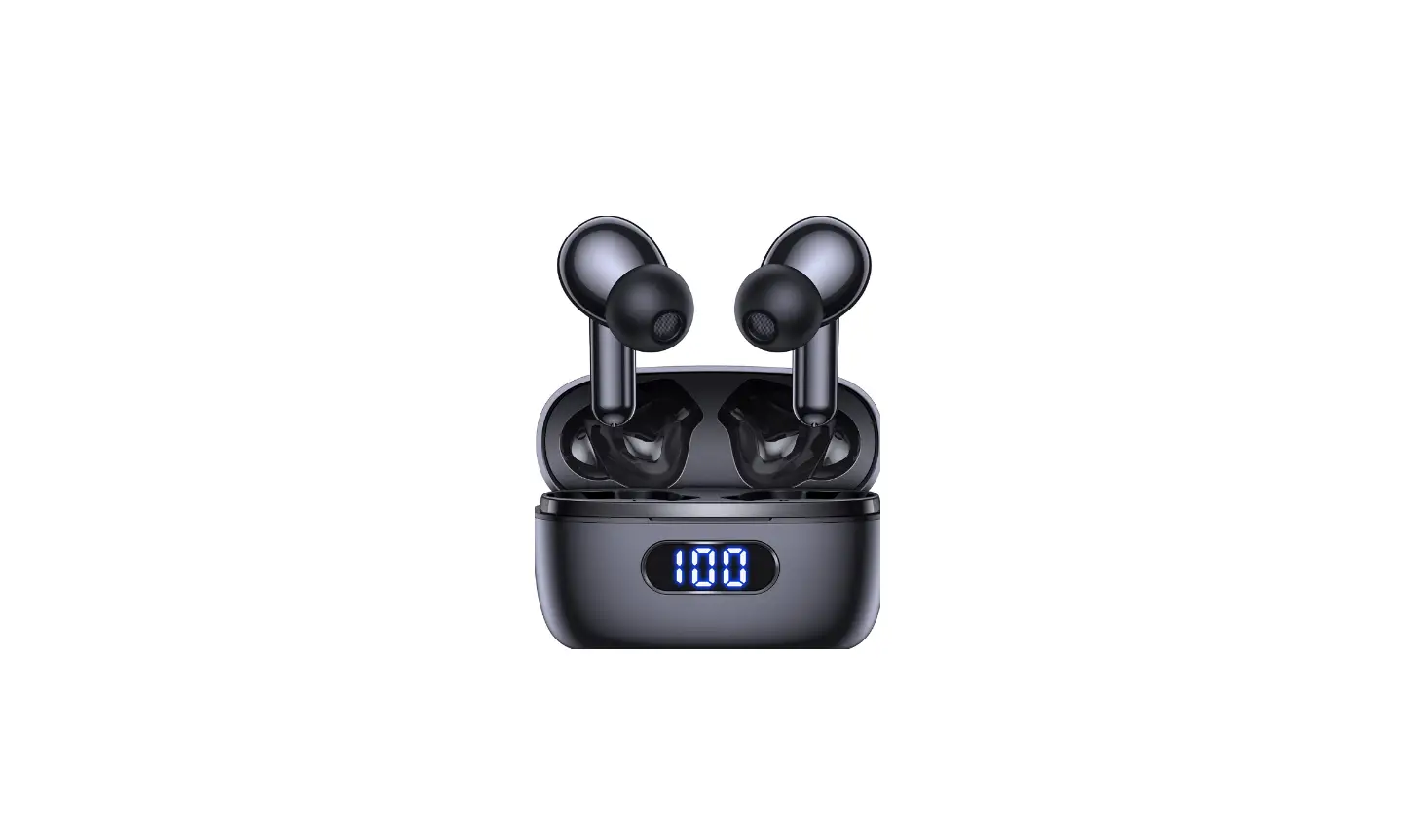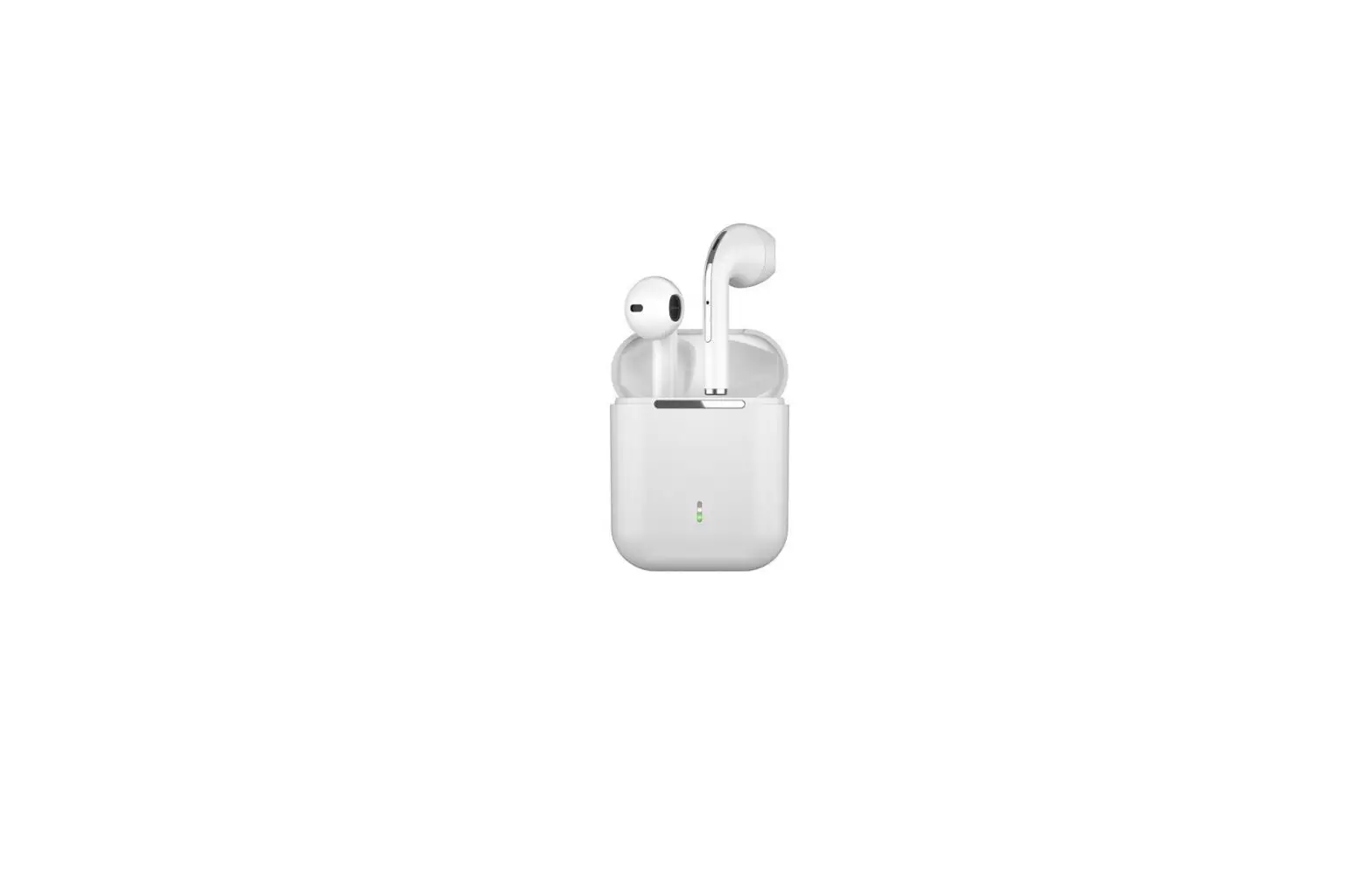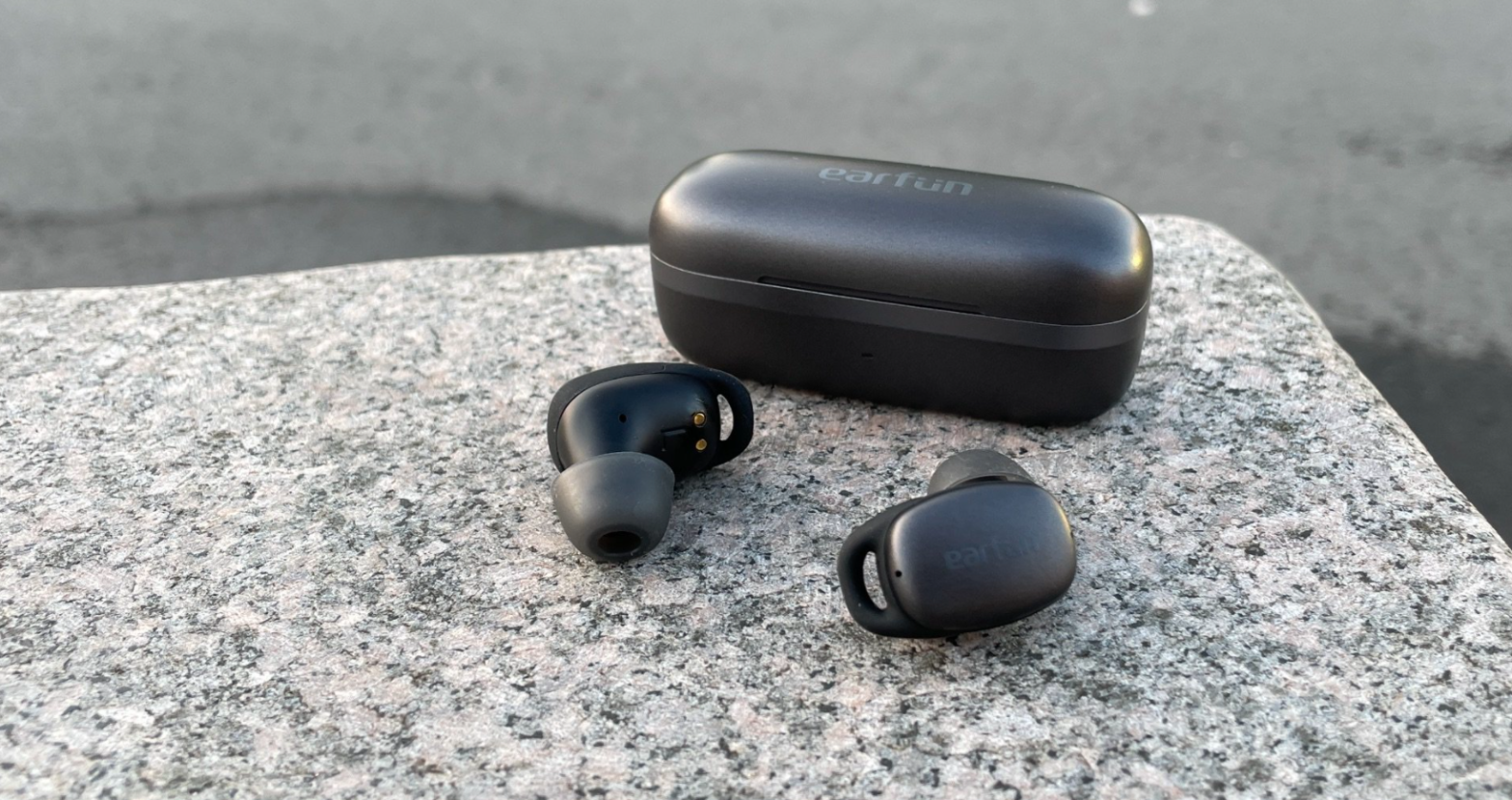
 U I Technology BS299GC True Wireless Earbuds
User Guide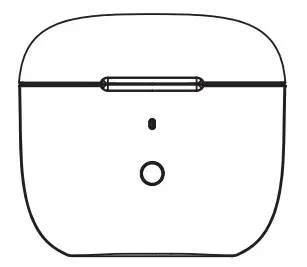
First Time Turning ON/OFF
State 1 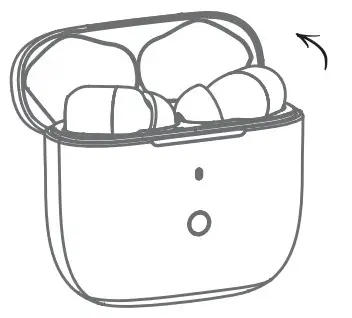
- Open cover of charging base to turn on automatically.
- Close cover of charging base to power off automatically.
State 2 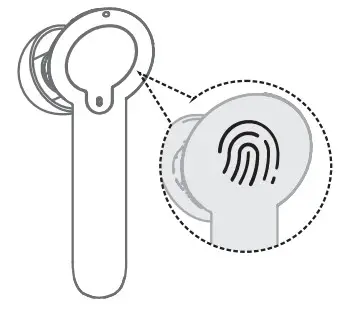
- When the charging base has no power and the headsets have power, long touch the touch area of the headset(R) or headset(L) for 2 seconds to turn on.
TWS Pairing
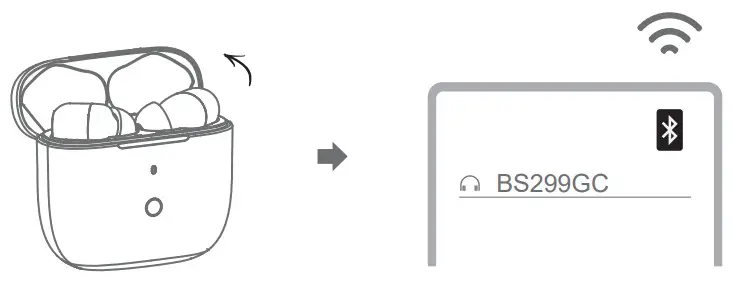
First Time Pairing
- Open cover of charging base, and headsets will enter pairing mode automatically.
- Turn on the Bluetooth of the phone and choose”BS299GC” from the Bluetooth list to pair.
The headset will prompt”connected” after being paired successfully.
Reconnection
After first-time pairing, just open the cover of the charging base and wait for a few seconds to reconnect automatically.
The above operation should be ensured that the product has power.
ANC/Transparency Mode
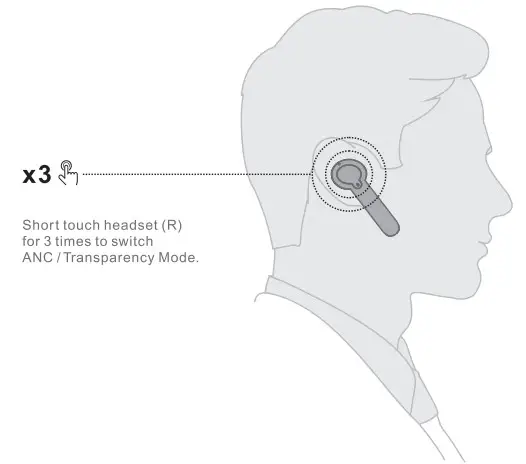
Gaming Mode
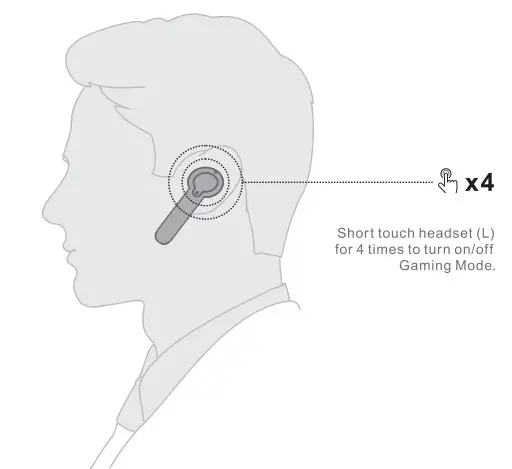
Delete Pairing Records on the Headset
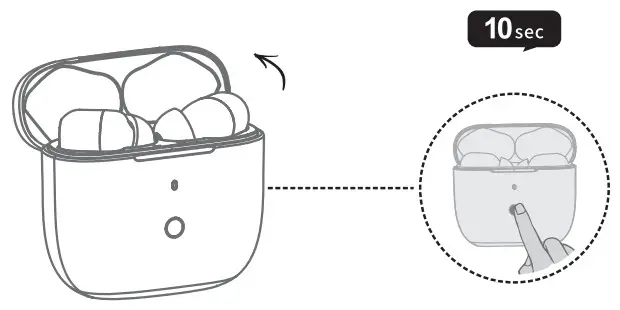
Open the cover of the charging base when the headsets are inside it, long press the button of the charging base for 10 seconds, the indicator light flashes blue for 6 times quickly.
Charging Ways
Charging Ways of Charging Base
Use the Type-C cable to charge. 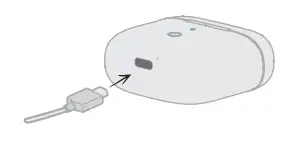
Charging Ways of Headset
Put the headsets into the charging base to charge automatically. 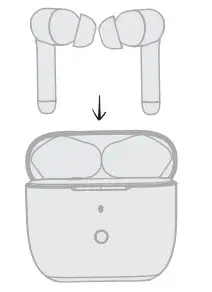
Headset Control
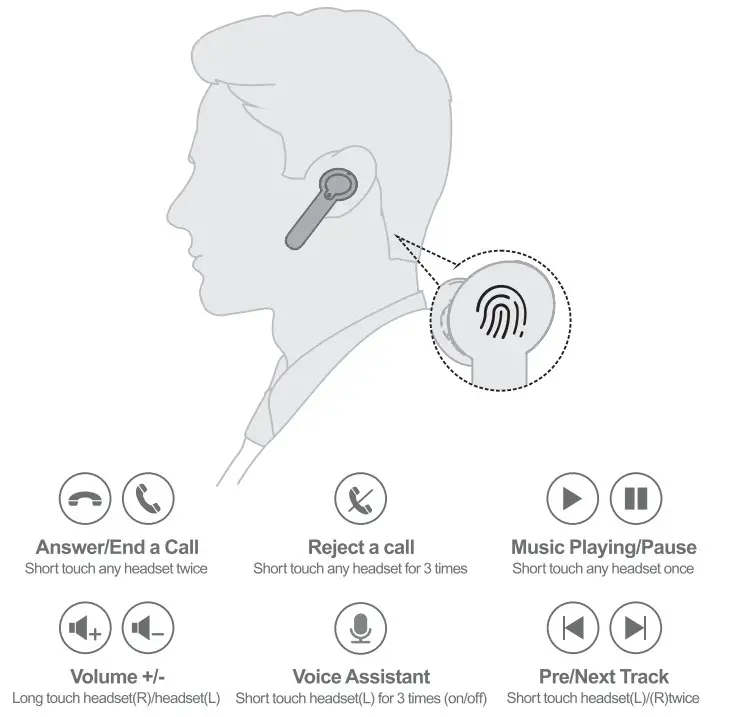
Common Faults and Exclusion
| Faults | Reasons | Solutions |
| Can not turn on | Low battery protection | Charging headsets for 1-2 hours |
| Take out the headsets from the charging base too fast | Take out the headsets from the charging base after 2 seconds | |
| Can not turn on by opening the charging base /No indicator light when headset being charged | Charging base low battery protection | Charging both the headsets and charging base for 1-2 hours |
| No sounds after pairing | Wrong pairing | Pairing again |
| The two headsets TWS pairing failure/TWS paired successfully but can not find the headset(R) | Too many pairing records | Delete pairing records according to the user manual and pair again |
| Charging base without indicator light when being charged | DC power supply doesn’t output power | Check whether the TYPE-C charging cable is plugged |
| Headsets without indicator light when being charged | The headsets couldn’t be charged in the charging base | ()Checking the headset charging interface whether has touched to POGO PIN of the charging base and whether the location is correct or not. (2 Charging for charging base |
| Turning off automatically | Low battery | Charging headset for 1-2 hours |
| Headset echo | Volume is too loud or the environment is noisy | Adjust the volume at the phone or change a place |
| Noise incall | Environmental interference caused or distance between headset and mobile is too far | Change a place or move to dose the headset and mobile |
| The low voice of the calling party | Wearing a headset is wrong | Adjusting the wearing position of the headset |
Indicator of Charging Base
| Status No. | Status | Charging Base Performance |
| Status | Battery Status of Charging Base | The times of flashing blue lights for charging base means corresponding battery: quickly flash once means less than 25% battery, twice means 25%-50% battery, 3 times means 50%-75% battery and 4 times means 75%-100% battery. Blue light is always on when fully charged. |
The indicator of the charging base flashes blue quickly every 2 seconds.
Indicator of Headset
| Status No. | Status | Headset Performance |
| Status 1 | TWS Pairing Mode | The indicator light of the headset flashes red and blue quickly and alternately. |
| Status 2 | Pairing Mode with Bluetooth Device | After pairing, the master headset flashes red and blue slowly and alternately, slave headset flashes blue once every 5 seconds. |
| Status 3 | Headset Charging | The red light is always on while being charged and will light off when fully charged. |
| Status 4 | Power On | The indicator light flashes blue 3 times. |
| Status 5 | Power Off | The indicator light flashes red 3 times. (Put headsets into charging base and close the cover to power off) |
Specifications
| Bluetooth Version:V5.1 | Bluetooth Profiles Supported: HFP,HSP,A2DP,AVRCP |
| Audio Decoding Protocol: SBC, AAC | Transmission Power: Class 2 |
| Operation Range: Up to 1 O meters | Frequency Range:2.4GHz-2.48GHz |
| Battery of Earbuds: 40mAH Li-polymer Battery | Charging Voltage of Headset: DC 5V±0.2V |
| Charging Time of Headset: About 1.5hours | Battery of Charging Base: 500mAH Li-polymer Battery |
| Charging Voltage of Charging Base: DC 4. 75V-5.25V | Charging Voltage of Charging Base: About 1.5 hours |
| Charging Headset Times from Charging Base: 2-3 times | Music Playing Time: 2>4 hours |
| Talk Time: 2>3.5hours | Standby Time: About 10 hours |
| Driver:. q12mm | Driver Sensitivity: 113±1.50dB(1KHz) |
| Driver Impedance: 3202 ±15% | Driver Frequency Ring Range: 20Hz-20kHz |
| Dimensions of Charging Base(mm): L59.9 X W25 X H54.7 | Dimensions of Headset(mm):L42.1 X W19.8 X H23.1 |
| Weight(one headset): About 5.0g | Total Weight:About 49.3g |
The time mentioned above may vary due to the user’s operation mode and device settings.
NOTE: This equipment has been tested and found to comply with the limits for a Class B digital device, pursuant to part 15 of the FCC Rules. These limits are designed to provide reasonable protection against harmful interference in a residential installation.
This equipment generates uses and can radiate radio frequency energy and, if not installed and used in accordance with the instructions, may cause harmful interference to radio communications. However, there is no guarantee that interference will not occur in a particular installation. If this equipment does cause harmful interference to radio or television reception, which can be determined by turning the equipment off and on, the user is encouraged to try to correct the interference by one or more of the following measures:
- Reorient or relocate the receiving antenna.
- Increase the separation between the equipment and receiver.
- Connect the equipment into an outlet on a circuit different from that to which the receiver is connected.
- Consult the dealer or an experienced radio/TV technician for help
Changes or modifications not expressly approved by the party responsible for compliance could void the user’s authority to operate the equipment. This device complies with Part 15 of the FCC Rules. Operation is subject to the following two conditions: (1) this device may not cause harmful interference, and (2) this device must accept any interference received, including interference that may cause undesired operation.