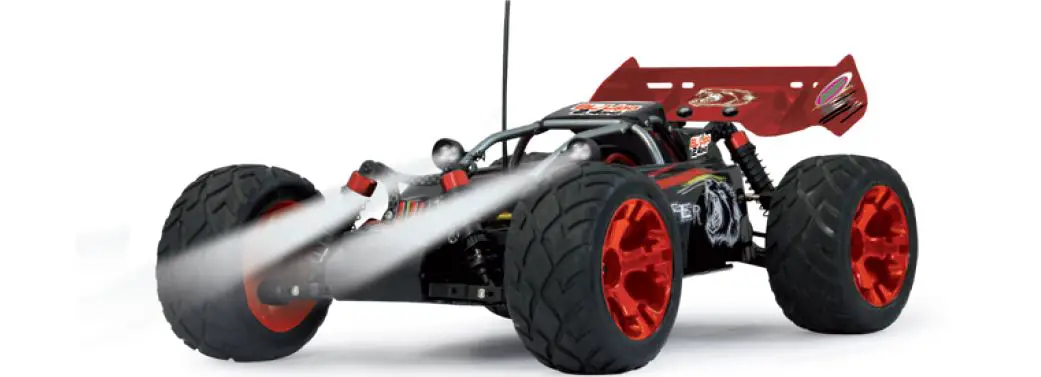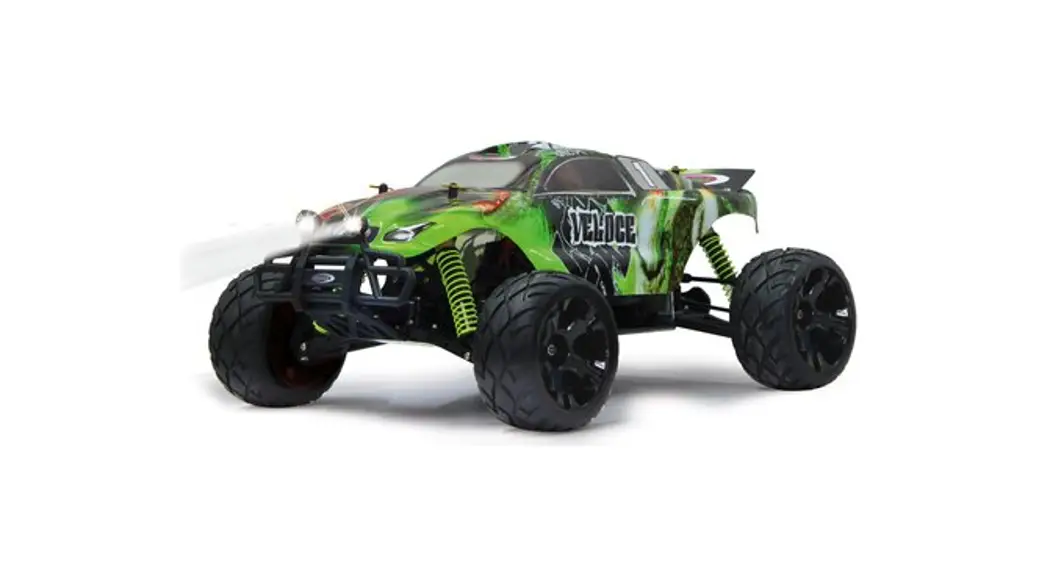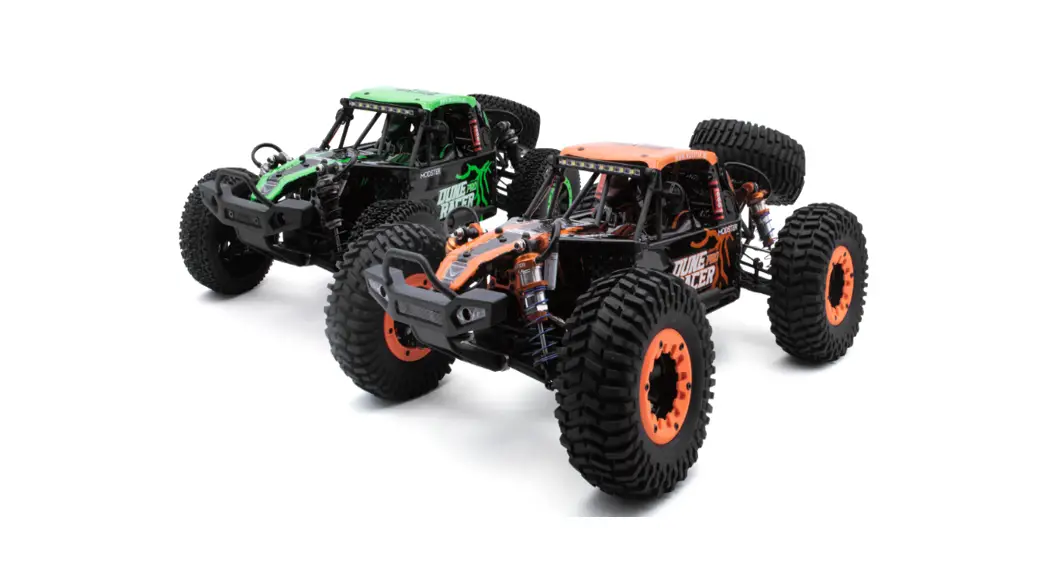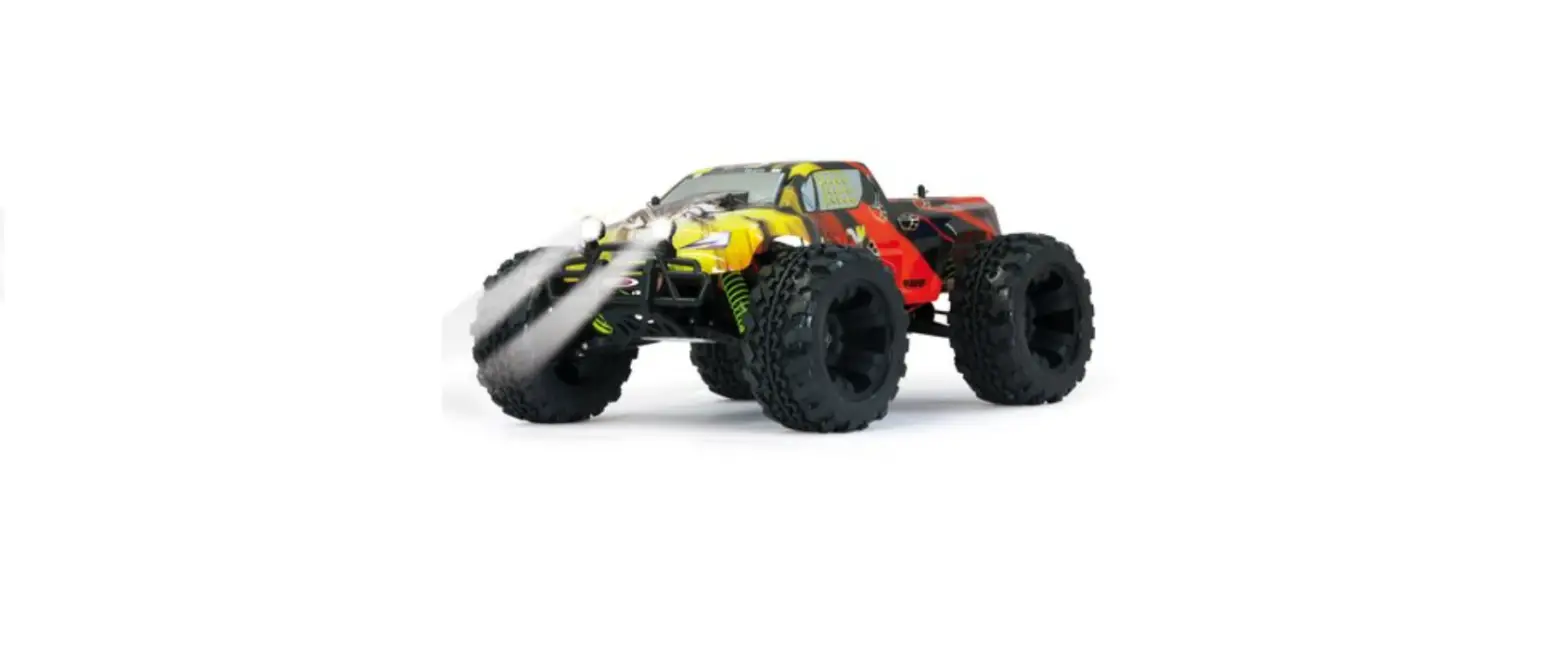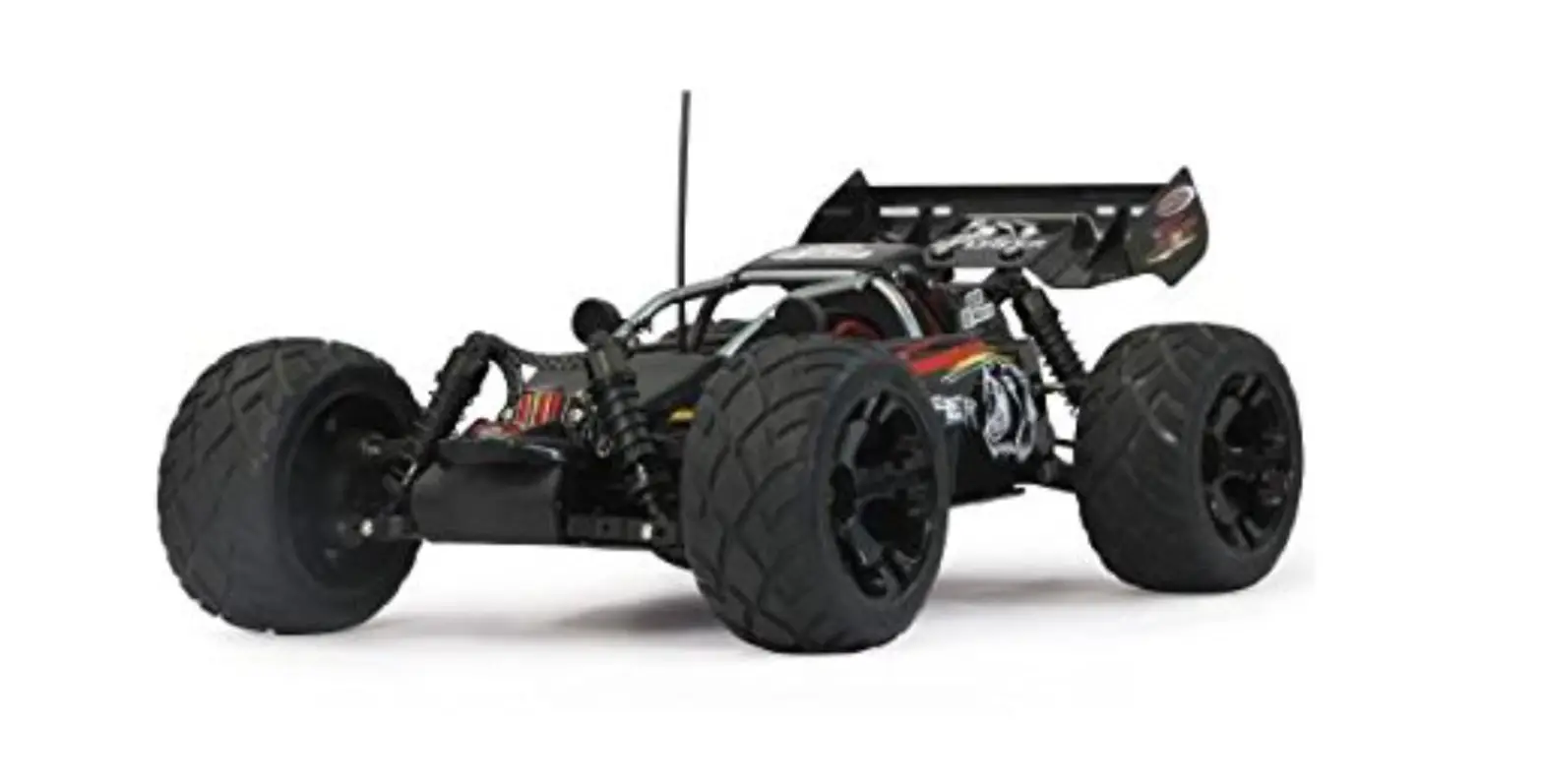
053270 4WD Splinter Desertbuggy
No. 053270 No. 053271 No. 053275
EP EP LiPo BL LiPo
Splinter EP | BL 2,4 GHz
IT – Istruzioni di montaggio GB – Instruction
Informazioni generali JAMARA e. K. non e´responsabile per danni, sostenute al prodotto stesso o attraverso questo, dovuti ad una gestione non corretta del articolo. Solo il cliente si assume la piena responsabilità per la manutenzione e l´utilizzo corretto dello stesso; questo include il montaggio, la ricarica, l´utilizzo, fi no alla scelta della aerea di applicazione. Si prega di notare e rispettare le istruzioni d´uso, questi contengono informazioni e avvertimenti molto importanti
General information Jamara e.K. is not liable for any damage caused to the product itself or through this, provided this is due to improper operation or handling errors. The Customer alone bears the full responsibility for the proper use and handling, including without limitation, the assembly, the charging process, the use and choice of the operation area. Please refer to the operating and user instructions, it contains important information and warnings.
Questo modello non é un giocattolo! Attenzione: Non adatto a bambini di età inferiore a 36 mesi.
RISCHIO DI SOFFOCAMENTO! Contiene piccoli pezzi che possono essere ingeriti. Tenere sempre fuori dalla portata dei bambini.
This model is not a toy! Warning: Not suitable for children under 36 months.
RISK OF SUFFOCATION! Contains small parts which can be swallowed. Keep away necessarily from children.
Questo prodotto è un articolo di modellismo. Ciò significa che il veicolo deve essere sempre sottoposto a manutenzione (controllare eventuali danni, controllare i collegamenti a vite, pulire ecc…). Le parti soggette ad usura come l`ingranaggio principale, il pignone del motore, bicchierino ecc. si consumano nel tempo e devono pertanto essere sostituite. Non è sempre possibile evitare gli incidenti, pertanto è necessario riparare o sostituire anche i danni causati dagli incidenti. Le parti usurate o difettose a causa di urti o manutenzione insufficiente non sono coperte da garanzia, i costi e le riparazioni sono a carico dell`acquirente stesso.
This product is a model building article. This means that the vehicle must always be serviced (check for damage, check screw connections, clean etc…). Wear parts such as the main gear, motor pinion, bone socket, etc. will wear out over time and must therefore be replaced. Crashes cannot always be avoided, so crash damage must also be repaired or replaced. Wear parts or defective parts due to crashes or insufficient maintenance are not covered by warranty, costs and repairs must be covered by the buyer himself.
Dichiarazione di conformità ConlapresenteJAMARAe.K.dichiaracheiprodotti ,,SplinterEP|BL2,4GHz,No.053270, No. 053271, No. 053275″ è conforme alla Direttiva 2014/35/UE, 2014/53/UE e 2011/65/UE. Il testo integrale della dichiarazione di conformità UE è disponibile al seguente indirizzo Internet: www.jamara-shop.com/Conformity
Certificate of Conformity Hereby JAMARA e.K. declares that the products ,,Splinter EP | BL 2,4 GHz, No. 053270, No. 053271, No. 053275″ comply with Directives 2014/35/EU, 2014/53/EU and 2011/65/EU. The full text of the EU Declaration of Conformity is available at the following Internet address: www.jamara-shop.com/Conformity
Attenzione!
Prima dell`uso:
Accendete prima la trasmittente e poi il modello.
Dopo l`uso:
Spegnere prima il modello e poi la trasmittente.
Non utilizzare il suo modello fuori della distanzia di vista. Sia la visibilità come la portata
massima del vostro modello dip endono da molti fattori, come il tempo, disturbo di frequenza e il
luogo di utilizzo. Eseguire un test prima di ogni utilizzo del modello con una seconda persona
che tiene fissato il modello. Con questa procedura potete testare come reagisce il modello
durante la perdita del segnale ca usato per esempio da una batterie scarica oppure la radio
spenta.
Attention!
Before operating:
Switch the transmitter on first then the model.
When finished: First switch off the model then the transmitter.
Never operate your model beyond sight. Both the maximum visibility as well as the max. range
of your model will depend on many factors such as weather, location and interfering
frequencies. Therefore, before each use perform a range test with a second person securely
holding the model and also check how the model reacts if there is a signal failure e.g. when
empty transmitter batteries are installed.
Prima di avviare il modello, leggere attentamente tutte le istruzioni per l’uso. Attenzione! Leggere completamente le avvertenze / istruzioni di sicurezza, questi sono per la vostra sicurezza può prevenire incidenti / infortuni.
Read the complete instructions and security instructions carefully before using the model. Caution! Please fully and carefully read warnings/ safety instructions. These are for our own security and can avoid accidents/injuries.
Accessori consigliati
Recommended Tool
No. 190065 Misuratore convergenza Camber adjusting Tool
No. 232060 Power Tape silicone Doublesided power tape
No. 232423
medium
Lacca protezione
Nut lock
No. 281730 Forbici per lexan Lexan scissors
No. 059273
1:10
Graffette per carrozzeria
Body clips
No. 505401 piccolo/small
Graffette per carrozzeria Body clips
No. 153059 X-Peak 80 V2 Caricatore Charger
Frequency bands: 2.4Ghz
Frequency range: 2405,5 MHz – 2475,0 MHz
EIRP: 49,09 mW (max. power transmitted)
13/22
Version 053270 1
2
Lieferumfang 1. Modello 2. Telecomando 3. Antenna 4. Clip per precarico molla 5. Connettore di collegamento 6. Batteria LiPo (053271/053275) 7. Caricatore LiPo 8. Batteria NiMh (053270) 9. Caricatore USB NiMh
Box contents 1. Model 2. Transmitter 3. Antennas 4. Clip for spring tension 5. Binding Plug 6. Battery LiPo (053271/053275) 7. Charger LiPo 8. Battery NiMh (053270) 9. USB-Charger NiMh
Accessori: · Telecomando: 4 x AA 1,5V,
Accessories: · Transmitter: 4 x AA 1,5V,
No. 140267 (4 pieces)
No. 140267 (4 pezzi)
Technical data:
Dati tecnici:
· Dimensions:
· Dimesioni:
~ 410 x 270 x 156 mm
~ 410 x 270 x 156 mm
· Weight:
· Peso:
~ 2519,4g (No. 53270/053271)
4
6
7
8
~ 2519,4g (No. 53270/053271) ~ 2430,2g (No. 053275)
~ 2430,2g (No. 053275) · Battery:
3
5
8
· Batteria:
NiMh 7,2 V 2000 mAh
(No. 053270)
NiMh 7,2 V 2000 mAh (No. 053270) LiPo 7,4 V 5000mAh
LiPo 7,4 V 5000mAh
(No. 053271 / 053275)
Solo per / Only for: Version 053271 Version 053275
Solo per: Only for: Version 053270
(No. 053271 / 053275) · Motore:
270 W
· Motor: 270 W (No. 053270 / 053271)
(No. 053270 / 053271)
420 W 3200 KV
420 W 3200 KV
(No. 053275)
(No. 053275)
No responsibility is taken for the
Le informazioni non sono
correctness of this information.
garantite. Ci riserviamo il diritto di
apportare modifiche tecniche e la
possibile presenza di errori.
Avete acquistato un modello RTR. Ciò significa che il veicolo è in gran parte pronto per l`uso immediato. Tuttavia, è essenziale controllare che il modello non presenti possibili danni
meccanici o elettrici o difetti prima e dopo ogni utilizzo. È inoltre necessario verificare la libertà di movimento di tutti gli elementi mobili e la tenuta dei collegamenti a vite.
You have purchased a RTR model, which means it should be ready for immediate use after charging all batteries. You need to check the car, electronics and all plastic parts after each use to make sure no parts are damaged. Also all the moving parts must be checked for their clearance, bolts and screws that they are tight.
Primi passi – Processo di ricarica
Getting Started – Charging process
NiMh Processo di ricarica (053270)
Collegare il caricatore USB a una porta USB. Raccomandiamo un adattatore di rete USB (2A) per la presa di corrente. Le connessioni USB di computer e portatili di solito non possono fornire corrente sufficiente per caricare la batteria. Il LED sul caricatore si illumina di verde. Collegare il caricatore USB alla batteria NiMh. Il LED rosso del caricatore USB segnala il processo di ricarica. Se la spina del caricatore e la spina della batteria di trazione non corrispondono, un adattatore di ricarica è incluso nel vostro modello. Quando la batteria è completamente carica, il LED si illumina di verde. Assicuratevi assolutamente che il tempo di ricarica non venga superato. Non caricare batterie diverse dalla batteria NiMh in dotazione. Il tempo medio di ricarica per la batteria NiMh vuota in dotazione è di circa 6 – 8 ore. Se il LED lampeggia, c`è un guasto. Si prega di contattare il servizio clienti.
Attenzione: Caricare solo le batterie adatte con questo caricabatterie. Le batterie adatte sono batterie al nichelmetallo idruro con max. 6 celle, max. 7,2 V di tensione nominale e massimo 2000 mAh. La batteria deve avere un connettore Tamiya. Caricare batterie non adatte può danneggiare il caricatore e la batteria. Pericolo di incendio! Il collegamento di carica del caricabatterie non deve mai essere saldato o modificato!
NiMh Charging process (053270)
Connect the USB charger to a USB port. We recommend a USB adapter (2A) for the grounding receptable. USB ports of computers and laptops usually cannot provide sufficient current to charge the battery. The LED on the charger lights up green. Connect the USB charger to the NiMh drive battery. The red LED of the USB charger signals the charging process. If the plug of the charger and the plug of the drive battery do not match, a charging adapter is included with your model. When the battery is fully charged, the LED lights up green. Make absolutely sure that the charging time is not exceeded. Do not charge any batteries other than the NiMh battery supplied. The average charging time for the empty NiMh battery supplied is approx. 6 – 8 hours. If the LED flashes, there is a fault. Please contact the customer service.
Caution: Only charge suitable battery`s with this charger. Suitable battery`s are Nickel metal hydride battery`s with max. 6 cells, max. 7,2 V nominal voltage and max. 2000mAh. The battery must have a tamiya plug. The charging of unsuitable battery`s can cause damage to the charger and the battery`s. Fire Hazard! The charging connection of the charger is not allowed to get altered or soldered to a different balancer plug type!
NiMh
LiPo Processo di ricarica (053271 / 053275)
Note importanti sull`idoneità della batteria: Assicurarsi di utilizzare solo batterie ai Polimeri di Litio con connettore XH balancer. Solo queste possono essere utilizzate con il caricatore. Altri collegamenti e tipi di batterie non possono essere utilizzati (si può verificare il rischio di incendio dovuto all`inversione di polarità o al sovraccarico).
Si prega di contattare il produttore della vostra batteria per sapere se la vostra batteria è adatta. Utilizzare solo batterie LiPo con una capacità di almeno 1600mAh (altrimenti c`è il rischio di incendio a causa della corrente di carica eccessiva). Se si utilizzano batterie con una capacità inferiore a 1600mAh, le batterie devono essere approvate per una corrente di carica di 1600mA (carica rapida). Si prega di chiedere al produttore della vostra batteria se la vostra batteria soddisfa questi requisiti.
È possibile collegare solo una singola batteria alla volta al caricatore. Caricare 2 batterie allo stesso tempo NON è permesso e causerà danni alla batteria o al caricatore (pericolo di incendio).
LiPo Charging process (053271 / 053275)
Important notes on the suitability of the battery: Make sure to use only lithium polymer batteries with XH balancer connector. Only these may be used with the charger. Other connections and battery types must not be used (fire hazard due to reverse polarity or overcharging may result).
Please contact the manufacturer of your battery to find out whether your battery is suitable. Only LiPo batteries with a capacity of at least 1600mAh must be used (otherwise there is a risk of fire due to excessive charging current). If you use batteries with a capacity below 1600mAh, the batteries must be approved for a charging current of 1600mA (Speedcharging). Please ask the manufacturer of your battery if your battery meets these requirements.
You may only connect one single battery to the charger at a time. Charging 2 batteries at the same time is NOT allowed and will cause damage to the battery or charger (fire hazard).
2
1 1
23 2
IT
1. Ingresso 100 – 240 V
2. Attacchi di bolanciatore 2 cella
3. Attacchi di bolanciatore 3 cella
4
(Non richiesto per questo modello) 4. LED di stato
GB 1. Power Slot 100 – 240 V 2. 2S Balancer 3. 3S Balancer
(Not required for this model) 4. Status LEDs
LiPo Caricare una batteria 1. Inserire il cavo di alimentazione del caricabatterie in una presa adatta. I LED si illuminano di
verde e indicano che la batteria è pronta per la ricarica 2. Ora collega la batteria vuota al caricatore. Batterie 2S da 7,4V al connettore a 3 poli o 11,1V
batterie 3S al connettore a 4 poli. Non usare la forza e fare attenzione a non invertire la polarità. I LED diventeranno rossi dopo pochi secondi, indicando che le celle della batteria si stanno caricando. Attenzione! Quando si collega una batteria 2S, solo i primi 2 LED (Cell1-2) diventano rossi, il LED 3 (Cell 3) rimane verde. Quando si collega una batteria 3S, tutti i LED (Cell1-3) diventano rossi. Non appena una cella della batteria è completamente carica, il LED corrispondente diventa verde. Poiché le celle sono caricate individualmente, è possibile che una cella sia completamente carica prima delle altre, a seconda dello stato della batteria. Lasciare sempre la batteria sul caricatore fino a quando tutte le celle collegate sono completamente cariche (verde) per permettere al caricatore di bilanciare la batteria.
Riconoscimento di una batteria carica. Quando si collega una batteria carica al caricatore, i LED diventeranno rossi per alcuni secondi e poi torneranno verdi. Questo significa che la batteria è già completamente carica.
Riconoscimento di una batteria difettosa. Se i LED rimangono verdi quando si collega una batteria vuota, c`è un difetto nella batteria (difetto della cella o scarica profonda). In questo caso, scollegare immediatamente la batteria dal caricatore e utilizzare un`altra batteria.
Charging a battery 1. Plug the power cord of the charger into a suitable socket. The LEDS light up green and indicate
that the charger is ready for charging. 2. Now connect the empty battery to the charger. 7.4V 2S batteries to the 3 pin connector or 11.1V
3S batteries to the 4 pin connector. Do not use force and pay attention to reverse polarity. The LEDs change to red after a few seconds and indicate that the battery cells are charging. Attention: When connecting a 2S battery, only the first 2 LEDs (Cell1-2) change to red, LED 3 (Cell 3) will remain green. When 3S batteries are connected, all LEDs are red (Cell1-3). As soon as a the battery cell is full, the corresponding LED changes to green. Because the cells are charged individually in a balanced way, it is possible that one cell is fully charged earlier than the others. Always leave the battery on the charger until all connected cells are fully charged (green) to allow the charger to balance your battery
Detecting a full battery. When you connect a full battery to the charger, the LEDs will turn red for a few seconds and then turn green again. This means that the battery is already fully charged.
Detecting a defective battery. If the LEDs remain green when an empty battery is connected, there is a defect in the battery (cell defect or deep discharge). In this case, immediately disconnect the battery from the charger and use another battery.
Attenzione! Dopo ogni carica e importante di: Scollegare sempre subito la batteria dal caricatore ed il caricatore dalla rete elettrica. Se dopo la carica si lascia collegato l’uno o l’altro può causare danni alla batteria, al caricatore o addirittura alla rete elettrica (pericolo di incendio).
Danger! Always disconnect the battery from the charger immediately after charging. Always disconnect the charger from the power supply immediately after disconnecting the battery. Inserting the rechargeable battery or charger after charging will result in damage to the battery, charger or the power supply (fire hazard).
Montaggio delle batterie nel trasmettitore Inserire 4 batterie AA nella trasmittente.
Inserting batteries into the transmitter Put 4 AA Batteries into the Transmitter
4x AA
Informazioni relative alle pile: Le batterie non ricaricabili non devono essere caricate! Non aprire! Non gettare nel fuoco! Non usare contemporaneamente pile nuove e pile usate! Non usare contemporaneamente pile alcaline, standard (zinco-carbone) e ricaricabili! Le batterie ricaricabili devono essere rimosse dal giocattolo! Le batterie ricaricabili possono essere ricaricate solo sotto la supervisione di un adulto! I morsetti di collegamento don devono essere cortocircuitati!
Battery warning: Non-rechargeable batteries are not to be recharged! Do not open! Do not dispose of in fire! Do not mix old and new batteries! Do not mix alkaline batteries, standard (carbon-zinc) or rechargeable batteries! Rechargeable batteries are to be removed from the toy before being charged! Rechargeable batteries are only to be charged under adult supervision! The supply terminals are not to be short-circuited!
3
Batteria Battery
Batteria/Battery
Collegamento della regolatore/batteria ESC/Battery connector
EIN/AUS ON/OFF
Regolatore ESC
Regolatore
ESC
1
ON/OFF
Inserire la batteria nel portabatteria del veicolo e fissarla con le cinghie in velcro. Accertarsi che la batteria sia saldamente bloccata nel portabatteria senza troppi giochi.
Ora collegare la batteria con il regolatore del modello. Se la spina del regolatore e la spina della batteria non corrispondono, un cavo adattatore è incluso con il modello.
Leggere il capitolo sulla trasmittente. Accendere la trasmittente e assicurarsi che i trim siano in posizione neutrale
Tenere il modello in aria per il caso che il motore si metta a girare a tutto gas. Ora accendere il regolatore di velocità tramite l`interruttore ON / OFF. Vi incoraggio ad attivare il ricevitore integrato in unità fail-safe.
Al momento della consegna è spento.
Se questa è la tua prima auto rc, si consiglia di guidare su una pista piccola per familiarizzare con il controllo del veicolo e i comandi del trasmettitore.
Put the battery into the battery holder in the vehicle. Make sure that the battery holder is scured properly with the 2 included clips for the battery holder.
Now connect the battery to the speed control in the model. If the plug of the speed control and battery do not match, then you will find a connection lead in your box
Turn the radio on and make sure all the trim buttons on the transmitter are in neutral position. Read the chapter for usage of the transmitter.
Keep the car in the air in case that the motor turns at full power. Switch the speed control on the On / Off switch. We encourage you now to activate your receiver`s built-in Failsafe unit.
On delivery it is turned off. (see chapter Fail Safe). If this is your first rc car, we recommend to drive it on a small test track to familiarise yourself
with the control of the vehicle and the controls of the transmitter.
Attenzione. Spegnere sempre il modello subito dopo ogni utilizzo. Subito dopo ogni utilizzo, la batteria deve essere scollegata dal modello. La batteria può essere scaricata completamente se viene lasciata accesa accidentalmente o se viene lasciata inserita. La scarica profonda causa la perdita di energia della batteria o può essere danneggiata a tal punto che la carica o la scarica non è più possibile o la batteria può autoaccendersi durante la carica o la scarica (pericolo di incendio). Non tentare mai di caricare o scaricare batterie completamente scariche. La tensione della batteria LiPo non deve mai scendere sotto i 6 volt e quella della batteria NiMh non deve mai scendere sotto i 4 volt per evitare una scarica profonda. La batteria LiPo completamente carica ha una tensione di circa 8,4 volt e la batteria NiMh di 8,5 volt. Dopo l`uso, le batterie intatte devono essere ricaricate completamente subito dopo una fase di raffreddamento di minimo 10 minuti e al più tardi dopo 12 ore per evitare una successiva scarica profonda per autoscarica. Se le batterie non vengono utilizzate o conservate per un lungo periodo di tempo, è necessario controllarne la tensione ossia il danneggiamento almeno ogni 3 mesi (con LiPo minimo 8 Volt, con NiMh minimo 7,4 Volt) se necessario, ricaricarle o smaltirle.
Danger. Always switch off the model immediately after each use. Immediately after each use the battery should be disconnected from the model. The battery can be deeply discharged by leaving it switched on accidentally or leaving it plugged in. Deep discharge causes the battery to lose power or can be damaged to such an extent that charging or discharging is no longer possible or the battery can self-ignite during charging or discharging (fire hazard). Never attempt to charge or discharge deep-discharge batteries. The voltage of the LiPo batteries should never be under 6 volt and the NiMh battery never under 4 Volt to avoid a depth discharge. The fully charged LiPo battery has a voltage of approx. 8,4 Volt and the NiMH battery 8,5 Volt. After usage, the intact battery has to be fully charged after a cooling phase of at least 10 min but not longer than 12 hrs. This is to avoid a deep discharge caused by a self-discharge. When not using or storing the battery´s it has to be checked at least every three months for voltage (For LiPo min. 8 Volt, for NiMh min. 7,4 Volt.) or damage and if necessary charged or disposed.
505080
505080
505081 505081
079996 07 9996
505079 505079
Attenzione! Il veicolo è dotato di una Pivot sospensione anteriore. Questa ha una serie di vantaggi. E ,molto robusta e la manutenzione e´molto facile. Questo è impostato in fabbrica in modo che la carreggiata non permette agli cardani di saltare fuori. Come con qualsiasi modello, dopo l´inizio dell’uso si rallentano di qualche millimetro sia la sospensione sia i bulloni. Questo gioco minimo, po’ abbastare sotto massimo sforzo per fare saltare fuori i cardani. Pertanto è necessario per assicurarsi prima di ogni uso che tutte le viti, dadi, giochi ecc., sono fissate correttamente. La vita esterna in plastica 505080 serva per fissare il fuso a snodo sulla vite a sfera. Questo non deve essere serrata troppo forte. In caso contrario, lo sterzo non si muove liberamente e la guida può essere influenzata negativamente.
Attention! Your vehicle has a pivot front suspension. This has a number of advantages. It is very robust and easy to maintain. The set-up of the car has been done so the drive shaft will not pop out. As with any model, screws and bolts can losen during break-in of the car. This can result in tolerance of the drive shaft. The drive shaft can then pop out if high pressure is applied. The inner ball screw (item No.: 505081) will enable you to adjust the tolerance resulting in fine adjustments of the track width. For best results when setting up the pivot ball for the first time, please always adjust the upper and lower pivot in the same way. Fasten as far as the pivot can still be pulled up and down easyly but not as far that it will pop out if you give full steering angle. The outer plastic socket screw (item No.: 505080) is only used for securing of the steering knuckle. This should not be too tight, otherwise the steering is not smooth and the handling can be adversely affected.
Attenzione! Il giunto omocinetico anteriore e posteriore assorbe la maggior parte dell’energia del motore e lo passa all’asse anteriore e posteriore. Per questo, le vite a brugola che tengono il giunto omocinetico sul asse di uscita prima del primo utilizzo e in intervalli regolari (5-7 inserti) devono essere controllati e se necessario avvitare. Nel giunto omocinetico anteriore e posteriore deve essere inserito un anello di gomma. Controllare il gioco del albero motore. Il margine del gioco dovrebbe essere di ca. 1-2 mm. Potrebbe essere necessario spostare il giunto omocinetico per adattare il gioco. Qui deve svitare le vite senza testa con un cacciavite e regolare il giunto omocinetico. Dopo di che avvitare le vite senza testa. In caso contrario l’omocinetico si sposta sul albero di uscita e l’omocinetico e l’albero centrale possono essere danneggiati.
Attention! The front and rear bone pan absorbs most of the motor`s energy and directs it to the front and rear axles. Therefore, the hexagon socket screws which hold the bone pans on the transmission output shafts must be checked and, if necessary, tightened before the first use and in regular intervals e.g 5-7 uses. Insert a rubber ring to the front and the back connection cup. Please check the tolerance of the drive shaft. The tolerance should be approx. 1 2mm. You may have to move the connection cups to adapt the tolerance. Therefore you need to loosen the grub screws to adapt the connection cup. Afterwards tighten the grub screws. If not, the connection cups will move on the gear output shaft. That might cause the connection cup and the middle drive shaft to get damaged.
4
Trasmittente 2,4 GHz 2CH
Transmitter 2,4 GHz 2CH
1
2
3
4
Vista laterale destra 1. Scatola di programmazione 2. Volante 3. Leva del gas 4. Vano batterie 5. Presa di carica 6. Collegamento per cavo simulatore Se si carica attraverso una presa, si prega di aprire il coperchio della batteria. Viene usato per il raffreddamento.
Settore di programmazione A. Direzione reverse B. Power LED C. Direzione trim D. Interruttore ON/OFF E. Gas Reverse F. Power Check G. Pulsatne collegamen to binde H. Dual-Rate I. Gas Trim
56
Trim Se le ruote non puntano dritti in avanti, anche se il volante della trasmettente è in posizione neutrale, è possibile ottenere aiuto con il trim della trasmittente nella posizione corretta. Trim L/R = Sterzo
Se le ruote girano in avanti o indietro, anche se nessun comando è stato dato attraverso il trasmettitore, poi anch l`acceleratore deve essere tagliato sul trasmettitiore. Trim V/R = Avanti/Indietro
Inserimento delle batterie · Togliere il coperchio del scomparto batterie. · Inserire 4 x AA batterie nella giusta
posizione, facendo attenzione ai poli. · Rimettere il coperchio del scomparto
batterie.
A
E
B
F
G
C
H
I D
GB – Controls 1. Programming Box 2. Steering Wheel 3. Throttle Lever 4. Battery Hatch 5. Charge Socket 6. Simulator Cable Socket If charging the batteries via the charging socket, the battery hatch cover should be removed to ensure sufficient cooling.
Programming Panel A. Steering Reverse (changed) B. Power LED C. Steering Trim D. ON/OFF Switch E. Throttle Reverse (changed) F. Power Check G. Binding Button H. Dual-Rate (maximum steering deflection) I. Throttle Trim
Trim If the wheels do not point straight forward even though the steering wheel on the transmitter is in neutral, you can adjust it with the trim button on the transmitter. Trim L/R = steering
Should the wheels rotate forward or backward, even though no command was given through the transmitter, then also the throttle needs to be trimmed on the transmitter. Trim V/R = forward/backward
Insert the batteries · Remove the battery compartment cover. · Fit the 4 x AA batteries, observe the correct
polarity. · Replace the battery hatch
Fail Safe Setup LED
Connettore di collegamento Binding Plug
2,4 GHz Antenna Antenna
Ricevente/Receiver
Allacciare la trasmittente alla ricevente La ricevente accetta quindi solo i segnali della trasmittente. Se per qualsiasi motivo si dovesse effetuare un nuovo allacciamento ,,connessione”, eseguire le seguenti operazioni:
1. Sostituire nella trasmettente le batterie scariche con altre cariche o nuove. Lasciare spenta la trasmettente.
2. Inserire la spina di accoppiamento in dotazione nell’uscita del canale 3.
3. Collegando la batteria con la ricevente, si accende il sistema ricevente. l Led sulla ricevente inizia lampeggiare e cosisegnala che la ricevente si trova in modalità di binding.
4. Tenere premuto il pulsante di connessione sulla trasmittente, mentre si accende la stessa. E. Il trasmittente inizia a lampeggiare e cosi segnala che si trova in modalità di binding.
5. Rilasciare il pulsante di connessione della trasmettente e rimuovere la spina di connessione nella ricevente. Spegnere laricevente e la trasmittente.
6. Adesso spegnete la trasmittente. Il sistema memorizza il collegamento.
7. Installare correttamente tutti gli accessori e controllare con molta attenzione.
8. Se la funzione non avesse successo, ripetere la procedura di connessione.
Vi incoraggiamo ora ad attivare l`unità Failsafe incorporata del vostro ricevitore. Alla consegna è spento.
Montare l`antenna 2.4 GHz verticalmente come mostrato nel diagramma. Non permettete a nessun oggetto metallico di entrare in contatto con l`antenna o di schermarla perché questo ridurrà la portata.
Binding the receiver to the transmitter In the delivery state, the transmitter is already bound to the receiver. If the model does not respond to the transmitter, try binding it again.
For this purpose, proceed as follows: 1. Put the battery into the model.
Now connect the battery to the speed control in the model. 2. Plug the binding plug (included) into the channel 3 socket on
the receiver. 3. Switch the receiver system on. The receiver LED will begin to
flash indicating that the receiver is in bonding mode. 4. Press and hold down the binding button on the transmitter
whilst switching it on. 5. The transmitter will begin to flash indicating that the receiver
is in bonding mode. 5. Release the binding button on the transmitter and turn off the
controller. Release the binding plug from the receiver. 7. Switch of the transmitter. And remove the binding wire. The
system be bound at the next start . 8. If the receiver fails to bond or does not function after bond-
ing repeat the above procedure until a successful bonding is achieved.
We encourage you now to activate your receiver`s built-in Failsafe unit. On delivery it is turned off.
Mount the 2.4 GHz antenna vertically as shown in the diagram. Do not allow any metal object to come into contact with the antenna or to shield it as this will reduce the range.
Programmazione del gruppo integrato di FailSafe
1. Descrizione della Funzione L’unità FailSafe è concepita principalmente per l`utilizzo sulle imbarcazioni e sui veicoli. Serve per evitare la perdita del modello, determinando la chiusura del gas, nell’eventuale assenza di segnale. Se la ricevente perde il segnale della trasmittente, il servo del gas o regolatore di velocità ritorna automaticamente sulla posizion e programmata inizialmente.
2. Impostazione a. Accendere la trasmittente b. Accendere la ricevente. Il segnale LED lampeggia continuamente e indica che la ricevente è pronta. c. Spostare sul trasmettitore la leva dell`acceleratore nella posizione di freno, o zona spento nel regolatore di velocità. Tenere la leva del gas su questa zona. d. Premere il pulsante Imposta sul ricevitore. Il segnale LED lampeggia per 3 secondi (vedi illustrazione a sinistra). e. L`impostazione è salvata e si può portare la leva dell’acceleratore in posizione neutra.
3. Prova delle impostazioni a. Accendere la trasmittente. b. Accendere la ricevente. c. Spegnere la trasmittente. d. Ora la ricevente perde il segnale e conduce il servo del canale gas o il regolatore di veloità sulla posizione in precedenza programmata. e. Seguire la procedura descritta sopra, il processo FailSafe funziona correttamente.
How to setup the fail safe function
1. The instruction of function The function of protection of losing control is mainly for r/c boats and cars and keeps them away from damage through throttle channel. When the receiver is out of control signal, the receiver of throttle will automatically return to the initial position which set up before starting to avoid the error action :
2. How to set the function a. Switch on the transmitter power and enter into the working condition b. Connect the receiver with power and enter into the working condition, the signal light on receivewill blink all the time. c. Control the throttle of transmitter and keeps the servo or ESC in the neutral position. d. Press the setting button, the LED will be flash for 3 seconds (see on pict. left). e. Release the setting button. The setting is finished.
3. Testing a. Switch on the transmitter and enter the working condition. b. Contact the receiver with power and enter the working condition. c. Turn off the power of transmitter. d. The throttle of servo will be set automatically. e. Finish these steps above means the setting is ok.
5
IT – Regolatore (installato) Versione EP
Dati technici: Voltaggio Batterie Resistenza interna Tensione BEC Uso Protezione Carico continuo Dimensioni
7,2 – 7,4 V 2 Lipo | 6 NiCd/NiMh celle Fwd: 0.002 Ohm, Bwd: 0.004 Ohm BEC 2A/5V (Linear mode BEC) RC-Car 1:10 Sottotensione 40 A ~ 45 x 32 x 26 mm
GB – Controller (installed) Version EP
Technical Data: Operating Voltage Battery Pack Internal Resistance BEC Voltage Intended use Protection Circuit Continuous load Size
7,2 – 7,4 V 2 Lipo | 6 NiCd/NiMh Cells Fwd: 0.002 Ohm, Bwd: 0.004 Ohm BEC 2A/5V (Linear mode BEC) RC-Car 1:10 Under voltage cut off 40 A ~ 45 x 32 x 26 mm
Pulsante on/off
On/Off switch
Attacco per la motore
Motor connector
Attacco per la batteria
Battery connector
Cavo di allacciamento del regolatore Signal wire
Attacco per la motore Motor connector
Se si utilizza una batteria Lipo, é necessario attivare il Lipomodo attraverso il Jumper (connessione ponticello). Prima di raggiungere la sua tensione minima, il suo regolatore si spegnera. Solo cosi la batteria Lipo viene protetta del sottocarico o eventuali danni! Sulla soglia di 6 V tensione totale, il regolatore si spegne per evitare che la batteria si sottocarica. Se si utilizza una batteria NiMh deve mettere il jumper in posizione NiMh. Il regolatore non si spegne a 6 V di tensione totale ma permette una scarica di ca. 4 V tensione totale.
IT Se si desidera disattivare la retromarcia del regolatore, è necessario impostare il jumper per disable. Se il jumper è impostato per enable, viene attivata la retromarcia.
GB If you want to disable the backward function just set the jumper to disable. If the jumper is set to enable the backward function is enabled.
This regulator has two battery modes which will be set with jumpers. If you are using a Lipo battery this jumper has to be set to Lipo. This function protects the lipo battery against deep discharge and possible damage due to deep discharge! At a threshold voltage of 6 V total the esc switches autom. off to safe the battery from under voltage. If you are using a NiMH battery this jumper has to be set to NiMh. The controller allows a voltage less than 6 V down to 4 V.
ATTENZIONE Il tuo modello è protetto d’antispruzzo. Non impermeabile! Non guidare in pozzanghere dove l`acqua è più alta della box ricevente. Non immergere il regolatore sott`acqua. Se la ricevente oppure il regolatore all’interno si bagna, separare immediatamente la rete elettrica e lasciarlo asciugare a sufficienza. Danni causati da uso improprio o mancanza di manutenzione del modello non sono coperti dalla garanzia.
WARNING Your controller is Splash-proof. Not waterproof. Avoid puddles that are higher than the controller is installed in the vehicle. Do not get the model under water. After each ride in the wet, the complete controller must be thoroughly dried and lubricate the mechanical components. Damage caused by improper use overload or lack of maintenance is not covered under warranty.
Attivazione del regolatore Nell’attivazione procedete come segue: · Accendere la trasmittente e assicurarsi che la regolazione della corsa del canale gas è
impostata esattamente su + / – 100%. · Collegare la batteria, controllare che la batteria è collegata con la polarità corretta e che il
regolatore non sia ancora acceso. · Accendere la ricevente. · Quando la batteria è collegata, il regolatore è pronto. Siate molto cauti, ci sono rischi
significativi di lesioni, tramite la partenza di motori ad improvviso. · Collegare la batteria immediatamente prima dell´inizio d´uso con il regolatore e rimuovere
subito dopo l´uso. Prima dell’utilizzo del modello, fare un test del raggio d´azione. · Cosi controllate tutti i campi d´uso (tutto gas, a mezzo gas e minimo), se non vi è alcuna
interferenza. Prestare in oltre attenzione ai servi. Un vibrazione dei servi o deviazioni non controllate, segnala in oltre dei guasti. · Se si desidera attivare il freno, mentre il veicolo è in movimento in avanti e lo stick del gas è in posizione avanzata, è necessario spostare lo stick velocemente e invertire la posizione. · Per mettere la retro-marcia, spostare lo stick in posizione neutra, attendere qualche istante e poi portare lo stick di là di questo punto, nella posizione inversa desiderata.
Using your controller To operate the ESC, proceed as follows: · Switch on your transmitter and ensure that the throw for the throttle channel is in the middle. · Ensure that the receiver switch is in the OFF position and connect a battery pack ensuring the
correct polarity (+ and -). · Switch the receiver system ON. · Once a battery is connected the system is `live` and extreme caution must be exercised to
prevent injury due to the motor suddenly starting to turn. · Do not connect the battery pack until directly before operating the model and disconnect the
pack immediate after use. · Conduct a range test before running the model for the first time. This test should be carried out
at full, half and low throttle and if the servos jitter or make uncontrolled movements do not operate the model until the reason for the interference has been established and corrected. · When the vehicle is being driven forwards, pulling the throttle back past the neutral position will cause the vehicle to brake. To make the vehicle then reverse, the throttle stick must first be moved back to the neutral position for a short period and then the model will reverse. · If you want to disable the backward function just set the jumper to disable. If the jumper is set to enable the backward function is enabled.
Configurazione del regolatore Il regolatore di velocità calibra automaticamente il segnale del trasmettitore. Per ottenere questo, il controllo trim del canale gas del trasmettitore deve essere in posizione neutro. Accendere prima la trasmettente e dopo il regolatore. Quando il regolatore di velocità, ha riconosciuto la taratura, lo segnala con una breve melodia ed è pronto per l´uso. Se il regolatore non rileva un chiaro segnale o non si trova in una posizione neutra, il regolatore non s’inizializza.
Configuring your controller The speed controller automatically calibrates itself to the transmitter signal. For this, the trim button of the gas channel at the transmitter is in the middle. Turn on the transmitter and then the speed controller. The speed controller signals the calibration with a short melody and is ready for use. In case the speed controller has no clear signal or the trim control is not set to neutral, the speed controller will not initialize.
Per la messa in funzione del sistema, mettere in atto anche le seguenti precauzioni: · Mettere solo batterie entro i limiti tecnici consigliati. · Lasciare raffreddare bene il regolatore prima di rimetterlo in funzione. · Rimuovere la batteria dal modello dopo ogni utilizzo. · Attivare necessariamente sempre prima la trasmettente e poi la ricevente, allo spegnimento
del sistema, procedere in senso inverso. · Utilizzare solo cavi e connettori di alta qualità. · Creare un buon condotto di raffreddamento per il regolatore, non avvolgerlo per alcun motivo
con gommapiuma o simili.
When using the please observe the following safety notes: · Use only batteries which not exceed the max. operating voltage (2 Lipo cells |
6 NiCd/NiMh cells). · Allow the ESC to cool down completely before operating it again. · Remove the battery from the model when not in use. · Always switch off the receiver first and then the transmitter. On switching on, switch on the
transmitter first and then the receiver. · Only use top quality cables and connectors. · Make sure that the ESC is adequately cooled and never wrap the unit in anything that
insulates.
Regolatore (installato) Versione BL
Dati tecnici: Amperaggio Mass. prestazione Resistenza Uso Pacco batterie Tensione BEC Carico BEC Tipo motori Sicurezza
Misure Peso Programmabile
60 A 390 A 0,0012 Ohm RC-Cars max. 2 LiPo-celles 6,0 V 3A Brushless senza sensori Surriscaldamento temperatura, Spegnimento sottotensione batteria, ~ 48,5 x 38 x 32 mm (con ventola) ~ 90 g (senza cavi di collegamento) 5 passi (Freno, Sottocarica, Start, ecc.)
Controller (installed) Version BL
Technical data: Max. Current Burst Current Internal Resistance For Use With Battery packs BEC Voltage BEC Current Motor Types Protective Circuits Size Weight Programmable
60 A 390 A 0,0012 Ohm Cars or Trucks scale max. 2 LiPo cells 6,0 V 3A Sensorless Brushless motors Temperature cut-off ~ 48,5 x 38 x 32 mm (with fan) 90 g (without cable) 5 Programming steps (Break, Low Voltage, Start Mode etc.)
6
Minus pole black cable
Channel 1 Servo
Receiver
Set
ON/OFF #A
Switch #B #C
Plus pole red cable
Motor
ESC channel 2
IT – L`uso del regolatore
Collegamento della ricevente, la batteria e il motore Collegare il regolatore, la ricevente, la batteria, il servo e il motore in base alla seguente tabella. Prestare attenzione alla polarità della batteria di alimentazione. Collegare il filo rosso al terminale ‘+’ e il nero con il ‘-‘ della batteria. I terminali ‘#A’, ‘#B’ e ‘#C’ devono essere collegati ai morsetti del motore. Il tasto ‘SET’ viene usato per la programmazione. Collegare l`uscita del ,,canale 2″ della ricevente con il regolatore. Osservate l`assegnazione dei canali sul telecomando. Collegare le uscite del regolatore ai morsetti del motore. Non esiste un´assegnazione consigliata. Dopo che tutto è collegato, è ne cessario di eseguire un test. Se il motore gira nella direzione sbagliata e consigliato di invertire i cavi oppure verificare il tasto reverse sul radiocomando.
Nota È possibile utilizzare la funzione inversa del radiocomando per cambiare la direzione di rotazione del motore. È necessario di riprogrammare il regolatore.
GB – Using Your ESC
Connecting the Receiver, Battery Pack and Motor Connect the ESC, motor, receiver, battery and servo according to the diagram. Ensure that you observe the correct polarity of the battery pack. The red cable should be connected to the `+` Plus Pole and the black cable to the `-` Minus Pole. The ‘#A’, ‘#B’ and ‘#C’ plugs are connected to the motor. The `SET` button initiate the programming mode. The ESC should be plugged into the throttle channel of your receiver which is normally channel 2. If in doubt, check your RadioControl System’s instructions. The 3 Motor wires (#A’, ‘#B’ und ‘#C’) can now be connected, these connectors can be plugged in any order, and if the motor rotates in the wrong direction any 2 of the wires should be swapped.
Note: You can use the servo reverse function of your transmitter to reverse the motor direction but the ESC will have to be re-calibrated afterwards.
1
2
Neutral point first click
Point of full throttle
Point of full brake
second click
third click
Set
Set
Set
ON/OFF Set
ON/OFF
LED
Gusto presa sul SET Stampato Hold the SET keep button
interruttore ON Turn on the switch
Lasciate che il pulsante SET quando le luci rosse lampeggiano crostate
Release the SET button as soon as the red LEDstarts to blink
LED verde
lampeggia una volta
Green LED flashes once
LED verde lampeggia due volte
Green LED flashes twice
LED verde lampeggia tre volte
Green LED flashes thrice
Apprendimento della corsa gas / freno Per prestazioni ottimali, il regolatore deve essere calibrato. In tal modo, le tre posizioni avanti, indietro e la posizione di folle devono essere specificata. Ci sono tre ragioni per la necessità di calibrazione: · Durante il primo avvio · Effettuando un cambio della trasmittente · Dopo una riprogrammazione del punto neutro e / o la corsa del servo del trasmettitore
Throttle range calibration To ensure that your ESC operates correctly it has to be calibrated. During this process the full throttle, stop and brake positions will be set. There are 3 occasions when the unit must be calibrated. · Before using the ESC for the first time · If you change to a new transmitter · If the neutral point or servo throw is changed within your transmitter
Durante la regolazione procedere come segue: 1. Accendete il radiocomando, durante che la ricevente è spento. (Attenzione con sistema di
Futaba: In certi casi la funzione del gas è invertita). La corsa servo deve essere in posizione neutrale. Fare attenzione che la funziona ABS sia spenta.
To calibrate the system, please proceed as follows: 1. Ensure that the receiver is switched OFF and switch ON the transmitter. If you are using a
Futaba transmitter. The throw should be set to neutral. If the transmitter is fitted with an ABS function this must be de-activated.
2. Poi accendere la ricevente tramite l`interruttore sul regolatore. Tenendo premuto il tasto ,SET`. Questo vi porterà alla modalità di calibrazione, il LED inizia a lampeggiare. Appena il LED lampeggia, rilasciare il pulsante. Se non si rilascia il tasto ,SET` subito dopo il LED inizia a lampeggiare e si entra nella modalità di programmazione. Se non si desidera questo, è necessario a spegnere nuovamente il regolatore. La figura seguente mostra il processo d’inizio di calibratura.
3. E´possibile configurare tre parametri: · Posizione neutra · Fine corsa marcia avanti · Fine corsa marcia indietro In seguito trovate le immagini,dove sono presentati i processi e le procedure graficamente.
4. Portare la leva del gas in posizione neutrale e premere il tasto ,SET`, il LED verde lampeggia una volta e il motore emette un suono. Portare la leva del gas in posizione finale per il movimento in avanti e premere il tasto `SET il LED verde lampeggia due volte e il motore emette due suoni. Portare la leva del gas in posizione finale per il movimento indietro e premere il tasto `SET`, il LED verde lampeggia tre volte e il motore emette tre suoni. Attendere
2. Press and hold down the `SET` button on the ESC and switch the receiver switch ON. This will switch the ESC into Calibration’ mode and the LED will begin to blink. If you fail to release the `SET’ button as soon as the LED blinks, the ESC will enter `Programming’ mode. If this happens, you will have to switch the ESC off and start again to enter `Calibration’ mode.
3. Parameters can be set here: · Neutral point · Full throttle forwards · Full throttle reverse The procedure for setting these 3 points is outlined below:
4. Ensure that the throttle control is in the neutral position and press the `Set` button. The green LED will flash once and the motor will omit a beep. Move the throttle control to the full throttle (forwards) position and press the green `Set` button. The green LED will flash twice and the motor will omit 2 bleeps. Move the throttle control to the full reverse position and press the `Set` button. The green LED will flash 3 times and the motor will omit 3 bleeps. 3 Seconds after this procedure has been followed, the motor is ready for use.
tre secondi, dopodiché è terminato il processo di calibrazione.
Segnali e dispositivi di sicurezza Durante il normale funzionamento, i segnali LED hanno i seguenti significati: a. Quando l`acceleratore è in posizione neutra, non è accesa né la LED rossa né la LED verde. b. Il LED rosso si accende quando il veicolo è in movimento in avanti o indietro. Durante la
frenata, il LED rosso lampeggia velocemente. c. I LED verde si accende quando il generatore di gas e in max. posizione avanti o indietro.
Tramite segnali d’avviso, il regolatore richiama l`attenzione su determinate condizioni: 1. Durante l´avvio, il processore controlla la tensione d’ingresso, quando è al di fuori dei limiti
consentiti, un tono duale con una pausa di un secondo tra i singoli segnali ,,bipbip, bip-bip, bip-bip-” lo segnala. 2. Quando il segnale d’ingresso non è corretto, sarà generato un suono con una pausa di due secondi tra i singoli segnali ,,bip-,-bip, bip-“. Questo regolatore è dotato di una serie di dispositivi di sicurezza per un funzionamento sicuro: 1. Spegnimento sottotensione: Non appena la tensione di una batteria LiPo, per un periodo di 2 secondi, va sotto la soglia impostata, il motore si spegne. Notate che il motore non può essere riavviato, se la tensione di una cella è inferiore a 3,5 V. Batterie NiCd o NiMH con una tensione compresa tra 9,0 V e 12,0 V, sono trattate come una batteria LiPo a tre celle. Le batterie con meno di 9.0 V come un due-celle LiPo-Pack. Se per esempio, una batteria NiMH ha una tensione di 8,0 V, e la soglia è impostata a 2,6 V per cella LiPo, l`arresto avviene a 5,2 V (2 x 2,6 V). Cosi anche le celle di NiCd, sono efficacemente protetti contro una scarica profonda. 2. Spegnimento per sovratemperatura: Appena la temperatura del regolatore, per una durata di 5 secondi, supera il valore di 95 ° C, il motore si spegne. Dopo lo spegnimento, è necessario lasciare raffreddare il regolatore, altrimenti il regolatore sarà danneggiato. Questa funzione non può essere disabilitata! 3. Segnale d´ingresso difettoso Se il segnale d’ingresso per un periodo di 0,2 sec è rilevato come errato e motore si spegne.
LED’s, errors and protection In normal use the LED will illuminate as follows: a. If the throttle control is in the neutral position, neither the red or green LED will illuminate. b. The red LED will illuminate if the vehicle is driving forwards or in reverse. If the vehicle is
braking, the red LED will flash rapidly. When the car moves forward, the red LED solidly lights; the green LED also lights up when the throttle stick is at the top position (100% throttle). c. The green LED will illuminate when the vehicle is at full throttle either forwards or in reverse.
In certain circumstances the ESC will omit an acoustic tone to warn you of a problem: 1. On switching on, the ESC will check the battery pack voltage and if it falls outside the correct
values it will omit double signals followed by a 1 second pause: “beep-beep-, beep-beep-, beep-beep-” 2. If the ESC does not receive a signal from the transmitter it will omit single signal followed by a 2 second pause: “beep-, beep-, beep-” The ESC has ben equipped with a series of protective circuits to ensure safe operation:
1. Low voltage cut-off: If the voltage drops below the set value for more than 2 seconds the ESC will switch the motor off. Please note that the motor cannot be started again if the voltage is below the choosen value per cell.
2. Temperature cut-off If the internal temperature of the ESC rises above 95°C for more than 5 seconds the motor will switch off. After the ESC switches off it has to cool down before operating again. Otherwise the ESC will be damaged. This function should not be disabled!
3. Signal loss If the signal is lost for more than 0.2 seconds the ESC will switch the motor off.
7
Programmazione del regolatore
Fase di programmazione Program Mode
1. Modalità di guida Drive Mode
1
In avanti freno on Forwards, brake on
2. Freno Drag Brake Force
3. Sottotensione Low Voltage
4. Start Modo Start Mode
5. Forza frenante massima Brake Max.
0 %
OFF sanft soft 25%
Le caselle grigie indicano l`impostazione consigliata.
2
avanti / indietro, freno on forwards / reverse, brake on
5 %
2,6 V/celle 2,6 V/cell
normal normal
50%
Programming the ESC
Valori del programma Program Value
3
4
5
6
7
8
10 %
2,8 V/celle 2,8 V/cell aggressivo aggressive 75%
15 %
20 %
3,0 V/celle 3,0 V/cell
3,2 V/celle 3,2 V/cell
molto aggressivo very aggressive
100%
25 %
3,4 V/celle 3,4 V/cell
30 %
40 %
The fields which are shaded in grey indicate the factory recommended setting.
Struttura del menu del regolatore
Accendere il regulatore Accendere il trasmettitore
Turn off the ESC Switch transmitter ON
Accendere il regolatore, mentre si preme il tasto ,SET`.
Press and hold the `SET` button down and switch the receiver on
Menu structure
Il LED rosso lampeggia The red LED blinks
Die grüne LED blinkt einmal The green LED blinks once
Lasciare il tasto Release button
Premere il pulsante per 3 secondi
Press the button for 3 seconds
Il LED verde lampeggia 2 x The green LED blinks twice
Lasciare il tasto Release button
Premere il pulsante per 3 secondi
Press the button for 3 seconds
Il LED verde lampeggia 3 x The green LED blinks 3 times
Lasciare il tasto Release button
Premere il pulsante per 3 secondi
Press the button for 3 seconds
Fase di programmazione 1, modalità di guida
Program option 1, Drive mode
Premere il tasto Press button
Fase di programmazione 2, modalità die frenata
Program option 2, Brake mode
Premere il tasto Press button
Fase di programmazione 3, sottotensione
Premere il tasto
Program option 3, Low voltage cut-off Press button
Il LED rosso lampeggia una volta, cioè, signifi ca andare avanti con freno Red LED blinks once indicating forwards and brake.
Il LED rosso lampeggia due volte indicando marcia avanti, retromarcia e freno. The red LED blinks twice indicating forwards, reverse and brake.
rosso | red LED lampeggia | blinks 1 x 0 % rosso | red LED lampeggia | blinks 2 x 5 % rosso | red LED lampeggia | blinks 3 x 10 % rosso | red LED lampeggia | blinks 4 x 15 % rosso | red LED lampeggia | blinks 5 x 20 % rosso | red LED lampeggia | blinks 6 x 25 % rosso | red LED lampeggia | blinks 7 x 30 % rosso | red LED lampeggia | blinks 8 x 40 %
rosso | red LED lampeggia | blinks 1 x OFF rosso | red LED lampeggia | blinks 2 x 2,6 V rosso | red LED lampeggia | blinks 3 x 2,8 V rosso | red LED lampeggia | blinks 4 x 3 V rosso | red LED lampeggia | blinks 5 x 3,2 V rosso | red LED lampeggia | blinks 6 x 3,4 V
Tutte le fasi seguenti di programmazione si svolgano nella stessa maniera All of the other menu options are accessed in the same manner.
Il LED verde lampeggia X x The green LED blinks X times
Lasciare il tasto Release button
Fase de programmation X Program Option
Premere il tasto Press button
Si prega di premere il tasto ,SET` per ogni modifi ca del valore corrente, il LED rosso indica ciascuno dei valori, lampeggiare una volta signifi ca che è impostato su valore 1, due volte sul valore 2 ecc.
Press the `SET` button to select the desired value. The red LED will indicate which value is selected. 1 X blink indicates value 1, 2 x blinks indicate value 2 etc.
Nota importante: Oltre ai segnali lampeggianti del LED rosso, sono generati anche segnali acustici dal motore. Al termine di ogniprogrammazione, il regolatore deve essere prima spento. Dopo il riavvio, la nuova configurazione avrà effetto.
Important note: In addition to the red LED blinking, the motor will omit an acoustic signal. After every change to the values the ESC must be switched off to store the values. The new settings will not be effective until the ESC is re-started.
8
Questo regolatore è dotato di numerose opzioni di configurazione. Per raggiungere il Suo obiettivo di programmazione ottimale in modo rapido e sicuro, si tiene fede al menu mostrato nella struttura della tabella sopra e le opzioni di programmazione. Le singole fasi di programmazione della tabella hanno i seguenti significati: 1. Modalita´di guida
Nel modo gara punto 1, il veicolo sta viaggiando solo in avanti, il freno e´attivato, la marcia inversa e´escluso. Questa modalità è adatta per le competizioni. In modalità di guida, punto 2 (avanti / indietro con freno), il veicolo può anche invertire con funzione freno attivato. Questa modalità è adatta per le operazioni normali e per principianti. Nota: Nella 2.modalità di guida, è necessario confermare l´operazione due volte per avere l´effetto d’inversione. Se si passa la leva in avanti, per la prima volta nella zona inversa, il motore frena. Il veicolo si ferma, ma non totalmente. Ora, se la leva viene premuto nuovamente nella zona inversa, inverte il veicolo, pero prima si ferma brevemente. Quando la leva viene nuovamente spostato in avanti, indipendente se il motore è in frenata o in modalità inversa, la macchina poi viaggia nuovamente in avanti. 2. Freno: In questo menu, l`azione minimo di frenatura del freno, viene impostato come valore. Il campo di regolazione è compreso tra 0 e 40%. 3. Sottotensione In questo punto po’ essere impostato il valore di spegnimento. L`intervallo d’impostazione è tra 3,4 – 2,6 V per cella. Appena è superata la soglia, il regolatore spegne il motore. 4. Start Modo: Con questa opzione è possibile impostare come deve essere eseguito la partenza. C’è la possibilità di scegliere tra 4 modi, diversi, da delicato a molto aggressivo. Si noti che per le modalità ,,aggressivo e molto aggressivo” si deve usare batterie particolarmente potenti con bassa resistenza interna. In caso contrario, avvengono sottotensione e il motore gira su solo con ritardo. Inoltre, il motore e la trasmissione sono da regolare, secondo la modalità di avviamento desiderata. 5. Forza frenante massima: Il regolatore è dotato di un freno che agisce proporzionale alla posizione della datrice. Il più forte effetto si ottiene quando la leva viene spinto completamente in avanti. Un forte effetto frenante porta il veicolo a un arresto rapido, che d`altra parte, è collegato a un elevato grado di usura dei parti meccanici come per esempio l´ingranaggio.
Per aggirare la programmazione tramite il pulsante Setup, il regolatore può anche essere programmato facilmente tramite la scheda di programmazione venduto separatamente (Art.Nr. 081454).
This ESC is fitted with many useful functions and to help you to be able to make the most of the various options they are explained below. Please use the programming table shown on page 6 together with these explanations to program your ESC quickly and effectively: 1. Drive mode:
If option 1 is selected in Drive mode, the vehicle will only drive forwards and the brake is active which make this mode the best choice for racing. In mode 2 the vehicle can be driven forwards or in reverse and the brake is also active. This mode is useful for general use and training. Note: When option 2 is selected, moving the throttle control back past the neutral point will initially activate the brake. If the throttle control is then moved back to the neutral position briefly the ESC will switch over to reverse. Moving the ESC forwards will make the vehicle drive forwards regardless of whether it was braking or moving in reverse. 2. Drag Brake force: In this option the drag braking force can be set. The value is set as a percentage and the values are from 0 to 40% 3. Low voltage: In this option you can set the low voltage cut-off value. The cut-off voltage can be set between 3.4 and 2.6 Volts per cell. Once the cut-off voltage has been reached the motor will stop. 4. Start Mode: With this option you can choose how the vehicle will accele rate when full throttle is applied and you can set the value between `Soft` and `Very Aggressive`. Please note that if you select one of the 2 `Aggressive’ modes that you will need to have batteries with a very low internal resistance otherwise the voltage will drop due to the high current draw and the motor may stutter. Also ensure that your motor and gearing are capable of carrying the high loads. 5. Brake Max.: The ESC is equipped with a braking system which works proportionally to the throttle control. This means that the further the throttle control is moved rearwards the more braking force will be applied. A higher value here will mean that the vehicle will brake harder but more strain will be placed on the components, for example, the gearing.
To avoid the programming procedere with the set up botton, you can all so use the seperatly available Programmcard (Ord.No. 081454).
Collegamento di una scheda di programmazione Per collegare la scheda di programmazione al regolatore di velocità, scollegare il cavo del ventilatore (1) dal collegamento tra i cavi del motore. Collegare il cavo della scheda di programmazione, accertandosi che il cavo sia collegato correttamente (vedi schema di collegamento Fig. 2). Assicuratevi di ricollegare il cavo della ventola dopo aver terminato la programmazione.
Connecting the programming card To connect the programming card to the speed controller, disconnect the fan cable (1) from the connector between the motor cables. Connect the cable to the programming card, making sure that the cable is connected correctly (see connection diagram, Fig. 2). Be sure to reinsert the fan cable after completing the programming.
Schema di collegamento Connect memory card
Cavo per ventilatore Fan cable
9
Montaggio differenziale anteriore Front gear assembly diagram
505156
505138
505073
505078
505075
505071
505072
505076
505071 505074
079989
Montaggio differenziale anteriore Rear gear assembly diagram
505275 505134
Montaggio sterzo e braccetti inferiori Steering assembly diagram
505081 505079
079989
07 9996
505042 505028
505276
505040
505074
505145 Vers. BL 505166 Vers. EP
505023
505024
505024
079996
505076
070806
505156
505073 505078 505075
505071 505073
079989
505041
505061 505079
079989
505080 505084
10
Montaggio assetto posteriore Rear shaft assembly diagram
505082
505082
505057
505090
505044
079989
079996 505084
505040
505061
505054 505028
505057
505043
505054
Montaggio ammortizzatori Shock assembly
505133
Montaggio ammortizzatori Shock assembly
11
Montaggio Servo Saver Buffer assembly
505029
505036
505101
505077
Montaggio Motore e Pignone Motor assembly
505126 505167
Pignone BL Motor gear BL Pignone EP Motor gear EP
505026
Montaggio anteriore e posteriore Front & rear assembly
505030
12
505037
Montaggio piastra radio Top plate assembly
506119
505165
505341 505148
505093
Montaggio roll cage Cage assembly
505279
505286
13
Montaggio anteriore e posteriore Front & rear assembly
505116 nero | black 505280 rosso | red
Spina LED LED-connector
IT – In stato di consegna, i LED non sono attivi. GB – The LED´s are not connected on delivery under certain
circumstances.
IT – Il connettore per il LED si trova nella scatola della radio GB – The LED connector is stored in the receiver box.
IT – Aprire la scatola ed estrarre la spina dei LED ed il ricevitore.. GB – Open the receiver box and take out the LED connector
and the receiver.
Ricevitore canale 3 receiver-CH3
IT – Inserire la spina del LED nel ricevitore sul canale 3 (CH3). Inserire il cavo nero (meno) sulla destra esteriore. GB – Put the LED connector into the receiver to channel 3 (CH3).
The black line (minus) belongs to the right side.
IT – Installare il ricevitore e cavi attenta4mente nella scatola. Assicurarsi che i cavi corrono attraverso la guida esterna. Non fratturare i cavi.
GB – Put the receiver and the wiring back to the receiver box and take care to install the wiring proberly. Dont squeeze the wiring.
IT – Chiudere la scatola del ricevitore. GB – Close again the receiver box with the two pins.
IT – Appena acceso il veicolo, si attivano anche i LED sono attivi. GB – If you activate the model now, the LED´s are activ.
14
IT – Punti impostazione
Angolo sospensione posteriore / sopra
Suspensione molla (basso o meno clip)
Inclinazione posteriore
GB – Setting points Inclinazione anteriore
Angolo sospensione Inclinazione
Suspensione molla (basso o meno clip)
Spring tension (less or more clip)
Shock angle rear / top
Rear camber
Tenditore girare più breve = Toe-out girare più = Convergenz
Toe, front
Screw Screw = less spring travel Unscrew = more spring travel
Angolo di inclinazione Caster angle
Clip montato anteriore = Inclinazone alto montato posteriore = Inclinazione basso
Clip front mounted = higher caster rear mounted = lower caster
Caster
Spring tension (less or more clip)
Shock angle
IT – Impostazione dell’assetto / sospensione
A Convergenza negativa: Sterzo e meno diretto e la macchina tende a sovrasterzare. Guida diritta più precisa.
B Convergenza positiva: Sterzo e più diretto e la macchina tende a sottosterzare. Guida diritta meno precisa.
Ruotare l`asta del tenditore più corta = convergenz negativa
Ruotare l`asta del tenditore più a lungo = convergenz positiva
GB – toe-in / toe-out
A Toe-in: The responsiveness of the steering is less direct and the vehicle tends to oversteer, but it has better directional stability.
B Toe-out: More direct steering response and understeer, but has a worse directional stability.
Turn the Turnbuckle shorter = Toe-out Turn the Turnbuckle more = Toe-in
IT – Inclinazione alto/basso anteriore
Basso:
Inclinazione bassa ha una guida dritta peggiore, ma un sterzo più preciso e una migliore entrata in curva.
Alto:
Inclinazione alta ha una guida dritta migliore, ma un sterzo meno preciso e l’entrata in curva peggiore.
GB – Front caster high / low
Less caster: Less caster has a worse directional stability, but provides a better steering on
corner entries.
High caster: A higher caster has a better directional stability, but can result in worse corner turn-in.
15
B
A
A
B
Inclinazione posteriore
Inclinazione (Solo vite interna)
Front camber (only inner screw)
Rear camber
IT – Campanatura – Positivo / Negativo anteriore e posteriore
È possibile regolare la campanatura anteriore ruotando una delle viti interne della sospensione anteriore pivotante. Ruotare entrambe le viti uniformemente verso l’interno o verso l’esterno per regolare la carreggiata. Per regolare la campanatura posteriore, ruotare l’asta della guida posteriore.
A Negativo: Migliore aderenza nel terreno. Poiché i bordi delle ruote si sollevano nel sottosuolo mentre la macchina entra in curva. Questo permette una velocità più elevata nelle curve. Consigliamo ca. 1,5 gradi negativo anteriore e 0 grado posteriore. Inclinazione eccessiva causa un peggioramento della qualità guida.
B Positivo: Inclinazione positivo è da evitare, dato che questo causa un guida non precisa.
GB – Negative / positive camber front and rear
You can adjust the front camber by turning one of the inner screws on the pivot front suspension. Turn both screws equally inwards or outwards to adjust the track width. To adjust the rear camber, turn the rear track rod.
A Negative camber: Better grip on terrain, as the edge of the wheels stem into the ground allowing higher cornering speed. We recommend approx. imately 1.5 degrees negative front and an ave rage of 0 degree to the rear. An excessive negative camber angle can deteriorate the ride quality.
B Positive camber: A Positive camber should be avoided in your vehicle due to poorer ride quality.
teso
morbido
firm
soft
Angolo sospensione Shock angle
Morbido Softer
duro Harder
IT – Angolo sospensione morbido/teso anteriore e posteriore Per regolare l`angolo della serranda, rimuovere la vite sul braccio di sospensione, regolare l`angolo e serrarlo di nuovo
Morbido = Sterzo diretto
Teso = Sterzo meno diretto GB – Damper angle soft / firm front and rear To adjust the damper angle, remove the screw on the suspension arm, adjust the angle and tighten it again.
Soft = More direct steering
Firming = Less direct steering
Clip
Precarico molla Spring tension
IT – Precarico molla anteriore e posteriore duro/morbido
Per regolare il precarico della molla, tirare leggermente verso il basso la molla e inserire la clip desiderata.
Duro:
Risposta diretta del telaio, ma la presa ridotta.
Morbido:
Meno risposta diretta del telaio, ma più presa
GB – Spring tension hard / soft front and rear
To adjust the spring preload, pull the spring down a little and insert the desired clip´s.
Harder:
More direct response of the suspension but reduced grip.
Softer:
Less direct response of the chassis but more grip.
16
Pezzi di ricambio
Spare parts
No. 505145 BL Corona principale Mid-differential gear set
No. 505166 EP Corona principale Mid-differential gear set
No. 505024 Albero Rear main gear set
No. 505026 Soporto motore Motor mount set
No. 505165 Piastra radio Radio plate
No. 505093 Coperchio corona Cover for main gear
No. 505028 Perno braccetti Suspension arm shaft set
No. 505167
EP
Pinone motore | Pinion
No. 505126
BL
Pinone motore | Pinion
Version EP No. 505025 Motore elc. c. albero 3,17mm E-Motor with 3,17mm shaft
Version EP No. 081449 Reguladore Speed Controller
Version BL No. 081460 Motore elc. c. albero 3,17mm E-Motor with 3,17mm shaft
Version BL No. 081448 CR B60WP 60A Brushless Reguladore Speed Controller
No. 505030 Cardanol Central shaft set
No. 505101 Chassis Chassis
No. 505032 Soporto batteria Battery case
No. 505029 Servo Saver Set Steering saver set
No. 505341 Perno sterzo Servo pulling rod set
No. 505036 Sterzo Steering connecting set
No. 505037 Paraurte Bumper plate set
No. 505156 Uniball Upper ball head
No. 505076 Bicchierino centro Connecting cup
No. 505040 Supporto braccettoSuspension fixed mount set
No. 505041 Braccetto anteriore/superiore Front upper suspension set
No. 505042 Braccetto inferiore/superiore Front lower suspension set
No. 505043 Braccetto inferiore/posteriore Rear lower suspension set
No. 505044 Braccetto post./sup. Rear upper connecting rod set
No. 505133 Ammortizzatore Shocks
No. 505276 Albero motore davanti Swing shaft front
No. 505134 Spoiler Spoiler
No. 505136 Supporto Spoiler Spoiler support
No. 505116 nero | black Ruota + Cerchi Tires + Rims
1:10
No. 505280 rosso | red Ruota + Cerchi Tires + Rims
1:10
No. 505138 Supporto Ammortizzatore Damper support front + rear
No. 505085
Perno A diff. Bevel gear A diff.
No. 505071
Perno B diff. Differential bevel gear set
No. 505072 Perno + Albero Differential bevel gear set
No. 505073 Corona diff Bevel gear
No. 505074
Cassa diff. Differential case set
No. 505075 Cassa esterna diff. Gear box set
No. 505077 Servo Saver supp. c. E-clip Buffer steel column set
No. 505078 Supporto diff. ant./post. Shock mount set
No. 505079 Fusello davanti Steering hub set
No. 505080 Cuscinetto Ball head nut set
No. 505081 Pivot-Viti a testa sferica Ball head screw set
No. 505082 Forcella st Rear shaft hub set
No. 505054 Perno praccetto Suspension arm shaft set
No. 505084 Trascinatore Hexagonal joint set
No. 505131 Bracetti-Perno Joint set
17
Pezzi di ricambio
Spare parts
No. 505277 Albero motore posteriore Driveshaft rear
No. 505045 E-clip E-clip
Ø 7 No. 505046 E-clip E-clip
Ø 4
No. 505047
E-clip
E-clip
Ø 2,5
No. 079989 Cuscinetto Ball bearing
Ø10*Ø15*4
079996 Cuscinetto Ball bearing
Ø5*Ø11*4
No. 070806 Cuscinetto Ball bearing
Ø5*Ø10*4
No. 059078
M3*8
Viti testa svasata
Countersunk head screw
No. 506145
M3*10
Viti testa svasata
Countersunk head screw
No. 505053
M3*6
Viti testa svasata
Countersunk head screw
No. 505055
3*10
Vita testa svasata
Flat head self tapping cross
screw
No. 505057
M3*10
Vite
Umbrella head machine cross
screw
No. 505060 Vite Set screw
M3*3
No. 505058
M3*8
Vite
Umbrella head machine cross
screw
No. 505059 Vite Set screw
M3*10
No. 505061 Pin Pin
2*11
No. 505062 Pin Pin
2*10
No. 505063 Guarnizione Shim
Ø4*Ø8*0.5
No. 059273 Graffette per carrozzeria Body-Clip
No. 059274 Graffette per carrozzeria Body-Clip colored
No. 177444 Dati autobloccanti Lock nut
M4
No. 059116
Copertura ingranaggio
Gearbox cover
No. 505023 Trascinatore corona Gear mount set
No. 505279 Roll cage Roll cage
No. 505285 Box ricevente Receiver box
No. 505155
Diff. davanti-dietro. Diff set front+rear
No. 505253 O-Anello O-Rings
No. 505283 Foglio decorativo Decal sheet
No. 140141 NiMh 7,2 V 2000 mAh Batteria Battery
No. 505271 NiMh-Caricatore NiMh-Charger
No. 141390 LiPo-Racing 7,4V 5000mAh 2N 30C Batteria presa a T Battery T-socket
No. 141391 LiPo-Racing 7,4V 5000mAh 2N 30C Batería spina di Tamya Battery Tamya plug
No. 413117 Caricadore Charger
LiPo 20 2/3S
No. 505270 Caricatore Tam Charger Tam. Connection
No. 506119 Servo Servo
No. 061171 CCX/SCX 2,4GHz Ricevente Receiver
No. 505281 Carrozzeria Body No. 505282 Carrozzeria, chiara Body clear
Pezzi Tuning e accessori
Tuning parts and accessories
No. 506154 Trasmittente Transmitter
No. 505162 Cardano davanti Cardan front
18
No. 505086 Alu ammortizzatori Alu shock absorber
No. 503581 Dado, autobloccante Nut with border, self-lockin
No. 505548 solo per Brushless! Corona princ. 65D only for brushless! Main gear 65T
No. 033215 Q7 Standard Servo Servo
No. 033216 High End MG 13/18 Servo Servo
Pezzi Tuning e accessori
Tuning parts and accessories
No. 130156
Raffredamento motore Allu attivo con filtro Cooling fins active with fan
No. 130157
Raffredamento motore Allu attivo vario con filtro Cooling fins alu active variable with fan
No. 505182 Wheelybar Wheelybar
No. 506088 Wheelybar Dual Wheel Wheelybar Dual Wheel
No. 061222 Compa X3 Evo 2,4 GHz Trasmittente Transmitter
No. 061201 CCX LiPo 2,4 GHz Trasmittente Transmitter
No. 061200 CCX Pro 2,4 GHz Trasmittente Transmitter
No. 081454 Carta programmazione Programming card
No. 505284 Proiettore LED Spotlight
Ø 19 mm
Soluzione dei problemi Dopo l`accensione il motore non parte e non rilascia alcun segnale acustico. 1. La batteria o il collegamento alla batteria non sono in ordine.
– Controllare i cavi, connettori e batteria. Dopo l`accensione, il motore non si avvia, viene emesso un segnale in un ciclo di 1 sec. 1. La tensione di ingresso non è corretta, è troppo alta o troppo bassa.
– Controllare il livello di tensione della batteria. Dopo l`accensione, il motore non si avvia, viene emesso un segnale in un ciclo di 2 sec. 1. Il segnale di ingresso viene riconosciuto come non corretto.
– Controllare la trasmittente e il ricevitore, nonché il cavo di collegamento del ricevitore del regolatore.
Il motore gira in una direzione errata. 1. I collegamenti del motore in senso inverso.
– Sostituire due cavi di collegamento tra il motore e il regolatore. Improvvisamente il motore non gira più 1. Il segnale d´ingresso non è corretto.
– Controllare trasmettitore, ricevitore e il cavo servo. 2. La batteria ha una tensione troppo bassa.
– Caricare la batteria. Funzionamento irregolare del motore, balbetta. 1. Vi è una connessione allentata.
– Controllare tutti i collegamenti in grande dettaglio. 2. La trasmissione radio subisce forti interferenze intermittenti.
– Ruotare il controllo spento e riacceso. Se an cora non si ottiene un corretto funzionamento, utilizzare il vostro veicolo in qualsiasi altro lu ogo.
Modello non risponde 1. Batterie scariche o difettose
– Caricare, sostituire le batterie 2. Motore difettoso
– Sostituire il motore 3. Cavi allentato o danneggiato
– Ricollegare o sostituire i cavi 4. Trasmettente spenta, danneggiato o perso il binding
– Accendere la trasmittente o rieffettuare il binding 5. Ricevente diffettoso
– Sostituire la ricevente 6. Regolatore di velocità difettoso oppure non correttamente collegato
– Sostituire oppure ricollegare il regolatore Modello reagisce in maniera incontrollata 1. Trasmettente spenta, danneggiato o perso il binding
– Accendere la trasmittente o rieffettuare il binding 2. Regolatore programmato non correttamente
– Riprogrammare il regolatore 3. Ricevente diffettosa
– Sostituire la ricevente Motore reagisce in modo strano appena acceso la trasmittente 1. Fail Safe male impostato
– Riprogrammare il Fail Safe 2. Trim del Gas non in posizione neutrale
– Trimmare il Gas Modello va solo in avanti 1. Regolatore programmato non correttamente
– Riprogrammare il regolatore Reagisce solo il sterzo ai comandi 1. Regolatore oppure motore diffettoso
– Sostituire il regolatore oppure motore Sterzo non risponde 1. Servo sterzo diffettoso
– Sostituire il servo sterzo 2. Dualrate non impostato correttamente
– Impostare Dualrate 3. Leva del sterzo sporco
– Pulire la leva del sterzo Forte rumore dalla trasmissione 1. Ingranaggio principale, pignone o differenziale danneggiati
– Non continuare la guida! Sostituire la parte difettosa 2. Distanza pignone corona non impostata bene
– Controllare il giocho tra pignone – corona Regolatore di velocità si spegne durante la guida 1. Blocco della sottotensione, tensione batteria bassa
– Caricare la batteria 2. Spegnimento per temperatura eccessiva
– Fare raffreddare il regolatore di velocità Perdita dei cardani anteriore 1. Larghezza carreggiata elevata
– Riduree la distanza
Troubleshooting The motor will not rotate after switching on. No signal is present. 1. The battery pack or battery pack connectors are faulty.
– Check all of the connectors and the battery pack. After switching on, the motor does not start, a signal is emitted at 1 sec. intervals. 1. The input voltage is too high or too low.
– Check the battery pack voltage. The motor will not turn after switching on, a signal is emitted at 2 second intervals. 1. No or a poor receiver signal.
– Check both the transmitter and receiver as well as the ESC connecting cable. The motor turns in the wrong direction. 1. The motor connecting cables are swapped
– Swap 2 of the ESC/motor connecting cables The motor suddenly stops turning. 1. The battery voltage is too low.
– Charge the battery pack. 2. No signal.
– Check the transmitter, receiver and all of the cables only steering response The motor stutters or runs irregularly. 1. One of the connectors is loose.
– Carefully check all of the connectors. 2. The receiver has intermediate interference.
– Switch the system off and then on. If the interference persists, operate the model in another location.
Model does not respond 1. Battery or batteries empty or defective
– Charge battery or replace 2. Motor broken
– Replace motor 3. Loose or damaged cable
– Reconnect cable or replace 4. Transmitter turned off, lost or damaged binding
– Transmitter back on, bind or replace 5. Defective receiver
– Replace receiver 6. Speed controller is defective or connection issue
– Connect properly or replace Model react uncontrolled 1. Transmitter turned off, lost or damaged binding
– Transmitter back on, bind or replace 2. Controller not calibrated or programmed incorrectly
– Recalibrate or reprogram 3. Defective receiver
– Replace receiver Engine is running when you turn on inadvertently 1. Incorrectly set Failsafe
– Failsafe program to neutral 2. Throttle trim on the transmitter is not in neutral
– Throttle trim set to neutral Model moves forward only 1. Controller not calibrated or programmed in correctly
– Recalibrate or reprogram Only steering response 1. Regulator or Motor is defective or not Calibrated
– Calibrate speed controller or replace motor Steering does not respond 1. Power steering defect
– Replace servo 2. Dual Rate on the transmitter set too low or to 0
– Dual rate increase 3. Very dirty steering lever or steering knuckle
– Clean and lubrcate well Loud noise from the drive 1. Main gear, pinion or differential damage
– Do not continue! affected part needs to be replaced 2. Incorrect gear mesh
– Reset gear mesh Speed controller shuts off while driving 1. Low voltage cut-off, battery voltage too low
– Charging the battery 2. Overtemperature
– Let speed controller cool Front drive shafts fall out 1. Too large track width
– Track width reduction
19
S.E. & O. Copyright JAMARA e.K. 2022 Copia e la riproduzione totale o in parte, solo con il permesso di JAMARA e.K.
All rights reserved. Copyright JAMARA e.K. 2022
Copying or reproduction in whole or part, only with the expressed permission of JAMARA e.K.
Istruzioni per la sicurezza · Vi preghiamo di leggere attentamente le istruzioni e Istruzioni per la sicurezza prima di
usare il modello. · Questo prodotto non è destinato ad essere utilizzato da persone (bambini compresi) con capacità
fisiche limitate, con limitazioni sensoriale o mentali oppure mancanza di esperienza e/o di conoscenza. A meno che siano sorvegliate da una persona responsabile della loro sicurezza o ricevano istruzioni su come usare il prodotto in modo corretto. Bambini devono essere supervisionati per assicurare che non giocano con l’apparecchio. · L’utente é responsabile in pieno per il corretto utilizzo del modello. · Ogni modifica alle parti di un kit ne annulleranno la garanzia. · Non usate il modello direttamente ai raggi solari, ambienti troppo umidi, polverosi o troppo soleggiati. · Assicurarsi che alcune parti del modello possono essere caldi. · In caso che il modello, il motore e la batteria abbiano preso umidità, assicurarsiche tutto si asciuga bene per garantire il funzionamento. Funzionamento · Tenere il modello lontano dalla portata dei bambini, per i quali il modello non è adatto (vedi nota età). · Non usate il modello nelle vicinanze di stazione radio, linea di alta tensione, casse di trasformazione oppure simile. Queste installazioni causano disturbi frequenza che portano alla perdita del cont rollo fino alla perdita del modello! · Evitare l’uso del modello nei posti affollati. Mai usare il modello su luoghi e stradi pubblichi. · Tenete mani, capelli e parti svolazzanti lontane da parti rotabili. · Evitate pioggia o temporale,attenti alle scariche elettriche temporalesche. · Prima e dopo ogni utilizzo, verificare che il modello non ha danni. Assicurarsi che viene utilizzato solo un modello intatto. · Il modello é costruito con materiali infiammabili, perciò tenetelo lontano da fiamme libere. · Quando accendete la vostra radio, assicuratevi sempre che lo stick del gas sia al minimo. Sicurezza della batteria Dovuto al grande carico energetico (fino a 150 KW/h le batterie Litio non vanno sottovalutate e prese alla leggera, ma richiedono una particolare cura. Per questo JAMARA e.K. declina ogni responsabilità sull` impiego di queste batterie e dai danni che potrebbero derivare dal loro utilizzo. · Un uso non appropiato di queste batterie può provocare incendi. E relative ustioni. · I sovraccarichi ad alta intensità o le scariche profonde possono danneggiarle. · Evitate le sollecitazioni meccaniche (schiacciare, piegare, forare.) · Non aprite, non gettate nel fuoco e non lasciate vicino ai bambini · Manipolate con molta attenzione le batterie danneggiate o con perdita di liquido. Possono causare danni alle apparecchiature · Non cortocircuitatele e verificate sempre che la polarità sia corretta. · Verificate che non sorpassino mai i 65°C e non montatele vicino a fonti di calore (tubi di scarico dei motori o simili) · Prima di metterle via per una sosta nel loro impiego, caricatele solo a metà. Non conservatele mai a pieno carico. Durante il periodo di conservazione controllatele periodicamente. · Il liquido contenuto nelle batterie é dannoso per la pelle e per gli occhi. · In caso di contatto con gli occhi, lavate abbondantemente con acqua e con sultate il medico · In caso di contatto con la pelle, lavate con acqua e togliete immediatamente i vestitiche si siano In caso che il pacco batterie si dovrebbe riscaldare troppo rapidamente, gonfiarsi, fumare o prendere fuco non la prendete nelle mani e non toccatela. Mantenete und distanza di sicurezza e in caso di incendio, spegnarla con polvere antifuoco oppure con sabbia (No, acqua, pericolo di esplosione, sabbia asciutta, estintore, coperta anti incendio, acqua di mare).
Security instructions · Read the instructions and security instructions carefully before using the model. · This product is not intended for use by individuals (including children) with reduced physical,
sensory or mental capabilities or lack of experience and / or knowledge, unless they are supervised by a person responsible for their safety and is able to give instructions about how the product should be used. Children should be supervised to ensure that they do not play with the product. · The User is fully responsible for the correct use of the model. · The model should not be changed in any way, doing so will invalidate the guarantee. · Protect the model from strong sunlight, moisture and dust. · Be aware that some parts of the model may get hot. · If R/C unit, motor, or battery get wet, clean and dry thoroughly in a dry shaded area. Operating · Keep the model away from Children in case it is not appropriate to be used by a Child (see note of age). · Do not operate your model near radio stations, power lines, transformer boxes or similar facilities! This can result in radio interference, causing loss of control over the model. · Avoid driving the model to busy places. Never drive on public roads. · Keep hands, hair and loose clothing away from rotating and heated parts. · Drive the models only in good weather. Do not drive this models in wind, rain or thunder storms. · Inspect the model before and after every drive for damage and loosing screws and plug connections. Please ensure that only an intact model is used. · Your model is made from such materials as plastic and rubber and as such is inflammable. Keep it away from any open flame, or high temperatures. · Always ensure that the throttle stick is in the low position before you switch on. Safety precausions for battery Because of the high power compactivity (up to 150Wh/kg) the cells are quite dangerous and need special care! The company Jamara excludes explicitly, all types of liability for damages, that can occure when using the Lithium-Polymer-Cells indequate. · When using the battery incorrect there is a risk of getting fire or acid-injuries. · Overcharging, too high power, or discharging at low level destroys the cell. · Protect from mechanical stress (squeezing, pushing, bending, drilling). · Never open or cut batteries, do not throw into fire, keep away from children. · Handle damaged or leaking battery with care. Injuries or damages to the product can occure. · Under no circumstance short-circuit the device and always watch out for correct polarity. · Protect batteries from heat above 65 °C , mount away from hot objects (for example exhaust pipe). · Before storing batteries (for example in the winter) charge the battery. Do not store in fully charged or in non charged state! · The contents of the cell is harmfull for skin and eye. · If the content comes into contact with skin, clean with plenty of water and take off moisted clothes. · If the content comes into contact with the eyes, clean with plenty of water and consult a doctor. If the cell overheats, swells, burns or smoke is coming from it, do not touch it under any circumstances. Keep away in a safe distance and prepare adequate extinguishing agents such (No water explosion, well dry sand, fire extinguishers, fire blanket, salt water).
Istruzioni per lo smaltimento Batterie e gli accumulatori non devono essere smaltiti nei rifiuti domestici, ma devono essere smaltiti separatamente. Siete obbligati di eseguire lo smaltimento professionale delle batterie vecchie (raccolta differenziata). È possibile restituire le batterie dopo l’uso gratuitamente nelle attività commerciali. Dato che le batterie contengono delle sostanze, che provocano irritazione, possono causare allergie o sono altamente reattivi, la raccolta differenziata e il riciclaggio sono importanti per l’ambiente e la sua salute. Se le batterie, a disotto del “bidone a ruote cancellato” sono segnati con un simbolo chimico Hg, Cd o Pb, significa che questi contengono più di 0,0005 % Mercurio (Hg), più di 0,002 % Cadmio (Cd) o piu di 0,004 % Piombo (Pb).
Disposal restrictions Batteries and accumulators must not be disposed of in domestic waste. You are obliged to dispose of batteries (seperate collection) appropriately. After use you can return batteries free of charge to the retail store. As batteries contain substances that can be irritant, can cause allergy and are highly reactive, separate collections and proper recycling is important to the environment and to your health. If the batteries are marked with a chemical symbol Hg, Cd or Pb below the crossed-out waste bin on wheels it refers to that more than 0.0005% of mercury (Hg), more than 0.002% of cadmium (Cd) or more than 0.004% Lead (Pb) is included.
Istruzioni per lo smaltimento Apparecchi elettrici non devono essere smaltiti nei rifiuti domestici, ma devono essere smaltiti separatamente. Siete obbligati di rimuovere le batterie e portare l´apparecchi elettrici vecchi ai punti di raccolta comunali. Qualora ci sono dati personali sul apparecchio elettrico, devono essere rimossi da voi stessi.
Disposal restrictions Electrical appliances must not be disposed of in domestic waste and must be disposed of separately. You are obliged to take out the batteries, if possible, and to dispose of the electrical equipment at the communal collection points. Should personal data be stored on the electrical appliance you must remove them by yourself.
DE – Servicehändler | GB – Service centre | FR – Revendeur de service | IT – Centro assistenza | ES – Servicio asistencia CZ – Servisní centrum | PL – Partner serwisowy | NL – Servicepartner | SK – Servisný partner
DE – Reitter Modellbau Versand, Patricia Reitter, Degerfeldstrasse 11, DE-72461 Albstadt, Tel +49 (0) 7432 9802700, Fax +49 (0) 7432 2009594, [email protected], www.modellbauversand.de EU – JAMARA e.K., Manuel Natterer, Am Lauerbühl 5, DE-88317 Aichstetten, Tel +49 (0) 7565 9412-0, Fax +49 (0) 7565 9412-23, [email protected], www.jamara.com CH – Modellbau Zentral, Peter Hofer, Bresteneggstrasse 2, CH-6460 Altdorf, Tel +41 79 429 62 25, Mobil +41 41 870 02 13, [email protected], www.modellbau-zentral.ch CZ – PenTec s.r.o., Distributor Jamara for Czech Republic and Slovakia, Veleslavínská 30/19, CZ-162 00 Praha 6, Tel +420 235 364 664, Mobil +420 739 075 380, [email protected], www.topdrony.cz SI – Janus Trade D.O.O., Distributor Jamara for Slovenia, Koroska cesta 53c, SI-4000 Kranj, [email protected], www.janustrade.si HR – Viva-net d.o.o., Distributor Jamara for Croatia, Ante Topic – Mimare 8, HR-10000 Zagreb-Susedgrad, [email protected], www.viva-net.hr HU – Nettrade Kft., Distributor Jamara for Hungary, 1033 Budapest, Hévízi út 3/b, Tel +36 30 664 3835, [email protected]
JAMARA e.K. Inh. Manuel Natterer Am Lauerbühl 5 – DE-88317 Aichstetten Tel. +49 (0) 75 65/94 12-0 – Fax +49 (0) 75 65/94 12-23
[email protected] www.jamara.com
Service – Tel. +49 (0) 75 65/94 12-777
service@ jamara.com
References
 jamara.com
 Naslovnica
 Bygg din unike bokhylle ved å kombinere ulike seksjoner.
-
JAMARA - DoC (Declarations of Conformity)
-
jamara.com
-
Janus Trade
-
Modellbau Zentral - Peter Hofer - Altdorf UR
-
Reitter Modellbau & Robotics - Zubehör, Ersatzteile, Bausätze
-
e-dite.cz
-
Veleprodaja informatičke, foto, dječje i ugostiteljske opreme te konzumne elektronike
 jamara.com
 Naslovnica
 Bygg din unike bokhylle ved å kombinere ulike seksjoner.
 JAMARA - DoC (Declarations of Conformity)
 jamara.com
 Janus Trade
 Modellbau Zentral - Peter Hofer - Altdorf UR
 Reitter Modellbau & Robotics - Zubehör, Ersatzteile, Bausätze
 e-dite.cz
 Veleprodaja informatičke, foto, dječje i ugostiteljske opreme te konzumne elektronike