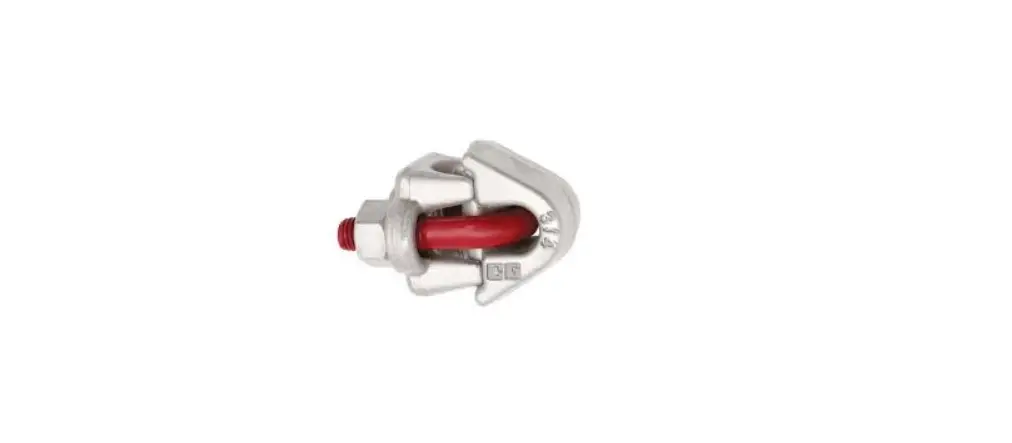
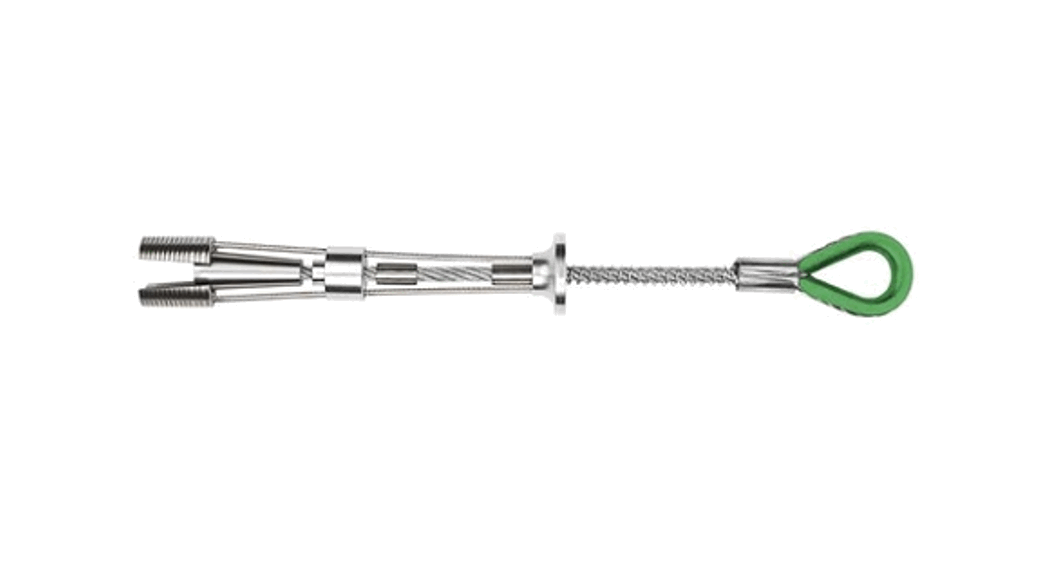
G-291 Regular Nut Eye Bolts
Product Information
The product described in this manual is a lifting point,
specifically forged eye bolts. The manual provides warnings and
application instructions for three types of eye bolts: Regular Nut
Eye Bolt G-291, Shoulder Nut Eye Bolt G-277, and Machinery Eye Bolt
S-279 / M-279. It is important to read and follow the safety
information provided in the manual for proper usage and maintenance
of the eye bolts.
Working Load Limit and Size
The working load limit of the eye bolts varies based on the size
and angle from in-line. The table below provides the working load
limit in pounds (lb) for different sizes of eye bolts at different
angles:
| Size (in) | Angle from In-Line | Adjusted Working Load Limit (lb) |
|---|---|---|
| 1/4 | 5 degrees | 650 |
In addition to the working load limit in pounds, the manual also
provides the working load limit in kilograms (kg) for different
sizes of eye bolts at different angles.
Assembly Safety
The manual instructs users to ensure that the distance between
the bottom of the load and the last thread of the eye bolt does not
exceed a certain value. It also recommends placing washers or
spacers between the nut and the load to ensure that the shoulder of
the eye bolt is secured flush against the load surface when the nut
is tightened securely.
Product Usage Instructions
1. Read and familiarize yourself with the safety information
provided in the manual.
2. Select the appropriate type of eye bolt (Regular Nut Eye Bolt
G-291, Shoulder Nut Eye Bolt G-277, or Machinery Eye Bolt S-279 /
M-279) based on your specific application requirements.
3. Determine the size of the eye bolt needed for your
application.
4. Refer to the tables provided in the manual to identify the
working load limit for the chosen size of eye bolt at different
angles from in-line.
5. Ensure that the load does not exceed the adjusted working
load limit specified in the manual.
6. When assembling the eye bolt, make sure the distance between
the bottom of the load and the last thread of the eye bolt does not
exceed the recommended value.
7. Place washers or spacers between the nut and the load to
secure the shoulder of the eye bolt flush against the load
surface.
8. Tighten the nut securely to ensure proper assembly and
safety.
9. Regularly inspect and maintain the eye bolts to prevent
corrosion and ensure their continued safe usage.
10. These instructions apply specifically to Crosby products.
Follow manufacturer guidelines for other brands of eye bolts.
LIFTING POINTS
SECTION 11
APPLICATIONS & WARNINGS
FORGED EYE BOLT WARNINGS & APPLICATION INSTRUCTIONS
WARNING
· Load may slip or fall if proper eye bolt assembly and lifting procedures are not used.
· A falling load can seriously injure or kill.
· Read and understand these instructions, and follow all eye bolt safety information presented here.
· Read, understand, and follow information in diagrams and charts below before using eye bolt assemblies.
Regular Nut Eye Bolt G-291
Shoulder Nut Eye Bolt G-277
Machinery Eye Bolt S-279 / M-279
Important Safety Information Read & Follow
Inspection/Maintenance Safety:
· Always inspect eye bolt before use. · Never use eye bolt that shows signs of wear or damage. · Never use eye bolt if eye or shank is bent or elongated. · Always be sure threads on shank and receiving holes are clean. · Never machine, grind, or cut eye bolt. · Do not leave threaded end of machinery eye bolt in aluminum loads
for long periods of time as it may cause corrosion.
Assembly Safety:
· Never exceed load limits specified in Table I & Table 2. · Never use regular nut eye bolts for angular lifts. · Always use shoulder nut eye bolts (or machinery eye bolts) for
angular lifts. · For angular lifts, adjust working load as follows:
ANGLE FROM “IN-LINE”
5 degrees 15 degrees 30 degrees 45 degrees 90 degrees
ADJUSTED WORKING LOAD LIMIT
100% of rated working load 80% of rated working load 65% of rated working load 30% of rated working load 25% of rated working load
· Never undercut eye bolt to seat shoulder against the load. · Always countersink receiving hole or use washers with sufficient
I.D. to seat shoulder. · Always screw eye bolt down completely for proper seating. · Always tighten nuts securely against the load.
Size (in) 1/4 5/16 3/8 1/2 5/8 3/4 7/8 1 1-1/8 1-1/4 1-1/2 1-3/4 2 2-1/2
Table 1 (In-Line Load) Working Load Limit (lb) 650 1,200 1,550 2,600 5,200 7,200 10,600 13,300 15,000 21,000 24,000 34,000 42,000 65,000
Shoulder Nut Eye Bolt Installation for Angular Loading
IN-LINE
· The threaded shank must protrude through the load sufficiently to allow full engagement of the nut.
· If the eye bolt protrudes so far through the load that the nut cannot be tightened securely against the load, use properly sized washers to take up the excess space BETWEEN THE NUT AND THE LOAD.
· Thickness of spacers must
·
exceed this distance between
the bottom of the load and
the last thread of the eye bolt.
Figure 1
Place washers or spacers between nut and load so that when the nut is tightened securely, the shoulder is secured flush against the load surface.
Metric Size m6 m8 m10 m12 m16 m20 m24 m27 m30 m36 m42 m48 m64
Table 2 (In-Line Load) Working Load Limit – kg 200 400 640 1000 1800 2500 4000 5000 6000 8500 14000 17300 29500
17
Copyright © 2022 The Crosby Group LLC All Rights Reserved
This application/warning information apply to Crosby products only.
417