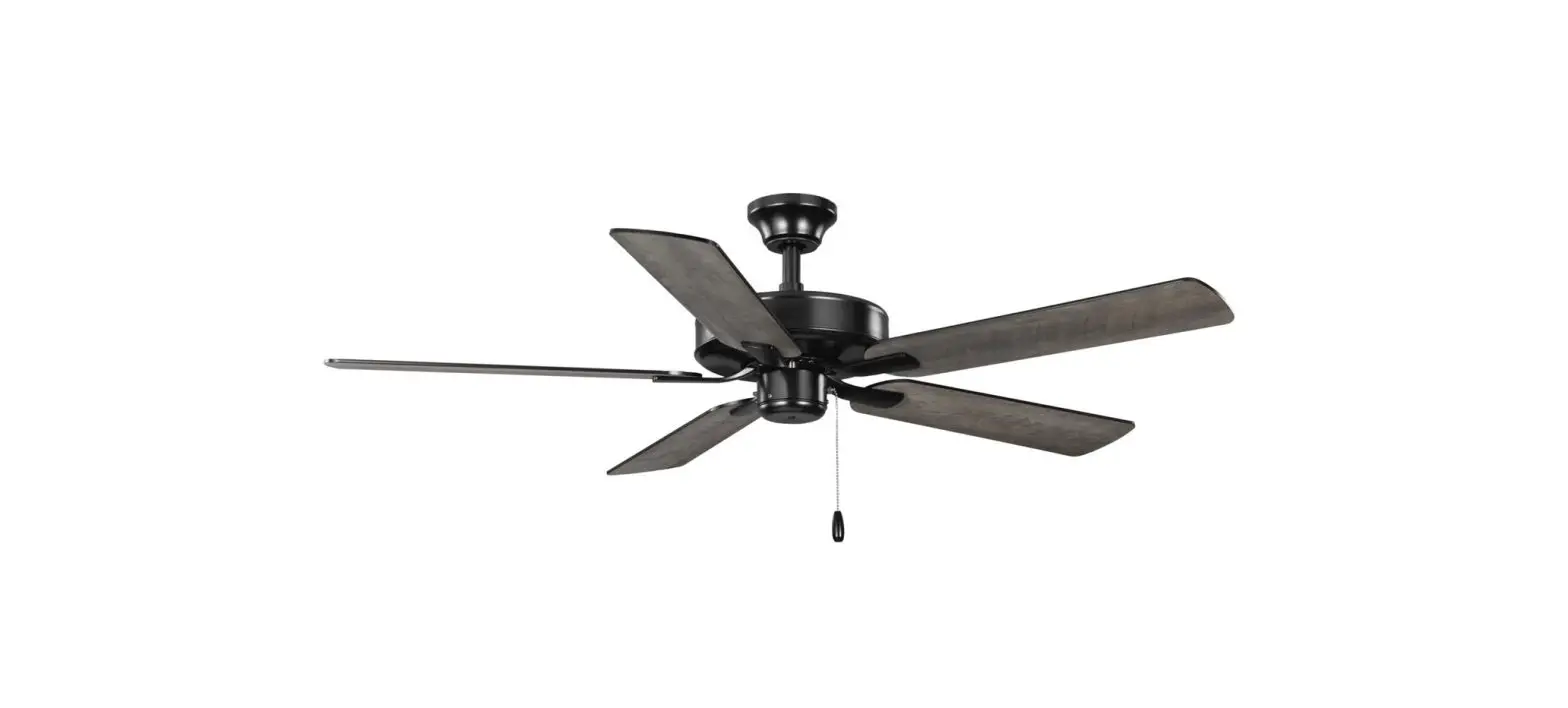
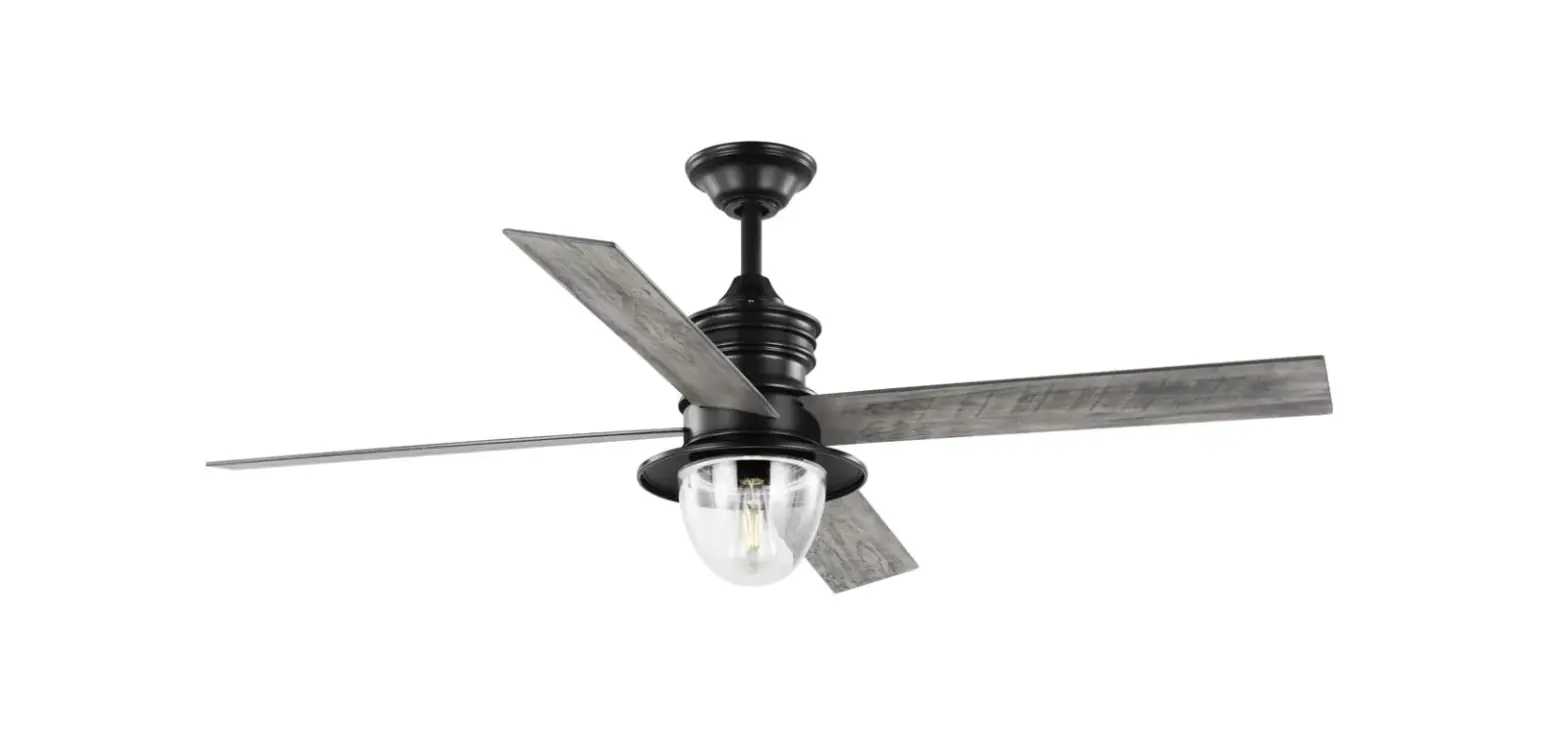
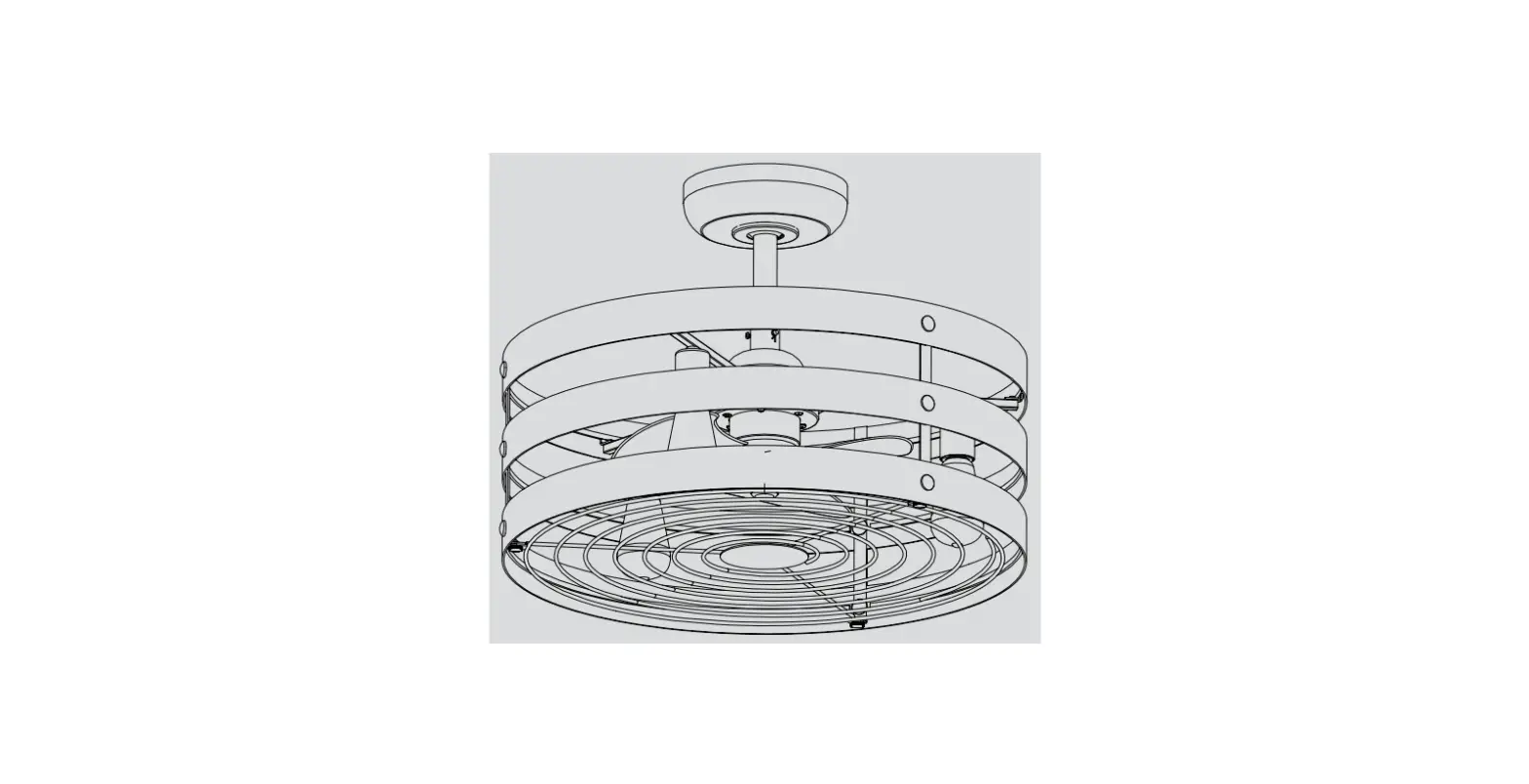
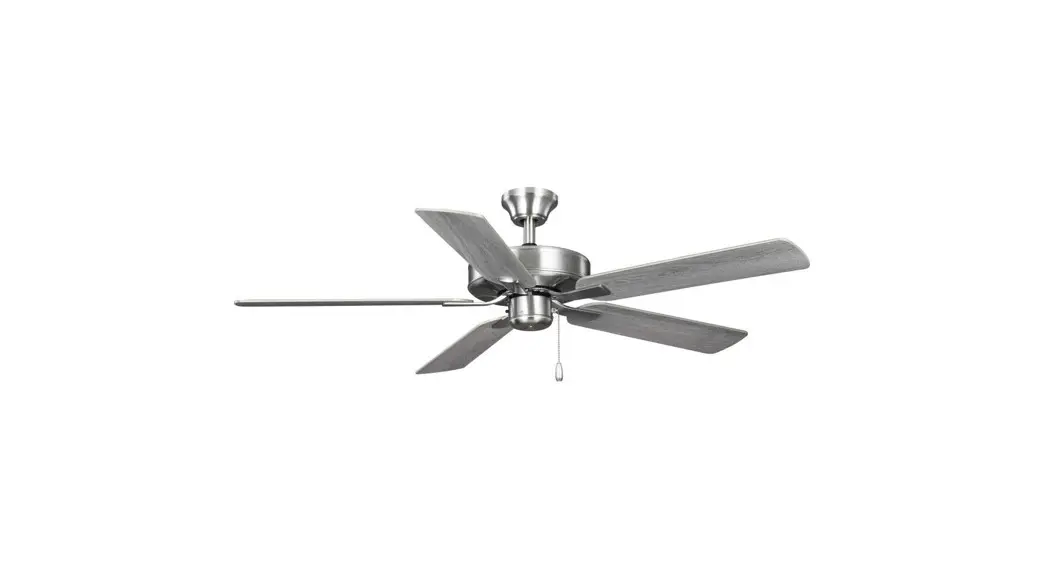
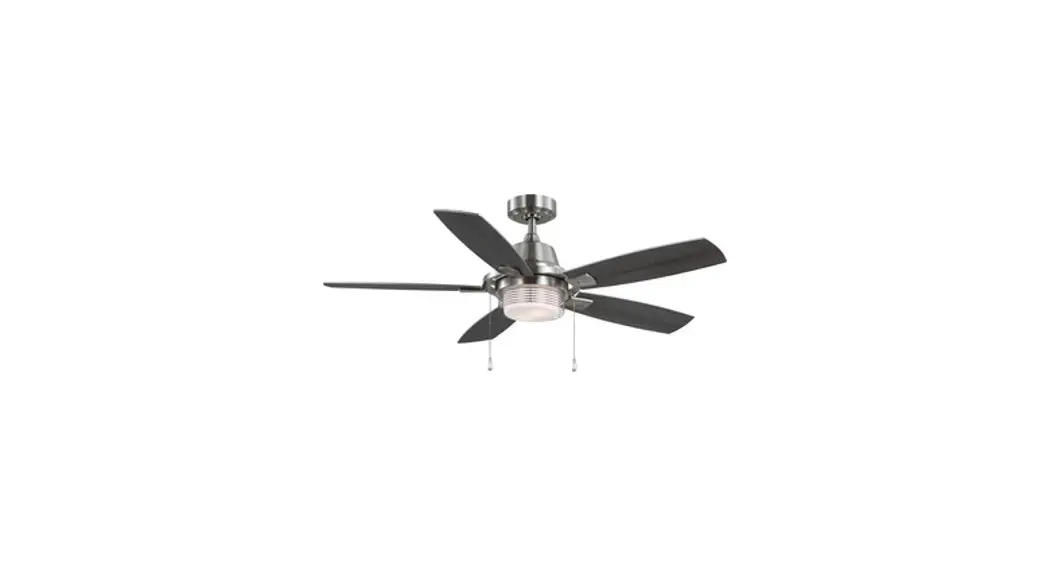
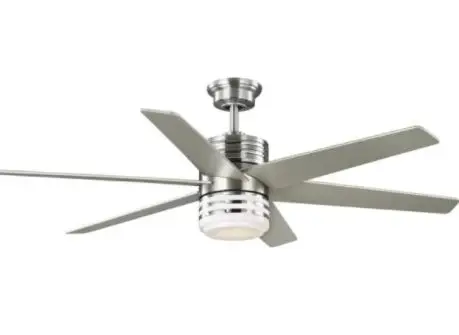
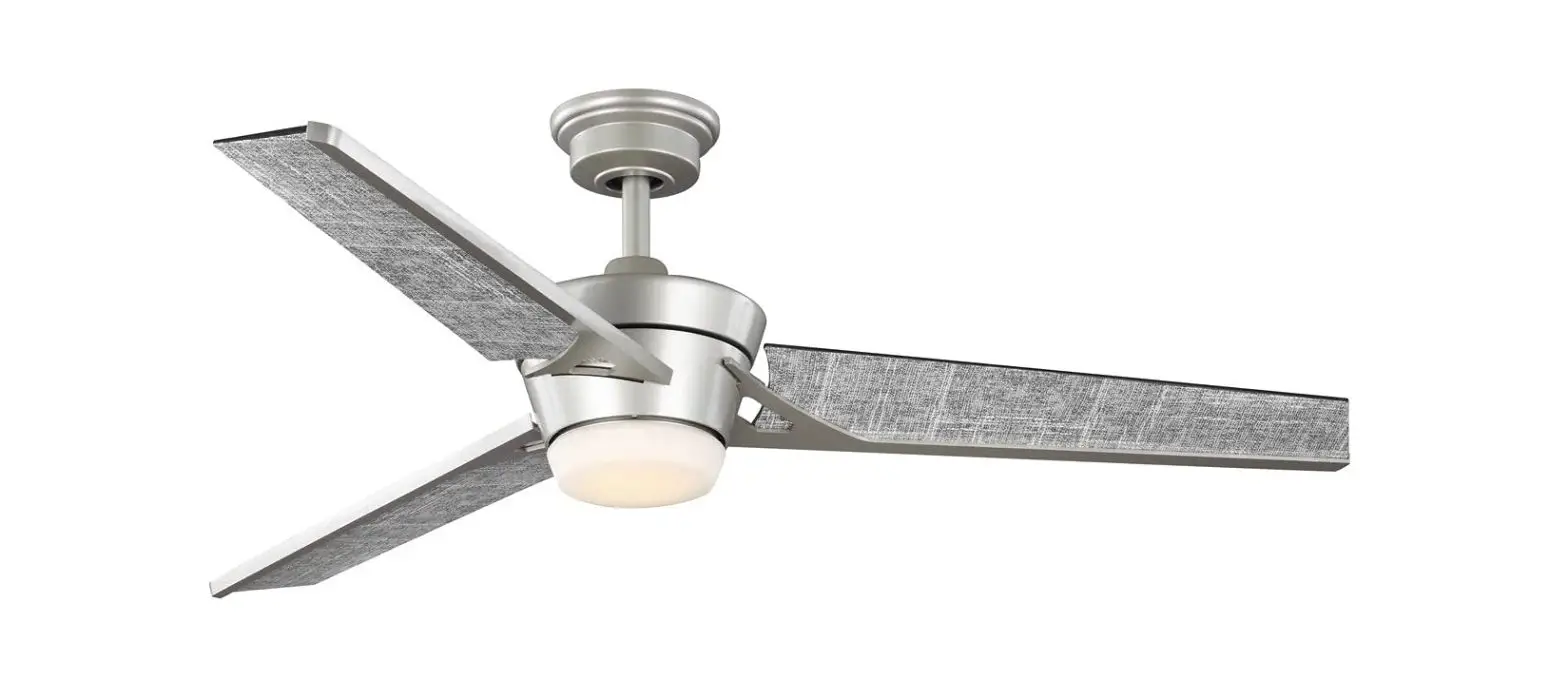
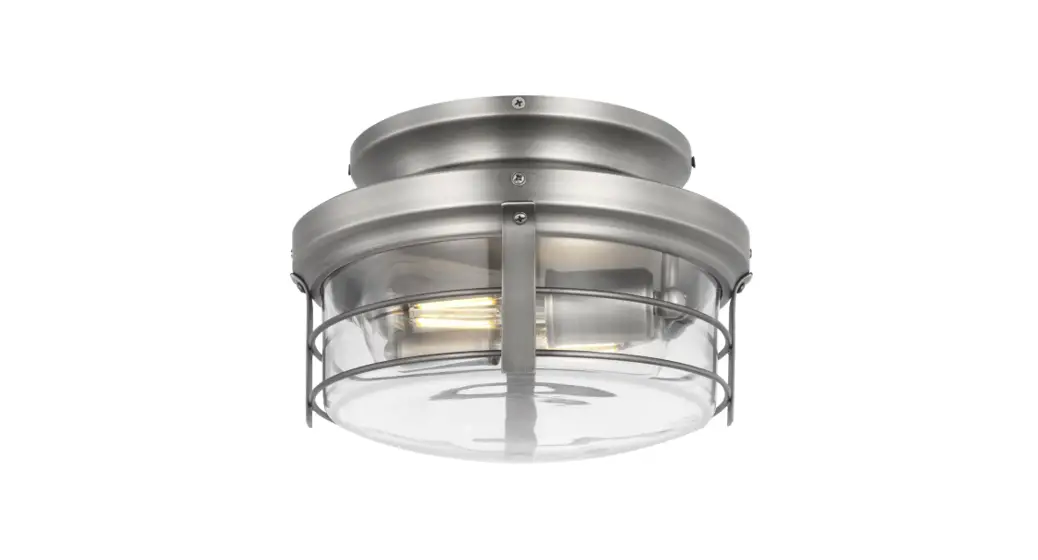
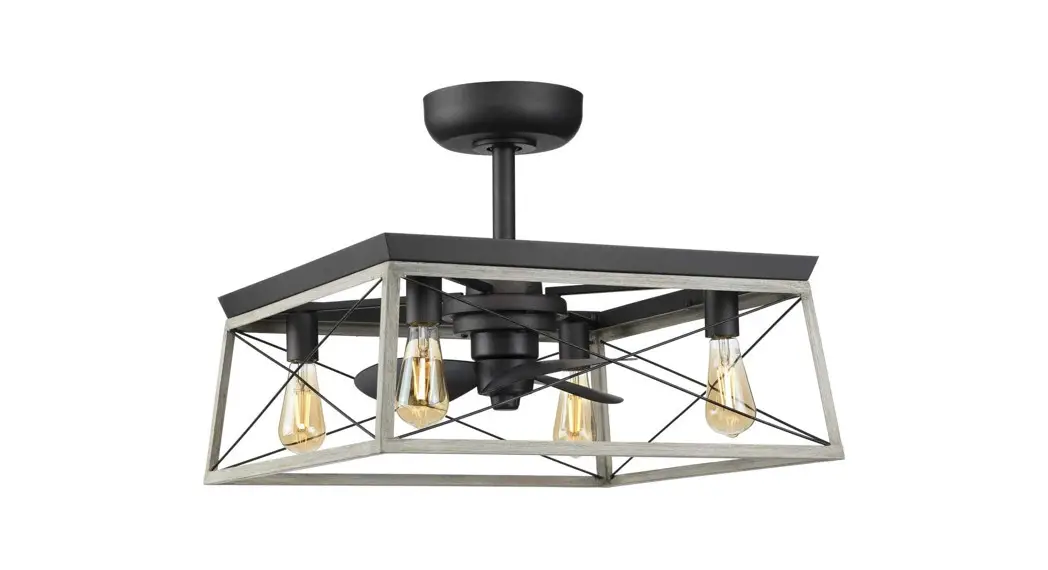
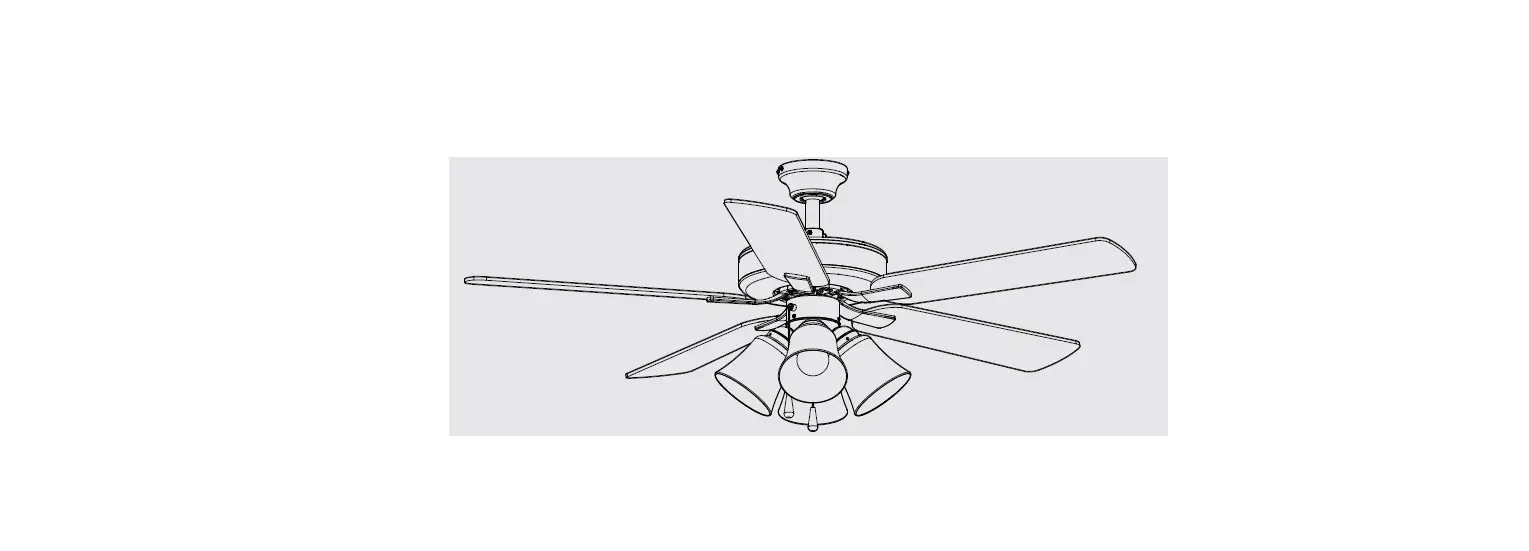
P250097 Shaffer II Ceiling Fan
Product Information
Product Name: Ceiling Fan
Model Number: P250097
Serial Number: 109226
Vendor Number: 785247255412
UPC: 785247255436, 785247255429
Limited Lifetime Warranty:
This product comes with a limited lifetime warranty. The
original purchaser can return the defective fan to the place of
purchase within the first 30 days for a replacement. After 30 days,
the original purchaser must contact Progress Lighting at (864)
678-1000 for repair or replacement. The decision for repair or
replacement will be determined by Progress Lighting and will be the
purchaser’s sole and exclusive remedy. Please note that labor and
shipping costs are excluded from this warranty.
This warranty does not cover any costs or fees associated with
the labor required to install, remove, or replace the fan or any
fan parts. It also does not cover any loss or damage resulting from
normal wear and tear, alteration, misuse, abuse, neglect, improper
installation, operation, repair, maintenance, or voltage supply
issues. Unauthorized repairs or failure to provide maintenance may
also void the warranty.
Please note that some states may have different regulations
regarding warranties and limitations on damages, so the above
limitations and exclusions may not apply to you.
Product Usage Instructions
- Electrical Safety: Before starting any work on
the fan, ensure that the electricity has been turned off at the
circuit breaker or fuse box to reduce the risk of electric
shock. - Wiring: All wiring must be done in accordance
with the National Electrical Code and local electrical codes. It is
recommended to have the electrical installation performed by a
qualified licensed electrician. - Compatibility: Do not use this fan with any
solid-state fan speed control device to reduce the risk of
electrical shock and fire. - Mounting: Mount the fan to an outlet box
marked “Acceptable for Fan Support of 15.9 kg (35 lbs.) Or Less”
using the mounting screws provided with the outlet box. Most outlet
boxes used for light fixtures may not be suitable for fan support
and may need to be replaced. It is strongly recommended to hire a
qualified licensed electrician for the installation due to the
complexity involved. - Outlet Box and Support: Ensure that the outlet
box and support structure are securely mounted and capable of
supporting a minimum weight of 35 lbs (15.9 kg). Use only
cUL-listed outlet boxes marked for fan support. - Cleaning: When cleaning the fan or fan blades,
do not use water or detergents. Instead, use a dry dust cloth or
lightly dampened cloth for most cleaning purposes. - Electrical Connections: After making
electrical connections, ensure that spliced conductors are turned
upward and pushed carefully up into the outlet box. Spread the
wires apart, keeping the grounded conductor and equipment-grounding
conductor on one side of the outlet box.
Ceiling Fan Installation Manual P250097
Limited Lifetime Warranty
Progress Lighting fan motors are warranted to the original purchaser to be free of electrical and/or mechanical defects for so long as the original purchaser owns the fan. Pull chain switches, reverse switches, capacitors and metal finishes are warranted to be free from defects in materials or workmanship for a period of 1 year from the date of purchase. Warping of wooden or plastic blades is not covered by this warranty nor is corrosion and/or deterioration of any finishes for fans installed within ten miles of any sea coast. Extended warranties for ENERGY STAR® qualified products may apply.
Date Purchased Store Purchased
Progress Lighting ceiling fans with built-in LED light sources, when properly installed and under normal conditions of use, are warranted to be free from defects in material and workmanship which cause the light sources to fail to operate in accordance with the specifications for (i) five (5) years from the date of purchase on the LED Light modules and electrical components for fans used in single family residences, and (ii) three (3) years from the date of purchase on the LED Light modules and electrical components for fans used in multi-family or commercial applications. LED bulbs supplied by Progress Lighting carry no warranty other than manufacturer’s warranty. Non-LED bulbs carry no warranty.
With proof of purchase, the original purchaser may return the defective fan to the place of purchase during the first 30 days for replacement. After 30 days, the original purchaser MUST contact Progress Lighting at (864) 678-1000 for repair or replacement which shall be determined in Progress Lighting’s sole discretion and shall be purchaser’s sole and exclusive remedy.
Labor and Shipping Excluded. This warranty does not cover any costs or fees associated with the labor (including, but not limited to, electrician’s fees) required to install, remove, or replace a fan or any fan parts.
This warranty shall not apply to any loss or damage resulting from (i) normal wear and tear or alteration, misuse, abuse or neglect, or (ii) improper installation, operation, repair or maintenance by original purchaser or a third party, including without limitation improper voltage supply or power surge, use of improper parts or accessories, unauthorized repair (made or attempted) or failure to provide maintenance to the fan.
Model No. Serial No. Vendor No.
UPC
109226
785247255412 785247255436 785247255429
THE FOREGOING WARRANTIES STATE PROGRESS LIGHTING’S ENTIRE WARRANTY OBLIGATION AND ORIGINAL PURCHASER’S SOLE AND EXCLUSIVE REMEDY RELATED TO SUCH PRODUCTS. PROGRESS LIGHTING IS NOT RESPONSIBLE FOR DAMAGES (INCLUDING INDIRECT, SPECIAL, INCIDENTIAL OR CONSEQUENTIAL), DUE TO PRODUCT FAILURE, WHETHER ARISING OUT OF BREACH OF WARRANTY, BREACH OF CONTRACT, OR OTHERWISE. THIS WARRANTY IS GIVEN IN LIEU OF ALL OTHER WARRANTIES, WHETHER EXPRESSED OR IMPLIED, INCLUDING THOSE OF MERCHANTABILITY, FITNESS FOR A PARTICULAR PURPOSE OR NONINFRINGEMENT.
Some states do not allow limitations on how long an implied warranty lasts or the exclusion or limitations of incidental or consequential damages, so the above limitations and exclusions may not apply to you. This warranty gives you specific rights and you may have other rights which vary from state to state.
Safety Rules…………………………………………………………………………………………………………………………………………………………….. 1. Unpacking Your Fan ………………………………………………………………………………………………………………………………………………… 2. Installing Your Fan ………………………………………………………………………………………………………………………………………………….. 3. Installing the Light Kit…………. …………………………………………………………………………………………………………………………………. 8. Operating Your Transmitter ………………………………………………………………………………………………………………………………………. 9. Care of Your Fan …………………………………………………………………………………………………………………………………………………….. 11. Troubleshooting ………………………………………………………………………………………………………………………………………………………. 12. Specifications …………………………………………………………………………………………………………………………………………………………. 13.
Table of Contents
1. To reduce the risk of electric shock, insure electricity has been turned off 9. To avoid personal injury or damage to the fan and other items, be cautious
at the circuit breaker or fuse box before beginning.
when working around or cleaning the fan.
2. All wiring must be in accordance with the National Electrical Code and local electrical codes. Electrical installation should be performed by a qualified licensed electrician.
3. WARNING: To reduce the risk of electrical shock and fire, do not use this fan with any solid-state fan speed control device.
4. WARNING: To reduce the risk of fire, electric shock, or personal injury, mount to outlet box marked “Acceptable for Fan Support of 15.9 kg (35 lbs.) Or Less” and use mounting screws provided with the outlet box. Most outlet boxes commonly used for the support of light fixtures are not acceptable for fan support and may need to be replaced. Due to the complexity of the installation of this fan, a qualified licensed electrician is strongly recommended.
WARNING TO REDUCE THE RISK OF FIRE, ELECTRIC SHOCK OR PERSONAL INJURY, MOUNT FAN TO OUTLET BOX MARKED ACCEPTABLE FOR
FAN SUPPORT.
5. The outlet box and support structure must be securely mounted and capable of reliably supporting a minimum of 35 lbs (15.9 kg) or less. Use only cUL-listed outlet boxes marked FOR FAN SUPPORT.
10. Do not use water or detergents when cleaning the fan or fan blades. A dry dust cloth or lightly dampened cloth will be suitable for most cleaning.
11. After making electrical connections, spliced conductors should be turned upward and pushed carefully up into the outlet box. The wires should be spread apart with the grounded conductor and the equipment-grounding conductor on one side of the outlet box.
12. Electrical diagrams are for reference only. Light kits that are not packed with the fan must be cUL Listed and marked suitable for use with the model fan you are installing. Switches must be cUL General Use Switches. Refer to the Instructions packaged with the light kits
WARNING TO REDUCE THE RISK OF PERSONAL INJURY, DO NOT BEND THE
BLADE ARMS (ALSO REFERRED TO AS BRACKETS) DURING ASSEMBLY OR AFTER INSTALLATION. DO NOT INSERT OBJECTS IN
THE PATH OF THE BLADES.
NOTE READ AND SAVE ALL INSTRUCTIONS!
6. The fan must be mounted with a minimum of 7 ft (2.1m) clearance from the trailing edge of the blades to the floor.
7. Wait for fan to stop before changing the setting of the slide switch.
8. Avoid placing objects in the path of the blades.
1. Safety Rules
2
5
8
12
1
9
3
6
13 10
4
7
14 11
Unpack your fan and check the contents. You should have the following items:
1. Fan blades (4) 2. Blade support plates (4) 3. Canopy assembly 4. Ball/downrod assembly 5. Coupling cover 6. Fan motor assembly 7. Mounting plate
8. 18 Watt LED light kit 9. Glass shade 10. Metal light cover (for optional use) 11. Receiver with 6 wire nuts 12. Transmitter incl. 2 mounting screws 13. 12V MN21/A23 battery 14. Balancing kit
a
b
15
15. Loose parts bag containing:
a. Blade attachment hardware (13 screws with lock washers)
b. Mounting hardware Wire nuts (3)
Unpacking Your Fan 2.
Tools Required
Phillips screw driver, straight slot screw driver, adjustable wrench, step ladder, and wire cutters.
Mounting Options
If there isn’t an existing cUL listed mounting box, then read the following instructions. Disconnect the power by removing fuses or turning off circuit breakers.
Secure the outlet box directly to the building structure. Use appropriate fasteners and building materials. The outlet box and its support must be able to fully support the moving weight of the fan (at least 35 lbs). Do not use plastic outlet boxes.
WARNING TO REDUCE THE RISK OF FIRE, ELECTRIC
SHOCK, OR OTHER PERSONAL INJURY, MOUNT FAN ONLY TO AN OUTLET BOX MARKED ACCEPTABLE FOR FAN SUPPORT
AND USE THE MOUNTING SCREWS PROVIDED WITH THE OUTLET BOX. OUTLET
BOXES COMMONLY USED FOR THE SUPPORT OF LIGHTING FIXTURES MAY NOT
BE ACCEPTABLE FOR FAN SUPPORT AND MAY NEED TO BE REPLACED. CONSULT A
QUALIFIED ELECTRICIAN IF IN DOUBT.
Figure 1 Figure 2
Outlet box Outlet box
3. Installing Your Fan
Angled ceiling maximum 25 angle
Recessed outlet box
Provide strong support
Ceiling hanger bracket
Figure 3
NOTE: You may need a longer downrod to maintain proper blade clearance when installing on a steep, sloped ceiling.
Figure 4
Outlet box
To hang your fan where there is an existing fixture but no ceiling joist, you may need an installation hanger bar as shown in Figure 4 (available at your Progress Lighting Retailer).
Hanging the Fan
Step 7. Align the holes at the bottom of the downrod with the holes in the collar on top of the motor
REMEMBER to turn off the power. Follow the steps below to hang your fan properly:
housing (Fig. 7). Carefully insert the hanger pin through the holes in the collar and downrod. Be careful not to jam the pin against the wiring inside
Step 1. Remove the decorative canopy bottom cover from the canopy by turning the cover counter clockwise.(Fig. 5)
the downrod. Insert the locking pin through the hole near the end of the hanger pin until it snaps into its locked position, as noted in the circle inset of Fig. 7.
Step 2. Remove the mounting bracket from
WARNING
the canopy by removing 1 of 2 screws from
FAILURE TO PROPERLY INSTALL
the bottom of the mounting bracket and
LOCKING PIN AS NOTED IN STEP 7
loosening the other one a half turn from the COULD RESULT IN FAN LOOSENING AND
screw head. Next, turn the canopy counter
POSSIBLY FALLING.
clockwise to remove the mounting bracket
from the canopy. (Fig. 5)
Step 8. Tighten two set screws on top of the fan
Step 3. Pass the 120-volt supply wires motor firmly. (Fig. 7)
through the center hole in the ceiling hanger
bracket as shown in Fig. 6.
Step 9. Place the downrod ball into the hanger
bracket socket.
Step 4. Secure the hanger bracket to the
ceiling outlet box with the screws and
washers provided with your outlet box.
Ceiling hanger
bracket
Step 5. Remove the hanger pin, lock pin and set screws from the top of the motor assembly. (Fig. 7)
Ceiling canopy
Step 6. Route the wires exiting from the top of the fan motor through the collar cover, canopy cover, canopy and then through the ball / downrod. (Fig. 7)
Figure 5
Canopy cover
Ceiling hanger bracket
120V Wires Figure 6
Supply wires Ball/downrod assembly
Canopy Canopy cover
Collar cover
Hanger pin
Figure 7
CUL Listed electrical box Washers Mounting screws (supplied with electrical box)
Pin in locked position
Set screws
Lock pin
4.
Make the Electric Connections
WARNING: To avoid possible electrical shock, be sure electricity is turned off at the main fuse box before wiring.
NOTE: This remote control unit is equipped with 16 code combinations to prevent possible interference from or to other remote units. The frequency switches on your receiver and transmitter have been preset at the factory. Please recheck to make sure the switches on the transmitter and the receiver are set to the same position, any combination of settings will operate the fan as long as the transmitter and receiver are set to the same position. (Fig. 8)
Step 1. (Fig. 9) Insert the receiver into the mounting bracket with the flat side of the receiver facing the ceiling.
Step 2. (Fig. 10) Motor to Receiver Electrical Connections: Connect the Black wire from the fan to Black wire marked “TO MOTOR L”. Connect the White wire from the fan to the White wire marked “TO MOTOR N” from the receiver. Connect the Blue wire from the fan to the Blue wire marked “For Light” from the receiver. Secure wire connections with the plastic wire nuts provided.
Step 3. (Fig. 10) Receiver to House Supply Wires Electrical Connections: Connect the black (hot) wire from the ceiling to the black wire marked “AC in L” from the receiver. Connect the white (neutral) wire from the ceiling to the white wire marked “AC in N” from the Receiver. Secure the wire connections with the plastic wire nuts provided.
Step 4. (Fig. 10) If your outlet box has a ground wire (green or bare copper) connect it to the fan ground wires; otherwise connect the hanging bracket ground wire to the mounting bracket. Secure the wire connection with a plastic nut provided. After connecting the wires spread them apart so that the green and white wires are on one side of the outlet box and black and blue wires are on he other side. Carefully tuck the wire connections up into the outlet box.
NOTE: Fan must be installed at a maximum distance of 20 feet from the transmitting unit for proper signal transmission between the transmitting unit and the fan’s receiving unit.
5.
Code switch Figure 8
Receiver Figure 9
TM
Hanger bracket
Outlet box Black (hot) Black (“AC IN L”) Receiver Black (“to motor L”)
Blue (for light) Black (motor)
Finishing the Installation
White (neutral) Green or bare copper (ground) White (“AC IN N”)
White (“to motor N”)
Ground (green) (Connect to ground wire on hanger bracket if no house ground wire exists.)
White (neutral)
Step 1. Tuck connections neatly into ceiling outlet box.
Step 2. Slide the canopy up to mounting bracket and place the key hole on the canopy over the screw on the mounting bracket, turn canopy until it locks in place at the narrow section of the key holes. (Fig. 11)
Step 3. Align the circular hole on canopy with the remaining hole on the mounting bracket, secure by tightening the two set screws. Note: Adjust the canopy screws as necessary until the canopy and canopy cover are snug.
Outlet box Hanger bracket
Canopy cover Figure 11
WARNING Make sure the notch on the hanging bracket properly sits in the groove in the hanger ball before attaching the canopy to the bracket by turning the housing until
it drops into place.
Figure 10
Screws Canopy
6.
Attaching the Fan Blades
Insert the blade through the slot in the housing. Align the holes in the blade support plate, blade and the fan motor assembly and secure with the screw and fiber washer. (Fig. 12)
Installing the Mounting Plate
Step 1. Remove 1 of the 3 screws from the mounting ring and loosen the other 2 screws. (Do not remove)
Step 2. Place the key holes on the mounting plate over the 2 screws previously loosened from the mounting ring, turn mounting plate until it locks in place at the narrow section of the key holes. Secure by tightening the 2 screws previously loosened and the one previously removed. (Fig. 13)
Mounting plate
Mounting ring
Blade support plate Screws
Figure 12
7.
Slot Blade
Screws Figure 13
CAUTION: Before starting installation, disconnect the power by turning off the circuit breaker or removing the fuse at fuse box. Turning power off using the fan switch is not sufficient to prevent electric shock.
If you do not plan to install the light kit with your fan at this time, skip step 2.
1. Remove 1 of 3 screws from the mounting plate and loosen the other 2 screws. (Do not remove)
4. Raise the glass shade (or metal light cover) up against the LED light kit and secure it to the fan by turning the glass shade clockwise until snug. DO NOT OVERTIGHTEN. (Fig. 14)
NOTE: The metal light cover included with your fan is an option to replace the glass for the light in the event that you prefer not to use the light feature of your fan. The metal light cover is not necessary for the light operation; it can be saved for later use if desired.
2. While holding the LED light kit under the fan motor assembly, make the 2-pin wire connections:
– White to white – Black to blue
3. Place the key holes in the LED light kit over the two mounting screws previously loosened from the mounting plate. Turn the LED light kit until the LED light kit locks in place at the narrow section of the key holes. Secure by tightening the two screws previously loosened and the one previously removed. (Fig. 14)
Wire connector LED Light kit
Figure 14
Mounting plate
Screws
Glass shade
Installing the Light Kit 8.
Installing the battery
Install 12V MN21/A23 battery (included), to prevent damage to transmitter, remove the battery if not used for long periods.
Restore power to ceiling fan and test for proper operation.
1. ” , ,
” buttons:
These three buttons are used to set the fan
speed as follows:
= Low speed
= Medium speed
= High speed
2. ” ” button: This button turns the fan off.
3. The ” ” button turns the light ON or OFF and also controls the brightness setting. Press and release the button to turn the light ON or OFF. Press and hold the button to set the desired brightness. The light key has an auto-resume, it will stay at the same brightness as the last time it was turned off.
The Reverse switch is located on the motor housing. Slide the switch to the Left for warm weather operation. Slide the switch to the Right for cool weather operation.
NOTE: Wait for fan to stop before changing the setting of the slide switch.
Speed settings for warm or cool weather depend on factors such as the room size, ceiling height, number of fans, etc.
Warm weather – (Forward) A downward air flow creates a cooling effect as shown in Figure 17. This allows you to set your air conditioner on a higher setting without affecting your comfort.
Cool weather – (Reverse) An upward airflow moves warm air off the ceiling area as shown in Figure 18. This allows you to set your heating unit on a lower setting without affecting your comfort.
Figure 15
Figure 16
9. Operating Your Transmitter
Figure 17 Figure 18
Blade balancing
All blades are grouped by weight. Because natural woods very in density, the fan may wobble even though the blades are weighed equally.
The following procedure should correct most fan wobbling problems. Check after each step.
WARNING
TO REDUCE THE RISK OF PERSONAL INJURY, DO NOT BEND THE BLADE HOLDERS WHILE INSTALLING, BALANCING THE
BLADES, OR CLEANING THE FAN. DO NOT INSERT FOREIGN OBJECTS BETWEEN ROTATING FAN BLADES.
1. Check that all blade and blade arm screws are secure.
2. Most fan wobbling problems are caused when blade levels are unequal. Check this level by selecting a point on the ceiling above the tip of one of the blades. Measure this distance as shown in Fig. 19. Rotate the fan until the next blade is positioned for measurement. Repeat for each blade. The distance deviation should be equal within 1/8″.
Touching ceiling
3. Use the enclosed Blade Balancing Kit if the Figure 19 blade wobble is still noticeable.
4. If the blade wobble is still noticeable, interchanging two adjacent (side by side) blades can redistribute the weight and possibly result in smoother operation.
10.
Here are some suggestions to help you maintain your fan
1. Because of the fan’s natural movement, some connections may become loose. Check the support connections, brackets, and blade attachments twice a year. Make sure they are secure. (It is not necessary to remove fan from ceiling.)
2. Clean your fan periodically to help maintain its new appearance over the years. Use only a soft brush or lint-free cloth to avoid scratching the finish. The plating is sealed with a lacquer to minimize discoloration or tarnishing. Do not use water when cleaning. This could damage the motor, or the wood, or possibly cause an electrical shock.
3. You can apply a light coat of furniture polish to the wood blades for additional protection and enhanced beauty. Cover small scratches with a light application of shoe polish.
4. There is no need to oil your fan. The motor has permanently lubricated bearings.
IMPORTANT MAKE SURE THE POWER IS OFF AT THE ELECTRICAL PANEL BOX BEFORE YOU ATTEMPT ANY REPAIRS. REFER TO THE
SECTION “MAKING ELECTRICAL CONNECTIONS”
11. Care of Your Fan
Problem
Fan will not start. Fan sounds noisy.
Remote control malfunction
Solution
1. Check circuit fuses or breakers. 2. Check line wire connections to the fan and switch wire connections in the switch housing.
CAUTION: Make sure main power is off. 3. Check to make sure the dip switches from the transmitter and receiver are set to the same frequency. 1. Make sure all motor housing screws are snug. 2. Make sure the screws that attach the fan blade bracket to the motor hub is tight. 3. Make sure wire nut connections are not rubbing against each other or the interior wall of the switch housing.
CAUTION: Make sure main power is off. 4. Allow a 24-hour “breaking-in” period. Most noise associated with a new fan disappear during this time. 5. If using an optional light kit, make sure the screws securing the lampshade are tight. Check that light bulb is also secure. 6. Some fan motors are sensitive to signals from solid-state variable speed controls. If you have installed this type of control,
choose and install another type of control. 7. Make sure the upper canopy is a short distance from the ceiling. It should not touch the ceiling. 1. Do not connect the fan with wall mounted variable speed control (s). 2. Make sure the dip switches are set correctly.
Troubleshooting 12.
Fan Size
Speed
Volts
Amps
Watts
RPM
CFM
N.W. G.W. C.F.
Low
120
56″
High
120
0.25
12.89
64
2042.33
21.61
24.25
2.16′
0.57
67.02
182
6175.75
lbs
lbs
These are approximate measures. They do not include Amps and Wattage used by the light kit.
This device complies with part 15 of the FCC Rules. Operation is subject to the following two conditions: (1) This device may not cause harmful interference, and (2) this device must accept any interference received, including interference that may cause undesired operation.
Warning: Changes or modifications to this unit not expressly approved by the party responsible for compliance could void the user’s authority to operate the equipment.
NOTE: This equipment has been tested and found to comply with the limits for a Class B digital device, pursuant to Part 15 of the FCC Rules. These limits are designed to provide reasonable protection against harmful interference in a residential installation. This equipment generates, uses and can radiate radio frequency energy and, if not installed and used in accordance with the instructions, may cause harmful interference to radio communications.
However, there is no guarantee that interference will not occur in a particular installation. If this equipment does cause harmful interference to radio or television reception, which can be determined by turning the equipment off and on, the user is encouraged to try to correct the interference by one or more of the following measures: – Reorient or relocate the receiving antenna. – Increase the separation between the equipment and receiver. – Connect the equipment into an outlet on a circuit different from
that to which the receiver is connected. – Consult the dealer or an experienced radio/TV technician for help.
13. Specifications
©2023 Progress Lighting, Inc. 701 Millennium Blvd., Greenville, SC 29607 All Rights Reserved
Manual de Instalación del Ventilador de Techo P250097
Garantía limitada de por vida
Se garantiza al comprador original que los motores de los ventiladores de Progress Lighting no presentan defectos mecánicos o eléctricos por el tiempo durante el cual el comprador original sea dueño del ventilador. Los interruptores de cadena, interruptores de reversa, capacitores y acabados de metal cuentan con garantía libre de defectos de materiales o mano de obra por 1 año a partir de la fecha de compra. La deformación de las aspas de plástico o madera no está cubierta por esta garantía, así como tampoco la corrosión y/o el deterioro de los acabados en el caso de los ventiladores instalados dentro de un radio de 10 millas (16 km) de la costa del mar. Pueden corresponder garantías extendidas para los productos que cumplen con los requisitos de ENERGY STAR®.
Fecha de compra Lugar de compra
Los ventiladores de techo Progress Lighting con fuentes de iluminación LED incorporadas, cuando se los instala debidamente y bajo condiciones de uso normales, están garantizados como libres de defectos de materiales y mano de obra que hacen que las fuentes de iluminación dejen de funcionar de acuerdo con las especificaciones durante (i) cinco (5) años a partir de la fecha de compra para los módulos de luces LED y los componentes eléctricos para los ventiladores utilizados en residencias unifamiliares, y (ii) tres (3) años a partir de la fecha de compra para los módulos de luces LED y los componentes eléctricos para los ventiladores utilizados en aplicaciones comerciales o multifamiliares. Los focos LED suministrados por Progress Lighting no cuentan con garantía más allá de la garantía del fabricante. Los focos que no son LED no cuentan con garantía.
N de modelo. N de serie Numero de vendedor
109226
Con comprobante de compra, el comprador original podrá devolver el ventilador defectuoso al lugar de compra, durante los primeros 30 días, para su reemplazo. Pasados los 30 días, el comprador original DEBE contactarse con Progress Lighting al (864) 678-1000 para la reparación o el reemplazo, que se determinará a criterio exclusivo de Progress Lighting y será la compensación única y exclusiva del comprador.
Se excluye la mano de obra y el envío. Esta garantía no cubre los costos o cargos asociados con la mano de obra (incluidos, entre UPC
otros, los honorarios del electricista) necesaria para instalar, quitar o reemplazar el ventilador o cualquiera de sus partes.
785247255412 785247255436 785247255429
Esta garantía no se aplicará a ninguna pérdida o daño que resulte del (i) uso y desgaste normales o de una alteración, uso indebido o descuido, o de la (ii) instalación, operación, reparación o mantenimiento inadecuados por parte del comprador original o de un tercero, incluidos, entre otros, suministro de voltaje inadecuado o sobrecarga eléctrica, uso de piezas o accesorios inadecuados, reparación no autorizada (realizada o que se intentó realizar) o falta de mantenimiento al ventilador.
LAS GARANTÍAS PRECEDENTES ESTABLECEN LA OBLIGACIÓN DE GARANTÍA COMPLETA DE PROGRESS LIGHTING Y LA COMPENSACIÓN ÚNICA Y EXCLUSIVA DEL COMPRADOR ORIGINAL EN RELACIÓN CON DICHOS PRODUCTOS. PROGRESS LIGHTING NO ASUME RESPONSABILIDAD POR DAÑOS (INCLUIDOS INDIRECTOS, ESPECIALES, INCIDENTALES O EMERGENTES), DEBIDO A FALLAS DEL PRODUCTO, YA SEA QUE SURJAN DEL INCUMPLIMIENTO DE LA GARANTÍA, DEL INCUMPLIMIENTO CONTRACTUAL O DE OTRO MODO. ESTA GARANTÍA REEMPLAZA CUALQUIER OTRA GARANTÍA, YA SEA EXPRESA O IMPLÍCITA, INCLUSO AQUELLAS DE COMERCIABILIDAD, IDONEIDAD PARA UN FIN EN PARTICULAR O NO INCUMPLIMIENTO.
Algunos estados no permiten limitaciones sobre la duración de una garantía implícita o la exclusión de limitaciones de daños incidentales o emergentes, de modo que las limitaciones y exclusiones anteriores tal vez no se apliquen a su caso. La presente garantía le otorga derechos específicos y es posible que usted tenga otros derechos que varían según el estado.
Normas de seguridad ……………………………………………………………………………………………………………………………………………….. 1. Cómo desembalar el ventilador …………………………………………………………………………………………………………………………………. 2. Cómo instalar el ventilador ………………………………………………………………………………………………………………………………………. 3. Instalación del kit de luz …………………………………………………………………………………………………………………………………………… 8. Operando su transmisor …………………………………………………………………………………………………………………………………………… 9. Cómo cuidar del ventilador ………………………………………………………………………………………………………………………………………. 11. Resolución de problemas …………………………………………………………………………………………………………………………………………. 12. Especificaciones ……………………………………………………………………………………………………………………………………………………… 13.
Tabla de Contenido
1. Para reducir el riesgo de eléctrocución, asegurarse de que la eléctricidad se 9. Para evitar lesiones personales o da os al ventilador y otros articulos, tener
ha desactivado en el cortacircuitos o caja de fusibles antes de comenzar.
cuidado al trabajar cerca del ventilador o al limpiarlo.
2. Todo cableado debe relizarse conforme al Código Electrico Nacional y los códigos electricos locales. La instalación eléctrica debe ser relazada por un eléctricista registrado calificado.
3. ADVERTENCIA: Para reducir el riesgo de una electrocuion e incendio, no usar este ventilador con ningun dispositivo de esto s lido para control de la velocidad del ventilador.
4. ADVERTENCIA: para reducir el riesgo de incendio, descarga eléctrica o lesión personal, monte a una caja distribución marcada como “Aceptable para soporte de un ventilador de 15.9kg (35 lbs.) de peso o menos” y monte con los tornillos proporcionados con la caja de distribución. La mayoría de las cajas de conexión utilizadas para soportar artefactos de iluminación, no son aptas para colgar un ventilador y podría ser necesario cambiarlas. Debido a la complejidad de la instalación de este ventilador, se recomienda encarecidamente que la realice un electricista licenciado cualificado.
ADVERTENCIA PARA REDUCIR EL RIESGO DE INCENDIO ELECTROCUCIÓN O LESIONES PERSONALES. MONTAR EL VENTILADOR EN UNA CAJA DE DISTRIBUCIÓN MARCADA CÓMO ACEPTABLE PARA SOPORTE DE
VENTILADORES.
5. La caja de distribución y la estructura de soporte deben estar montados de manera segura y deben ser capaces de soportar, de manera confiable, unminimo de 35 libras (15,9 kilogramos). Usar solamente cajas de distribución listadas por cUL marcadas “PARA SOPORTEDE VENTILADORES”.
6. EL ventilador debe estar montado con un m nimo de 7 pies (2.1m) de espacio libre desde el borde posterior de las aspas hasta el piso.
10. No usar agua o detergentes al limpiar el ventilador o las aspas del ventilador. Para la mayoria de los propsitos de limpieza, un paño seco o ligeramente humedecido será apropiado.
11. Despues de realizar las conexiones eléctricas, los conductores empalmados se deben voltear hacia arriba y se deben empujar con cuidado hacia dentro de la caja de distribución. Los cables deben estar separados, con el conductor a tierra y el conductor a tierra del equipo en un lado de la caja de distribución.
12. Los diagramas eléctricos son para referencia únicamente. Los juegos de iluminación que no estén embalados con el ventilador deben estar Listados por cUL y marcados como apropiados para ser usados con el modelo de ventilador que se está instalando. Los interruptores deberán ser Interruptores para uso general cUL. Réfierase a las instrucciónes embaladas con los juegos de iluminación e interruptores para obtener información sobre el montaje adecuado.
ADVERTENCIA PARA REDUCIR EL RIESGO DE LESIONES PERSONALES, NO DOBLAR LOS SOPORTES DE LAS ASPAS (TAMBIEN LLAMADOS”REBORDES” DURANTE EL MONTAJE O DESPUES DE LA INSTALACIÓN NO INSERTAR OBJETOS EN LA
TRAYECTORIA DE LAS ASPAS.
NOTA !LEER Y GUARDAR TODAS LAS INSTRUCCIONES!
7. Espere a que el ventilador pare antes de cambiar la posición del interruptor deslizante.
8. Evitar colocar objetos qen interfiera el giro de las aspas.
1. Normas de seguridad
2
5
8
12
1
9
3
6
13 10
4
7
14 11
Desembalar el ventilador y revisar el contenido. Debe tener los siguientes elementos:
1. Juego de aspas (4) 2. Placas de soporte para las aspas (4) 3. Escudete superior 4. Conjunto de bola/tubo de suspensión 5. Cubridor del motor 6. Conjunto de motor del ventilador 7. Plato de montaje
8. Kit de luces LED de 18 vatios 9. Pantalla de cristal 10. Cubierta de metal opcional 11. Receptor + 6 tuercas de cable 12. Transmisor + soporte + 2 tornillos de montaje 13. 12V MN21/A23 bateria 14. Juego de balanceo
a
b
15
15. Dos bolsas de piezas pequeñas:
a. Piezas de fijación de las aspas (13 Tornillos con arandelas de cierre)
b. Piezas de montaje (3 conectores plásticos para cables eléctricos).
Cómo desembalar el ventilador 2.
Herramienta necesarias
Destornillador Phillips, destornillador normal, llave de tuercas ajustable, escalera de tijera, y cortadoras de alambre.
Opciones de instalación
Si no hay una caja con cUL registración de montaje existente, sirvase leer las siguientes instrucciones. Desconectar el suministro de electricidad removiendo los fusibles o desactivando los cortacircuitos.
Asegurar la caja de distribución directamente a la estructura del edificio. Usar los sujetadores y meteriales de construcción apropiados. La caja de distribución y su soporte deben ser capaces de soportar completamente el peso en movimiento del ventilador (al menos 35 libras o 15.9 kgs.) No usar cajas de distribución plásticas.
Figura 1
ADVERTENCIA PARA REDUCIR EL RIESGO DE INCENDIO,
ELECTROCUCIÓN O DAÑO PERSONAL, INSTALAR EL VENTILADOR A UNA CAJA DE
DISTRIBUCION MARCADA “ACEPTADA PARA SOPORTAR VENTILADOR” Y USAR
LOS TORNILLOS DE MONTAJE SUMINISTRADOS CON LA CAJA DE
DISTRIBUCION
Figura 2
Caja de distribución
Caja de distribución
3. Cómo instalar el ventilador
Angulo máximo en el techo: 25°
Brindar soporte fuerte
Caja de distribución embutida
Soporte de montaje
Figura 3
NOTA: Ud. Puede necesitar una barra de extension para mantener la distancia apropiada de las aspas cuando la instalación se efectúe en un techo inclinado.
Figura 4
Caja de distribución
Para colgar su ventilador donde ya existe una instalación pero no una viga de techo, es possible que se necesite una instalación de barra de suspención como se muestra la Figura 4 (disponible en su distribuidor Progress Lighting).
Colocación del ventilador
Paso 7. Alinee los agujeros de la parte inferior de la barra con los agujeros del cuello en la parte superior
RECUERDE desconectar la alimentación. Siga estos pasos para colocar correctamente el ventilador:
de la caja del motor (Fig. 7) Introduzca con cuidado el pasador de suspensión a través de los agujeros del cuello y de la barra. Tenga cuidado de que el pasador no se atasque con los hilos de dentro de la barra.
Paso 1. Retire la tapa embellecedora del Introduzca el pasador de bloqueo a través del agujero
fondo del cobertor girando la tapa en sentido cercano al extremo del pasador de suspensión hasta
de las agujas del reloj. (Fig. 5)
que quede en la posición de bloqueo, tal y cómo se
especifica en el circulo de la Fig. 7.
Paso 2. Quite el soprte de montaje de la
cubierta quitando 1 de los 2 tornillos de la parte inferior del soprte de montaje y aflojando el otro media vuelta desde la cabeza del tornillo. A continuación, gire la soprte de montaje en sentido contrahorario para quitar la cubierta. (Fig. 5)
ADVERTENCIA SI NO INSTALA EL PASADOR CORRECTAMENTE TAL Y CÓMO SE ESPECIFICA EN EL PASO 7, EL VENTILADOR PODRIA AFLOJARSE E
INCLUSO CAER.
Paso 3. Pase los hilos de 120 voltios a través del agujero central del soporte de suspensión Paso 8. Apriete bien los dos tornillos de la parte del techo tal y cómo se muestra en la. (Fig. 6) superior del motor. (Fig. 7)
Paso 4. Fije el soporte de montaje a la caja Paso 9. Coloque la bola de la barra en la ranura del del techo con los tornillos y arandelas soporte de suspensión. suministradas en la caja.
Paso 5. Retire el pasador de suspensión, el pasador de bloqueo y el conjunto de tornillos y de la parte superior del ensamblaje del motor. (Fig. 7)
Soporte de montaje
Paso 6. Guíe los cables que salen de la parte superior del motor del ventilador a través de la voluta decorativa, tapa de la cubierta, cubierta y luego a traves de la bola/varilla. (Fig. 7)
Figura 5
Escudete de techo
Circulo de escudete
Soporte de montaje
Hilos de 120V Figura 6
Cables del motor Conjunto de bola/ tubo de suspensión Caja de techo
Tapa de la caja Voluta decorativa
Pasador del soporte colgante
Caja de eléctrica aprobada por UL
Arandelas Tornillos de montaje (suplidos en la caja eléctrica)
Pasador en posición de bloqueo
Apriete bien los tornillos
Pasador de bloqueo
4.
Realizar las Conexiones Eléctricas
“For Luce arriba” del receptor. Asegure las conexiones con los conectores de plástico proveidos.
CUIDADO: Para envitar la posibilidad de un choque eléctrico, asegurese de apagar la corriente eléctrica desde el circuito central.
NOTA: (Fig. 8) Esta unidad de control remoto está equipada con 16 combinaciones de frequencies diferentes para prevenir possible interferencia con otras unidades similares. Los interruptores de frequencia en el receptor y transmisor de su ventilador an sido programados por la fábrica. Por favor asegurese que los interruptores de las dos unidades estén puestos en la misma sequencia, cualquier combinacion de claves operara el ventilador siempre y cuando los interruptores de las dos unidades estén en la misma sequencia.
Paso 1. (Fig. 9) Instale el receptor en la abrazadera de montaje, el lado plano debe quedar hacia arriva.
Paso 2. (Fig. 10) Conexiones del Motor al Receptor: Conecte el alambre Negro del ventilador al alambre Negro marcado To Motor L del receptor. Conecte el alambre Blanco del ventilador al alambre Blanco marcado To Motor N del receptor. Conecte el alambre Azul del ventilador al alambre Azul marcado “For lámpara de fondo” del receptor. Conecte el alambre Anaranjado del ventilador al alambre Anaranjado marcado
Paso 3. (Fig. 10) Conexiones del receptor a los alambres de alimentación: Conecte el alambre Negro (corriente) de la caja de distribución al alambre Negro marcado AC in L del receptor. Conecte el alambre Blanco (Neutral) de la caja de salida al alambre blanco marcado AC in N del receptor. Asegure las conexiones con los conectores de plastico proveidos.
Paso 4. (Fig. 10) Si la Caja de salida tiene un alambre a tierra (verde o cobre) conectelo a los alambres verdes de tiera de las abrazaderas de montar y colgar; y si no, conecte los alambres verde de tiera de las abrazaderas de montar y colgar solos. Asegure las conección con un conectar los alambres, separelos para que los alambres verdes y blancos queden a un lado y los alambres negros y blancos del otro lado.
NOTA: La distancia máxima para una recepcion apropiada entre el receptor del ventilador y el transmisor son 20 pies. Asegúrese que su ventilador sea instalado dentro de esta distancia.
5.
Interruptor de códigos
Figura 8 Receptor
Figure 9
TM
Soporte de suspensión
Caja de distribucion
Negro (con corriente) Negro (“AC in L”)
Receptor
Negro (“to motor in L”)
Azul(“light”)
Azul (light) Negro (motor)
Blanco(neutro) Verde de cobre (a tierra) Blanco(“CA en N”)
Blanco(“to motor N”)
Verde – (a tierra) (Conecte al alambre a tierra a la abrazadera de soporte si no existe alambre a tierra de la casa)
Blanco (neutro)
Terminando la Instalación
Paso 1. Meta las conexiónes en forma ordenada adentro de la toma de corriente.
Paso 2. Deslice la cubierta hacia arriba hacia el soporte de montaje y coloque el agujero de posición de la cubierta sobre el tornillo del soporte de montaje, gire la cubierta hasta que quede encajada en su lugar en la sección estrecha de los agujeros de posición. (Fig. 11)
Paso 3. Alinee el agujero circular de la cubierta con el agujero restante en el soporte de montaje, fíjelo apretando los dos juegos de tornillos. Nota: Ajuste los tornillos de la cubierta hasta que la cubierta y la tapa de la cubierta queden ajustadas.
Caja de salida Abrazadera de soporte
Anillo para la cubierta
Figure 11
ADVERTENCIA ASEGURARSE DE QUE LA LENGUETA LOCALIZADA EN LA PARTE INFERIOR DEL SOPORTE DE SUSPENSIÓN ESTÉ ASENTADA CORRECTAMENTE EN LA RANURA DE BOLA DE SUSPENSIÓN ANTES DE FIJAR EL ESCUDETE AL SOPORTE. EL NO AJUSTAR CORRECTAMENTE LA LENGUETA EN LA RANURA PODRÍA CAUSAR DAÑO AL
CABLEADO ELÉCTRICO.
Figura 10
Tornillos Cubierta
6.
Instalacion de las Aspas
Introduzca las aspas a través de las ranuras de la banda de centre. Alinee los barrenos de las aspas, la placa de soporte para las aspa a los barrenos en el motor y fijelos en su lugar respectivo con los tornillos y arandelas de seguridad proporcionados. (Fig. 12)
Instalación de la Placa de Montaje
Paso 1. Quite 1 de los 3 tornillos del anillo de montaje y afloje los otros 2 tornillos. (No los quite)
Paso 2. Coloque los agujeros del plato de montaje en los 2 tornillos previamente aflojados del anillo de montaje, gire el plato de montaje hasta que quede fijo en su lugar en la parte estrecha de los agujeros. Asegúrela apretando los 2 tornillos aflojados y también el que quitó anteriormente. (Fig. 13)
Placa de montaje
Anillo de montaje
Ranura
Placas de soporte para las aspa
Figure 12
Tornillos
7.
Aspas
Tornillos Figure 13
NOTA: Antes de comenzar con la instalación, desconecte la alimentación apagando el circuito del automático o quitando el fusible de la caja de fusibles. Para evitar descargas eléctricas, no basta con apagar la alimentación utilizando el interruptor del ventilador.
Si no planea instalar el juego de lucescon el ventilador en este momento, omita el paso 2.
1. Quite 1 de los 3 tornillos del placa de montaje y afloje los otros 2 tornillos. (No los quite)
4. Coloque la pantalla de vidrio (o cubierta de metal opcional) contra el placa de montaje y girelo en sentido de las manecillas del reloj hasta que quede firme y seguro. No lo sobre apriete. (Fig. 14)
NOTA: La cubierta de metal opcional a sido incluida con su ventilador como una opcion para remplazar la luz. Esta cubierta no es necesaria para la instalacion de la luz. Puede guardarla para su uso mas adelante.
2. Mientras sostienes el kit de luces LED debajo del ensamblaje del motor del ventilador, cómo hacer las 2 pines conexiones de enchufe polarizado: – Blanco con blanco – Negro con bleu
3. Coloca los orificios tipo ojo de cerradura en el kit de luces LED sobre los 2 tornillos previamente aflojados de la placa de montaje, gira la placa del luces LED hasta que caiga en su lugar en la parte estrecha de los orificios tipo ojo de cerradura. Asegúrala apretando los 2 tornillos de montaje del kit de luces previamente aflojados y el que se quitó previamente. (Fig. 14)
Clavijas de conexión Kit de luces LED
Figura 14
Placa de montaje
Tornillos
Pantalla de vidrio
Instalación del kit de luz 8.
Instalación de la Bateria
Coloque 12V MN21/A23 bateria (incluidas). Para evitar estropeos del transmisor, extreiga la bateria cuando esté no se usa por periodo relativamente largo.
Conecte la eléctricidad a el ventilador y confirme que opera debidamente.
1. Los bottones , ,
: Estos tres botones
son usados para seleccionar las velocidades del
ventilador de la manera siguiente:
= Velocidad Alta
= Velocidad Mediana
= Velocidad Baja
2. Boton” “: Esté boton apaga el ventilador.
El Interruptor de Reversa está ubicado en la superficie de la carcasa del motor. Desliza el interruptor hacia a la izquierda para funcionamiento en clima cálido. Desliza el interruptor hacia a la derecha para funcionamiento en clima fresco.
NOTA: Espere a que el ventilador pare antes de cambiar la posición del interruptor deslizante.
Los ajustérs de velocidad para clima caliente o frío dependen de factores como el tamano del cuarto, la altura del techo, cantidad de ventiladores, etc.
3. El boton ” ” es para prender y apagar la luz, tambien se usa para controlar la intensidad de la luz. Apriete y sostenga el boton hasta obtener la intensidad de luz deseada. La luz cambiara continuamente entre intensidad y oscuridad mientras que el boton esté presionado. El boton de la luz está equipado para resumir con la misma intensidad de luz que se uso la ultima ves.
Clima cálido – (Hacia adelante) Un movimiento descendente de aire crea un efecto de enfriamiento cómo se musetra en la Fig. 17. Esto permite fijar el aire acondicionado en un valor más alto sin afectar la comodidad del usuario.
Clima frío – (Retroceso) Un flujo de aire ascendente mueve el aire caliente alejándolo del área del techo cómo se muestra en la Fig. 18. Esto permite fijar la unidad de calefacción en un valor más bajo sin afectar la comodidad usuario.
Figura 15
Figura 16
9. Operando su transmisor
Figura 17 Figura 18
Balanceo de las Aspas
Todas las aspas están agrupadas por peso. Debido a que la desidad de las maderas naturales varía, el ventilador podría oscilar aún cuando el peso de las aspas esté equilibrado.
El siguiente proceimiento deberia mayor parte de la oscilación del ventilador. corregir la Verificar después de cada paso.
1. Verificar que todos los tornillos de aspas y de soportes de aspas estén seguros.
4. Si la oscilación de las aspas todavía se puede notar, el intercambio de dos aspas adyacentes (lado a lado) puede redistribuir el peso y es posible que resulte en un funcionamiento más uniforme.
ADVERTENCIA
PARA REDUIR RIESGO DE LESIONES PERSONALES. NO DOBLAR LOS SUJET ADORES DE ASPAS MIENTRAS SE REALIZA LA INSTALACIÓN. EL BALANCEO DE LAS ASPAS O SU LIMPIEZA. NO INSERTAR OBJETOS EXTRANOS ENTRE LAS ASPAS DEL
VENTILADOR EN ROTACIÓN.
2. La mayoría de los problemas de oscilación se originan cuando los niveles de las aspas son desiguales. Revisar esté nivel por medio de seleccionar un punto del techo por encima de la punta de una de las aspas. Medir esta distancia como se muestra en la Figura 19. Rotar el ventilador hasta que la siguiente aspa esté ubicada para medición. procedimiento para cada aspa. Las medi repetir el das hacer fucional deben mantenerse dentro de 1/8 pulgadas (3mm).
3. Usar el juego de balanceo de aspas incluido si aún se puede notar la oscilación.
Figura 19
En contacto con el techo
10.
He aqui algunas sugerencias para ayudarle el mantenimiento del ventilodor.
1. Debido al movimiento natural del ventilador, algunas conexiones se podrian aflojar. Examinar las conexiones del soporte, soportes, y accessorios de las aspas dos veces al año. Asgurarse de que estén seguros. (No es necesario retirar el venitlador del techo).
3. Se puede aplicar una capa ligera de pulidor para muebles a las aspas de madera para brindar protección adicional y realzar su belleza. Cubrir los rayones pequeños con una ligera aplicación de betún para calzado.
4. No hay necesidad de aceitar el ventilador. El motor tiene cojinetes permanentemente lubricados.
2. Limpiar el ventilador periódicamente para ayudar a mantener su apariencia de nuevo con el transcurso del tiempo. Usar solamente un cepillo suave o paño sin hilas para evitar rayar el acadado. El recubrimiento metálico se sella con una laca para minimizar la decoloración o manchado. No usar agua al limpiarlo. madera, o posiblemente causar choque eléctrico.
ADVERTENCIA ASEGURARSE DE QUE LA ELECTRICIDAD ESTÉ DESACTIVADA EN EL TABLERO DE
DISTRIBUCIÓN ELÉCTRICA ANTES DE INTENTAR CUALQUIER REPARACIÓN
REFERIRSE A LA SECCIÓ “CÓMO EFECTUAR CONEXIONES ELÉCTRICAS”.
11. Cómo cuidar del ventilador
Problema
El ventilador no arranca.
El ventilador hace mucho ruido.
Fallo del mando a distancia
Solución
1. Revisar los fusibles o interruptores de circuitos.
2. Verificar las conexiones de cables de linea al ventilador y conexiones de cable del interruptor. PRECAUCIÓN: Asegurarse de que la fuente pricipal de electricidad esté desactivada.
3. Check to make sure the dip switches from the transmitter and receiver are set to the same frequency.
1. Asegurarse de que todos los tornillos de la cubierta del motor estén ajustados.
2. Asegurarse de que los tornillos que sujetan el soporte de aspas del ventilador al eje del motor estén apretados.
3. Asegurarse de que las conexiones de tuercas para cable no esten rozando unas contra otras o contra la pared interior de la cubierta protectora del interruptor. PRECAUCIÓN: Asegurarse de que la fuente principal de electricidad esté desactivada.
4. Permitir un período de “desgaste” de 24 horas. La moyaría de los ruidos asociados con un ventilador nuevo desaparecen durante este tirmpo.
5. Si se está usando un juego opcional de iluminación para el venitlador de techo, aseguarse de que los tornillos que aseguran el pantalla de luz estén apretados. Asimsmo, verificar que la bombilla esté seg ura.
6. Algunos motores son señsibles a las señales provenientes de controles de velocidad variable de estado sólido. Si tiene instalado este tipo de control, elegir e instalar otro tipo.
7. Asegurarse de que el escudete superior esté a una corta distancia del techo. No debe hacer contacto con el techo.
1. No conecte el ventilador con un control en la pared de velocidad variable (s).
2. Compruebe que el interruptor oculto esté configurado correctamente.
Resolución de problemas 12.
Tamaño del Ventilador
Velocidad
Voltios
Amperios
Vatios
RPM
CFM
N.W. G.W. C.F.
56″
Baja
120
(142 cm)
Alta
120
0.25
12.89
64
2042.33
21.61
24.25 2.16′
0.57
67.02
182
6175.75
lbs
lbs
Estas son mediciones aproximadas. No incluyen los Amperios y vatios usado por el juego de iliminación.
Este equipo cumple con lo establecido en la Parte 15 de la Normativa FCC. Su funcionamiento está sujeto a las dos condiciones siguientes: (1) Este equipo no causará interferencias perjudiciales y (2) este equipo tolerará cualquier interferencia recibida, incluidas las interferencias que puedan provocar un funcionamiento no deseado.
Advertencia: los cambios o modificaciones en esta unidad no aprobados expresamente por la parte responsable del cumplimiento podrían anular la autoridad del usuario para utilizar el equipo.
NOTA: este equipo ha sido probado y cumple con los límites establecidos para dispositivos digitales de clase B, según el apartado 15 de las Normas de la FCC. Dichos límites han sido definidos para proporcionar una protección razonable frente a interferencias perjudiciales en una instalación residencial. Este equipo genera, utiliza y puede desprender energía de radiofrecuencia y, si no se instala y se utiliza según las instrucciones, puede causar interferencias dañinas a la radiocomunicación.
Sin embargo, no es posible garantizar que el equipo no provoque interferencias en una instalación particular. Si este equipo provoca interferencias perjudiciales a la recepción de radio o televisión, lo que puede determinarse encendiéndolo y apagándolo, es recomendable intentar corregir dichas interferencias mediante una o varias de las siguientes medidas:
– Vuelva a orientar o cambie de lugar la antena receptora. – Aumente la separación entre el equipo y el receptor. – Conecte el equipo en una toma de corriente en un circuito
diferente al que el receptor está conectado. – Consulte con el distribuidor o con un técnico especialista en
radio/televisión para más ayuda.
©2023 Progress Lighting, Inc. 701 Millennium Blvd., Greenville, SC 29607 All Rights Reserved
13. Especificaciones