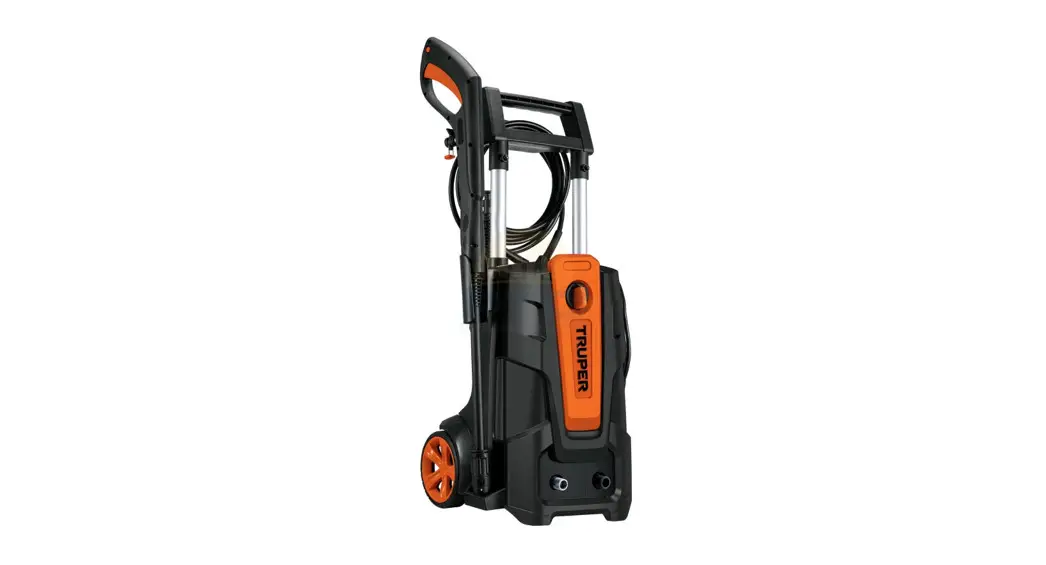
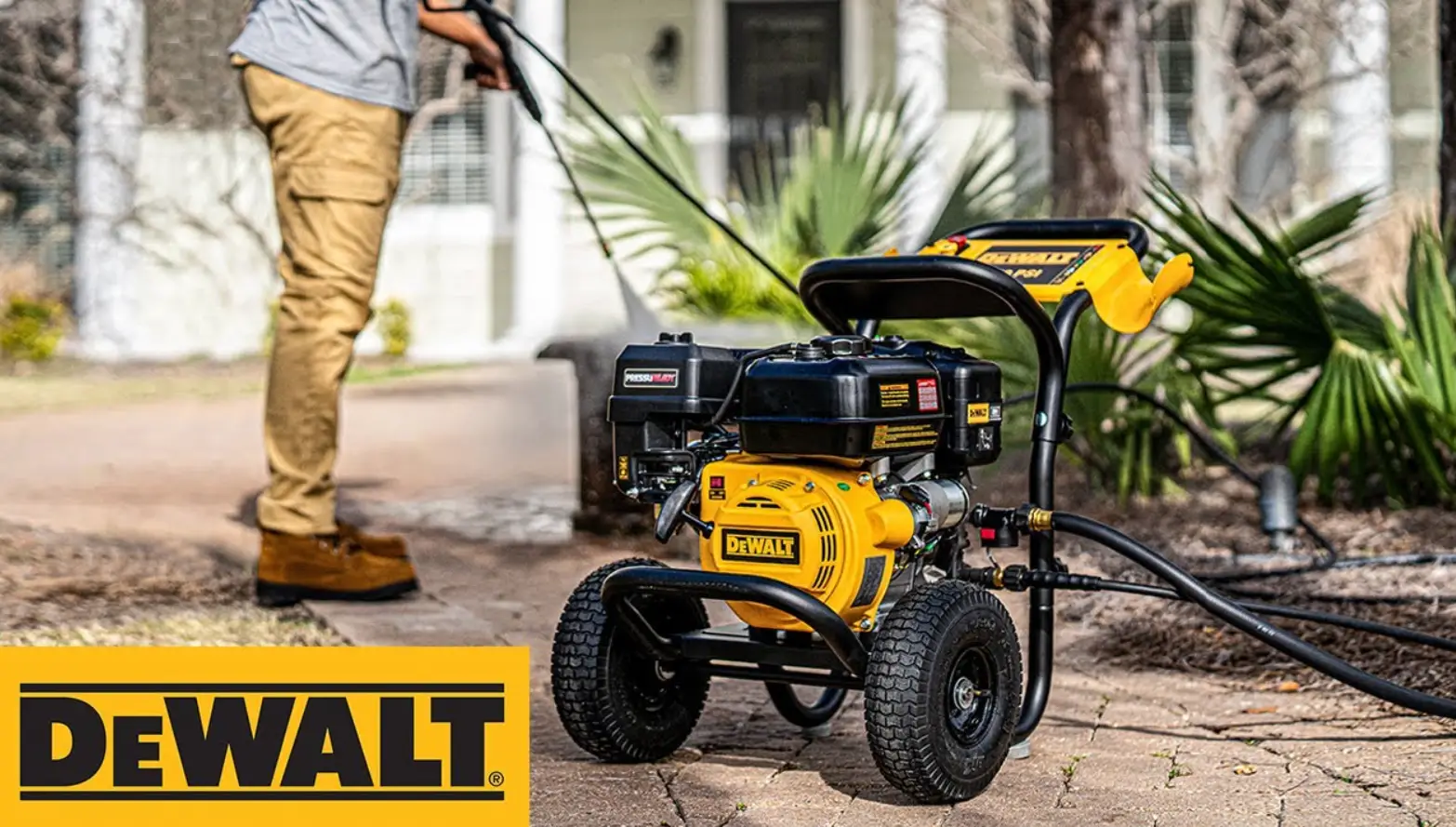
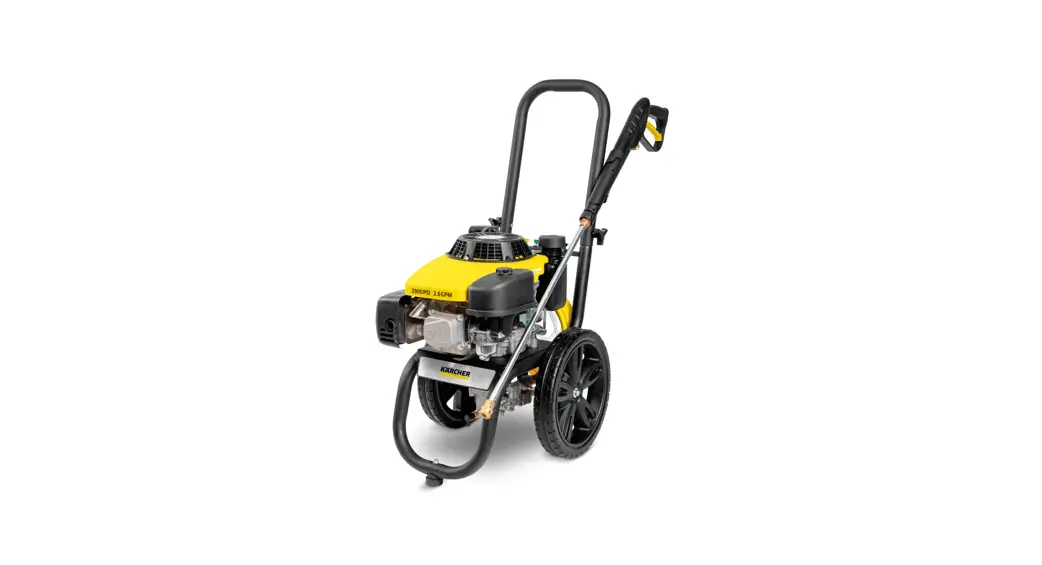
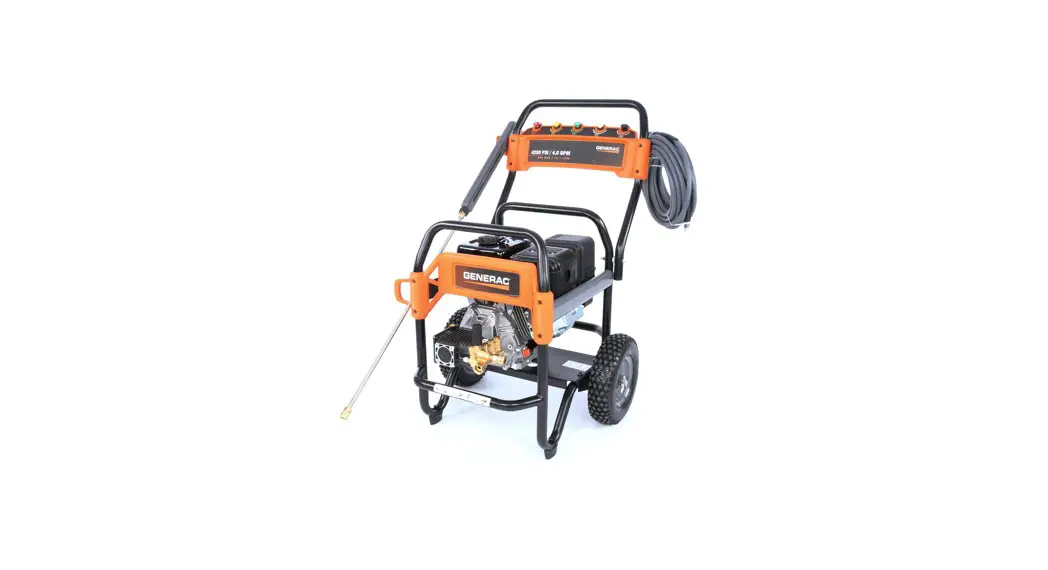
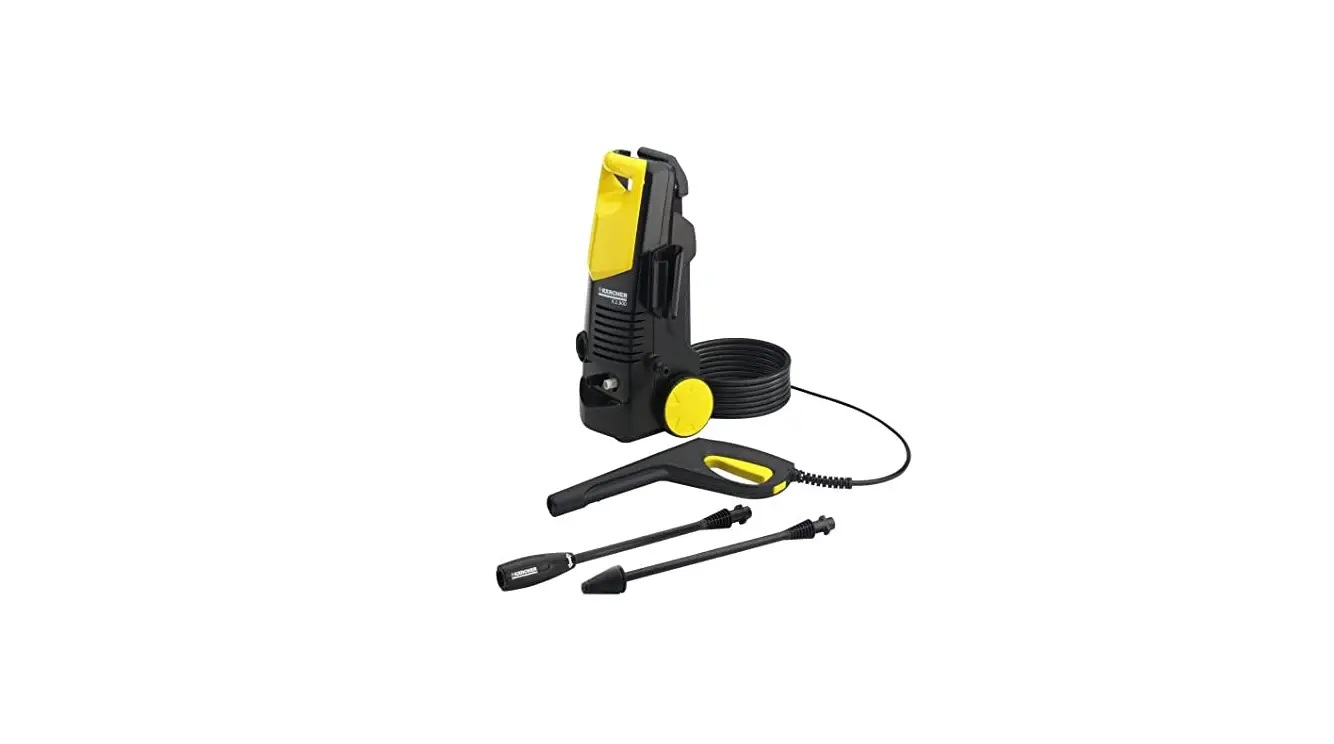
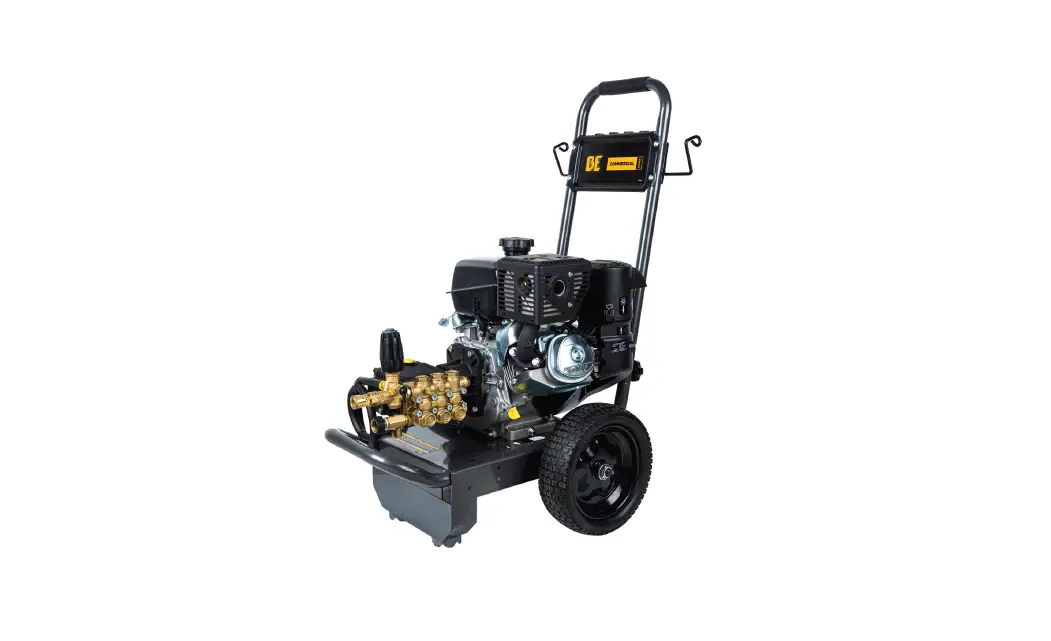
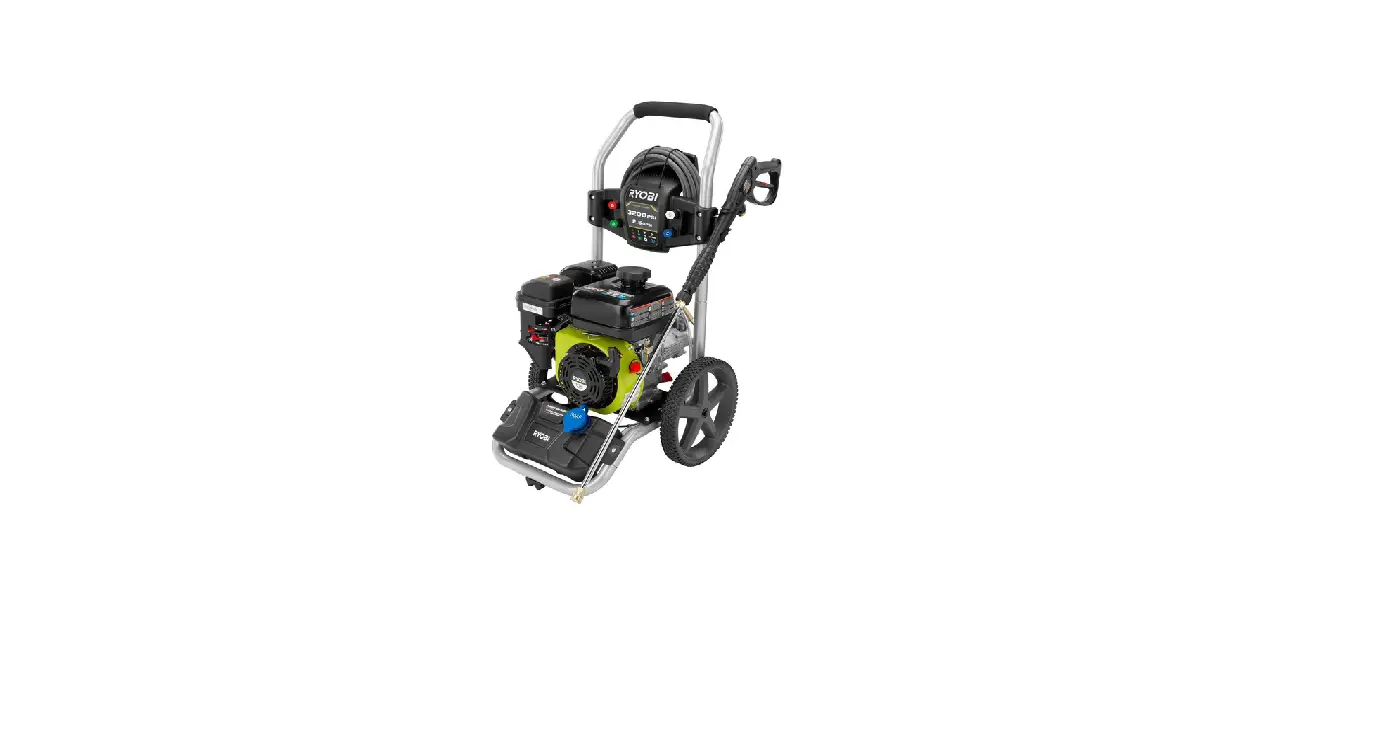
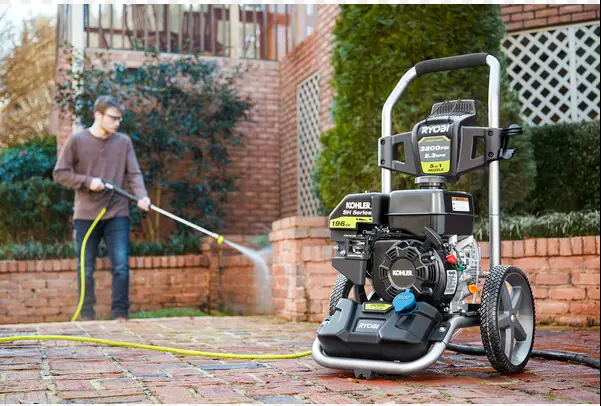
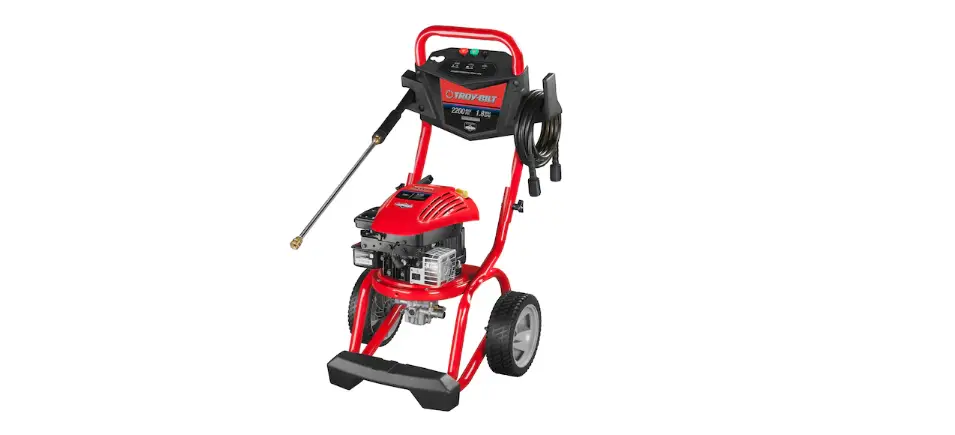
LAGAS-4000 4000 PSI Pressure Gas Pressure Washer
Product Information
The Gas Pressure Washer is a powerful cleaning tool with a
maximum pressure of 4,000 PSI and a maximum flow of water. It is
designed to be used with a supply outlet or an elevated tank, and
it is not suitable for sucking water from ponds or tanks. The
pressure washer has a fuel tank capacity of 3 liters and an oil
deposit. It is powered by a 420cc 4-stroke engine with a rated
power of 10.5 Hp. The machine produces a noise level of 86 dB and
can operate at a maximum temperature. The user manual provides
detailed technical data, fuel specifications, safety warnings,
parts, assembly, fuel and oil recommendations, start-up
instructions, operation instructions, maintenance instructions,
troubleshooting tips, authorized service center information, and
warranty policy.
Product Usage Instructions
- Read the user manual thoroughly before operating the Gas
Pressure Washer. - Keep your work area tidy and well-lit to avoid injuries.
- Connect the pressure washer to a supply outlet or an elevated
tank. - Do not turn on the pressure washer without oil as it could
damage the engine. - Perform periodic maintenance on the machine as recommended on
page 12 of the user manual. - Avoid using the pressure washer in enclosed areas to prevent
accumulation of carbon monoxide. - Wear the right clothes and keep your hands away from the
rotating or moving parts to avoid accidents. - Store the pressure washer in a safe place away from the reach
of children.
ENGLISH
ESPAÑOL
Manual
Gas Pressure Washer
Applies for: Code Model 12910 LAGAS-4000
4 000 PSI Pressure
LAGAS-4000
CAUTION
Read the user’s manual thoroughly before operating this tool.
Technical Data
3
Fuel Specifications
3
General Safety Warnings for Motor tools
4
Safety Warnings for Gas Pressure Washers
5
Parts
6
Assembly
7
Fuel and Oil
8
Start Up
9
Operation
11
Maintenance
12
Troubleshooting
14
Authorized Service Centers
15
Warranty Policy
16
Contents
CAUTION
To gain the best performance of the tool, prolong the duty life,
make the Warranty valid if necessary, and to avoid hazards of fatal injuries please read and understand this Manual before
using the tool.
Keep this manual for future references. The illustrations in this manual are for reference only. They might be different from the real tool.
Use and care recomendations
THIS MACHINE DOES NOT SUCK WATER FROM PONDS OR TANKS. It must be connected to a supply outlet or an elevated tank.
DO NOT TURN THE GAS PRESSURE WASHER ON WITHOUT OIL,
MAX. NIVEL
otherwise the engine could be damaged
Perform periodic MAINTENANCE to your machine (page 12).
2 ENGLISH
Technical Data
Code Description Engine Capacity Motor Rated Power
Speed Type of Fuel Fuel Tank Capacity
Oil Deposit Maximum Pressure
Maximum Flow Water Flow Maximum Temperature
Noise Level
LAGAS-4000
12910 Gas Power Washer
420 cc 4-stroke 10.5 Hp
3 600 RPM Gasoline 1.3 gal 37.1 oz 4 000 PSI 3.6 gpm 104 °F
86 dB
Fuel Specifications
· The equipment is built with an air-cooled 4-stroke motor using pure unleaded gasoline. · Under any circumstance mix oil with fuel.
WARNING · For any reason, do not use fuels mixed with ethylic alcohol (gasohol) ethanol, or methane. They may attract humidity causing separation and acid build up while being stored. Acidity can damage the motor fuel system when stored. · To prevent issues with the motor drain the fuel system before storing the equipment 30 days or longer. Drain the gasoline tank. Start the engine and let it run until the fuel and carburetor lines are empty. Next time of use, use fresh gasoline. · Never use motor or carburetor cleansing products into the gasoline tank. Permanent damage is caused.
ENGLISH 3
General safety warnings for motor tools
Keep your work area tidy and with good lighting.
CAUTION Cluttered and dark areas can cause injuries.
Never use the mixer in explosive environments or where there are flammable liquids present.
DANGER Set the mixer 30 ft. away from the fuel filling up area before starting the motor.
Keep children and passersby at a safe distance while the mixer is operating.
WARNING Distractions can make you loose control and cause accidents.
Avoid making contact with power lines and circuits.
DANGER Find and avoid all power lines and circuits, especially hidden wiring. Also keep away from grounded objects.
Stay always alert, be prudent and use common sense.
CAUTION Even tough you are familiar with the use of the mixer do not get distracted while operating the machine. It can cause accidents.
Do not operate the mixer when tired or under the influence of drugs, alcohol or medication.
DANGER A moment of distraction while operating the mixer can cause severe personal injury.
Use the mixer with the guards and protector installed and in good repair.
WARNING Failure to comply with this warning leads to severe personal injury.
Never force the concrete mixer.
CAUTION Working within the range designed assures a belter job and is safer.
Store the mixer is a safe place away from the reach of children.
WARNING Motor concrete mixers are dangerous near inexperienced hands.
Wear the right clothes.
WARNING Loose clothing, jewelry or long hair can get tangled in the moving parts.
Keep your hands away from the rotating or moving parts.
WARNING Failure to comply with this warning leads to severe personal injury.
Do not use the mixer in enclosed areas.
DANGER To prevent accumulation of carbon monoxide, an odorless toxic gas potentially deadly.
Use the right personal protection equipment.
CAUTION Using eye protection, anti-dust masks, non-skid safety shoes, helmet, hearing protection and safety gloves considerably reduce the risk of injury.
Turn off the mixer before adjusting, changing accessories or storing.
WARNING Double-check the mixer motor switch is in the OFF position.
Never run the mixer if the switch is not working or is not duly assembled.
WARNING The operator is exposed to severe injury. Take it to repair
immediately to a
Authorized Service
Center.
Do not overreach.
CAUTION Good footing and balance give better control of the mixer in unexpected situations.
Prevent unintentional starting.
WARNING Double-check the mixer motor is OFF before leaving or servicing.
Remove any vise fixed in the mixer before starting it.
DANGER Additional tools or wrenches fixed in a rotating part in the mixer can cause severe personal injury.
Service the mixer and double-check it is in the best conditions before starting it.
CAUTION Check carefully the moving parts. See alignment and
assembly. Do it periodically. Look for damaged elements
or part that is not functioning correctly. Repair
immediately in a
Authorized Service
Center.
Accessories.
CAUTION
Use only accessories or spare parts indicated in this
Manual o certified by
.
Never leave the concrete mixer running and unattended.
DANGER To prevent severe accidents turn off the mixer after
operating and before setting it in a safe place.
Never smoke near fuel.
DANGER Do not smoke near the area where fuel is being supplied or when operating the mixer.
4 ENGLISH
Safety warnings for Gas Pressure Washers
Fuel Handling
· Never smoke near the fuel, nor the supply area or when operating the tool. · Reduce the risk of fire or burns. Handle fuel with care. It is extremely flammable. · Prevent gasoline or oil come into contact with your skin. · Protect your eyes. Prevent gasoline or oil spilling into your eyes. In case of accidental contact wash your eyes immediately with clean water. If irritation persists, visit your doctor. · Store fuel in an approved container.
WARNING · Before refueling the tool turn off the motor, set it on clear floor and wait for the motor to cool down.
CAUTION · Wipe clean all the fuel that dripped in the tool before operating.
CAUTION · To prevent fire or burns look for fuel leaks. If there are any correct them before using the tool. · Set the tool at least 30 feet away from the refueling site before starting the motor. · Never ever burn spilled fuel to eliminate it. · Under no circumstance use a different type of fuel different to the one specified in these instructions.
When Operating the Power Washer
WARNING · Wear eye protection. CAUTION · Before starting the or when operating the tool verify the nozzle is not pointing towards people or animals. · Keep all body parts away from the muffler. It produces severe burns. · Keep the tool away from flammable materials. · Do not try to make adjustments to the tool while the motor is running. · Stay alert of everything around you. The tool noise could prevent you to make out hazards. · When spraying always use both hands to gain total control over the high-pressure gun. WARNING · Never touch the nozzle or the water jet while the machine operating. · To allow free air circulation while the tool is running DO NOT cover the pressure washer. CAUTION · Never aim the water jet towards the tool. · Prevent the high-pressure hose getting tangled, make contact with sharp edges or hot surfaces, crushed or stepped on. · Do not drag the pressure washer on top of the hoses.
Before Operating the Pressure Washer
· To assure it is perfectly assembled double-check the tool is in perfect conditions. Do not start it if is not well adjusted or not fully assembled, or if the fuel tank shows leaks or loose screws. · Double-check the tool surface is clean, dry and free of oil or fuel. · Verify the work area is open and well ventilated. · During extreme temperatures inspect there is no ice build-up or condensation in the tool. · Visibility and light conditions shall be adequate. Otherwise do not operate the tool.
CAUTION · Bear in mind that pressure spraying is very powerful. It is not recommended using onto painted or wooden surfaces or on things stuck with adhesive. · Check instructions and warnings regarding chemical products. Do not use bleach, chlorine or any other cleaning product containing acid. · To minimize the amount of water that could enter into the pressure washer while running, set the machine as far as possible from the area about to be washed. · Check the high-pressure hose. If damaged, please replace it immediately. · To prevent water flow to be cut due to twisting untangle and straighten the hoses in full.
After Operating the Tool
CAUTION · Always move the Tool with the motor OFF and the muffler away from the body. Before loading into the back of a vehicle empty the fuel tank.
WARNING · Turn off the motor before setting it idle. DO NOT leave the motor running unattended. Leave the tool cooling-off before storing.
CAUTION · The tool service and repairs shall only be carried out by highly trained personnel.
Assembly Recommendations
WARNING · In the event there are some parts missing, do not run the tool until they are replaced. Otherwise can cause severe personal injury.
WARNING · Do not try to modify the tool or produce accessories not recommended for this machine. Otherwise severe personal injuries can happen and makes the warranty void.
WARNING · Whenever you need to gain access to the mobile parts disconnect the spark plug cable to prevent an accidental start causing severe personal injury.
ENGLISH 5
High Pressure Hose
Parts
Trigger
High Pressure Gun
Metal Rod
Fuel Tank Cap
Handle High Pressure Hose Holder
Regulator
Fast Connections
Nozzle Organizer
Garden Hose Connection
Hose for Detergent High Pressure Hose Connection
Muffler Air Filter Cover
Oil Drain Bolt Fuel Tank
Wheels
Fuel Valve
Choke
6 ENGLISH
Starter
Switch
High Pressure Gun Holders
Metal Rod Holder
Pump Oil Tank Cap
with oil measuring Rod
Assembly
· Fix the wheels set passing the axis (A) through each wheel (B) and its respective mounting orifice (C) into the chassis. Secure with the pin (D) and the washer (E). · Install the high-pressure holders and the metal rod into the chassis as shown in the figure.
· Assemble the metal rod (F) to the high-pressure gun (G)
threading in a clockwise direction, the gun to the
high-pressure hose (H) and the hose to the pump ( I ).
These as fast connections.
· Close the garden hose faucet (J) fully. Connect the garden hose to the garden hose inlet (K). To connect and
E
prevent kinking the garden hose turn the connection knob.
CAUTION · Use care no to thread the connections
unevenly to prevent pressure loss.
· Once the connection is set and WITHOUT touching any
nozzle (L) in the metal rod open all the way the garden
D
hose faucet. Tighten the high-pressure trigger until a
constant water flow is out from the metal rod. The purpose
of this movement is to purge the system from air bubbles.
· If using detergent into the pressure washer, connect the
C
detergent hose to the connection M.
G
H
J
Untangle and straighten all the hoses in full to prevent twists cutting the water flow
M
B A
F
L
Double check there are
no leakage in the hose
I
K
ENGLISH 7
Oil Supply
· Set the Pressure Washer on a flat and leveled surface. · Close the fuel valve (A). · Turn and remove the oil cap (B). · Use four-stroke motor oil. Using SAE 10W-30 oil for general use and for all temperatures. As is indicated in the following table other viscosities can be used when the average temperature in your vicinity is within the indicated range.
Fuel and Oil
D
E
-30 -20 -10
10 W – 40 10 W – 30
0 10 20
30 40 °C
· Clean the oil measuring rod (B) with a clean cloth to check oil level. · The oil deposit has an approximate capacity of 37.1 oz Pour oil gradually and wait a couple of minutes to allow the oil to settle into the motor. · Insert the oil level measuring rod into the orifice and check if the oil is in the maximum level. · In the event the level is below the minimum level add oil until it reaches the maximum level in the rod.
CAUTION · Checking oil level regularly is advisable. · When the oil in the tank reaches the right level indicated in the rod, set the cap back (B) and tighten to prevent leaks.
CAUTION · Do not exceed the maximum oil level because it causes smoke coming out through the muffler que the motor stars.
CAUTION · Check oil level before each use. Add oil if necessary when it is between the limits in the oil measuring rod.
CAUTION · Replace oil after 20 hours’ operation. In dusty or dirty conditions, it could be necessary changing oil more often.
B A
Fuel Supply
· Set the Pressure Washer on a flat and leveled surface. · Clean and dry the area around the fuel cap. · Remove the fuel cap (D). · Using a funnel fill slowly the fuel tank up to the lower part of the tank neck. Do not overfill to allow fuel expansion and prevent spillage (E). · Clean any fuel spills. · Cover the tank rotating the cap until hearing a click. · Clean any spilled fuel before starting up.
E
8 ENGLISH
Start Up
Switch ON
CAUTION Before starting the gas pressure washer please pay attention to the following. Failure to comply with this note could damage the machine and make the warranty void: · All the hoses shall be connected, completely untangled and not presenting kinks. · Water supply shall be connected and fully open. · Gasoline and oil levels shall be the correct ones. · The system shall be purged out of air bubbles. (see page 7).
H · Open the fuel valve (E). · Switch it on (F). · Move the choke lever to the “START” position (G1). · Move the throttle lever (I) to the left, to the high-speed position. · Pull the jack-line (H) until the motor starts but no more than 6 times. Whenever pulling the jack-line release it gently into its original position. Do not allow it to snap back. · After the motor runs a couple of seconds. Then move the choker lever into the “RUNNING” position (G2).
CAUTION · In case the motor is not starting after pulling out the jack-line, tighten the high-pressure gun trigger to release water pressure before trying to star the motor again.
E I
Switch OFF
· Release the gun trigger to stop the pressure jet. · Move the accelerator lever ( I ) to the right into the low speed position. · Switch off the switch. · Close the fuel valve. · Close the garden hose faucet. · Press the high-pressure gun trigger to release pressure.
G1 F G2
ENGLISH 9
High Pressure Gun Operation
· To open the water flow keep the high-pressure trigger (A) depressed. · To stop the water flow release the trigger. · To prevent accidentally starting the machine separate the trigger lock until is blocked in the slot (B). To release the lock turn it to its original position.
Start Up
A B
Nozzle Selection
· Depending on the job to carry out, the gas pressure washer carries different nozzles for different flow openings:
Nozzle
Red
Flow Abrasion
0°
Cement, Brick, Masonry
Exteriors, Hedges, Patios, Terraces
Boats, RV’s, Gardening Gear
High Pressure
Yellow
15°
Green
25°
White
40°
Black
soap
Spray Nozzle Assembly
CAUTION · Before assembling or removing a nozzle in the metal rod, turn off the Pressure Washer, close the water supply, press the trigger to release the pressure and lift the gun trigger lock. Failure to comply with one of these points exposes the operator to severe injury.
CAUTION · When assembling and removing nozzles prevent from pointing the metal rod towards your face. The nozzles fast connection system could accidentally throw it and injure the operator. · To assemble the nozzles push the fast connection ring (J). · Set the nozzle in the metal rod. · Pull the fast connection ring to secure the nozzle in place (K). · To disassemble the nozzle, push the fast connection ring and pull the nozzle to release it.
Recommended Nozzle
Use with Caution
J K
10 ENGLISH
Operation
Use of Detergent
· The Pressure Washer is built to use detergents specified for “descending flow” gas pressure washers.
CAUTION · Use only detergents designed for gas pressure washers. Household detergents, acid, alkaline, bleach, solvent flammable or industrial grade solutions can damage the pump. Many detergents call for mixing before using. Prepare the mix following the instructions in the bottle. Always test in a less noticeable area before starting to pressure wash. · Connect the detergent hose as indicated in page 7. · Remove the detergent container cap and insert the detergent hose end with the container filter. NOTE The gas pressure washer uses a 20:1 proportion of detergent. It usually is a 1 gallon undiluted detergent. See the instruction in your detergent to verify if is necessary to make an additional dilution. · Set the detergent nozzle (black) in the spraying pipe. · Press the trigger and wait approximately 5 seconds for the detergent to start being sprayed. · Spray the detergent in a dry surface using long, uniform and overlapped passes. To prevent stripes to appear, do not leave the detergent drying in the surface. · After spraying detergent in the work surface and before rinsing, set the end of the detergent hose with the filter into a bucket with clean water and expel the water with the high-pressure gun during two minutes to remove from the system all the detergent residues. · Turn off the motor and press the trigger to pressure-purge the water.
Moving the Gas Pressure Washer
CAUTION · Never use the handle to lift the gas pressure washer. Never set the unit in a position other than vertical and sitting on its wheels. · Turn off the gas pressure washer. · Tilt the unit towards you until is balanced on its wheels. Then, push it to the desired position. Do not tilt forward or sideways while moving it.
CAUTION · DO NOT try to move the unit pulling from either of the hoses.
High Altitude Operation
· At high altitude the air fuel mix in the standard carburetor will be rich in fuel. Performance will be lower and fuel consumption will increase. · Performance while in a high altitude can be increased if the carburetor is regulated adjusting the main knob. The equipment is set to operate at heights above 6000 feet above sea level. If the tool is not working efficiently call a
Authorized Service Center to have them carry out modification in the carburetor. · Even though the carburetor has an adequate injection the potency in the motor will decrease 3.5% approximately per each 1000 feet increment, after 6890 feet above sea level. Decrease in potency will be higher if there are no modifications in the carburetor.
WARNING · If the equipment is operated in a height that is inadequate to the carburetor setting, low performance, over-heating and severe damage to the motor caused by the excessive air mix in the fuel may be obtained
Rinsing
· Remove the detergent nozzle and replace it with the high-pressure nozzle most suitable for the job.
CAUTION Follow the nozzle assembly and removal instructions and how to select the most adequate nozzle in page 10. · Remove the detergent hose from the gas pressure washer. · Start rinsing from the upper side of the work area. Use side-to side passes, overlapping each pass up and down.
ENGLISH 11
CAUTION · Use only original spare parts.
CAUTION · When servicing or repairing the Pressure Washer use eye protection complying with ANSI Z87.1.
CAUTION · Before servicing the Pressure Washer, shut off water supply, shut off the motor, press the trigger to release pressure, disconnect all the hoses, disconnect the spark plug cable and set it apart. · Failure to comply with any of the previous points exposes the operator to severe injury or damage the Pressure Washer thus making the warranty void.
General Maintenance
· Use a clean cloth to remove dirt, dust, oil or grease from the unit. CAUTION Refrain from using detergent when cleaning the plastic parts. Use care not to make contact of the plastic parts with fluid like brake fluid, gasoline, other petroleum-based products, penetrating oils, etc. Otherwise the plastic could damage, it would alter the unit operation and expose the operator to severe injury. · Periodically double-check the bolts, nuts and screws to be firmly tightened. · Periodically check the filter to make sure is clean. · Verify oil and fuel levels to fill up when necessary. · Check the jack-line. If frayed, replace it immediately in a
Authorized Service Center.
Nozzle Cleansing
· Nozzles can get partially obstructed due to residues, thus increasing pressure in the high-pressure gun. This issue can be detected if there is constant pulsating when pressing the trigger. · To solve this issue turn off the Pressure Washer and remove the nozzle as indicated in page 10. · Using a paper clip, remove the obstruction from the nozzle. · Set the nozzle in the front end of the garden hose. Open the faucet so that the water flow goes through the nozzle in an inverse sense and releases the rest of dirt. · Connect back the nozzle into the metal spear.
Air Filter Cleansing
· Check the air filter once a month to make sure it is in good repair. Remember, a dirty filter can cause trouble when the motor is started, loss of performance and shorten the useful life of the motor. · Uncover the air filter cover loosening and removing the wing nut. · Using a damp cloth clean inside and out the filter cover. Do not allow dust to enter into the carburetor.
12 ENGLISH
Maintenance
· Remove the sponge air filter and rinse it with clean water. · Press the filter lightly to remove the excessive water. · Apply a thin layer of motor oil to the filter. Let it drip. · Set the filter in place. Double-check it sits perfectly into the compartment. Otherwise, dust will enter the motor and cause premature wear. · Set the filter cover back in place. Tighten the wing nut.
Oil Change
· Set an approved oil container under the unit. · Uncover the oil tank inlets and remove the hex screw in the lower side of the motor. Drain the oil into the container. · Before filling up again, set and tighten the hex screw and follow instructions in page 8.
Spark Plug Maintenance
· Before removing the spark plug clean the area around the spark plug base to stop dust or debris enter into the motor. Remove the spark plug. · Clean the carbon deposits from the spark plug electrodes. Use a spark plug cleaner or a wire brush. · If you find the old one is worn or using it again is doubtful replace the spark plug using an identical LG F7RTC spare plug. · Verify the gap between electrodes. It shall be 0,027″ to 0,031″. If necessary, adjust the gap by carefully bending the earth connection electrode. · Verify the spark plug joint. · Set the spark plug in place. Thread it and tighten by hand. · Tighten with a wrench to compress the washer. If it is a new spark plug, give it a 1/2 turn to press the washer in an adequate manner. If using an old spark plug give it an 1/8 to 1/4 turn to compress the washer properly.
CAUTION Use care to adjust the spark plug correctly. Otherwise the motor can get too hot and get damaged.
Pump Maintenance
· Make a visual inspection of the pump every day. If
noticing oil loss around the pump seals, take the Pressure
Washer to a
Authorized Service
Center to be repaired.
· Do not try to repair or alter the pump. Otherwise the
Pump Washer could get damaged and the warranty will be
void.
Maintenance
Long Term Storage
· Connect and open the water supply. Keep the unit running until running out of fuel. Remember, gasoline gets spoiled after 30 days even with the recommended stabilizer. · After all the fuel is gone and the motor stops, turn off the switch and disconnect all the hoses, see they are empty and roll without twisting while the motor cools off (approximately 30 minutes). · Empty the pump. Pull the manual start jack-line handle 6 times approximately. · Replace oil as indicated in page 12. · Disconnect the spark plug and remove it. Pour less than a spoonful of 4-stroke clean motor oil through the spark plug orifice, into the combustion chamber. · Having the spark plug removed pull the manual start jack-line two or three times to cover the insides of the cylinder wall. · Service the plug before installing it back as indicated in page 12. Leave the spark plug cable disconnected. · Clean the air filter as indicated in page 12.
· Store the unit and accessories in an area under a roof, well ventilated and protected from freezing temperatures. Using an adequate cover is recommended if stored in low temperatures. Do not store it near furnaces or other heat sources because it makes the pump seals dry.
Using the Unit After Long Term Storage
· Pull the start jack-line three to four times to clean the oil from the combustion chamber. · Remove the spark plug from the cylinder. Clean the oil in the spark plug and set it back into the cylinder. · Connect the spark plug cable. · Fill up as indicated in page 8.
Periodic Maintenance
General Overview Oil Inspection Oil Change
Water Filter Inspection Pump Oil Change
Cleaning Spark Plug Cleaning Air Filter Replace air filter
Adjust spark Plug Electrodes Replace Spark Plug
Verify and Adjust Valve*
Before each use * Go to a
Every
Every
Every
Every
20 h
50 h
100 h
300 h
Authorized Service Center for this Service.
ENGLISH 13
Troubleshooting
Problem
The motor will not start.
Cause
Solution
· No fuel.
· Fill up the fuel tank.
· Water Pressure in the hose. · Press the trigger to release water pressure before starting the
motor.
· Defective or inadequate spark
plug.
· Replace spark plug.
· Disconnected or damaged spark
plug cable.
· Connect the cable or replace if worn.
· Ignition system is not working. · Go to a
Authorized Service Center.
Trouble starting the motor.
· There is water in the gasoline. · Drain the whole system and refill with new fuel.
· Weak spark in the spark plug. · Go to a
Authorized Service Center.
There will not power in the engine.
Detergent is not mixing in the spray.
· The air filter is dirty.
· The detergent hose end is not submerged into the detergent. · A high-pressure nozzle is installed.
· Clean or replace the air filter.
· Submerge the whole detergent hose filter into the detergent container. · Use the black nozzle to apply detergent.
The pump will not generate pressure.
· The detergent nozzle is installed. · Water supply is inadequate.
· Wrong hose and high-pressure gun connection . · Clogged nozzle. · Air in the hoses. · Leaks in the hose. · Twisted hose. · Choke in the start position. · Defective pump.
· Replace the nozzle with a high-pressure nozzle. · Connect adequately the garden hose to the Pressure Washer and open the water supply all the way. · Verify and correct all the connections.
· Unclog the nozzle as indicated in page 11.
· Press the trigger to purge the air from the system.
· Replace the hose.
· Stretch, untangle and untwist the hose.
· Set the choke in the Gear position.
· Go to a
Authorized Service Center.
The unit will not reach high pressure.
· The garden hose diameter is too small. · Water supply is restricted.
· There is not enough water inlet. · The detergent nozzle is installed.
· Replace the hose. Use a 3/4″ · Double-check the garden hose to stretch bends, leaks or blockage. · Open the water supply all the way. · Replace the nozzle. Use a high-pressure nozzle.
14 ENGLISH
Authorized Service Centers
In the event of any problem contacting a
Authorized Service Center, please see our
webpage www.truper.com to get an updated list, or call our toll-free numbers 800 690-6990 or 800 018-7873
to get information about the nearest Service Center.
AGUASCALIENTES DE TODO PARA LA CONSTRUCCIÓN GRAL. BARRAGÁN #1201, COL. GREMIAL, C.P. 20030, AGUASCALIENTES, AGS. TEL.: 449 994 0537
BAJA SUCURSAL TIJUANA CALIFORNIA AV. LA ENCANTADA, LOTE #5, PARQUE INDUSTRIAL EL
FLORIDO II, C.P 22244, TIJUANA, B.C. TEL.: 664 969 5100 BAJA FIX FERRETERÍAS CALIFORNIA SUR FELIPE ÁNGELES ESQ. RUIZ CORTÍNEZ S/N, COL. PUEBLO NUEVO, C.P. 23670, CD. CONSTITUCIÓN, B.C.S. TEL.: 613 132 1115 CAMPECHE TORNILLERÍA Y FERRETERÍA AAA AV. ÁLVARO OBREGÓN #324, COL. ESPERANZA C.P. 24080 CAMPECHE, CAMP. TEL.: 981 815 2808 CHIAPAS FIX FERRETERÍAS AV. CENTRAL SUR #27, COL. CENTRO, C.P. 30700, TAPACHULA, CHIS. TEL.: 962 118 4083 CHIHUAHUA SUCURSAL CHIHUAHUA AV. SILVESTRE TERRAZAS #128-11, PARQUE INDUSTRIAL BAFAR, CARRETERA MÉXICO CUAUHTÉMOC, C.P. 31415, CHIHUAHUA, CHIH. TEL. 614 434 0052 CIUDAD DE FIX FERRETERÍAS MÉXICO EL MONSTRUO DE CORREGIDORA, CORREGIDORA # 22, COL. CENTRO, C.P. 06060, CUAUHTÉMOC, CDMX. TEL: 55 5522 5031 / 5522 4861 COAHUILA SUCURSAL TORREÓN CALLE METAL MECÁNICA #280, PARQUE INDUSTRIAL ORIENTE, C.P. 27278, TORREÓN, COAH. TEL.: 871 209 68 23 COLIMA BOMBAS Y MOTORES BYMTESA DE MANZANILLO BLVD. MIGUEL DE LA MADRID #190, COL. 16 DE SEPTIEMBRE, C.P. 28239, MANZANILLO, COL. TEL.: 314 332 1986 / 332 8013 DURANGO TORNILLOS ÁGUILA, S.A. DE C.V. MAZURIO #200, COL. LUIS ECHEVERRÍA, DURANGO, DGO.TEL.: 618 817 1946 / 618 818 2844 ESTADO DE SUCURSAL CENTRO JILOTEPEC MÉXICO PARQUE INDUSTRIAL # 1, COL. PARQUE INDUSTRIAL JILOTEPEC, JILOTEPEC, EDO. DE MÉX. C.P. 54257 TEL: 761 782 9101 EXT. 5728 Y 5102 GUANAJUATO CÍA. FERRETERA NUEVO MUNDO S.A. DE C.V. AV. MÉXICO – JAPÓN #225, CD. INDUSTRIAL, C.P. 38010, CELAYA, GTO. TEL.: 461 617 7578 / 79 / 80 / 88 GUERRERO CENTRO DE SERVICIO ECLIPSE CALLE PRINCIPAL MZ.1 LT. 1, COL. SANTA FE, C.P. 39010, CHILPANCINGO, GRO. TEL.: 747 478 5793 HIDALGO FERREPRECIOS S.A. DE C.V. LIBERTAD ORIENTE #304 LOCAL 30, INTERIOR DE PASAJE ROBLEDO, COL. CENTRO, C.P. 43600, TULANCINGO, HGO. TEL.: 775 753 6615 / 775 753 6616 JALISCO SUCURSAL GUADALAJARA AV. ADOLFO B. HORN # 6800, COL: SANTA CRUZ DEL VALLE, C.P.: 45655, TLAJOMULCO DE ZUÑIGA, JAL. TEL.: 33 3606 5285 AL 90 MICHOACÁN FIX FERRETERÍAS AV. PASEO DE LA REPÚBLICA #3140-A, COL. EX-HACIENDA DE LA HUERTA, C.P. 58050, MORELIA, MICH. TEL.: 443 334 6858
MORELOS FIX FERRETERÍAS CAPITÁN ANZURES #95, ESQ. JOSÉ PERDIZ, COL. CENTRO, C.P. 62740, CUAUTLA, MOR. TEL.: 735 352 8931
NAYARIT HERRAMIENTAS DE TEPIC MAZATLAN #117, COL. CENTRO, C.P. 63000, TEPIC, NAY. TEL.: 311 258 0540
NUEVO LEÓN SUCURSAL MONTERREY CARRETERA LAREDO #300, 1B MONTERREY PARKS, COLONIA PUERTA DE ANÁHUAC, C.P. 66052, ESCOBEDO, NUEVO LEÓN, TEL.: 81 8352 8791 / 81 8352 8790
OAXACA FIX FERRETERÍAS AV. 20 DE NOVIEMBRE #910, COL. CENTRO, C.P. 68300, TUXTEPEC, OAX. TEL.: 287 106 3092
PUEBLA SUCURSAL PUEBLA AV PERIFÉRICO #2-A, SAN LORENZO ALMECATLA, C.P. 72710, CUAUTLACINGO, PUE. TEL.: 222 282 8282 / 84 / 85 / 86
QUERÉTARO ARU HERRAMIENTAS S.A DE C.V. AV. PUERTO DE VERACRUZ #110, COL. RANCHO DE ENMEDIO, C.P. 76842, SAN JUAN DEL RÍO, QRO. TEL.: 427 268 4544
QUINTANA ROO FIX FERRETERÍAS CARRETERA FEDERAL MZ. 46 LT. 3 LOCAL 2, COL EJIDAL, C.P. 77710 PLAYA DEL CARMEN, Q.R. TEL.: 984 267 3140
SAN LUIS FIX FERRETERÍAS POTOSÍ AV. UNIVERSIDAD #1850, COL. EL PASEO, C.P. 78320, SAN LUIS POTOSÍ, S.L.P. TEL.: 444 822 4341
SINALOA SUCURSAL CULIACÁN AV. JESÚS KUMATE SUR #4301, COL. HACIENDA DE LA MORA, C.P. 80143, CULIACÁN, SIN. TEL.: 667 173 9139 / 173 8400
SONORA FIX FERRETERÍAS CALLE 5 DE FEBRERO #517, SUR LT. 25 MZ. 10, COL. CENTRO, C.P. 85000, CD. OBREGÓN, SON. TEL.: 644 413 2392
TABASCO SUCURSAL VILLAHERMOSA CALLE HELIO LOTES 1, 2 Y 3 MZ. #1, COL. INDUSTRIAL, 2A ETAPA, C.P. 86010, VILLAHERMOSA, TAB. TEL.: 993 353 7244
TAMAULIPAS VM ORINGS Y REFACCIONES CALLE ROSITA #527 ENTRE 20 DE NOVIEMBRE Y GRAL. RODRÍGUEZ, FRACC. REYNOSA, C.P. 88780, REYNOSA, TAMS. TEL.: 899 926 7552
TLAXCALA SERVICIOS Y HERRAMIENTAS INDUSTRIALES PABLO SIDAR #132, COL . BARRIO DE SAN BARTOLOMÉ, C.P. 90970, SAN PABLO DEL MONTE, TLAX. TEL.: 222 271 7502
VERACRUZ LA CASA DISTRIBUIDORA TRUPER BLVD. PRIMAVERA. ESQ. HORTENSIA S/N, COL. PRIMAVERA C.P. 93308, POZA RICA, VER. TEL.: 782 823 8100 / 826 8484
YUCATÁN SUCURSAL MÉRIDA CALLE 33 #600 Y 602, LOCALIDAD ITZINCAB Y MULSAY, MPIO. UMÁN, C.P. 97390, MÉRIDA, YUC. TEL.: 999 912 2451
ENGLISH 15
Warranty policy
Code
12910
Model
LAGAS-4000
Brand
This product is guaranteed for 1 year. To make the warranty valid or purchase parts and components you must present the product in Corregidora 22, Col. Centro, Alc. Cuauhtémoc, CDMX C.P. 06060 or at the establishment where you purchased it, or at any Truper® Service Center listed in the annex to the warranty policy and/or in www.truper.com . Transportation costs resulting from compliance of this warranty will be covered by For questions or comments, call 800-690-6990. Made in China. Imported by Truper S.A. de C.V. Parque Industrial 1, Parque Industrial Jilotepec, Jilotepec, Edo. de Méx. C.P. 54257
1
YEAR
Stamp of the business. Date of purchase:
16 ENGLISH
www.truper.com 03-2022
Póliza de Garantía
Código
12910
Modelo
LAGAS-4000
Marca
Este producto está garantizado por 1 año. Para hacer válida la garantía o adquirir piezas y componentes deberá presentar el producto en Corregidora 22, Col. Centro, Alc. Cuauhtémoc, CDMX C.P. 06060 o en el establecimiento donde lo compró, o en algún Centro de Servicio Truper® de los enlistados en el anexo de la póliza de garantía y/o en www.truper.com . Los gastos de transportación que resulten para su cumplimiento serán cubiertos por Para dudas o comentarios, llame al 800-690-6990. Hecho en China. Importado por Truper S.A. de C.V. Parque Industrial 1, Parque Industrial Jilotepec, Jilotepec, Edo. de Méx. C.P. 54257
1
AÑO
Sello del establecimiento comercial. Fecha de compra:
16 ESPAÑOL
www.truper.com 03-2022
Centros de Servicio Autorizados
En caso de tener algún problema para contactar un Centro de Servicio Autorizado consulte nuestra página www.truper.com donde obtendrá un listado actualizado, o llame al: 800 690-6990 ó 800 018-7873 donde le informarán cuál es el Centro de Servicio más cercano.
AGUASCALIENTES DE TODO PARA LA CONSTRUCCIÓN GRAL. BARRAGÁN #1201, COL. GREMIAL, C.P. 20030, AGUASCALIENTES, AGS. TEL.: 449 994 0537
BAJA SUCURSAL TIJUANA CALIFORNIA AV. LA ENCANTADA, LOTE #5, PARQUE INDUSTRIAL EL
FLORIDO II, C.P 22244, TIJUANA, B.C. TEL.: 664 969 5100 BAJA FIX FERRETERÍAS CALIFORNIA SUR FELIPE ÁNGELES ESQ. RUIZ CORTÍNEZ S/N, COL. PUEBLO NUEVO, C.P. 23670, CD. CONSTITUCIÓN, B.C.S. TEL.: 613 132 1115 CAMPECHE TORNILLERÍA Y FERRETERÍA AAA AV. ÁLVARO OBREGÓN #324, COL. ESPERANZA C.P. 24080 CAMPECHE, CAMP. TEL.: 981 815 2808 CHIAPAS FIX FERRETERÍAS AV. CENTRAL SUR #27, COL. CENTRO, C.P. 30700, TAPACHULA, CHIS. TEL.: 962 118 4083 CHIHUAHUA SUCURSAL CHIHUAHUA AV. SILVESTRE TERRAZAS #128-11, PARQUE INDUSTRIAL BAFAR, CARRETERA MÉXICO CUAUHTÉMOC, C.P. 31415, CHIHUAHUA, CHIH. TEL. 614 434 0052 CIUDAD DE FIX FERRETERÍAS MÉXICO EL MONSTRUO DE CORREGIDORA, CORREGIDORA # 22, COL. CENTRO, C.P. 06060, CUAUHTÉMOC, CDMX. TEL: 55 5522 5031 / 5522 4861 COAHUILA SUCURSAL TORREÓN CALLE METAL MECÁNICA #280, PARQUE INDUSTRIAL ORIENTE, C.P. 27278, TORREÓN, COAH. TEL.: 871 209 68 23 COLIMA BOMBAS Y MOTORES BYMTESA DE MANZANILLO BLVD. MIGUEL DE LA MADRID #190, COL. 16 DE SEPTIEMBRE, C.P. 28239, MANZANILLO, COL. TEL.: 314 332 1986 / 332 8013 DURANGO TORNILLOS ÁGUILA, S.A. DE C.V. MAZURIO #200, COL. LUIS ECHEVERRÍA, DURANGO, DGO.TEL.: 618 817 1946 / 618 818 2844 ESTADO DE SUCURSAL CENTRO JILOTEPEC MÉXICO PARQUE INDUSTRIAL # 1, COL. PARQUE INDUSTRIAL JILOTEPEC, JILOTEPEC, EDO. DE MÉX. C.P. 54257 TEL: 761 782 9101 EXT. 5728 Y 5102 GUANAJUATO CÍA. FERRETERA NUEVO MUNDO S.A. DE C.V. AV. MÉXICO – JAPÓN #225, CD. INDUSTRIAL, C.P. 38010, CELAYA, GTO. TEL.: 461 617 7578 / 79 / 80 / 88 GUERRERO CENTRO DE SERVICIO ECLIPSE CALLE PRINCIPAL MZ.1 LT. 1, COL. SANTA FE, C.P. 39010, CHILPANCINGO, GRO. TEL.: 747 478 5793 HIDALGO FERREPRECIOS S.A. DE C.V. LIBERTAD ORIENTE #304 LOCAL 30, INTERIOR DE PASAJE ROBLEDO, COL. CENTRO, C.P. 43600, TULANCINGO, HGO. TEL.: 775 753 6615 / 775 753 6616 JALISCO SUCURSAL GUADALAJARA AV. ADOLFO B. HORN # 6800, COL: SANTA CRUZ DEL VALLE, C.P.: 45655, TLAJOMULCO DE ZUÑIGA, JAL. TEL.: 33 3606 5285 AL 90 MICHOACÁN FIX FERRETERÍAS AV. PASEO DE LA REPÚBLICA #3140-A, COL. EX-HACIENDA DE LA HUERTA, C.P. 58050, MORELIA, MICH. TEL.: 443 334 6858
MORELOS FIX FERRETERÍAS CAPITÁN ANZURES #95, ESQ. JOSÉ PERDIZ, COL. CENTRO, C.P. 62740, CUAUTLA, MOR. TEL.: 735 352 8931
NAYARIT HERRAMIENTAS DE TEPIC MAZATLAN #117, COL. CENTRO, C.P. 63000, TEPIC, NAY. TEL.: 311 258 0540
NUEVO LEÓN SUCURSAL MONTERREY CARRETERA LAREDO #300, 1B MONTERREY PARKS, COLONIA PUERTA DE ANÁHUAC, C.P. 66052, ESCOBEDO, NUEVO LEÓN, TEL.: 81 8352 8791 / 81 8352 8790
OAXACA FIX FERRETERÍAS AV. 20 DE NOVIEMBRE #910, COL. CENTRO, C.P. 68300, TUXTEPEC, OAX. TEL.: 287 106 3092
PUEBLA SUCURSAL PUEBLA AV PERIFÉRICO #2-A, SAN LORENZO ALMECATLA, C.P. 72710, CUAUTLACINGO, PUE. TEL.: 222 282 8282 / 84 / 85 / 86
QUERÉTARO ARU HERRAMIENTAS S.A DE C.V. AV. PUERTO DE VERACRUZ #110, COL. RANCHO DE ENMEDIO, C.P. 76842, SAN JUAN DEL RÍO, QRO. TEL.: 427 268 4544
QUINTANA ROO FIX FERRETERÍAS CARRETERA FEDERAL MZ. 46 LT. 3 LOCAL 2, COL EJIDAL, C.P. 77710 PLAYA DEL CARMEN, Q.R. TEL.: 984 267 3140
SAN LUIS FIX FERRETERÍAS POTOSÍ AV. UNIVERSIDAD #1850, COL. EL PASEO, C.P. 78320, SAN LUIS POTOSÍ, S.L.P. TEL.: 444 822 4341
SINALOA SUCURSAL CULIACÁN AV. JESÚS KUMATE SUR #4301, COL. HACIENDA DE LA MORA, C.P. 80143, CULIACÁN, SIN. TEL.: 667 173 9139 / 173 8400
SONORA FIX FERRETERÍAS CALLE 5 DE FEBRERO #517, SUR LT. 25 MZ. 10, COL. CENTRO, C.P. 85000, CD. OBREGÓN, SON. TEL.: 644 413 2392
TABASCO SUCURSAL VILLAHERMOSA CALLE HELIO LOTES 1, 2 Y 3 MZ. #1, COL. INDUSTRIAL, 2A ETAPA, C.P. 86010, VILLAHERMOSA, TAB. TEL.: 993 353 7244
TAMAULIPAS VM ORINGS Y REFACCIONES CALLE ROSITA #527 ENTRE 20 DE NOVIEMBRE Y GRAL. RODRÍGUEZ, FRACC. REYNOSA, C.P. 88780, REYNOSA, TAMS. TEL.: 899 926 7552
TLAXCALA SERVICIOS Y HERRAMIENTAS INDUSTRIALES PABLO SIDAR #132, COL . BARRIO DE SAN BARTOLOMÉ, C.P. 90970, SAN PABLO DEL MONTE, TLAX. TEL.: 222 271 7502
VERACRUZ LA CASA DISTRIBUIDORA TRUPER BLVD. PRIMAVERA. ESQ. HORTENSIA S/N, COL. PRIMAVERA C.P. 93308, POZA RICA, VER. TEL.: 782 823 8100 / 826 8484
YUCATÁN SUCURSAL MÉRIDA CALLE 33 #600 Y 602, LOCALIDAD ITZINCAB Y MULSAY, MPIO. UMÁN, C.P. 97390, MÉRIDA, YUC. TEL.: 999 912 2451
ESPAÑOL 15
Solución de problemas
Problema
El motor no arranca.
Causa
Solución
· No hay combustible. · Reabastezca el tanque de combustible.
· Presión de agua en la · Oprima el gatillo para liberar la presión del agua antes de arrancar el
manguera.
motor.
· Bujía defectuosa o · Reemplace la bujía.
inapropiada.
· Cable de la bujía
· Conecte el cable o reemplácelo si está dañado.
desconectado o dañado.
· El sistema de ignición · Acuda a un Centro de Servicio Autorizado
.
no funciona.
Cuesta trabajo arrancar el motor.
· Hay agua en la gasolina. · Chispa débil de la bujía.
· Drene todo el sistema y reabastezca con combustible nuevo.
· Acuda a un Centro de Servicio Autorizado
.
Le falta potencia al motor.
El detergente no se mezcla en el rocío.
· Filtro de aire sucio. · Limpie o reemplace el filtro del aire.
· El extremo de la manguera de detergente no está sumergido en el detergente. · Está instalada una boquilla de alta presión.
· Sumerja todo el filtro de la manguera de detergente en el recipiente del detergente. · Use la boquilla negra para aplicar el detergente.
La bomba no genera presión.
· Está instalada la boquilla para detergente. · Reemplace la boquilla por otra de alta presión.
· El suministro de agua es inadecuado. · Conecte adecuadamente la manguera de jardín a la
hidrolavadora y abra por completo el suministro de agua.
· Conexión deficiente de las mangueras y · Verifique y corrija todas las conexiones.
pistola de alta presión.
· Boquilla tapada.
· Destape la boquilla como se indica en la página 11.
· Aire en las mangueras.
· Oprima el gatillo para purgar el aire del sistema.
· Manguera con fugas.
· Reemplace la manguera.
· Manguera torcida.
· Estire, desenrede y destuerza la manguera.
· Ahogador en posición de arranque. · Coloque el ahogador en la posición de marcha.
· Bomba defectuosa.
· Acuda a un Centro de Servicio Autorizado
.
La unidad no alcanza una presión alta.
· El diámetro de la manguera de jardín es · Reemplace la manguera por otra de 3/4″ (19 mm)
demasiado pequeño.
· El suministro de agua está restringido. · Revise la manguera de jardín para corregir dobleces,
fugas o bloqueos.
· No hay suficiente entrada de agua.
· Abra totalmente el suministro de agua.
· Está instalada la boquilla para detergente. · Reemplace la boquilla por otra de alta presión.
14 ESPAÑOL
Mantenimiento
Almacenamiento por períodos largos
· Con el suministro de agua conectado y abierto mantenga encendida la unidad hasta agotar el combustible. Recuerde que la gasolina puede echarse a perder en 30 días incluso con el estabilizador recomendado. · Después de que el combustible se consuma y el motor se detenga apague el interruptor y desconecte todas las mangueras, vacíelas y enróllelas adecuadamente sin torcerlas mientras el motor se enfría por completo (aproximadamente 30 minutos). · Vacíe la bomba tirando de la piola seis veces aproximadamente. · Cambie el aceite como se indica en la página 12. · Desconecte el cable de la bujía y retírela. Vierta poco menos de una cucharadita de aceite limpio para motor de cuatro tiempos a través del orificio para la bujía, al interior de la cámara de combustión. · Con la bujía afuera, tire de la piola dos o tres veces para recubrir el interior de la pared del cilindro. · Dele mantenimiento a la bujía antes de instalarla como se indica en la página 12. Deje desconectado el cable de la bujía.
· Limpie el filtro de aire como se indica en la página 12. · Guarde la unidad y los accesorios en un lugar bajo techo, seco y ventilado, protegido de temperaturas bajo cero, se recomienda usar una cubierta adecuada en caso de estar en lugares de bajas temperaturas. No la guarde cerca de hornos u otras fuentes de calor que pueda secar los sellos de la bomba.
Usar de nuevo la unidad después de un período largo de almacenamiento
· Tire de la piola tres o cuatro veces para limpiar el aceite de la cámara de combustión. · Retire la bujía del cilindro. Limpie el aceite de la bujía y vuelva a ponerla en el cilindro. · Conecte el cable de la bujía. · Reabastezca de combustible como se indica en la página 8.
Mantenimiento periódico
Revisión general
Antes de
Cada
cada uso
20 h
Inspección de aceite
Cambio de aceite
Inspección del filtro de entrada de agua
Agregar protector para bombas
Limpiar la bujía
Limpieza del filtro de aire
Reemplazo del filtro de aire
Ajuste de electrodos de la bujía
Cambio de bujía
Verificación y ajuste de la válvula*
* Acuda a un Centro de Servicio Autorizado
Cada
Cada
Cada
50 h
100 h
300 h
para este mantenimiento.
ESPAÑOL 13
ATENCIÓN · Utilice únicamente repuestos y
refacciones originales
.
ATENCIÓN · Durante el mantenimiento o
reparación de la hidrolavadora utilice protección ocular
que cumpla con la norma ANSI Z87.1.
ATENCIÓN · Antes de dar mantenimiento a la
hidrolavadora cierre el suministro de agua, apague el
motor, apriete el gatillo para liberar la presión, desconecte
todas las mangueras, desconecte el cable de la bujía y
aléjelo de esta.
· De no cumplir cualquiera de los puntos anteriores se
expone a lesiones serias o a producir daños la
hidrolavadora que no serían cubiertos por la garantía.
Mantenimiento general
· Utilice un paño limpio para retirar la suciedad, polvo,
aceite o grasa de la unidad. ATENCIÓN Evite
utilizar solventes al limpiar las piezas de plástico y no
permita que hagan contacto con fluidos como líquido
para frenos, gasolina, cualquier producto a base de
petróleo, aceites penetrantes, etc. De lo contrario podrían
dañar el plástico, alterando el funcionamiento del equipo
y exponiéndolo a lesiones serias.
· Verifique periódicamente que todos los pernos, tuercas
y tornillos estén firmemente apretados.
· Revise el filtro periódicamente para asegurarse de que
esté limpio.
· Revise los niveles de aceite y combustible para
reabastecerlos cuando sea necesario.
· Revise periódicamente la cuerda de la piola. Si está
deshilachada, hágala cambiar de inmediato en un Centro
de Servicio Autorizado
.
Limpieza de las boquillas
· Las boquillas pueden llegar a obstruirse parcialmente por algún residuo, lo que incrementaría la presión en la pistola de alta presión. Esto puede ser detectado si se percibe una pulsación constante al apretar el gatillo. · Para solucionar este problema apague la hidrolavadora y retire la boquilla como se indica en la página 10. · Con ayuda de un clip retire la obstrucción de la boquilla. · Coloque la boquilla de frente al extremo de la manguera de jardín y abra el chorro de agua para que el flujo pase a través de la boquilla en sentido inverso y libere los restos de suciedad. · Conecte de nuevo la boquilla al tubo rociador.
Limpieza del filtro de aire
· Revise mensualmente el filtro de aire para asegurarse de que esté en buenas condiciones. Recuerde que un filtro sucio puede causar dificultades de arranque, pérdida de rendimiento y acortar la vida útil del motor. · Destape la cubierta del filtro del aire aflojando y retirando el tornillo de mariposa.
12 ESPAÑOL
Mantenimiento
· Con un paño húmedo limpie por dentro y por fuera la cubierta del filtro de aire, no permita que entre polvo al carburador. · Retire el filtro de aire y enjuáguelo con agua limpia. · Oprima suavemente el filtro hasta quitar el exceso de agua. · Aplique una capa delgada de aceite de motor al filtro y luego escúrralo. · Coloque el filtro en su lugar, asegurándose que asiente correctamente en el compartimiento, de lo contrario el polvo puede entrar al motor, causando un desgaste prematuro del mismo. · Coloque de nuevo la cubierta del filtro apretando el tornillo de mariposa.
Cambio de aceite
· Coloque debajo de la unidad un contenedor apropiado para aceite. · Destape las entradas del depósito de aceite y retire el tornillo de cabeza hexagonal de la parte inferior del motor para drenar el aceite y que caiga en el contenedor. · Antes de llenar de nuevo el depósito de aceite coloque y apriete el tornillo de cabeza hexagonal y siga las instrucciones de la página 8.
Mantenimiento de la bujía
· Antes de extraer la bujía, limpie el área alrededor de la base de la bujía para que no ingresen polvo ni desechos al motor. Después retire la bujía. · Limpie los depósitos de carbón de los electrodos de la bujía con un limpiador para bujías o un cepillo de alambre. · Reemplace la bujía por otra igual (del tipo LG F7RTC) si está desgastada o su reutilización es dudosa. · Verifique que la separación entre los electrodos sea de 0.7 mm a 0.8 mm. De ser necesario, ajuste la separación doblando cuidadosamente el electrodo de conexión a tierra. · Verifique la condición de la junta de la bujía. · Vuelva a instalar la bujía. Asiente en su lugar la bujía, enrósquela y apriétela manualmente. · Apriete con una llave para comprimir la arandela. Si la bujía es nueva, gírela 1/2 para comprimir la arandela de manera adecuada. Si está reutilizando una bujía vieja, gírela de 1/8 a 1/4 para comprimir la arandela de manera adecuada. ATENCIÓN Tenga cuidado de ajustar la bujía correctamente, de lo contrario el motor se puede calentar en exceso y dañarse.
Mantenimiento de la bomba
· Realice una inspección visual diaria de la bomba. Si
advierte una pérdida de lubricante alrededor de los sellos
de la bomba, lleve la hidrolavadora a un Centro de Servicio
Autorizado
para que la reparen.
· No intente reparar o alterar la bomba. De lo contrario
podría dañar la hidrolavadora y anular su garantía.
Operación
Uso de detergente
· La hidrolavadora está diseñada para usarse con detergentes especificados para lavadoras a presión.
ATENCIÓN · Use sólo detergentes diseñados para hidrolavadoras. Los detergentes caseros, soluciones ácidas, alcalinas, blanqueadores, solventes, materiales inflamables o de grado industrial pueden dañar la bomba. Numerosos detergentes requieren mezclarse antes de usarse, prepare la mezcla siguiendo las instrucciones de la botella correspondiente. Siempre pruebe en un área poco notoria antes de comenzar la limpieza. · Conecte la manguera para detergente como se indica en la página 7. · Retire la tapa del contenedor de detergente e introduzca el extremo de la manguera de detergente con el filtro en el contenedor. NOTA La hidrolavadora usa una proporción de detergente de 20:1, lo que generalmente permite el uso de 3,79 L (1 galón) de detergente sin diluir. Consulte las instrucciones de su detergente para asegurarse de que no sea necesario realizar una dilución adicional. · Instale la boquilla para detergente (negra) en la lanza metálica. · Oprima el gatillo y espere aproximadamente 5 segundos a que comience a salir detergente. · Rocíe el detergente en una superficie seca, con pasadas largas uniformes traslapadas. Para evitar la formación de franjas, no permita que seque el detergente en la superficie. · Después de haber rociado el detergente en la superficie de trabajo y antes de enjuagar, coloque el extremo de la manguera de detergente con el filtro en un balde de agua limpia y expulse el agua con la pistola de alta presión por dos minutos para retirar del sistema todo residuo de detergente. · Apague el motor y oprima el gatillo para purgar el agua a presión.
Traslado de la hidrolavadora
ATENCIÓN · Nunca levante la hidrolavadora por el mango y nunca coloque la unidad en una posición distinta de la vertical, sobre sus ruedas. · Apague la hidrolavadora. · Incline la unidad hacia usted hasta equilibrarla sobre las ruedas y después empújela a la posición deseada. No la incline hacia delante o hacia los lados mientras la mueve.
ATENCIÓN · NO trate de mover la unidad tirando de ninguna de las mangueras.
Operación a gran altitud
· A una gran altitud, la mezcla aire-combustible del carburador estándar será rica en combustible. El desempeño disminuirá y el consumo de combustible aumentará. · El desempeño durante una operación a gran altitud podrá mejorar si se regula el carburador ajustando el perno principal. El equipo está ajustado para operar a altitudes superiores a 1820 metros (6000 pies) sobre el nivel del mar. Si nota que el equipo no opera de manera eficiente, acuda a un Centro de Servicio Autorizado
para que se realicen las modificaciones correspondientes al carburador. · Aunque el carburador cuente con una inyección adecuada, la potencia del motor disminuirá aproximadamente 3.5% por cada incremento de 305 m (1000 pies) después de 2100 m (6890 pies) sobre el nivel del mar. La disminución de potencia, será mayor si no se realizan modificaciones al carburador.
ADVERTENCIA · Si el equipo es operado a una altitud inadecuada al ajuste del carburador, se podría obtener un bajo rendimiento, sobrecalentamiento y daños graves al motor provocados por la mezcla excesiva de aire en el combustible.
Enjuagado
· Retire la boquilla de detergente y en su lugar instale la boquilla de alta presión más adecuada para el trabajo a realizar. ATENCIÓN Siga las indicaciones para montar y desmontar las boquillas y cómo seleccionar la boquilla más adecuada en la página 10. · Desconecte la manguera de detergente de la hidrolavadora. · Comience a enjuagar por la parte superior de la superficie de trabajo con pasadas de lado a lado, traslapando cada pasada de arriba hacia abajo.
ESPAÑOL 11
Puesta en marcha
Operación de la pistola de alta presión
· Para abrir el chorro de agua mantenga apretado el gatillo de la pistola de alta presión (A). · Para detener el chorro de agua suelte el gatillo. · Para evitar encendidos accidentales separe el seguro del gatillo hasta dejarlo bloqueado en la ranura (B). Para soltar el seguro regréselo a su posición original.
A B
Selección de las boquillas
· La Hidrolavadora cuenta con diferentes boquillas para distintas aperturas de flujo dependiendo del trabajo a realizar:
Boquilla
Roja
Flujo Abrasión
0°
Cemento, ladrillo, mampostería
Exteriores, cercas, patios, terrazas
Botes, casas rodantes, equipo de jardinería
Alta presión
Amarilla
15°
Verde
25°
Blanca
40°
Negra
jabón
Montaje de las boquillas
ATENCIÓN · Antes de montar o desmontar una boquilla en la lanza metálica apague la hidrolavadora, cierre el suministro de agua, oprima el gatillo para liberar la presión y suba el seguro para bloquear el gatillo. De no cumplir con alguno de estos puntos se expone a una lesión grave.
ATENCIÓN · No permita que al montar o desmontar las boquillas la lanza metálica quede apuntando a su cara, el sistema de conexión rápida de las boquillas podrían lanzarla accidentalmente y producirle una lesión. · Para montar una boquilla empuje el collar de conexión rápida (J). · Introduzca la boquilla en la lanza metálica. · Jale del collar de conexión rápida para asegurar la boquilla en su lugar (K). · Para desmontar la boquilla empuje el collar de conexión rápida y jale la boquilla para liberarla.
10 ESPAÑOL
Boquilla recomendada
Usar con precaución
J K
Puesta en marcha
Encendido
ATENCIÓN Antes de encender la hidrolavadora es indispensable cumplir con los siguientes puntos, de lo contrario podría dañarse y anularía la garantía: · Todas las mangueras deben de estar conectadas, completamente desenredadas y sin torceduras. · El suministro de agua debe de estar conectado y totalmente abierto. · Los niveles de gasolina y aceite deben de ser los correctos. · El sistema debe de ser purgado de cualquier burbuja de aire (consulte la página 7).
H
· Abra la válvula de combustible (E). · Encienda el interruptor (F). · Mueva la palanca del ahogador a la posición de “Apagado” (choke) (G1). · Mueva la palanca del acelerador (I) hacia la izquierda, a la posición de alta velocidad. · Tire de la piola (H) hasta que el motor arranque, pero no más de 6 veces. Siempre que tire de la piola regréselo suavemente a su posición original, no permita que regrese con fuerza. · Permita que el motor funcione unos segundos y después mueva la palanca del ahogador a la posición de “Marcha” (G2).
ATENCIÓN · Si el motor no arranca después de tirar de la piola, apriete el gatillo de la pistola de alta presión para liberar la presión del agua antes de intentar arrancar el motor nuevamente.
Apagado
· Libere el gatillo de la pistola para detener el chorro a presión. · Mueva la palanca del acelerador ( I ) hacia la derecha, a la posición de baja velocidad · Apague el interruptor. · Cierre la válvula de combustible. · Cierre el suministro de agua. · Apriete el gatillo de la pistola de alta presión para liberar la presión.
E I
G1 F G2
ESPAÑOL 9
Combustible y aceite
Abastecimiento de aceite
D
· Coloque el equipo en una superficie plana y nivelada.
· Cierre la válvula de combustible (A).
· Gire y retire el tapón para abastecimiento de aceite (B).
· Utilice aceite para motor de 4 tiempos. Se recomienda
aceite SAE 10W-30 para uso general a cualquier temperatura.
Como se indica en la siguiente tabla, otras viscosidades
podrán utilizarse cuando la temperatura promedio en su
localidad se encuentre dentro del rango indicado.
E
10 W – 40
10 W – 30
-30 -20 -10 0 10 20 30 40 °C
· Limpie la varilla medidora del tapón de aceite (B) con un paño limpio para revisar el nivel de aceite. · El depósito de aceite tiene una capacidad aproximada de 1.1 L (37.1 oz) coloque el aceite de forma gradual y espere un par de minutos a que este se asiente en el motor. · Inserte la varilla del nivel de aceite en el orificio y revise si el nivel de aceite está en el nivel máximo de aceite. · En caso que el nivel esté por debajo del nivel mínimo, añada aceite hasta que llegue al nivel máximo de la varilla.
ATENCIÓN · Es recomendable revisar el nivel de aceite regularmente. · Una vez que el tanque tenga el nivel correcto de aceite indicado en la varilla, coloque de nuevo el tapón (B) y aprietelo para evitar fugas.
ATENCIÓN · No exceda el nivel máximo de aceite, ya que puede salir mucho humo del silenciador cuando arranque el motor.
ATENCIÓN · Revise el nivel de aceite antes de cada uso. De ser necesario agregue aceite hasta que el nivel se encuentre entre los límites de la varilla del nivel de aceite.
ATENCIÓN · Cambie el aceite después de 20 horas de operación. En condiciones de mucho polvo o suciedad puede ser necesario hacer el cambio de aceite más a menudo.
B A
Abastecimiento de combustible
· Coloque el equipo en una superficie plana y nivelada. · Limpie y seque el área alrededor de la tapa del combustible. · Retire la tapa del combustible (D). · Con ayuda de un embudo llene el tanque de combustible lentamente hasta la parte baja del cuello del tanque. No llene demasiado para permitir la expansión del combustible y evitar derrames (E). · Limpie cualquier derrame de combustible. · Tape el tanque girando la tapa hasta escuchar un clic. · Limpie todo derrame de combustible antes de encender.
E
8 ESPAÑOL
Ensamble
· Instale el juego de ruedas haciendo pasar el eje (A) por cada rueda (B) y su respectivo orificio de montaje (C) en el chasis. Asegure el eje con el pasador (D) y la rondana (E).
· Instale los soportes de la pistola de alta presión y de la
lanza metálica en el chasis del equipo como se muestra
en la imagen.
· Ensamble la lanza metálica (F) a la pistola de alta presión
(G) roscándola en el sentido de las manecillas del reloj, la
pistola a la manguera de alta presión (H) y la manguera a
la bomba ( I ). Estas uniones son de conexión rápida.
· Cierre por completo la toma de agua de la manguera de jardín (J). Conecte la manguera de jardín a la entrada para E
manguera de jardín (K). Para hacer la conexión y evitar
que la manguera se tuerza, gire la perilla de la conexión.
ATENCIÓN · Tenga cuidado de no trasroscar las
cuerdas de las conexiones para no tener pérdidas de
presión. · Una vez hechas las conexiones y SIN colocar ninguna
D
boquilla (L) en la lanza metálica, abra por completo la
toma de agua de la manguera de jardín. Apriete el gatillo
de la pistola de alta presión hasta que salga de la lanza metálica un flujo constante de agua. Esto es con el
C
propósito de purgar el sistema de cualquier burbuja de
aire.
· Si va a utilizar detergente para el trabajo de la
hidrolavadora, conecte la manguera de detergente a la
conexión M.
G
H
J
Desenrede y enderece
completamente todas las
mangueras para evitar torceduras que corten el flujo del agua.
M
B A
F
L
Asegúrese de que no haya fugas en las mangueras.
I K
ESPAÑOL 7
Manguera de alta presión
Conexiones rápidas
Regulador
Partes
Gatillo
Pistola de alta presión
Lanza metálica
Tapa del tanque de combustible
Mango Soportes para manguera de alta presión
Organizador de boquillas
Entrada para manguera de
jardín
Manguera de detergente Conexión para manguera de alta presión
Silenciador Cubierta de filtro
de aire
Tornillo de drenado de aceite Tanque de combustible
Ruedas
Válvula de combustible Ahogador
6 ESPAÑOL
Soportes para pistola de alta presión
Soportes para lanza metálica
Bomba
Piola
Tapa con varilla del nivel de aceite
Interruptor
Advertencias de Seguridad para uso de hidrolavadoras a gasolina
Manejo de combustible
· Nunca fume cerca del combustible, ni de la zona en donde se abastezca de la gasolina, ni al operar la herramienta. · Para reducir el riesgo de incendio o quemaduras maneje el combustible con cuidado, es muy inflamable. · No permita que la gasolina o el aceite tengan contacto con la piel. · Protéjase los ojos para evitar salpicaduras de la gasolina y el aceite. En caso de contacto accidental lávelos inmediatamente con agua limpia. Si persiste la irritación acuda a un médico. · Almacene el combustible en un recipiente diseñado para tal fin.
ADVERTENCIA · Antes de reabastecer la herramienta de combustible apague el motor, colóquela en suelo despejado y espere a que el motor se enfríe.
ATENCIÓN · Limpie todo el combustible que pueda haber caído en la herramienta antes de operarla.
ATENCIÓN · Revise si hay fugas de combustible, de ser así corríjalas antes de usar la herramienta, para evitar incendios o lesiones por quemadura. · Aleje la herramienta por lo menos 9 metros (30 pies) del lugar de carga de combustible antes de arrancar el motor. · Bajo ninguna circunstancia queme el combustible derramado para eliminarlo. · Por ningún motivo utilice cualquier otro tipo de combustible que el especificado para la herramienta en este instructivo.
· Revise la manguera de alta presión, si presenta algún daño reemplácela inmediatamente. · Desenrede y enderece completamente las mangueras para evitar torceduras que corten el flujo del agua.
Al operar la hidrolavadora
ADVERTENCIA · Utilice protección para los ojos. ATENCIÓN · Asegúrese de que la boquilla no esté apuntando a alguna persona o animal antes de arrancar el motor ni durante la operación de la herramienta. · Mantenga todas las partes del cuerpo alejadas del silenciador, pues puede producirle una quemadura seria. · Mantenga alejada la herramienta de materiales inflamables. · No intente hacer ajustes a la herramienta con el motor en marcha. · Esté atento a riesgos en su entorno, el ruido de la herramienta podría evitar que los note. · Al rociar siempre utilice ambas manos con el fin de tener un control total de la pistola de alta presión. ADVERTENCIA · Nunca toque la boquilla o el rociado de agua mientras la máquina esté operando. · Para permitir que circule el aire libremente durante su operación , la hidrolavadora NO debe cubrirse. ATENCIÓN · Nunca se debe dirigir el rociado de agua hacia la hidrolavadora. · Evite que la manguera de alta presión se retuerza, haga contacto con bordes filosos o superficies calientes, se enrede en obstáculos o sea aplastada o pisada. · No arrastre la hidrolavadora sobre las mangueras.
Antes de operar la hidrolavadora
· Asegúrese de que la herramienta se encuentre en perfectas condiciones. No la encienda si se encuentra mal ajustada o no está armada completamente de manera que funcione de forma segura o el tanque de combustible presenta alguna fuga o tiene algún tornillo flojo. · Asegúrese de que la herramienta se encuentre limpia, seca y libre de aceite o combustible en su superficie. · Asegúrese de que el área de trabajo se encuentra en una área abierta y bien ventilada. · En temperaturas extremas revise que no hayan formaciones de hielo o condensación en la herramienta. · Asegúrese de que la visibilidad y las condiciones de luz sean adecuadas para ver claramente, de lo contrario no utilice la herramienta.
ATENCIÓN · Considere que el rociado a presión es muy poderoso. No se recomienda para usarse sobre superficies pintadas, superficies de madera o artículos pegados con adhesivo. · Revise las instrucciones y advertencias acerca de productos químicos. No utilice blanqueador, cloro o cualquier otro limpiador que contenga ácidos. · Para minimizar la cantidad de agua que podría introducirse en la hidrolavadora durante su operación, se debe ubicar la máquina lo más lejos posible del sitio que se va a lavar.
Después de operar la hidrolavadora
ATENCIÓN · Siempre traslade la herramienta con el motor apagado y con el silenciador alejado del cuerpo. Antes de subirla a un vehículo vacíe el tanque de combustible.
ADVERTENCIA · Apague el motor antes de poner en reposo la herramienta. NO deje el motor funcionando sin prestarle atención. Deje que se enfríe antes de almacenar la herramienta.
ATENCIÓN · El servicio y reparación de la herramienta debe de ser realizado sólo por personal altamente capacitado.
Recomendaciones de ensamblado
ADVERTENCIA En caso que le falten piezas, no haga funcionar la herramienta hasta reponerlas. De lo contrario puede sufrir lesiones personales serias.
ADVERTENCIA No intente modificar la herramienta o fabricar accesorios no recomendados para ella. De lo contrario puede sufrir lesiones e invalidar la garantía.
ADVERTENCIA Siempre que tenga acceso a las partes móviles desconecte el cable de la bujía del motor, con el fin de prevenir un arranque accidental que pueda ocasionar lesiones personales serias.
ESPAÑOL 5
Advertencias Generales de Seguridad para uso de herramientas motorizadas
Mantenga su área de trabajo limpia, ordenada y bien iluminada.
ATENCIÓN Áreas desordenadas y obscuras pueden provocar accidentes.
Nunca utilice el equipo en ambientes explosivos, o en presencia de líquidos inflamables.
PELIGRO Aleje el equipo al menos 9 metros (30 pies) del lugar de recarga de combustible antes de arrancar el motor.
Mantenga a los niños y a otras personas a una distancia segura mientras utiliza el equipo.
ADVERTENCIA Las distracciones pueden hacerle perder el control y provocar accidentes.
Evite hacer contacto con líneas y circuitos eléctricos.
PELIGRO Ubique y evite todas las líneas y circuitos eléctricos, especialmente el cableado oculto. Así como cualquier objeto conectado a tierra.
Esté siempre alerta, sea prudente y utilice el sentido común.
ATENCIÓN No deje que la familiaridad con el uso del equipo lo distraiga mientras lo utiliza. Esto puede provocar accidentes.
No utilice el equipo si está cansado, o bajo la influencia de drogas, alcohol o medicamentos.
PELIGRO Un momento de distracción mientras utiliza el equipo puede provocar lesiones personales graves.
Utilice el equipo con sus guardas y protectores en su lugar y en buen estado.
ADVERTENCIA De no hacerlo se expone a lesiones personales graves.
Nunca fuerce el equipo.
ATENCIÓN Trabajar dentro del rango para el que fue diseñado asegura un mejor trabajo y es más seguro.
Guarde el equipo en un lugar seguro fuera del alcance de los niños.
ADVERTENCIA Los equipos motorizados son peligrosas en manos inexpertas.
Utilice la indumentaria adecuada.
ADVERTENCIA La ropa suelta, joyas o cabello largo pueden ser atrapados por las piezas móviles.
Mantenga las manos alejadas de las partes giratorias y/o móviles.
ADVERTENCIA De no hacerlo se expone a lesiones personales graves.
No utilice el equipo en espacios encerrados.
PELIGRO Para evitar respirar la acumulación de monóxido de carbono, gas inodoro tóxico y potencialmente mortal.
Utilice equipo adecuado de protección personal.
ATENCIÓN Usar protección para los ojos, mascarillas antipolvo, zapatos de seguridad antideslizantes, casco, protección para los oídos y guantes de seguridad, reduce considerablemente el riesgo de lesiones.
Apague el equipo antes de hacer ajustes, cambiar sus accesorios o guardarlo.
ADVERTENCIA Asegúrese de que el interruptor del equipo esté en posición
de apagado.
Nunca utilice el equipo si el interruptor no funciona o no está debidamente ensamblado.
ADVERTENCIA De hacerlo se expone a lesiones personales
graves, repárelo inmediatamente en un
Centro de Servicio Autorizado
.
No sobre extienda su campo de acción.
ATENCIÓN Un buen apoyo y equilibrio permiten un mejor control del equipo en situaciones inesperadas.
Evite encendidos accidentales.
ADVERTENCIA Asegúrese de que el motor del equipo esté apagado antes de dejarlo o darle mantenimiento.
Retire cualquier llave de ajuste antes de encender el equipo.
PELIGRO Herramientas adicionales o llaves colocadas
en una pieza giratoria del equipo
puede provocar lesiones personales graves.
Déle mantenimiento al equipo y cerciórese que se encuentra en condiciones óptimas antes de utilizarlo.
ATENCIÓN Revise cuidadosamente sus partes móviles, su
alineación y montaje. Hágalo periódicamente.
Busque cualquier elemento dañado o pieza que no
funcione adecuadamente para su inmediata reparación
en un Centro de Servicio Autorizado
.
Accesorios.
ATENCIÓN
Utilice sólo los accesorios o refacciones
indicados en este instructivo o
certificados por
.
Nunca deje el equipo en marcha sin supervisión.
PELIGRO Apague el equipo después de operarlo y antes de colocarlo en un lugar seguro para evitar accidentes graves.
Nunca fume cerca del combustible.
PELIGRO No fume cerca de la zona en donde se abastezca de combustible, ni al operar el equipo.
4 ESPAÑOL
Especificaciones técnicas
Código Descripción Cilindrada del motor Potencia nominal del motor
Velocidad Tipo de carburante Capacidad del tanque de gasolina
Depósito de aceite Presión máxima Flujo máximo
Temperatura máxima de entrada de agua Nivel sonoro
LAGAS-4000
12910 Hidrolavadora a gasolina 420 cm3 (cc) a 4 tiempos
7 829 W (10.5 Hp) 3 600 r/min Gasolina 5 L (1.3 gal) 1.1 L (37.1 oz)
27.5 MPa (4 000 PSI) 13.6 L/min (3.6 gpm)
40 °C (104 °F) 86 dB
Especificaciones de combustible
· El equipo tiene un motor de 4 tiempos enfriado por aire que utiliza gasolina pura sin plomo. · Por ningún motivo mezcle aceite con el combustible.
ADVERTENCIA · Por ningún motivo utilice combustibles mezclados con alcohol etílico (gasohol), etanol o metano, ya que pueden atraer humedad, la cual provoca la separación y la formación de ácidos durante el almacenaje. La acidez puede dañar el sistema de combustible del motor cuando se encuentre almacenado. · Para no tener problemas con el motor se debe vaciar el sistema de combustible antes de almacenar el equipo por periodos de 30 días o más tiempo. Vacíe el tanque de gasolina, arranque el motor y déjelo funcionar hasta que las líneas de combustible y el carburador se vacíen. La siguiente ocasión, use gasolina fresca. · Nunca use dentro del tanque de gasolina, productos para limpiar motores o carburadores ya que puede ocasionar daño permanente.
ESPAÑOL 3
Especificaciones técnicas
3
Especificaciones de combustible
3
Advertencias Generales de Seguridad
para uso de herramientas motorizadas
4
Advertencias de Seguridad
para uso de hidrolavadoras a gasolina
5
Partes
6
Ensamble
7
Combustible y aceite
8
Puesta en marcha
9
Operación
11
Mantenimiento
12
Solución de problemas
14
Centros de Servicio Autorizados
15
Póliza de Garantía
16
Índice
ATENCIÓN
Para poder sacar el máximo provecho de la herramienta, alargar su vida útil, hacer válida
la garantía en caso de ser necesario y evitar riesgos o lesiones fatales, es fundamental
leer y comprender este instructivo por completo antes
de usar la herramienta.
Guarde este instructivo para futuras referencias. Los gráficos de este instructivo son para
referencia, pueden variar del aspecto real de la herramienta.
Recomendaciones de uso y cuidados
ESTA MÁQUINA NO SUCCIONA AGUA DE ESTANQUES O DEPÓSITOS. Debe conectarse a una toma de suministro o a un tanque elevado.
NO ENCIENDA LA HIDROLAVADORA SIN ACEITE,
MAX. NIVEL
de lo contrario el motor se podría desbielar.
Realice MANTENIMIENTO periódico a su máquina (página 12).
2 ESPAÑOL
ESPAÑOL
ENGLISH
Instructivo de
Hidrolavadora a gasolina
Este instructivo es para:
Código Modelo
12910
LAGAS-4000
4 000 PSI 27.5 MPa Presión
LAGAS-4000
ATENCIÓN
Lea este instructivo por completo antes de usar el equipo.
 Truper® - Es mucha herramienta