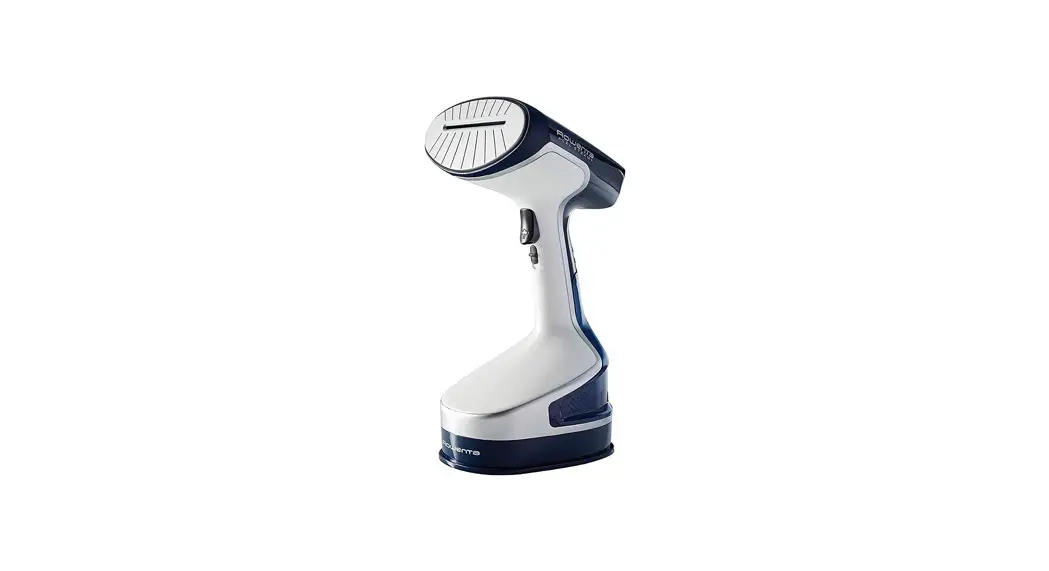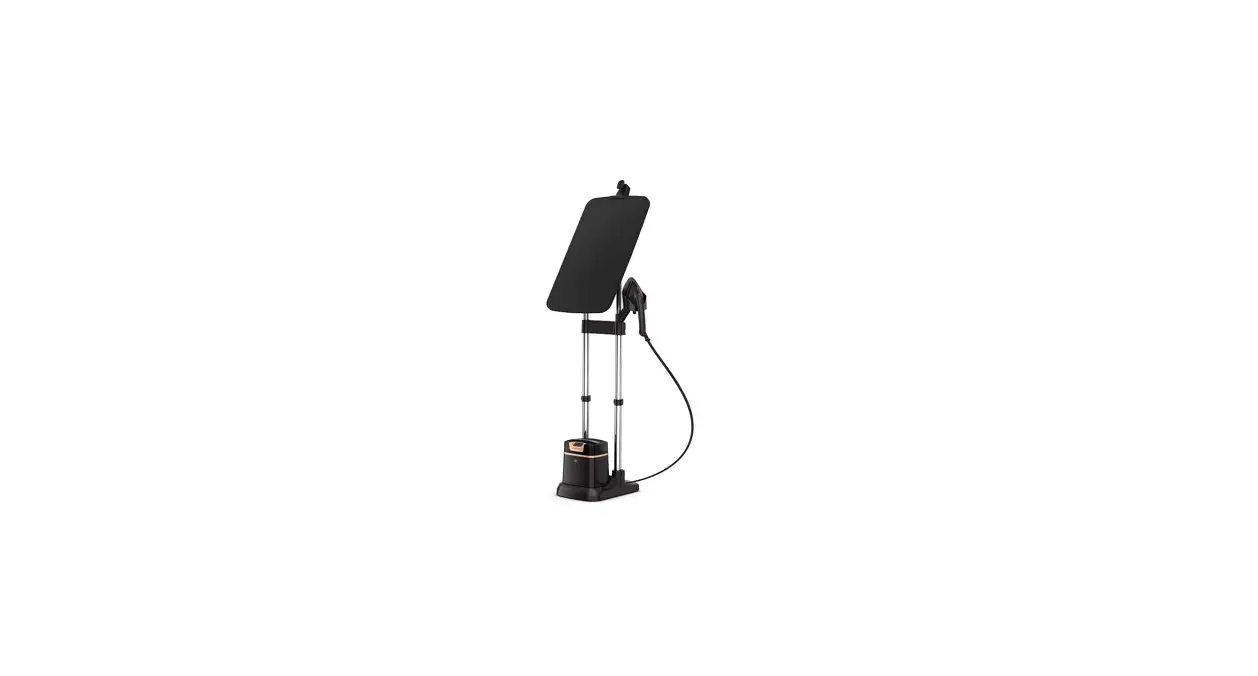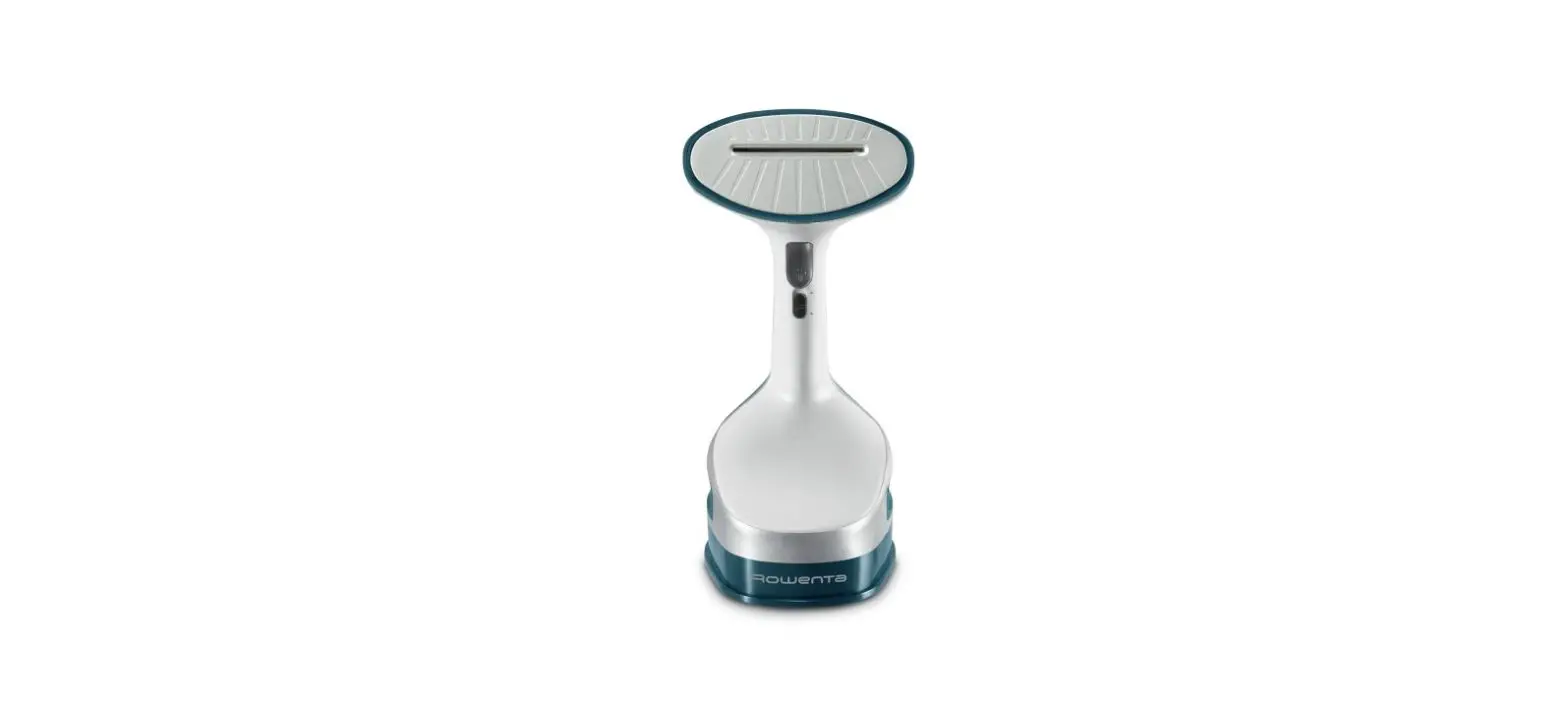

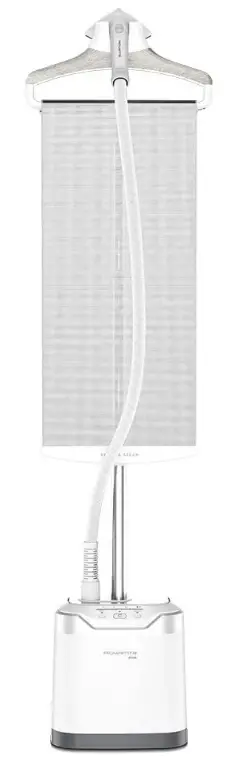
Rowenta IS8440 Fabric Steamer
IMPORTANT SAFETY INSTRUCTIONS
- Basic precautions should always be followed when using your appliance, including the following:
- Read all instructions before using this product.
- This product has been designed for domestic and indoor use only. Any commercial use, inappropriate use, or failure to comply with instructions results in voiding the warranty and the manufacturer of any responsibility
WARNING ! The voltage of your electrical outlet must correspond to that of the appliance (120V). Connecting to the wrong voltage may cause irreversible damage to the steamer and will void the warranty. - Use appliance for its intended use only.
- To reduce the risk of contact with hot water emitting from steam vents, check appliance before each use by holding it away from body and pressing the steam button.
- Never pull on the cord to disconnect the appliance from electrical outlet; instead, grasp plug and pull to disconnect the appliance.
- Do not allow cord to touch hot surfaces. Let appliance cool completely down before putting away. Loop cord loosely around appliance when storing.
- Always disconnect appliance from electrical outlet when filling with water or emptying, and when not in use.
- Do not operate appliance with a damaged cord or if appliance has been dropped or damaged. To avoid the risk of electric shock, do not disassemble or attempt to repair the appliance. Take it to the nearest authorized approved service center for examination and repair. Incorrect reassembly or repair could cause a risk of fire, electrical shock or injury to persons when the appliance is used.
- Close supervision is necessary for any appliance being used by or near children.
- Do not leave appliance un-attended while plugged in or while it is still hot.
- Burns could occur from touching hot metal or plastic parts, hot water or steam.
- Care should be taken when using the appliance due to emission of steam.
- Completely extend the pole to maximum height before using.
- Always used the appliance with the steam hose in a vertical position.
- Use care when emptying this steam appliance. There may be hot water in the reservoir.
- To reduce the likelihood of circuit overload, do not operate another high voltage appliance on the same circuit.
- If an extension cord is absolutely necessary, a cord with a 15A ampere rating should be used. A cord rated with less amperage can result in a risk of fire or electric shock due to overheating. Use caution when placing the cord, so that it cannot be pulled or tripped over.
- To protect against a risk of electric shock, do not immerse the appliance in water or other liquids.
- Do not direct steam at people, animals or clothes while they are being worn.
- This appliance is not intended for use by persons (including children) with reduced physical, sensory or mental capabilities, or lack of experience and knowledge, unless they have been given supervision or instruction concerning use of the appliance by a person responsible for their safety.
- Children should be supervised to ensure that they do not play with the appliance.
- The use of accessory attachments other than those provided by the manufacturer is not recommended and may result in fire, electric shock or personnal injury.
- The appliance must not be used if it has been dropped, if there are visible signs of damage or if it is leaking.
- Check the electrical cord for signs of ware or damage prior to use. If the electrical cord is damaged, it must be replaced at an approved service center to avoid any danger.
- To reduce the risk of electric shock, this appliance has a polarized plug (one blade is wider than the other). This plug will fit in a polarized outlet only one way. If the plug does not fit fully in the outlet, reverse the plug. If it still does not fit, contact a qualified electrician to install the proper outlet. Do not change the plug in any way.(depending on model)
- Surfaces where this symbol appears are very hot during the use of the appliance. Wait until the appliance has fully cooled down before touching any of these surfaces.
- Do not obstruct the appliance airways.
What water to use?
- Your appliance has been designed to use tap water. If your water is very hard, mix 50% tap water and 50%bottled demineralized water. Never use water containing additives (starch, perfume, aromatic substances, softeners, etc.), or condensation water (for example water from tumble dryers, water from refrigerators, water from air conditioning units, rainwater). This water contains organic waste materials or minerals that concentrate under the effect of heat and cause spitting, brown coloring or premature ageing of your appliance.
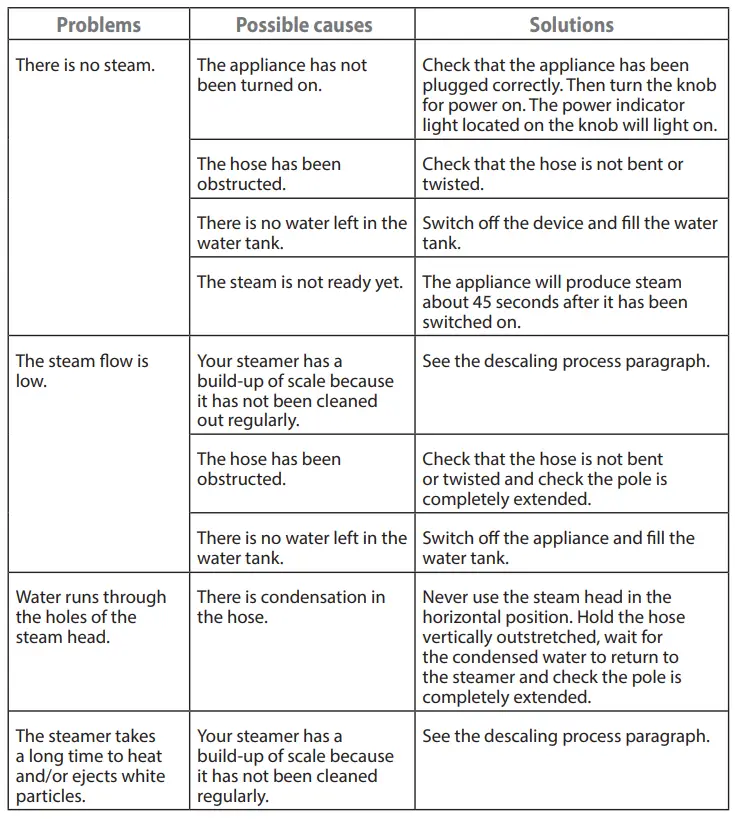
TROUBLESHOOTING
ENVIRONMENTAL PROTECTION FIRST!
- Your appliance contains valuable materials which can be recovered or recycled.
- Leave it at a local civic waste collection point.
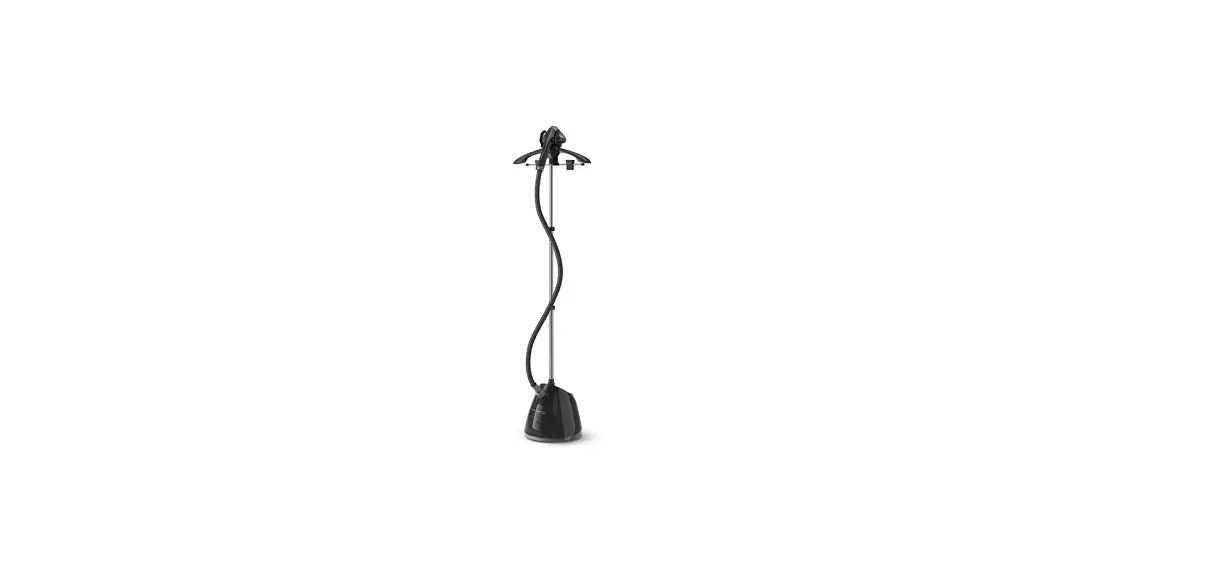
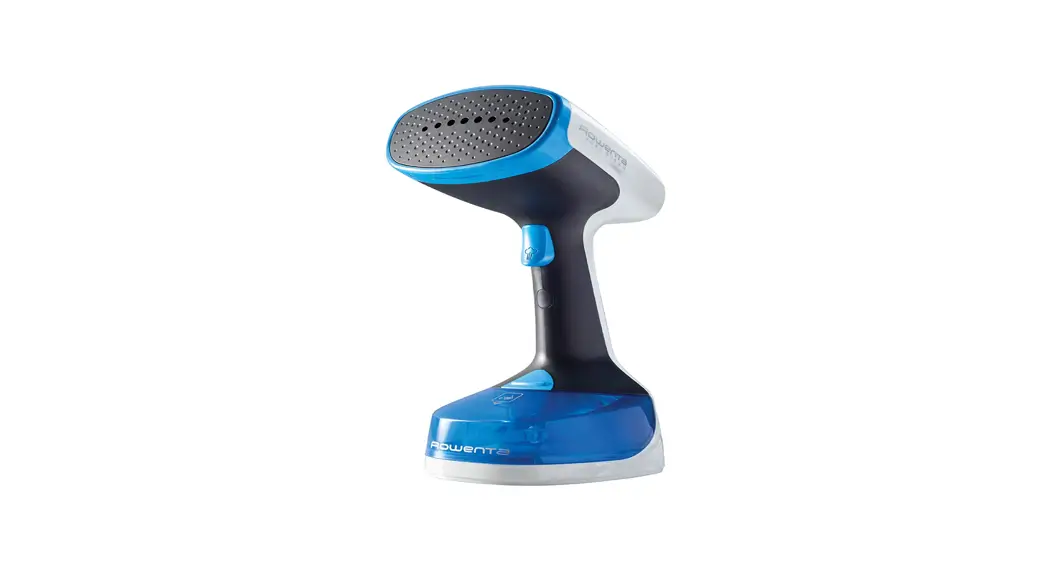
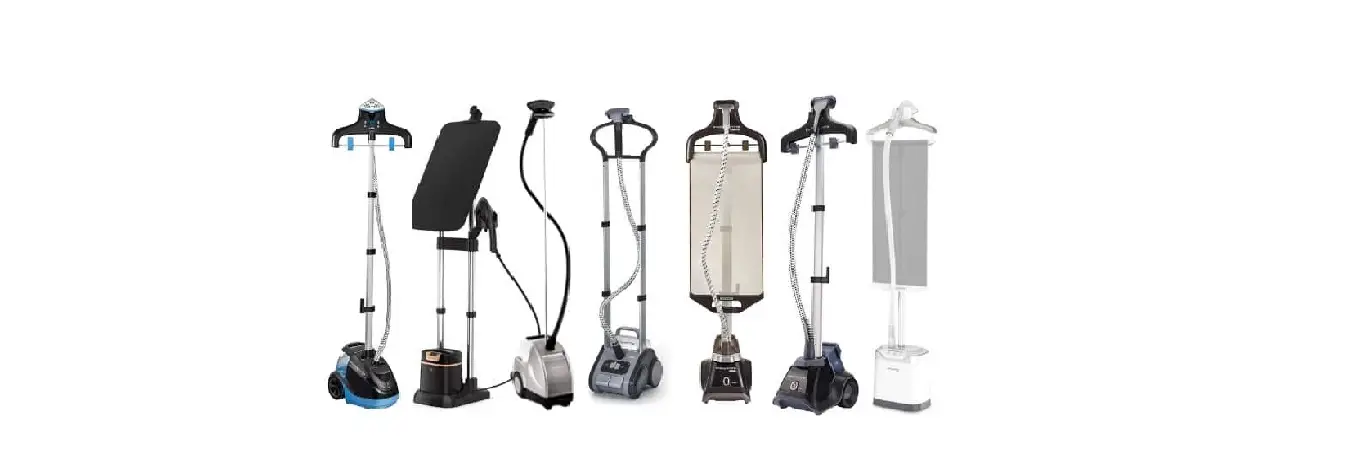
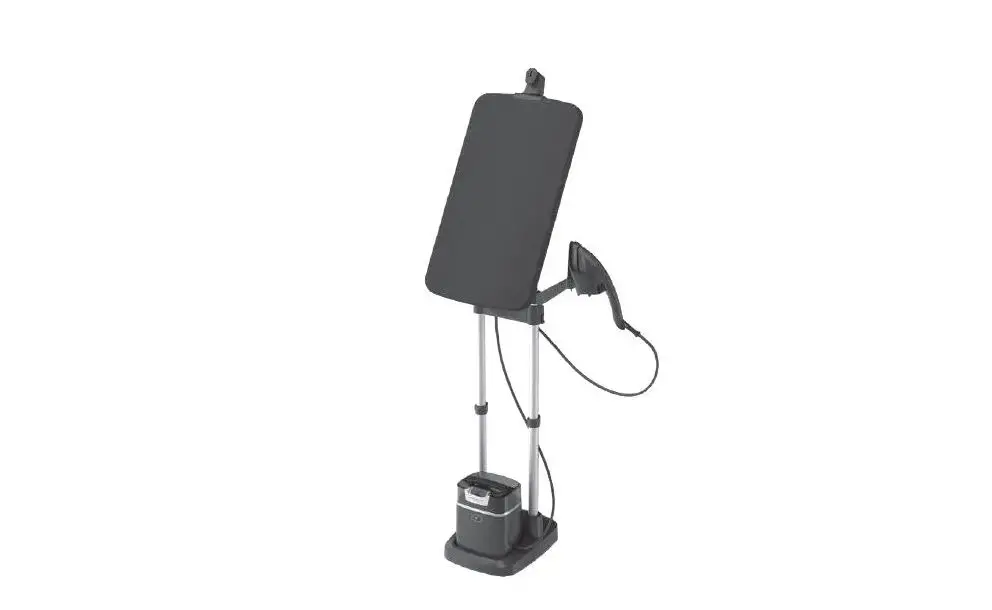
PRODUCT DESCRIPTION
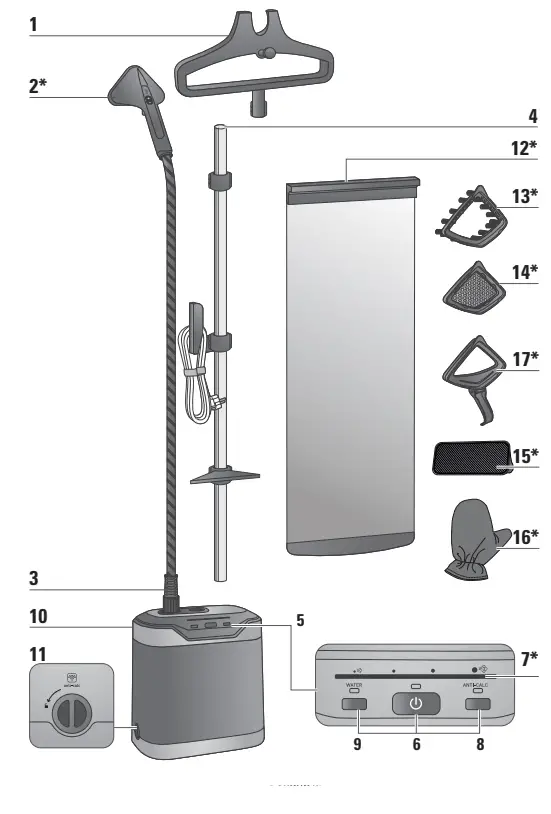
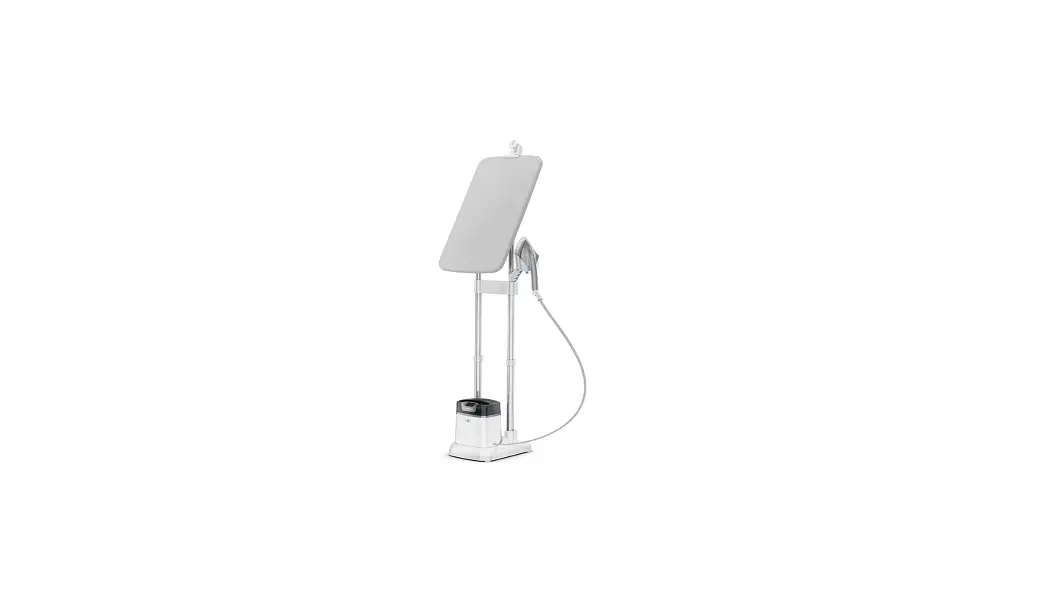
- Hanger + hanger hook
- Steam Head
- Steam Hose
- Adjustable pole + adjustable vertical support hook* + Power cord hook
- Control panel
- ON/OFF button
- Steam level light
- Anti-calc button
- Water tank button
- Removable Water tank
- Draining Cap
- Removable vertical support
- Fabric Brush
- Steam bonnet
- Lint pad
- Glove
- Crease attachment
FAQs
What should you do every time you use a steamer?
Ensure that the tank’s water level is just perfect. Learn what materials you can steam. Examine the fabric care labels for recommendations if you are unclear about a material. Carefully handle sensitive materials. After it has been de-wrinkled, give your steamed clothes some time to dry.
What causes a steamer to stop working?
Over time, mineral deposits can block a clothes steamer. Because of the frequent occurrence of mineral deposits, the steamer may stop producing steam as a result. The most typical offender is calcium deposits, which accumulate over time. Do not throw away that useful small steamer because the fix is easy to solve.
Should you leave water in the steamer overnight?
Never let the steamer sit with water in it overnight. Due to the mineral deposits that accumulate from continuous usage, neglected steamers frequently spew hot water. Utilize a cleaning solution of water and regular vinegar.
How long does a steamer last?
Even in a setting with high traffic (such as a charity shop), we would predict a lifespan of about 10 years. The longer your garment steamer lasts, the better care you give it.
How many times should you use a steamer?
Most skin types with less sensitive skin can steam two to three times each week. According to Diliberto, oily skin is often thicker and can withstand more frequent steaming. If you have thinner or drier skin, once per week is plenty.
What fabric should not be steamed?
Avoid wearing suede, waxed coats, and anything made of plastic since they could melt. Always steam goods from top to bottom, steam any type of liner first. Attempting to steam anything while you are wearing it is not advised.
What features to look for in a garment steamer?
Power Watts are a unit of measurement for power Heat Up Time. The heat up time, together with the water tank and autonomy, are crucial decision factors. The more garments you can steam at once, the longer the autonomy!
How many times should you use a steamer?
Most skin types with less sensitive skin can steam two to three times each week. According to Diliberto, oily skin is often thicker and can withstand more frequent steaming. If you have thinner or drier skin, once per week is plenty.
Which part of steamer is the hottest?
Remember that the “hottest” steam will rise from the centre, therefore position food with harder stem ends such that the stem points toward the centre. Place the food in layers, stack them, and place them over boiling water.
Can you burn clothes with a steamer?
Fortunately, there’s little chance that a steamer will harm your garments because there’s no hot metal coming into contact with them.
What temp is best for steaming?
The steaming process starts when the water reaches roughly 100 degrees Fahrenheit. The greatest temperature at which food may be cooked is 212 degrees Fahrenheit, the temperature at which water boils. To steam food on the stovetop, you simply need a pot and a steamer basket, which are both quite basic items of kitchenware.
Can I steam my clothes on the bed?
Simply hang your linens from a shower rod or laundry line and fill your steamer with water. When it’s ready, place the steamer head on the sheets and move it all over the fabric’s surface. Be sure the sheets are completely dry before making the bed.