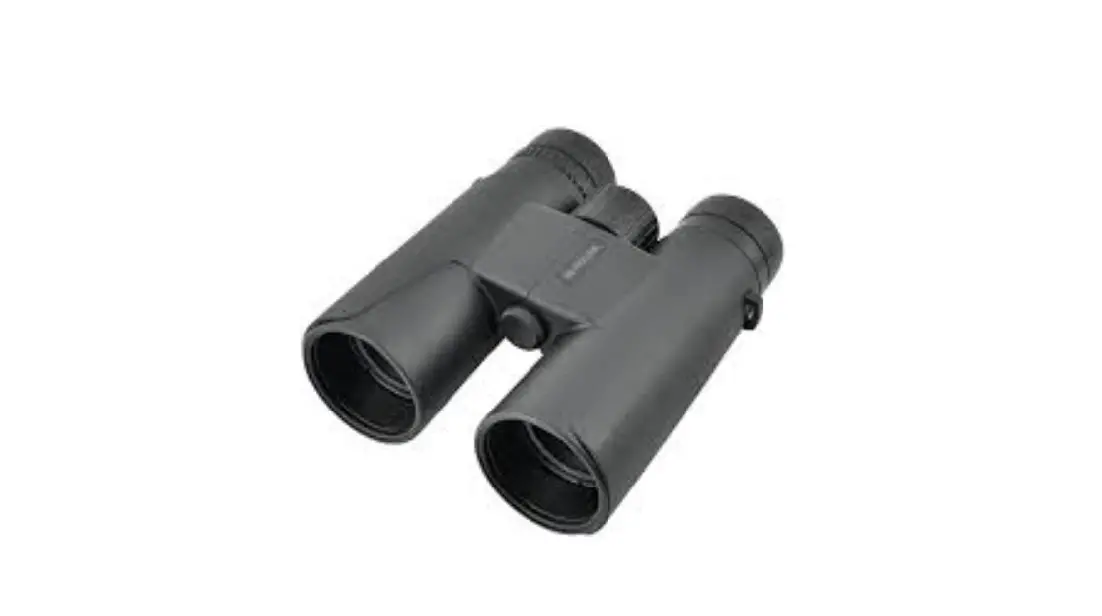
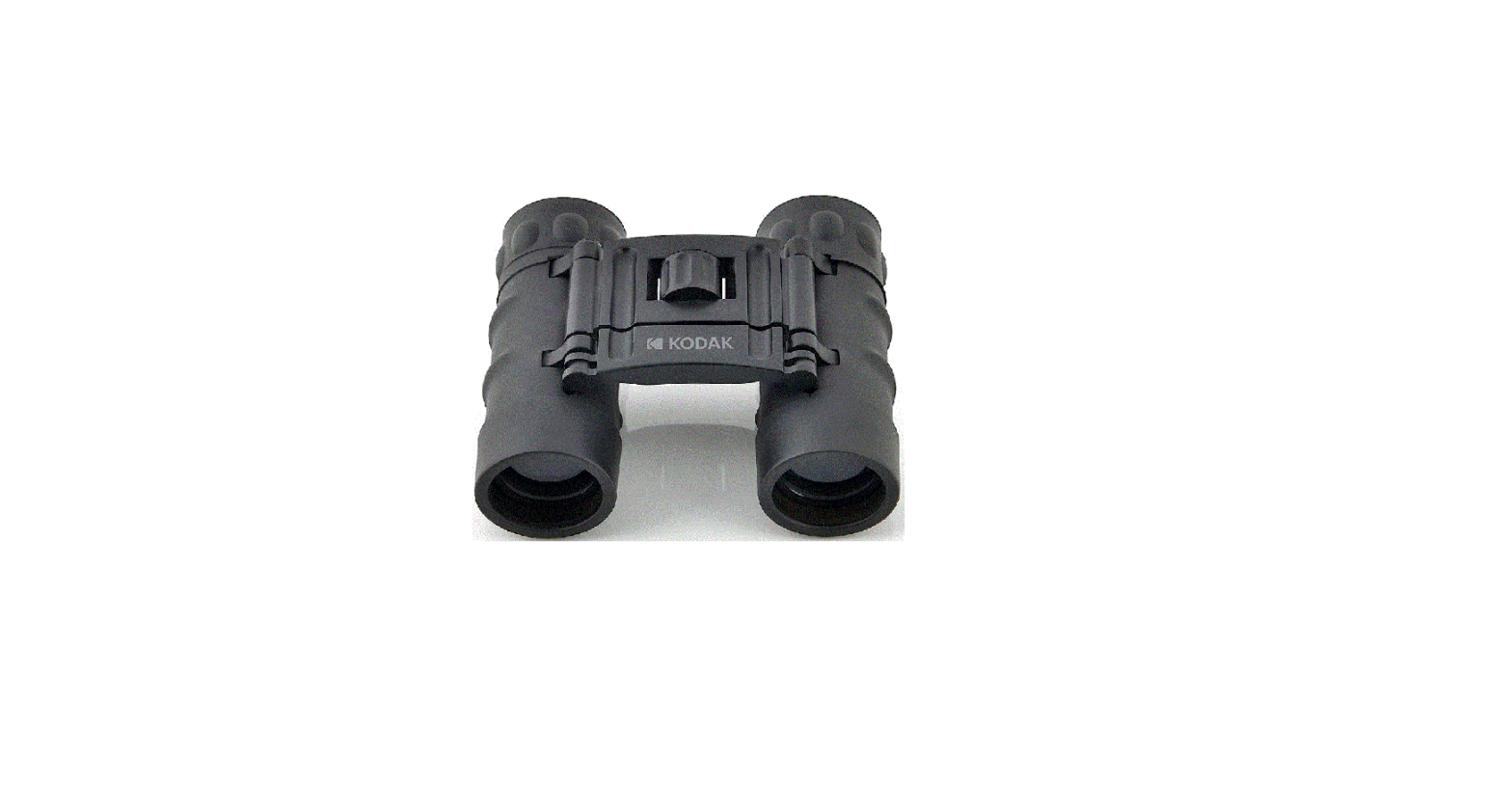
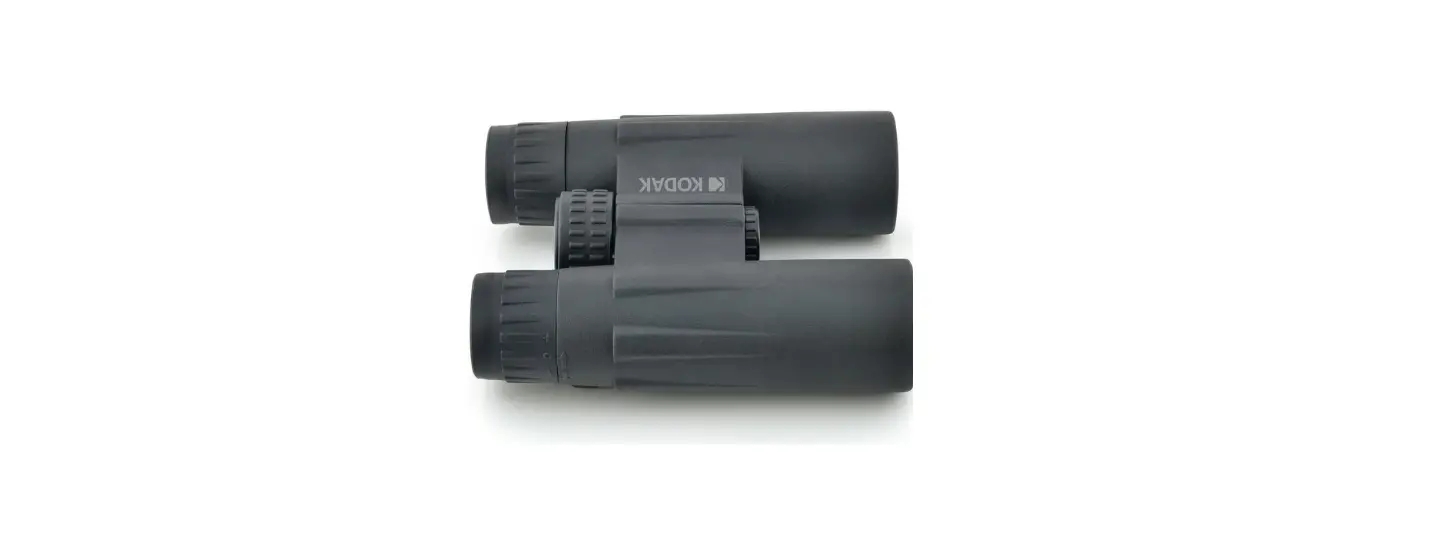
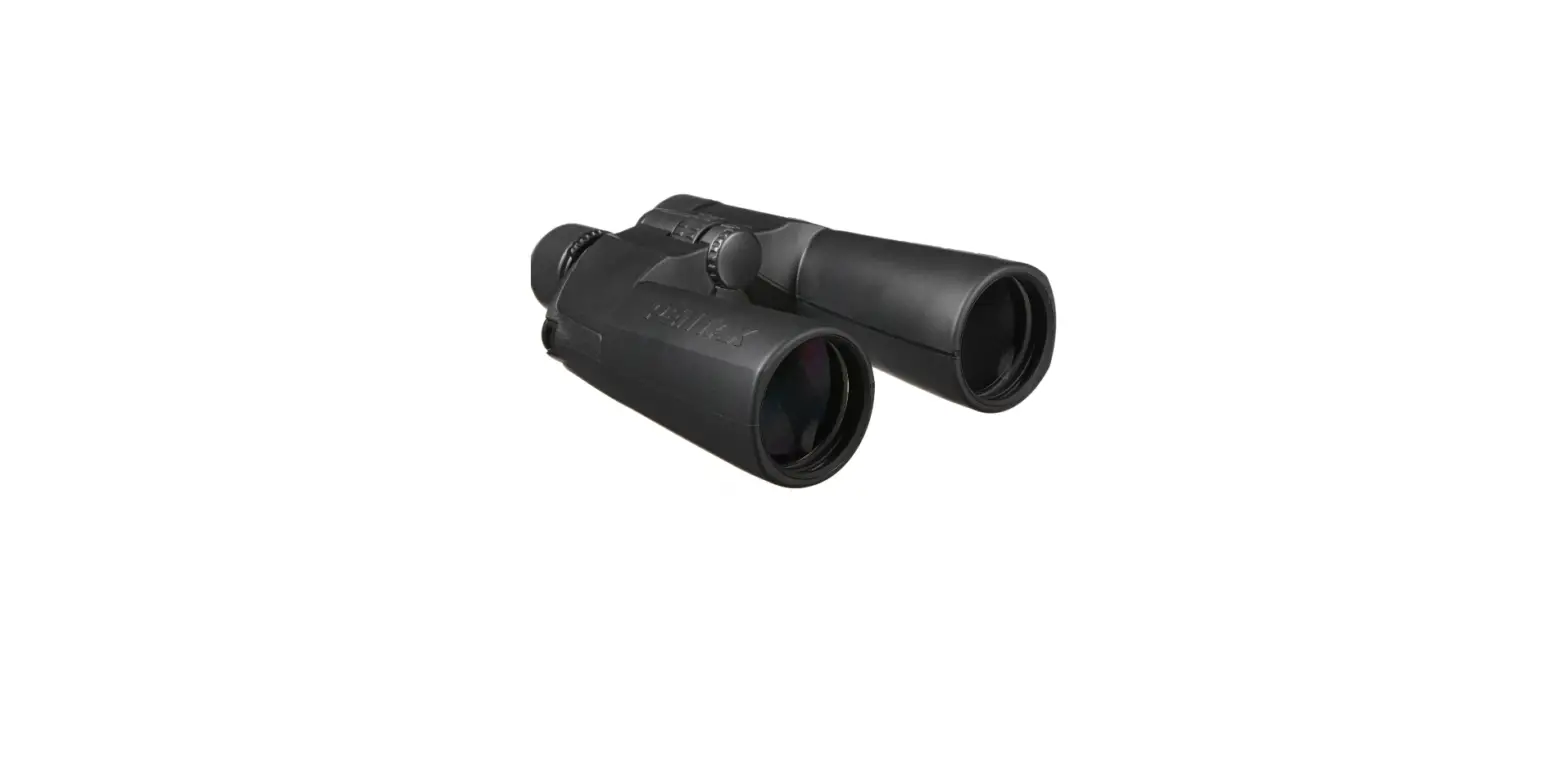
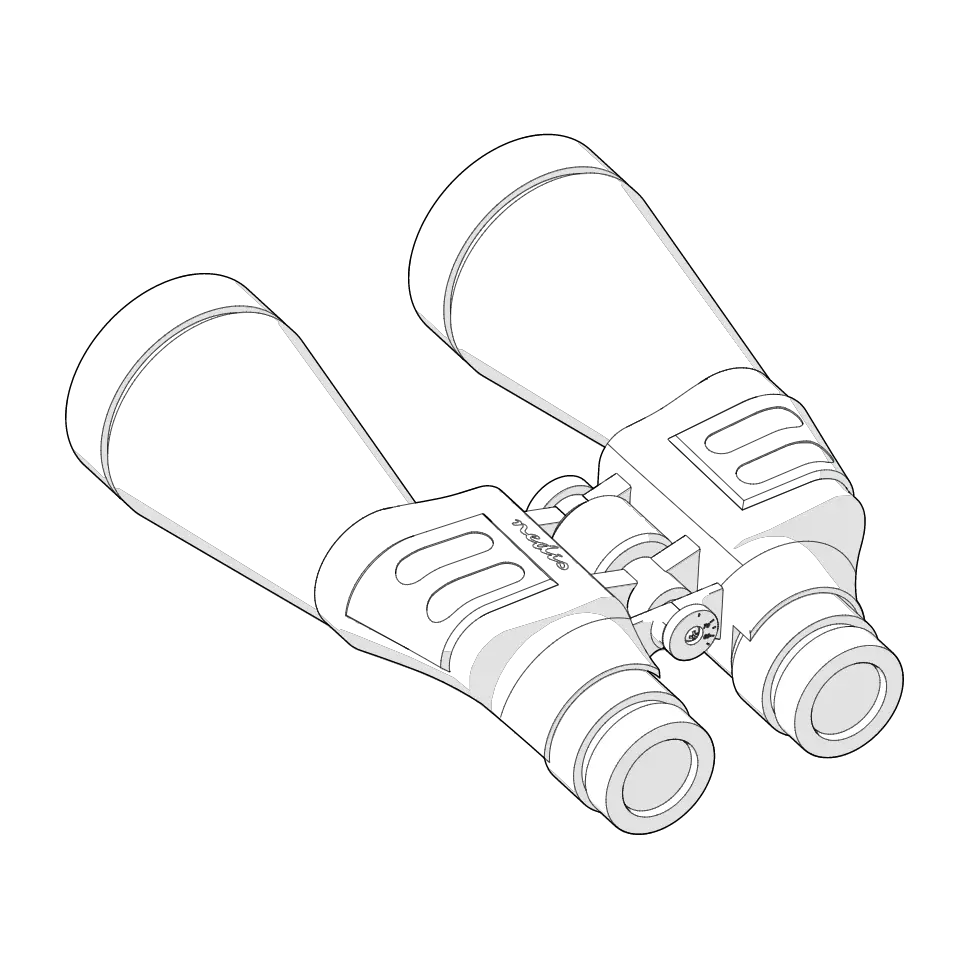
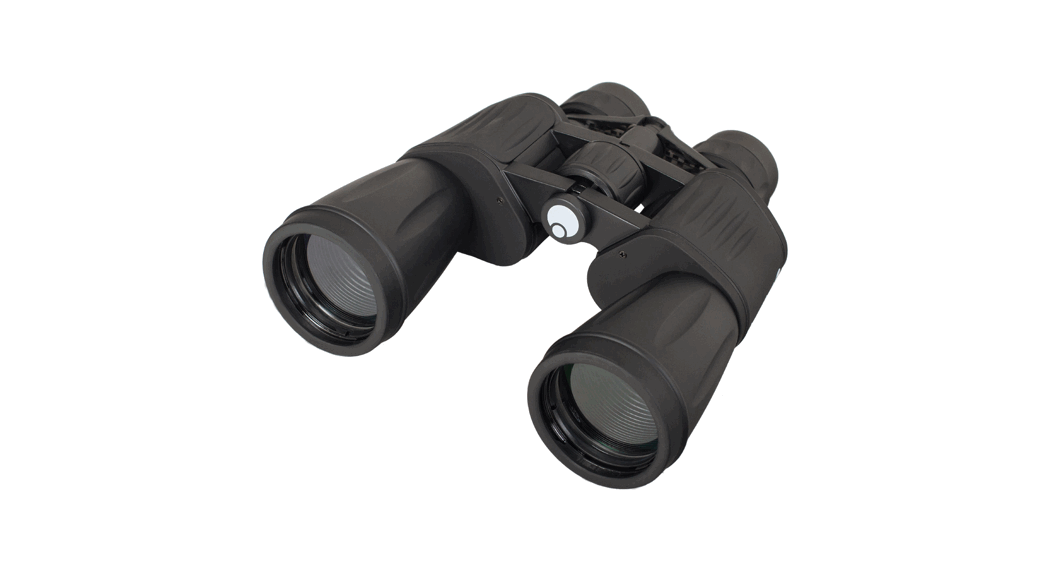
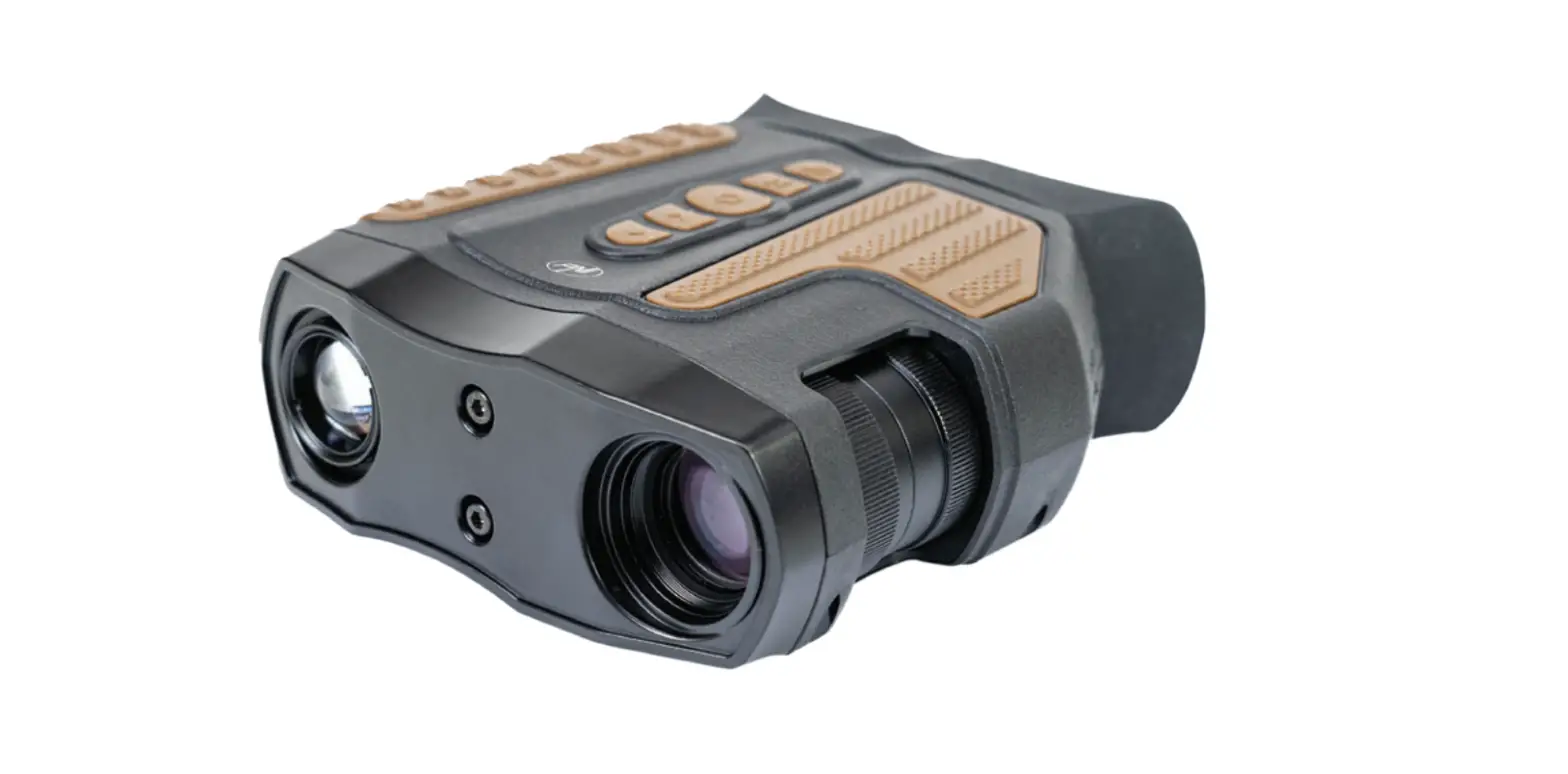
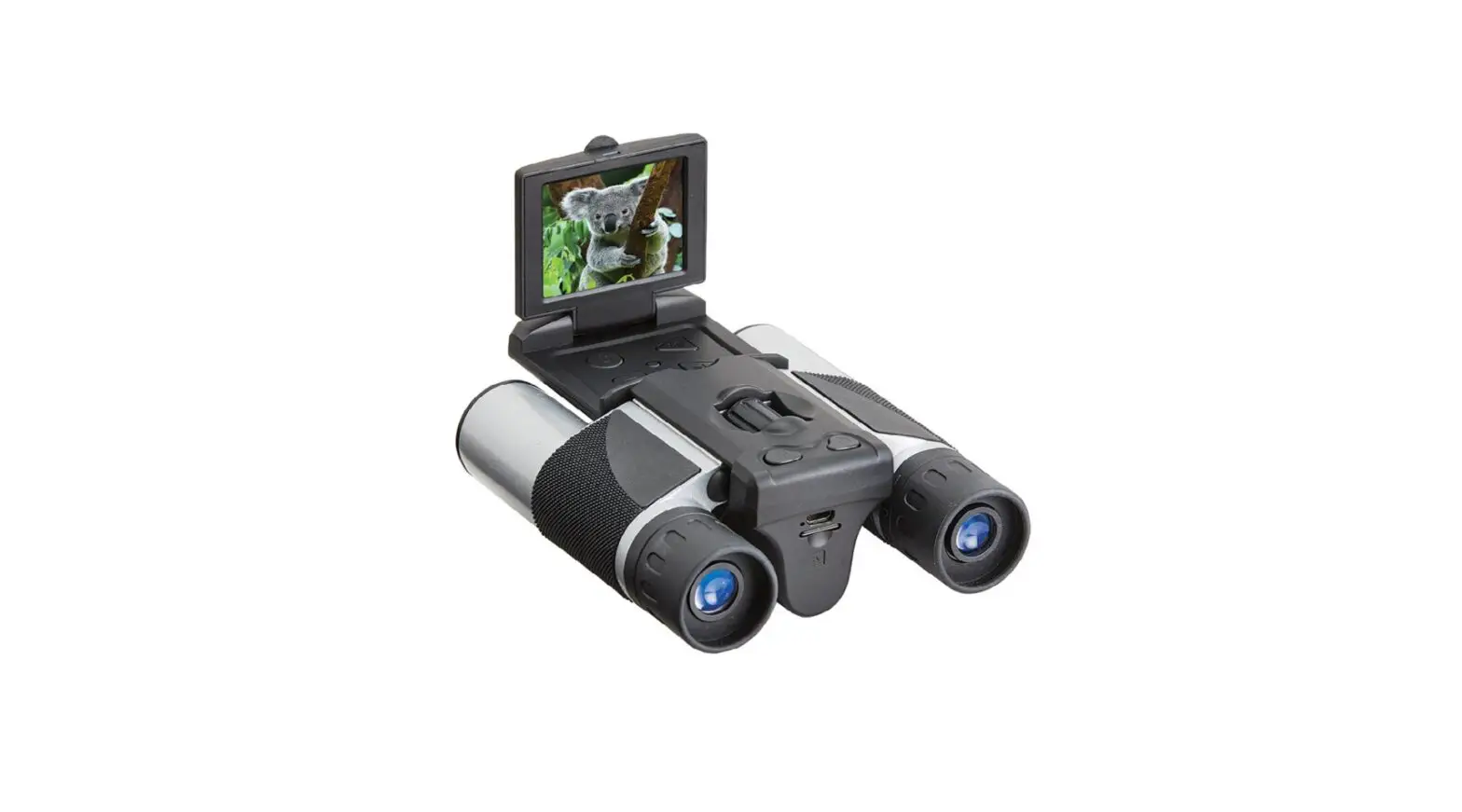
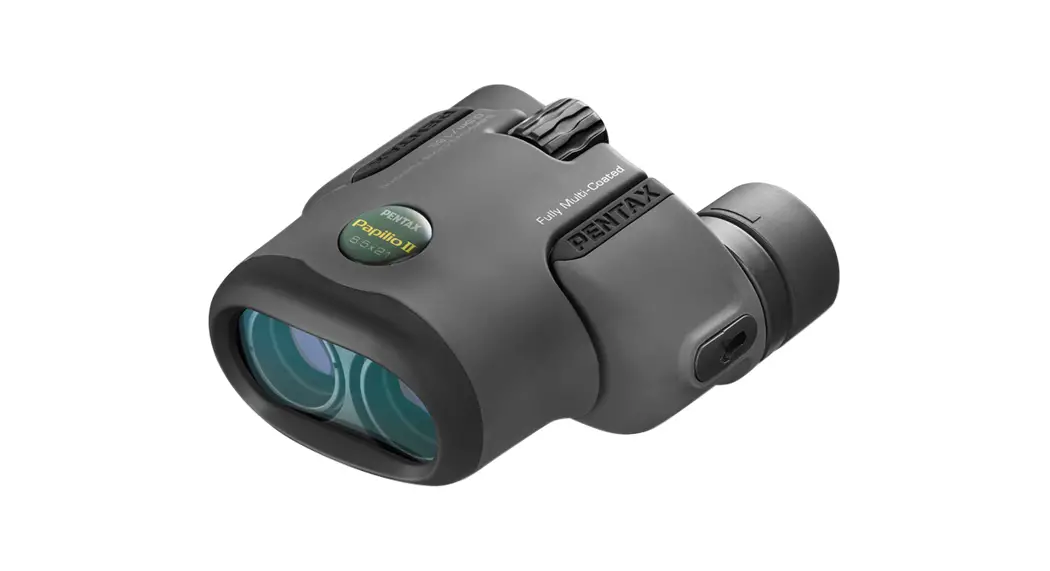
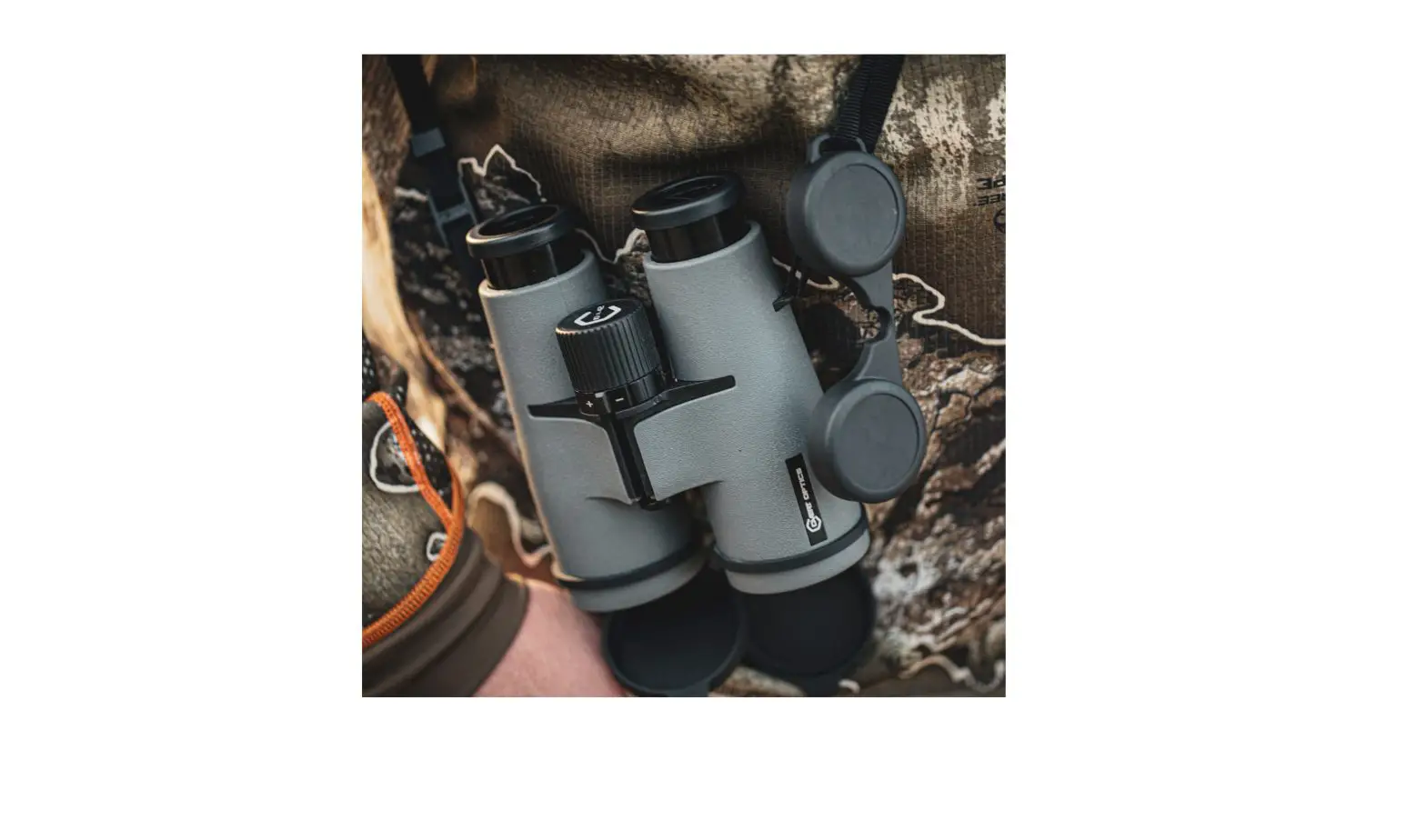
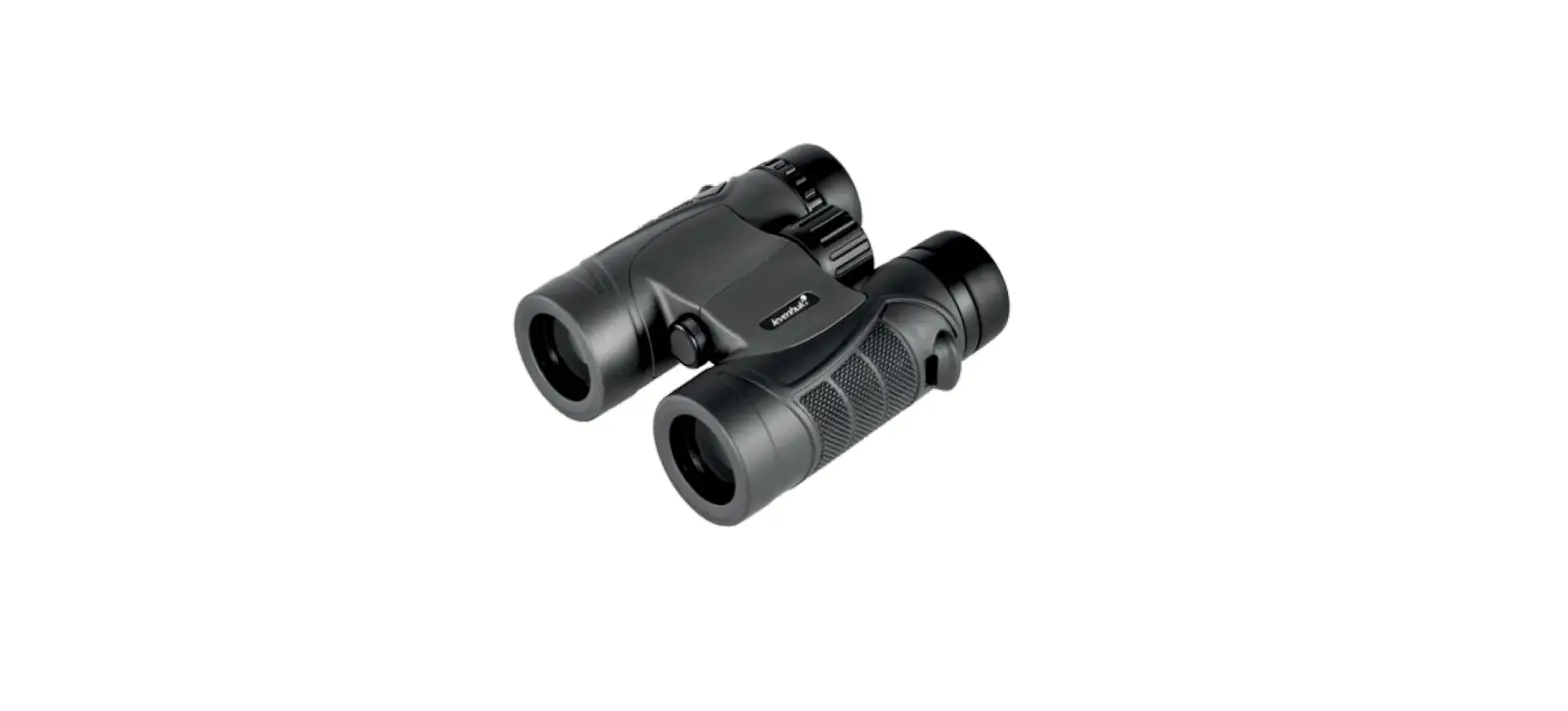
BCS200 Binoculars 8x21mm black
KODAK BCS200 Binoculars
The KODAK BCS200 binoculars are a precision optical instrument
that provides clear and sharp images. With 8x magnification and
21mm objective lenses, these binoculars are perfect for outdoor
activities such as bird watching, hiking, and sports events. The
binoculars have centrally positioned focusing wheel and flexible
eye cups that can be adjusted to match your eye distance.
Product Features:
- 8x magnification
- 21mm objective lenses
- Flexible eye cups
- Neck strap fittings
- Centrally positioned focusing wheel
- Roof prism type
- Close focusing distance of 3m
- Interpupillary distance of 29-69mm
- Weighs only 160g
Usage Instructions:
- Prior to using the binoculars, read the instructions carefully
to understand their adjustment, use, and maintenance. - Test the strength of the neck strap before use and pass it over
your head. - Adjust the flexible eye cups to match your eye distance for
comfortable viewing. - Use the centrally positioned focusing wheel to adjust the focus
of the binoculars. - Avoid looking at the sun or an intense source of light through
the binoculars to avoid serious eye injury or blindness. - Avoid directing the binoculars towards easily flammable objects
as the concentration of light may cause them to combust. - Avoid using the binoculars while walking as it may cause injury
if you fall. - Do not swing the binoculars by their neck strap to avoid
hitting someone standing nearby. - Be careful while adjusting the interpupillary distance to avoid
pinching your fingers. - Avoid holding the eye cups against the skin for an extended
period as it may cause skin irritation. - If you experience inflammation around the eyes, stop using the
binoculars and consult a doctor immediately. - Keep the accessories and packaging materials out of reach of
children and pets to avoid any risk of choking or
strangulation. - Gently place the binoculars on a flat surface when you remove
them from around your neck.
Following these instructions will help you achieve optimal
visual performance and ensure the longevity of your KODAK BCS200
binoculars.
KODAK BCS200
BINOCULARS
User manual
Manuel d’utilisation
Bedienungsanleitung
Manual de usuario
Manuale d’uso
Manual do usuário
Gebruikershandleiding
Podrcznik uytkownika
Felhasználói kézikönyv
Uzivatelská pírucka
1 year limited warranty / garantie limitée un an / 1 Jahr eingeschränkte Garantie / garantía limitada de 1 año / garanzia limitada di 1 anno / garantia limitada de 1 ano / 1 jaar beperkte garantie / roczna ograniczona gwarancja / 1 év korlátozott garancia / omezená záruka 1 rok
Made in China / Fabriqué en Chine / Hergestellt in China / Hecho en China / Prodotto in Cina / Feito na China / Gemaakt in China / Wykonane w Chinach / Vyrobeno v Cín / Kínában készült
Disposal of waste equipment by users in the European Union This symbol means that according to local laws and regulations, it is prohibited to dispose of this product with household waste. Instead, it is your responsibility to protect the environment and human health by handing over your used device to a designated collection point for the recycling of waste electrical and electronic equipment. For more information about where you can drop off your waste equipment for recycling, please contact your local city office, your household waste disposal service or the shop where you purchased the product.
After-sales service / Service après-vente / Kundendienst / Servicio postvenda / Servizio post-vendita / Serviço pós-venda / Service na verkoop / Serwis posprzedany / Poprodejní servis / Értékesítés utáni szolgáltatás: @ : [email protected] : + 33 (0) 1.85.49.10.26 The Kodak trademark, logo and trade dress are used under license from Eastman Kodak Company. © 2022 GT Company All rights reserved. GT COMPANY FR : 5 rue de la Galmy 77700 CHESSY FRANCE GT COMPANY UK LTD : 11 Old Jewry EC2R 8DU LONDON UNITED KINGDOM
www.kodak.gtcie.com
Product description / Description du produit / Beschreibung des Produkts / Descripción del product / Descrizione del prodotto / Descrição do produto / Beschrijving van het product / Opis produktu / Termékleírás / Popis výrobku
1
1
2
3
3
4
5
5
6
6
1 Flexible eye cups / OEilletons souples / Weiche Augenmuscheln / Bordes del ocular ligeros /
Conchiglie oculari morbidi / Copos oculares maleáveis / Soepele oogschelpen / Gumowe muszle oczne / Puha szemkagylók / Mkké ocnice
2 Right eyepiece with diopter adjustment function / Oculaire droit avec fonction de réglage
dioptrique / Gerades Okular mit Dioptrieneinstellung / Ocular derecho con función de regulación de dioptrías / Oculare diritto con funzione di regolazione diottrica / Ocular direita com função de regulação ótica / Rechteroculair met dioptrie-instelling / Prawy okular z moliwoci regulacji dioptrii / Jobb oldali okulár dioptriabeállítással / Pravý okulár s funkcí nastavení dioptrií
3 Neck strap fittings* / Fixations du tour de cou* / Befestigungen des Halsbandes* / Fijaciones
del cordón para colgarlos* / Fissaggi del cinturino* / Fixações da alça para o pescoço* / Bevestigingen voor de draagriem* / Uchwyt do mocowania paska* / Nyakpántrögzítk* / Upevnní popruhu na krk*
4 Centrally positioned focussing wheel / Molette de mise au point centrale / Zentrales
Fokussierrad / Rueda de ajuste de la puesta a punto central / Rotella di messa a fuoco centrale / Roda de focagem central / Centraal scherpstelwiel / rodkowy piercie regulacji
ostroci / Középs fókuszkerék / Stedové zaostovací kolecko
5 Tubes containing the prisms / Tubes comprenant les prismes / Tuben mit enthaltenen
Prismen / Tubos que incluyen los prismas / Tubi che includono i prismi / Tubos com prismas / Buizen met prisma’s / Tubusy z pryzmatami / Prizmatartó csövek / Tubusy s hranoly
6 Objectives / Objectifs / Objektive / Objetivos / Obiettivi / Objetivas / Objectieven / Obiektywy /
Objektívlencsék / Cocky
* These binoculars have an integrated neck strap. To adjust the length from your neck to the binoculars, all you have to do is tie a knot, as shown below / * Ces jumelles disposent d’un tour de cou intégré. Pour ajuster la longueur entre votre cou et les jumelles, il vous suffit d’y faire un noeud tel illustré ci-dessous / * Dieses Fernglas verfügt über ein integriertes Halsband. Um die Länge zwischen Ihrem Hals und dem Fernglas anzupassen, binden Sie einfach einen Knoten in das Halsband, wie in der folgenden Abbildung gezeigt / * Los prismáticos disponen de un cordón para colgarlos integrado. Para ajustar el largo que hay entre su cuello y los prismáticos, solo tiene que hacer un nudo tal y como le mostramos a continuación / * Questo binocolo dispone di un cinturino integrato. Per regolare la lunghezza tra il collo e il binocolo è sufficiente fare un nodo come illustrato qui sotto / Estes binóculos têm uma alça para o pescoço incorporada. Para ajustar o comprimento entre o pescoço e os binóculos, basta fazer um nó conforme ilustrado abaixo / * Deze verrekijker is voorzien van een geïntegreerde draagriem. Om de lengte tussen uw nek en de verrekijker aan te passen, hoeft u alleen maar een knoop te maken zoals hieronder staat weergegeven / * Lornetka jest wyposaona w zintegrowany pasek. Aby dopasowa dlugo paska, wystarczy go zawiza tak, jak pokazano na poniszej ilustracji / * Ez a távcs integrált nyakpánttal rendelkezik. A nyak és a távcs közötti hosszúság beállításához kössön egy csomót az alábbi ábrán látható módon / * Tento binokulární dalekohled má integrovaný popruh na krk. Chcete-li upravit délku mezi krkem a dalekohledem, jednoduse uvazte uzel podle obrázku níze :
Specifications / Caractéristiques / Merkmale / Especificaciones / Specifiche / Especificações / Specificaties / Specyfikacje / Jellemzk / Specifikace
Prism type / Type de prisme / Prismentyp / Tipo de prisma / Tipo di prisma / Tipo de prisma /
Roof / Toit / Dach / Techo / Tetto / Telhado / Dak /
Soort prisma / Typ pryzmatu / Prizma típus / Typ hranolu
Dachowy / Tet / Stecha
Lens coating / Revêtement des lentilles / Linsenvergütung / Revestimiento de la lente / Rivestimento dell’obiettivo / Revestimento de lente / Lenscoating / Powloka soczewki /
Lencsebevonat / Povrchová úprava objektivu
Fully coated / Revêtement intégral / Vollvergütet / Totalmente revestida / Totalmente rivestito / Totalmente revestida / Volledig gecoat /
W pelni powlekana / Teljesen bevont / Pln potazený
Magnification / Grossissement / Vergrösserung / Amplificación / Ingrandimento / Ampliação / Vergroting / Powikszenie / Nagyítás / Zvtsení
8 x
Objective diameter / Diamètre d’objectif / Objektivdurchmesser / Diámetro de los objetivos /
Diametro degli obiettivi / Diâmetro das objetivas / Objectiefdiameter / rednica obiektywów /
21 mm
Objektív átmérje / Prmr objektiv
Exit pupil / Pupille de sortie / Austrittspupille / Pupila de salida / Pupilla in uscita / Pupila de saída / Uittreepupil / renica wyjciowa / Kilép pupilla / Výstupní pupily
2.6 mm
Eye relief / Dégagement oculaire / Augenabstand / Alivio ocular / Distanza interoculare / Distância olho-ocular / Oogafstand / Odstp renicy / Pupillatávolság / Ocní reliéf
11 mm
Field of view at 1000 m / Champ de vision à 1000 m / Sehfeld auf 1000 m / Campo de visión a 1000 m /
Campo visivo a 1000 m / Campo de visão A 1000 m / Gezichtsveld op 1000 m / Pole widzenia na 1000 m /
126 m
Látómez 1000 m / Zorné pole na 1000 m
Real field of view / Champ de vision réel / Tatsächliches Sehfeld / Campo de visión real /
Campo visivo reale / Campo de visão real / Werkelijk gezichtsveld / Rzeczywiste pole widzenia /
7.2°
ényleges látómez / Skutecné zorné pole
Apparent field of view / Champ de vision apparent / Scheinbares Sehfeld / Campo de visión aparente /
Campo visivo apparente / Campo de visão aparente / Schijnbaar gezichtsveld / Pozorne pole widzenia /
57.6°
Látszólagos látómez / Zdánlivé zorné pole
Close focusing distance / Distance de mise au point minimale / Naheinstellgrenze / Distancia de enfoque
cercana / Distanza di messa a fuoco ravvicinata / Distância de focagem ao perto / Scherpstelafstand
3 m
dichtbij / Bliska odleglo ogniskowania / Közeli fókusztávolság / Nejkratsí zaostovací vzdálenost
Relative brightness / Luminosité relative / Relative Helligkeit / Brillo relativo / Luminosità relativa / Brihlo relativo / Relatieve helderheid / Jasno wzgldna / Jasno wzgldna / Relativní jas
6.9
Twilight factor / Indice crépusculaire / Dämmerungsfaktor / Factor crepuscular / Fattore crepuscolare / Fator de penumbra / Twilight factor / Sprawno zmierzchowa / Szürkületi faktor / Faktor Stmívání
13
Interpupillary distance / Distance interpupillaire / Augenabstand / Distancia interpupilar /
Distanza interpupillare / Distância interpupilar / Pupilafstand / Rozstawu okularów /
29-69 mm
Pupillatávolság / Mezipupilární vzdálenost
Dioptric correction / Correction dioptrique / Dioptrienkorrektur / Corrección dióptrica / Correzione diottrica / Correção dióptrica / Dioptrische correctie / Korekcja dioptryczna / Dioptriakorrekció / Dioptrická korekce
-2~+2
Width / Largeur / Breite / Anchura / Larghezza / Largura / / Breedte / Szeroko / Szélesség / Síka
102 mm
Height / Hauteur / Höhe / Altura / Altezza / Altura / Hoogte / Wysoko / Magasság / Výska
94 mm
Thickness / Épaisseur / Strärke / Espesor / Spessore / Espessura / Dikte / Grubo / Vastagság / Tlouska
40 mm
Weight / Poids / Gewicht / Peso / Peso / Peso / Gewicht / Waga / Súly / Hmotnost
160 g
EN
We would like to thank you for purchasing your KODAK BCS200 binoculars, and hope that they will be to your complete satisfaction. In order to achieve optimal visual performance, please read the instructions relating to their adjustment, use, and maintenance carefully prior to use, and retain this information for future reference.
SAFETY INSTRUCTIONS – Never look at the sun or an intense source of light through the binoculars, so as to avoid
any risk of serious eye injury or blindness. – Never direct the binoculars so as to directly capture the sun’s rays. If the objects towards
which the binoculars are directed happen to be easily flammable, the concentration of the light may cause these objects to combust. – Avoid using the binoculars while walking, as they could injure you should you fall. – Don’t amuse yourself by swinging the binoculars by their neck strap, as you may hit someone standing nearby.
– Take care not to pinch with your fingers while adjusting the interpupillary distance of the binoculars.
– Holding the eye cups against the skin for an extended period may cause skin irritation.
In case of inflammation around the eyes, stop using the binoculars and consult a doctor immediately.
– Keep the accessories (neck strap, microfibre cloth) and packaging materials out of reach of children and pets, to avoid any risk of choking or strangulation.
PRECAUTIONS FOR USE – This pair of binoculars is a precision optical instrument that must be handled and
transported with the utmost of care. Rough handling, severe impact, or accidental dropping may disrupt the alignment of the lenses and cause double vision when looking through the binoculars. You should therefore test the strength of the neck strap and then pass it over your head prior to use.
– Gently place the binoculars on a flat surface when you remove them from around your neck.
– When you are no longer using your binoculars, put them in their case and then store them in a cool, dry place.
– Do not expose binoculars that are not watertight to splashes, heavy rain, or excessive humidity. If condensation forms on the eyepieces and lenses, leave the binoculars to dry at room temperature, before storing them away in their case.
– Do not leave the binoculars close to an excessive source of heat, so as to avoid affecting the lubricating and insulating materials they contain.
– Should a fault occur, under no circumstances should you attempt to disassemble your pair of binoculars. Return to the store from which you purchased them, so that they can be forwarded for repair by our aftersales service, if necessary.
ADJUSTMENT OF THE INTERPUPILLARY DISTANCE The interpupillary distance (= the space between the centres of the pupils) varies from one person to the next, and it is therefore essential that you adjust the position of your binoculars’ eyepieces to suit your interpupillary distance. To correctly align the eyepieces with your eyes, proceed as follows:
1 Hold the binoculars firmly in both hands, and place the eyepieces level with your eyes.
2 Look through the eyepieces and target something in the distance, without adjusting the
focus.
3 Move the tubes of the binoculars together or apart, until you see just one image circle
when looking through with both eyes.
4 Adjust the defined position more precisely to obtain a clean image, with no dark areas.
5 Memorise and always reapply this setting before using your binoculars.
FOCUSSING AND DIOPTER ADJUSTMENT These binoculars are equipped with a central focussing wheel and an eyepiece with a diopter adjustment function, to allow for minor deviations in the vision in each of your eyes. Having correctly adjusted the interpupillary distance, proceed with the adjustment of the focus and the diopter, as follows:
1 Turn the right eyepiece so that the “+ 0 ” symbols on the diopter marker are aligned with
those on the side of the right tube of the binoculars.
2 Close your right eye or cover the right eyepiece with your hand, and look through the left
eye cup with your left eye.
3 Select a distant object with a high level of detail (e.g. a flower, the branches of a tree
etc.) and turn the central focussing wheel until the image appears as clean and clear as possible in the left eyepiece.
4 Close your left eye or cover the left eyepiece with your hand, then look at the same object
through the right eyepiece, with your right eye.
5 Turn the right eyepiece to focus the image in the eyepiece, making sure not to rotate too
far or to force the rotation, so as not to cause damage.
Note: if you cannot manage to adjust the diopter and focus the image in the right eyepiece, make sure that the focus of the image in the left eyepiece has not been inadvertently misaligned (repeat steps 2 to 4 if necessary).
6 The binoculars are now adjusted to your vision. Look through the eye cups with both eyes
and turn only the central focussing wheel to focus the image of an object at a different distance.
Note: it is recommended that you take note of the adjustment of the position of the diopter adjustment marker on the binoculars, so that they can be more quickly adjusted if the right eyepiece is accidentally rotated, or if someone else uses the binoculars.
MAINTENANCE TIPS Regularly clean the eyepieces and lenses to prevent dirt from obscuring the passage of light and impairing the image quality.
The steps for optimal cleaning are as follows:
1 Remove dust and other dirt on the eyepieces and lenses using a blower bulb, a soft
optical cleaning brush, or a compressed air cannister.
2 Gently wipe their surface with the microfibre cloth provided, using a circular motion.
Be sure not to press too heavily and avoid using an absorbent paper towel or a paper tissue so as not to damage the coating on the lenses or scratch them.
3 You can also apply a cleaning fluid for photographic lenses or glasses to the microfibre
cloth. In this case, gently wipe the lenses using a circular motion, from the centre to the outside of the lens. Please do not apply the fluid directly to the lenses, and do not use a household cleaning product, such as window cleaner.
4 Avoid touching the lenses, and clean off any fingerprints immediately after contact,
as the acidity of the skin can also damage their coating.
5 To clean the surface of the binoculars, first blow off any dirt that has accumulated in the
recesses. Then run a soft and clean cloth, which has been slightly dampened, over the entire surface to remove any marks, before wiping with a similar, but this time dry cloth, if necessary. Do not apply benzene, thinners, or other organic solvents.
6 Never attempt to disassemble your binoculars to clean the inside.
FR
Nous vous remercions pour l’acquisition de vos jumelles KODAK BCS200 et espérons
qu’elles vous procureront entière satisfaction. Afin d’obtenir des performances visuelles optimales, veuillez lire attentivement les instructions relatives à leur réglage, utilisation et entretien avant de vous en servir et conserver cette notice pour référence ultérieure.
CONSIGNES DE SÉCURITÉ – Ne regardez jamais le soleil ou une source de lumière intense à travers les jumelles pour
éviter tout risque de lésion oculaire grave ou de cécité. – N’orientez jamais les jumelles de manière à capter directement les rayons du soleil.
La focalisation de la lumière peut provoquer la combustion de ce qu’elles visent s’il s’agit
d’une matière facilement inflammable. – Évitez de vous servir des jumelles en marchant, celles-ci peuvent vous blesser en cas de
chute. – Ne vous amusez pas à balancer les jumelles au bout de leur tour de cou, vous pourriez heurter
une personne à proximité. – Un maintien prolongé des oeilletons sur une peau sensible peut provoquer une irritation
cutanée. En cas d’inflammation du contour des yeux, cessez l’utilisation des jumelles et consultez immédiatement un médecin.
– Tenez les accessoires (tour de cou, tissu en microfibres) et matériaux d’emballage hors de portée des enfants et animaux domestiques pour éviter tout risque d’étouffement ou de strangulation.
PRÉCAUTIONS D’EMPLOI – Cette paire de jumelles est un instrument optique de précision nécessitant une manipulation
et un transport avec les plus grandes précautions possibles. Une manipulation brutale, un choc violent ou une chute accidentelle peuvent dérégler l’alignement des optiques et provoquer un dédoublement de l’image à l’observation. Veillez donc à tester la résistance
de leur tour de cou puis à l’enfiler avant de vous en servir. – Posez délicatement les jumelles sur une surface plane lorsque vous les retirez de votre cou. – Lorsque vous ne vous servez plus de vos jumelles, rangez-les dans leur étui puis entreposez-
les dans un endroit frais et sec. – N’exposez pas les jumelles non étanches à des éclaboussures d’eau, une forte pluie ou de
l’humidité excessive. Si de la condensation se forme sur les oculaires et les objectifs, laissez séchez les jumelles à température ambiante avant de les ranger dans leur étui. – Ne laissez pas les jumelles à proximité d’une source de chaleur excessive pour éviter d’altérer
les lubrifiants et isolants qu’elles intègrent. – En cas de défaut, n’essayez en aucun cas de démonter votre paire de jumelles et adressez-
vous à l’enseigne auprès de laquelle vous les avez achetées afin qu’elle en confie l’éventuelle réparation à notre service après-vente.
AJUSTEMENT DE LA DISTANCE INTERPUPILLAIRE La distance interpupillaire (= espace entre le centre des pupilles) varie d’une personne à l’autre, il est donc tout d’abord nécessaire de régler la position des oculaires de vos jumelles selon la vôtre. Pour aligner correctement les oculaires avec vos yeux, procédez comme suit :
1 Tenez fermement les jumelles avec vos deux mains et placez les oculaires au niveau de
vos yeux.
2 Regardez à travers les oculaires et ciblez quelque chose d’éloigné sans faire la mise au
point.
3 Rapprochez ou écartez les tubes des jumelles jusqu’à voir un seul et même cercle d’image
avec vos deux yeux.
4 Ajustez plus minutieusement la position définie afin d’obtenir une image nette et sans zone
d’ombre.
5 Mémorisez et reproduisez toujours ce réglage avant de vous servir de vos jumelles.
MISE AU POINT ET RÉGLAGE DIOPTRIQUE Ces jumelles sont équipées d’une molette de mise au point centrale et d’un oculaire avec fonction de réglage dioptrique pour tenir compte d’une légère différence de vision entre vos yeux. Après avoir correctement ajusté la distance interpupillaire, procédez au réglage de la mise au point et de la dioptrie comme suit :
1 Tournez l’oculaire droit afin que les symboles « + 0 » du repère dioptrique soit alignés avec
ceux figurant sur le côté du tube droit des jumelles.
2 Fermez l’oeil droit ou couvrez l’objectif droit avec votre main et regardez avec l’oeil gauche
à travers l’oeilleton gauche.
3 Fixez un objet distant présentant de nombreux détails (ex. : une fleur, les branches
d’un arbre, etc.) et tournez la molette de mise au point centrale jusqu’à ce que l’image apparaisse aussi nette et claire que possible dans l’oculaire gauche.
4 Fermez l’oeil gauche ou couvrez l’objectif gauche avec votre main puis observez ce même
objet avec l’oeil droit à travers l’oeilleton droit.
5 Tournez l’oculaire droit pour effectuer la mise au point de l’image au sein de celui-ci en
évitant d’exagérer ou de forcer la rotation pour ne pas l’endommager.
Remarque : si vous ne parvenez pas à régler la dioptrie et mettre au point l’image dans l’oculaire droit, assurez-vous que la mise au point de l’image dans l’oculaire gauche n’ait pas été déréglée par mégarde (reproduire les étapes 2 à 4 si nécessaire).
6 Les jumelles sont désormais ajustées à votre vue. Regardez à travers les oeilletons avec
vos deux yeux et tournez seulement la molette de mise au point centrale pour mettre au point l’image d’un objet situé à une autre distance.
Remarque : il est recommandé de prendre note de la position du repère du réglage dioptrique des jumelles pour les régler plus rapidement si l’oculaire droit a tourné accidentellement ou si quelqu’un d’autre utilise les jumelles.
CONSEILS D’ENTRETIEN Nettoyez régulièrement les oculaires et objectifs pour éviter que de la saleté n’entrave la transmission de lumière et altère la qualité d’image. Voici les étapes à suivre pour un nettoyage optimal :
1 Retirez la poussière et autres saletés présentes sur les oculaires et objectifs à l’aide d’une
poire soufflante, d’un pinceau de nettoyage optique doux ou d’une bombe d’air pressurisé.
2 Frottez délicatement leur surface avec le tissu en microfibres fourni en effectuant un
mouvement circulaire. Veillez à ne pas appuyer trop fort et vous servir d’un chiffon rêche de type papier absorbant ou mouchoir en papier pour ne pas endommager le revêtement des lentilles ou les rayer.
3 Vous pouvez appliquer un liquide de nettoyage pour objectif photographique ou lunettes
sur le tissu en microfibres en complément. Dans ce cas, frottez délicatement les lentilles en effectuant un mouvement circulaire du centre vers l’extérieur. Veuillez ne pas en appliquer directement sur les lentilles et utiliser un produit d’entretien ménager tel que du nettoyant à vitres.
4 Évitez de toucher les lentilles et nettoyez toute trace de doigt directement après contact
car l’acidité de la peau peut également endommager leur revêtement.
5 Pour nettoyer la surface des jumelles, soufflez d’abord la saleté accumulée dans les recoins.
Passez ensuite un chiffon doux et propre, légèrement humidifié pour éliminer d’éventuelles traces, sur toute la surface et essuyez-la si besoin à l’aide d’un même chiffon mais sec. N’appliquez pas de benzène, diluant ou autre solvant organique.
6 N’essayez jamais de démonter vos jumelles pour en nettoyer l’intérieur.
DE
Wir danken Ihnen für den Kauf Ihres KODAK BCS200 Fernglases und hoffen, dass es Ihnen viel Freude bereiten wird. Um eine optimale Sichtleistung zu erzielen, lesen Sie vor dem
Gebrauch bitte die Anweisungen zur Einstellung, Verwendung und Pflege des Fernglases sorgfältig durch und bewahren Sie diese Anleitung für späteres Nachschlagen auf.
SICHERHEITSHINWEISE – Schauen Sie niemals durch das Fernglas in die Sonne oder in eine starke Lichtquelle, da dies zu
schweren Augenverletzungen oder Blindheit führen kann. – Richten Sie das Fernglas niemals so aus, dass es direktes Sonnenlicht einfängt. Durch die
Bündelung des Lichts kann das, worauf sie das Fernglas richten, Feuer fangen, wenn es sich um
leicht entflammbares Material handelt. – Vermeiden Sie es, das Fernglas beim Gehen zu benutzen, da es Sie bei einem Sturz verletzen kann. – Schwingen Sie das Fernglas nicht am Halsband, sonst könnten Sie eine Person in der Nähe treffen. – Achten Sie darauf, dass Sie sich beim Einstellen des Augenabstands des Fernglases nicht die
Finger einklemmen.
– Ein längeres Belassen der Augenmuscheln auf empfindlicher Haut kann zu Hautreizungen führen. Bei Entzündungen im Augenbereich sollten Sie das Fernglas nicht mehr benutzen und sofort einen Arzt aufsuchen.
– Bewahren Sie Zubehör (Halsband, Mikrofasertuch) und Verpackungsmaterial außerhalb der Reichweite von Kindern und Haustieren auf, um Erstickungs- oder Strangulationsgefahr zu vermeiden.
VORSICHTSMASSNAHMEN – Dieses Fernglas ist ein optisches Präzisionsinstrument, das mit größtmöglicher Vorsicht
behandelt und transportiert werden muss. Durch grobe Handhabung, starke Stöße oder versehentliches Fallenlassen kann die optische Ausrichtung beeinträchtigt werden, sodass das Bild bei der Betrachtung verdoppelt wird. Prüfen Sie vor dem Gebrauch die Tragfähigkeit des Halsbandes und legen Sie es dann an. – Legen Sie das Fernglas vorsichtig auf eine ebene Fläche, wenn Sie es vom Hals nehmen. – Wenn Sie das Fernglas nicht mehr benutzen, packen Sie es in die Tasche und bewahren Sie es an einem kühlen, trockenen Ort auf. – Setzen Sie ein nicht wasserdichtes Fernglas nicht Spritzwasser, starkem Regen oder übermäßiger Feuchtigkeit aus. Wenn sich auf den Okularen und Objektiven Kondenswasser bildet, lassen Sie das Fernglas bei Raumtemperatur trocknen, bevor Sie es in der Tasche verstauen. – Lassen Sie das Fernglas nicht in der Nähe einer übermäßigen Hitzequelle liegen, um die darin enthaltenen Schmiermittel und Isolierungen nicht zu beeinträchtigen. – Sollte ein Defekt auftreten, versuchen Sie auf keinen Fall, Ihr Fernglas zu demontieren, sondern wenden Sie sich an den Händler, bei dem Sie es gekauft haben, damit dieser eine eventuelle Reparatur durch unseren Kundendienst vornehmen lässt.
ANPASSUNG DES AUGENABSTANDS Der Augenabstand (= Abstand zwischen den Pupillenmitten) ist von Mensch zu Mensch unterschiedlich, daher ist es zunächst notwendig, die Position der Okulare nach Ihrem individuellen Augenabstand auszurichten. Um die Okulare korrekt an Ihren Augen auszurichten, gehen Sie wie folgt vor:
1 Halten Sie das Fernglas mit beiden Händen fest und bringen Sie die Okulare auf Augenhöhe.
2 Schauen Sie durch die Okulare und visieren Sie etwas Entferntes an, ohne zu fokussieren.
3 Bewegen Sie die Fernglastuben näher zusammen oder weiter auseinander, bis Sie mit beiden
Augen einen einzigen Bildkreis sehen.
4 Passen Sie die eingestellte Position genauer an, um ein scharfes Bild ohne dunkle Bereiche zu
erhalten.
5 Merken Sie sich diese Justierung und stellen Sie sie immer ein, bevor Sie Ihr Fernglas benutzen.
FOKUSSIERUNG UND DIOPTRIENEINSTELLUNG Dieses Fernglas ist mit einem zentralen Fokussierrad und einem Okular mit Dioptrieneinstellfunktion ausgestattet, um leichte Unterschiede in der Sehkraft zwischen Ihren Augen zu kompensieren. Nachdem Sie den Augenabstand richtig eingestellt haben, nehmen Sie die Einstellung der Schärfe und der Dioptrien wie folgt vor:
1 Drehen Sie das rechte Okular so, dass die Symbole ,,+ 0 -” der Dioptrienanzeige auf einer Linie
mit den Symbolen auf der Seite der rechten Tube sind.
2 Schließen Sie das rechte Auge oder decken Sie das rechte Objektiv mit Ihrer Hand ab und
blicken Sie mit dem linken Auge durch die linke Augenmuschel.
3 Visieren Sie ein entferntes Objekt mit vielen Details an (z. B. eine Blume, die Äste eines Baumes
o.ä.) und drehen Sie das zentrale Fokussierrad, bis das Bild im linken Okular möglichst scharf und klar erscheint.
4 Schließen Sie das linke Auge oder decken Sie das linke Objektiv mit Ihrer Hand ab und
betrachten Sie dann dasselbe Objekt mit dem rechten Auge durch die rechte Augenmuschel.
5 Drehen Sie das rechte Okular, um das Bild innerhalb des Okulars zu fokussieren, wobei Sie die
Drehung nicht übertreiben oder erzwingen sollten, um es nicht zu beschädigen.
Hinweis: wenn es Ihnen nicht gelingt, die Dioptrien einzustellen und das Bild im rechten Okular zu fokussieren, stellen Sie sicher, dass die Fokussierung des Bildes im linken Okular nicht versehentlich verstellt wurde (wiederholen Sie ggf. die Schritte 2 bis 4).
6 Das Fernglas ist nun auf Ihre Sehkraft eingestellt. Schauen Sie mit beiden Augen durch die
Augenmuscheln und drehen Sie nur das zentrale Fokussierrad, um ein Objekt in einer anderen Entfernung zu fokussieren.
Hinweis: es wird empfohlen, sich die Position der Markierung für die Dioptrieneinstellung zu notieren, um das Fernglas schneller einstellen zu können, wenn sich das rechte Okular versehentlich gedreht hat oder jemand anderes das Fernglas benutzt.
PFLEGEHINWEISE Reinigen Sie Okulare und Objektive regelmäßig, damit kein Schmutz die Lichtdurchlässigkeit behindert und die Bildqualität beeinträchtigt. Diese Schritte sollten Sie für eine optimale Reinigung befolgen:
1 Entfernen Sie Staub und andere Verschmutzungen auf Okularen und Objektiven mithilfe eines
Trockenpusters, eines weichen Reinigungspinsels für optische Geräte oder einer Druckluftdose.
2 Reiben Sie die Oberflächen mit dem mitgelieferten Mikrofasertuch in kreisförmigen
Bewegungen sanft ab. Achten Sie darauf, nicht zu fest zu drücken, und verwenden Sie ein weiches Tuch wie Küchenpapier oder ein Papiertaschentuch, um die Beschichtung der Linsen nicht zu beschädigen oder zu verkratzen.
3 Sie können zusätzlich eine Reinigungsflüssigkeit für Fotoobjektive oder Brillen auf das
Mikrofasertuch auftragen. Wischen Sie in diesem Fall die Linsen vorsichtig mit einer kreisförmigen Bewegung von der Mitte nach außen ab. Bitte tragen Sie es nicht direkt auf die Linsen auf und verwenden Sie ein Haushaltsmittel wie z. B. Glasreiniger.
4 Vermeiden Sie es, die Linsen zu berühren und reinigen Sie alle Fingerabdrücke direkt nach
Kontakt, da die Säure der Haut die Beschichtung beschädigen kann.
5 Um die Oberfläche des Fernglases zu reinigen, pusten Sie zuerst den Schmutz, der sich in
den Ecken angesammelt hat, weg. Wischen Sie dann mit einem weichen, sauberen, leicht angefeuchteten Tuch über die gesamte Oberfläche und wischen Sie gegebenenfalls mit einem ähnlichen, trockenen Tuch nach. Tragen Sie kein Benzol, Verdünner oder andere organische Lösungsmittel auf.
6 Versuchen Sie niemals, Ihr Fernglas auseinanderzubauen, um das Innere zu reinigen.
ES
Le agradecemos la adquisición de sus prismáticos KODAK BCS200 y esperamos que sean de su total agrado. Para obtener un rendimiento visual óptimo, lea atentamente las instrucciones relativas a su regulación, utilización y mantenimiento antes de usarlos y conservar estas instrucciones para posteriores consultas.
CONSIGNAS DE SEGURIDAD – No mire nunca el sol o una fuente de luz intensa a través de los prismáticos para evitar
cualquier riesgo de lesión ocular o de ceguera. – No oriente nunca los prismáticos de forma que capten directamente los rayos del sol.
La focalización de la luz puede provocar la combustión de lo que están enfocando si se
trata de un material fácilmente inflamable. – Evite usar los prismáticos mientras va andando: si se le caen, le pueden hacer daño. – No se divierta balanceando los prismáticos por el cordón para colgarlos, podría golpear a
alguna persona próxima. – Tenga cuidado de no pillarse los dedos al regular la distancia interpupilar de los prismáticos. – Un mantenimiento prolongado de las lentes oculares en una piel sensible puede provocar
una irritación cutánea. En caso de inflamación del contorno de ojos, deje de usar los prismáticos y consulte de inmediato a un médico.
– Mantenga los accesorios (cordón para colgarlos, tela de microfibra) y materiales de embalaje fuera del alcance de los niños y los animales domésticos para evitar cualquier riesgo de ahogamiento o estrangulación.
PRECAUCIONES DE EMPLEO – Estos prismáticos son un instrumento óptico de precisión que necesitan ser manipulados
y transportados con las mayores precauciones posibles. Una manipulación brusca, un golpe violento o una caída accidental pueden romper los oculares y provocar un desdoblamiento de la imagen al mirar por ellos. Pruebe la resistencia del cordón para colgarlos y póngaselos antes de usarlos.
– Coloque delicadamente los prismáticos en una superficie plana cuando se los quite del cuello.
– Cuando ya no esté usando los prismáticos, guárdelos en su estuche y póngalos en un lugar fresco y seco.
– No exponga los prismáticos no estancos a salpicaduras de agua, lluvia fuerte o humedad excesiva. Si se forma condensación en los oculares y los objetivos, deje que se sequen los prismáticos a temperatura ambiente antes de guardarlos en su estuche.
– No deje los prismáticos cerca de una fuente de calor excesivo para evitar que se alteren los
lubrificantes y aislantes que estos incluyen. – En caso de fallo, no trate en ningún caso de desmontar los prismáticos y vaya a la tienda
donde los ha comprado para que esta confíe su eventual reparación a nuestro servicio posventa.
AJUSTE DE LA DISTANCIA INTERPUPILAR La distancia interpupilar (= espacio entre el centro de las pupilas) varía de una persona a otra. Por eso, antes que nada, hay que regular la posición de los oculares de los prismáticos según su distancia. Para alinear correctamente los oculares con los ojos, proceda como sigue:
1 Mantenga firmemente los prismáticos con las dos manos y ponga los oculares a la altura
de los ojos.
2 Mire por los oculares y céntrese en algo apartado sin hacer la puesta a punto. 3 Acerque o aleje los tubos de los prismáticos hasta ver un solo círculo de imagen con los ojos. 4 Ajuste de forma más minuciosa la posición definitiva para obtener una imagen nítida y
sin zona de sombra.
5 Memorice y reproduzca siempre esa regulación antes de usar los prismáticos.
PUESTA A PUNTO Y REGULACIÓN DE DIOPTRÍAS Estos prismáticos están equipados con una rueda de ajuste de puesta a punto central y un ocular con función de regulación de dioptrías para tener en cuenta si hay una ligera diferencia de visión entre sus ojos. Después de haber ajustado correctamente la distancia interpupilar, proceda a la regulación de la puesta a punto y de las dioptrías como sigue:
1 Gire el ocular derecho de forma que los símbolos «+ 0 » del punto de referencia de las
dioptrías esté alineado con los que figuran al lado del tubo derecho de los prismáticos.
2 Cierre el ojo derecho o cubra el objetivo derecho con la mano y mire con el ojo izquierdo
a través del borde del ocular izquierdo.
3 Fíjese en un objeto distante que presente numerosos detalles (ej.: una flor, las ramas de
un árbol, etc.) y gire la rueda de ajuste de puesta a punto central hasta que la imagen aparezca lo más nítida y clara que sea posible en el ocular izquierdo.
4 Cierre el ojo izquierdo o cubra el objetivo izquierdo con la mano y observe el mismo
objeto con el ojo derecho a través del borde del ocular derecho.
5 Gire el ocular derecho para hacer la puesta a punto de la imagen en este evitando
exagerar o forzar el giro para no dañarlo.
Observación: si no consigue regular las dioptrías y poner a punto la imagen en el ocular derecho, asegúrese de que la puesta a punto de la imagen en el ocular izquierdo no se haya estropeado por descuido (repetir las etapas de 2 a 4 si es necesario).
6 Los prismáticos ya están ajustados a su vista. Mire a través de los bordes del ocular con
los dos ojos y gire solo la rueda de ajuste de puesta a punto central para poner a punto la imagen de un objeto situado a otra distancia.
Observación: se recomienda tener en cuenta la ubicación del punto de referencia de la regulación dióptrica de los prismáticos para regularlos rápidamente si la lente derecha se desplaza de manera accidental u otra persona utiliza los prismáticos.
CONSEJOS DE MANTENIMIENTO Limpie con regularidad los oculares y objetivos para evitar que la suciedad impida el paso de la luz y altere la calidad de la imagen.
Estas son las etapas que hay que seguir para que la limpieza sea óptima:
1 Retire el polvo y otra suciedad que haya en los oculares y los objetivos con una pera de
aire, un pincel de limpieza óptico suave o una bomba de aire presurizado.
2 Frote delicadamente la superficie con la tela de microfibra incluida realizando un
movimiento circular. Procure no apretar mucho y usar un trapo áspero tipo papel absorbente o pañuelo de papel para no dañar el revestimiento de las lentes o rayarlas.
3 Puede aplicar un líquido de limpieza para objetivos fotográficos o gafas en la tela de
microfibra como complemento. En ese caso, frote delicadamente las lentes efectuando un movimiento circular del centro al exterior. Procure no aplicarlo directamente en las lentes y usar un producto de limpieza doméstica como el limpiacristales.
4 Evite tocar las lentes y limpie cualquier huella de dedos directamente después del
contacto, porque la acidez de la piel también puede dañar su revestimiento.
5 Para limpiar la superficie de los prismáticos, sople primero la suciedad acumulada en los
huecos. Pase después un trapo suave y limpio, ligeramente humedecido para eliminar los posibles restos, por toda la superficie y límpiela, si es necesario, con la ayuda de otro trapo similar pero más seco. No aplique benceno, diluyente o disolvente orgánico.
6 No trate nunca de desmontar los prismáticos para limpiar el interior.
IT Ti ringraziamo per aver acquistato il binocolo KODAK BCS200 e ci auguriamo che soddisfi tutte le tue aspettative. Per ottenere prestazioni visive ottimali, leggi attentamente le istruzioni relative alla regolazione, all’utilizzo e alla manutenzione del binocolo prima dell’uso e conserva le presenti istruzioni per consultazioni future.
ISTRUZIONI PER LA SICUREZZA – Non guardare mai il sole o una fonte di luce intensa con il binocolo per evitare ogni rischio
di lesione oculare grave o di cecità. – Non orientare mai il binocolo in modo da captare direttamente i raggi del sole.
La focalizzazione della luce può provocare la combustione di ciò che mira se si tratta di un materiale facilmente infiammabile. – Evitare di utilizzare il binocolo camminando, potrebbe provocare lesioni in caso di caduta. – Non divertirsi a far oscillare il binocolo tenendolo per il cinturino, potrebbe urtarsi contro una persona nelle vicinanze. – Fare attenzione a non schiacciarsi le dita regolando la distanza interpupillare del binocolo. – Il fatto di mantenere gli oculari per molto tempo sulla pelle sensibile può provocare un’irritazione cutanea. In caso di infiammazione del contorno occhi, interrompere l’utilizzo del binocolo e consultare immediatamente un medico. – Tenere gli accessori (cinturino, panno in microfibra) e i materiali d’imballaggio fuori dalla portata dei bambini e degli animali domestici per evitare ogni rischio di soffocamento o di strangolamento.
PRECAUZIONI D’USO – Questo binocolo è uno strumento ottico di precisione che richiede la massima precauzione
durante la manipolazione e il trasporto. Una manipolazione brutale, un urto violento o una caduta accidentale potrebbero sregolare l’allineamento delle lenti e provocare uno sdoppiamento dell’immagine osservata. Ricordarsi di provare la resistenza del cinturino e poi indossarlo prima di utilizzare il binocolo. – Posare delicatamente il binocolo su una superficie piana quando si toglie il cinturino dal collo. – Quando non si utilizza più il binocolo, riporlo nell’apposita custodia e sistemarlo in un luogo fresco e asciutto. – Non esporre il binocolo non impermeabile a schizzi d’acqua, a una forte pioggia o ad un’eccessiva umidità. In caso di formazione di condensa sugli oculari e sugli obiettivi, lasciare asciugare il binocolo a temperatura ambiente prima di riporlo nella custodia. – Non lasciare il binocolo vicino a una fonte di calore eccessiva per evitare di alterare i lubrificanti e gli isolanti che contiene. – In caso di difetto, non provare in nessun caso a smontare il binocolo, e rivolgersi al negozio in cui è stato acquistato affinché l’eventuale riparazione sia affidata al nostro servizio post-vendita.
REGOLAZIONE DELLA DISTANZA INTERPUPILLARE La distanza interpupillare (= spazio tra il centro delle pupille) varia da persona a persona, di conseguenza è necessario innanzitutto regolare la posizione degli oculari del binocolo in base alla propria distanza interpupillare. Per allineare correttamente gli oculari agli occhi, procedere come segue:
1 Tenere saldamente il binocolo con entrambe le mani e posizionare gli oculari a livello degli occhi.
2 Guardare attraverso gli oculari e mirare qualcosa di lontano senza fare la messa a fuoco.
3 Avvicinare o allontanare i tubi del binocolo fino a vedere un solo ed unico cerchio
d’immagine con i due occhi.
4 Regolare in modo più preciso la posizione definita per ottenere un’immagine netta e senza
zona d’ombra.
5 Memorizzare e riprodurre sempre questa regolazione prima di utilizzare il binocolo.
MESSA A FUOCO E REGOLAZIONE DIOTTRICA Questo binocolo è dotato di una rotella di messa a fuoco centrale e di un oculare con funzione di regolazione diottrica per tener conto di una leggera differenza di visione tra i due occhi. Dopo aver regolato adeguatamente la distanza interpupillare, procedere alla regolazione della messa a fuoco e della diottria come segue:
1 Girare la lente destra affinché i simboli « + 0 – » del riferimento diottrico siano allineati con
quelli presenti sul lato del tubo del binocolo.
2 Chiudere l’occhio destro o coprire l’obiettivo destro con la mano e guardare con l’occhio
sinistro attraverso l’oculare sinistro.
3 Fissare un oggetto distante con molti dettagli (per es.: un fiore, i rami di un albero, ecc…)
e girare la rotella di messa a fuoco centrale fino a quando l’immagine non appare chiara e netta nell’oculare sinistro.
4 Chiudere l’occhio sinistro o coprire l’obiettivo sinistro con la mano e guardare lo stesso
oggetto con l’occhio destro attraverso l’oculare destro.
5 Girare l’oculare destro per effettuare la messa a fuoco dell’immagine all’interno di essa
evitando di esagerare o di forzare la rotazione per non danneggiarla.
Nota: se non si riesce a regolare la diottria e mettere a fuoco l’immagine nell’oculare destro, verificare che la messa a fuoco dell’immagine nell’oculare sinistro non sia stata sregolata per sbaglio (ripetere i passaggi da 2 a 4 se necessario).
6 Adesso il binocolo è regolato in base alla propria vista. Guardare negli oculari con entrambi
gli occhi e girare solo la rotella di messa a fuoco centrale per mettere a fuoco l’immagine di un oggetto ubicato ad un’altra distanza.
Nota: si raccomanda di appuntare la posizione del riferimento della regolazione diottrica del binocolo per regolarlo più rapidamente qualora l’oculare destro sia stata girata accidentalmente o qualora un’altra persona avesse utilizzato il binocolo.
CONSIGLI DI MANUTENZIONE Pulire regolarmente gli oculari e gli obiettivi per evitare che la sporcizia ostacoli la trasmissione della luce e alteri la qualità dell’immagine.
Ecco i passi da seguire per una pulizia ottimale:
1 Rimuovere la polvere e la sporcizia presente sulle oculari e sugli obiettivi con un soffiatore,
un pennello morbido per pulizia lenti o uno spray di aria compressa.
2 Strofinare delicatamente sulla superficie con il panno in microfibra in dotazione
effettuando movimenti circolari. Non premere troppo forte e non utilizzare un panno troppo ruvido tipo carta assorbente o fazzoletto di carta per non danneggiare il rivestimento delle lenti o rigarle.
3 È possibile applicare in aggiunta un liquido detergente per obiettivo fotografico o
per occhiali sul panno in microfibra. In questo caso, strofinare delicatamente le lenti effettuando un movimento circolare dal centro verso l’esterno. Non applicare direttamente sulle lenti e non utilizzare un prodotto per le pulizie domestiche come il detergente per i vetri.
4 Evitare di toccare le lenti e pulire le tracce di dita subito dopo il contatto poiché l’acidità
della pelle può danneggiare il rivestimento.
5 Per pulire la superficie del binocolo, utilizzare innanzitutto il soffiatore per rimuovere la
sporcizia accumulata negli angoli. Passare quindi un panno morbido e pulito, leggermente umido per eliminare eventuali tracce, su tutta la superficie e asciugare se necessario con un panno dello stesso tipo ma asciutto. Non applicare benzene, diluente o qualsiasi altro solvente organico.
6 Non provare mai a smontare il binocolo per pulire l’interno.
PT
Obrigado por adquirir os binóculos KODAK BCS200. Esperamos que sejam do seu agrado. Para garantir um ótimo desempenho visual, leia atentamente as instruções de ajuste, utilização e manutenção antes de utilizar o produto e guarde este folheto para referência futura.
INSTRUÇÕES DE SEGURANÇA – Nunca olhe para o sol ou para uma fonte de luz intensa através dos binóculos, a fim de evitar
qualquer risco de lesões oculares graves ou cegueira.
– Nunca aponte os binóculos de modo a que fiquem sob a luz direta do sol. A focalização da luz pode provocar a queima do objeto se este for de um material altamente inflamável.
– Evite usar os binóculos enquanto anda, pois podem feri-lo em caso de queda.
– Não balance os binóculos ao redor do pescoço, pode atingir alguém que se encontre perto de si.
– Tenha cuidado para não beliscar os dedos ao ajustar a distância interpupilar dos binóculos.
– O apoio prolongado da ocular sobre uma pele sensível pode causar irritação cutânea. Em caso de inflamação na zona de contorno dos olhos, pare de utilizar os binóculos e consulte imediatamente um médico.
– Mantenha os acessórios (alça do pescoço, pano em microfibra) e os materiais da embalagem fora do alcance de crianças e animais de estimação, a fim de evitar qualquer risco de asfixia ou estrangulamento.
PRECAUÇÕES DE UTILIZAÇÃO – Este par de binóculos é um instrumento ótico de precisão que deve ser manuseado e
transportado com o maior cuidado possível. Um manuseamento brusco, um choque violento ou uma queda acidental podem perturbar o alinhamento da ótica e causar uma duplicação da imagem observada. Certifique-se que testa a resistência da alça para o pescoço e, em seguida, coloque-a antes de utilizar o produto.
– Coloque suavemente os binóculos sobre uma superfície plana quando os retirar do pescoço.
– Quando terminar de usar os binóculos, coloque-os no estojo e guarde-os num local fresco e seco.
– Não exponha os binóculos não impermeáveis a salpicos de água, chuva intensa ou humidade excessiva. Se se formar condensação nas oculares e nas lentes, deixe os binóculos secarem à temperatura ambiente antes de os guardar no respetivo estojo.
– Não deixe os binóculos perto de uma fonte de calor excessivo de forma a evitar danificar os lubrificantes e isolantes no interior.
– Em caso de defeito não tente, em caso algum, desmontar os seus binóculos. Contacte o revendedor ao qual adquiriu o artigo para que este seja reparado pelo nosso serviço pós-venda.
AJUSTE DA DISTÂNCIA INTERPUPILAR A distância interpupilar (= espaço entre o centro das pupilas) varia de pessoa para pessoa, pelo que primeiro é necessário ajustar a posição das oculares dos seus binóculos de acordo com a sua. Para alinhar corretamente as oculares com os olhos, siga estes passos:
1 Segure firmemente os binóculos com ambas as mãos e coloque as oculares ao nível dos olhos.
2 Olhe através das oculares e aponte para algo distante sem focar.
3 Mova os tubos dos binóculos para mais perto ou para mais longe até ver um único círculo
de imagem com ambos os olhos.
4 Ajuste a posição definida com mais cuidado para obter uma imagem nítida e sem sombras.
5 Memorize e reproduza sempre esta configuração antes de utilizar os seus binóculos.
FOCALIZAÇÃO E AJUSTE DIÓPTRICO Estes binóculos estão equipados com uma roda de focagem central e uma ocular com função de ajuste dióptrico para permitir uma ligeira diferença de visão entre os olhos. Depois de ajustar corretamente a distância interpupilar, ajuste o foco e a dioptria da seguinte forma:
1 Rode a ocular direita de modo a que os símbolos « + 0 – » da marca de dioptria estejam
alinhados com os símbolos do lado do tubo direito dos binóculos.
2 Feche o olho direito ou cubra a lente direita com a mão e olhe através da ocular esquerda
com o olho esquerdo.
3 Concentre-se num objeto distante com muito detalhe (por exemplo, uma flor, os ramos de
uma árvore, etc.) e gire a roda central de focagem até que a imagem apareça o mais nítida e clara possível na ocular esquerda.
4 Feche o olho esquerdo ou cubra a lente esquerda com a mão e, em seguida, observe o
mesmo objeto com o olho direito através da ocular direita.
5 Gire a ocular diretamente para focalizar a imagem no seu interior, com cuidado para não
exagerar ou forçar a rotação para evitar danificá-la.
Nota: se não conseguir ajustar a dioptria e focar a imagem na ocular direita, certifique-se que a imagem na ocular esquerda não está desfocada (repita os passos 2 a 4, se necessário).
6 Os binóculos estão agora ajustados à sua visão. Olhe através das oculares com ambos os
olhos e simplesmente gire a roda de focagem central para focar um objeto a uma distância diferente.
Nota: recomenda-se que tome nota do posicionamento da marca de ajuste dióptrico dos seus binóculos para que possa ajustá-los rapidamente se a regulação for alterada acidentalmente ou se outra pessoa utilizar os seus binóculos.
INSTRUÇÕES DE MANUTENÇÃO Limpe regularmente as oculares e as lentes para evitar que a sujidade prejudique a transmissão da luz e afete a qualidade da imagem.
Aqui estão os passos a seguir para uma limpeza ótima:
1 Retire o pó e outra sujidade das oculares e das lentes com um soprador, uma escova de
limpeza ótica macia ou uma bomba de ar pressurizada.
2 Esfregue suavemente a superfície das lentes com o pano de microfibra fornecido num
movimento circular. Tenha cuidado para não pressionar demasiado e não use um pano áspero, como toalhas de papel ou tecido, para não danificar ou arranhar o revestimento das lentes.
3 Pode aplicar um líquido de limpeza para lentes fotográficas ou óculos no pano de
microfibras como medida adicional. Neste caso, esfregue suavemente as lentes num movimento circular do centro para fora. Por favor, não o aplique diretamente nas lentes e utilize um produto de limpeza doméstico, como um limpa-vidros.
4 Evite tocar nas lentes e limpe quaisquer impressões digitais imediata mente após o
contacto, uma vez que a acidez da pele também pode danificar o revestimento das lentes.
5 Para limpar a superfície dos binóculos, primeiro sopre a sujidade acumulada nos recantos.
Em seguida, limpe toda a superfície com um pano macio e limpo, ligeiramente humedecido para remover quaisquer marcas e, se necessário, limpe-o com o mesmo pano, mas seco. Não aplique benzeno, diluente ou outros solventes orgânicos.
6 Nunca tente desmontar os binóculos para limpar o interior.
NL
We danken u voor het aanschaffen van uw verrekijker KODAK BCS200 en hopen dat deze aan al uw wensen voldoet. Voor de beste visuele prestaties, dient u voor gebruik de instructies met betrekking tot het instellen, gebruiken en onderhouden aandachtig door te lezen. Bewaar deze handleiding voor toekomstig gebruik.
VEILIGHEIDSINSTRUCTIES – Kijk met uw verrekijker nooit in de zon of naar een felle lichtbron om ernstig oogletsel of
blindheid te voorkomen. – Richt uw verrekijker nooit rechtstreeks op de zonnestralen. Het focussen van het licht kan
gemakkelijk ontvlambaar materiaal in brand doen vliegen. – Gebruik de verrekijker niet tijdens het lopen, omdat hij u kan verwonden als u valt. – Draai de verrekijker niet rond aan de draagriem, omdat u iemand die vlakbij is, kunt raken. – Zorg ervoor dat uw vinger niet klem komt te zitten tijdens het instellen van de pupilafstand. – Bij lang contact met een gevoelige huid kunnen de oogschelpen een huidirritatie
veroorzaken. Als er een ontsteking ontstaat rondom de ogen, stop dan het gebruik van de verrekijker en raadpleeg onmiddellijk een arts. – Houd de accessoires (draagriem, microvezeldoekje) en verpakkingsmaterialen buiten het bereik van kinderen en huisdieren om elk risico op verstikking of wurging te voorkomen.
VOORZORGSMAATREGELEN VOOR GEBRUIK – Deze verrekijker is een nauwkeurig optisch hulpmiddel dat zo voorzichtig mogelijk
gehanteerd en vervoerd moet worden. Het ruw behandelen, het hard stoten of het per ongeluk laten vallen van de verrekijker kan de optische uitlijning ontregelen en zorgen voor een dubbel beeld. Controleer of de draagriem stevig vastzit en hang hem om uw nek voor gebruik. – Zet de verrekijker voorzichtig op een plat oppervlak voordat u hem afdoet. – Indien u de verrekijker niet meer gebruikt, stop hem dan in het hoesje en bewaar hem op een koele en droge plek. – Stel de niet-waterdichte verrekijker niet bloot aan waterspetters, een regenbui of een erg hoge luchtvochtigheid. Als er zich condens heeft gevormd op de oculairs en de objectieven, laat de verrekijker dan eerst drogen bij kamertemperatuur voordat u hem in het hoesje stopt. – Bewaar de verrekijker niet in de buurt van een hittebron om te voorkomen dat het smeermiddel en het isolatiemateriaal aan de binnenkant aangetast worden. – Haal uw verrekijker nooit uit elkaar in geval van een defect, maar neem contact op met de winkel waar u hem gekocht heeft, zodat hij eventueel gerepareerd kan worden via de klantenservice.
INSTELLEN VAN DE PUPILAFSTAND De pupilafstand (de afstand tussen het midden van beide pupillen) verschilt van persoon tot persoon. Eerst is het dus noodzakelijk om de positie van de oculairs van uw verrekijker af te stellen op basis van uw eigen pupilafstand. Ga als volgt te werk om de oculairs correct af te stemmen op uw ogen:
1 Houd de verrekijker stevig vast met beide handen en breng de oculairs naar uw ogen.
2 Kijk door de oculairs en richt op iets in de verte zonder scherp te stellen.
3 Beweeg de buizen van de verrekijker naar elkaar toe of van elkaar af totdat u één
beeldcirkel ziet met beide ogen.
4 Stel de positie nog nauwkeuriger af om een scherp beeld te krijgen zonder schaduwzijde.
5 Onthoud deze afstelling voor de volgende keren dat u de verrekijker gebruikt.
SCHERPSTELLING EN DIOPTRIE-INSTELLING Deze verrekijker is voorzien van een centraal scherpstelwiel en van een oculair met dioptrieinstelling in geval van een klein verschil in gezichtsvermogen tussen beide ogen. Nadat u de juiste pupilafstand heeft ingesteld, gaat u als volgt verder met de scherpstelling en het instellen van de dioptrie:
1 Draai het rechteroculair totdat de symbolen « + 0 » van de dioptriemarkering afgestemd
zijn op de symbolen die aan de zijkant staan van de rechterbuis van de verrekijker.
2 Sluit uw rechteroog of bedek het rechterobjectief met uw hand en kijk met uw linkeroog
door de linkeroogschelp.
3 Kijk naar een object in de verte met veel details (bijv.: een bloem, de takken van een
boom, etc.) en draai het centrale scherpstelwiel totdat het beeld in het linkeroculair zo scherp en duidelijk mogelijk is.
4 Sluit uw linkeroog of bedek het linkerobjectief met uw hand en kijk met uw rechteroog
naar datzelfde object door de rechteroogschelp.
5 Draai het rechteroculair om het beeld hierin scherp te stellen en doe dit zonder te
overdrijven of te forceren om schade tijdens het draaien te voorkomen.
Opmerking: als het u niet lukt om de dioptrie in te stellen en het beeld scherp te krijgen in het rechteroculair, ga dan na of het beeld in het linkeroculair nog scherp is of dat dit per ongeluk ongedaan is gemaakt (herhaal indien nodig stappen 2 t/m 4).
6 De verrekijker is vanaf nu afgestemd op uw ogen. Kijk met beide ogen door de
oogschelpen en draai alleen aan het centrale scherpstelwiel om het beeld scherp te stellen van een object dat zich op een andere afstand bevindt.
Opmerking: het wordt aanbevolen om de positie van de dioptriemarkering van de verrekijker op te schrijven, zodat je deze snel weer kunt afstellen als het rechteroculair per ongeluk is verdraaid of iemand anders je verrekijker heeft gebruikt.
ONDERHOUDSTIPS Reinig de oculairs en objectieven regelmatig om te voorkomen dat het vuil het doorlaten van het licht belemmert en de beeldkwaliteit aantast.
Volg deze stappen voor een optimale reiniging:
1 Haal stof en ander vuil van de oculairs en objectieven af met behulp van een blaasbalg,
een zachte reinigingsborstel of een spuitbus met perslucht.
2 Wrijf met een ronddraaiende beweging voorzichtig over het oppervlak met het
meegeleverde microvezeldoekje. Zorg ervoor dat u niet te hard duwt of gebruikmaakt van een ruw reinigingsdoekje zoals keukenpapier of een papieren zakdoekje om de coating van de lenzen niet te beschadigen of te bekrassen.
3 U kunt op het microvezeldoekje een reinigingsvloeistof gebruiken dat geschikt is voor
cameralenzen of brillen. Wrijf in dit geval voorzichtig met een ronddraaiende beweging over de lenzen, vanuit het midden naar de randen toe. Giet de vloeistof niet direct op de lenzen en gebruik geen huishoudelijk schoonmaakmiddel zoals glasreiniger.
4 Voorkom dat u de lenzen aanraakt en reinig gelijk alle vingerafdrukken na contact, want
ook de zuurgraad van de huid kan de coating aantasten.
5 Blaas eerst het opgehoopte vuil in de hoekjes weg om het oppervlak van de verrekijker
te reinigen. Ga vervolgens met een zachte, schone en licht vochtige doek over het hele oppervlak om eventuele sporen te verwijderen en maak deze dan droog met eenzelfde soort doek. Gebruik geen benzeen, verdunner of ander organisch oplosmiddel.
6 Haal de verrekijker nooit uit elkaar om de binnenkant schoon te maken.
PO
Dzikujemy za zakup lornetki KODAK BCS200. Mamy nadziej, e spelni Twoje oczekiwania. Aby optymalnie wykorzysta moliwoci lornetki, przed uyciem trzeba zapozna si uwanie z instrukcjami dotyczcymi ustawienia, uytkowania i konserwacji. Zachowaj instrukcj, poniewa moe si jeszcze przyda w przyszloci.
ZASADY BEZPIECZESTWA – Nigdy nie patrz przez lornetk na sloce lub inne ródlo intensywnego wiatla,
aby uchroni si przed powanym uszkodzeniem oczu lub lepot. – Nigdy nie ustawiaj lornetki w taki sposób, aby bezporednio przechwytywala promienie
sloneczne. Koncentrowanie wiatla moe spowodowa zapalenie latwopalnego materialu, na który te promienie bd pada. – Nie uywa lornetki w trakcie chodzenia, poniewa w razie upadku moe spowodowa zranienie. – Nigdy nie naley macha lornetk na pasku, poniewa mona uderzy ni osob w pobliu. – Uwaaj, aby nie przyci sobie palców podczas regulacji rozstawu oczu. – Dlugotrwale dociskanie muszli ocznej do wraliwej skóry moe spowodowa podranienie skóry. W razie podranienia skóry wokól oczu naley odloy lornetk i natychmiast zglosi si do lekarza. – Akcesoria (pasek, szmatka z mikrofibry) i pokrowce naley przechowywa z dala od zasigu dzieci i zwierzt domowych, aby nie dopuci do ryzyka uduszenia lub zadlawienia.
RODKI OSTRONOCI – Lornetka jest precyzyjnym przyrzdem optycznym, który wymaga starannego transportu
i uytkowania. Gwaltowne ruchy, mocne uderzenia i przypadkowe upadki mog rozregulowa ustawienia optyczne i spowodowa podwojenie obserwowanych obrazów. Naley zatem sprawdzi wytrzymalo paska, a nastpnie przecign go prawidlowo i zabezpieczy. – Po zdjciu lornetki z szyi poló j delikatnie na plaskiej powierzchni. – Jeli ju nie uywasz lornetki, wló j do pokrowca, a nastpnie przechowuj w chlodnym i suchym miejscu. – Nie naraaj niewodoszczelnej lornetki na pryskanie wody, intensywny deszcz lub nadmiern wilgo. Jeli na soczewkach i szklach skrapla si para, zostaw lornetk w temperaturze pokojowej i dopiero po wyschniciu schowaj j do pokrowca. – Nigdy nie zostawiaj lornetki w pobliu ródla nadmiernego ciepla, aby nie doszlo do uszkodzenia smarów i izolatorów. – W razie usterki nie demontuj lornetki. Zwró si do sprzedajcego, aby przekazal nam sprzt do ewentualnej naprawy przez nasz serwis obslugi posprzedaowej.
DOPASOWANIE ROZSTAWU OKULARÓW Rozstaw okularów (czyli odleglo midzy rodkami renic) jest inny dla kadej osoby. Musisz zatem wyregulowa ten rozstaw odpowiednio dla siebie. Aby prawidlowo dopasowa odstp, naley wykona nastpujce czynnoci:
1 Chwy mocno lornetk w obie rce i ustaw okulary na poziomie oczu. 2 Popatrz przez okulary i obierz sobie odlegly cel, ale nie reguluj ostroci. 3 Przybliaj lub oddalaj tubusy lornetki do momentu, a uzyskasz obraz w jednym okrgu. 4 Dopasuj poloenie jak najdokladniej, aby obraz byl ostry i bez zacienienia. 5 Zapamitaj poloenie i ustawiaj je przed kadym uyciem lornetki.
REGULACJA OSTROCI I DIOPTRII Lornetka jest wyposaona w rodkowy piercie regulacji ostroci oraz okular z funkcj regulacji dioptrycznej, aby uwzgldnia lekk rónic ostroci wzroku w oczach. Po dopasowaniu rozstawu naley przej do ustawienia ostroci oraz dioptrii w nastpujcy sposób:
1 Przekr prawy okular, aby symbole ,,+ 0 ” skali dioptrii byl dopasowany do tych
znajdujcych si z boku prawego tubusu lornetki.
2 Zamknij prawe oko lub zakryj rk prawy obiektyw i popatrz lewym okiem przez lew
muszl oczn.
3 Skoncentruj si na odleglym obiekcie z wieloma szczególami (np. kwiatek, galzie
drzewa). Kr piercieniem regulacji ostroci, a obraz w lewym okularze bdzie moliwie najbardziej wyrany i jasny.
4 Zamknij lewe oko lub zakryj rk lewy obiektyw, a nastpnie popatrz prawym okiem przez
praw muszl na ten sam obiekt.
5 Obró prawy okular, aby dopasowa w nim ostro obrazu. Nie przesadzaj z krceniem,
aby nie doszlo do uszkodzenia.
Uwaga: jeli nie udaje Ci si ustawi dioptrii i ostroci obrazu w prawym okularze, sprawd, czy ostro obrazu w lewym okularze przypadkiem si nie rozregulowala. W razie koniecznoci powtórz czynnoci od 2 do 4.
6 Po tych dzialaniach lornetka jest dostosowana do wzroku uytkownika. Popatrz przez
oba okulary i kr ju tylko rodkowym piercieniem, aby ustawi ostro obiektu znajdujcego si w innej odlegloci.
Uwaga: warto zapisa lub zapamita ustawienie skali regulacji dioptrii lornetki, aby uzyska szybciej odpowiednie ustawienia, kiedy przypadkowo przekrcono prawy okular lub zmieniono ustawienia dla innego uytkownika.
SPOSÓB KONSERWACJI Regularnie czy okulary i obiektywy, aby zabrudzenia nie zaklócaly przeplywu wiatla i nie obnialy jakoci obrazu.
Aby zapewni optymalne czyszczenie, naley wykona nastpujce czynnoci:
1 Usu kurz i inne zanieczyszczenia widoczne na okularach i obiektywach za pomoc
gruszki, mikkiego pdzelka do czyszczenia optyki czy spronego powietrza.
2 Delikatnie przetrzyj okrnymi ruchami ich powierzchni zalczon szmatk z mikrofibry.
Nie naciskaj za mocno i nie uywa szorstkich ciereczek (np. rczniki papierowe, chusteczki higieniczne), aby nie uszkodzi powloki pokrywajcej soczewki i ich nie porysowa.
3 Do czyszczenia szmatk z mikrofibry mona doda plyn do czyszczenia obiektywów
fotograficznych lub okularów. Wtedy naley delikatnie pociera soczewki ruchem kolistym od rodka na zewntrz. Nie naklada plynów bezporednio na soczewki. Nie stosowa domowych rodków czyszczcych, takich jak plyny do mycia okien.
4 Nie dotykaj soczewek. Kiedy tylko zobaczysz jakikolwiek lad palca na soczewce, usuwaj
go natychmiast: poziom pH skóry moe uszkodzi powlok.
5 Aby wyczyci powierzchni lornetki, najpierw zdmuchnij zabrudzenia zgromadzone w
zakamarkach. Nastpnie przetrzyj cal powierzchni delikatn, czyst i lekko wilgotn szmatk, aby usun ewentualne lady. W razie koniecznoci wytrzyj tak sam such szmatk. Nie mona stosowa benzyny, rozcieczalników ani innych rozpuszczalników organicznych.
6 Nigdy nie rozkladaj lornetki na czci, aby wyczyci j wewntrz.
HU
Köszönjük, hogy megvásárolta a KODAK BCS200 távcsövet, és reméljük, örömmel fogja használni. Az optimális vizuális teljesítmény biztosítása érdekében kérjük, hogy használat eltt figyelmesen olvassa el a beállításra, használatra és karbantartásra vonatkozó utasításokat, és rizze meg ezt az útmutatót késbbi használatra.
BIZTONSÁGI UTASÍTÁSOK – A szemkárosodás vagy a megvakulás kockázatának elkerülése érdekében soha ne
nézzen a napba vagy ers fényforrásba a távcsövön keresztül. – Soha ne állítsa a távcsövet úgy, hogy az közvetlenül befogja a napsugarakat.
A fókuszált fény tüzet okozhat azon a tárgyon, amelyre irányul, a termék pedig gyúlékony anyagból készült. – Ne használja járás közben a távcsövet, mert az sérülést okozhat, ha ön elesik. – Ne lengesse a távcsövet a nyaka körül, mert megüthet valakit a közelben. – Vigyázzon, hogy ne csípje be az ujjait a távcsövön a pupillatávolság beállításakor.
– A érzékeny brön a szemkagyló hosszú ideig történ tartása brirritációt okozhat.
Ha a szeme környéke begyullad, hagyja abba a távcs használatát, és azonnal forduljon orvoshoz.
– A tartozékokat (nyakpánt, mikroszálas kend) és a csomagolóanyagokat tartsa távol
gyermekektl és a háziállatoktól a fulladás kockázatának elkerülése érdekében.
ÓVINTÉZKEDÉSEK – Ez a távcs egy precíziós optikai eszköz, a lehet legnagyobb gondossággal kell kezelni
és szállítani. A durva mozdulatok, egy ütés vagy véletlen leejtés következtében az optika elállítódhat, ami a kép megkétszerezdését okozhatja. Kérjük, mindenképpen tesztelje a nyakpánt tartását, majd vegye fel a távcs használata eltt. – Miután levette, óvatosan helyezze a távcsövet egy sima felületre. – Használaton kívül tárolja a távcsövet a tokjában egy hvös és száraz helyen. – A nem vízálló távcsövet nem érheti fröccsen víz, heves es vagy túlzott nedvesség. Ha pára csapódik le a szemlencséken és az objektíveken, hagyja a távcsövet szobahmérsékleten megszáradni, mieltt a tokjába tenné. – Ne hagyja a távcsövet ers hforrás közelében, hogy a termékben lév anyagok és szigetelk károsodását elkerülje. – Hiba esetén ne próbálja meg szétszerelni a távcsövet, forduljon az eladóhoz, és bízza a javítást a vevszolgálatunkra.
A PUPILLATÁVOLSÁG BEÁLLÍTÁSA A pupillatávolság (= a pupillák középpontja közötti távolság) egyénenként változik, ezért elször a távcs okulárjainak helyzetét kell beállítani a saját pupillatávolságának megfelelen. Az okulárok saját szemhez való megfelel beállításához kövesse az alábbi lépéseket:
1 Tartsa ersen a távcsövet mindkét kezével, és vigye az okulárokat szemmagasságba.
2 Nézzen át az okulárokon, majd válasszon ki egy távoli tereptárgyat anélkül, hogy
fókuszálna.
3 Tolja össze vagy távolítsa egymástól a távcs csöveit, amíg a két szemével ugyanazt
a képet nem látja.
4 Finomítsa a beállított pozíciót, hogy tiszta, árnyékok nélküli képet kapjon.
5 Jegyezze meg ezt a beállítást, hogy a távcs használata eltt szükség esetén mindig
visszaállíthassa.
ÉLESSÉG- ÉS DIOPTRIABEÁLLÍTÁS Ez a távcs központi élességállító kerékkel és dioptriabeállító funkcióval rendelkez okulárral készült, hogy lehetvé tegye a szemek közötti enyhe látáskülönbségek kiegyenlítését. A pupillatávolság megfelel beállítását követen állítsa be az élességet és a dioptriát az alábbiak szerint:
1 Forgassa el a jobb oldali okulárt úgy, hogy a dioptriajel ,,+ 0 ” értékei egy vonalba
kerüljenek a jobb oldali cs oldalán lévkkel.
2 Csukja be a jobb szemét, vagy fedje le a jobb lencsét a kezével, majd a bal szemével
nézzen a bal okulárba.
3 Fókuszáljon egy távoli, sok részletet tartalmazó tárgyra (pl. virág, faágak stb.), és
forgassa el a középs élességállító kereket, amíg a kép a lehet legélesebb és legtisztább nem lesz a bal okulárban.
4 Csukja be a bal szemét, vagy fedje le a bal lencsét a kezével, majd nézze ugyanazt a
tárgyat a jobb szemével a jobb okuláron keresztül.
5 Forgassa el a jobb okulárt a kép élesítéséhez, de ne forgassa túl, és ne erltesse az
elforgatást, nehogy a távcs megsérüljön.
Megjegyzés: ha nem tudja beállítani a dioptriát és a képélességet a jobb oldali okulárban, gyzdjön meg arról, hogy a képélesség véletlenül nem állítódott-e el a bal okulárban (ha szükséges, ismételje meg a 24. lépéseket).
6 A távcs most már az Ön látásélességéhez van igazítva. Mindkét szemével nézzen a
távcsbe a szemkagylón keresztül, és csak a központi élességállító kereket forgassa el, ha egy más távolságra lév tárgyra akar fókuszálni.
Megjegyzés: javasoljuk, hogy jegyezze meg a távcs beállított dioptriajelének helyzetét, hogy gyorsabban visszaállíthassa azt, ha a jobb oldali okulár véletlenül elállítódik, vagy ha valaki más is használja ezt a távcsövet.
KARBANTARTÁS Rendszeresen tisztítsa meg az okulárokat és a lencséket, hogy a szennyezdések ne rontsák a fényáteresztést és ne befolyásolják a képminséget.
Az optimális eredményt biztostó tisztításhoz kövesse az alábbi lépéseket:
1 Távolítsa el a port és egyéb szennyezdéseket az okulárokról és az objektívekrl egy
fúvócsvel, egy puha optikai tisztítókefével vagy srített levegvel.
2 Finoman, körkörös mozdulatokkal dörzsölje át a felületüket a mellékelt mikroszálas
kendvel. Vigyázzon, hogy ne nyomja túl ersen, és ne használjon durva textúrájú anyagot, például papírtörlt vagy zsebkendt, hogy a lencsebevonat ne sérüljön vagy karcolódjon meg.
3 Kiegészítésként lencse- vagy szemüvegtisztító folyadékot is felvihet a mikroszálas
kendre. Ebben az esetben óvatosan dörzsölje a lencsét körkörös mozdulatokkal a közepétl kifelé haladva. Kérjük, ne hordja fel a szert közvetlenül a lencsékre, és ne használjon háztartási tisztítószert, például ablaktisztítót.
4 Ne érjen a lencsékhez, de ha ez történik, azonnal tisztítsa le az ujjlenyomatokat, mert a
br savassága szintén károsíthatja a lencse bevonatát.
5 A távcs felületének tisztításához elször fújja ki a mélyedésekben felgyülemlett
szennyezdéseket. Ezután puha, tiszta, enyhén megnedvesített kendvel törölje át a teljes felületet, és szükség esetén törölgesse meg egy hasonló, de száraz törlkendvel. A tisztításhoz ne használjon benzint, hígítót vagy más szerves oldószert.
6 Soha ne próbálja szétszerelni a távcsövet, hogy megtisztítsa a belsejét.
CZ
Dkujeme vám za zakoupení binokulárního dalekohledu KODAK BCS200 a víme, ze s ním budete spokojeni. V zájmu zajistní optimálních vizuálních vlastností si ped pouzitím pecliv pectte návod k nastavení, pouzití a údrzb a uschovejte si jej pro budoucí pouzití.
BEZPECNOSTNÍ POKYNY – Nikdy se dalekohledem nedívejte do slunce nebo na zdroj intenzivního svtla, abyste
pedesli riziku vázného poskození ocí nebo oslepnutí. – Nikdy dalekohled neorientujte tak, aby do nj dopadalo pímé slunecní svtlo. V pípad
namíení na vysoce holavý materiál mze zaostení svtla zpsobit jeho vznícení. – Dalekohled nepouzívejte za chze, protoze by vám mohl zpsobit pi pádu poranní. – Nemávejte dalekohledem kolem krku, mohli byste zasáhnout nkoho v okolí. – Pi nastavování mezipupilární vzdálenosti dalekohledu dávejte pozor, abyste si neskípli
prsty. – Pi delsím drzení ocnic na citlivé pokozce mze dojít k podrázdní pokozky. V pípad
zántu v oblasti oka pestate dalekohled pouzívat a okamzit vyhledejte lékae. – Píslusenství (popruh na krk, tkanina z mikrovlákna) a obalové materiály uchovávejte mimo
dosah dtí a domácích zvíat, abyste pedesli riziku udusení nebo uskrcení.
OPATENÍ PRO POUZÍVÁNÍ – Tento dalekohled je pesný optický pístroj, se kterým je teba manipulovat a pepravovat
jej s maximální moznou opatrností. Hrubé zacházení, prudký náraz nebo náhodný pád mohou vést k vychýlení nastavení optiky a zdvojení obrazu pi pozorování. Ped pouzitím si vyzkousejte pevnost popruhu a poté si jej nasate. – Pi sejmutí dalekohledu z krku jej opatrn polozte na rovný povrch. – Po skoncení pouzívání dalekohledu jej ulozte zpt do pouzdra a ulozte jej na chladném a suchém míst. – Dalekohled, který není vodotsný, nevystavujte stíkající vod, silnému desti nebo nadmrné vlhkosti. Pokud se na okulárech a cockách tvoí kondenzát, nechte dalekohled ped ulozením do pouzdra vyschnout pi pokojové teplot. – Nenechávejte dalekohled v blízkosti zdroje nadmrného tepla, aby nedoslo k poskození maziv a izolátor uvnit. – V pípad závady se nepokousejte dalekohled rozebírat a obrate se na prodejce, u kterého jste jej zakoupili. Zajistí pípadnou opravu v nasem servisním oddlení.
NASTAVENÍ MEZIPUPILÁRNÍ VZDÁLENOSTI Mezipupilární vzdálenost (= vzdálenost mezi stedy zornic) se u kazdého lisí, proto je nutné nejprve pizpsobit polohu okuláru dalekohledu svým vlastním potebám. Chcete-li správn nastavit okuláry podle ocí, postupujte následovn:
1 Drzte dalekohled pevn obma rukama a umístte ocnice do úrovn ocí. 2 Podívejte se pes okuláry a zamte njaký vzdálený objekt, aniz byste zaostili. 3 Posouvejte tubusy binokulárního dalekohledu k sob nebo od sebe, dokud obma ocima
neuvidíte jeden obrazový kruh.
4 Peclivji upravte nastavenou polohu, abyste dosáhli ostrého obrazu bez stínových oblastí. 5 Ped pouzitím dalekohledu si toto nastavení vzdy zapamatujte a zopakujte.
OSTENÍ A NASTAVENÍ DIOPTRIÍ Dalekohled je vybaven centrálním zaostovacím koleckema okulárem s funkcí nastavení dioptrií, která umozuje zohlednit mírný rozdíl ve vidní vasich ocí. Po správném nastavení mezipupilární vzdálenosti nastavte zaostení a dioptrie následujícím zpsobem:
1 Otocte pravý okulár tak, aby symboly ,,+ 0 -” na dioptrické znacce byly zarovnány se
symboly na boku pravého tubusu dalekohledu.
2 Zavete pravé oko nebo zakryjte pravou cocku rukou a dívejte se levým okulárem. 3 Zaostete na vzdálený objekt s velkým mnozstvím detail (nap. kvtinu, vtve stromu
atd.) a otácejte centrálním zaostovacím koleckem, dokud se obraz v levém okuláru nezobrazí co nejosteji a nejjasnji.
4 Zavete levé oko nebo zakryjte levou cocku rukou a pak se na stejný objekt podívejte
pravým okulárem.
5 Otácejte pravým okulárem pro zaostení obrazu, ale neotácejte jím nadmrn nebo
násilím, abyste jej neposkodili.
Poznámka: pokud se vám nedaí nastavit dioptrie a zaostit obraz v pravém okuláru, ujistte se, zda nedoslo nechtn k rozostení obrazu v levém okuláru (v pípad poteby zopakujte kroky 2 az 4).
6 Dalekohled je nyní nastaven na vás zrak. Dívejte se obma ocima pes ocnice a otácejte
pouze stedovým zaostovacím koleckem, abyste zaostili na objekt v jiné vzdálenosti.
Poznámka: doporucuje se poznamenat si polohu znacky pro nastavení dioptrií na dalekohledu z dvodu rychlejsího nastavení v pípad náhodného otocení pravého okuláru nebo v pípad, ze dalekohled pouzívá nkdo jiný.
RADY K ÚDRZB Pravideln cistte okuláry a cocky, aby necistoty nezhorsovaly penos svtla a neovlivovaly kvalitu obrazu.
Zde jsou uvedeny kroky, které je teba dodrzet pro optimální cistní:
1 Odstrate prach a dalsí necistoty z okulár a cocek pomocí foukace, mkkéhokartácku na
cistní optiky nebo bombicky se stlaceným vzduchem.
2 Povrch jemn otírejte pilozenou utrkou z mikrovlákna krouzivými pohyby. Dbejte na to,
abyste netlacili pílis siln, a nepouzívejte drsný hadík, napíklad papírovou utrku nebo kapesník, abyste neposkodili nebo neposkrábali povrchovou úpravu cocek.
3 Jako doplnk mzete na utrku z mikrovlákna nanést cisticí pípravek na fotografické
objektivy ci brýle. V tomto pípad cocky jemn otete krouzivými pohyby od stedu smrem ven. Nenanásejte jej pímo na cocky a nepouzívejte cisticí prostedky pro domácnost, napíklad cisticí prostedky na sklo.
4 Nedotýkejte se cocek a bezprostedn po kontaktu s nimi ocistte otisky prst, protoze
kyselost pokozky mze poskodit i povrchovou úpravu cocek.
5 Chcete-li vycistit povrch dalekohledu, nejprve odfouknte necistoty, které se nahromadily
v rozích. Poté celý povrch otete mkkým, cistým, mírn navlhceným hadíkem, abyste odstranili pípadné stopy, a v pípad poteby jej otete do sucha stejným hadíkem. Nepouzívejte benzen, edidla ani jiná organická rozpoustdla.
6 Nikdy se nepokousejte dalekohled rozebírat kvli cistní vnitku.
 Webmail: access your OVH emails on ovhcloud.com | OVHcloud
 Kodak - Official Site | Cameras & Accessories