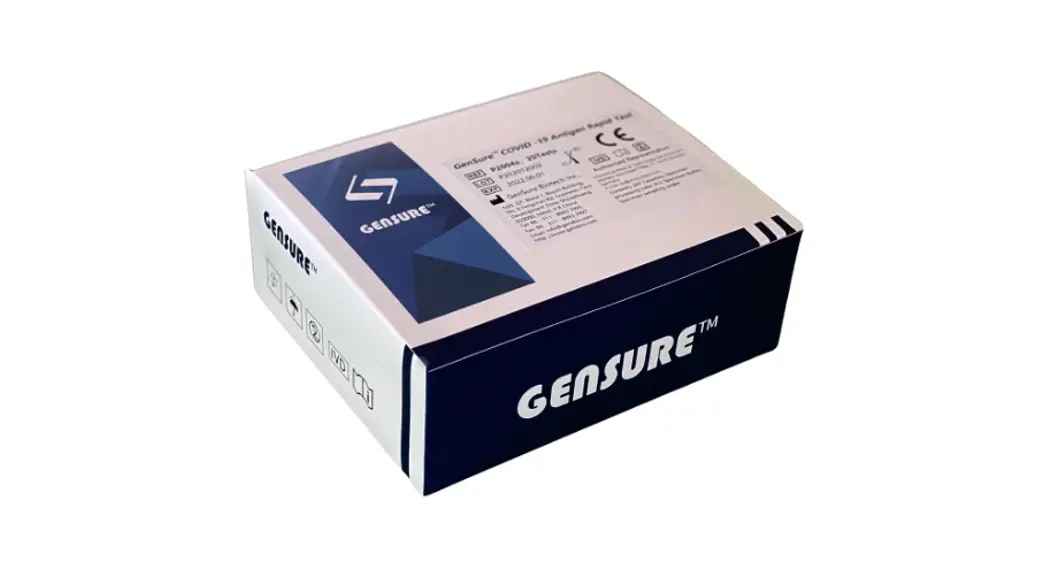
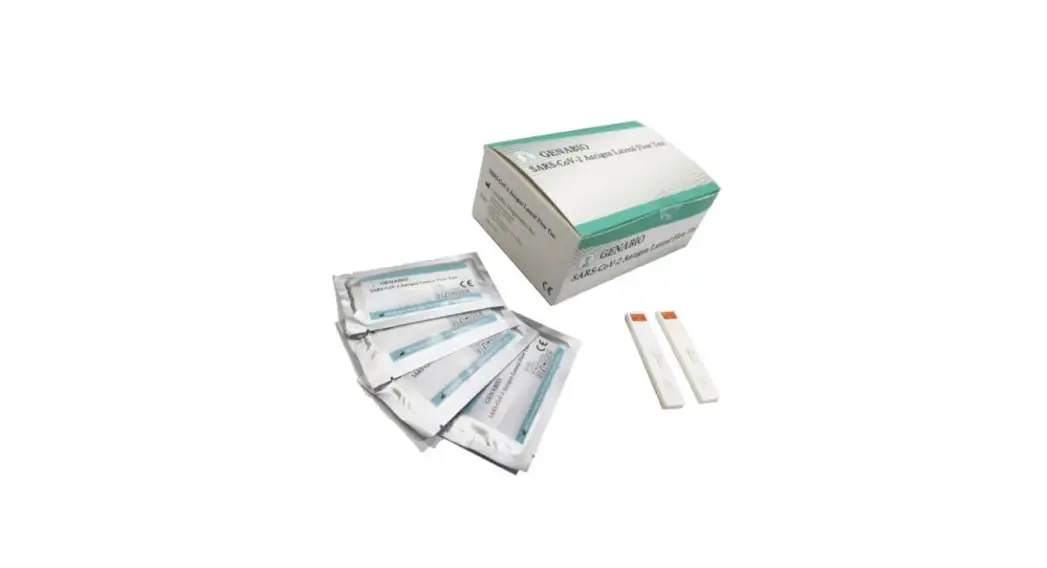
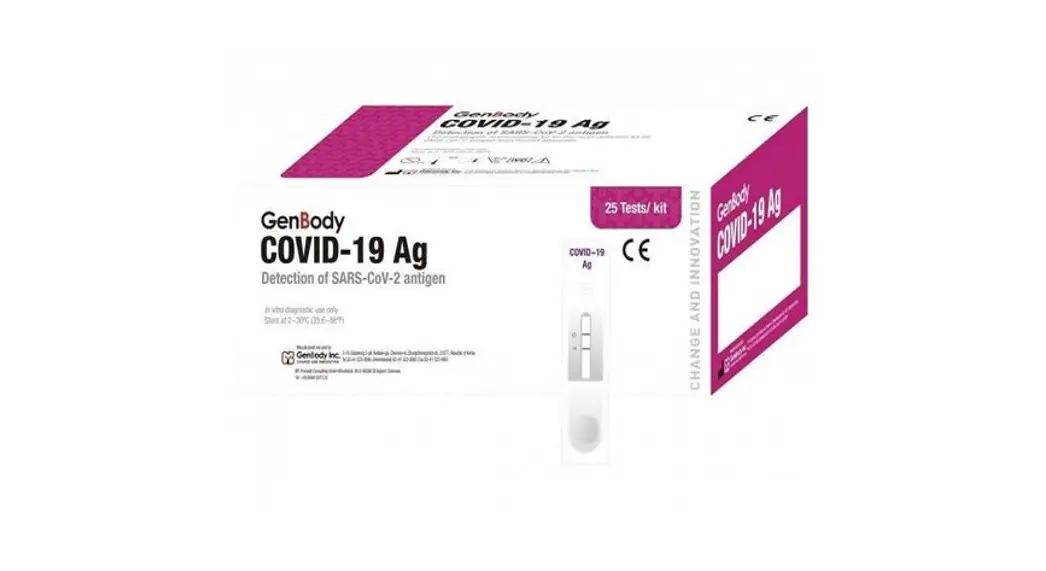
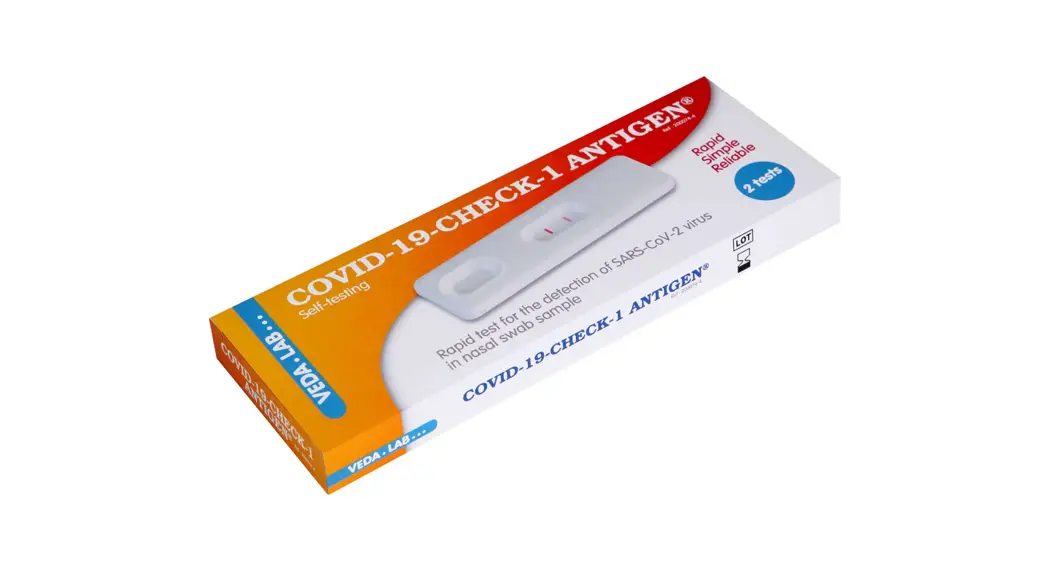
P2004 COVID-19 Antigen Rapid Test Kit
Product Information:
Product Name: GenSureTM COVID-19 Antigen Rapid
Test Kit
REF No.: P2004
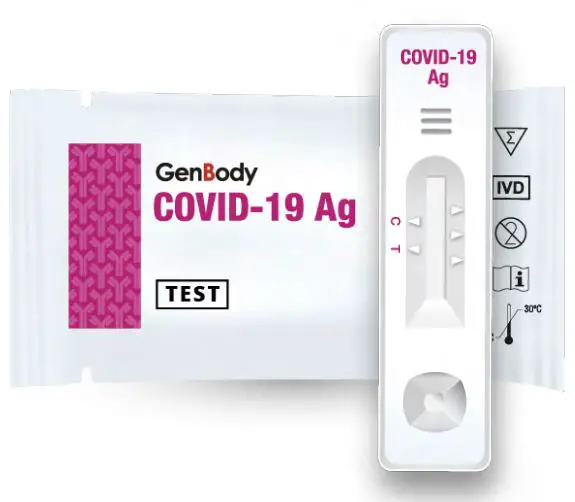
Packing Specifications: Cassette: 1 T/ bag,
Kit: 20 T/ Kit
Intended Use: For professional and in vitro
diagnostic use only
Summary and Explanation: The GenSureTM COVID-19
Antigen Rapid Test Kit is designed for the qualitative detection of
COVID-19 antigens in nasal and nasopharyngeal swab specimens.
Test Principle: The test kit uses
immunochromatographic technology to detect the presence of COVID-19
antigens in the collected specimens.
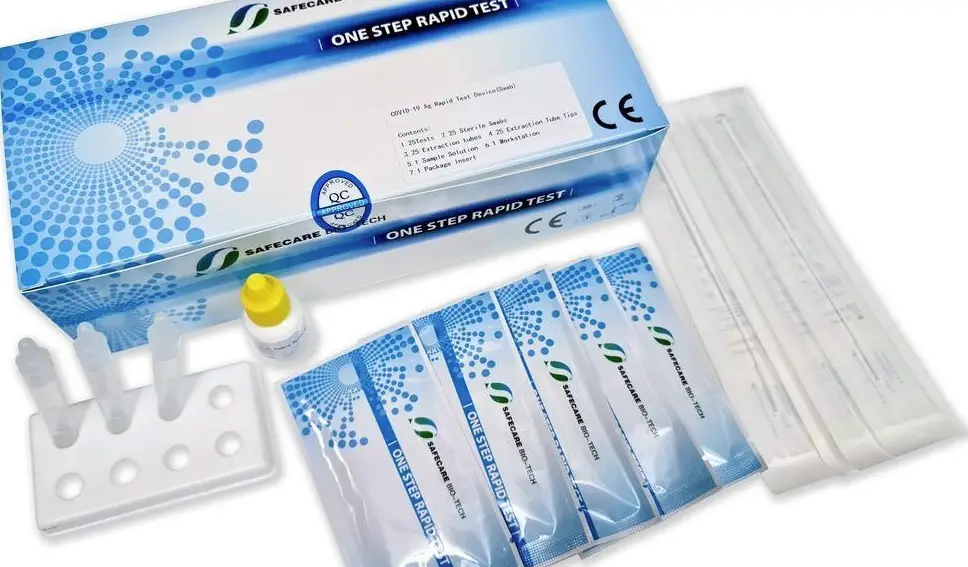
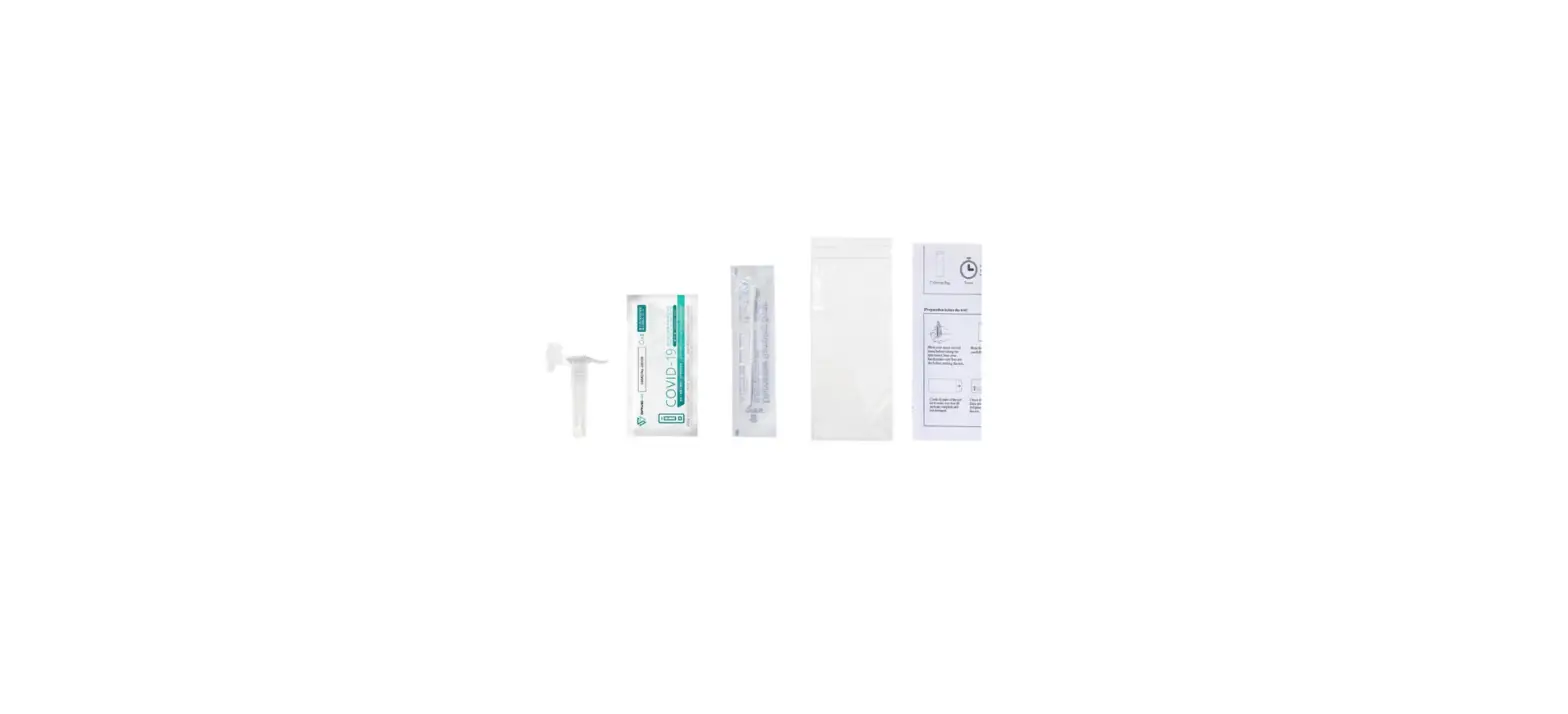
Main Ingredients: The kit includes 20 test
cassettes, 20 specimen processing tubes with extraction buffer, 20
specimen sampling swabs, and 1 instruction manual.
Storage Conditions and Validity: The test kit
should be stored at temperatures between 4°C and 30°C, protected
from light. It should not be frozen. The kit is valid for 18 months
from the date of production, as indicated on the product label.
Product Usage Instructions:
- Specimen Collection:
- The applicable specimen types for this test kit are nasal and
nasopharyngeal swab. - Nasal swab collection method:
- Insert the polypropylene fiber head / synthetic flocking head
plastic rod swab into one nostril of the patient. - The swab tip should be inserted up to 2.5 cm (1 inch) from the
edge of the nostril. - Roll the swab 5 times along the mucosa inside the nostril to
ensure that both mucus and cells are collected. - Repeat this process for the other nostril to ensure that an
adequate specimen is collected from both nasal cavities. - Withdraw the swab from the nasal cavity.
- Insert the polypropylene fiber head / synthetic flocking head
- Nasopharyngeal swab collection method:
- Tilt the patient’s head back 70 degrees.
- Gently and slowly insert a nasopharyngeal swab, through the
nostril parallel to the palate until resistance is
encountered. - Gently rub and roll the swab, leaving it in place for several
seconds to absorb secretions. - Slowly remove the swab while rotating it.
- Freshly collected nasal and nasopharyngeal specimens should be
used as soon as possible, but no later than one hour after
collection.
- Allow the test cassettes, specimen extraction buffers, and
specimens to equilibrate to room temperature prior to testing. - Read the instruction manual carefully before testing.
- Specimen solution preparation:
- Remove and discard the cap from the specimen processing tube,
being careful not to spill the liquid. - Insert the swab into the processing tube and plunge the swab up
and down in the liquid for at least 15 seconds, taking care not to
spill the contents. - Remove the swab while pinching the wall of the tube and
rotating the swab to extract the liquid. - Press the attached tip firmly onto the specimen processing tube
containing the processed specimen.
processing tube, holding it upright, and transfer 3 drops slowly to
the specimen well (S) of the test cassette. Start the timer. Avoid
adding bubbles when dripping.
- Timing observation: Judge the result 15
minutes after specimen adding. Do not observe the result 20 minutes
later. - Positive: Two lines appear. One colored line
appears at the control region (C), and another colored line appears
at the test region (T), regardless of the intensity of the test
line. - Negative: Only one colored line appears at the
control region (C). No colored line appears at the test region
(T).
GenSureTM COVID-19 Antigen Rapid Test Kit
Instructions For Use
For professional and in vitro diagnostic use only
Product Name and REF No.
Name: GenSureTM COVID-19 Antigen Rapid Test Kit REF: P2004
Packing Specifications
Cassette:1 T/ bag, Kit: 20 T/ Kit
Intended Use
The GenSureTM COVID-19 Antigen Rapid Test Kit is a polymer immunochromatographic technology and double antibody sandwich principle that is intended for the qualitative detection of the N protein antigen from SARS-CoV-2 in human nasal and/or nasopharyngeal swab specimens directly. Testing is limited to laboratories and medical institutions. Results are for the identification of SARS-CoV-2 N protein antigen. Antigen is generally detectable in upper respiratory specimens during the acute phase of infection. Positive results indicate the presence of viral antigens, but clinical correlation with patient history and other diagnostic information is necessary to determine infection status. Positive results do not rule out bacterial infection or co-infection with other viruses. The agent detected may not be the definite cause of disease. Negative results should be treated as presumptive and confirmed with a molecular assay, if necessary for patient management. Negative results do not rule out COVID-19 and should not be used as the sole basis for treatment or patient management decisions, including infection control decisions. Negative results should be considered in the context of a patient’s recent exposures, history and the presence of clinical signs and symptoms consistent with COVID-19. The GenSureTM COVID-19 Antigen Rapid Test Kit is intended for use by trained clinical laboratory personnel specifically instructed and trained in the techniques of in vitro diagnostic procedures and proper infection control procedures, and individuals similarly trained in point of care settings.
Summary and Explanation
The novel coronaviruses belong to the genus. COVID-19 is an acute respiratory infectious disease. People are generally susceptible. Currently, the patients infected by the novel coronavirus are the main source of infection; asymptomatic infected people can also be an infectious source. Based on the current epidemiological investigation, the incubation period is 1 to 14 days, mostly 3 to 7 days. The main manifestations include fever, fatigue and dry cough. Nasal congestion, runny nose, sore throat, myalgia and diarrhea are found in a few cases.
Test Principle
The polymer immunochromatographic technology and double antibody sandwich principle were used to detect the novel coronavirus antigen in human nasal or nasopharyngeal swab specimens with the principle of capture method. During the test, a specimen solution is added to the sample well of the kit. The specimen is first mixed with the colored polymer-labeled novel coronavirus monoclonal antibody 1 on the release pad, and then chromatographed on a nitrocellulose membrane. If the specimen contains novel coronavirus antigens, these antigens will first bind to colored polymer-labeled novel coronavirus monoclonal antibody 1, so that when the mixture is chromatographed on a nitrocellulose membrane, it will be immobilized with the novel coronavirus monoclonal antibody 2. The detection line (T line) was captured to form a colored polymer-labeled novel coronavirus monoclonal antibody1-antigennovel coronavirus monoclonal antibody 2 immune complex. Therefore, a red line appeared on the T line, which was a positive result. If no novel coronavirus antigen is present in the specimens of the subject, a red line will not be formed on the test line (T line), which is a negative result. The quality control line (C line) on the test cassette is coated with goat anti-mouse antibody. Under normal circumstances, a red line should appear on the quality control line(C line) during the test to prove that the test cassette is working properly.
Main Ingredients
1. Material Provided: (1) 20 test cassettes; (2) 20 specimen processing tubes with extraction buffer; (3) 20 specimen sampling swabs; (4) 1 instruction for use. 2. Material required but not provided: Timer.
Storage Conditions and Validity
Store at 4-30, don’t freeze, protected from light, valid for 18 months. See product label for production date and expiration date.
Specimen Collection
1. The applicable specimen types for this test kit are nasal and nasopharyngeal swab.
2. Nasal swab collection method:
Insert the polypropylene fiber head / synthetic flocking head plastic rod swab into one nostril of the patient. The swab tip should be
inserted up to 2.5 cm (1 inch) from the edge of the nostril. Roll the swab 5 times along the mucosa inside the nostril to ensure that both mucus and cells are collected, then repeat this process for the other nostril to ensure that an adequate specimen is collected from both nasal cavities. Withdraw the swab from the nasal cavity.
3. Nasopharyngeal swab collection method:
Tilt patient’s head back 70 degrees. Gently and slowly insert a nasopharyngeal swab, through the nostril parallel to the palate until resistance is encountered. Gently rub and roll the swab, leaving it in place for several seconds to absorb secretions. Slowly remove swab while rotating it.
4. Freshly collected nasal and nasopharyngeal specimens should be used as soon as possible, but no later than one hour after specimen collection.
Testing Method
Note: Allow the test cassettes, specimen extraction buffers and specimens to equilibrate to room temperature prior to testing. 1. Please read the instruction manual carefully before testing. 2. Specimen solution preparation:
a. Remove and discard the cap from the specimen processing tube. Be careful not to spill the liquid from the tube.
b. Insert the swab into the processing tube and plunge the swab up and down in the liquid for at least 15 seconds, taking care not to spill the contents out of the tube.
c. Remove the swab while pinching wall of the tube with the swab and rotating the swab, to extract the liquid from the swab.
d. Press the attached tip firmly onto the specimen processing tube containing the processed specimen.
3. Remove the test cassette from the sealed pouch.
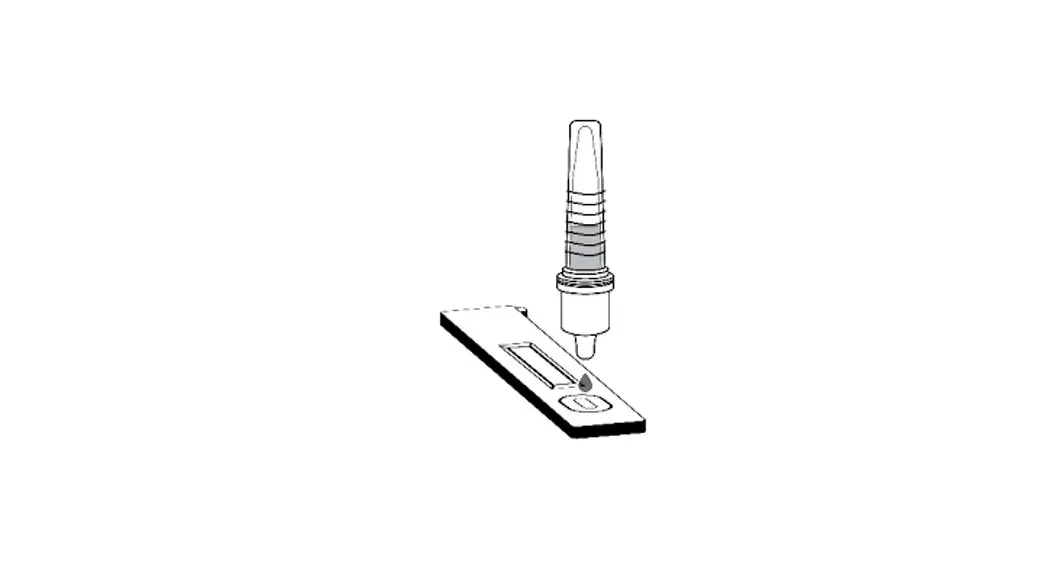
4. Specimen adding: Reverse the specimen processing tube, holding the tube upright, transfer 3 drops slowly to the specimen well (S) of the test cassette, then start the timer. Avoid adding bubbles when dripping.
Interpretation of Test Results
5. Timing observation: judge the result 15 minutes after specimen adding, do not observe the result 20 minutes later.
Positive
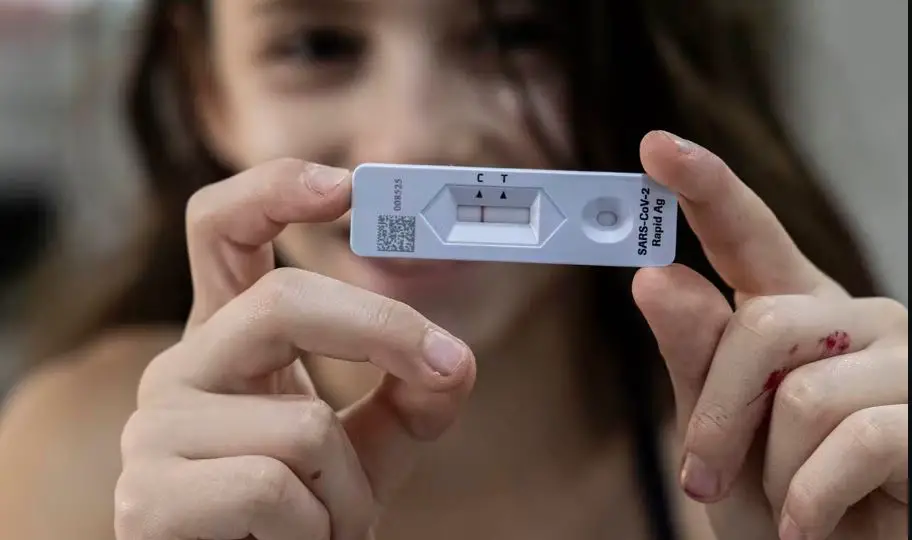
Two lines appear. One colored line appears at the control region (C), and another colored line appears at the test region (T), irregardless of the intensity of the test line.
Negative
One colored line appears at the control region (C), and no line appears at the test region (T).
Invalid
Control line fails to appear. Insufficient specimen volume or incorrect procedural techniques are the most likely reasons for control line failure. Review the procedure and repeat the test using a new test cassette. If the problem persists, discontinue using the lot immediately and contact your local distributor.
Limitations
1. For in vitro diagnostic use only. 2. A negative test result may occur if the level of antigen in a specimen is below the detection limit of the test or if the specimen was collected or transported improperly.
3. When collecting the specimens, use the swab supplied in the kit. Use of alternative swabs may result in false negative results. 4. Test results must be evaluated in conjunction with other clinical data available to the physician. 5. Positive test results do not rule out co-infections with other pathogens. 6. Negative test results are not intended to rule in other non-SARS viral or bacterial infections. 7. Negative results should be treated as presumptive and confirmed with molecular assay, if necessary, for clinical management, including infection control. 8. This device has been evaluated for use with human specimen material only.
Warning and Precautions
1. Do not use the kit contents beyond the expiration date printed on the outside of the box. 2. Inadequate or inappropriate specimen collection, contamination of specimen, failure to follow the test procedure may adversely affect test performance and/or invalidate the test result. 3. Use of Nitrile, Latex (or equivalent) gloves is recommended when handling patient specimens. 4. Do not reuse the used test cassette, specimen processing tube or swabs, etc. 5. The user should never open the foil pouch of the test cassette exposing it to the ambient environment until the test cassette is ready for immediate use. 6. If the specimen extraction solution contacts the skin or eye, flush with copious amounts of water. 7. To obtain accurate results, the instructions manual must be followed. 8. Specimen collection and handling procedures require specific training and guidance. 9. Testing should be performed in an area with adequate ventilation. 10. Wear suitable protective clothing, gloves, and eye/face protection when handling the contents of this kit. 11. Wash hands thoroughly after handling. 12. The used test cassette should be discarded according to federal, state and local regulations.
Clinical Performance
The clinical performance of the GenSureTM COVID-19 Antigen Rapid Test Kit was established with a study using 548 specimens.
SARS-CoV-2 RT-PCR
Positive
Negative
Total
GenSureTM COVID-19
Positive
185
0
185
Antigen Rapid Test Kit
Negative
6
357
363
Total
191
357
548
Sensitivity
96.86% (95% CI= 93.29% ~ 98.84%)
Specificity
100.00% (95% CI= 98.97% ~ 100.00%)
Total Coincidence Rate
98.91% (95% CI= 97.63% ~ 99.60%)
The sensitivity of GenSureTM COVID-19 Antigen Rapid Test Kit is 96.86% (95% CI= 93.29% ~ 98.84%), the specificity is 100.00%(95%
CI= 98.97% ~ 100.00%), and the total coincidence rate is 98.91% (95% CI= 97.63% ~ 99.60%).
Analytical Performance
1. Limit of Detection The LOD of GenSureTM COVID-19 Antigen Rapid Test Kit was established using limiting dilutions of an inactivated viral samples. Test result show the LOD is 50 TCID50/mL. 2. Cross-Reactivity
No cross reaction was observed for the following microorganisms and viruses.
Microorganism
Concentration
Influenza A (H1N1, H3N2)
1.0 x 10⁵ TCID50/mL
Avian influenza (H5N1, H7N9) Influenza B (Victoria, Yamagata)
Parainfluenza virus
1.7 x 10⁵ TCID50/mL 2.5 x 10⁵ TCID50/mL 1.0 x 10⁵ TCID50/mL
Respiratory Syncytial Virus
3.8 x 10⁵ TCID50/mL
Rhinovirus
1.4 x 10⁵ TCID50/mL
Adenovirus
1.1 x 10⁵ TCID50/mL
Measles virus
1.0 x 10⁶ TCID50/mL
Human coronavirus (OC43, 229E, NL63)
1.0 x 10⁵ TCID50/mL
MERS coronavirus
1.2 x 10⁵ TCID50/mL
Mycoplasma pneumoniae
1.0 x 10⁶ CFU/mL
Chlamydia pneumaniae
1.0 x 10⁶ CFU/mL
Legionella pneumophila
1.1 x 10⁶ CFU/mL
Staphylococcus aureus
5.0×10⁶ CFU/mL
3. Hook Effect
No hook effect was observed when tested with inactivated SARS-CoV-2 virus at 3.6 x 10⁵ TCID50/mL.
Cross-Reactivity (Yes/No) No No No No No No No No No No No No No No
4. Interference No interference reaction was observed for the following endogenous substances.
Substances
concentration
Substances
concentration
Purified mucin Bilirubin Cromolyn
Sodium chloride Dexamethasone
Menthol Oseltamivir Pa Rami Vee Mupirocin Meropenem Alkalol nasal wash
Oxazole
Basic Information
0.5% 200 mg/L 15% v/v
5% v/v 0.6 µg/ml 1.5 mg/mL 5 mg/mL 20 g/ml 10 mg/ml 1 g/ml 10% v/v 500 g/ml
Blood (human) Triglyceride Fluticasone NeilMed
Triamcinolone Benzocaine Zanamivir Azithromycin Tobramycin Cefatriaxone Biotin Zicam
5% v/v 2500 mg/L
5% v/v 5% v/v 1.18 ng/ml 1.5 mg/mL 300 ng/ml 0.15 g/L 4 g/mL 100 mg/ml 2.4 mg/ml 5% v/v
Substances
Hemoglobin Oxymetazoline Phenylephrine Sodium hyaluronate Mometasone
Phenol Ribavirin Budesonide Levofloxacin Alkalol Beclomethasone Rheumatoid Factor
concentration
25 g/L 15% v/v 15% v/v 5% v/v 1.28 ng/ml 15% v/v 2.0 mg/ml 0.64 nmol/L 5 g/ml 1:10 dilution 200 g/L 12.5IU/mL
GenSure Biotech Inc.
OSMUNDA Medical Technology Service GmbH
Address: B1-78, Rizhongtian Science and Technology Park, No.585 Tianshan Street, Shijiazhuang High-tech Zone, 050000, Hebei, P.R.China E-mail: [email protected] Web: www.gensbio.com Tel: 86-311-8993 7995 86-311-8993 7996
Address: Treskowallee 108, 10318 Berlin, Germany E-mail: [email protected] Tel: +49-30-8186 5123
Index of Symbols
Consult instructions for use
Use-by date
REF number
In vitro diagnostic medical device Store at 4-30
Lot number Manufacturer
European Authorized Representative
Keep dry
Contains sufficient for <n> tests
Do not use if package is damaged
Do not re-use Caution
Keep away from sunlight
CE marking
 河北精硕生物科技有é™å…¬å¸