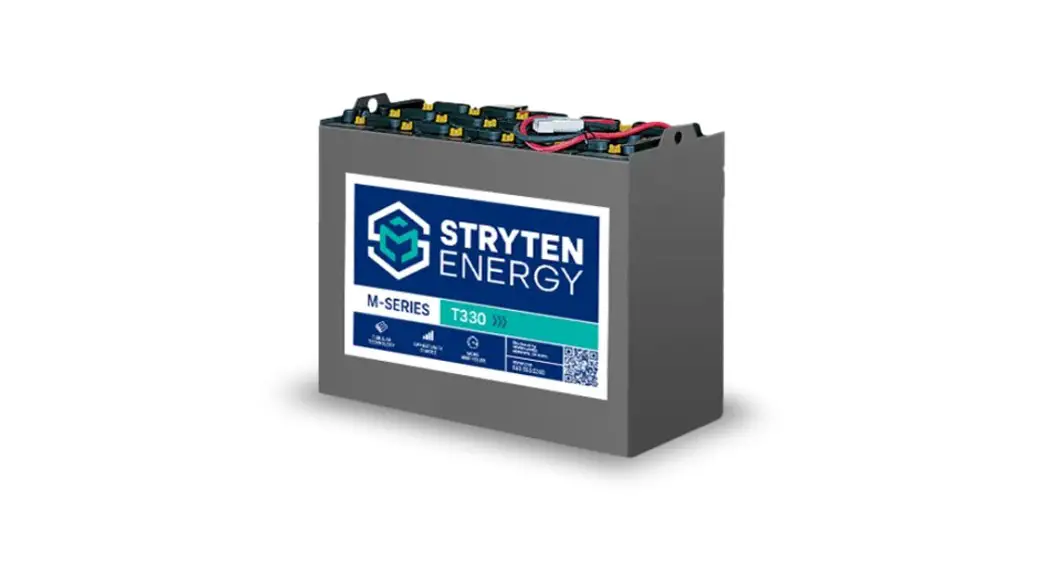
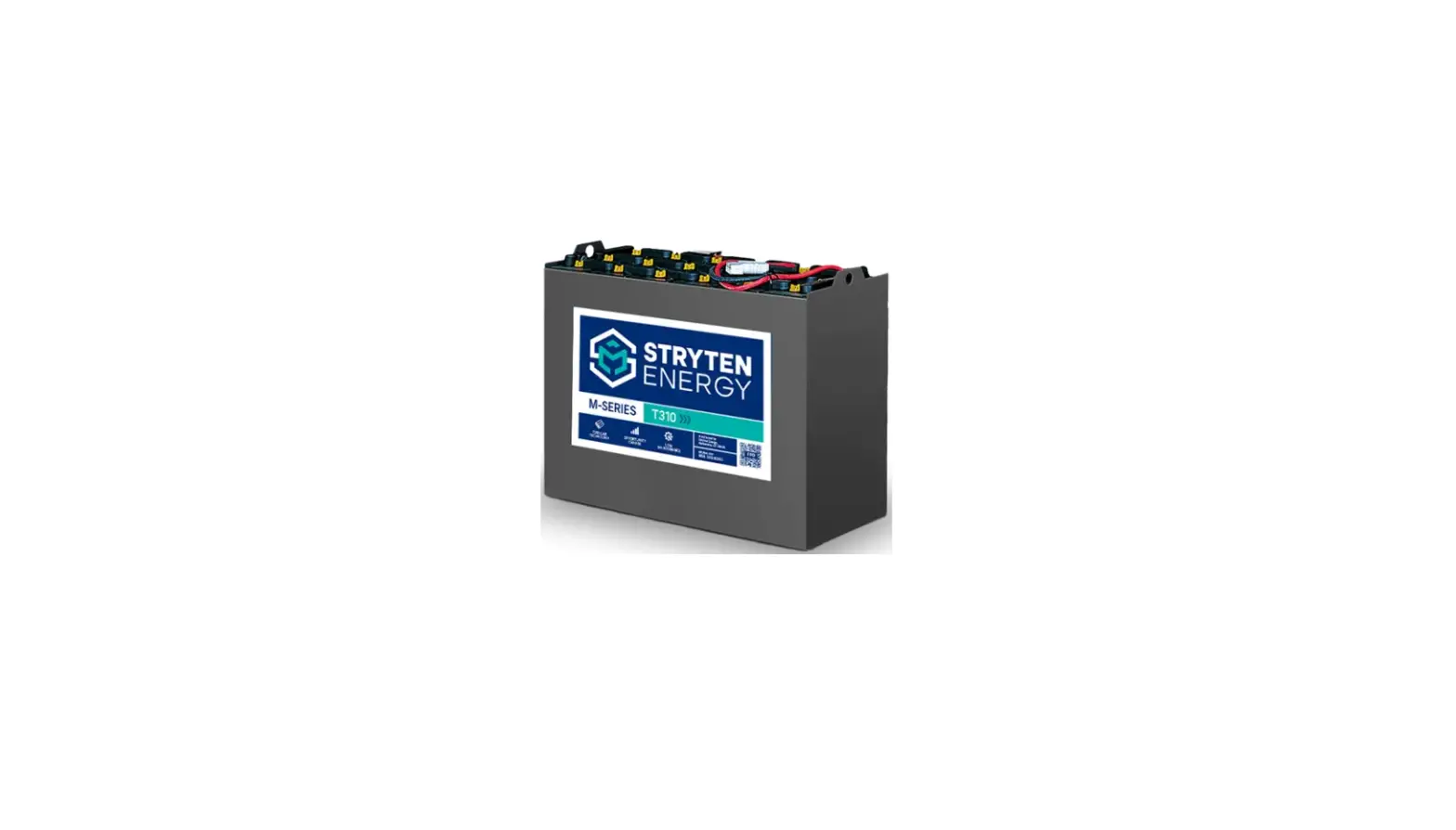
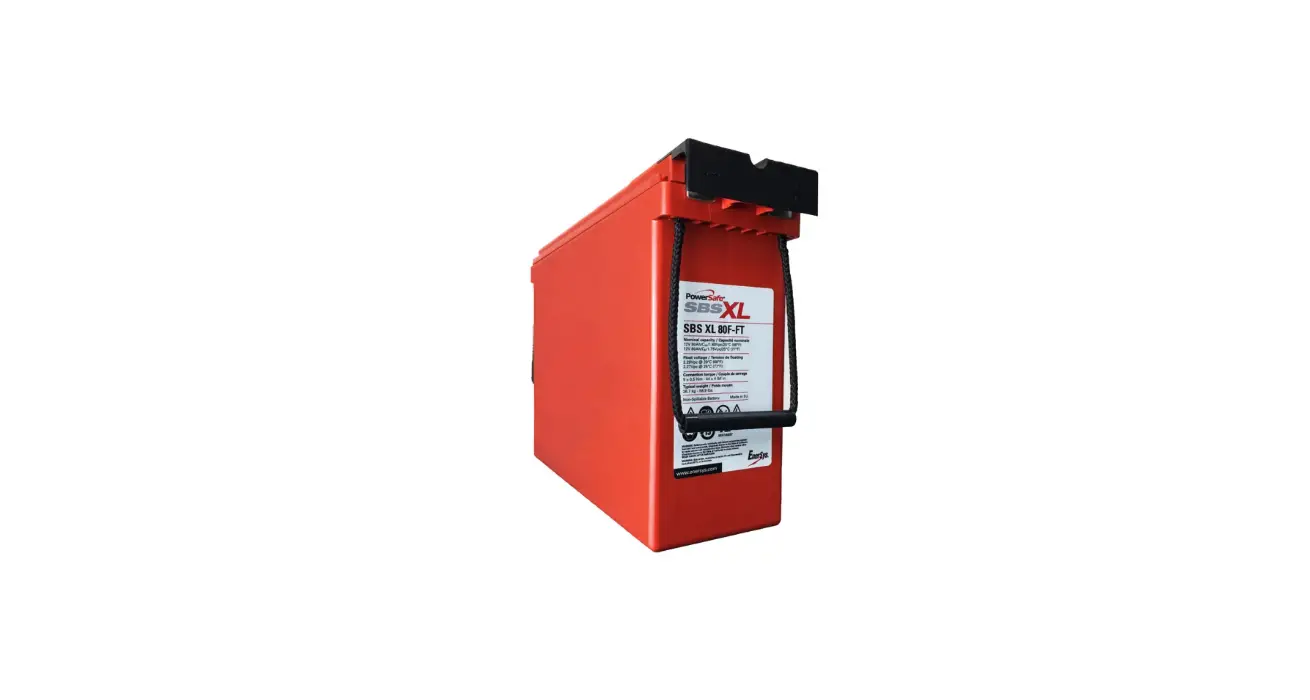
Absolyte Batteries
Product Information:
The product is Absolyte Batteries designed for use in railroad
signal service.
Key Features:
- Designed for long-term storage and usage
- Equipped with equalize charge feature
- Requires regular maintenance and inspection
Product Usage Instructions:
1. Storage:
Proper storage is crucial for maintaining battery performance.
Follow these guidelines:
- Store the battery in a cool and dry location.
- Avoid exposing the battery to extreme temperatures or direct
sunlight. - Ensure that the battery is kept away from flammable
materials.
2. Charging:
Follow the steps below to charge the Absolyte Batteries:
- Connect the charger to a power source.
- Refer to the table provided below for equalize charge voltage
and times:EQUALIZE CHARGE VPC TIME IN HOURS 2.30 24 2.35 12 - Once the charging current has tapered and stabilized (no
further reduction for three hours), charge for the number of hours
specified in the table or until the lowest cell voltage ceases to
rise. - To determine the lowest cell voltage, monitor during the final
10% of the charge time. - Perform an equalize charge as instructed in the manual.
3. Connection Torque:
Ensure all terminal and intercell connections are tightened to a
torque of 100 inch-lbs at least once per year.
4. Inspection/Records:
It is important to maintain records and perform regular
inspections. Follow these guidelines:
- Create an initial battery maintenance record at the time of
installation. - Keep a log of maintenance activities, including inspections and
any repairs or replacements.
5. Safety Precautions:
Follow these safety precautions while using the product:
- Refer to the provided contact number (Stryten Energy SERVICE
& WARRANTY CLAIMS: 866-462-2288) for any service or warranty
claims.
PLEASE READ THESE INSTRUCTIONS BEFORE PLACING BATTERIES INTO SERVICE. THESE INSTRUCTIONS MUST BE SHIPPED WITH THE BATTERY AND MUST BE DELIVERED TO THE USER.
BASIC OPERATING AND MAINTENANCE INSTRUCTIONS FOR ABSOLYTE BATTERIES IN RAILROAD SIGNAL SERVICE
1. STORAGE
1.1 It is recommended that Absolyte batteries be stored indoors in a cool (<25°C) dry location.
1.2 The storage interval shall not exceed six (6) months unless the battery receives an equalize charge at the end of six (6) months and every six (6) months thereafter as long as it remains in storage. Elevated temperatures (>25°C) will result in higher rates of self-discharge.
2. CHARGING
2.1 The recommended float voltage is 2.25 ± 0.02 VPC when using a non-temperature correcting charger.
2.2 See the table below for equalize charge voltage and times.
EQUALIZE CHARGE VPC 2.30 2.35
TIME IN HOURS 24 12
When charging current has tapered and stabilized (no further reduction for three hours), charge for the number of hours in the table to the left or until the lowest
cell voltage ceases to rise. To determine the lowest cell, monitoring should be performed during the final 10% of the charge time.
2.3 Perform an equalize charge
· For batteries in storage. Refer to 1.2 above.
· At time of equipment installation.
· When the float voltage of any cell is less than 2.18 VPC or when the float voltage of any individual cell is more than 0.05 volts from average. It may also be used to recharge a battery in a minimum amount of time following an emergency discharge.
2.4 Temperature corrected float voltages-If a temperature compensating charger is used, the minimum float voltage allowed is 2.20 VPC and the maximum float voltage is 2.35 VPC. Operating beyond these limits will reduce the design life of the Absolyte product. The standard temperature correcting value is 0.003 VPC for each degree variation from 77°F. This value is added to the recommended float voltage at 77°F for temperatures below 77°F and subtracted for temperatures above 77°F.
Page 1
3. CONNECTION TORQUE – TORQUE ALL TERMINAL AND INTERCELL CONNECTIONS TO 100 INCH-LBS AT LEAST ONCE PER YEAR.
4. INSPECTION/RECORDS 4.1 An initial battery maintenance record should be generated at the time of installation. This should
include battery make, model and serial numbers, date of installation, initial cell voltages, charger type and settings. A digital voltmeter may be required. 4.2 Quarterly records should be maintained thereafter including cell voltages, charger settings and date of measurements. Cell voltages should be taken while the battery is on float in a fully charged condition. 5. SAFETY PRECAUTIONS 5.1 Batteries contain sulfuric acid which can cause burns and other serious injury. In the event of contact with sulfuric acid, flush immediately and thoroughly with water. The use of safety goggles, rubber apron, and rubber gloves is recommended. 5.2 Batteries can generate explosive gases, which when released, can explode and cause blindness and other serious injury. Keep sparks, flames, and smoking materials away from the battery area. 5.3 Multi-cell systems attain high voltages, therefore, extreme caution must be exercised during installation of a battery system. Interrupt the AC and DC circuits before working on batteries or charging equipment.
Page 2
INSTRUCCIONES BÁSICAS DE OPERACIÓN Y MANTENIMIENTO PARA BATERÍAS ABSOLYTE EN SERVICIOS DE SE–ALES DE FERROCARRILES
1. ALMACENAMIENTO
1.1 Se recomienda guardar las baterías Absolyte bajo techo, en un lugar fresco (menos de 25°C (77°F)) y seco.
1.2 Los intervalos de almacenamiento no deben exceder de seis (6) meses excepto si la batería recibe una carga de ecualización después de que termine el período de seis (6) meses y cada seis (6) meses posteriormente, siempre que la batería permanezca guardada. Las temperaturas elevadas (superiores a los 25°C (77°F)) tendrán como resultado índices más altos de autodescarga.
2. CARGA
2.1 El voltaje de flotación recomendado es de 2.25 ± 0.02 VPC cuando se utiliza un cargador sin corrección de temperatura.
2.2 Ver en la tabla siguiente los voltajes de carga de ecualización y el tiempo.
VPC DE CARGA DE ECUALIZACION TIEMPO – HORAS
2.30
24
2.35
12
Cuando la corriente cargante disminuya y esté
estabilizada (no es necesario reducir por tres horas),
cargue por el número de horas indicadas en la tabla
a la izquierda ó hasta que el voltage de la celda más baja deje de subir. Para determinar la celda más baja, es necesario observarlas durante el ultimo 10% del tiempo de carga.
2.3 Realice una carga de ecualización
· Para baterías guardadas. Consultar 1.2 arriba
· Al momento de la instalación del equipo.
· Cuando el voltaje de flotación de cualquier celda es inferior a los 2.18 VPC o cuando el voltaje de flotación de cualquier celda individual es superior a los 0.05 voltios de promedio. También se puede utilizar para recargar una batería en un tiempo mínimo después de una descarga de emergencia.
2.4 Voltaje de flotación con corrección de temperatura-Si se utiliza un cargador de compensación térmica, el voltaje de flotación mínimo permitido es de 2.20 VPC y el voltaje de flotación máximo es de 2.35 VPC. Operar por encima de estos límites reducirá la vida de diseño del producto Absolyte. El valor de corrección de temperatura estándar es de 0.003 VPC para cada variación de grado desde 25°C (77°F). Este valor se suma al voltaje de flotación recomendado a 25°C (77°F) para temperaturas inferiores a los 25°C (77°F) y se resta para temperaturas superiores a los 25°C (77°F).
Page 3
3. AJUSTE DE CONEXIONES – TODAS LAS CONEXIONES DE PLACAS TERMINALES Y BARRAS DE CONEXIÓN SE DEBEN AJUSTAR A 100 PULG.-LB. (11.3 N-M) POR LO MENOS UNA VEZ AL AÑO.
4. INSPECCIÓN/REGISTROS
4.1 Al momento de la instalación se debe generar un registro de mantenimiento de batería inicial. Este registro debe incluir la marca, el modelo y los números de serie de la batería, la fecha de instalación, los voltajes de celda iniciales, el tipo de cargador y los ajustes. Se podría necesitar un voltímetro digital.
4.2 Posteriormente se deben mantener registros trimestrales incluyendo los voltajes de celda, los ajustes del cargador y la fecha de las medidas. Los voltajes de celdas se deben tomar mientras la batería está en flotación en condición de carga plena.
5. PRECAUCIONES DE SEGURIDAD
5.1 Las baterías contienen ácido sulfúrico lo cual puede producir quemaduras y otras lesiones graves. En el caso de haber tenido contacto con el ácido sulfúrico, enjuague bien e inmediatamente con agua abundante. Se recomienda el uso de gafas protectoras, delantal de caucho y guantes de caucho.
5.2 Las baterías pueden generar gases explosivos los cuales, al ser liberados, pueden explotar y causar lesiones graves. Mantenga las chispas, las llamas y los materiales humeantes fuera del área de la batería.
5.3 Los sistemas de celdas múltiples alcanzan altos voltajes, por consiguiente, deben tomarse precauciones extremas durante la instalación de un sistema de baterías. Desconecte los circuitos de corriente alterna (CA) y corriente directa (CD) antes de trabajar con las baterías o equipos de carga.
Stryten Energy SERVICE & WARRANTY CLAIMS: 866-462-2288
©2020 Stryten Energy Alpharetta, GA 30022. GB3915ES 04/2022
Page 4