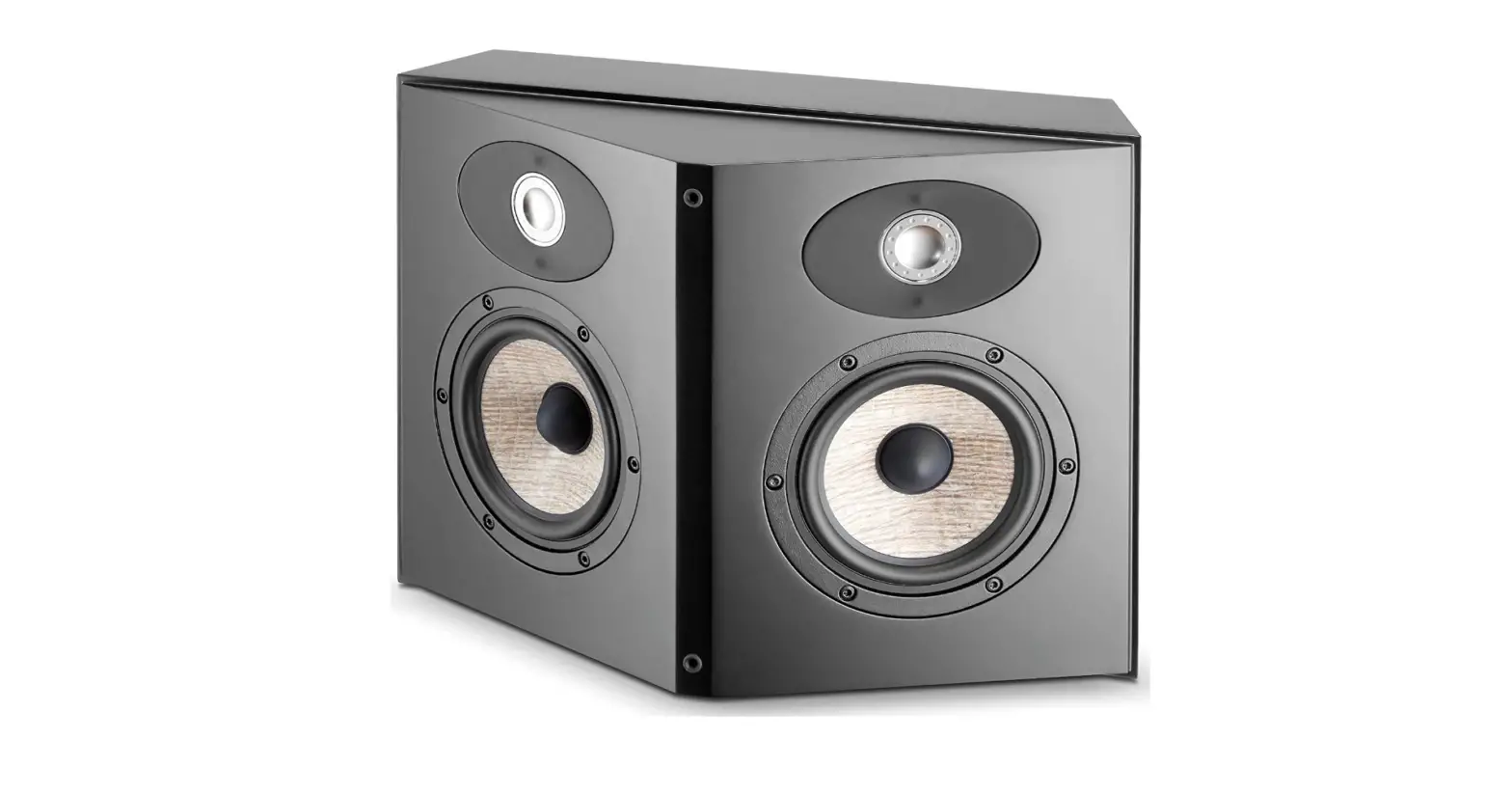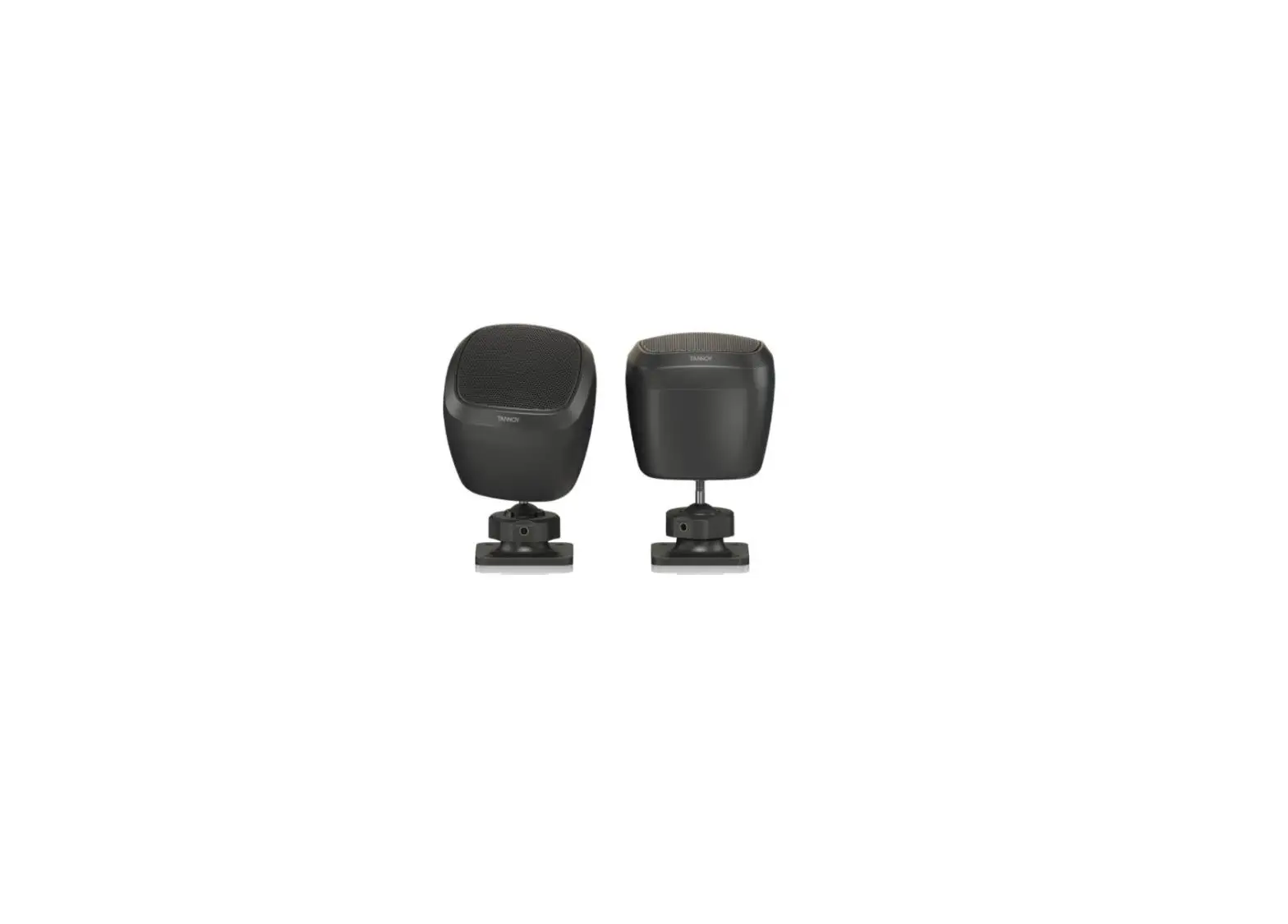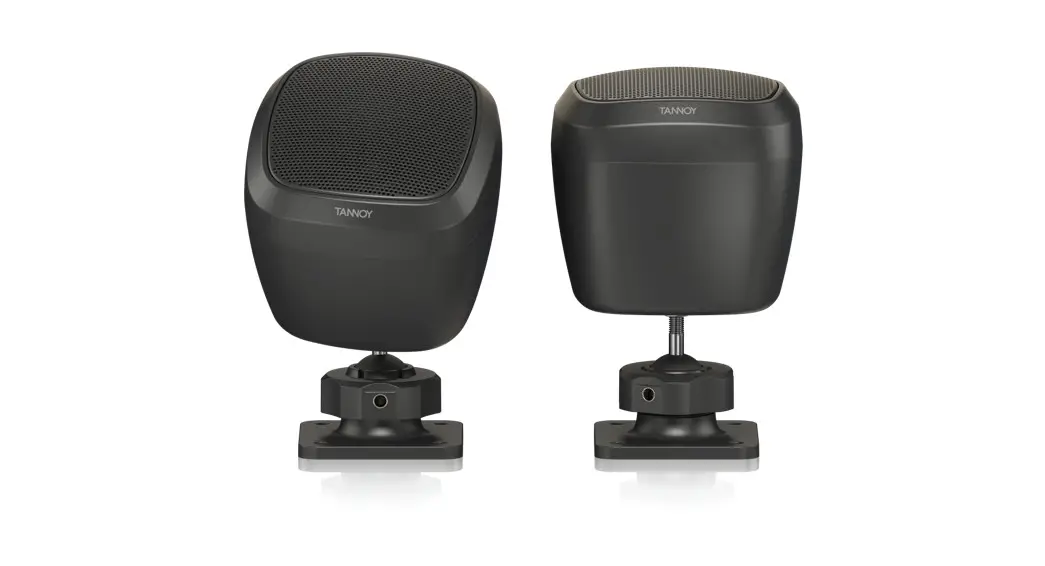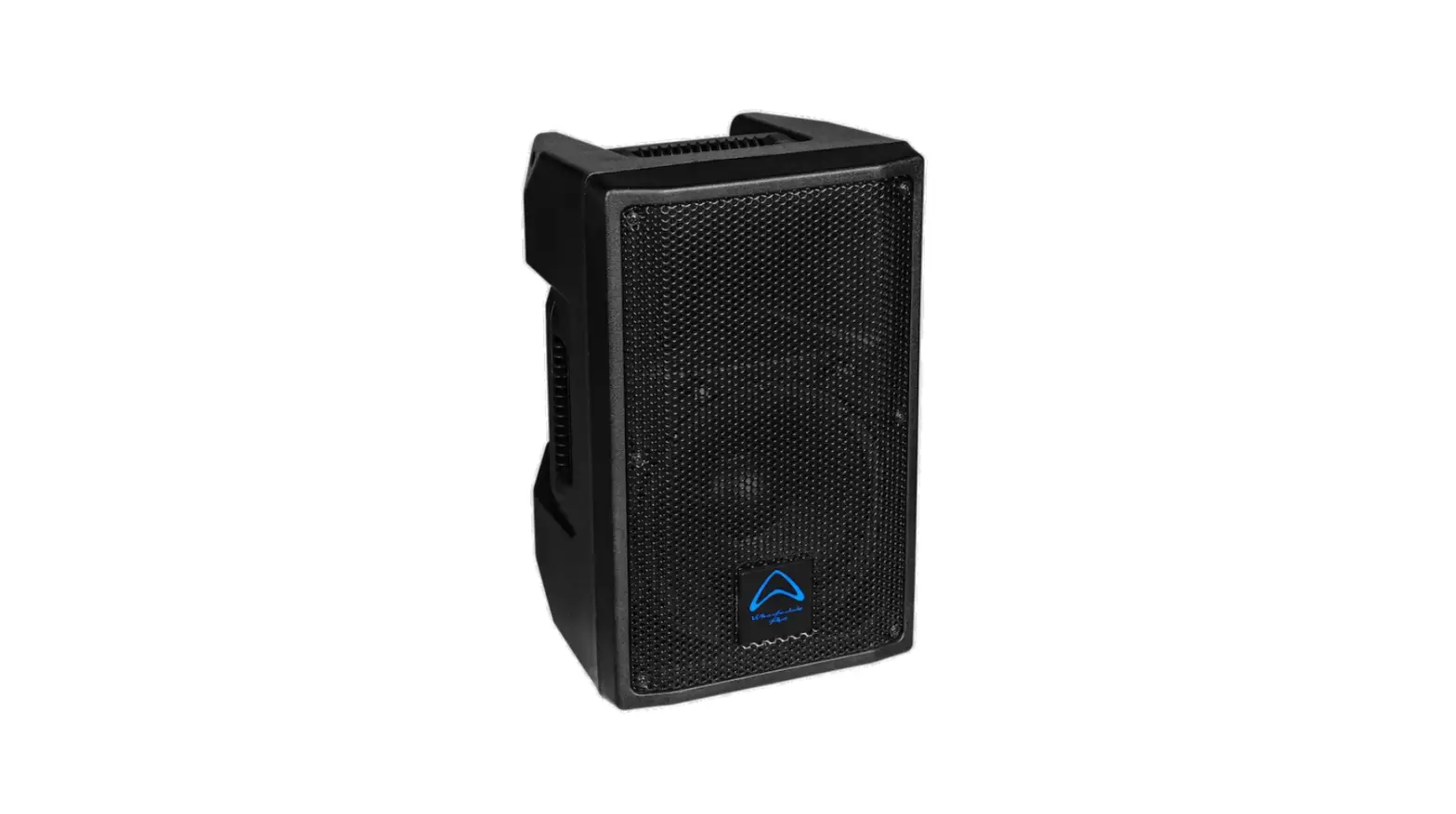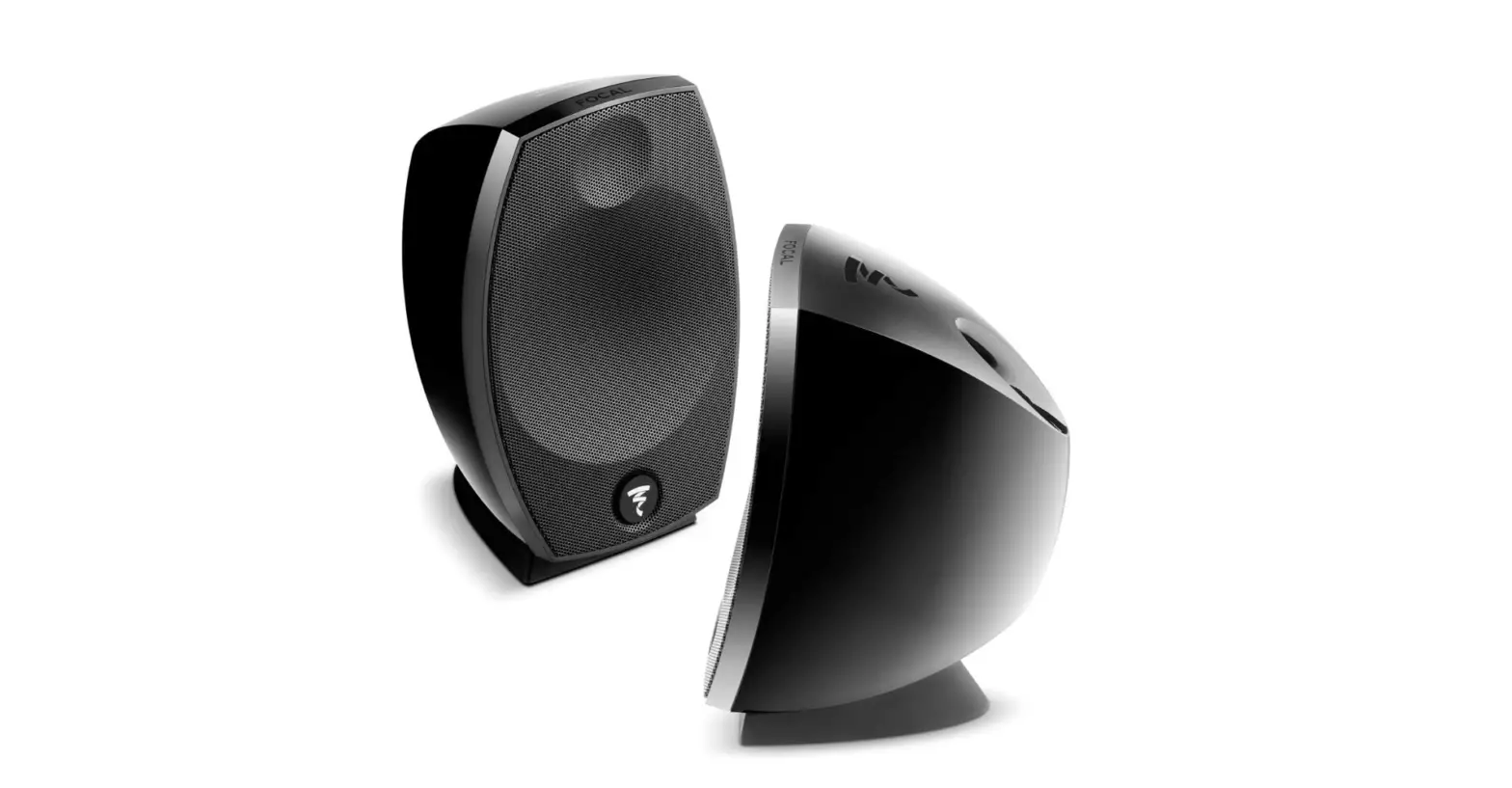

Focal SIB Evo 2.0 2-Way Bass-Reflex Satellite Loudspeakers
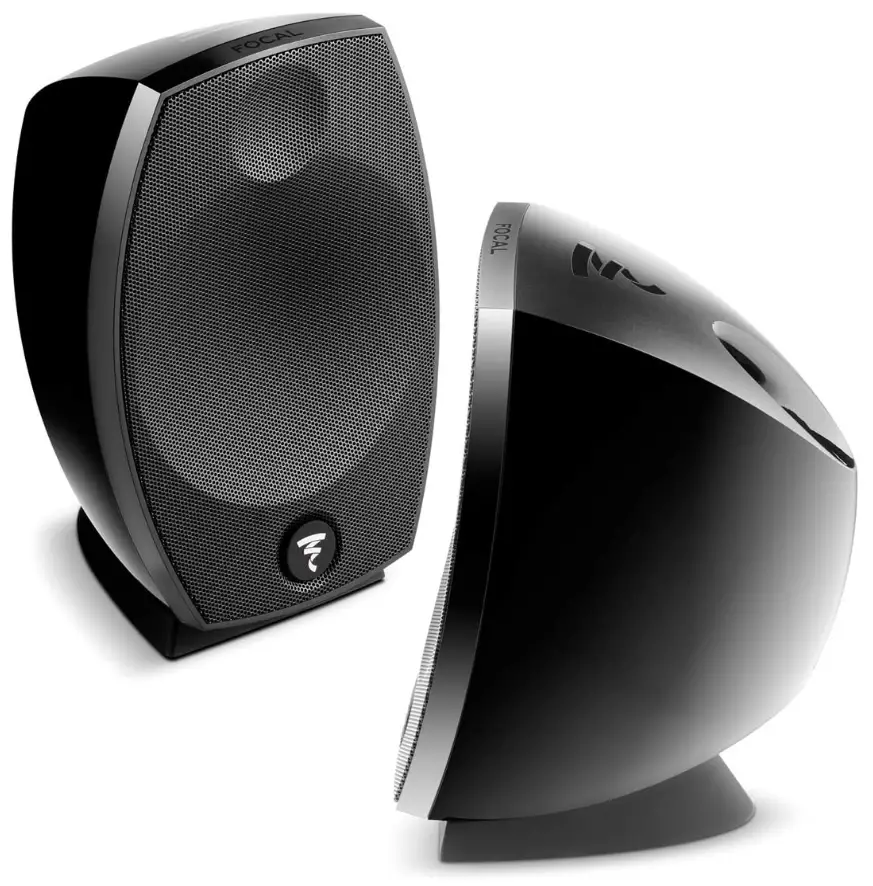
Sib Evo
- DESCRIPTION: Two-way compact bass-reflex loudspeaker
- SPEAKER: 5″ (13cm) Polyflex woofer, 3/4″ (19mm) soft dome tweeter
- FREQUENCY RESPONSE (+/-3DB): 70Hz to 25 kHz
- LOW FREQUENCY POINT -6DB: 66Hz
- SENSIBILITY (2.83V/1M): 90dB
- NOMINAL IMPEDANCE: 6 Ohms
- CROSSOVER FREQUENCY:5 kHz
- RECOMMENDED AMPLIFIER POWER: 25 – 200W
- DIMENSIONS (H X W X D): 9-15/16″ x 6-3/8″ x 6-3/8″ (252x162x162mm)
- WEIGHT (UNIT): (1.8kg)
Sib Evo Dolby Atmos®
- DIMENSIONS: 115/8″x711/16″x71/2″(295x195x190mm)
- WEIGHT: (3.25 kg)
Front Channel
- TYPE: Two-way bass-reflex loudspeaker
- SPEAKER: 5″ (13cm) Polyflex woofer 3/4″ (19mm) soft dome tweeter
- FREQUENCY RESPONSE (+/-3DB): 65Hz to 25KHz
- LOW FREQUENCY POINT -6DB: 60Hz
- SENSIBILITY (2.83V/1M): 90dB
- NOMINAL IMPEDANCE: 6 Ohms
- CROSSOVER FREQUENCY:5 kHz
- RECOMMENDED AMPLIFIER POWER: 25 – 200W
Atmos® Channel
- TYPE: Fullrange sealed loudspeaker
- SPEAKER: 4″ (10cm) full-range speaker
- FREQUENCY RESPONSE (+/-3DB): 90Hz to 20KHz
- LOW FREQUENCY POINT -6DB: 75Hz
- SENSIBILITY (2.83V/1M): 90dB
- NOMINAL IMPEDANCE: 6 Ohms
Despite their modest size, allow yourself to be astounded by their quality and the force of their sound! Sib Evo has a strong sonic output. Therefore, the loudness may be loud without ever being limited by the amplifier’s size. Your multi-room music setup for ambient music or your home theatre system will get a new aural depth. The audio track will accurately portray the speech, the music, and the full force of the action or emotion. You get the sensation that you are in the middle of the action since the entire major plot points are communicated with exceptional clarity and pinpoint accuracy. Your home theatre system will be completely transformed with this satellite loudspeaker!
Package Contents
Sib Evo 2.0
- 2 Sib Evo satellite loudspeakers pre-mounted to their base
- 2 wall mounting systems
- 1 Allen key
- 1 user manual
Sib Evo Dolby Atmos® 2.0
- 2 Sib Evo Dolby Atmos® satellite loudspeakers pre-mounted to their base.
- 2 wall mounting systems
- 1 Allen key
- 1 user manual
Sib Evo 5.1
- 5 Sib Evo satellite loudspeakers pre-mounted to their base
- 2 wall mounting systems
- 1 Allen key
- 1 Cub Evo subwoofer
- 1 slip-resistant sticker for using one of the Sib Evo satellite loudspeakers as a center loudspeaker
- 1 instruction manual for Sib Evo/Sib Evo Dolby Atmos®
- 1 instruction manual for Cub Evo subwoofer
Sib Evo Dolby Atmos® 5.1.2
- 3 Sib Evo satellite loudspeakers pre-mounted to their base
- 2 Sib Evo Dolby Atmos® satellite loudspeakers pre-mounted to their base.
- 2 wall mounting systems
- 1 Allen key
- 1 Cub Evo subwoofer
- 1 slip-resistant sticker for using one of the Sib Evo satellite loudspeakers as a center loudspeaker
- 1 instruction manual for Sib Evo/Sib Evo Dolby Atmos®
- 1 user manual for Cub Evo subwoofer
Optional: an stand, Hip Evo, is available for Sib Evo and Sib Evo Dolby Atmos® satellite loudspeakers.
A – Sib Evo in a Stereo Setup
In order to balance response, place the Sib Evo loudspeakers the same distance away from the listening point. A minimum height of 30″ (75cm) is recommended in order to obtain a coherent soundstage (fig. A1). You can adjust the angle of inclination of the loudspeakers according to your listening point. To adjust the angle of inclination, simply loosen the screw under the base and adjust as required. Once you have the desired angle, tighten the screw to secure the loudspeaker to its base. (fig. A3). Due to constant technological advances, Focal-JMlab reserves the right to modify the technical specifications of its products without notice. Actual product may vary from images.
B – Sib Evo in a 5.1 Home Cinema Setup
1- Centre loudspeaker:
|To use the Sib Evo satellite loudspeaker as a center loudspeaker, unscrew the rubber base from the loudspeaker, stick the slip-resistant sticker in place (as shown in fig. B1) and position the loudspeaker horizontally central to the base (fig. B2). The center loudspeaker must be positioned the same distance away from the front left and right loudspeakers. Turn the logo clockwise until it appears upright (figs. B2 and B3).
2- Adjusting the angle of inclination:
Sib Evo is supplied with the base pre-mounted.However, you can adjust the angle of inclination of the loudspeaker according to your listening point. To adjust the angle of inclination, simply loosen the screw under the base and adjust as required as shown above. Once you have the desired angle, tighten the screw to secure the loudspeaker to its base (fig. A3).
C – Sib Evo in a 5.1.2 Dolby Atmos® Home Cinema Setup
The 5.1.2 pack features two Sib Evo Dolby Atmos® satellite loudspeakers certified by Dolby. These satellite loudspeakers are equipped with two speaker drivers, one of which is fired towards the ceiling to provide Dolby Atmos® effects. Dolby Atmos® technology offers true 3D sound by including a vertical dimension, that’s to say the propagation of sound waves emitted from a new source: the ceiling. This new dimension provides even more precision and realism for a multichannel experience worthy of cinemas (figs. C1 et C2).
Centre loudspeaker
To use the Sib Evo satellite loudspeaker as a center loudspeaker, unscrew the rubber base from the loudspeaker, stick the slip-resistant sticker in place (as shown in fig. B1) and position the loudspeaker horizontally central to the base (fig. B2). The centre loudspeaker must be positioned the same distance away from the front left and right loudspeakers. Turn the logo clockwise until it appears upright (figs. B2 and B3).
2- Adjusting the angle of inclination:
All the loudspeakers in the Sib Evo packs are supplied with their bases pre-mounted.The Sib Evo Dolby Atmos® loudspeaker is already mounted to its base according to Dolby Atmos® recommendations. However, you can adjust the angle of inclination of the loudspeaker according to your listening point.
D – Wall-Mounting
- Remove the base from the loudspeaker by unscrewing the screw underneath the base.
Caution: keep the screw to one side as it will be used again in step 3 (fig. D1).
- Route the cable through the intended opening on the wall-mount and fix to the wall using the 3 screws supplied (fig. D2).
- Position the loudspeakers on the wall-mount and secure in place using the screw put to the side in step 1 (figs. D2, D3).
- Connect the cables (see E – Connections).
- Incline the loudspeaker according to your installation and secure in place by tightening the screw underneath the ball joint using the Allen key supplied (fig. D5).
E – Connections
Connect your Sib loudspeakers to the amplifier using a hi-fi quality cable with a cross-section area of between 0.75mm² and 2mm² and with the polarity marked on one of the conductors. Respect the polarity making sure to connect the “+” terminal on the amplifier to the “+” terminal on the corresponding loudspeaker. Repeat the operation for the “-” terminals (fig. E1). For the Sib Evo Dolby Atmos® satellite speakers, respect the conductors indicated on the back of the satellites, the forward firing speaker driver corresponds to the bottom connectors, and the Dolby Atmos® upward-firing speaker driver corresponds to the top connectors (figs. E2, E3).
F – Audio/video amplifier settings:
We highly recommend configuring your Sib loudspeakers in “SMALL” mode in your audio/video amplifier menu.
Recommendations:
- If your amplifier is equipped with an auto-calibration function, make sure that your amplifier has the latest firmware.
- If you configure the amplifier manually, we highly recommend:
- setting the cut-off frequency to 80Hz.
- doubling the distance of the Atmos® loudspeakers compared to the front speaker drivers.
- increasing the level until you obtain the desired result.
G – Subwoofer
For reproducing low frequencies, we recommend Cub Evo subwoofer.
H – Break-in period
The speaker drivers used in Sib Evo loudspeakers are complex mechanical components which require a break-in period in order to operate at their best and to become acclimatized to the temperature and humidity of your environment. The length of time this takes can vary depending on the conditions and may extend over several weeks. To reduce this break-in period, we recommend operating your subwoofer for about 20 consecutive hours at medium volume, with music which is rich in bass. Once the loudspeaker’s characteristics have totally stabilized, you will be able to enjoy the full potential of your loudspeakers.
Maintenance
Only clean Sib Evo loudspeakers with a dry microfibre cloth. If a loudspeaker is dirty, we recommend simply cleaning it with a damp microfibre cloth. Never use solvents, detergents, alcohol-based or corrosive products, scrapers or scourers to clean the surface of the loudspeaker. Only wipe delicately and never press down hard.
Frequently Asked Questions
Are those surround speakers or atmos speakers?
The SIB Evo is a surround speaker system. A speaker designed for Atmos height effects is included inside the SIB Evo Dolby Atmos speaker.
Are Focal speakers made in China?
Focal speakers are made in France.
What is 2-way bass reflex speaker?
A woofer creates sound for low-frequency noises, and a tweeter produces sound for high-frequency sounds, in a two-way bass reflex speaker. Three speakers—a woofer, a tweeter, and a midrange speaker—combine to form a three-way bass reflex speaker.
Are bass reflex speakers better?
Compared to a sealed system, bass reflex speakers are more effective and often have a flatter bass response.
What is the purpose of a bass reflex speaker?
Low-frequency sound waves are amplified using a bass reflex tube. The bass is amplified using the rear-radiated sound waves.
How far should the bass reflex be from the wall?
At least two to three feet should separate speakers from the closest wall (especially if your speaker is in a corner). Many speakers feature bass ports that face the back.
Are 2 way speakers worth it?
The sound quality is frequently better if a signal is solely separated into high frequencies and low frequencies.
Do I want 2 way or 4 way speakers?
It’s possible that a 2-way speaker will create sound of a far greater caliber than a 4-way speaker. A 4-way speaker with four poor drivers will not sound as good as a 2-way speaker with two high-quality drivers.
Should the bass follow the kick?
The bassline should weave around the kick drum, each one filling the low-frequency hole left when the other is absent. It may also be a blend of the two. The bass should follow the kick, which can be accomplished in a variety of ways.
Which is better sealed or ported speaker?
Ported subwoofers have the advantage over sealed subwoofers for maximum dynamic impact and deep bass extension, which is why they are typically thought to be preferable for home theatre.
How do I stop bass traveling through walls?
Bass traps can be put in place on the wall’s corners to help. Acoustic foam with ripples that fits in the corner of the wall and extends about six inches on each side is called a bass trap.
Are 2 way speakers good for bass?
Because they have a dedicated woofer, two-way speakers are effective for bass. The woofer handles the low frequency, but you can choose to add an extra subwoofer to enhance the low bass tones and enhance your listening experience.
Do 4 way speakers have more bass?
The 4 way speaker is somewhat better for high range sound than the 2 way since it contains a bass and a mid-range component in addition to 2 tweeters, but it is not significantly better overall.