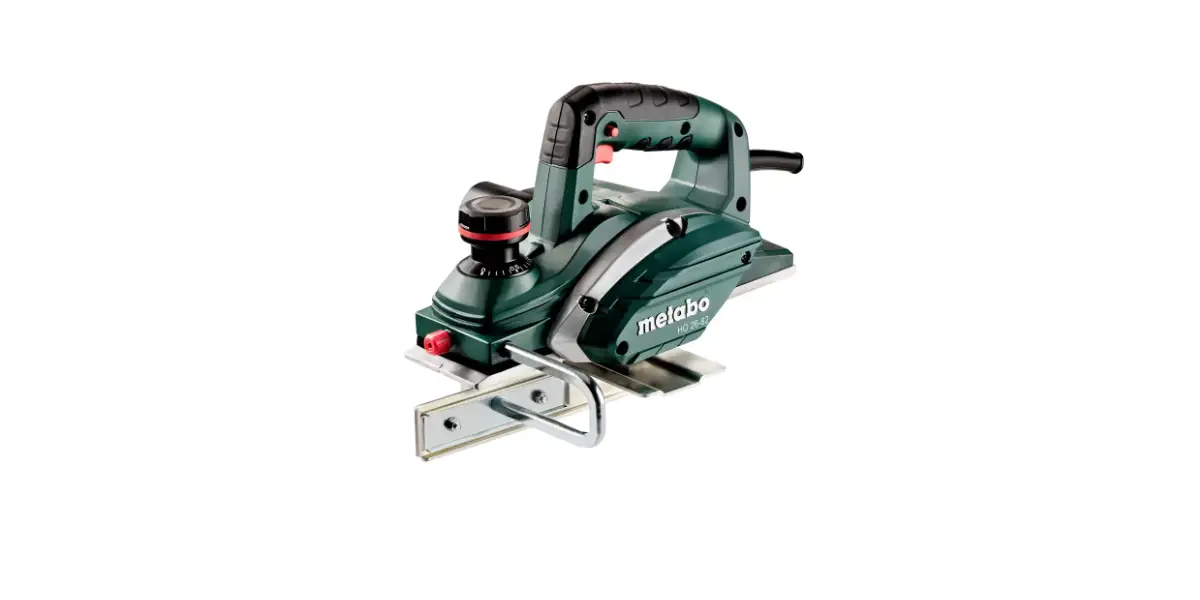
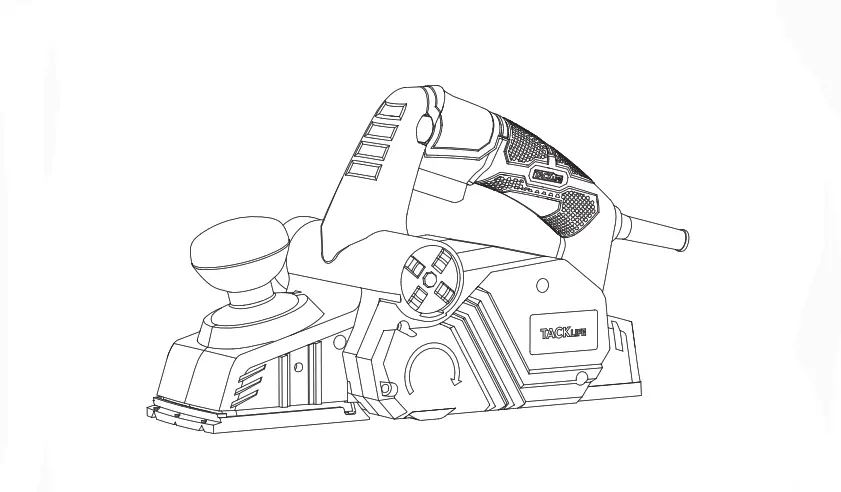
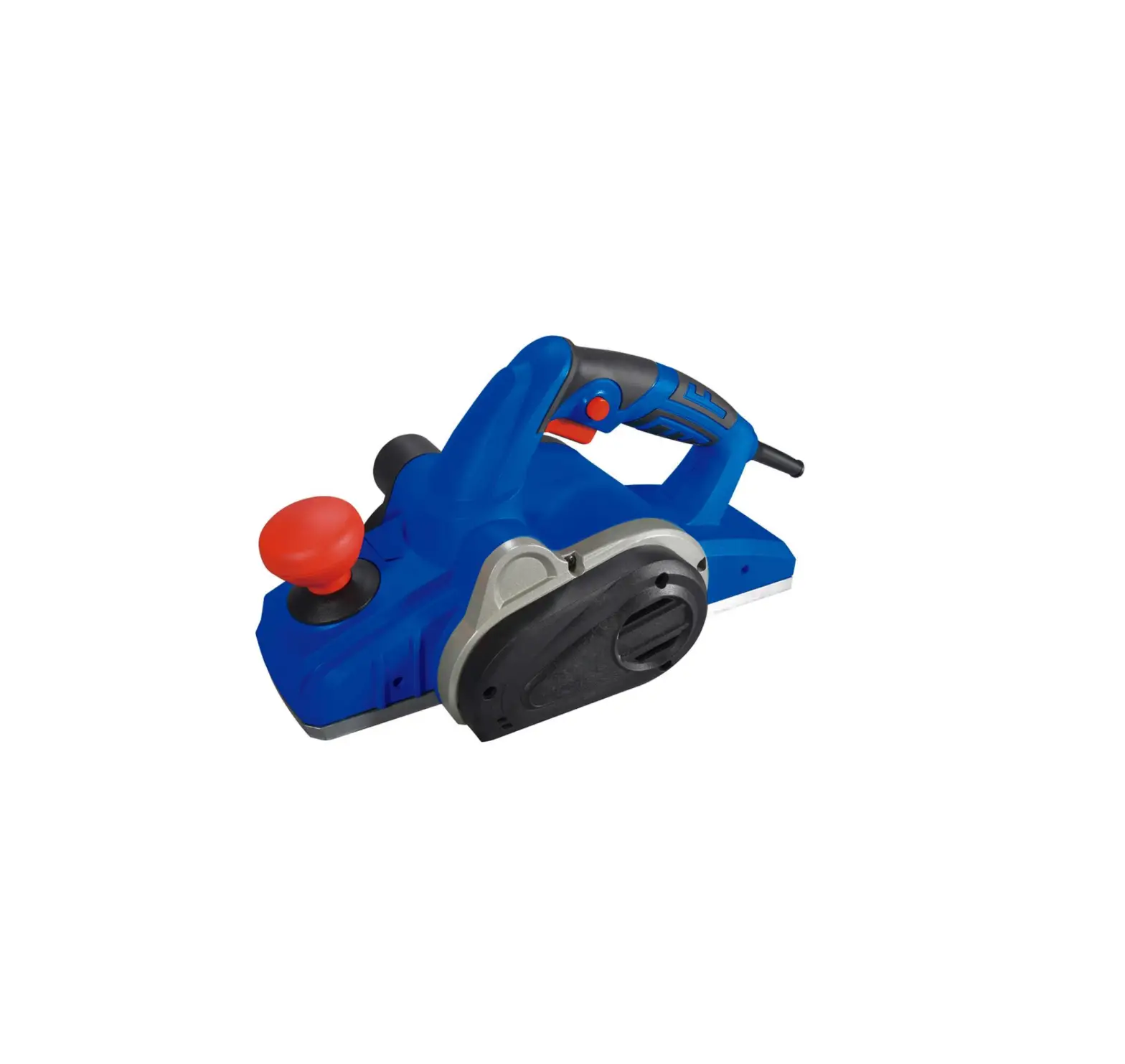
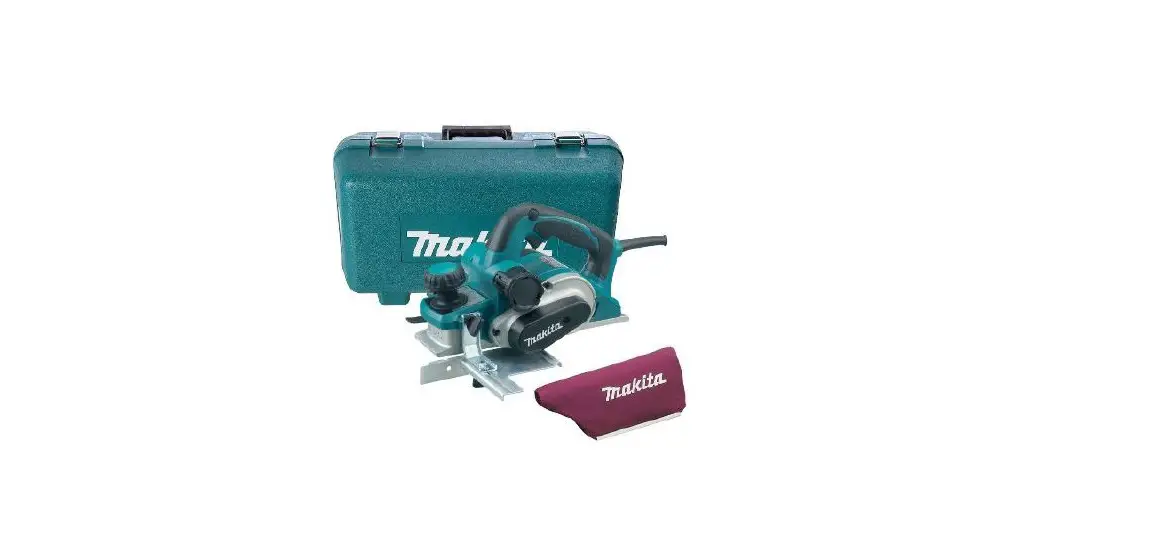
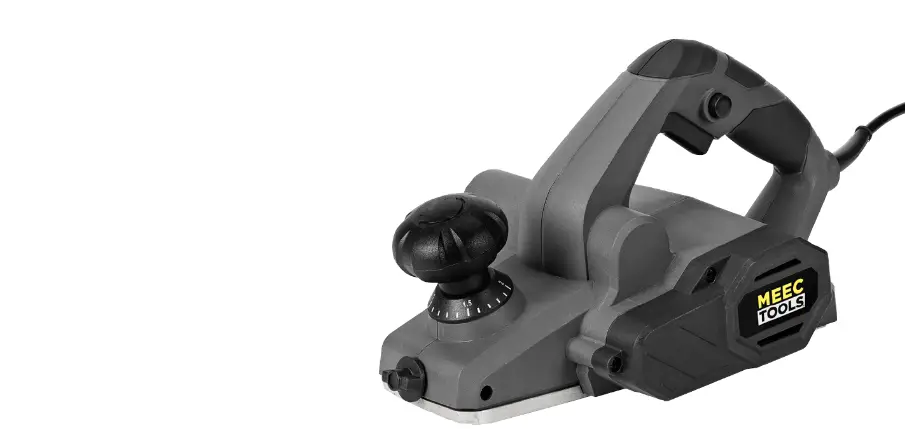
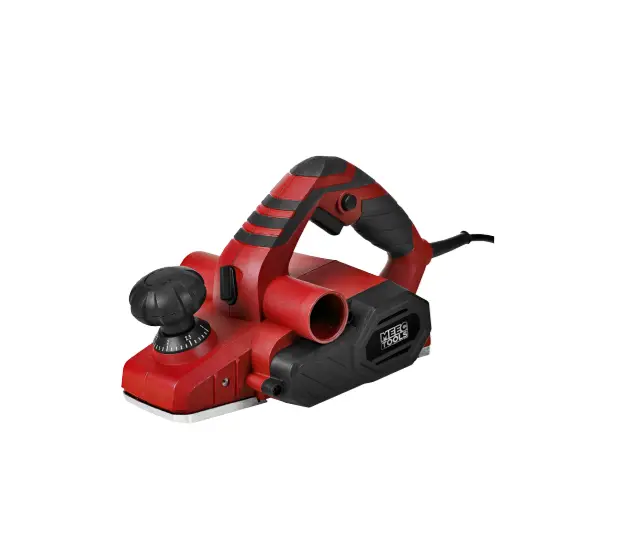
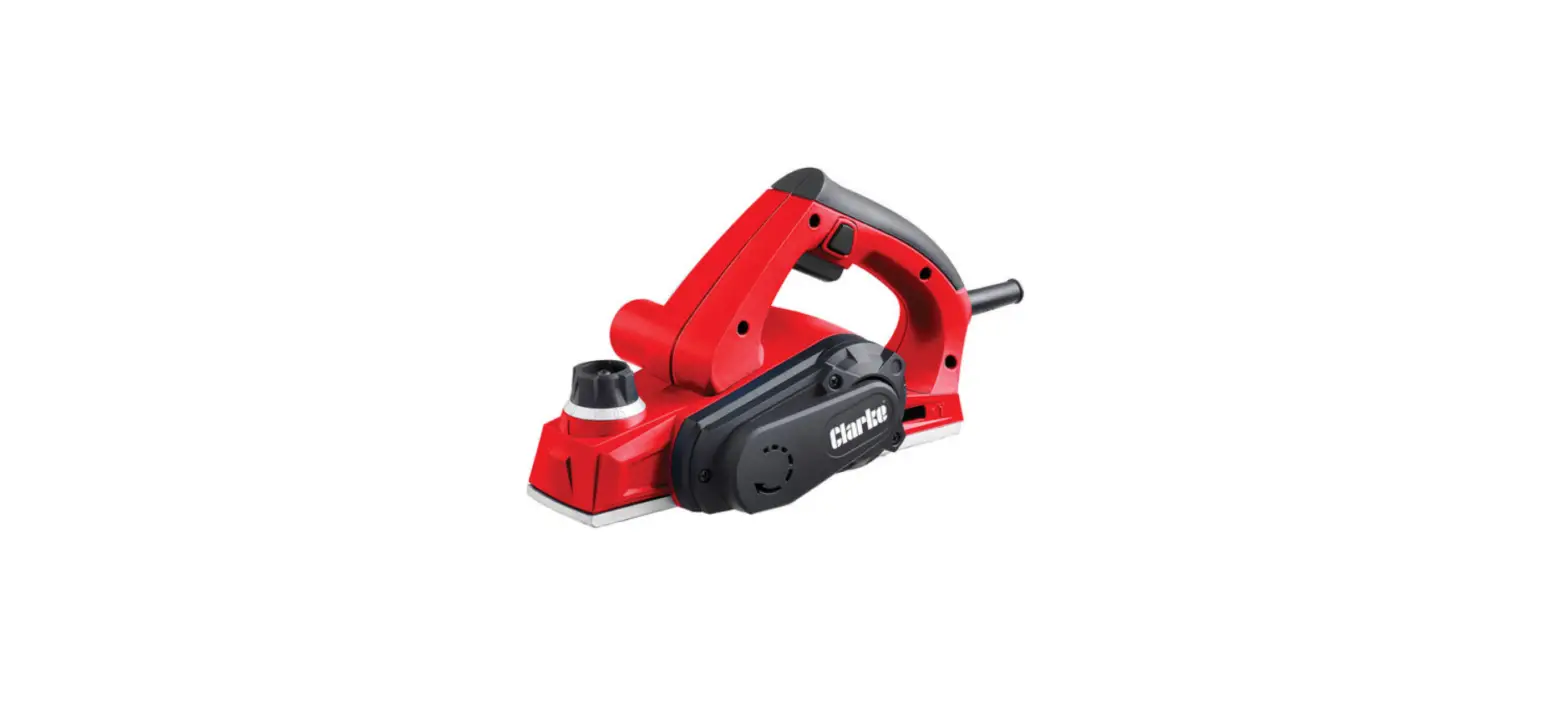
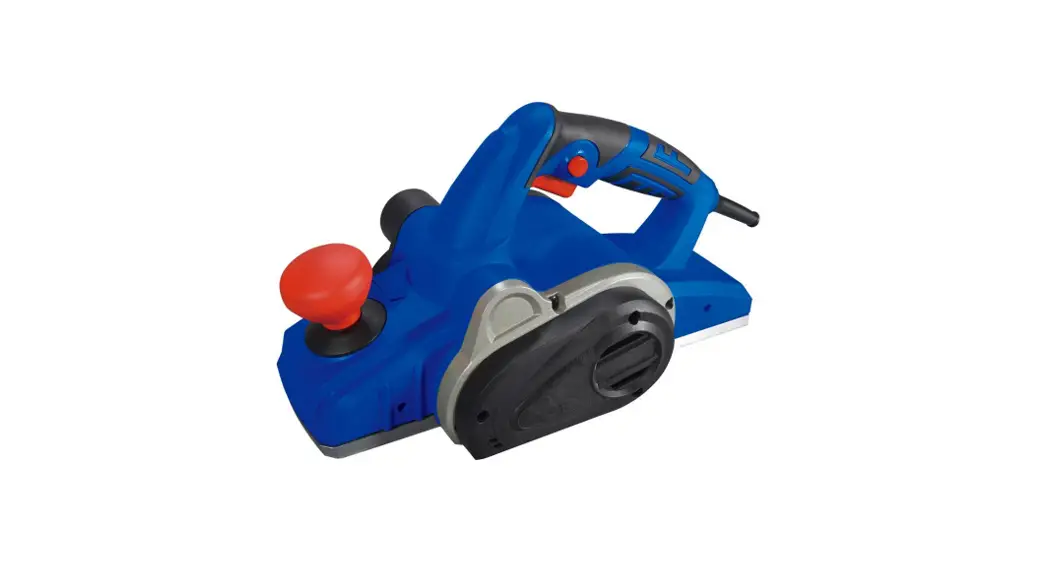
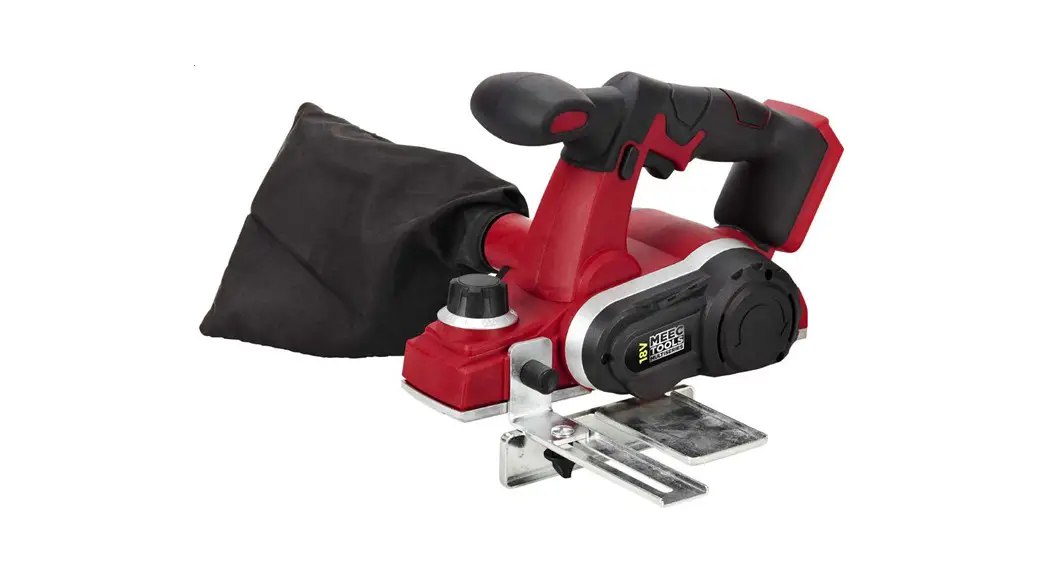
CEPEL-3-1-4A4 Electric Planer
Product Information
The CEPEL-3-1/4A4 Electric Planer is a power tool with 1.1 Hp
Power that is designed for woodworking. It has a code of 100502 and
a model of CEPEL-3-1/4A4. The tool operates at a voltage of 127 V,
frequency of 60 Hz and has a current of 6.7 A. It has a speed of
17,000 RPM and makes 34,000 cuts/min. The depth can be adjusted
between 0-3.5 mm, and it has a left-right dust collecting system.
The tool has a duty cycle of 30 minutes work per 15 minutes idle
and can be used for a maximum of 3 hours per day. It has a Class II
insulation and an IP20 grade. The power cord grips used in this
product are Type Y, and the build quality is Basic and
Supplementary. The thermal insulation on the motor winding is Class
E.
Product Usage Instructions
- Read the user manual thoroughly before operating this
tool. - Verify that the power requirements match the power supply
before turning on the tool. - Disconnect all power sources before gaining access to the
terminals. - When using an extension cable, verify that the gauge is enough
for the power that your product needs. - Use a grounded extension cable labeled for outdoor use when
operating power tools outdoors. - Before using the tool, assemble it according to the
instructions provided in the manual. - Adjust the depth of the planer according to your
requirements. - Turn on the tool and wait for it to reach full speed before
using it on the wood. - When using the tool, avoid exposing it to rain, liquids, and/or
dampness. - After using the tool, turn it off and disconnect the power
source before cleaning it. - Store the tool in a dry and safe place after cleaning it.
ENGLISH
ESPAÑOL
Manual
Electric Planer
1.1 Hp Power
Applies for: Code 100502
Model CEPEL-3-1/4A4
CEPEL-3-1/4A4
CAUTION
Read the user’s manual thoroughly before operating this tool.
Contents
Technical Data
3
CAUTION
Power Requirements
3
General Power Tool Safety Warnings
4
Safety Warnings for Electric Planers
5
Parts
6
Assembly
7
To gain the best performance of the tool, prolong the duty life,
make the Warranty valid if necessary, and to avoid hazards of fatal injuries please read and understand this Manual before
using the tool.
Start Up Maintenance
8
Keep this manual for future references.
The illustrations in this manual are for reference
10
only. They might be different from the real tool.
Authorized Service Centers
11
Warranty Policy
12
CEPEL-3-1/4A4
2 ENGLISH
Technical Data
Code Description
Voltage Current Power
Speed Cuts per minute
Depth Dust Collecting
System
Duty Cycle Conductors
Insulating
CEPEL-3-1/4A4
100502
Electric Planer
127 V
Frequency
60 Hz
6.7 A
1.1 Hp
17 000 RPM
34 000 cuts/min
0 – 3.5 mm
Left-Right
30 minutes’ work per 15 minutes’ idle. Maximum 3 hours per day.
18 AWG x 2C with 221 °F insulating temperature.
Class II
IP Grade
IP20
Power cord grips used in this product: Type “Y”. Build quality: Basic and Supplementary
Thermal insulation on motor winding: Class E
WARNING Avoid the risk of electric shock or severe injury. When the power cable gets damaged
it should only be replaced by the manufacturer or at a
Authorized Service Center.
The build quality of the electric insulation is altered if spills or liquid gets into the tool while in use.
Do not expose to rain, liquids and/or dampness.
WARNING Before gaining access to the terminals all power sources should be disconnected.
Power Requirements
WARNING Tools with double insulation are equipped with a polarized plug (one prong is wider than the other). This plug will only fit in the right way into a polarized outlet. If the plug cannot be introduced into the outlet, reverse the plug. If it still doesn’t fit, call a qualified electrician to install for you a polarized outlet. Do not alter the plug in any way. Double insulation eliminates the need of both a grounded third power cord with three prongs or a grounded power connection.
WARNING When using an extension cable, verify the gauge is enough for the power that your product needs. A lower gauge cable will cause voltage drop in the line, resulting in power loss and overheating. The following table shows the right size to use depending on cable’s length and the ampere capability shown in the tool’s nameplate. When in doubt use the next higher gauge.
Ampere Capacity
Number of Conductors
Extension Gauge
From 6 ft to 49 ft | Higher than 49 ft
From 0 and up to 10 A From 10 and up to 13 A From 13 and up to 15 A From 15 and up to 20 A
3 (one grounded)
18 AWG 16 AWG 14 AWG 8 AWG
16 AWG 14 AWG 12 AWG 6 AWG
* It is safe to use only if the extensions have a built-in artifact for over current protection. AWG = American Wire Gauge – Reference NMX – J – 195 – ANCE
WARNING When operating power tools outdoors, use a
grounded
extension cable labeled “For Outdoors Use”. These extensions are especially designed for
operating outdoors and reduce the risk of electric shock.
ENGLISH 3
General power tool safety warnings
WARNING! Read carefully all safety warnings and instruction listed below. Failure to comply with any of these warnings may result in electric shock, fire and / or severe damage. Save all warnings and instructions for future references.
Work area Keep your work area clean, and well lit. Cluttered and dark areas may cause accidents.
Remove any wrench or vice before turning the power tool on. Wrenches or vices left attached to rotating parts of the tool may result in personal
injury.
Never use the tool in explosive atmospheres, such as in the presence of flammable liquids, gases or dust. Sparks generated by power tools may ignite the flammable material.
Keep children and bystanders at a safe distance while operating the tool. Distractions may cause loosing control.
Electrical Safety The tool plug must match the power outlet. Never modify the plug in any way. Do not use any adapter plugs with grounded power tools. Modified plugs and different power outlets increase the risk of electric shock.
Avoid body contact with grounded surfaces, such as pipes, radiators, electric ranges and refrigerators. The risk of electric shock increases if your body is grounded.
Do not expose the tool to rain or wet conditions. Water entering into the tool increases the risk of electric shock.
Do not force the cord. Never use the cord to carry, lift or unplug the tool. Keep the cord away from heat, oil, sharp edges or moving parts. Damaged or entangled cords increase the risk of electric shock.
When operating a tool outdoors, use an extension cord suitable for outdoor use. Using an adequate outdoor extension cord reduces the risk of electric shock.
Do not overreach. Keep proper footing and balance at all times. This enables a better control on the tool during unexpected situations.
Dress properly. Do not wear loose clothing or jewelry. Keep hair, clothes and gloves away from the moving parts. Loose clothes or long hair may get caught in moving parts.
If you have dust extraction and recollection devices connected onto the tool, inspect their connections and use them correctly. Using these devices reduce dust-related risks.
Power Tools Use and Care Do not force the tool. Use the adequate tool for your application. The correct tool delivers a better and safer job at the rate for which it was designed.
Do not use the tool if the switch is not working properly. Any power tool that cannot be turned ON or OFF is dangerous and should be repaired before operating.
Disconnect the tool from the power source and / or battery before making any adjustments, changing accessories or storing. These measures reduce the risk of accidentally starting the tool.
Store tools out of the reach of children. Do not allow persons that are not familiar with the tool or its instructions to operate the tool. Power tools are dangerous in the hands of untrained users.
If operating the tool in a damp location cannot be avoided, use a ground fault circuit interrupter (GFCI) protected supply. Using a GFCI reduces the risk of electric shock.
Personal safety Stay alert, watch what you are doing and use common sense when operating a tool. Do not use a power tool while you are tired or under the influence of drugs, alcohol or medication. A moment of distraction while operating the tool may result in personal injury.
Service the tool. Check the mobile parts are not misaligned or stuck. There should not be broken parts or other conditions that may affect its operation. Repair any damage before using the tool. Most accidents are caused due to poor maintenance to the tools.
Keep the cutting accessories sharp and clean. Cutting accessories in good working conditions are less likely to bind and are easier to control.
Use personal protective equipment. Always wear eye protection. Protective equipment such as safety glasses, anti-dust mask, non-skid shoes, hard hats and hearing protection used in the right conditions significantly reduce personal injury.
Use the tool, components and accessories in accordance with these instructions and the projected way to use it for the type of tool when in adequate working conditions. Using the tool for applications different from those it was designed for, could
result in a hazardous situation.
Prevent unintentional starting up. Ensure the switch is in the “OFF” position before connecting into the power source and / or battery as well as when carrying the tool. Transporting power tools with the finger on the switch or connecting power
tools with the switch in the “ON” position may cause accidents.
Service
Repair the tool in a
Authorized Service Center
using only identical spare parts.
This will ensure that the safety of the power tool is maintained.
4 ENGLISH
This tool is in compliance with the Official Mexican Standard (NOM – Norma Oficial Mexicana).
Safety warnings for electric planers
Before Operating the Tool
· Unroll completely the extension cord to prevent potential overheating. · Double check the power outlet voltage matches the rated voltage described in the tool nameplate.
CAUTION · Remove from the workplace all the rags, clothes, cables, ropes or any object that could get caught in the tool’s blades.
WARNING · Remove nails, screws or any object from the workpiece. These materials would damage the blades and the tool and represent a risk for your safety.
CAUTION · Before starting any job, double check the blades fixing screws are perfectly tight. · Before operating the tool, turn it ON and let it run for a few moments. Check if there are vibrations indicating a poor setting or an unbalanced blade.
While Operating the Tool
· When possible, use a dust extraction system. CAUTION · When operating the tool, hold it only
by the handle and the insulated parts. In the event of making contact with a hidden cable in the tool, the exposed metallic parts may pass a discharge to the operator. · Hold the tool firmly using both hands.
DANGER · Keep your hands away from the rotating parts.
CAUTION · Double check the blades are not making contact with the work piece when turning ON the machine. · Before cutting, wait until the blades reach the maximum speed. · Work with the machine setting it at least 8″ away from your face and body.
CAUTION · Never leave the tool running with no supervision. Handle the tool only when you can control it with both hands. Turn it OFF before leaving it aside. · After long periods of functioning, the tool metallic parts may be very hot.
After Operating the Tool
· When finishing operating the tool, turn it OFF and activate the rest support turning it downwards on top of a wood block, so that the blades are not making contact with any type of materials. · Before trying to carry out adjustments, turn the machine OFF and wait for the blades to stop completely.
DANGER · Never put your finger into the shavings discharge orifice. To remove excess of shavings, turn OFF and disconnect the tool. Use a stick to remove the shavings. · When necessary, replace both blades at the same time. Otherwise, the resulting imbalance will cause vibrations and will shorten the useful life of the blades and the tool. Handle blades with extreme caution!
Right Way to Operate the Planer
ENGLISH 5
Auxiliar Handle
Cutting Depth Adjusting Knob
Adjustable Base
Blocking Lock
Parts
Switch Lock
Switch
Handle
Power Cord Protector
Blades
Parallel Guide Fastening Knob
Band Cover
Fixed Base
Rest stand
0.09″ Hexagonal Wrench
Power Cord
0.31″ Spanner
Height Control Screws Blades Adjusting Screws
Supporting Block
Blade Fixed Base
Adjustable Base
Dust Collecting
Pouch Shavings Expelling Duct
Parallel Guide
Cutter Head
6 ENGLISH
Cutter Head Guard
Cut-off Guide
Assembly
Blades Set Up
The blades must be adjusted so that the cutting edge is level with the fixed base. (See “Blade leveling” below). · To remove the worn blades, loosen the three adjusting screws (A) with the included 8 mm wrench, turning them counterclockwise. · Slide the worn-out blade (B) through the cutting head support block. · With the worn blade out, now slide the new blade (C) through the block and align the blades across the block. · Tighten the three adjusting screws firmly. Remember that a loose screw could be extremely dangerous. Check regularly to see if they are tightened properly. · Repeat the operation with the other blade.
CAUTION Before installing the blades, turn off and disconnect the tool, and clean any chips or foreign matter from the cutting head. Use replacement blades with the same dimensions and weight or the cutting head will oscillate and vibrate causing poor planning and perhaps machine breakdown. · The blades are sharp on both sides. If one side becomes dull or worn, turn it over to use the sharp side. When both blades are worn, replace the blade. Do not attempt to sharpen it. If you are replacing the blades, replace both at the same time, otherwise vibration may occur which shortens the life of the blades and the tool.
Blades leveling
The blades must be adjusted to the height of the base (D), If this is not the case, follow the instructions below: · Slightly loosen the adjusting screws (A) with the 8 mm wrench. · Using the 2.5 mm hexagonal wrench provided, turn the height control screws (E) clockwise to go up, and counterclockwise to go down, as required by the planner. · Level the height by resting a set square (F) on the fixed base and the adjustable base (set to 0). · Finally, tighten the adjusting screws with the 8 mm wrench.
A
B C D E F
ENGLISH 7
Parallel Guide Set Up 2
1
Assembly
Installation of the rabbeting guide
· Install the rabbeting guide on the opposite side of the parallel guide (1). · Like the parallel guide, the rabbeting guide is secured in place with a clamping knob (2). · Raise or lower the rabbeting guide to the appropriate position for the job and tighten the knob to set its height.
Start and Operation Control
· Connect the plug into the power outlet. · Keep the switch lock (B) pressed to unblock the switch (A). The switch lock prevents from accidentally starting up the tool. · Press the switch (A) to start the cutter head in motion. · To stop the cutter head, release the switch (A).
Cutting Depth Adjustment
· Turn the cutting depth adjusting knob and match the measurement in millimeters indicated in the knob graded ring with the triangular mark so that the adjustable base is set in the desired height. · To determine precise cutting depths, plan a piece of scrap wood, measure the thickness difference and if necessary, adjust to the needed value.
8 ENGLISH
Start Up
B
A
Cutting Depth Adjusting Knob Graded Ring Triangular Mark
Start Up
Shaving extraction
· The brush has a shavings ejector duct that can be positioned to
eject from the right or left (A)
A
· The duct runs through the brush from side to side through the
ejector ducts, blocking one of the ducts and allowing shavings to
exit through the other. To release the duct, move the locking
latch (B) in the direction indicated by the arrow and push it out.
To place it, insert it from the right or left and push it until it is
locked by the lock.
· You can attach the dust collection bag to the open chip ejector
for easy disposal.
· You can connect a workshop dust extraction system or a
household vacuum cleaner to the chip ejector, making the
working environment safer and cleaner.
Planing
· Set the adjustable base onto the work piece surface. The
blades should not make contact with the piece (figure 1).
· Start the tool and wait for the blades to reach the maximum
speed.
· Holding the tool with both hands, advance it gently by
applying pressure to the front of the auxiliary handle (2). Planing
1
will be easier if the workpiece is slightly inclined so that the
planing is downwards.
· Push the tool beyond the work piece but not leaning
downwards (3).
· The planing speed and cutting depth determine the finish
quality. To get a rough cut increase the cutting depth. To get a
fine finish diminish the cutting depth and push the tool slower.
CAUTION An extremely fast pass of the tool may produce
bad quality cuts and will damage the blades or the motor. If the
2
movement is to slow, you may burn or damage the cut.
The right advancing speed will be dependent of the type of
material being cut and the planning depth. Before planning the
work piece, make some tests using a piece of scrap wood to
gauge the right speed and the dimensions of the cut.
WARNING Secure the work piece using clamps to prevent
accidents and defects in the cut.
3
Bevel Cuts
· For bevel cuts or chamfers, match the work piece edge with one of the two notches in the adjustable base. · Make passes with the planer aligning the notch on the corner edge.
B
ENGLISH 9
Start Up
Staggered cuts
· To make staggered cuts, assemble both guides on the planer as indicated in the “Assembly” section. · Raise or lower the rabbeting guide so that it is at the height of A the step to be made. The triangular mark (A) will indicate the step height in millimeters and inches. · Run the arm of the parallel guide until the marks (B) match the measurement with the width measurement of the cut to be made. The scale on the guide is in millimeters and inches. · Once the position of both guides has been defined, tighten all the knobs to avoid misalignment during the cut. · Adjust the depth of the planer (See. Depth of cut adjustment). It is recommended to cut small amounts of material. · Perform the cut by exerting lateral pressure against the face of the workpiece. Otherwise, you will get an uneven result.
B
Maintenance
WARNING Disconnect the cable from the power outlet before carrying out any adjustment, service or maintenance to the tool.
Cleaning and Care
· Keep the tool dust-free. Never use water or chemical substances to clean the tool. Use only a clean and dry cloth. · Always keep the ventilation slots clean and free of obstructions to guarantee the adequate cooling of the motor. · Inspect regularly all the mounting screws. Make sure that are tightly fastened. If a screw is loose, tighten immediately. · The armature and motor are the power tool’s heart. Use extreme care not to affect the tool with oil or water. · In a regular basis, double-check the power cable. Look for any type of damage. If the cable is damaged take it to a
Authorized Service Center.
10 ENGLISH
Service
Servicing the tool shall only be carried out in a Authorized Service Center.
Service and maintenance carried out by non-qualified people may be dangerous and may cause personal injuries. It also makes the Warranty void.
Carbon Brush Replacement
· Carbon Brushes should be periodically checked and
when worn, replaced always in a
Authorized Service Center.
· After replacing the carbon brushes request to inspect if
the new carbon brushes can move freely in the carbon
housing. Also request to run the tool 5 minutes to make
even the contact with the carbon brushes and the
commuter.
· Use only original
spare carbon
brushes specifically designed with the hardness and
resistance adequate for each type of motor. Carbons
that are out of specification could damage the motor.
· When replacing carbon brushes, always replace both.
Authorized Service Centers
In the event of any problem contacting a
Authorized Service Center, please see our webpage
www.truper.com to get an updated list, or call our toll-free numbers 800 690-6990 or 800 018-78-73 to get
information about the nearest Service Center.
AGUASCALIENTES DE TODO PARA LA CONSTRUCCIÓN GRAL. BARRAGÁN #1201, COL. GREMIAL, C.P. 20030, AGUASCALIENTES, AGS. TEL.: 449 994 0537
BAJA SUCURSAL TIJUANA CALIFORNIA AV. LA ENCANTADA, LOTE #5, PARQUE INDUSTRIAL EL
FLORIDO II, C.P 22244, TIJUANA, B.C. TEL.: 664 969 5100 BAJA FIX FERRETERÍAS CALIFORNIA SUR FELIPE ÁNGELES ESQ. RUIZ CORTÍNEZ S/N, COL. PUEBLO NUEVO, C.P. 23670, CD. CONSTITUCIÓN, B.C.S. TEL.: 613 132 1115 CAMPECHE TORNILLERÍA Y FERRETERÍA AAA AV. ÁLVARO OBREGÓN #324, COL. ESPERANZA C.P. 24080 CAMPECHE, CAMP. TEL.: 981 815 2808 CHIAPAS FIX FERRETERÍAS AV. CENTRAL SUR #27, COL. CENTRO, C.P. 30700, TAPACHULA, CHIS. TEL.: 962 118 4083 CHIHUAHUA SUCURSAL CHIHUAHUA AV. SILVESTRE TERRAZAS #128-11, PARQUE INDUSTRIAL BAFAR, CARRETERA MÉXICO CUAUHTÉMOC, C.P. 31415, CHIHUAHUA, CHIH. TEL. 614 434 0052 MEXICO CITY FIX FERRETERÍAS EL MONSTRUO DE CORREGIDORA, CORREGIDORA # 22, COL. CENTRO, C.P. 06060, CUAUHTÉMOC, CDMX. TEL: 55 5522 5031 / 5522 4861 COAHUILA SUCURSAL TORREÓN CALLE METAL MECÁNICA #280, PARQUE INDUSTRIAL ORIENTE, C.P. 27278, TORREÓN, COAH. TEL.: 871 209 68 23 COLIMA BOMBAS Y MOTORES BYMTESA DE MANZANILLO BLVD. MIGUEL DE LA MADRID #190, COL. 16 DE SEPTIEMBRE, C.P. 28239, MANZANILLO, COL. TEL.: 314 332 1986 / 332 8013 DURANGO TORNILLOS ÁGUILA, S.A. DE C.V. MAZURIO #200, COL. LUIS ECHEVERRÍA, DURANGO, DGO.TEL.: 618 817 1946 / 618 818 2844 ESTADO DE SUCURSAL CENTRO JILOTEPEC MÉXICO PARQUE INDUSTRIAL 1, PARQUE INDUSTRIAL JILOTEPEC, JILOTEPEC, EDO. DE MÉX. C.P. 54257. TEL: 76 1782 9101 EXT. 5728 Y 5102 GUANAJUATO CÍA. FERRETERA NUEVO MUNDO S.A. DE C.V. AV. MÉXICO – JAPÓN #225, CD. INDUSTRIAL, C.P. 38010, CELAYA, GTO. TEL.: 461 617 7578 / 79 / 80 / 88 GUERRERO CENTRO DE SERVICIO ECLIPSE CALLE PRINCIPAL MZ.1 LT. 1, COL. SANTA FE, C.P. 39010, CHILPANCINGO, GRO. TEL.: 747 478 5793 HIDALGO FERREPRECIOS S.A. DE C.V. LIBERTAD ORIENTE #304 LOCAL 30, INTERIOR DE PASAJE ROBLEDO, COL. CENTRO, C.P. 43600, TULANCINGO, HGO. TEL.: 775 753 6615 / 775 753 6616 JALISCO SUCURSAL GUADALAJARA AV. ADOLFO B. HORN # 6800, COL: SANTA CRUZ DEL VALLE, C.P.: 45655, TLAJOMULCO DE ZUÑIGA, JAL. TEL.: 33 3606 5285 AL 90 MICHOACÁN FIX FERRETERÍAS AV. PASEO DE LA REPÚBLICA #3140-A, COL. EX-HACIENDA DE LA HUERTA, C.P. 58050, MORELIA, MICH. TEL.: 443 334 6858
MORELOS FIX FERRETERÍAS CAPITÁN ANZURES #95, ESQ. JOSÉ PERDIZ, COL. CENTRO, C.P. 62740, CUAUTLA, MOR. TEL.: 735 352 8931
NAYARIT HERRAMIENTAS DE TEPIC MAZATLAN #117, COL. CENTRO, C.P. 63000, TEPIC, NAY. TEL.: 311 258 0540
NUEVO LEÓN SUCURSAL MONTERREY CARRETERA LAREDO #300, 1B MONTERREY PARKS, COLONIA PUERTA DE ANÁHUAC, C.P. 66052, ESCOBEDO, NUEVO LEÓN, TEL.: 81 8352 8791 / 81 8352 8790
OAXACA FIX FERRETERÍAS AV. 20 DE NOVIEMBRE #910, COL. CENTRO, C.P. 68300, TUXTEPEC, OAX. TEL.: 287 106 3092
PUEBLA SUCURSAL PUEBLA AV PERIFÉRICO #2-A, SAN LORENZO ALMECATLA, C.P. 72710, CUAUTLACINGO, PUE. TEL.: 222 282 8282 / 84 / 85 / 86
QUERÉTARO ARU HERRAMIENTAS S.A DE C.V. AV. PUERTO DE VERACRUZ #110, COL. RANCHO DE ENMEDIO, C.P. 76842, SAN JUAN DEL RÍO, QRO. TEL.: 427 268 4544
QUINTANA ROO FIX FERRETERÍAS CARRETERA FEDERAL MZ. 46 LT. 3 LOCAL 2, COL EJIDAL, C.P. 77710 PLAYA DEL CARMEN, Q.R. TEL.: 984 267 3140
SAN LUIS FIX FERRETERÍAS POTOSÍ AV. UNIVERSIDAD #1850, COL. EL PASEO, C.P. 78320, SAN LUIS POTOSÍ, S.L.P. TEL.: 444 822 4341
SINALOA SUCURSAL CULIACÁN AV. JESÚS KUMATE SUR #4301, COL. HACIENDA DE LA MORA, C.P. 80143, CULIACÁN, SIN. TEL.: 667 173 9139 / 173 8400
SONORA FIX FERRETERÍAS CALLE 5 DE FEBRERO #517, SUR LT. 25 MZ. 10, COL. CENTRO, C.P. 85000, CD. OBREGÓN, SON. TEL.: 644 413 2392
TABASCO SUCURSAL VILLAHERMOSA CALLE HELIO LOTES 1, 2 Y 3 MZ. #1, COL. INDUSTRIAL, 2A ETAPA, C.P. 86010, VILLAHERMOSA, TAB. TEL.: 993 353 7244
TAMAULIPAS VM ORINGS Y REFACCIONES CALLE ROSITA #527 ENTRE 20 DE NOVIEMBRE Y GRAL. RODRÍGUEZ, FRACC. REYNOSA, C.P. 88780, REYNOSA, TAMS. TEL.: 899 926 7552
TLAXCALA SERVICIOS Y HERRAMIENTAS INDUSTRIALES PABLO SIDAR #132, COL . BARRIO DE SAN BARTOLOMÉ, C.P. 90970, SAN PABLO DEL MONTE, TLAX. TEL.: 222 271 7502
VERACRUZ LA CASA DISTRIBUIDORA TRUPER BLVD. PRIMAVERA. ESQ. HORTENSIA S/N, COL. PRIMAVERA C.P. 93308, POZA RICA, VER. TEL.: 782 823 8100 / 826 8484
YUCATÁN SUCURSAL MÉRIDA CALLE 33 #600 Y 602, LOCALIDAD ITZINCAB Y MULSAY, MPIO. UMÁN, C.P. 97390, MÉRIDA, YUC. TEL.: 999 912 2451
ENGLISH 11
Warranty policy
Code 100502
Model CEPEL-3-1/4A4
Brand
This product is guaranteed for 2 years. To make the warranty valid or purchase parts and components you must present the product in Corregidora 22, Col. Centro, Alc. Cuauhtémoc, CDMX C.P. 06060 or at the establishment where you purchased it, or at any Truper® Service Center listed in the annex to the warranty
policy and/or in www.truper.com . Transportation costs resulting from compliance of this warranty will be covered by
For questions or comments, call 800-690-6990. Made in China. Imported by Truper S.A. de C.V. Parque Industrial 1, Parque Industrial Jilotepec, Jilotepec, Edo. de Méx. C.P. 54257
2
YEARS
Stamp of the business. Date of purchase:
12 ENGLISH
www.truper.com 09-2021
Póliza de Garantía
Código 100502
Modelo CEPEL-3-1/4A4
Marca
Este producto está garantizado por 2 años. Para hacer válida la garantía o adquirir piezas y componentes deberá presentar el producto en Corregidora 22, Col. Centro, Alc. Cuauhtémoc, CDMX C.P. 06060 o en el establecimiento donde lo compró, o en algún Centro de Servicio Truper® de los enlistados en el anexo de la
póliza de garantía y/o en www.truper.com . Los gastos de transportación que resulten para su cumplimiento serán cubiertos por
Para dudas o comentarios, llame al 800-690-6990. Hecho en China. Importado por Truper S.A. de C.V. Parque Industrial 1, Parque Industrial Jilotepec, Jilotepec, Edo. de Méx. C.P. 54257
2
AÑOS
Sello del establecimiento comercial. Fecha de compra:
12 ESPAÑOL
www.truper.com 09-2021
Centros de Servicio Autorizados
En caso de tener algún problema para contactar un Centro de Servicio Autorizado consulte nuestra página www.truper.com donde obtendrá un listado actualizado, o llame al: 800 690-6990 ó 800 018-78-73 donde le informarán cuál es el Centro de Servicio más cercano.
AGUASCALIENTES DE TODO PARA LA CONSTRUCCIÓN GRAL. BARRAGÁN #1201, COL. GREMIAL, C.P. 20030, AGUASCALIENTES, AGS. TEL.: 449 994 0537
BAJA SUCURSAL TIJUANA CALIFORNIA AV. LA ENCANTADA, LOTE #5, PARQUE INDUSTRIAL EL
FLORIDO II, C.P 22244, TIJUANA, B.C. TEL.: 664 969 5100 BAJA FIX FERRETERÍAS CALIFORNIA SUR FELIPE ÁNGELES ESQ. RUIZ CORTÍNEZ S/N, COL. PUEBLO NUEVO, C.P. 23670, CD. CONSTITUCIÓN, B.C.S. TEL.: 613 132 1115 CAMPECHE TORNILLERÍA Y FERRETERÍA AAA AV. ÁLVARO OBREGÓN #324, COL. ESPERANZA C.P. 24080 CAMPECHE, CAMP. TEL.: 981 815 2808 CHIAPAS FIX FERRETERÍAS AV. CENTRAL SUR #27, COL. CENTRO, C.P. 30700, TAPACHULA, CHIS. TEL.: 962 118 4083 CHIHUAHUA SUCURSAL CHIHUAHUA AV. SILVESTRE TERRAZAS #128-11, PARQUE INDUSTRIAL BAFAR, CARRETERA MÉXICO CUAUHTÉMOC, C.P. 31415, CHIHUAHUA, CHIH. TEL. 614 434 0052 CIUDAD DE FIX FERRETERÍAS MÉXICO EL MONSTRUO DE CORREGIDORA, CORREGIDORA # 22, COL. CENTRO, C.P. 06060, CUAUHTÉMOC, CDMX. TEL: 55 5522 5031 / 5522 4861 COAHUILA SUCURSAL TORREÓN CALLE METAL MECÁNICA #280, PARQUE INDUSTRIAL ORIENTE, C.P. 27278, TORREÓN, COAH. TEL.: 871 209 68 23 COLIMA BOMBAS Y MOTORES BYMTESA DE MANZANILLO BLVD. MIGUEL DE LA MADRID #190, COL. 16 DE SEPTIEMBRE, C.P. 28239, MANZANILLO, COL. TEL.: 314 332 1986 / 332 8013 DURANGO TORNILLOS ÁGUILA, S.A. DE C.V. MAZURIO #200, COL. LUIS ECHEVERRÍA, DURANGO, DGO.TEL.: 618 817 1946 / 618 818 2844 ESTADO DE SUCURSAL CENTRO JILOTEPEC MÉXICO PARQUE INDUSTRIAL 1, PARQUE INDUSTRIAL JILOTEPEC, JILOTEPEC, EDO. DE MÉX. C.P. 54257. TEL: 76 1782 9101 EXT. 5728 Y 5102 GUANAJUATO CÍA. FERRETERA NUEVO MUNDO S.A. DE C.V. AV. MÉXICO – JAPÓN #225, CD. INDUSTRIAL, C.P. 38010, CELAYA, GTO. TEL.: 461 617 7578 / 79 / 80 / 88 GUERRERO CENTRO DE SERVICIO ECLIPSE CALLE PRINCIPAL MZ.1 LT. 1, COL. SANTA FE, C.P. 39010, CHILPANCINGO, GRO. TEL.: 747 478 5793 HIDALGO FERREPRECIOS S.A. DE C.V. LIBERTAD ORIENTE #304 LOCAL 30, INTERIOR DE PASAJE ROBLEDO, COL. CENTRO, C.P. 43600, TULANCINGO, HGO. TEL.: 775 753 6615 / 775 753 6616 JALISCO SUCURSAL GUADALAJARA AV. ADOLFO B. HORN # 6800, COL: SANTA CRUZ DEL VALLE, C.P.: 45655, TLAJOMULCO DE ZUÑIGA, JAL. TEL.: 33 3606 5285 AL 90 MICHOACÁN FIX FERRETERÍAS AV. PASEO DE LA REPÚBLICA #3140-A, COL. EX-HACIENDA DE LA HUERTA, C.P. 58050, MORELIA, MICH. TEL.: 443 334 6858
MORELOS FIX FERRETERÍAS CAPITÁN ANZURES #95, ESQ. JOSÉ PERDIZ, COL. CENTRO, C.P. 62740, CUAUTLA, MOR. TEL.: 735 352 8931
NAYARIT HERRAMIENTAS DE TEPIC MAZATLAN #117, COL. CENTRO, C.P. 63000, TEPIC, NAY. TEL.: 311 258 0540
NUEVO LEÓN SUCURSAL MONTERREY CARRETERA LAREDO #300, 1B MONTERREY PARKS, COLONIA PUERTA DE ANÁHUAC, C.P. 66052, ESCOBEDO, NUEVO LEÓN, TEL.: 81 8352 8791 / 81 8352 8790
OAXACA FIX FERRETERÍAS AV. 20 DE NOVIEMBRE #910, COL. CENTRO, C.P. 68300, TUXTEPEC, OAX. TEL.: 287 106 3092
PUEBLA SUCURSAL PUEBLA AV PERIFÉRICO #2-A, SAN LORENZO ALMECATLA, C.P. 72710, CUAUTLACINGO, PUE. TEL.: 222 282 8282 / 84 / 85 / 86
QUERÉTARO ARU HERRAMIENTAS S.A DE C.V. AV. PUERTO DE VERACRUZ #110, COL. RANCHO DE ENMEDIO, C.P. 76842, SAN JUAN DEL RÍO, QRO. TEL.: 427 268 4544
QUINTANA ROO FIX FERRETERÍAS CARRETERA FEDERAL MZ. 46 LT. 3 LOCAL 2, COL EJIDAL, C.P. 77710 PLAYA DEL CARMEN, Q.R. TEL.: 984 267 3140
SAN LUIS FIX FERRETERÍAS POTOSÍ AV. UNIVERSIDAD #1850, COL. EL PASEO, C.P. 78320, SAN LUIS POTOSÍ, S.L.P. TEL.: 444 822 4341
SINALOA SUCURSAL CULIACÁN AV. JESÚS KUMATE SUR #4301, COL. HACIENDA DE LA MORA, C.P. 80143, CULIACÁN, SIN. TEL.: 667 173 9139 / 173 8400
SONORA FIX FERRETERÍAS CALLE 5 DE FEBRERO #517, SUR LT. 25 MZ. 10, COL. CENTRO, C.P. 85000, CD. OBREGÓN, SON. TEL.: 644 413 2392
TABASCO SUCURSAL VILLAHERMOSA CALLE HELIO LOTES 1, 2 Y 3 MZ. #1, COL. INDUSTRIAL, 2A ETAPA, C.P. 86010, VILLAHERMOSA, TAB. TEL.: 993 353 7244
TAMAULIPAS VM ORINGS Y REFACCIONES CALLE ROSITA #527 ENTRE 20 DE NOVIEMBRE Y GRAL. RODRÍGUEZ, FRACC. REYNOSA, C.P. 88780, REYNOSA, TAMS. TEL.: 899 926 7552
TLAXCALA SERVICIOS Y HERRAMIENTAS INDUSTRIALES PABLO SIDAR #132, COL . BARRIO DE SAN BARTOLOMÉ, C.P. 90970, SAN PABLO DEL MONTE, TLAX. TEL.: 222 271 7502
VERACRUZ LA CASA DISTRIBUIDORA TRUPER BLVD. PRIMAVERA. ESQ. HORTENSIA S/N, COL. PRIMAVERA C.P. 93308, POZA RICA, VER. TEL.: 782 823 8100 / 826 8484
YUCATÁN SUCURSAL MÉRIDA CALLE 33 #600 Y 602, LOCALIDAD ITZINCAB Y MULSAY, MPIO. UMÁN, C.P. 97390, MÉRIDA, YUC. TEL.: 999 912 2451
ESPAÑOL 11
Puesta en marcha
Cortes escalonados
· Para realizar cortes escalonados, ensambe ambas guías en el cepillo como se indica en el apartado “Ensamble”. · Suba o baje la guía de rebajado para que quede a la altura del A escalón a realizar. La marca triangular (A) indicará la altura del escalón en milímetros y pulgadas. · Recorra el brazo de la guía paralela hasta que las marcas (B) coincidan con la medida del ancho del corte a realizar. La escala de la guía está en milímetros y pulgadas. · Una vez definida la posición de ambas guías se deben apretar todas sus perillas, para evitar desajustes durante el corte. · Ajuste la profundidad de cepillado (Ver. Ajuste de profundidad de corte). Se recomienda rebajar cantidades pequeñas de material. · Realice el corte ejerciendo una presión lateral contra la cara de la pieza. De lo contrario, obtendrá un resultado irregular.
B
Mantenimiento
ADVERTENCIA Desconecte el cable de alimentación del tomacorriente antes de hacer cualquier ajuste, servicio o mantenimiento a la herramienta.
Limpieza y cuidados
· Mantenga la herramienta libre de polvo. Nunca utilice agua o limpiadores químicos para limpiar la herramienta. Limpie solamente con un trapo limpio y seco. · Siempre mantenga las ventilas limpias y libres de obstrucciones para garantizar un enfriamiento adecuado del motor. · Inspeccione regularmente todos los tornillos de montaje y asegúrese de que estén apretados correctamente. En caso de que alguno de los tornillos esté suelto, apriételo inmediatamente. · La armadura y el motor son el corazón de la herramienta eléctrica. Tenga mucho cuidado de que no se vean afectados por aceite o agua. · Revise periódicamente el cable de alimentación para detectar cualquier tipo de daño. En caso de estar dañados, haga cambiar el cable en un Centro de Servicio Autorizado
.
10 ESPAÑOL
Cambio de carbones
· Los carbones deben revisarse periódicamente y ser
reemplazados siempre por un Centro de Servicio
Autorizado
cuando se hayan
desgastado. Después de que hayan sido reemplazados,
pida que se inspeccione si los nuevos carbones pueden
moverse libremente en el porta-carbón y solicite que
enciendan la herramienta y la mantengan encendida
durante 5 minutos para emparejar el contacto de los
carbones y el conmutador.
· Sólo se deben de usar carbones de repuesto
originales, diseñados específica-
mente con la dureza y la resistencia eléctrica adecuada
para cada tipo de motor. Los carbones fuera de
especificaciones pueden dañar el motor.
· Cuando se haga el cambio de carbones siempre
deben cambiarse los dos carbones.
Servicio
· El servicio de las herramientas debe ser realizado únicamente en un Centro de Servicio Autorizado
. El servicio y mantenimiento realizado por personas no calificadas puede resultar peligroso y llegar a ocasionar daños personales además de invalidar la garantía del producto.
Puesta en marcha
Extracción de virutas
· El cepillo tiene un ducto expulsor de virutas que puede
colocarse para expulsar por derecha o izquierda (A).
A
· El ducto atraviesa de lado a lado al cepillo a través de los
conductos expulsores, bloqueando uno de los conductos y
permitiendo la salida de virutas por el otro. Para liberar el ducto
mueva el seguro de bloqueo (B) en la dirección indicada por la
flecha y empújelo hacia afuera. Para colocarlo introdúzcalo por
la derecha o izquierda y empújelo hasta que sea bloqueado por
el seguro.
· Puede acoplar la bolsa recolectora de polvo al expulsor de
virutas abierto para facilitar su desecho.
· Puede conectar al expulsor de virutas un sistema de extracción
de polvo de taller o una aspiradora doméstica, lo que permitirá
que el ambiente de trabajo sea más seguro y esté más limpio.
Cepillado
· Apoye la base ajustable sobre la superficie de la pieza de
trabajo sin que las cuchillas hagan contacto con ella (1).
· Encienda la herramienta y espere a que las cuchillas alcancen
su máxima velocidad.
· Sosteniendo la herramienta con ambas manos hágala avanzar
con suavidad, aplicando presión al frente sobre el mango auxiliar (2). El cepillado será más sencillo si la pieza de trabajo
1
se encuentra ligeramente inclinada, de modo que el cepillado
sea cuesta abajo.
· Empuje la herramienta más allá del borde de la pieza de
trabajo sin inclinarla hacia abajo (3).
· La velocidad de cepillado y la profundidad de corte
determinan la calidad del acabado. Para un corte áspero,
aumente la profundidad de corte; para un acabado fino
disminuya la profundidad de corte y haga avanzar la herramienta más despacio.
2
ATENCIÓN Un avance demasiado rápido de la
herramienta puede producir cortes de mala calidad y daños a
las cuchillas o el motor. Si el desplazamiento es demasiado lento
se podrá quemar o estropear el corte.
La velocidad correcta de avance dependerá del tipo de material
que se esté cortando y la profundidad de cepillado. Haga
pruebas en un trozo de material de desecho para calibrar la
velocidad correcta de avance y las dimensiones de corte antes de cepillar la pieza de trabajo.
3
ADVERTENCIA Asegure la pieza de trabajo con
abrazaderas para evitar accidentes y defectos en el corte.
Cortes en biselado
· Para hacer un corte en biselado, haga coincidir la esquina de la pieza de trabajo con la ranura en V para biselado de la base ajustable. · Pase el cepillo alineando la ranura por el borde de esquina.
B
ESPAÑOL 9
Instalación de la guía paralela 2
1
Ensamble
Instalación de la guía de rebajado
· Coloque la guía de rebajado del lado opuesto a la guía paralela (1). · Al igual que la guía paralela, la guía de rebajado se fija en su lugar con una perilla de sujeción (2). · Suba o baje la guia de rebajado a la posición adecuada para el trabajo a realizar y apriete la perilla para fijar su altura.
Puesta en marcha
Encendido y control de operación
· Conecte la clavija al tomacorriente. · Mantenga presionado el seguro del interruptor (B) para desbloquear el interruptor (A). El seguro del interruptor evita encendidos accidentales. · Presione el interruptor (A) para que la cabeza de corte comience a girar. · Para detener la cabeza de corte suelte el interruptor (A).
B A
Ajuste de profundidad de corte
· Gire la perilla de ajuste de profundidad de corte y haga coincidir la medida en milímetros indicada en el anillo graduado de la perilla con la marca triangular para que la base ajustable quede a la altura deseada. · Si es necesario determinar con exactitud la profundidad de corte, cepille un trozo de madera de desecho, mida la diferencia del espesor y ajuste el valor en caso necesario.
Perilla de ajuste de profundidad
Anillo graduado
Marca triangular
8 ESPAÑOL
Ensamble
Instalación de las cuchillas
Las cuchillas se deberán ajustar de tal forma que el filo de
corte quede nivelado a la altura de la base fija (Ver
“Nivelación de cuchillas” más abajo).
· Para retirar las cuchillas desgastadas, afloje los tres
tornillos de ajuste (A) con la llave de 8 mm incluida,
girándolos en contra de las manecillas del reloj.
· Deslice la cuchilla desgastada (B) a través del bloque de
soporte de la cabeza de corte.
· Con la cuchilla desgastada fuera, ahora deslice la cuchilla
nueva (C) a través del bloque y alinee las cuchillas a lo
ancho del bloque.
· Apriete uniformemente los tres tornillos de ajuste.
Recuerde que un tornillo flojo podría ser extremadamente
peligroso, verifique regularmente para ver si están
apretados correctamente.
· Repita la operación con la otra cuchilla.
ATENCIÓN Antes de instalar las cuchillas apague y
desconecte la herramienta, limpie las virutas o cualquier
materia extraña de la cabeza de corte. Utilice cuchillas de
repuesto
con las mismas
dimensiones y el mismo peso o la cabeza de corte oscilará
y vibrará, causando un cepillado deficiente y quizá una
rotura de la máquina.
· La cuchillas tienen filo por ambos lados, si pierde filo o
se desgasta uno de los lados gírela para utilizar el lado
afilado. Cuando ambos lados estén desgastados
reemplace la cuchilla, no intente afilarlas.
Si va a reemplazar las cuchillas, reemplace las dos al
mismo tiempo; de lo contrario se pueden producir
vibraciones que acorten la vida útil de las cuchillas y la
herramienta.
Nivelación de cuchillas
Las cuchillas deben estar ajustadas a la altura de la base (D), de no ser así siga las siguientes instrucciones: · Afloje ligeramente los tornillos de ajuste (A) con la llave de 8 mm. · Con ayuda de la llave hexagonal de 2.5 mm incluida, gire los tornillos para control de altura (E) en el sentido de las manecillas de reloj para subir y en el sentido opuesto a las manecillas de reloj para bajar, según lo requiera su cepillo. · Nivele la altura apoyando una escuadra (F) sobre la base fija y la base ajustable (colocada en 0). · Por ultimo apriete los tornillos de ajuste con la llave de 8 mm.
A
B C D E F
ESPAÑOL 7
Mango auxiliar
Perilla de ajuste de profundidad
de corte Base
ajustable
Seguro de bloqueo
Interruptor
Partes
Seguro del interruptor
Mango
Protector del cable
Cuchillas
Perilla de sujeción de la guía paralela
Cubierta de la banda
Base fija
Soporte de descanso
Llave hexagonal de 2.5 mm
Cable de alimentación
Llave de 8 mm
Tornillos para control de altura
Bloque de soporte
Tornillos de ajuste de las
cuchillas
Cuchilla Base fija
Base ajustable
Bolsa recolectora de polvo
Ducto expulsor de virutas
Guía paralela
Cabezal de corte
6 ESPAÑOL
Guarda de la cabeza de corte
Guía de rebajado
Advertencias de Seguridad para uso de cepillos eléctricos
Antes de operar la herramienta
· Desenrolle por completo el cable de extensión para evitar un sobrecalentamiento potencial. · Asegúrese de que la tensión de la toma de corriente sea igual a la tensión nominal descrita en la placa de su herramienta.
ATENCIÓN · Retire del lugar de trabajo trapos, ropa, cables, cuerdas, o cualquier cosa que pueda ser atrapada por las cuchillas de la herramienta.
ADVERTENCIA · Retire clavos, tornillos o cualquier objeto de la pieza de trabajo. Estos dañarían las cuchillas y la herramienta. Además, podrían representar un peligro para su seguridad.
ATENCIÓN · Antes de iniciar cualquier trabajo, asegúrese de que los tornillos de instalación de las cuchillas estén bien apretados. · Antes de operar la herramienta enciéndala y deje que funcione unos momentos. Vea si hay vibraciones que indiquen una mala instalación o una cuchilla mal balanceada.
Mientras opera la herramienta
· Siempre que sea posible, use un sistema de extractor de polvo.
ATENCIÓN · Al operar la herramienta sosténgala solamente por el mango y sus partes aisladas. En caso de hacer contacto con un cable oculto las partes metálicas expuestas de la herramienta podrían dar una descarga al operador. · Sujete la herramienta firmemente, con las dos manos.
PELIGRO · Mantenga las manos lejos de las piezas giratorias.
ATENCIÓN · Asegúrese de que las cuchillas no estén en contacto con la pieza de trabajo al encender la máquina. · Antes de cortar, espere a que las cuchillas alcancen su máxima velocidad. · Maneje la herramienta por lo menos a 20 cm (8 pulgadas) de distancia de su rostro y cuerpo.
ATENCIÓN · Nunca deje la herramienta encendida sin supervisión. Manéjela sólo cuando la controle con ambas manos y apáguela antes de soltarla. · Después de periodos prolongados de funcionamiento, las partes metálicas pueden estar muy calientes.
Después de operar la herramienta
· Cuando termine de operar la herramienta, apáguela y accione el soporte de descanso girándolo hacia abajo para que las cuchillas no entren en contacto con nada y colóquela sobre un bloque de madera. · Antes de intentar cualquier ajuste, apague la herramienta y espere a que las cuchillas se detengan por completo.
PELIGRO · Nunca meta el dedo en el orificio de descarga de virutas. Para quitar el exceso apague y desconecte la herramienta, utilice un palo para quitar las virutas. · Cuando sea necesario cambie las dos cuchillas al mismo tiempo. De lo contrario, el desequilibrio resultante causará vibraciones y acortaría la vida útil de las cuchillas y de la herramienta. Maneje las cuchillas con mucho cuidado.
forma adecuada de operar el cepillo
ESPAÑOL 5
Advertencias generales de seguridad para herramientas eléctricas
¡ADVERTENCIA! Lea detenidamente todas las advertencias de seguridad y todas las instrucciones que se enlistan a continuación. La omisión de alguna de ellas puede dar como resultado un choque eléctrico, incendio y/o daño serio. Conserve las advertencias y las instrucciones para futuras referencias.
Área de trabajo Mantenga el área de trabajo limpia y bien iluminada. Las áreas desordenadas y obscuras son propensas a accidentes.
No maneje la herramienta en ambientes explosivos, como en presencia de líquido, gas o polvo inflamables. Las herramientas eléctricas producen chispas que pueden encender material inflamable.
Mantenga alejados a los niños y curiosos cuando opere la herramienta. Las distracciones pueden hacer que pierda el control.
Seguridad eléctrica La clavija de la herramienta debe coincidir con el tomacorriente. Nunca modifique una clavija. No use ningún tipo de adaptador para clavijas de herramientas puestas a tierra. Clavijas modificadas y enchufes diferentes aumentan el riesgo de choque eléctrico.
Evite el contacto del cuerpo con superficies puestas a tierra como tuberías, radiadores, cocinas eléctricas y refrigeradores. Hay un mayor riesgo de choque eléctrico si el cuerpo está puesto a tierra.
No exponga la herramienta a la lluvia o condiciones de humedad. El agua que ingresa en la herramienta aumenta el riesgo de choque eléctrico.
Retire cualquier llave o herramienta de ajuste antes de arrancar la herramienta eléctrica. Las llaves o herramientas que quedan en las partes rotativas de la herramienta pueden causar un daño personal.
No sobrepase su campo de acción. Mantenga ambos pies bien asentados sobre el suelo y conserve el equilibrio en todo momento. Esto permite un mejor control de la herramienta en situaciones inesperadas.
Vista adecuadamente. No vista ropa suelta o joyas. Mantenga su pelo, su ropa y guantes alejados de las piezas en movimiento. La ropa o el pelo sueltos o las joyas pueden quedar atrapados en las piezas en movimiento.
En caso de contar con dispositivos de extracción y recolección de polvo conectados a la herramienta, verifique sus conexiones y úselos correctamente. El uso de estos dispositivos reduce los riesgos relacionados con el polvo.
Uso y cuidados de la herramienta No fuerce la herramienta. Use la herramienta adecuada para el trabajo a realizar. La herramienta adecuada hace un trabajo mejor y más seguro cuando se usa al ritmo para el que fue diseñado.
No fuerce el cable. Nunca use el cable para transportar, levantar o desconectar la herramienta. Mantenga el cable lejos del calor, aceite, orillas afiladas o piezas en movimiento. Los cables dañados o enredados aumentan el riesgo de choque eléctrico.
Cuando maneje una herramienta en exteriores, use una extensión especial para uso en exteriores. El uso de una extensión adecuada para exteriores reduce el riesgo de choque eléctrico.
No use la herramienta si el interruptor no funciona. Cualquier herramienta eléctrica que no pueda encenderse o apagarse es peligrosa y debe repararse antes de ser operada.
Desconecte la herramienta de la fuente de alimentación y/o de la batería antes de efectuar cualquier ajuste, cambiar accesorios o almacenarla. Estas medidas reducen el riesgo de arrancar la herramienta accidentalmente.
Si el uso de la herramienta en un lugar húmedo es inevitable, use una alimentación protegida por un interruptor de circuito de falla a tierra (GFCI). El uso de un GFCI reduce el riesgo de choque eléctrico.
Almacene las herramientas fuera del alcance de los niños y no permita su manejo por personas no familiarizadas con las herramientas o con las instrucciones. Las herramientas eléctricas son peligrosas en manos no entrenadas.
Seguridad personal Esté alerta, vigile lo que está haciendo y use el sentido común cuando maneje una herramienta. No la use si está cansado o bajo la influencia de drogas, alcohol o medicamentos. Un momento de distracción mientras maneja la herramienta puede
causar un daño personal.
Déle mantenimiento a la herramienta. Compruebe que las partes móviles no estén desalineadas o trabadas, que no haya piezas rotas u otras condiciones que puedan afectar su operación. Repare cualquier daño antes de usar la herramienta. Muchos accidentes son causados por el escaso mantenimiento de las
herramientas.
Use equipo de seguridad. Use siempre protección para los ojos. El uso de equipo de seguridad como lentes de seguridad, mascarilla antipolvo, zapatos antideslizantes, casco y protección para los oídos en condiciones apropiadas, reduce de manera significativa los daños personales.
Evite arranques accidentales. Asegúrese de que el interruptor está en posición “apagado” antes de conectar a la fuente de alimentación y/o a la batería o transportar la herramienta. Transportar herramientas eléctricas con el dedo sobre el interruptor o conectar herramientas eléctricas que tienen el interruptor en posición de “encendido” puede causar accidentes.
Mantenga los accesorios de corte afilados y limpios. Los accesorios de corte en buenas condiciones son menos probables de trabarse y más fáciles de controlar.
Use la herramienta, sus componentes y accesorios de acuerdo con estas instrucciones y de la manera prevista para el tipo de herramienta, en condiciones de trabajo adecuadas. El uso de la herramienta para aplicaciones diferentes para las que está diseñada podría causar una situación de peligro.
Servicio Repare la herramienta en un Centro de Servicio Autorizado
usando sólo piezas de repuesto idénticas. Para mantener la seguridad de la herramienta.
4 ESPAÑOL
Esta herramienta cumple con la Norma Oficial Mexicana (NOM).
Especificaciones técnicas
Código Descripción
Tensión Corriente Potencia Velocidad Cortes por minuto Profundidad Sistema recolector de polvo Ciclo de trabajo Conductores Aislamiento
CEPEL-3-1/4A4
100502
Cepillo eléctrico
127 V
Frecuencia
60 Hz
6.7 A
850 W
17 000 r/min
34 000 cpm
0 – 3.5 mm
izquierda – derecha
30 min de trabajo por 15 min de descanso. Máximo 3 horas diarias.
18 AWG x 2C con temperatura de aislamiento de 105 °C
Clase II
Grado IP
IP20
El cable de alimentación tiene sujeta-cables tipo: Y La clase de construcción de la herramienta es: Aislamiento reforzado. La clase de aislamiento térmico de los devanados del motor: Clase E
ADVERTENCIA Si el cable de alimentación se daña, éste debe ser reemplazado por el fabricante o Centro de Servicio
Autorizado
, con el fin de evitar algún riesgo de descarga o accidente considerable.
La construcción del aislamiento eléctrico de esta herramienta es alterado por salpicaduras o
derramamiento de líquidos durante su operación. No la exponga a la lluvia, líquidos y/o humedad.
ADVERTENCIA Antes de obtener acceso a las terminales, todos los circuitos de alimentación deben ser desconectados.
Requerimientos eléctricos
ADVERTENCIA Las herramientas de doble aislamiento y aislamiento reforzado están equipadas con una clavija polarizada (una pata es más ancha que la otra). Esta clavija cabe en cualquier enchufe polarizado y sólo puede conectarse de una forma. Si la clavija no cabe en el enchufe, voltéelo. Si aún así no cabe, póngase en contacto con un electricista calificado o instale un enchufe polarizado. No altere la clavija en forma alguna. Ambos tipos de aislamiento eliminan la necesidad de un cable de corriente de tres partes con conexión a tierra o de un sistema de corriente eléctrica con conexión a tierra.
ATENCIÓN
ADVERTENCIA Al usar un cable de extensión, asegúrese de usar el calibre suficiente para transportar la corriente que consumirá su herramienta. Un cable de un calibre inferior ocasionará caídas de tensión en la línea, teniendo como resultado pérdida de potencia y sobrecalentamiento del motor. La siguiente tabla muestra el tamaño correcto que debe usarse dependiendo de la longitud del cable y de la capacidad de amperes indicada en la placa de datos de la herramienta. Si tiene dudas use el siguiente calibre más alto.
Capacidad en Amperes
Número de conductores
Calibre de extensión
de 1.8 m a 15 m | mayor de 15 m
de 0 A hasta 10 A de 10 A hasta 13 A de 13 A hasta 15 A de 15 A hasta 20 A
3 (uno a tierra)
1816AWAWGG(*) 14 AWG 8 AWG
16 AWG 14 AWG 12 AWG 6 AWG
* Se permite utilizarlo siempre y cuando las extensiones mismas cuenten con un artefacto de protección contra sobrecorriente.
AWG = Calibre de alambre estadounidense (American Wire Gauge). Referencia: NMX-J-195-ANCE
ADVERTENCIA Al operar herramientas eléctricas en exteriores, utilice una extensión
aterrizada marcada como “Uso exterior” marca
. Estas extensiones son
especiales para el uso en exteriores y reducen el riesgo de sufrir una descarga eléctrica.
ESPAÑOL 3
Índice
Especificaciones técnicas
3
ATENCIÓN
Requerimientos eléctricos
3
Advertencias generales de seguridad
para herramientas eléctricas
4
Advertencias de Seguridad
para uso de cepillos eléctricos
5
Partes
6
Ensamble
7
Para poder sacar el máximo provecho de la herramienta, alargar su vida útil, hacer válida
la garantía en caso de ser necesario y evitar riesgos o lesiones graves, es fundamental
leer este Instructivo por completo antes de usar la
herramienta.
Puesta en marcha Mantenimiento
Guarde este Instructivo para futuras referencias.
8
Los gráficos de este Instructivo son para
10
referencia, pueden variar del aspecto real de la
herramienta.
Centros de Servicio Autorizados
11
Póliza de Garantía
12
CEPEL-3-1/4A4
2 ESPAÑOL
ESPAÑOL
ENGLISH
Instructivo de
Cepillo eléctrico
850 W Potencia
Este Instructivo es para: Código Modelo 100502 CEPEL-3-1/4A4
CEPEL-3-1/4A4
ATENCIÓN
Lea este Instructivo por completo antes de usar la herramienta.
 Truper® - Es mucha herramienta