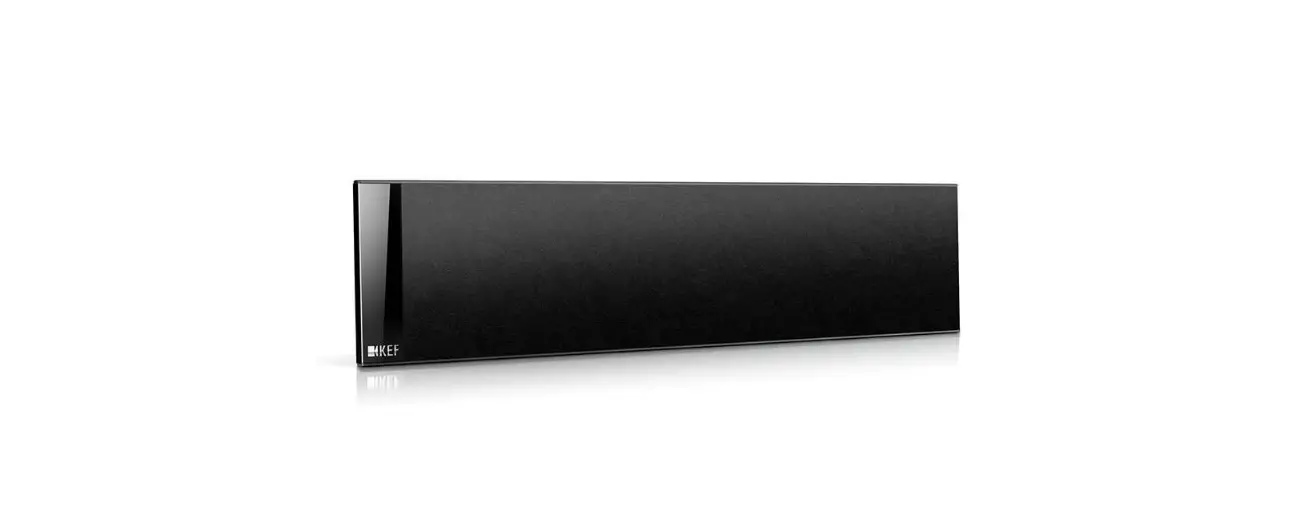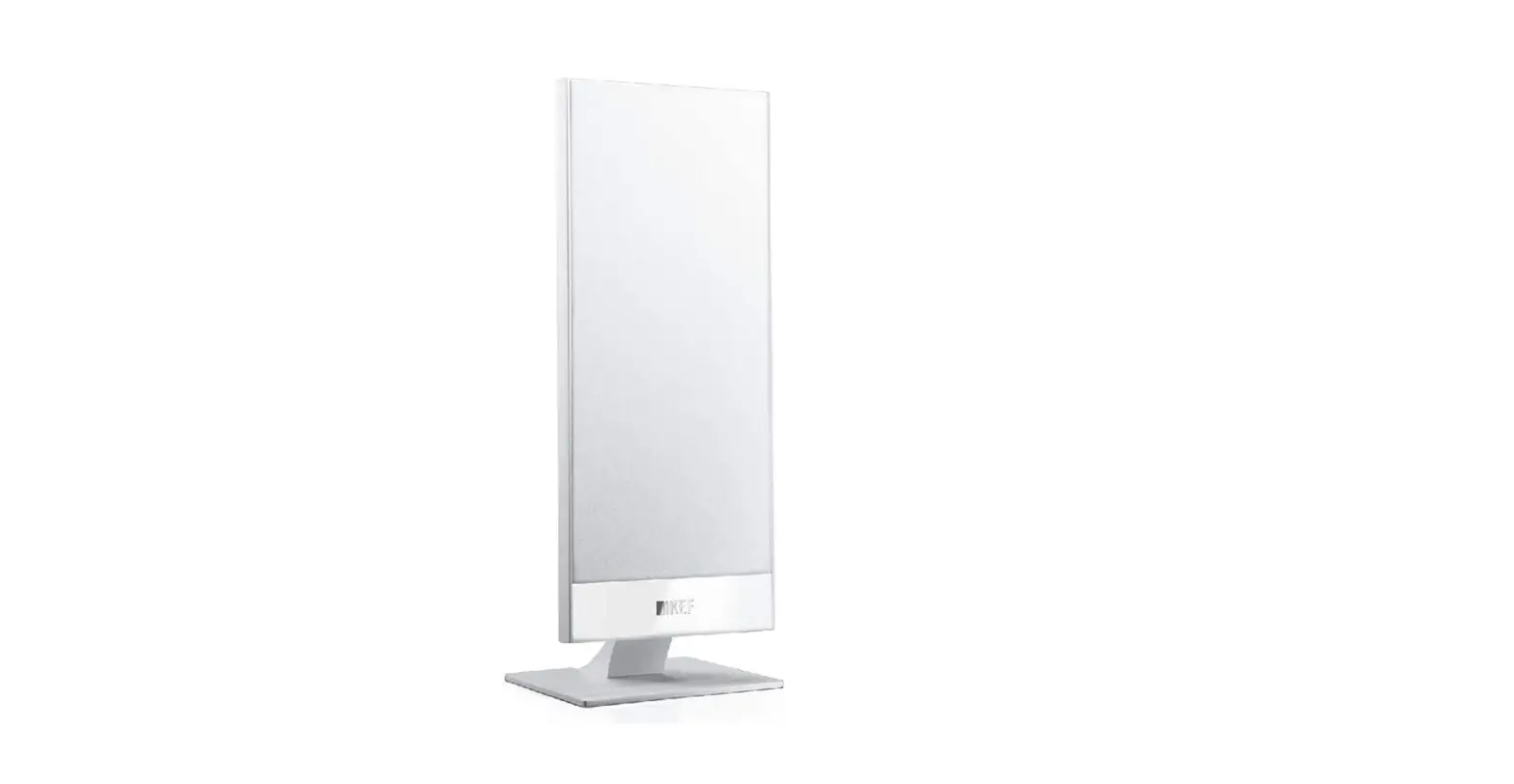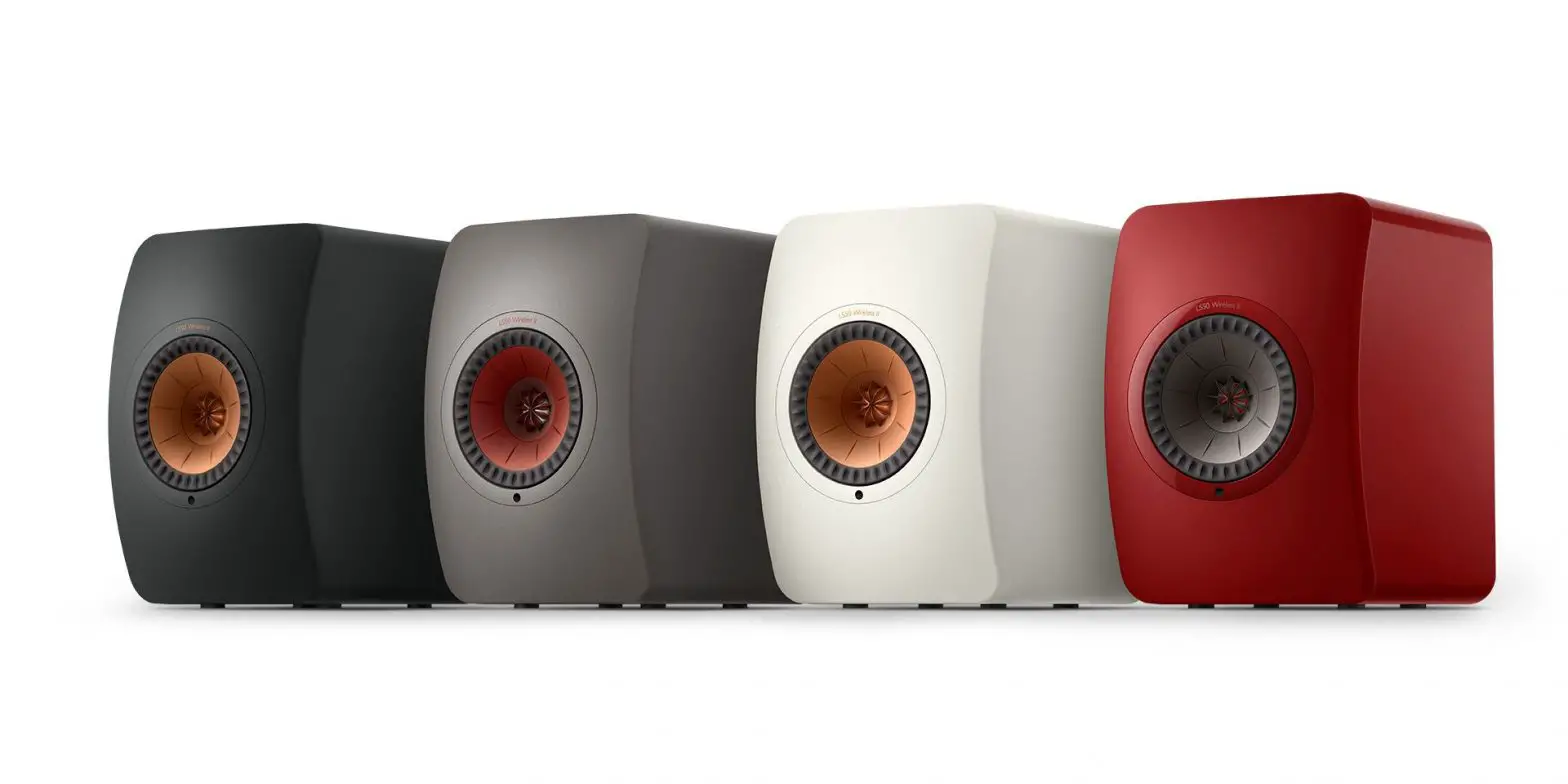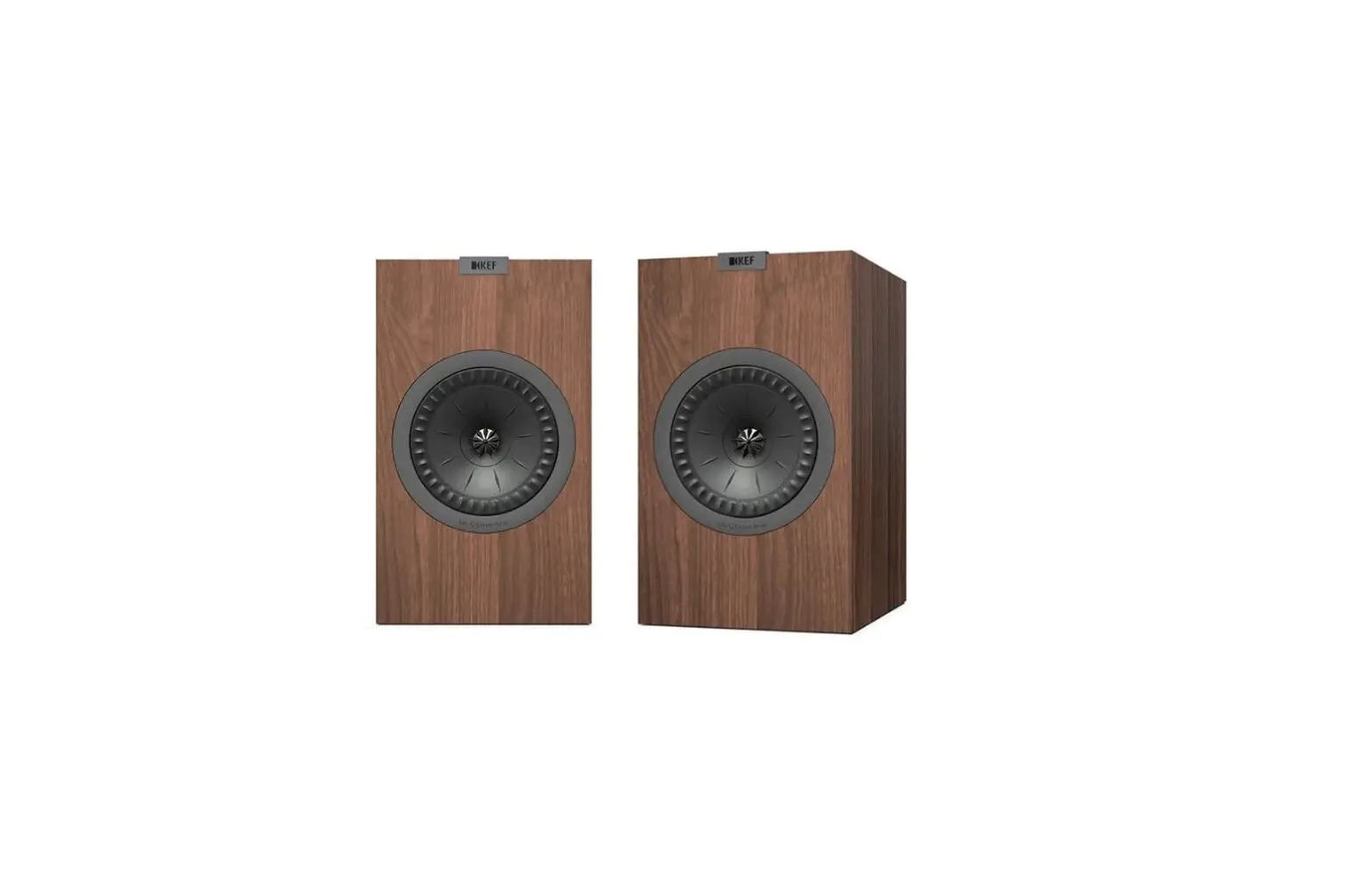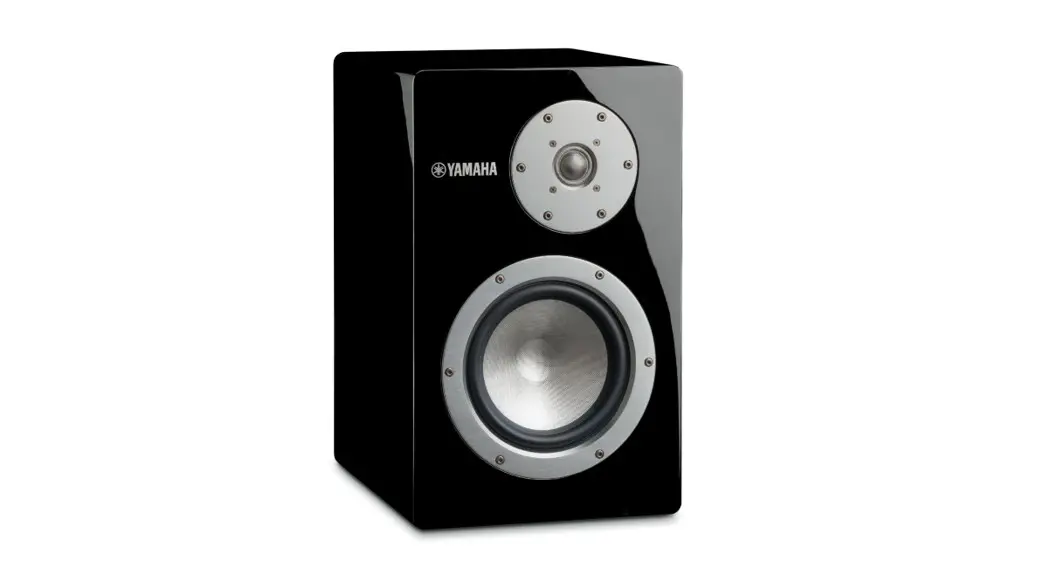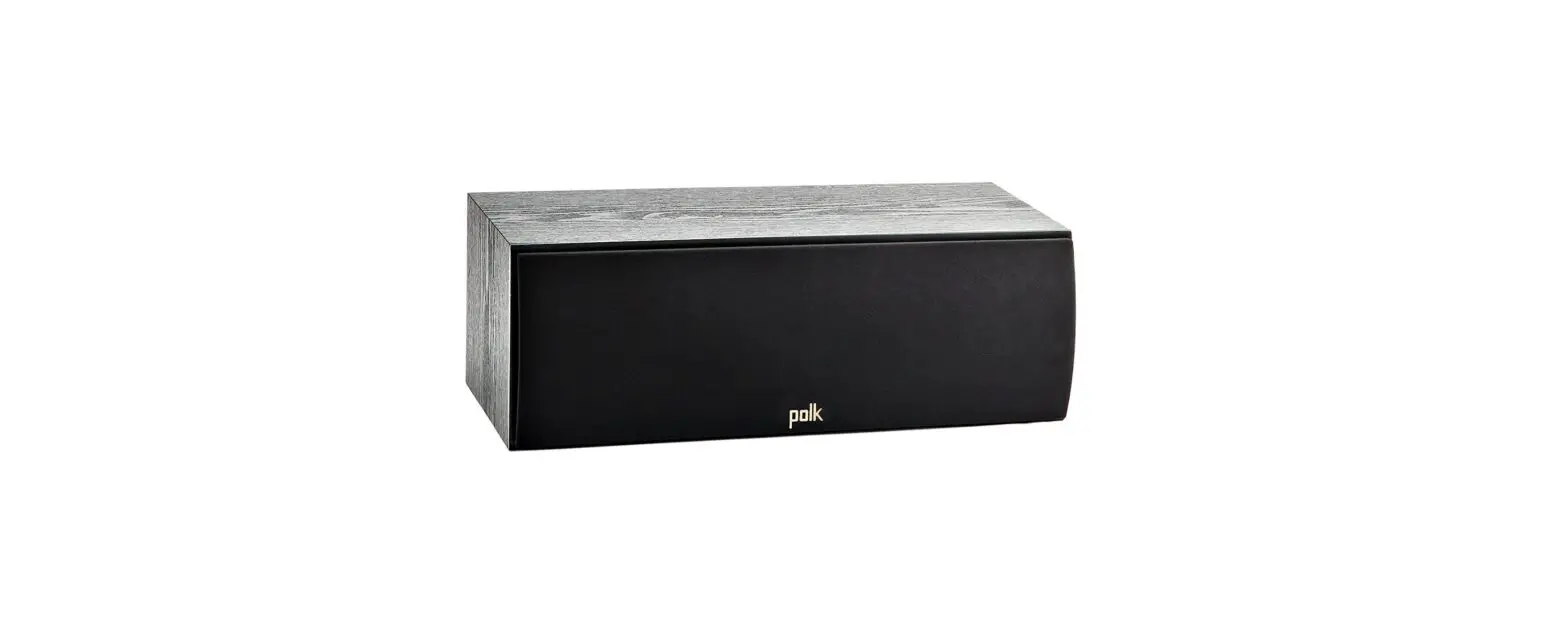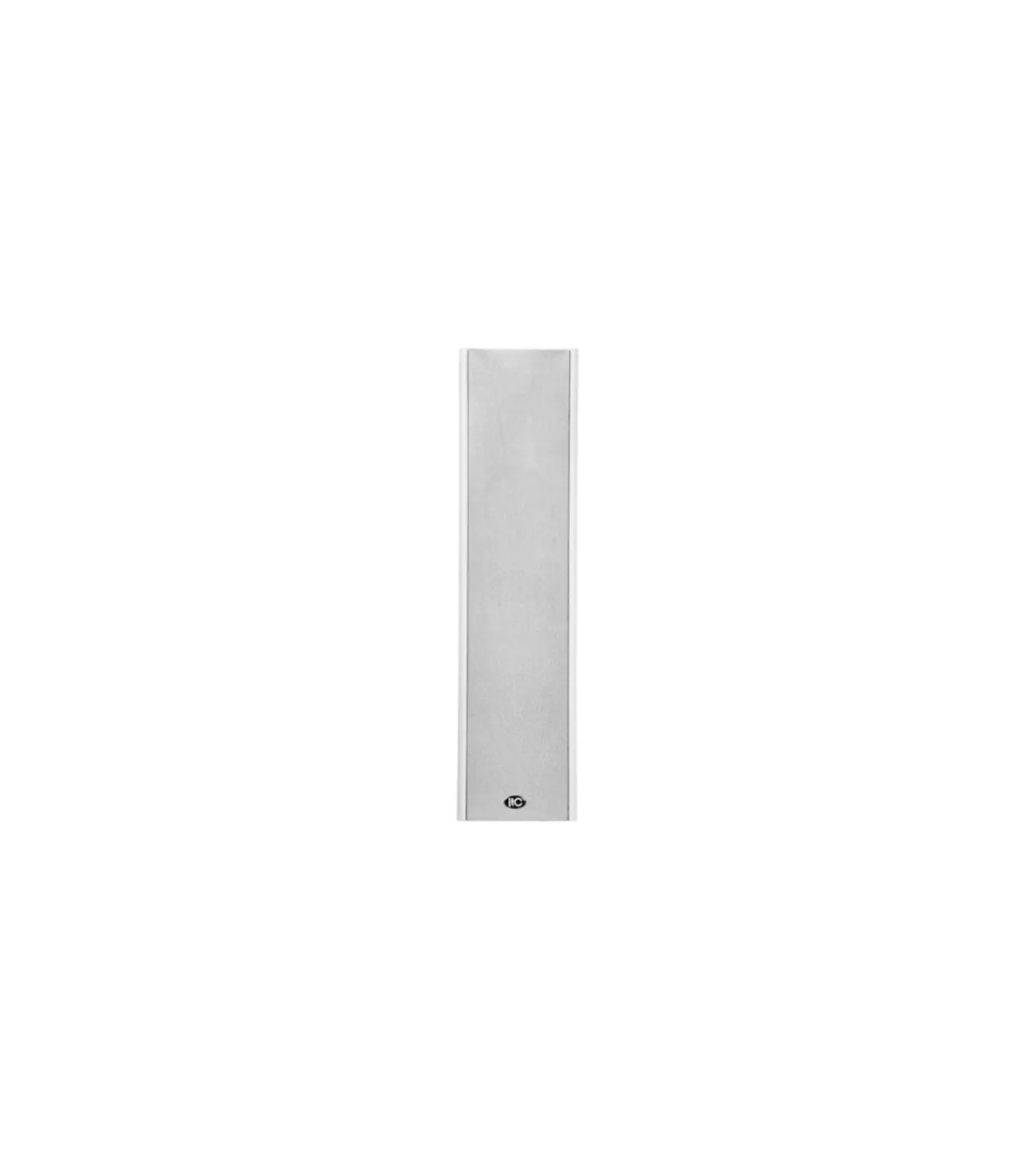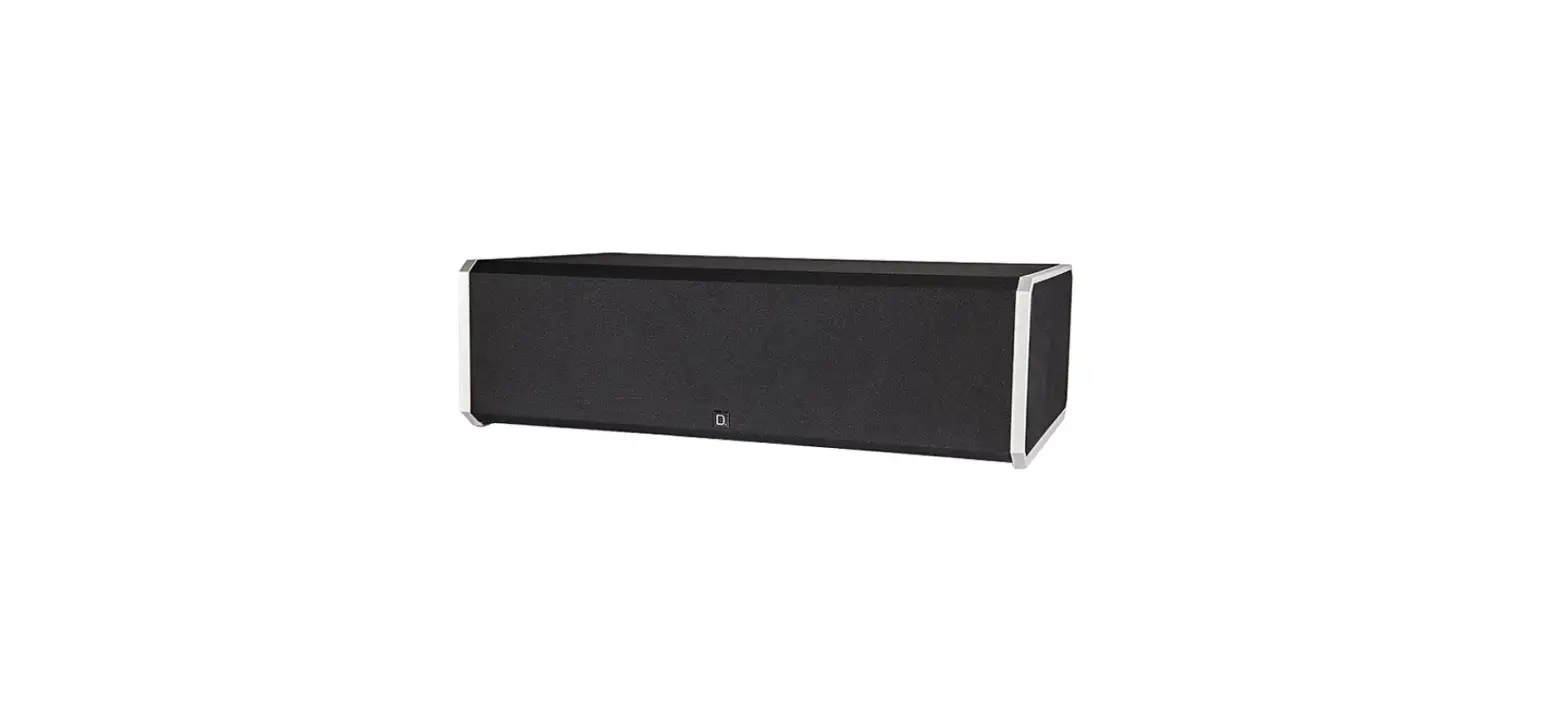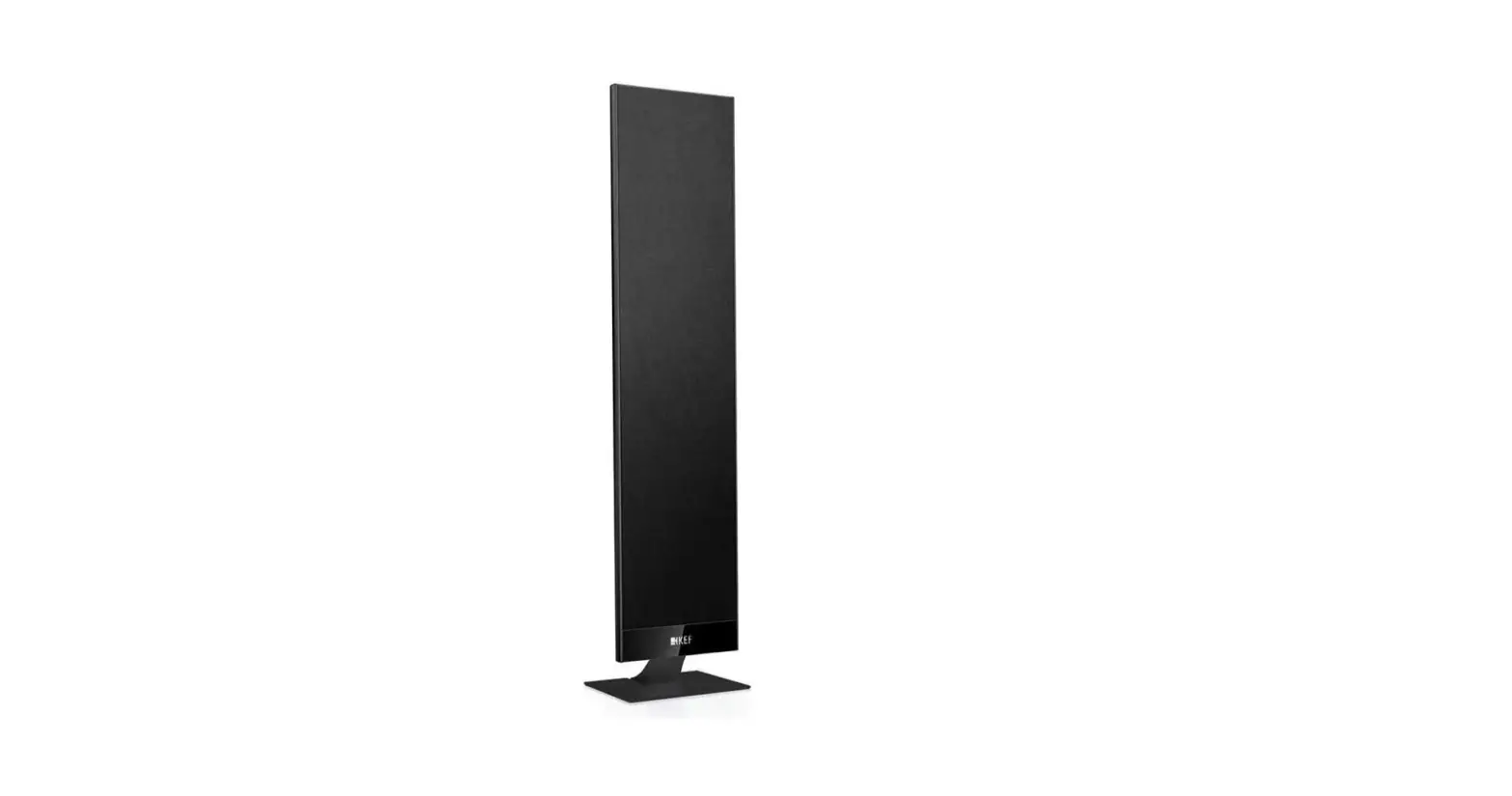

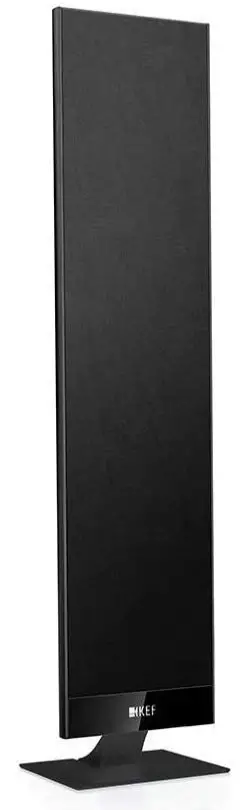
KEF T101 Satellite Speaker
Specifications
- DIMENSIONS: 140 x 600 x 35 mm (5.5 X 23.6 X 1.4 in.)
- WEIGHT:5kg (3.3lbs.)
- FREQUENCY RESPONSE: 80Hz – 30kHz
- AMPLIFIER: 10-150W
- DESIGN: Ultra-Thin Satellite
- CROSSOVER FREQUENCY:7kHz
- IMPEDANCE: 8 ohms
- DESIGN: Two and a half-way closed box
- DRIVE UNITS: 2 x 11.5mm (4.5in.) dual layer MF 25mm (1 in.) aluminum HF
Introduction
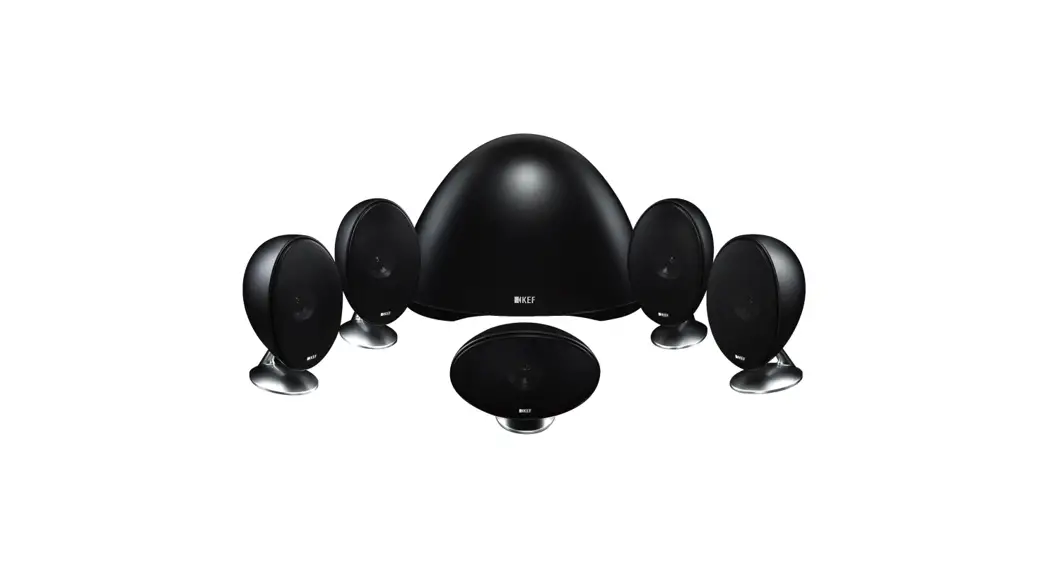
The T301 Satellite Speaker is a regular component of the T305 and T205 Home Theater Systems, but it also enhances any surround sound setup beautifully.
The T301 satellite speaker, one of the smallest speakers in the world at only 1.5 inches thick, combines a number of ground-breaking cutting-edge driver technologies inside a chic shell. The T301 is intended to be wall mounted (hardware included), installed on the included desk stands, or put on the T Series floor stands.
Thank you for purchasing the T Series. We are confident that it will provide reliable, high performance sound for many years to come. Please read this manual fully before you attempt any connections to the T Series.
Using the manual
The following icons are used throughout this manual to help you safely install your new speakers. Please follow them carefully.
Important points
- Follow this manual carefully for best results from your speakers
- Clean with a dry lint free cloth.
- Read and return warranty card.
- Do not use spirit based cleaners.
- Avoid damp
- Avoid temperature extremes.
- Avoid direct sunlight.
- SAFETY NOTICE! Trailing cables are dangerous, secure all cables.
Advisable cable length

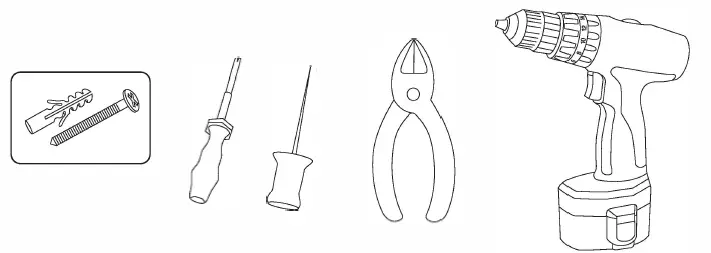
Equipment provided

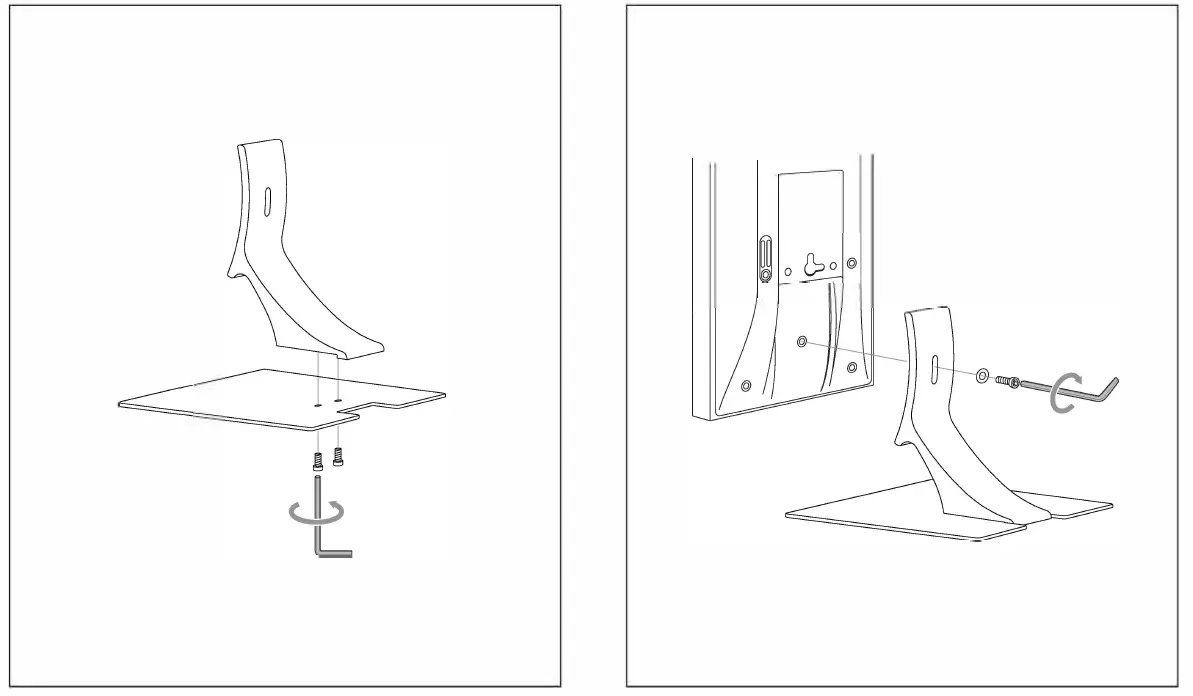
Attaching base

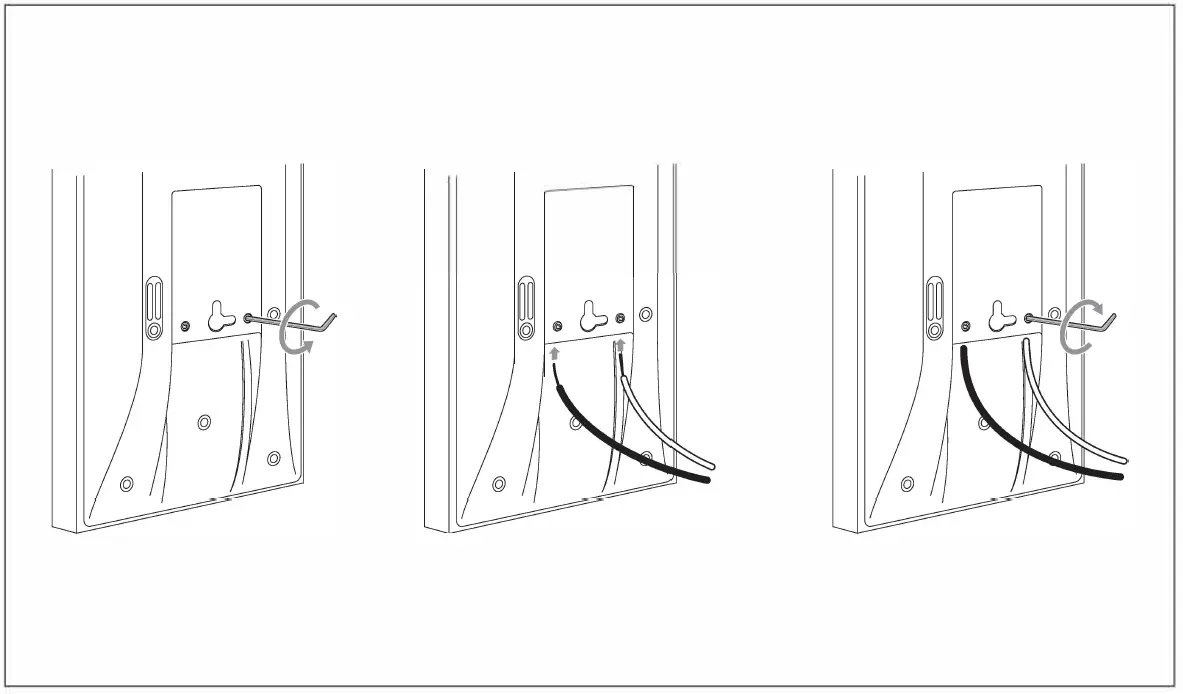
Connections
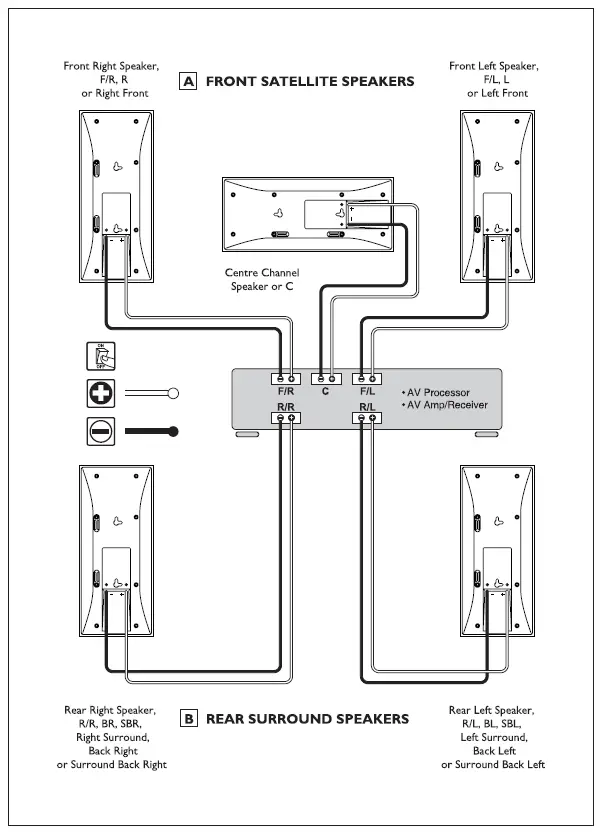
Positioning

*Not included

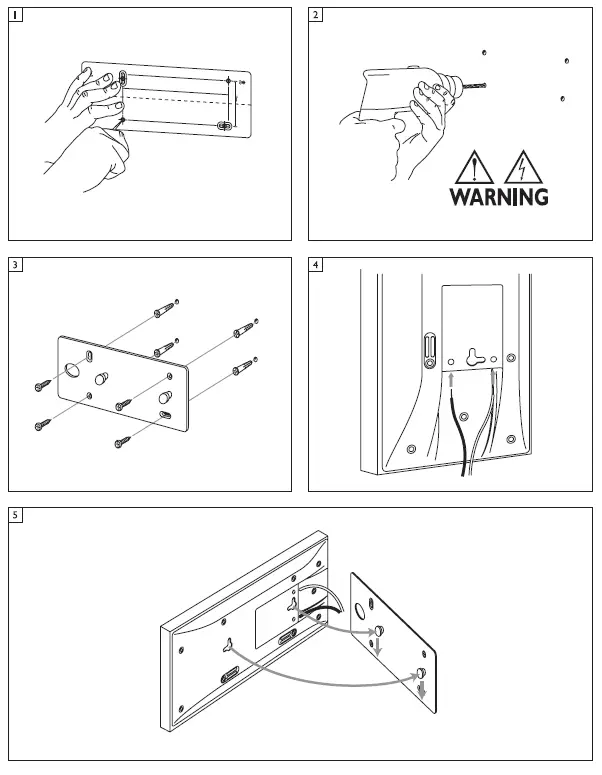
Wall mounting
Warning
Warning – No attempt should be made to install these loudspeakers unless you are sure that you will not be cutting through electric cables, water or gas pipes, or supporting joists.


Calibration

IMPORTANT
AV SPEAKER CONFIGURATION SETTINGS
These satellite loudspeakers must be used set as ‘SMALL’ in the bass management menu on the AV amplifier/receiver. Please refer to the table below.
Bass output must be sent to ‘SUBWOOFER’ not ‘MAIN’ or ‘BOTH.

This ensures that the system will reproduce high SPL, undistorted sound and is the correct set up for any small loudspeaker.
Failure to do this will reduce the sonic quality of your system and, over a long time period, could result in damage to the satellite loudspeakers since high level, low frequency signals are sent to the small satellite loudspeakers.
FREQUENTLY ASKED QUESTIONS
No, they aren’t Bluetooth.
Although the tweeter cannot be adjusted, the speakers are excellent at filling the space wherever they are positioned.
Yes, they come with wall mounting.
Although the tweeter cannot be adjusted, the speakers are excellent at filling the space wherever they are positioned.
Yes, they require an amplifier.
The British company KEF designs and manufactures a wide range of high-end audio equipment, such as Hi-Fi speakers, subwoofers, architectural speakers, wireless speakers, and headphones.
Whether you’re looking for a low-cost or high-quality one, satellite speakers are a possibility to consider.
Satellite speakers, which are typically utilized in a 2.1, 5.0, or 5.1 configuration, are extremely useful in small to medium-sized settings.
Satellite speakers help the total system achieve less sound distortion by focusing on higher frequencies. Bookshelf speakers are capable of handling more frequencies.
They are made to KEF’s strict standards, are great all-rounder, and don’t need much positioning. If your bank account is in good shape, they are priceless.
The left and right front channels’ speaker placement should be at least 6 to 8 feet apart and form an equal-distance triangle with the listener’s primary location for the best stereo image.
In the space, the front speakers should be placed a little lower than the surround speakers.
Yes, you may use any speaker you choose as long as you can attach it properly. Overhead/height speakers for Atmos don’t do anything special other than being placed over your head.
Yes, the majority of wireless speakers use AC adaptors to connect to regular outlets or power strips.
The stereo speakers’ spacing should correspond to how far away from the television you are seated. Each stereo speaker has to be 3 feet away from the television, for instance, if you are seated 6 feet from the television. Your television’s center should be in line with the center of the center speaker.
The picture would be distorted if you kept the speakers close to them in the past (unless they were insulated). Since nearly all modern TVs are LCD, LED, 4K, etc., you may place any speaker next to them without encountering any problems.