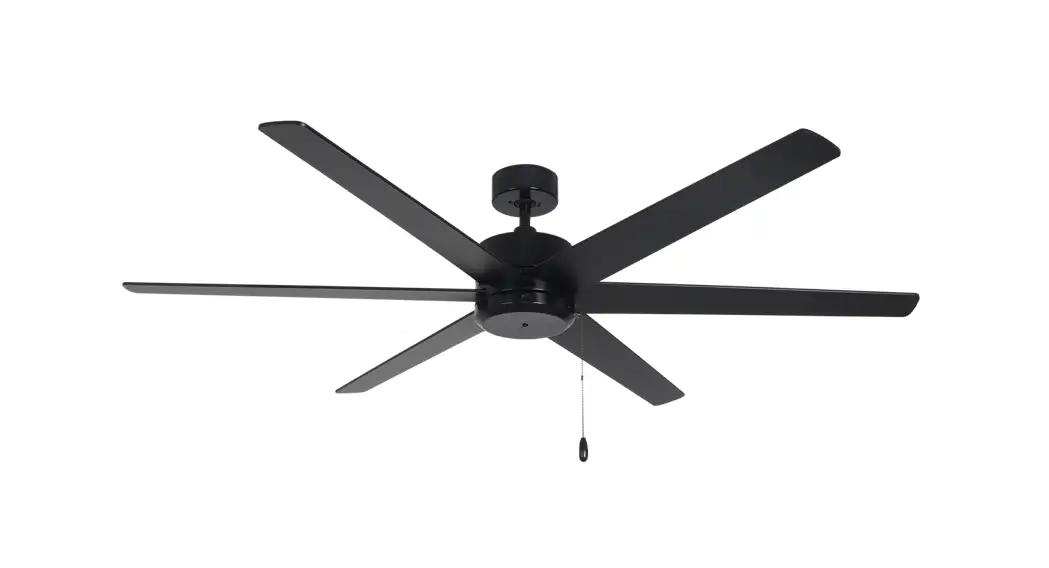
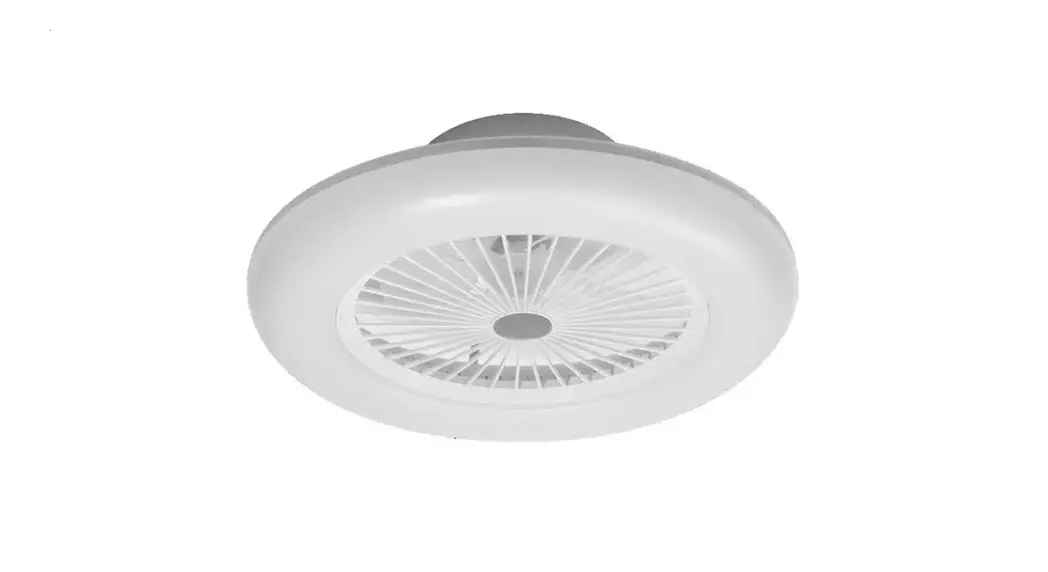
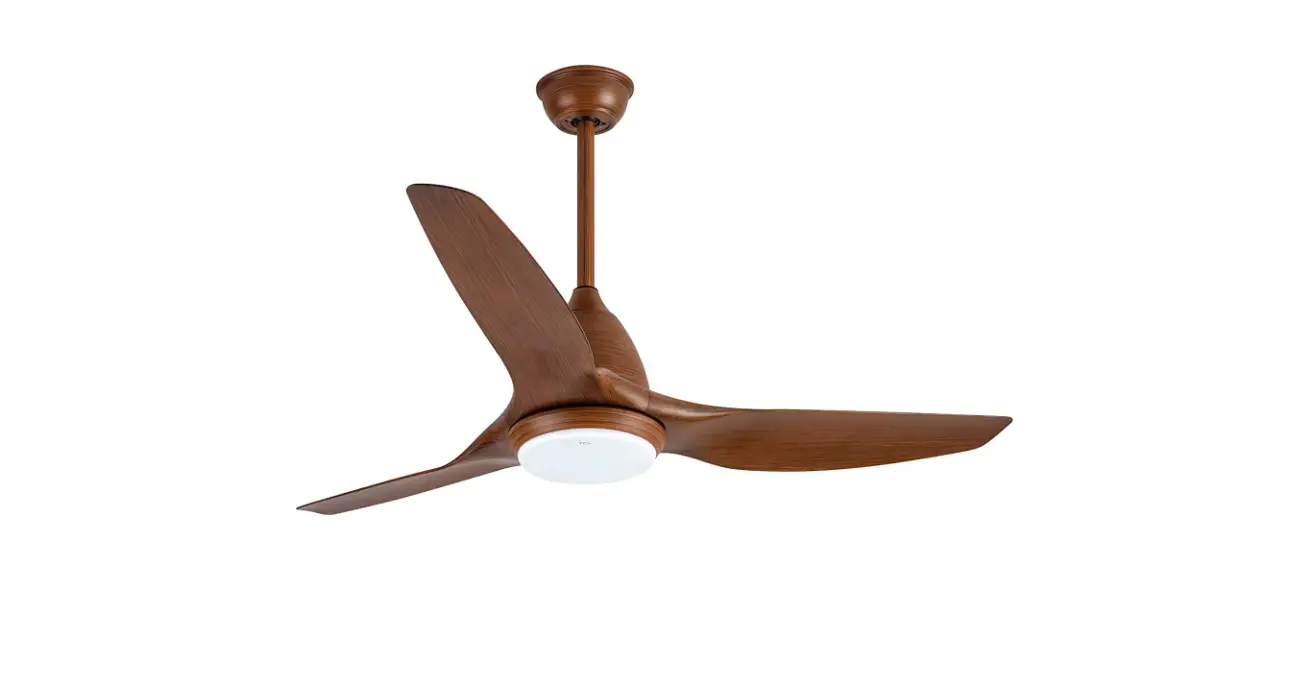
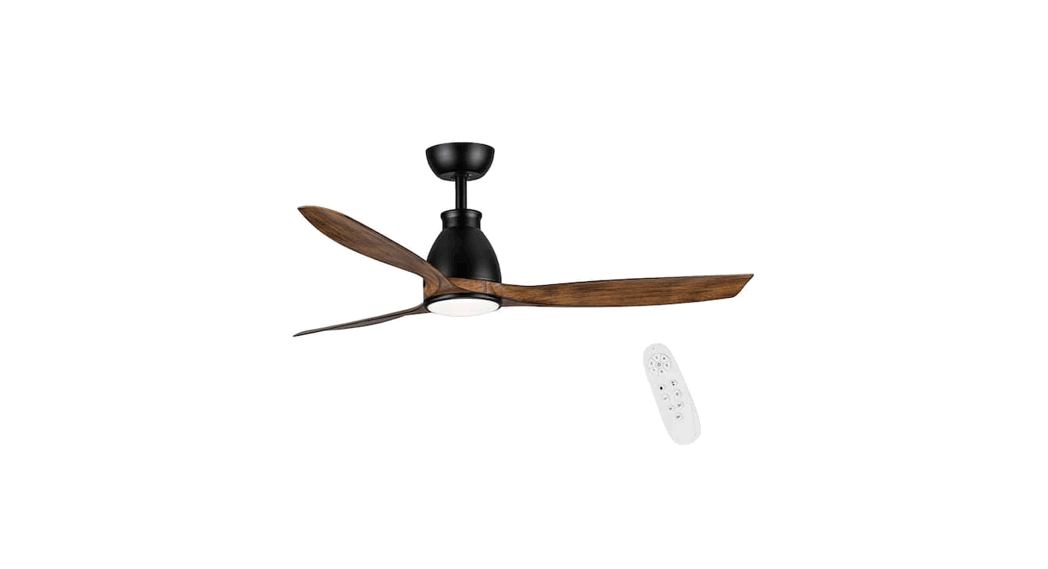
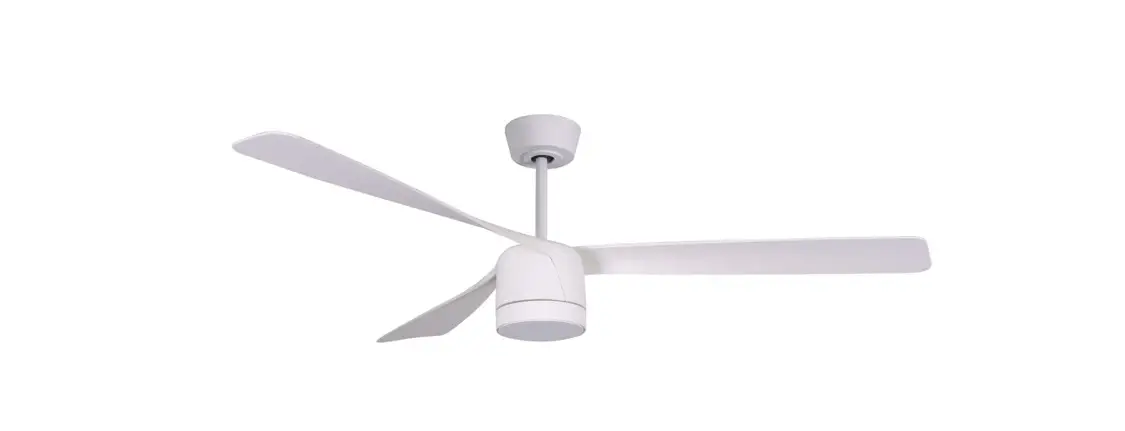
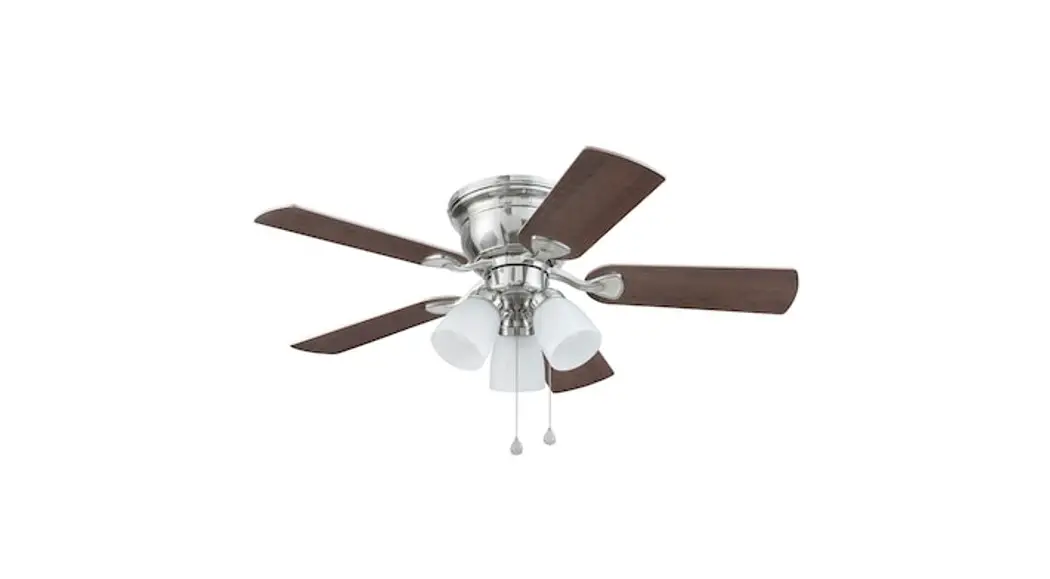
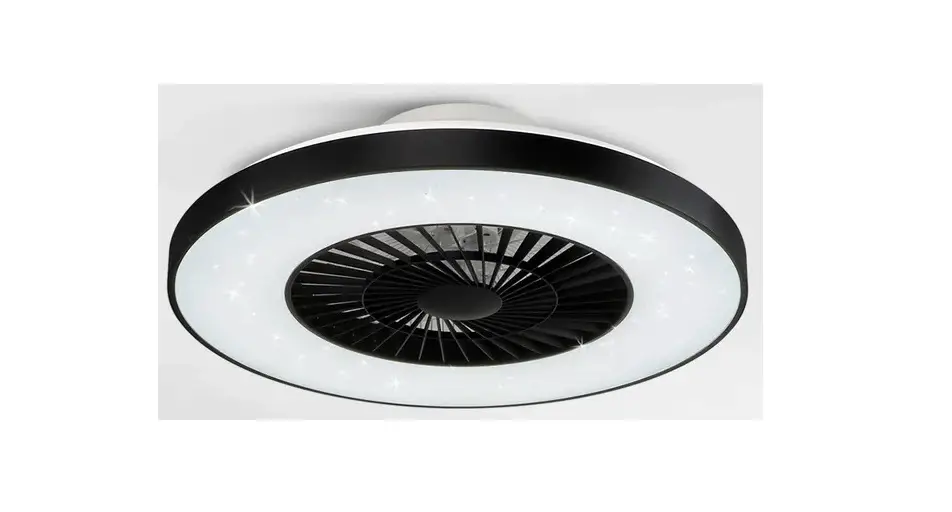
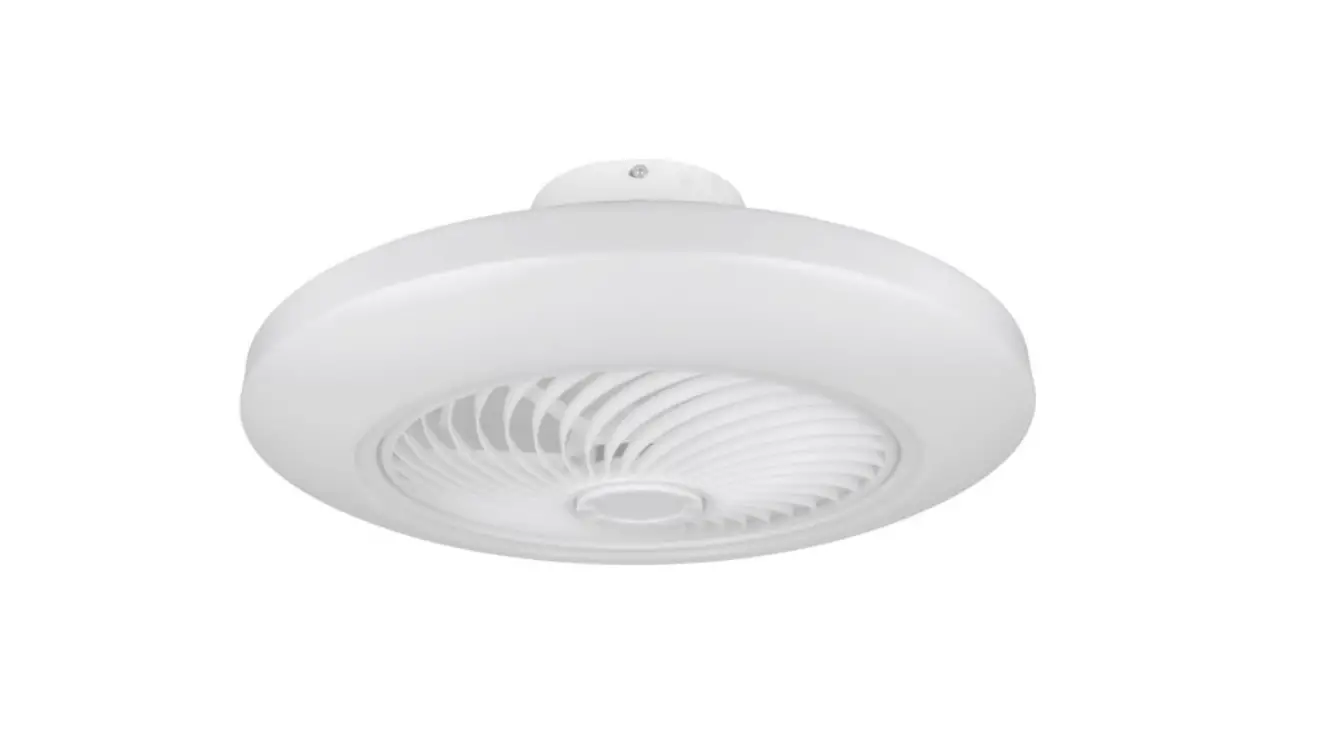
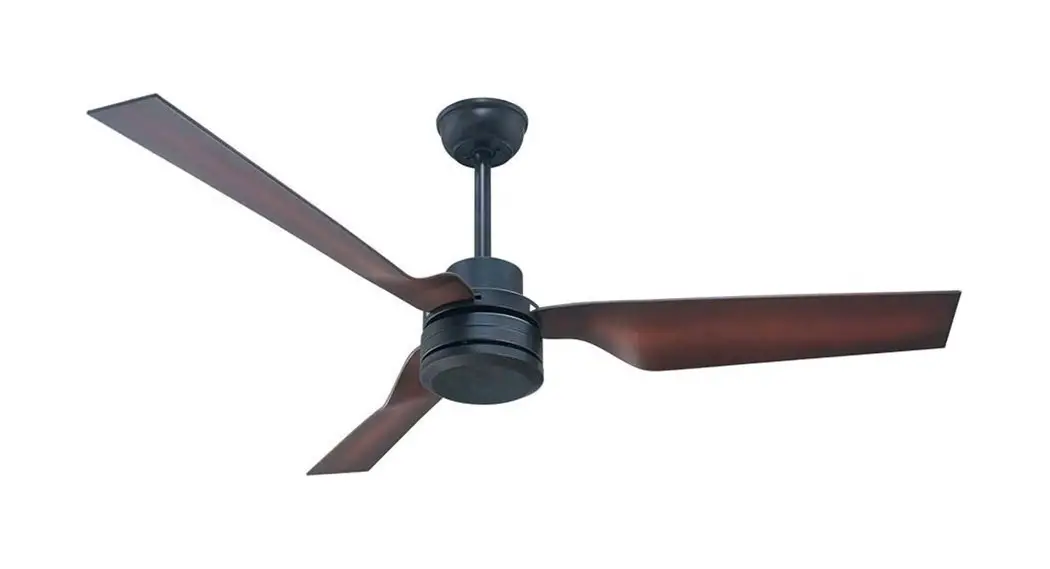
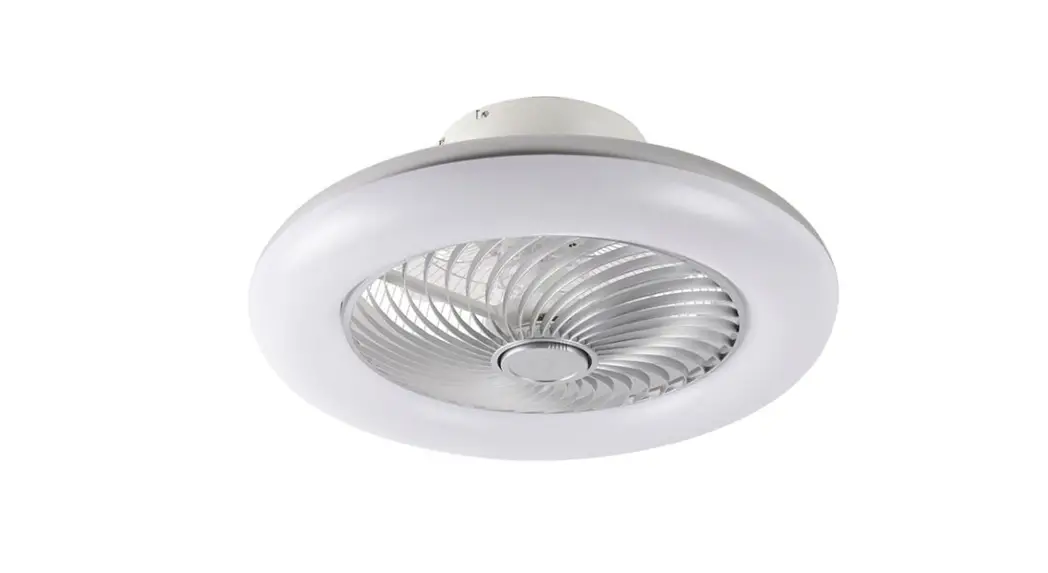
1073L Ceiling Fan
Product Information: Ceiling Fan Model No.: 1073L /1073N
The Ceiling Fan Model No.: 1073L /1073N is a high-quality
product designed to enhance your home’s comfort. It comes with an
installation kit, blade balancing kit, and a remote control
(Emitter) for ease of use. This ceiling fan has a weight of at
least 100 pounds (45 kg) and is suitable for mounting on a ceiling
junction box. The fan must be grounded to avoid any branching that
may be dangerous to people.
Safety Precautions
Before installing the ceiling fan, ensure that all electrical
connections are in compliance with local laws, regulations, and
national electrical codes. If you are not familiar with electrical
installation and wiring, please hire a qualified electrician or
consult the wiring manual.
- All electrical connections and disconnections should be
performed by a qualified electrician for safety reasons. - Ensure that the general power supply is disconnected by
removing the corresponding fuse or disarming the protective switch
before performing any action for the electrical connection of the
device. - When deciding where to mount the fan, ensure there is at least
30 inches (76 cm) of space between the fan and any wall or
obstruction that the fan blades could collide with. After mounting,
ensure that the blades are no less than 7ft (2.1 m) above the
ground. - The anchor point for the fan must be able to support a weight
of at least 100 pounds (45 kg). - The fan’s electrical connection must be grounded to avoid any
branching that may be dangerous to people. - Do not connect the fan’s power supply to any dimmers,
potentiometers, or light switches, as it will cause the fan to
malfunction and/or damage the motor. The fan must be directly
connected to a properly protected installation
circuit(magnetothermal differential switch with the adequate size
for the fan’s consumption and technical specifications). Only use
the fan’s control to turn it on or stop it. - It is recommended not to use these types of fans along with gas
installations simultaneously in the same room. - The fan must come to a complete stop before changing its
direction of rotation to prevent damage to its motor and control
unit. - Do not insert anything that could hit the fan’s blades into its
pathway while it is moving, as this could cause damage to people,
can damage the blades, and can offset the balance of the unit,
causing vibrations and wobbling.
Installation Instructions
Pre-Installation
Before installing the ceiling fan, ensure that you have the
following tools:
- Screwdriver
- Wire stripper
- Wire cutter
- Pliers
- Wrench
Ensure that you have received the following items:
- Installation kit
- Blade balancing kit
Installation Steps
Follow these steps to install your ceiling fan:
Step 1: Ceiling bracket installation
- Remove the ceiling bracket cover.
- Attach the ceiling bracket to the ceiling junction box using
screws provided. - Thread the wires through the center hole of the ceiling
bracket. - Secure the ceiling bracket to the junction box using screws
provided.
Step 2: Receiver and wiring installation
- Remove the receiver cover.
- Connect the black wire from the ceiling to the black wire from
the receiver using wire nuts provided. - Connect the blue wire from the ceiling to the blue wire from
the receiver using wire nuts provided. - Connect the white wire from the ceiling to the white wire from
the receiver using wire nuts provided. - Connect the green/yellow wire from the ceiling to the
green/yellow wire from the receiver using wire nuts provided. - Secure the receiver to the ceiling bracket using screws
provided. - Attach the canopy to the ceiling bracket using screws
provided.
Step 3: Light kit installation
- Remove the light kit cover.
- Connect the black wire from the light kit to the blue wire from
the receiver using wire nuts provided. - Connect the white wire from the light kit to the white wire
from the receiver using wire nuts provided. - Secure the light kit to the canopy using screws provided.
Step 4: Blade installation
- Attach each blade to a blade iron with screws provided.
- Attach each blade iron to the motor using screws provided.
- Use a blade balancing kit to ensure that all blades are
balanced and aligned properly.
Step 5: Switch on and ceiling fan works
Once the installation is complete, turn on the power and use the
remote control (Emitter) to operate the ceiling fan. Ensure that
the fan is functioning properly and that all blades are rotating
smoothly.
Remote Control (Emitter) Operation
Use the remote control (Emitter) to operate the ceiling fan.
Follow these steps:
- Use the On/Off button to turn the fan on or off.
- Use the Speed button to change the fan speed.
- Use the Light button to turn the light on or off.
- Use the Timer button to set a timer for the fan to turn off
automatically. - Use the Reverse button to change the direction of the fan’s
rotation.
Troubleshooting
If you encounter any issues with your ceiling fan, consult the
Troubleshooting section in the user manual. If you are unable to
resolve the issue, contact a qualified electrician for assistance.
Do not attempt to repair or modify the fan yourself.
Balancing
Use a blade balancing kit to ensure that all blades are balanced
and aligned properly. This will prevent vibrations and wobbling
during operation.
Model No.: 1073L /1073N
Ceiling Fan
Installation Instructions
THANK YOU We appreciate the trust and confidence you have placed in us through the purchase
of this ceiling fan.We strive to continually create quality products designed to enhance your home.
Thank you for choosing us!
Table of contents
Table of contents
1
Safety Precautions
2
Warranty
3
Pre-Installation
Tools needed
3
Installation kit
4
Blade balancing kit
4
Specification
5
Installation
Step 1 (Ceiling bracket installation )
6
Step 2 (Receiver and wiring installation)
7
Step 3 (Light kit installation)
9
Step 5(Switch on and ceiling fan works)
10
Remote Control ( Emitter ) Operation
11
TroubleShooting
12
Balancing
13
.1.
Safety Precautions
The information contained in the following pages has been prepared to ensure your maximum enjoyment of your fan Please remove the fuse or turn off the circuit breaker to cut off the power before installing the fan. Ensure all electrical connections are in compliance with local laws, regulations and national eletrical codes. If you are not familiar with electrical installation and wiring, please hire a qualified electrician or consult the wiring manual.
1. For your safety, all electrical connections and disconnections should be performed by a qualified electrician.
2. Any action performed for the electrical connection of the device must be carried out after ensuring that the general power supply is disconnected,by removing the corresponding fuse or disarming the protective switch in order to ensure total isolation of the power supply.
3. When deciding where to mount the fan, be sure that there is at least 30 inches(76 cm) of space between the fan and any wall or other obstruction that the fan blades could collide with. The greater this distance, the more effective the air flow produced.After the fan is mounted, be sure that the blades are no less than 7ft(2.1 m) above the ground.
4 . The anchor point for the fan must be able to support a weight of at least 100 pounds(45 kg). If mounting on a ceiling junctionbox, be sure that the fan is adequately supported to prevent loosening or turning.
5. The fan’s electrical connection must be “grounded” (the fan’s ground cable connected to the installation’s grounding network) in order to avoid any branching that may be dangerous to people.
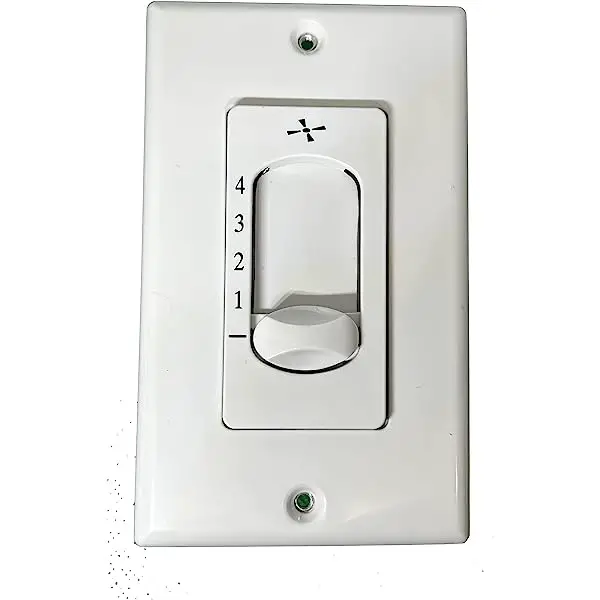
6. Do not connect the fan’s power supply to any dimmers,potentiometers, or light switches, as it will cause the fan tomalfunction and/or will damage the motor. The fan must be directly connected to a properly protected installation circuit(magnetothermal differential switch with the adequate size for the fan’s consumption and technical specifications).Only use the fan’s control to turn it on or stop it.
7. It is recommended to not use these types of fans along with gas installations simultaneously in the same room.
8. The fan must be not be moving and must have come to a complete stop before changing its direction of rotation.This will prevent damage to its motor and to the control unit, when applicable.
9. Do not insert anything that could hit the fan’s blades into its pathway while it is moving, as this could cause damage to people, can damage the blades, and can offset the balance of the unit, causing vibrations and wobbling.
10. After installing the fan, ensure that all fastenings aresecure and tightened in order to avoid any noise caused by loose elements.
11. Due to the fan’s movement, certain fastenings may become loose. Check all fastenings twice per year at a minimum in order to ensure that they are sufficiently tight. If necessary, they must be retightened.
12. The motor housing can be cleaned with a soft brush or a lint-free cloth to avoid scratching the surface. Clean the blades with a lint-free cloth. Important: Turn off the main power supply before starting any maintenance. Do not clean the fans with water or a damp cloth.
Note: The important warnings and instructions indicated in this manual are not guaranteed to cover all possible conditions and situations that may occur. It must be understood that common sense, precaution, and care are factors that cannot be included in all products. These factors can and must only be provided by the user who maintains and enjoys this fan.
.2.
Warranty
The manufacturer warrants the fan motor to be free from defects in workmanship and material present at time of shipment from the factory for a period of lifetime after the date of purchase by the original purchaser. The manufacturer warrants the light kit (excluding any glass), to be free from defects in workmanship and material at the time of shipment from the factory for a period of three years after the date of purchase by the original purchaser. The manufacturers also warrants that all other fan parts, excluding any glass or acrylic blades, to be free from defects in workmanship and material at the time of shipment from the factory for a period of one year after the date of purchase by the original purchaser. We agree to correct such defects without charge or at our option replace with a comparable or superior model if the product is returned. To obtain warranty service, you must present a copy of the receipt as proof of purchase. All costs of removing and reinstalling the product are your responsibility. Damage to any part such as by accident, misuse, improper installation or by affixing any accessories, is not covered by this warranty. Because of varying climatic conditions this warranty does not cover any changes in brass finish, including rusting, pitting, corroding, tarnishing or peeling. Brass finishes of this type give the longest useful life when protected from varying weather conditions. A certain amount of “wobble” is normal and should not be considered a defect. Servicing performed by unauthorized persons shall render the warranty invalid. There is no other express warranty. We hereby disclaim any and all warranties, including but not limited to those of merchantability and fitness for a particular purpose to the extent permitted by law. The duration of any implied warranty which cannot be disclaimed is limited to the time period as specified in the express warranty. Some states do not allow limitation on how long an implied warranty lasts, so the above limitation may not apply to you. The retailer shall not be liable for incidental, consequential, or special damages arising out of or in connection with product use or performance except as may otherwise be accorded by law. Some states do not allow the exclusion of incidental or consequential damages, so the above exclusion or limitation may not apply to you. This warranty gives specific legal rights, and you may also have other rights which vary from state to state. This warranty supersedes all prior warranties. Shipping costs for any return of product as part of a claim on the warranty must be paid by the customer.
Pre-Installation
Tools Needed
.3.
Pre-Installation Installation kit
AA
BB
CC
Part
Description
AA
Blade attachment screw with lock washer
BB
Wire nut
CC
Screws A
DD
Screws B
Blade balancing kit
DD
Quantity 7 5 2 4
.4.
Pre-Installation Specification
A
E
B
3
2
4
1
5
6
(1073-3 N) or (1073-3 L) Z Z Z
1H
3H
6H
C
D
Part Description
A
Bracket
B
Body/motor
C
Light kit
D
Light cover
E
Blades
F
Receptor
G
Remote control
H
Battery
.5.
AAA 1.5V
F
G
H
Quantity 1 1 1 1 3 1 1 2
Installation
Step 1 (Ceiling bracket installation and fan into the installed Bracket.) æ Turn off the fan power supply at the circuit breaker box and the wall switch.
OFF
ç Choose the following installation methods according to the actual situation of the roof.
ACCEPTABLE FOR FAN SUPPORT
Electrical Outlet Box
or
Solid wood roof
.6.
Installation
Step 2 (Wiring and fan into the installed Bracket.) æ Connect the wires according to the polarity (the color of the House power cord may be
different if the color is the same).
House power wire
Intput wire
For light To motor Output Wire
çPut the receiver into the Bracket and
arrange the wires
èRemove two separated pre-lock
screws from Bracket, and loosen the other two (no need to take them out)
take out
.7.
Installation
é Remove the body from the Bracket hook, lift and rotate the it to make the seven-character
slot of the body is hung on the two nails on the Bracket
ê Tighten the screws
.8.
Installation
Step 3 (Blades and Light kit installation) æ Align the connected blade with the mounting hole, and then fix it with screws.
ç Remove the pre-installed screws.
Connect the light kit cable, and then lock the light kit.(1073-3 N invalid)
Lighting kit Insert
.9.
Installation
è
Installation of light cover (1073-3 N invalid)
Step 4(Switch on and ceiling fan works)
ON
.10.
2
34
16
5
Z Z Z
3H 1H
6H
Remote Control ( Emitter ) Operation
If emitter can not control the fan
1. Please check whether the battery is
æ
ç
è
installed correctly and whether it is
charged. If necessary, replace the
remote control battery.
2. Please check if there are similar
remote control products working
AAA 1.5V
nearby, because remote control products of the same frequency will
é
ê
ë
interfere with each other.
3.Please press and hold the “1”and “2”
buttons at the same time within 10
seconds after the product is powered
on, until you hear two beeps to succeed.
If it doesn’t work, please try again.
3
2
4
Fan Off
1
5
6
Fan Speed (1/2/3/4/5/6)
Z
Z Z
1H
3H
6H
Forward/Reverse LED On/Off Colour Change Sleep Wind Natural Wind
Fan Timer Switch (1hr,3hr,6hr)
.11.
TroubleShooting
WARNING: Make sure the power is off at the electrical panel box before you attempt any repairs.
Problem The fan will not start.
The fan sounds noisy.
The remote control is not working.
Solution Check the main and branch circuit fuses or breakers. Check the line wire connections to the fan and switch wire connections in the switch housing. Check to make sure the frequency switches from the remote control and receiver are set to the same
frequency. Make sure all motor housing screws are snug. Make sure the screws that attach the fan blade to the motor hub are tight. Make sure the wire nut connections are not rattling against each other or the interior wall of the switch
housing. Allow a 24-hour “breaking-in” period. Most noises associated with a new fan disappear during this
time. If using the ceiling light kit, make sure the glassware is secured tightly. Make sure there is a short distance from the ceiling to the canopy. It should not touch the ceiling. Make sure your ceiling box is secure and that rubber isolator pads are used between the mounting
bracket and outlet box. Do not connect the fan with wall mounted variable speed control(s). Make sure the frequency switches are set correctly.
.12.
Balancing Wobbling problems during fan operation
If the fan body wobbles during its operation, this is not a sign of malfunctioning (even if it wobbles a few centimeters). To reduce wobbling, you can turn off the fan,and: 1.Check that all blades are properly fastened by tightening their screws. 2.Check the distance between each blade and the ceiling. Measurements to the ceiling can be carried out as shown in the following diagram. If variations exist and you have already correctly tightened the screws, check that all blades have the same shape. If any of them have a shape that is visibly different, this may be causing an imbalance during fan operation. If you have completed the previous steps and the wobbling has not resolved,you should apply dynamic balancing with the kit provided, as explained below: 1.Turn the fan on to the highest speed so that the greatest amount of wobbling is produced. 2.Turn off the fan. Select a blade and place a clip on it (see diagram) halfway between the fastening and the far edge of the blade. 3.Turn on the fan and check whether the wobbling has improved or gotten worse.Turn it off once again and if the wobbling has not improved, place the clip on another blade. Repeat this process and determine on which blade it improves the wobbling. 4.Leave the clip on the blade that produces the best results. Move the clip forward or backwards on this blade until finding the position that offers the best results. 5.Afterwards, remove the clip and place one of the weights on the upper part of the center line of the blade at the position where the clip was located.
1
2
3
.13.
Ceiling Fan
Retain this manual for future use.
22-07